


The world of interior design moves in cycles. What was once considered dated and unfashionable often returns with renewed energy and a fresh perspective. 70s design aesthetics are experiencing a powerful revival, captivating homeowners and designers alike with their warmth, boldness, and unapologetic personality. From earthy terracotta tones to curved furniture silhouettes, this retro-inspired movement is reshaping modern interiors in exciting ways.
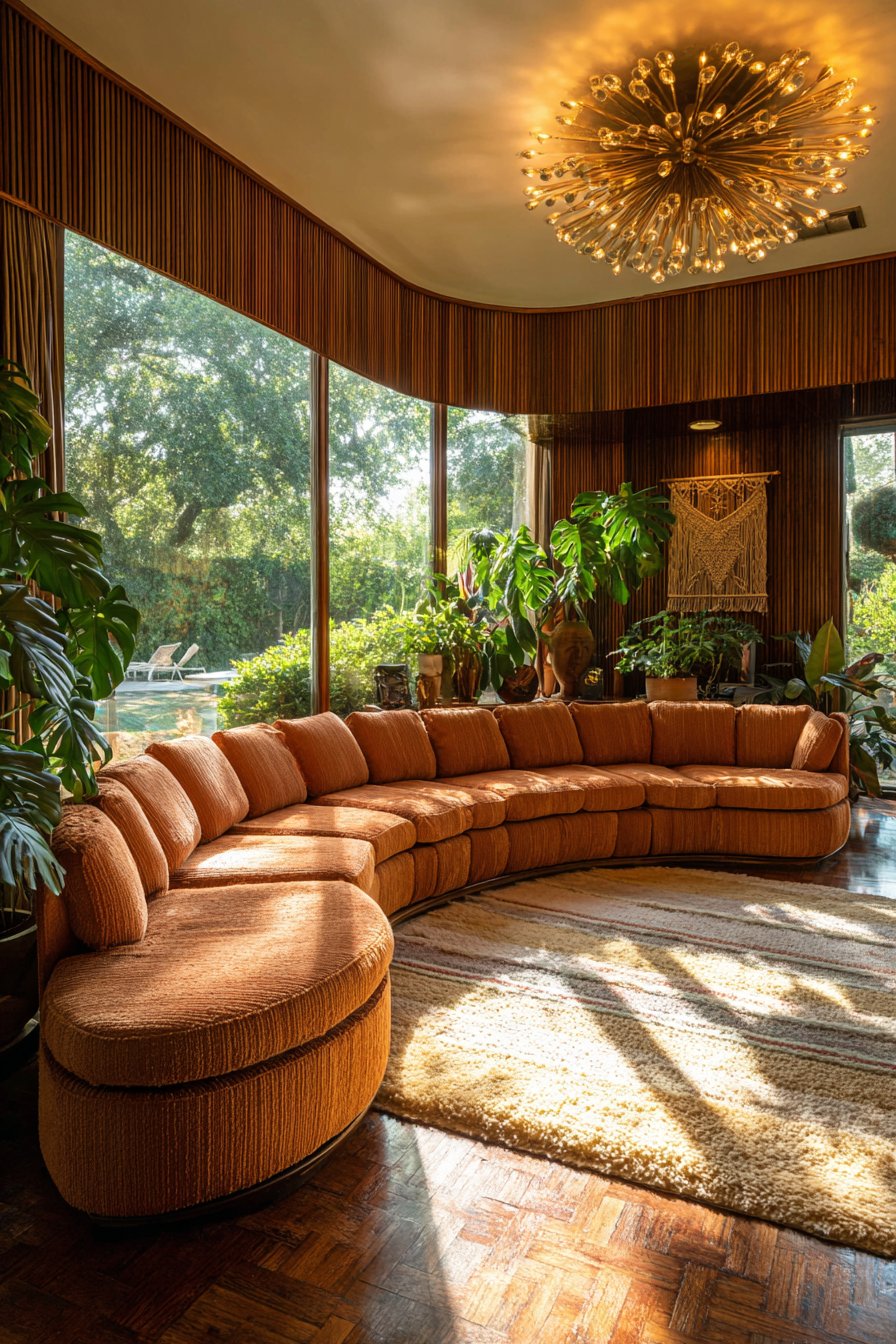
Thoughtful interior design has always been about more than just looks. It reflects who we are, how we live, and what we value. The 1970s design revival speaks to a collective desire for comfort, authenticity, and spaces that feel lived-in rather than sterile. In an era dominated by cold minimalism, the richness of 70s style offers a welcome counterpoint — inviting warmth, texture, and soul back into our homes.
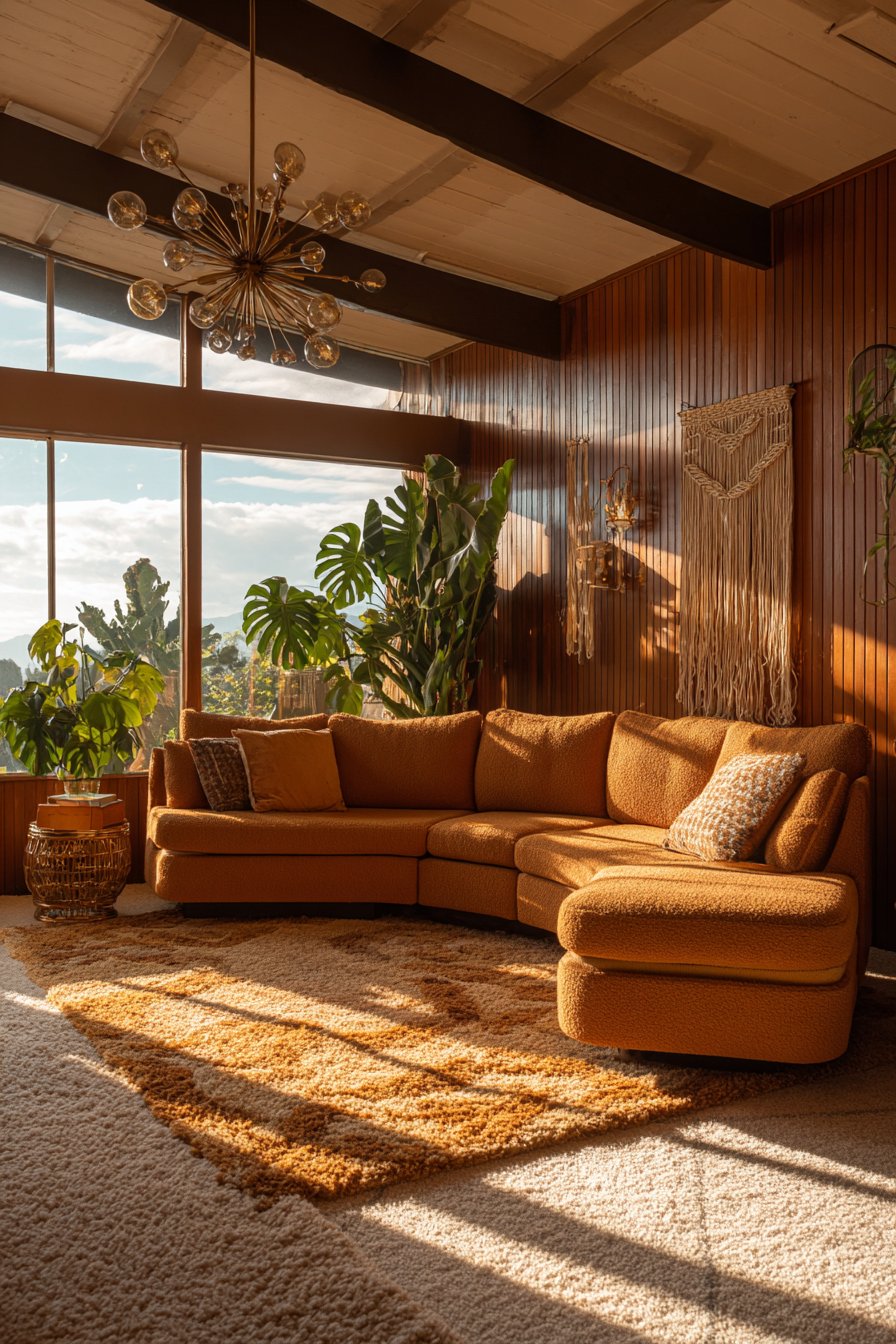
This article explores the defining elements of the 70s resurgence and how you can incorporate them into your own space. Whether you are drawn to earthy color palettes, retro furniture, or groovy patterns, there is something here for every design personality. Read on to discover why this iconic decade is more relevant than ever.
1. Earthy Color Palettes Making a Bold Comeback
Color is the first thing you notice when you walk into a room. In the 1970s, interiors were defined by deeply saturated, nature-inspired hues — burnt orange, avocado green, harvest gold, and warm brown. These colors are back in a big way, appearing in everything from wall paint to upholstery and ceramics.
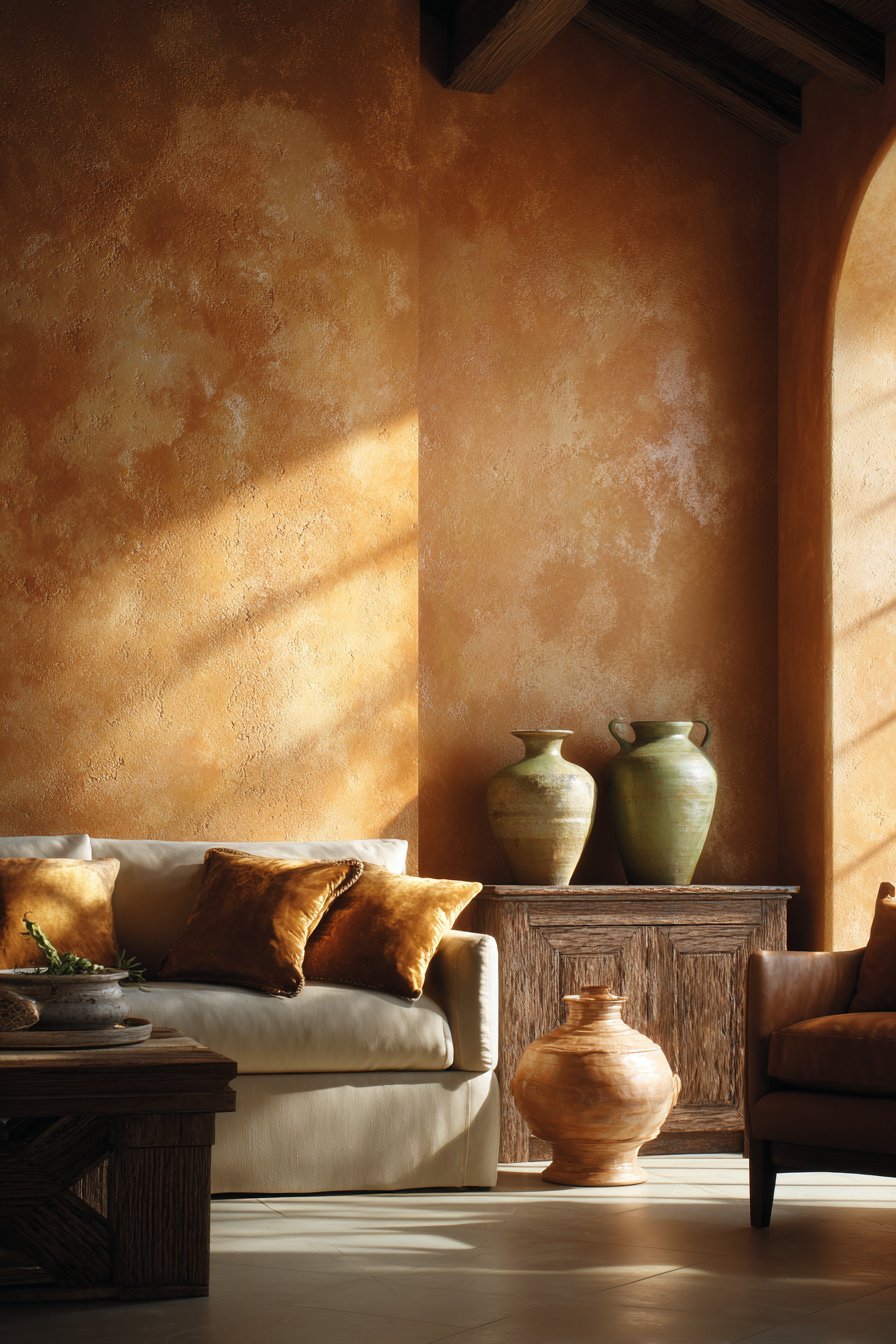
Today’s interpretation of the 70s palette is more refined. Designers are pairing terracotta and rust tones with off-whites and warm creams to prevent spaces from feeling too dark or heavy. The result is a grounded, cozy aesthetic that feels both nostalgic and thoroughly modern. These tones work beautifully in living rooms, kitchens, and even home offices.

What makes this color story so enduring is its connection to the natural world. These hues evoke soil, clay, autumn leaves, and desert sunsets. They create rooms that feel organic and deeply human, a quality that resonates strongly with today’s design-conscious homeowners seeking refuge from digital overload.
- Paint an accent wall in burnt sienna or warm terracotta for an instant 70s feel
- Introduce harvest gold through cushions, throws, or lampshades
- Pair avocado green with warm wood tones for a grounded, earthy look
- Use warm brown and caramel shades for furniture upholstery
- Balance bold colors with neutral off-white walls to keep spaces breathable
- Bring in ceramic vases or pottery in earthy hues for easy color accents
2. Curved and Organic Furniture Silhouettes
The 1970s said goodbye to sharp angles and embraced soft, rounded furniture forms. Sunken conversation pits, curved sectional sofas, and pod chairs became symbols of a generation prioritizing comfort and communal living. That same sensibility is driving furniture design today.
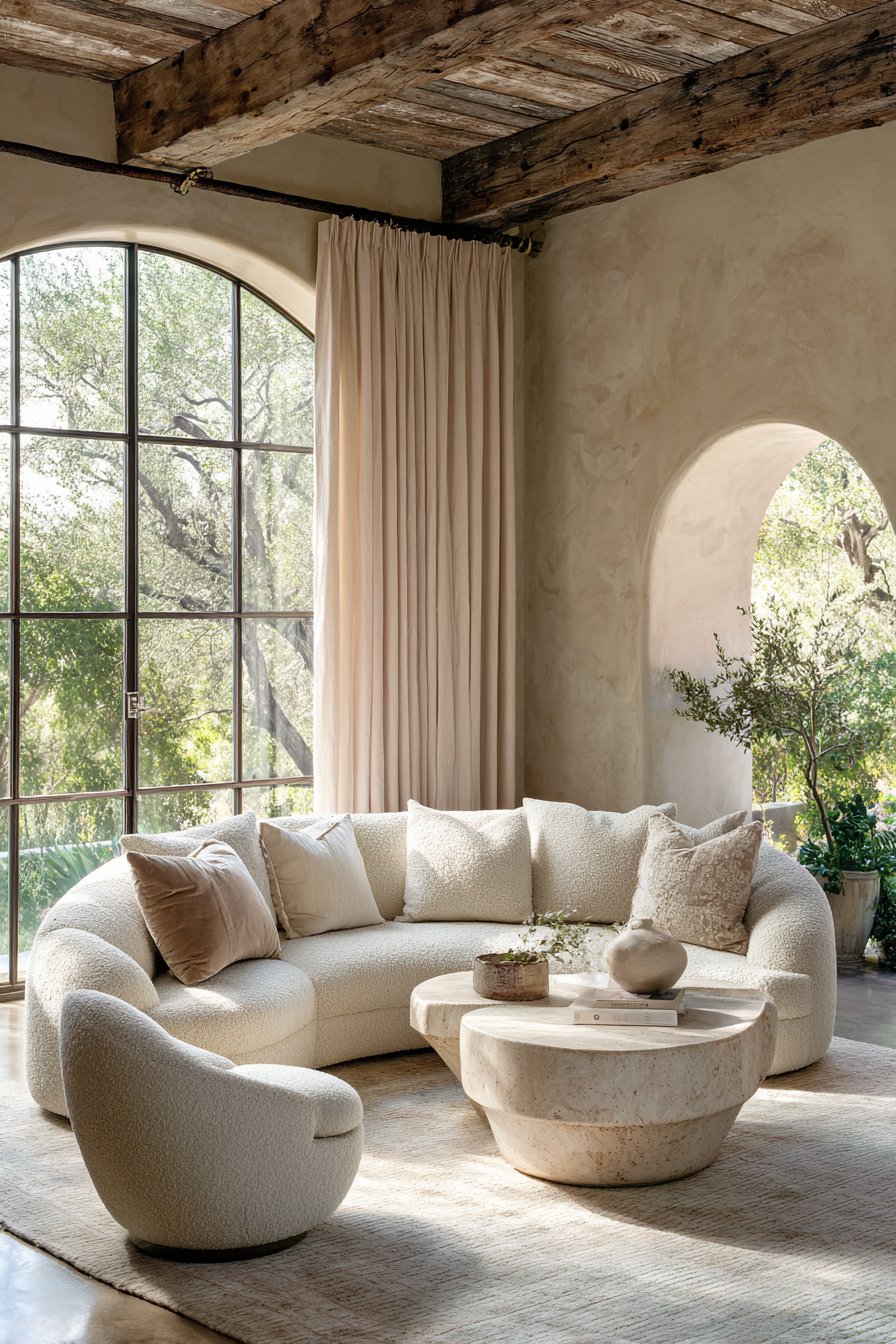
Modern furniture designers are revisiting these organic silhouettes with contemporary materials and proportions. Bouclé-upholstered curved sofas, egg-shaped accent chairs, and kidney-shaped coffee tables are filling showrooms and design magazines. These pieces carry a sculptural quality that makes them as visually striking as they are comfortable.
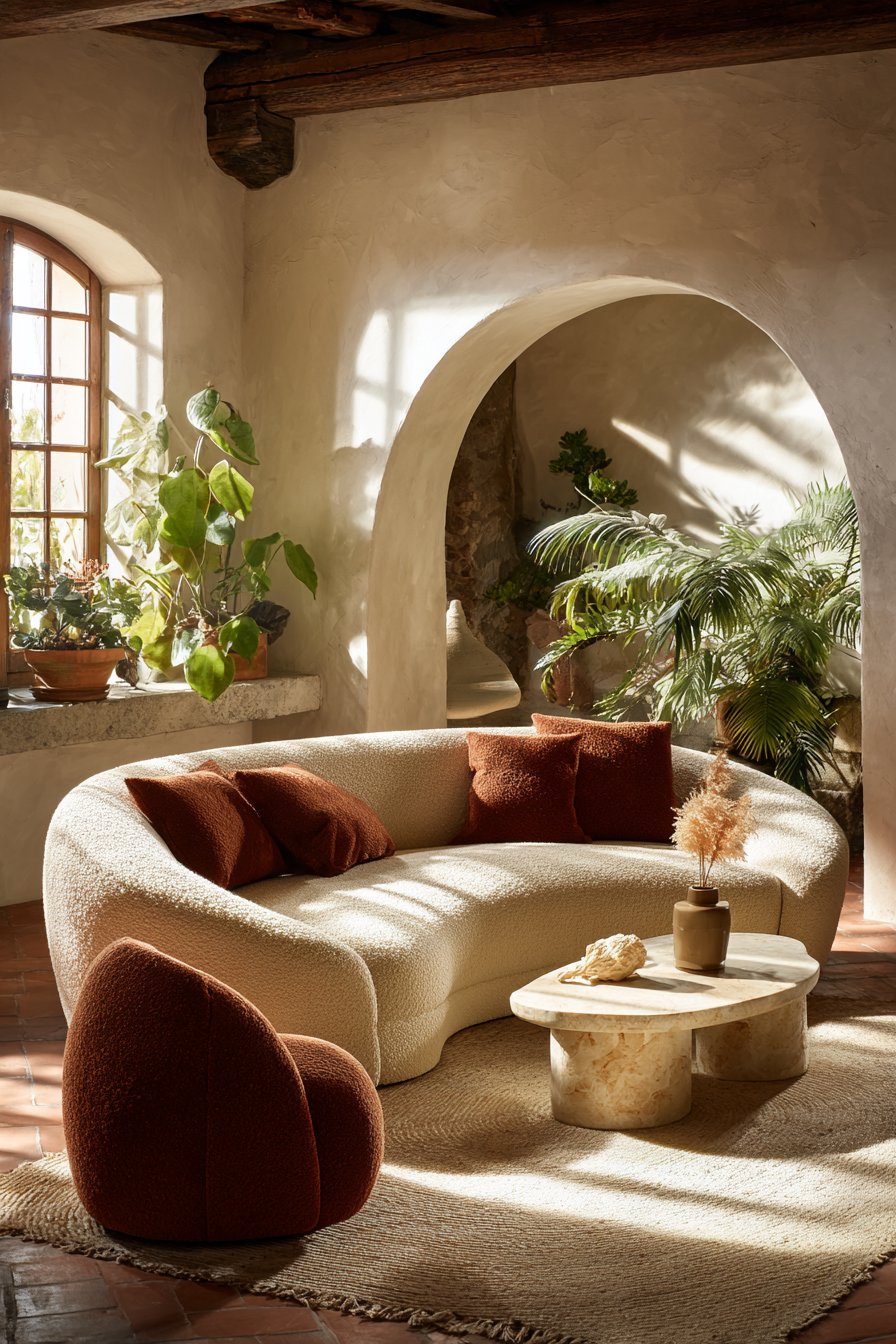
Beyond aesthetics, curved furniture has a psychological warmth that rigid angular pieces simply cannot replicate. Rounded edges feel inviting and safe, encouraging people to slow down and linger. This makes them ideal for living rooms and social spaces where connection and relaxation are the goals.
- Choose a curved or semi-circular sofa as the anchor piece in your living room
- Incorporate a round or oval coffee table to soften the space
- Look for egg chairs or tub chairs with rounded silhouettes for reading corners
- Avoid overfilling a room — let curved pieces breathe with open space around them
- Mix curved upholstered pieces with clean-lined wood furniture for balance
- Consider a curved headboard in the bedroom for a luxurious retro touch
3. Rich Textures and Tactile Materials
The 70s were a deeply tactile decade. Shag carpets, velvet upholstery, macramé wall hangings, and wicker furniture filled homes with layers of texture that were as pleasurable to touch as they were to see. This multi-sensory approach to decorating is enjoying a strong revival.

Today’s designers are layering textures in more sophisticated and intentional ways. Chunky boucle fabric sits alongside smooth leather. Rough rattan contrasts with plush velvet cushions. Woven wall art adds depth to painted surfaces. This interplay of textures creates rooms with incredible visual and tactile complexity.
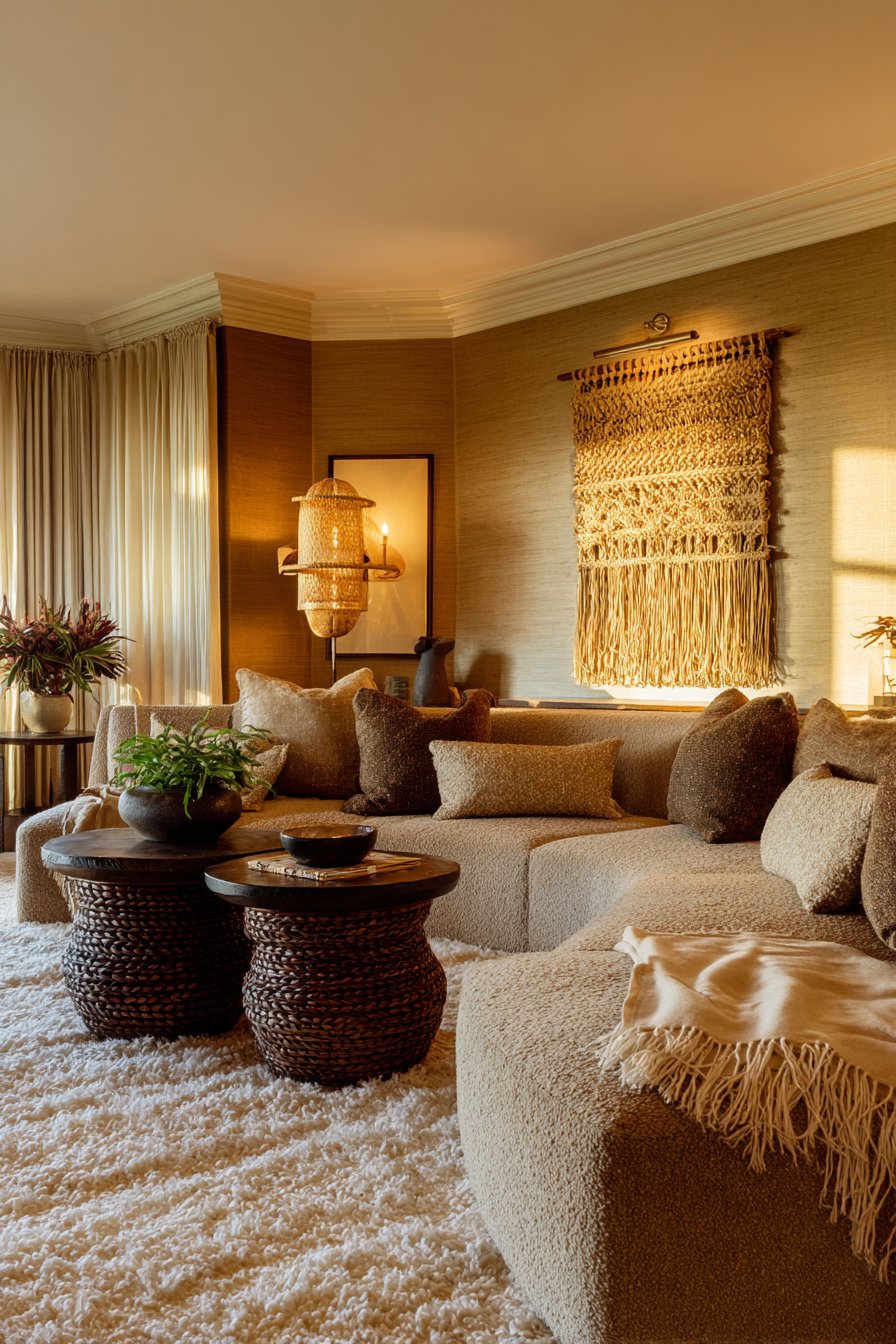
Texture also plays a critical role in how a room feels acoustically and thermally. Soft, layered materials absorb sound, reduce echo, and create a sense of warmth that hard surfaces cannot achieve. This is especially valuable in open-plan living spaces where comfort can easily be lost.
- Layer a shag or tufted rug over smooth hardwood floors for 70s-inspired texture
- Use velvet or bouclé cushions to add softness and depth to seating
- Hang a macramé wall piece as a tactile focal point
- Introduce wicker or rattan in side tables, baskets, or pendant lights
- Mix smooth ceramics with rough linen textiles for contrast
- Choose tactile wallpaper in grasscloth or suede-effect finishes for walls
4. Warm Wood Tones and Natural Materials
Nothing defines 70s interiors quite like warm wood finishes. Walnut, teak, and oak featured heavily in furniture, paneling, and flooring. The natural grain and golden warmth of these woods created interiors that felt simultaneously sophisticated and earthy.

The current design landscape has embraced this love of natural wood with enthusiasm. Mid-century and 70s-inspired furniture in walnut and teak finishes is selling out across major retailers. Wood wall paneling — once mocked as a relic of the past — is now one of the most coveted design features in contemporary homes.
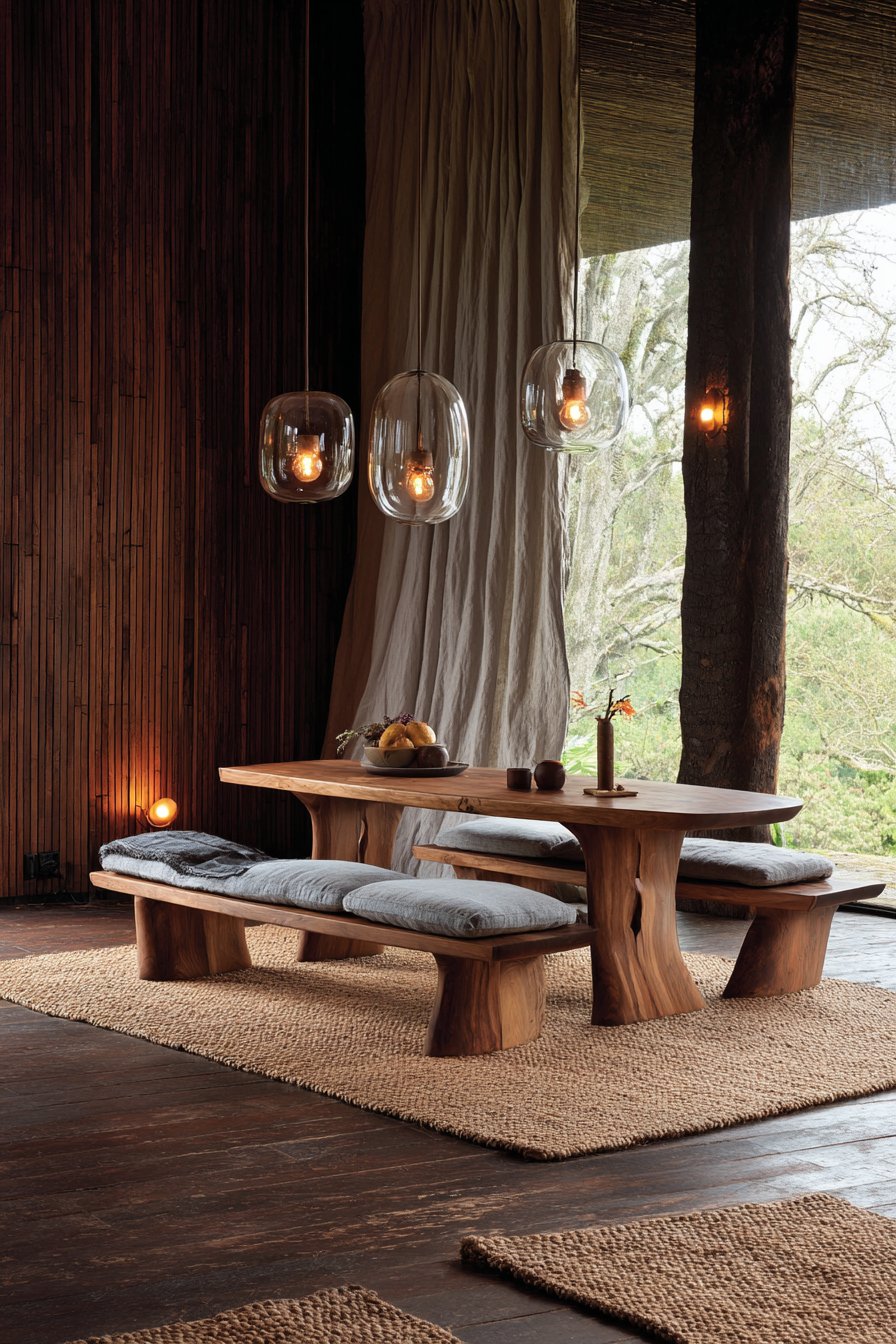
Beyond wood, the broader natural materials movement aligns perfectly with 70s sensibilities. Stone, leather, cork, and linen are all having significant moments. These materials age beautifully, develop character over time, and connect interiors to the natural world in a meaningful way.
- Invest in solid walnut or teak furniture pieces that will age gracefully
- Install warm wood paneling on a single feature wall for dramatic impact
- Choose natural stone or wood for countertops in kitchens and bathrooms
- Layer natural fiber rugs such as jute or sisal for an organic base
- Use cork as an accent material on walls or in flooring
- Avoid plastic laminates in favor of real wood veneers or solid timber
5. Retro Patterns and Bold Graphic Prints
The 70s were fearless when it came to pattern. Geometric prints, bold florals, paisley, and abstract graphics covered everything from sofas to wallpaper to curtains. This pattern-forward approach is making a triumphant return in contemporary interiors.
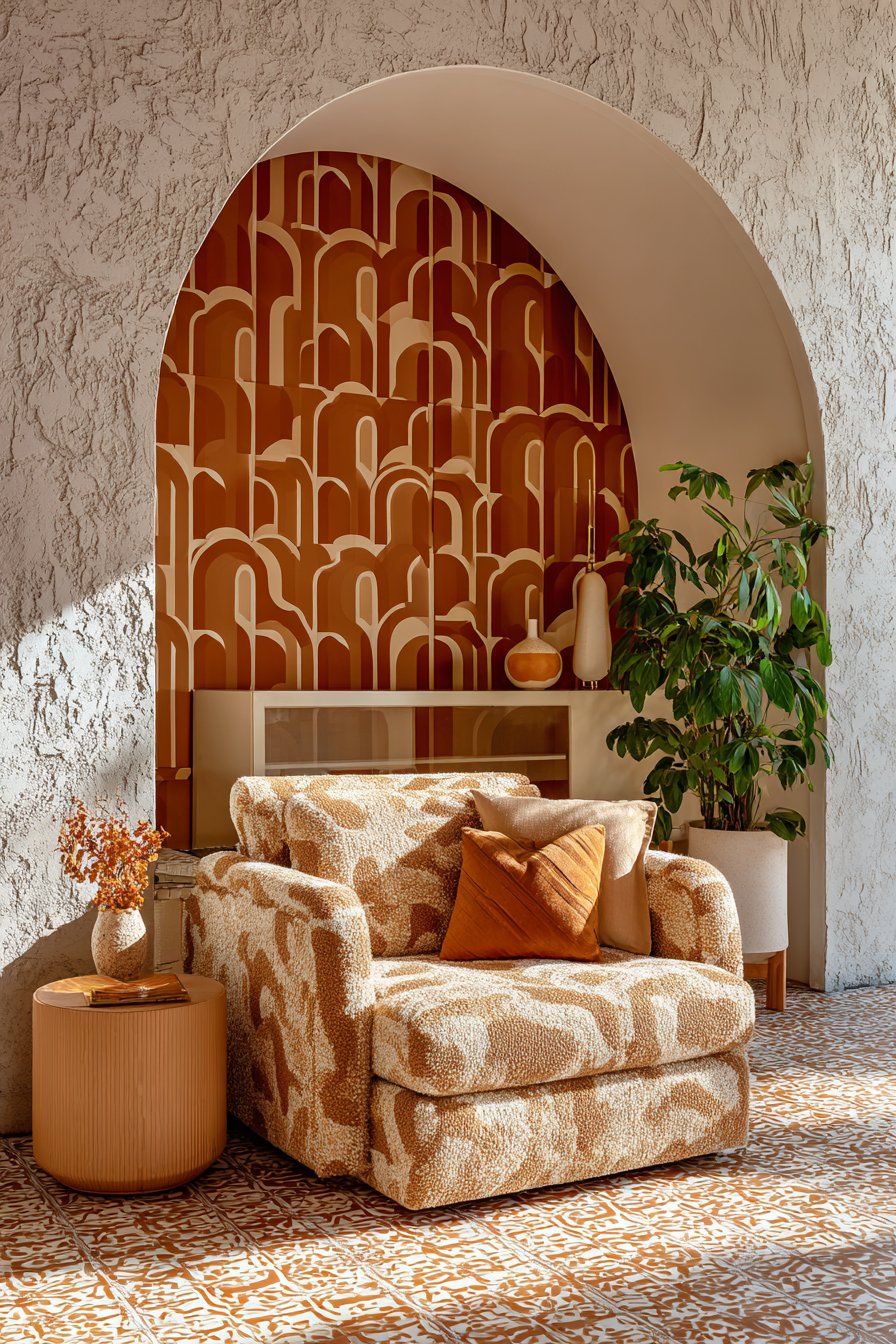
Today’s retro pattern revival is more curated and intentional than the maximalist excess of the original era. Designers are choosing one or two bold patterns per room and building the rest of the palette around them. A single statement wallpaper featuring a large-scale geometric or floral print can anchor an entire space effortlessly.
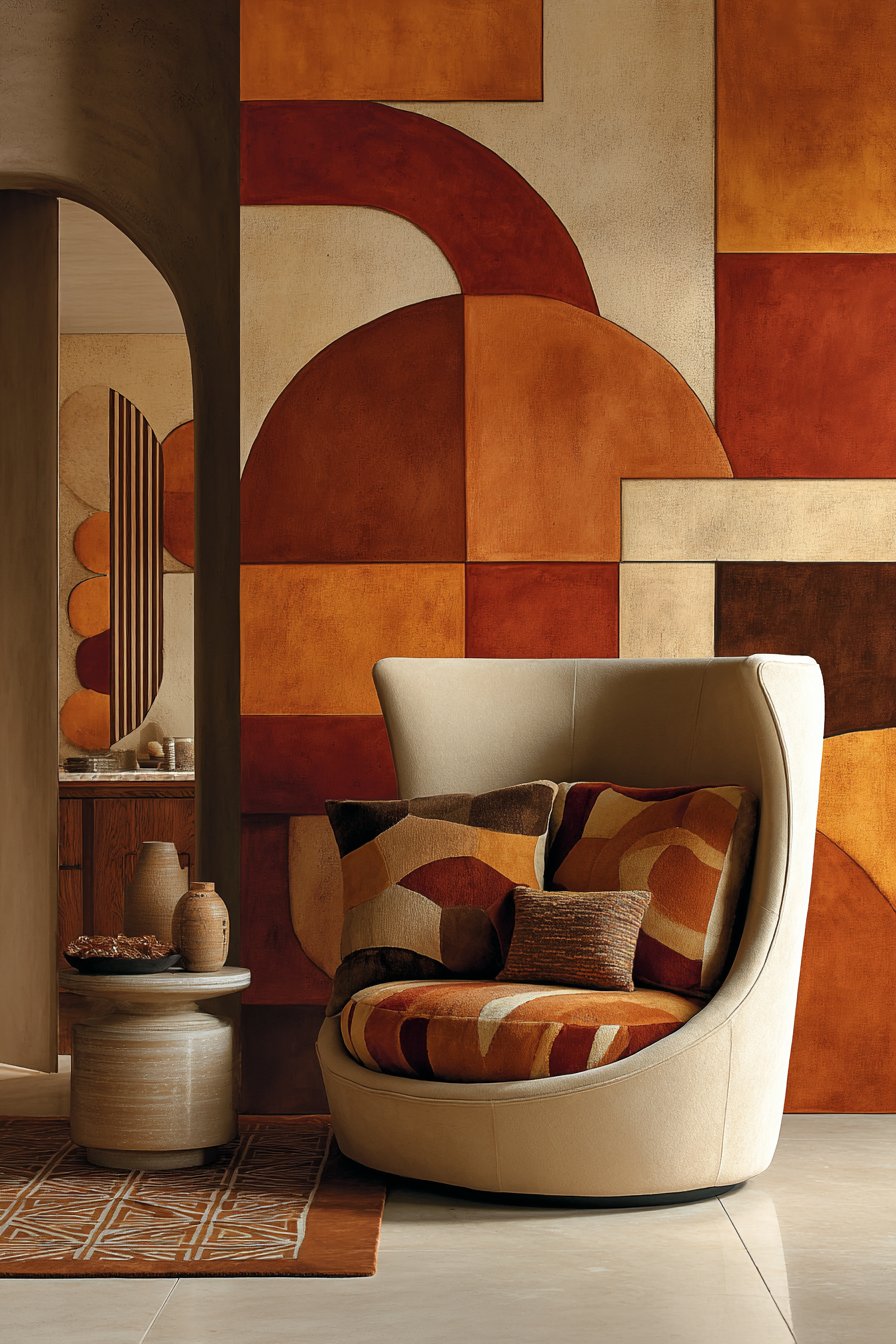
The key to using retro patterns successfully is confidence. Do not shy away from scale. Large prints work better than small, busy ones, which can feel chaotic. Ground bold patterns with solid-colored furniture and neutral floors to let the design breathe and speak for itself.
- Choose a bold geometric or abstract wallpaper for one feature wall
- Use retro-patterned cushions to introduce pattern without commitment
- Look for vintage-inspired upholstery fabrics in earthy, bold colorways
- Mix a large-scale pattern with smaller complementary prints carefully
- Use patterned tiles in kitchens and bathrooms for a 70s-inspired touch
- Balance loud patterns with solid, neutral companion pieces throughout the room
6. Statement Lighting With Retro Character
Lighting in the 1970s was theatrical and expressive. Sputnik chandeliers, arc floor lamps, globe pendants, and mushroom table lamps created dramatic focal points that were as sculptural as they were functional. These iconic designs are now some of the most sought-after pieces in contemporary interiors.
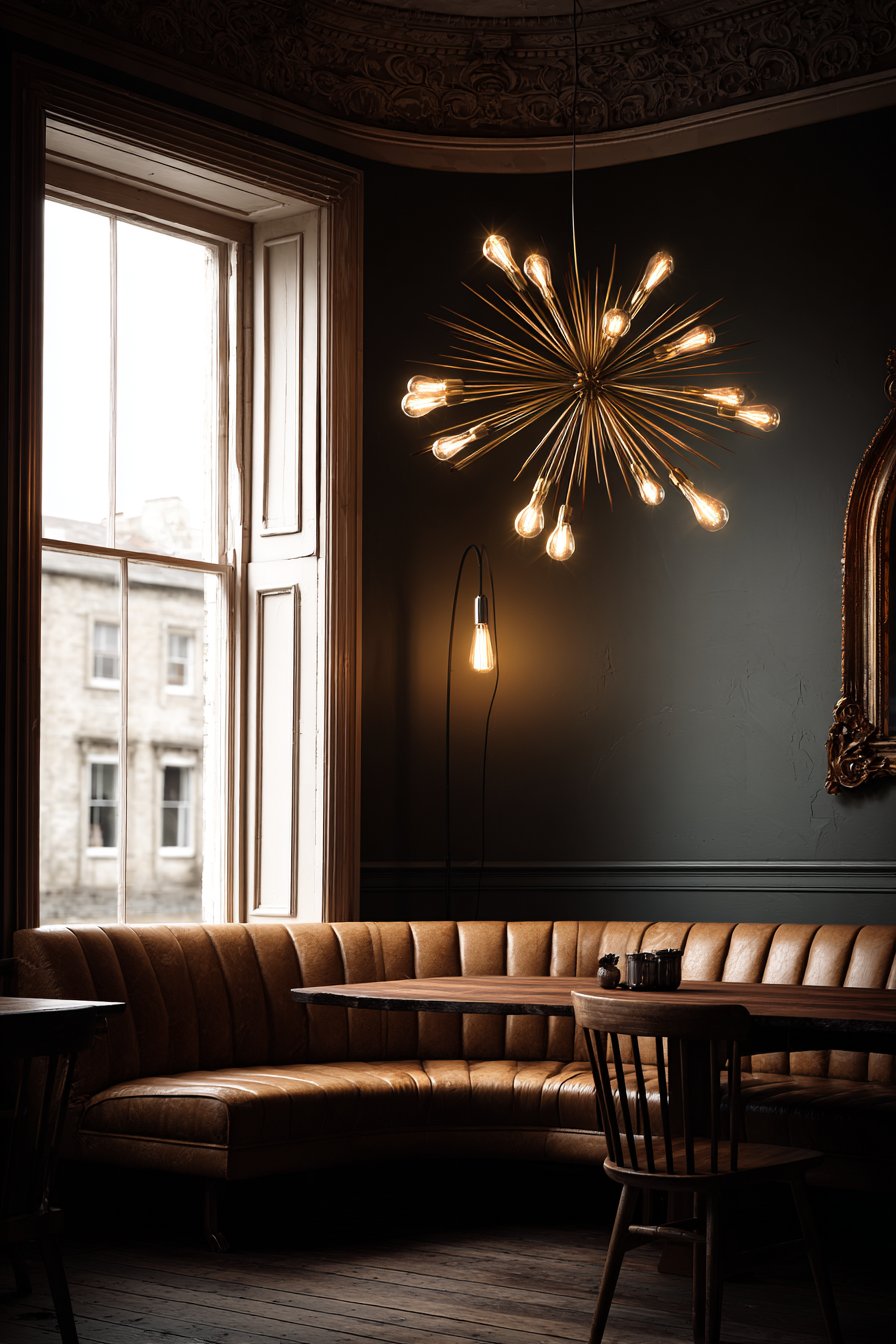
The resurgence of statement retro lighting reflects a broader move away from recessed downlights and toward decorative, personality-driven fixtures. A single arc floor lamp in a matte black or brushed brass finish can transform a room. Globe pendants clustered in a dining room create a convivial, golden atmosphere reminiscent of a 70s dinner party.

Warm-toned bulbs are essential to achieving the authentic 70s glow. Edison-style filament bulbs or warm LED equivalents cast a golden, flattering light that complements the earthy tones and rich textures typical of this aesthetic. Dimmer switches help modulate the mood from bright and energetic to soft and intimate.
- Choose a Sputnik-style chandelier as a dining room centrepiece
- Place a tall arc floor lamp beside a curved sofa for a classic 70s vignette
- Use globe pendant clusters over kitchen islands or dining tables
- Select brass or bronze metallic finishes for fixtures to complement earthy tones
- Install dimmer switches to control mood and ambiance effectively
- Opt for warm-toned bulbs in the 2700K–3000K range for authentic 70s warmth
7. Indoor Plants and Biophilic Design
The 1970s were a golden era for indoor plant culture. Ferns, spider plants, monstera, and fiddle-leaf figs filled every corner of the stylish 70s home. This connection between interior living spaces and the natural world was ahead of its time and aligns perfectly with today’s biophilic design movement.
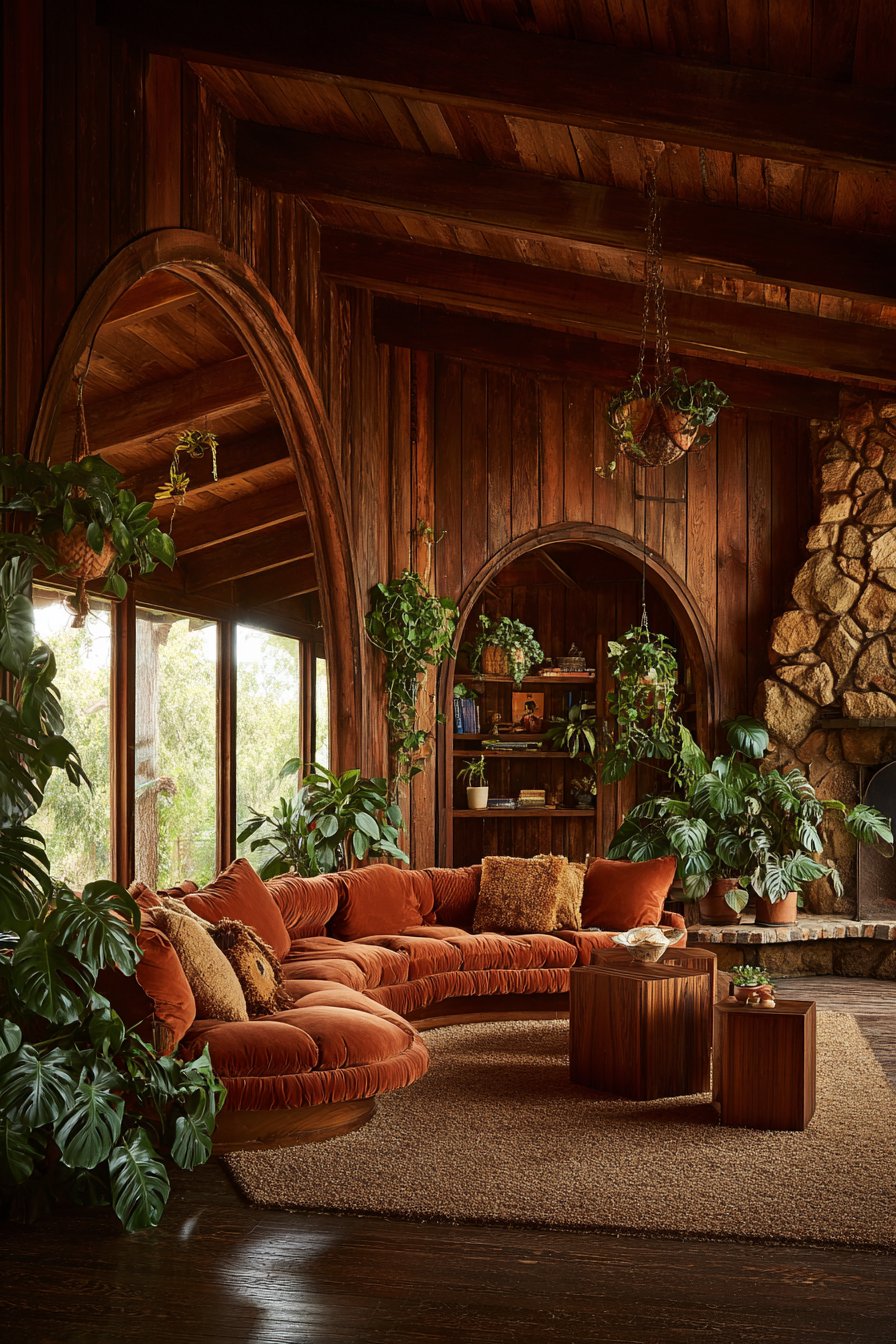
Biophilic design — the practice of incorporating natural elements into built environments — has been proven to reduce stress, improve air quality, and boost wellbeing. The 70s instinctively understood this. Hanging planters, floor-to-ceiling plant walls, and terracotta pots brimming with greenery created lush, life-affirming interiors.
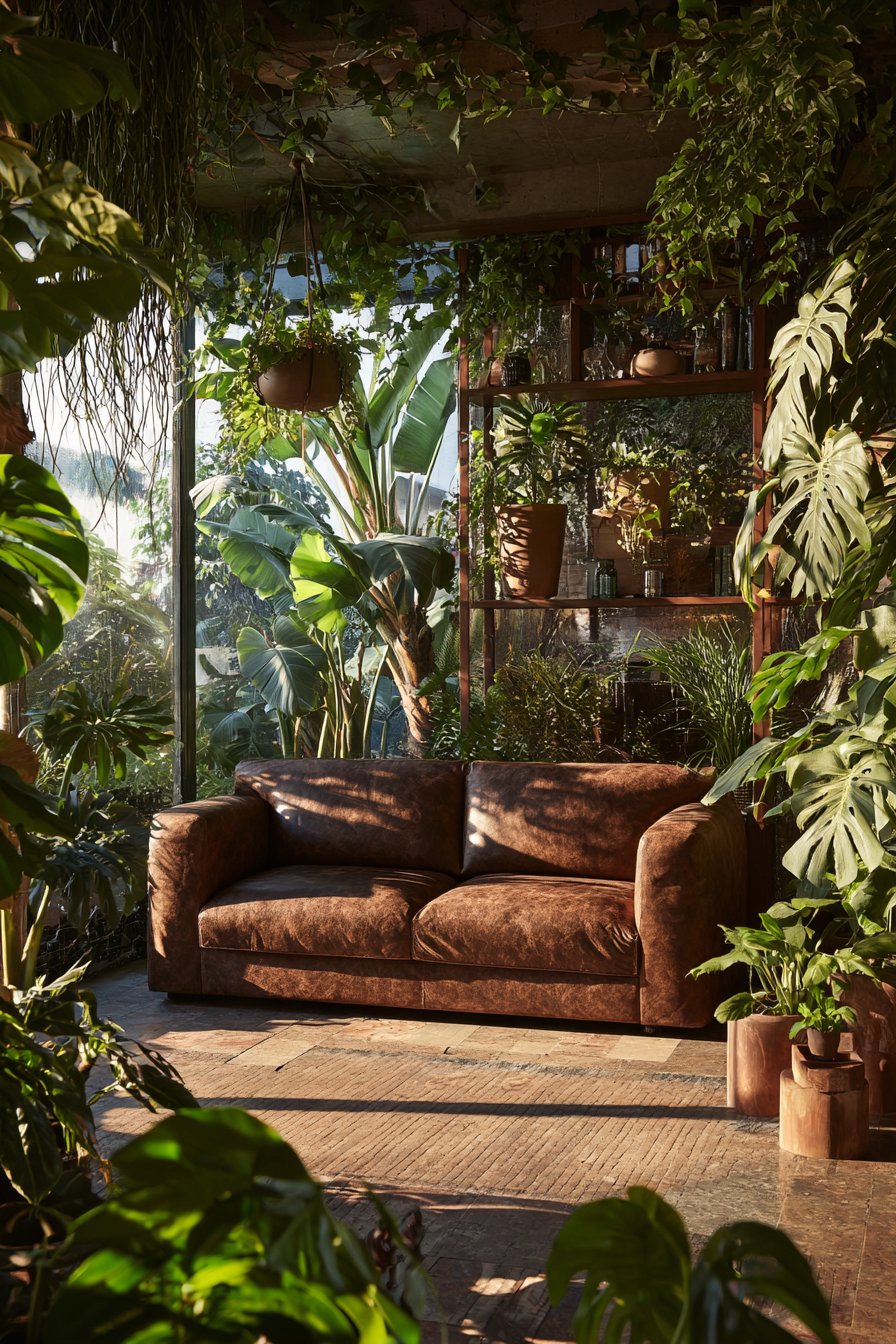
Today’s revival of the indoor plant trend goes hand in hand with the broader 70s aesthetic. A grouping of large-leafed tropical plants beside a curved sofa in a terracotta-toned room feels completely authentic to the era. Plants also add a layer of organic texture and movement that no manufactured material can replicate.
- Choose large-leafed statement plants like monstera or fiddle-leaf figs
- Group plants at varying heights using floor pots, pedestals, and hanging planters
- Use terracotta pots to tie plants into the earthy color palette
- Create a plant shelf or wall display in a living room or bathroom corner
- Maintain plants well — thriving plants elevate a space, neglected ones diminish it
- Combine trailing plants like pothos with upright architectural varieties for contrast
8. Sunken Living Rooms and Conversation Pits
Few design elements capture the spirit of 70s living quite like the sunken conversation pit. This architectural feature — a recessed seating area built directly into the floor — was the ultimate statement of the era. It communicated a lifestyle built around gathering, lounging, and meaningful conversation.
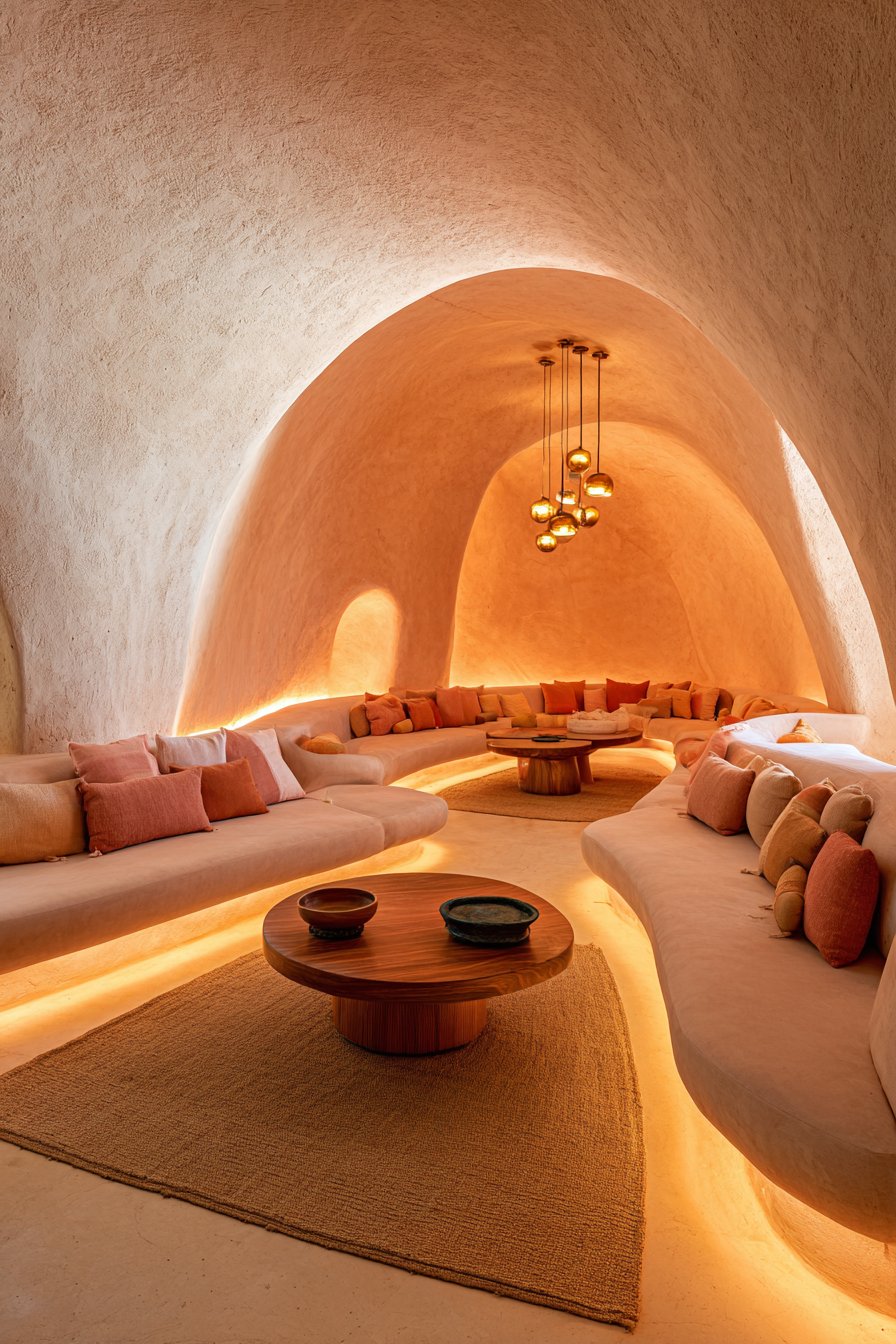
While not every home can accommodate a structural remodel, the philosophy behind conversation pits is highly applicable today. Creating a designated, intentional seating zone that encourages face-to-face interaction is a concept perfectly suited to modern living. Many designers are achieving this feeling through careful furniture arrangement rather than literal sunken floors.

The psychological effect of lowered seating areas is powerful. They create a sense of enclosure and intimacy in a larger room, making even open-plan spaces feel cozy and human in scale. Combined with warm lighting, rich textiles, and earthy tones, this approach channels the best of 70s social design.
- Arrange curved or L-shaped sofas inward to create a conversation-focused zone
- Use a large area rug to visually define and anchor the seating area
- Lower a ceiling over a seating zone with a canopy or pendant cluster
- Add layered cushions and throws to encourage lounging and relaxation
- Remove televisions from the primary seating zone to encourage conversation
- Use a sunken-look platform or step detail if a full architectural pit is not feasible
9. Vintage and Thrifted Statement Pieces
Authenticity is a cornerstone of the 70s revival movement. There is no better way to honor this aesthetic than by sourcing genuine vintage pieces from the era. Teak sideboards, chrome and glass coffee tables, macramé wall art, and tulip chairs found in thrift stores and vintage markets bring an irreplaceable sense of history and character.
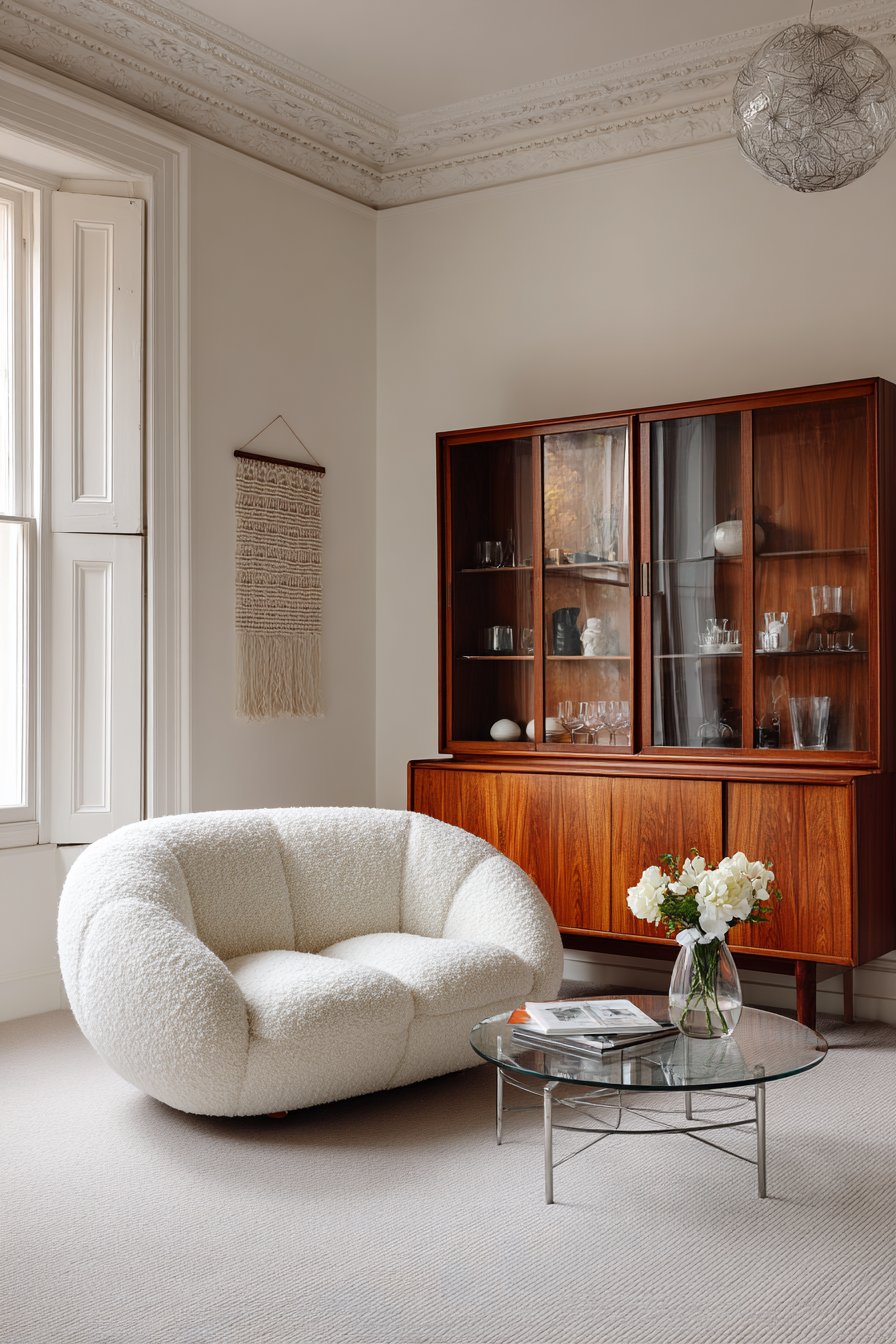
Mixing vintage with contemporary pieces is the secret to making this look work in a modern context. A 1970s teak credenza paired with a brand-new bouclé sofa and contemporary art creates a space that feels layered and personal rather than like a museum reconstruction. The contrast between old and new is precisely what makes the composition interesting.

Beyond aesthetics, buying vintage is sustainable. It extends the life of beautifully crafted objects, reduces demand for new production, and introduces unique pieces that mass-market retailers cannot replicate. In a world increasingly aware of environmental impact, this approach to furnishing feels both stylish and responsible.
- Visit estate sales, vintage markets, and online platforms for authentic 70s finds
- Look for teak, walnut, or rosewood furniture pieces in good structural condition
- Restore and reupholster vintage frames to combine old bones with fresh fabric
- Avoid reproductions where possible — originals have far more character and value
- Mix one or two genuine vintage pieces per room with contemporary surroundings
- Clean and condition vintage wood furniture to restore its original warmth and patina
10. Maximalist Layering With Purposeful Curation
The 70s were not afraid of abundance. Maximalist layering — combining colors, patterns, textures, and objects in generous quantities — was celebrated rather than feared. This approach is finding renewed favor with a generation weary of sparse, Instagram-ready minimalism.

Successful maximalism requires intentional curation, not random accumulation. Every object, pattern, and color in a room should earn its place. The 70s at their best achieved a sense of curated richness — rooms that felt full of life and personality without descending into clutter. The difference between maximalism and chaos is thoughtful editing.

Begin by establishing a cohesive color story and build upward from there. Layer textures progressively. Add patterns in a considered sequence. Introduce objects that carry personal meaning or visual interest. Step back regularly and remove anything that is not pulling its weight. True 70s-inspired maximalism feels intentional, warm, and deeply personal.
- Start with a strong color palette and add layers systematically, not randomly
- Curate collections of objects by material, color, or theme for visual coherence
- Edit ruthlessly — remove pieces that compete without contributing
- Use bookshelves, sideboards, and mantels as curated display zones
- Balance busy surfaces with calm zones like empty stretches of wall
- Treat the room as a composition — stand back and assess the overall balance regularly
Conclusion
The resurgence of 70s design aesthetics is more than a passing trend. It represents a cultural shift toward warmth, authenticity, comfort, and connection — values that feel urgently relevant in today’s fast-paced, digitally saturated world. From earthy color palettes and curved furniture to sunken seating zones and lush indoor plants, the design language of the 1970s offers a rich vocabulary for creating spaces that feel genuinely alive.
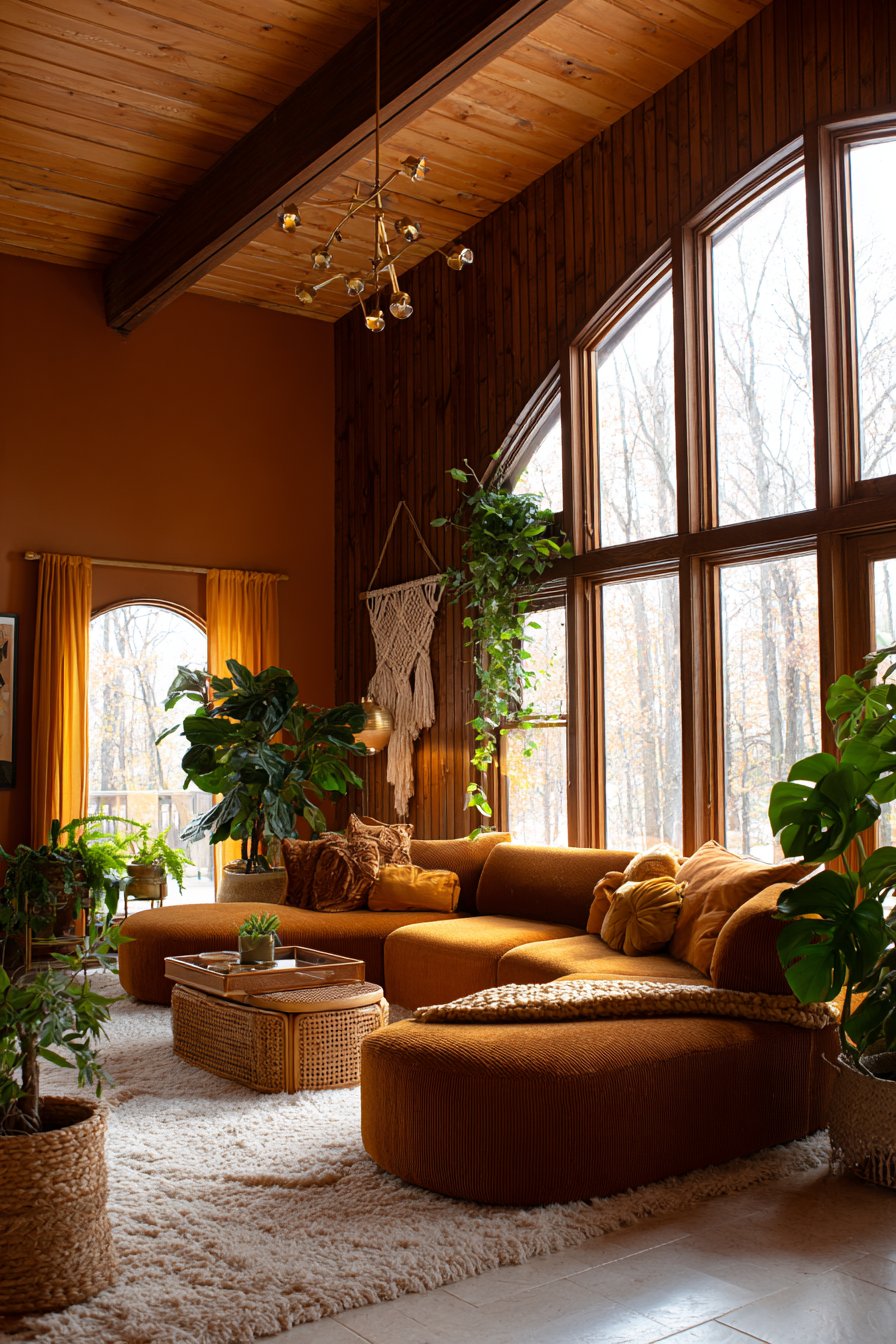
The best approach is to embrace these ideas with curiosity and confidence. You do not need to recreate the decade wholesale. Instead, borrow selectively, layer thoughtfully, and make each element your own. Your home should tell your story. And right now, the 70s are offering some of the most compelling chapters available. Start small, trust your instincts, and enjoy the beautiful, soulful spaces you create.
