


Bedroom lighting serves as more than just a functional necessity. It transforms your personal sanctuary into a space that reflects your style while supporting your daily routines. The right ceiling light fixture can enhance your room’s ambiance, improve functionality, and even affect your sleep quality. However, rushing into an installation without proper planning can lead to costly mistakes and disappointing results.

Choosing bedroom ceiling lights requires careful consideration of multiple factors. From electrical requirements to design aesthetics, each decision impacts your comfort and satisfaction. This comprehensive guide explores six essential considerations before installing bedroom ceiling lights. Whether you’re renovating or building new, these insights will help you make informed choices that balance beauty, functionality, and practicality for years to come.
1. Room Size and Ceiling Height Dimensions
Understanding your bedroom’s physical dimensions is fundamental to selecting appropriate ceiling lights. A fixture that works beautifully in a spacious master suite may overwhelm a compact guest room. Similarly, ceiling height dramatically influences which lighting options will function safely and look proportional. Standard bedroom ceilings measure between 8 to 9 feet, but many homes feature variations that require special attention.

The relationship between fixture size and room dimensions follows specific guidelines. For rooms under 12 by 12 feet, choose fixtures with diameters between 17 to 24 inches. Larger bedrooms benefit from fixtures measuring 24 to 36 inches across. These proportions ensure your lighting complements rather than dominates the space. Additionally, consider how much vertical clearance you need beneath the fixture for comfortable movement and bed accessibility.
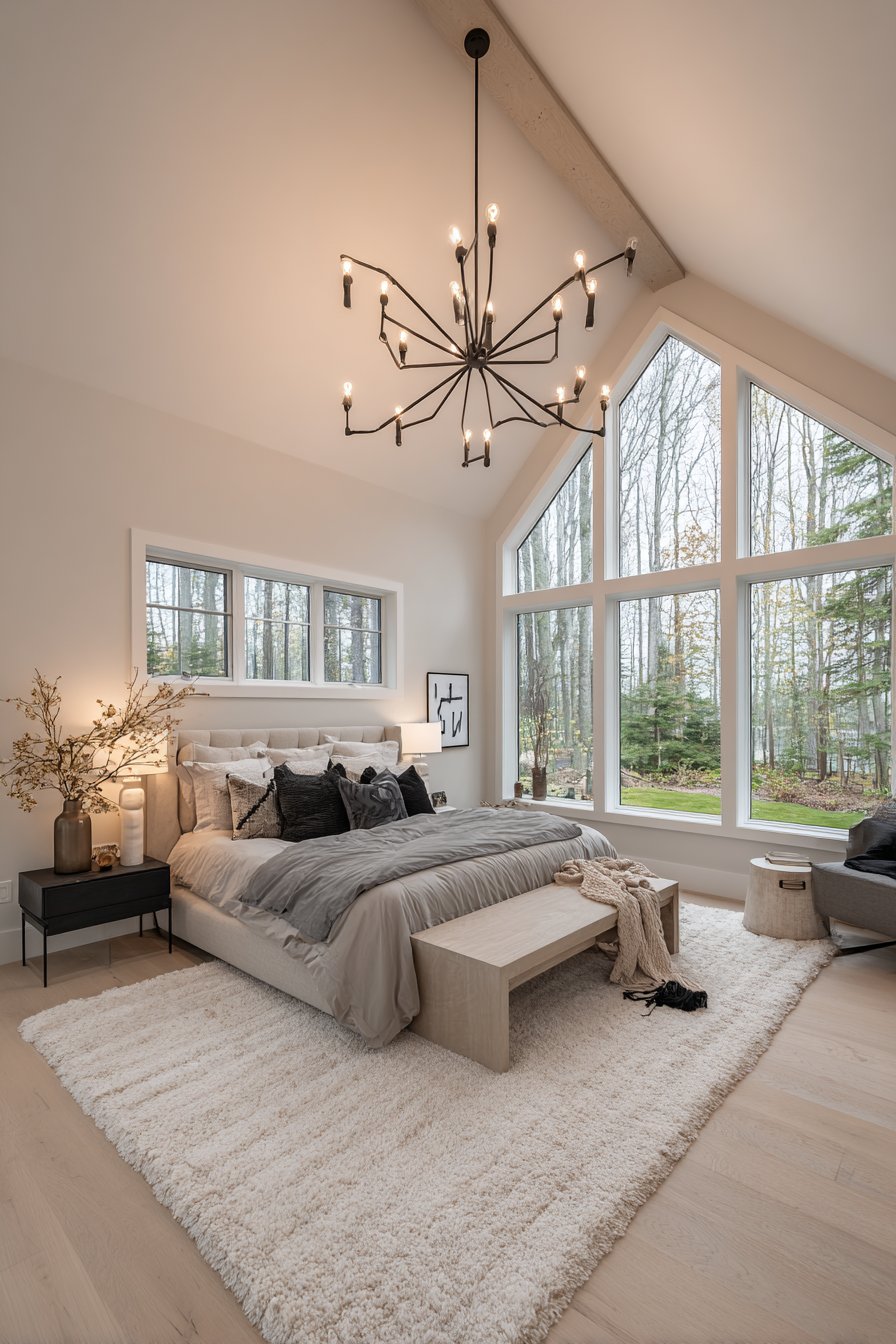
Low ceilings present unique challenges that require strategic solutions. Installing a flush-mount or semi-flush fixture maintains adequate headroom while providing sufficient illumination. For ceilings above 9 feet, you gain flexibility with chandeliers or pendant lights that add dramatic visual interest. Always measure the distance from your bed’s headboard to ensure hanging fixtures don’t create awkward spatial relationships or potential hazards.
- Measure room length and width to calculate appropriate fixture diameter
- Ensure minimum 7 feet clearance between floor and fixture bottom
- Account for ceiling fan presence when planning light placement
- Consider sloped or vaulted ceilings requiring special mounting hardware
- Calculate total square footage to determine adequate lumens needed
- Verify fixture weight matches ceiling joist support capacity
2. Electrical Infrastructure and Wiring Capacity
Existing electrical infrastructure significantly impacts your ceiling light options. Many older homes feature outdated wiring systems that cannot safely support modern fixtures, especially those with multiple bulbs or integrated technology. Before purchasing any fixture, verify your bedroom’s electrical capacity and determine whether upgrades are necessary. This assessment prevents safety hazards and ensures code compliance.

Professional electricians should inspect your junction box location and wiring condition. Standard junction boxes support fixtures weighing up to 50 pounds, but heavier chandeliers require reinforced mounting systems. The box’s position also affects your design options since relocating electrical infrastructure involves extensive construction work. Understanding these limitations early helps you select fixtures that work with your existing setup rather than against it.
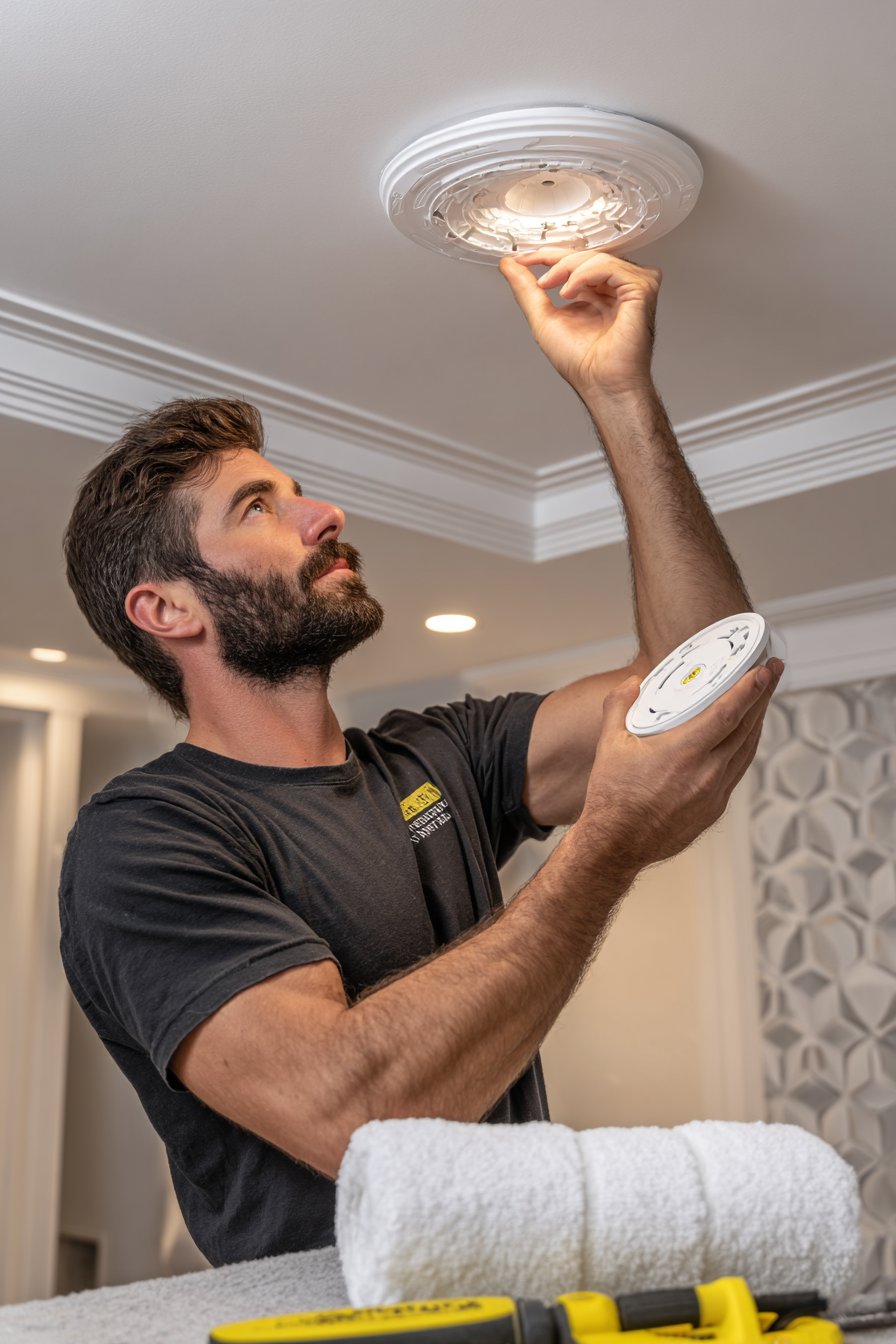
Smart lighting integration adds another layer of electrical considerations. Modern smart fixtures may require neutral wires that older homes lack. Additionally, dimmer switches need compatible bulbs and fixtures to function properly. If you plan to incorporate automated controls or voice-activated systems, ensure your electrical panel can accommodate the necessary circuits and that your bedroom’s wiring supports these advanced features.
- Hire licensed electrician to assess current wiring adequacy
- Verify junction box weight rating matches intended fixture
- Check if neutral wires exist for smart lighting compatibility
- Confirm circuit breaker capacity handles additional electrical load
- Plan for dimmer switch installation with compatible components
- Budget for potential electrical upgrades before fixture purchase
3. Light Color Temperature and Brightness Levels
Color temperature profoundly affects bedroom atmosphere and your circadian rhythm. Measured in Kelvin, this specification determines whether light appears warm, neutral, or cool. Bedrooms typically benefit from warm white light between 2700K to 3000K, which promotes relaxation and prepares your body for sleep. Cooler temperatures above 4000K may energize you when winding down becomes the priority.

Brightness levels measured in lumens must match your bedroom’s functional needs. A general guideline suggests 10 to 20 lumens per square foot for ambient lighting. A 150-square-foot bedroom requires approximately 1,500 to 3,000 lumens total. However, personal preferences vary significantly. Some individuals prefer brighter environments for reading or getting dressed, while others favor softer illumination that enhances tranquility.

Layered lighting provides the most versatile solution. Combining ceiling fixtures with bedside lamps and accent lighting allows you to adjust brightness throughout the day. Install dimmers to control your main ceiling light’s intensity from energizing morning brightness to soothing evening ambiance. This flexibility accommodates different activities while maintaining the option for task-specific lighting when needed without overwhelming your space.
- Choose 2700K to 3000K for relaxing warm ambiance
- Calculate required lumens based on room square footage
- Install dimmer switches for adjustable brightness control
- Consider CRI ratings above 90 for accurate color rendering
- Test light samples before committing to permanent installation
- Balance ambient lighting with task and accent sources
4. Design Style and Aesthetic Cohesion
Your ceiling light should harmonize with your bedroom’s overall design aesthetic. A modern minimalist room clashes with ornate crystal chandeliers, while industrial spaces feel incomplete without metal fixtures featuring exposed elements. Consider your existing furniture, wall colors, and decorative accessories when selecting fixtures. Visual consistency creates a cohesive environment that feels intentional and professionally designed.

Material selection reinforces your chosen style while offering practical benefits. Brushed nickel and chrome finishes suit contemporary spaces with their clean, reflective surfaces. Bronze and brass fixtures complement traditional or transitional designs with warmth and character. Glass elements add elegance and diffuse light beautifully, while fabric shades soften illumination and introduce texture. Each material interacts differently with light, affecting both functionality and mood.

Scale and proportion extend beyond physical dimensions to include visual weight. A delicate, minimalist fixture may appear lost in a room filled with substantial furniture pieces. Conversely, an elaborate chandelier overwhelms spaces dominated by clean lines and simple forms. Evaluate how your chosen fixture’s design complexity matches your bedroom’s existing visual density to achieve balance and harmony.
- Match fixture finish to existing hardware and accents
- Ensure design style aligns with furniture aesthetic
- Consider fixture visual weight relative to room elements
- Select materials that complement wall colors and textures
- Balance ornate fixtures with simple decor or vice versa
- Review inspiration photos to confirm style compatibility
5. Energy Efficiency and Long-Term Operating Costs
Energy-efficient lighting reduces both environmental impact and utility expenses. LED technology dominates modern fixtures due to exceptional longevity and minimal power consumption. While LED fixtures cost more initially, they typically last 25,000 to 50,000 hours compared to incandescent bulbs’ mere 1,000 hours. This longevity translates to years of maintenance-free operation and significant savings over time.
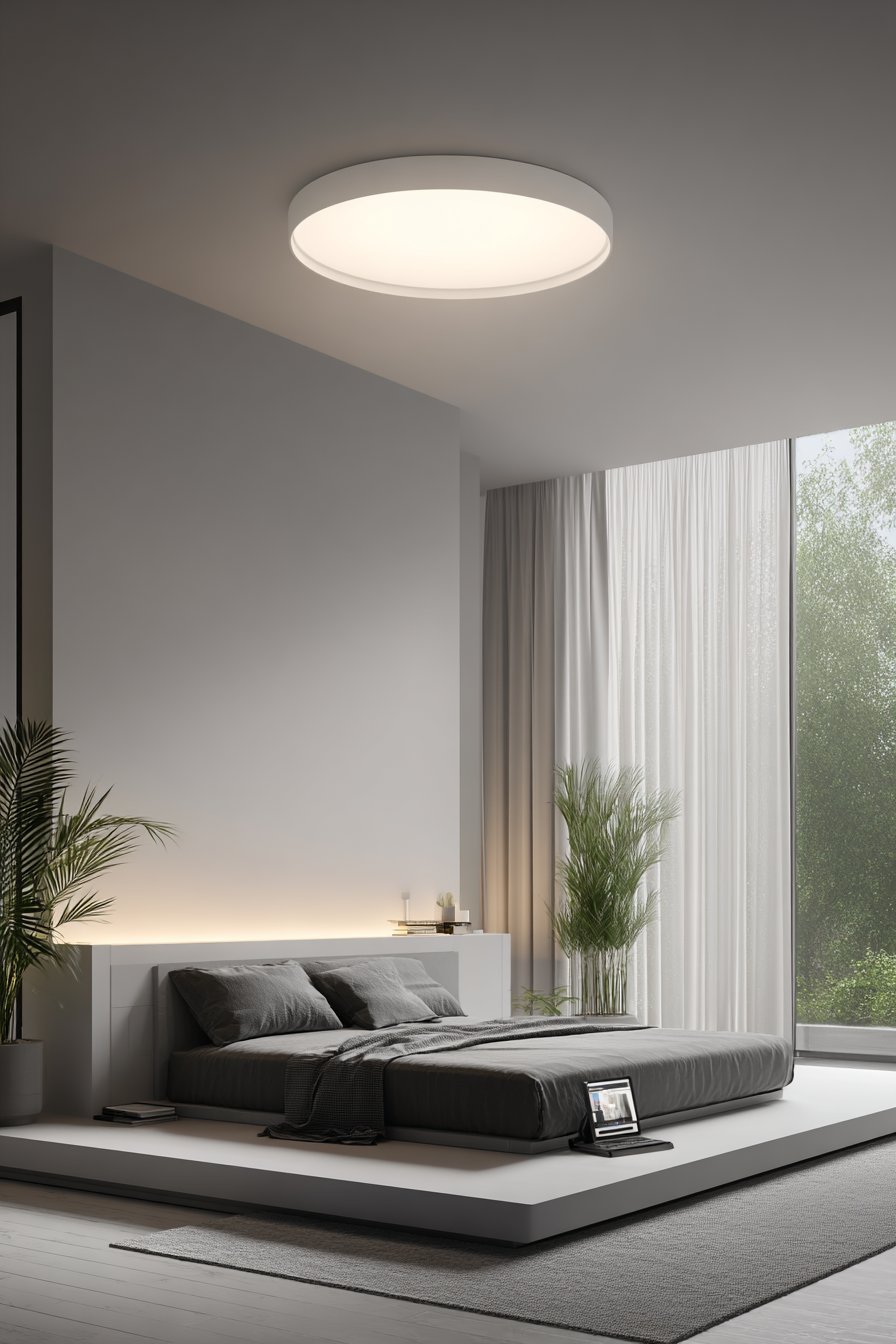
Operating costs accumulate quickly with inefficient lighting. A traditional 60-watt incandescent bulb costs approximately $7 annually to operate for three hours daily, while an equivalent LED uses just 8 watts, costing under $1 yearly. For bedroom ceiling fixtures with multiple bulbs, these differences multiply substantially. Calculating your lifetime ownership cost rather than just purchase price reveals the true value of energy-efficient options.
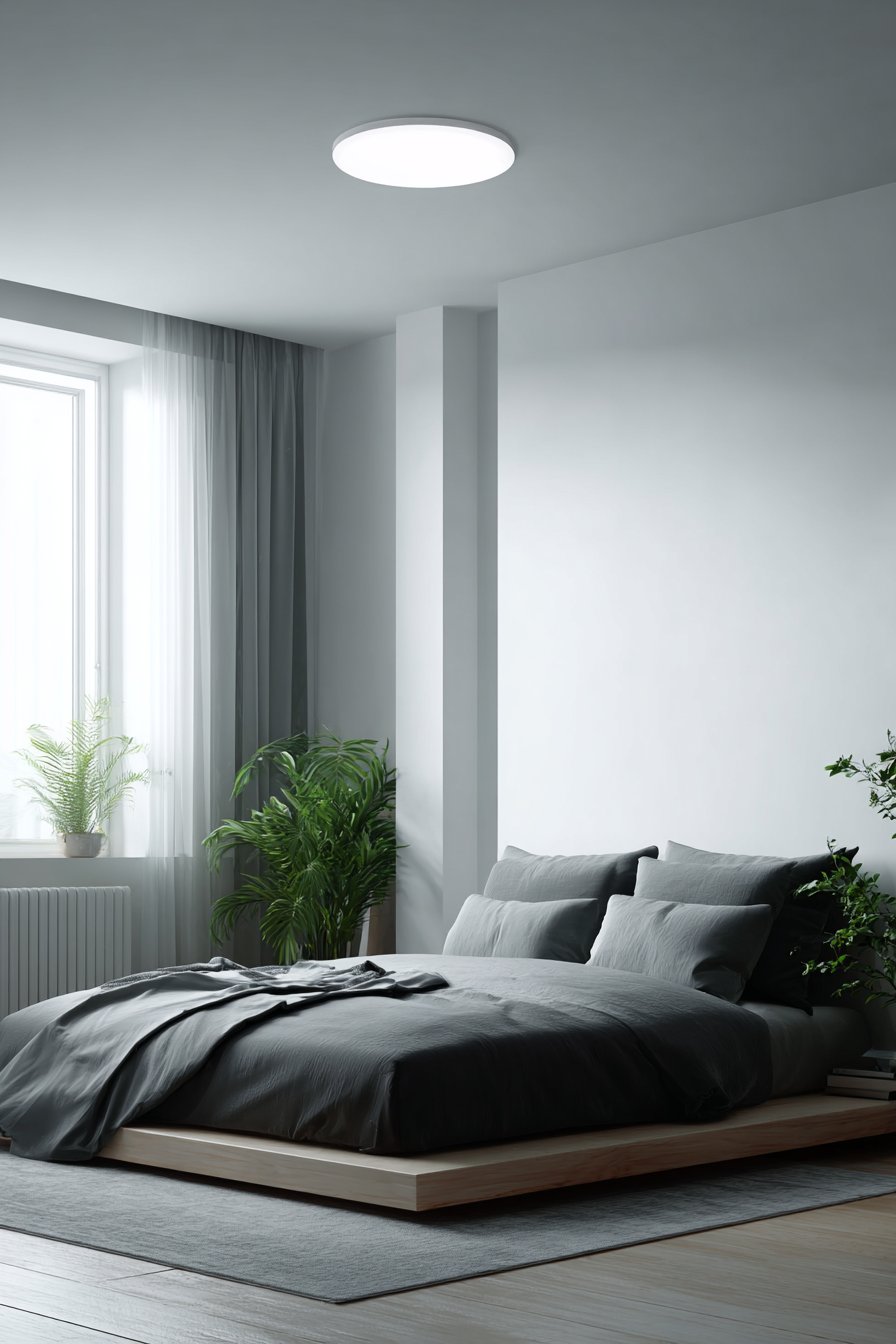
Environmental considerations extend beyond electricity consumption. LED fixtures contain no mercury or hazardous materials, making disposal simpler and safer. They also generate minimal heat, reducing cooling costs during summer months and eliminating fire risks associated with overheated fixtures. Choosing Energy Star certified products ensures verified performance and efficiency, backed by testing and manufacturer accountability for advertised specifications.
- Select LED fixtures for maximum efficiency and longevity
- Calculate lifetime operating costs including bulb replacements
- Choose Energy Star certified products for verified performance
- Consider integrated LED fixtures eliminating bulb changes
- Evaluate heat output impact on room temperature comfort
- Research manufacturer warranties covering LED components
6. Installation Complexity and Professional Requirements
Installation difficulty varies dramatically between fixture types. Simple flush-mount fixtures typically require basic DIY skills and standard tools, making them accessible for homeowners with electrical knowledge. However, heavy chandeliers, fixtures requiring new wiring, or installations involving ceiling fan removal demand professional expertise. Underestimating complexity leads to safety hazards, code violations, and potentially damaged ceilings or fixtures.

Professional installation costs range from $150 to $500 depending on fixture complexity, ceiling accessibility, and regional labor rates. While this seems expensive initially, expert installation ensures proper support, correct wiring, and code compliance. Professionals also carry insurance protecting you from liability if accidents occur. Additionally, they can identify and address underlying electrical issues that could compromise safety or fixture performance.

Some installations require permits and inspections, particularly when modifying electrical circuits or installing fixtures exceeding certain weight thresholds. Local building codes vary significantly, and non-compliance can affect home insurance coverage and resale value. Research your area’s requirements before beginning work. Even if you possess electrical skills, hiring licensed professionals may be mandatory for complex installations or homes with specific regulatory requirements.
- Assess personal skill level honestly before attempting DIY
- Obtain multiple quotes from licensed electricians for comparison
- Verify contractor credentials and insurance coverage thoroughly
- Research local permit requirements before starting work
- Budget for professional installation in total project costs
- Keep documentation of work for warranty and resale purposes
Conclusion
Installing bedroom ceiling lights involves far more consideration than simply choosing an attractive fixture. From understanding your room’s physical dimensions and electrical capacity to selecting appropriate brightness levels and ensuring energy efficiency, each factor contributes to your satisfaction and safety. Taking time to evaluate these six essential considerations prevents costly mistakes and ensures your lighting enhances both functionality and ambiance.

Thoughtful planning transforms lighting from a basic necessity into a design element that elevates your bedroom’s comfort and appeal. Whether you prefer professional installation or tackle the project yourself, making informed decisions creates a space you’ll enjoy for years. Let these guidelines inspire your lighting transformation, and don’t hesitate to consult experts when needed. Your bedroom deserves lighting that supports restful sleep, daily activities, and your unique personal style.
