


Creating a nursery is one of the most exciting yet challenging tasks for expectant parents. The space must balance aesthetics with functionality while providing a calm environment for both baby and caregiver. Among the countless color schemes available, beige nurseries have emerged as a perennial favorite that transcends fleeting trends. This neutral palette offers unmatched versatility and creates a foundation that grows with your child.

Beige represents more than just a color choice—it embodies a design philosophy centered on timeless elegance and adaptability. Unlike bold colors that may feel dated within a few years, beige provides a sophisticated backdrop that complements various design styles. From minimalist Scandinavian to rustic farmhouse, this neutral hue seamlessly integrates with diverse aesthetics. The enduring appeal of beige nurseries lies in their ability to create peaceful, gender-neutral spaces that foster calm and creativity.

This article explores why beige nurseries remain a superior choice for modern parents. We’ll examine the psychological benefits, design flexibility, and practical advantages that make this color scheme a smart investment. Whether you’re designing your first nursery or updating an existing space, understanding the power of neutral foundations will help you create a room that serves your family for years to come.
1. The Psychology of Beige in Infant Spaces
Beige creates an inherently calming atmosphere that benefits both infants and parents during those crucial early months. Studies show that neutral colors reduce visual overstimulation, which can help babies sleep better and feel more secure. Unlike bright primaries that excite the nervous system, beige promotes relaxation and contentment. This soothing quality makes nighttime feedings and diaper changes less stressful for everyone involved.
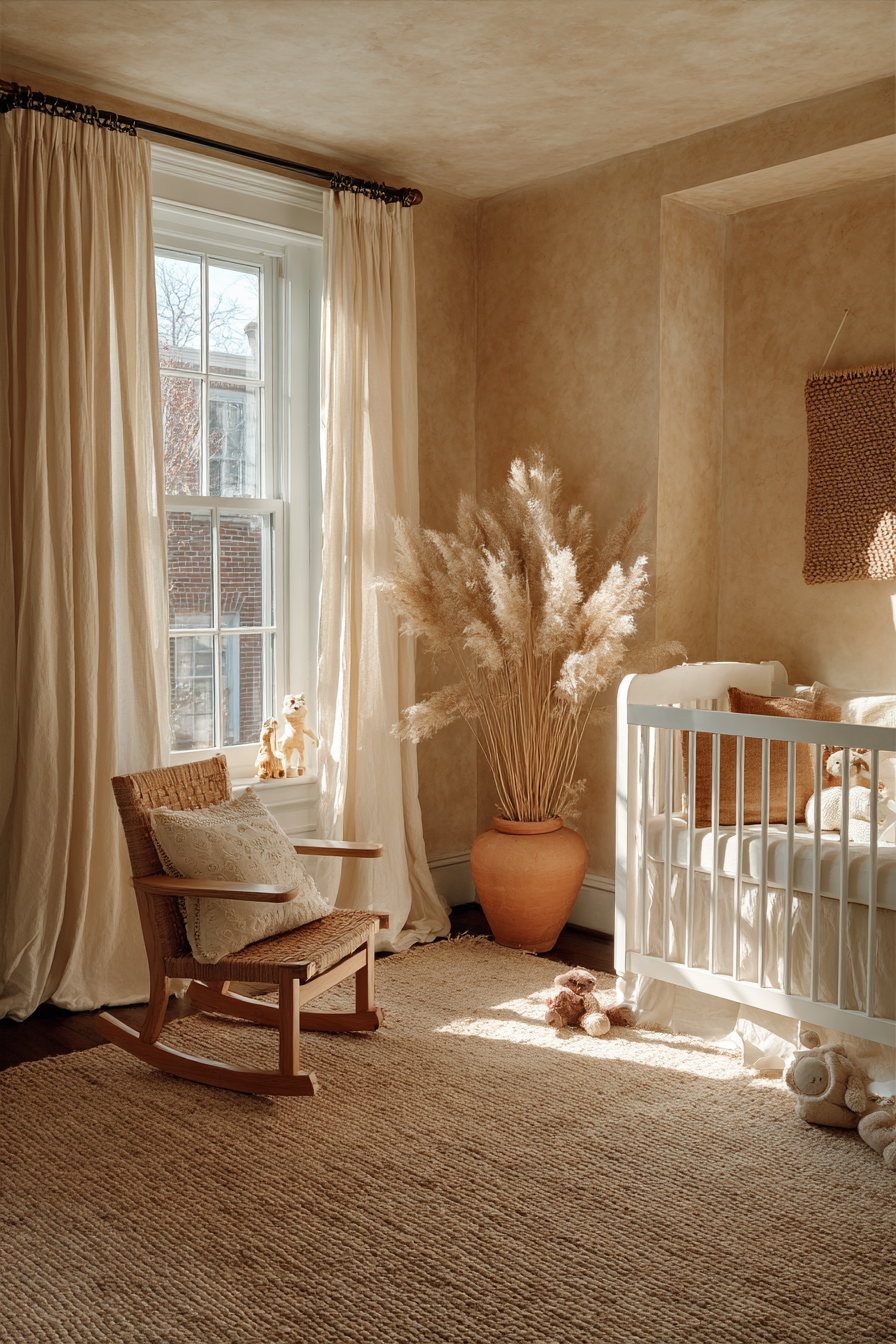
The warmth of beige tones mimics natural environments, connecting us to earth and organic materials. This biophilic design principle subconsciously comforts babies by creating familiar sensory experiences. Parents also report feeling more peaceful in beige-dominated spaces, which directly impacts their caregiving quality. When you’re exhausted at 3 AM, a serene color palette makes those difficult moments more manageable.
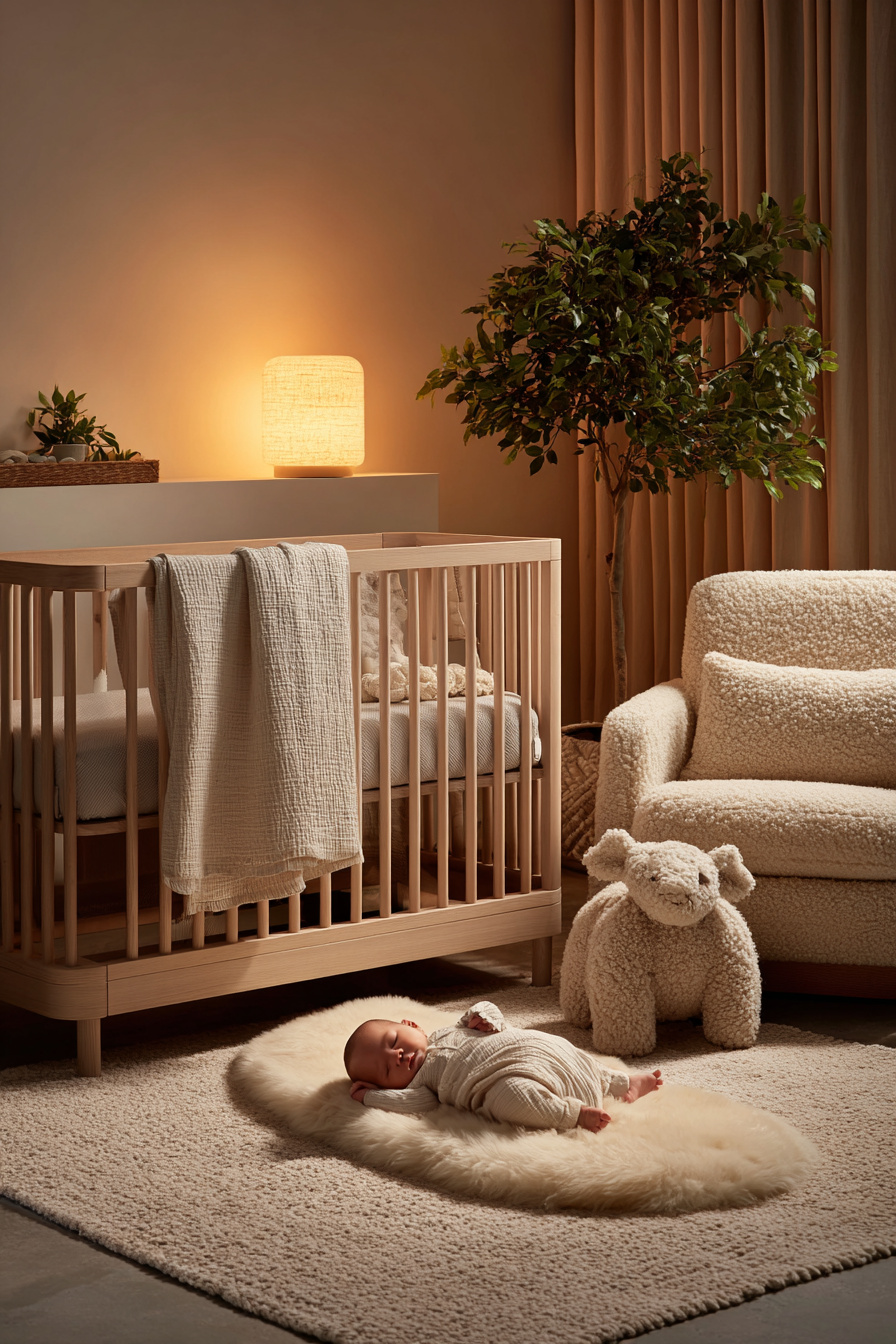
Beige serves as a blank canvas that allows other nursery elements to shine without competing for attention. Your baby’s face, colorful toys, and meaningful artwork become the focal points rather than overwhelming wall colors. This approach supports healthy visual development while maintaining an organized, cohesive aesthetic that doesn’t fatigue the eyes.
- Choose warm beige tones with yellow undertones for cozier feels
- Pair beige walls with white trim for classic contrast
- Use beige as a foundation for rotating accent colors
- Consider matte finishes to reduce glare and create softness
- Layer different beige shades for sophisticated depth
- Add texture through beige fabrics and materials
2. Ultimate Design Flexibility for Growing Families
Beige nurseries adapt effortlessly as your child grows from infant to toddler to young child. This long-term versatility saves considerable money and effort compared to themed nurseries that require complete overhauls. Simply swap out accessories, bedding, and artwork to refresh the space without repainting or major renovations. A beige foundation accommodates dinosaurs at three, superheroes at five, and study spaces at seven.
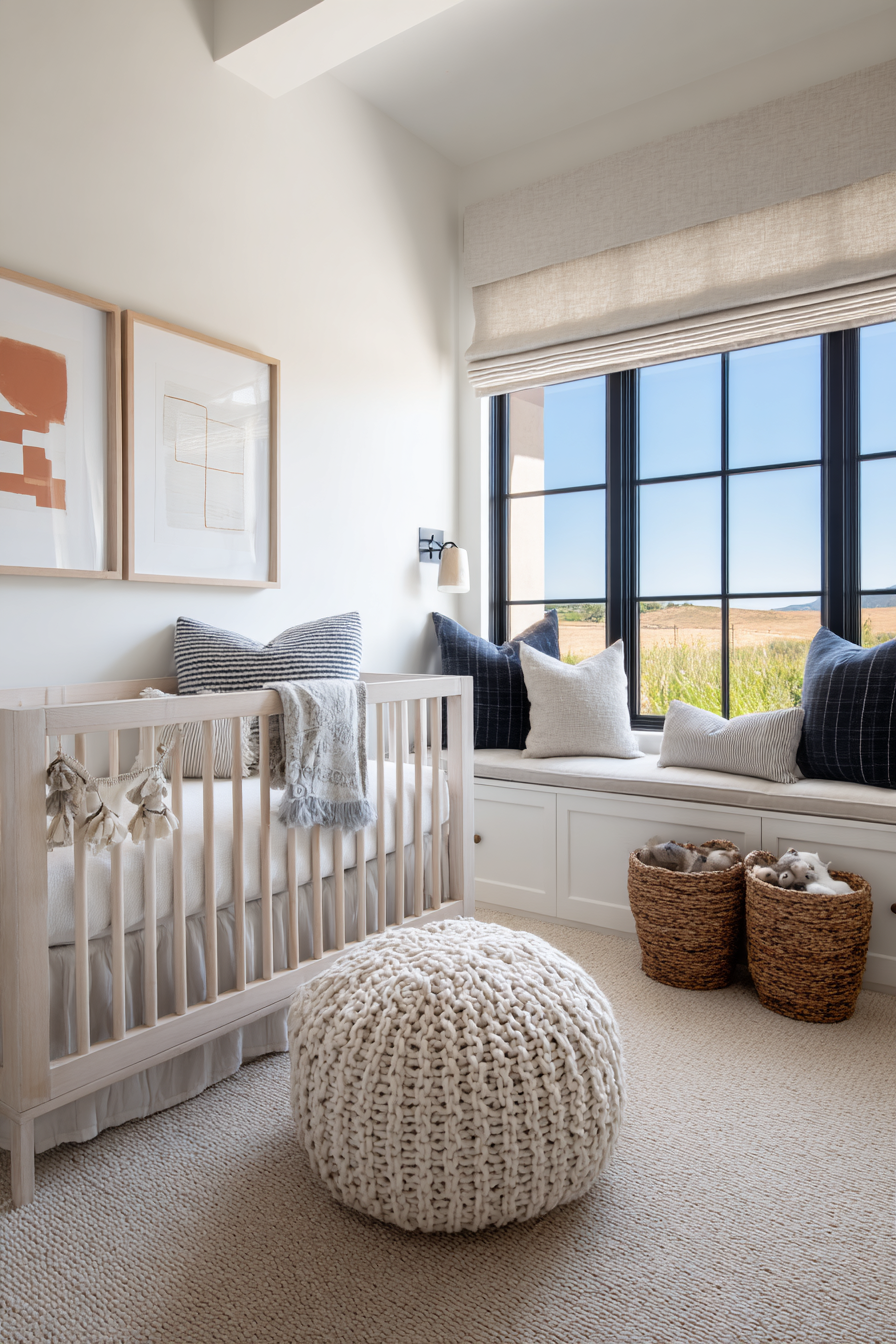
The neutral backdrop allows you to experiment with seasonal updates and evolving personal tastes without commitment. Add coral and gold for summer vibes, then transition to navy and forest green for autumn. This flexibility means the room grows alongside your child’s developing personality and interests. Parents appreciate not being locked into gender-specific or trend-driven schemes that feel dated quickly.

Beige works beautifully with virtually every design style, from contemporary minimalism to traditional elegance. You can incorporate vintage furniture, modern acrylic pieces, or handcrafted wooden items without worrying about color clashes. This adaptability proves especially valuable for hand-me-down furniture or sentimental pieces from multiple family members.
- Use removable wall decals for temporary pops of color
- Invest in quality beige furniture that transcends age stages
- Rotate throw pillows and blankets seasonally for fresh looks
- Choose beige area rugs that hide stains while anchoring design
- Add personality through easily changeable artwork and shelving displays
- Select beige window treatments that work with any accent colors
3. Enhanced Natural Light and Spatial Perception
Beige reflects natural light beautifully, making nurseries feel larger and more open than darker colors allow. This light-enhancing quality is particularly valuable in smaller spaces or rooms with limited windows. The color bounces daylight throughout the room, creating an airy atmosphere that prevents cramped feelings. Parents working with compact urban apartments especially benefit from this optical illusion.

The reflective properties of beige also reduce dependence on artificial lighting during daytime hours. This creates a more natural circadian rhythm for your baby, supporting healthy sleep patterns and development. Morning sunlight appears softer and more welcoming in beige rooms, making wake-up times gentler for everyone. Evening light takes on warm, golden qualities that facilitate bedtime routines.
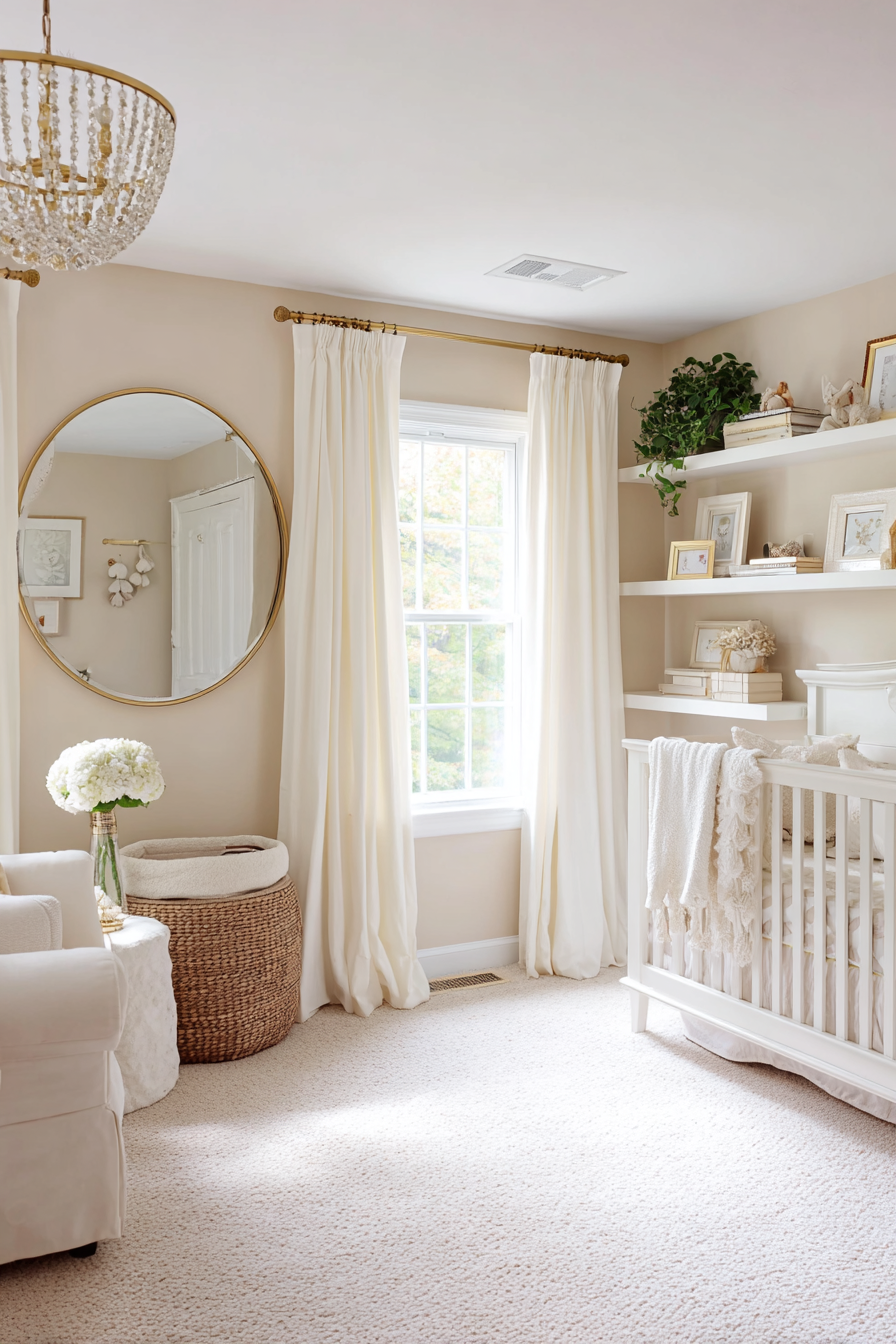
Strategic use of beige tones can visually expand walls and raise ceilings in challenging architectural spaces. Lighter beige shades draw the eye upward, while warmer tones create cozy intimacy in oversized rooms. This versatility allows you to manipulate spatial perception according to your specific nursery dimensions and natural lighting conditions.
- Paint ceilings slightly lighter than walls for height illusion
- Use glossier beige finishes in dimly lit corners
- Position mirrors opposite windows to multiply light reflection
- Choose beige flooring to create seamless visual flow
- Avoid heavy window treatments that block precious natural light
- Layer lighting types for flexibility throughout the day
4. Perfect Canvas for Accent Colors and Patterns
Beige provides the ideal neutral foundation for introducing bold accent colors without overwhelming the senses. You can incorporate jewel tones, pastels, or vibrant primaries through accessories while maintaining overall balance. This approach allows for dramatic visual interest without the permanence of painted feature walls. Change your mind about color schemes? Simply swap pillows and artwork rather than repainting.
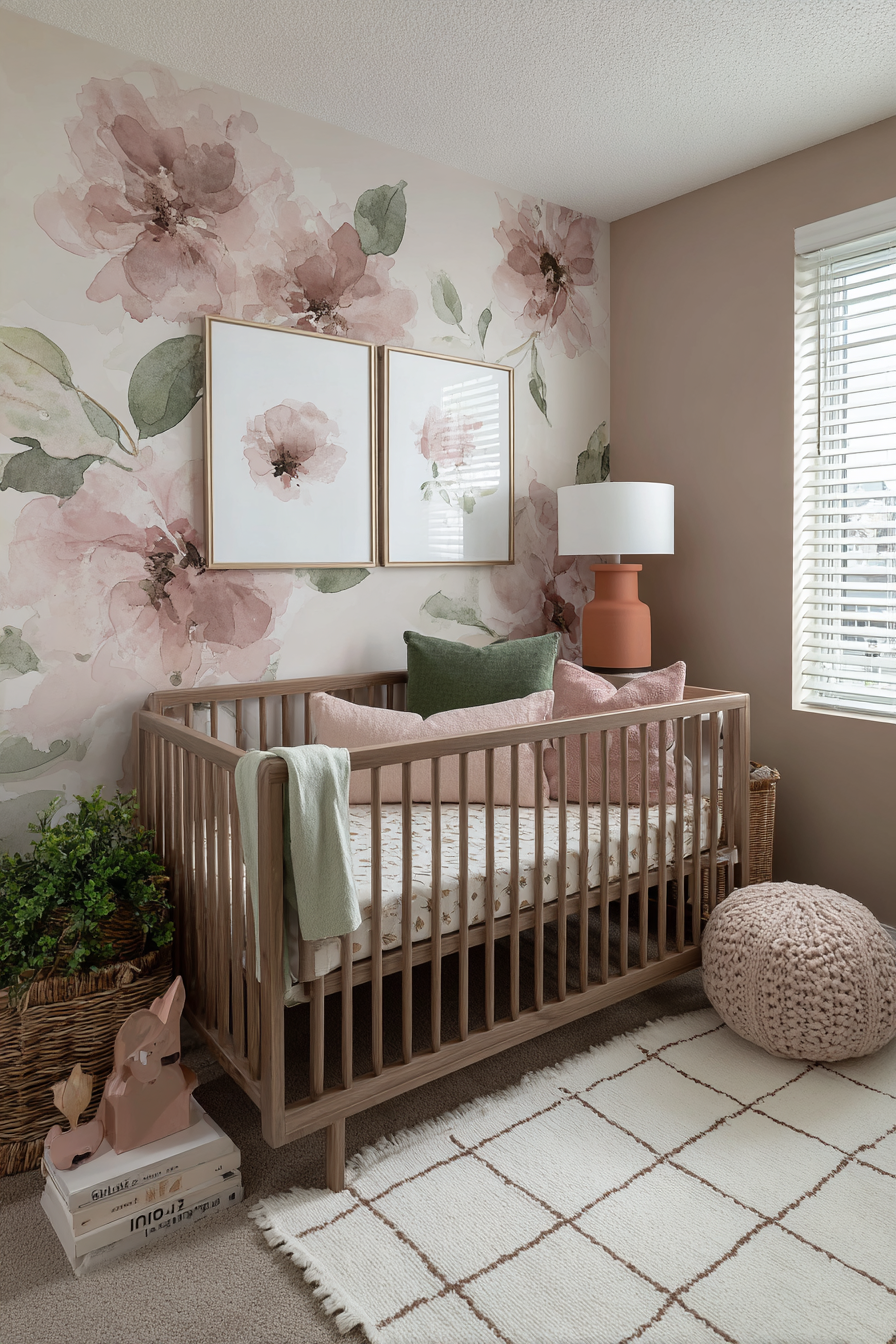
The versatility of beige backgrounds makes pattern mixing accessible even for design novices. Stripes, florals, geometrics, and animal prints can coexist harmoniously when grounded by neutral walls and furniture. This freedom encourages creative expression and personalization without risking chaotic results. Parents can confidently experiment with various textiles and decorative elements.
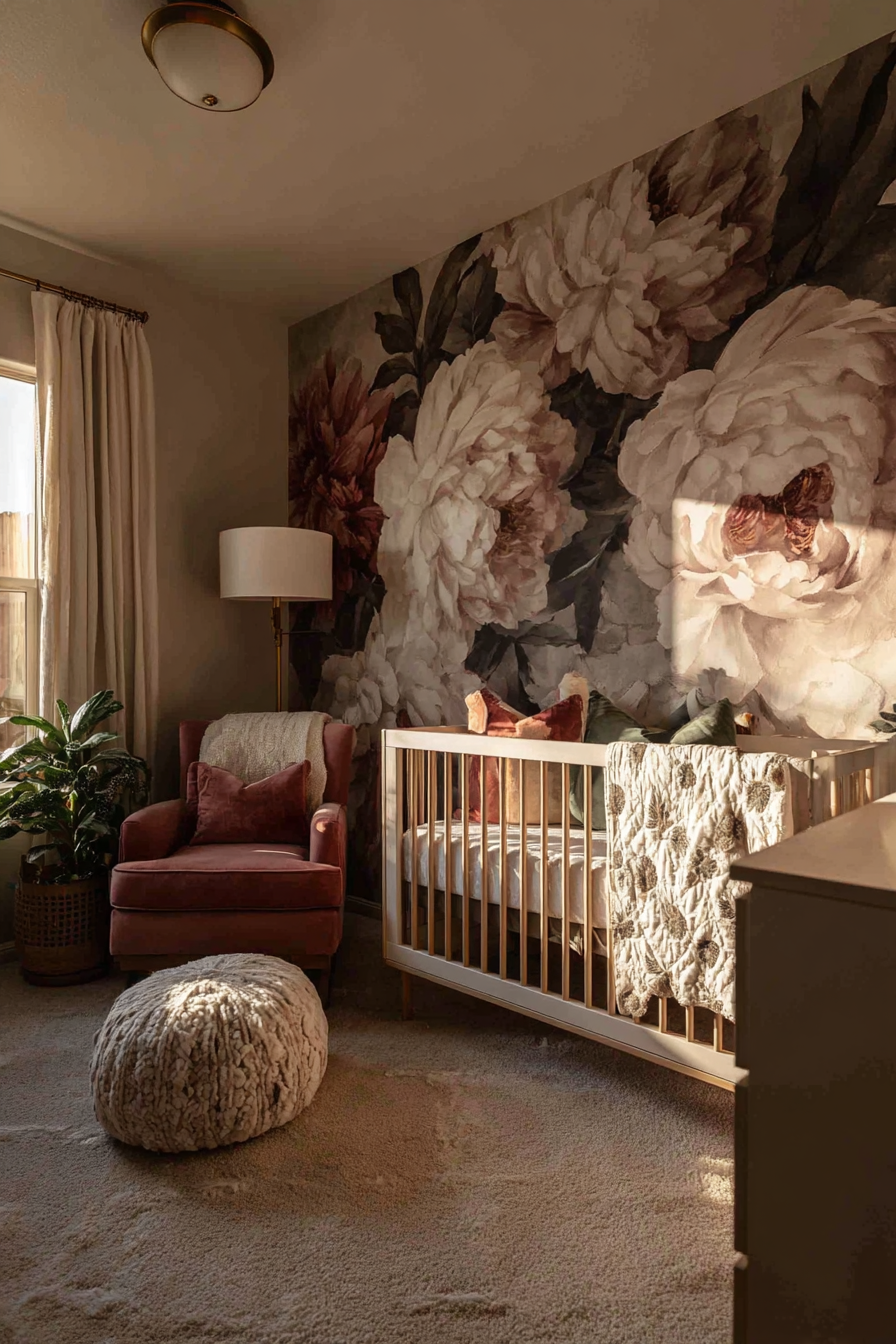
Beige acts as a visual buffer that prevents color fatigue and overstimulation in spaces used daily. Unlike all-white rooms that can feel sterile or dark rooms that seem oppressive, beige achieves perfect equilibrium. This balanced approach supports both energizing playtime and calming sleep periods within the same four walls.
- Introduce one or two accent colors through textiles and toys
- Use the 60-30-10 rule: 60% beige, 30% secondary, 10% accent
- Experiment with patterned wallpaper on a single accent wall
- Layer solid and patterned beige textiles for dimensional interest
- Rotate accent colors seasonally to refresh without major changes
- Choose beige with undertones that complement your accent palette
5. Practical Maintenance and Stain Concealment
Beige nurseries excel at hiding the inevitable dirt, scuffs, and stains that come with raising children. Unlike stark white walls that showcase every fingerprint or dark colors that reveal dust, beige offers forgiving practicality. This means less frequent touch-ups and repainting, saving both time and money. Busy parents appreciate surfaces that maintain their appearance despite daily use.
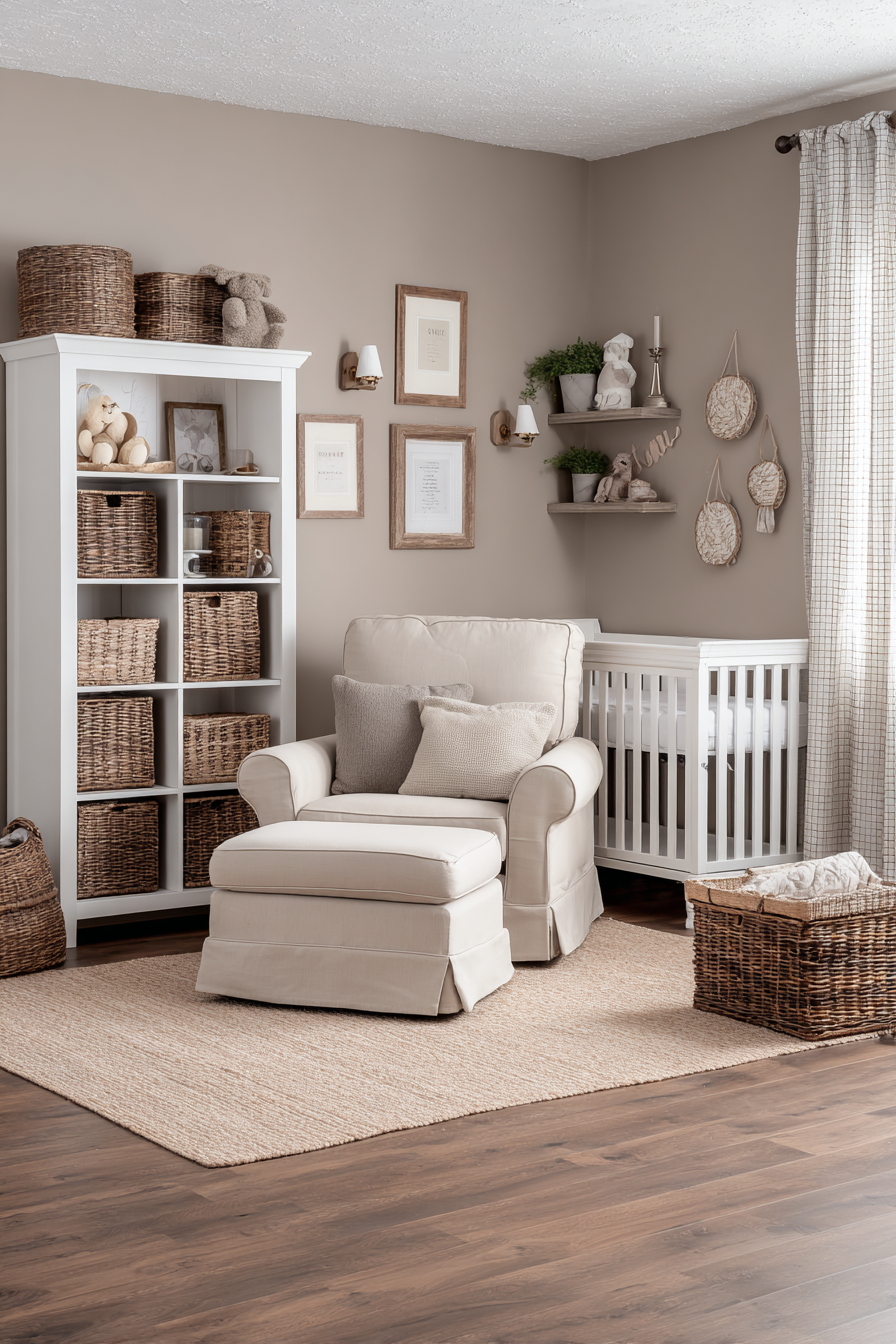
The color’s ability to camouflage minor imperfections extends to furniture, fabrics, and flooring as well. Beige upholstery hides milk stains better than lighter neutrals while appearing cleaner than darker options. This functional advantage makes beige the smart choice for high-traffic nursery elements like gliders, ottomans, and area rugs. You can maintain a polished appearance without constant cleaning.
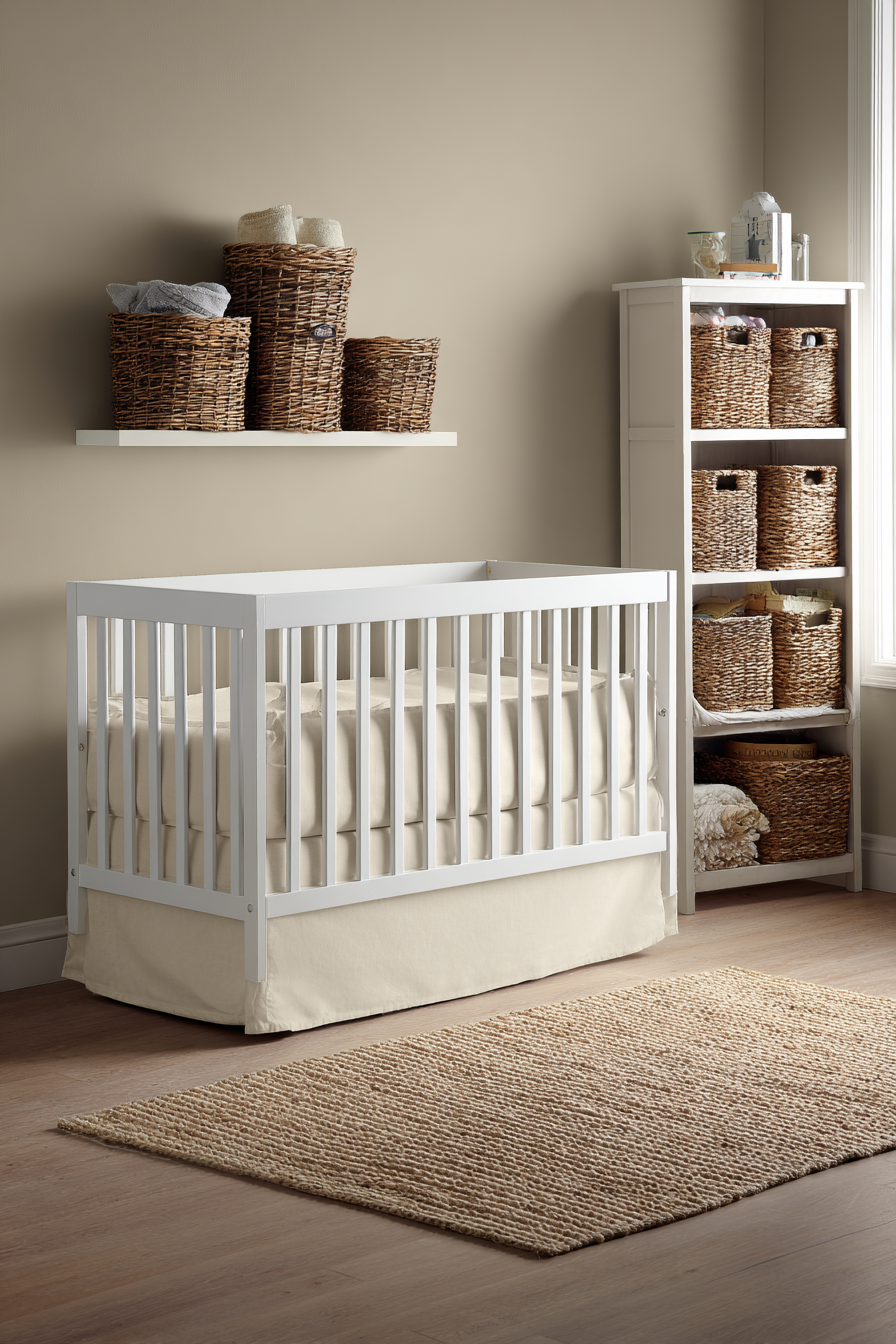
Many parents find that beige tones photograph beautifully, preserving precious early memories without harsh color casts. Your baby photos will feature true skin tones and balanced lighting rather than being influenced by dominant wall colors. This subtle benefit becomes appreciated when creating albums and sharing milestones with family.
- Choose washable beige paint with eggshell or satin finishes
- Select performance fabrics in beige for easy cleaning
- Keep touch-up paint on hand for quick fixes
- Use beige slipcovers on nursing chairs for convenient laundering
- Install beige vinyl or laminate flooring for durability
- Maintain consistent beige tones for seamless patch jobs
6. Budget-Friendly Design Investment
Creating a beige nursery often proves more economical than elaborate themed spaces requiring specialized items. Neutral furniture retains resale value and works for multiple children regardless of gender or preferences. You can find quality beige pieces at various price points from budget-friendly retailers to high-end boutiques. This accessibility means beautiful nurseries aren’t limited to unlimited budgets.
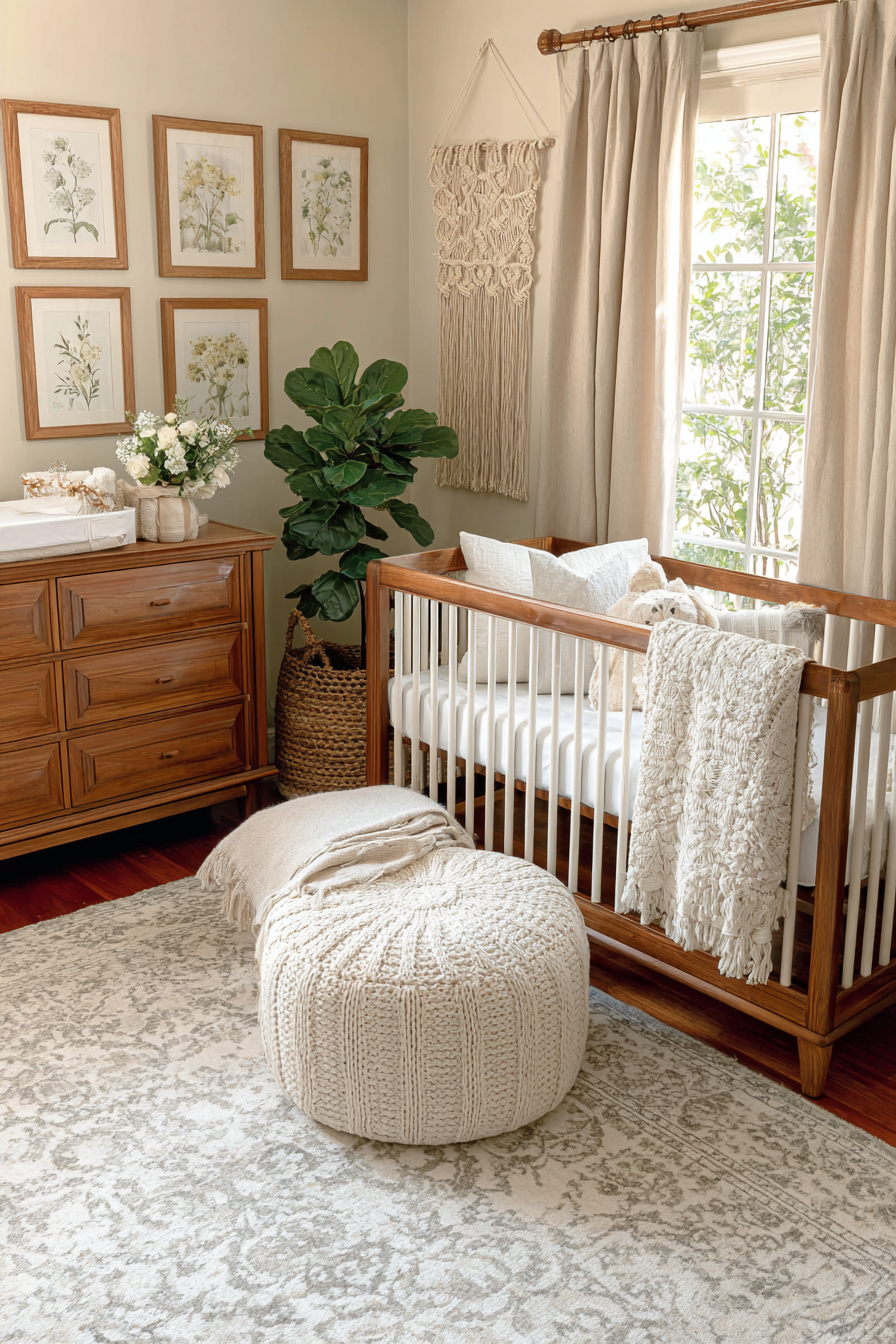
The longevity of beige design reduces the need for expensive renovations as children age and tastes evolve. Instead of completely redesigning every few years, you simply update affordable accessories like bedding, artwork, and storage solutions. This approach allocates more budget toward quality investment pieces like cribs and dressers that truly matter.

Beige serves multiple rooms beyond the nursery, maximizing your return on purchased items. That beige glider transitions beautifully to your living room once nursing ends. Beige storage ottomans work in playrooms, bedrooms, or family spaces. This multi-room versatility ensures nothing becomes obsolete or single-use, stretching every dollar further.
- Shop secondhand for quality beige furniture pieces
- Invest in timeless beige items that serve multiple purposes
- DIY artwork and accessories in complementary colors cheaply
- Use what you own by incorporating existing beige items
- Focus budget on quality mattresses and safety essentials
- Choose beige pieces that transition beyond baby years
Conclusion
Beige nurseries represent a sophisticated approach to infant space design that prioritizes both aesthetics and functionality. The timeless nature of this neutral palette ensures your nursery remains stylish and relevant throughout your child’s developmental stages. From psychological benefits to practical advantages, beige proves itself as the ultimate versatile choice for modern families.

The beauty of choosing beige lies in the freedom it provides for creative expression and personal evolution. Your nursery becomes a living space that adapts to your changing needs, preferences, and family dynamics. Embrace the enduring elegance of neutral design and create a peaceful sanctuary that serves your family beautifully for years to come. Start with beige as your foundation, and let your unique story unfold naturally within those calming walls.
