


Designing a nursery is one of the most exciting yet challenging tasks expectant parents face. This special space will serve as your baby’s first room, where countless memories will be made during those precious early years. However, many well-intentioned parents make critical design errors that can affect both functionality and safety. These mistakes often lead to costly renovations or uncomfortable living situations that could have been easily prevented.

The difference between a beautifully designed nursery and a problematic one often comes down to careful planning and foresight. While it’s tempting to focus solely on aesthetics, successful nursery design requires balancing visual appeal with practical considerations. From lighting choices to furniture placement, every decision impacts how the room functions during those sleep-deprived midnight feedings. This comprehensive guide explores eight common nursery design pitfalls and provides actionable solutions to help you create a space that’s both beautiful and functional for years to come.
1. Overlooking Proper Lighting Design
Many parents make the mistake of relying solely on overhead lighting, which creates harsh shadows and disrupts a baby’s sleep patterns. Proper illumination in a nursery requires multiple light sources that serve different purposes throughout the day and night. The goal is creating an environment that supports both active playtime and restful sleep without disturbing your little one during nighttime care routines.
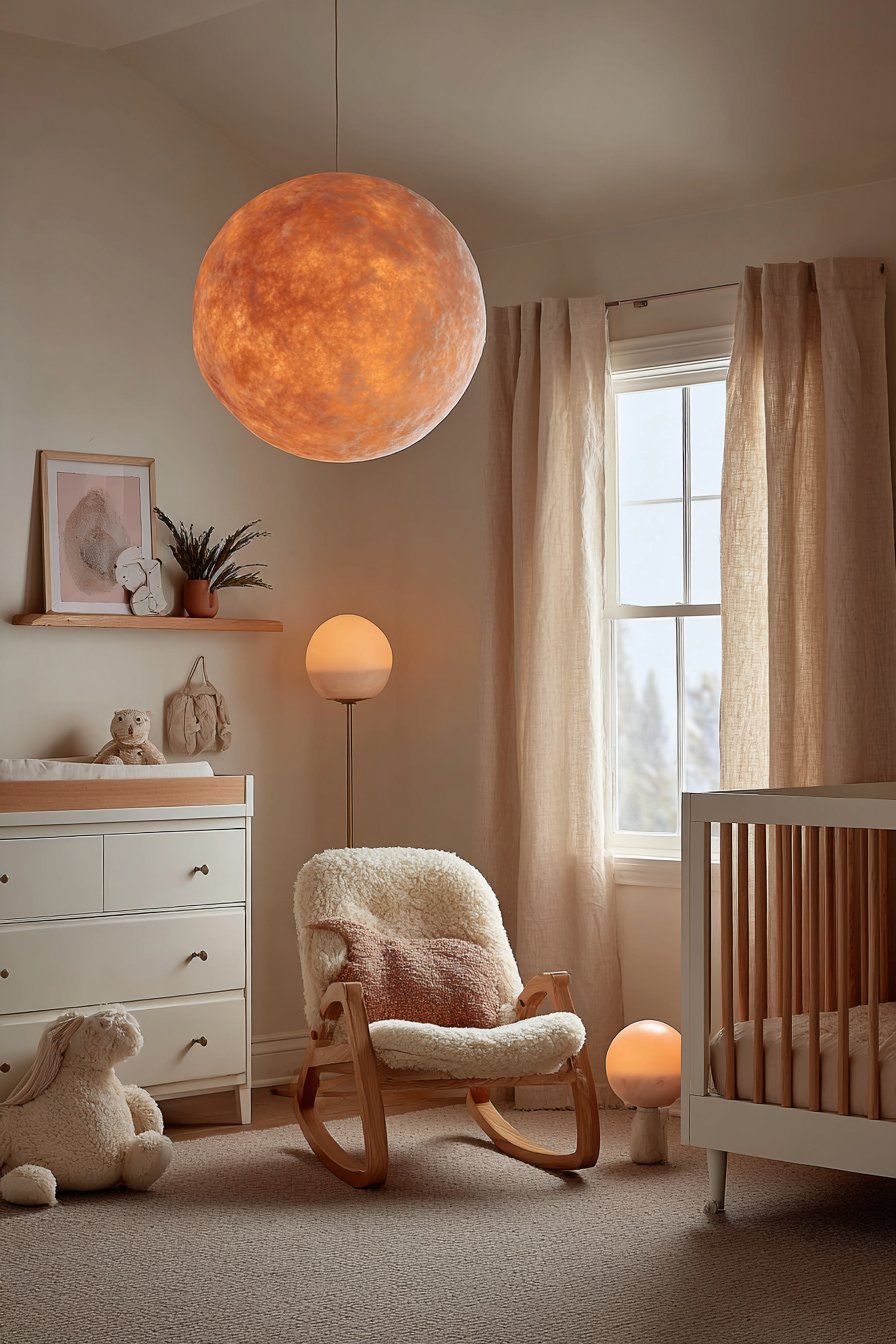
Harsh overhead lights can be jarring during midnight diaper changes, while insufficient lighting makes it difficult to safely navigate the room. A well-designed lighting scheme includes ambient, task, and accent lighting that work together harmoniously. Dimmer switches are essential for adjusting brightness levels according to different activities and times of day.
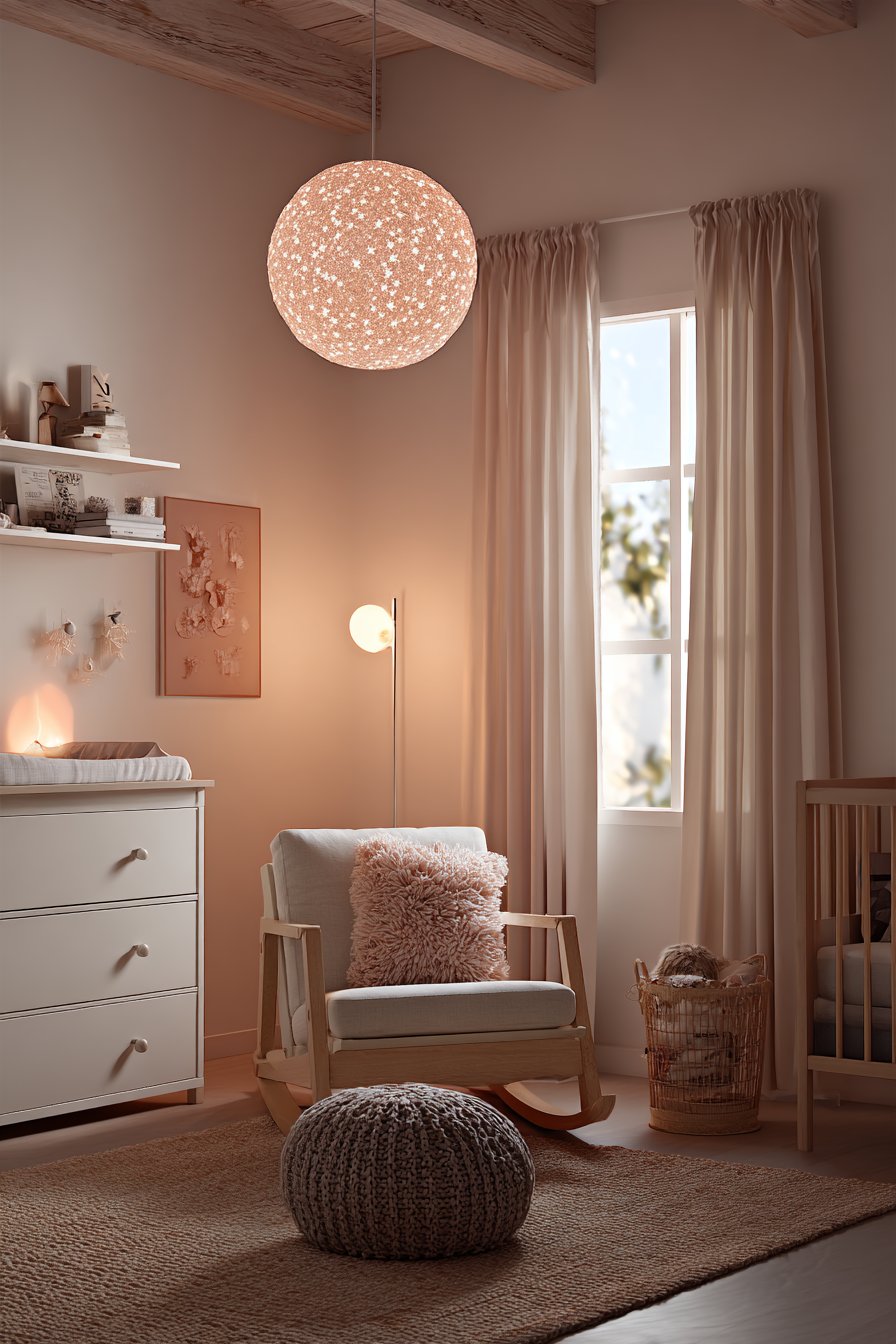
Consider how natural light enters the room throughout different seasons. Window treatments should allow you to control sunlight exposure, especially during nap times. Installing blackout curtains or shades helps establish healthy sleep routines by creating optimal darkness when needed.
- Install dimmer switches on all overhead fixtures for adjustable brightness
- Add a soft nightlight near the changing table for convenient nighttime visibility
- Use table lamps with warm bulbs (2700K-3000K) for gentle ambient lighting
- Position task lighting near the rocking chair for comfortable late-night feeding sessions
- Avoid placing bright lights directly above the crib or changing table
- Consider smart bulbs that allow color temperature adjustments throughout the day
2. Choosing Style Over Safety
Pinterest-worthy nurseries often feature trendy elements that may look stunning but pose serious safety hazards. Parents frequently prioritize aesthetics without considering developmental stages and safety regulations that protect their children. The reality is that babies grow quickly, and what seems harmless for a newborn becomes dangerous once they start rolling, crawling, and pulling themselves up.
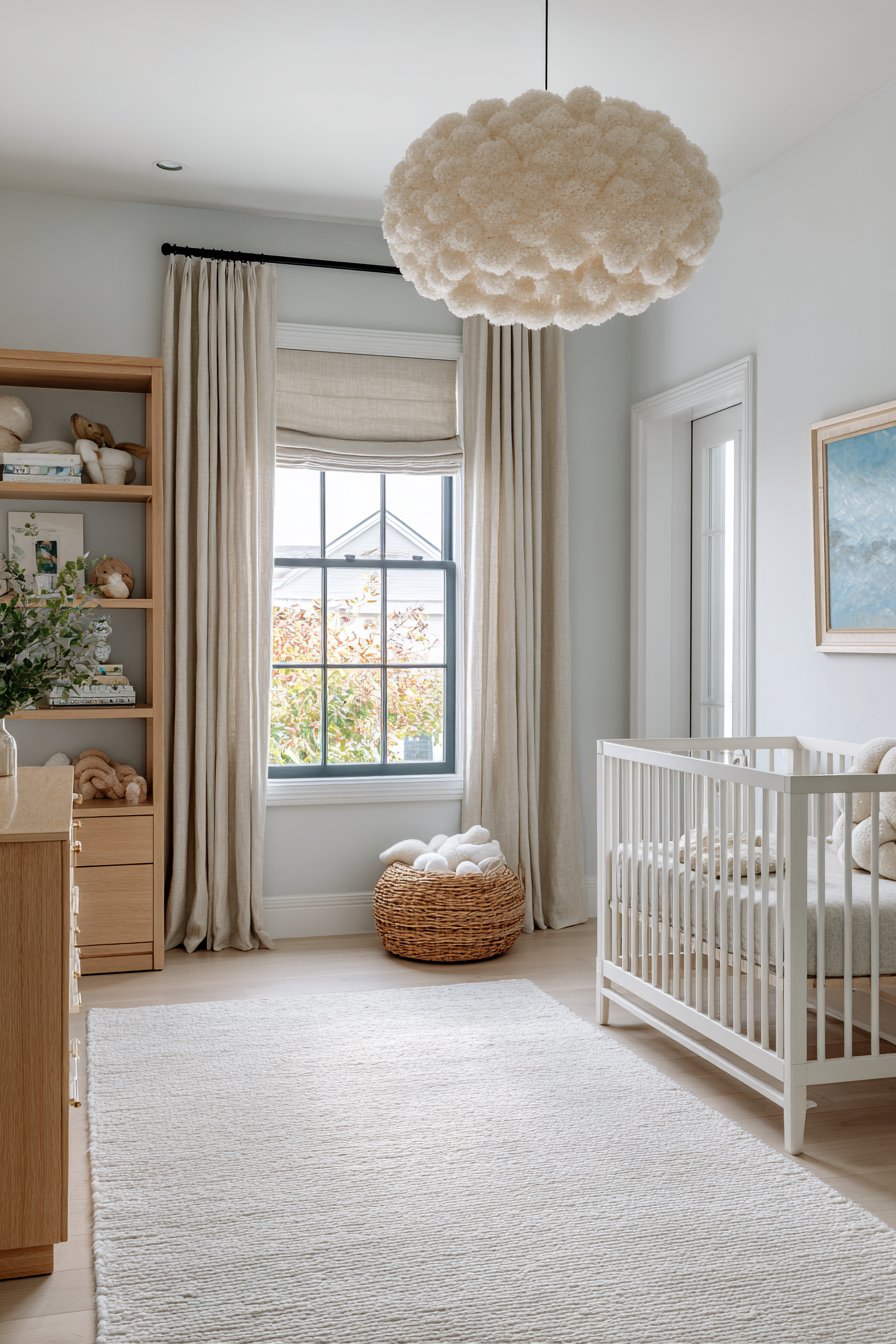
Decorative items like heavy wall art, dangling mobiles within reach, and furniture with sharp edges create unnecessary risks. Window treatment cords represent a strangulation hazard that claims young lives every year. Bumper pads, though visually appealing, increase suffocation risks and are no longer recommended by pediatricians.
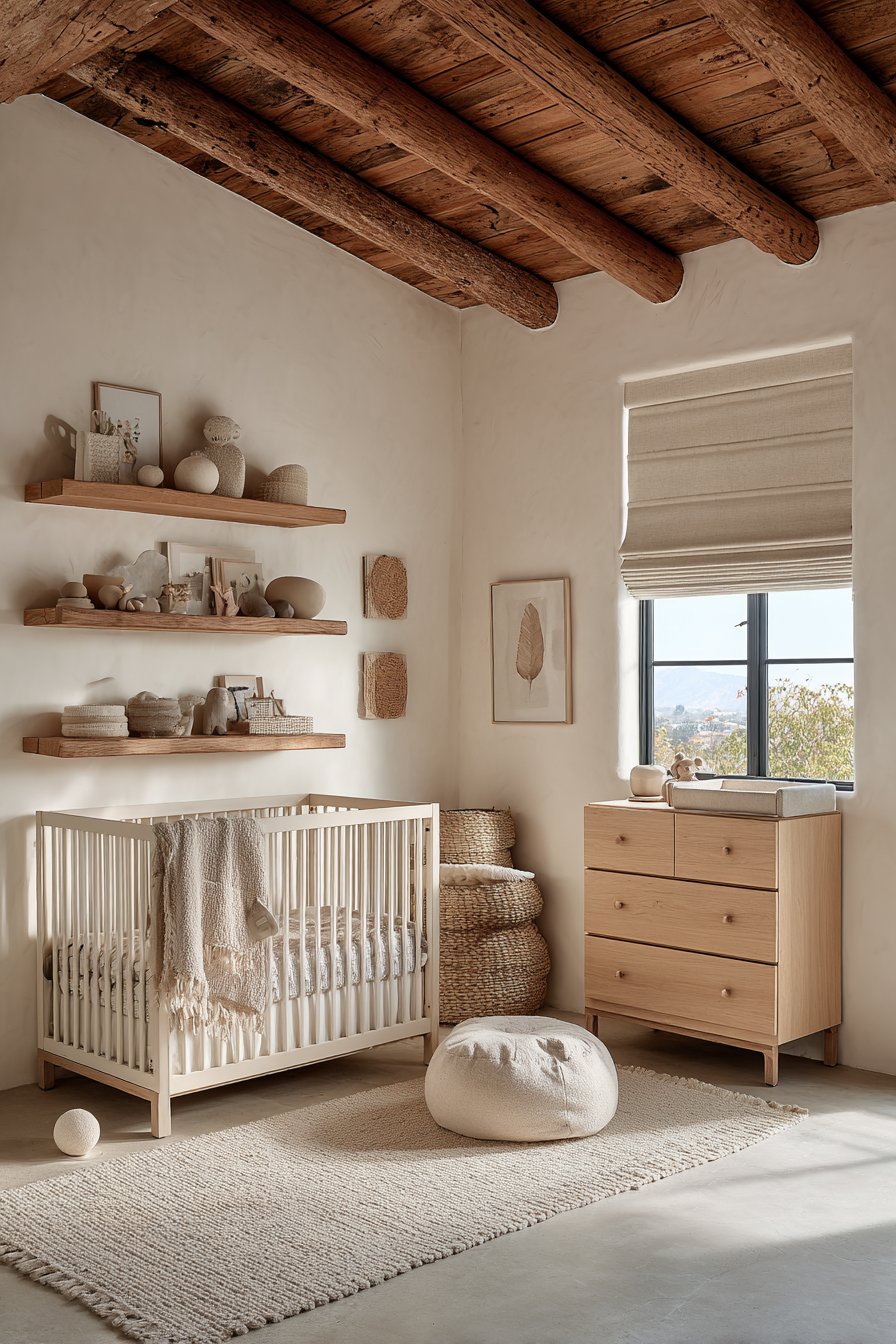
Your nursery design should evolve with your child’s development while maintaining consistent safety standards. This means anchoring all furniture to walls, choosing cordless window treatments, and keeping decorative elements out of reach. Remember that what hangs safely today may become accessible tomorrow.
- Anchor all heavy furniture including dressers, bookcases, and changing tables to wall studs
- Choose cordless blinds or install tension devices on corded window treatments
- Ensure crib slats are spaced no more than 2-3/8 inches apart
- Remove bumper pads, pillows, and soft toys from the crib entirely
- Select rounded furniture edges or add corner guards to sharp surfaces
- Keep electrical cords hidden and secured away from curious hands
3. Ignoring Adequate Storage Planning
New parents consistently underestimate the sheer volume of items a tiny human requires, leading to cluttered, chaotic spaces. Without proper storage infrastructure, nurseries quickly become overwhelmed with diapers, clothes, toys, blankets, and countless other necessities. This lack of organization creates stress during those already exhausting early months when efficiency matters most.
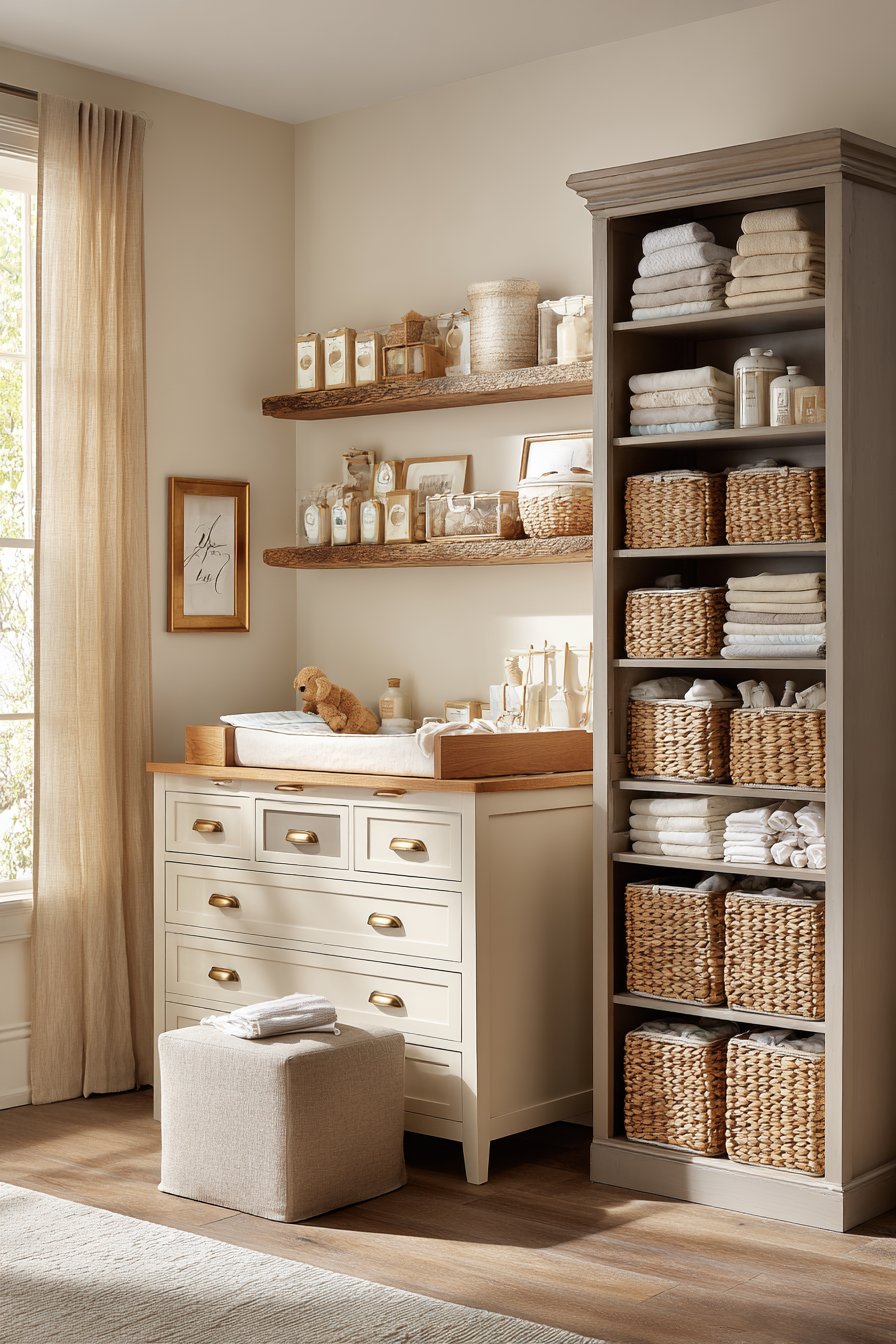
Effective storage isn’t just about having enough space—it’s about having the right kind of storage in appropriate locations. Items you need multiple times daily should be within arm’s reach, while seasonal clothes and backup supplies can occupy less accessible areas. Vertical space often goes unused despite offering tremendous storage potential.
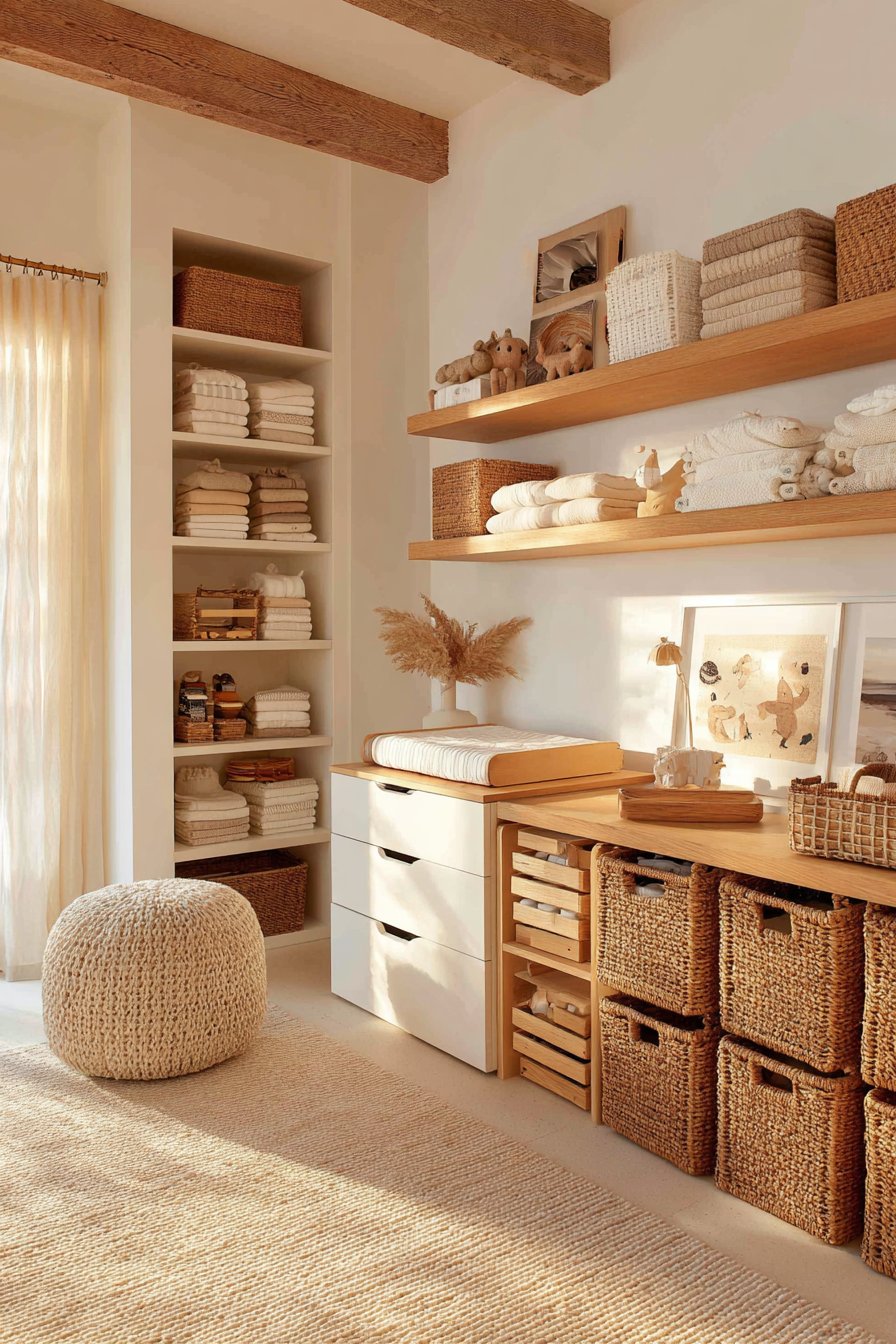
Many parents wait until after the baby arrives to address storage issues, but this backwards approach leads to makeshift solutions and wasted money. Planning your storage system strategically from the beginning ensures everything has a designated place, making daily routines smoother and less stressful.
- Install floating shelves above the changing table for frequently used items
- Use drawer dividers to organize tiny clothing items by size and category
- Incorporate multi-functional furniture like storage ottomans and benches
- Add a tall bookcase for vertical storage of books, toys, and decorative baskets
- Designate specific zones for different categories: diapering, feeding, sleeping, and play
- Label storage containers and bins for easy identification during rushed moments
4. Selecting Impractical Flooring Materials
Flooring choices dramatically impact both the functionality and maintenance of your nursery, yet many parents select materials based purely on appearance. Light-colored carpets may look beautiful initially, but they become stained disaster zones once spit-up, diaper leaks, and spilled formula become daily occurrences. Similarly, hard surfaces without proper area rugs create uncomfortable spaces for floor play and tummy time.
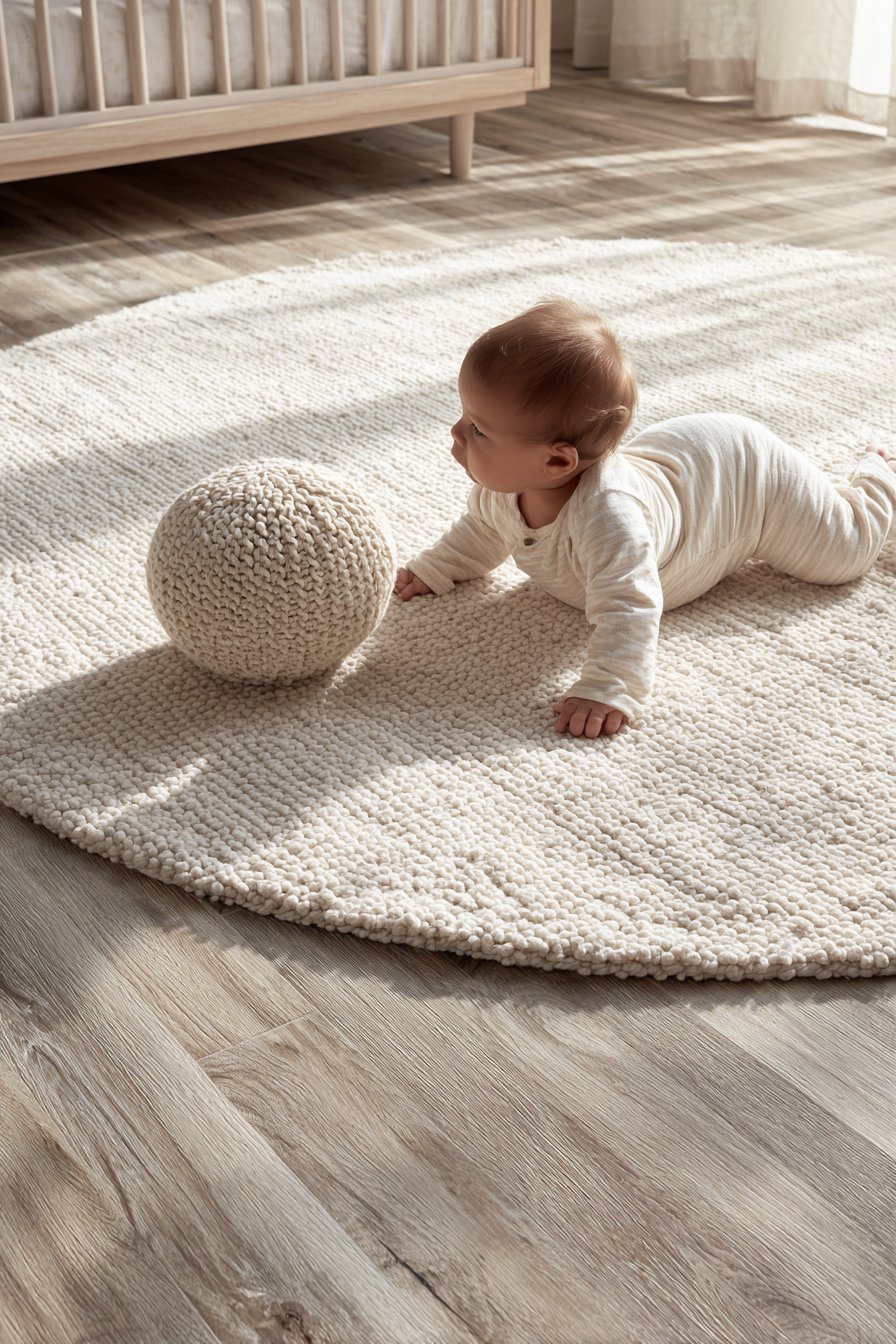
The ideal nursery flooring balances durability, comfort, and ease of cleaning. It should provide cushioning for inevitable falls while remaining simple to sanitize regularly. Temperature control matters too—cold tile floors are uncomfortable for bare feet during nighttime visits, while certain materials trap heat unpleasantly.
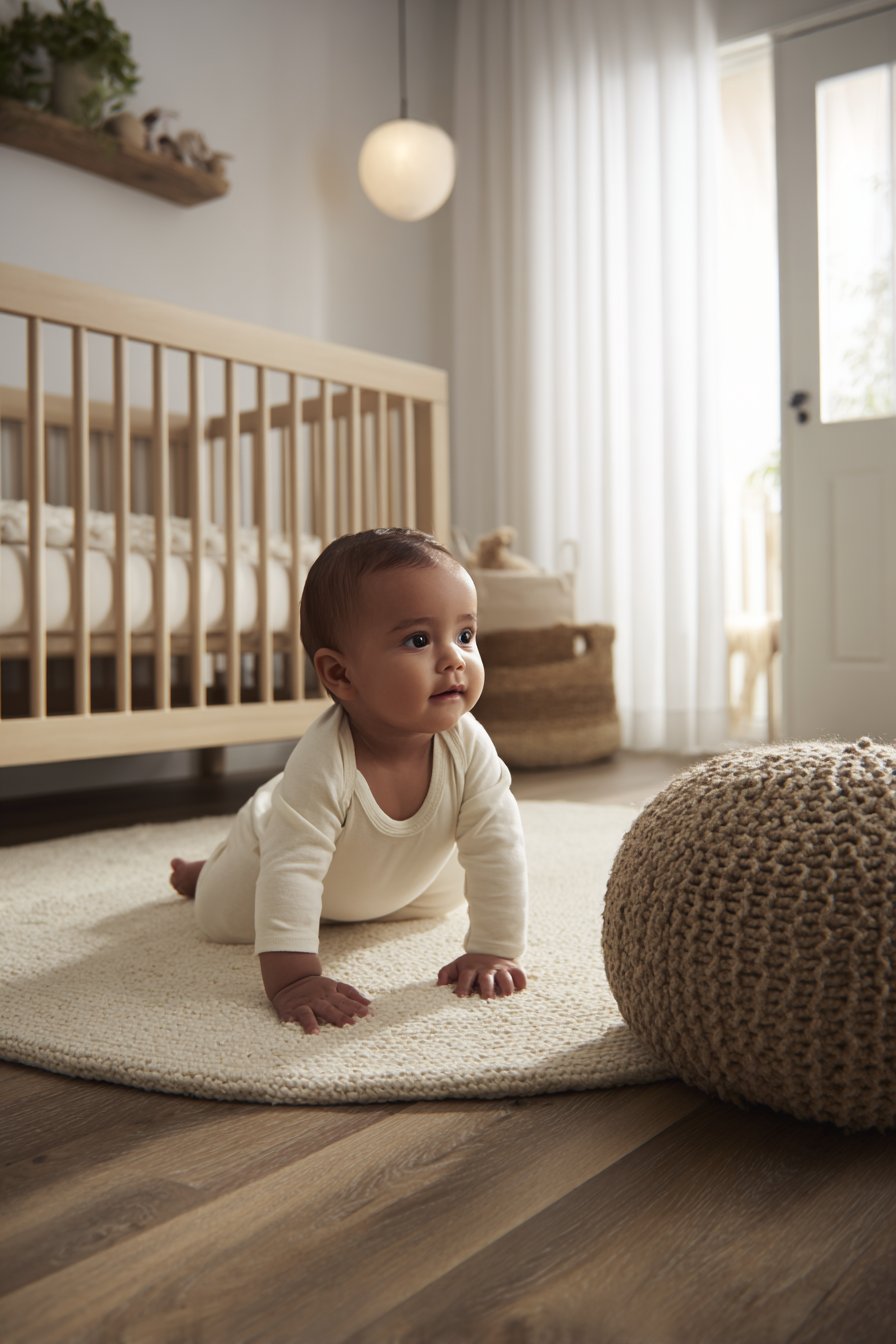
Consider your lifestyle and cleaning preferences when making flooring decisions. High-maintenance materials add unnecessary work to already busy schedules. The best flooring solutions accommodate messy realities while maintaining attractive appearances and contributing to a healthy indoor environment.
- Choose luxury vinyl plank flooring for waterproof durability with wood-like appearance
- Layer washable area rugs over hard surfaces for comfort and easy cleaning
- Avoid wall-to-wall carpeting in light colors that show every stain
- Select low-pile rugs that won’t trap allergens or harbor dust mites
- Ensure all area rugs have non-slip backing to prevent tripping hazards
- Consider cork flooring for natural antimicrobial properties and soft cushioning
5. Neglecting Temperature and Ventilation Control
Maintaining optimal room temperature between 68-72°F is crucial for safe infant sleep, yet many nurseries lack proper climate control systems. Parents often realize too late that their beautifully decorated room is unbearably hot in summer or freezing in winter. Poor ventilation compounds these problems, creating stuffy environments that affect air quality and comfort.
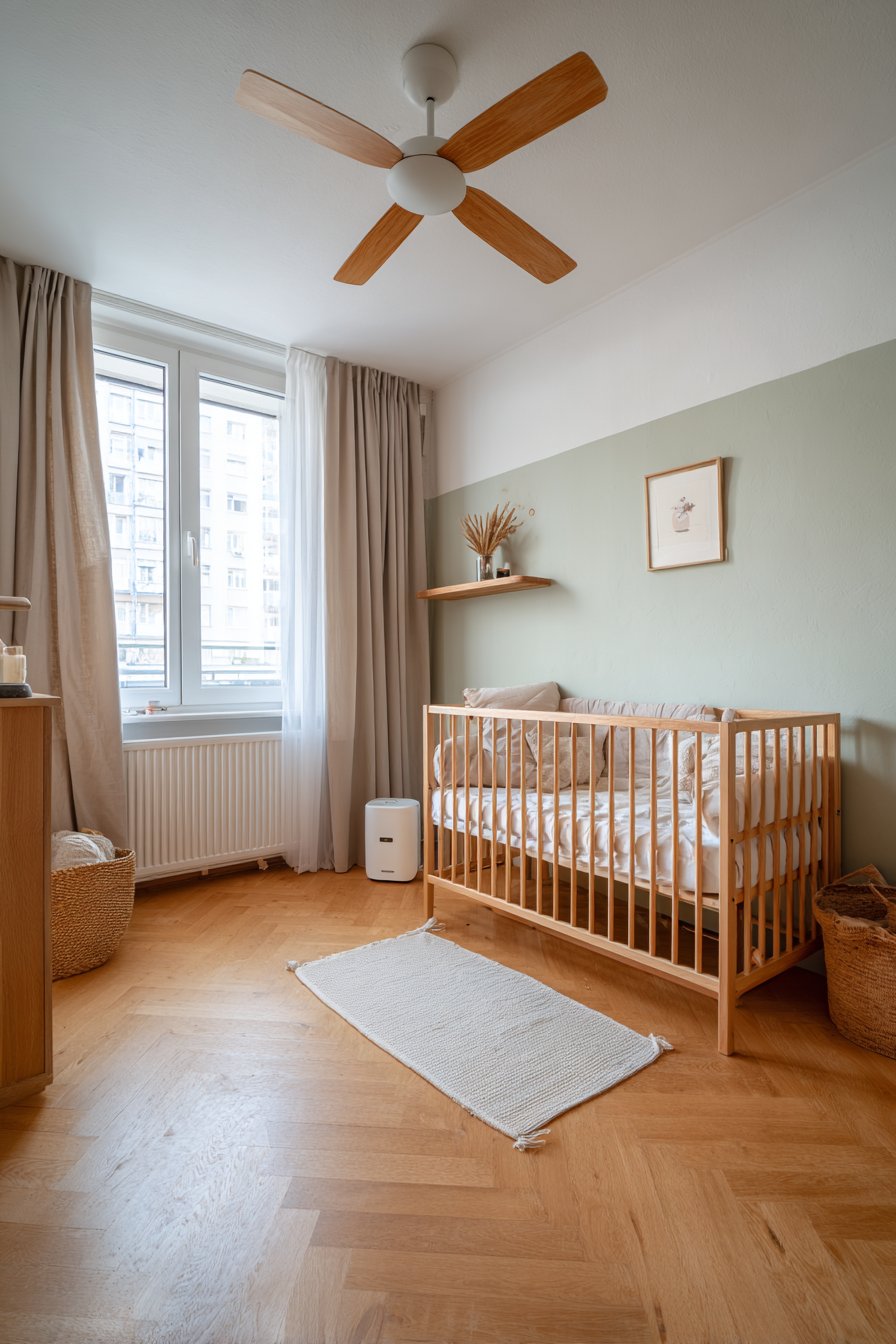
Nurseries require independent temperature monitoring and adjustment capabilities separate from the rest of your home. Relying solely on central heating and cooling rarely provides the precise control needed for infant comfort and safety. Additionally, air circulation prevents moisture buildup and reduces airborne allergens that impact developing respiratory systems.
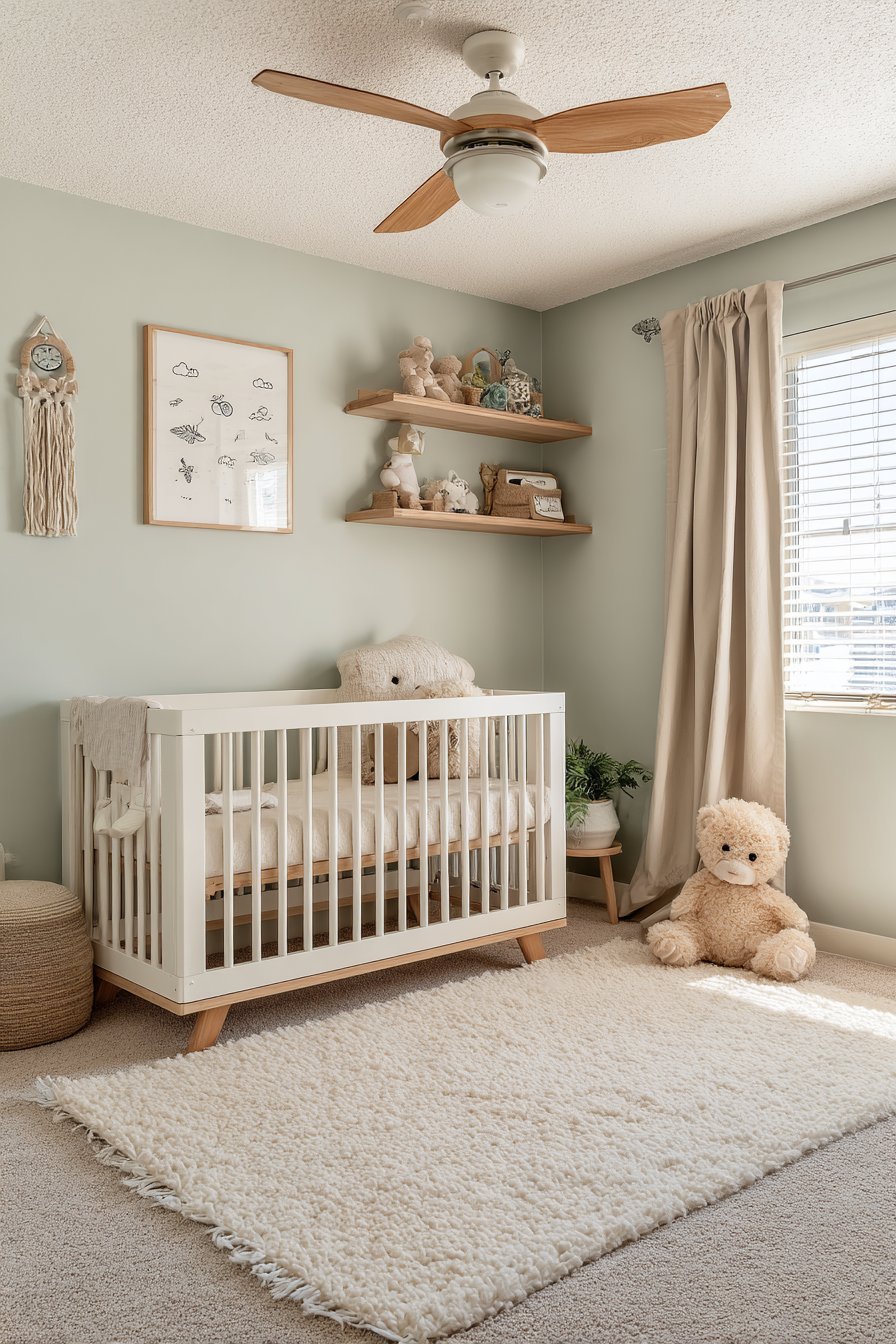
Window placement, insulation quality, and external factors like direct sunlight exposure all influence room temperature. Understanding these variables helps you implement effective solutions before problems arise. Remember that babies cannot regulate body temperature as efficiently as adults, making environmental control especially critical.
- Install a reliable room thermometer with humidity monitoring capabilities
- Use a quiet ceiling fan or oscillating fan for gentle air circulation
- Add thermal curtains to regulate temperature and block harsh sunlight
- Consider a small space heater with automatic shut-off for cold climates
- Ensure heating and cooling vents aren’t blocked by furniture or decorations
- Use a humidifier during dry months to maintain 30-50% humidity levels
6. Positioning Furniture Without Functionality in Mind
The strategic placement of furniture affects daily routines far more than most parents anticipate when designing nurseries. Placing the crib too far from the door creates unnecessary walking during sleep-deprived midnight checks. Similarly, positioning the changing table away from diaper storage means constant trips across the room during every change—dozens of times daily.

Functional furniture arrangement considers natural traffic patterns and activity zones. You need clear pathways for safe navigation during nighttime hours when lights are dim. The rocking chair should offer clear views of the crib while remaining positioned near essential supplies for convenient nighttime feeding sessions.
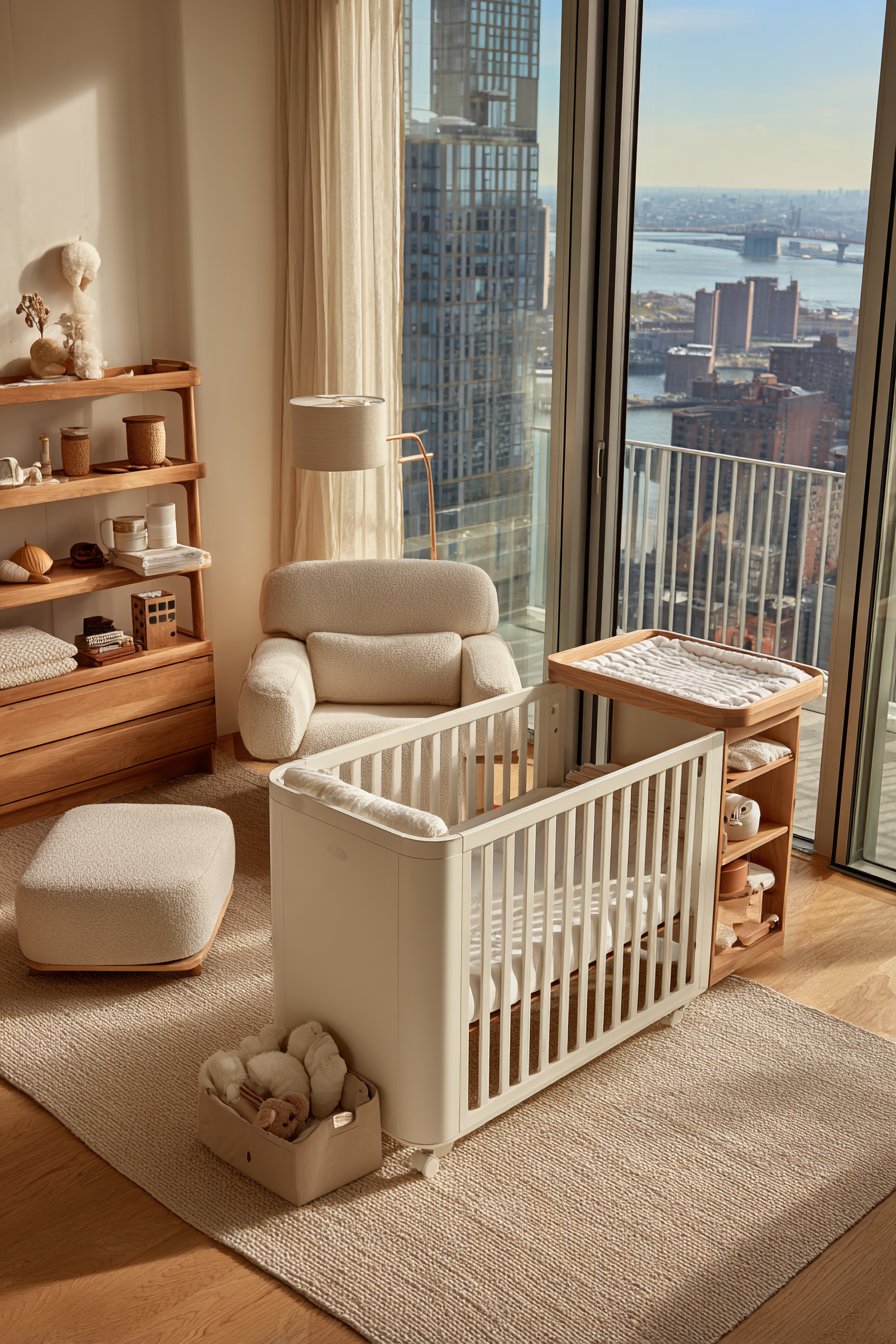
Many parents arrange furniture based solely on aesthetic appeal without testing actual usage patterns. This approach invariably leads to frustration and eventual rearrangement. Taking time to map out workflow patterns before finalizing placement saves considerable hassle and creates a truly functional space.
- Position the crib away from windows, radiators, and heating/cooling vents
- Place the changing table near the door with all supplies within arm’s reach
- Arrange the rocking chair with adequate lighting and side table space
- Maintain at least 24-36 inches of clearance around all furniture for easy movement
- Keep frequently used items at waist height to minimize bending and stretching
- Create distinct zones for sleeping, changing, feeding, and play activities
7. Overdecorating and Overstimulating the Space
Enthusiastic parents often transform nurseries into cluttered showcases filled with excessive decorations, bold patterns, and bright colors that overstimulate developing senses. While these rooms photograph beautifully, they create chaotic environments that make settling difficult for babies who need calm, soothing spaces to develop healthy sleep habits and feel secure.
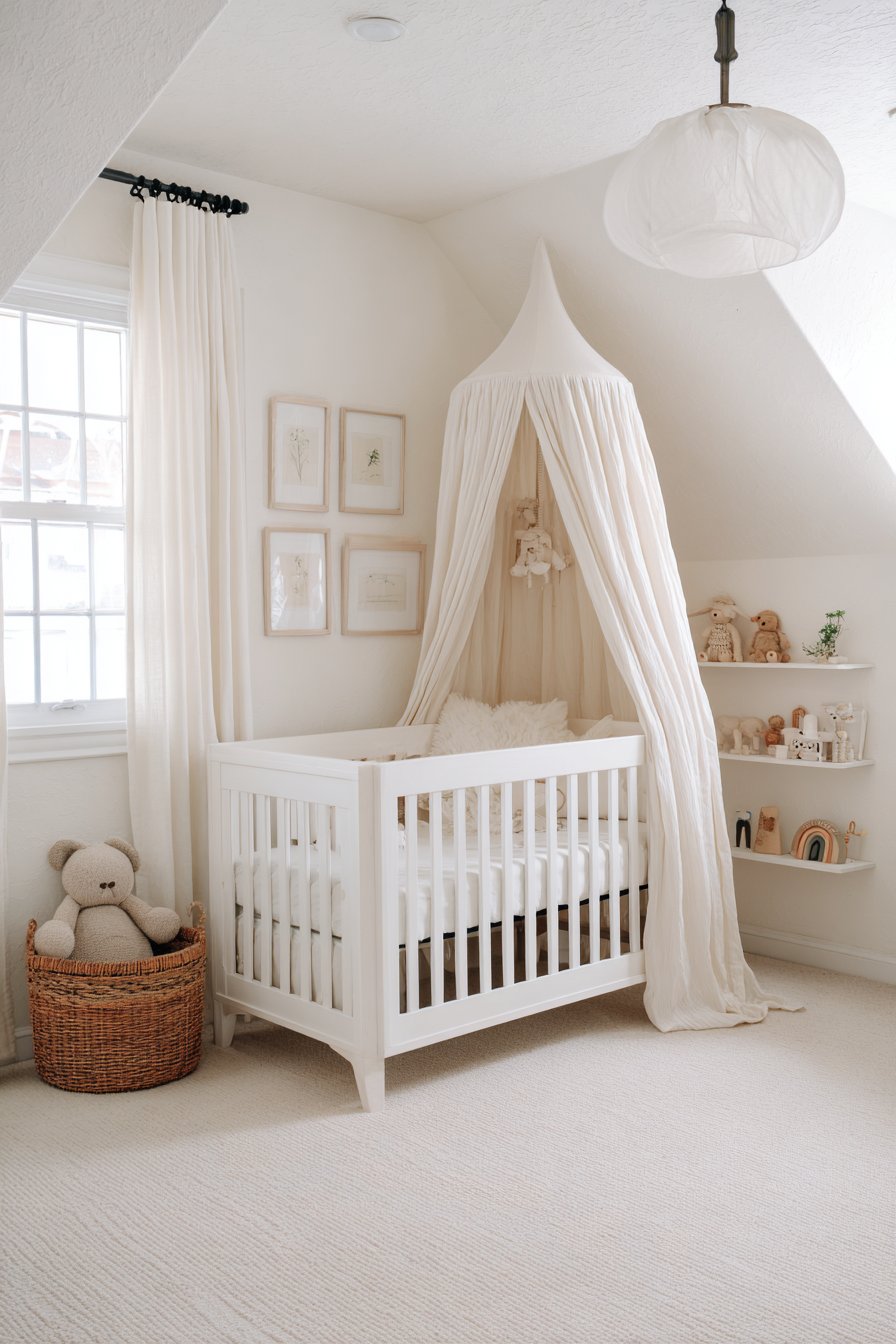
Babies process visual information differently than adults, and busy patterns or too many decorative elements can become overwhelming. The nursery should promote relaxation rather than excitement, particularly in areas dedicated to sleep. Minimalist approaches with carefully curated decorative pieces create more peaceful environments that support infant development.
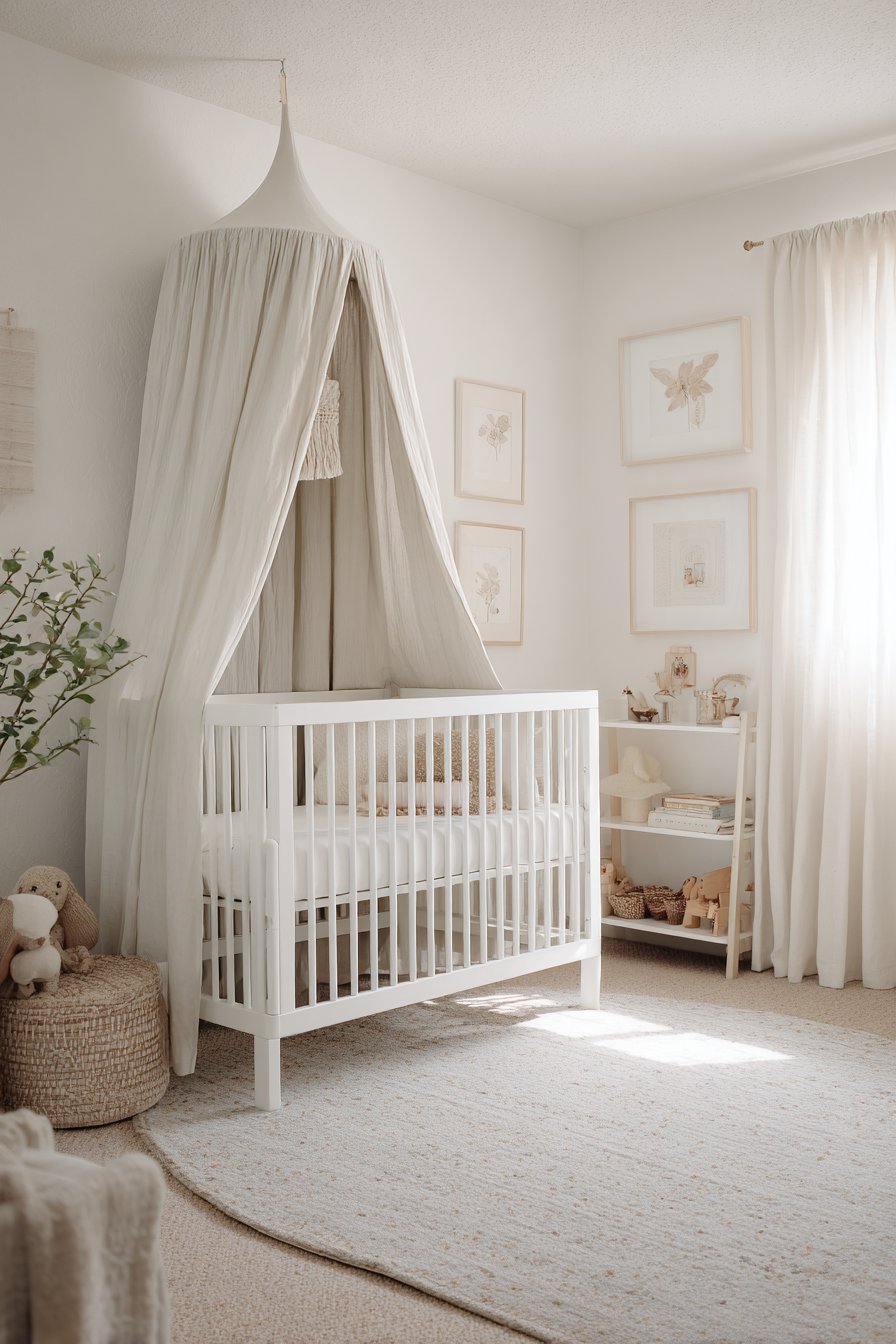
Remember that decorating a nursery isn’t about impressing visitors—it’s about creating a functional sanctuary where your baby thrives. You can always add decorative elements gradually as your child grows and develops preferences. Starting with a simpler foundation allows for easier updates and reduces sensory overload.
- Limit bold patterns to one or two focal points rather than covering every surface
- Choose a neutral color palette with subtle accent colors for visual calm
- Display only a few meaningful decorative items rather than filling every shelf
- Avoid busy wallpaper or excessive wall decals that create visual chaos
- Select artwork with simple, age-appropriate designs in muted tones
- Leave some wall space empty—negative space contributes to peaceful environments
8. Failing to Plan for Growth and Adaptability
Perhaps the most expensive mistake parents make is designing nurseries that only accommodate infant needs without considering how quickly children outgrow spaces. Investing heavily in baby-specific furniture and themes means facing costly renovations within just a few years. This short-sighted approach wastes money and creates unnecessary disruption as children transition through developmental stages.
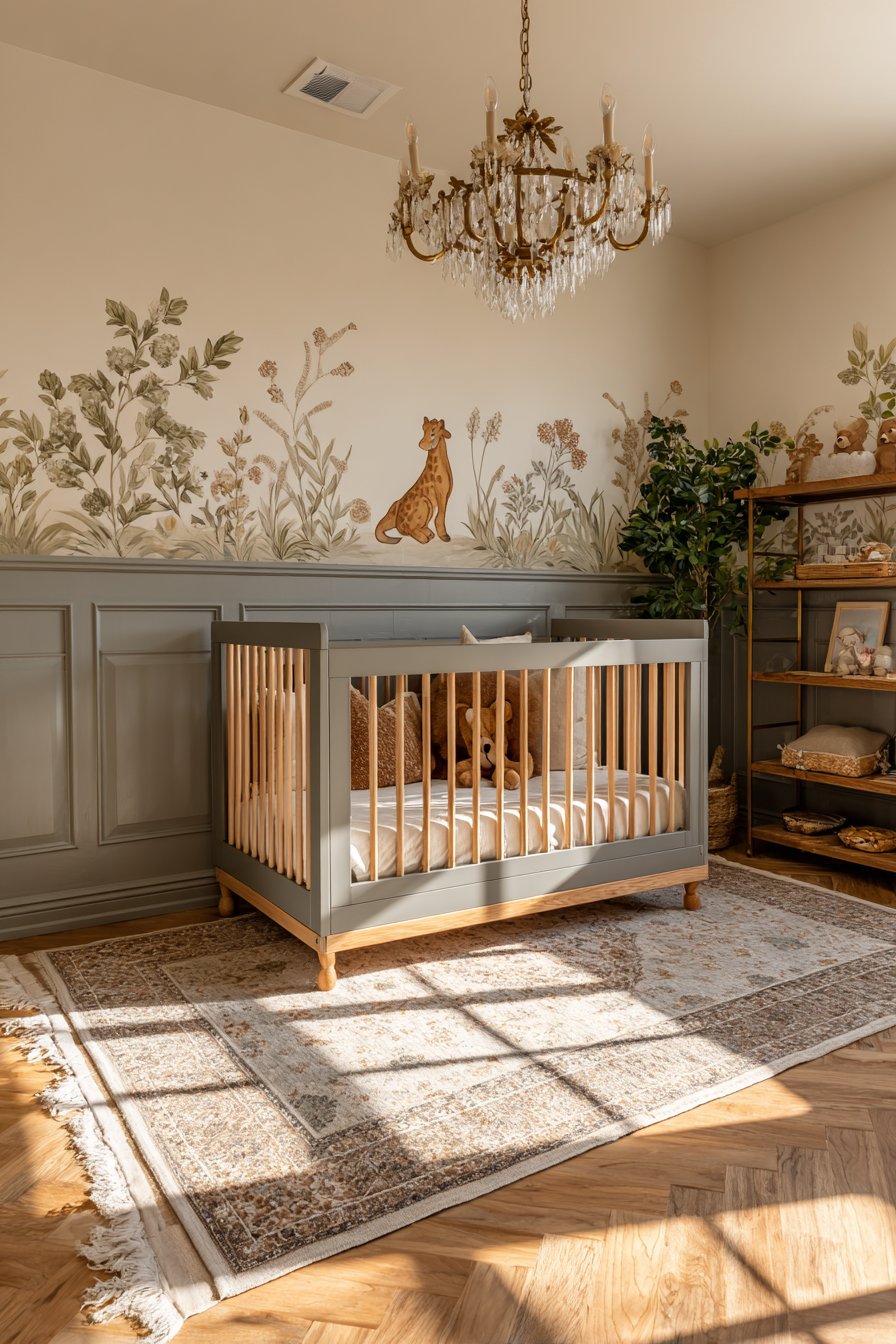
Smart nursery design incorporates elements that adapt as children grow from infants to toddlers and beyond. Convertible furniture, neutral decorative schemes, and flexible storage systems remain relevant for years. This forward-thinking strategy maximizes your initial investment while minimizing future expenses and environmental waste.
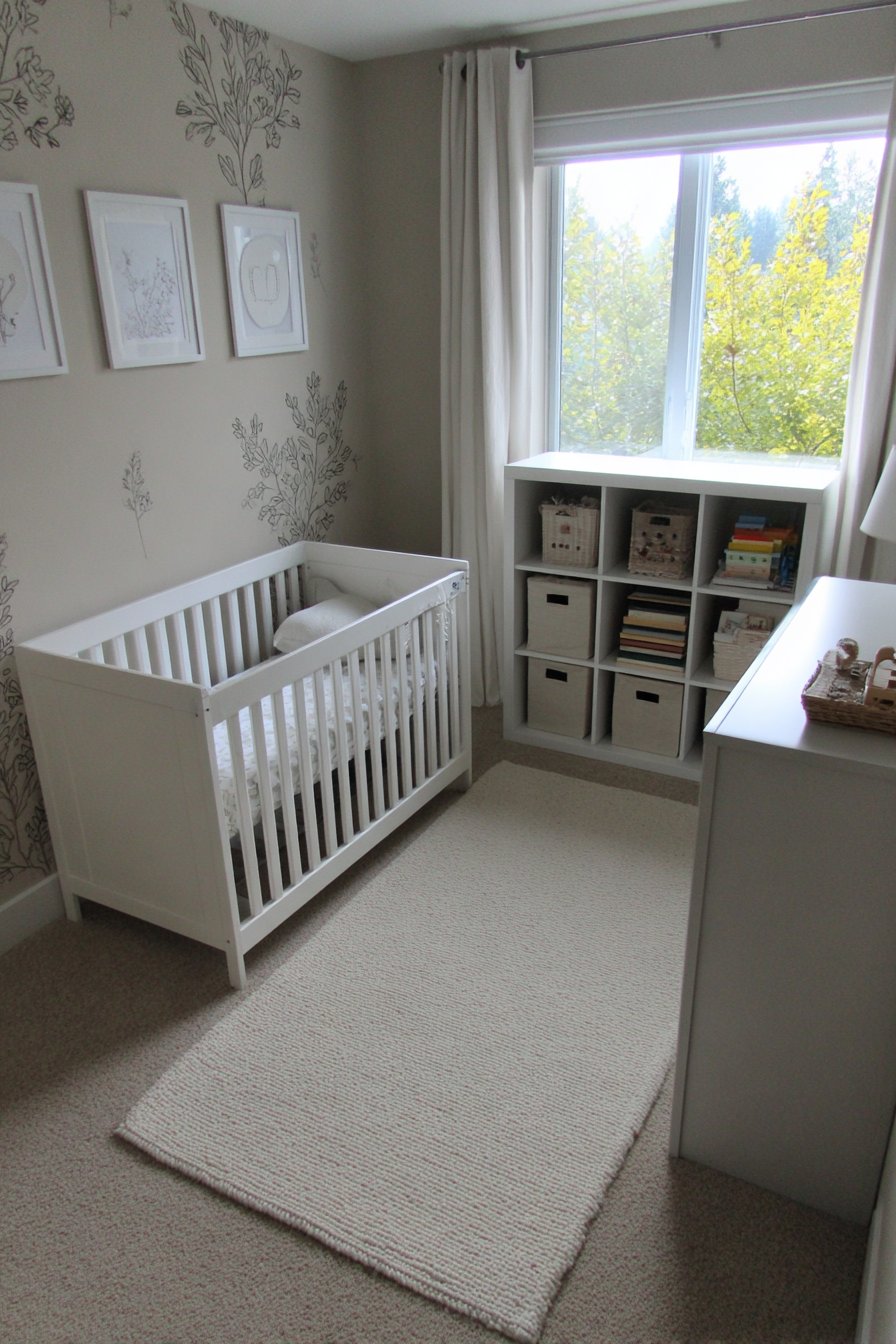
Consider your child’s needs through age five or beyond when making major design decisions. Will that expensive baby-themed wallpaper still work for a kindergartener? Can the changing table convert into a regular dresser? These questions guide sustainable choices that serve your family throughout multiple life stages.
- Invest in convertible cribs that transform into toddler beds and eventually full-size beds
- Choose timeless neutral paint colors that work for any age or gender
- Select storage furniture that adapts to changing needs like toy storage and school supplies
- Avoid theme-specific decorations that quickly become age-inappropriate
- Use removable wall decals instead of permanent wallpaper for easy updates
- Purchase quality furniture pieces that withstand years of use and evolving purposes
Conclusion
Creating a successful nursery requires balancing aesthetic preferences with practical functionality and safety considerations. By avoiding these eight common mistakes, you’ll design a space that serves your family well through those precious early years and beyond. Remember that the best nurseries prioritize comfort and efficiency over trends and perfection.

Start planning early, research thoroughly, and don’t hesitate to adjust your vision based on practical realities. Your nursery should reflect your family’s unique needs while providing a safe, nurturing environment where your child can thrive. With thoughtful planning and attention to these key areas, you’ll create a beautiful space that truly works for everyday life.
