


If you’ve ever scrolled through Pinterest or Instagram, you’ve likely encountered two incredibly popular interior design aesthetics: cottagecore and farmhouse. At first glance, they might seem similar — both evoke warmth, natural textures, and a slower pace of life. But look closer, and you’ll discover they are two very distinct design philosophies. Understanding their differences can help you create a home that truly reflects your personality.
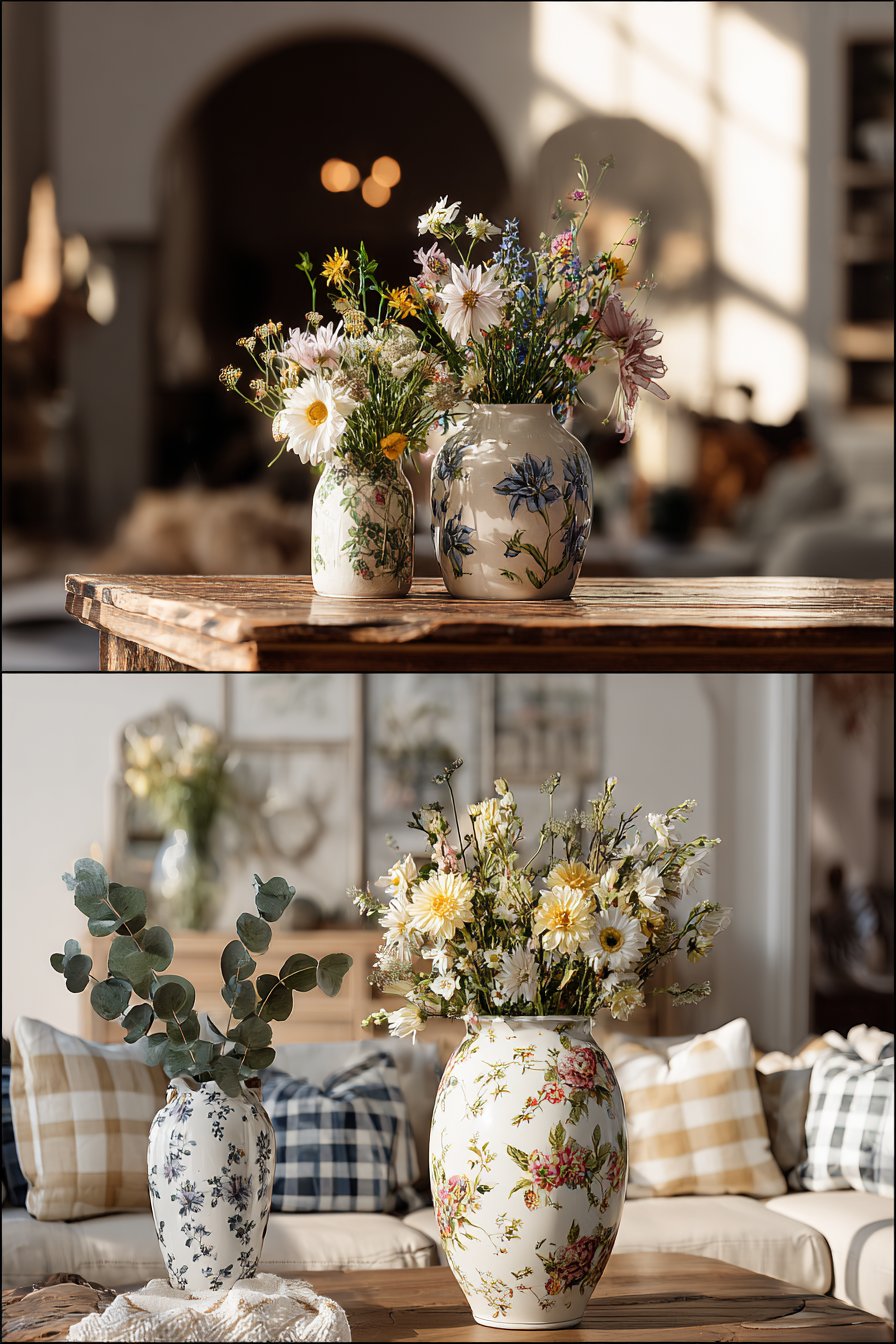
Farmhouse style has been a dominant force in home decor for over a decade. It draws heavily from working farm aesthetics — clean lines, rustic wood, and a practical, no-nonsense approach to design. Cottagecore, on the other hand, is a newer, more romantic aesthetic rooted in whimsy and nostalgia. It celebrates the charm of an English countryside cottage, complete with wildflowers, vintage lace, and an almost storybook quality.
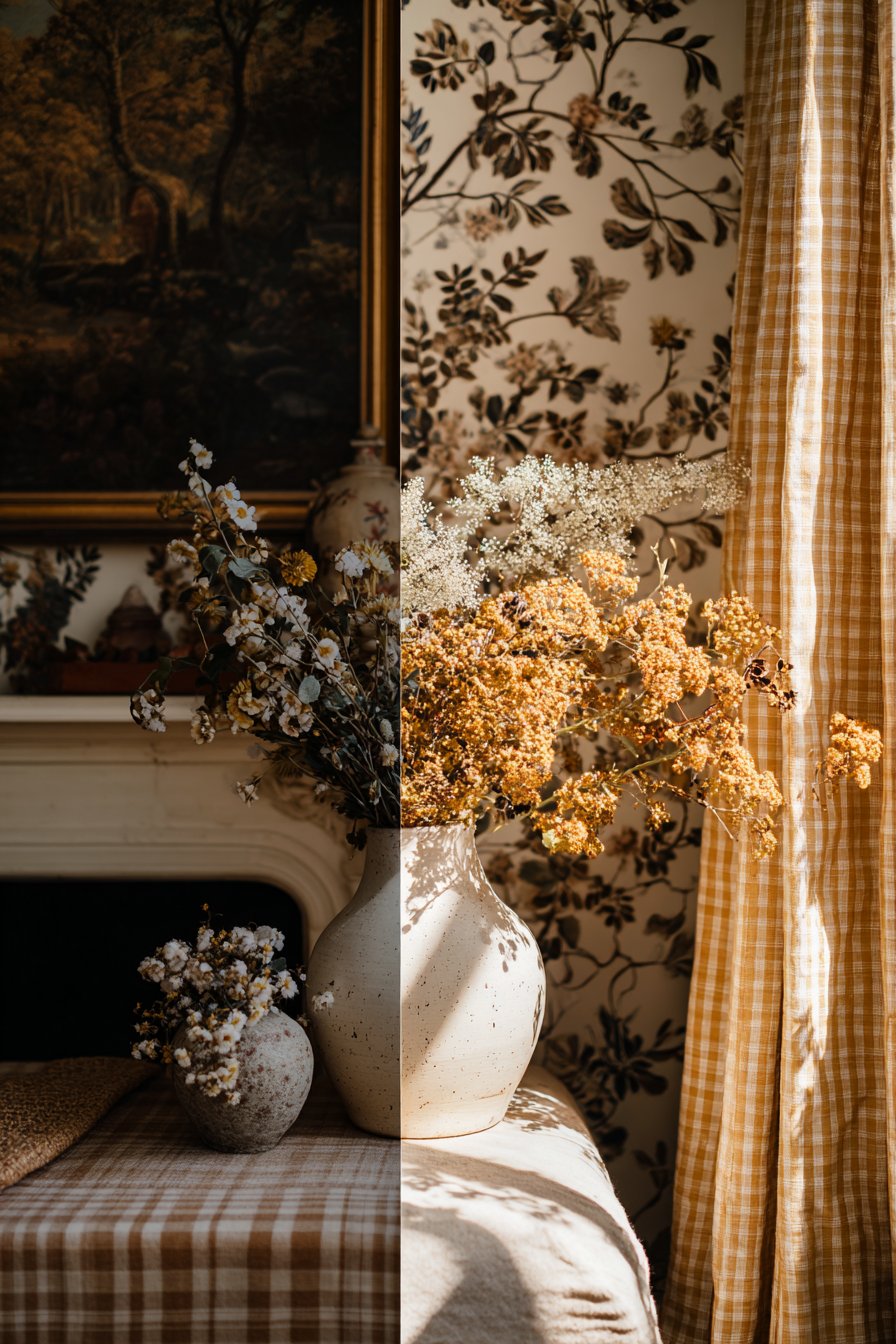
This article dives deep into the nuances that separate these two beloved styles. Whether you’re decorating a new home or refreshing a room, understanding the core principles of each style will empower you to design with clarity and intention. Let’s explore what makes each aesthetic unique — and beautiful in its own right.
1. Origins and Philosophy
Every great design style begins with a story. Farmhouse design originated from the practical interiors of working American farms in the 19th and early 20th centuries. Function came first. Furniture was durable, spaces were utilitarian, and décor was minimal. Over time, this evolved into what we now call modern farmhouse — a polished version that blends rustic elements with contemporary comfort.
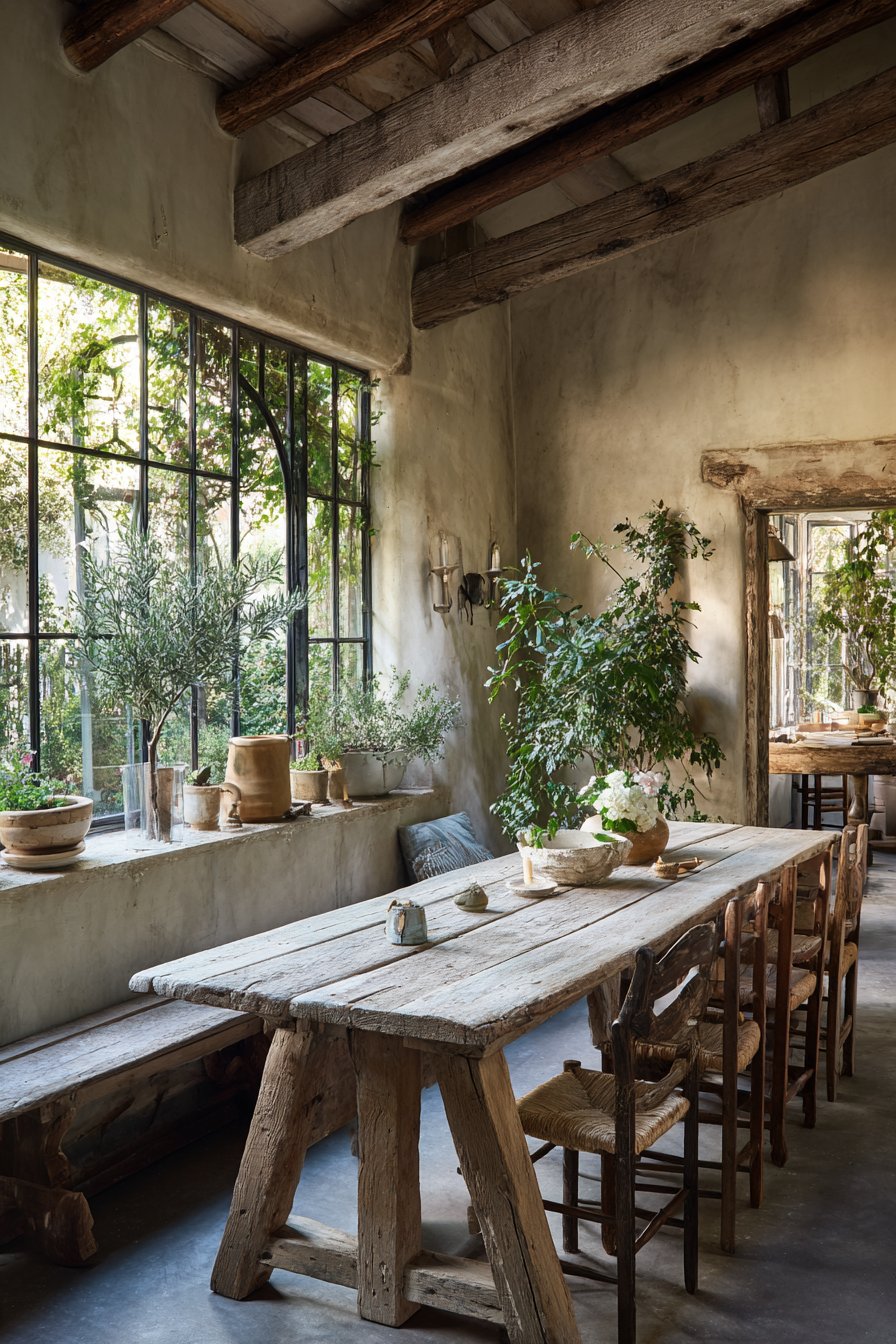
Cottagecore is rooted in a different narrative. It emerged as a cultural and aesthetic movement in the early 2020s, largely driven by social media. It draws inspiration from English, Irish, and European countryside cottages. The philosophy celebrates slowing down, living close to nature, and finding beauty in imperfection. It’s as much a lifestyle as it is a design style.
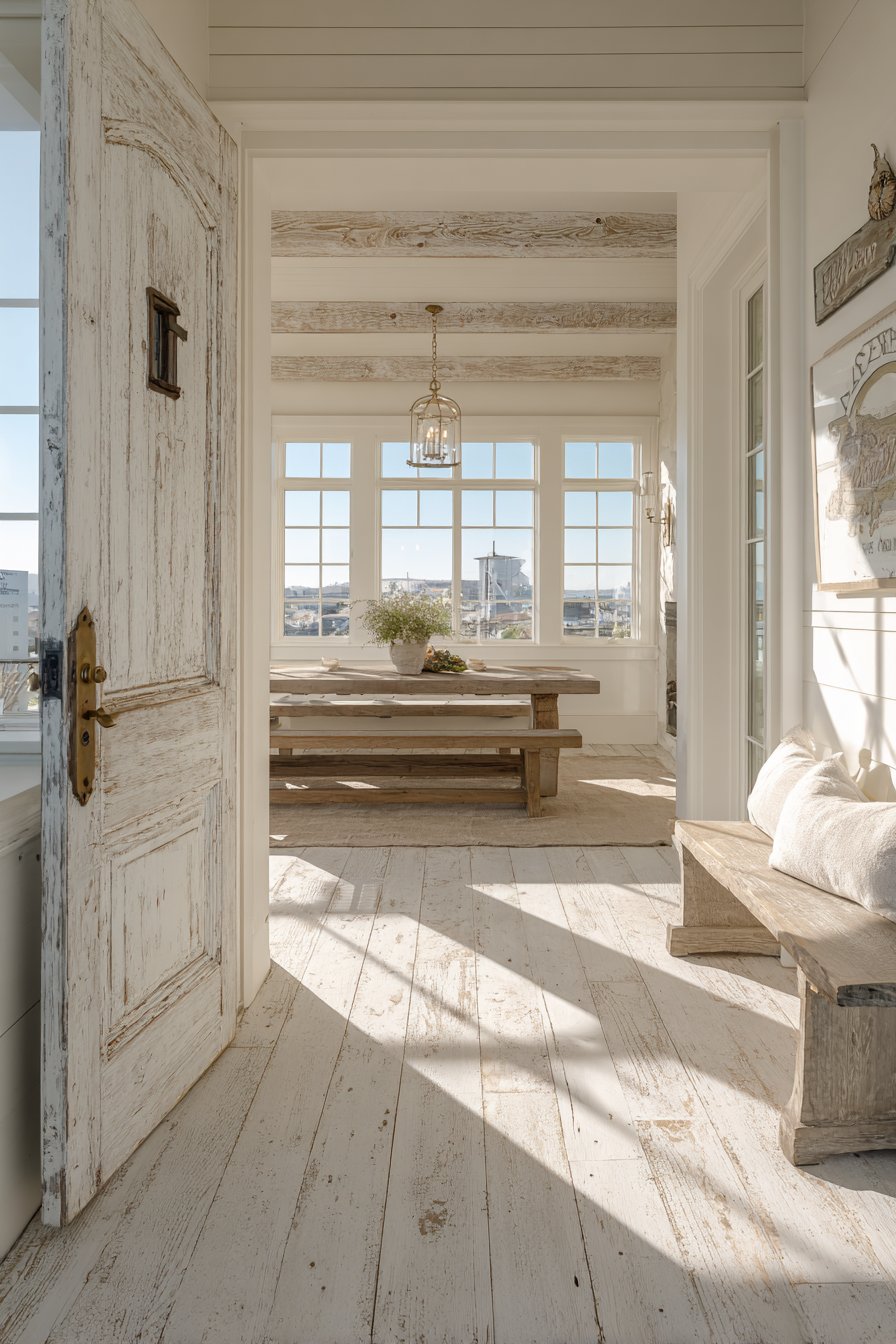
The key philosophical difference is this: farmhouse is grounded in practicality and heritage, while cottagecore is rooted in romanticism and fantasy. One looks backward to a working life, the other to an idealized, dreamlike existence in the woods.
- Farmhouse style originates from functional American agricultural interiors
- Cottagecore draws from romantic European countryside aesthetics
- Modern farmhouse blends rustic roots with contemporary polish
- Cottagecore gained momentum as a social media movement in the early 2020s
- Both styles celebrate natural materials and a slower pace of life
- Understanding the origin helps clarify design choices and intentions
2. Color Palettes
Color is one of the most immediate ways to distinguish these two styles. Farmhouse color palettes tend to be neutral and restrained. Think crisp whites, warm creams, soft grays, and earthy blacks. The goal is a clean, airy backdrop that lets architectural details and textures do the talking. Shiplap walls in white or off-white are practically a farmhouse signature.
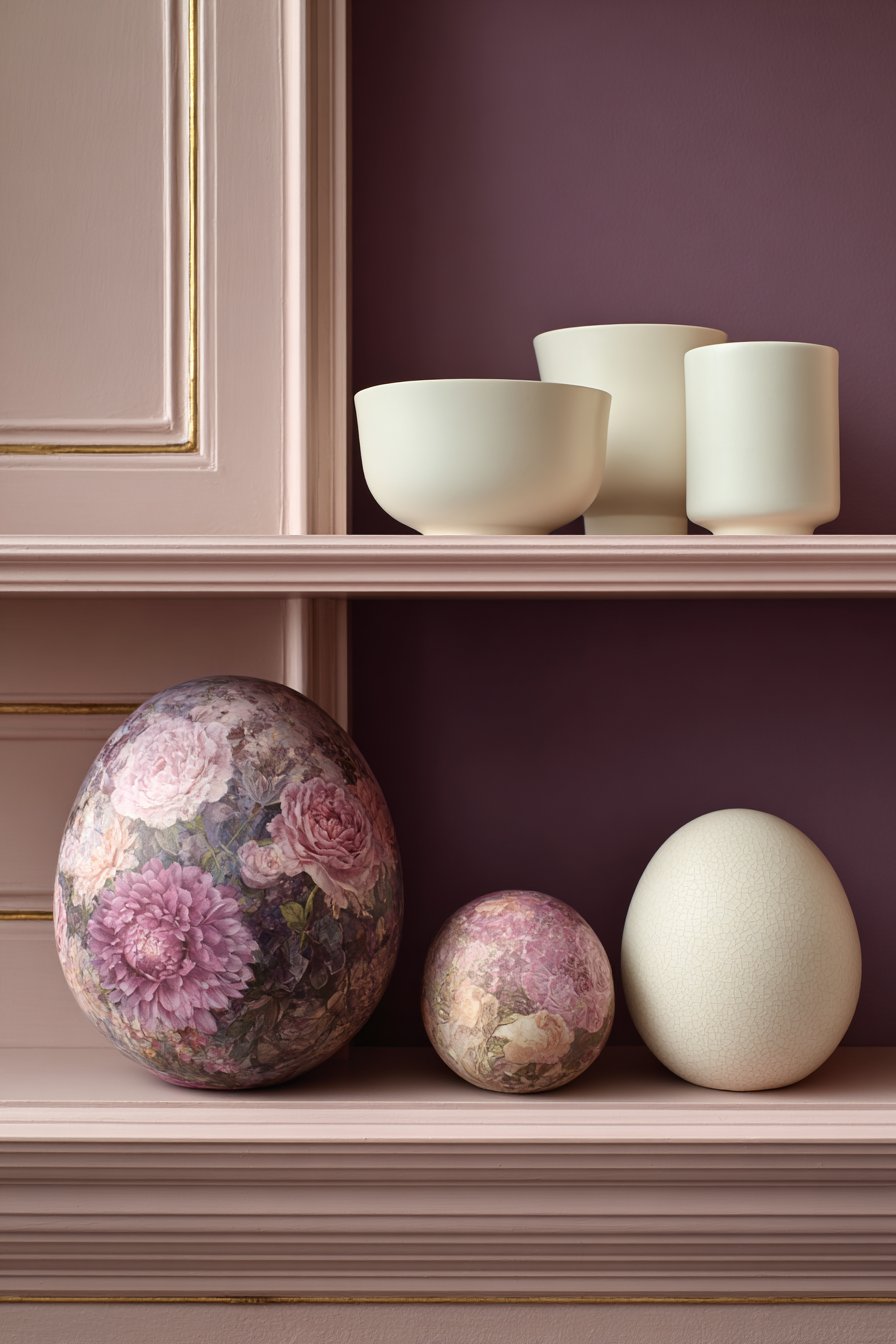
Cottagecore embraces a softer, more romantically layered palette. Dusty sage greens, blush pinks, lavender, antique cream, and muted florals are common. The colors feel like they’ve been gently faded by sunlight. They’re inspired by wildflower meadows, mossy stones, and watercolor illustrations from vintage botanical books.
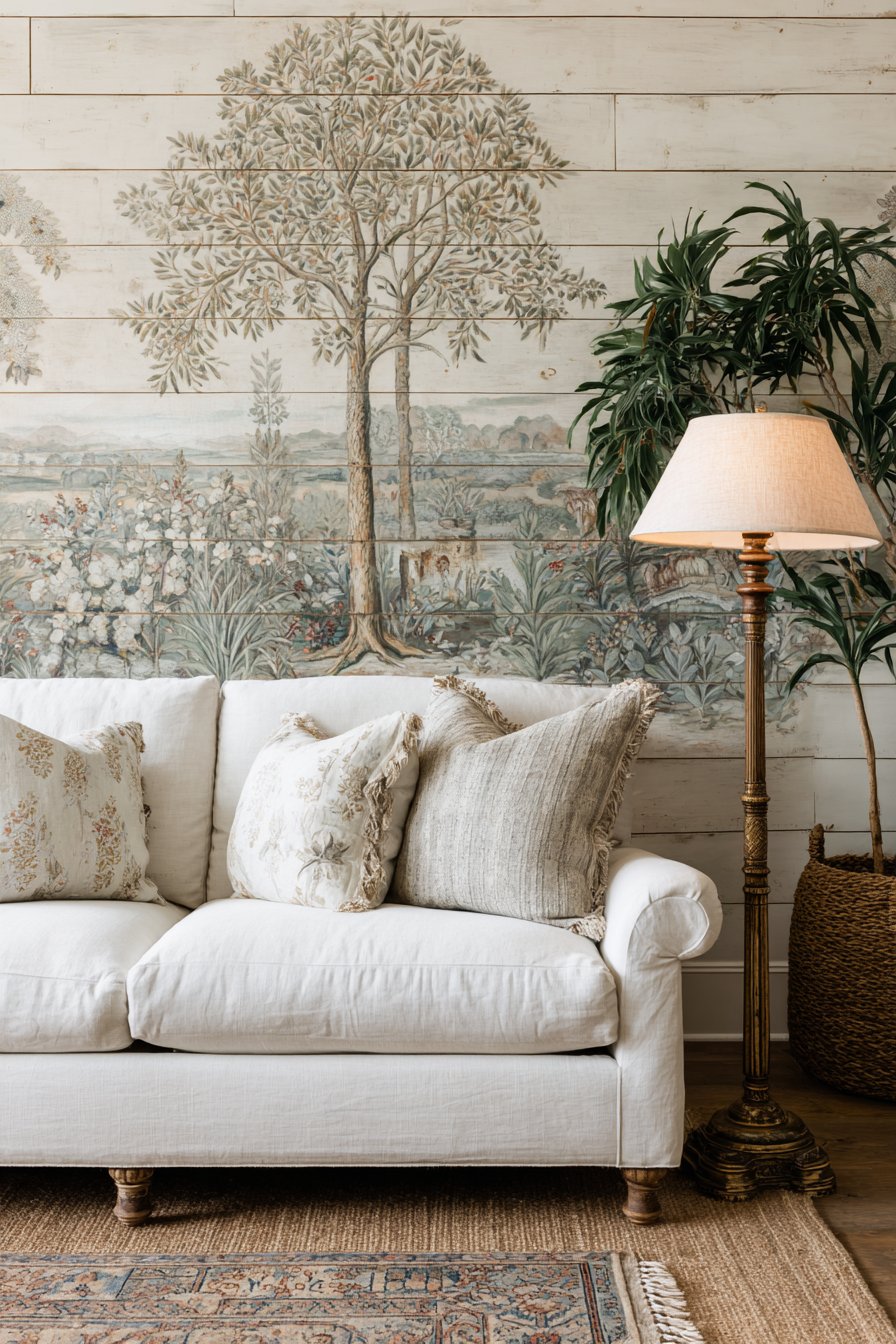
While both palettes are soft and natural, farmhouse leans toward stark and structured tones, while cottagecore leans toward whimsical and organic hues. If your walls make you feel like you’re inside a fairytale, you’re in cottagecore territory. If they feel like a cleaned-up barn, you’re in farmhouse country.
- Farmhouse palettes: whites, creams, grays, and black accents
- Cottagecore palettes: blush, sage, lavender, and dusty pastels
- Farmhouse colors create a clean, structured backdrop
- Cottagecore colors mimic nature’s soft, faded tones
- Avoid bold, saturated colors in both styles
- Use matte or chalky paint finishes to enhance the aged, natural feel
3. Furniture Style and Shape
Furniture silhouettes reveal a lot about a design style’s soul. Farmhouse furniture is sturdy, substantial, and often reclaimed. Think large farmhouse tables with thick legs, benches, and ladder-back chairs. The shapes are angular and purposeful. A distressed wood dining table that could withstand decades of family dinners is quintessentially farmhouse.
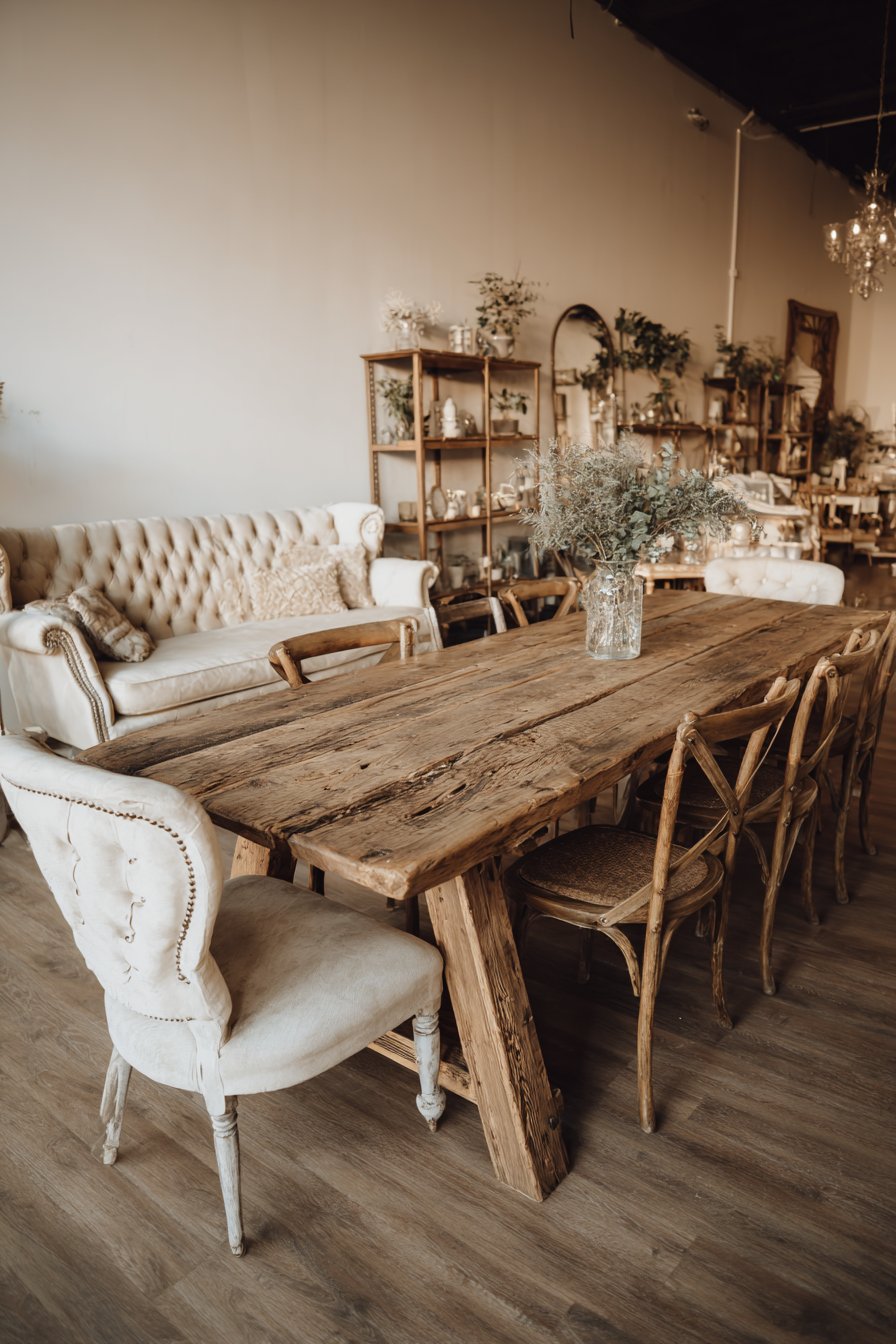
Cottagecore furniture, by contrast, is delicate and romantic. You’ll find mismatched vintage chairs with carved wooden legs, small round tables, and tufted settees. Furniture feels like it was collected piece by piece over many years from antique markets. Nothing matches perfectly — and that’s entirely the point. The eclectic, lived-in quality is what gives cottagecore spaces their charm.
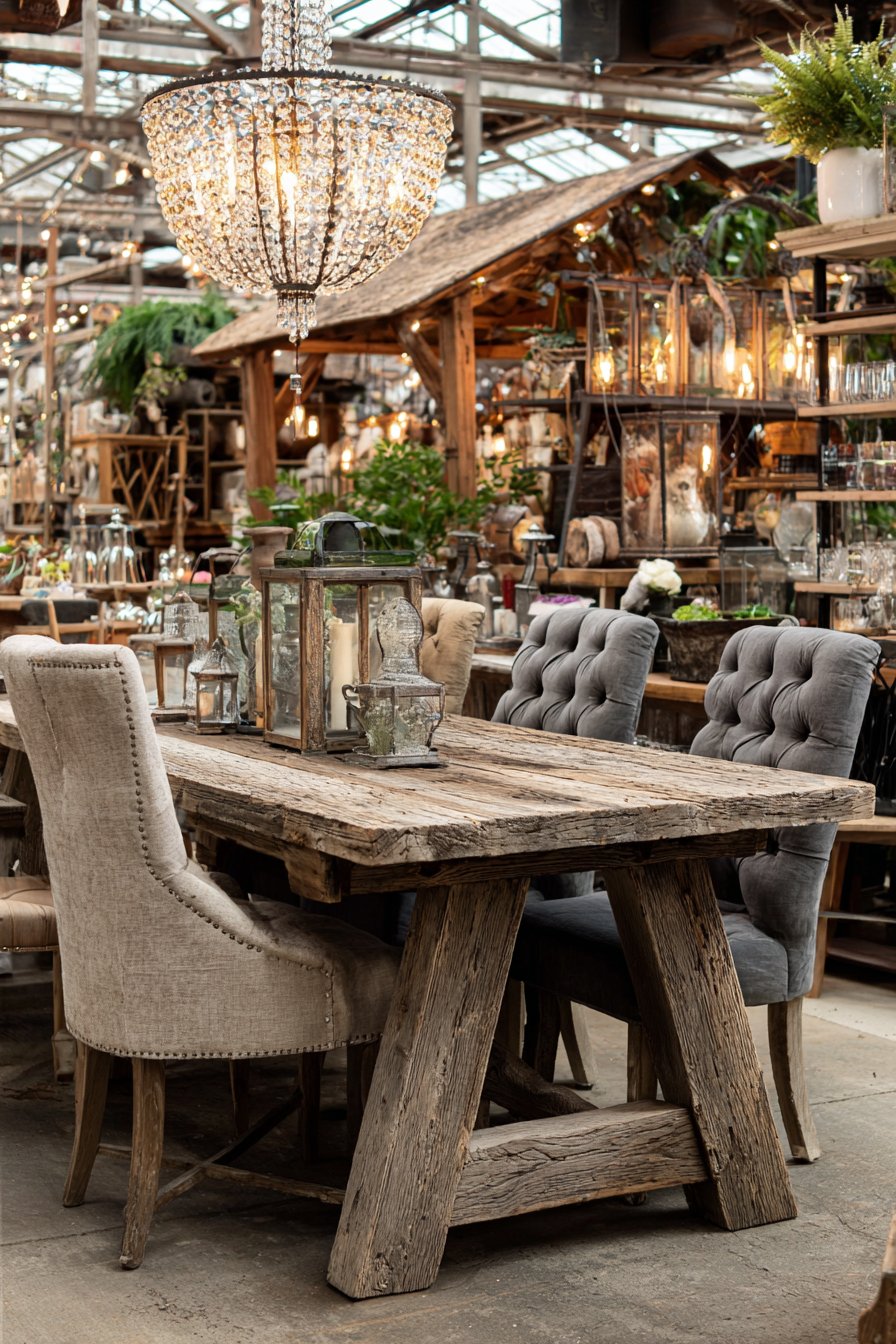
Both styles embrace natural wood and worn finishes, but the scale and form differ significantly. Farmhouse says “gather around this big table.” Cottagecore says “curl up in this floral armchair with a book.” The emotional intention of the furniture is the clearest dividing line.
- Farmhouse furniture is large, angular, and built for durability
- Cottagecore furniture is small-scale, delicate, and romantically mismatched
- Reclaimed and distressed wood appears in both styles
- Cottagecore embraces thrifted and antique market finds
- Farmhouse prefers matching or intentionally coordinated furniture sets
- Let furniture scale reflect the feeling you want: communal vs. intimate
4. Textiles and Fabrics
Textiles are where both styles truly come alive — and where their differences become most tactile. Farmhouse textiles are clean and unpretentious. Buffalo check, ticking stripe, grain sack patterns, and simple linen are staples. The fabrics feel natural and unfussy, often in neutral tones. A linen throw and a buffalo plaid blanket are classic farmhouse choices.
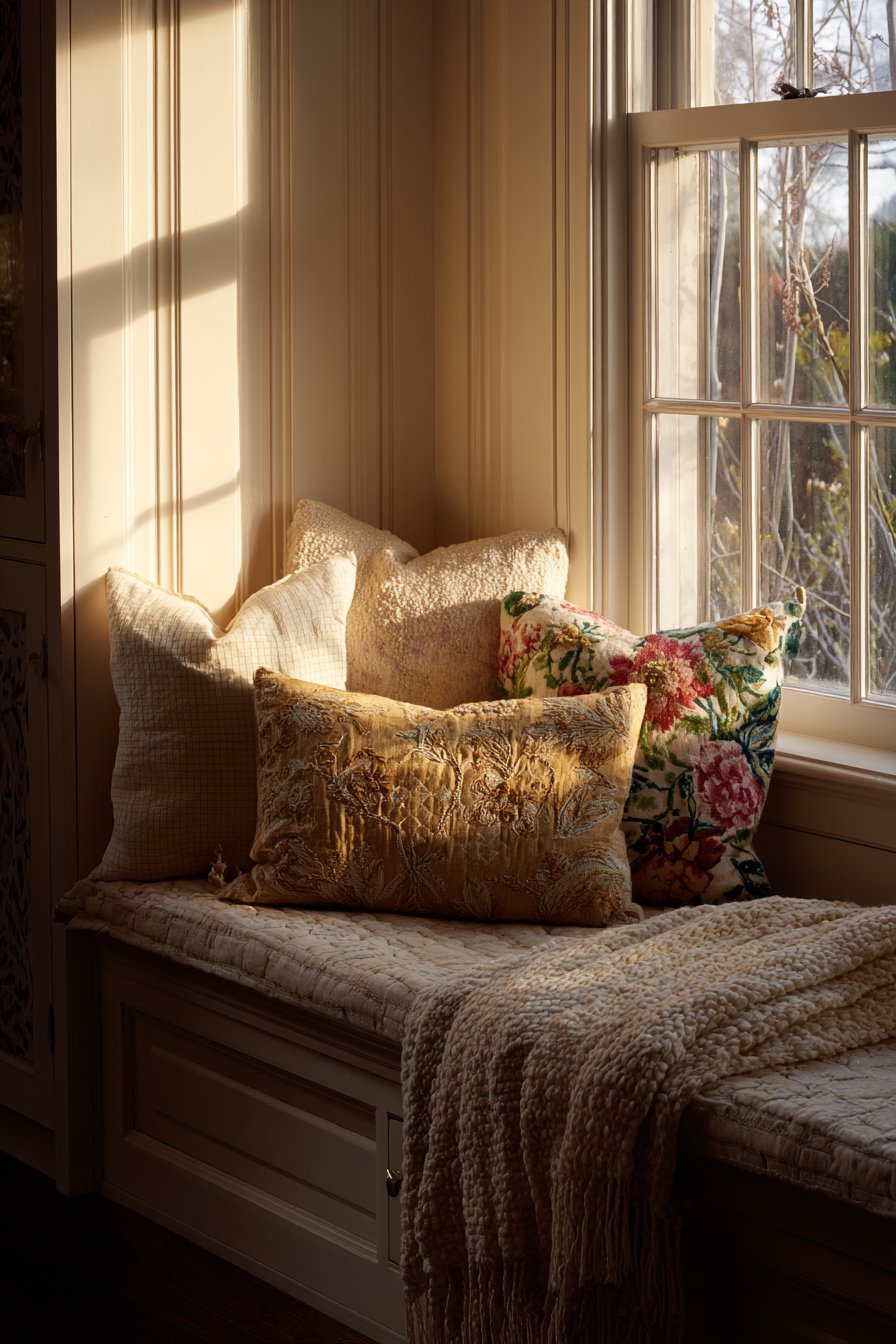
Cottagecore textiles are layered and lush. Floral prints, lace, embroidered linens, crochet, and velvet are all welcome here. Think vintage floral curtains, a crocheted throw draped over a chair, and embroidered pillow covers. The textile layering creates a sense of abundance and softness that feels almost like being wrapped in a garden.
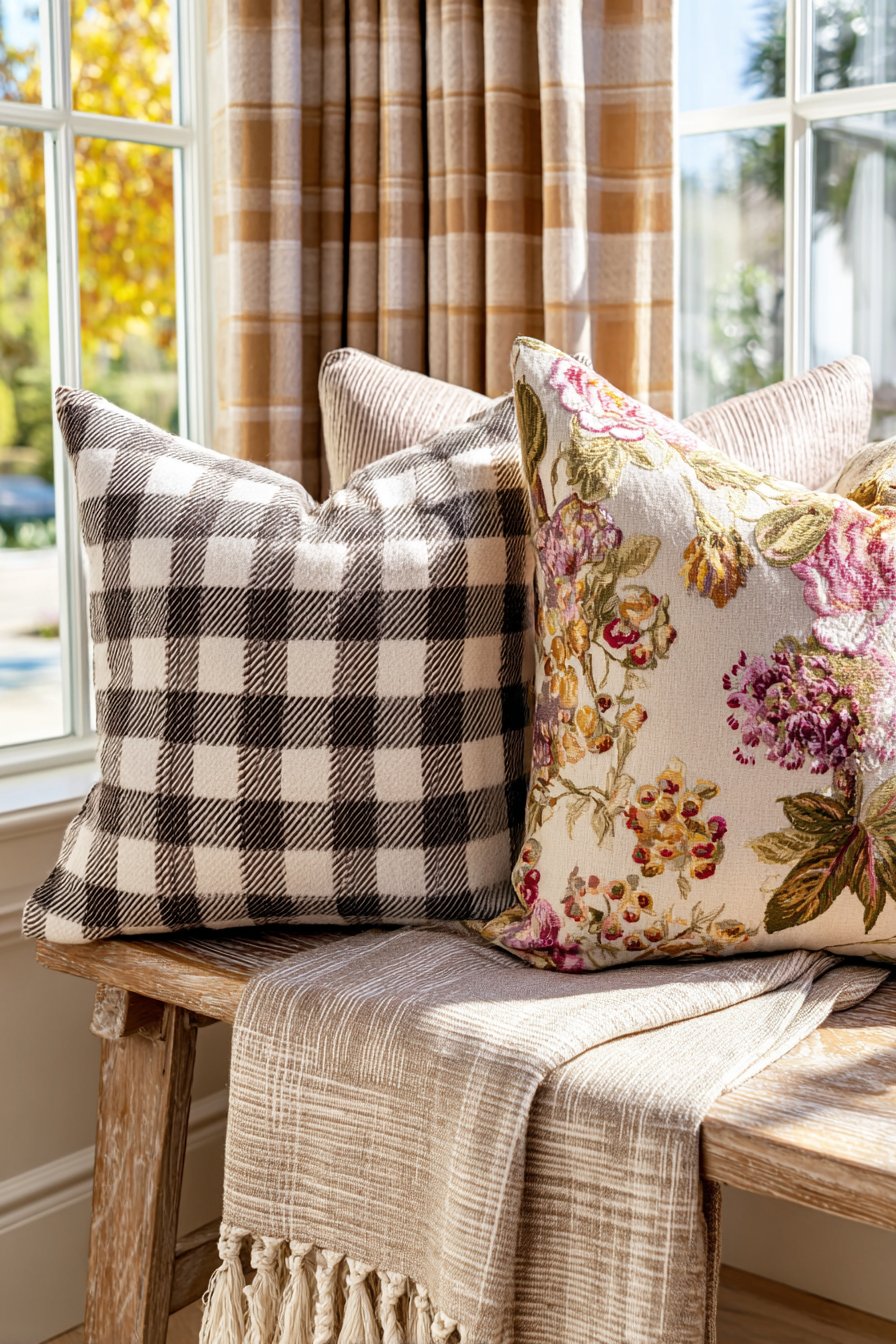
Both styles love natural fibers like cotton, linen, and wool, but cottagecore extends the palette to include more decorative, vintage-inspired fabrics. Farmhouse keeps textiles functional and grounded. Cottagecore uses them as primary storytelling tools for the romantic narrative of the space.
- Farmhouse textiles: buffalo check, ticking stripe, linen, grain sack
- Cottagecore textiles: florals, lace, crochet, embroidery, velvet
- Both styles prefer natural fibers over synthetic materials
- Layer rugs in cottagecore spaces for a collected, cozy feel
- Use simple, coordinated textiles in farmhouse for a cleaner look
- Vintage or antique-look fabrics elevate cottagecore authenticity
5. Decorative Accessories
The accessories you choose instantly signal which world you inhabit. Farmhouse décor favors utilitarian objects repurposed as decoration. Mason jars, wire baskets, galvanized metal, wooden signs, and antique clocks are classic farmhouse staples. The beauty is in the honest simplicity of everyday objects given a new life.
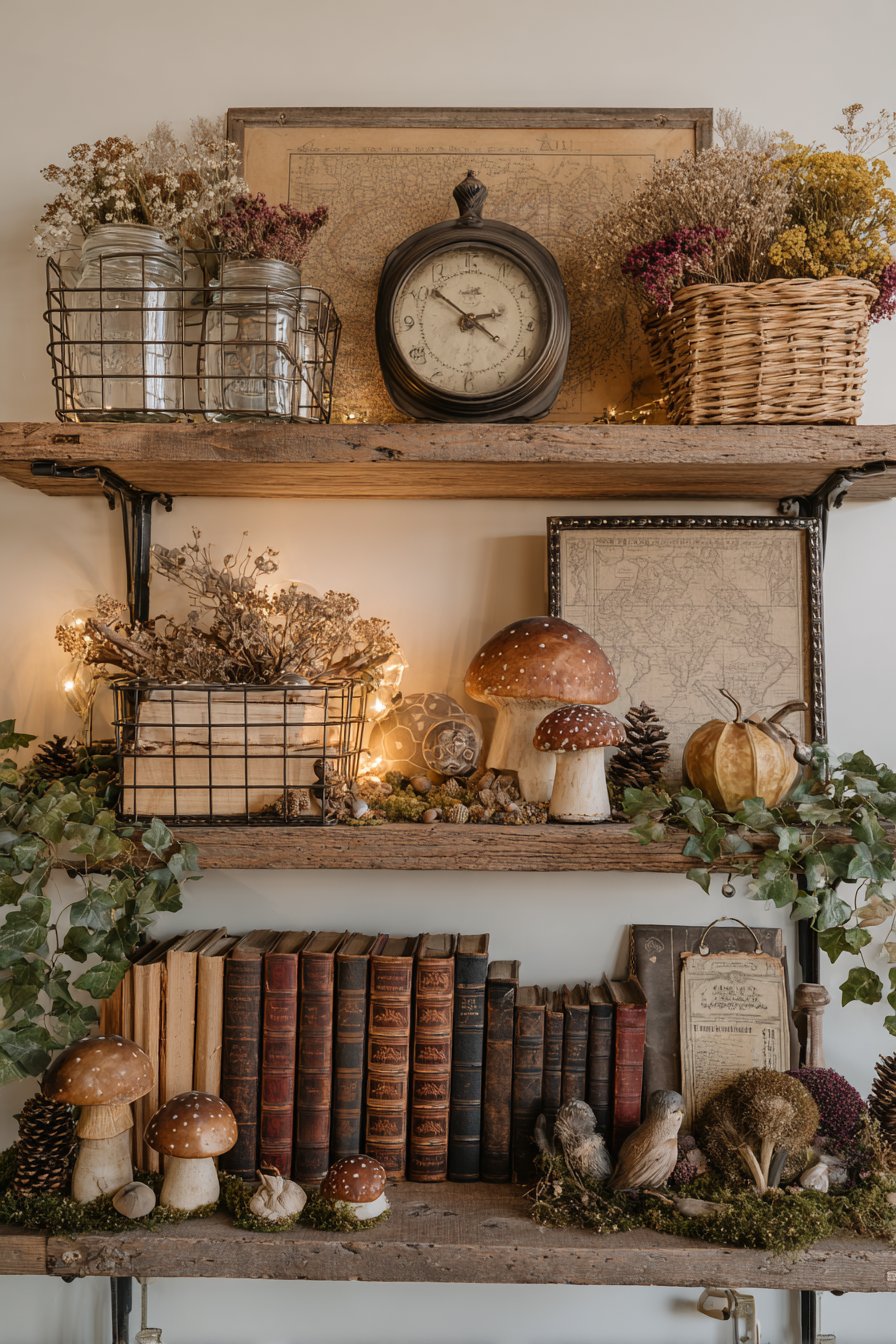
Cottagecore accessories lean heavily into nature and nostalgia. Dried flower bundles, botanical prints, ceramic mushrooms, vintage books, pressed flowers in frames, and bird figurines populate cottagecore shelves. The objects feel like they belong in a woodland cottage where time stands still. The aesthetic is deeply tied to foraging, gardening, and natural curiosity.
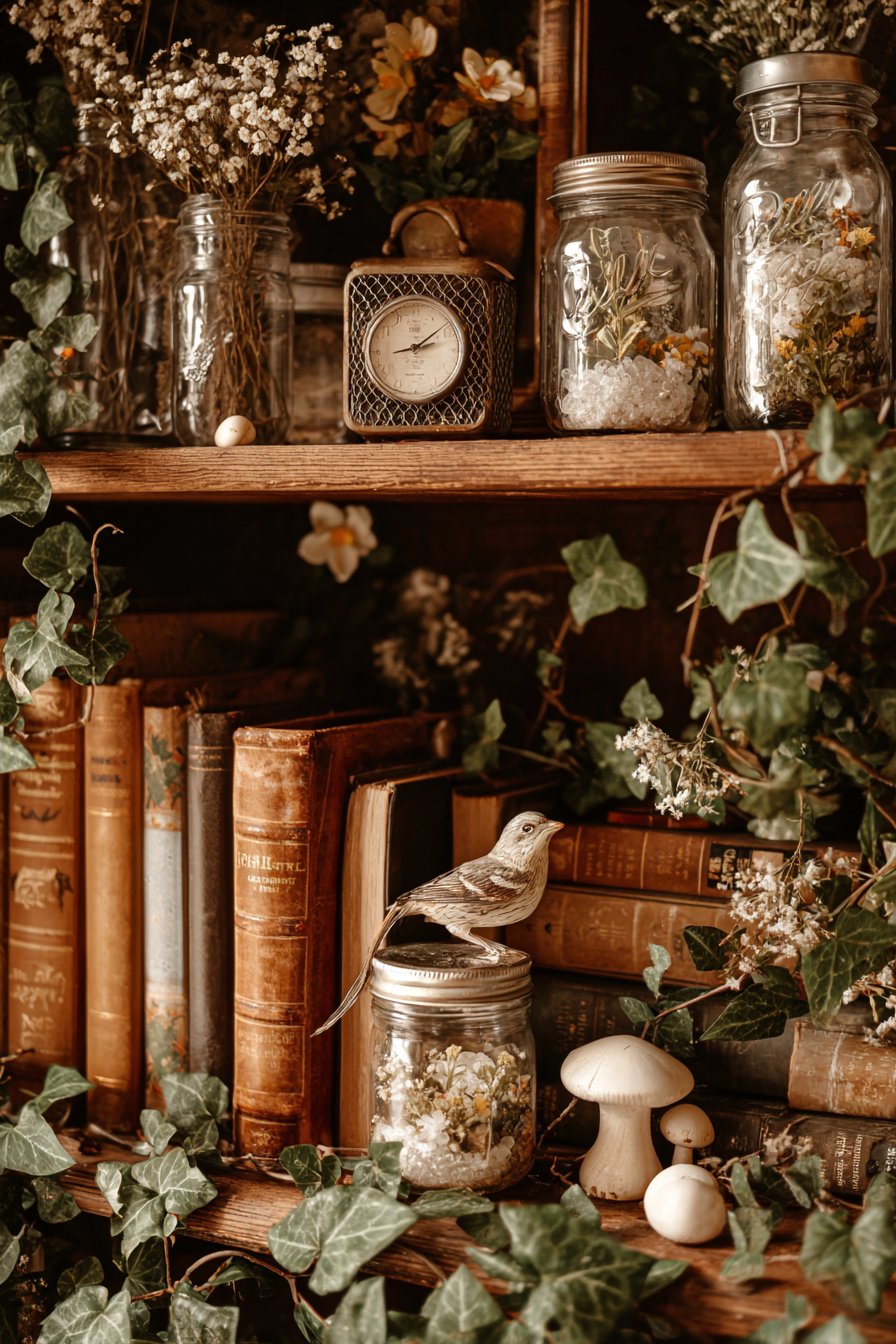
Both styles avoid sleek, modern, or high-gloss accessories. However, farmhouse accessories tend to be graphic and architectural in feel, while cottagecore accessories feel organic and illustrative. If the object looks like it belongs in a country kitchen, it’s farmhouse. If it belongs in a witch’s herb garden or a fairy tale, it’s cottagecore.
- Farmhouse accessories: mason jars, galvanized metal, wooden signs
- Cottagecore accessories: dried flowers, botanical prints, ceramic animals
- Both styles prefer matte, aged, or handmade-looking finishes
- Display objects in groupings to create visual stories on shelves
- Cottagecore thrives on layered, abundant accessory displays
- Farmhouse prefers curated, purposeful accessory arrangements
6. The Role of Nature and Plants
Both design styles have a deep relationship with the natural world, but they express it quite differently. Farmhouse interiors bring nature in through materials — reclaimed wood beams, stone countertops, and cotton plants in vases. Nature is celebrated through structure and texture rather than abundance. A simple eucalyptus arrangement or a single branch in a tall vase feels very farmhouse.
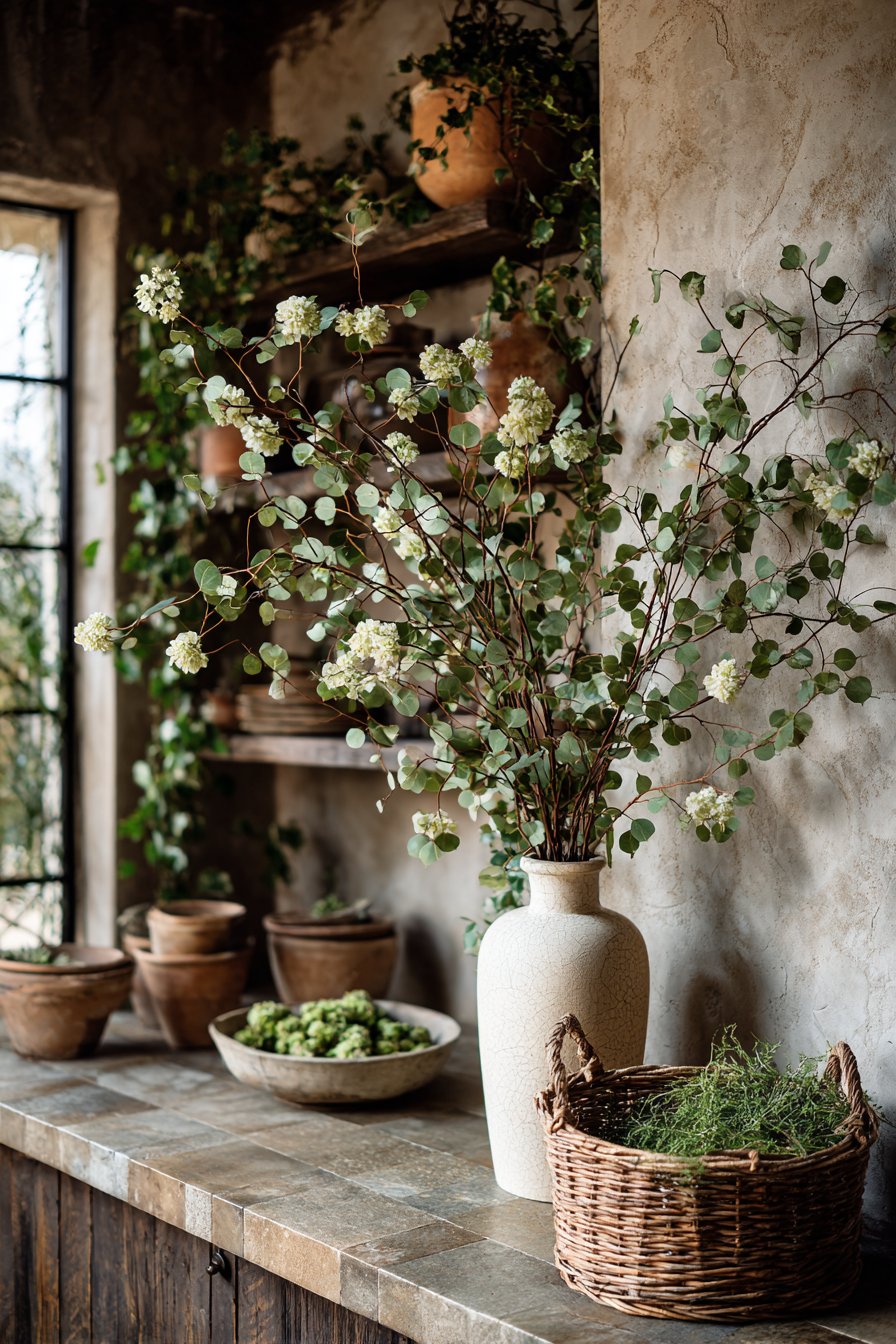
Cottagecore takes a more immersive approach to nature. The goal is to feel like the garden has moved inside. Wildflowers in mismatched ceramic vases, trailing ivy on bookshelves, terracotta pots on window sills, and mushroom foraging baskets are all part of the vocabulary. Plants in cottagecore spaces spill over their containers and climb up walls unapologetically.
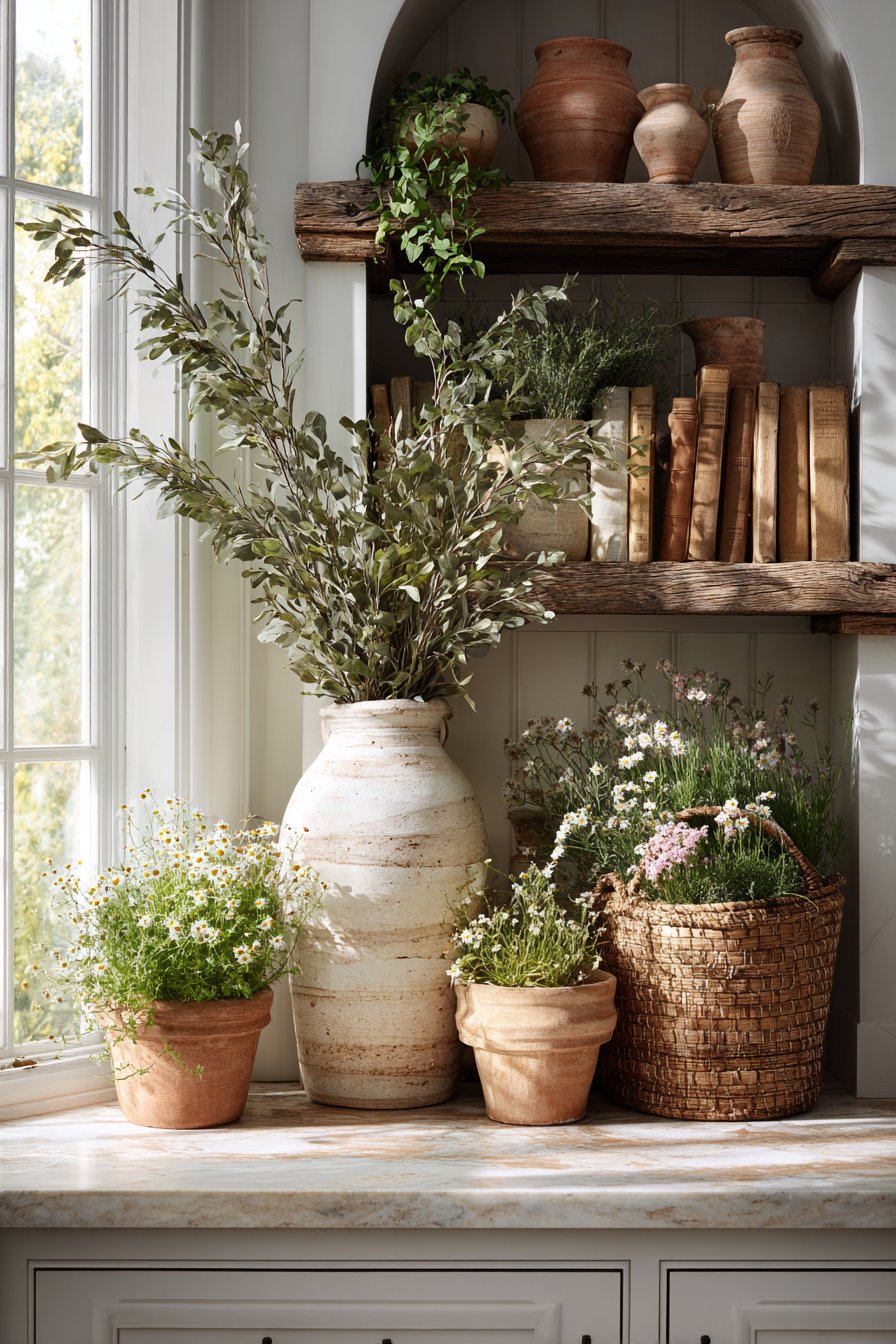
The philosophical difference is telling: farmhouse brings nature in as a material reference, while cottagecore brings it in as a living, breathing participant. One is curated; the other is allowed to be wild. Both create warmth, but the emotional register is very different.
- Farmhouse uses nature through materials like wood, stone, and cotton plants
- Cottagecore fills spaces with wildflowers, trailing plants, and herbs
- Both styles benefit from incorporating fresh or dried botanical elements
- Use mismatched ceramic vases in cottagecore for an authentic look
- Choose simple, architectural vessels for farmhouse botanical displays
- Terracotta pots are a shared staple across both design aesthetics
7. Kitchen Aesthetics
The kitchen is often the heart of both styles, making it a great space to see the differences clearly. A farmhouse kitchen is defined by its practicality and boldness. The farmhouse apron-front sink is practically a logo for the style. Open shelving displaying white ceramic dishes, shiplap backsplashes, and butcher block countertops are quintessential farmhouse kitchen elements.
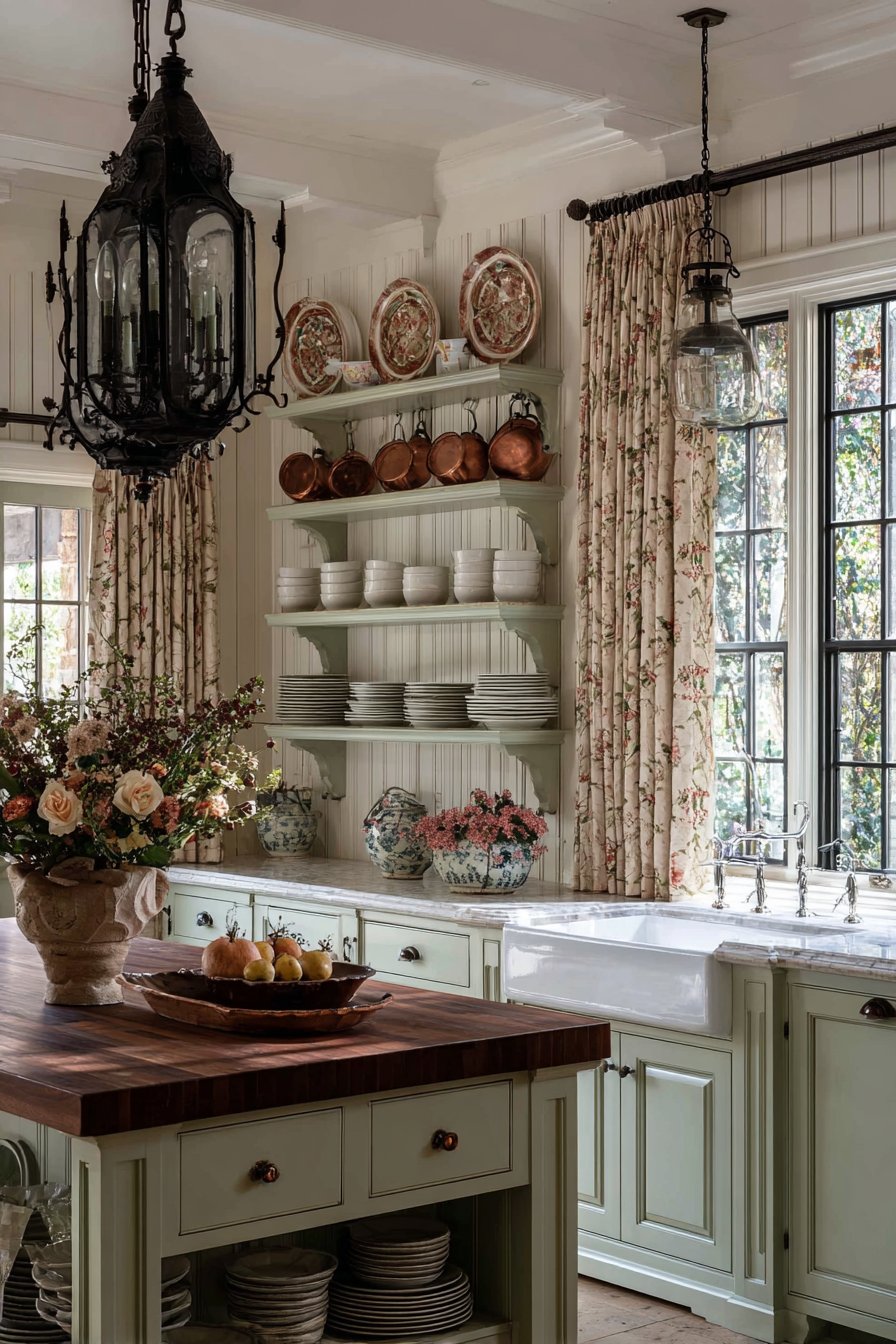
A cottagecore kitchen leans toward soft and whimsical. Pastel-painted cabinets in sage or soft yellow, vintage china displayed on open shelves, floral curtains at the window, and copper pots hanging overhead create a kitchen that feels like it belongs to a beloved storybook herbalist. The imperfect and handmade quality is celebrated, not hidden.
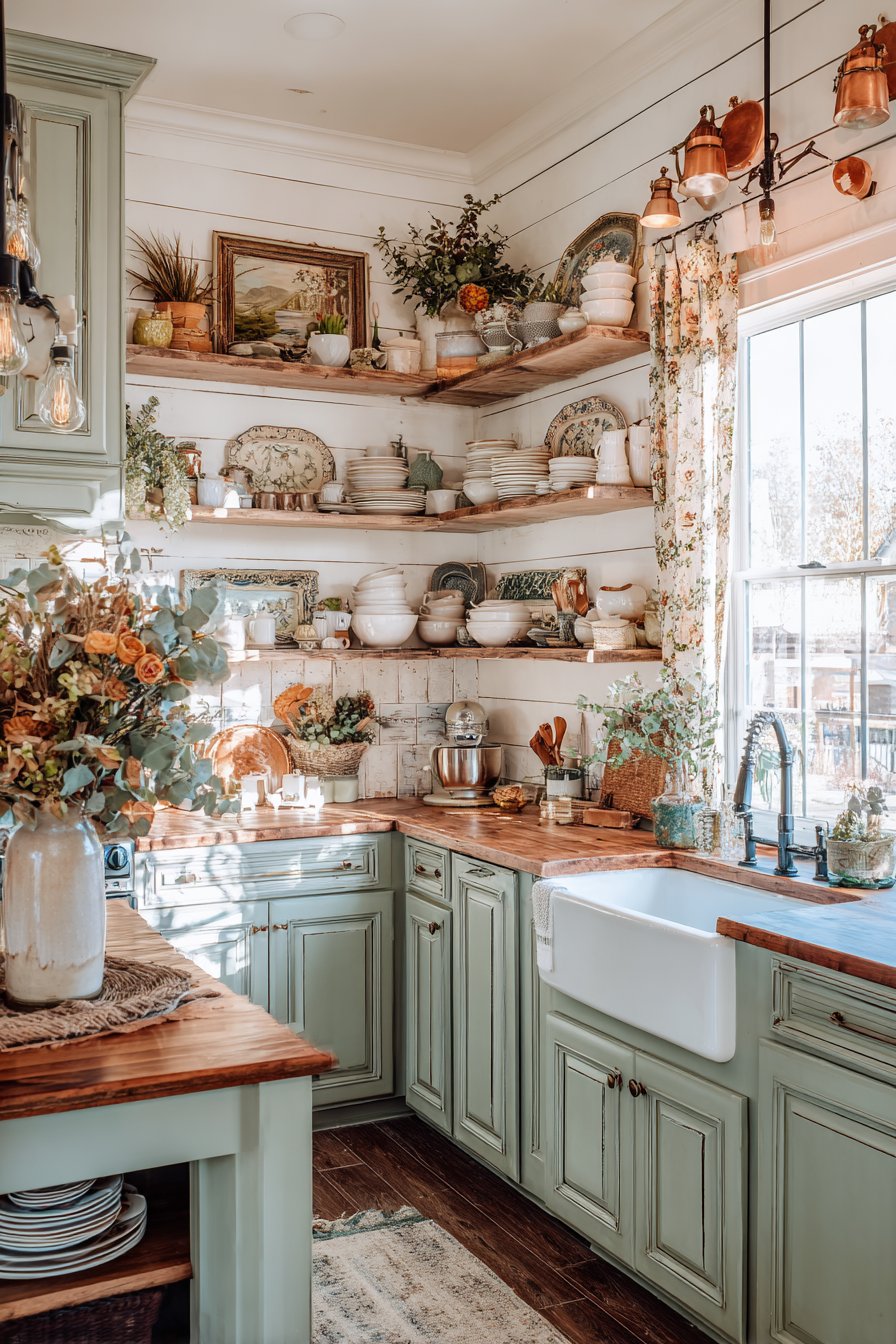
Both kitchens embrace open shelving, natural materials, and vintage elements. But a farmhouse kitchen says “efficient and grounded,” while a cottagecore kitchen says “enchanting and personal.” The emotional atmosphere is the key distinction — one is confidently rustic, the other is dreamily whimsical.
- Farmhouse kitchens feature apron sinks, shiplap, and white ceramics
- Cottagecore kitchens use pastel cabinets, vintage china, and copper
- Both styles embrace open shelving and natural material countertops
- Add floral curtains in a cottagecore kitchen for instant character
- Keep farmhouse kitchens cohesive with a consistent neutral palette
- Display handmade or imperfect pottery in both styles for authenticity
8. Bedroom Styling
The bedroom is where personal style becomes most intimate. A farmhouse bedroom is serene and structured. White or neutral bedding in high-quality linen or cotton, a reclaimed wood headboard, simple pendant lights, and perhaps a classic quilt create a space that feels calm and grounded. Nothing is overly decorative. The beauty lies in the quality of materials and the restful simplicity.
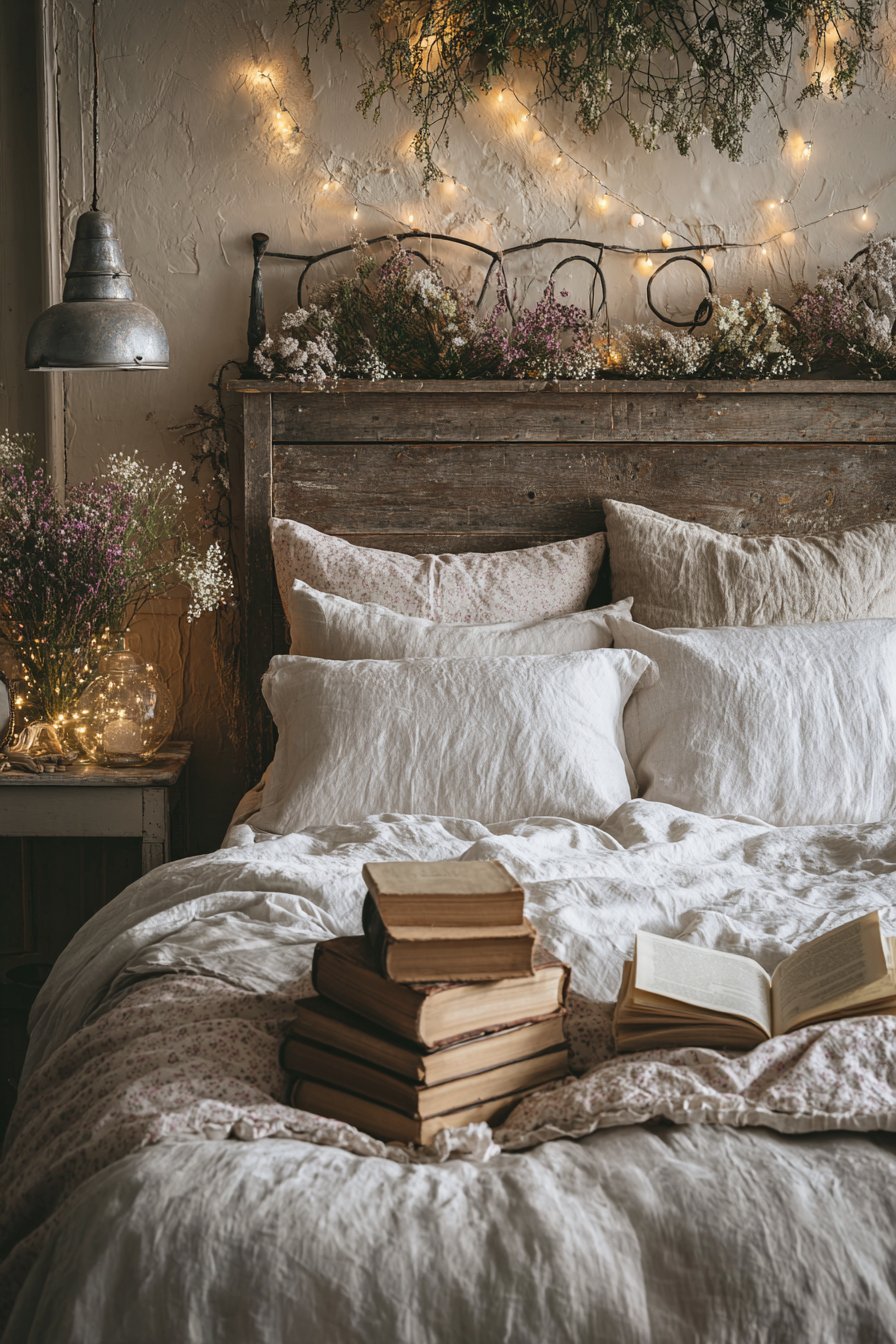
A cottagecore bedroom is a romantic sanctuary. Floral quilts, layered lace pillowcases, a wrought iron or vintage wooden bed frame, fairy lights, a stack of well-worn books on the nightstand, and dried flower garlands draped above the bed all contribute to the atmosphere. The bedroom should feel like waking up in a dream — soft, layered, and full of gentle beauty.
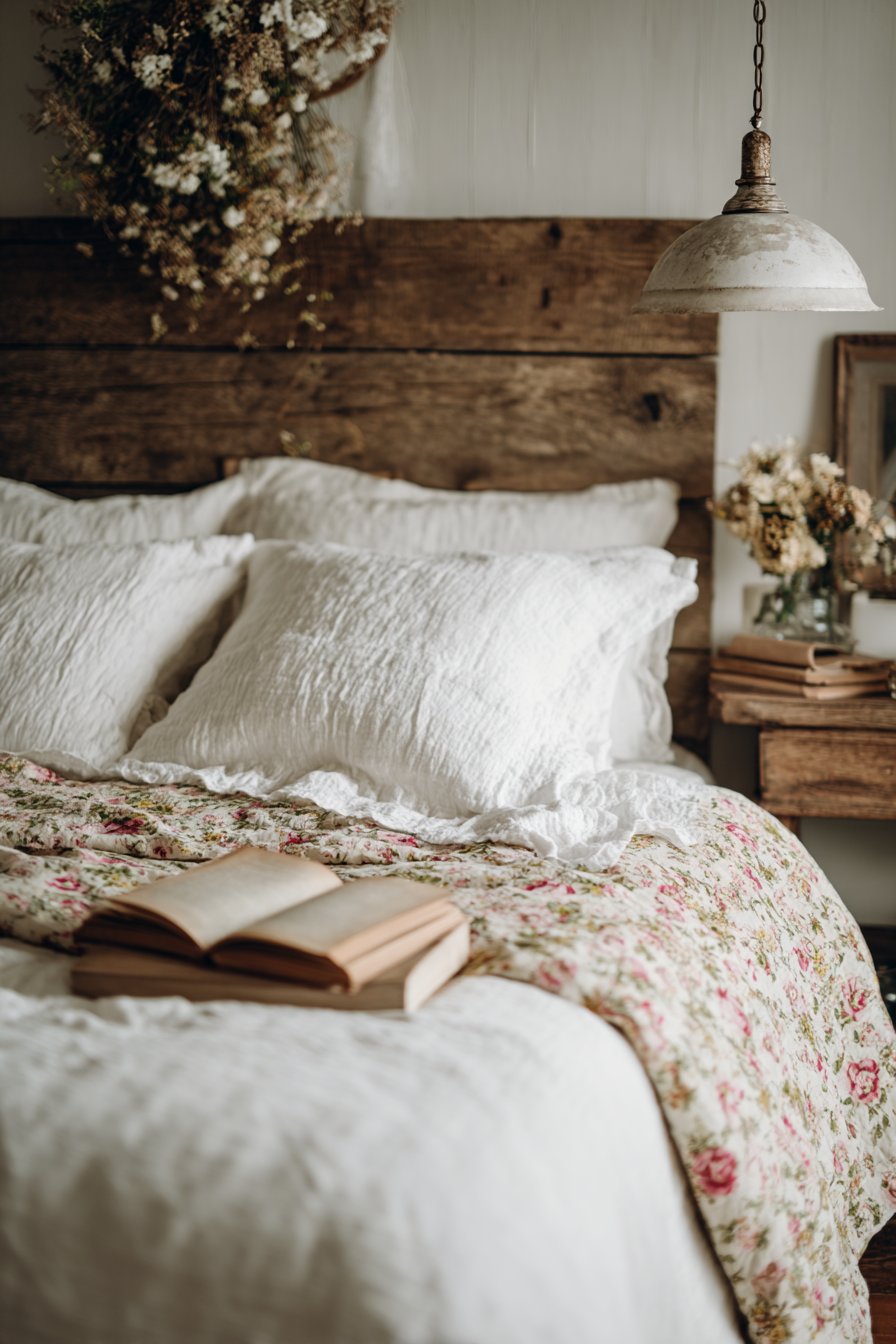
Both bedrooms prioritize comfort and natural materials, but the styling approach is worlds apart. Farmhouse editing is minimal and intentional; cottagecore layering is abundant and poetic. Your choice between the two comes down to whether you want your bedroom to feel like a well-rested morning or a softly lit fairy tale evening.
- Farmhouse bedrooms: neutral bedding, reclaimed wood headboards, simple lighting
- Cottagecore bedrooms: floral quilts, lace, fairy lights, dried flowers
- Both styles benefit from high-quality natural fiber bedding
- Layer pillows with embroidered or floral covers for a cottagecore feel
- Keep farmhouse bedroom accessories sparse and meaningful
- Add a vintage vanity or writing desk to complete a cottagecore bedroom
9. Wall Treatments and Architectural Details
The walls of a home speak volumes about its design identity. Farmhouse wall treatments are bold and structural. Shiplap paneling — horizontal planks of wood — is the definitive farmhouse wall treatment. Board and batten, exposed brick, and beadboard wainscoting are also popular. These treatments add texture and architectural interest without decoration.
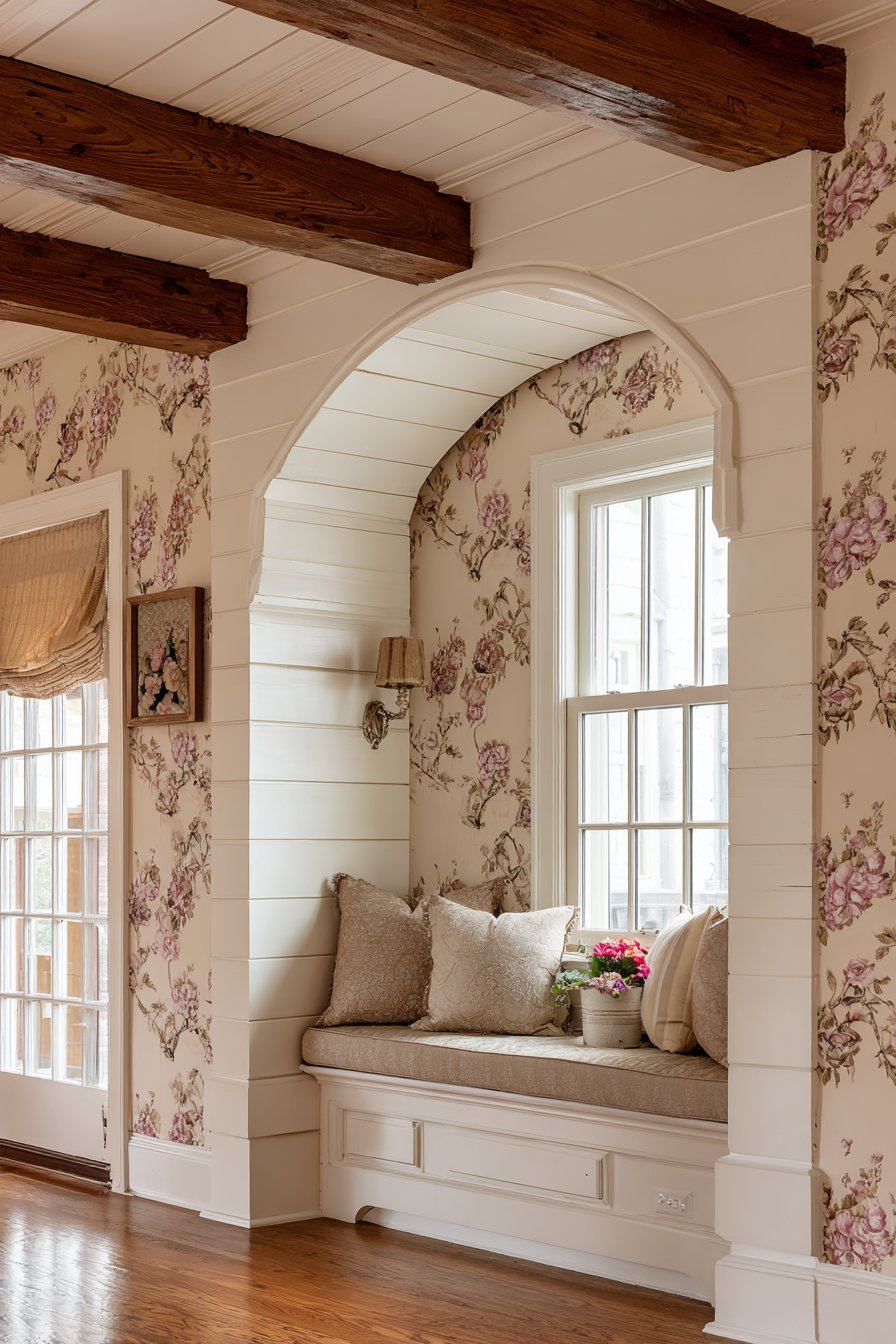
Cottagecore walls are gentler and more illustrative. Floral or botanical wallpaper is perhaps the most iconic cottagecore wall choice. Think William Morris–inspired prints, hand-painted botanical murals, or softly patterned vintage-style wallpapers. Even painted walls in cottagecore lean toward warm, dusty tones that feel like old paint on a stone cottage wall.
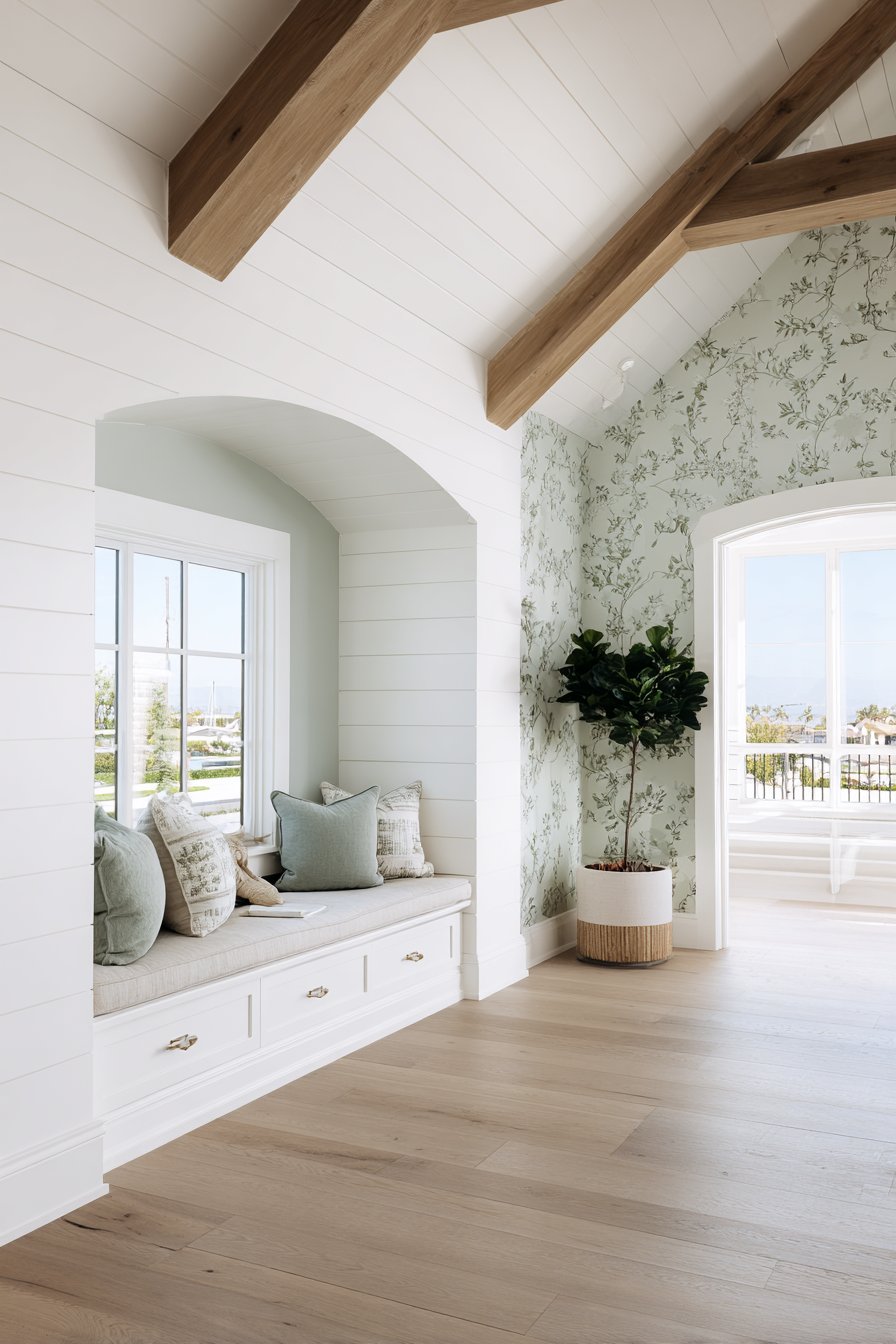
The approach to architectural detail also differs. Farmhouse celebrates clean, geometric woodwork — chunky trim, exposed beams, and visible joinery. Cottagecore favors organic and decorative details — carved molding, arched doorways, and window seats with cushions. Both approaches are deeply intentional, just guided by different visual languages.
- Farmhouse walls: shiplap, board and batten, exposed brick
- Cottagecore walls: floral wallpaper, botanical prints, soft painted tones
- Both styles benefit from textural wall treatments over plain drywall
- Use beadboard wainscoting as a bridge between both styles
- William Morris–inspired wallpapers are perfect for cottagecore bedrooms
- Exposed ceiling beams work beautifully in both farmhouse and cottagecore
10. Lighting Choices
Lighting is the invisible architecture of any interior. Farmhouse lighting tends to be bold and graphic. Black metal pendant lights over kitchen islands, lantern-style exterior lights, and industrial-inspired fixtures with Edison bulbs are all farmhouse staples. The lighting is purposeful and architectural, anchoring the space with strong visual statements.
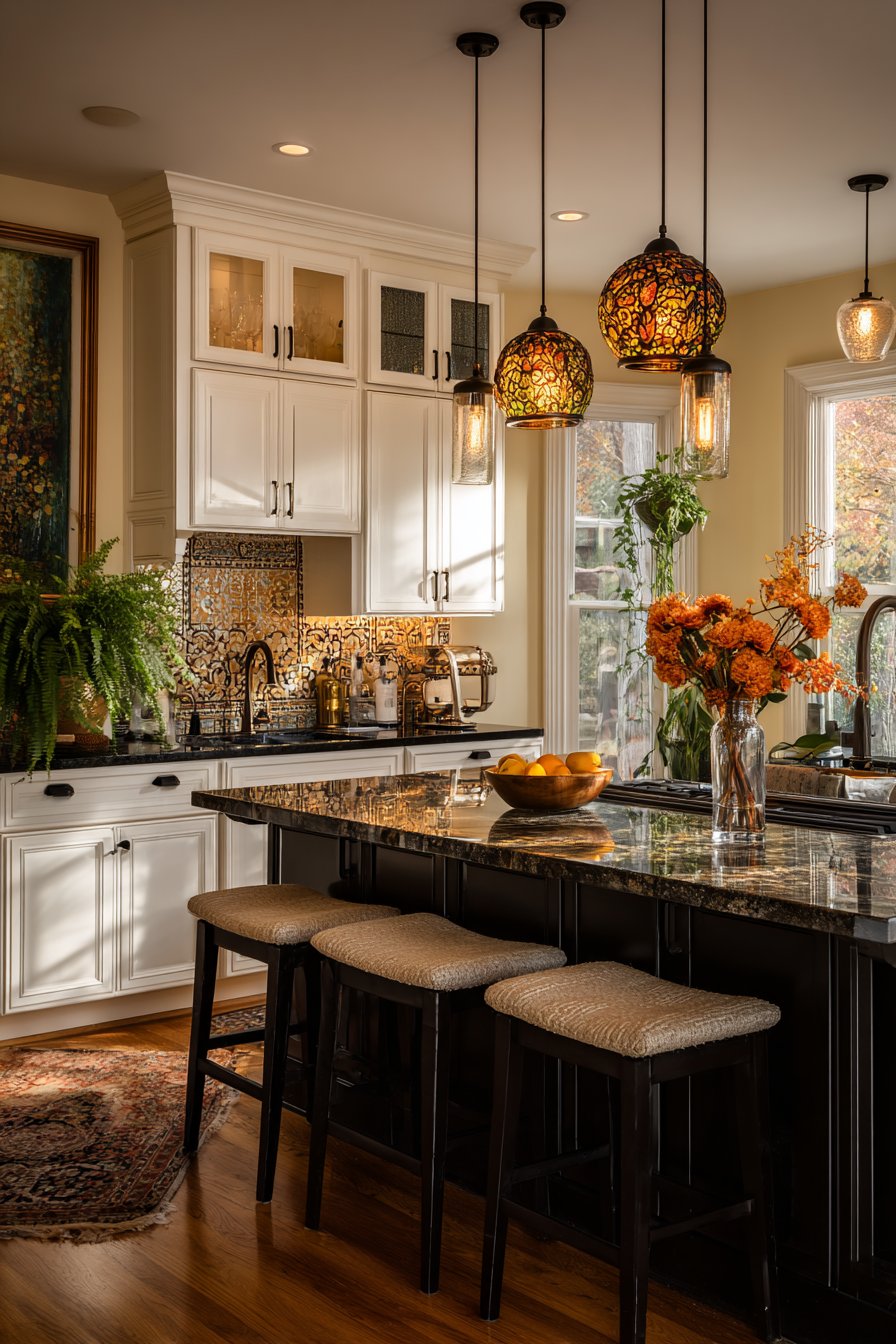
Cottagecore lighting is soft and atmospheric. Vintage brass or antique copper fixtures, candlelight, fairy lights, and stained glass lamps create a warm, glowing ambiance. The goal is light that feels natural and flickering, like candlelight. A Tiffany-inspired lamp on a side table or a cluster of mismatched vintage pendants overhead is very cottagecore.
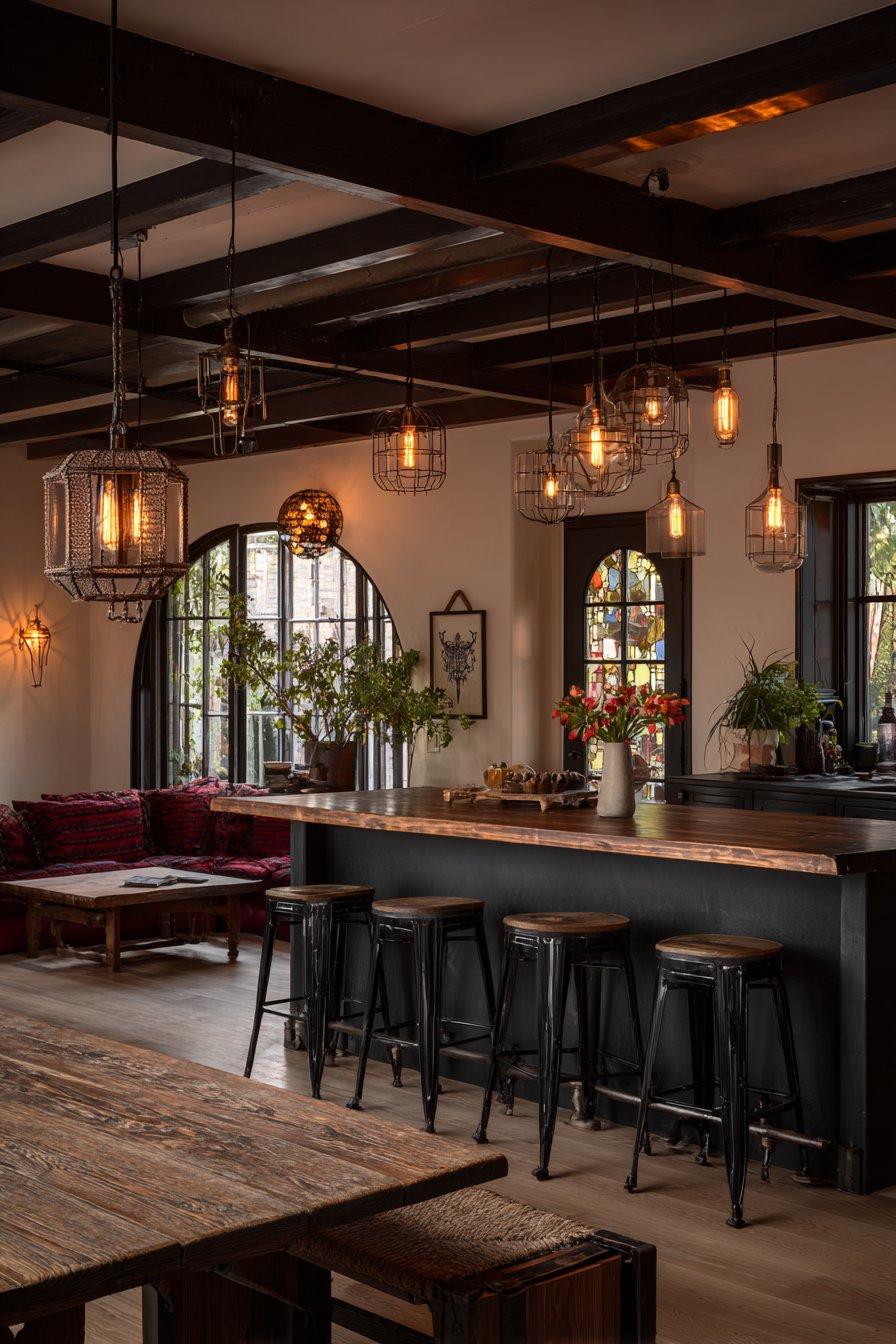
Both styles avoid cold, harsh, or overly modern lighting. But farmhouse lighting makes a bold graphic statement, while cottagecore lighting creates a mood. Think of it this way: farmhouse lighting illuminates, cottagecore lighting enchants.
- Farmhouse lighting: black metal pendants, Edison bulbs, lantern styles
- Cottagecore lighting: brass fixtures, fairy lights, vintage glass lamps
- Both styles favor warm-toned bulbs over cool white light
- Layer lighting sources in cottagecore for a romantic, glowing effect
- Use statement pendants in farmhouse kitchens to anchor the space
- Candleholders and candelabras are perfect cottagecore accessories
11. Can You Mix Cottagecore and Farmhouse?
Many homeowners find themselves drawn to elements of both aesthetics simultaneously — and the good news is, thoughtful mixing is absolutely possible. The shared foundations make it workable: both styles embrace natural materials, vintage finds, and a rejection of cold modernism. The key is to let one style lead while the other plays a supporting role.
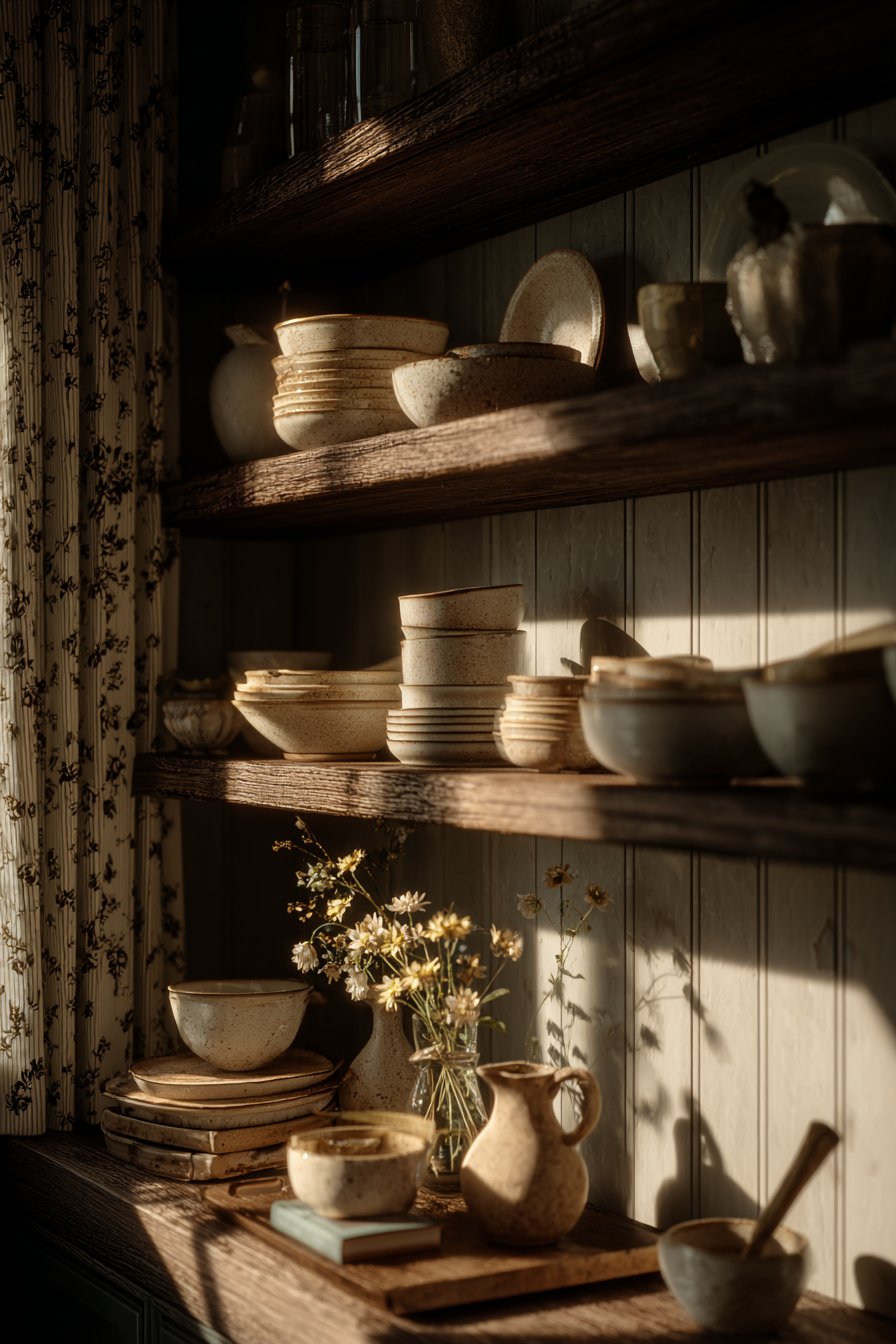
For example, you might create a farmhouse kitchen structure — shiplap walls, an apron sink, open shelving — and then layer in cottagecore details through floral curtains, mismatched vintage pottery, and a cluster of wildflowers on the table. The bones are farmhouse, but the styling is cottagecore. This approach allows you to enjoy the best of both worlds without visual confusion.
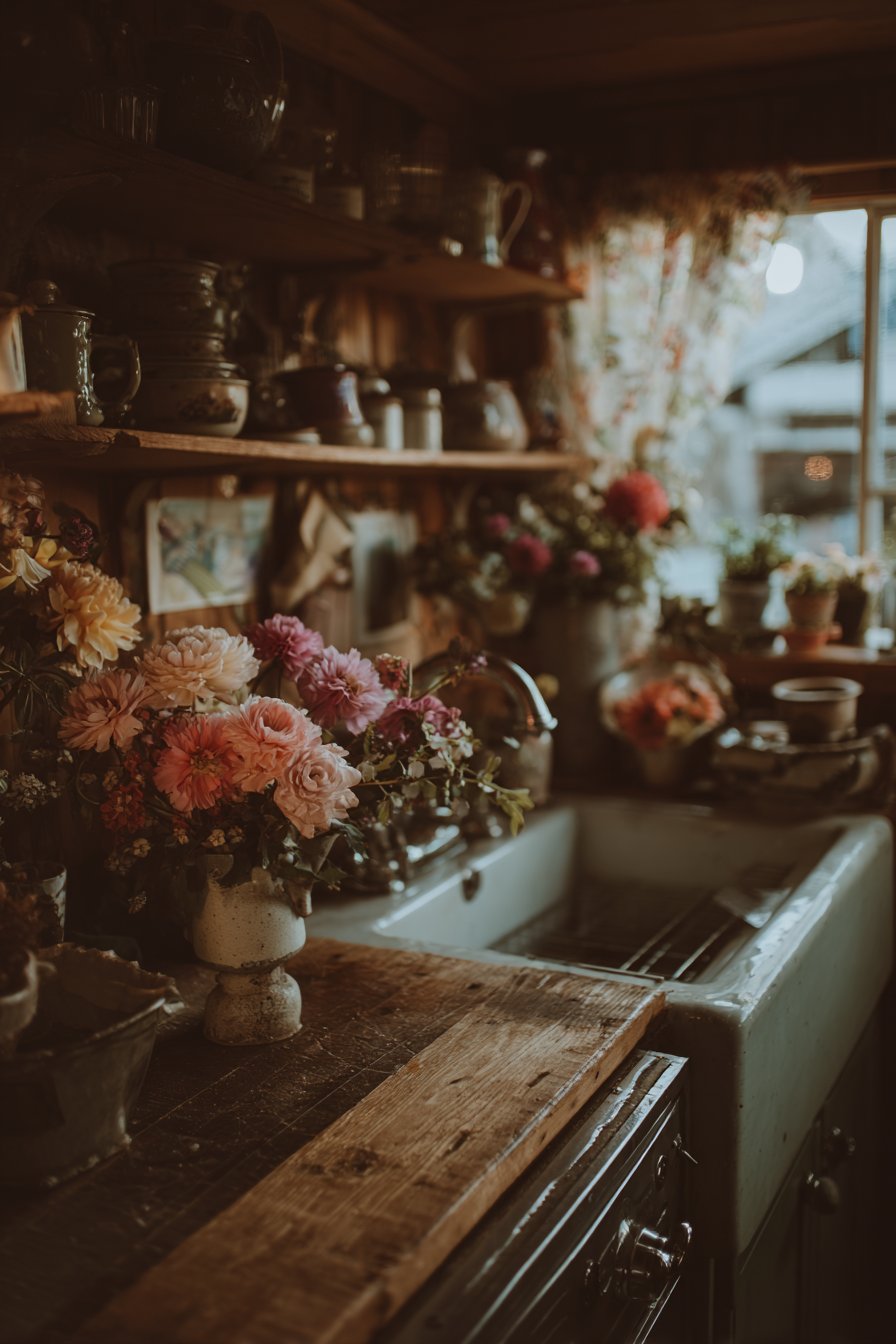
The secret to successful blending is intentional restraint. Don’t try to include every element of both styles simultaneously. Choose your primary style, establish the foundational elements, and then allow the secondary style to appear through accessories and soft furnishings. The result is a space that feels layered and personal, rather than themed or formulaic.
- Let one style lead as the dominant design language
- Use farmhouse for structural and architectural elements
- Bring cottagecore in through accessories, textiles, and plants
- Avoid mixing the boldest elements of each style simultaneously
- Focus on shared values: natural materials, vintage finds, warmth
- Trust your instincts — the best interiors reflect personal taste
Conclusion
Understanding the difference between cottagecore and farmhouse is about more than labels — it’s about understanding what kind of emotional atmosphere you want to live in. Farmhouse design speaks to those who appreciate clean lines, practical beauty, and the dignity of working heritage. Cottagecore speaks to dreamers who want their home to feel like a living, breathing poem — soft, layered, and deeply connected to the natural world.
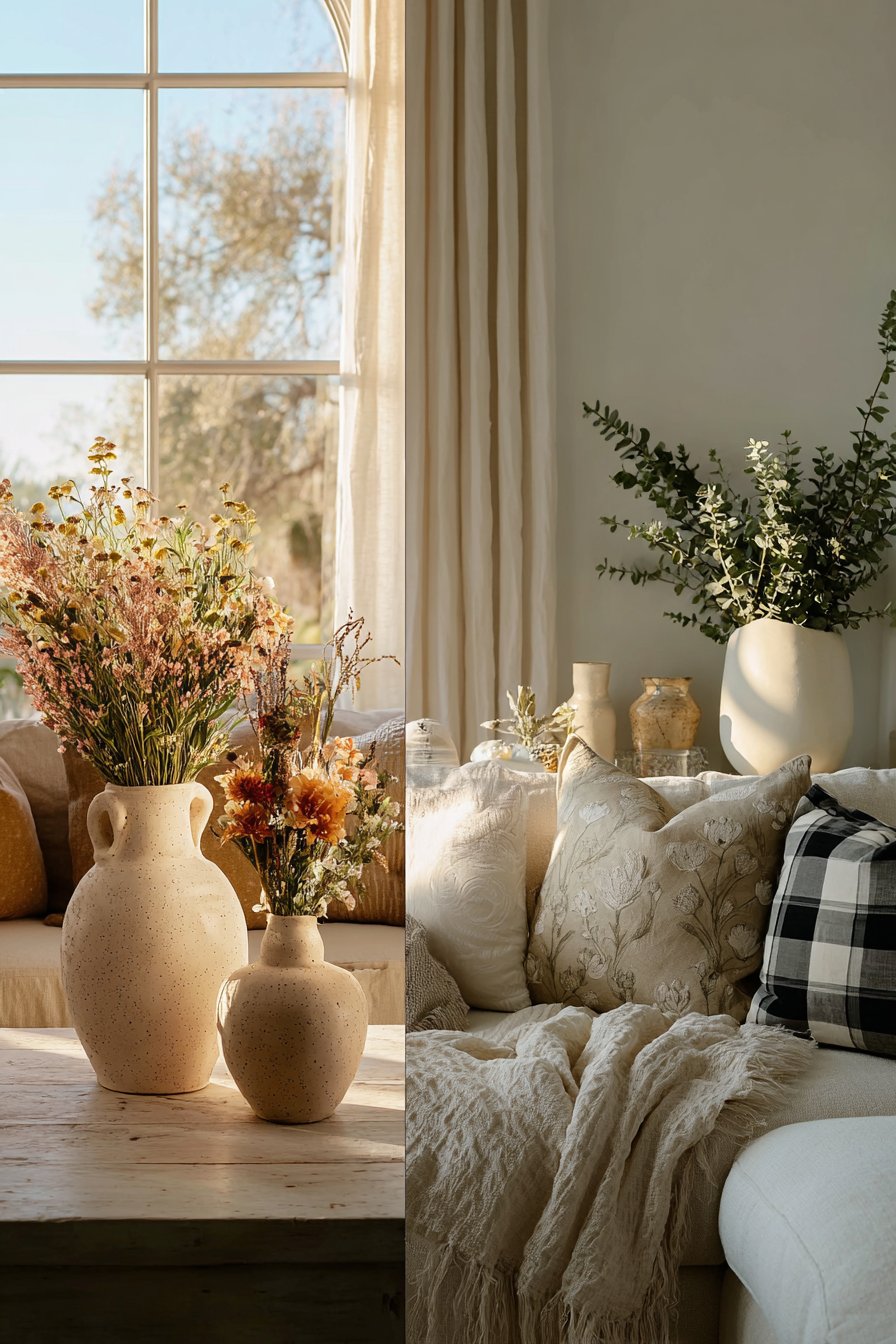
Both styles share a love of natural materials, vintage character, and the beauty of imperfection. Whether you choose the grounded strength of farmhouse, the romantic whimsy of cottagecore, or a thoughtful blend of both, the most important thing is to design a home that genuinely feels like yours. Let these styles inspire you — then make them your own.
