


The heart of every home deserves more than just functional cabinetry and standard appliances. Modern homeowners are seeking kitchen spaces that reflect personality, sophistication, and timeless appeal. The recent resurgence of dark green kitchens represents a bold departure from the stark white and gray palettes that dominated interior design for years.
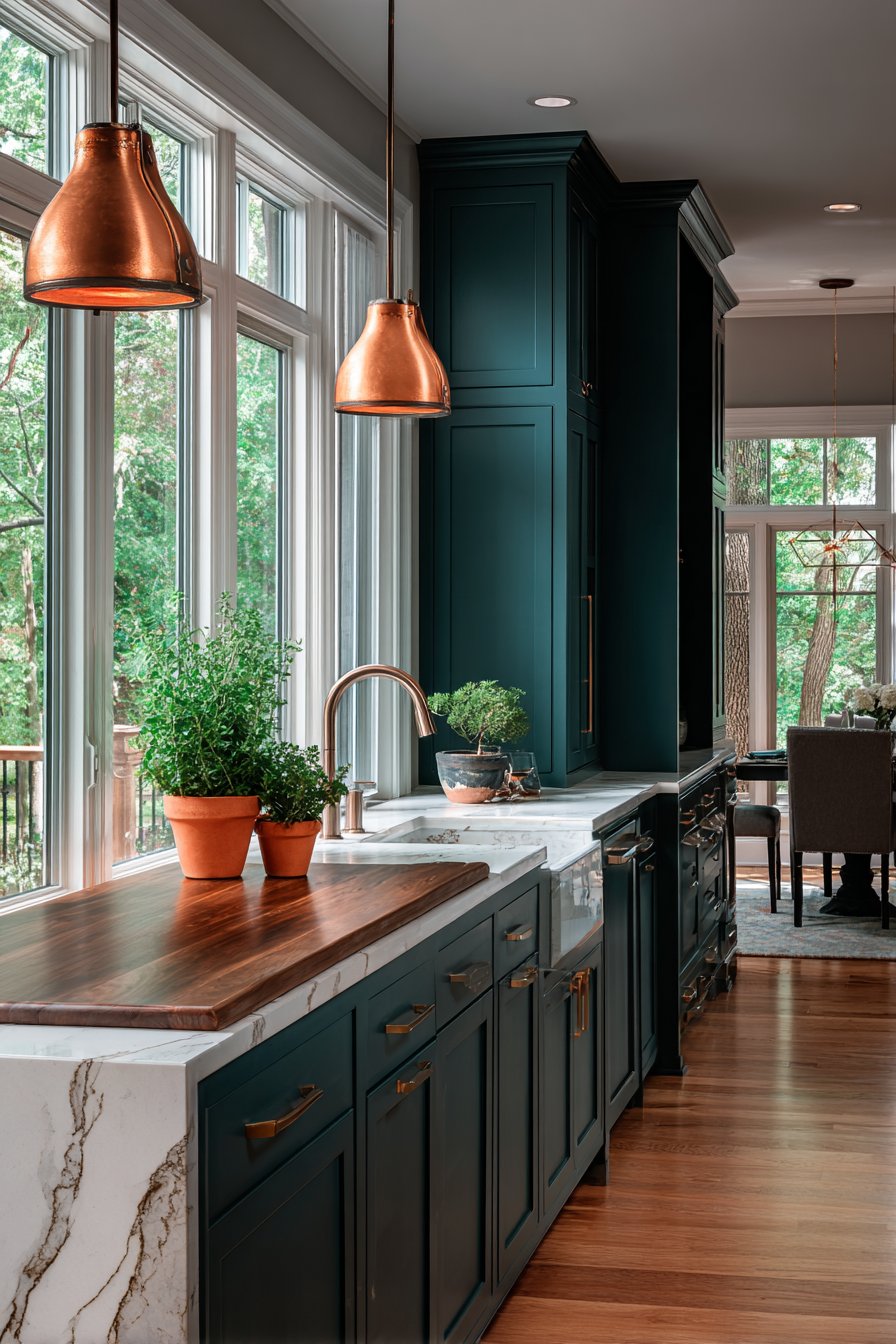
Dark green has emerged as the sophisticated alternative to conventional kitchen color schemes. This rich, earthy hue brings nature indoors while creating a sense of luxury and calm. Whether you’re planning a complete renovation or considering a simple cabinet refresh, understanding why dark green kitchens are capturing designers’ attention can help you make informed decisions about your space.
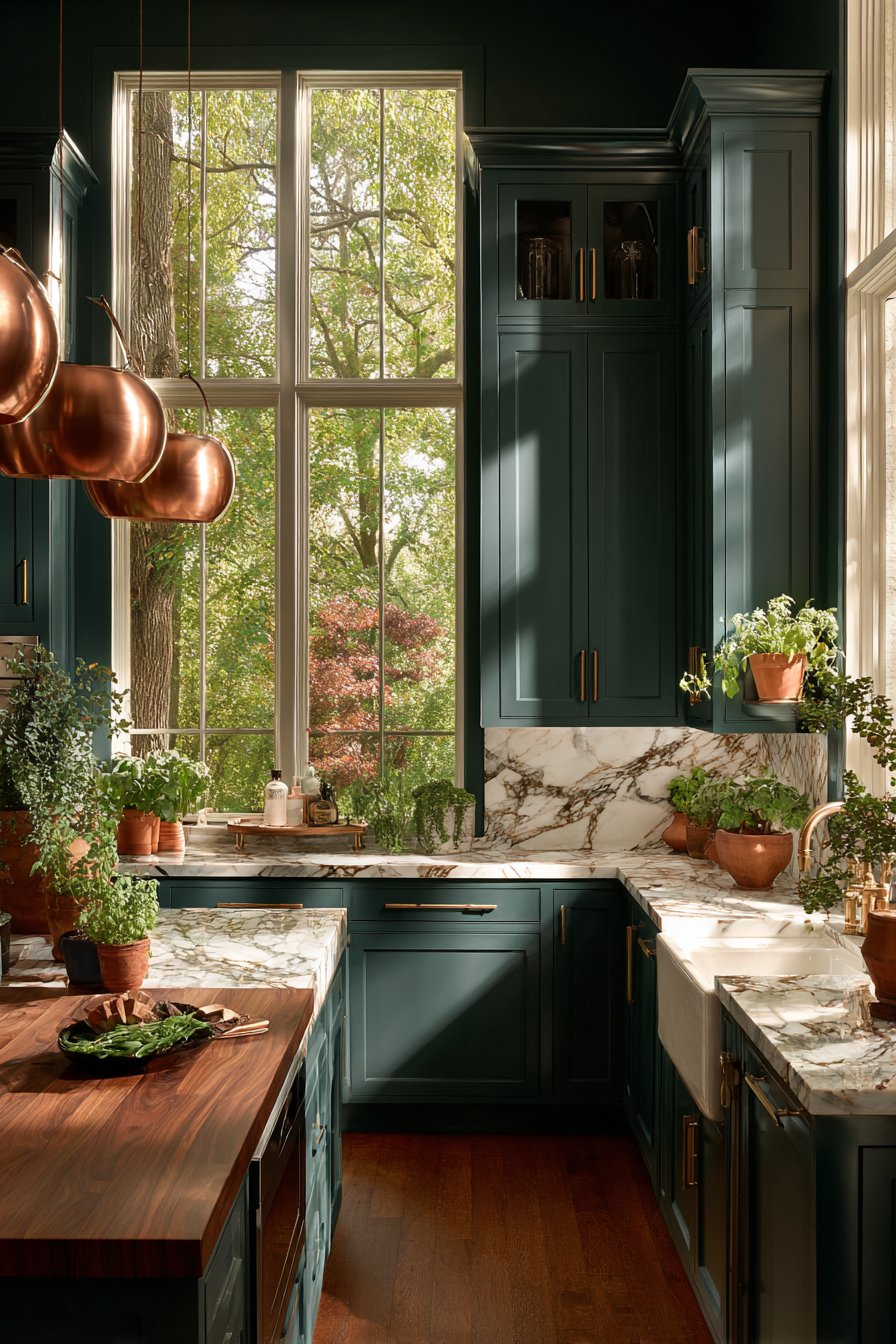
The versatility of dark green allows it to adapt to various design styles, from traditional farmhouse to contemporary minimalism. This article explores six compelling reasons why dark green cabinetry is experiencing unprecedented popularity and how you can incorporate this trend into your culinary sanctuary.
1. Psychological Impact and Mood Enhancement
Dark green creates an immediate sense of tranquility and grounding in kitchen environments. Unlike bright whites that can feel clinical or cold grays that sometimes appear sterile, green connects us to nature’s calming influence. This color triggers our innate biophilic response, making kitchens feel like restorative retreats rather than purely functional workspaces.
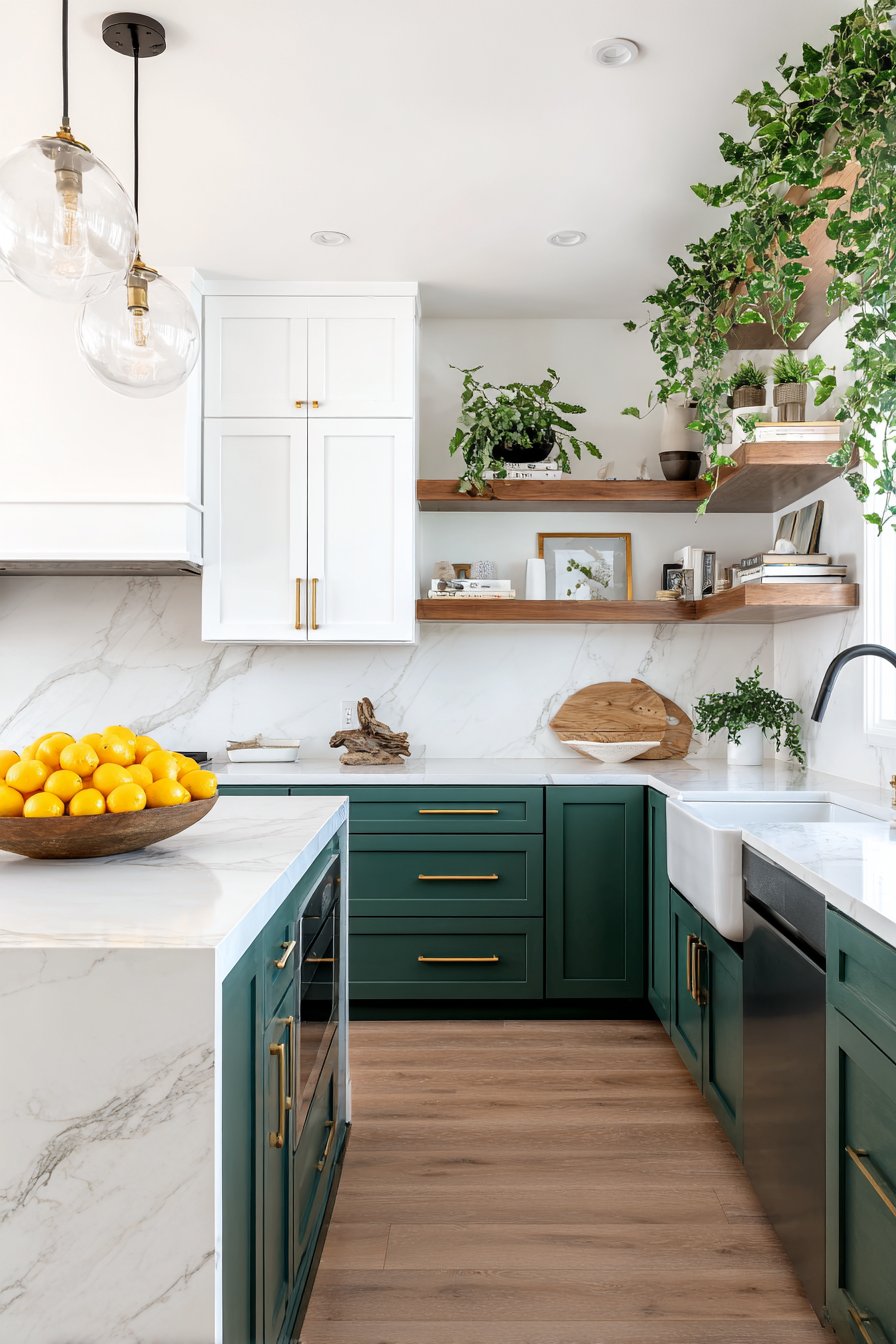
The psychological benefits extend beyond mere aesthetics. Studies show that green environments reduce stress levels and promote mental clarity. When preparing meals or gathering with family, these subtle mood enhancements contribute to more positive experiences. Dark green specifically evokes feelings of stability and sophistication that lighter greens cannot achieve.
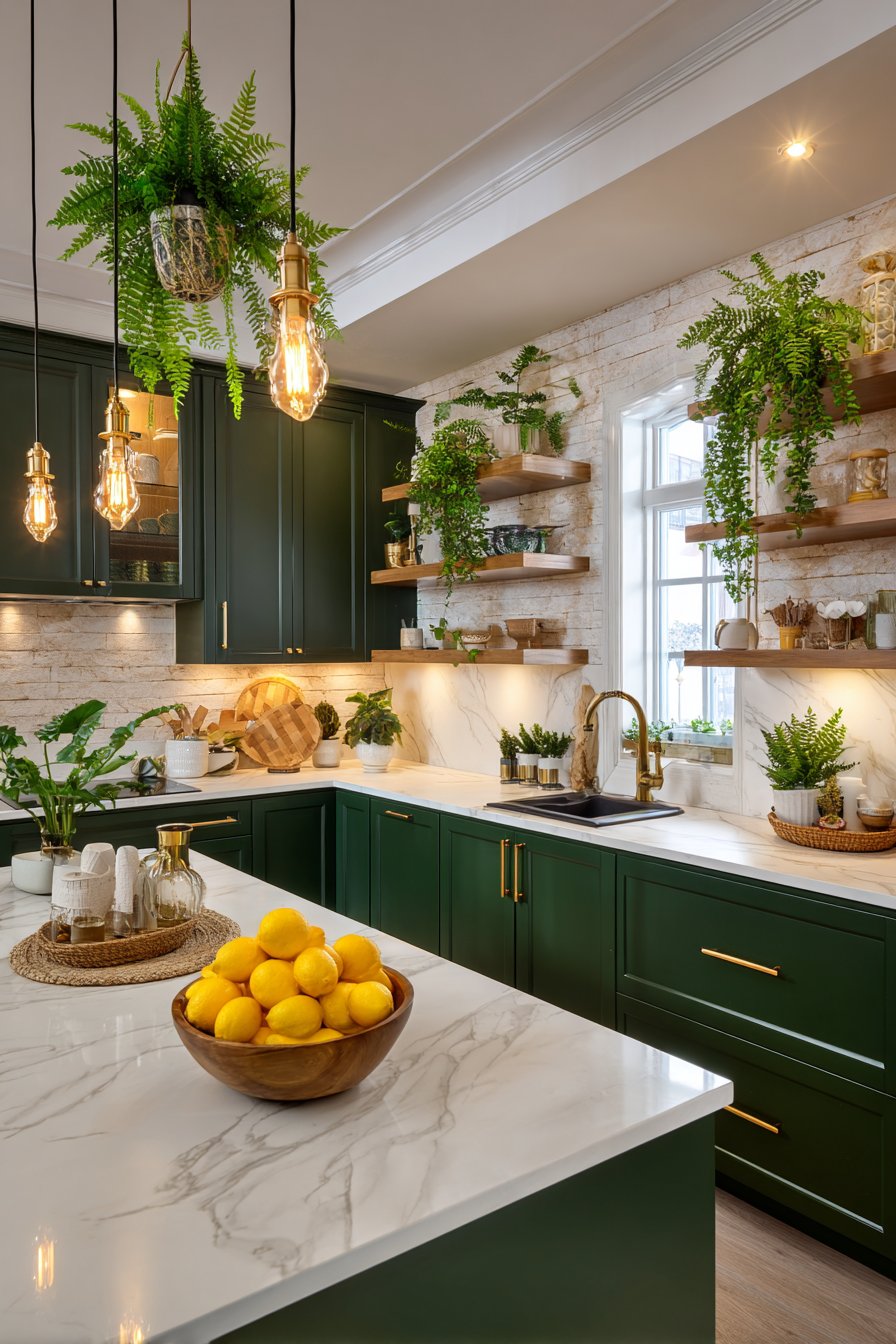
Research in color psychology confirms that green hues improve concentration and creativity. For home cooks experimenting with new recipes or families tackling homework at kitchen islands, this enhanced focus proves invaluable. The depth of dark green also hides minor imperfections and daily wear better than lighter alternatives.
- Choose forest green or hunter green for maximum sophistication
- Pair with warm lighting to prevent the space from feeling too cool
- Consider the natural light in your kitchen before committing to darker shades
- Test paint samples on multiple cabinet doors throughout the day
- Balance dark cabinets with lighter countertops and backsplashes
- Add plants to enhance the nature-inspired atmosphere
2. Timeless Elegance Over Fleeting Trends
Dark green kitchens transcend temporary design fads because they draw from historical precedent. Victorian and Georgian homes featured deep green cabinetry and wall treatments, establishing this color’s association with refined taste. Unlike trendy colors that date quickly, dark green maintains enduring appeal across decades and design movements.
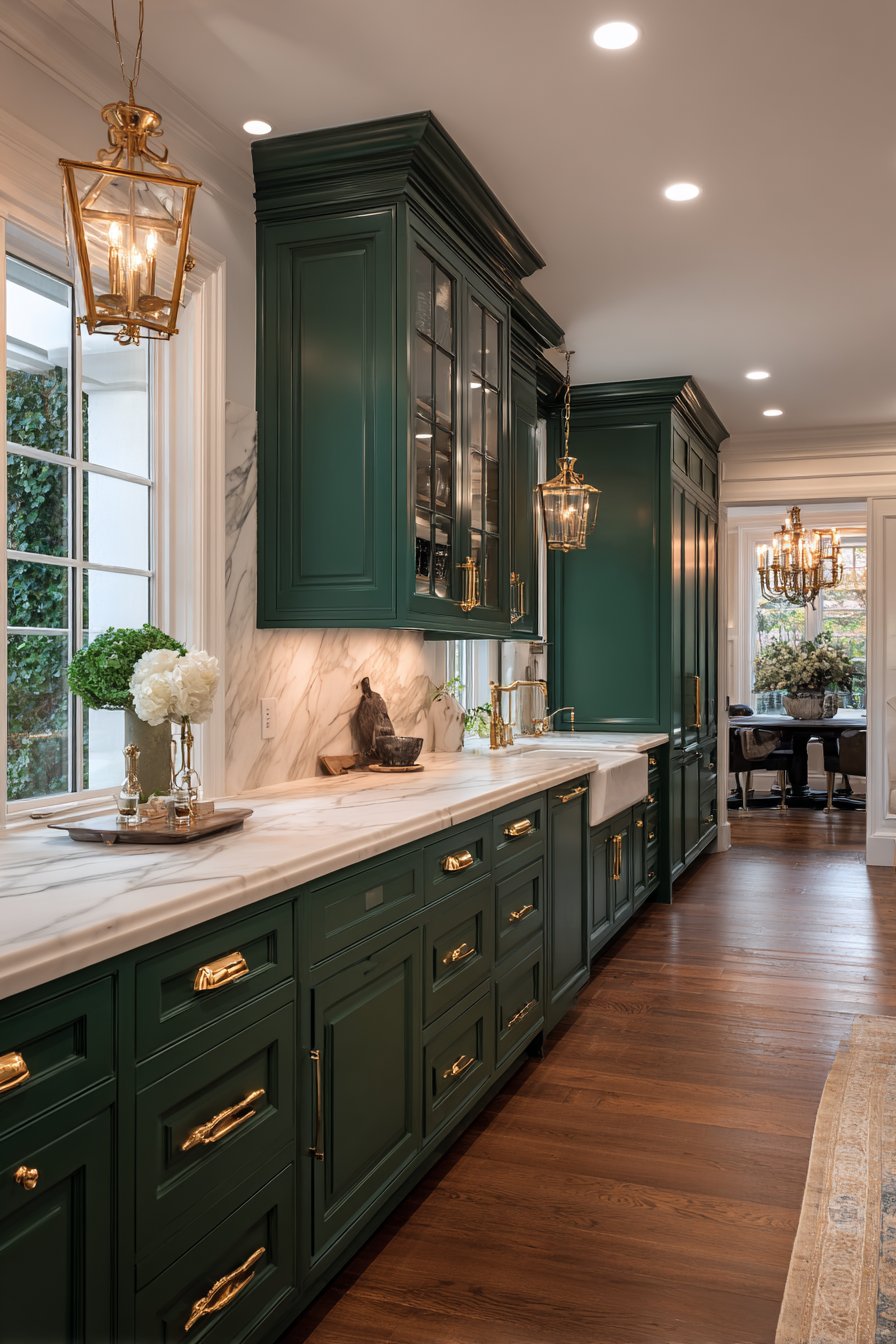
The versatility of dark green allows it to complement both traditional and contemporary aesthetics seamlessly. A shaker-style cabinet in forest green feels equally at home in a country cottage or urban loft. This adaptability means your investment won’t look outdated in five years, protecting your renovation budget from premature obsolescence.
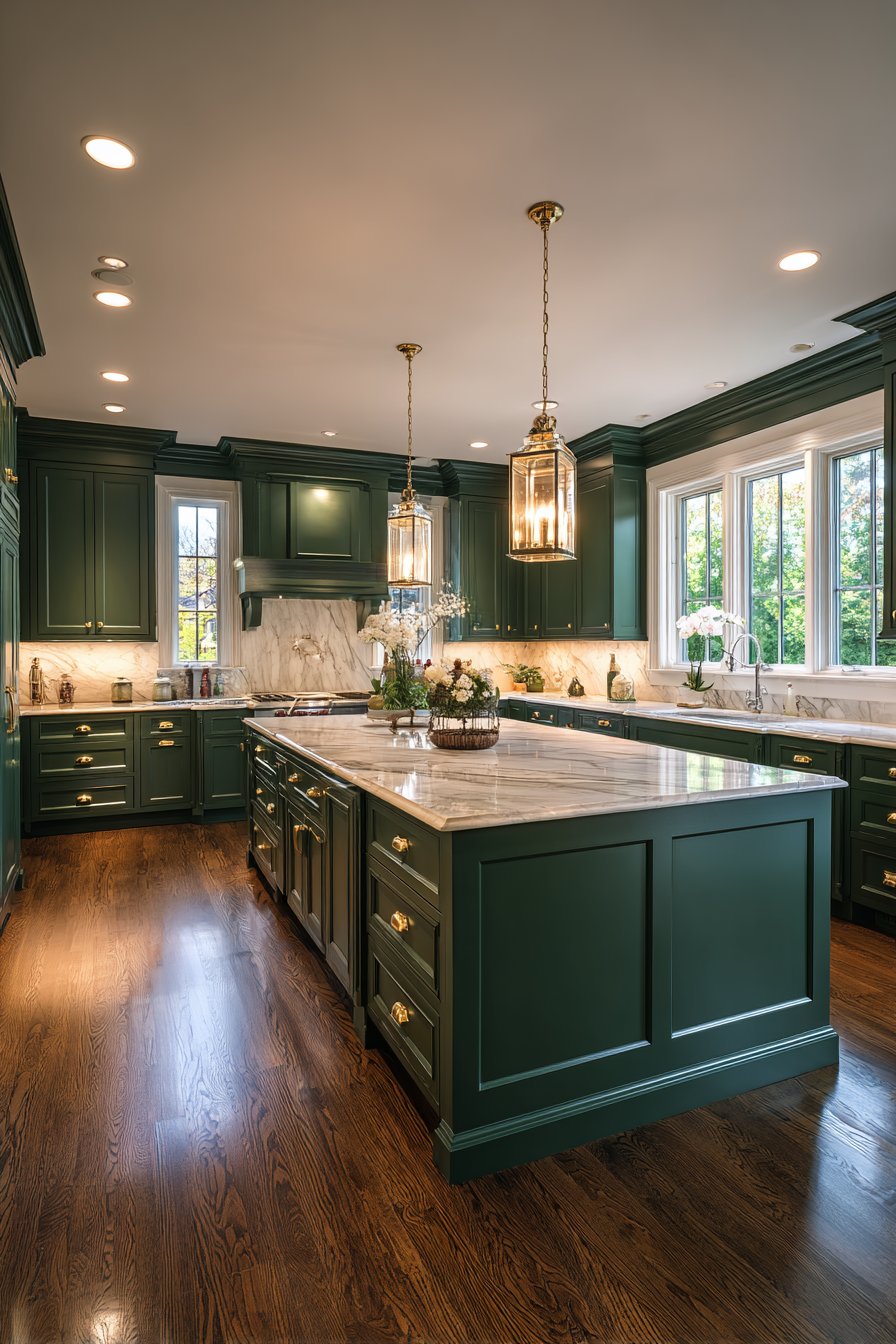
Interior designers consistently recommend dark green for clients seeking long-term value. The color’s neutral undertones allow easy updates through hardware, lighting, and accessories without requiring complete overhauls. This flexibility supports evolving tastes while maintaining a cohesive foundation.
- Select classic cabinet profiles that won’t feel dated quickly
- Invest in quality paint or stain formulations for lasting color
- Choose hardware finishes that complement rather than compete
- Consider satin or matte finishes for sophisticated depth
- Avoid overly trendy accent colors in permanent fixtures
- Document your exact green shade for future touch-ups
3. Superior Color Pairing Possibilities
Dark green serves as an exceptional neutral foundation for diverse color combinations. It pairs beautifully with warm metallics like brass, copper, and gold, creating luxurious contrasts. The richness of green also complements natural materials including marble, wood, and stone better than stark white alternatives.

For countertops and backsplashes, dark green cabinets offer remarkable flexibility. White marble with gray veining creates dramatic contrast, while butcher block or walnut counters enhance organic warmth. Even bold choices like black granite or soapstone work harmoniously with deep green bases, providing options for various design preferences.
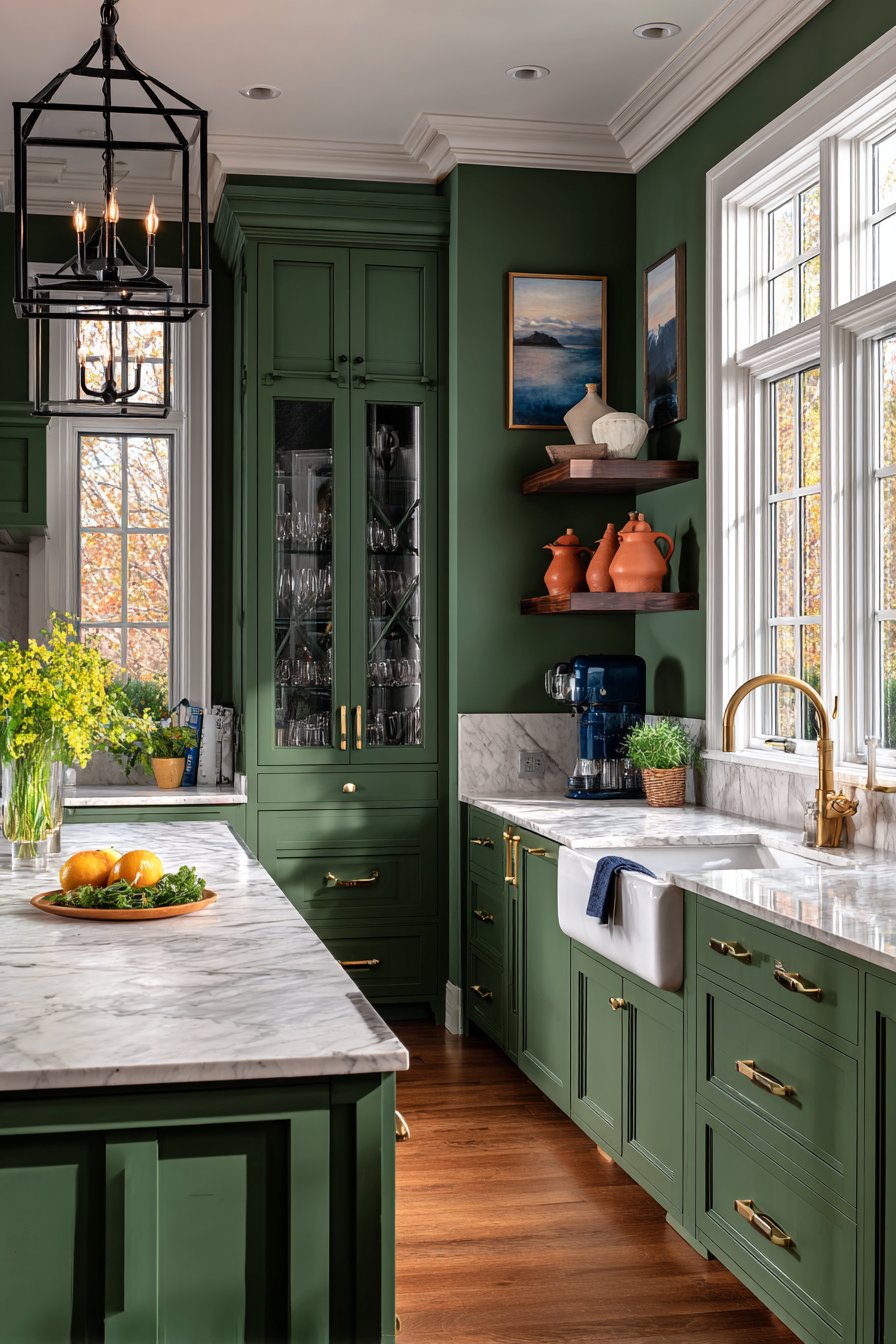
Accent colors gain new dimension against dark green backgrounds. Crisp white trim, terracotta accessories, or navy blue accents all pop without overwhelming the space. This versatility means you can refresh your kitchen’s personality through affordable decor changes rather than expensive renovations.
- Combine with brass hardware for instant luxury appeal
- Use white or cream for upper cabinets in two-tone designs
- Incorporate natural wood tones through open shelving or islands
- Add terracotta or rust-colored textiles for warmth
- Consider sage green or lighter green accessories for tonal variation
- Balance with plenty of white or light-colored walls
4. Enhanced Visual Depth and Dimension
Dark green cabinetry creates architectural interest through shadow and depth that lighter colors cannot achieve. The rich pigmentation highlights cabinet details, moldings, and hardware more effectively than pale alternatives. This dimensional quality makes even simple flat-panel cabinets appear more sophisticated and custom-designed.
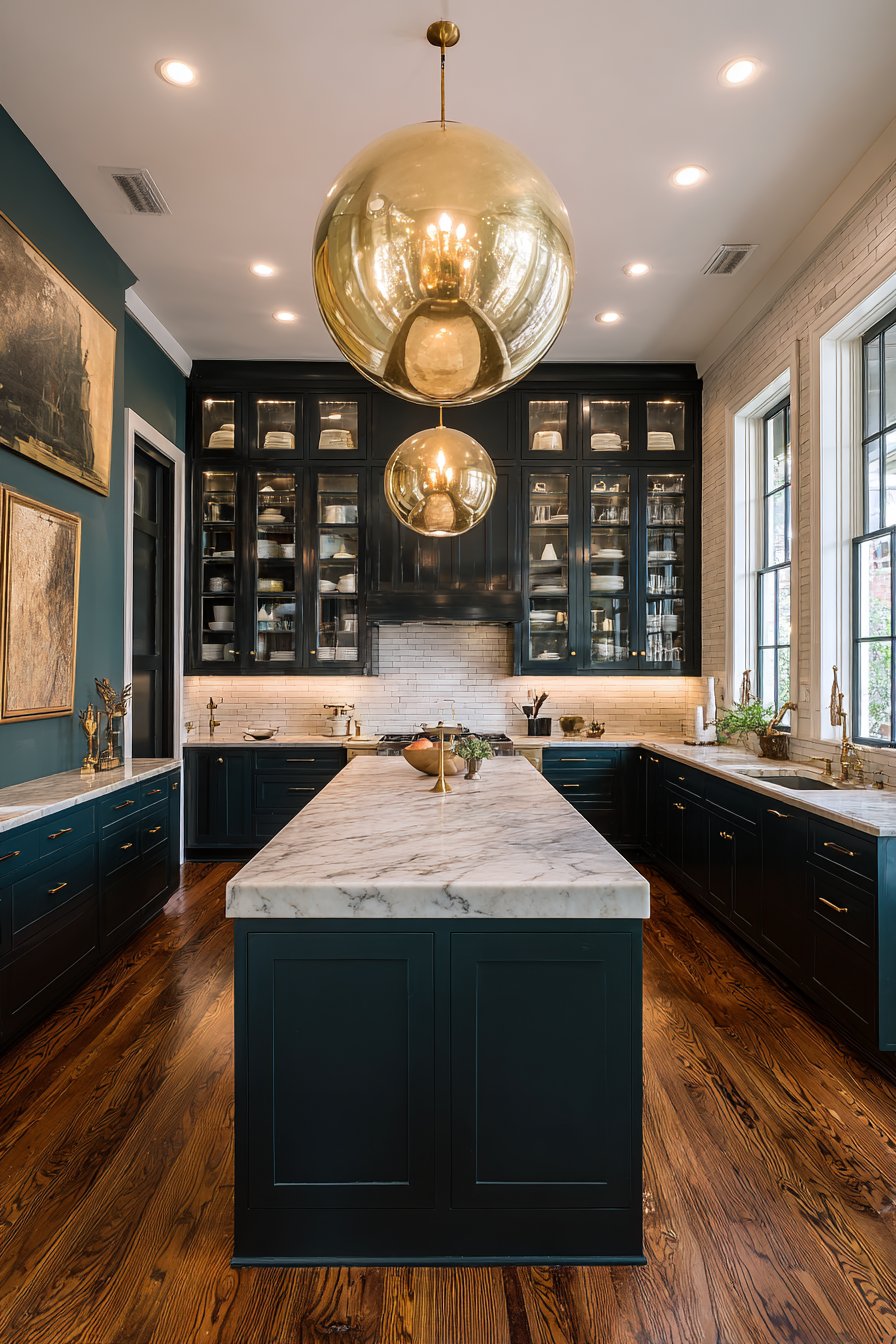
The interplay of light and shadow on dark green surfaces adds dynamic visual texture throughout the day. Morning light reveals warm undertones, while evening illumination emphasizes the color’s dramatic depth. This changing quality keeps kitchens visually engaging rather than static or boring.
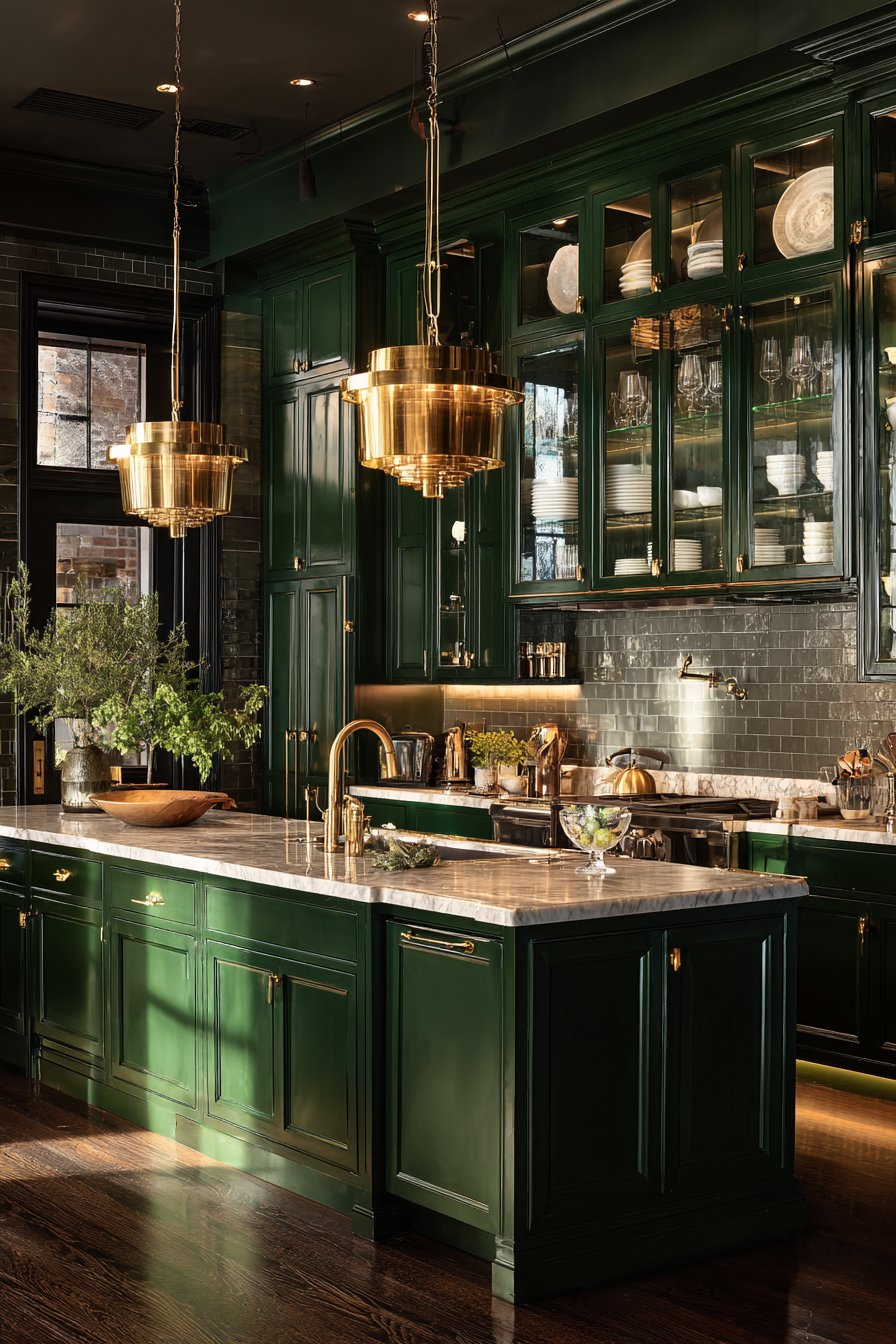
Strategic lighting becomes even more impactful with dark green cabinets. Under-cabinet lights create beautiful contrast, while pendant fixtures cast interesting shadows that enhance architectural features. The depth allows light to become a design element itself, not just a practical necessity.
- Install layered lighting including task, ambient, and accent sources
- Use under-cabinet LED strips to prevent dark corners
- Choose reflective backsplash materials to bounce light
- Position pendant lights to highlight green’s dimensional qualities
- Add glass-front cabinets to break up solid color expanses
- Consider lighter green or white for upper cabinets to maintain brightness
5. Connection to Sustainable Design Values
Dark green naturally evokes environmental consciousness and sustainable living principles. This color choice signals appreciation for nature and commitment to timeless design over disposable trends. Homeowners increasingly value kitchens that reflect ecological awareness without sacrificing style or sophistication.
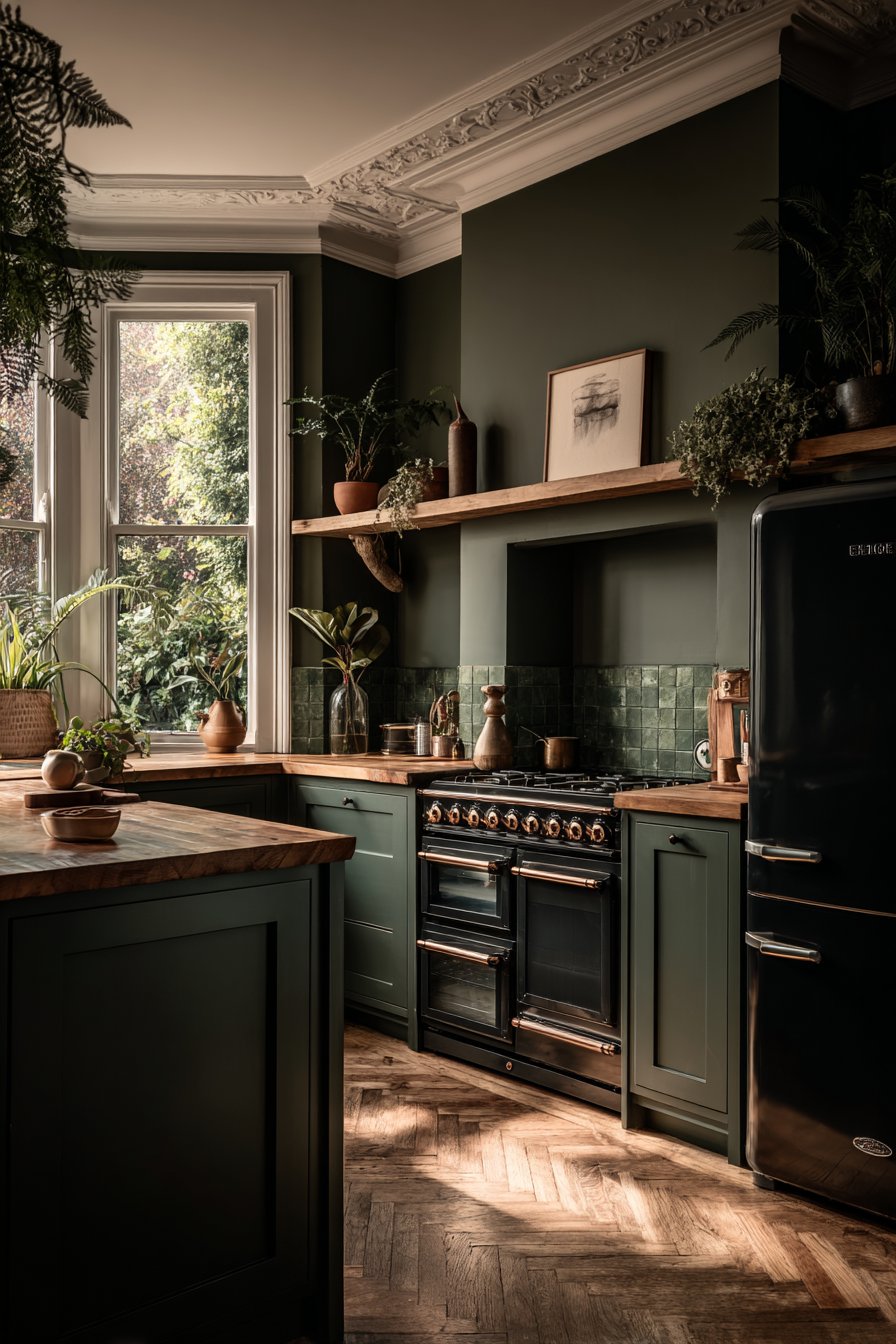
The longevity of dark green kitchens aligns with sustainable practices by reducing renovation frequency. Choosing durable finishes in classic colors prevents waste associated with frequent updates. This approach supports both environmental responsibility and financial prudence simultaneously.
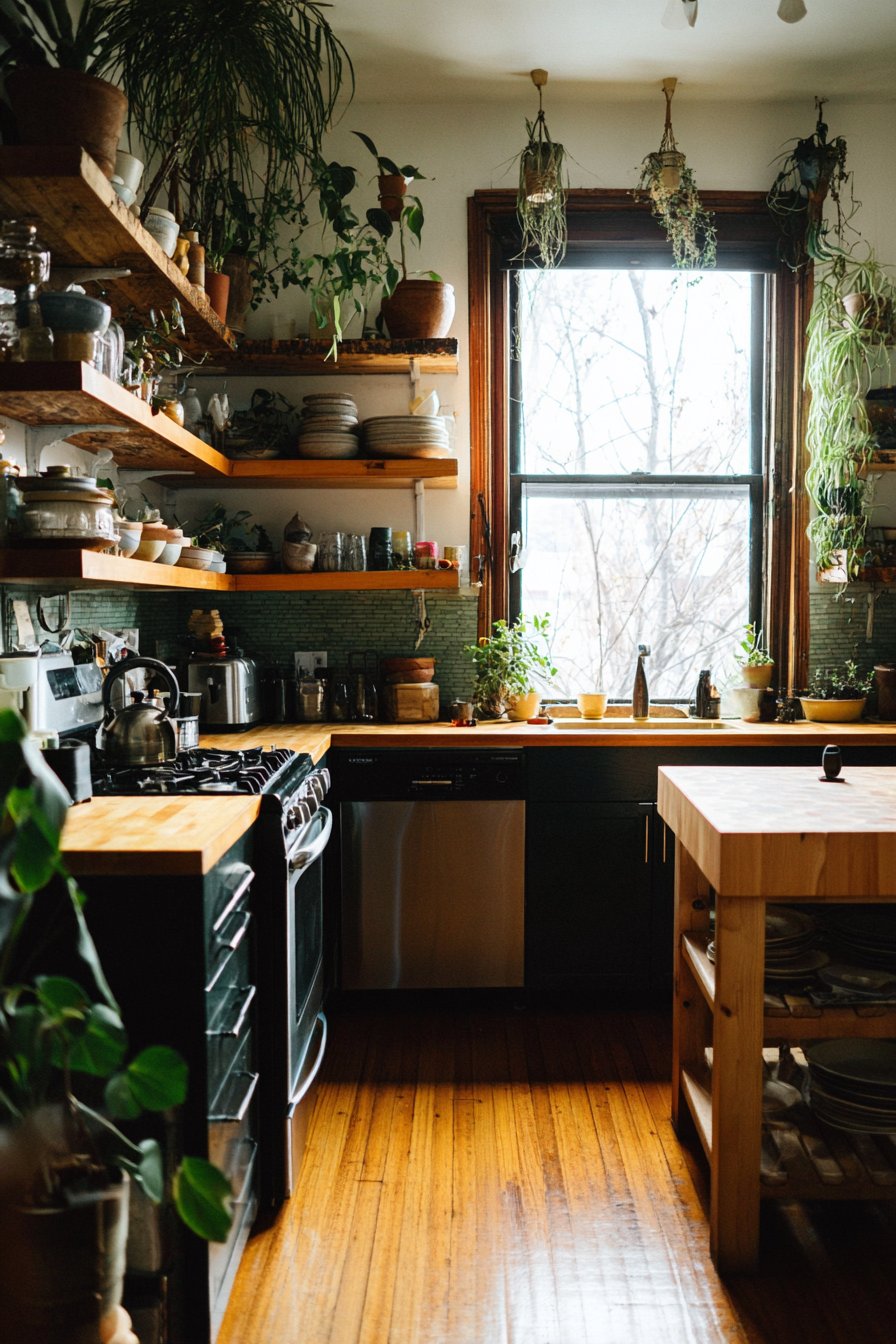
Pairing dark green with reclaimed materials and energy-efficient appliances creates cohesive eco-friendly kitchens. The color complements natural, sustainably sourced woods and recycled glass surfaces beautifully. This synergy between aesthetic and ethical choices resonates with contemporary values.
- Source cabinets from manufacturers using sustainable forestry practices
- Choose low-VOC paints and finishes for healthier indoor air
- Incorporate reclaimed wood for islands or open shelving
- Select energy-efficient appliances that complement the color scheme
- Use natural stone or recycled glass for countertops
- Consider bamboo or cork flooring to enhance the organic aesthetic
6. Practical Advantages for Daily Living
Dark green cabinets offer superior concealment of daily wear, fingerprints, and minor scuffs compared to white alternatives. Families with children or busy households particularly benefit from this practical advantage. The color maintains a clean appearance with less frequent wiping and maintenance.
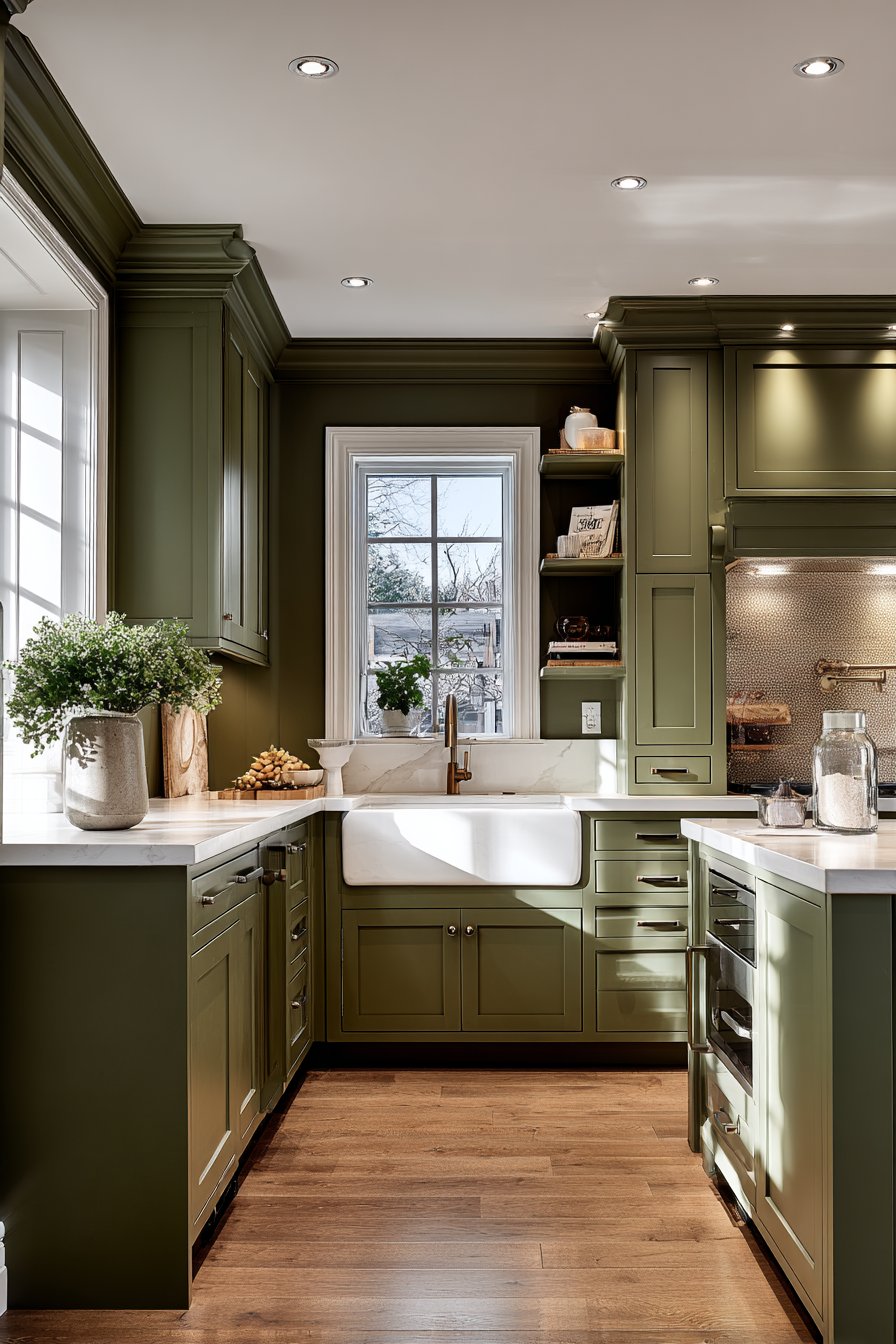
Cooking splatters and grease residue show less prominently on dark surfaces, reducing cleaning anxiety during meal preparation. While regular maintenance remains important, dark green doesn’t broadcast every spot or smudge. This practical benefit complements the aesthetic appeal for real-world living.
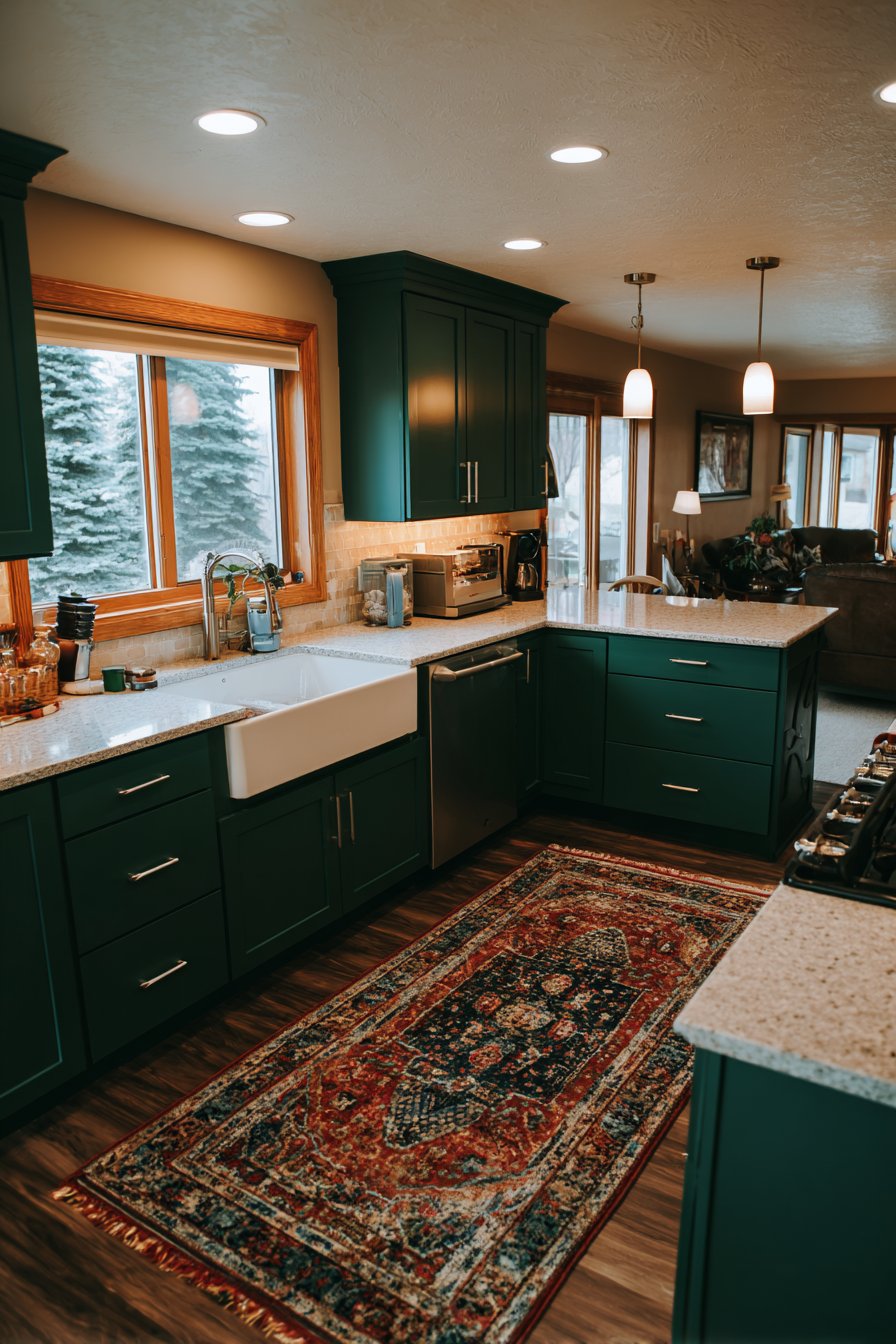
The durability of quality dark green finishes means your kitchen maintains its stunning appearance years after installation. Unlike light cabinets that yellow or show wear patterns quickly, deep green ages gracefully. This longevity delivers both aesthetic and economic value over the kitchen’s lifetime.
- Choose satin or semi-gloss finishes for easier cleaning
- Keep microfiber cloths handy for quick touch-ups
- Use appropriate cleaners that won’t damage paint or stain
- Address spills promptly to prevent any potential staining
- Install backsplashes that extend to protect cabinet edges
- Consider professional sealing for painted surfaces in high-use areas
Conclusion
Dark green kitchens represent far more than a passing trend. They offer psychological benefits, timeless elegance, and practical advantages that serve homeowners for decades. The versatility of this rich, sophisticated hue accommodates diverse design styles while creating spaces that feel both luxurious and welcoming.
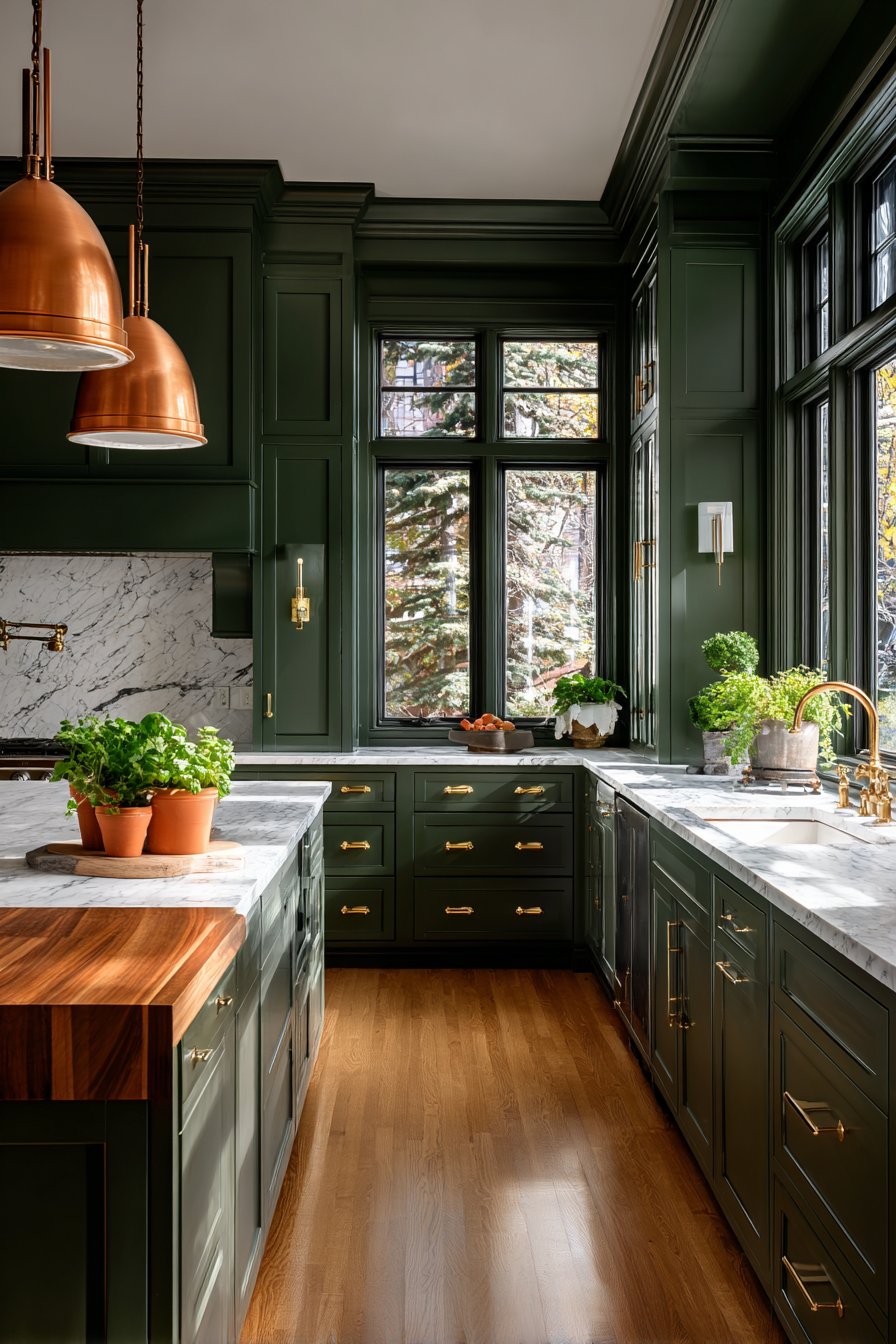
Whether you’re drawn to dark green for its environmental associations, its superior color pairing potential, or its practical concealment of daily wear, this choice delivers lasting value. Embrace the comeback of dark green kitchens and transform your culinary space into a sophisticated sanctuary that you’ll love for years to come.
