


Choosing the right couch color is one of the most significant decisions in home design. Your sofa often serves as the focal point of your living space, anchoring the room’s aesthetic while providing comfort for years to come. This choice extends beyond mere preference, touching on practical considerations like maintenance requirements, lifestyle compatibility, and long-term style satisfaction.
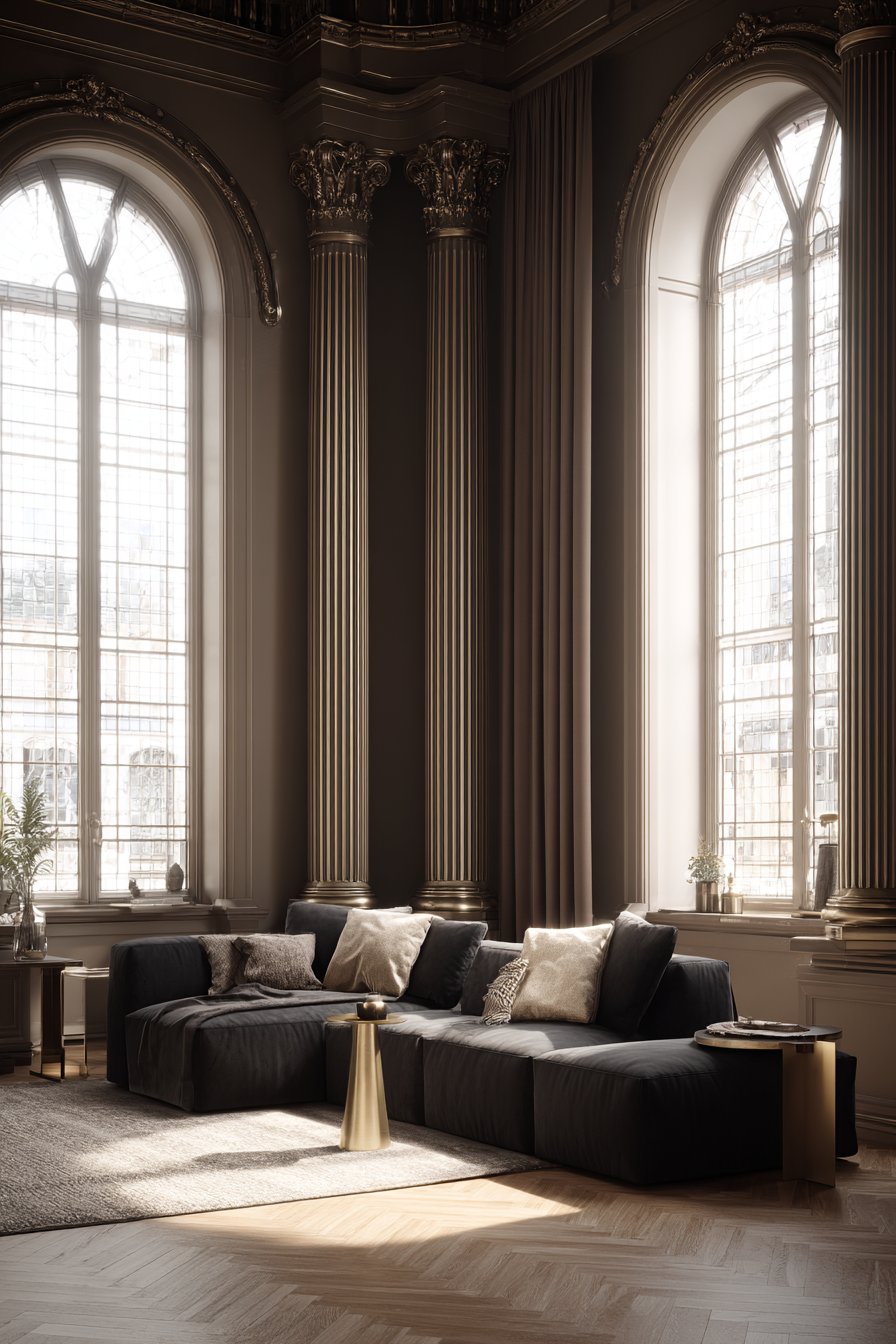
The debate between dark and light couches has puzzled homeowners for decades. Each option brings distinct advantages and challenges that deserve careful consideration. Understanding how color choice impacts both daily maintenance and overall design direction helps you make an informed decision. Whether you’re furnishing your first apartment or updating an established home, this comprehensive comparison will guide you through the essential factors that matter most.
1. Stain Visibility and Daily Maintenance
Dark couches excel at hiding everyday dirt and minor spills that inevitably occur in active households. Coffee drips, pet hair, and dust particles blend seamlessly into charcoal, navy, or chocolate upholstery. This practical advantage makes dark sofas ideal for families with young children or multiple pets who want to maintain a polished appearance without constant cleaning.
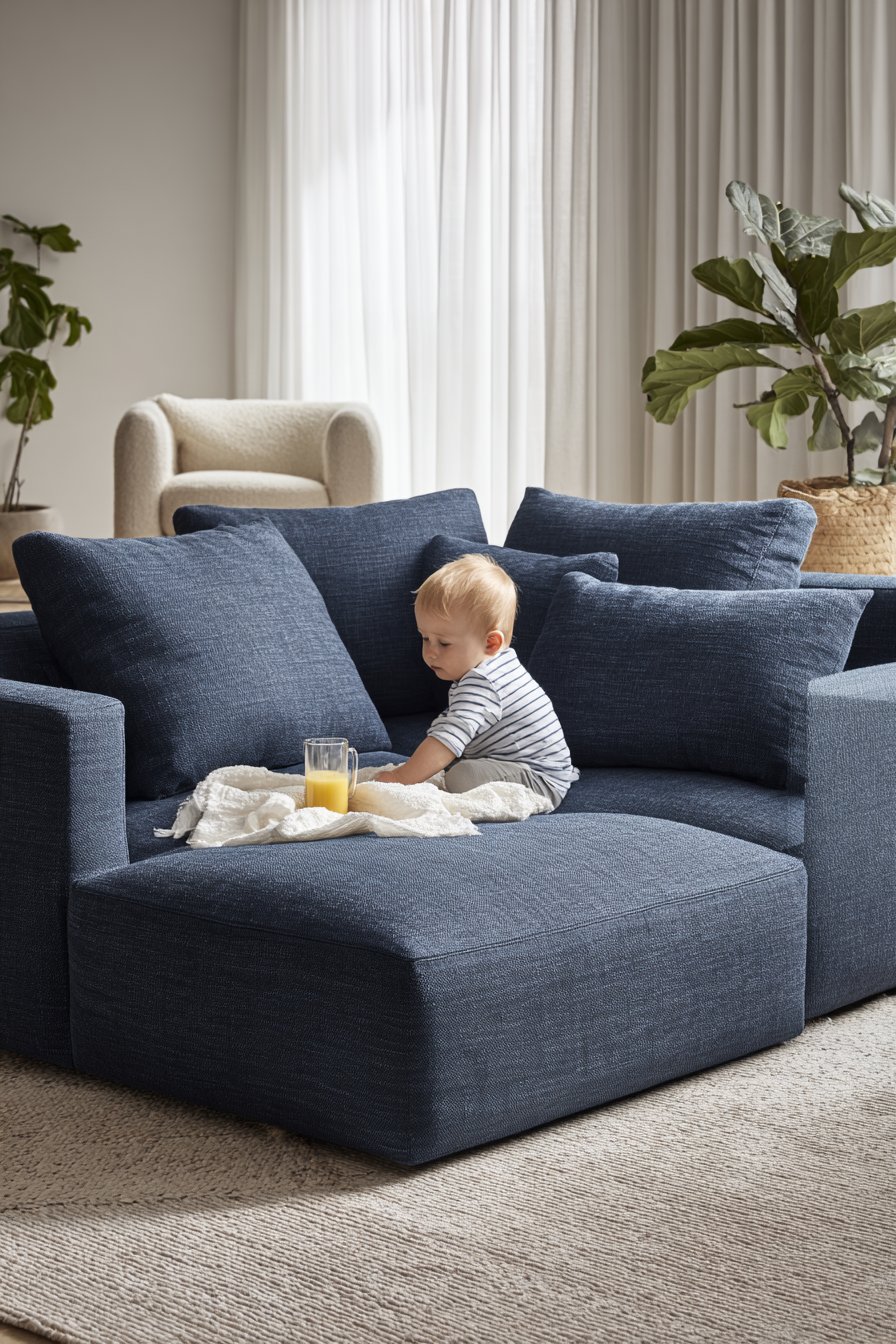
Light couches demand more vigilant maintenance but offer surprising benefits. While stains appear more prominently on cream, beige, or gray fabrics, they also reveal cleaning needs immediately. This visibility encourages prompt attention to spills before they set permanently. Many homeowners find that addressing issues quickly actually results in better long-term fabric condition compared to dark couches where hidden stains accumulate unnoticed.
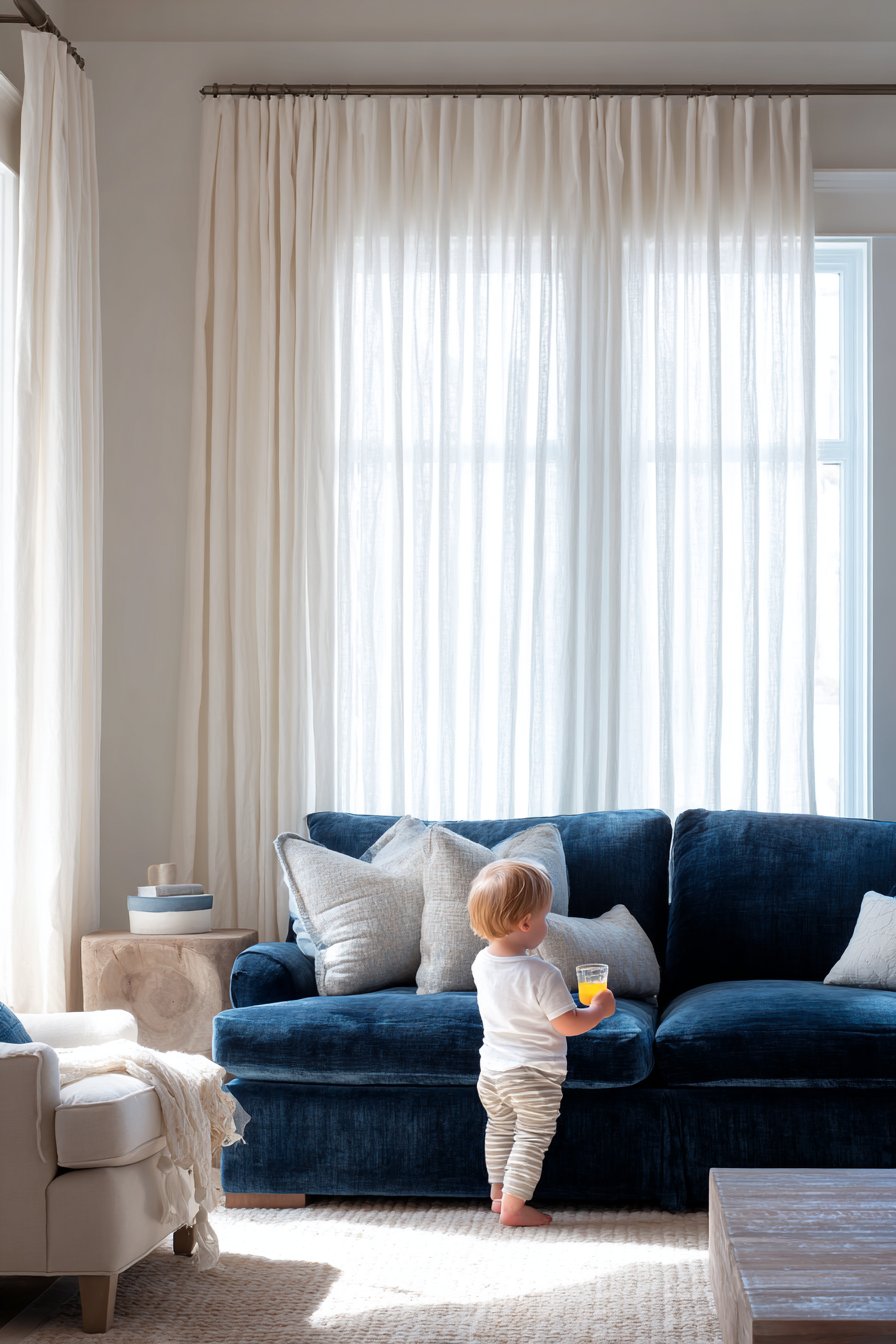
The cleaning frequency differs significantly between options. Dark upholstery may require less frequent spot cleaning but benefits from regular vacuuming to prevent dust buildup that dulls the color. Light fabrics need immediate stain treatment but show you exactly where cleaning attention is needed.
- Choose dark fabrics like charcoal or navy for high-traffic family rooms
- Select light couches with removable, washable covers for easy maintenance
- Keep fabric-appropriate cleaning solutions readily accessible for quick response
- Consider performance fabrics treated with stain-resistant technology in either color
- Vacuum both dark and light couches weekly to maintain fabric integrity
- Test cleaning products on hidden areas before treating visible stains
2. Room Size and Light Perception
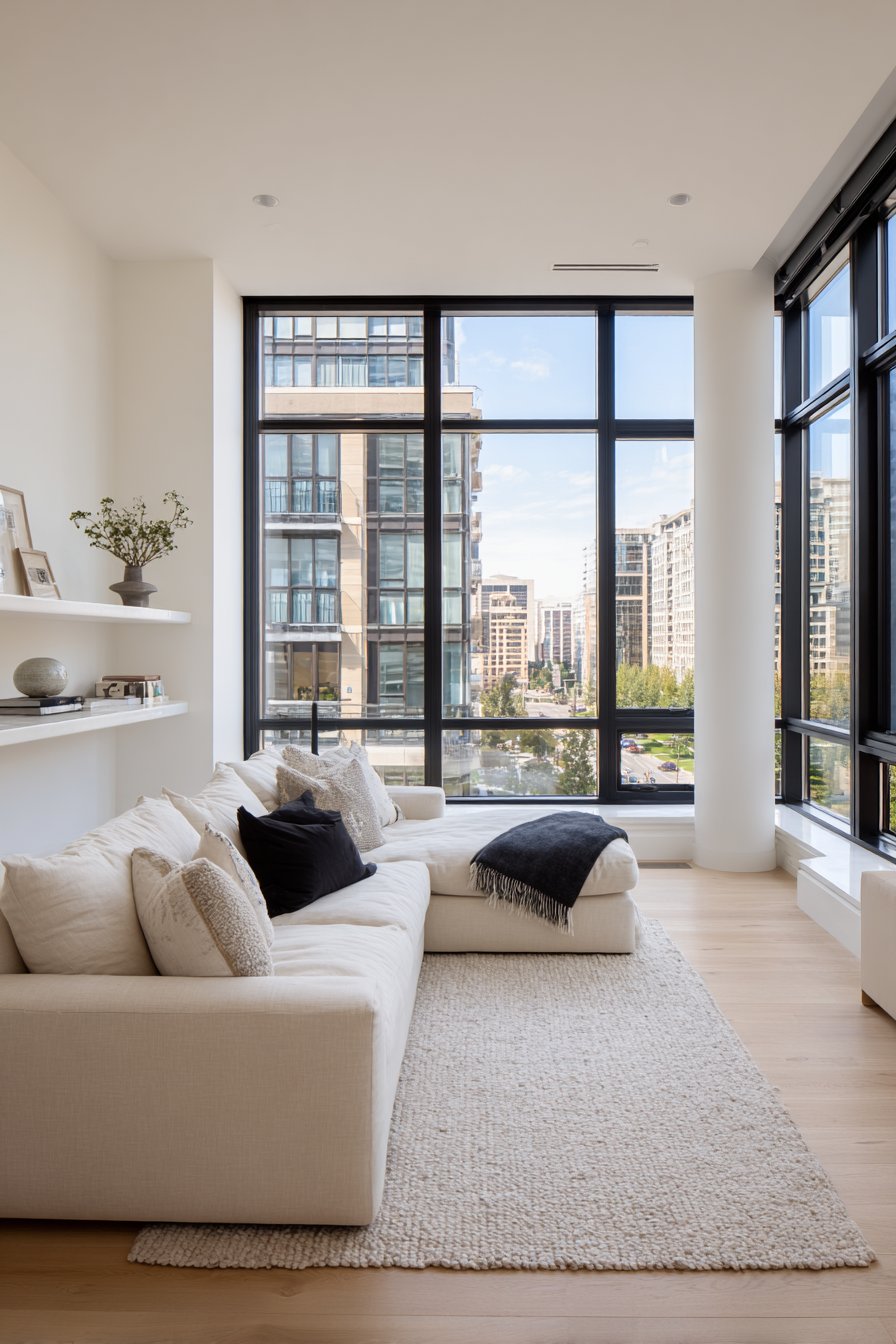
Light-colored couches create an illusion of spaciousness that transforms compact living areas. Pale sofas reflect natural and artificial light, making rooms feel airier and more open. This optical effect proves invaluable in apartments, small homes, or spaces with limited windows where maximizing perceived square footage matters most.
Dark couches anchor larger rooms with grounding presence that prevents spaces from feeling empty or disconnected. Deep tones absorb light rather than reflect it, creating cozy, intimate atmospheres ideal for media rooms or formal living spaces. The substantial visual weight of dark upholstery balances high ceilings and expansive floor plans effectively.
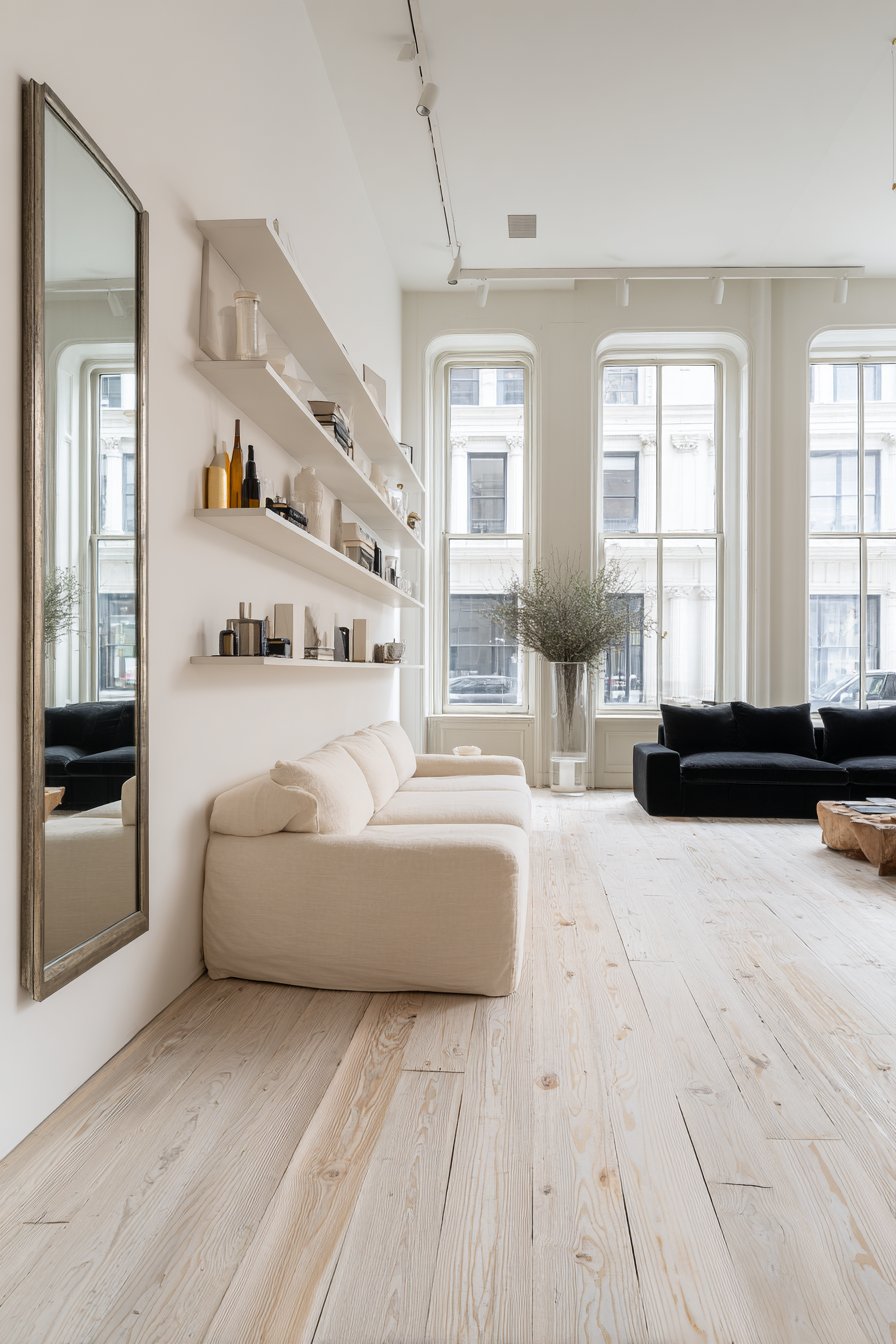
Consider your room’s natural lighting when making this decision. North-facing rooms with limited sunlight benefit from light-reflecting surfaces that brighten the space naturally. South-facing rooms with abundant sunshine can handle dark couches without feeling cave-like. Window size, ceiling height, and artificial lighting all influence how couch color affects spatial perception.
- Measure your room dimensions before committing to color choices
- Place light couches in small spaces under 200 square feet
- Use dark sofas to define zones in open-concept floor plans
- Balance dark upholstery with light walls for optimal contrast
- Add mirrors opposite windows to amplify light-reflecting benefits
- Consider medium tones like taupe or slate for versatile options
3. Style Versatility and Decor Flexibility
Light couches provide a neutral canvas for evolving decor tastes and seasonal updates. Cream, beige, or soft gray upholstery adapts effortlessly to colorful throw pillows, vibrant artwork, and bold accent pieces. This flexibility allows homeowners to refresh their space without replacing expensive furniture items, making light sofas cost-effective long-term investments.
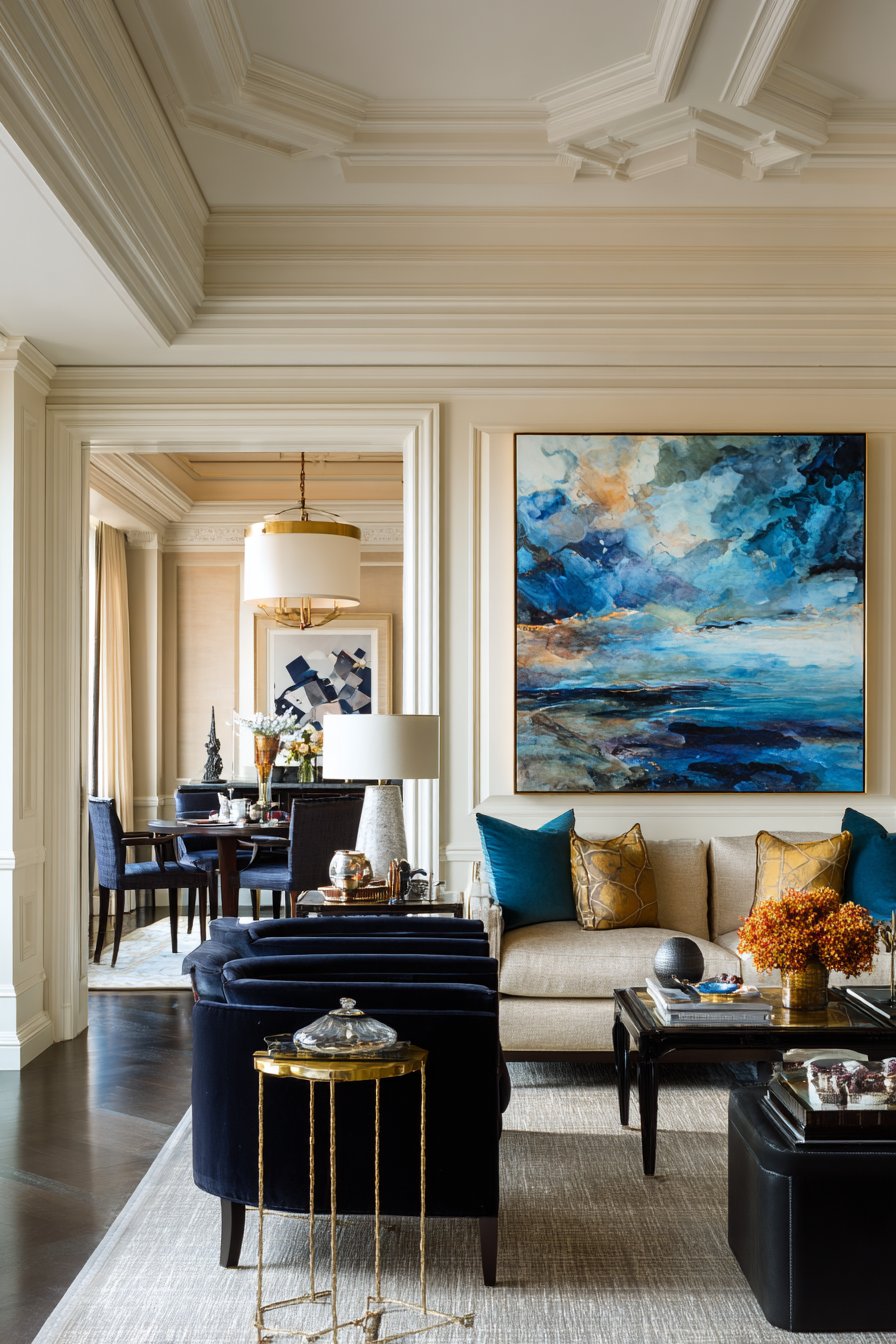
Dark couches make dramatic style statements that work beautifully in specific design directions. Navy sofas complement nautical themes, chocolate leather suits traditional interiors, and charcoal fabric anchors modern minimalist spaces. While offering less flexibility for dramatic style shifts, dark upholstery creates cohesive, sophisticated looks that feel intentionally curated.
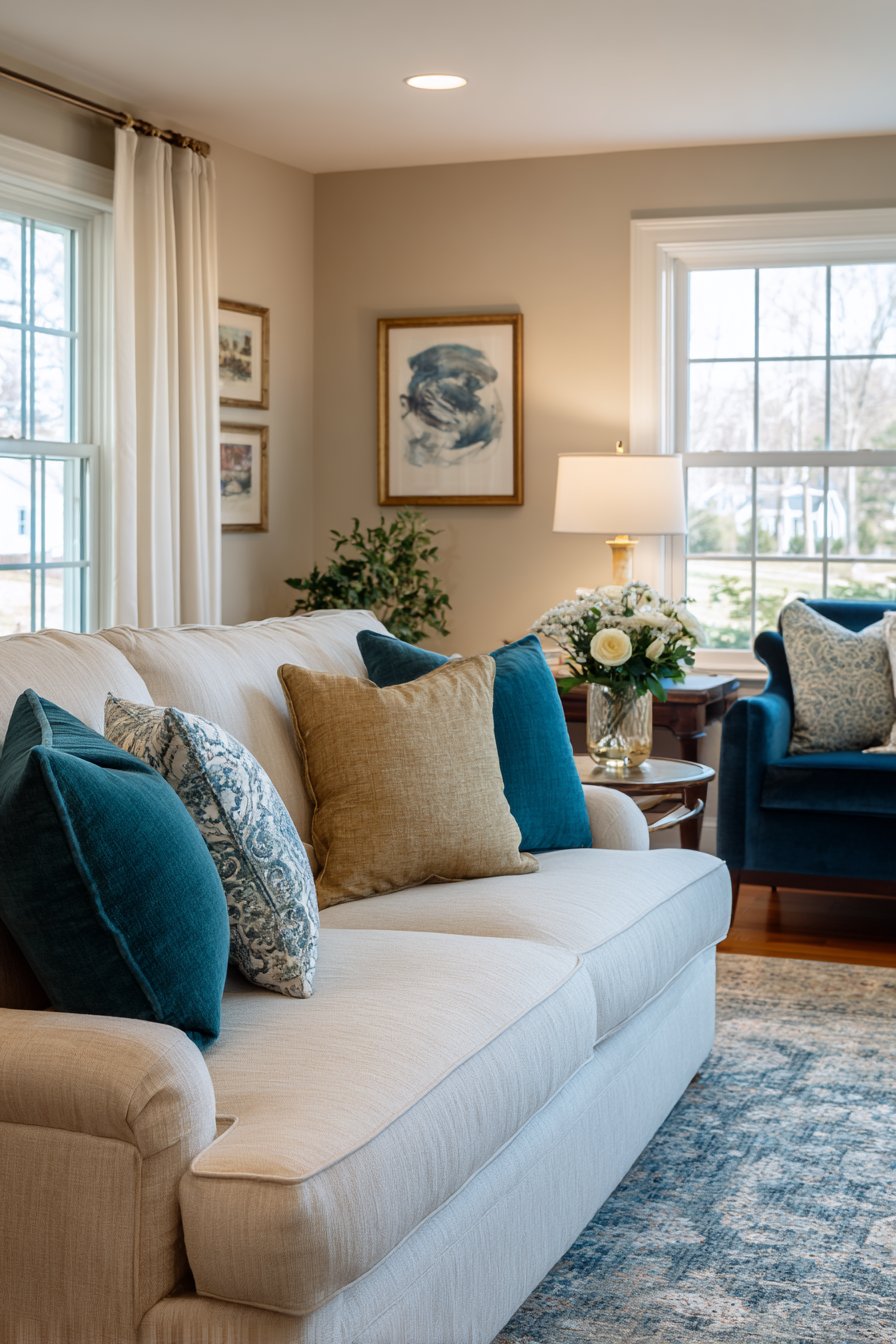
The surrounding palette determines success with either option. Light couches pair well with virtually any wall color, from soft pastels to deep jewel tones. Dark sofas require more careful coordination, working best with lighter walls and floors that prevent rooms from feeling too heavy or monochromatic.
- Choose light upholstery if you enjoy changing decor seasonally
- Select dark couches for committed design schemes with clear direction
- Use colorful accessories to add personality to neutral light sofas
- Balance dark furniture with metallic accents for sophisticated contrast
- Consider your commitment level to current design trends before deciding
- Sample fabric swatches against existing room elements before purchasing
4. Lifestyle Compatibility and Household Needs
Families with young children often gravitate toward dark, forgiving fabrics that withstand juice spills, crayon marks, and constant use. The practical benefits of stain camouflage outweigh aesthetic considerations when living with active kids who use furniture as jungle gyms. Dark couches reduce stress and maintenance burden during demanding parenting years.
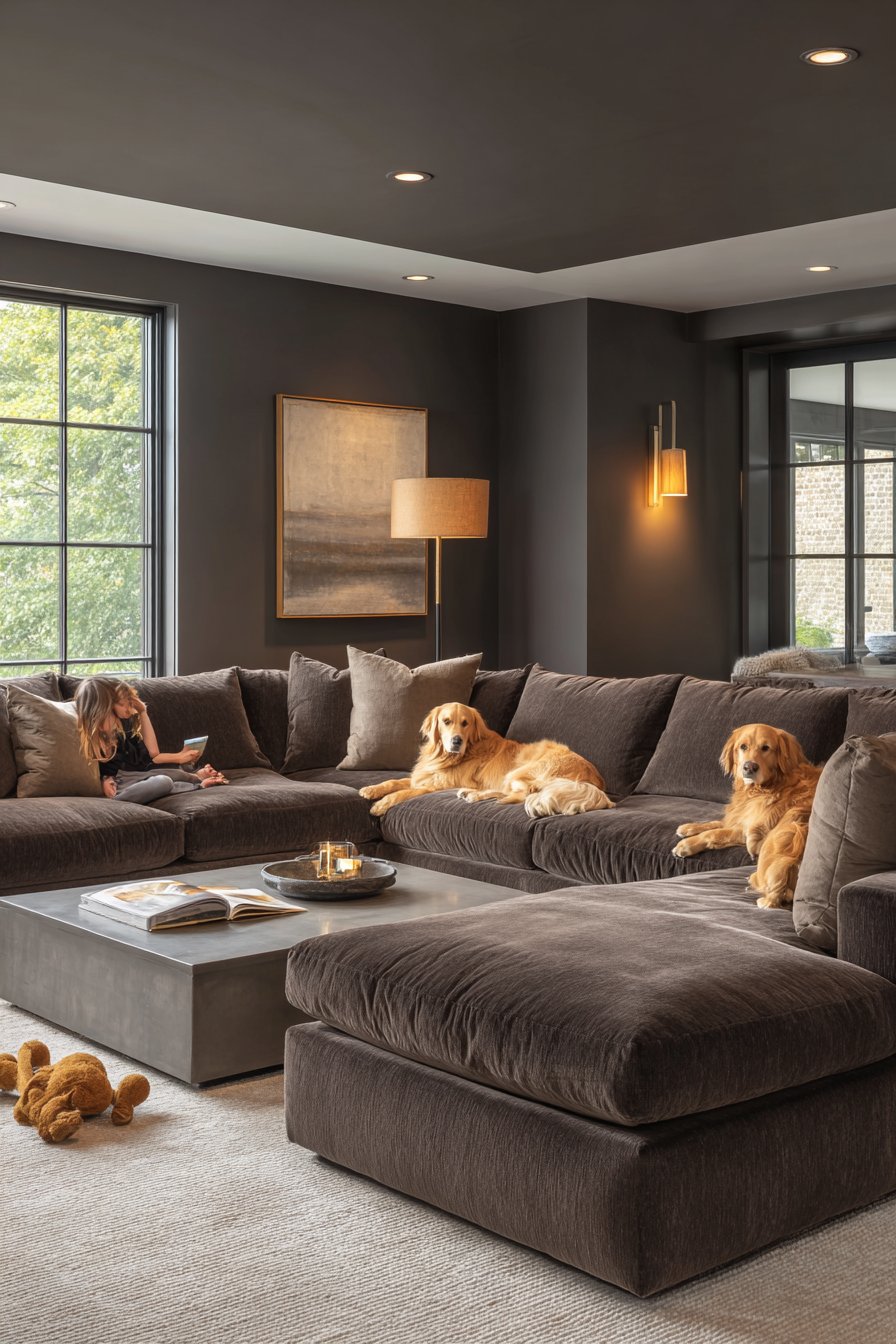
Pet owners face unique considerations when selecting couch colors. Light fur shows dramatically on dark upholstery while dark fur disappears on light fabrics. The solution involves matching couch color to your pet’s coat rather than choosing based solely on human preferences. Consider shedding patterns, outdoor activity levels, and whether pets are allowed on furniture.
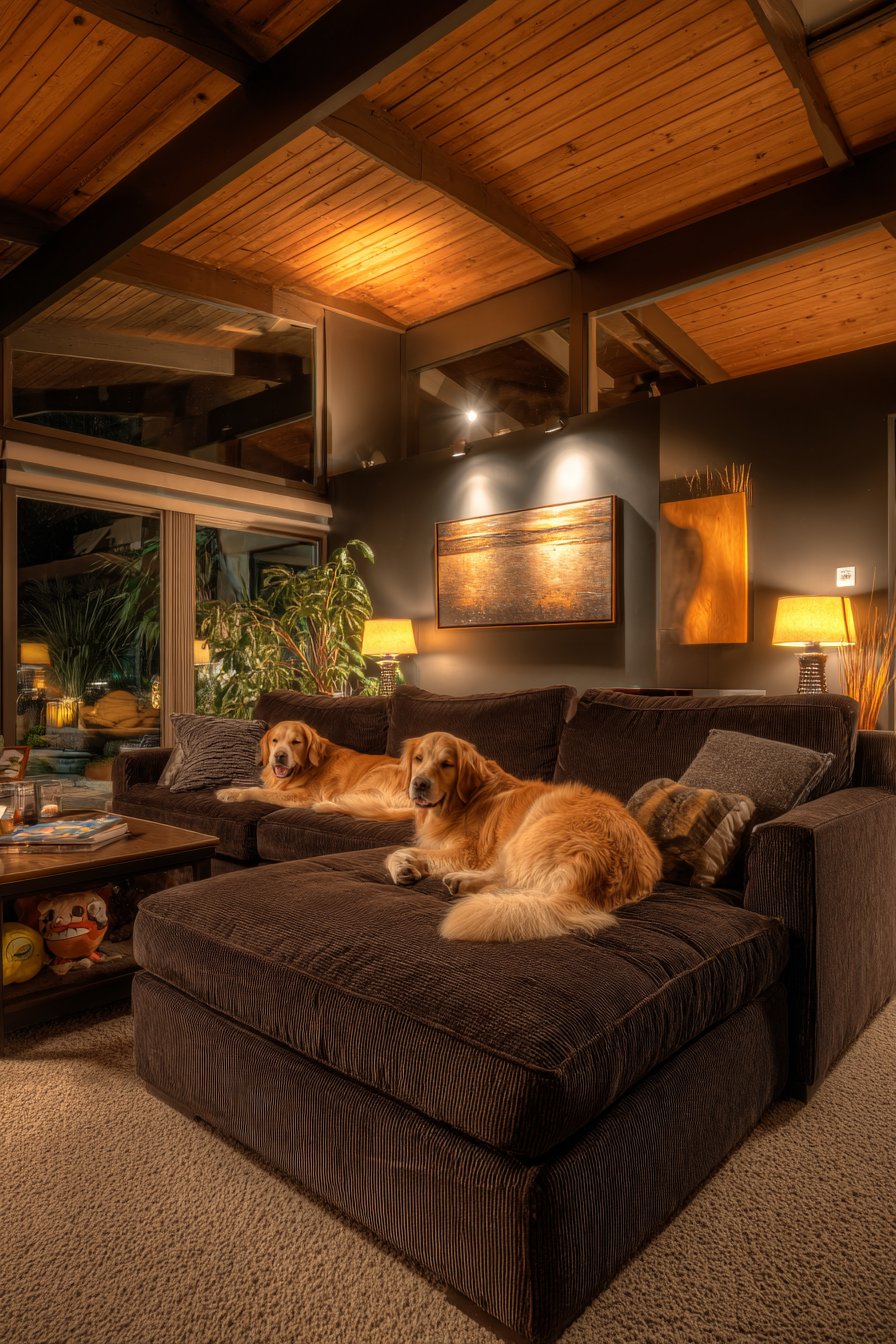
Single professionals or couples without children enjoy more flexibility in color selection. Pristine light couches become achievable when household traffic remains minimal and eating on furniture isn’t standard practice. These households can prioritize aesthetic preferences over practical durability concerns.
- Assess your household’s activity level honestly before choosing
- Match couch color to your pet’s fur color for easier maintenance
- Consider microfiber or performance fabrics for family-friendly durability
- Choose light couches only if you can enforce no-food rules consistently
- Evaluate whether guests frequently visit and use your living space
- Factor in current life stage and potential changes within five years
5. Resale Value and Design Longevity
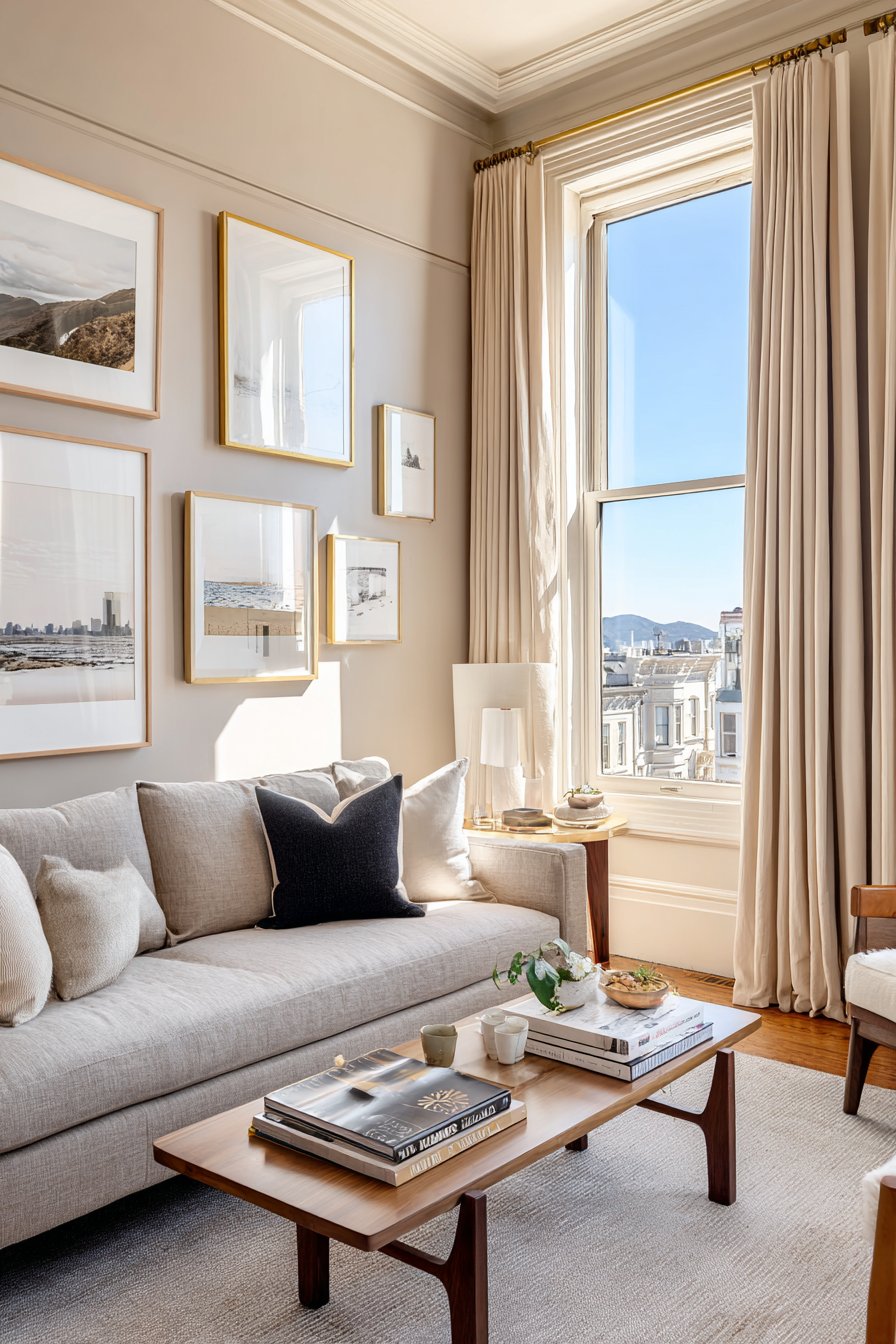
Light couches offer broader market appeal when selling or donating furniture later. Neutral beige, cream, or gray sofas fit diverse decorating styles, making them easier to sell secondhand. Buyers appreciate the versatility of light upholstery that won’t clash with existing decor schemes in new homes.
Dark couches in trendy colors risk dating quickly as design trends evolve. While classic navy or charcoal maintain relevance, fashion-forward shades like millennial pink or emerald green may feel tired within five years. Selecting timeless dark neutrals preserves resale value better than bold, trendy options.
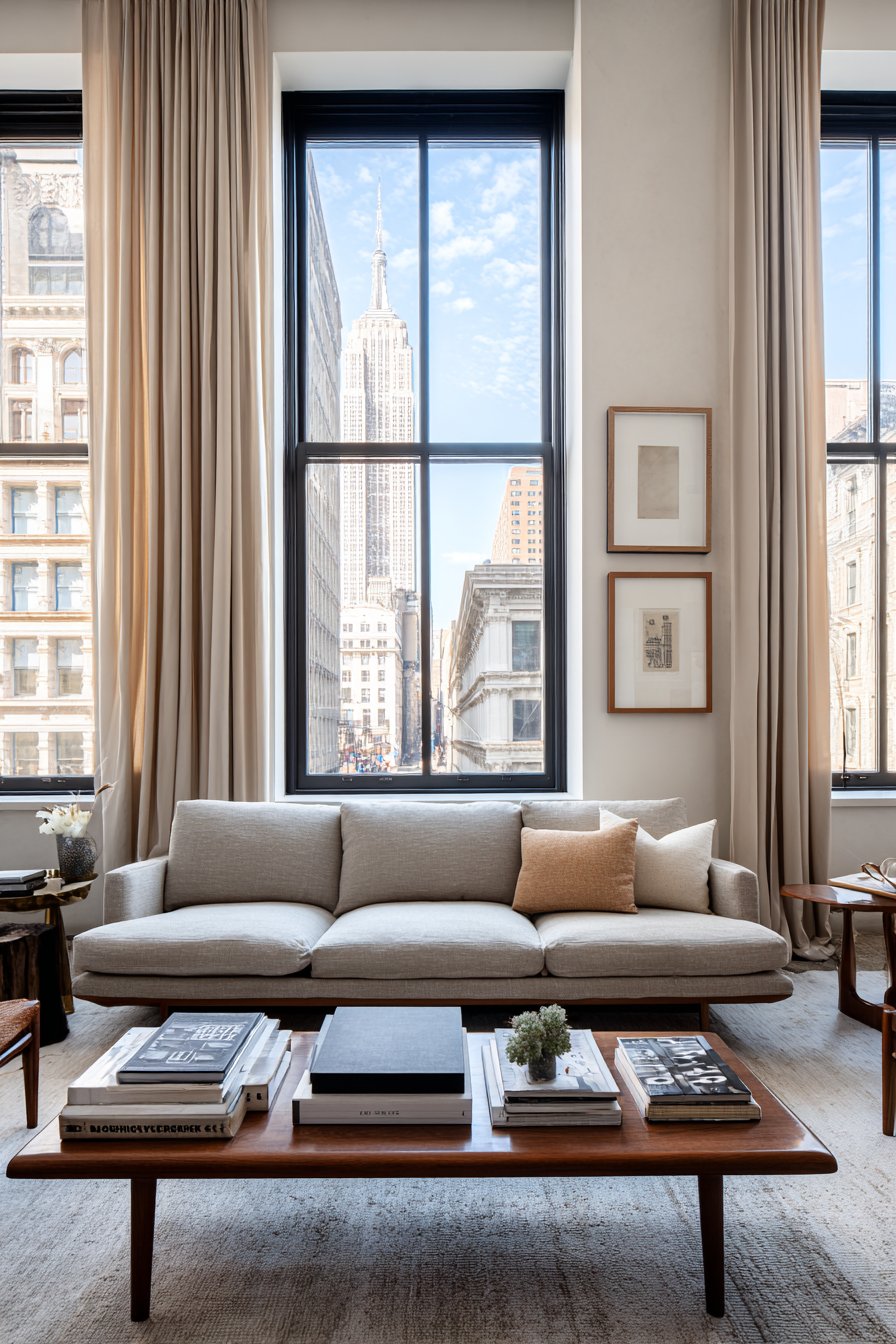
Investment considerations matter when purchasing quality furniture. Well-made couches in either classic neutral tones last decades both physically and aesthetically. Avoid extremely light (pure white) or extremely dark (black) options unless you’re committed to keeping them long-term regardless of resale considerations.
- Choose classic neutrals in any shade for maximum resale potential
- Avoid trendy colors that may feel dated within three to five years
- Select high-quality construction that justifies initial investment costs
- Consider whether you’ll sell or keep furniture when relocating
- Research current secondhand market values for different couch colors
- Invest in timeless styles that transcend temporary design fads
6. Emotional Impact and Psychological Effects
Color psychology significantly influences how we feel in our spaces daily. Light couches create bright, optimistic environments that energize and uplift moods. These shades promote feelings of cleanliness, openness, and tranquility, making them ideal for those seeking peaceful, stress-free home atmospheres.
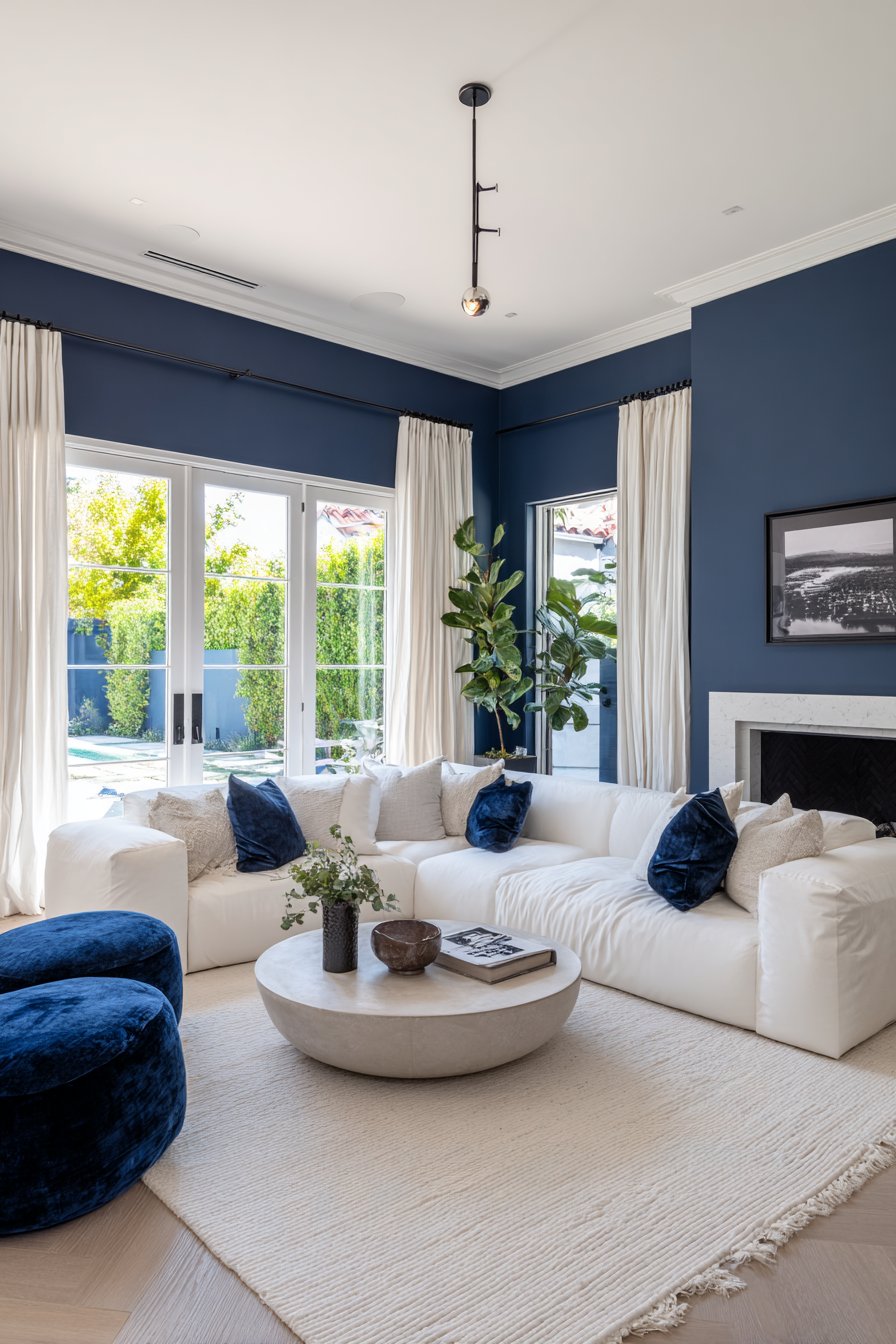
Dark couches evoke cozy sophistication and intimate comfort that many find emotionally grounding. Deep colors create protective, womb-like feelings perfect for relaxation after stressful days. These tones suit individuals who prefer dramatic, enveloping spaces over bright, stimulating environments.
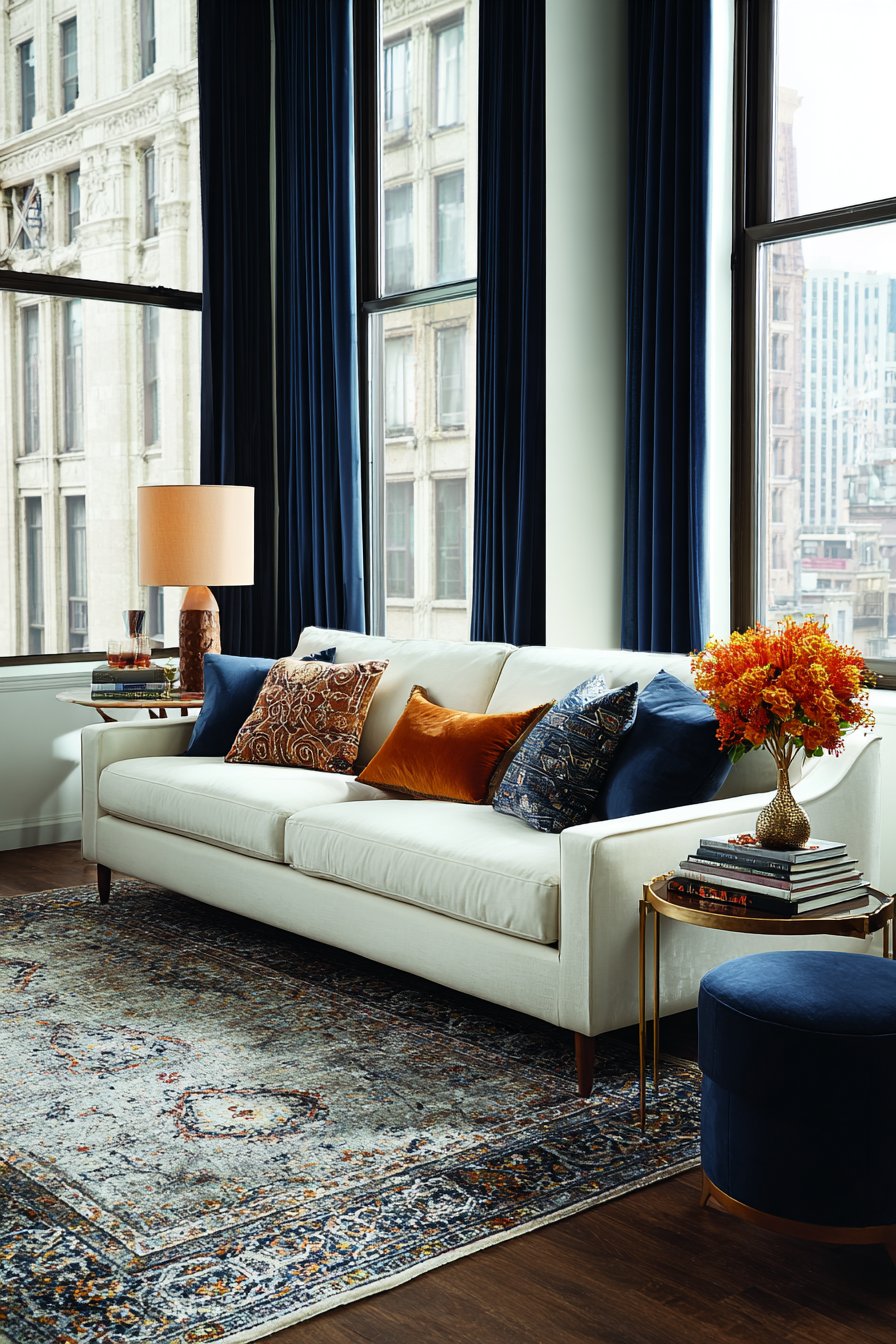
Your personal color preferences matter more than design rules. If dark colors make you feel claustrophobic, no amount of design justification will make you happy with a charcoal sofa. Conversely, if light colors feel sterile or impersonal, a cream couch won’t satisfy regardless of practical advantages.
- Trust your instinctive emotional response to different color options
- Consider which colors make you feel most relaxed and comfortable
- Visit showrooms to experience how colors feel in three-dimensional space
- Notice which colors appear most frequently in your wardrobe choices
- Account for seasonal affective disorder if you’re sensitive to light levels
- Remember you’ll see this furniture daily for years to come
Conclusion
The choice between dark and light couches ultimately depends on your unique lifestyle, aesthetic preferences, and practical needs. Both options offer distinct advantages when thoughtfully selected and properly maintained. Light couches provide versatile neutrality and space-enhancing qualities, while dark sofas deliver practical durability and sophisticated anchoring presence.
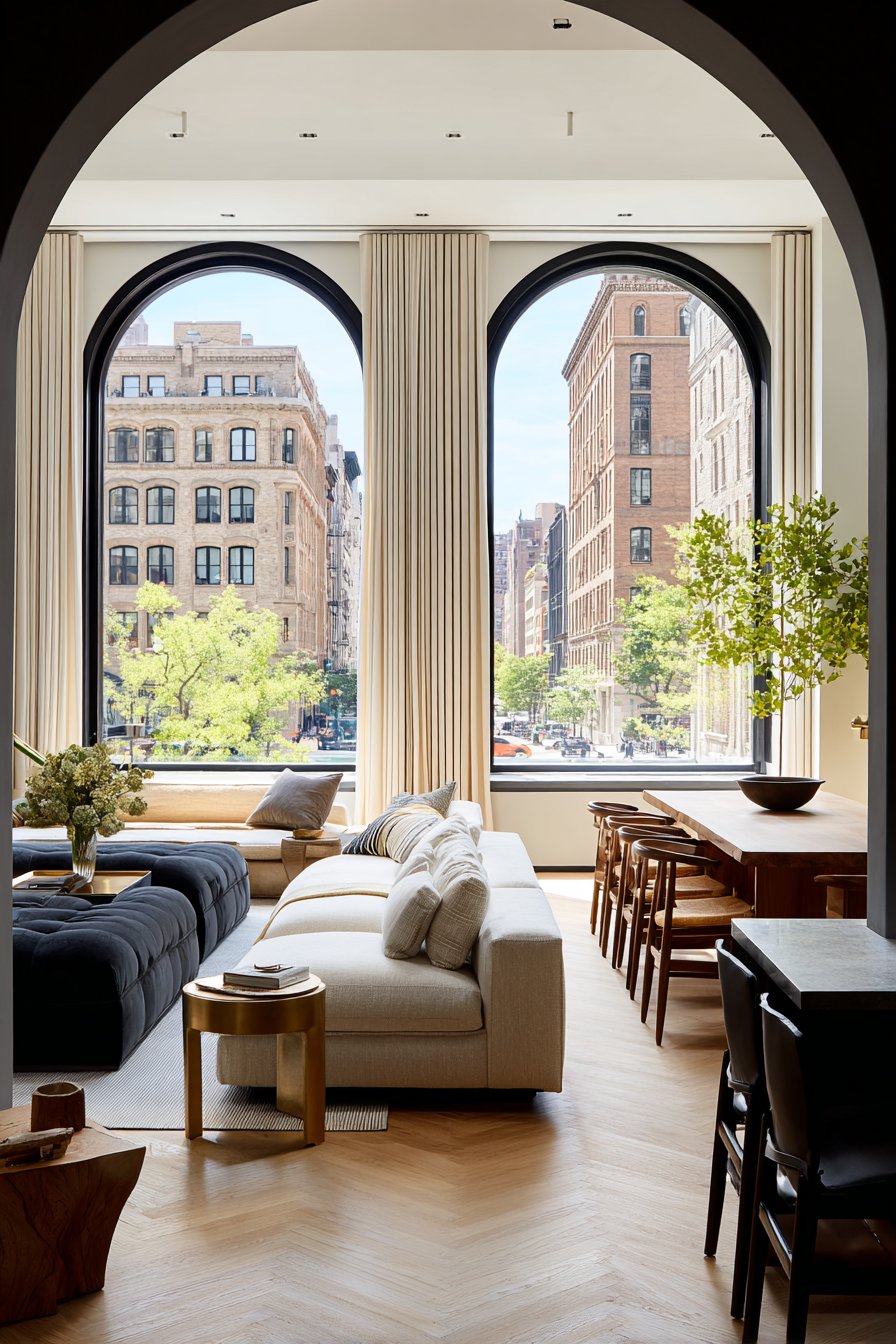
Consider your household composition, maintenance willingness, room characteristics, and emotional responses when making this significant decision. Neither option is universally superior—the best choice aligns with your specific circumstances and design goals. Trust your instincts, evaluate your lifestyle honestly, and select the couch color that will serve you beautifully for years to come. Your perfect sofa awaits, whether bathed in light tones or anchored in rich, deep hues.
