


There’s a quiet revolution happening in living rooms, bedrooms, and kitchens around the world. People are finally pushing back against the cold, minimalist aesthetic that dominated interior design for years. Dopamine decor is the antidote — a philosophy rooted in color, personality, and the simple belief that your home should make you genuinely happy. It’s not about following rules. It’s about surrounding yourself with things that spark joy and light up your brain.
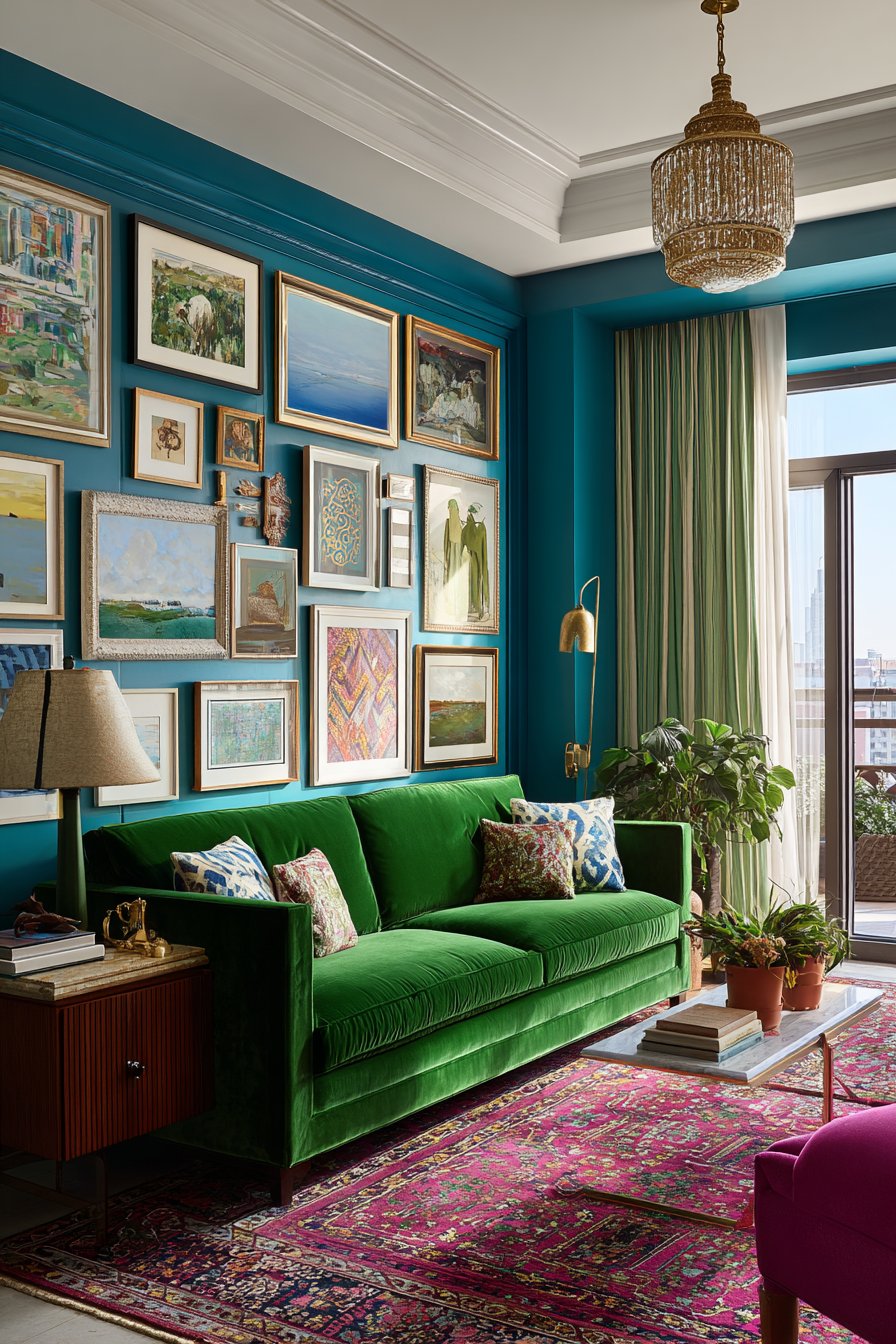
The term draws directly from neuroscience. Dopamine, the brain’s feel-good chemical, is released when we experience pleasure and reward. Researchers and designers alike have begun connecting the dots between visually stimulating environments and improved mood. When your space reflects your personality and brings you genuine delight, your mental wellbeing benefits. This isn’t just a trend — it’s a science-backed design philosophy.
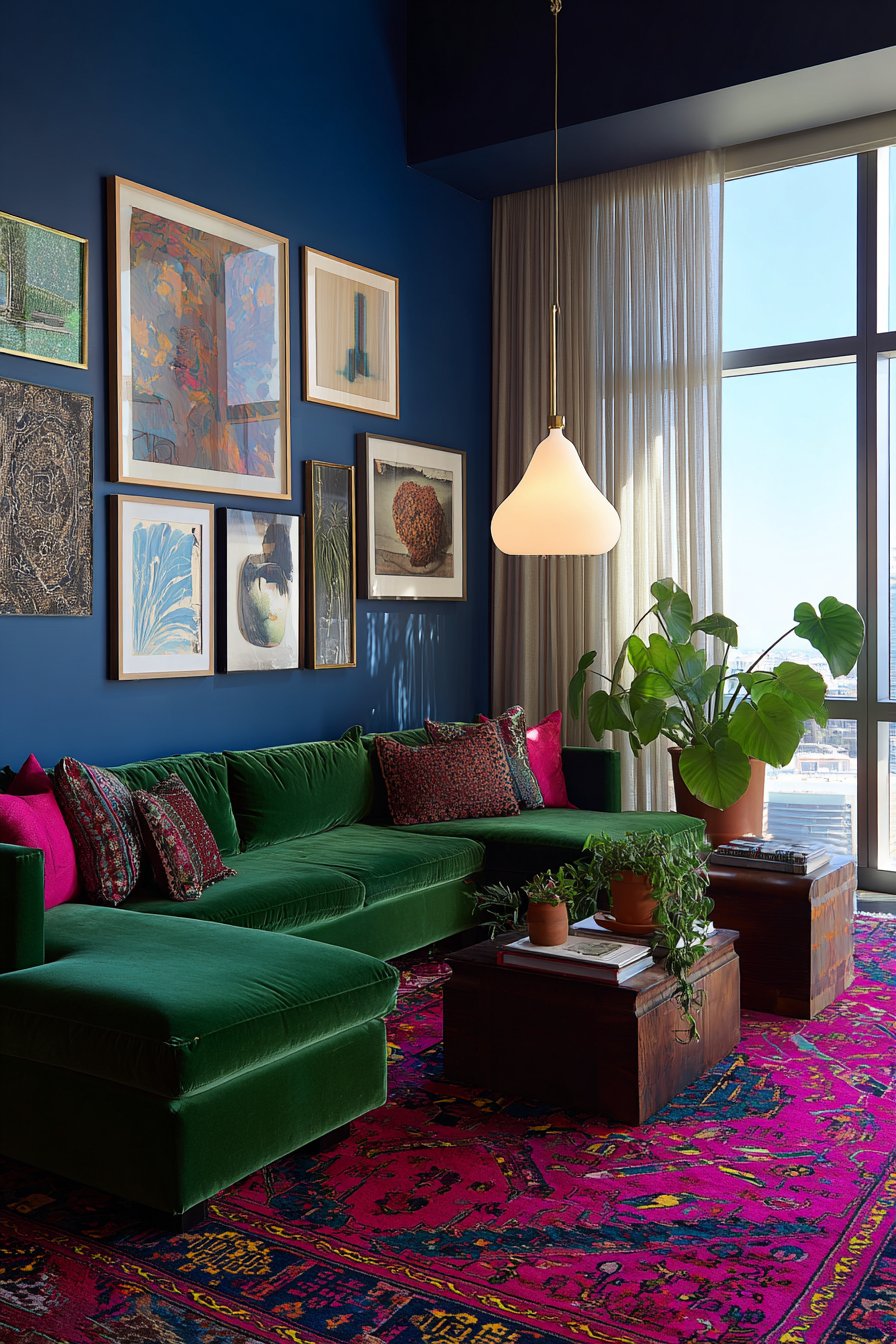
This article explores the core principles of dopamine decor in detail. From bold color choices to playful layering and personalized collections, you’ll discover how to transform your home into a space that energizes, comforts, and inspires. Whether you’re starting from scratch or refreshing what you already have, these ideas will help you design with pure, unapologetic joy.
1. Embrace Bold, Saturated Color Palettes
Dopamine decor begins with color — and not the safe, neutral kind. The movement champions saturated, rich hues that command attention and stir emotion. Think cobalt blue, marigold yellow, fuchsia pink, and terracotta orange. These are colors that refuse to be ignored, and that’s exactly the point. When you walk into a room painted in a color you love, your mood shifts instantly.
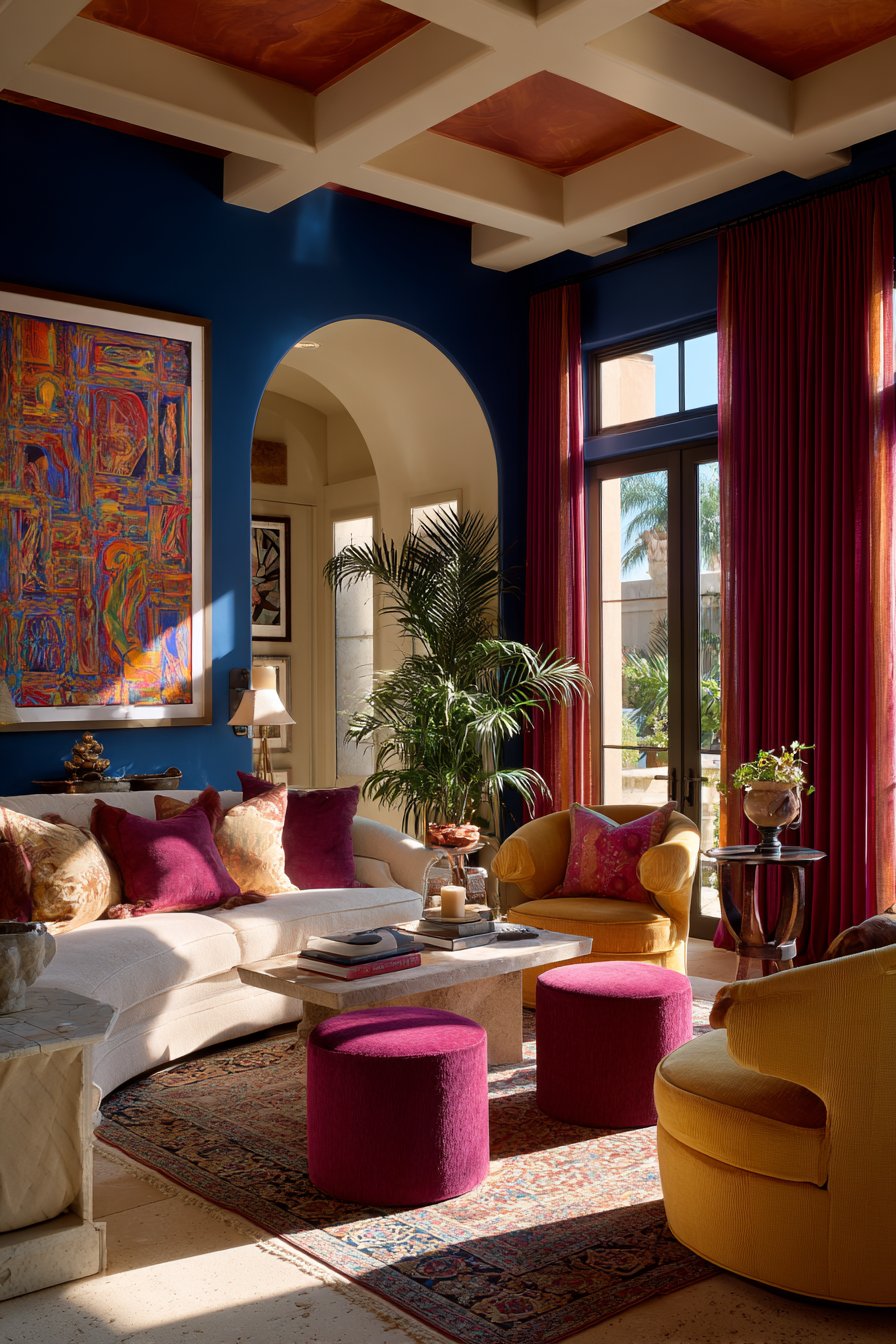
Color psychology plays a significant role here. Warm tones like red, orange, and yellow stimulate energy and creativity. They’re ideal for kitchens, studios, and living spaces where you want to feel activated. Cool tones like deep teal or violet create a sense of calm richness — perfect for bedrooms or reading nooks. The key is choosing colors that resonate with you personally, not just what looks good in a magazine.
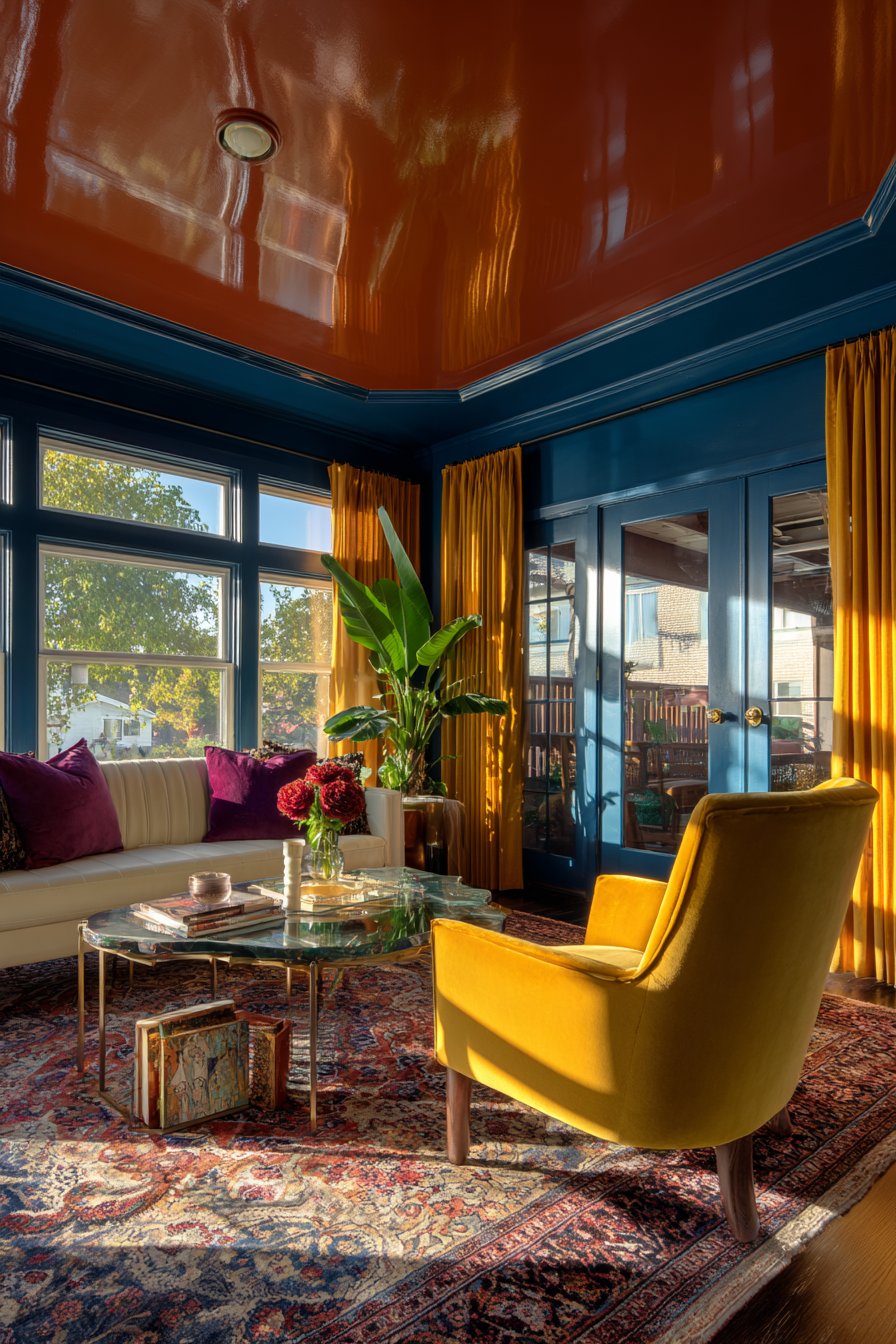
You don’t have to repaint every wall to embrace this principle. A single statement wall in a bold shade can transform an entire room. Colorful furniture, painted ceilings, or vibrant tile are equally powerful. Start with one piece or surface and build from there. Let your emotional response be your guide.
- Paint one wall or ceiling in a deeply saturated, personally meaningful color
- Choose furniture in bold primary or jewel tones rather than defaulting to neutrals
- Layer warm and cool tones in the same space for visual complexity
- Use colorful rugs or curtains to introduce hue without permanent commitment
- Experiment with color-drenching — painting walls, trim, and ceiling in the same shade
- Trust your gut: if a color makes you smile, it belongs in your home
2. Mix Patterns Fearlessly and Intentionally
One of the most liberating aspects of dopamine decor is its rejection of pattern matching rules. Traditional design insisted on cohesion — matching prints, coordinated sets, controlled repetition. Dopamine decor says: mix them up. Florals alongside stripes. Geometric prints next to abstract motifs. The result is a layered, lively space that feels curated and alive.
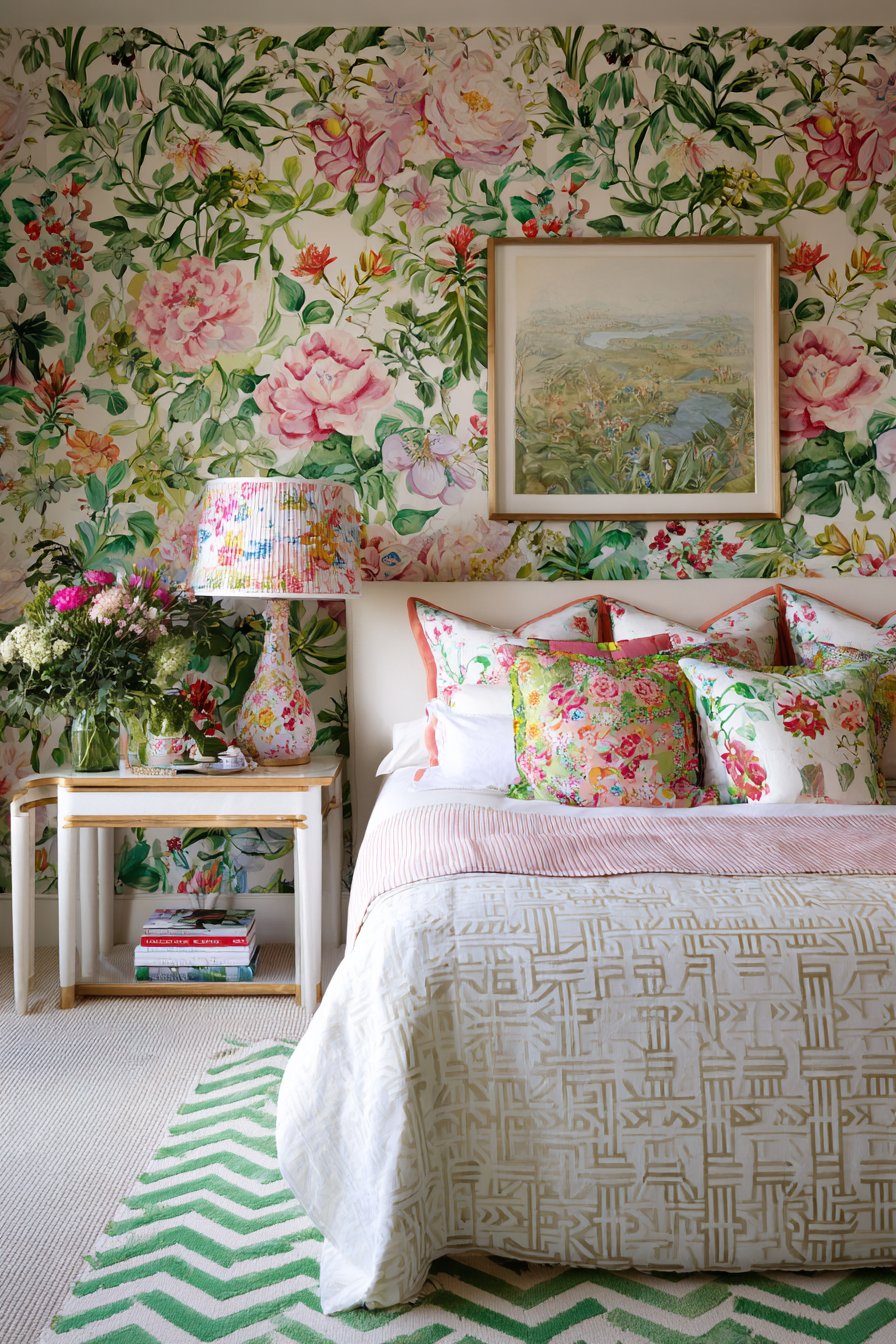
The secret to mixing patterns without chaos is scale variation. Pair a large-scale floral with a small-scale check, or a bold graphic with a delicate ditsy print. When patterns vary in scale, they complement rather than compete. A shared color thread also helps — if your stripes and your florals both contain gold, the room reads as intentional rather than accidental.
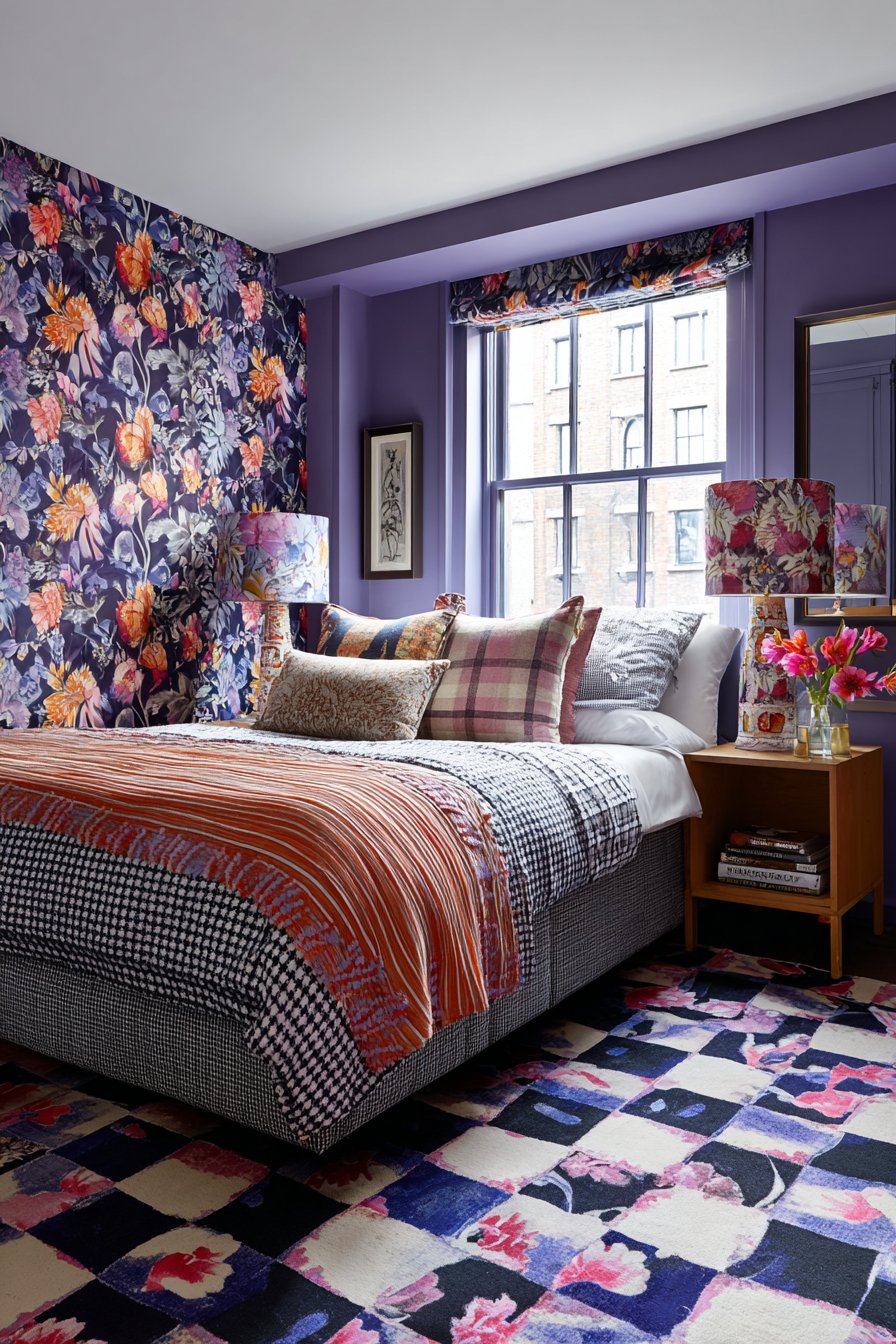
Don’t limit pattern mixing to soft furnishings. Patterned wallpaper paired with a patterned rug creates a maximalist foundation that feels warm and immersive. Tiled backsplashes, painted furniture, and printed lampshades all carry pattern beautifully. The more you experiment, the more your eye develops for what works together.
- Start by mixing two patterns and gradually add more as your confidence grows
- Use scale variation: one large pattern, one medium, one small
- Anchor mixed patterns with a consistent color that appears in each one
- Try patterned wallpaper in unexpected spaces like hallways and ceilings
- Layer patterned throw pillows in varying sizes and prints on a solid sofa
- Don’t shy away from pattern on the floor — bold rugs are transformative
3. Curate Collections That Reflect Your Personality
Dopamine decor celebrates personal collections in a way that more restrained design movements never could. Your grandmother’s ceramics, vintage postcards, action figures, pressed flowers, record covers, or travel souvenirs — all of it deserves display. Collections tell your story. They make a space unmistakably, irreplaceably yours.
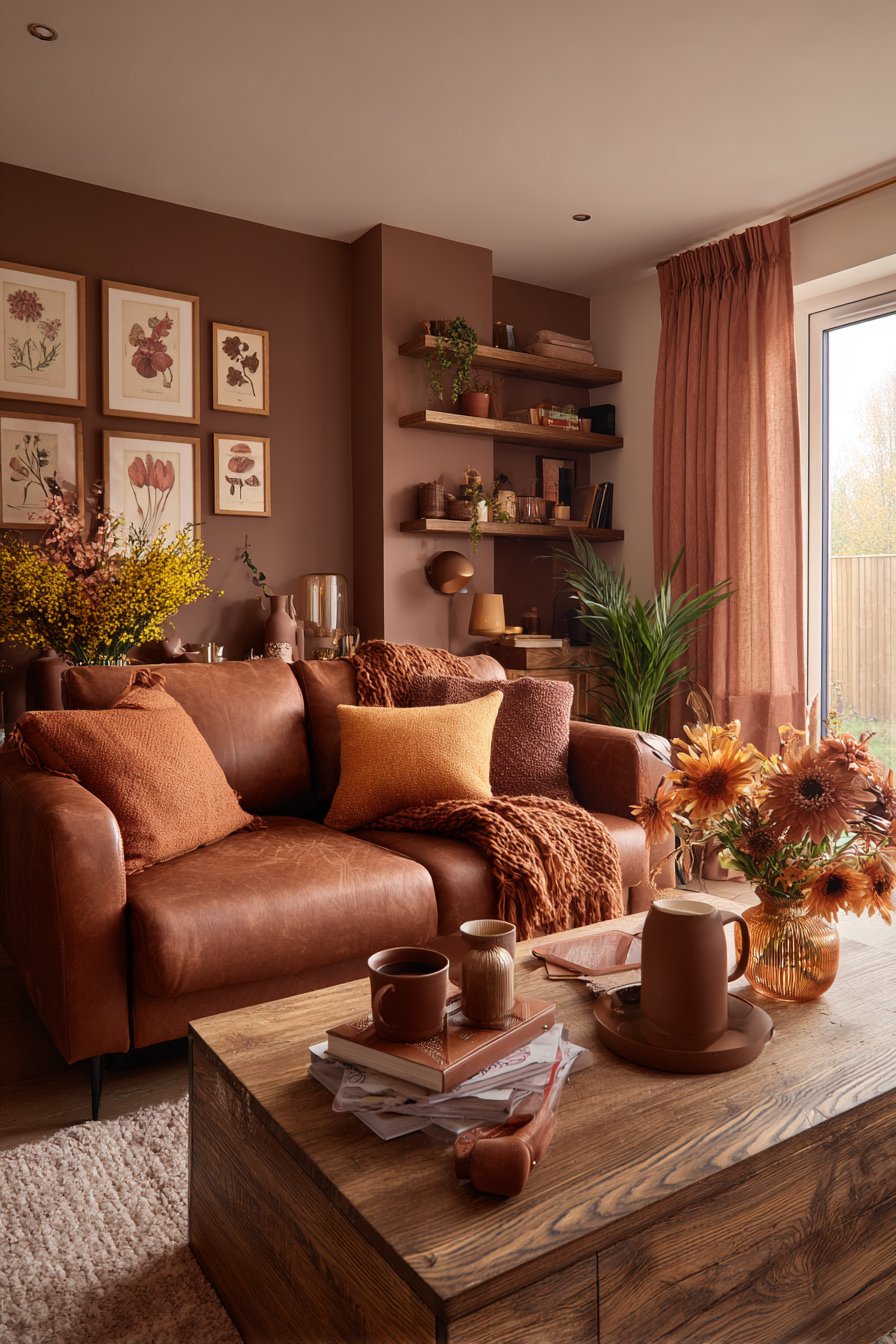
The difference between clutter and a curated collection lies in intentional display. Group objects by color, material, theme, or era to create visual coherence. A shelf of mismatched ceramics becomes a statement when they share a color family. A gallery wall of illustrations feels dynamic when unified by consistent framing. The objects can be varied; the presentation logic should be clear.
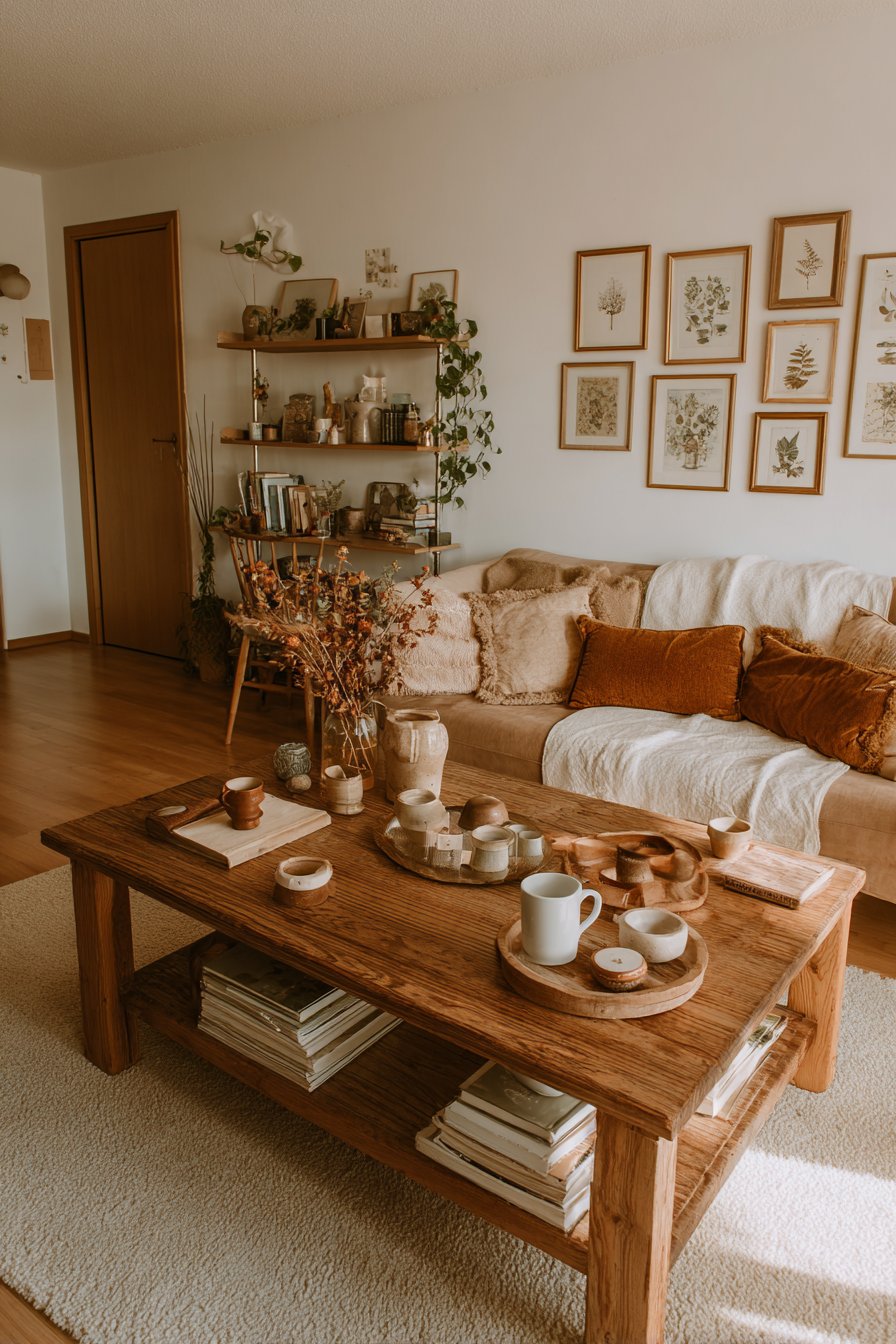
Collections also evolve, and that’s a joy in itself. Rotating what’s on display keeps your space feeling fresh without requiring new purchases. Swap in seasonal finds, add pieces from recent travels, or simply rearrange what you already have. A living, breathing collection is one of the most personal forms of decor there is.
- Display collections on open shelving with intentional groupings and breathing room
- Use color or material as a unifying thread across varied objects
- Create a gallery wall using a mix of illustrations, photos, prints, and found art
- Rotate seasonal items to keep the display feeling current and alive
- Don’t hide meaningful objects — if it brings you joy, it deserves to be seen
- Let collections grow organically rather than purchasing sets for the sake of completion
4. Invest in Statement Furniture That Sparks Delight
In dopamine decor, furniture is never just functional — it’s expressive. A velvet sofa in emerald green, a mushroom-shaped side table, a sculptural chair in a playful shape, or a bed frame in a bold jewel tone all qualify. The goal is to choose pieces that make you feel something when you look at them. Furniture becomes art when it’s chosen with emotional intention.
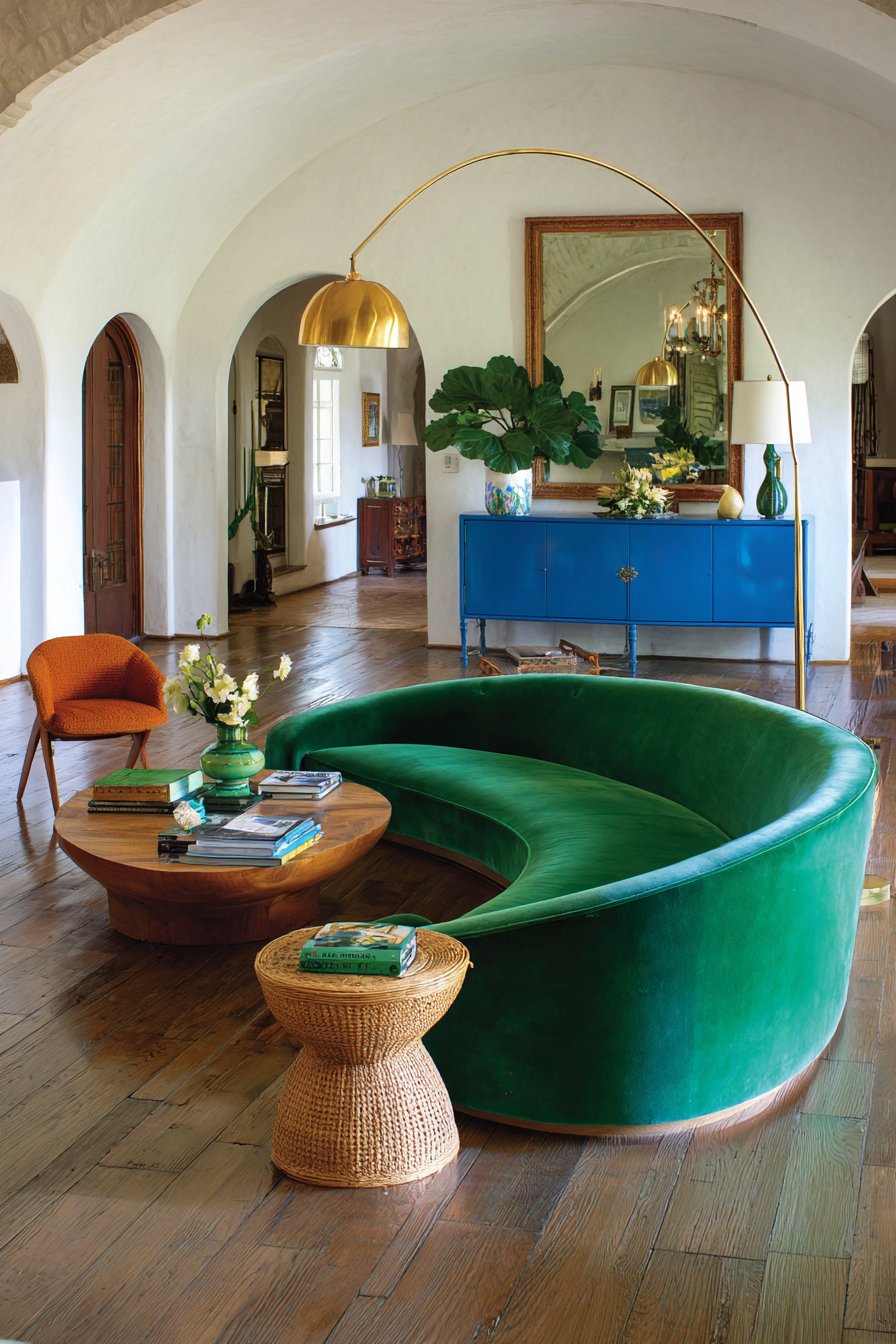
Sculptural silhouettes are central to this trend. Curved sofas, rounded chairs, organic coffee tables, and irregular bookshelves all depart from the boxy, rectilinear forms of traditional furniture design. These soft, unexpected shapes feel warm and inviting. They add visual interest even in an otherwise minimal room and make the space feel playful without requiring additional accessories.
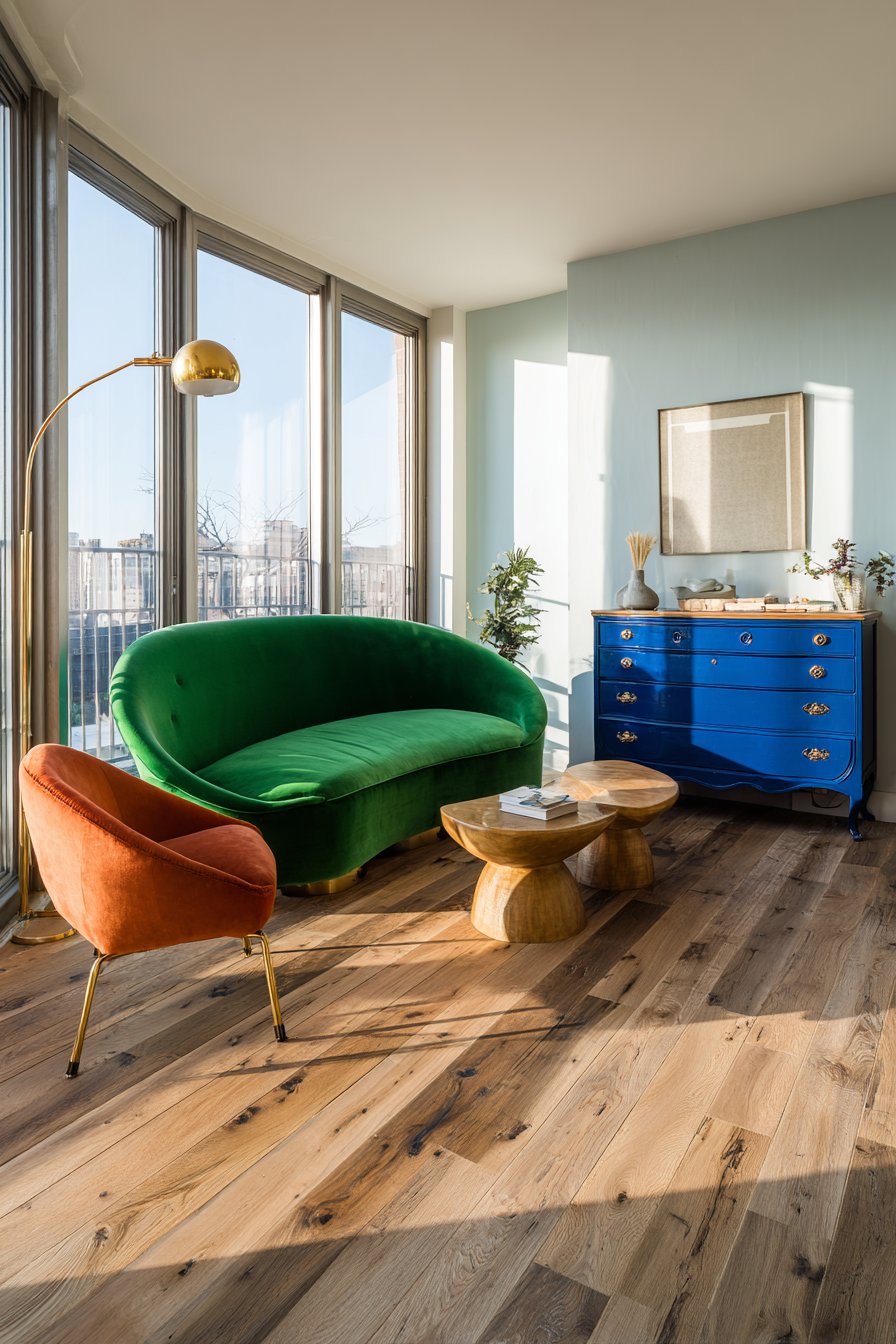
You don’t need to replace everything at once. Even one hero furniture piece in an unexpected color or shape can anchor an entire room’s personality. A retro-inspired tulip chair, a bold painted dresser, or an arched floor lamp can do the heavy lifting while surrounding pieces remain simple. Let one piece be the star.
- Choose at least one furniture piece in a saturated, non-neutral color
- Look for sculptural, curved, or organically shaped pieces over boxy alternatives
- Consider vintage or secondhand furniture for unique shapes not found in big-box stores
- Paint existing furniture in a bold hue for an affordable transformation
- Mix furniture eras — a mid-century chair alongside a contemporary sofa adds personality
- Let your statement piece dictate the room’s color direction
5. Layer Textiles for Warmth and Visual Richness
Few things signal comfort and personality as immediately as layered textiles. In dopamine decor, textiles are stacked generously — multiple throw pillows, quilts over duvets, rugs layered on rugs, curtains that pool dramatically on the floor. This approach creates a sense of abundance and warmth that no amount of furniture can replicate on its own.
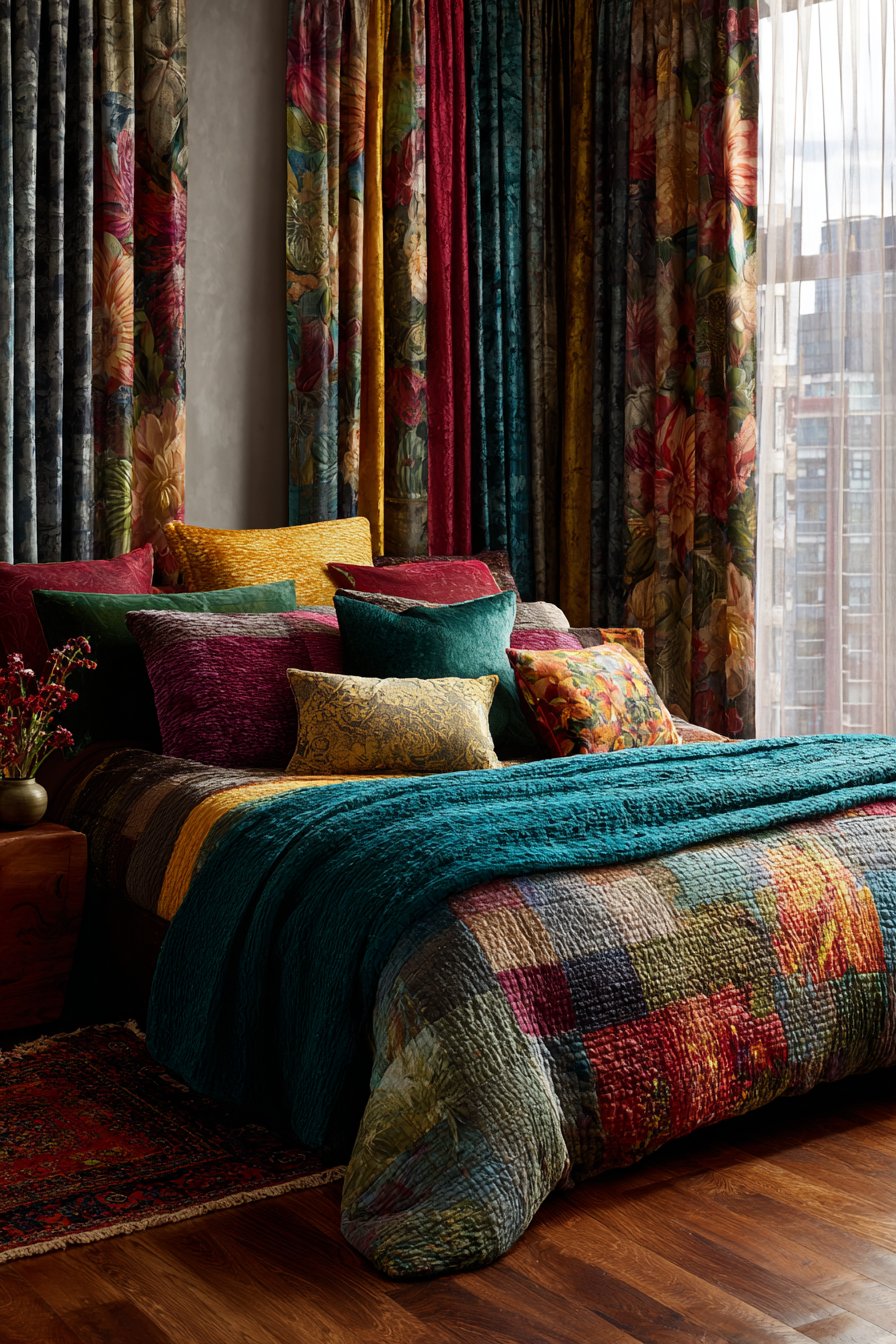
Texture variety is as important as color when layering textiles. Combine velvet with linen, boucle with cotton, silk with wool. Each material catches light differently and contributes a distinct tactile quality. Running your hand across a richly textured surface is genuinely pleasurable — another small dopamine hit embedded in everyday life. This is design that rewards physical interaction.
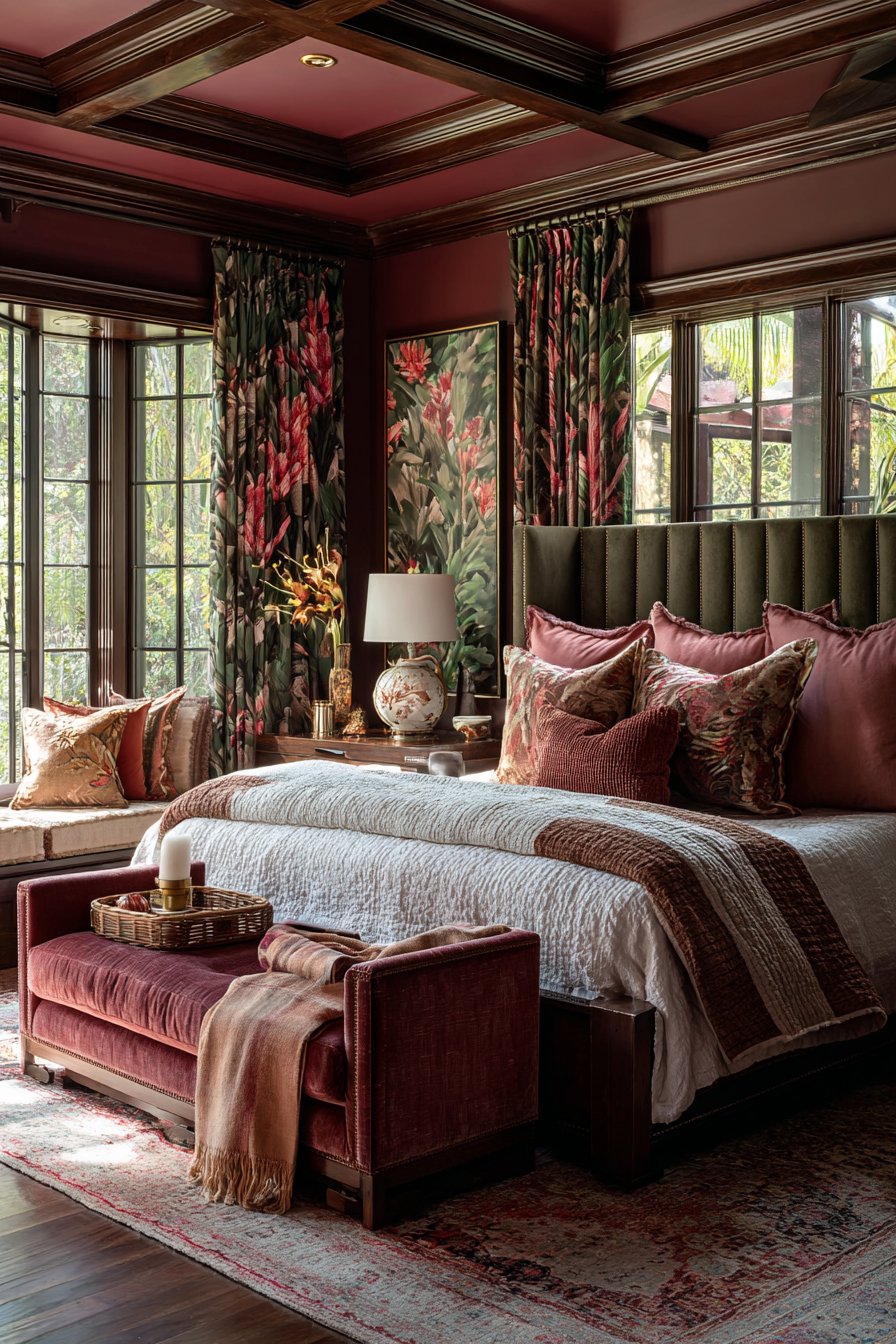
Curtains deserve particular attention. Floor-to-ceiling drapes in a bold pattern or color add drama and height to any room. Hang the rod high and wide to maximize the visual impact. Layering sheers beneath heavier curtains gives you flexibility with light control while adding depth. In dopamine decor, curtains are never an afterthought — they’re a main character.
- Layer at least two rugs of different sizes, patterns, or textures for depth
- Use throw pillows in varying sizes, prints, and textures across seating areas
- Choose curtains in bold colors or prints and hang them ceiling-to-floor
- Drape quilts or throws over furniture edges for a relaxed, lived-in feel
- Combine at least three different textile textures in any given room
- Don’t fear excess — dopamine decor embraces generous, abundant layering
6. Bring Nature Inside With Living and Botanical Elements
Plants have always been part of great interior design, but in dopamine decor they take on heightened importance. Lush greenery contrasts beautifully with saturated colors and bold patterns. A trailing pothos, a towering fiddle-leaf fig, a cluster of tropical foliage — each brings organic softness to spaces that might otherwise feel overwhelming. Plants are mood-boosters in the most literal, biological sense.
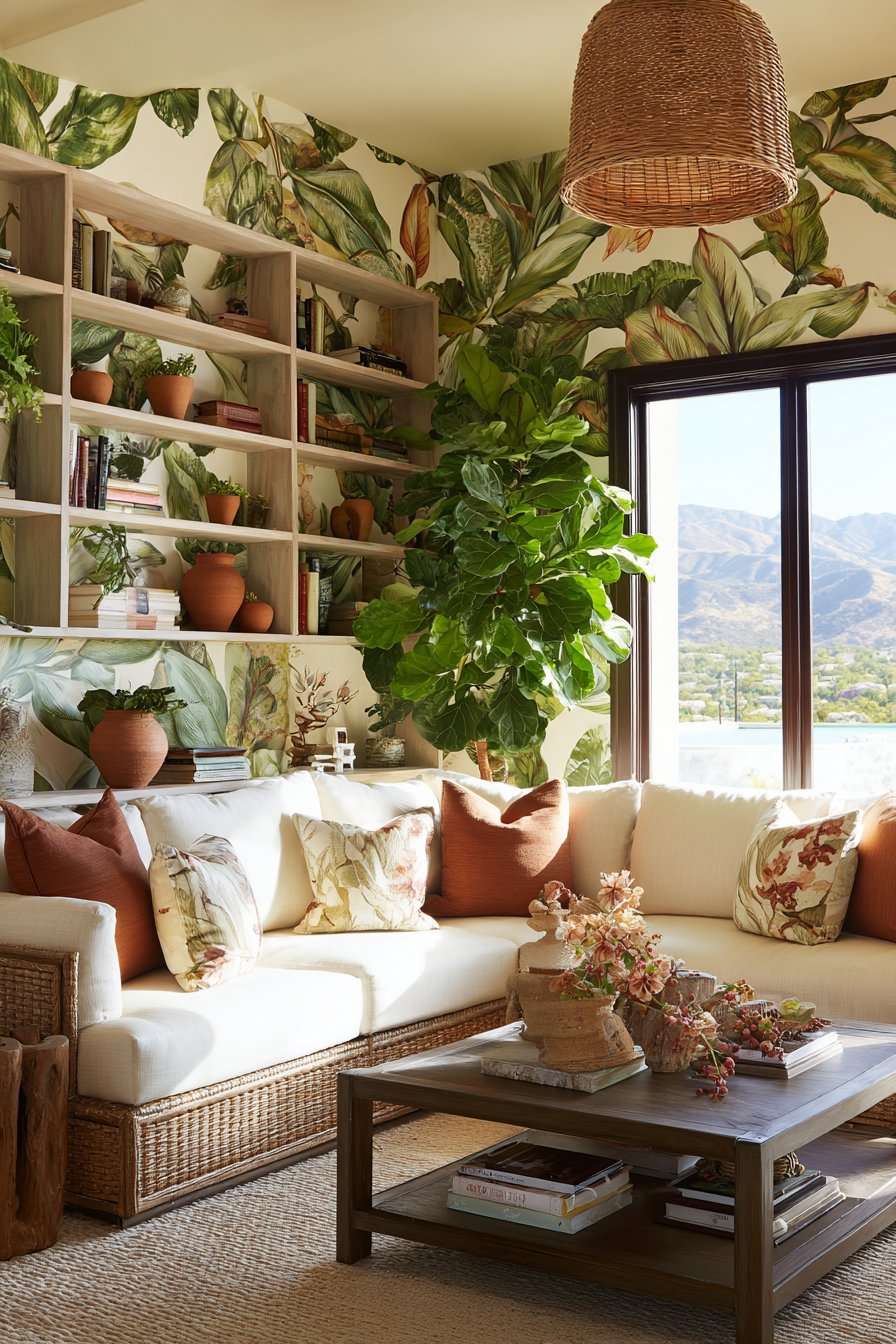
Botanical prints extend the nature theme when actual plants aren’t practical. Wallpaper featuring maximalist tropical leaves, fabric printed with oversized blooms, or art prints depicting lush forests all deliver the visual richness of nature without the maintenance. These prints layer beautifully with other patterns when scale and color are managed thoughtfully.
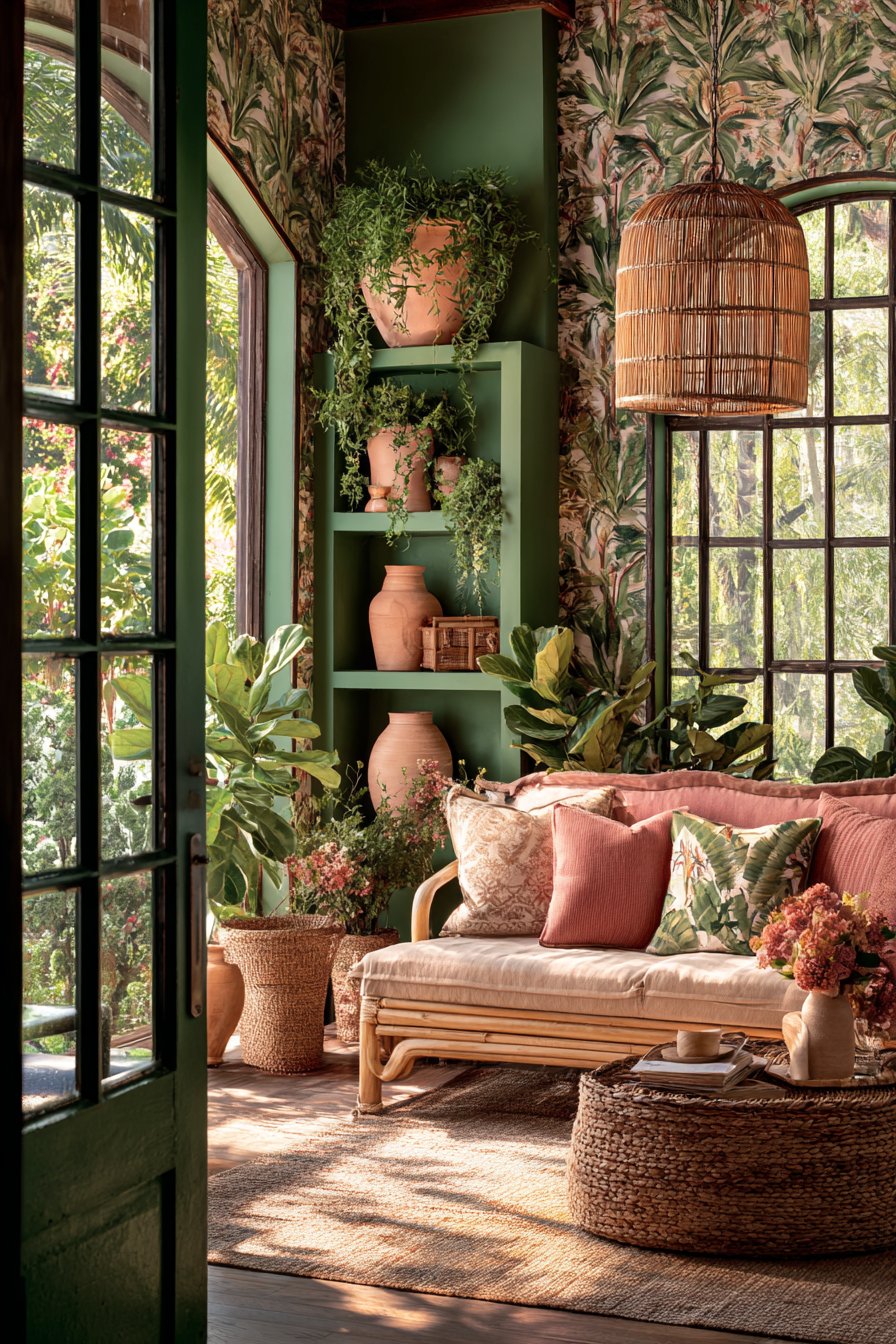
Beyond plants, natural materials add grounding warmth. Rattan, wicker, cork, clay, and wood all bring organic texture that balances the exuberance of color and pattern. A rattan pendant light above a maximalist dining table, or clay vases on a boldly patterned shelf, create moments of calm contrast. Nature elements keep dopamine decor from tipping into visual exhaustion.
- Place large, statement plants in corners to add height and organic softness
- Use botanical-print wallpaper or fabric to bring nature’s patterns indoors
- Incorporate natural materials like rattan, wood, cork, and clay alongside bold color
- Create a plant shelf or window vignette using a variety of species and pot styles
- Dry and display botanicals — pressed flowers, dried pampas grass, seed pods
- Choose terracotta or hand-glazed pots over plain plastic for decorative impact
7. Use Lighting to Set a Joyful, Layered Mood
Lighting is the most underestimated tool in any designer’s toolkit, and in dopamine decor it becomes truly playful. Warm-toned, layered lighting replaces the harsh overhead fixtures of conventional spaces. Table lamps, floor lamps, pendant lights, sconces, and string lights all work together to create an atmosphere that feels intimate and inviting rather than clinical or flat.
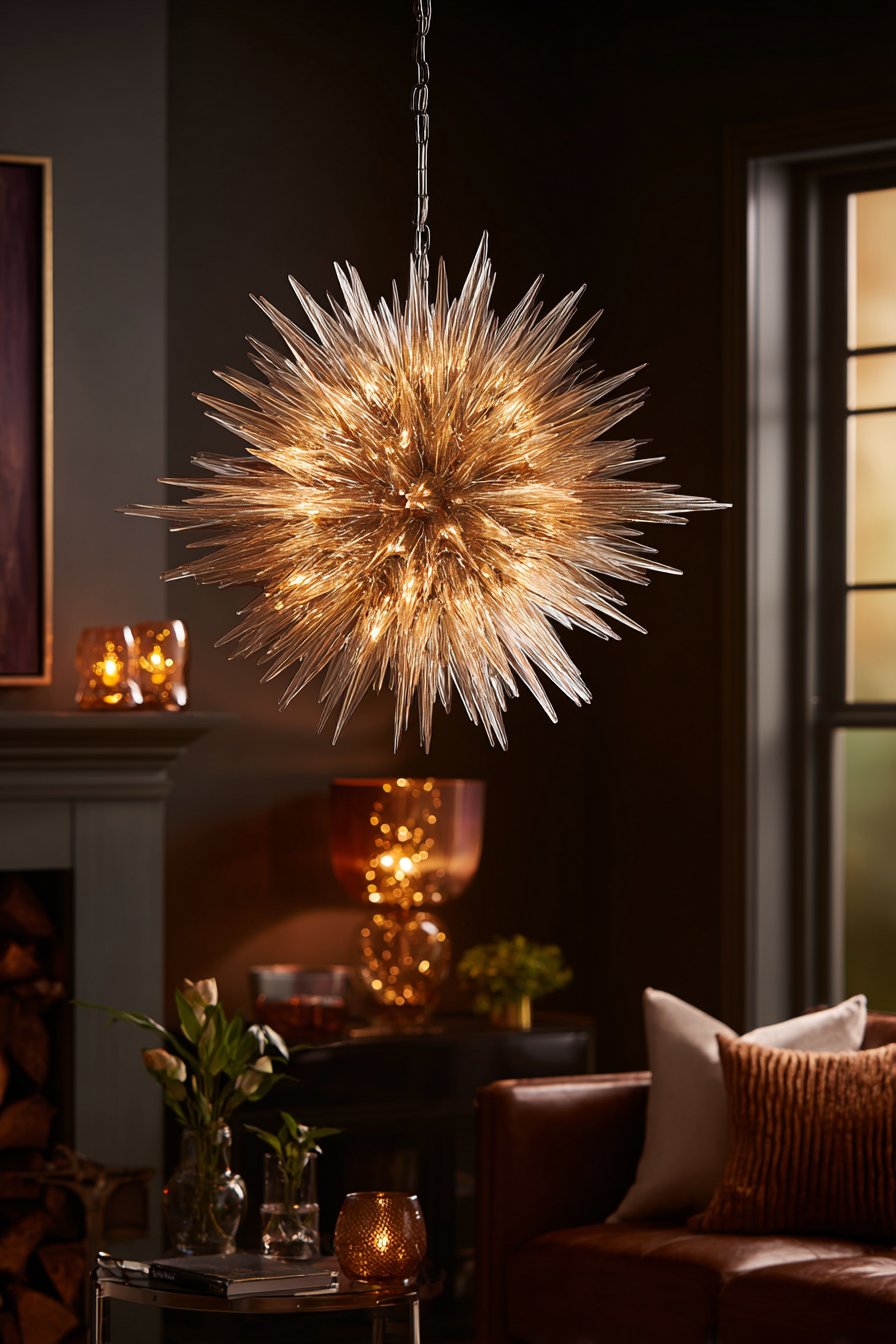
Statement light fixtures are especially important in this design movement. A sculptural pendant in a bold color, a chandelier dripping with glass beads, or a retro-inspired sputnik fixture all add visual personality before a single bulb is switched on. In dopamine decor, the fixture itself is a decorative element — chosen for how it looks as much as for how it performs.
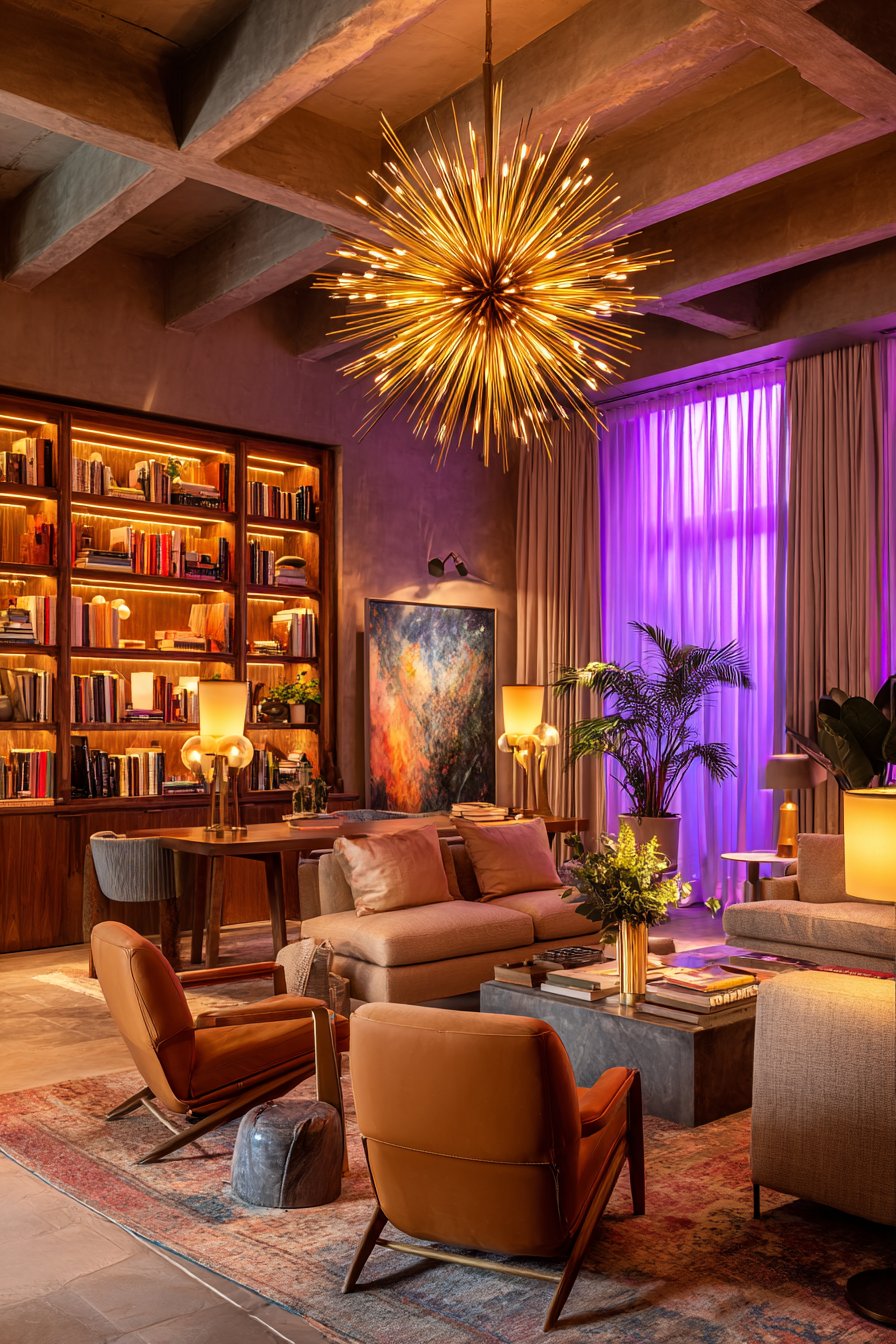
Colored lighting is an emerging frontier worth exploring. Tinted bulbs or LED strips in rose, amber, or even lilac can completely transform the mood of a room at minimal cost. Neon signs, colored glass lampshades, and backlit shelving all contribute to a layered, atmospheric quality that flat white light simply cannot achieve. Light shapes mood, and mood is what dopamine decor is all about.
- Layer at least three light sources in any room: overhead, task, and ambient
- Choose statement pendant or chandelier fixtures that double as art pieces
- Use warm-toned bulbs (2700K–3000K) throughout your home for cozy ambiance
- Experiment with tinted bulbs or glass shades to introduce colored light
- Add string lights, fairy lights, or LED strips for whimsical atmosphere
- Install dimmer switches so lighting can shift with your mood throughout the day
8. Hang Art With Intention and Abundance
Dopamine decor homes are rarely bare-walled. Gallery walls are practically a signature of the movement — sprawling arrangements of art, photography, illustrations, and objects that turn entire walls into visual experiences. The art doesn’t need to be expensive or perfectly coordinated. It needs to feel meaningful and vibrant to you.
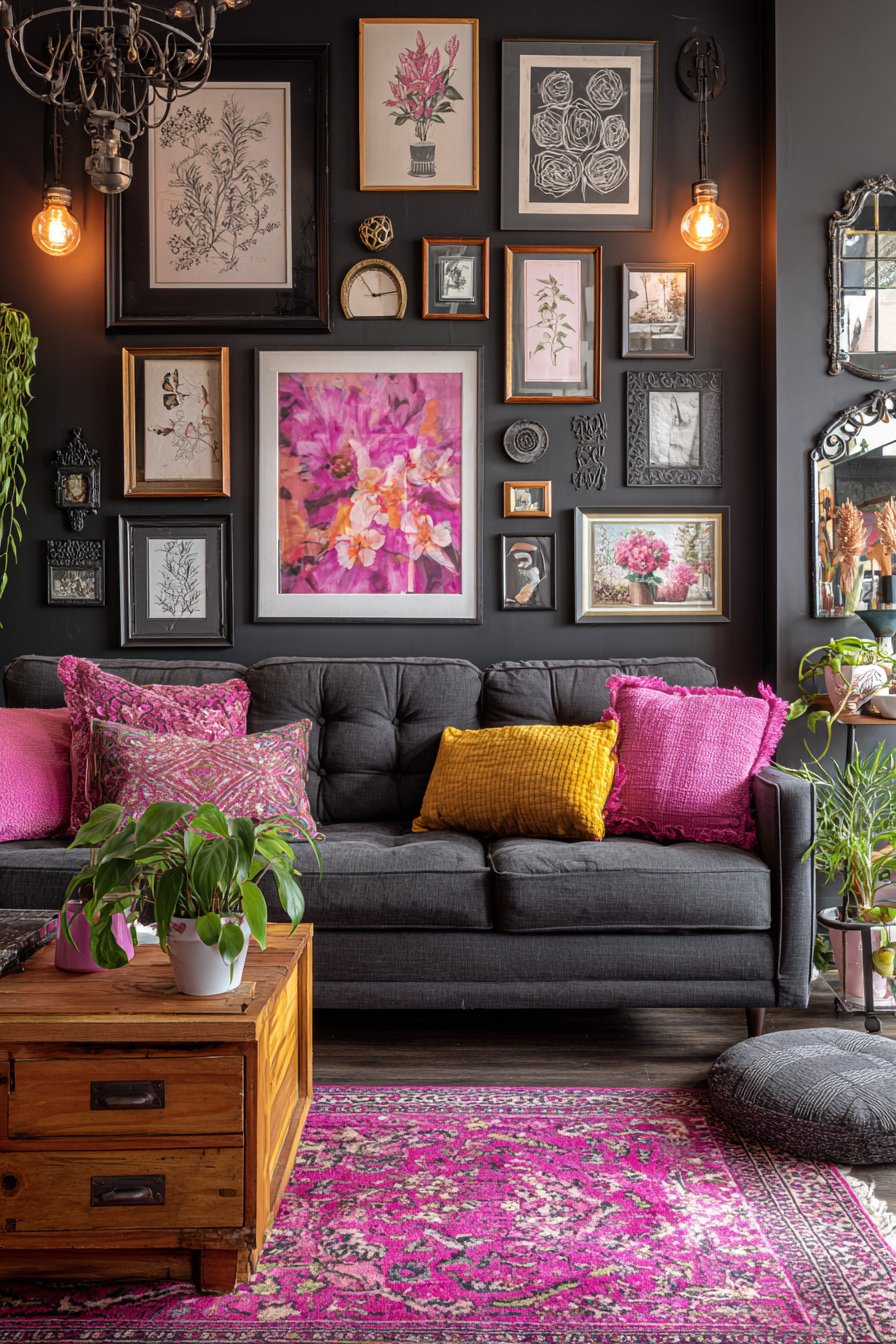
Oversized artwork makes an equally bold statement when a single piece is the focus. A large-scale abstract in vivid color, a massive botanical illustration, or a striking photograph can anchor an entire room’s aesthetic. The key is scale — art that is too small for its wall looks tentative. When in doubt, go bigger than feels comfortable. You’ll rarely regret it.
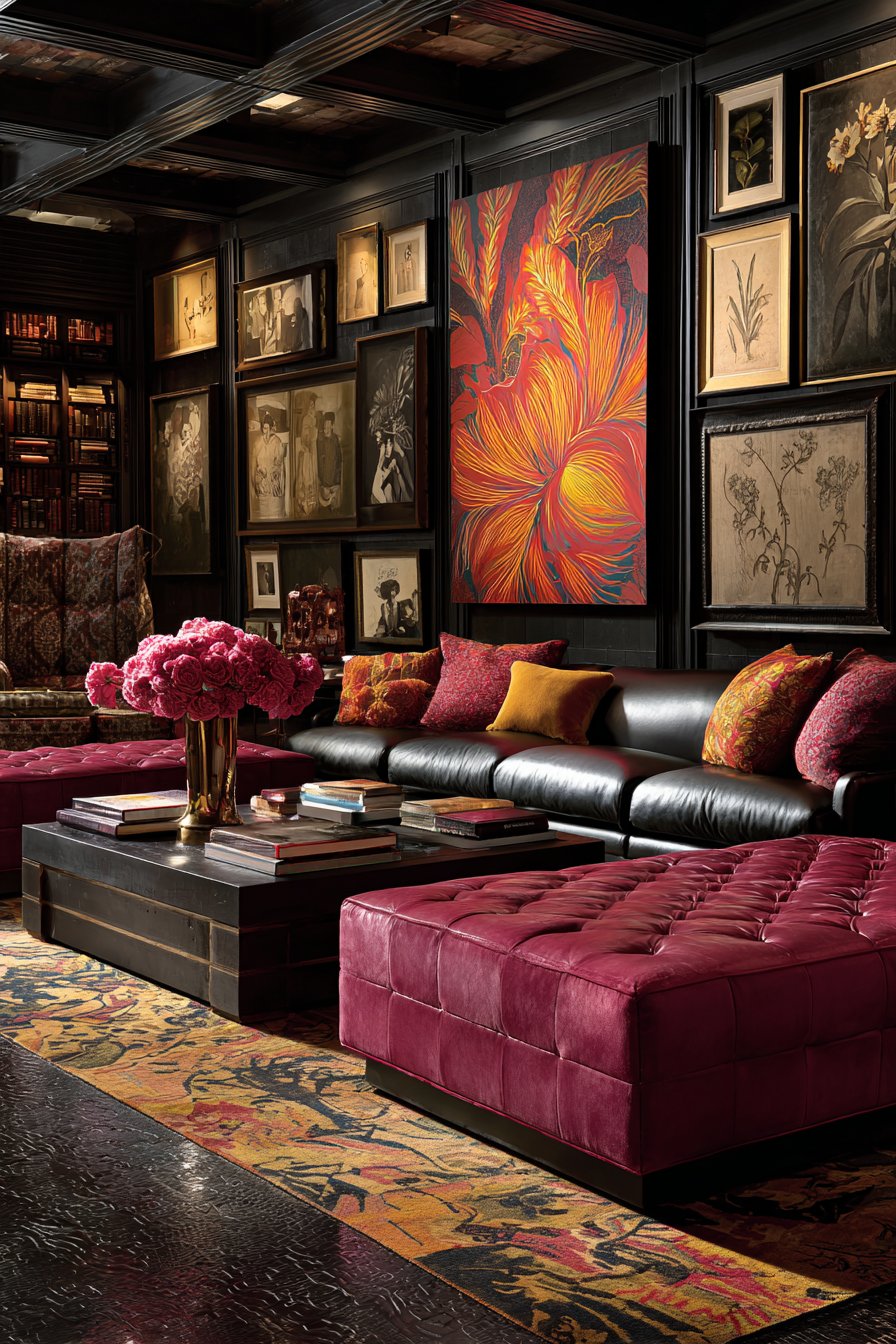
Art placement matters beyond the standard eye-level rule. Consider leaning large frames against walls for a relaxed, gallery-like feel. Stack frames on shelves alongside books and objects. Hang art in unconventional locations — inside bookshelves, on the ceiling, or wrapping around corners. In dopamine decor, art escapes its conventional boundaries and becomes truly integrated into the space.
- Create a gallery wall mixing art, photography, mirrors, and decorative objects
- Choose at least one oversized artwork for each major room as a focal anchor
- Lean frames against walls and floors for a casual, collected aesthetic
- Include art in unexpected places: inside bookshelves, on stair risers, in hallways
- Choose art in colors that echo or contrast boldly with your wall and furniture hues
- Mix original work, prints, and posters — personal connection matters more than price
9. Celebrate Whimsy With Playful Decorative Accents
Dopamine decor has a deep affection for the unexpected and whimsical. A lamp shaped like a mushroom. A mirror framed with shell-shaped molding. A rug printed with a giant smiley face. A fruit-shaped vase. These objects defy seriousness and invite delight. They signal that the person who lives here doesn’t take design — or themselves — too seriously.
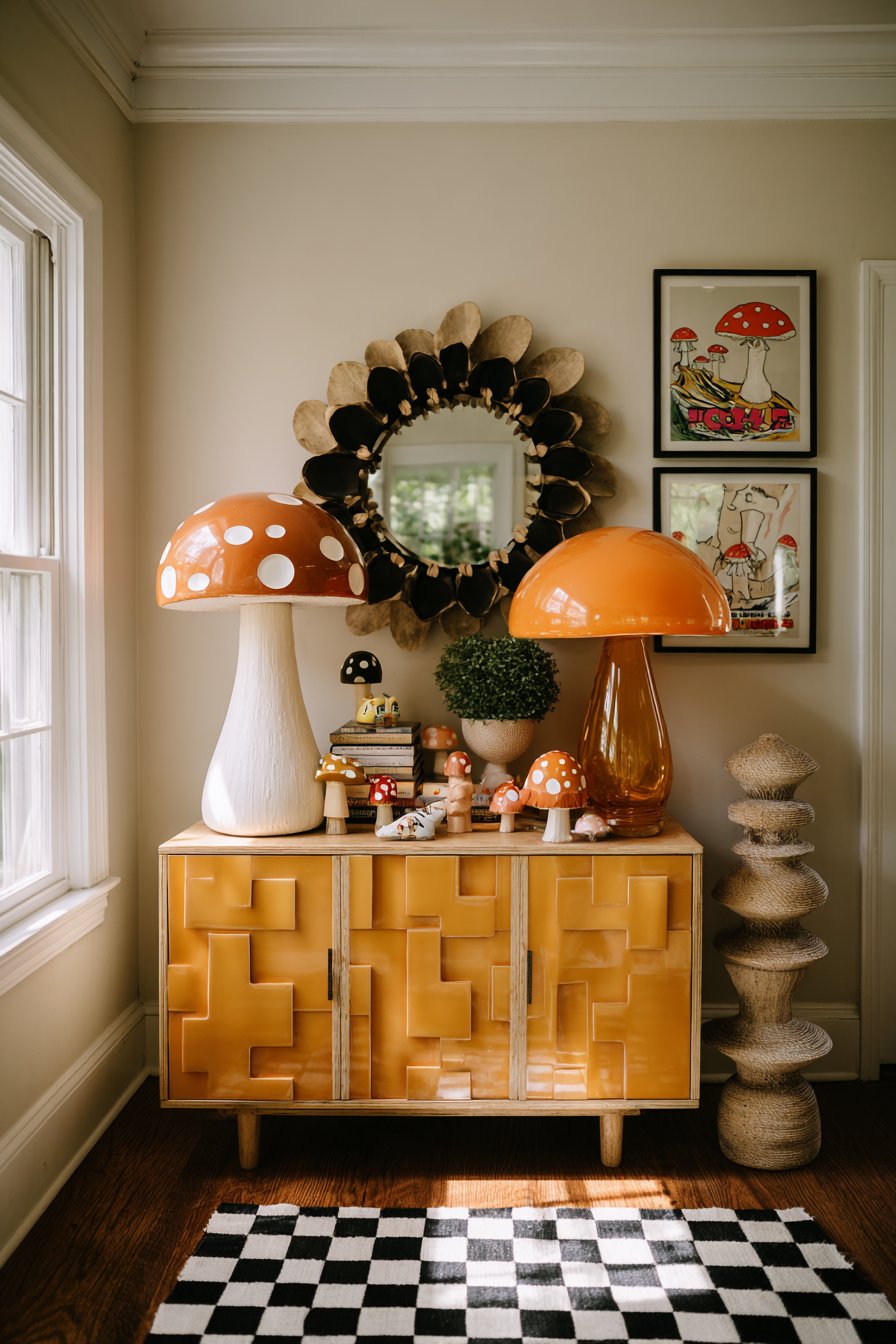
Nostalgia plays a powerful role in this aspect of the movement. Retro aesthetics from the 70s and 80s are having a major revival — think lava lamp aesthetics, checkered patterns, rounded plastic furniture, and vivid graphic prints. Incorporating pieces that evoke a specific era creates emotional resonance and personal meaning beyond pure aesthetics. Objects that remind you of joy become joy-triggering anchors in your daily life.
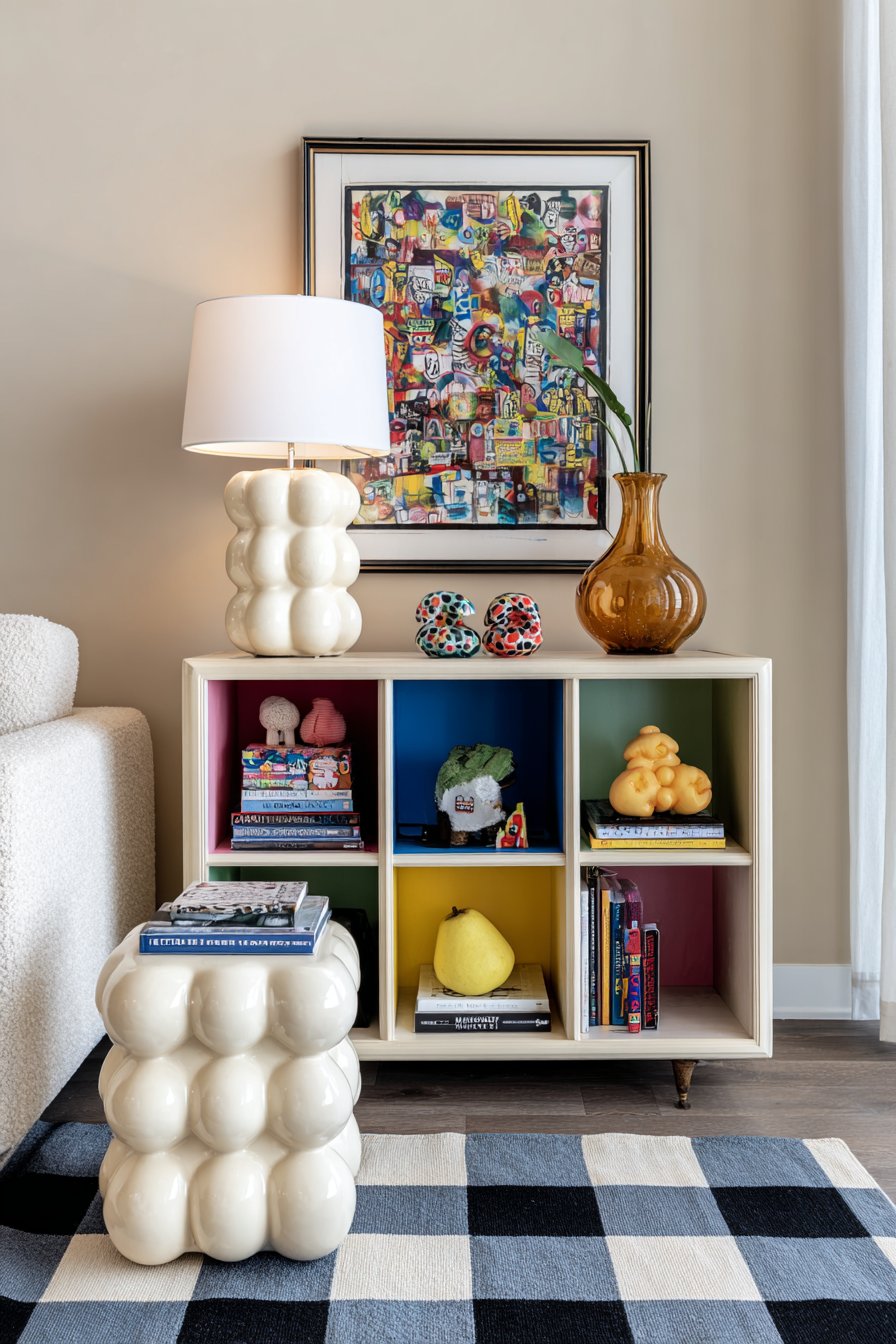
The beauty of whimsical accents is their affordability and interchangeability. A quirky candle holder, an unusual sculpture, or a playful throw pillow cover can all be sourced inexpensively and swapped out as your tastes evolve. This keeps the space dynamic and prevents design fatigue. Small objects carry enormous emotional weight when chosen thoughtfully.
- Seek out one truly unexpected, conversation-starting decorative object per room
- Incorporate nostalgic references — vintage toys, retro typography, or era-specific shapes
- Choose functional objects (lamps, vases, clocks) with sculptural, playful forms
- Use candles, incense holders, and small sculptures to build tabletop vignettes
- Shop vintage markets and thrift stores for genuinely unusual and characterful finds
- Let your collection of whimsical accents grow organically over time
10. Create Personalized Vignettes Throughout Your Space
A vignette is a small, intentional arrangement of objects that tells a visual story. In dopamine decor, vignettes appear everywhere — on coffee tables, windowsills, bathroom counters, bookshelves, and mantelpieces. They are the punctuation marks of a joyful home: small, curated moments of beauty and personality scattered throughout the space.
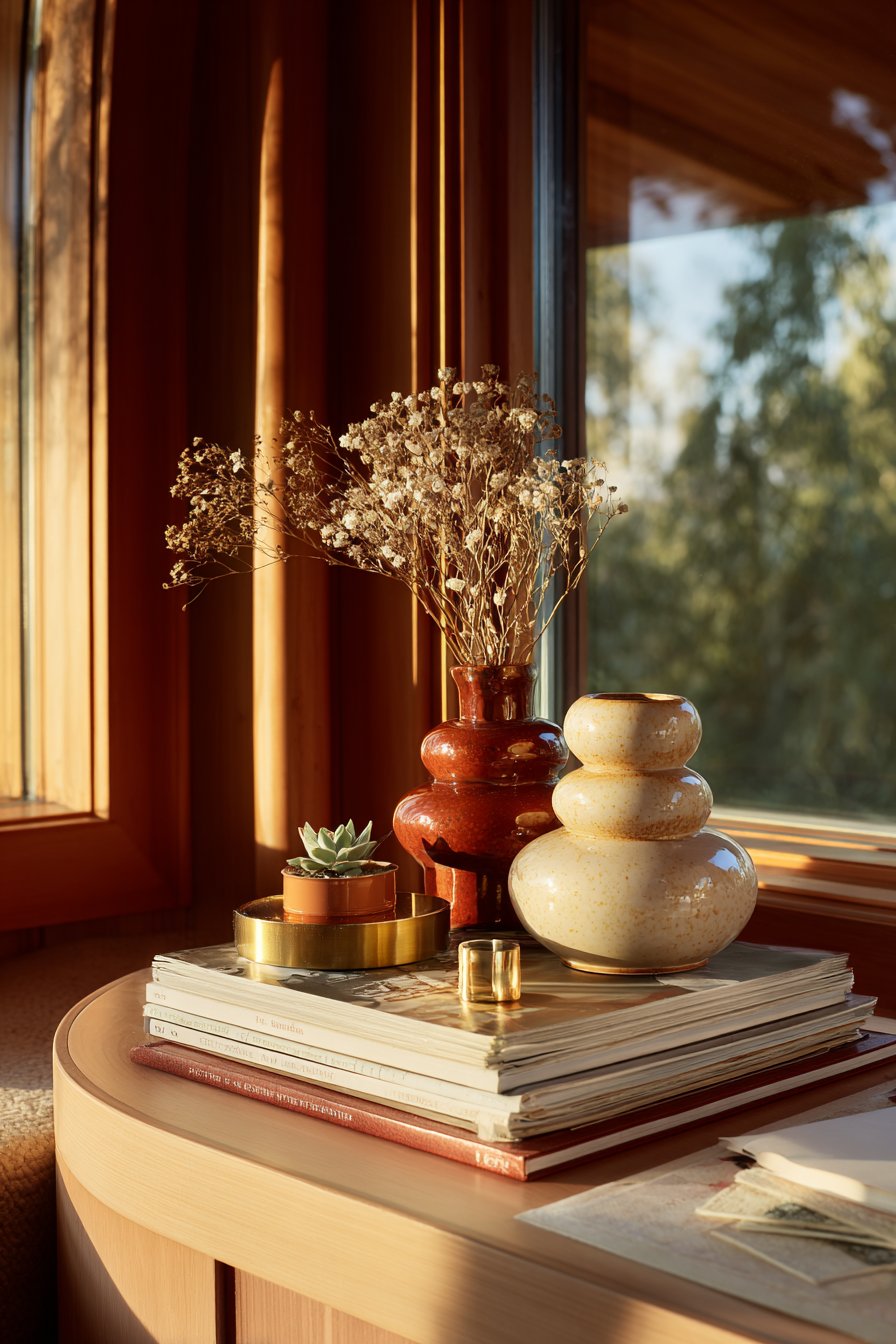
The most effective vignettes follow the rule of odd numbers — groups of three or five objects tend to feel more visually dynamic than even groupings. Vary the heights within the arrangement to create visual rhythm. Include a mix of textures and materials: something shiny, something matte, something organic. Add a personal element — a photo, a found object, a souvenir — to anchor the vignette in your story.
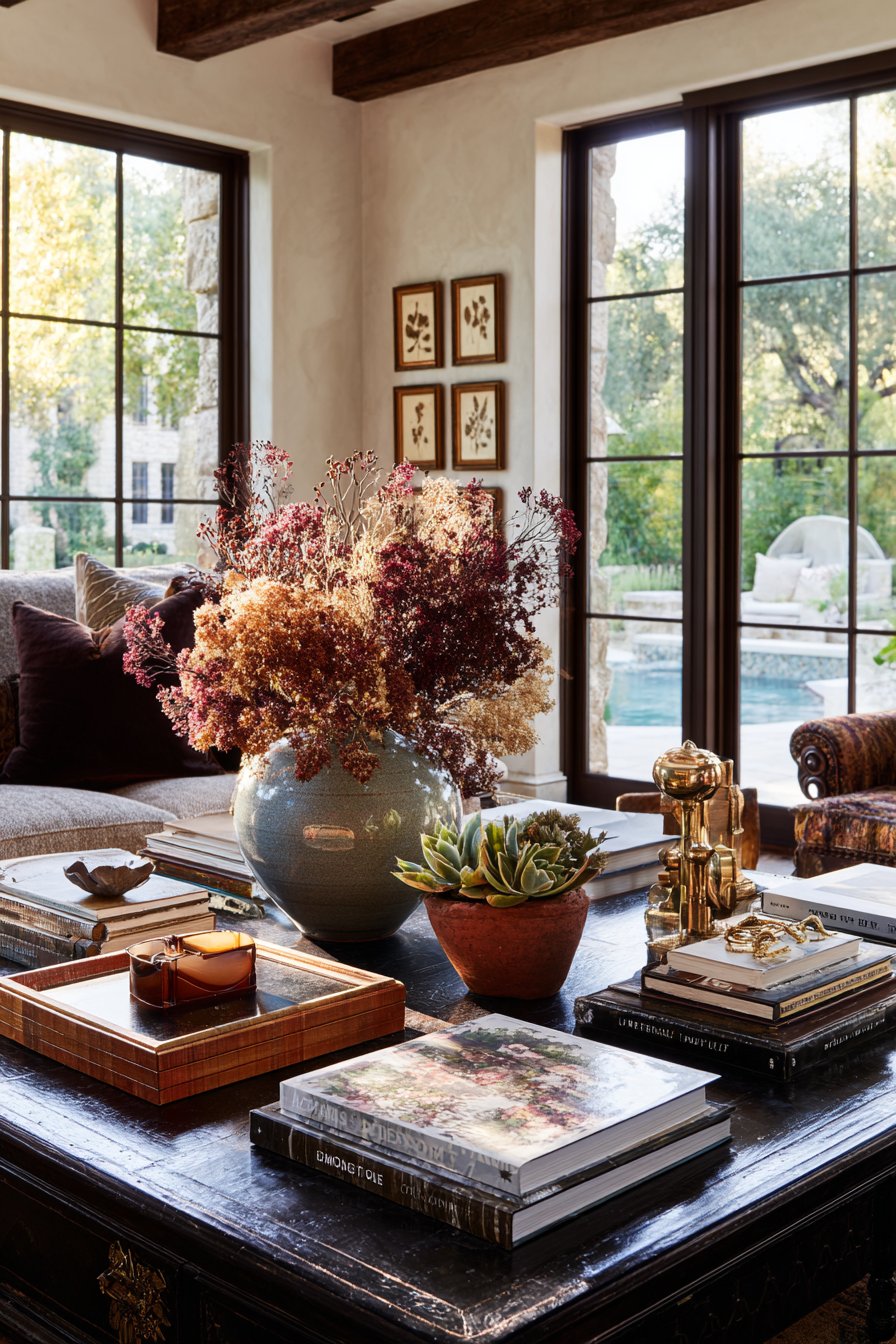
Vignettes require maintenance. Dust them, refresh them, add to them. Seasonal updates to key vignettes keep your home feeling current without requiring major changes. A bowl of seasonal fruit, a vase of fresh or dried flowers, or a scented candle swapped out every few weeks keeps the space alive. The cumulative effect of many small, intentional arrangements is a home that feels richly layered and lovingly tended.
- Build vignettes using odd numbers of objects (3 or 5 work best)
- Vary height, texture, and material within each arrangement
- Include at least one personal element in each vignette — a photo, memento, or find
- Refresh vignettes seasonally with flowers, fruits, candles, or seasonal objects
- Use stacked books as both display platforms and decorative elements in arrangements
- Place vignettes in unexpected spots: bathroom shelves, kitchen counters, windowsills
Conclusion
Dopamine decor is more than a design trend — it’s a philosophical shift in how we think about home. For too long, interiors were defined by restraint: white walls, neutral palettes, and the quiet pressure to minimize. This movement rejects that pressure entirely. It says that color, personality, and joy are not indulgences — they are necessities. Your home should work for your happiness, not against it.
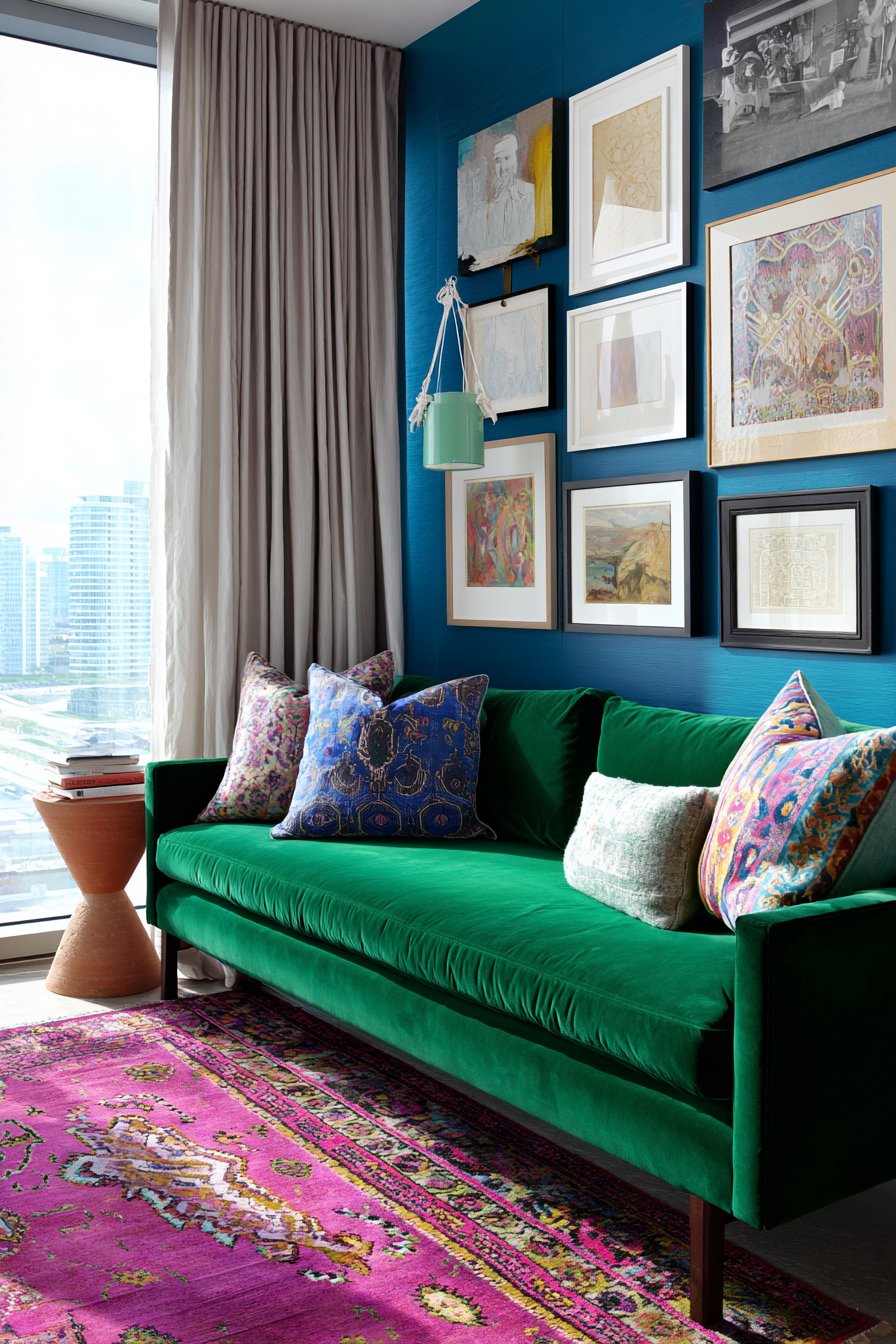
The most important principle you can take from this movement is permission. Permission to trust your instincts, display what you love, mix what you’re drawn to, and create a space that reflects you rather than a trend board. Dopamine decor is at its best when it’s personal, evolving, and unapologetically alive. Start with one bold choice — a color, a piece of art, a whimsical lamp — and let the joy build from there. Your happiest home is waiting.
