


Double volume living rooms are architectural marvels that command attention with their soaring ceilings and expansive vertical space. These dramatic interiors create an immediate sense of grandeur and openness. However, designing such spaces requires careful consideration to avoid them feeling cold or empty.
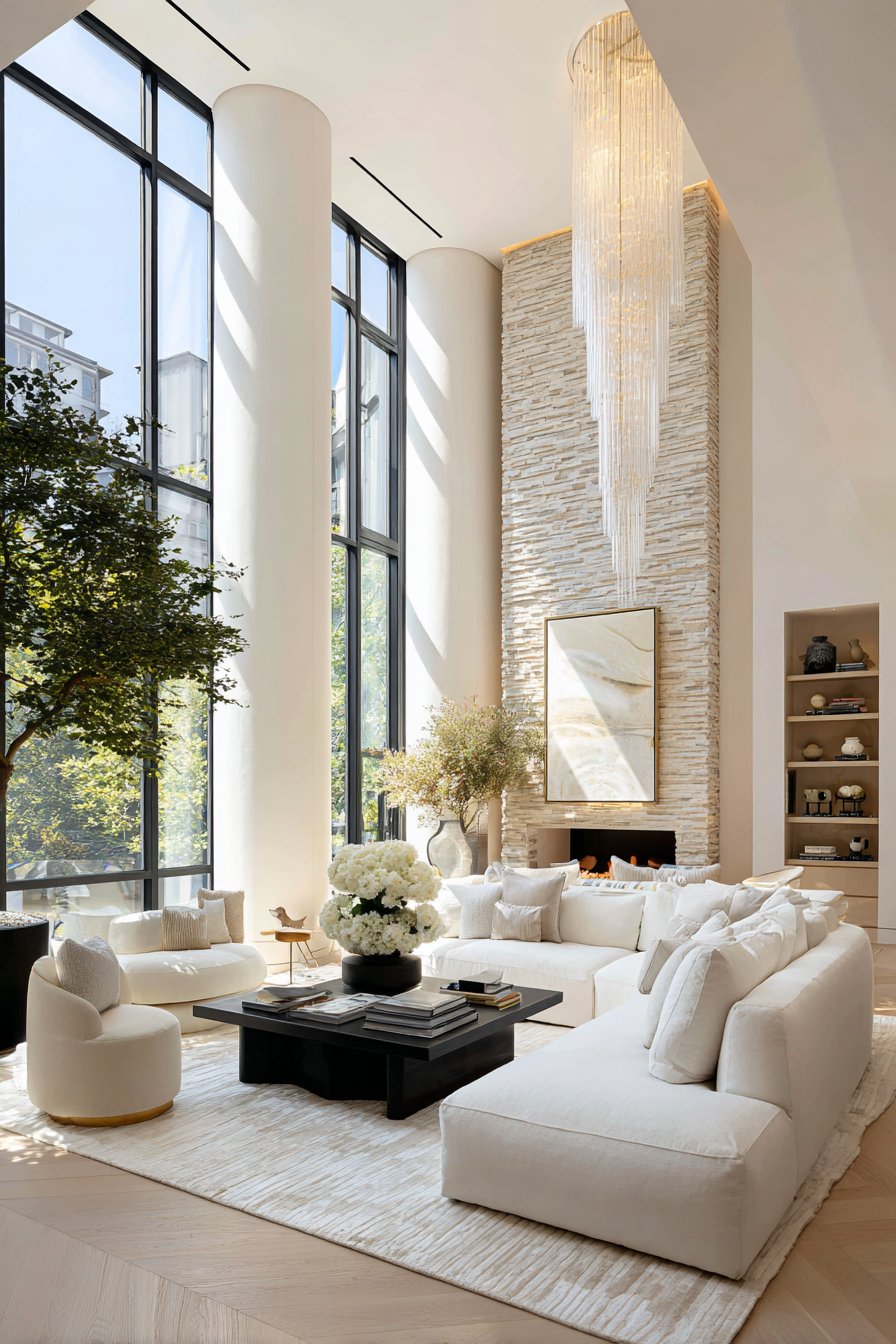
The key to successful double volume design lies in balancing scale and intimacy. While these rooms offer incredible visual impact, they can easily become acoustically challenging or feel disconnected from daily life. Thoughtful interior design transforms these cathedral-like spaces into warm, functional areas that inspire while remaining comfortable for everyday living.
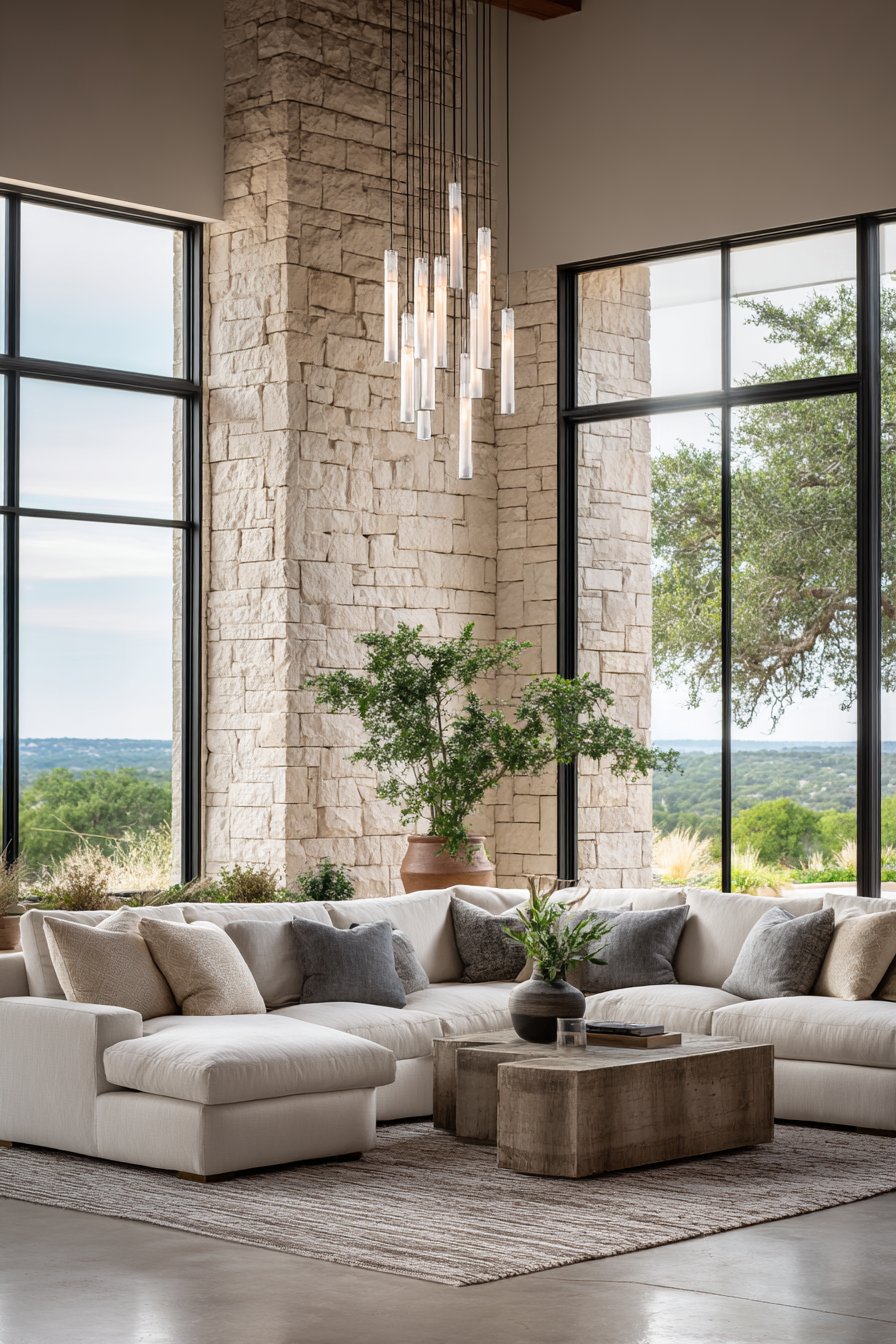
This article explores six essential tips for maximizing your double volume living room’s potential. From furniture placement to lighting strategies, each recommendation addresses the unique challenges these spaces present. Whether you’re building new or redesigning existing space, these insights will help you create a stunning yet livable environment that celebrates vertical architecture.
1. Create Distinct Zones Within the Space
Double volume rooms risk feeling like vast, undefined areas without proper zoning. Strategic space division helps establish purpose and flow while maintaining the room’s openness. Think of your living room as multiple micro-environments serving different functions rather than one enormous space.
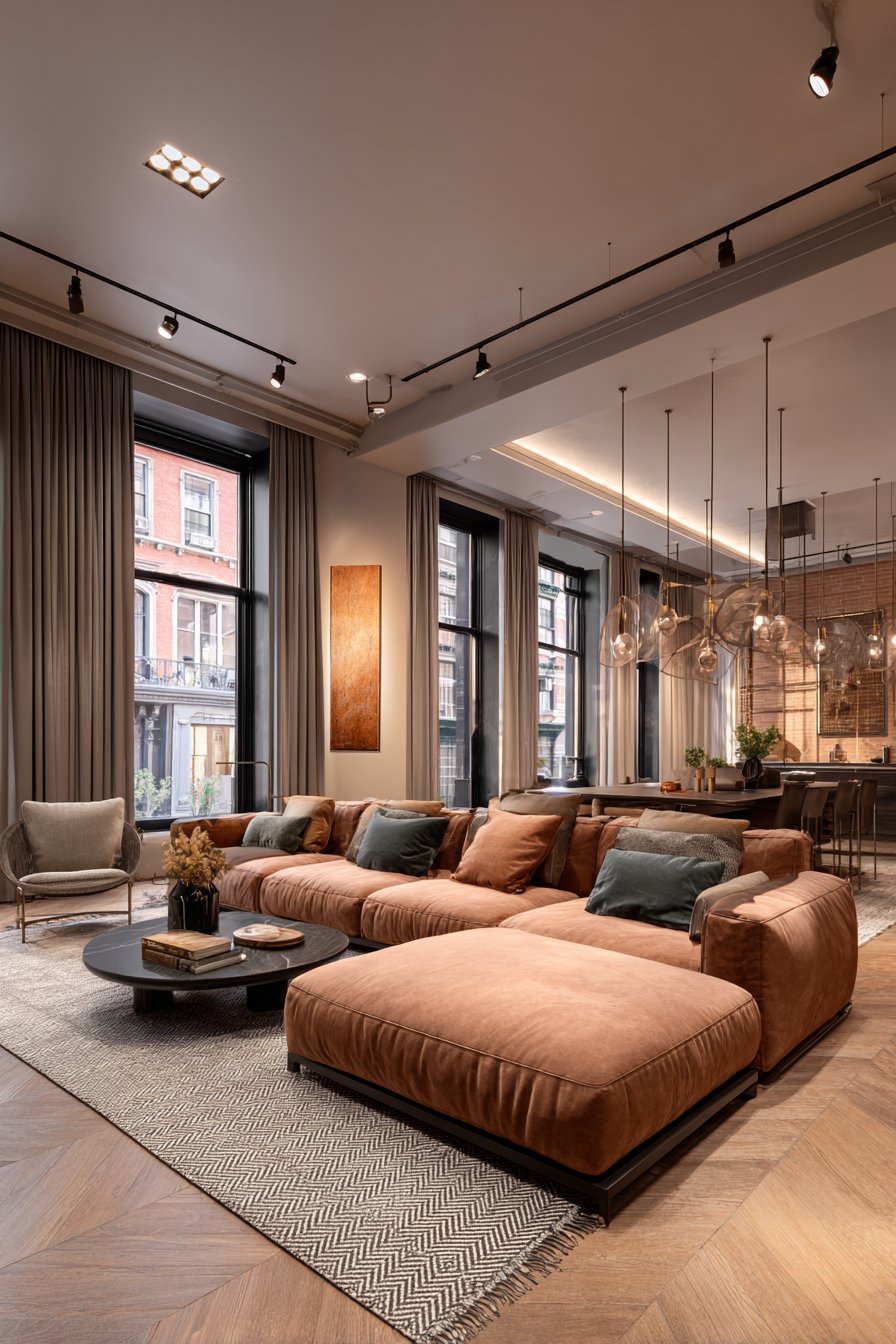
Use furniture arrangements to create visual boundaries between areas. Position your seating group on a large area rug to define the conversation zone. Place a console table behind the sofa to separate circulation paths from sitting areas. These subtle divisions help the eye understand the space without physical barriers that would compromise the open feeling.
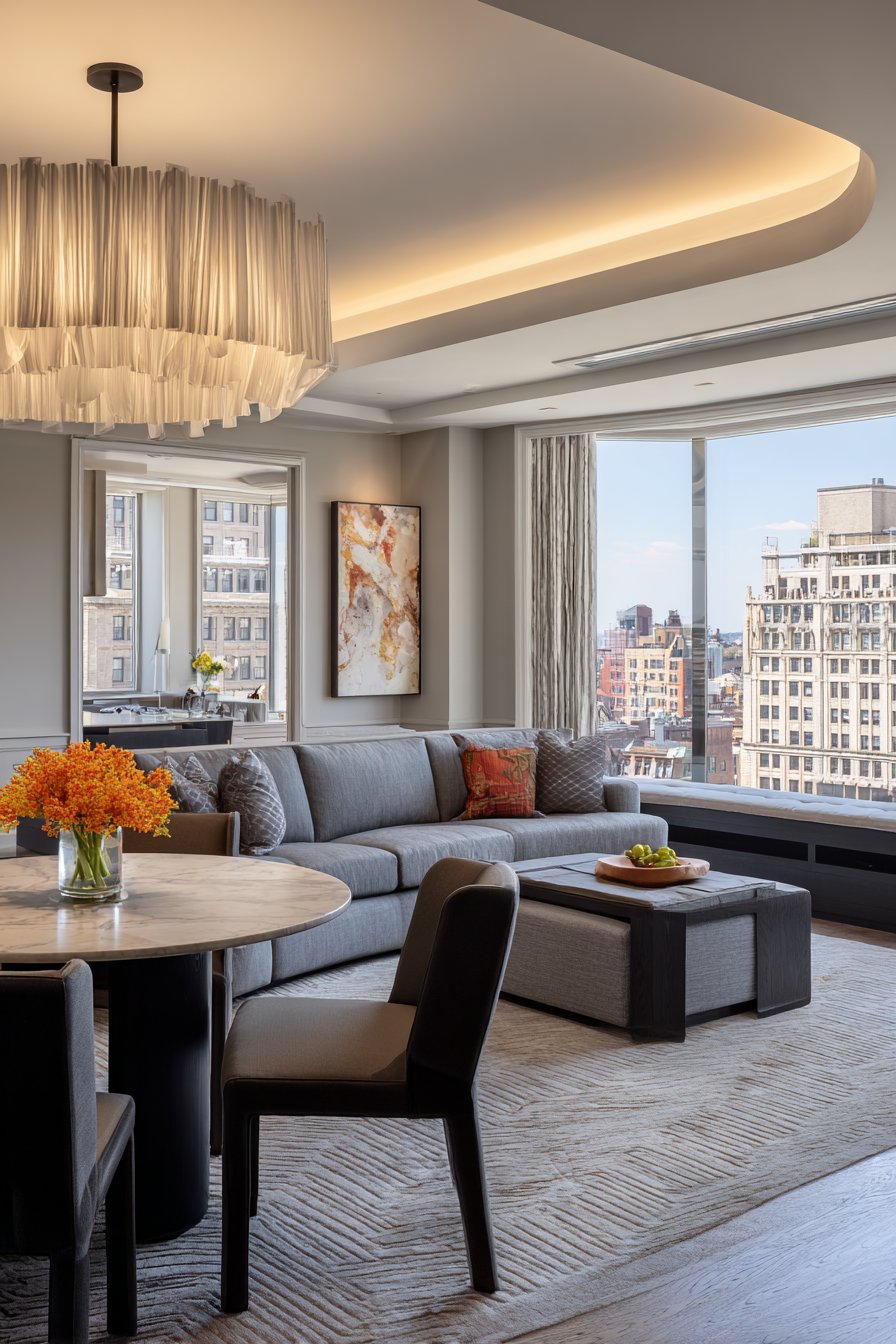
Consider level changes or floor treatments to reinforce zones. Different flooring materials or platform areas can distinguish the dining space from the lounge area. Layered lighting for each zone further enhances this effect, allowing you to control ambiance based on activity and time of day.
- Anchor each zone with appropriately sized area rugs that define boundaries
- Use furniture as room dividers rather than walls to maintain openness
- Install separate lighting controls for different functional areas
- Create a focal point within each zone to establish visual hierarchy
- Ensure traffic flow between zones remains intuitive and unobstructed
- Balance intimate gathering spaces with more open circulation areas
2. Scale Furniture Appropriately to the Volume
Standard furniture pieces often appear diminutive and lost in double volume spaces. Oversized furniture becomes essential for maintaining proper visual proportion. Your seating, tables, and accessories must command attention at the scale your room demands.
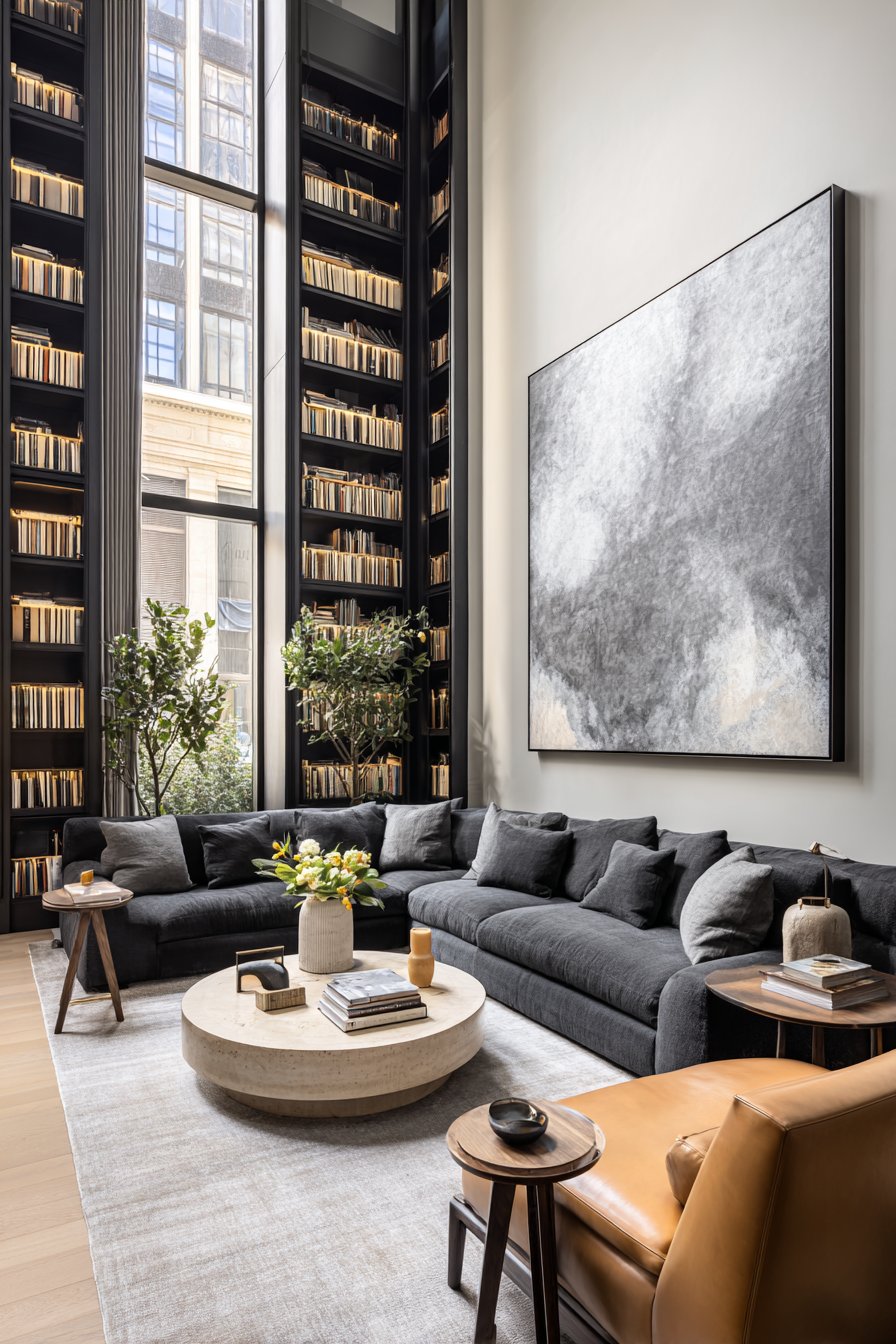
Select sofas and sectionals with higher backs and deeper seats than typical residential furniture. Look for pieces measuring at least 38-40 inches deep rather than standard 36-inch options. Taller furniture backs create vertical presence that relates better to soaring ceilings while providing comfortable support.
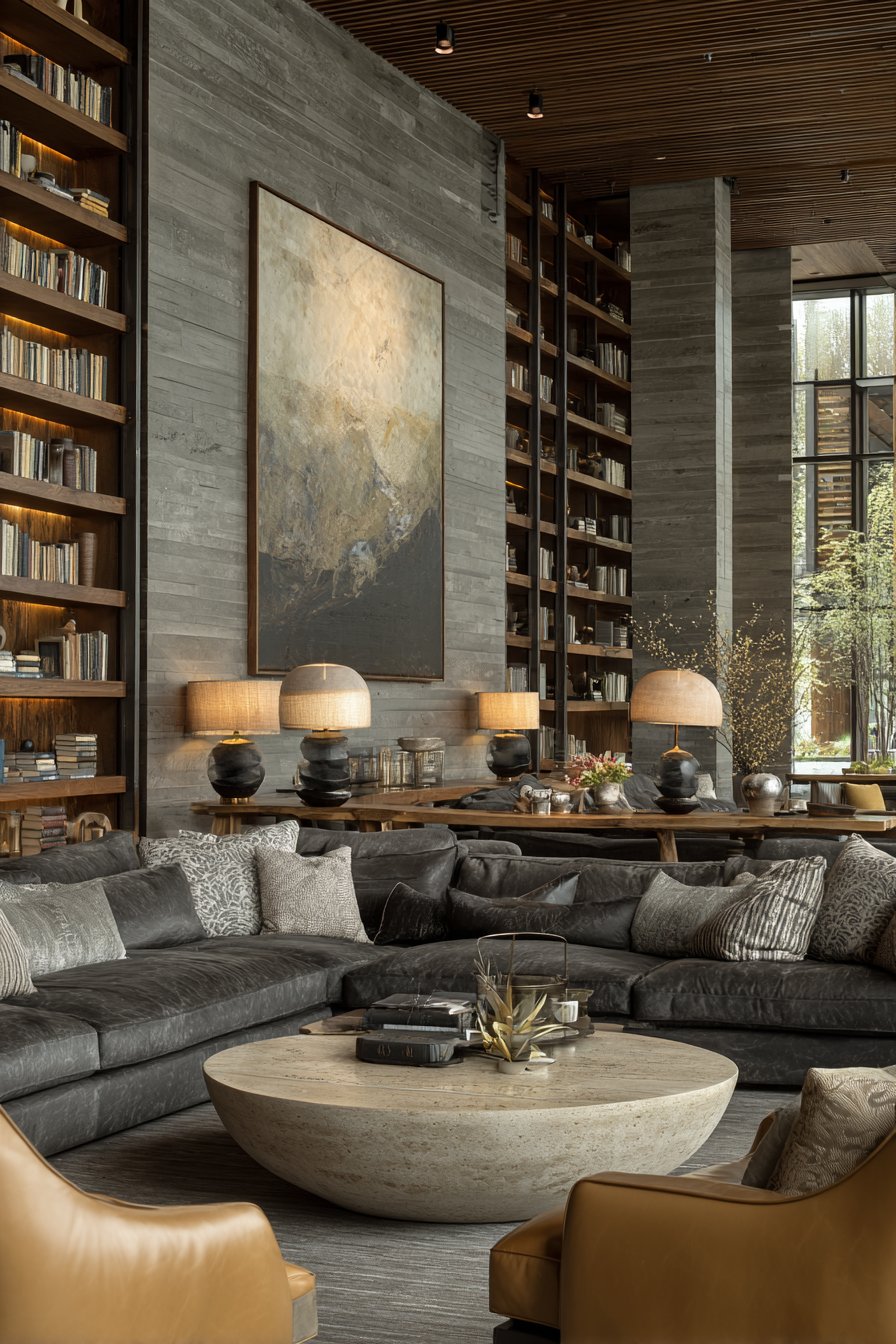
Don’t shy away from substantial coffee tables and side tables. A massive coffee table that might overwhelm a standard living room becomes perfectly proportioned in double volume space. Consider custom pieces or commercial-grade furniture designed for hospitality spaces, which often feature the bold scale these rooms require.
- Choose sectionals measuring 10-12 feet or longer for adequate presence
- Select coffee tables at least 60 inches in length or diameter
- Opt for chairs with arms and substantial frames over delicate designs
- Include at least one statement piece like an oversized bookshelf or cabinet
- Ensure artwork and mirrors are proportionally large enough to register visually
- Consider furniture with vertical elements like tall chair backs or headboards
3. Design a Vertical Focal Point
Empty upper walls in double volume spaces create missed opportunities for dramatic impact. A commanding vertical focal point draws the eye upward and celebrates the room’s height. This element becomes the room’s defining feature and conversation starter.
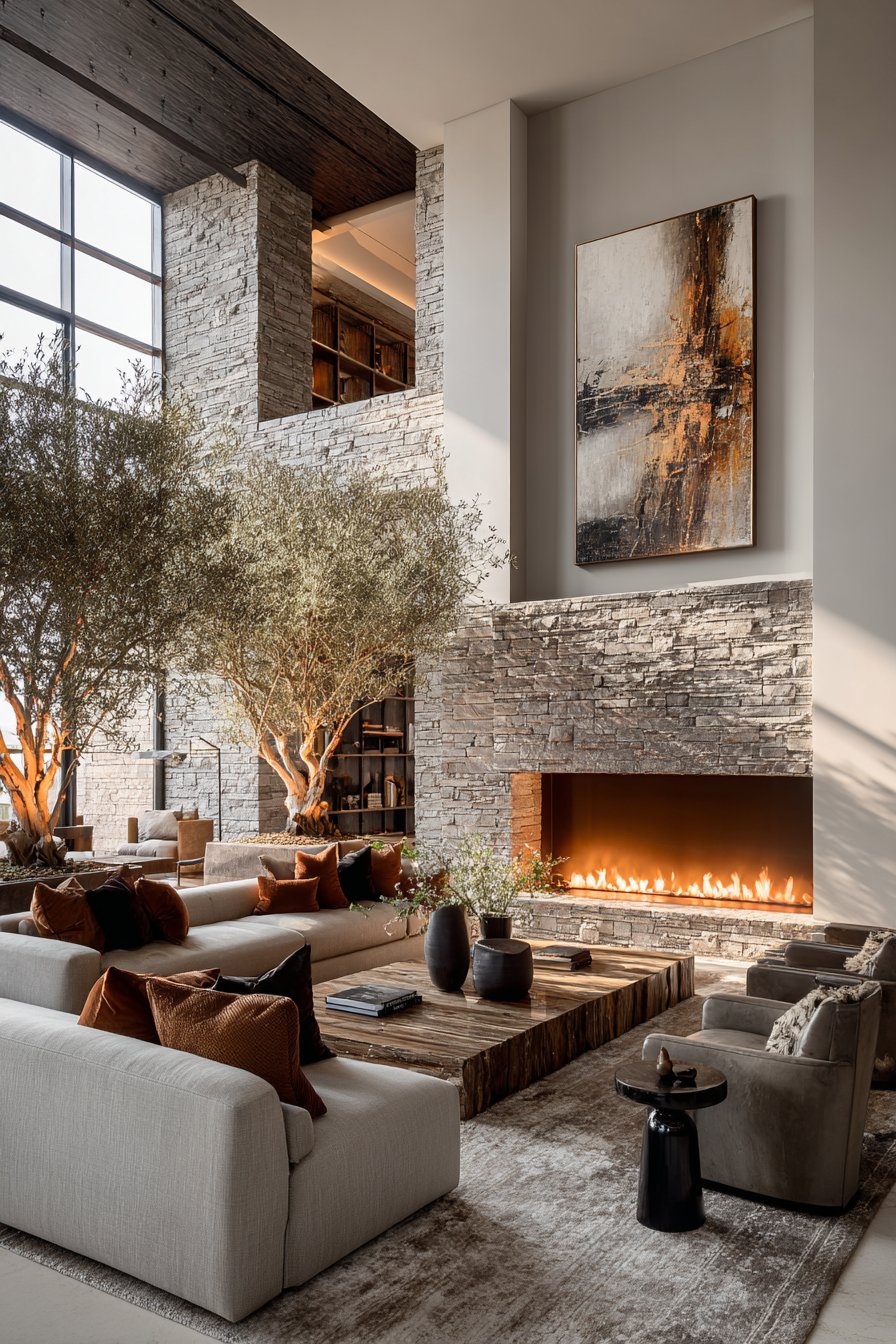
Floor-to-ceiling stone or wood accent walls create stunning vertical emphasis. These materials add texture and warmth while connecting the lower living area with the upper volume. A fireplace that extends through both levels becomes even more impressive, anchoring the space with architectural substance.
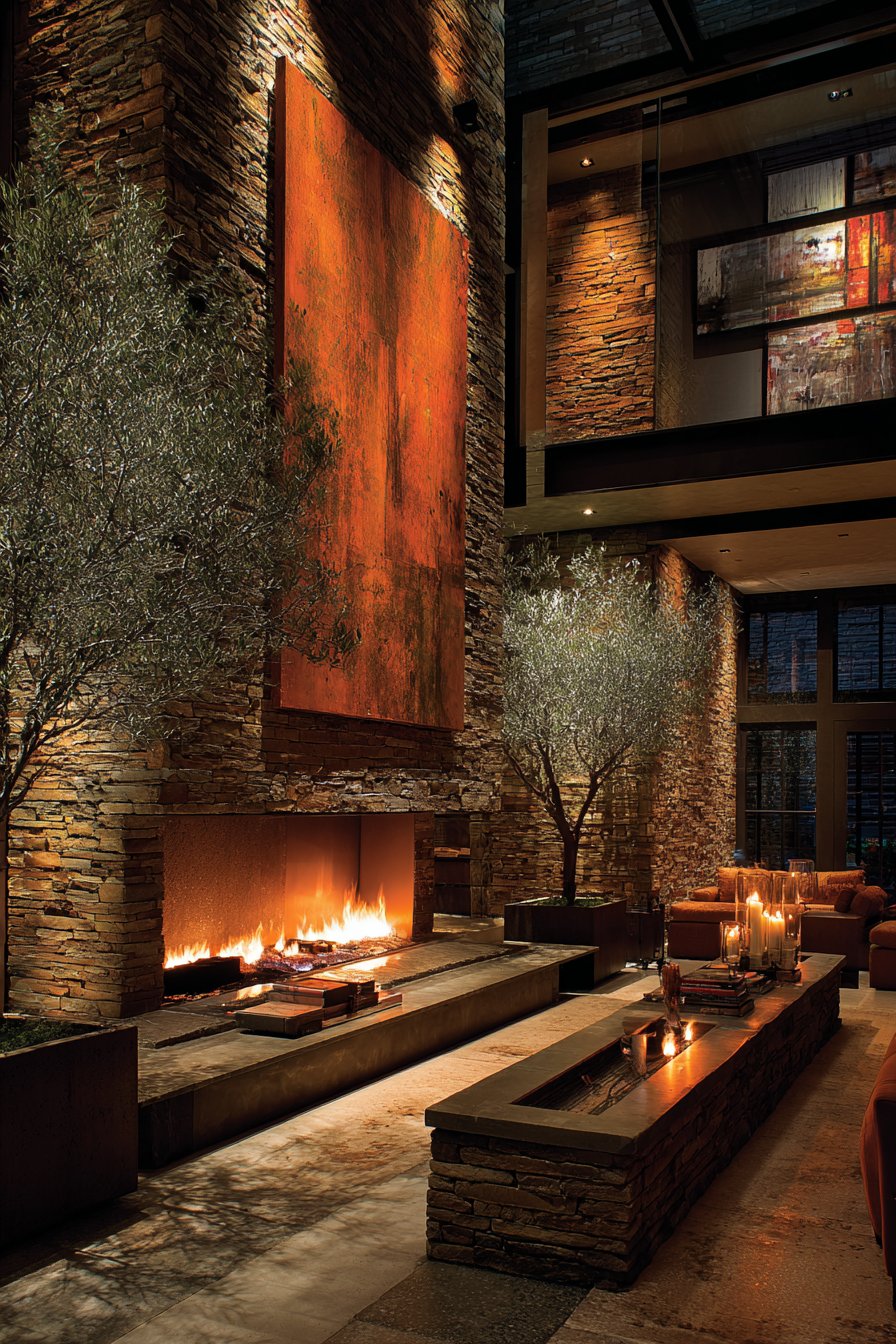
Consider large-scale art installations or gallery walls that climb the wall strategically. Rather than clustering artwork at eye level, extend your arrangement upward in a considered composition. Oversized tapestries, metal sculptures, or living plant walls can also serve as spectacular vertical statements.
- Install a feature wall with dramatic materials like stacked stone or reclaimed wood
- Extend your fireplace surround all the way to the ceiling
- Commission or purchase artwork specifically sized for your vertical wall
- Create a gallery wall that spans multiple levels with cohesive framing
- Consider architectural elements like decorative molding or wainscoting that emphasizes height
- Add vertical greenery with tall indoor trees or climbing plant installations
4. Layer Lighting at Multiple Heights
Single-source lighting fails dramatically in double volume spaces. Multi-level illumination ensures adequate light while creating ambiance and highlighting architectural features. Your lighting plan should address functionality at floor level while celebrating the volume above.
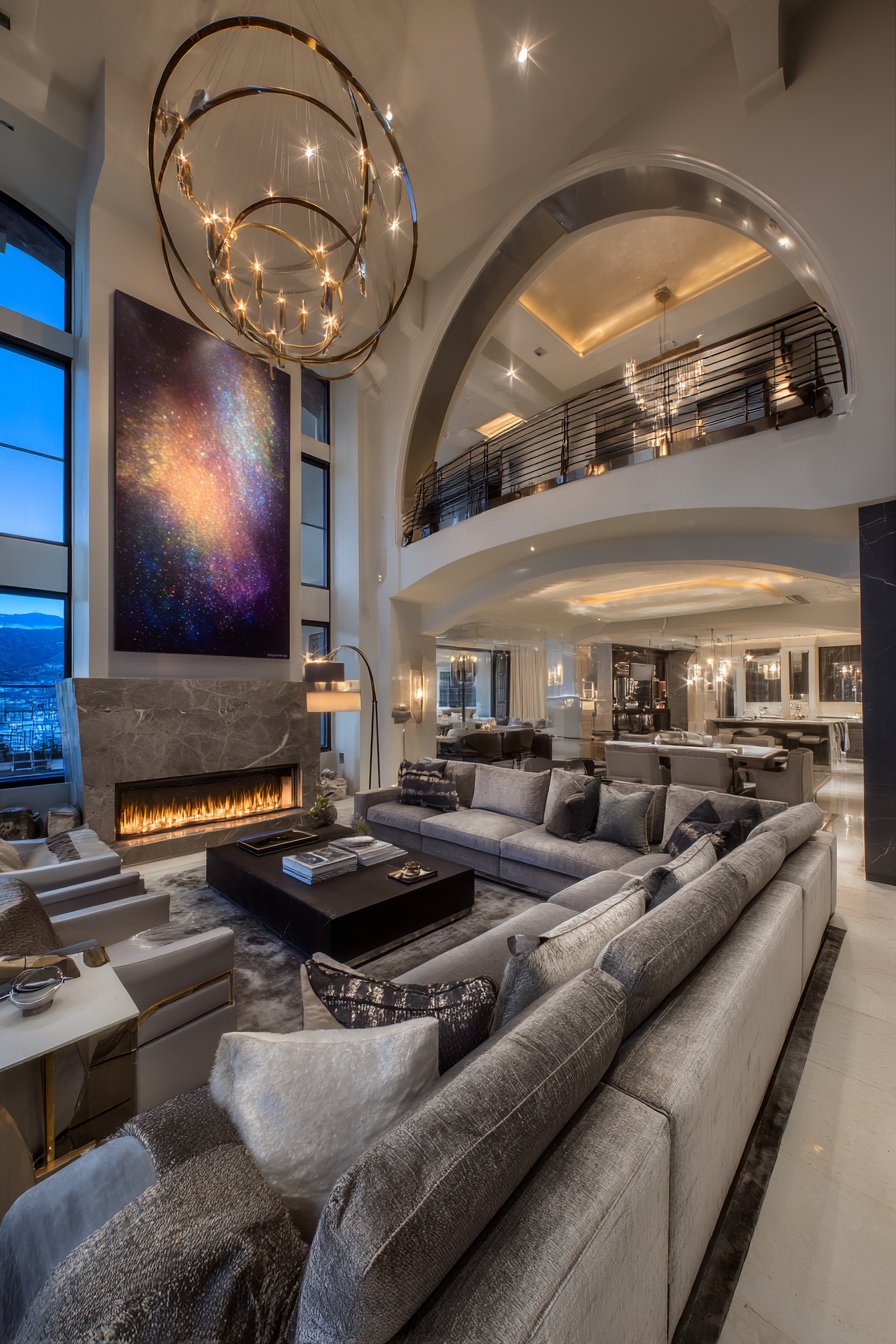
Install a statement chandelier or pendant fixture that relates to the room’s scale. Position it at a height where it can be appreciated from below while providing meaningful illumination. Drop fixtures approximately one-third to halfway down from the ceiling rather than at standard eight-foot heights.
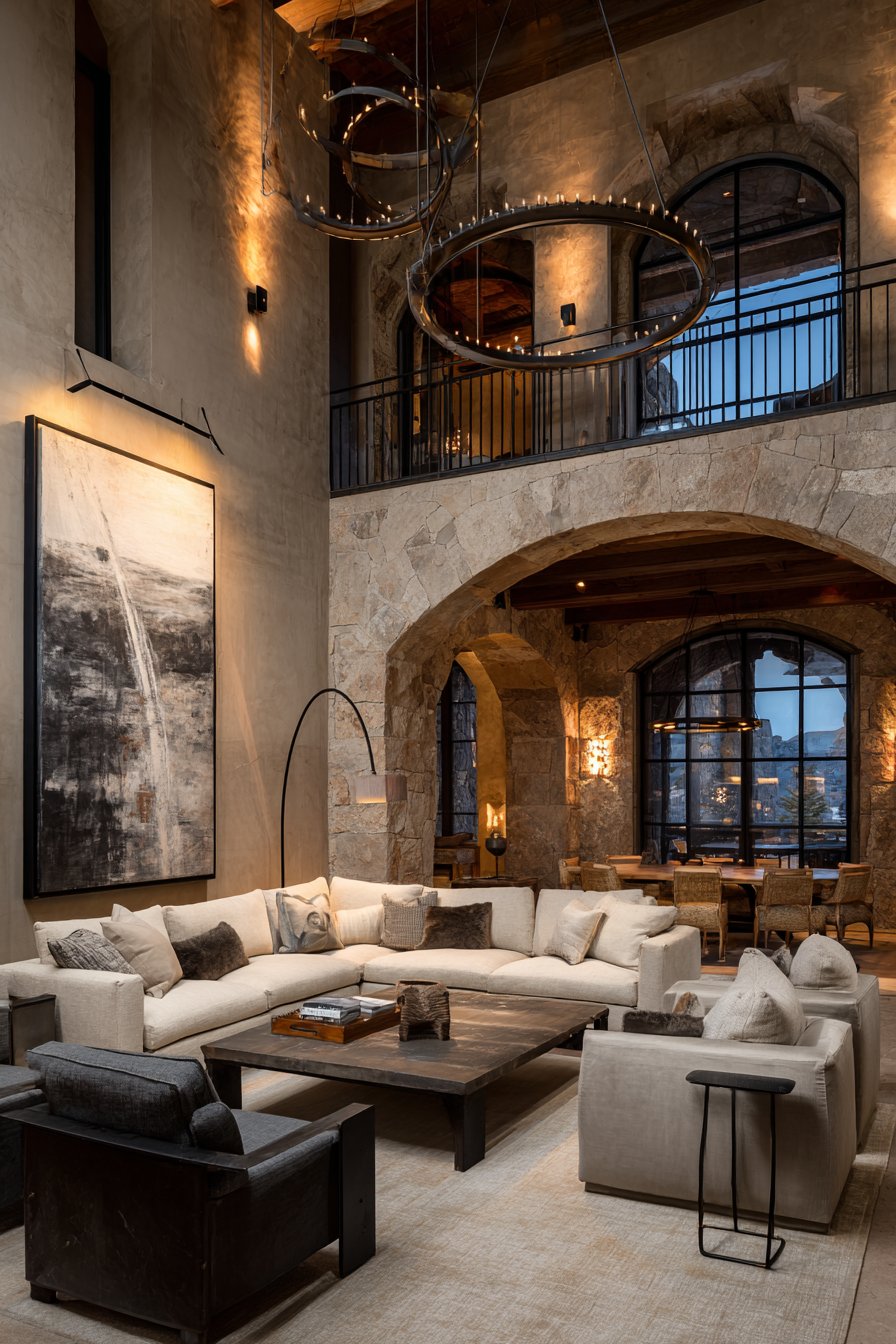
Supplement overhead lighting with floor lamps, table lamps, and wall sconces to illuminate the living areas properly. Add accent lighting to highlight artwork, architectural details, or your vertical focal point. Consider dimmers throughout to adjust intensity based on time and activity.
- Choose chandeliers measuring at least 36-48 inches in diameter or width
- Install wall sconces on the upper level to illuminate tall walls
- Use uplighting to wash light across high ceilings and create warmth
- Add picture lights or track lighting to spotlight vertical artwork
- Include floor lamps that reach 6-7 feet tall for adequate task lighting
- Install lighting on separate circuits to control different zones independently
5. Address Acoustics and Temperature Control
Double volume spaces present acoustic challenges that standard rooms don’t face. Sound bounces off hard surfaces and dissipates into the upper volume, making conversations difficult. Strategic design choices improve sound quality and thermal comfort simultaneously.
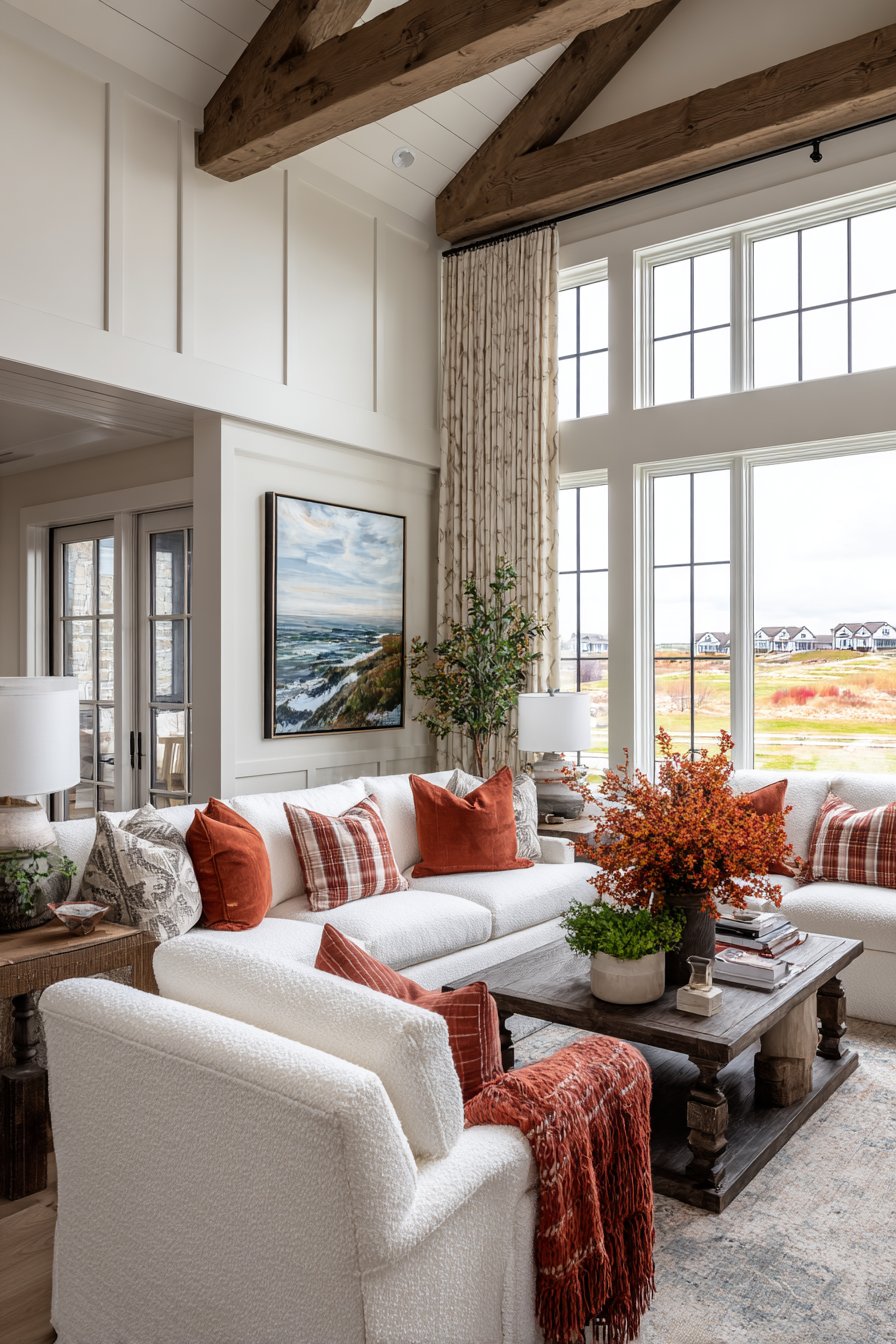
Incorporate soft furnishings and textiles throughout the space to absorb sound. Large area rugs, upholstered furniture, heavy curtains, and fabric wall panels reduce echo significantly. Consider acoustic ceiling treatments or baffles suspended from above if the problem persists despite soft furnishings.
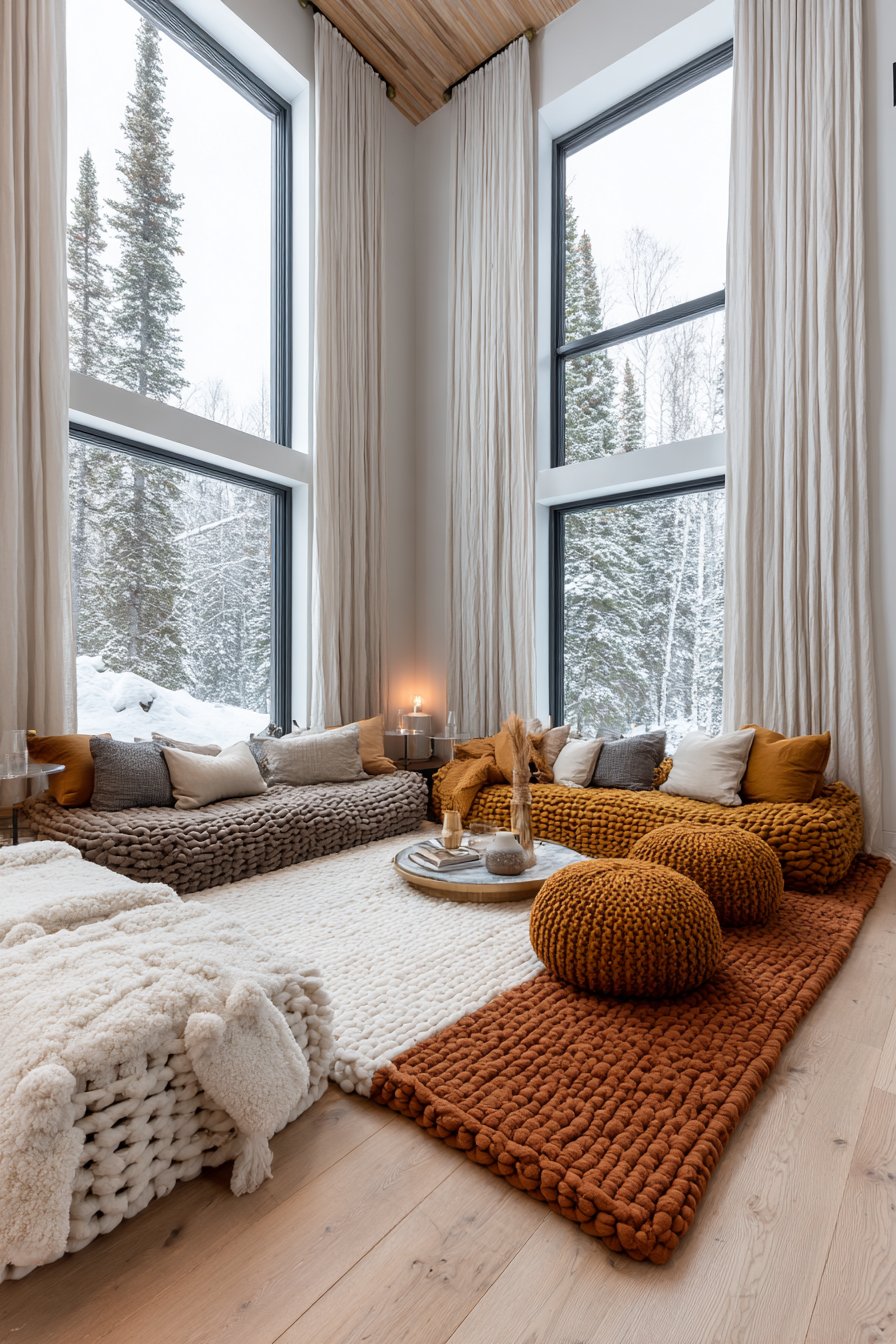
Temperature stratification occurs when heat rises into the unused upper volume during winter. Install ceiling fans to circulate air and push warmth back down. Consider a supplemental heating source at floor level rather than relying solely on central systems designed for standard ceiling heights.
- Layer multiple area rugs rather than leaving large floor areas bare
- Choose upholstered furniture over leather or hard surfaces when possible
- Install floor-to-ceiling drapery panels to soften walls and absorb sound
- Add throw pillows, blankets, and cushions generously throughout
- Install ceiling fans with reversible motors to circulate air seasonally
- Consider radiant floor heating or supplemental space heaters for winter comfort
6. Connect the Upper and Lower Volumes Visually
Many double volume spaces feel disconnected between the occupied lower level and empty upper space. Visual continuity between levels creates cohesion and makes the entire volume feel intentional. Design elements should bridge these areas thoughtfully.
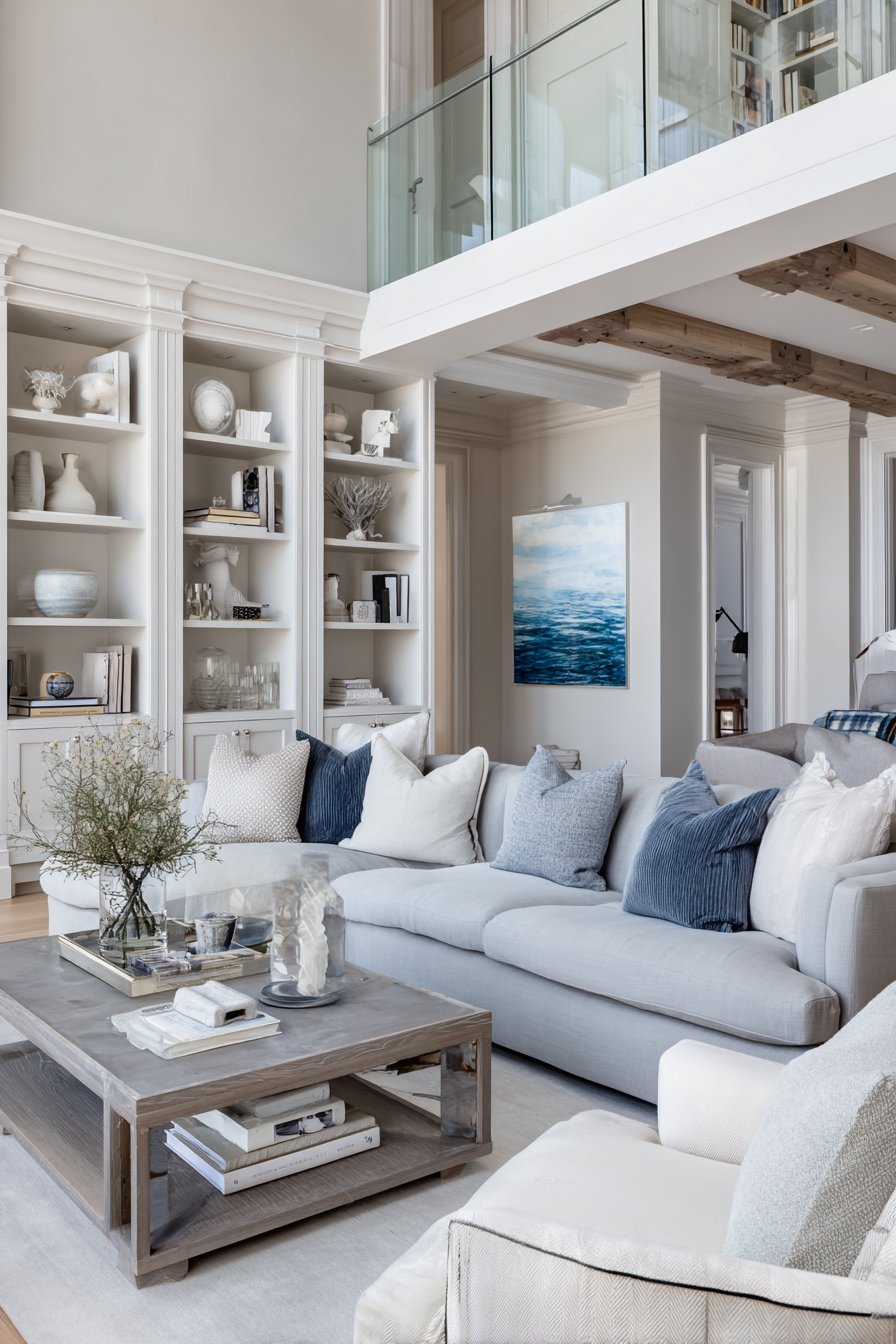
Use consistent materials and colors from floor to ceiling. If you have an upper-level balcony or walkway overlooking the living room, treat its railings and finishes as part of the overall design. Carry wall colors, trim details, and flooring choices throughout both levels to establish unity.
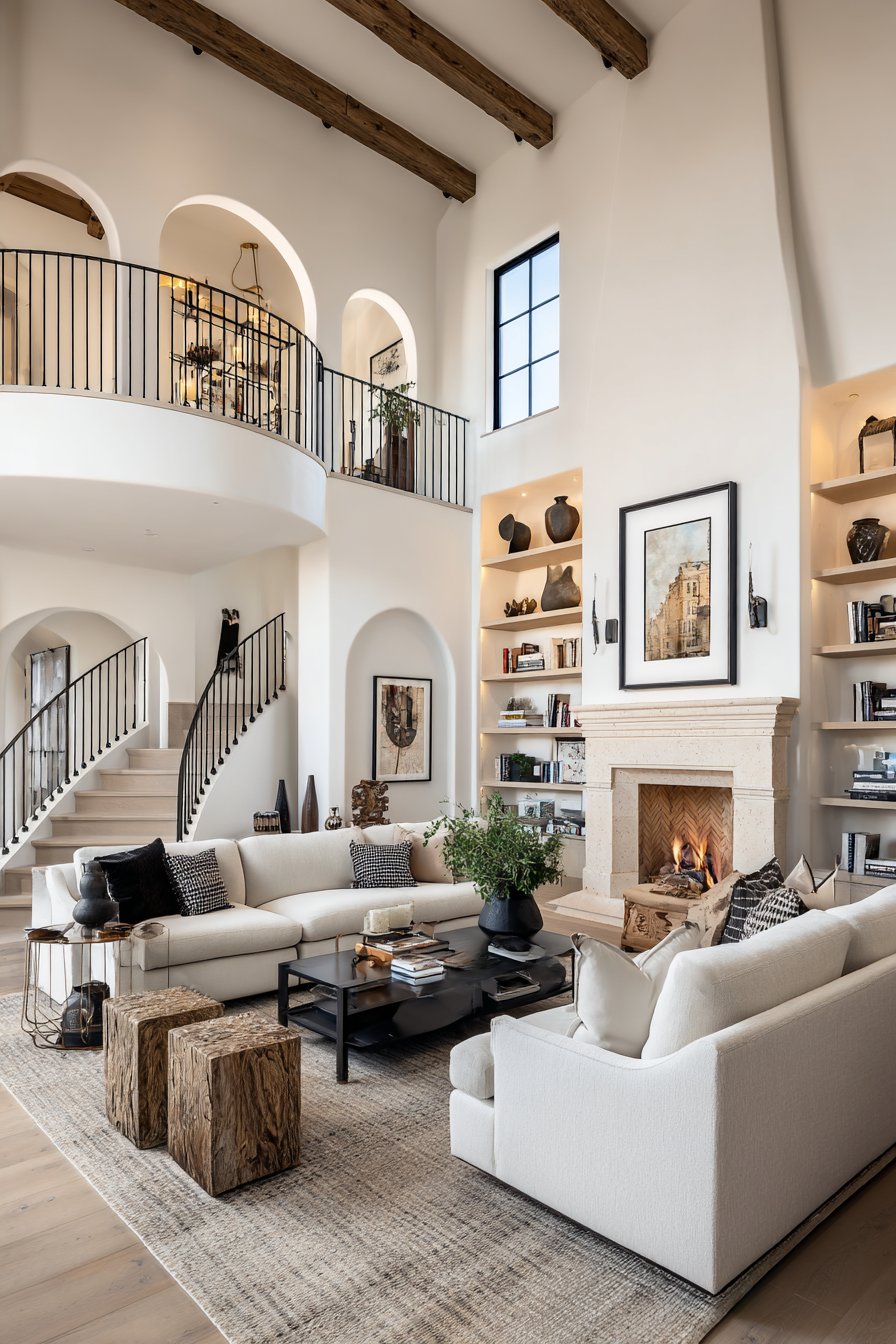
Add purpose to upper walls with built-in shelving, display niches, or windows that become design features. Upper-level windows bring natural light deep into the space while creating interesting architectural elements. Even purely decorative details like corbels, beams, or moldings help the upper volume feel finished rather than forgotten.
- Paint upper and lower walls in cohesive color palettes that flow together
- Install built-in bookcases or shelving that extends through both levels
- Add decorative beams or trusses to create architectural interest overhead
- Ensure upper-level railings and balusters complement lower-level design elements
- Place artwork or decorative objects on upper shelves to draw eyes upward
- Consider windows or skylights in the upper volume for natural light and visual interest
Conclusion
Designing a double volume living room requires thoughtful planning and bold choices that honor the space’s architectural drama. By creating distinct zones, scaling furniture appropriately, establishing vertical focal points, layering lighting, addressing acoustics, and connecting both levels visually, you transform challenging vertical space into spectacular living areas.
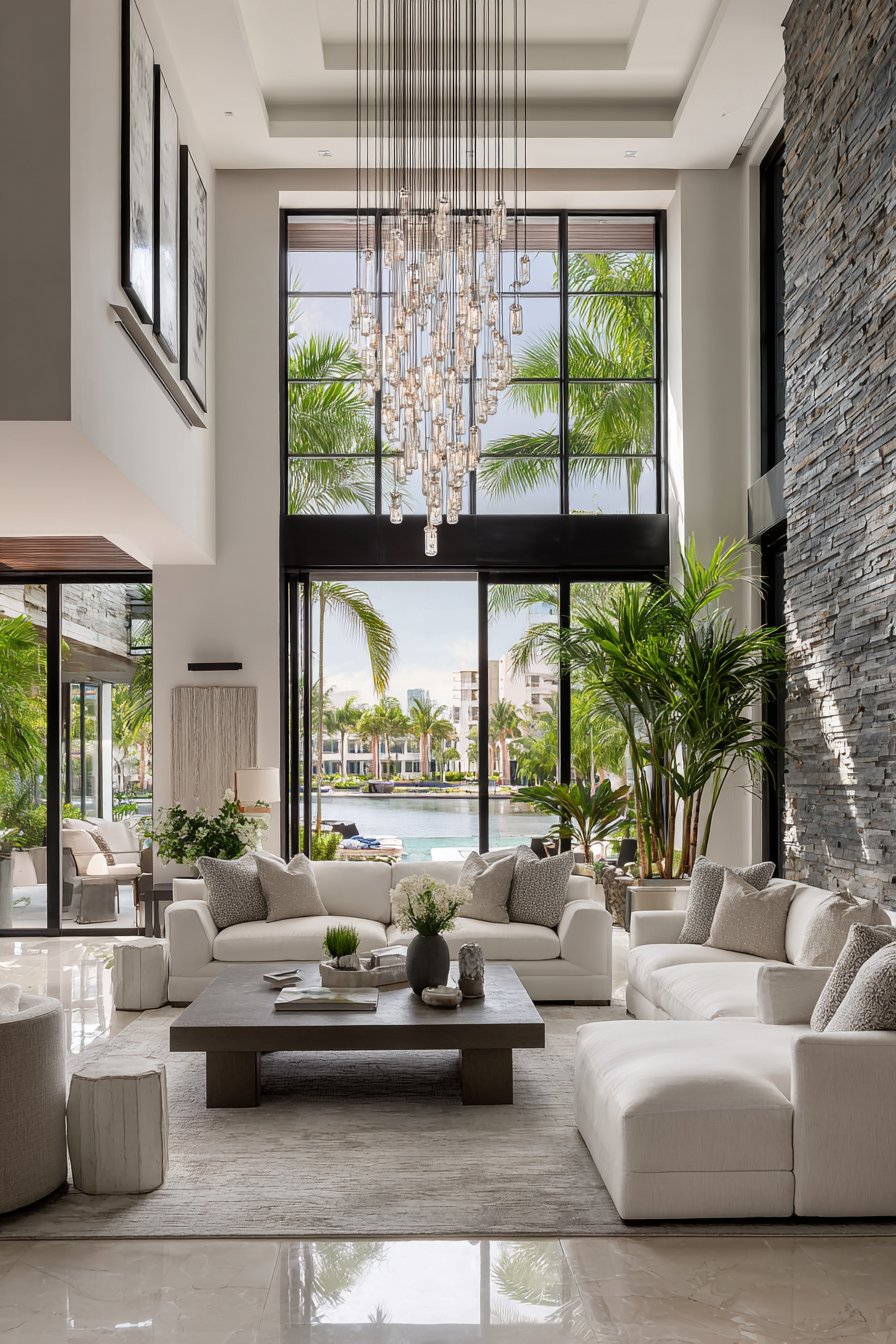
Don’t let the height intimidate you—embrace it as an opportunity to create something extraordinary. Experiment with these strategies in your own home, adapting them to your personal style and functional needs. A well-designed double volume living room becomes more than just impressive architecture—it becomes a comfortable, inspiring sanctuary that elevates everyday life while making a lasting impression on everyone who enters.
