


An earthy kitchen brings the warmth and tranquility of nature into the heart of your home. This design approach celebrates organic materials, natural textures, and a color palette inspired by the earth itself. Whether you’re working with a modest budget or planning a complete renovation, creating an earthy kitchen is surprisingly achievable and endlessly rewarding.
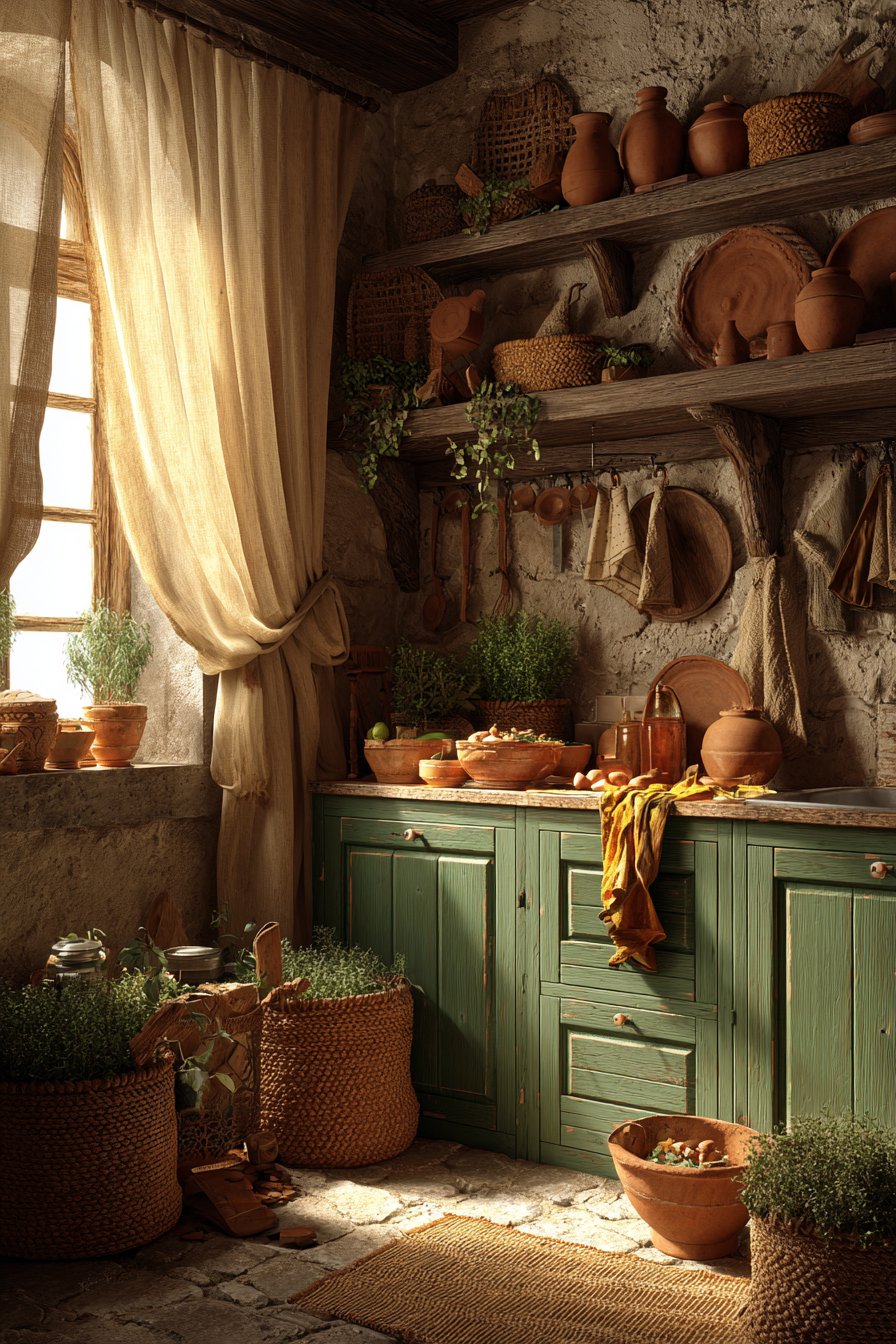
Thoughtful interior design transforms functional spaces into inspiring sanctuaries where cooking becomes a joy and gathering feels natural. An earthy aesthetic caters to those who value sustainable living, authenticity, and a connection to the natural world. This article explores practical strategies for incorporating earth-toned elements, natural materials, and organic textures into your kitchen, proving that budget constraints need not limit your design vision.
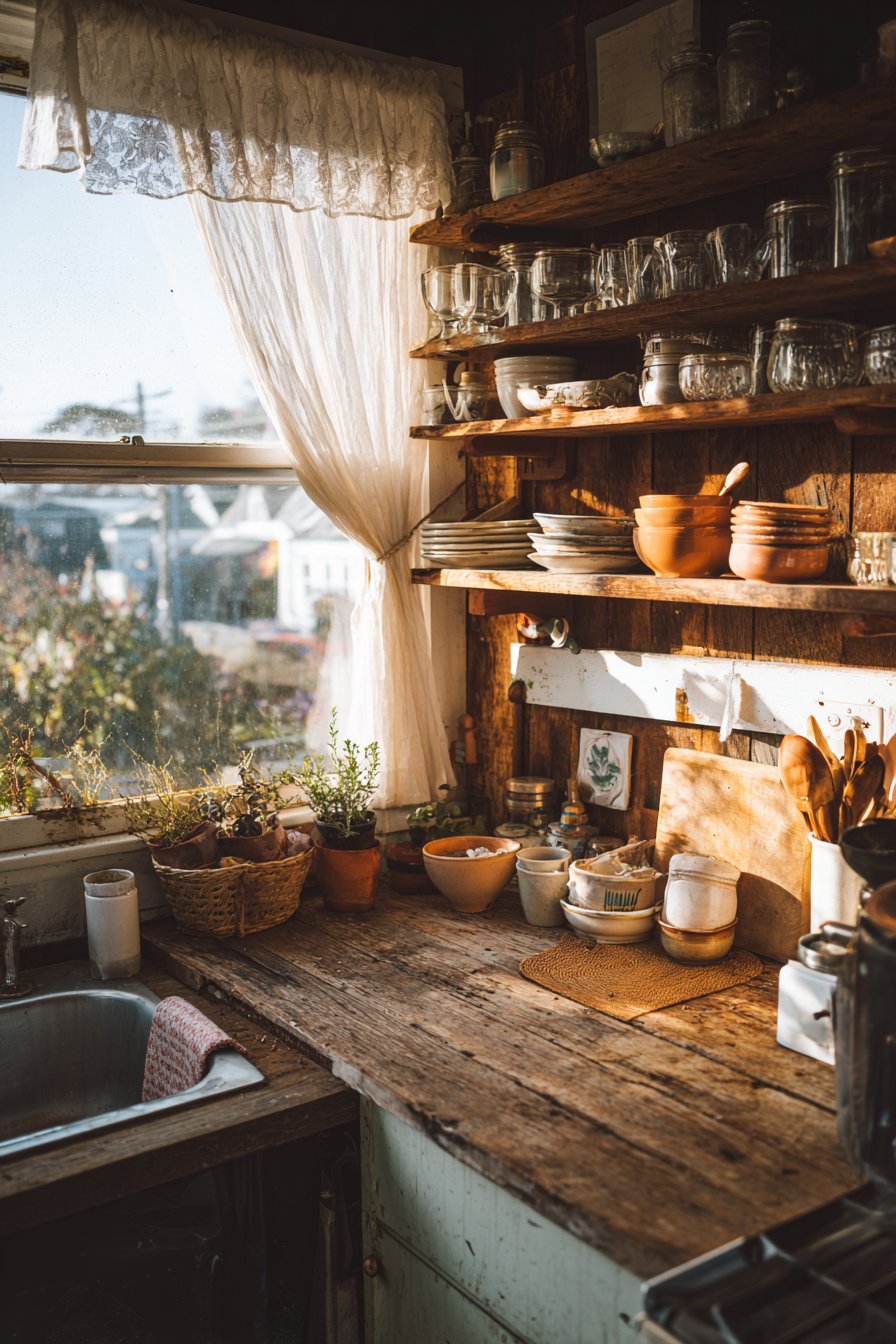
From simple accessory swaps to strategic material choices, these ideas offer something for every budget level. The beauty of earthy design lies in its emphasis on simplicity and authenticity rather than expensive finishes, making it one of the most accessible styles to achieve.
1. Embrace Natural Wood Elements
Wood forms the foundation of any earthy kitchen design. This versatile material brings warmth and character that synthetic alternatives simply cannot match. Whether you choose reclaimed barn wood or budget-friendly pine, wood introduces organic patterns and textures that anchor your space in nature.

Start by identifying opportunities to incorporate wood throughout your kitchen. Open shelving made from raw or lightly finished wood provides both function and visual interest. Consider wooden cutting boards displayed on countertops, wooden utensil holders, or even a simple wooden ladder for hanging towels and herbs.

Budget-conscious homeowners can explore salvage yards and reclaimed wood suppliers for affordable alternatives to new materials. Often, these sources offer unique pieces with rich patina and history at fraction of retail costs. Sand and seal these finds yourself to save even more while adding personal touches.
- Install floating wooden shelves instead of upper cabinets for an airy, natural look
- Display wooden bowls, cutting boards, and utensils as functional decor
- Add a wooden butcher block countertop section for warmth and functionality
- Use wood veneer contact paper on cabinet sides for a budget-friendly update
- Incorporate wooden bar stools or chairs with natural finish
- Source reclaimed wood from old pallets for DIY projects
2. Layer Earth-Toned Color Palettes
Color selection dramatically impacts the earthy atmosphere of your kitchen. Terracotta, sage green, warm beige, and soft clay tones create the foundation for this aesthetic. These hues mimic natural landscapes and create a calming environment that feels both grounded and inviting.

Paint represents one of the most cost-effective transformations available to any homeowner. Choose one or two earth tones for walls, then layer complementary shades through accessories and textiles. Terracotta backsplash tiles or a sage green accent wall can completely shift your kitchen’s energy without breaking the bank.
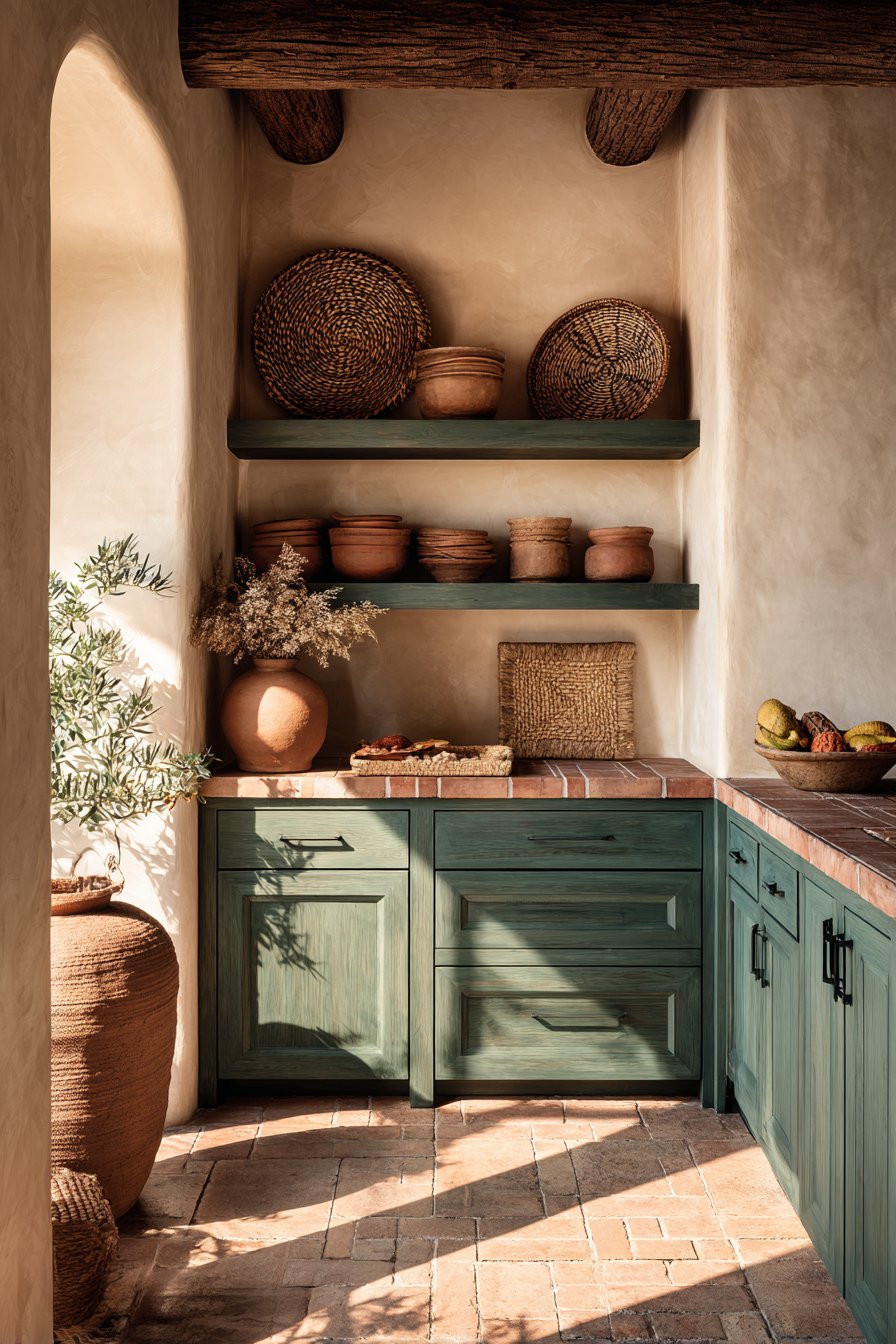
Don’t overlook the power of neutral foundations like cream, tan, or warm gray. These versatile bases allow you to experiment with bolder earth tones through easily changeable elements. This approach provides flexibility as your tastes evolve while maintaining the natural aesthetic.
- Paint cabinets in warm sage, clay, or creamy beige tones
- Add terracotta or rust-colored accents through pottery and textiles
- Choose matte finishes over glossy for a more organic appearance
- Use natural stone paint colors for walls and trim
- Layer multiple earth tones for depth and visual interest
- Test paint samples in different lighting before committing
3. Incorporate Natural Stone and Clay
Stone and clay materials connect your kitchen directly to earth’s raw beauty. These elements add texture, durability, and timeless appeal that synthetic materials struggle to replicate. From countertops to decorative accents, stone and clay offer numerous incorporation opportunities.

Budget-friendly options include terracotta planters for herbs, stone coasters, or clay pottery for utensil storage. If finances allow, consider soapstone or granite countertops, slate tile flooring, or a stone backsplash. Even small amounts of genuine stone create significant visual impact.
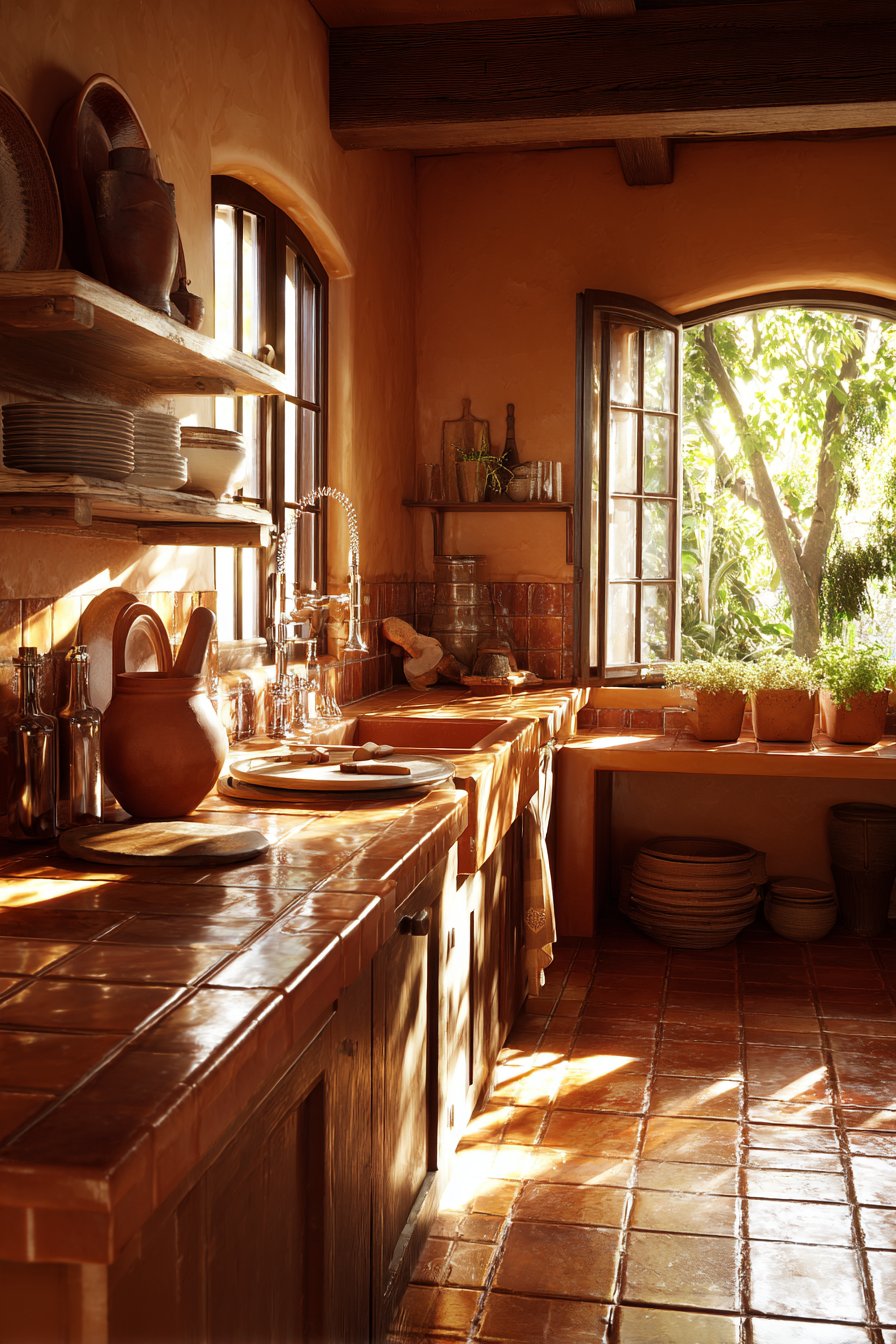
For those working with tighter budgets, stone-look alternatives have improved dramatically in recent years. Luxury vinyl tile with stone patterns, laminate countertops mimicking marble or granite, and porcelain tiles offer convincing natural appearances at accessible price points.
- Display terracotta pots with fresh herbs on windowsills
- Use natural stone trivets and serving boards
- Install affordable stone-look vinyl flooring in earthy tones
- Add a small section of genuine stone as a focal point
- Choose matte ceramic tiles over glossy for backsplashes
- Incorporate river rocks or pebbles in decorative arrangements
4. Maximize Natural Lighting and Greenery
Natural light amplifies the organic quality of earthy design elements. Sunlight streaming through windows highlights wood grain, warms terracotta tones, and makes greenery glow with life. Maximizing daylight should be a priority in any earthy kitchen transformation.

Remove heavy curtains or replace them with natural fiber options like linen or light cotton. Keep window treatments minimal to allow maximum light penetration. If privacy is necessary, consider bamboo blinds or woven shades that maintain the natural aesthetic while controlling visibility.

Plants serve as living decor that literally brings nature indoors. Herbs, pothos, spider plants, and succulents thrive in kitchen environments and require minimal investment. Group plants at varying heights on shelves, counters, and hanging planters to create a lush, organic atmosphere.
- Replace heavy drapes with sheer linen curtains or bamboo shades
- Add plants on every available surface for living decor
- Position herbs near the sink for easy watering access
- Use natural fiber pendant lights to complement daylight
- Clean windows regularly to maximize natural light penetration
- Choose reflective surfaces strategically to bounce light around
5. Select Organic Textiles and Natural Fibers
Textiles introduce softness and warmth essential to an inviting earthy kitchen. Natural fibers like cotton, linen, jute, and hemp align perfectly with the organic aesthetic while offering durability and easy maintenance. These materials age beautifully, developing character over time.

Start with kitchen linens in natural tones and textures. Choose linen dish towels, cotton pot holders, and jute placemats. These functional items serve double duty as decorative elements when displayed on hooks or draped over oven handles.

Area rugs anchor the space while providing comfort underfoot. Natural fiber rugs made from jute, sisal, or seagrass work beautifully in earthy kitchens. For budget-conscious shoppers, even a small runner in front of the sink adds significant warmth and texture.
- Replace synthetic dish towels with natural linen or cotton options
- Add a jute or sisal rug runner for texture and warmth
- Use linen or cotton curtains in neutral earth tones
- Display natural fiber baskets for stylish storage solutions
- Choose cotton or canvas chair cushions over synthetic materials
- Hang natural macramé plant holders for vertical interest
6. Curate Handmade and Artisanal Touches
Handmade elements inject soul and authenticity into earthy kitchen design. Mass-produced items lack the imperfections and character that make artisanal pieces special. Supporting local craftspeople while creating a unique space represents a win-win situation.
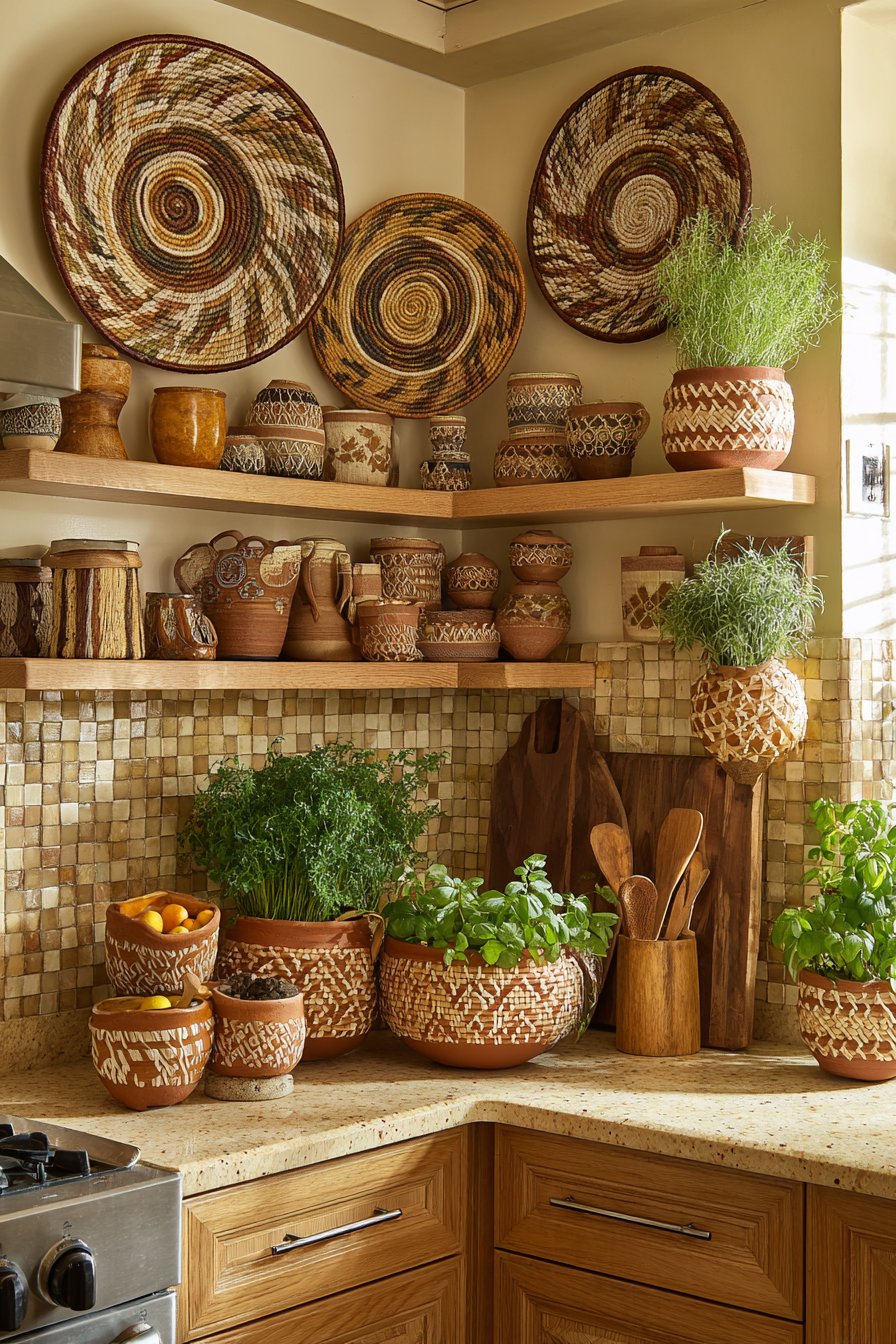
Visit farmers markets, craft fairs, and local artisan shops for one-of-a-kind pottery, wooden spoons, woven baskets, and handmade ceramics. These pieces tell stories and create conversation while elevating your kitchen’s aesthetic. Even one or two statement pieces make noticeable impact.

DIY projects offer another avenue for incorporating handmade elements affordably. Create your own macramé plant hangers, paint terracotta pots, or craft wooden shelves. These personal touches cost little but add immeasurable character and pride of ownership.
- Display handmade pottery and ceramics as functional art
- Use artisanal wooden cutting boards and serving pieces
- Hang handwoven baskets on walls for storage and decoration
- Support local craftspeople at markets and small shops
- Create DIY projects like painted pots or macramé hangers
- Mix vintage finds with new pieces for collected-over-time appeal
Conclusion
Creating an earthy kitchen on any budget is entirely achievable with thoughtful planning and strategic choices. By focusing on natural materials, earth-toned colors, and organic textures, you can transform your space into a warm, grounding sanctuary. Remember that authenticity matters more than perfection, and even small changes create significant impact.
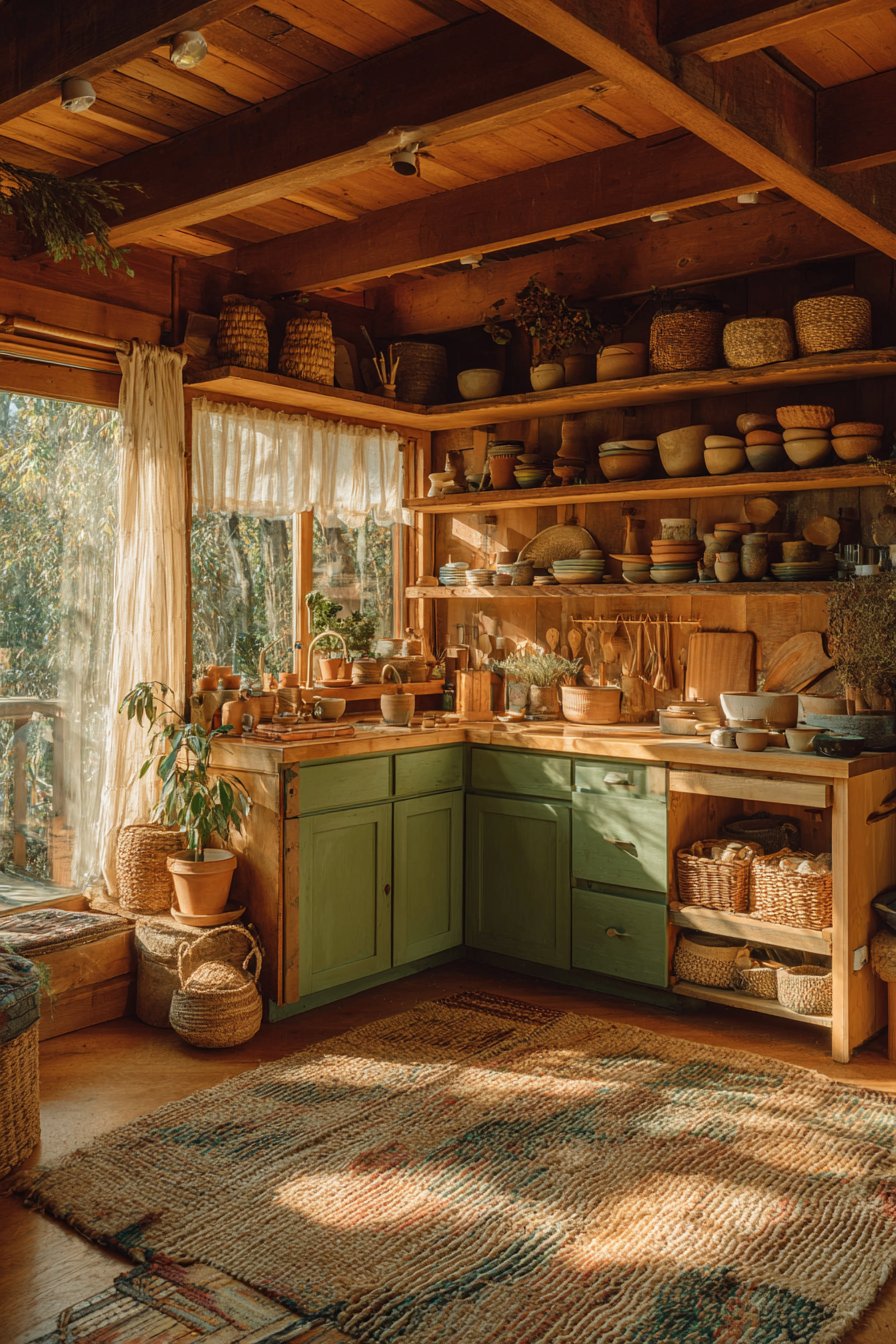
Start with what you can afford today, whether that’s a fresh coat of sage paint or a collection of terracotta herb pots. Build your earthy kitchen gradually, adding layers of natural elements as your budget allows. The result will be a deeply personal space that nourishes both body and soul, proving that beautiful, nature-inspired design is accessible to everyone.
