


The kitchen stands as the heart of every home, where functionality meets aesthetics in perfect harmony. Choosing the right finish for your kitchen surfaces can dramatically transform the space’s appearance and usability. Glossy finishes have surged in popularity among homeowners seeking a modern, sophisticated look that reflects light beautifully and creates an illusion of spaciousness.

However, installing a glossy kitchen finish isn’t a decision to rush into without proper research. This high-shine surface treatment requires careful consideration of maintenance demands, lifestyle compatibility, and long-term durability. Understanding the pros and cons of glossy finishes will help you make an informed decision that aligns with your design vision and practical needs.

This comprehensive guide explores everything you need to know before committing to a glossy kitchen finish. We’ll examine crucial factors from lighting considerations to cleaning requirements, ensuring your kitchen remains both stunning and functional for years to come.
1. Understanding Light Reflection and Room Impact
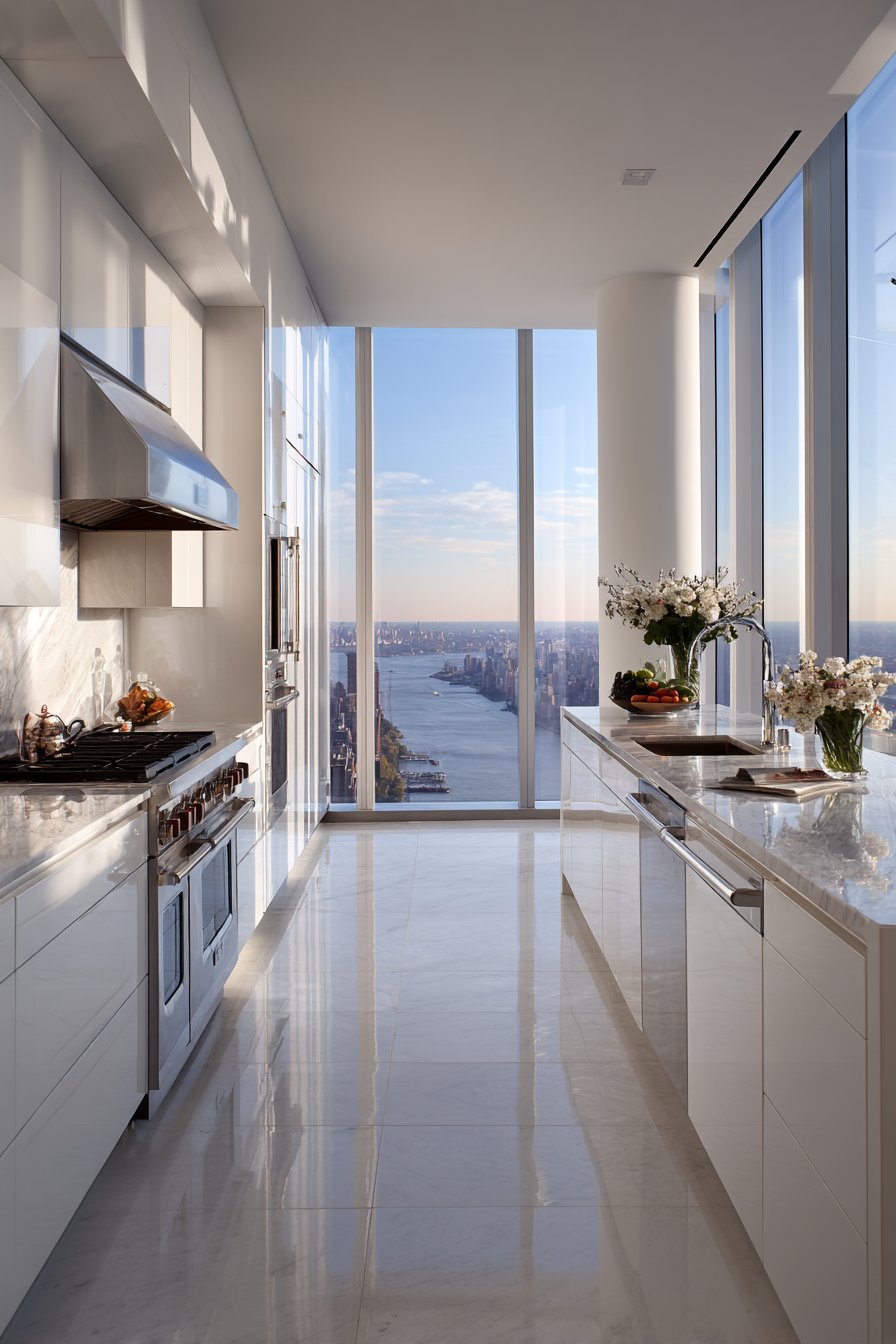
Glossy finishes are renowned for their ability to bounce light around a room, creating brightness and visual spaciousness. The reflective properties of these surfaces can make small kitchens feel significantly larger and darker spaces appear more inviting. This makes glossy finishes particularly valuable in urban apartments or homes with limited natural lighting.
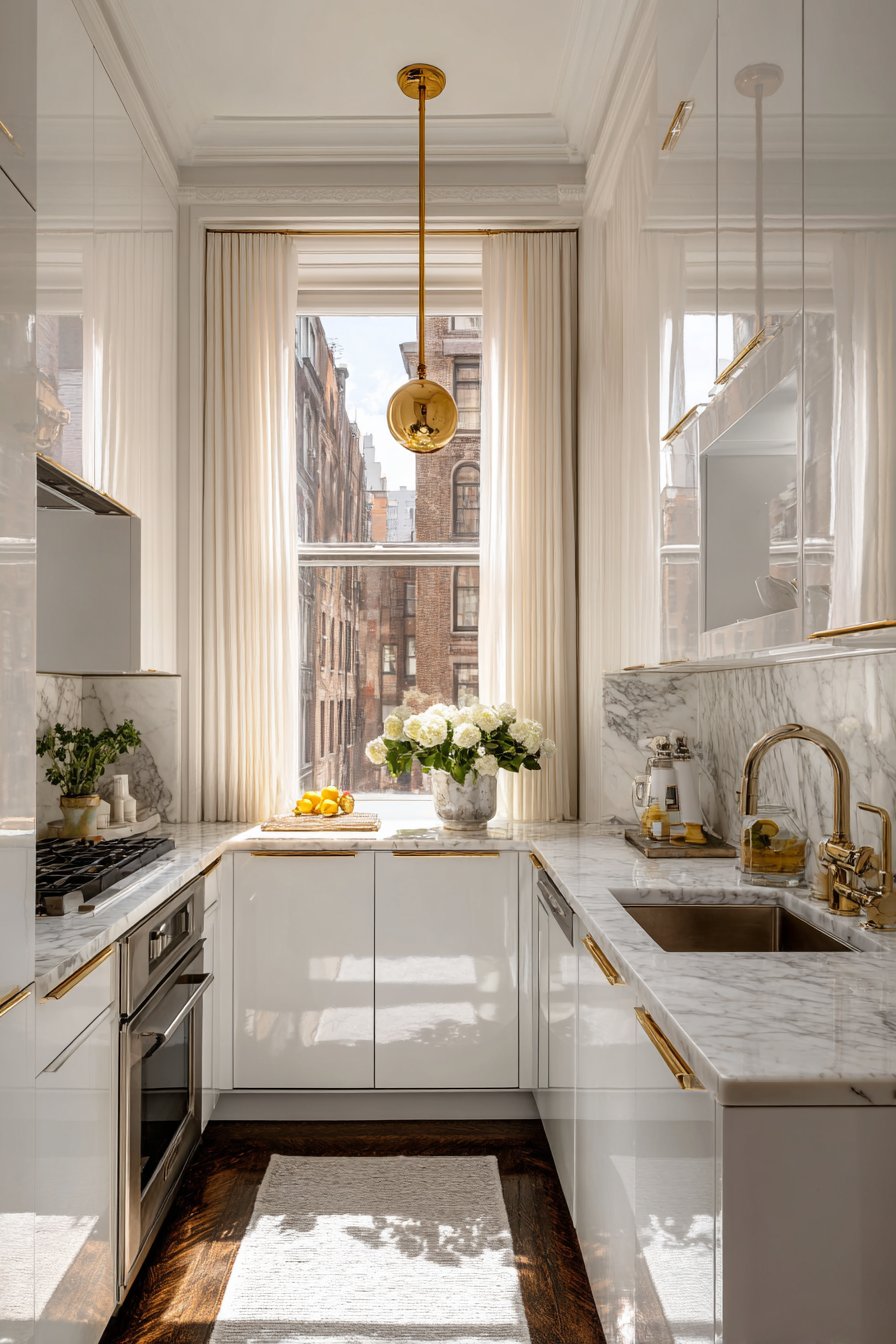
However, excessive light reflection can become problematic in certain situations. Kitchens with abundant natural light may experience uncomfortable glare during peak sunlight hours. The mirror-like surface amplifies both natural and artificial lighting, which can strain eyes during food preparation tasks. Strategic placement of glossy elements becomes essential for balancing aesthetic appeal with practical comfort.
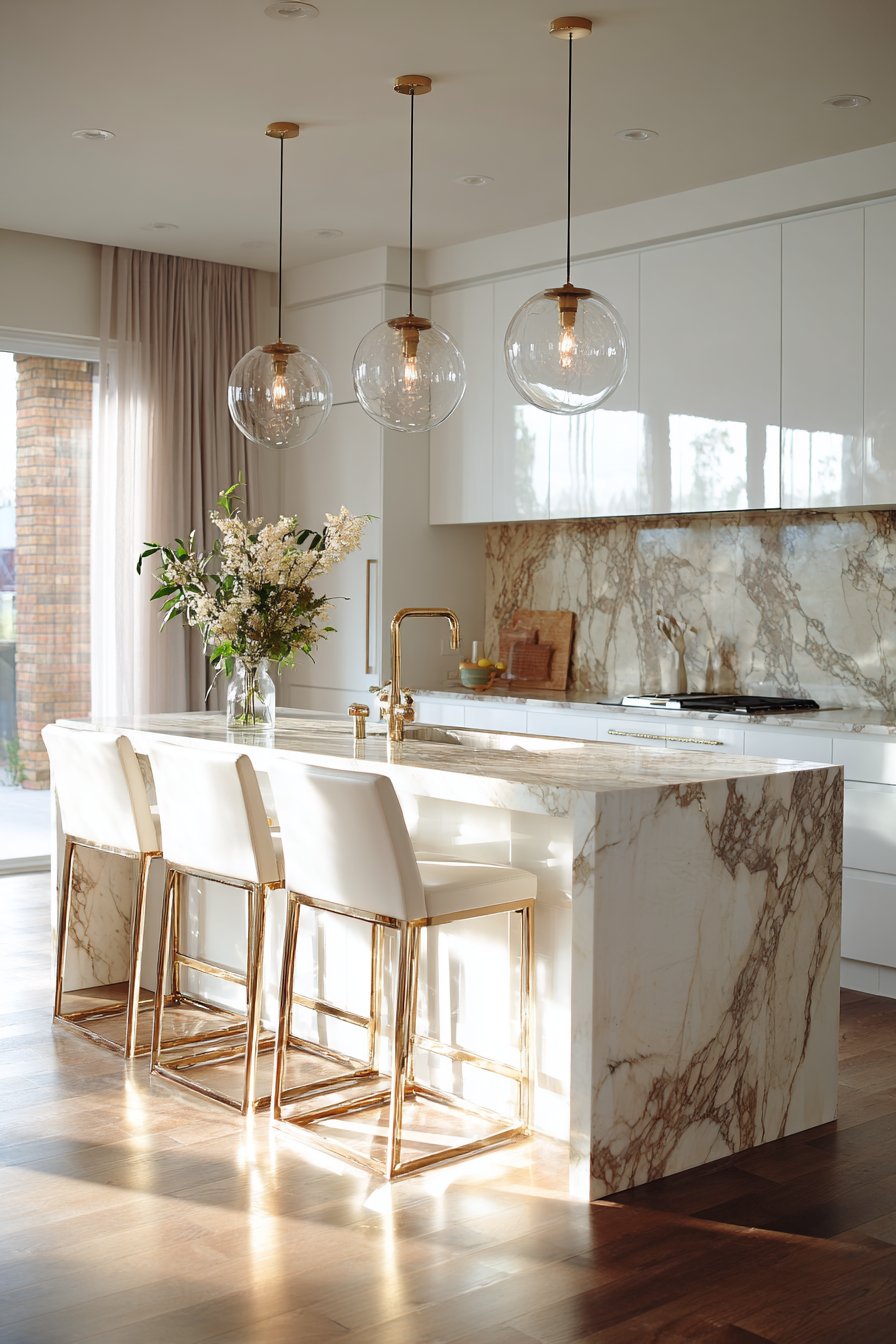
Consider your kitchen’s orientation and window placement before proceeding with installation. South-facing kitchens receive intense, direct sunlight that may create excessive glare on glossy surfaces. Testing sample finishes at different times of day provides valuable insight into how light behaves in your specific space.
- Position glossy cabinets away from direct window lines to minimize harsh reflections
- Combine matte and glossy finishes for balanced visual interest without overwhelming shine
- Install adjustable lighting systems to control brightness levels throughout the day
- Consider semi-gloss alternatives in rooms with floor-to-ceiling windows
- Use window treatments strategically to diffuse strong sunlight during peak hours
- Test large samples in your actual kitchen space before final commitment
2. Maintenance Requirements and Cleaning Realities
The stunning appearance of glossy kitchen finishes comes with demanding maintenance responsibilities that many homeowners underestimate. Every fingerprint, water spot, and cooking splatter becomes highly visible on reflective surfaces. Daily cleaning becomes necessary rather than optional, requiring specific products and techniques to maintain that showroom shine.
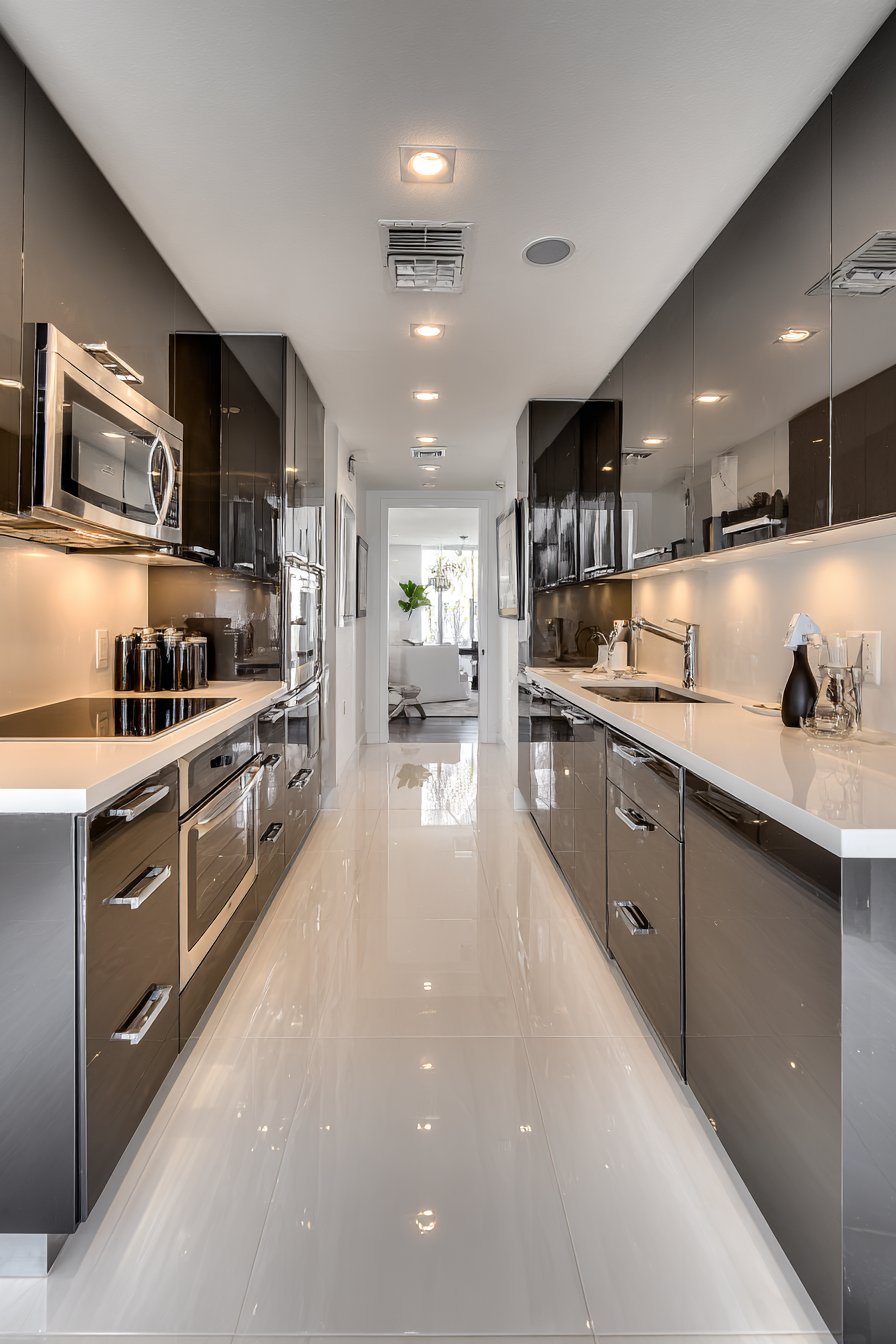
Streak-free cleaning requires microfiber cloths and specialized cleaning solutions formulated for high-gloss surfaces. Regular household cleaners often leave residue or streaks that diminish the finish’s reflective quality. The cleaning process itself takes considerably more time compared to matte or satin finishes, as multiple passes may be necessary to achieve perfect clarity.
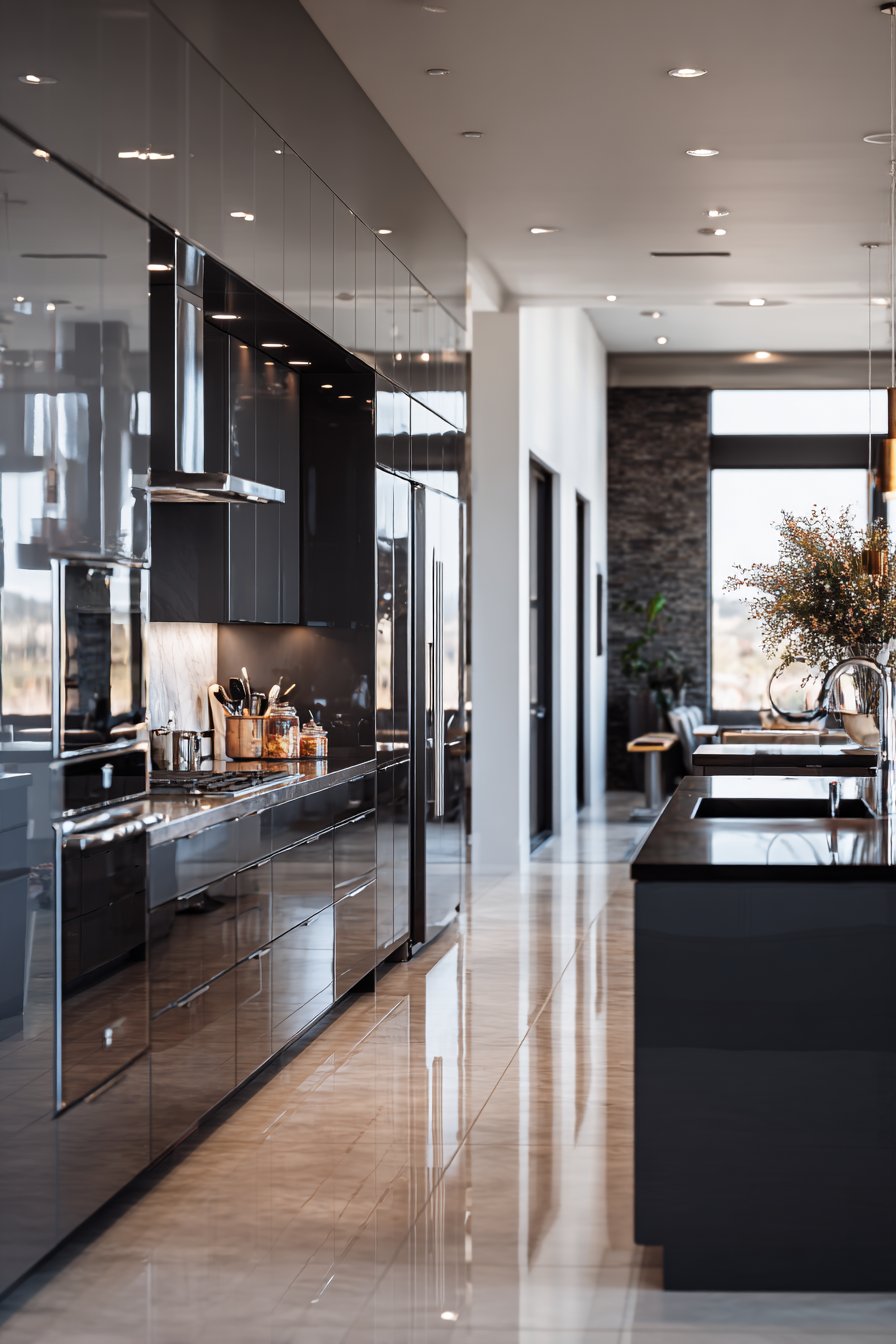
Hard water areas present additional challenges for glossy kitchen maintenance. Mineral deposits from water droplets dry into visible spots that require immediate attention. Families with young children or high kitchen traffic should carefully evaluate whether the increased cleaning commitment aligns with their lifestyle before installation.
- Invest in quality microfiber cloths specifically designed for glass and glossy surfaces
- Purchase pH-neutral cleaners to avoid damaging the protective coating over time
- Wipe surfaces immediately after cooking to prevent grease buildup and staining
- Establish daily cleaning routines rather than waiting for visible dirt accumulation
- Keep cleaning supplies readily accessible in kitchen for quick touch-ups throughout day
- Consider professional coating treatments that enhance stain resistance and ease cleaning
3. Durability Concerns and Scratch Visibility
While modern glossy finishes offer improved durability compared to older formulations, scratch resistance remains a legitimate concern for high-traffic kitchens. Minor scratches and abrasions that would barely register on matte surfaces become glaringly obvious on glossy finishes. The reflective nature of the surface amplifies imperfections, making damage more noticeable over time.
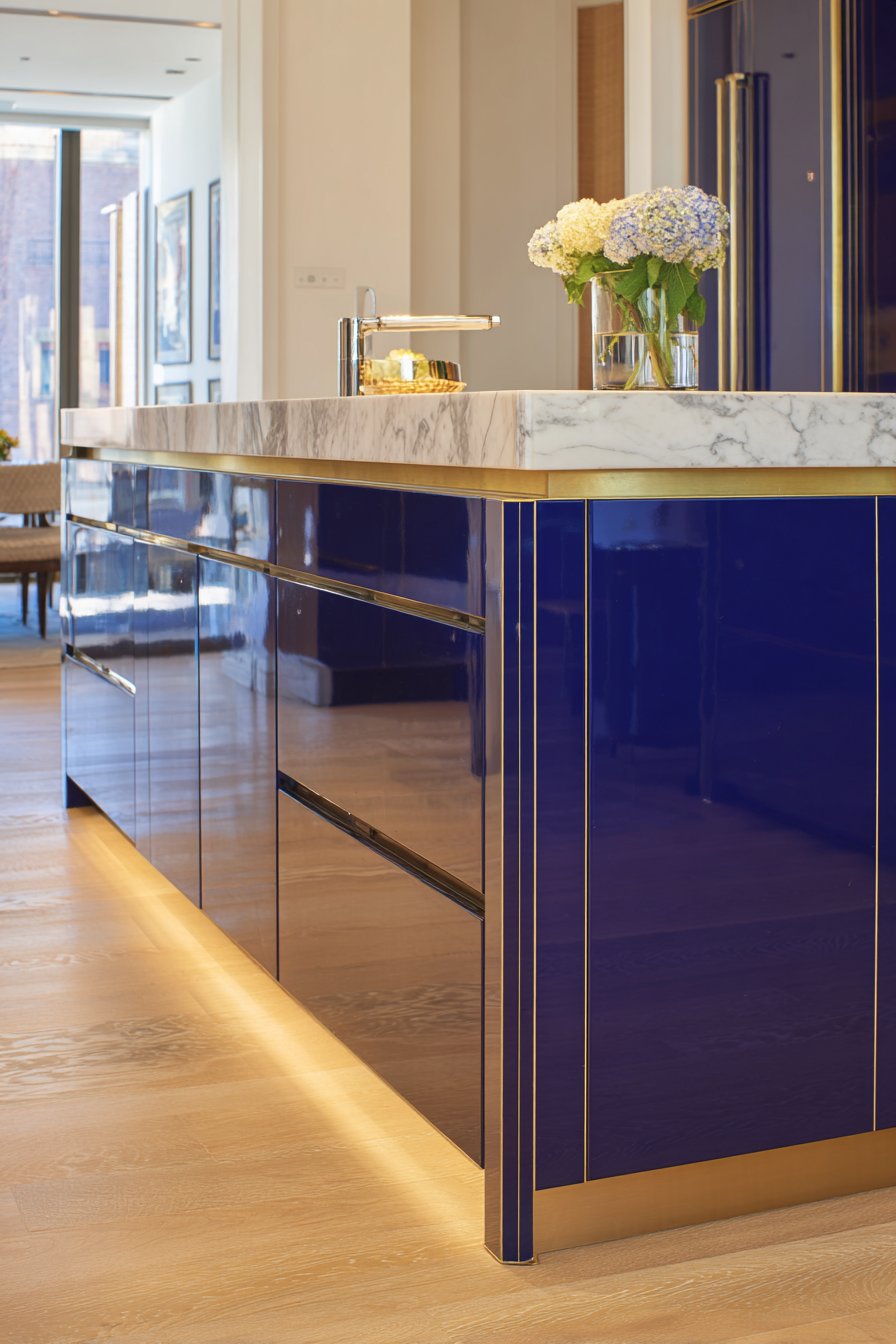
Kitchen environments subject surfaces to constant contact with utensils, cookware, and cleaning tools. Impact resistance varies significantly between different glossy finish materials, from acrylic to lacquered wood to high-gloss laminates. Understanding your chosen material’s specific vulnerabilities helps set realistic expectations for long-term appearance and maintenance needs.
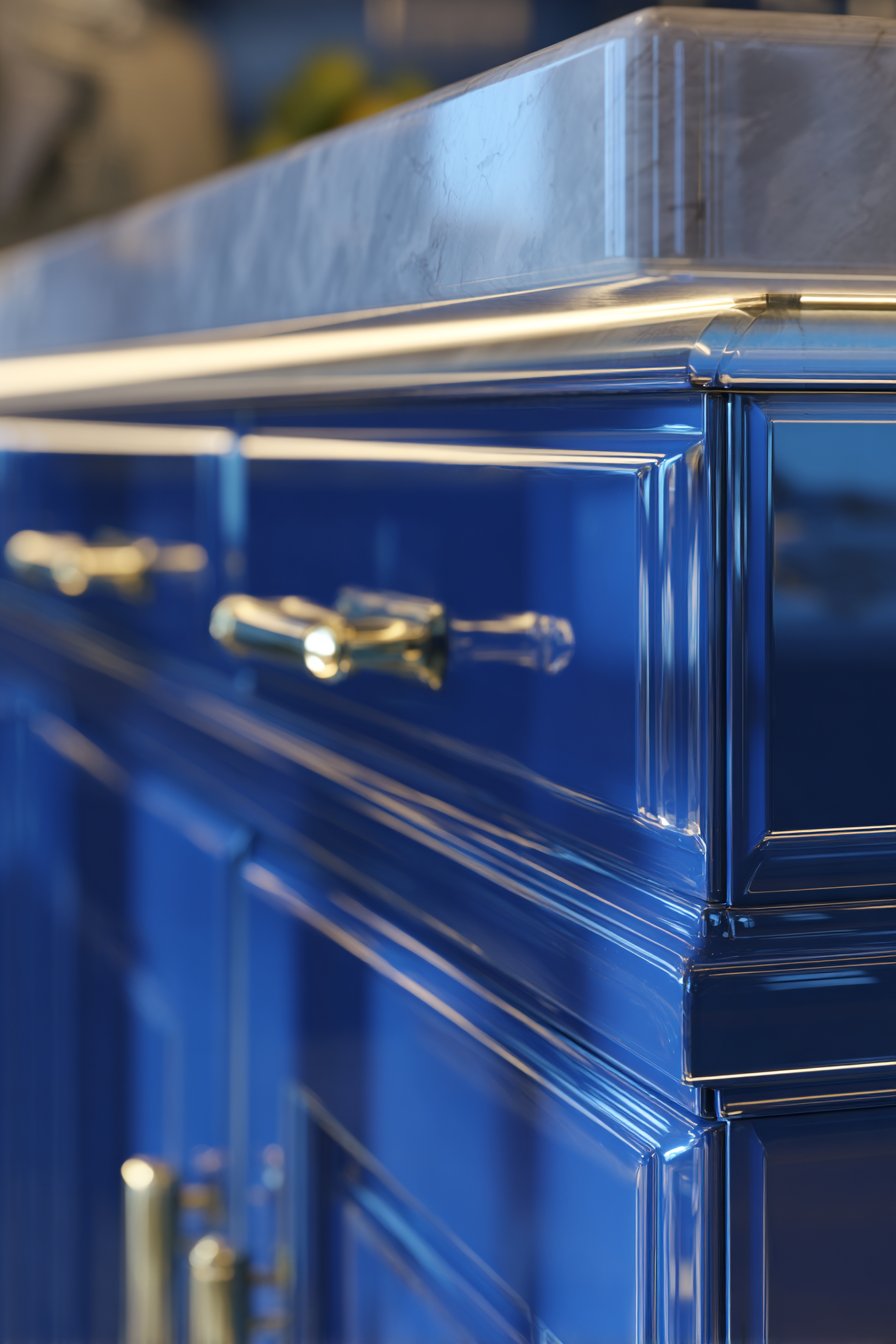
The resale value consideration shouldn’t be overlooked when selecting kitchen finishes. While glossy surfaces appeal to contemporary design enthusiasts, they may not suit every buyer’s taste. Scratched or worn glossy finishes can make a kitchen appear dated or poorly maintained, potentially affecting property value.
- Choose high-quality materials with enhanced scratch-resistant coatings when possible
- Avoid abrasive cleaning tools like steel wool or rough sponges on glossy surfaces
- Install protective mats or strips in high-contact areas near cooking zones
- Handle cabinet doors and drawers gently to prevent impact damage at corners
- Address minor scratches promptly with manufacturer-recommended repair products before they worsen
- Request warranty information covering finish degradation from normal use conditions
4. Color Selection and Visual Weight
Glossy finishes intensify color perception, making hues appear more saturated and vibrant than their matte counterparts. Dark glossy surfaces create dramatic, sophisticated aesthetics but can overwhelm smaller kitchens or spaces with limited lighting. The reflective quality amplifies the color’s visual weight, making careful selection crucial for achieving desired ambiance.
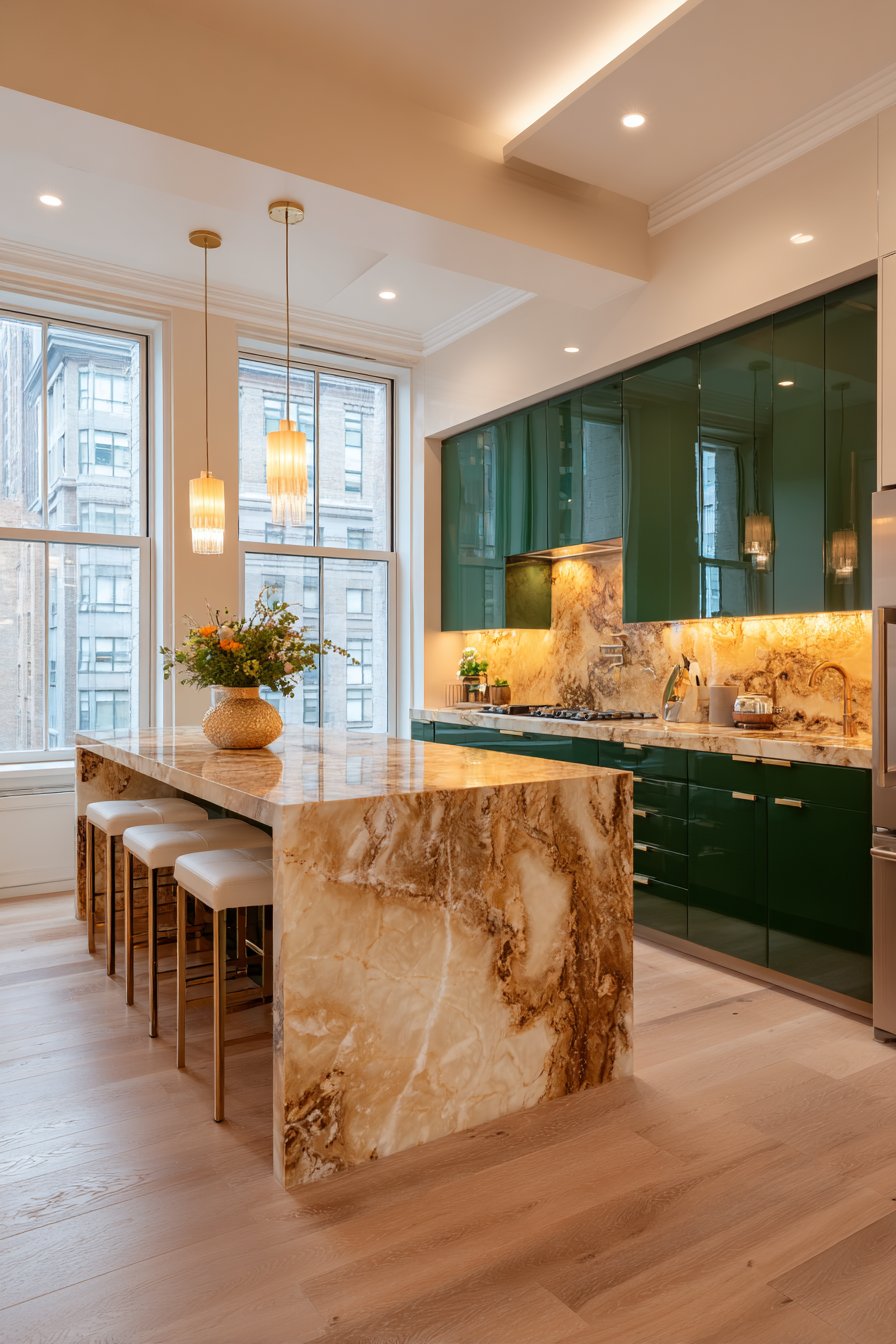
Light-colored glossy finishes offer versatility and timeless appeal while maintaining brightness throughout the space. White high-gloss cabinets remain perennially popular for their ability to maximize light reflection without color distortion. However, lighter shades may show dirt, dust, and imperfections more readily than medium-toned alternatives.
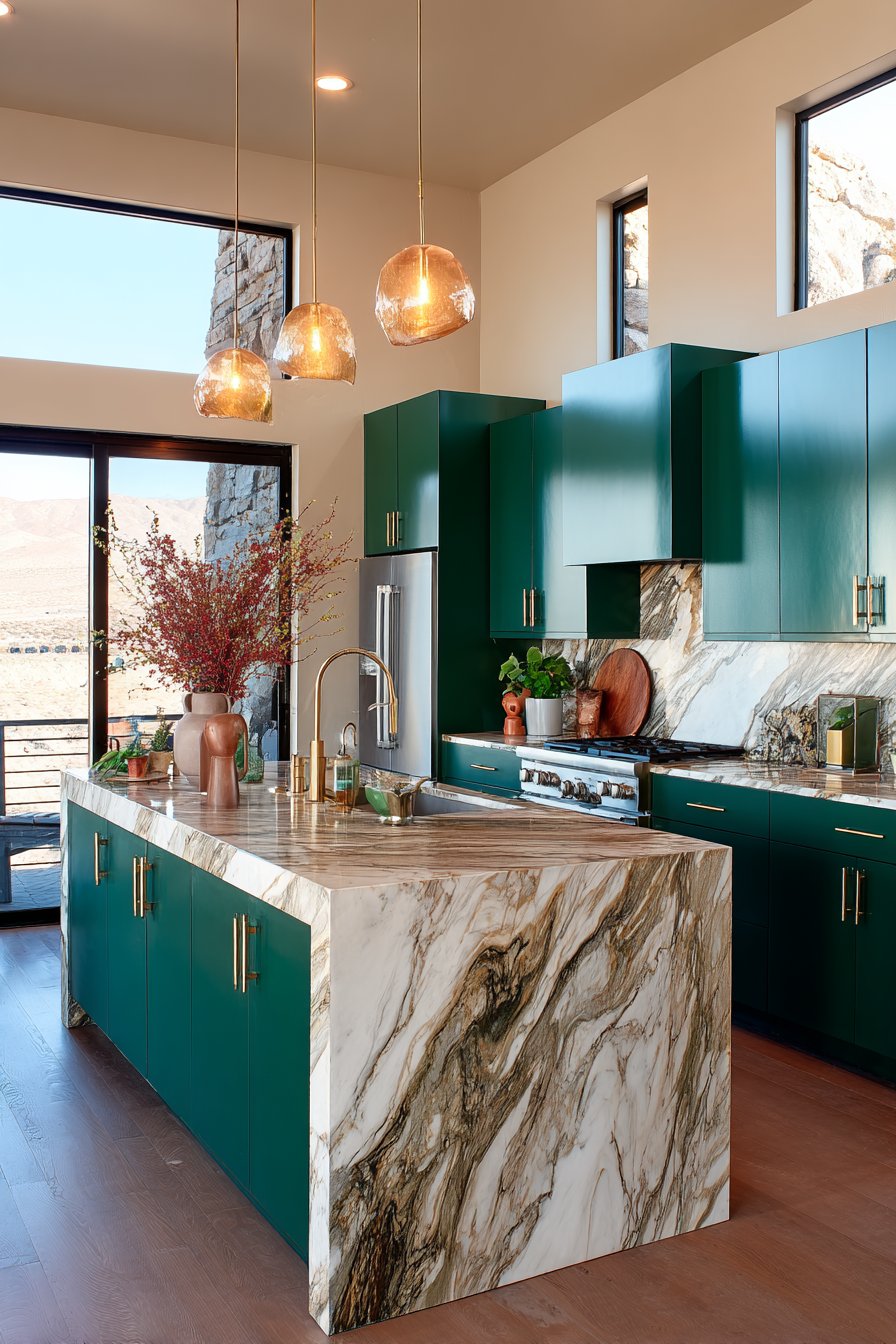
Consider how your chosen glossy finish color interacts with existing kitchen elements like countertops, backsplashes, and flooring. The color coordination becomes more critical with reflective surfaces, as they mirror surrounding materials and create visual connections throughout the space.
- Test color samples in actual kitchen lighting conditions before making final selections
- Consider neutral glossy tones for long-term versatility and broader appeal
- Balance bold glossy colors with neutral matte surfaces to prevent visual overwhelm
- Account for how glossy surfaces reflect adjacent colors and materials
- Choose colors that complement both natural daylight and artificial evening lighting
- Remember that darker glossy finishes show water spots more prominently than lighter shades
5. Cost Considerations and Installation Complexity
Premium pricing typically accompanies high-quality glossy kitchen finishes compared to standard matte alternatives. The manufacturing processes required to achieve flawless reflective surfaces demand specialized equipment and materials. Budget expectations should account for both material costs and potentially higher installation fees from experienced professionals.
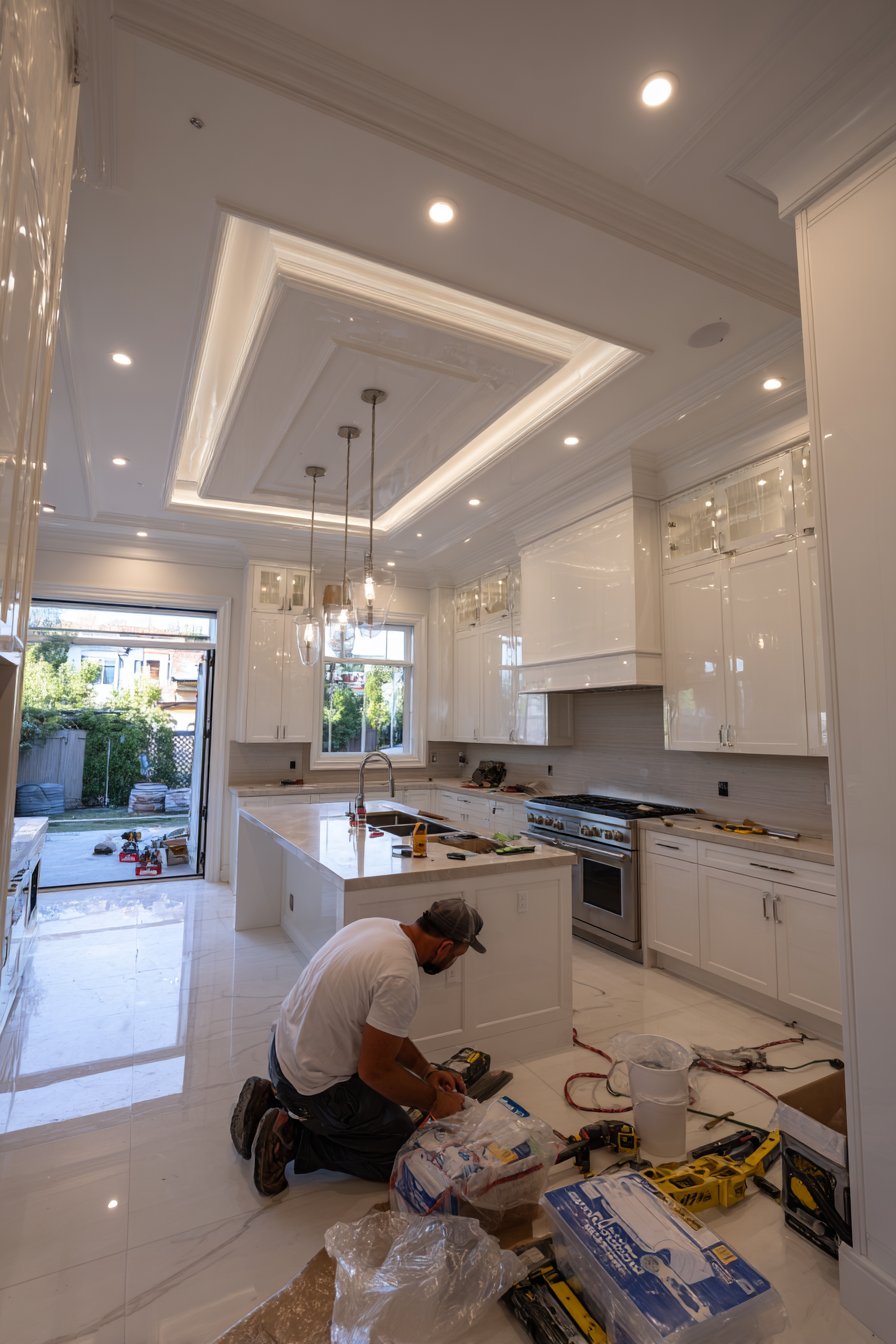
Installation precision becomes critical with glossy finishes, as imperfections in alignment or surface preparation become magnified by the reflective surface. DIY installation proves significantly more challenging, often requiring professional expertise to achieve seamless results. Uneven surfaces, visible seams, or installation errors stand out prominently on glossy finishes.
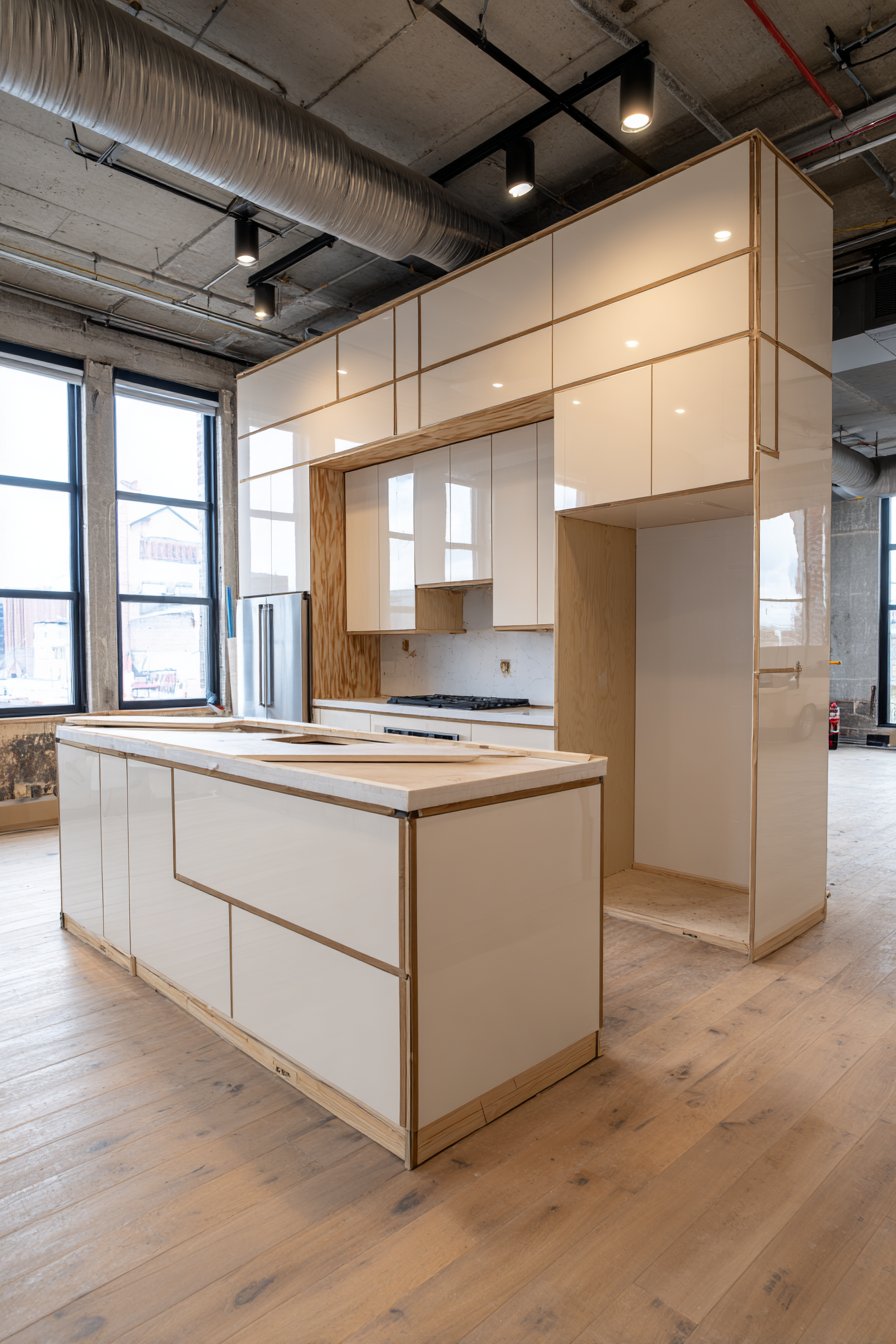
Long-term cost analysis should include maintenance expenses like specialized cleaning products and potential refinishing needs. Replacement costs for damaged glossy components may exceed those for matte alternatives due to the specialized materials and finishing processes involved.
- Obtain multiple professional quotes comparing glossy versus alternative finish options
- Factor ongoing maintenance product costs into total ownership expense calculations
- Verify installer credentials and experience specifically with glossy finish materials
- Request detailed warranties covering both materials and workmanship for protection
- Consider phased installation approaches to spread costs across multiple budget periods
- Evaluate whether glossy finish investment aligns with planned home occupancy duration
6. Lifestyle Compatibility and Practical Assessment
The decision to install glossy kitchen finishes should align closely with your household’s daily lifestyle patterns and cooking habits. Avid cooks who regularly prepare elaborate meals may find the constant cleaning requirements impractical. Conversely, minimal cooks or those who prioritize aesthetic appeal over heavy functionality might appreciate the visual impact despite maintenance demands.
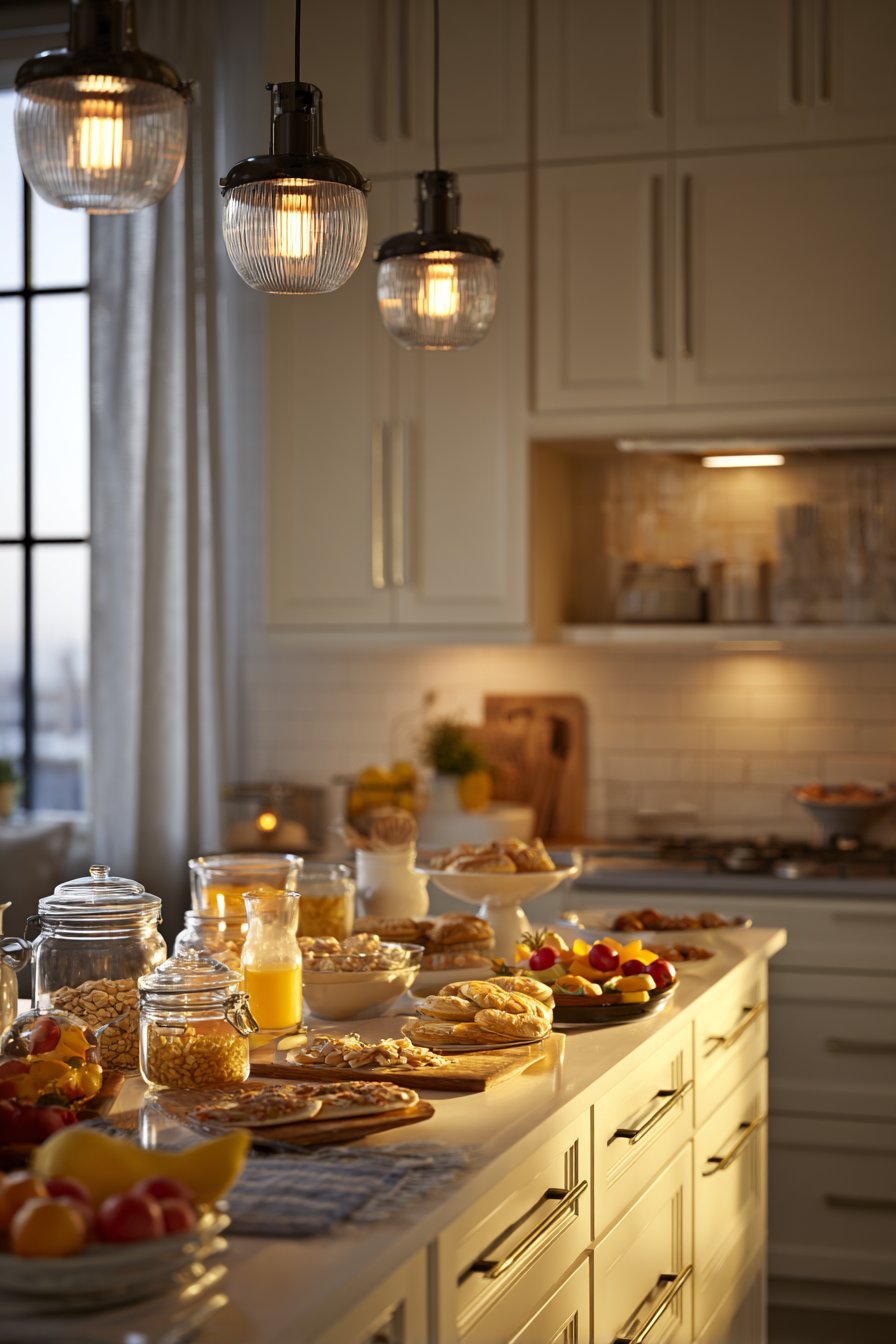
Household composition significantly influences glossy finish suitability. Homes with young children or pets face increased cleaning challenges from fingerprints, smudges, and accidental impacts. Honest assessment of your family’s habits and tolerance for visible imperfections prevents future frustration and regret.
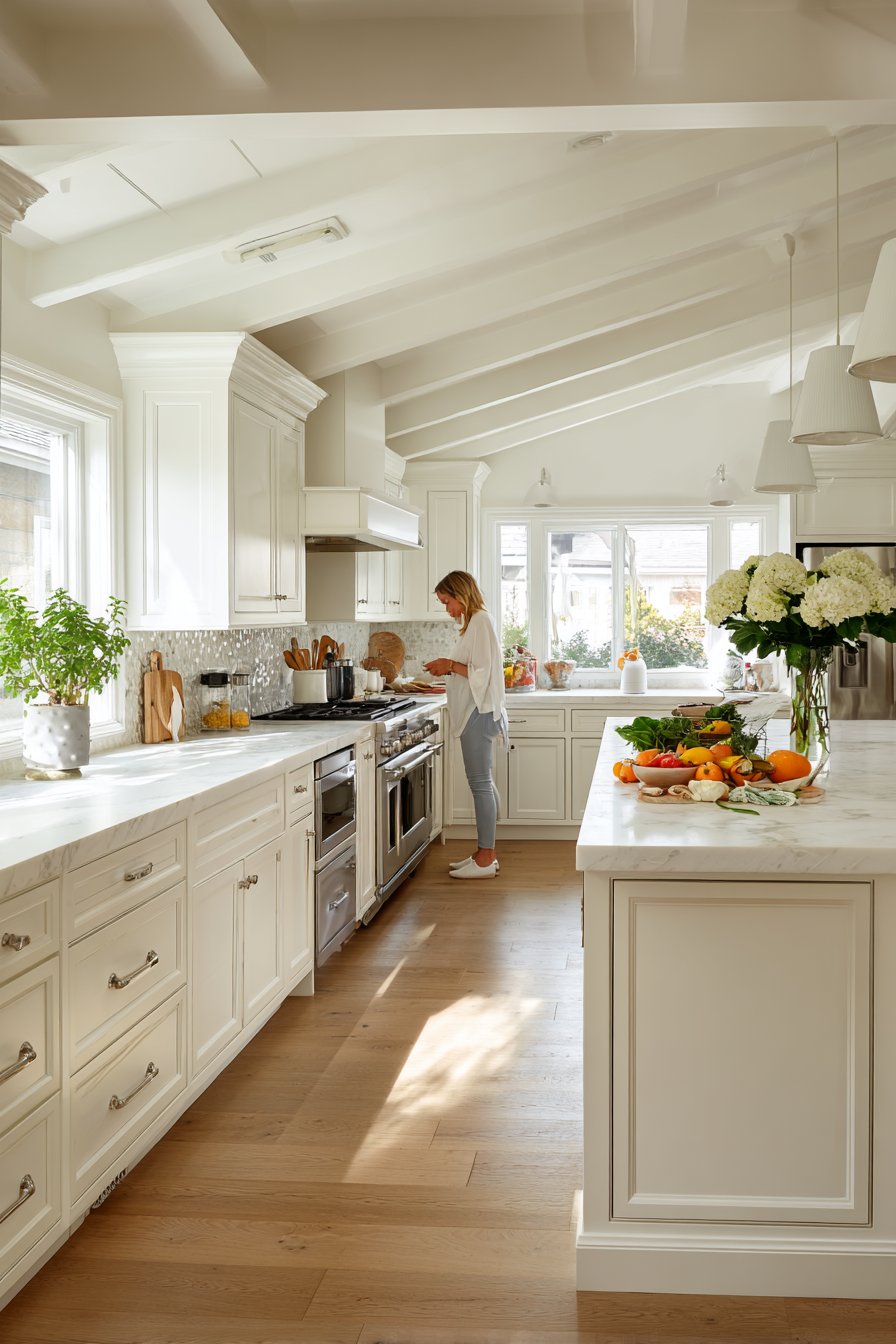
Personal style preferences evolve over time, and glossy finishes make strong design statements. Consider whether this bold choice aligns with your long-term aesthetic vision or if more versatile finishes might serve you better through changing trends and personal tastes.
- Evaluate honestly how much time you can dedicate to daily kitchen maintenance
- Consider your cooking frequency and typical meal preparation intensity levels
- Assess whether household members will respect special care requirements for surfaces
- Think about entertaining habits and how guests interact with kitchen spaces
- Determine if visual perfection or practical functionality takes priority in your home
- Plan for lifestyle changes like growing families that might affect finish suitability
Conclusion
Installing a glossy kitchen finish represents a significant design commitment that extends beyond mere aesthetics. The mirror-like surfaces undeniably create stunning visual impact, enhancing light distribution and modern sophistication. However, success with glossy finishes requires realistic expectations about maintenance demands, durability considerations, and lifestyle compatibility.
Armed with comprehensive knowledge about light reflection, cleaning requirements, scratch visibility, color selection, costs, and lifestyle factors, you can make an informed decision. Whether glossy finishes suit your kitchen depends entirely on your willingness to maintain them properly and your household’s specific needs. Consider all factors carefully, test samples thoroughly, and choose finishes that will bring both beauty and practicality to your kitchen for years to come.
