


Japandi design has taken the interior design world by storm. It is a harmonious fusion of two of the world’s most beloved aesthetic philosophies. At its core, Japandi brings together the minimalist beauty of Japanese design and the cozy functionality of Scandinavian interiors. The result is a space that feels both serene and purposeful, stripped of excess yet full of warmth and meaning.
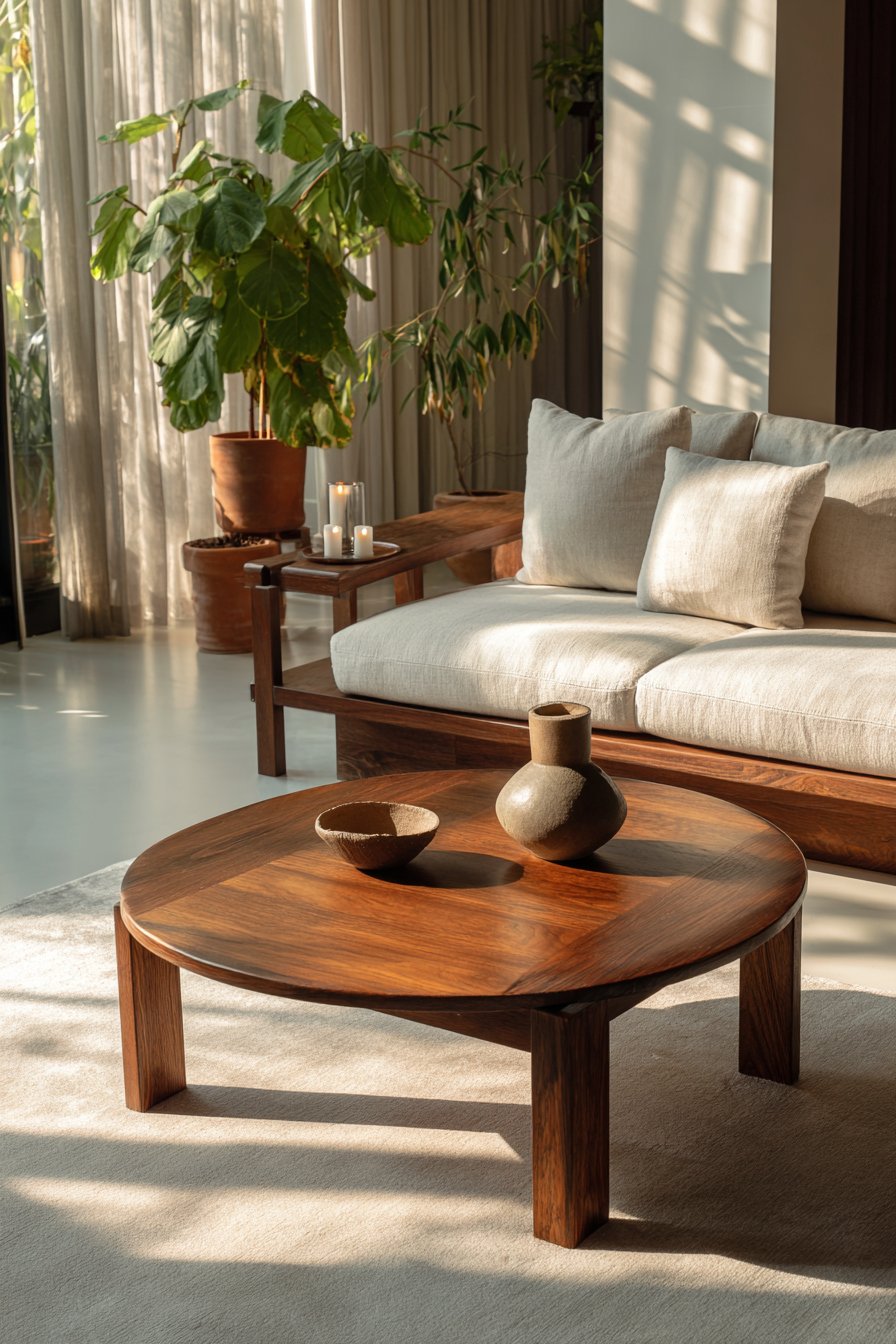
What makes Japandi so compelling is its deeply human quality. Both Japanese and Scandinavian cultures have long prioritized craftsmanship, nature, and simplicity in their living spaces. Japanese wabi-sabi philosophy celebrates imperfection and impermanence. Scandinavian hygge embraces comfort, togetherness, and calm. Together, these philosophies create a design language that resonates universally — across cultures, lifestyles, and personalities.
This article explores the defining principles, materials, colors, and styling techniques that make Japandi one of today’s most enduring interior design movements. Whether you are redesigning a single room or reimagining your entire home, these practical insights will help you master the art of Japandi. Read on to discover how simplicity can be the most powerful design statement of all.
1. The Philosophy Behind Japandi
Understanding Japandi begins with understanding its philosophical roots. Japanese design draws from concepts like wabi-sabi, which finds beauty in simplicity and transience, and ma, the appreciation of negative space. These principles encourage restraint — only keeping what truly serves a purpose. Every object in a Japanese-inspired room earns its place through beauty, function, or both.
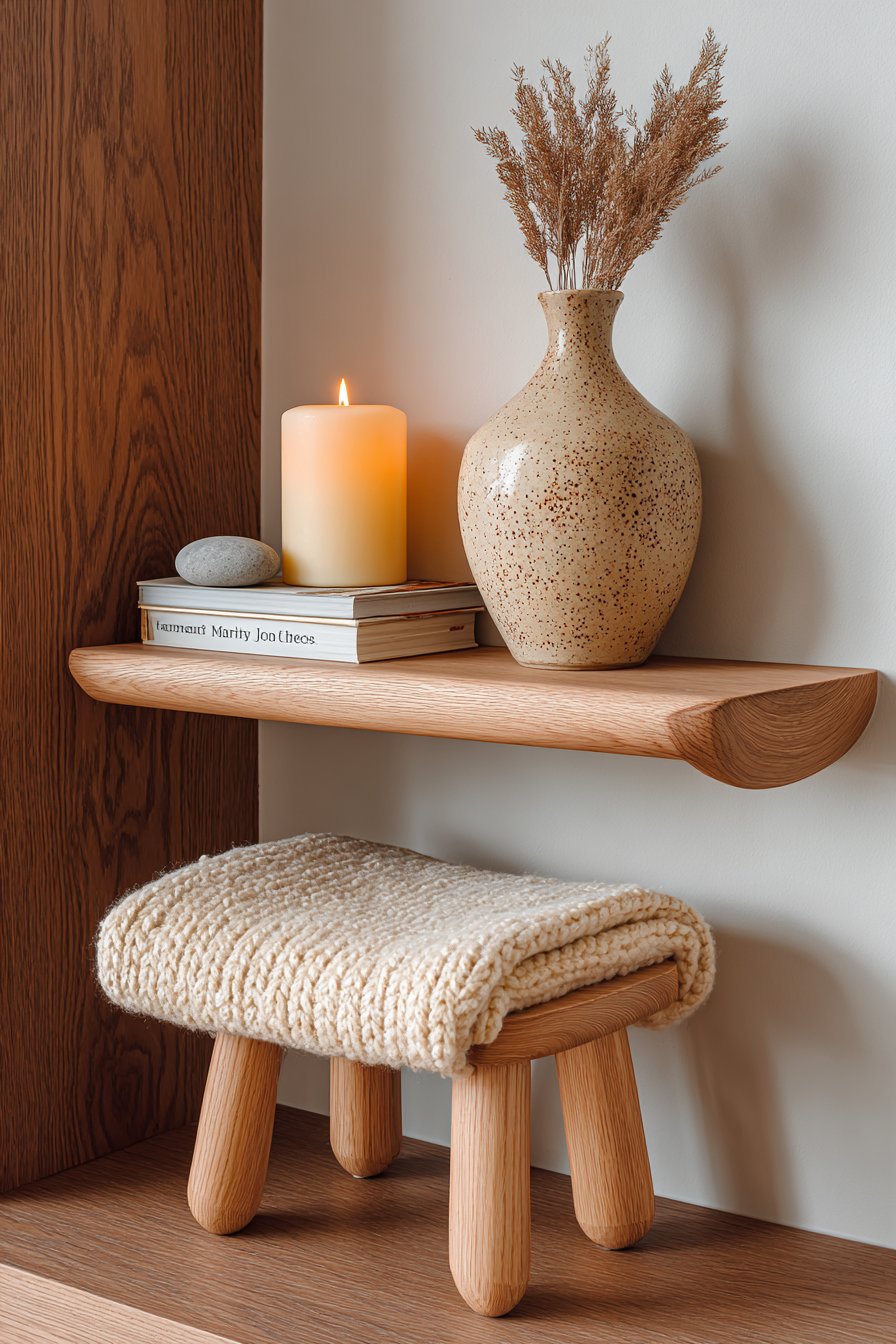
Scandinavian design shares a parallel mindset rooted in functional elegance. The Nordic concept of hygge — a Danish and Norwegian word meaning coziness and comfort — emphasizes warmth, soft textures, and a welcoming atmosphere. Scandinavian interiors are known for their light-filled spaces, natural materials, and clean-lined furniture. They are practical, livable, and deeply connected to the natural world.
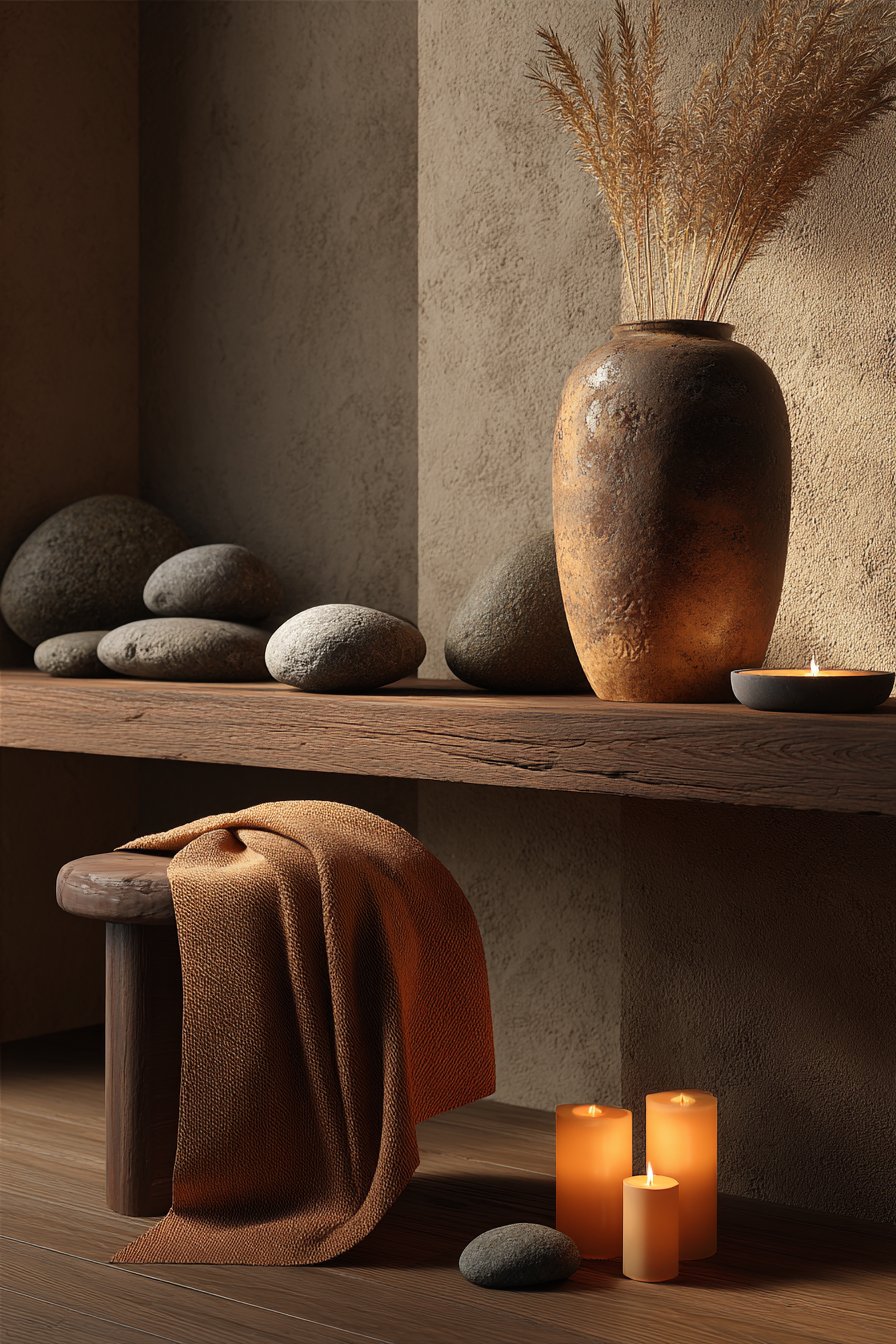
When these two philosophies merge, the result is a space that is calm without being cold. Japandi rooms feel intentional. There is no clutter, no excess, and no decoration purely for decoration’s sake. Yet the space never feels austere or unwelcoming. It is the sweet spot between minimalism and coziness — a balance that few other design styles achieve so naturally.
- Embrace the wabi-sabi principle of finding beauty in imperfection
- Incorporate the concept of ma by leaving meaningful empty space in rooms
- Use hygge-inspired textures like wool throws and soft cushions for warmth
- Let every object serve a purpose — eliminate purely decorative clutter
- Study Japanese and Scandinavian design references for deeper inspiration
- Balance visual quietness with tactile richness
2. The Japandi Color Palette
Color plays a defining role in the Japandi aesthetic. The palette is deliberately restrained, built around neutral tones, earthy hues, and muted naturals that evoke a sense of calm. Think warm whites, soft creams, cool greys, sandy beiges, and deep charcoals. These are colors that do not compete for attention — they recede gracefully and allow space to breathe.
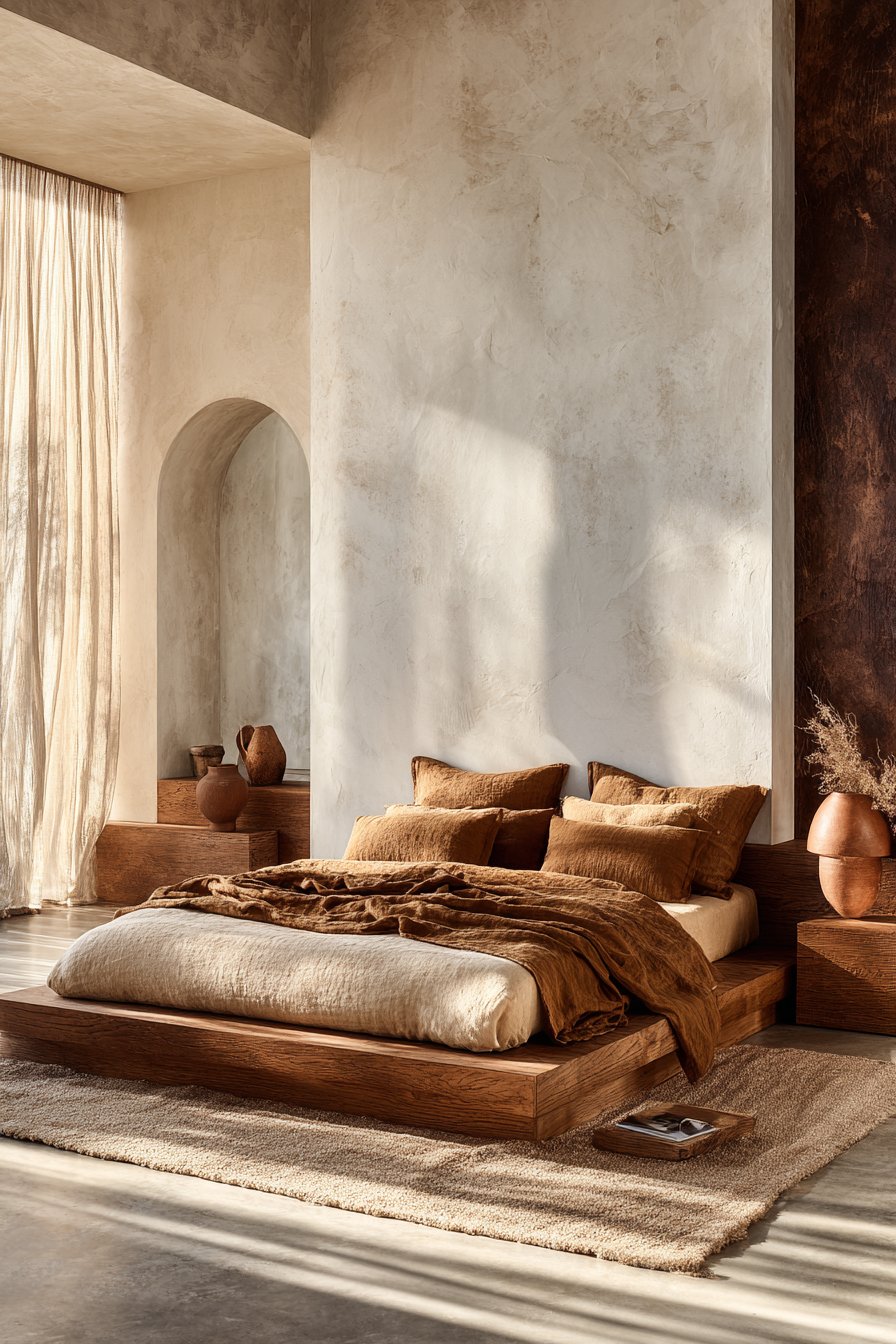
Japandi also embraces earthy accent colors drawn from nature. Soft terracotta, muted olive green, dusty sage, pale blush, and warm taupe all work beautifully within the palette. These tones add depth and interest without overwhelming the senses. They reference the natural world — soil, bark, stone, moss — and bring an organic quality to interiors.
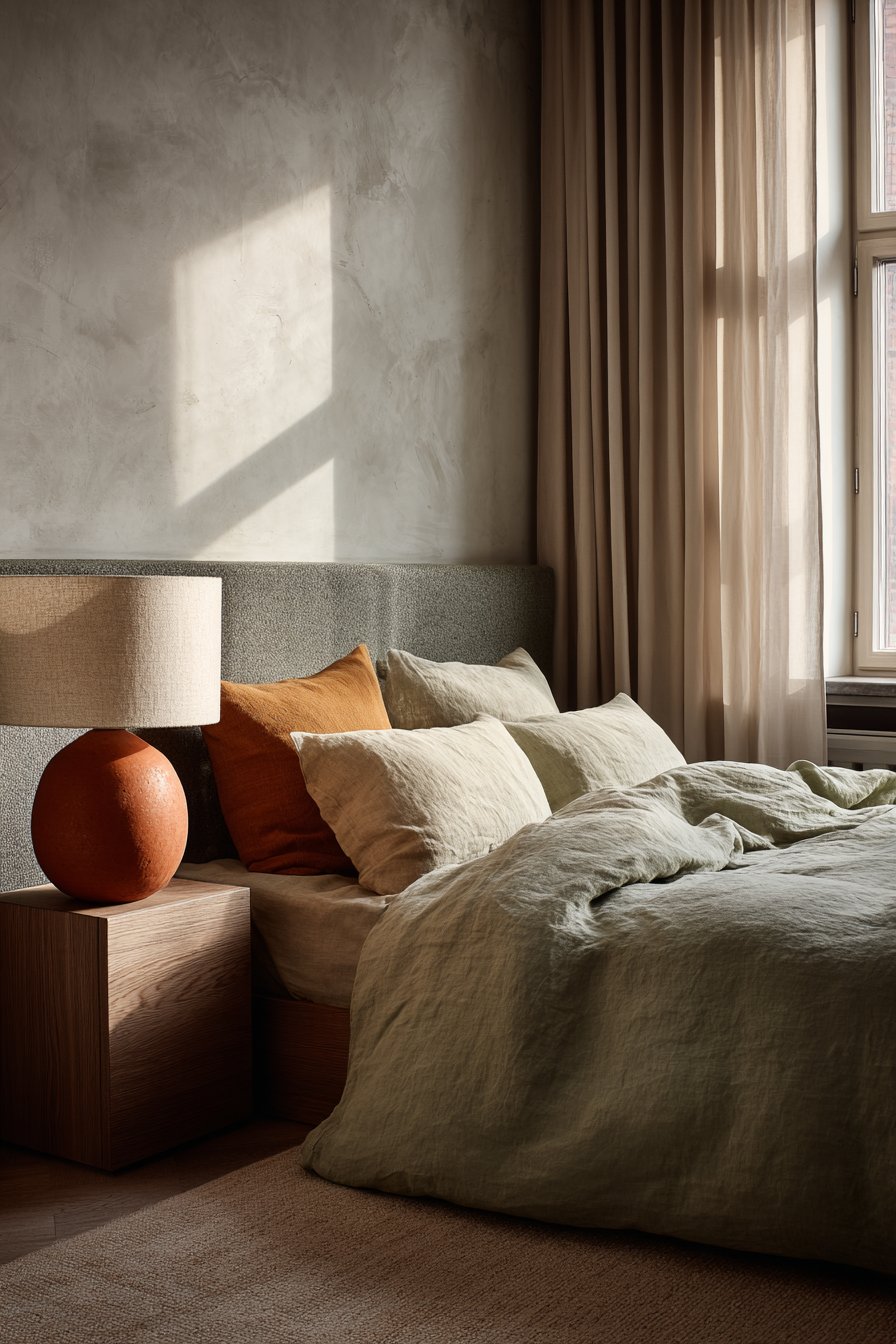
One of the most distinctive aspects of Japandi color use is its avoidance of stark contrast. Unlike sharp black-and-white modernism, Japandi prefers tonal layering. Dark tones like deep navy, ink black, or forest green appear as accents rather than dominant forces. This creates rooms that feel cohesive and soothing, where the eye moves gently rather than jumping between extremes.
- Base your palette on warm neutrals like cream, sand, and warm white
- Add depth with muted earthy tones such as sage green or dusty terracotta
- Use dark accents sparingly — one or two bold elements per room
- Avoid bright, saturated colors that disrupt the calm atmosphere
- Test paint colors in different lighting conditions before committing
- Layer similar tones together to create a tonal, harmonious effect
3. Natural Materials and Textures
Japandi design is deeply committed to natural, tactile materials. Both Japanese and Scandinavian traditions celebrate the honest beauty of raw, unprocessed materials. Wood is perhaps the most central material in both traditions. Light Scandinavian oak, ash, and pine bring warmth and brightness. Japanese design favors darker woods like walnut and bamboo, which add richness and depth.
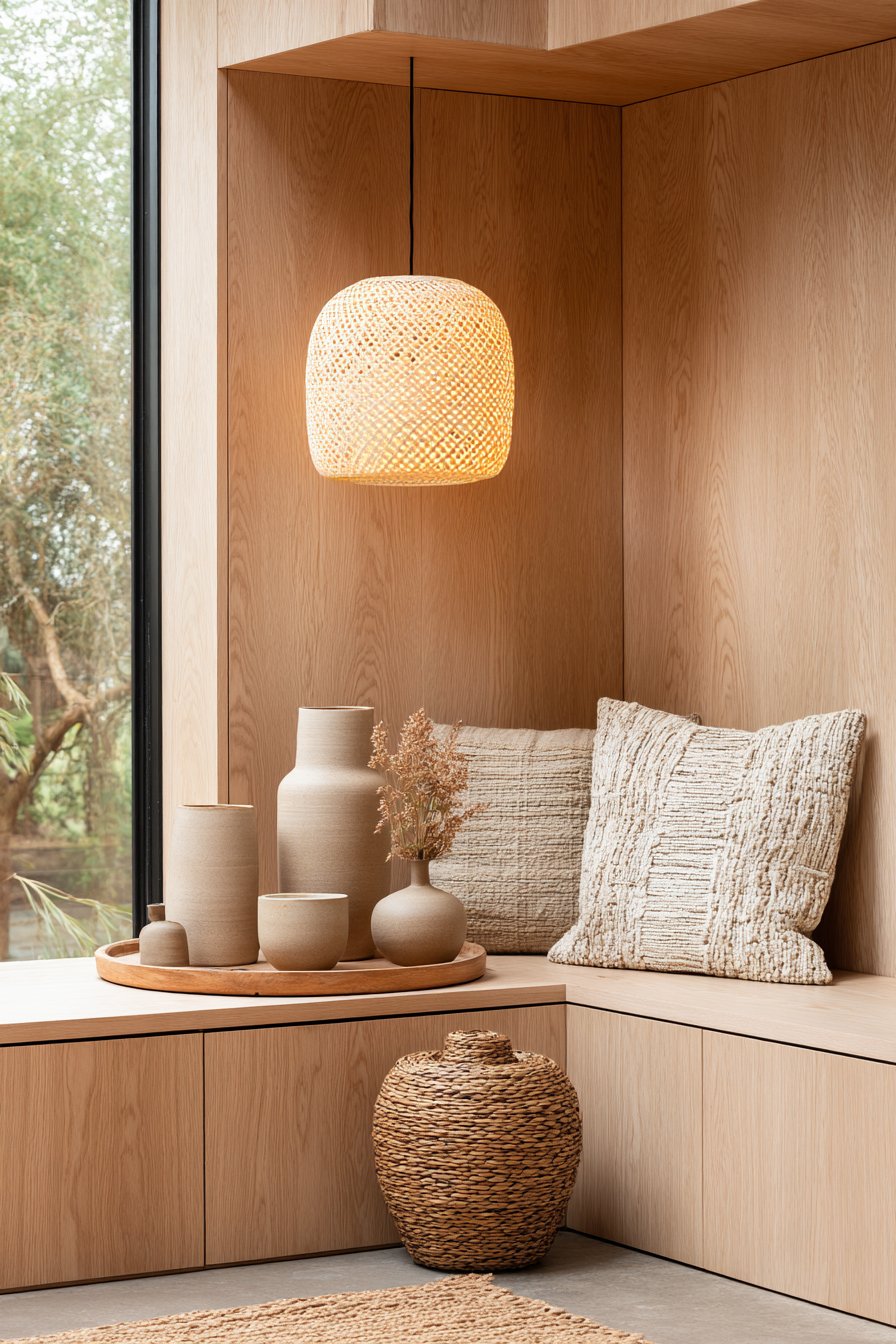
Beyond wood, Japandi interiors incorporate a range of organic textures that add sensory richness. Linen, cotton, wool, jute, rattan, ceramic, and stone all play important roles. These materials are never fussy or ornate. They are simple, tactile, and honest. A linen cushion, a ceramic vase, a woven rattan pendant light — each element contributes quietly to the overall atmosphere.
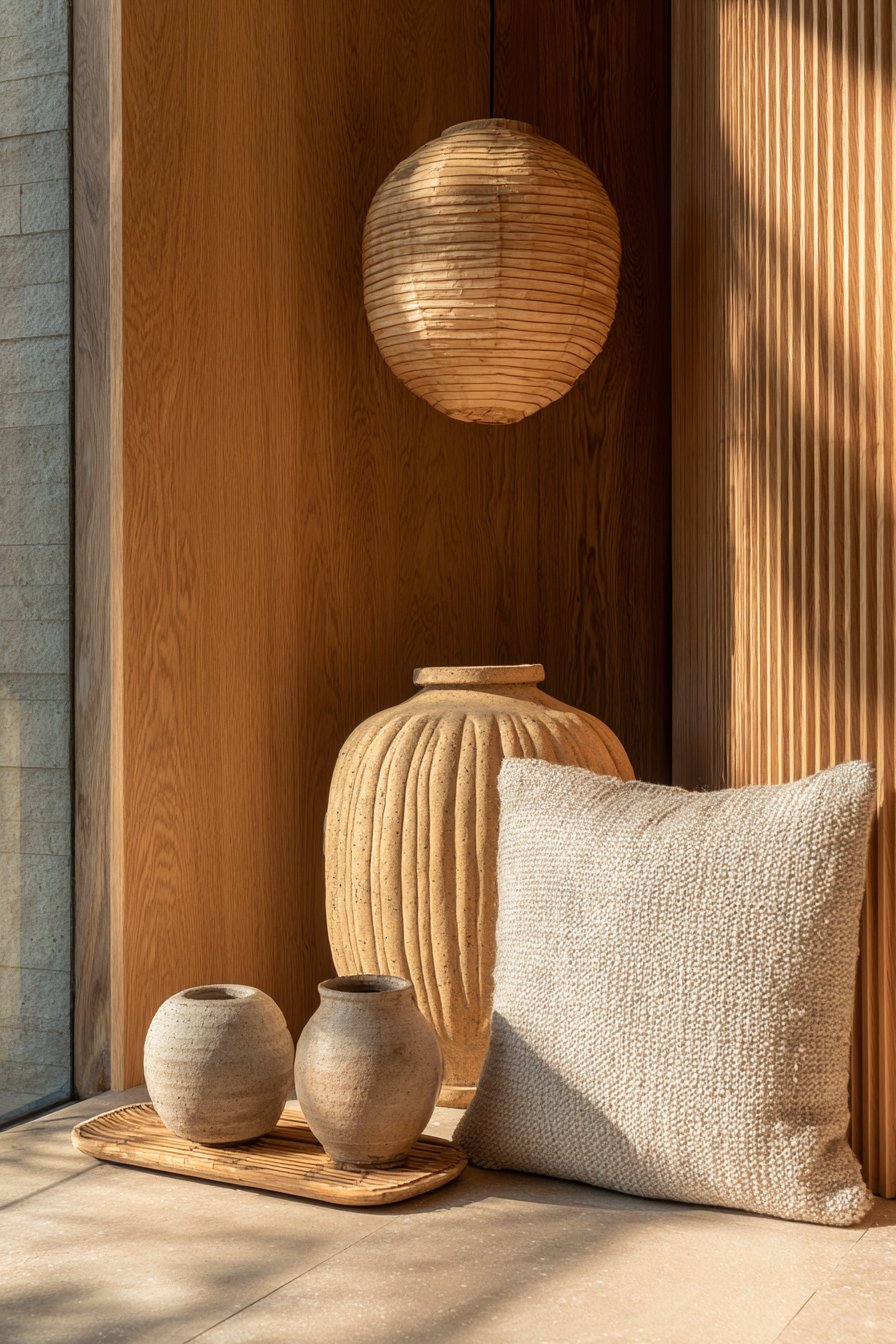
The key to using materials well in Japandi is restraint and intentionality. Rather than layering many different textures, the Japandi approach selects a few key materials and uses them consistently throughout a space. This creates a cohesive, unified feel. A room might feature oak furniture, linen upholstery, and a stone countertop — each material complementing the others without competing.
- Choose sustainably sourced wood for furniture, flooring, and accent pieces
- Incorporate natural fiber textiles like linen, cotton, and wool throughout
- Use ceramic and stoneware for tableware, vases, and decorative objects
- Add rattan or bamboo elements for a light, organic texture
- Avoid synthetic materials that lack warmth and tactile interest
- Limit your material palette to three or four key choices per room
4. Furniture with Clean Lines and Purpose
Furniture selection is central to achieving an authentic Japandi interior. The Japandi approach favors low-profile, clean-lined furniture that sits close to the ground. This reflects the Japanese tradition of living closer to the earth — floor seating, low tables, and platform beds all contribute to this grounded, serene quality.
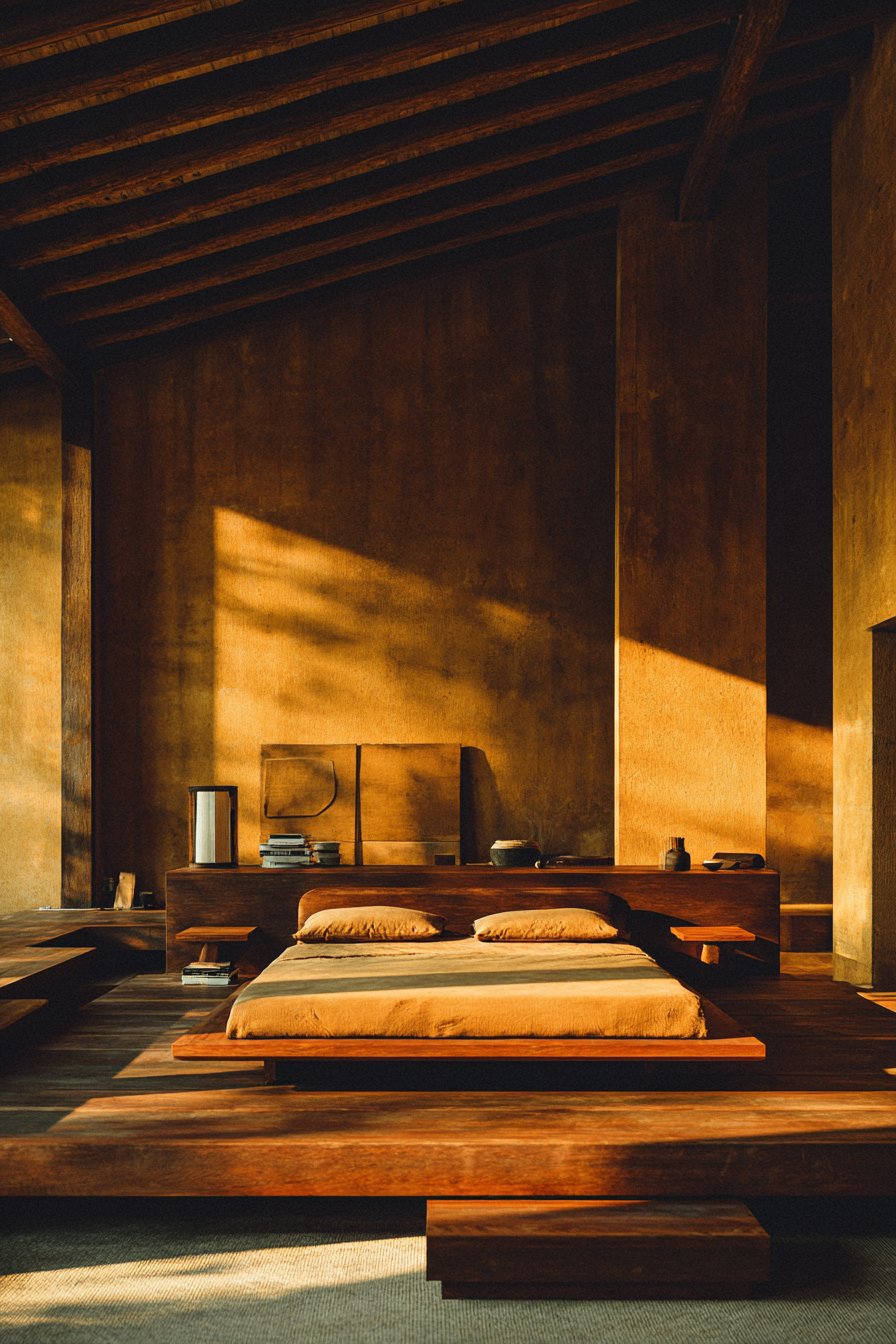
Scandinavian furniture design adds functional elegance to the mix. Scandinavian pieces are known for their refined craftsmanship, gentle curves, and thoughtful proportions. Chairs with tapered legs, sofas with minimal silhouettes, and dining tables with clean, unadorned surfaces all embody this quality. Together, Japanese and Scandinavian furniture principles produce pieces that are beautiful precisely because they do not try too hard.
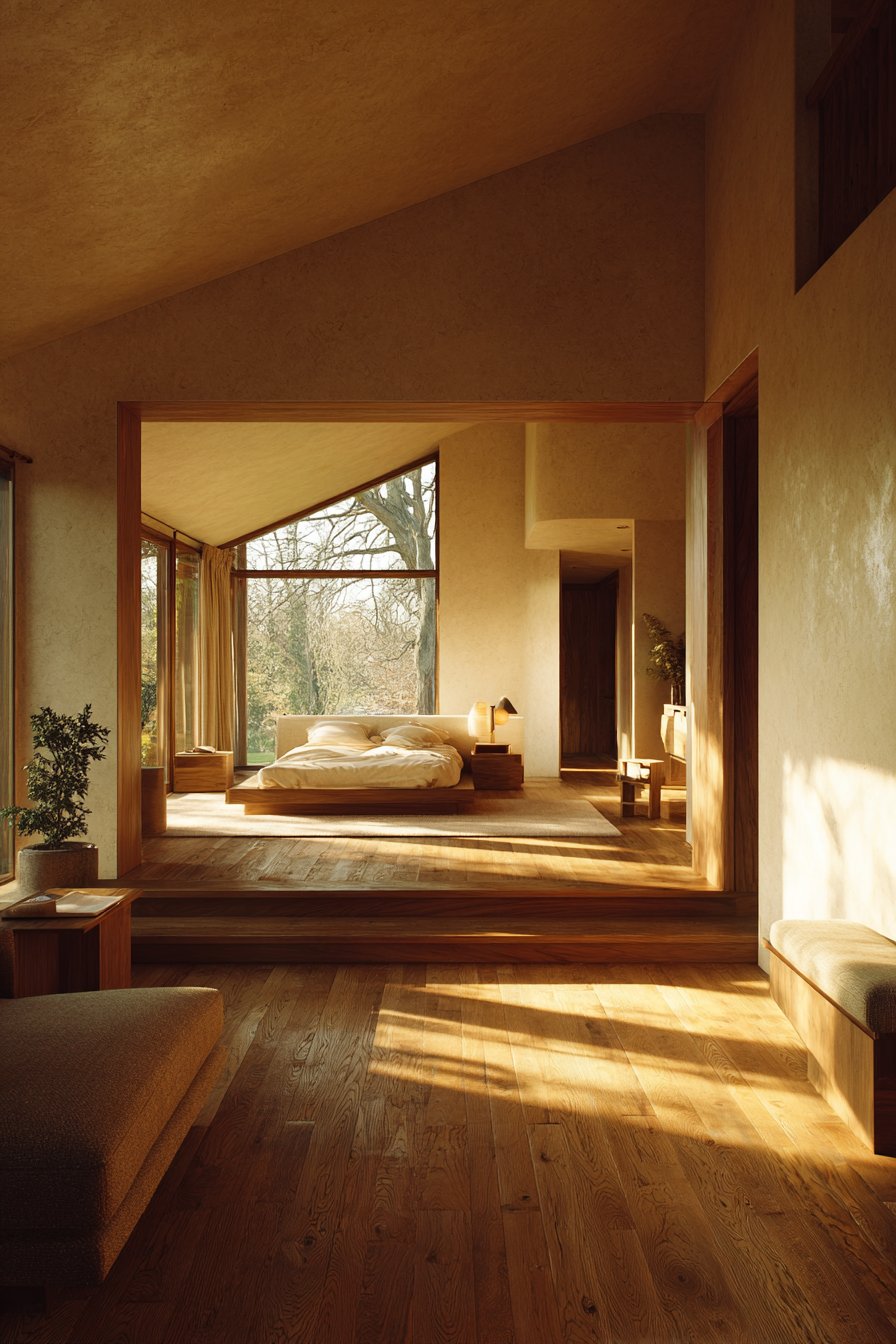
In Japandi rooms, every furniture piece serves a clear function. Multi-functional furniture — storage beds, nesting tables, bench seating with hidden storage — is particularly valued. The goal is to keep surfaces clear and uncluttered, which requires clever, built-in storage solutions. When a room has only what it needs, the furniture itself becomes a design statement.
- Choose low-profile sofas and beds to honor Japanese grounded living traditions
- Look for furniture with tapered wooden legs in oak, walnut, or ash
- Invest in multi-functional pieces that offer built-in storage solutions
- Avoid ornate, heavily carved, or overly decorative furniture styles
- Ensure furniture proportions suit the scale of your room
- Leave breathing room around each furniture piece for visual balance
5. The Role of Negative Space
In Japandi design, what you don’t include is just as important as what you do. This is the concept of negative space — the intentional use of empty, unoccupied areas within a room. Rooted in the Japanese concept of ma, negative space is not emptiness for its own sake. It is a design tool that creates calm, draws attention to beautiful objects, and allows the eye to rest.
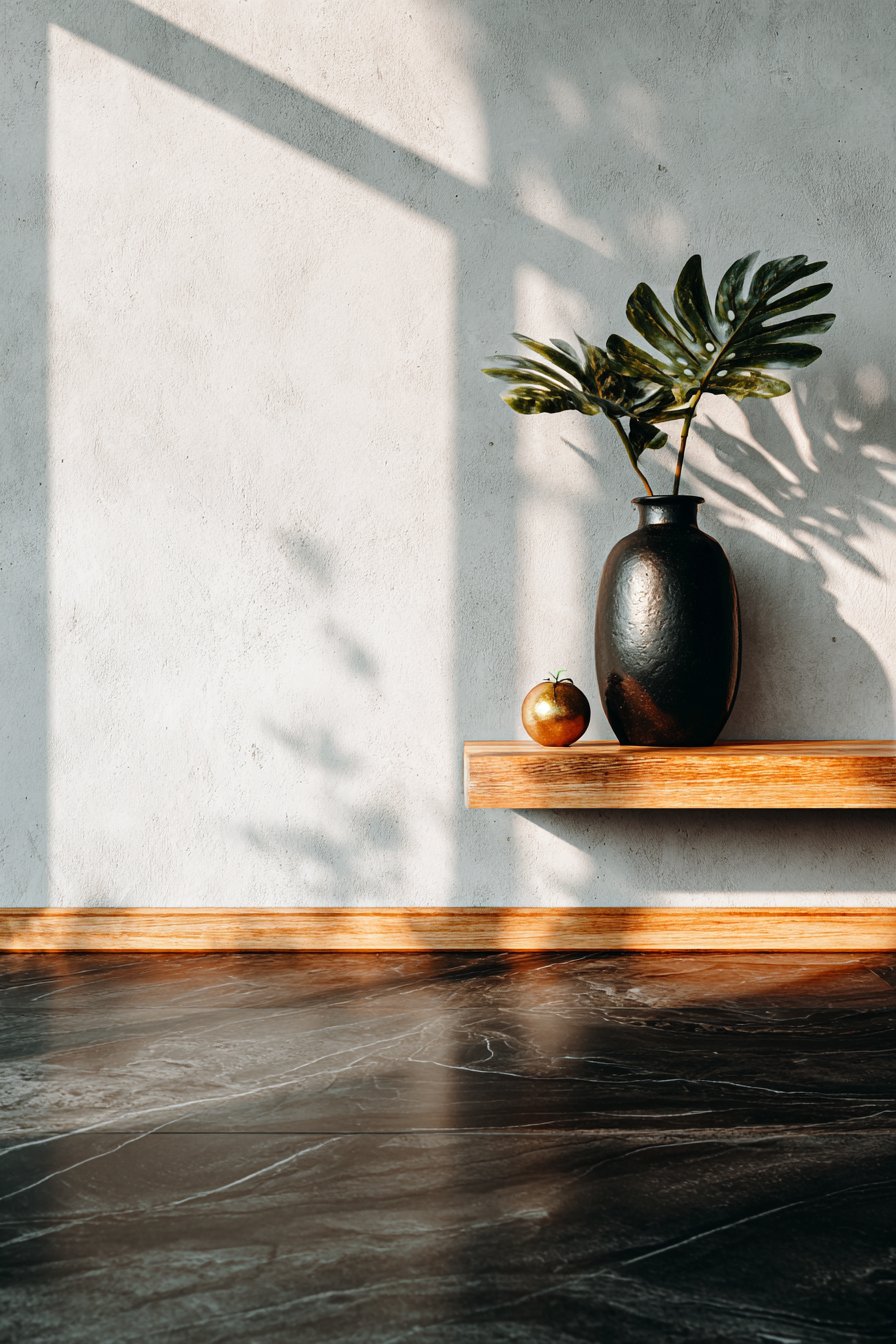
Negative space works against visual clutter. When walls are bare, floors are clear, and surfaces are unadorned, the few objects that are present become elevated. A single ceramic vase on a shelf becomes art. A handmade wooden bowl on a dining table becomes a focal point. The sparse quality of Japandi rooms actually makes each chosen element more powerful and meaningful.
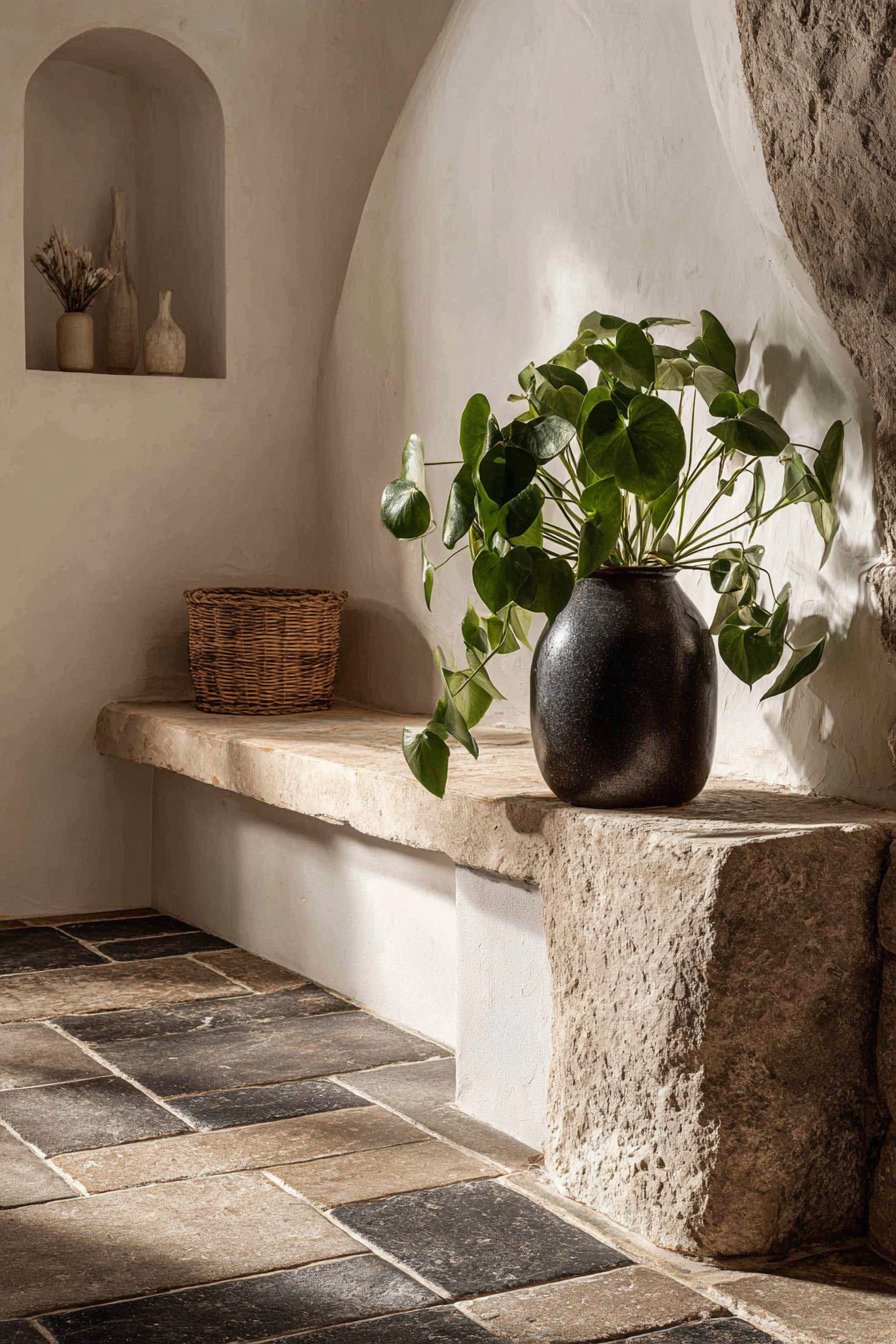
Achieving good negative space requires editing with discipline. Most people find they need to remove far more than they expect. A useful exercise is to clear a room completely and only return items that truly belong. If something does not bring calm, beauty, or function, it does not earn its place. This editing process is at the heart of the Japandi philosophy.
- Clear surfaces regularly — resist the urge to fill every shelf and tabletop
- Use a “one in, one out” rule to maintain intentional object curation
- Leave significant portions of walls bare to create visual breathing room
- Allow open floor space to enhance the room’s sense of calm and proportion
- Group objects in odd numbers of three or five for organic visual balance
- Treat empty corners as design features, not spaces needing furniture
6. Lighting in Japandi Interiors
Lighting is a transformative element in Japandi design. Both Japanese and Scandinavian traditions value soft, diffused light over harsh, direct illumination. In Scandinavia, where winters are long and dark, the quality of light inside the home is deeply cherished. Candles, warm-toned bulbs, and layered lighting schemes create the beloved hygge atmosphere.
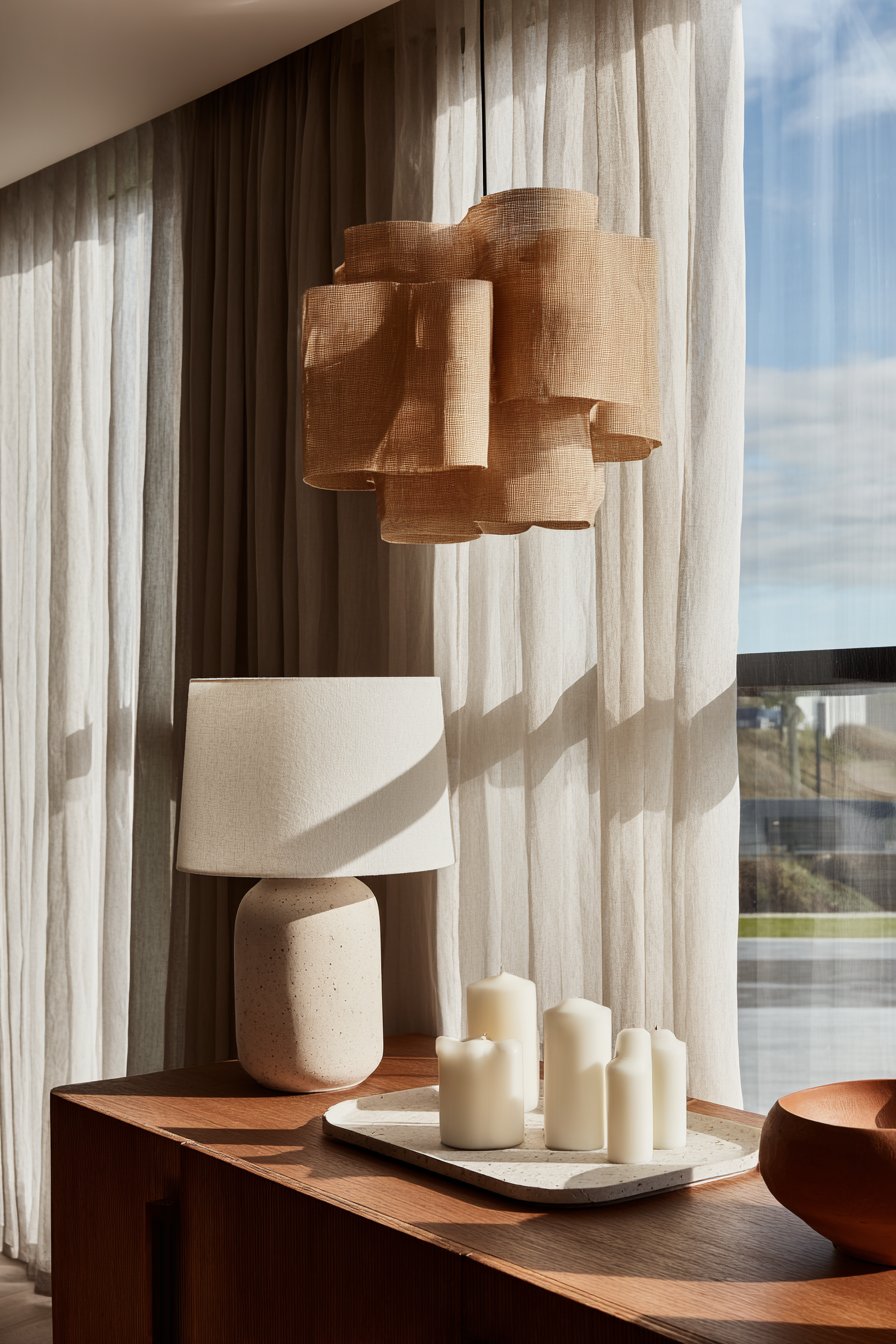
Japanese design contributes a sensitivity to natural light and shadow. Shoji screens, paper lanterns, and translucent materials create beautiful filtered light that shifts gently throughout the day. This interplay between light and shadow adds depth and poetry to a space. It is lighting as atmosphere rather than lighting as utility.
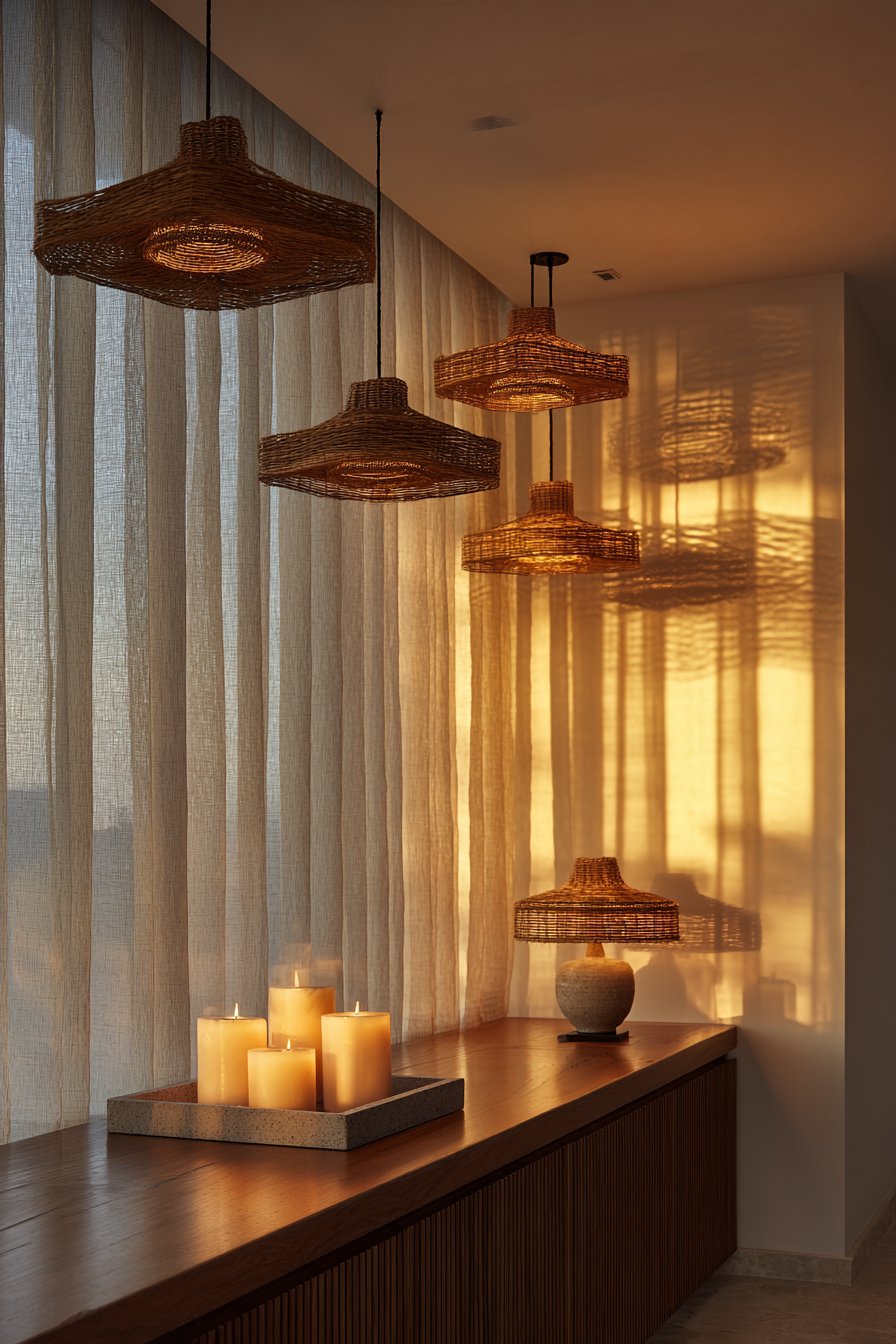
In practice, Japandi lighting favors warm-toned, layered sources. This means combining ambient ceiling lighting, task lighting, and accent lighting rather than relying on a single overhead fixture. Pendant lights in natural materials like bamboo or rattan, ceramic table lamps, and candles all contribute to a warm, multi-dimensional lighting scheme that changes beautifully from day to night.
- Use warm white bulbs (2700K–3000K) to create a soft, inviting glow
- Layer multiple light sources for a rich, dimensional lighting scheme
- Consider rattan, bamboo, or paper pendant shades for natural light diffusion
- Add candles or candlelight-effect fixtures for hygge warmth
- Use sheer linen curtains to soften and filter natural daylight
- Avoid harsh, cool-toned fluorescent or LED lighting in living areas
7. Bringing Nature Indoors
Both Japanese and Scandinavian design philosophies maintain a profound connection to the natural world. In Japan, this is expressed through ikebana floral arrangements, bonsai, moss gardens, and the principle of bringing the outside in. In Scandinavia, it manifests in the deep respect for forests, seasons, and organic materials.
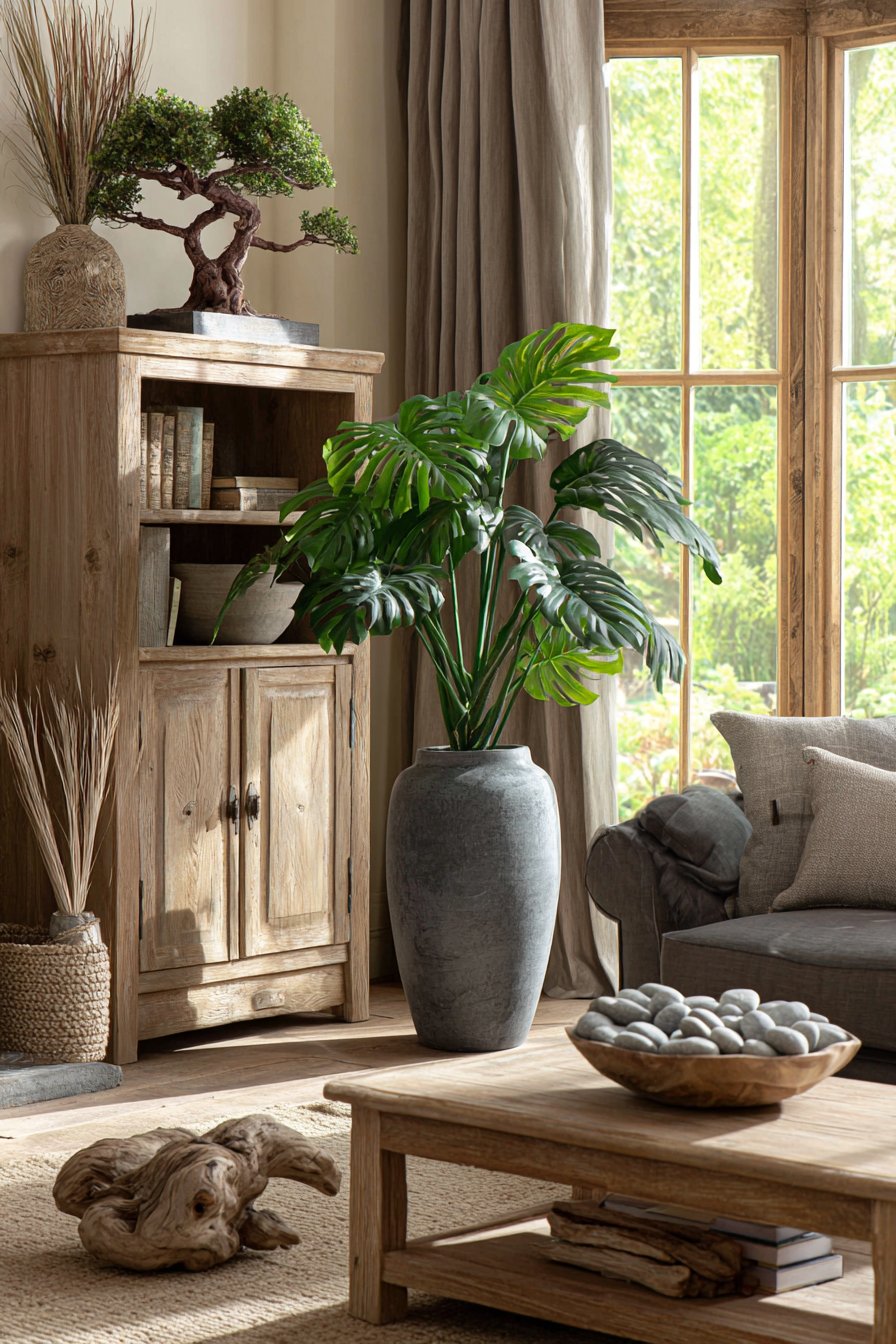
In Japandi interiors, plants are carefully curated rather than abundantly scattered. A single sculptural plant — a fiddle-leaf fig, a snake plant, or a graceful monstera — can anchor a room beautifully. Bonsai trees, small moss arrangements, and simple branches in a ceramic vase reflect the Japanese influence. The goal is quality and intention over quantity.
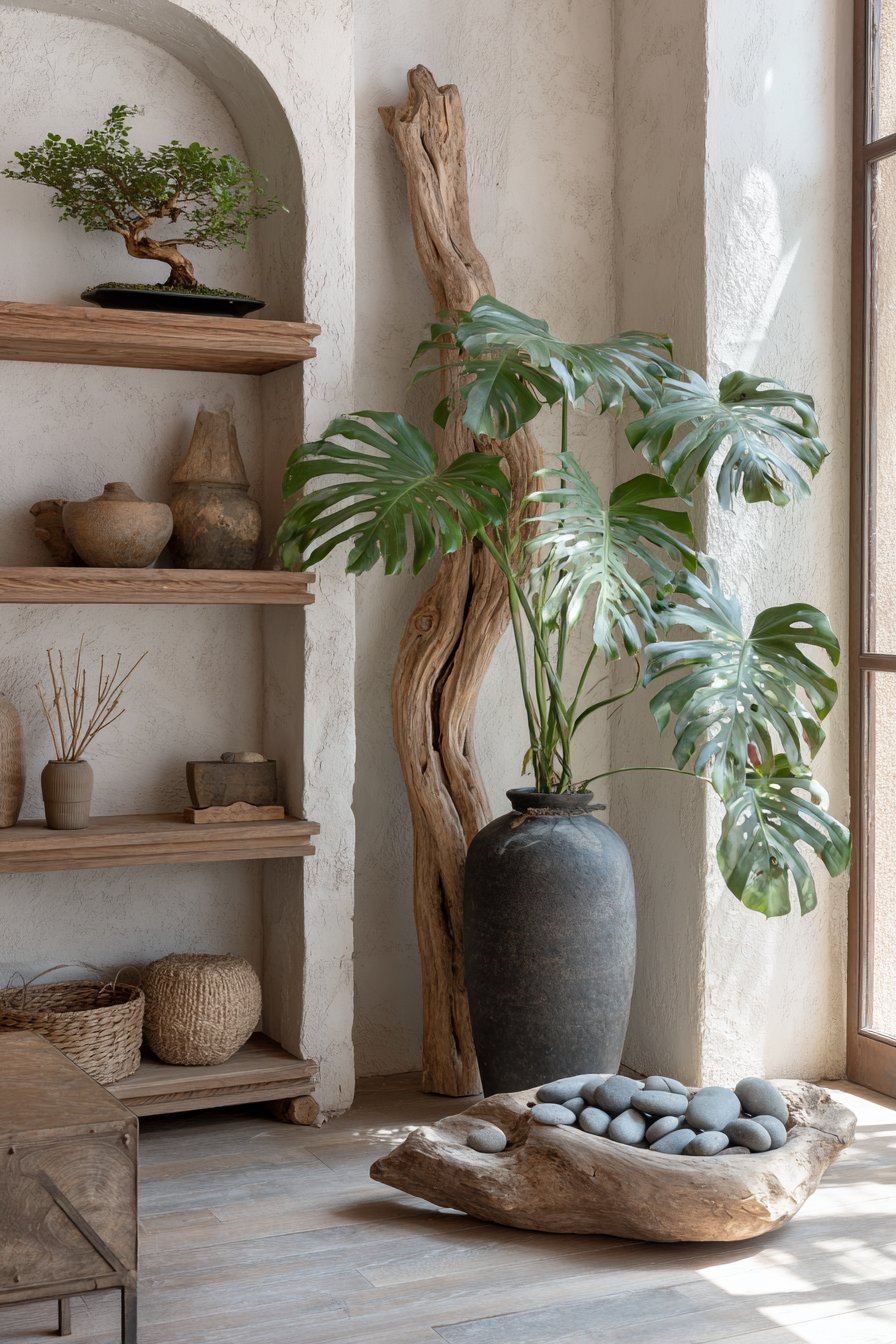
Natural elements extend beyond plants. Stones, driftwood, dried botanicals, and seasonal arrangements all bring the outdoors inside in quiet, meaningful ways. A bowl of smooth river stones on a coffee table, a piece of weathered driftwood on a shelf, or a dried pampas grass arrangement in a corner — these elements connect inhabitants to the natural world in a deeply calming way.
- Choose one or two statement plants rather than many small ones
- Explore bonsai or moss terrariums for a distinctly Japanese touch
- Display natural objects like stones, shells, or driftwood as quiet decor
- Use seasonal arrangements — spring blossoms, autumn branches, winter berries
- Select simple ceramic or stone vessels for plant and floral displays
- Position plants near windows to celebrate natural light and living elements
8. Decluttering and Intentional Styling
Decluttering is not merely a design step in Japandi — it is a lifestyle philosophy. Drawing from Marie Kondo’s KonMari method (itself deeply rooted in Japanese aesthetics) and Scandinavian minimalism, Japandi asks us to live with only what brings joy, serves a purpose, or holds genuine meaning. The result is a home that feels lighter, calmer, and more restorative.
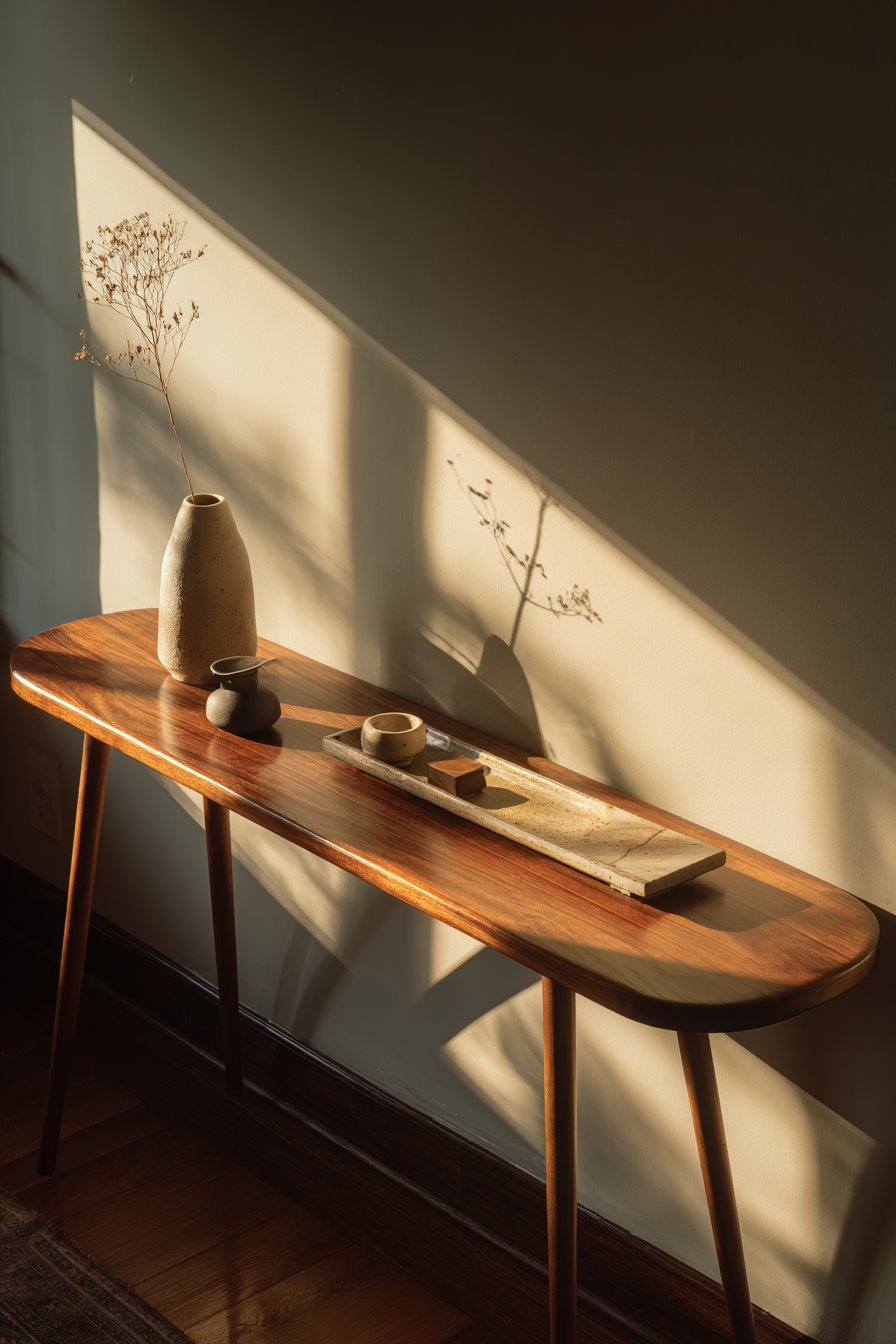
Intentional styling means that every visible object has been consciously chosen and placed. A stack of books on a coffee table is not random — it is curated by color, size, and relevance. A small tray on a console table holds a few carefully selected objects. Nothing is placed absentmindedly. This level of intention transforms everyday objects into a personal, curated collection.
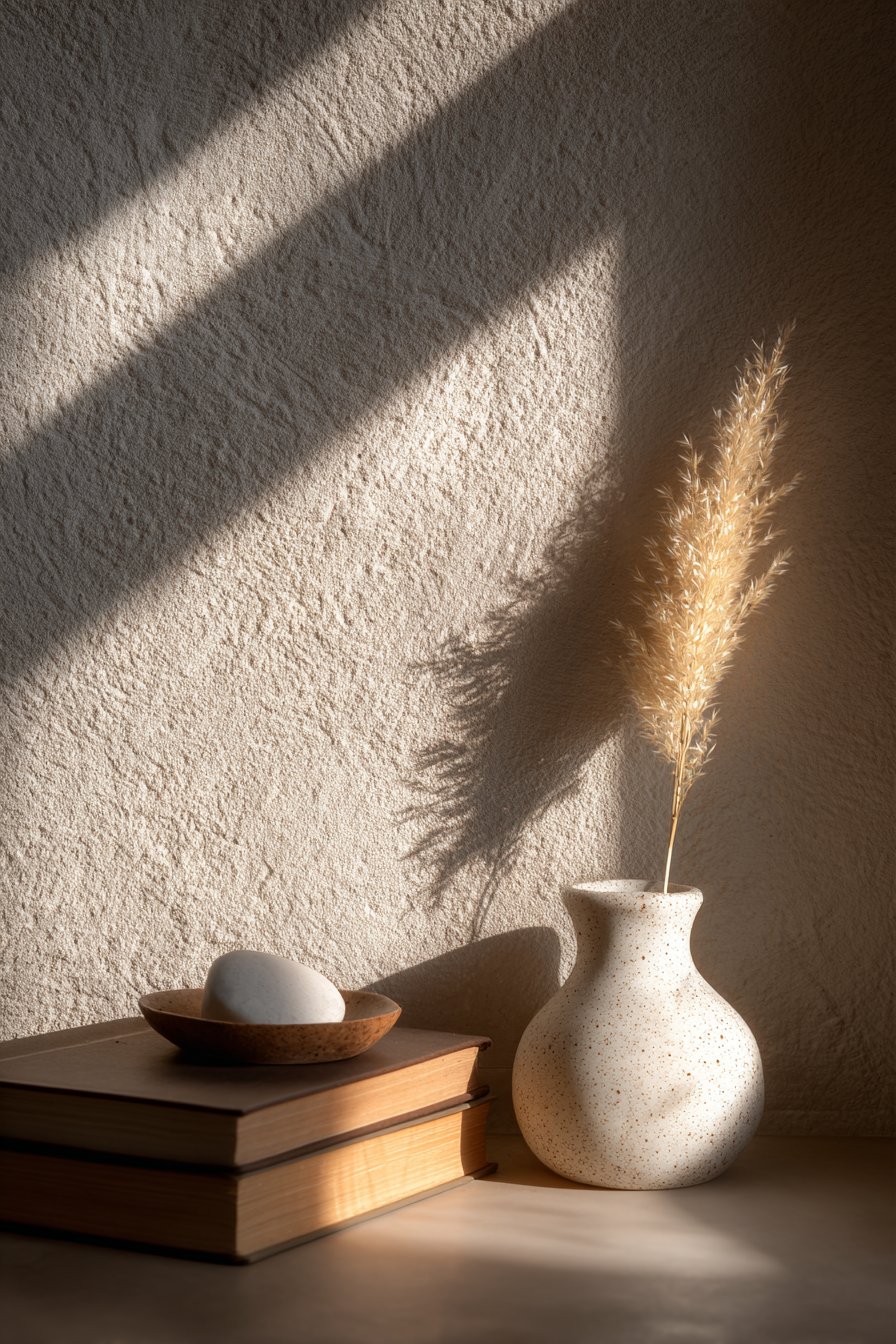
The practical challenge is maintaining the edit over time. Clutter tends to accumulate gradually and invisibly. Building regular decluttering habits — seasonal reviews, daily tidying rituals, mindful purchasing decisions — helps sustain the Japandi ideal. The goal is not a showroom but a living, breathing space that consistently reflects your values and supports your wellbeing.
- Commit to regular seasonal decluttering reviews for every room
- Apply the principle of “does this serve, delight, or mean something” to every object
- Use trays and bowls to corral and curate small objects on surfaces
- Store everyday items out of sight in thoughtful storage solutions
- Practice mindful shopping — avoid impulsive purchases that disrupt the calm
- Style flat surfaces with no more than three to five objects at a time
9. Japandi in the Bedroom
The bedroom is perhaps the most natural space for Japandi design. Sleep environments benefit enormously from the calm, serene quality that defines this aesthetic. A Japandi bedroom prioritizes rest, restoration, and quiet beauty above all else. It is a sanctuary from the noise and overstimulation of modern life.
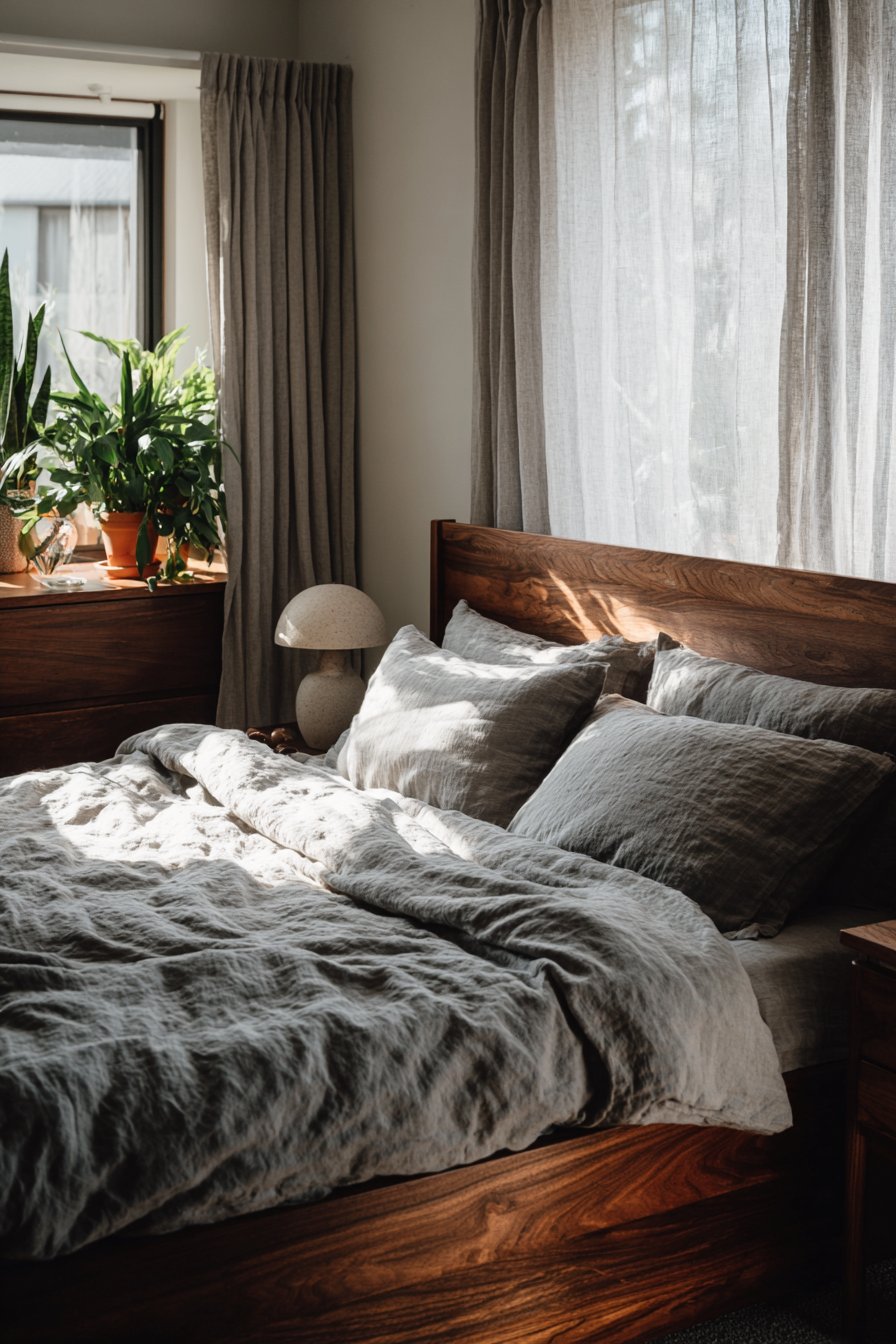
A platform bed in natural wood is the quintessential Japandi bedroom anchor. Low to the ground, clean-lined, and beautifully crafted, a platform bed sets the tone immediately. Linen bedding in soft neutral tones — warm white, stone grey, dusty sage — adds texture and warmth. A single bedside table, a simple lamp, and perhaps a small plant complete the picture.
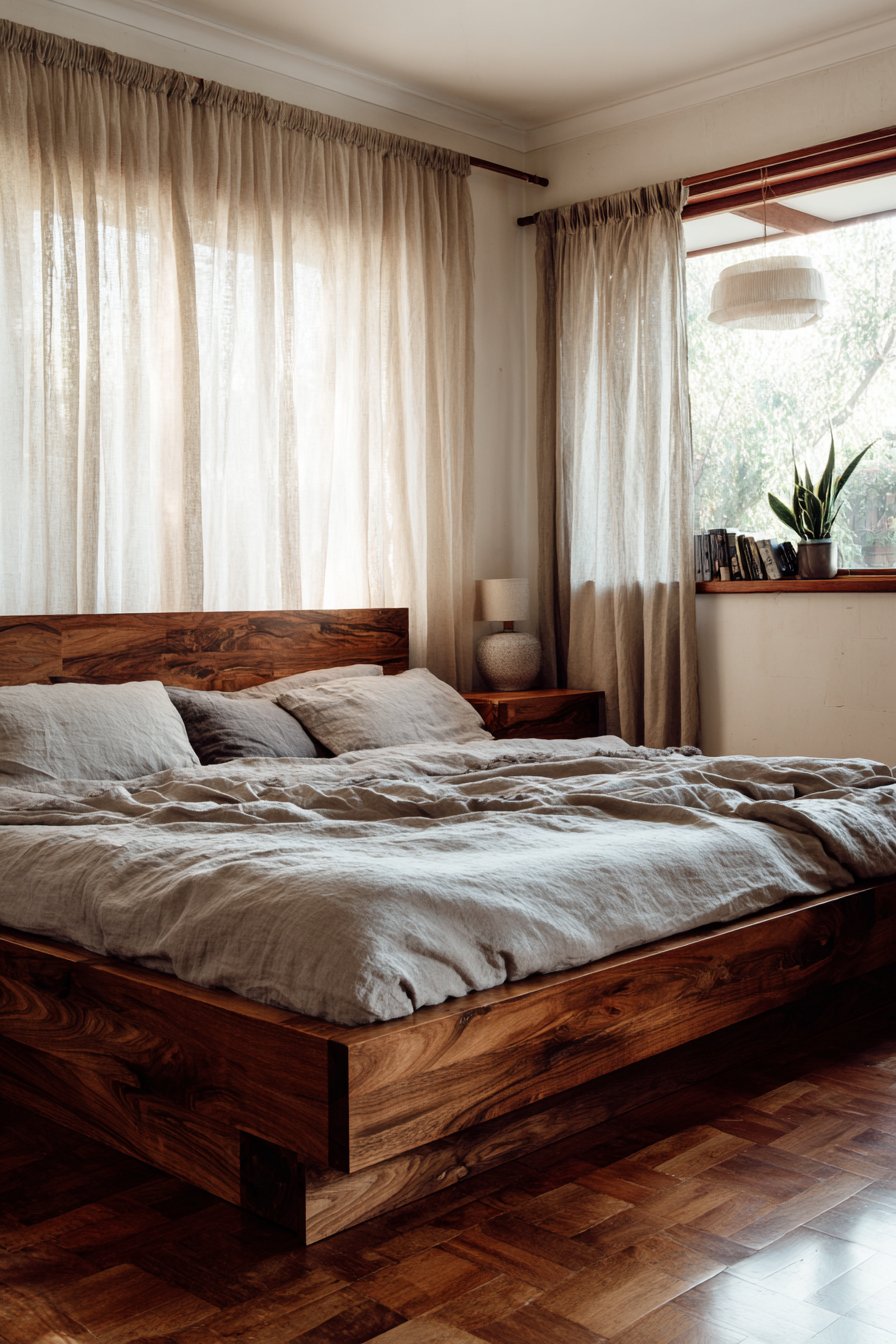
The Japandi bedroom is also defined by what it lacks. No television screens, no tangled cables, no piles of items on surfaces. Wardrobes and storage are concealed or beautifully minimal. Window treatments are simple — sheer linen panels or timber blinds. The room invites sleep rather than stimulation, creating conditions for deep, restorative rest.
- Invest in a low platform bed crafted from oak, walnut, or natural wood
- Choose high-quality linen or cotton bedding in soft, muted tones
- Keep bedside tables minimal — one lamp, one book, one small object
- Remove screens and digital devices from the bedroom environment
- Use concealed wardrobe storage to eliminate visual clutter
- Add a single indoor plant or small floral arrangement for natural connection
10. Japandi in Living and Dining Spaces
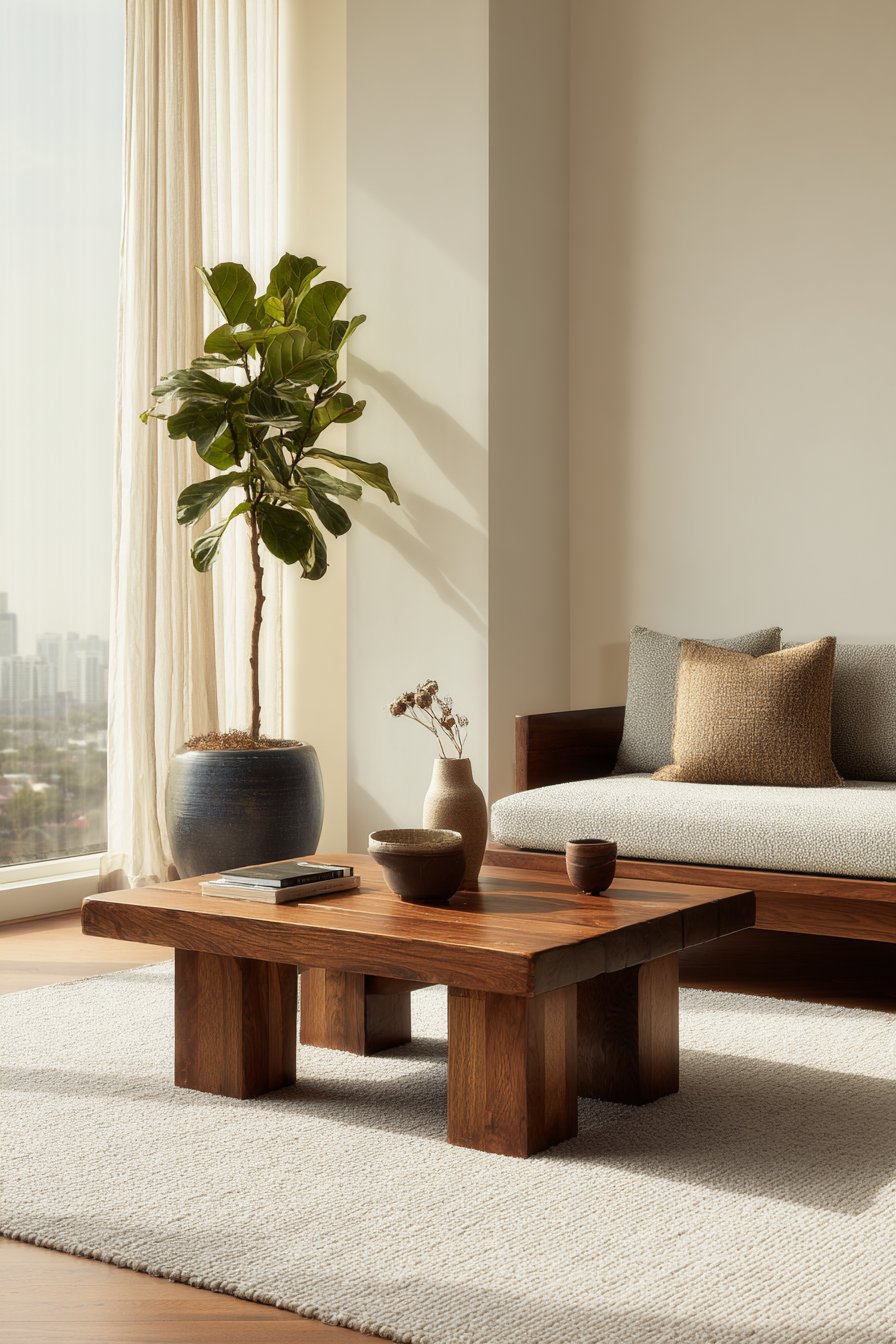
The living room is where Japandi’s balance of comfort and minimalism truly shines. A low, clean-lined sofa in natural linen or wool becomes the room’s focal point. A low wooden coffee table — perhaps with a handmade ceramic tray and a small stack of books — sits at its center. A soft wool rug anchors the seating area with warmth.
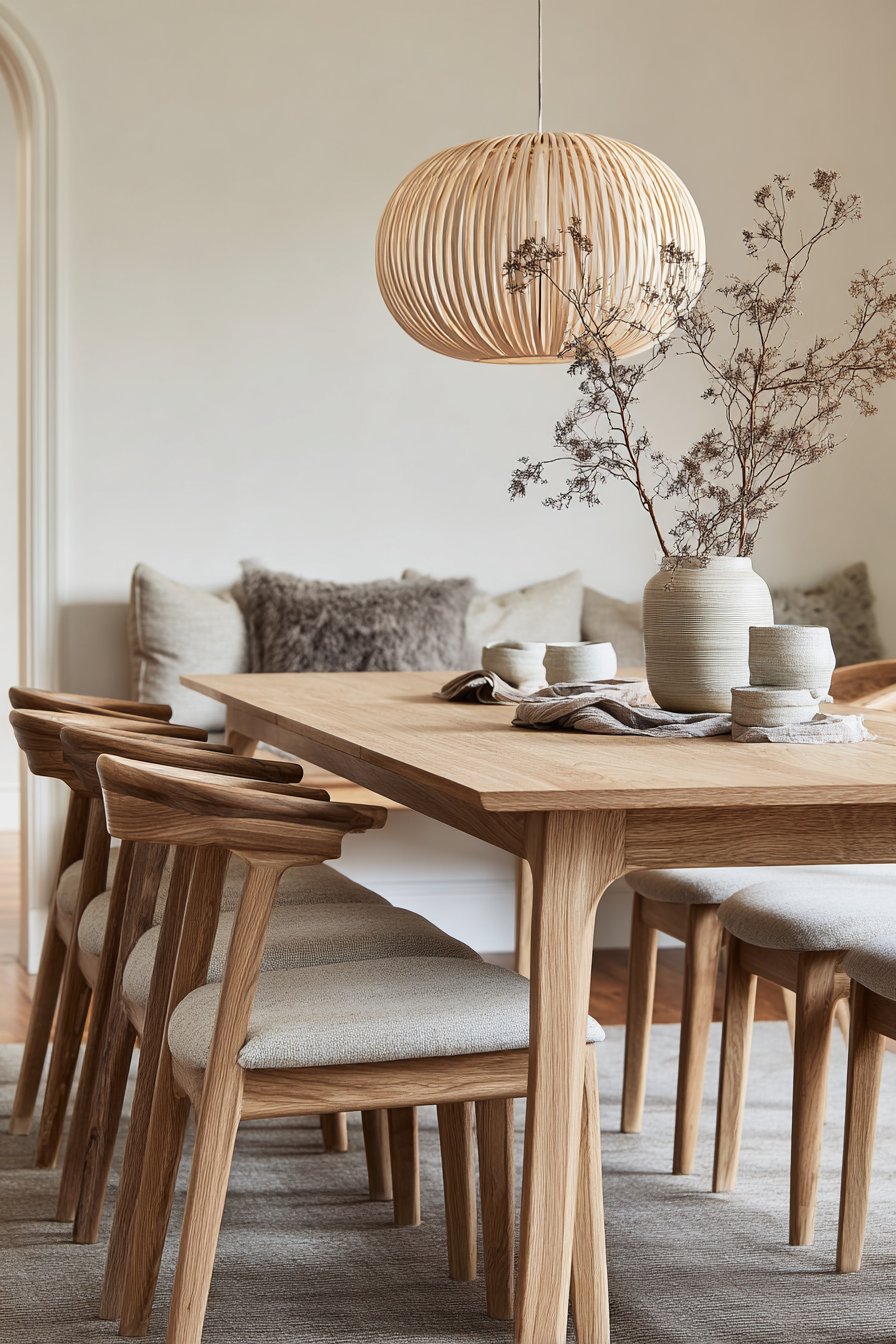
Dining spaces in Japandi style celebrate the ritual of sharing meals. A solid wood dining table with a beautiful natural grain becomes the room’s star. Simple, beautifully crafted chairs — perhaps in bent wood or organic shapes — surround it. The table is set thoughtfully, with ceramic tableware, linen napkins, and perhaps a small seasonal centerpiece. Nothing more is needed.
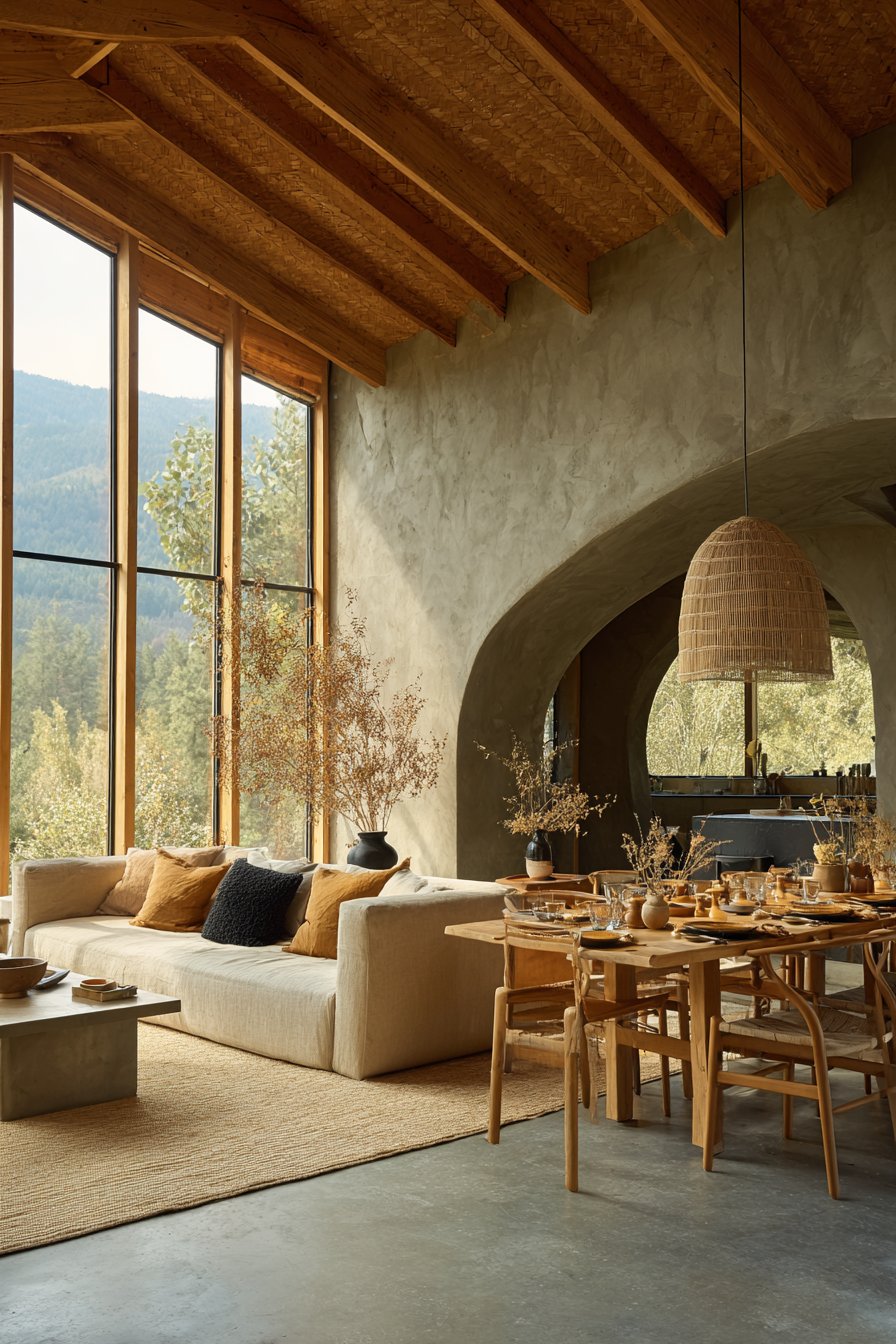
The Japandi living and dining space succeeds because it is designed around human experience. Conversations, meals, rest, and contemplation are all honored in the design. Furniture arrangements facilitate connection. Lighting creates warmth and intimacy. Materials invite touch. The holistic, human-centered approach makes these spaces genuinely pleasurable to inhabit.
- Anchor the living room with a low linen or wool sofa in a neutral tone
- Choose a solid wood coffee table with an honest, natural grain
- Layer soft wool or cotton rugs for warmth and texture underfoot
- Style the dining table with handmade ceramic tableware and linen textiles
- Use pendant lighting above the dining table for warmth and intimacy
- Keep entertainment systems minimal and, where possible, concealed from view
11. Japandi in the Kitchen and Bathroom
Japandi kitchens are defined by clean lines and honest materials. Handleless cabinetry in matte white, warm grey, or natural wood tones creates a calm, uncluttered surface. Open shelving, used sparingly, displays a few beautiful, purposeful objects — a row of ceramic canisters, a small plant, a carefully chosen cutting board. Every element is both functional and considered.
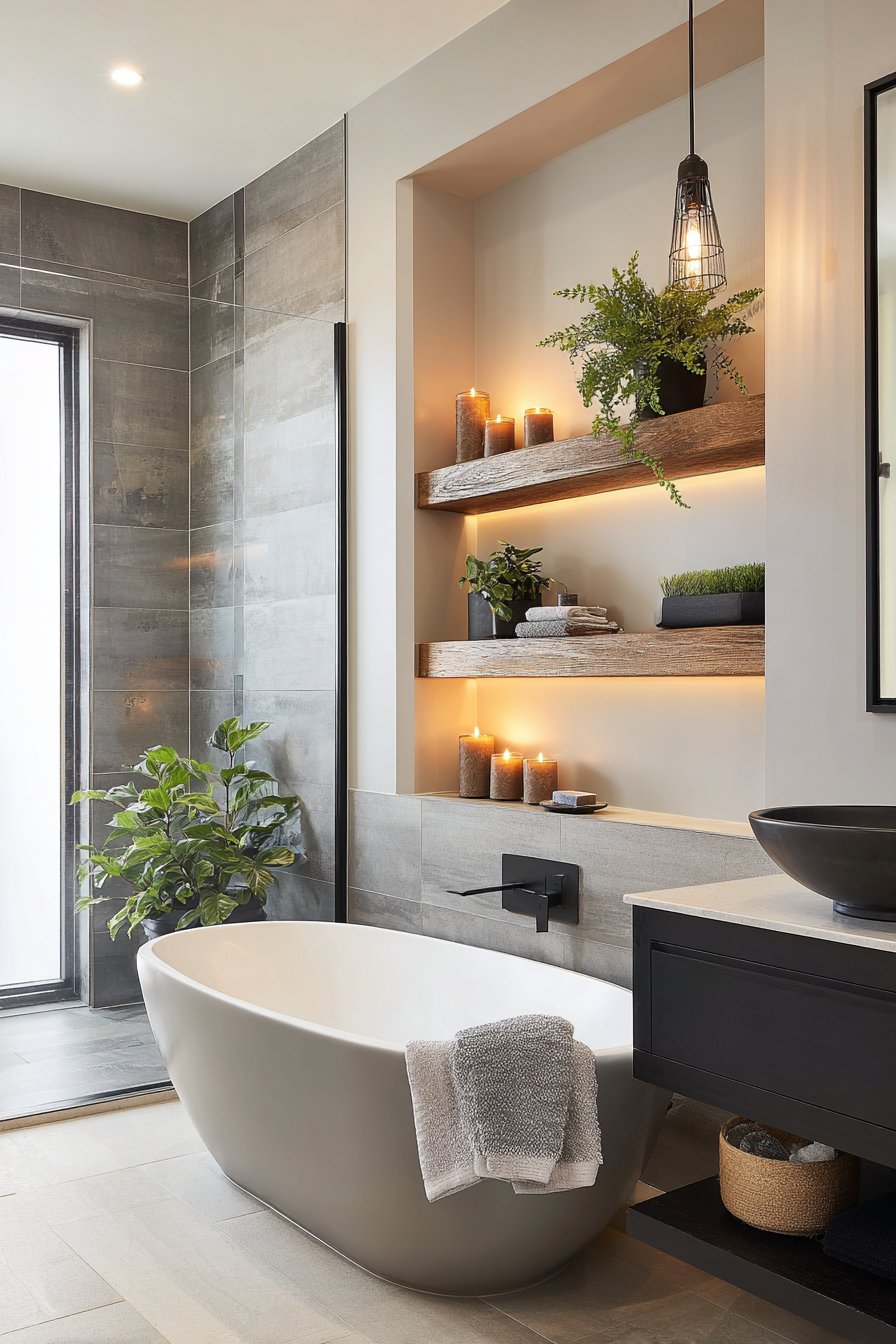
Bathrooms in Japandi style become meditative sanctuaries. Natural stone, concrete, matte tiles, and warm wood accents replace glossy, clinical surfaces. Freestanding baths, vessel sinks, and wooden bath accessories evoke a Japanese spa aesthetic known as onsen culture. The bathroom becomes a place of mindful ritual rather than mere utility.
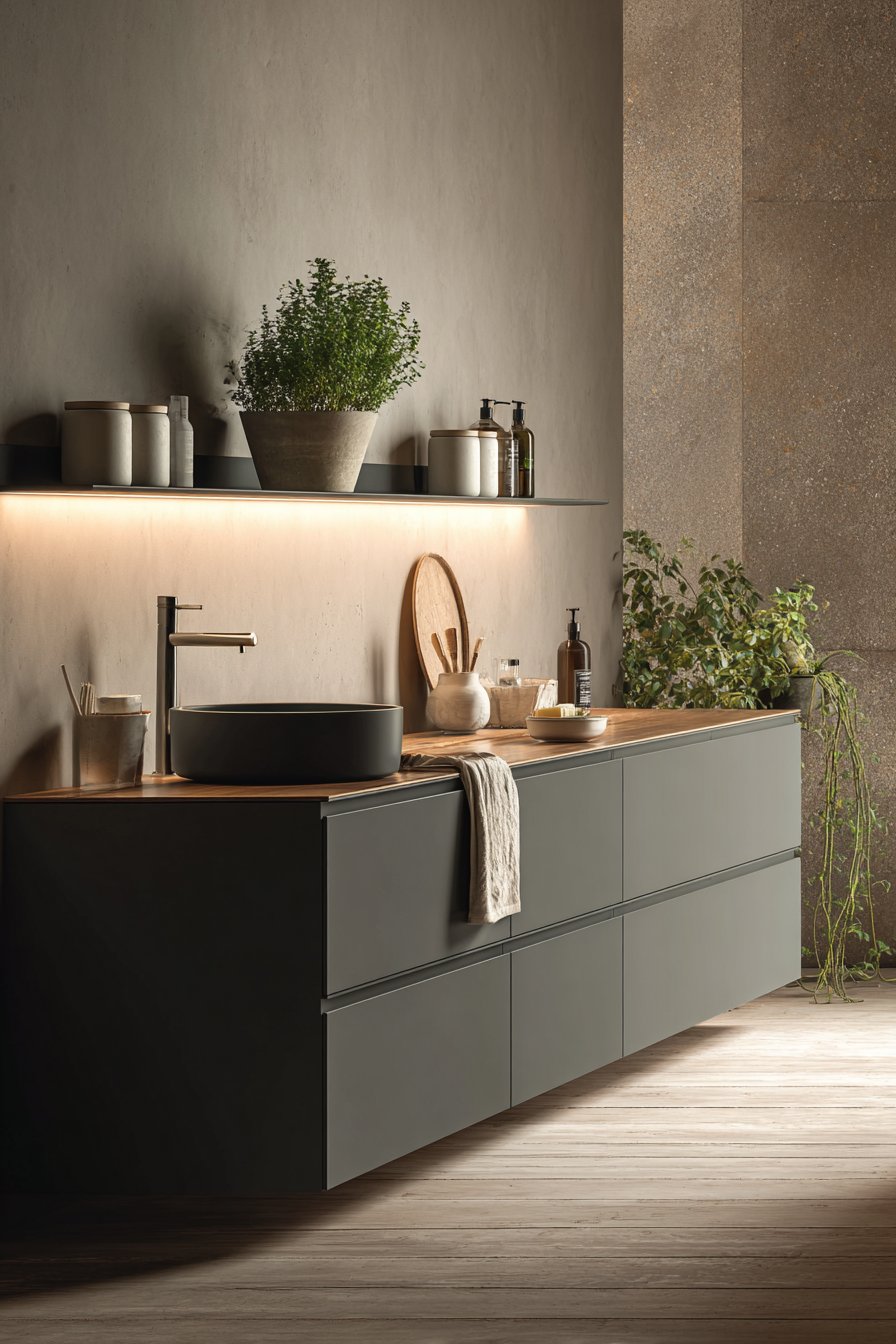
In both spaces, concealed storage is essential. Clutter-free countertops and surfaces are the hallmark of successful Japandi kitchens and bathrooms. Everything that is not beautiful is hidden away. What remains on view — a handmade soap dish, a ceramic mug, a folded linen towel — has been chosen because it is genuinely lovely.
- Choose matte, handleless cabinetry in warm neutrals for a Japandi kitchen
- Display only a few beautiful kitchen objects on open shelving
- Use natural stone or concrete tiles for a serene Japandi bathroom
- Incorporate wooden bath accessories for warmth and organic texture
- Keep countertops completely clear — store everything out of sight
- Add a small plant or botanical element to connect the bathroom to nature
12. Personalizing Your Japandi Space
Japandi is not a rigid formula — it is a living design philosophy that can be deeply personal. Within its calm, restrained framework, there is ample room for individual expression. The objects you choose to display, the specific woods and textiles you favor, the plants you nurture, and the art you select all tell your unique story.
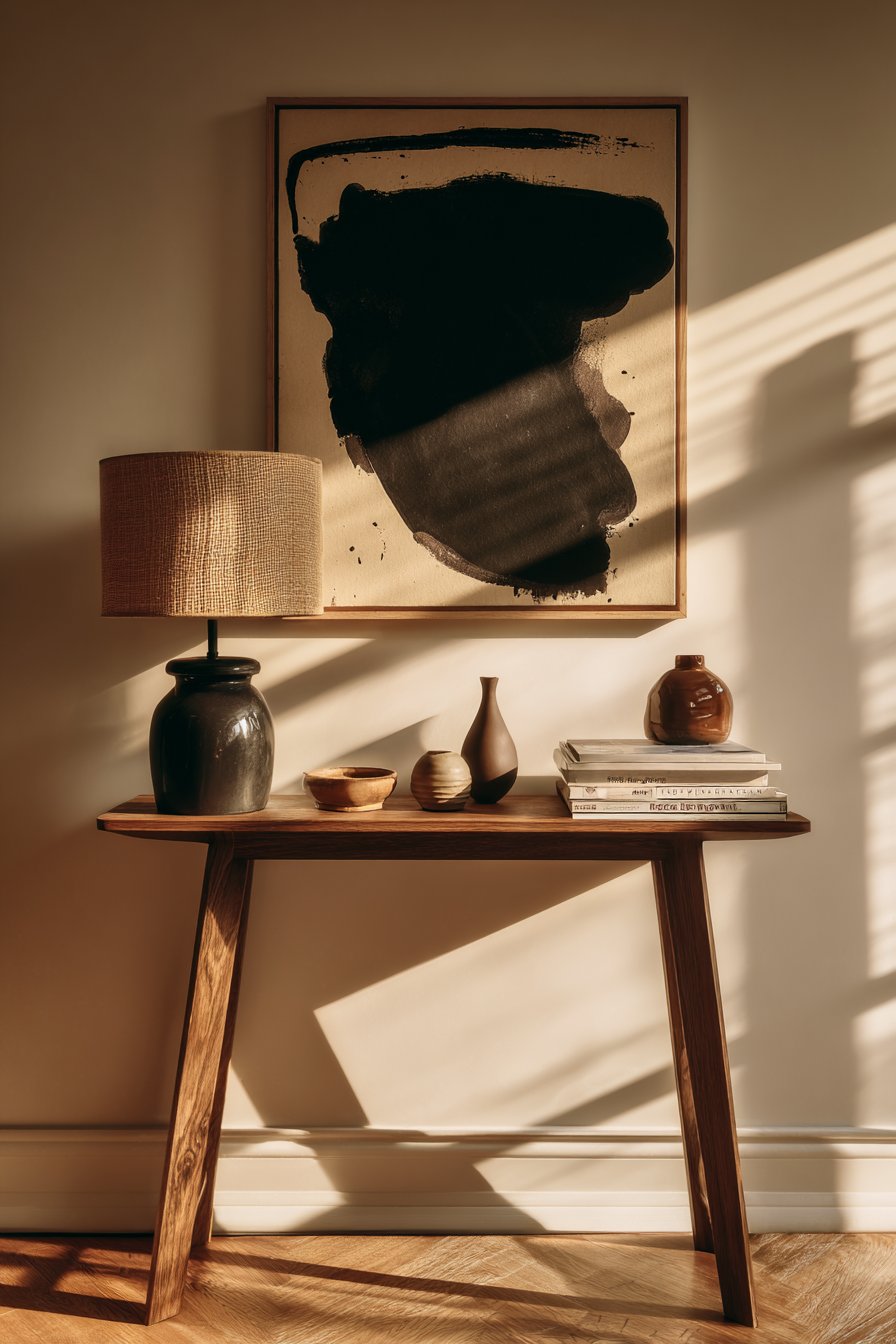
Artworks in Japandi spaces tend toward the understated. A single large piece of abstract art, a Japanese ink painting, or a simple graphic print can make a powerful statement against a calm, neutral wall. The key is choosing one or two meaningful pieces rather than covering walls in a gallery-style arrangement. Each artwork should feel like a considered choice, not a decoration default.
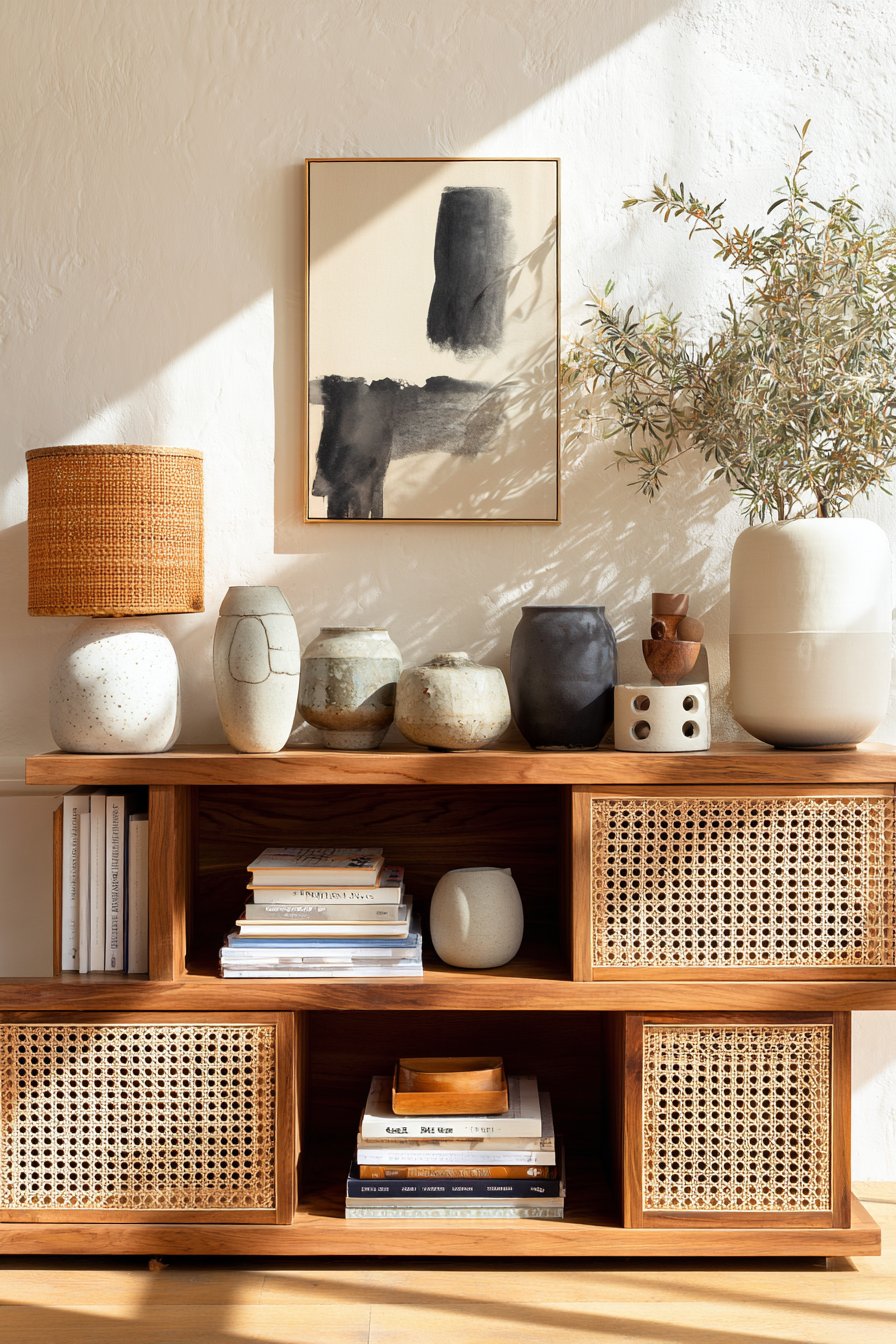
Personal collections — books, ceramics, travel objects — can also have a place in Japandi interiors when curated thoughtfully. A small shelf of meaningful ceramics tells a story. A stack of well-loved books on a side table adds personality. The discipline lies in displaying these collections selectively, keeping only the most meaningful pieces visible and storing the rest.
- Choose one or two significant artworks rather than many small pieces
- Display personal objects selectively — prioritize meaning and beauty together
- Let your cultural heritage or travel history influence your object curation
- Build a small, curated collection of handmade ceramics for display and daily use
- Revisit and refresh your displayed objects seasonally for ongoing interest
- Trust your instincts — Japandi should feel authentically yours, not imitated
Conclusion
Japandi design offers something rare in today’s complex world — a clear, calming visual language that supports wellbeing, celebrates craftsmanship, and honors the beauty of simplicity. By weaving together the Japanese reverence for imperfection and the Scandinavian love of functional coziness, Japandi creates homes that feel genuinely restorative. Every principle in this article — from the restrained color palette to the careful use of negative space — works together to build spaces of exceptional calm and beauty.
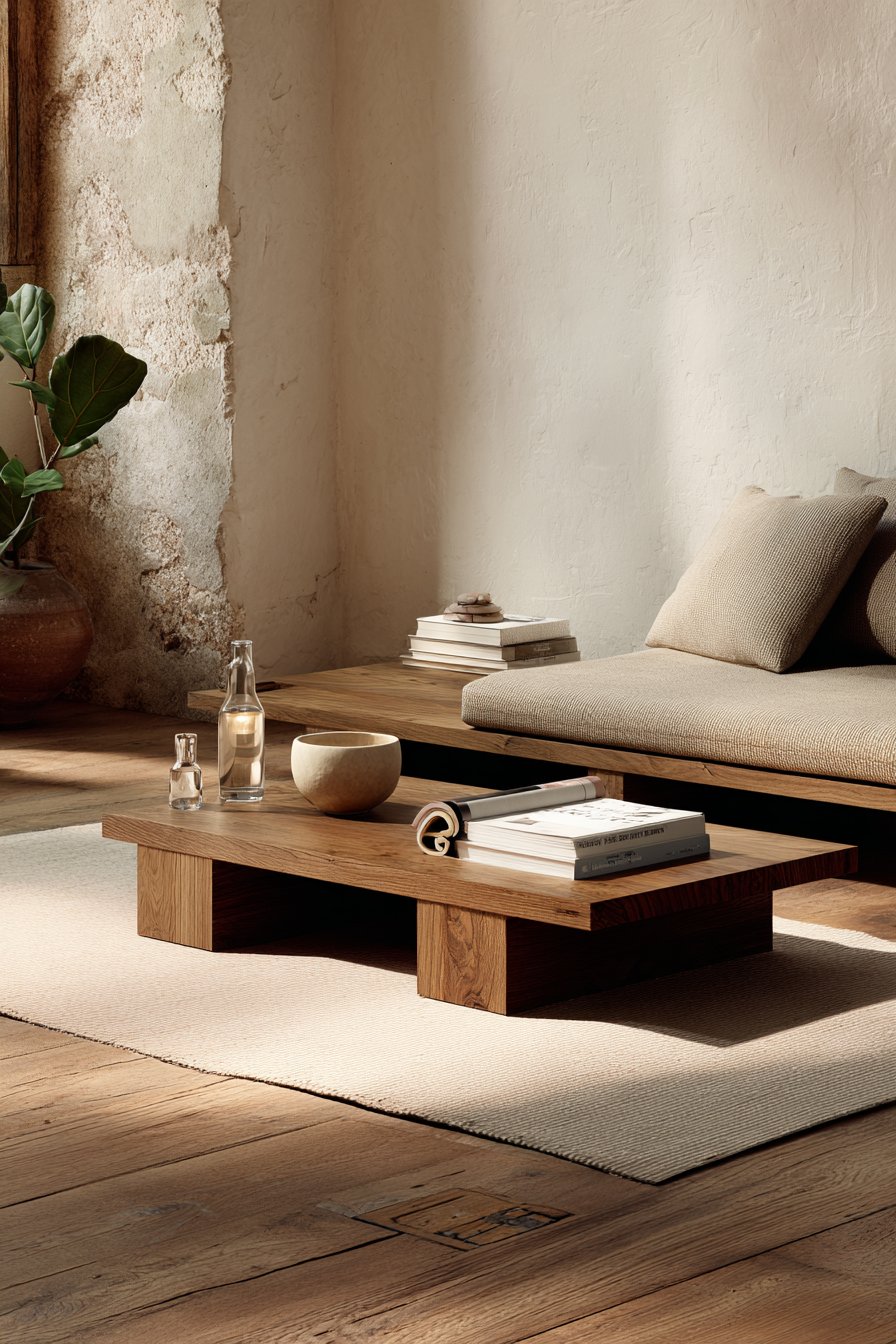
The most important step is simply to begin. Start with one room, one shelf, or even one surface. Edit with intention, choose materials with care, and allow yourself to be guided by the question: does this bring calm, purpose, or beauty? When the answer is yes, you are living the Japandi philosophy. Your home can become your most powerful sanctuary — a quiet, beautiful reflection of the life you truly want to live.
