


Choosing the right flooring for your laundry room is one of the most practical decisions you’ll make in your home. This space endures constant moisture exposure, heavy appliance traffic, and frequent spills — making flooring selection far more critical than in most other rooms. The wrong choice can lead to warping, mold, or costly replacements within just a few years.
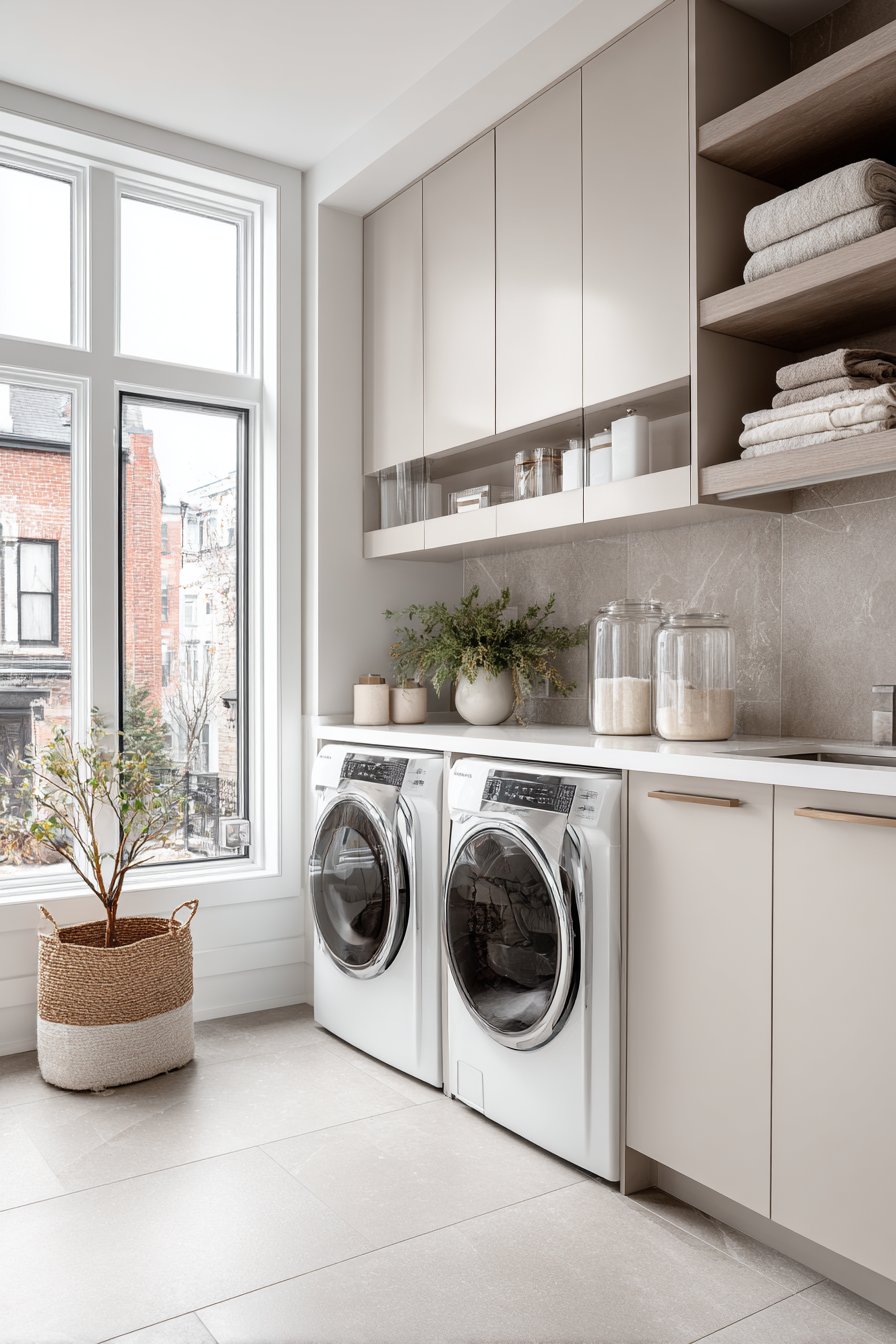
Many homeowners overlook the laundry room when planning renovations, treating it as an afterthought. But with the right flooring, this hardworking space can become both functional and visually appealing. From vinyl planks to ceramic tile, the options are wide-ranging, and each comes with its own strengths and trade-offs depending on your specific needs and budget.
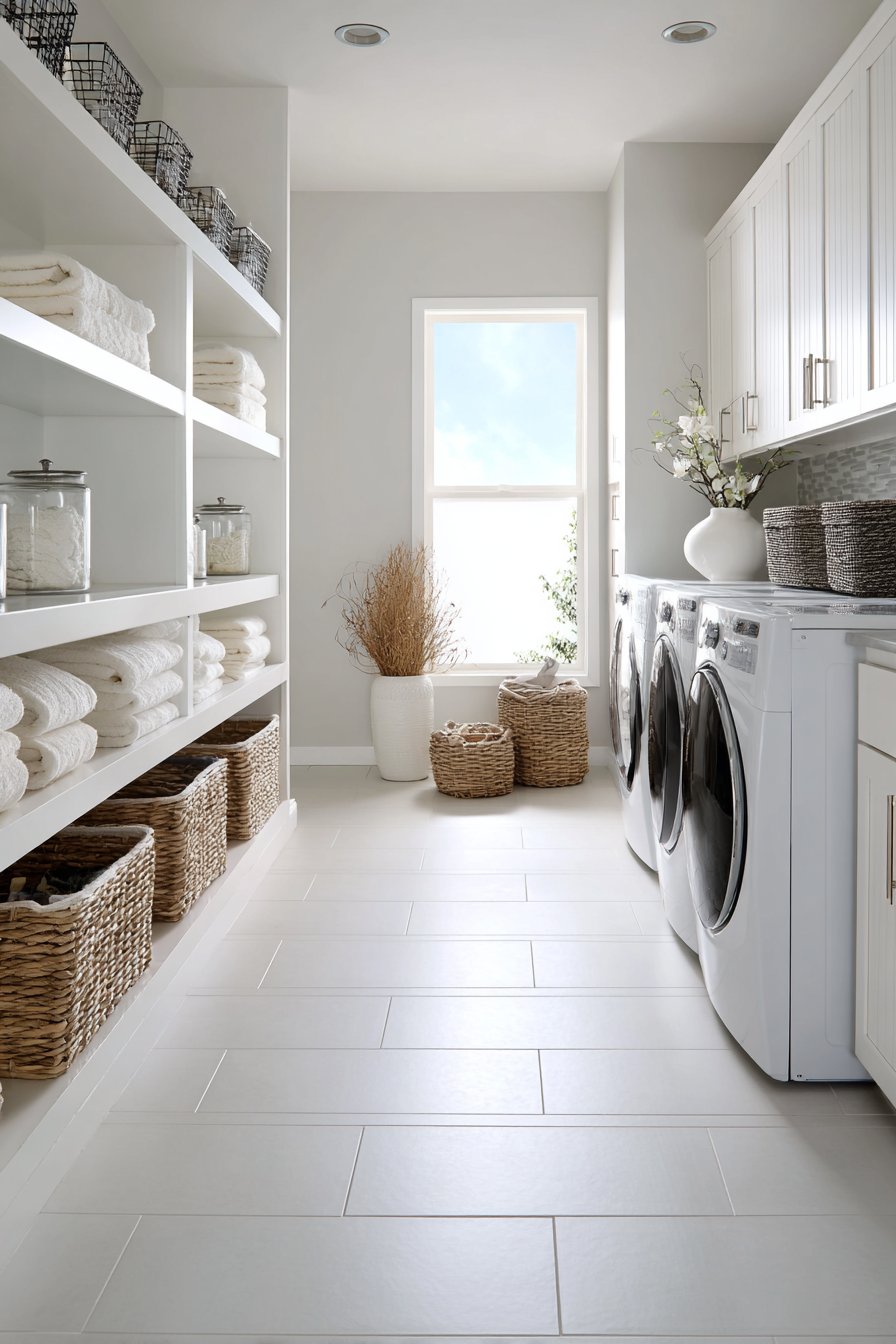
This guide walks you through the key factors every homeowner should evaluate before committing to laundry room flooring. Whether you’re building a new laundry space or upgrading an existing one, these considerations will help you make a smart, long-lasting investment that balances performance, aesthetics, and cost.
1. Water and Moisture Resistance
The laundry room is one of the wettest rooms in your home. Washing machines can leak, hoses can burst, and steam from dryers creates persistent humidity. Your flooring must handle all of this without deteriorating quickly.
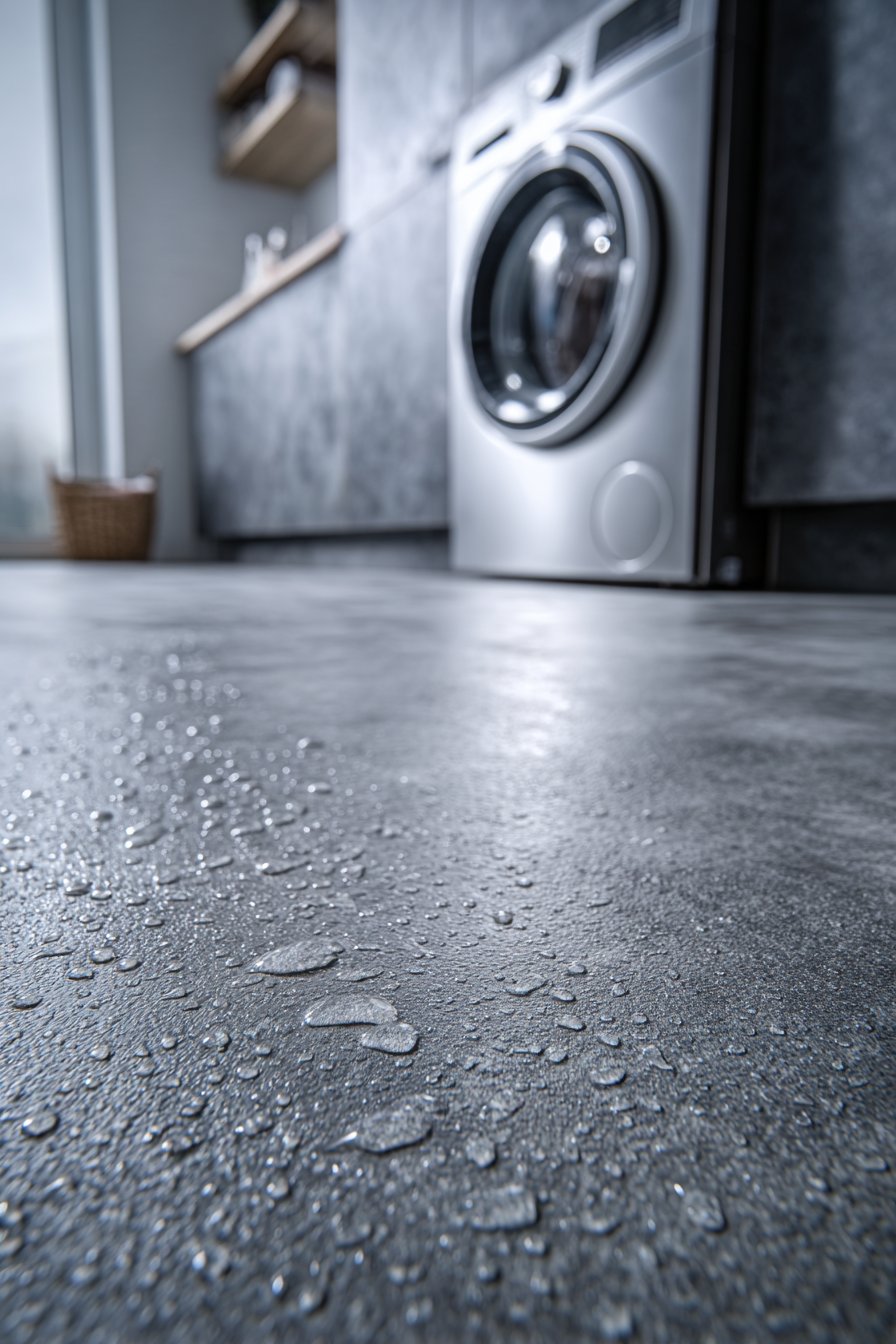
Materials like ceramic tile, luxury vinyl plank (LVP), and sheet vinyl are excellent moisture-resistant choices. Hardwood and laminate, on the other hand, are highly vulnerable to water damage and warping. Even so-called “water-resistant” laminates should be approached with caution in laundry rooms.
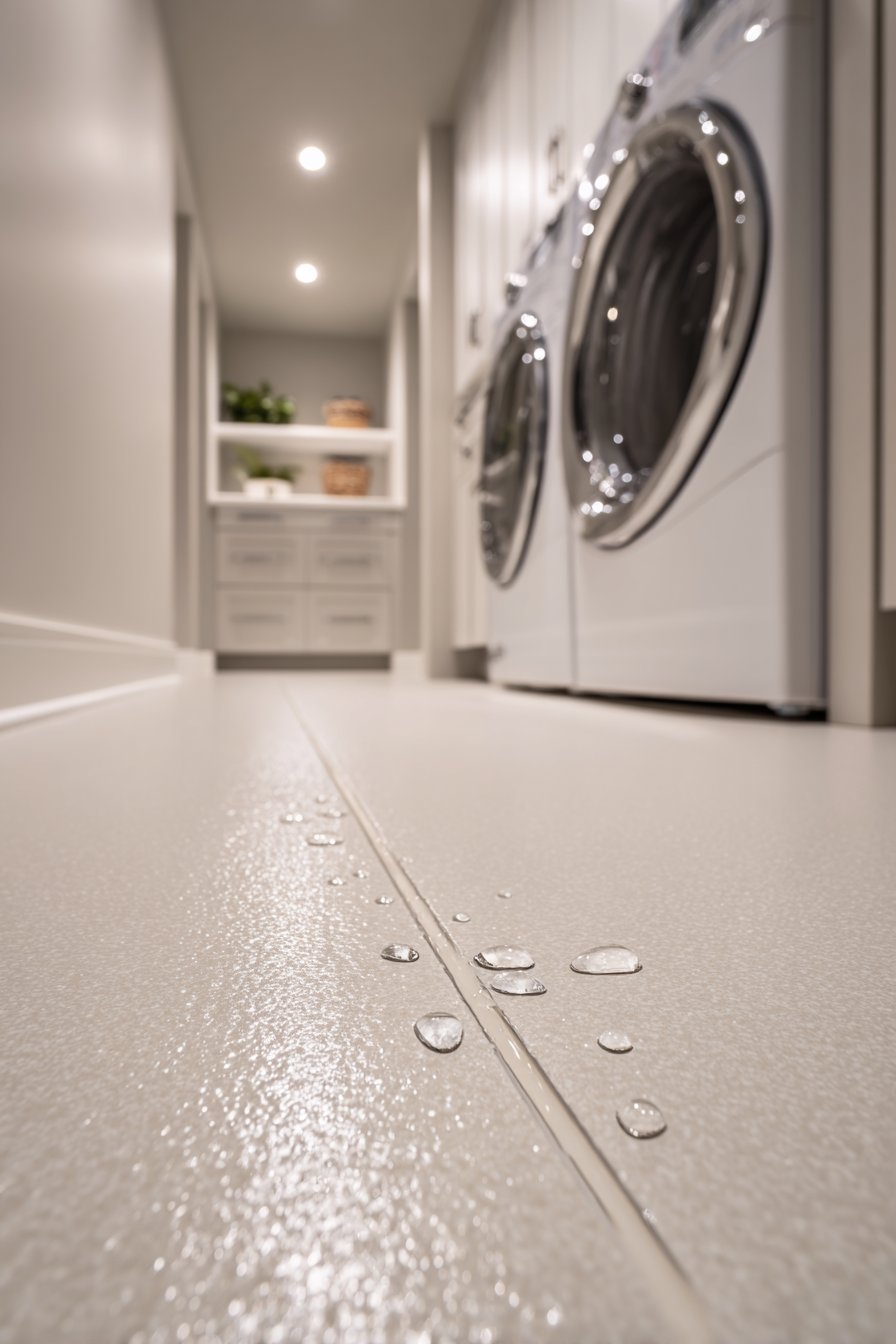
Consider flooring that features a sealed surface and tight seams to prevent water from seeping below. Grout lines in tile should be sealed regularly. The subfloor beneath your chosen material also needs to be moisture-proof or treated accordingly to prevent long-term structural damage.
- Choose 100% waterproof materials like luxury vinyl or porcelain tile
- Avoid laminate and solid hardwood in moisture-prone laundry spaces
- Seal tile grout at installation and reseal annually
- Use a waterproof membrane under your chosen flooring for extra protection
- Consider sheet vinyl for a seamless, leak-resistant surface
- Inspect washing machine hoses regularly to prevent sudden flooding
2. Durability and Wear Resistance
Laundry rooms see heavy daily use. Appliances are dragged in and out during installation and repair. Laundry baskets are dropped repeatedly. Foot traffic in tight spaces creates consistent wear patterns. Your flooring must be tough enough to handle all of this without showing premature damage.
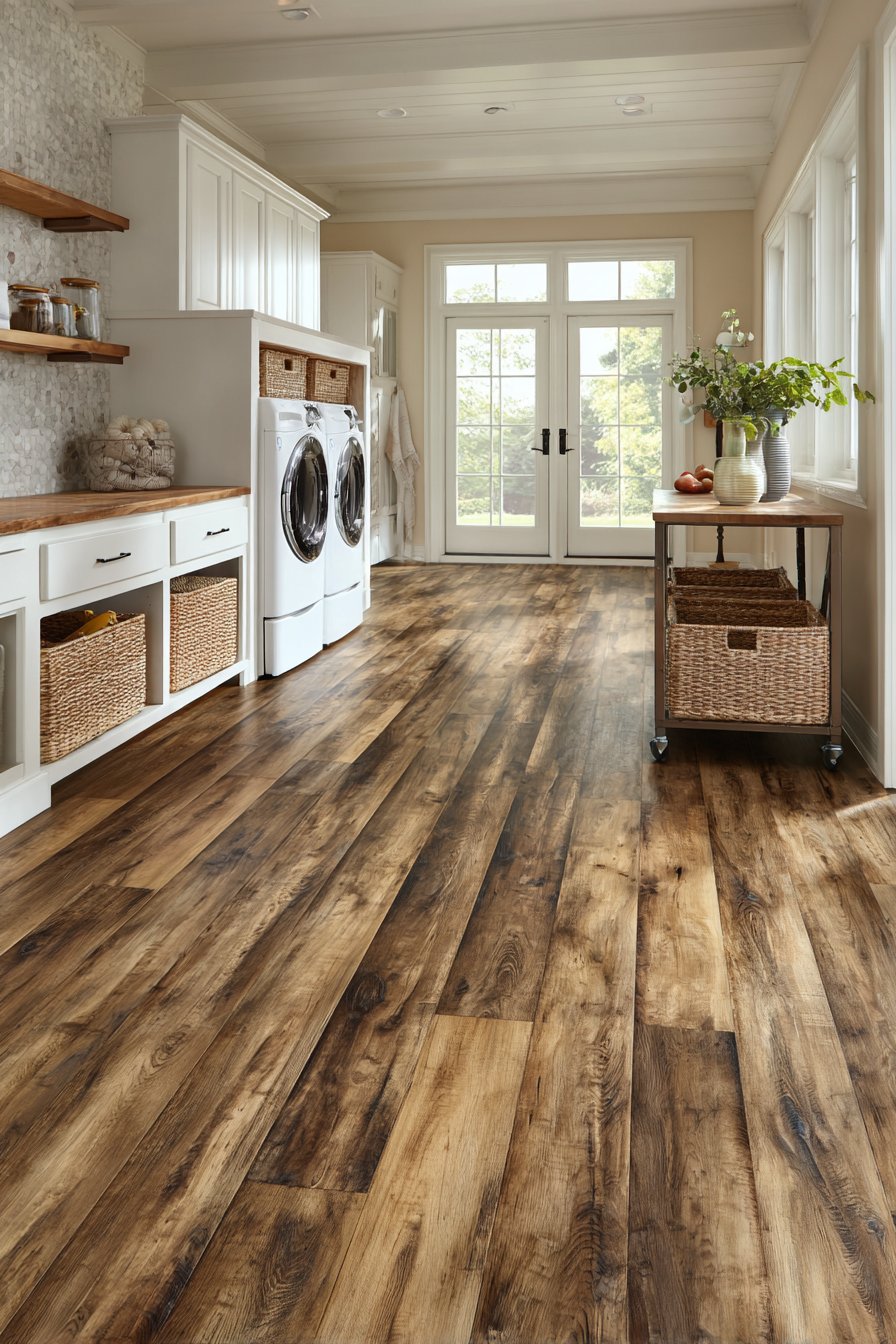
Porcelain tile and high-wear-rated LVP are among the most durable options available. Look for flooring rated with a high Wear Layer thickness — at least 12 mil wear layer for residential use — when selecting luxury vinyl. This determines how well it resists scratches, scuffs, and dents over time.
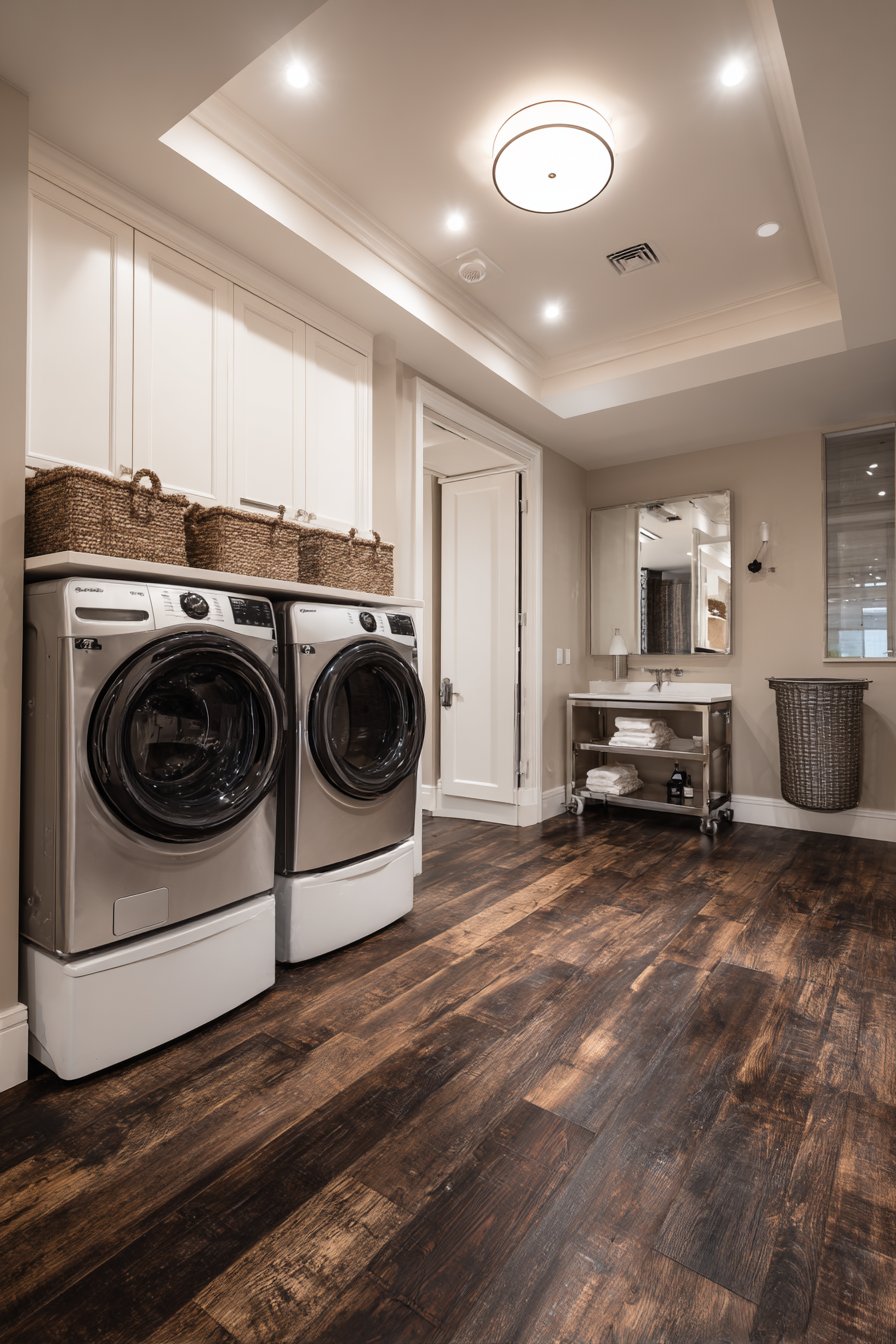
Consider the weight of your appliances as well. Heavy washers and dryers can dent softer flooring materials like cork or low-density vinyl. Opting for hard, dense surfaces ensures your floor maintains its appearance even under persistent appliance pressure.
- Prioritize flooring with a high hardness rating or wear layer
- Avoid cork or soft rubber unless specifically rated for heavy appliances
- Look for scratch-resistant finishes if pets frequent the space
- Choose thicker vinyl planks (6mm+) for better dent resistance
- Test flooring samples under simulated load before purchasing
- Consider commercial-grade options for high-usage laundry rooms
3. Slip Resistance and Safety
A wet laundry room floor is a serious safety hazard. Water drips from clothing, overflows from the machine, and condensation from cold surfaces can all make floors dangerously slippery. Choosing flooring with adequate traction is essential for preventing falls.
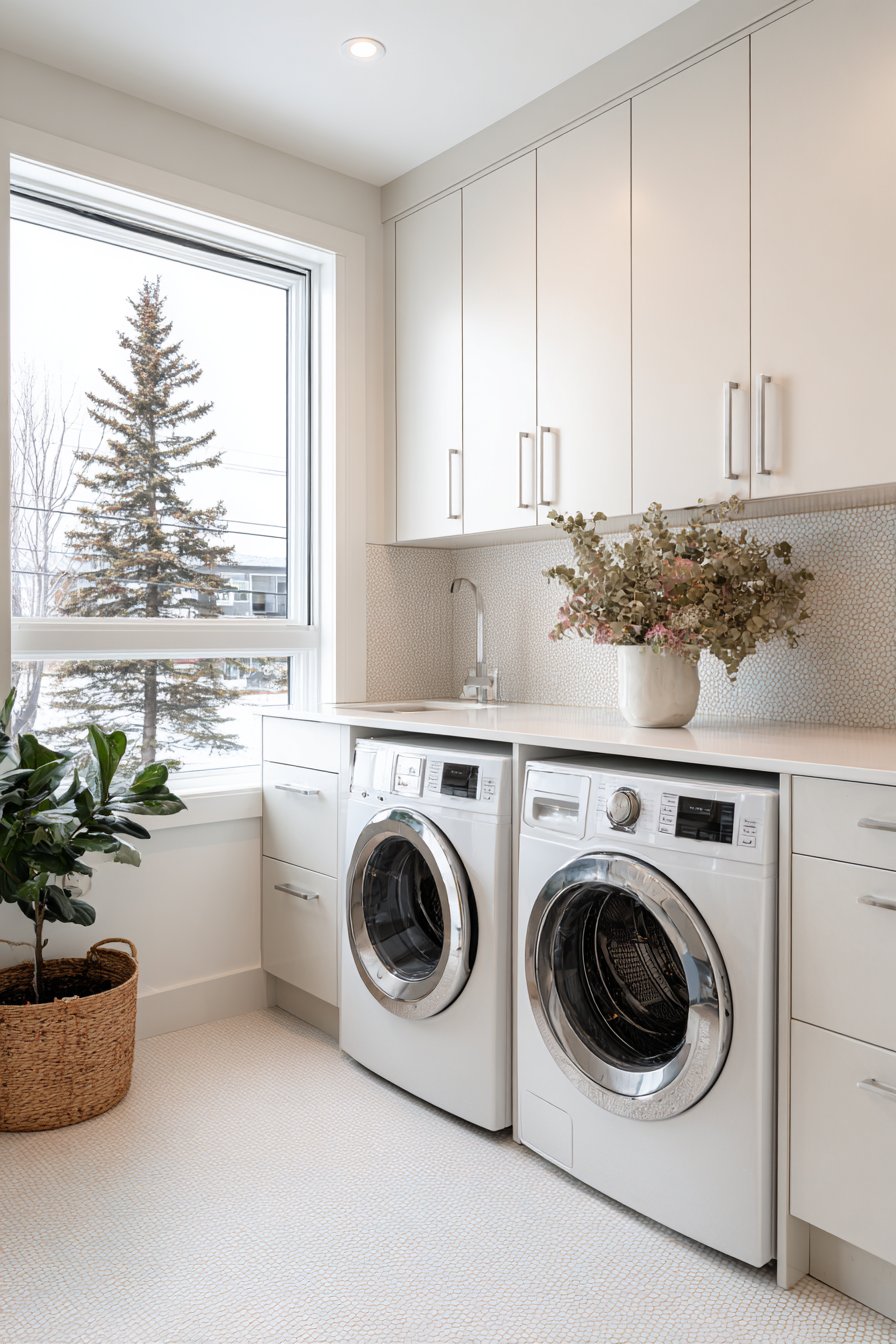
Look for flooring with a COF (Coefficient of Friction) rating of at least 0.42 for wet conditions. Textured tile surfaces, matte-finish vinyl, and embossed patterns all improve grip underfoot. Polished or smooth surfaces may look sleek but can become dangerously slick when wet.
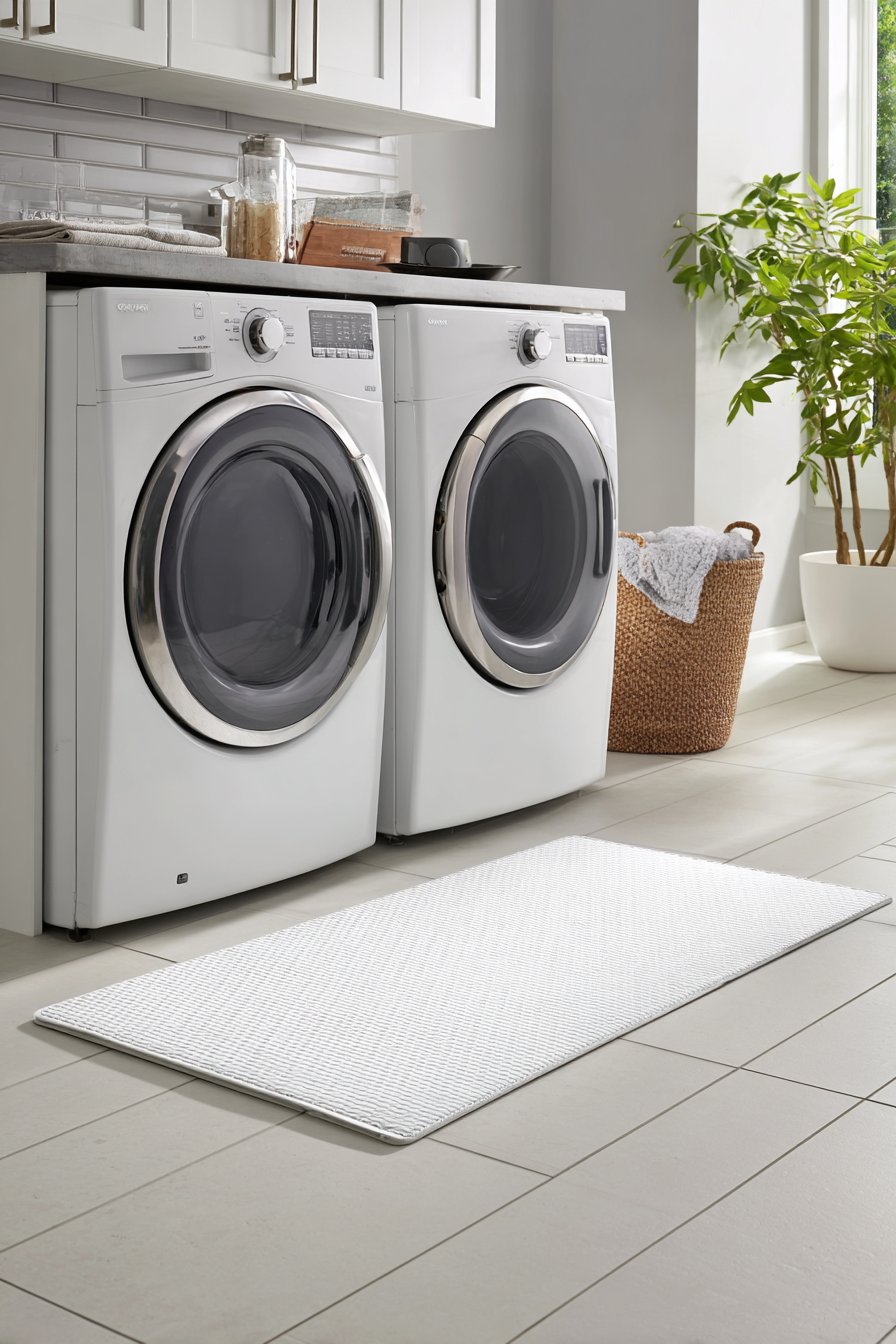
Adding a non-slip area rug or mat in front of the washer and dryer provides an extra layer of safety. Ensure any mats have rubberized, non-slip backing and are easy to wash. Anti-fatigue mats also offer comfort if you spend long periods sorting and folding laundry.
- Choose tile with a textured or matte finish for better grip
- Avoid high-gloss or polished surfaces in moisture-prone areas
- Look for flooring rated with a COF of 0.42 or higher (wet conditions)
- Place non-slip mats with rubberized backing near appliances
- Consider anti-fatigue mats to reduce strain during extended use
- Check manufacturer slip-resistance ratings before purchasing
4. Ease of Cleaning and Maintenance
Laundry rooms attract lint, detergent spills, fabric softener drips, and dust. Your flooring should be easy to sweep, mop, and sanitize without requiring special cleaning products or time-intensive processes. Low-maintenance flooring saves both time and money over the long run.
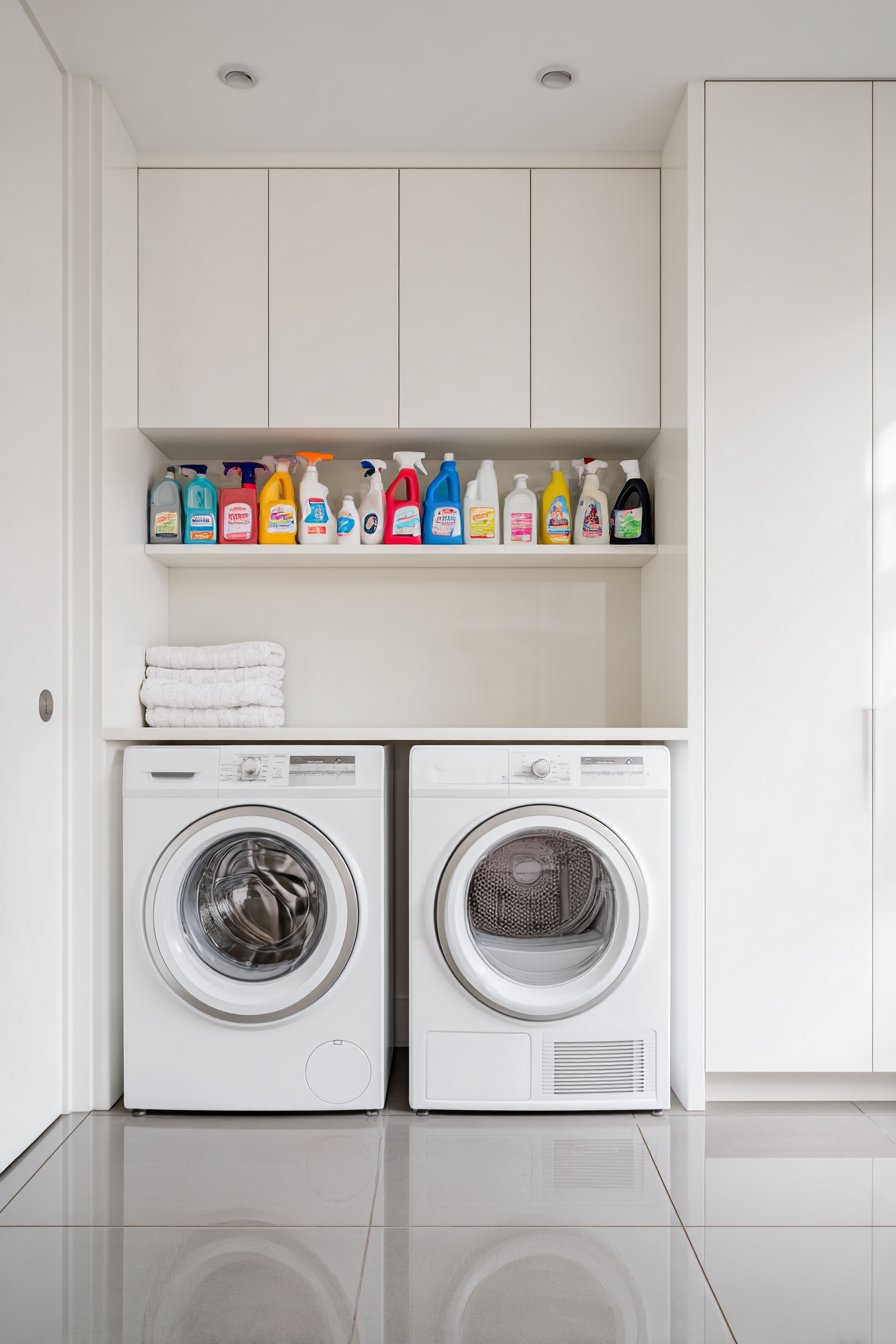
Smooth, sealed surfaces like glazed porcelain tile and luxury vinyl are the easiest to clean. They resist staining and can be wiped down quickly. Unglazed tile or textured surfaces can trap lint and detergent residue in their pores, requiring more frequent scrubbing.
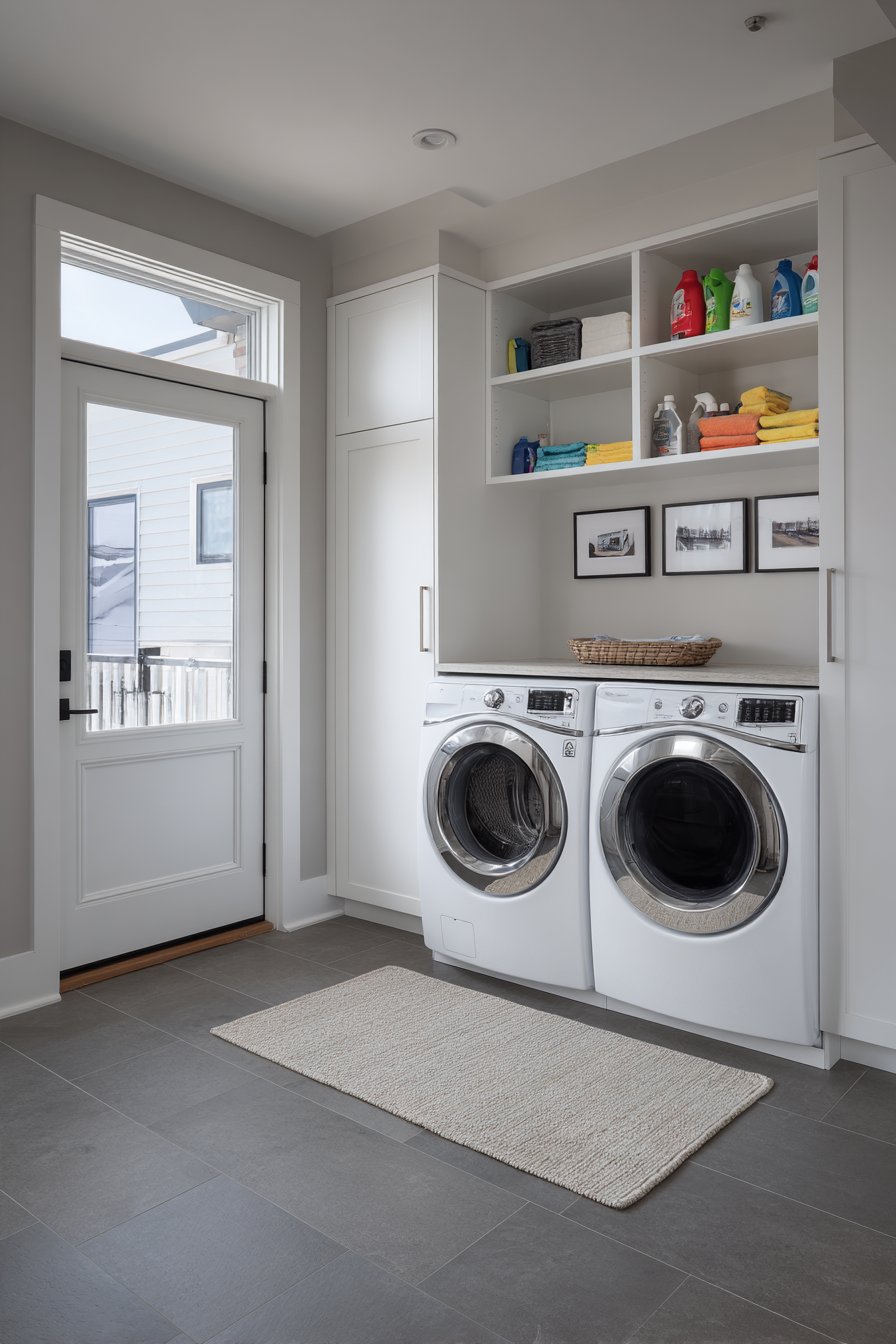
Avoid flooring that requires waxing, oiling, or specialized cleaners in a space that already demands attention. Grout lines, while manageable, do require occasional deep cleaning. Light-colored grout can stain easily, so opt for mid-tone or dark grout in laundry rooms to hide everyday grime.
- Opt for glazed or sealed surfaces that resist staining and lint buildup
- Use mid-tone grout to conceal everyday dirt between deep cleans
- Avoid unglazed tile that traps detergent residue
- Mop regularly with a mild, floor-safe cleaner
- Avoid wax-based cleaners on vinyl to maintain its finish
- Place lint-catching mats near the dryer to reduce floor buildup
5. Comfort Underfoot
You may spend more time standing in the laundry room than you realize — sorting clothes, folding laundry, ironing, and transferring loads. Hard, unforgiving floors like tile can cause discomfort during extended standing sessions. Comfort matters more than most people anticipate.
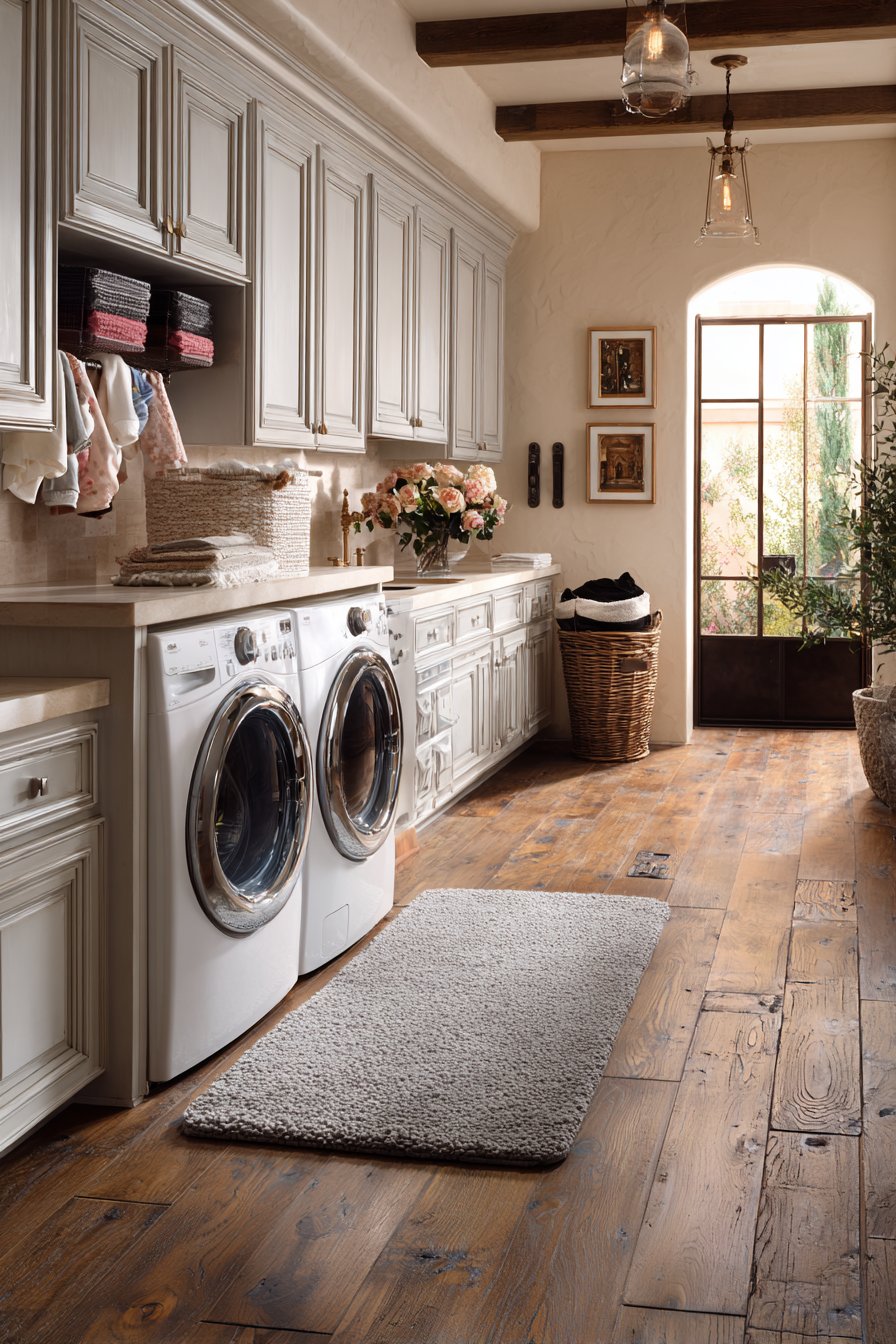
Luxury vinyl plank offers a softer feel compared to tile, especially when installed over a foam underlayment. Cork flooring, though less moisture-resistant, provides natural cushioning and warmth underfoot. Rubber flooring is another comfortable option that’s both shock-absorbing and durable.
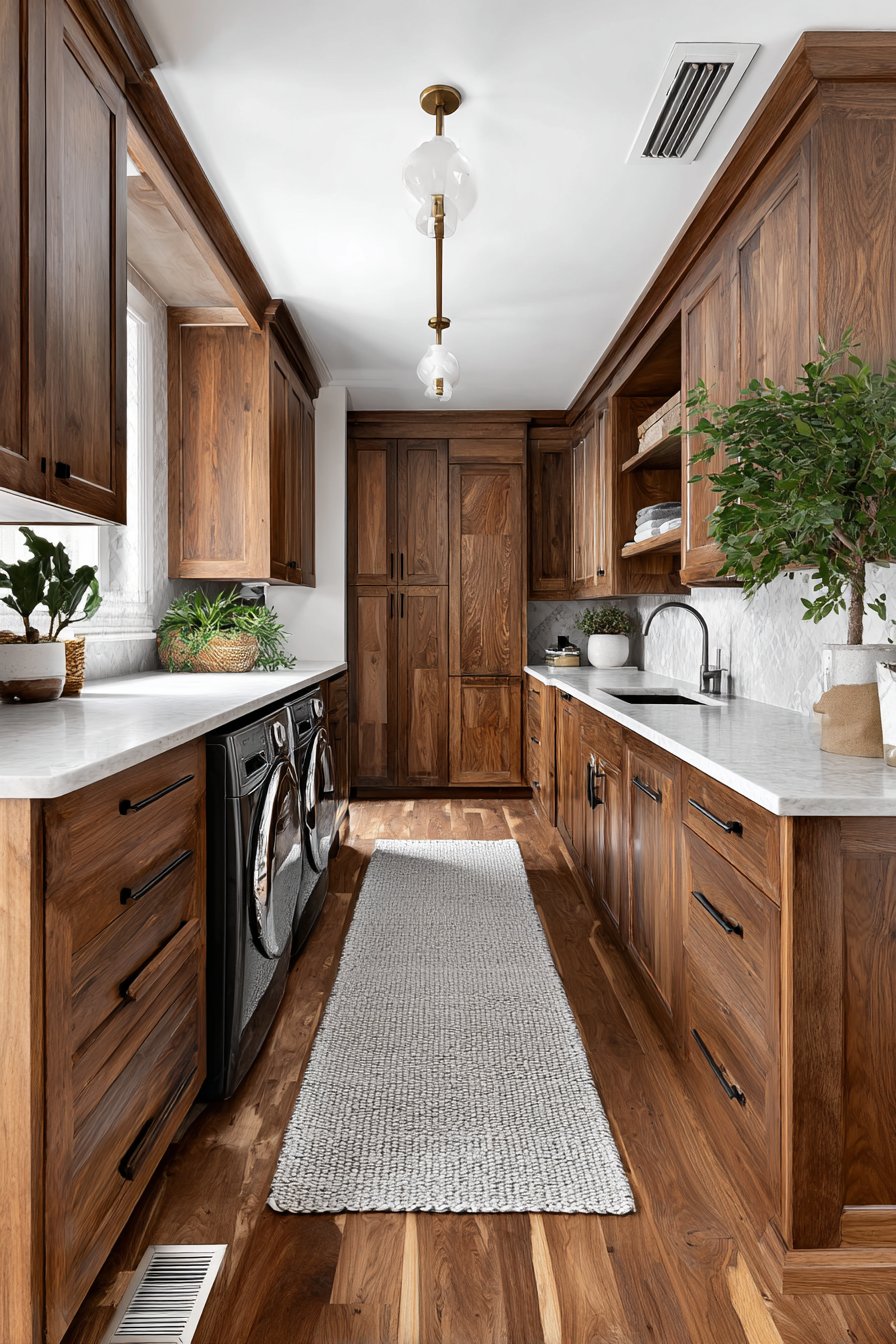
If you prefer the look of tile but want more comfort, anti-fatigue mats placed strategically can bridge the gap. Radiant floor heating beneath tile also improves the standing experience significantly, especially in colder climates. Investing in comfort here reduces fatigue and makes laundry day feel less like a chore.
- Consider luxury vinyl with foam underlayment for cushioning
- Use anti-fatigue mats in front of appliances to reduce joint strain
- Explore rubber flooring for a balance of comfort and durability
- Install radiant heating beneath tile in colder regions
- Avoid bare concrete without a layer of cushioning or covering
- Cork flooring works well if sealed properly against moisture
6. Budget and Cost Per Square Foot
Laundry rooms are typically small — averaging 35 to 70 square feet — which means your total flooring cost may be lower than in other rooms. However, that doesn’t mean cutting corners is wise. The cost-per-square-foot varies dramatically across materials, and installation costs can add up.
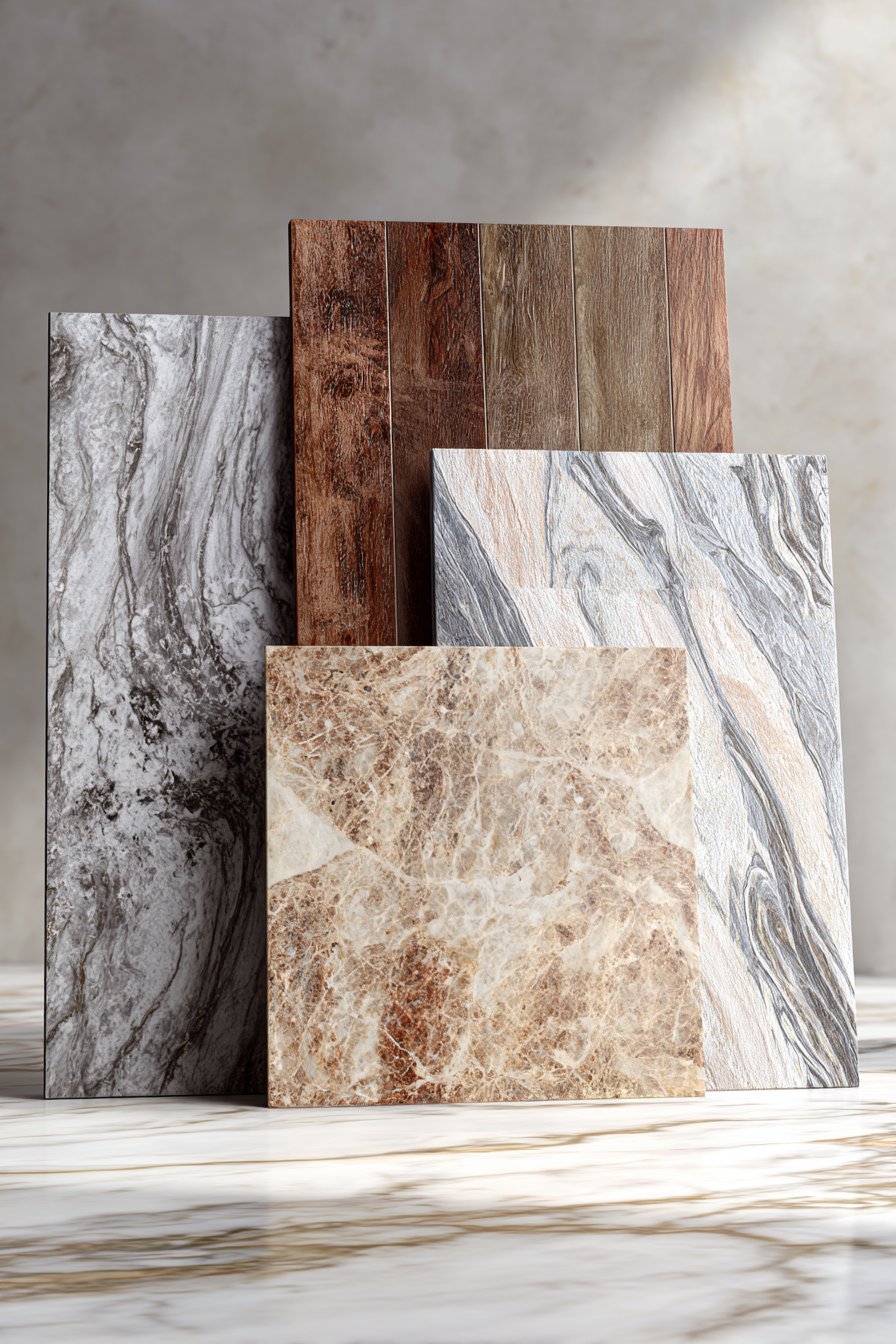
Sheet vinyl is one of the most budget-friendly options, often ranging from $1 to $5 per square foot. Luxury vinyl plank sits in the mid-range at $2–$7 per square foot. Ceramic tile ranges from $3–$10, while porcelain can reach $15 or more depending on design. Budget for both material and installation costs from the beginning.
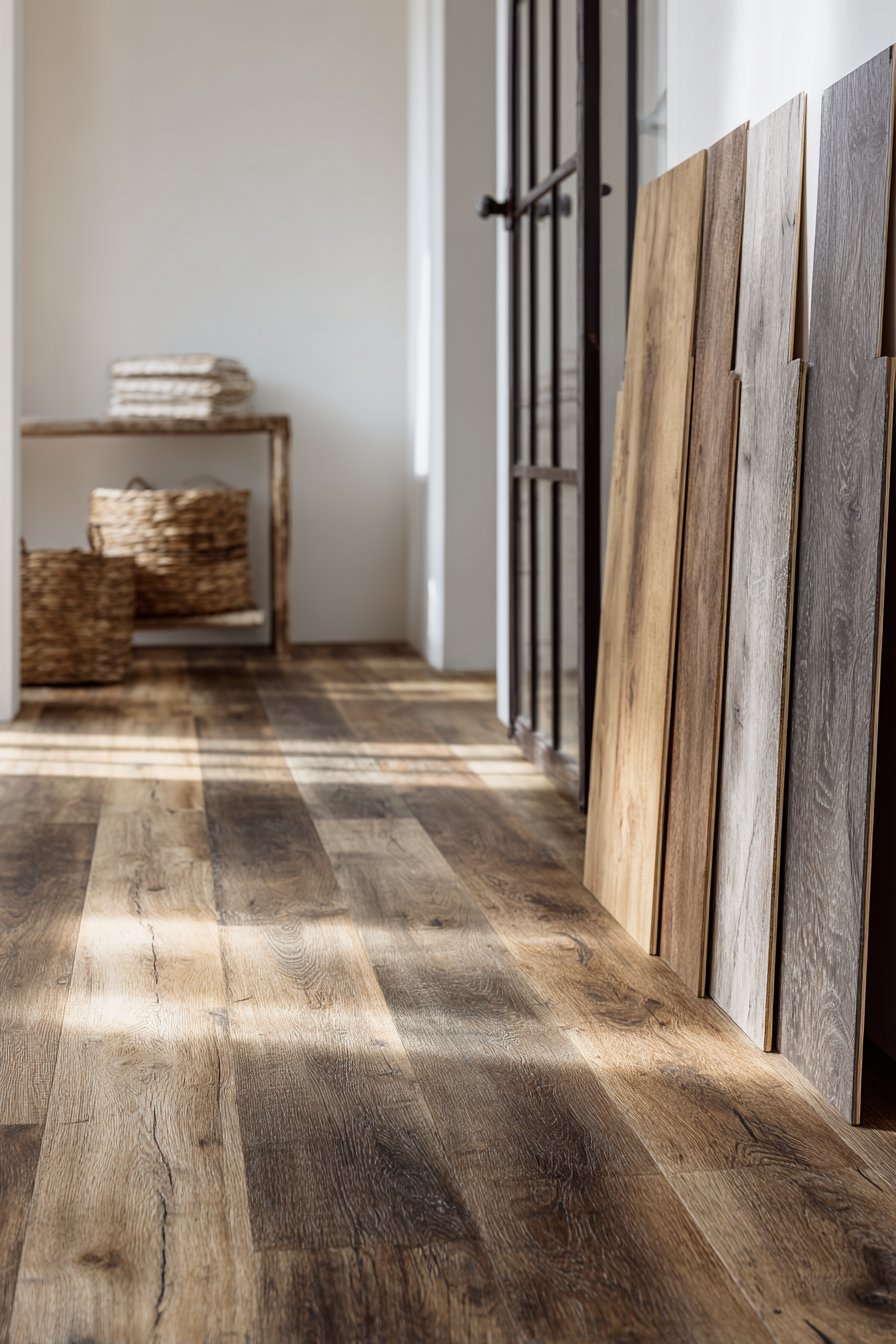
DIY installation is possible with vinyl plank and peel-and-stick tiles, which can reduce labor costs significantly. Tile installation, however, typically requires professional expertise to ensure proper leveling and waterproofing. Always factor in underlayment, adhesives, and grout when planning your total budget.
- Sheet vinyl offers the most budget-friendly coverage for small spaces
- Luxury vinyl plank provides mid-range pricing with excellent performance
- Factor in installation, underlayment, and sealing costs from the start
- DIY vinyl plank installation can save $3–$6 per square foot in labor
- Compare long-term durability versus upfront cost before deciding
- Get at least three quotes from contractors before committing
7. Aesthetic Appeal and Style
Just because the laundry room is utilitarian doesn’t mean it should look uninspiring. Modern laundry room design has embraced style alongside function, with homeowners choosing flooring that complements cabinetry, wall color, and overall home aesthetics. The right floor transforms the space.
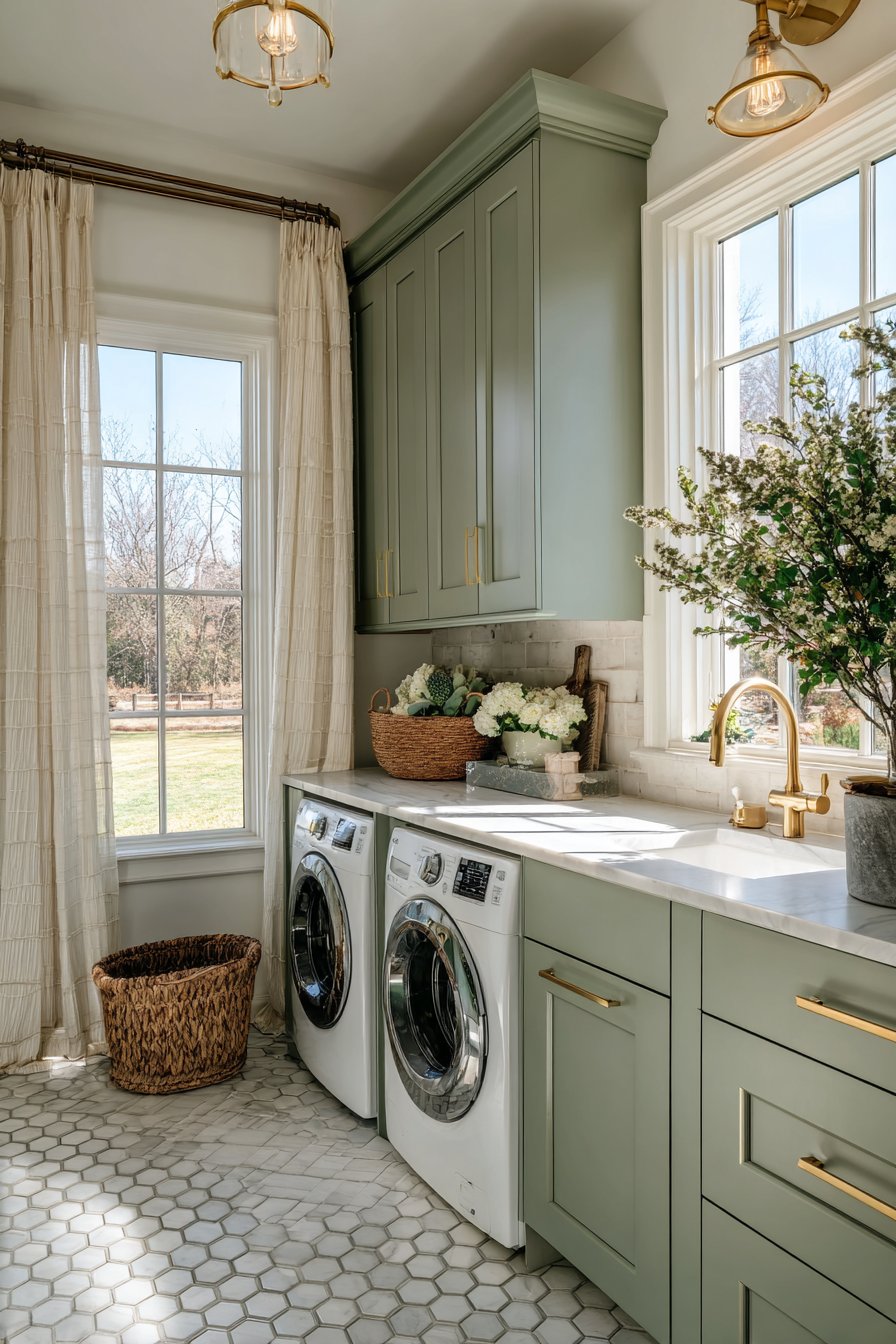
Large-format tiles create a clean, expansive look in small laundry rooms. Wood-look luxury vinyl adds warmth and a cohesive feel when it matches flooring in adjacent rooms. Geometric or patterned tile can introduce a bold design statement without overwhelming the space.
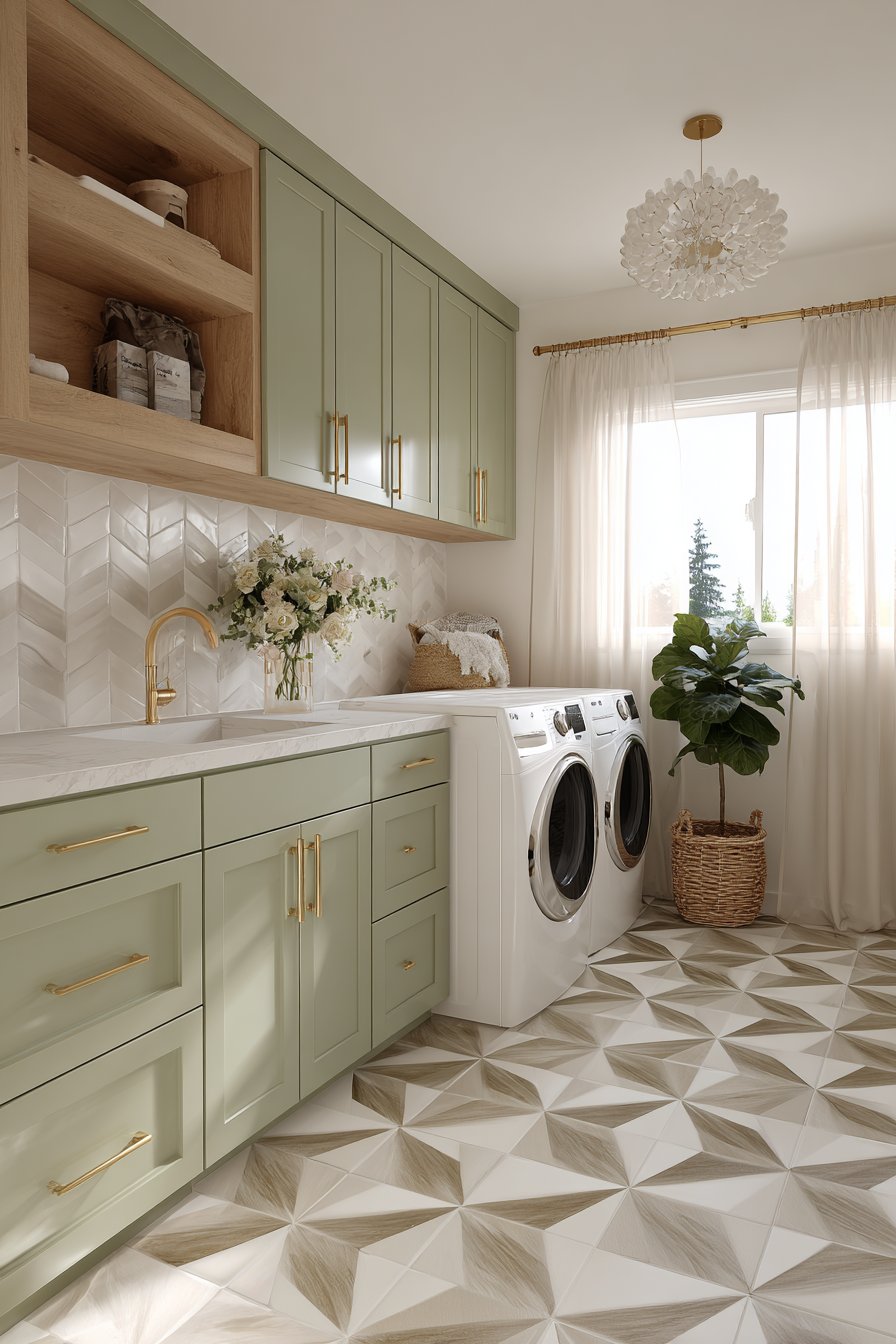
Consider how the flooring will interact with your wall colors and cabinetry finishes. Light floors open up a small space visually, while darker tones hide stains more effectively. Neutral, versatile tones like gray, white, or natural wood looks offer the most design flexibility for future updates.
- Choose large-format tiles to make small laundry rooms feel more spacious
- Match flooring tone to adjacent rooms for visual continuity
- Use patterned tile or geometric designs as a subtle focal point
- Light floors brighten the room; dark floors conceal everyday stains
- Wood-look LVP adds warmth without the moisture risk of real wood
- Neutral palettes offer the most longevity as design trends evolve
8. Installation Method and Complexity
Not all flooring is equally easy to install, and installation complexity can significantly affect both your timeline and total cost. Some materials require extensive subfloor preparation, while others can go down quickly over existing floors. Understanding this upfront prevents unpleasant surprises.
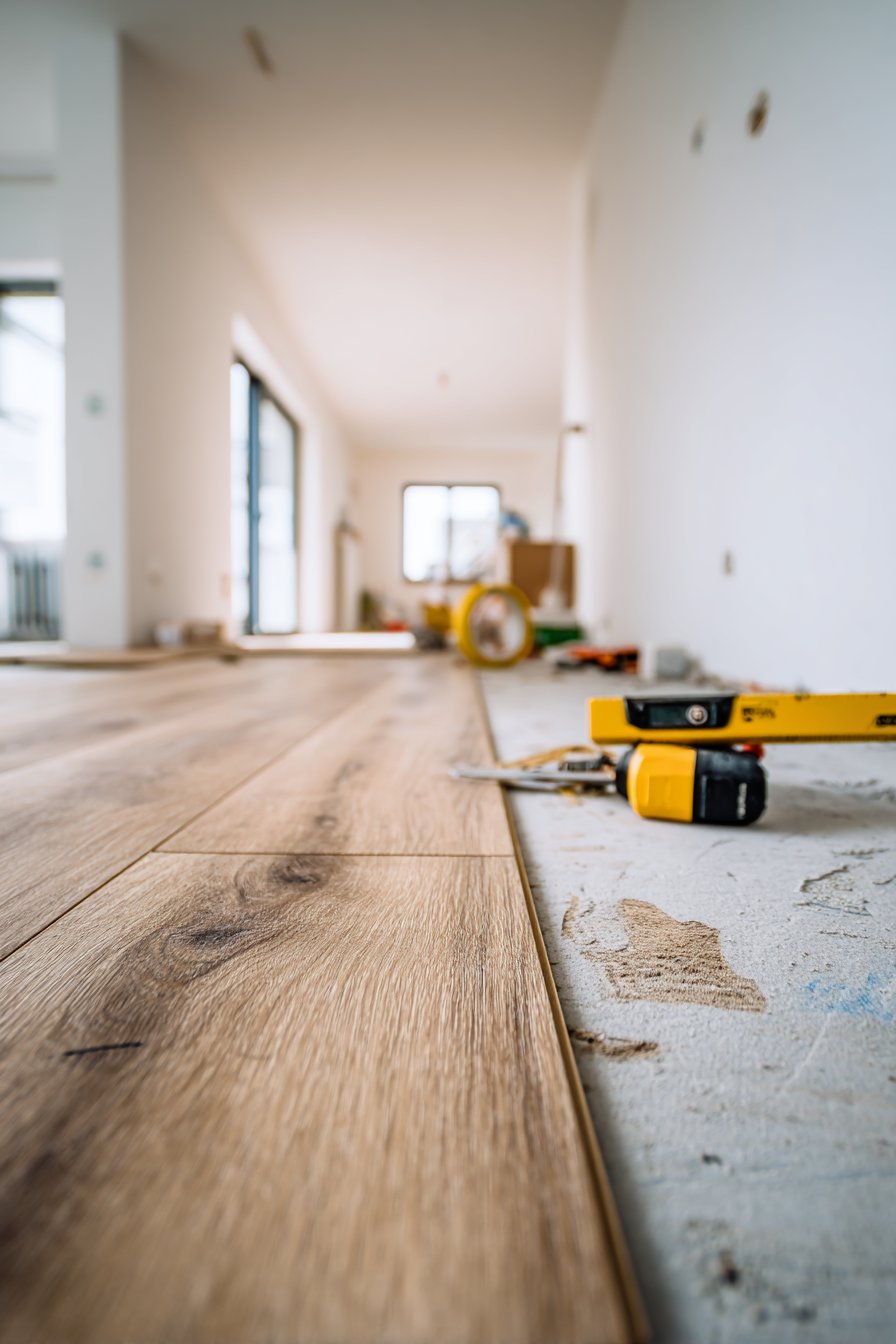
Click-lock luxury vinyl planks are among the easiest to install, requiring no adhesive and allowing for floating installation over most existing subfloors. Sheet vinyl requires precise cutting and smooth subfloor preparation. Tile demands proper leveling, backer board installation, and curing time before use.
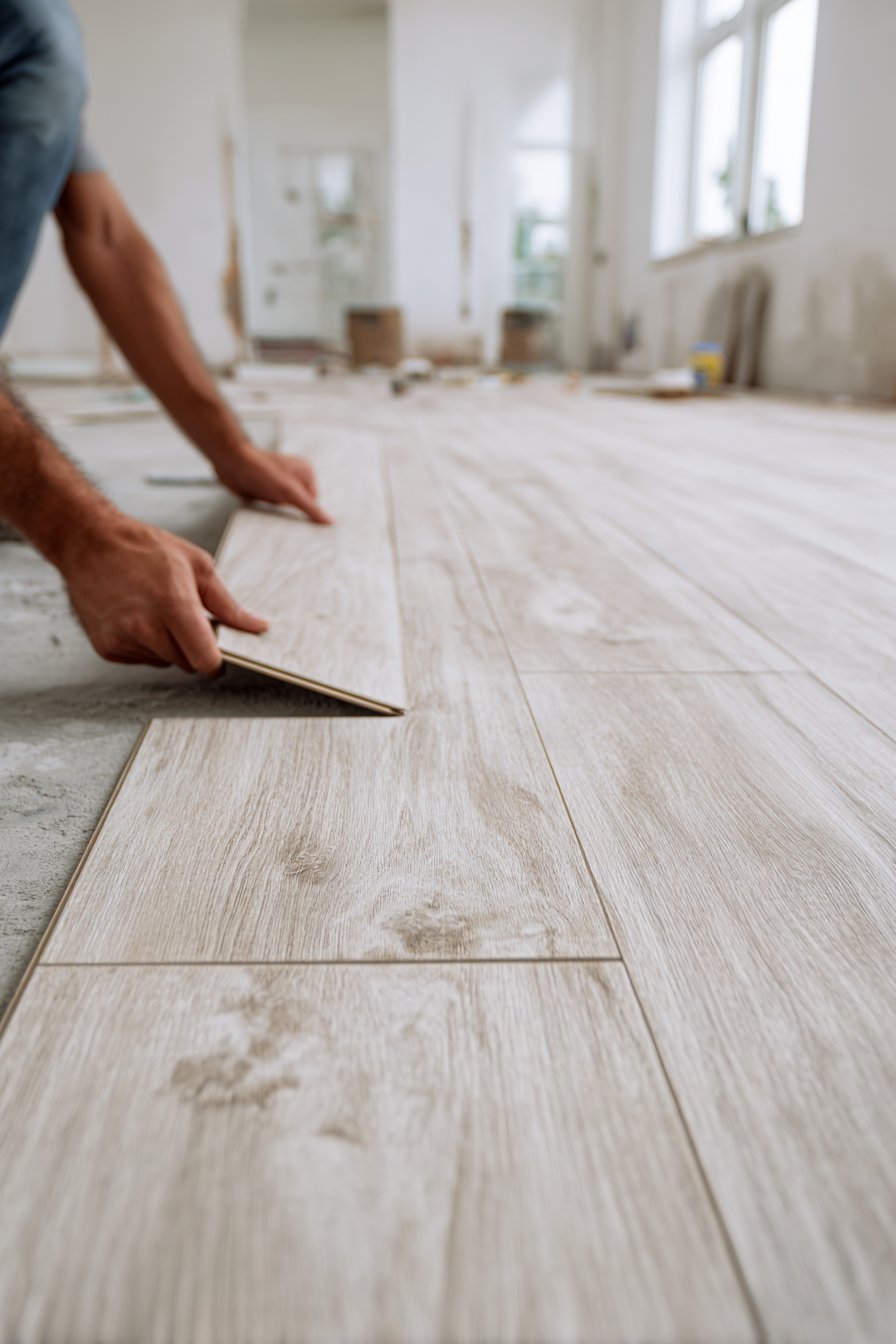
If your laundry room has an uneven or damaged subfloor, additional prep work is necessary before any flooring goes down. Skipping this step leads to cracked tiles, shifting planks, and bubbling vinyl over time. Always assess subfloor condition before choosing your material.
- Click-lock LVP offers the quickest DIY-friendly installation process
- Tile installation requires backer board, leveling, and drying time
- Assess and repair subfloor damage before installing any flooring
- Sheet vinyl needs a perfectly smooth base to avoid visible imperfections
- Allow for manufacturer-recommended acclimation time before installation
- Hire a professional for tile work to ensure long-term waterproofing
9. Flooring Thickness and Appliance Clearance
One often-overlooked consideration is floor height and appliance clearance. Laundry room doors and appliances have tight tolerances. Adding thick flooring can make a washer or dryer sit too high for a front-loading pedestal, or prevent a door from swinging freely.
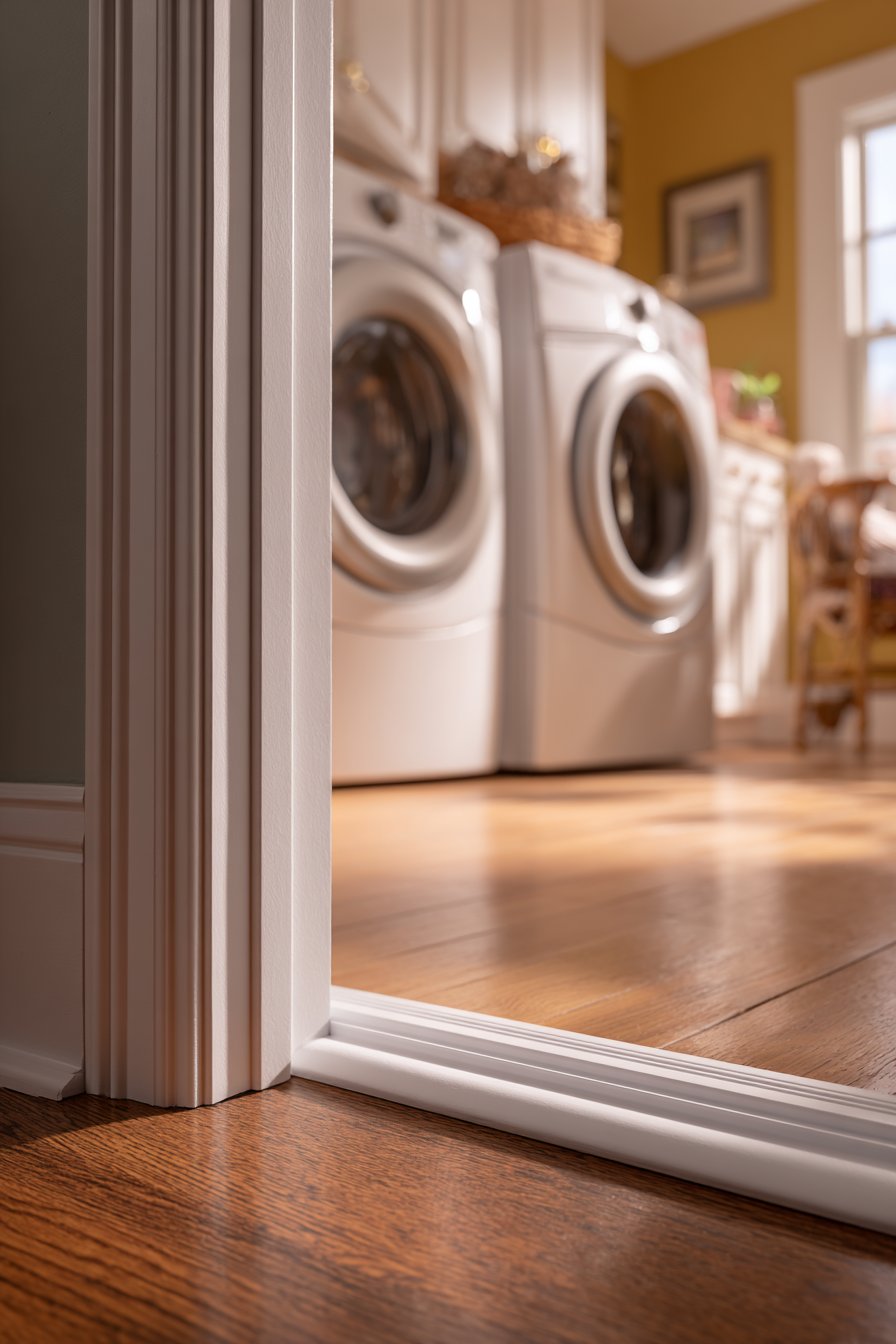
Measure the clearance between your door bottom and existing floor before selecting any new flooring. Adding even 6mm of new material can create significant issues. If you’re stacking appliances, ensure the combined height with new flooring still allows safe loading and unloading at a comfortable level.
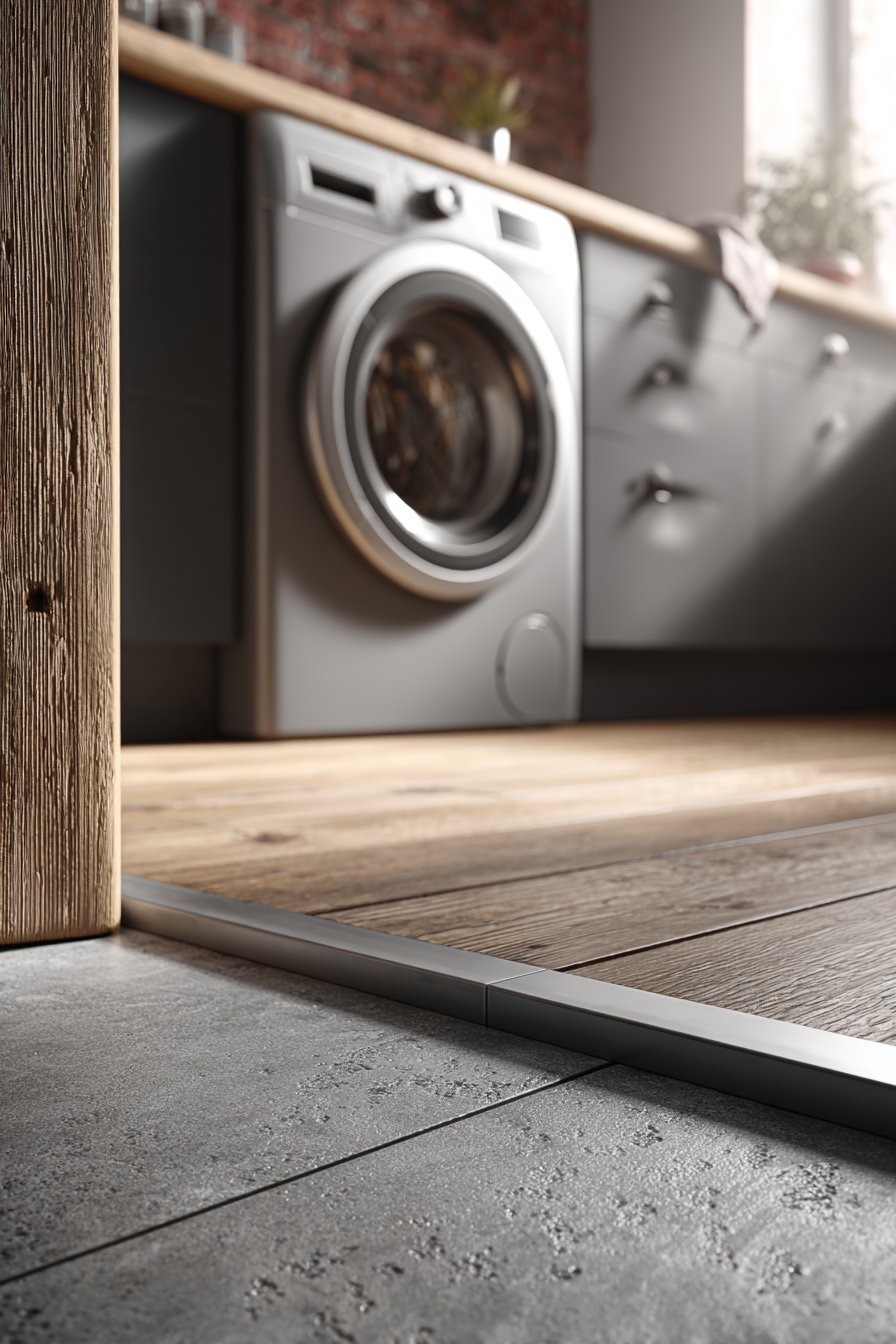
Thinner materials like sheet vinyl or thin-set tile installations minimize height changes. If you need to transition to adjacent flooring, transition strips and reducer profiles create a smooth, code-compliant connection between different floor heights.
- Measure door clearance before selecting flooring thickness
- Account for underlayment thickness in your total floor height calculation
- Front-load washer pedestals may require height adjustments with thicker floors
- Use reducer transition strips where floors change height between rooms
- Thin-set tile installation minimizes height addition compared to mortar-bed methods
- Consult appliance manuals for minimum clearance requirements
10. Environmental and Health Considerations
Flooring materials vary widely in their environmental impact and indoor air quality implications. In a small, often enclosed laundry room, off-gassing from certain materials can accumulate more noticeably than in larger, well-ventilated spaces. Choosing healthier options benefits your household.
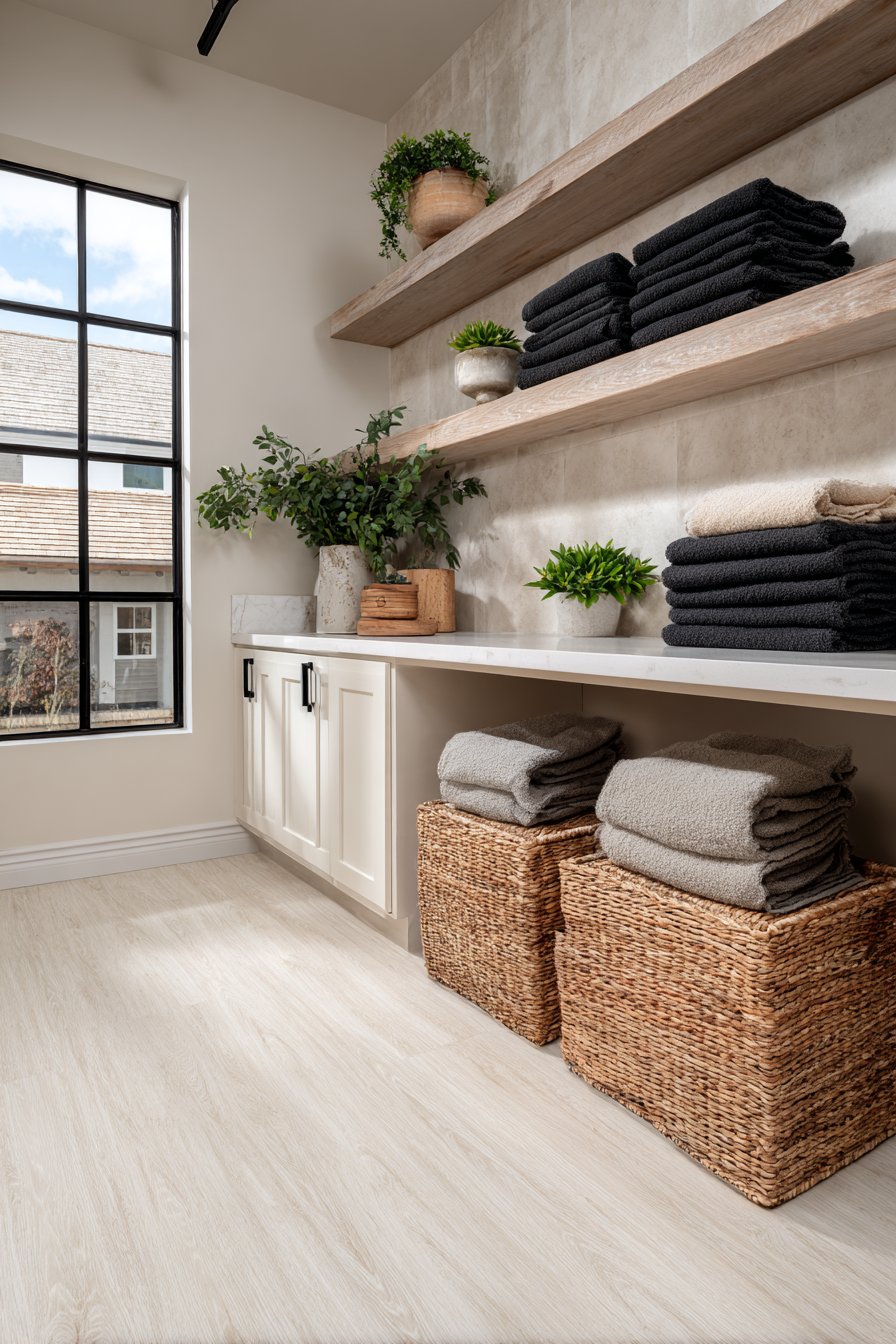
Look for vinyl products labeled FloorScore or GREENGUARD certified, which indicates low volatile organic compound (VOC) emissions. Natural materials like ceramic tile and cork have inherently low VOC profiles. Avoid older or off-brand vinyl products, which may contain phthalates or formaldehyde in their adhesives or backing layers.
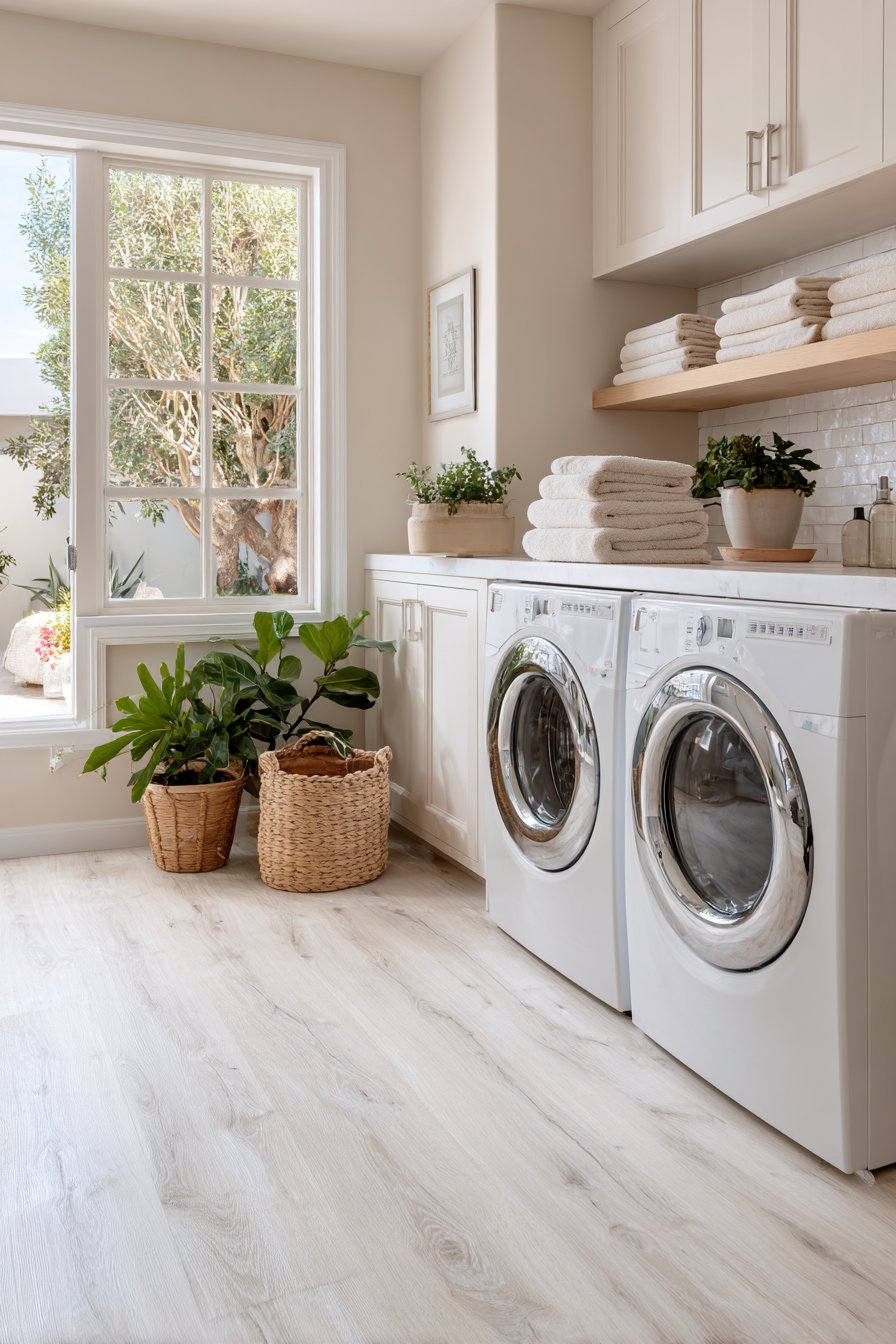
If sustainability matters to your household, recycled-content tiles or FSC-certified cork offer eco-friendly alternatives. Consider the full lifecycle of your chosen material — how long it will last, whether it can be recycled, and how its manufacturing affects the environment. Longer-lasting floors ultimately reduce waste and resource consumption over time.
- Choose GREENGUARD or FloorScore certified vinyl to minimize VOC exposure
- Ceramic and porcelain tile are naturally low in chemical emissions
- Avoid older vinyl products that may contain phthalates or formaldehyde
- Ventilate the laundry room during and after installation to reduce off-gassing
- Consider recycled-content or FSC-certified materials for eco-conscious choices
- Longer-lasting floors reduce replacement frequency and environmental impact
Conclusion
Choosing laundry room flooring involves far more than picking something that looks good. From moisture resistance and safety to budget, comfort, and environmental health, each consideration plays a role in determining which material will serve you best for years to come. Taking the time to evaluate all of these factors before purchasing prevents costly mistakes and ensures a result you’ll be satisfied with long-term.
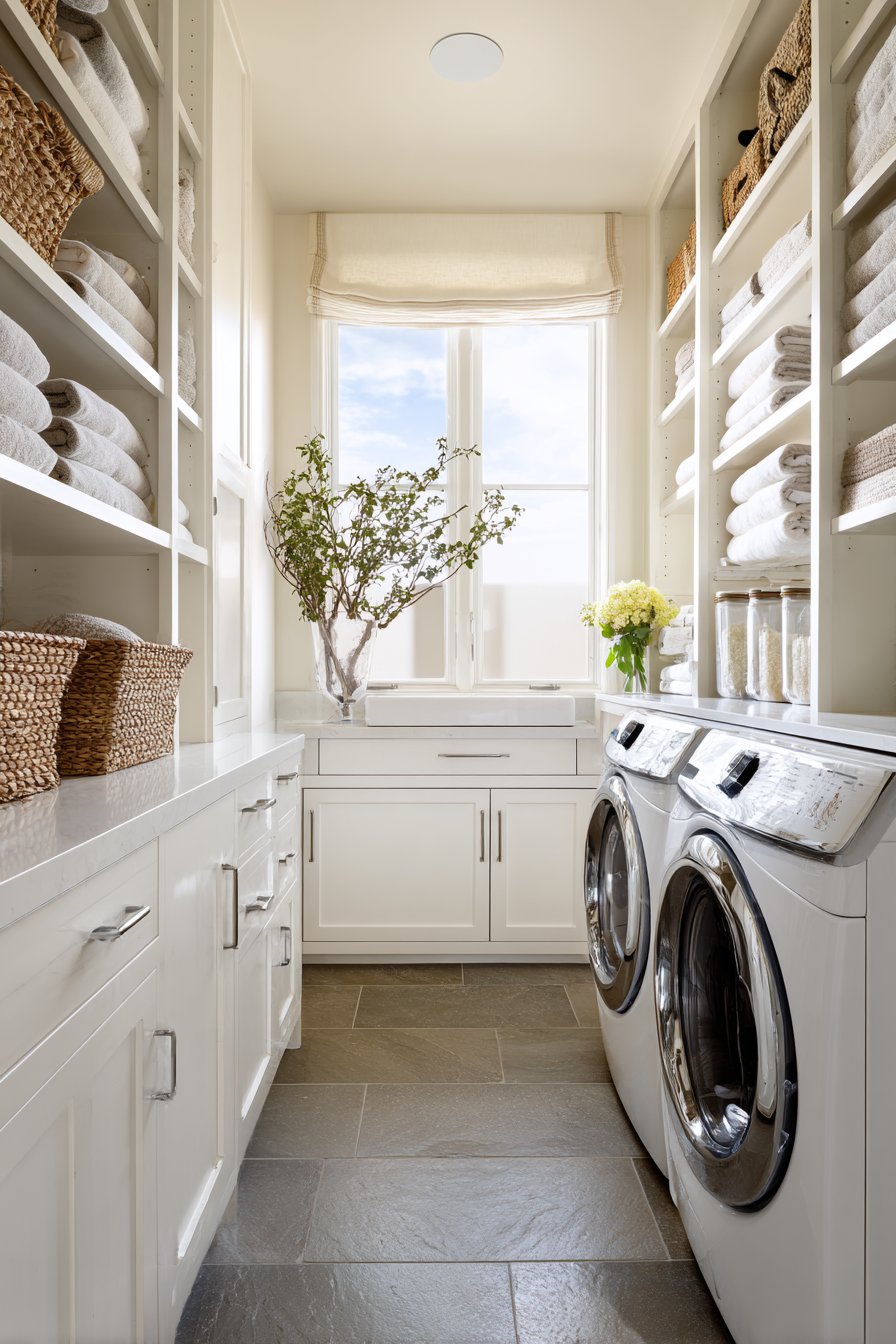
The best laundry room floor is one that balances your practical needs with your design vision. Whether you choose the affordability of sheet vinyl, the durability of porcelain tile, or the versatility of luxury vinyl plank, the key is making an informed decision based on your specific space, lifestyle, and budget. Invest wisely in this hardworking room — and every laundry day will be just a little bit easier.
