


Narrow kitchens present unique challenges that test even the most creative homeowners. These compact spaces demand strategic planning and innovative solutions to function efficiently. With the right approach, a slender kitchen can transform into a highly organized culinary haven that rivals larger spaces in both style and functionality.
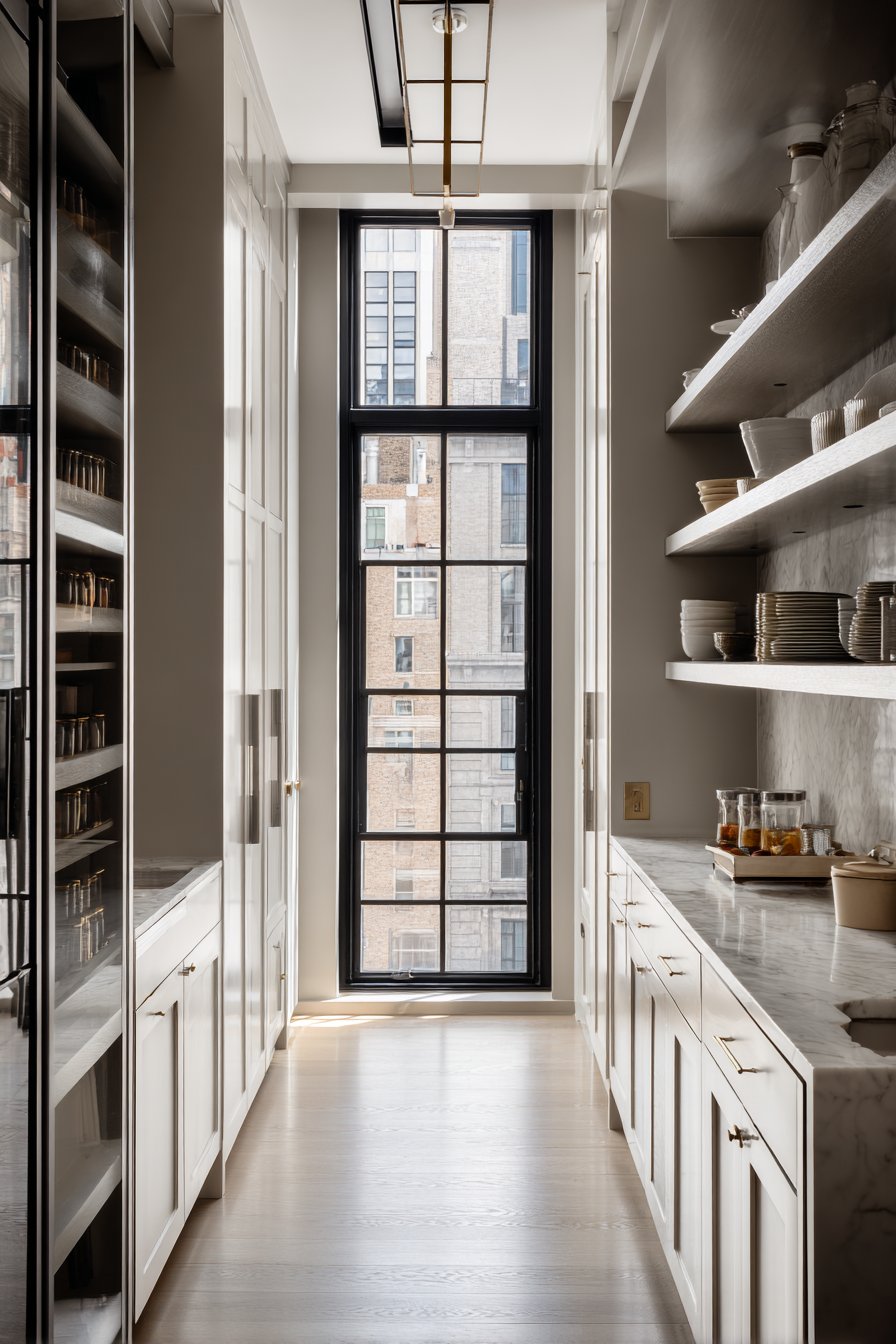
Thoughtful interior design becomes essential when working with limited square footage. A narrow kitchen doesn’t mean sacrificing storage or compromising on aesthetics. Instead, it offers an opportunity to embrace vertical thinking and clever organizational strategies. The key lies in understanding how to utilize every inch of available space while maintaining a clean, uncluttered appearance that makes the kitchen feel welcoming rather than cramped.
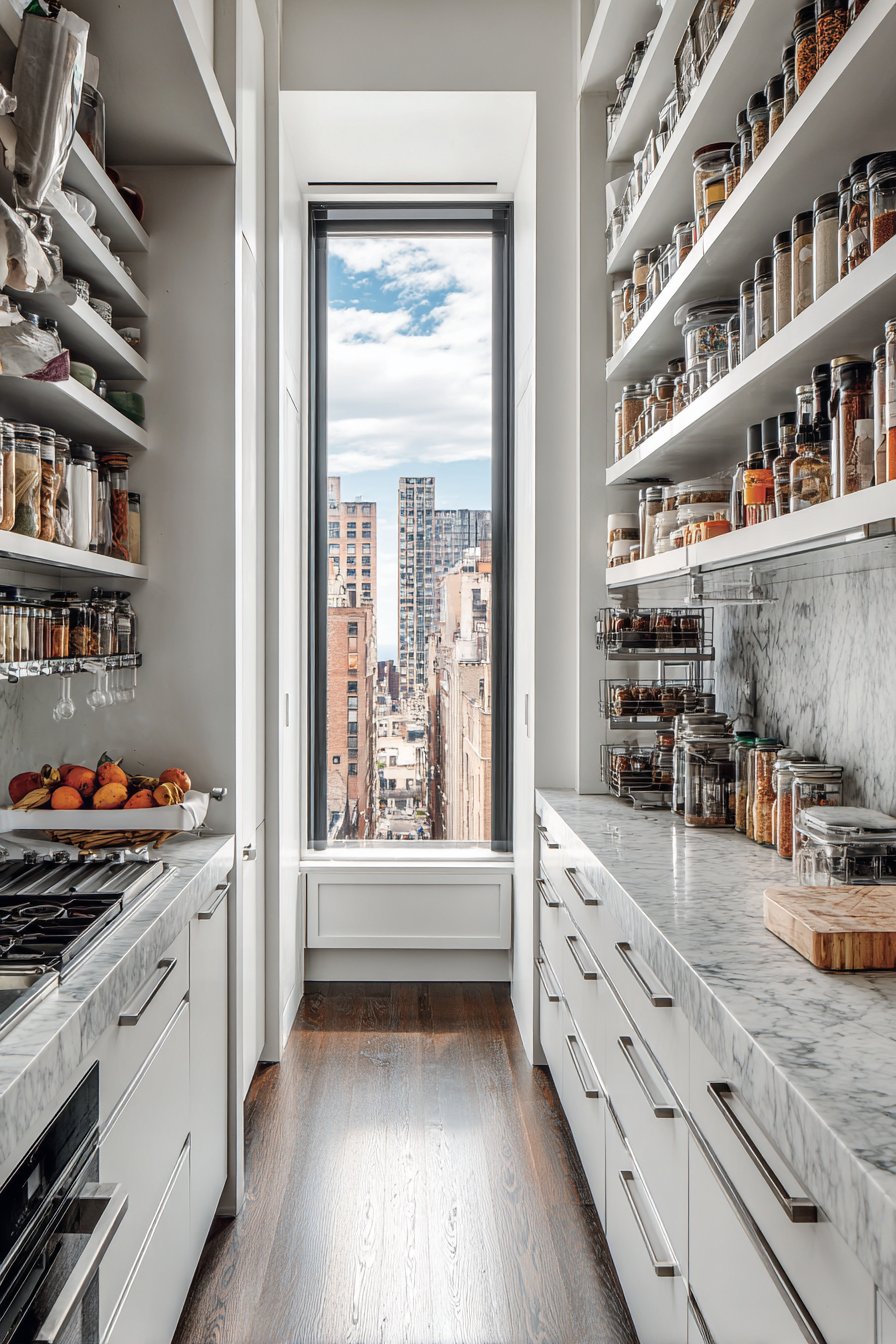
This article explores six transformative strategies specifically designed for narrow kitchen layouts. From maximizing vertical potential to incorporating multi-functional elements, these proven techniques will help you create a storage-rich environment. Each approach focuses on practical solutions that blend seamlessly with your design vision, ensuring your narrow kitchen becomes a model of efficiency and style.
1. Embrace Vertical Storage Solutions
Vertical space represents your greatest asset in a narrow kitchen design. Most homeowners overlook the potential that exists between countertop and ceiling. Installing floor-to-ceiling cabinets instantly doubles or triples your storage capacity without consuming additional floor space. This approach draws the eye upward, creating an illusion of height while providing abundant room for kitchen essentials.

Consider incorporating open shelving on upper walls to display frequently used items. This strategy keeps necessities within easy reach while adding visual interest to your kitchen walls. The key is maintaining balance between closed storage for less attractive items and open displays for aesthetically pleasing dishware or cookbooks. Vertical storage solutions work particularly well when you select slim, streamlined cabinet designs that don’t protrude too far into your workspace.

Wall-mounted magnetic strips and hanging rails offer additional vertical storage without permanent installation. These flexible solutions accommodate knives, utensils, and frequently used pots. They free up valuable drawer space while keeping essential tools immediately accessible during meal preparation.
- Install cabinets that extend to the ceiling for maximum vertical storage
- Use wall-mounted rails with S-hooks for hanging pots and utensils
- Add floating shelves at varying heights to create visual rhythm
- Install a pegboard system for customizable tool organization
- Consider ladder-style shelving units for a modern aesthetic
- Use the space above doorways for shallow storage cabinets
2. Optimize Corner and Dead Space
Corner areas in narrow kitchens often become wasted territory that collects dust rather than serving functional purposes. Installing specialized corner cabinet systems with pull-out mechanisms transforms these awkward spaces into accessible storage zones. Lazy Susans and corner drawers make retrieving items effortless, eliminating the frustration of reaching into dark, deep corners.
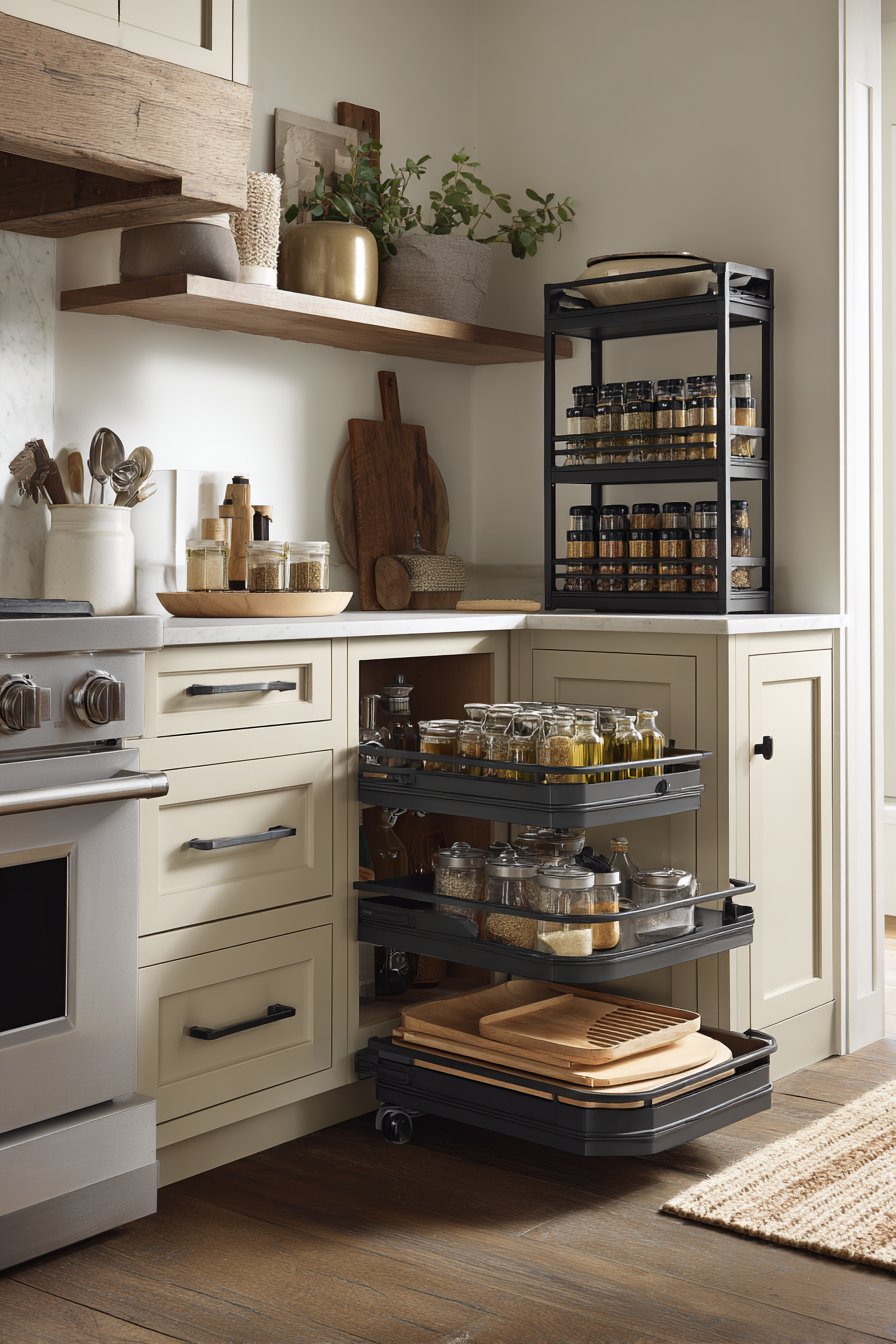
Dead space exists in surprising places throughout narrow kitchens. The gap between appliances, the area beneath sinks, and toe-kick zones all offer untapped potential for storage expansion. Slim rolling carts can slip into six-inch gaps beside refrigerators, providing convenient storage for spices, oils, or baking supplies. Under-sink organizers with tiered shelving maximize the typically chaotic cabinet beneath your basin.

Toe-kick drawers represent an ingenious solution for utilizing the recessed space beneath base cabinets. These shallow drawers perfectly store flat items like baking sheets, cutting boards, or placemats. Though individually small, these often-ignored areas collectively add significant storage capacity to your narrow kitchen.
- Install pull-out corner cabinet systems for easy access
- Use toe-kick drawers for storing flat kitchen items
- Add slim rolling carts in gaps between appliances
- Install under-sink organizers with multiple tiers
- Use corner shelving units with rotating mechanisms
- Place narrow spice racks in unused side spaces
3. Implement Multi-Functional Furniture and Fixtures
Multi-functional elements serve double or triple duty in narrow kitchen designs. A kitchen island with built-in storage compartments, towel racks, and perhaps a wine rack maximizes functionality within a single piece. Choose islands on wheels for ultimate flexibility, allowing you to reposition them based on current needs or move them aside when extra floor space becomes necessary.

Dining solutions that incorporate storage prove invaluable in compact kitchens. Banquette seating with lift-top benches provides hidden storage for linens, seasonal items, or rarely used appliances. Extendable tables or drop-leaf designs offer dining space when needed while folding away to free up circulation room. These smart furniture choices ensure every piece earns its place through multiple functions.

Cabinet modifications can transform standard storage into versatile workstations. Pull-out cutting boards create instant prep space without requiring permanent counter real estate. Appliance garages hide toasters and coffee makers while keeping them readily accessible. These integrated solutions maintain clean sightlines while enhancing kitchen efficiency.
- Choose kitchen islands with integrated storage compartments
- Install pull-out cutting boards in cabinet spaces
- Use banquette seating with hidden storage beneath seats
- Add fold-down tables that mount to walls when not needed
- Select chairs that stack or fold for easy storage
- Install appliance garages to hide countertop appliances
4. Maximize Cabinet Interior Organization
Cabinet interiors often harbor unused space due to inefficient organization systems. Installing pull-out drawers within cabinets makes accessing items at the back simple and convenient. These drawer systems prevent the common problem of forgotten items pushed to cabinet depths, reducing food waste and duplicate purchases.
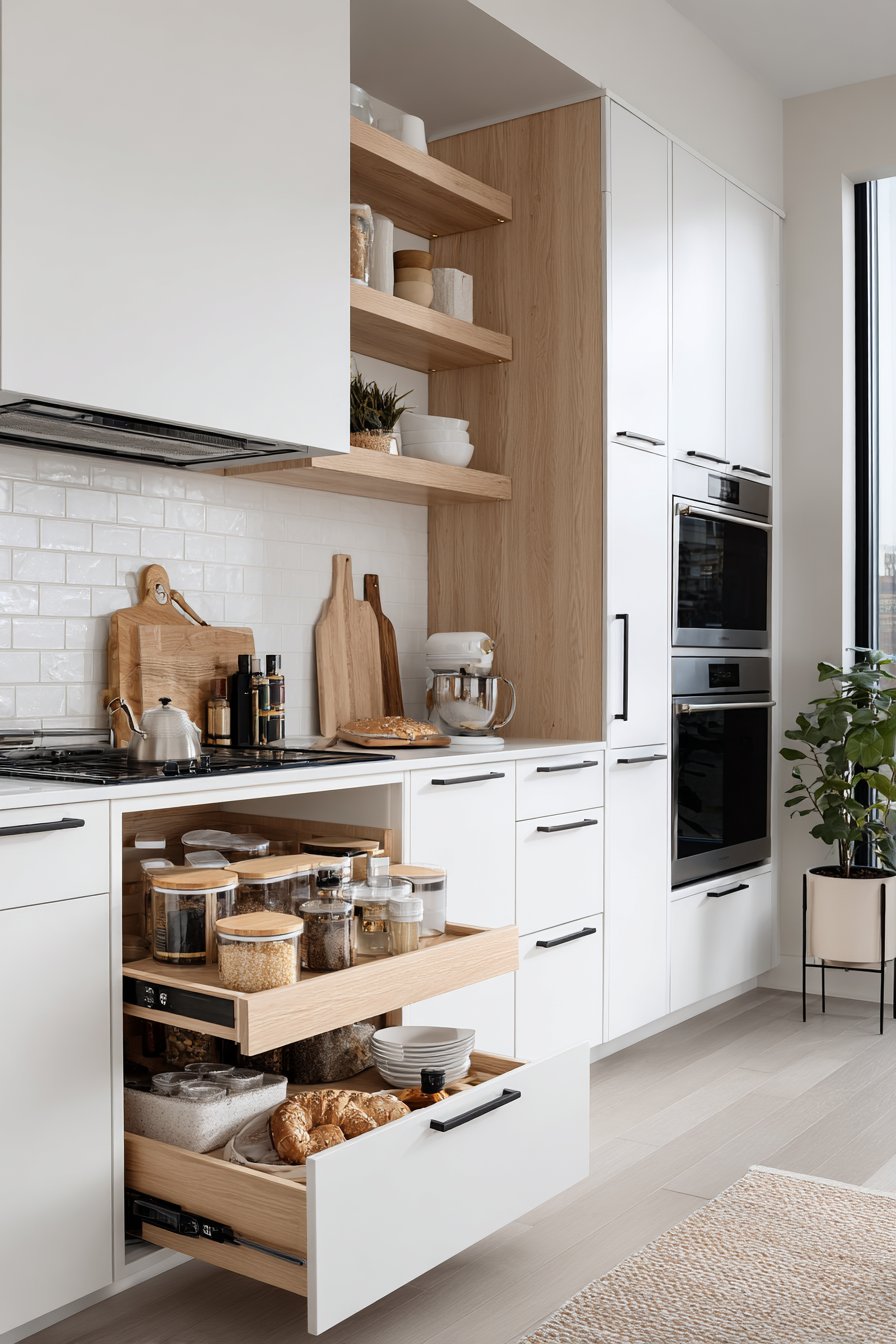
Vertical dividers within cabinets create designated zones for specific items like baking sheets, cutting boards, or pot lids. This organizational approach prevents the frustrating avalanche effect when removing one item from a crowded cabinet. Door-mounted organizers add another storage layer, perfect for spices, cleaning supplies, or measuring cups that would otherwise consume valuable shelf space.

Adjustable shelving allows you to customize cabinet interiors based on your specific needs. Rather than accepting fixed shelf positions, create configurations that match your tallest items and favorite storage containers. Stackable shelf inserts essentially double your usable cabinet space by creating additional levels within existing shelves.
- Install pull-out drawer systems in base cabinets
- Use vertical dividers for organizing baking sheets and trays
- Add door-mounted racks for spices and small items
- Install adjustable shelving to customize storage heights
- Use stackable shelf inserts to create multiple levels
- Implement drawer organizers with customizable compartments
5. Utilize Ceiling and Overhead Areas
Ceiling space represents prime storage territory that many narrow kitchen owners completely ignore. Hanging pot racks suspended from the ceiling keep cookware accessible while freeing cabinet space for other necessities. Choose designs that complement your kitchen aesthetic, whether industrial metal or rustic wood, ensuring the rack becomes a decorative element rather than an eyesore.

Overhead cabinets with glass-front doors create visual depth while displaying attractive dishware or glassware. This approach makes your narrow kitchen feel less claustrophobic than solid cabinet fronts. Installing lighting within these cabinets adds ambiance while highlighting your displays, transforming functional storage into design features.

Ceiling-mounted shelving provides storage without consuming wall space that might be needed for other purposes. These shelves work particularly well for storing items used less frequently, keeping them out of the way yet accessible when needed. Consider installing them above doorways or in the space between upper cabinets and ceiling.
- Install hanging pot racks to free up cabinet space
- Use ceiling-mounted shelves for infrequently used items
- Add glass-front upper cabinets with internal lighting
- Mount wine glass racks underneath upper cabinets
- Install overhead storage above the kitchen window
- Use ceiling hooks for hanging baskets with produce
6. Design Smart Pantry Solutions
Traditional pantries consume valuable floor space that narrow kitchens cannot afford. Pull-out pantry systems installed within standard cabinet widths provide impressive storage density while maintaining a compact footprint. These tall, narrow units typically feature multiple shelves that glide smoothly, making every item visible and accessible.

Door-mounted pantry organizers transform the back of any cabinet or closet door into efficient storage. These systems work excellently for spices, canned goods, or snacks, utilizing space that would otherwise remain empty. The shallow depth proves perfect for preventing items from getting lost behind others.

Wall-mounted pantry rails offer an alternative for kitchens lacking cabinet space. These open systems display ingredients and cooking essentials while keeping them organized and within reach. Though requiring discipline to maintain visual appeal, they work beautifully in kitchens embracing industrial or minimalist design aesthetics.
- Install pull-out pantry systems in narrow cabinet spaces
- Add door-mounted organizers to maximize unused surfaces
- Use clear containers to maximize space and visibility
- Create zones within pantry areas for different food categories
- Install adjustable shelving to accommodate various item heights
- Consider wall-mounted rail systems for frequently used ingredients
Conclusion
Maximizing storage in a narrow kitchen requires creative thinking and strategic implementation of space-saving solutions. By embracing vertical storage, optimizing overlooked corners, and incorporating multi-functional elements, you can transform even the most challenging compact kitchen into an organized, efficient workspace. Remember that every inch counts when space is limited.
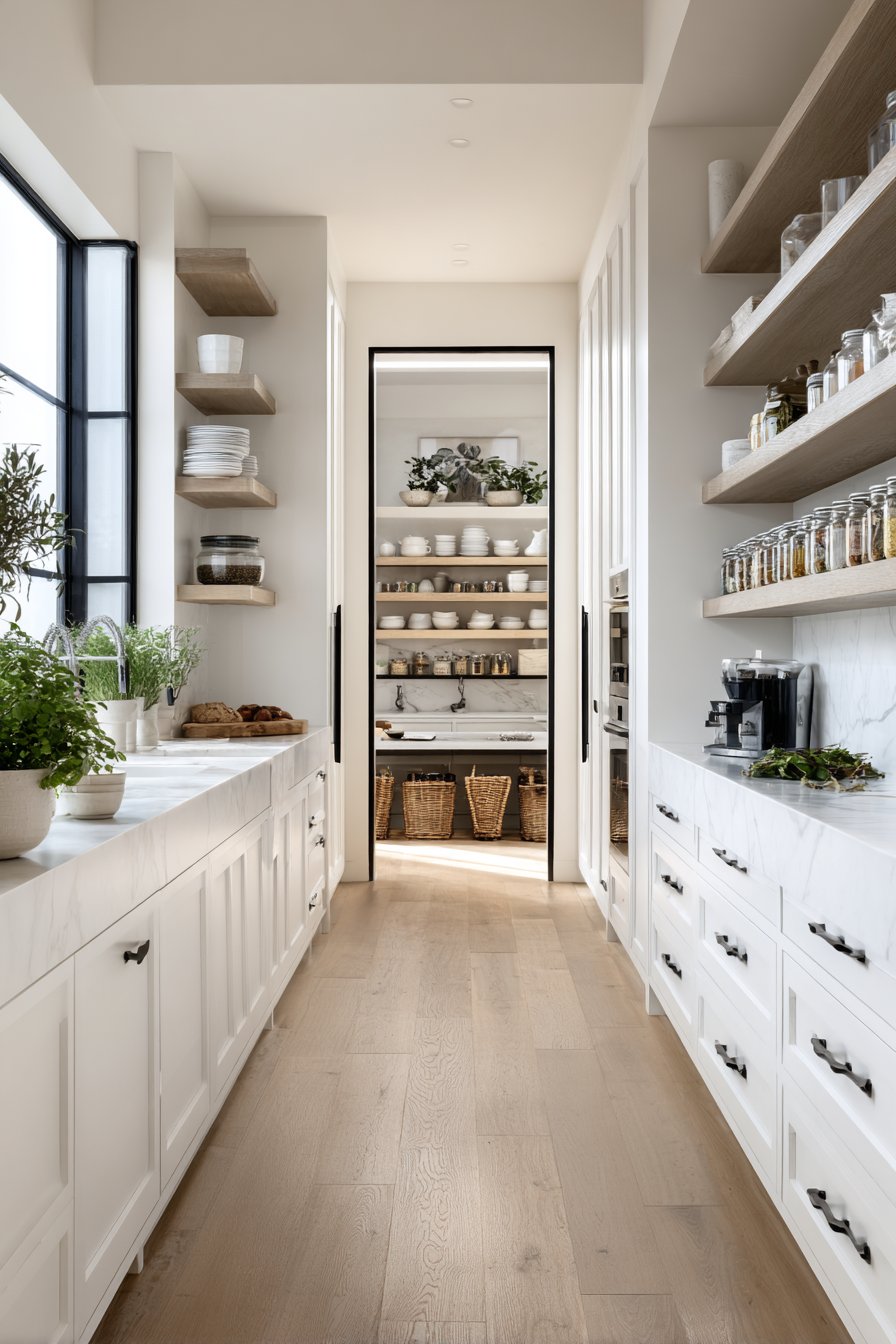
Start implementing these strategies one section at a time to avoid overwhelming yourself. Begin with the changes offering the greatest impact for your specific needs, whether that means installing pull-out pantry systems or adding ceiling-mounted pot racks. Your narrow kitchen has far more potential than you might imagine, and with thoughtful planning, it can become the functional, beautiful heart of your home you’ve always desired.
