


Designing a nursery is one of the most exciting and meaningful projects a parent can undertake. The space where your baby will sleep, play, and grow deserves careful thought and intentional design choices that balance beauty with function. In 2026, nursery design has evolved far beyond pastel walls and cartoon decals. Today’s nurseries reflect a sophisticated blend of wellness-focused aesthetics, sustainable materials, and sensory-rich environments.

Modern parents are more design-savvy than ever. They want spaces that grow with their child, inspire creativity, and support healthy development. The latest trends in nursery interior design draw from broader movements in home decor — including biophilic design, minimalism, and bold color theory. Whether you’re designing a small nursery nook or a dedicated room, these trends will help you create a space that is timeless, functional, and truly beautiful.

This article explores the hottest nursery design trends for 2026. From earthy color palettes to smart storage solutions, each idea has been curated to help new and expecting parents make informed, inspiring choices for their little one’s first space.
1. Earthy and Nature-Inspired Color Palettes
Gone are the days of strict pink-or-blue nursery rules. In 2026, nature-inspired color palettes are dominating nursery design. Warm terracottas, soft sage greens, creamy oatmeal tones, and dusty clay shades create a calming, organic atmosphere. These colors connect the baby’s environment to the natural world right from birth.
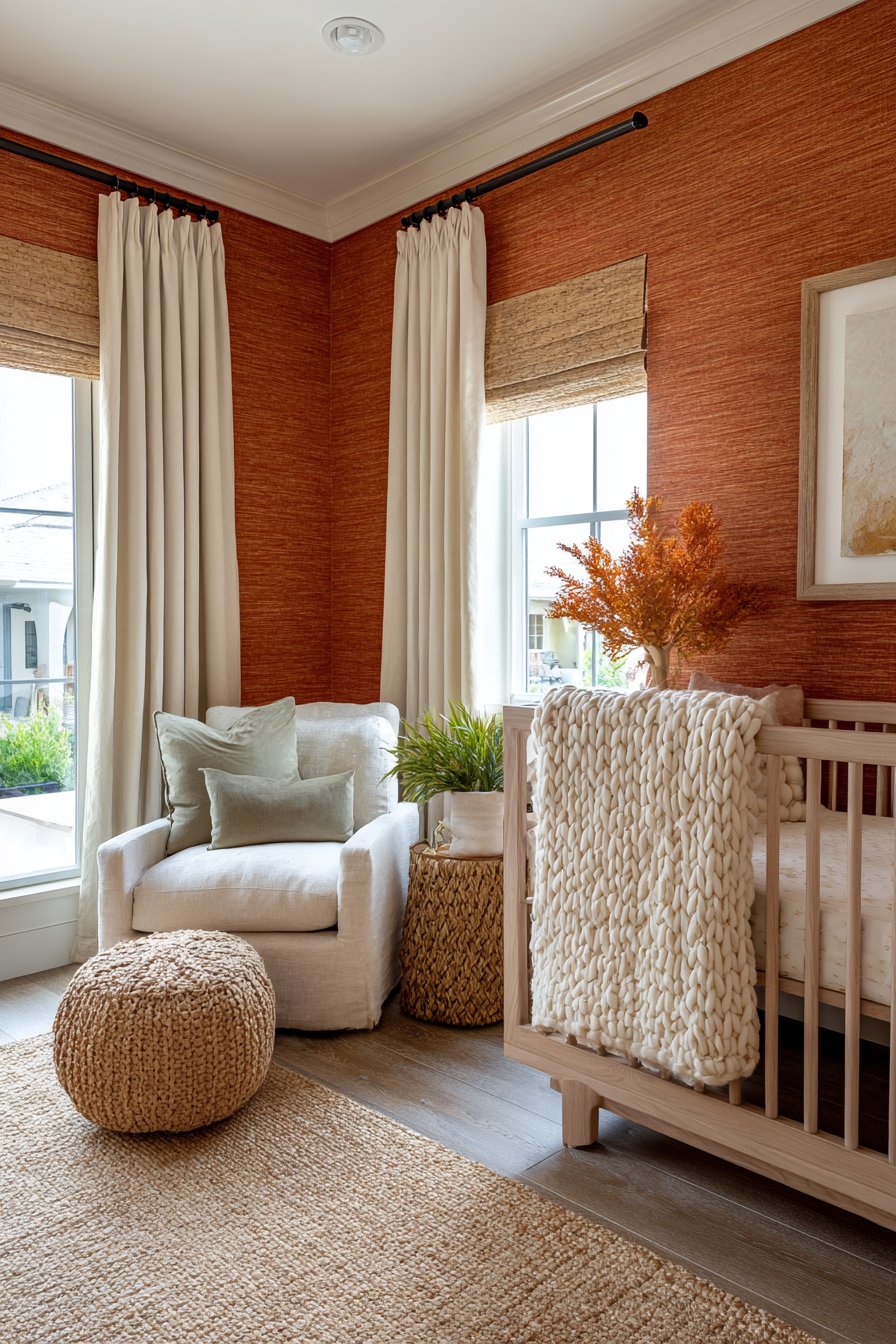
Color psychology plays a significant role in nursery planning. Soft, muted earth tones are proven to reduce overstimulation and promote restful sleep. Unlike harsh primaries, these hues feel soothing and timeless. They also photograph beautifully and age well as the child grows from infant to toddler.
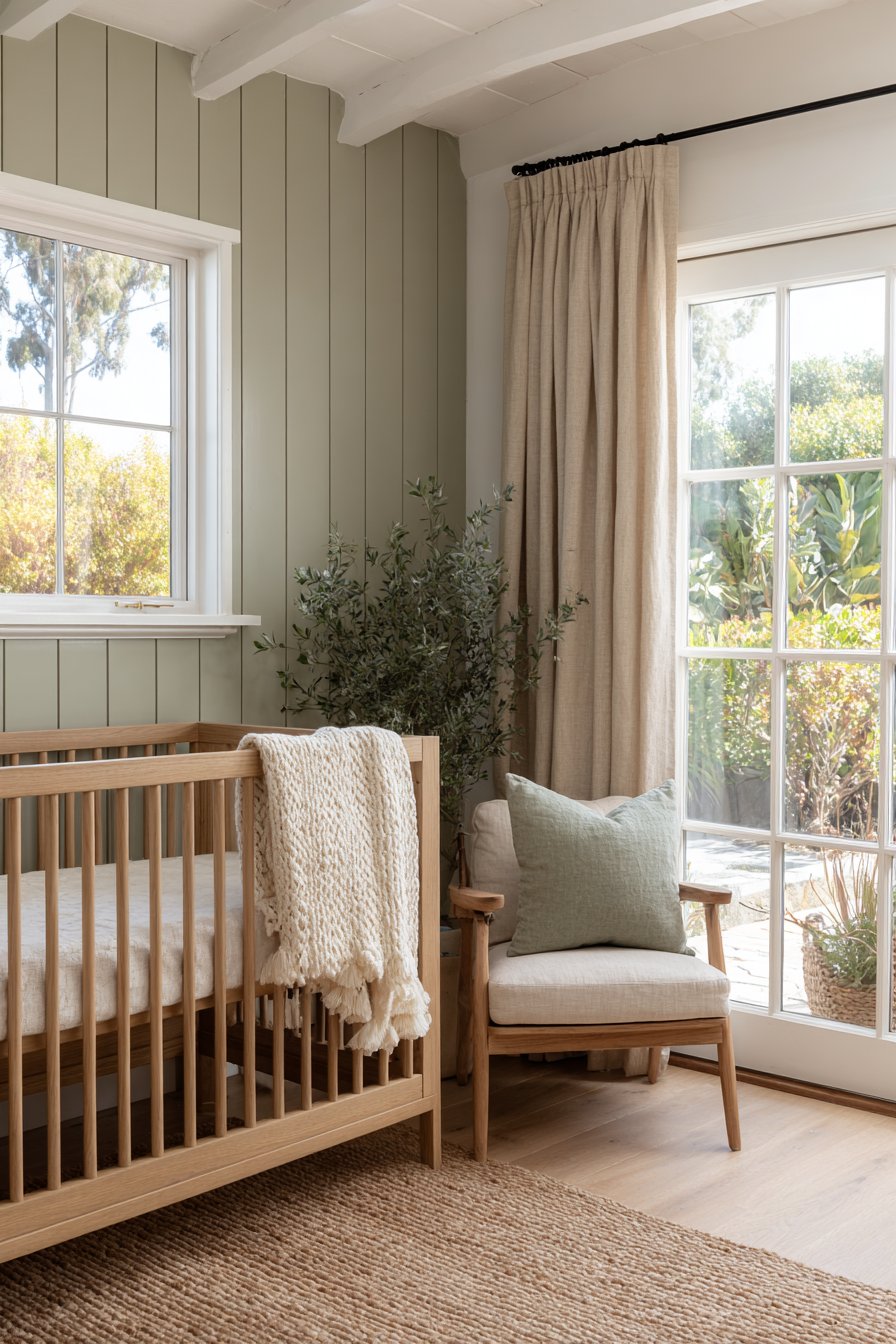
Layering these colors with natural textures like linen, wool, and jute enhances the earthy feel. Consider a warm terracotta accent wall paired with oatmeal linen curtains and a chunky cream knit throw. The result is a nursery that feels like a warm, safe cocoon.
- Choose warm white or cream as your base wall color for versatility
- Add one earthy accent wall in terracotta, clay, or sage green
- Layer textiles in natural fibers like linen, cotton, and wool
- Use wooden furniture to complement the palette organically
- Avoid stark whites or cool greys, which feel clinical and cold
- Test paint swatches at different times of day before committing
2. Biophilic Design Elements
Biophilic design — the practice of bringing nature indoors — is one of the most powerful nursery trends of 2026. Incorporating plants, natural light, organic shapes, and raw materials creates a space that nurtures a child’s innate connection to nature. Research suggests that exposure to natural elements from infancy supports cognitive and emotional development.
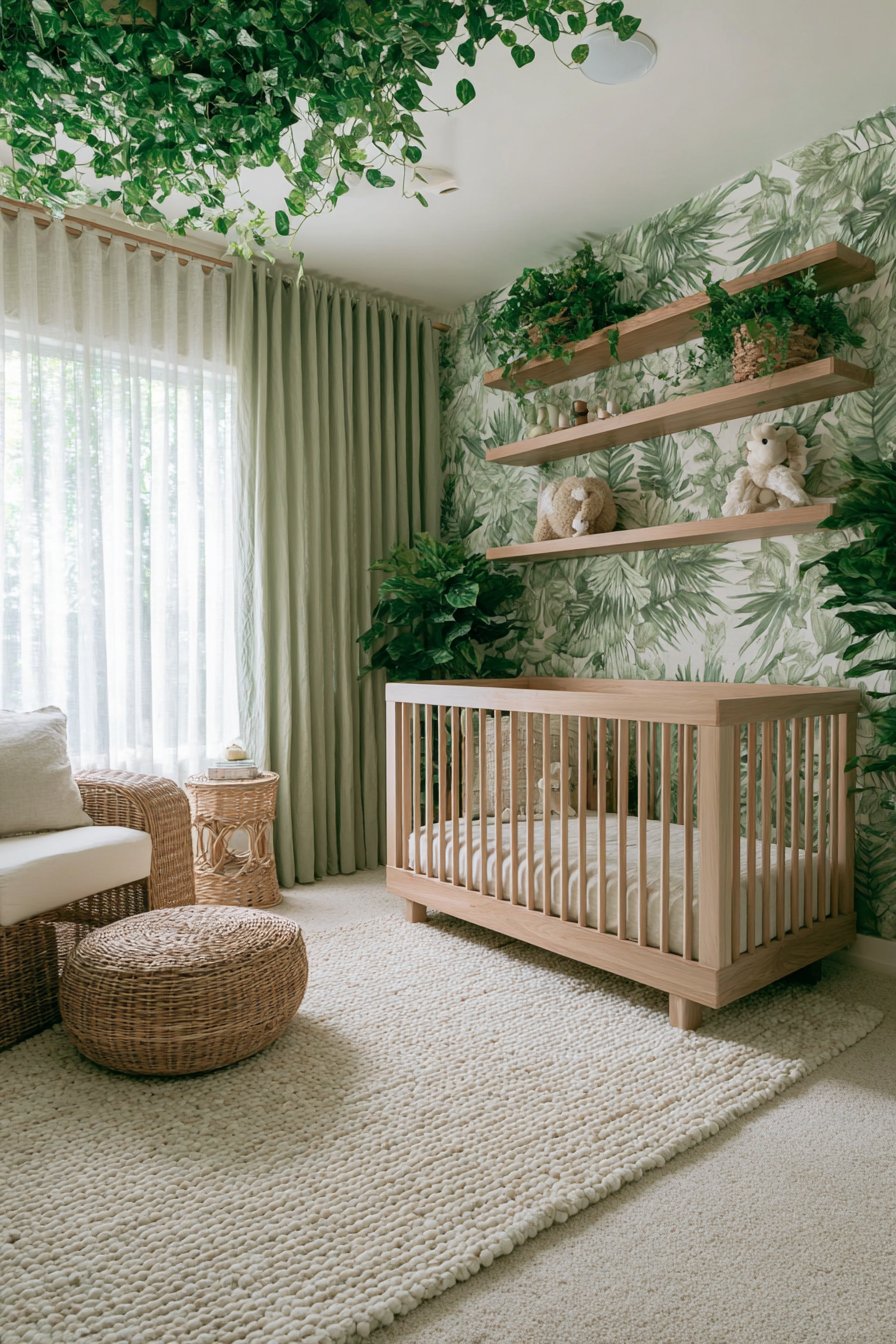
Houseplants are a popular and accessible biophilic element. Choose non-toxic varieties like pothos, spider plants, or rubber trees that are safe for a baby’s environment. Place them out of reach on high shelves or wall-mounted planters to add life and air-purifying benefits without safety concerns.
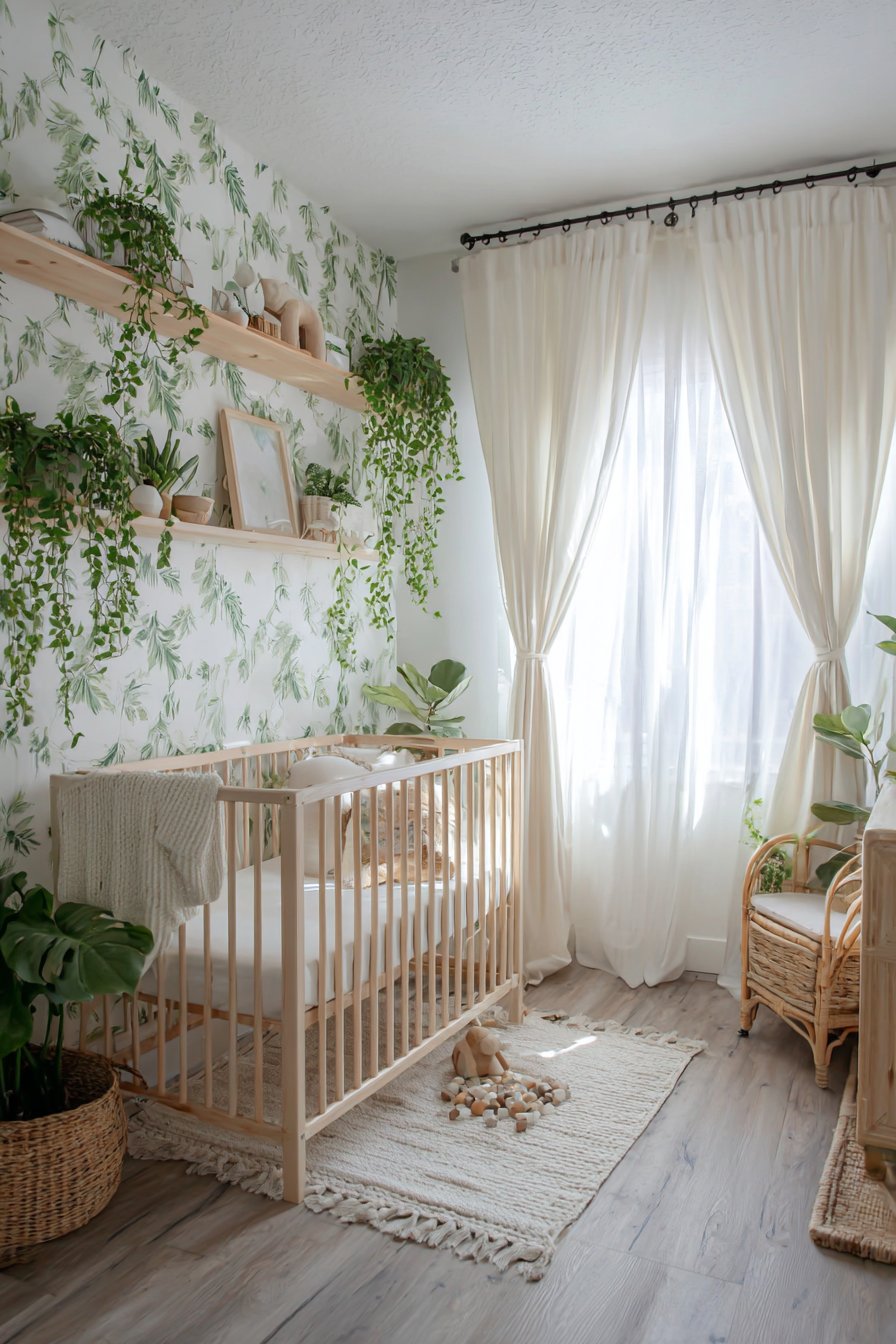
Natural light is equally essential. Large, sheer-curtained windows flood the nursery with soft, diffused daylight that supports healthy circadian rhythms. Pair with blackout roller blinds for nap and nighttime control. Wood grain textures, stone accents, and nature-inspired wall murals complete the biophilic nursery look.
- Select non-toxic, air-purifying plants suited for indoor nursery environments
- Install sheer curtains layered with blackout blinds for light control
- Use wooden furniture with visible grain and natural finishes
- Incorporate nature murals or botanical wallpaper as a feature wall
- Add a pebble or stone accent feature on a low shelf display
- Choose organic-shaped furniture over rigid geometric pieces
3. Sustainable and Non-Toxic Materials
Parents in 2026 are prioritizing health-conscious design more than ever. The demand for sustainable, non-toxic nursery furniture, finishes, and textiles has surged. Babies spend up to 16 hours a day in their nursery, making air quality and material safety critical considerations.
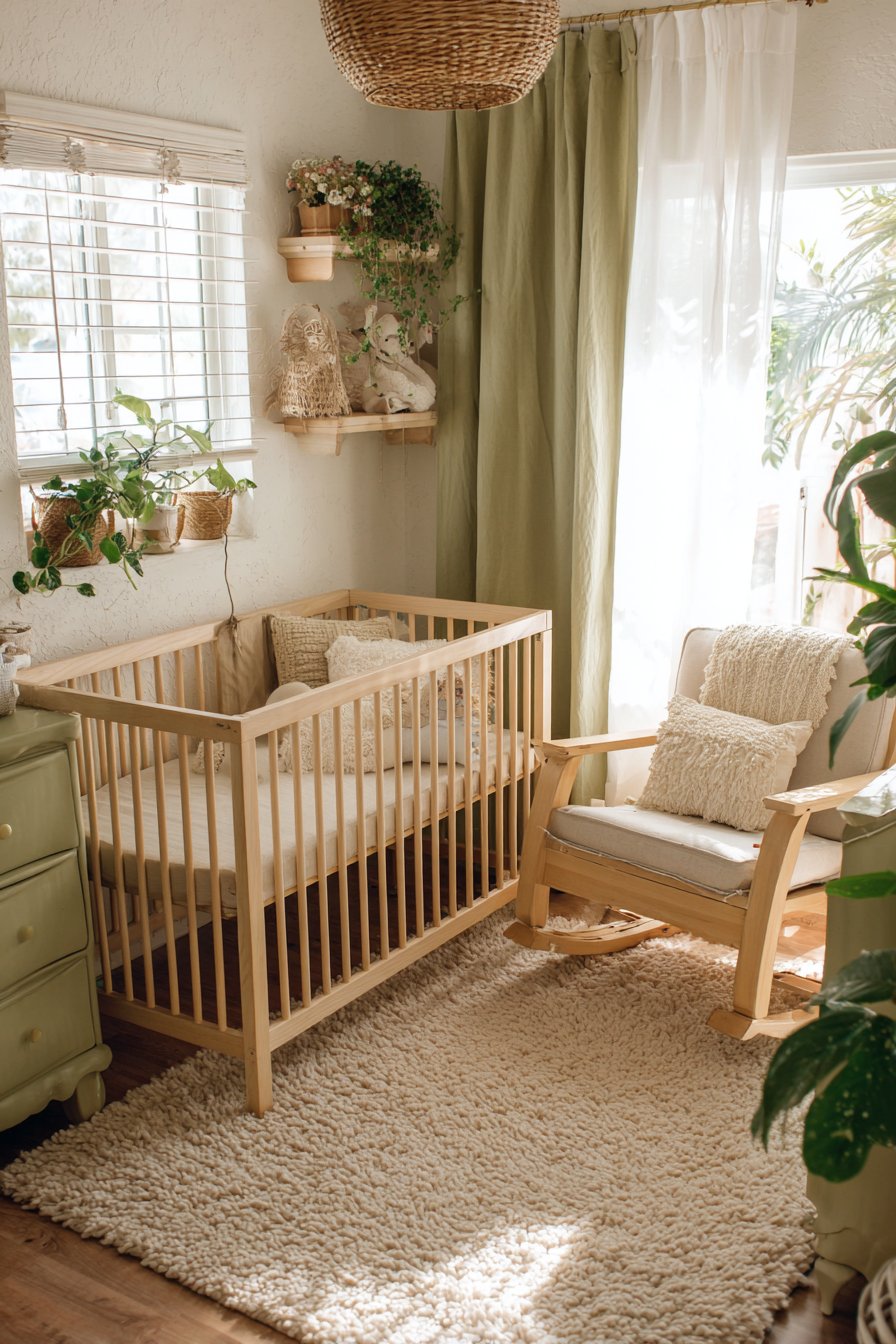
Look for furniture certified by GREENGUARD Gold or similar standards, which ensures low chemical emissions. Solid wood cribs with water-based, non-toxic paint finishes are far superior to MDF or particleboard alternatives that may off-gas harmful VOCs. Organic cotton mattresses and GOTS-certified bedding provide a safe sleeping surface for sensitive newborns.
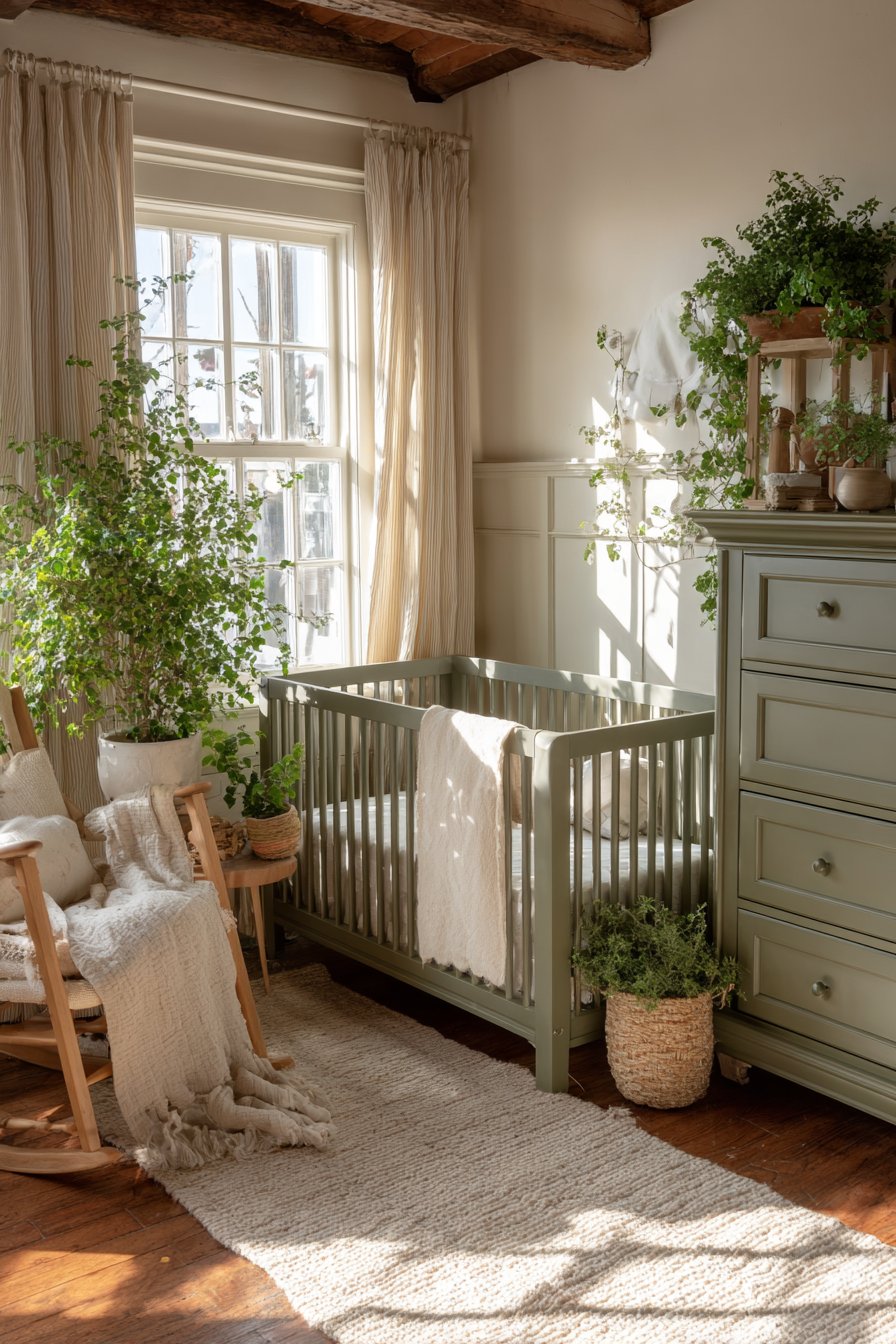
Sustainability extends to the broader design ethos. Secondhand and heirloom furniture is trending strongly, reducing waste while adding character. Vintage dressers repainted with zero-VOC paint, or a grandmother’s rocking chair reupholstered in organic linen, create meaningful, eco-conscious nursery spaces.
- Choose GREENGUARD Gold-certified cribs and furniture
- Use zero-VOC or low-VOC paint for all walls and furniture
- Select GOTS-certified organic cotton for bedding and textiles
- Consider secondhand or heirloom pieces for sustainability and character
- Avoid synthetic rugs; opt for natural wool or cotton floor coverings
- Ventilate the nursery thoroughly before the baby moves in
4. Multifunctional and Grow-With-Me Furniture
Smart parents in 2026 are investing in convertible, grow-with-me furniture that adapts as the child develops. A crib that converts to a toddler bed, then a daybed, then a full-size bed offers extraordinary long-term value. This approach reduces waste, saves money, and maintains design continuity in the room.
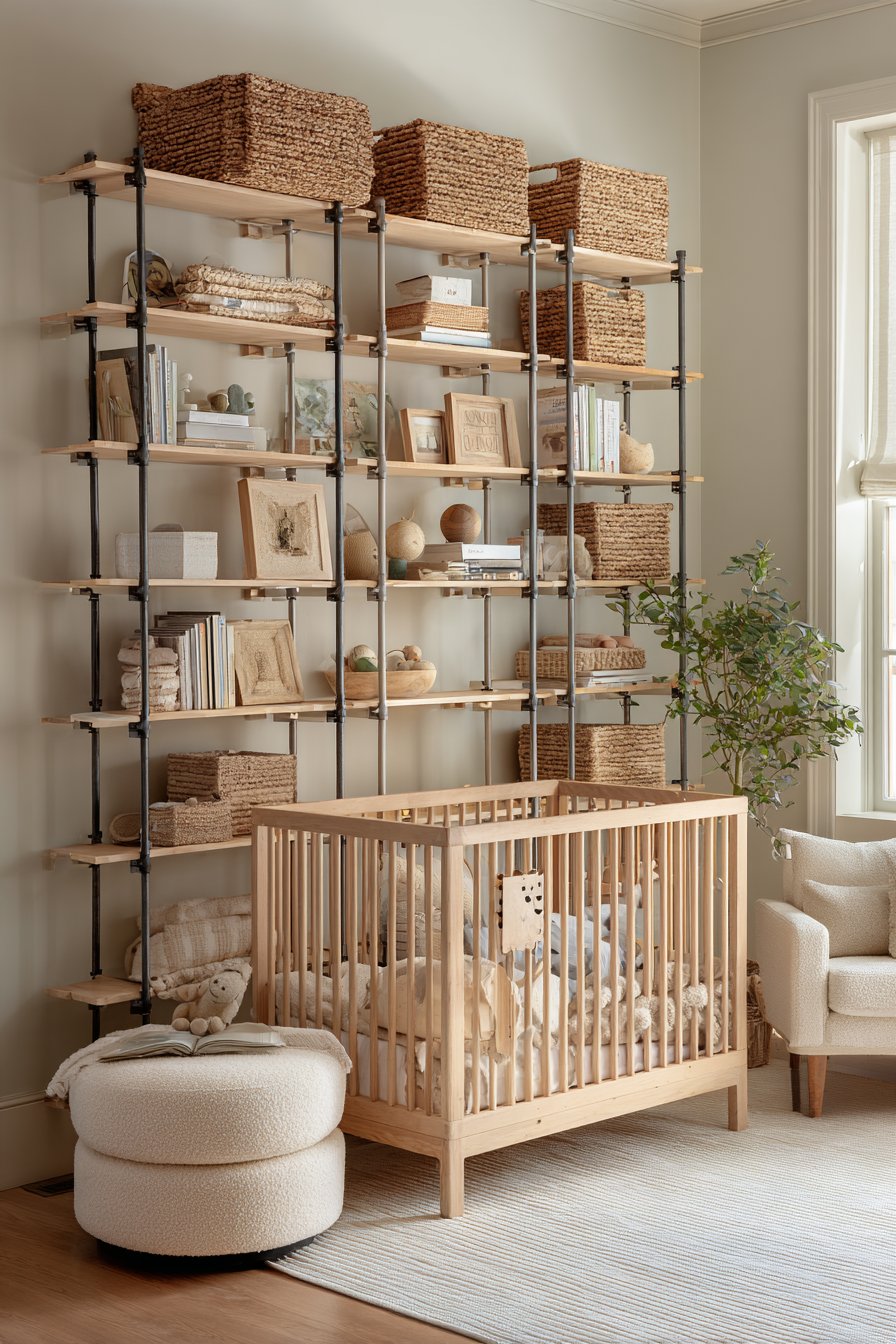
The concept of multifunctional furniture extends beyond the crib. Changing tables with removable toppers that convert to standard dressers are essential nursery investments. Ottoman storage benches serve as seating for feeding, toy storage, and a cozy reading nook footrest all in one piece.
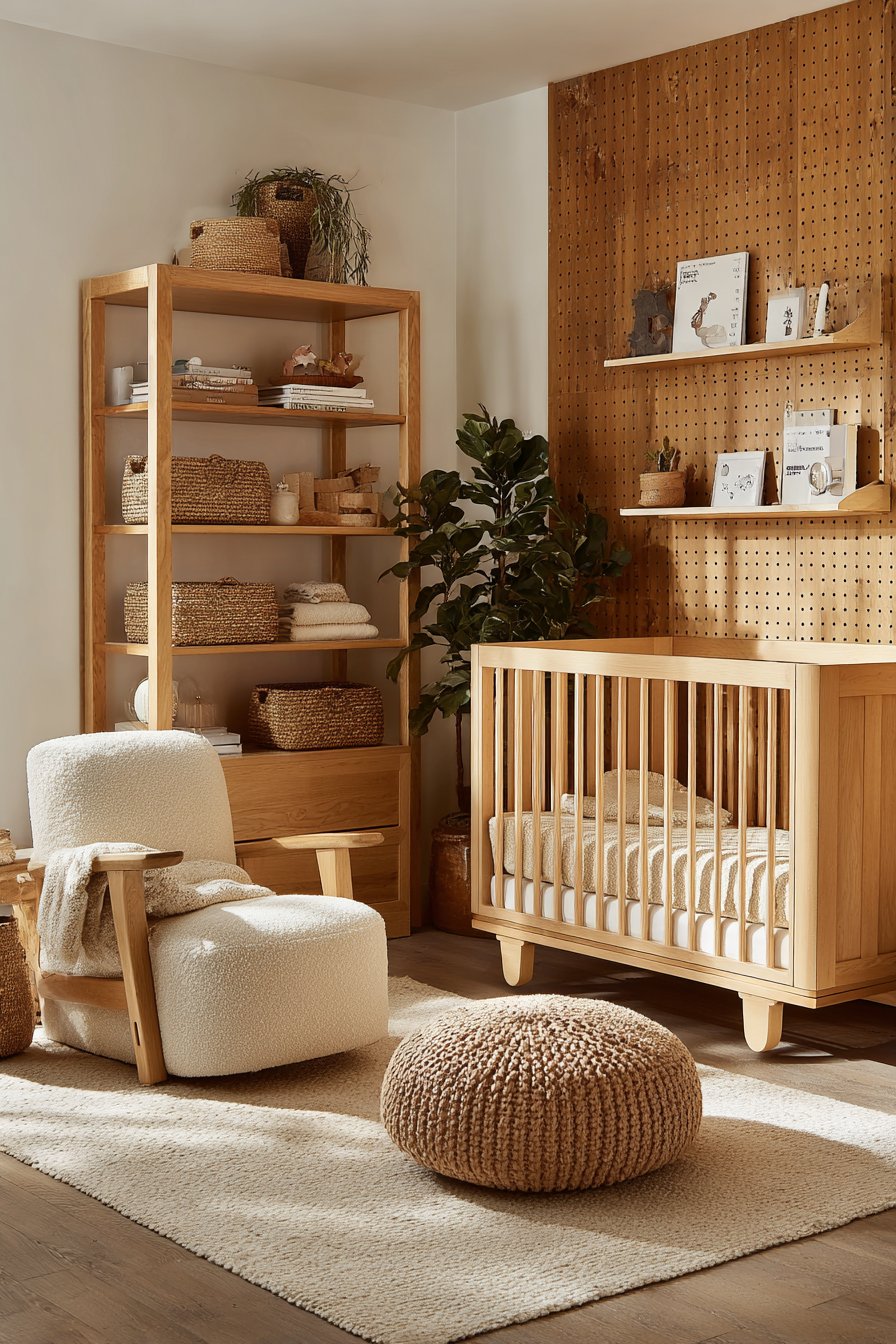
Thoughtful space planning with multifunctional furniture is especially valuable in smaller nurseries. Vertical storage solutions — wall-mounted shelves, pegboard organizers, and tall bookcases — free up floor space and keep the room feeling open and airy even in compact layouts.
- Invest in a convertible crib that transitions from infant to full-size bed
- Choose a dresser-changer combo to serve double duty
- Use an ottoman with hidden storage for nursery seating
- Install wall-mounted shelving to keep floors clear
- Select a nursing chair that works as a reading chair long-term
- Opt for modular storage that can be rearranged as needs change
5. Maximalist Wallpaper and Statement Walls
While minimalism has dominated interiors for years, maximalist wallpaper is making a bold comeback in 2026 nurseries. Richly patterned designs featuring botanicals, jungle motifs, celestial themes, and whimsical illustrations create immersive, story-telling environments that spark a child’s imagination from day one.
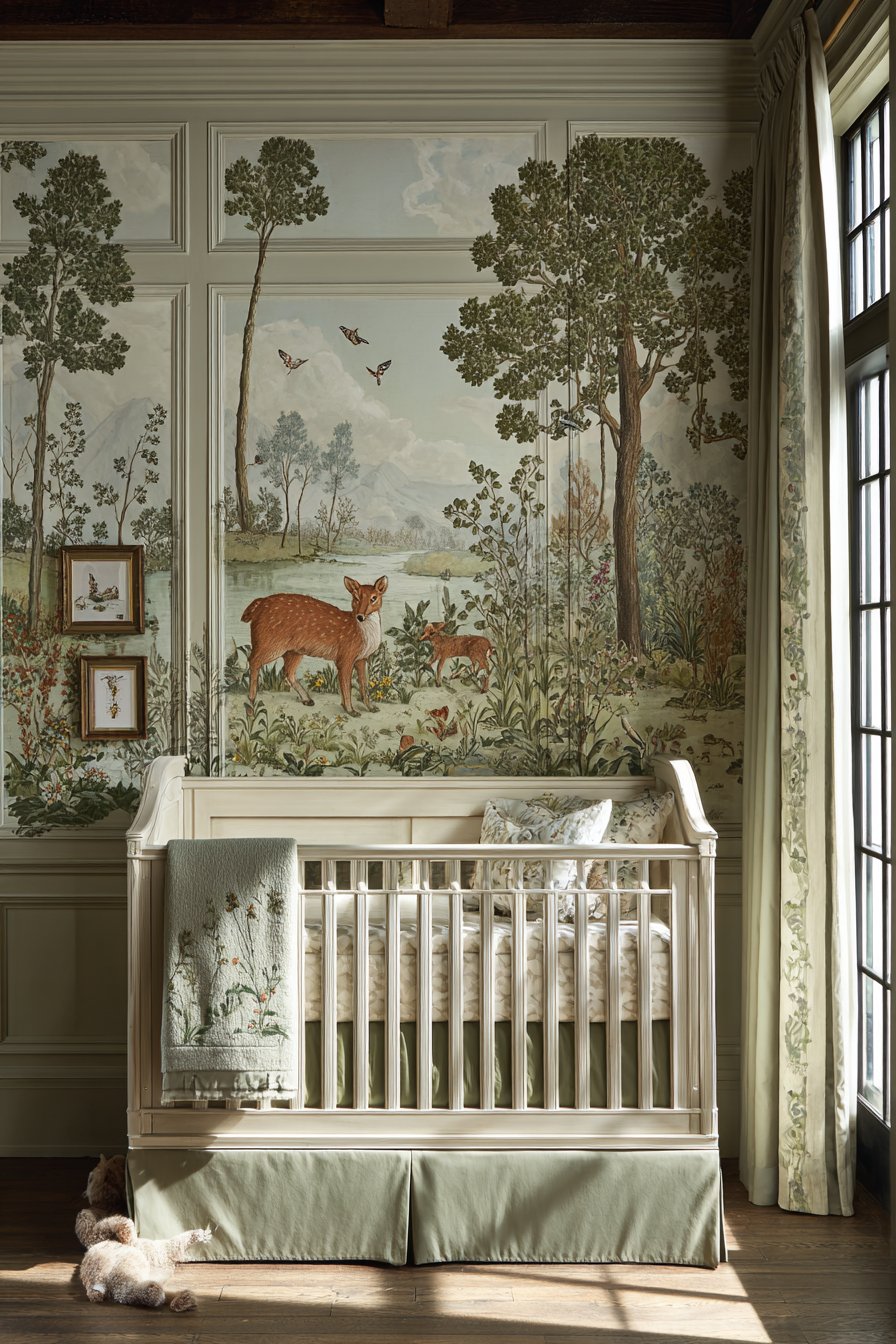
Feature walls have replaced all-over wallpaper as the preferred approach. A single statement wall behind the crib anchors the room and creates a dramatic focal point without overwhelming the space. This approach is also more budget-friendly, using less wallpaper while making maximum visual impact.

Mural wallpapers depicting enchanted forests, starry skies, or underwater worlds are particularly popular. These large-scale illustrated scenes transform the nursery into a magical backdrop for childhood. Many designers are pairing bold feature walls with calm, neutral surrounding walls to balance the visual energy.
- Choose a feature wall behind the crib for maximum visual impact
- Select wallpaper in non-toxic, water-based inks for safety
- Pair bold wallpaper with calm, neutral walls on remaining three sides
- Consider peel-and-stick options for rental homes or easy future changes
- Look for designs that can grow with the child beyond infancy
- Use wallpaper to introduce a color palette carried through soft furnishings
6. Soft Lighting and Layered Illumination
Lighting design is one of the most underappreciated aspects of nursery planning. In 2026, designers are approaching nursery lighting with the same sophistication as any other room in the home. Layered lighting — combining ambient, task, and accent sources — creates a flexible, mood-responsive environment.
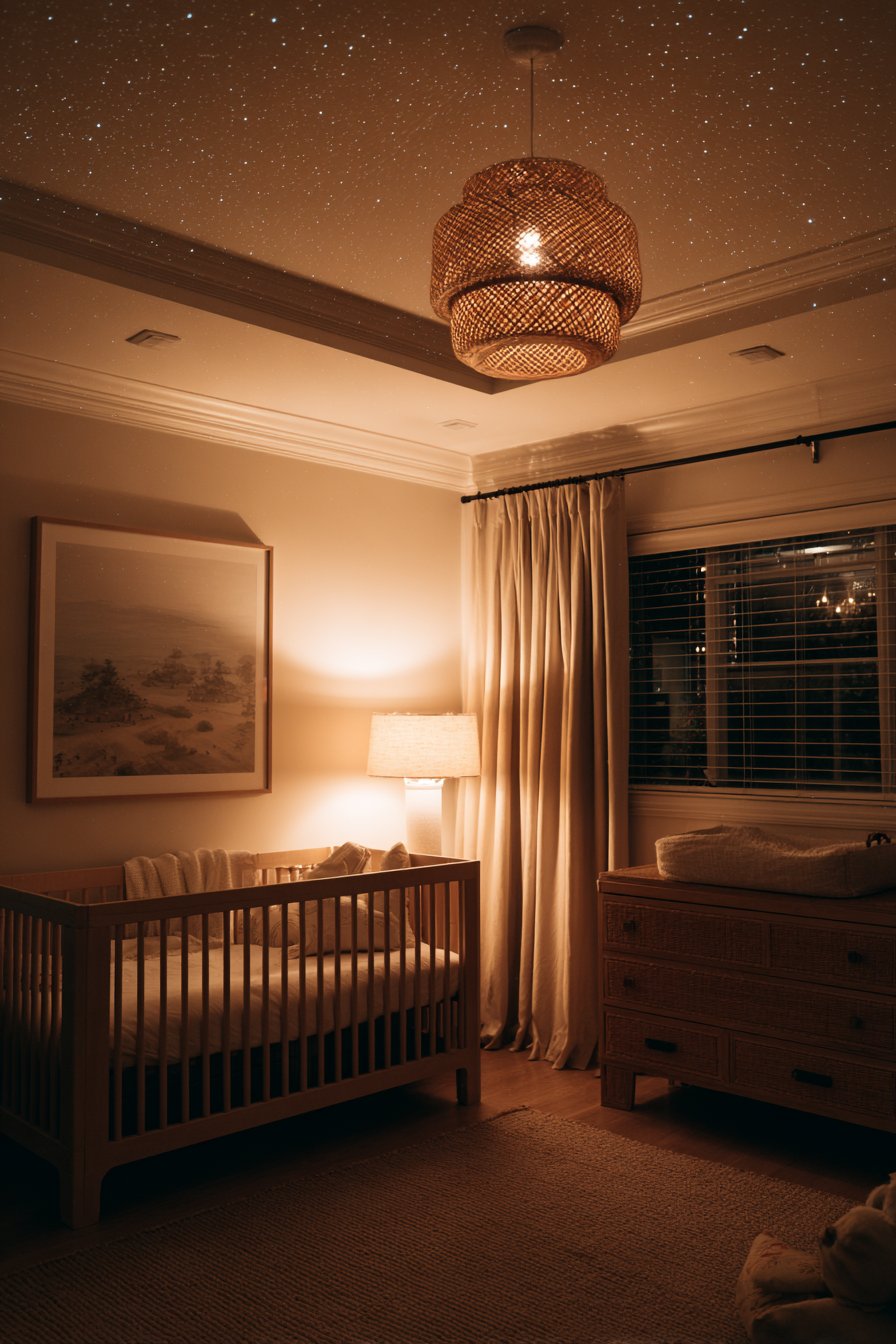
Overhead lighting should be soft and diffused. Dimmable ceiling fixtures with warm-toned bulbs (2700K–3000K) replicate natural light and create a calming ambiance for bedtime routines. Harsh, cool-toned overhead lighting is one of the most common nursery mistakes, as it disrupts melatonin production and makes settling a baby harder.
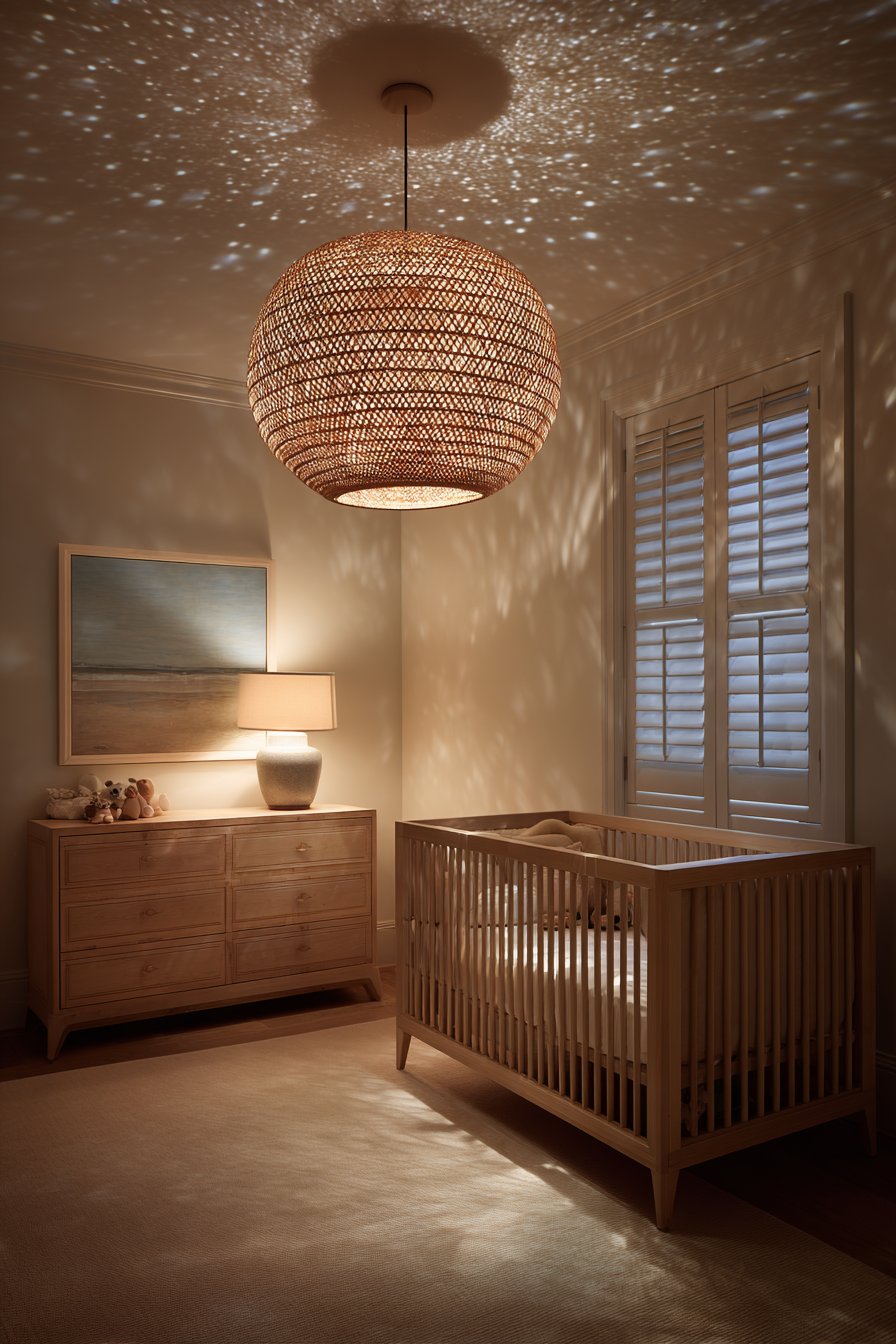
Nightlights and accent lamps play an equally important role. A warm-glow table lamp on the dresser provides enough light for nighttime feeds without fully waking the baby. Star projectors and soft LED strip lighting under furniture add a magical, sensory-rich quality that babies and toddlers adore.
- Install a dimmable overhead fixture with warm-tone bulbs (2700K–3000K)
- Add a table lamp on the dresser for nighttime feed lighting
- Use a soft nightlight to help babies self-settle without full darkness
- Consider a star projector for ceiling visual stimulation
- Install blackout blinds to control external light pollution
- Avoid blue-toned or cool white bulbs in nursery spaces entirely
7. Gender-Neutral and Inclusive Design
Gender-neutral nursery design is no longer a compromise — it’s a deliberate, stylish choice embraced by design-forward parents in 2026. Moving away from binary color coding, these nurseries embrace palettes and themes that celebrate individuality and inclusivity from the very start.
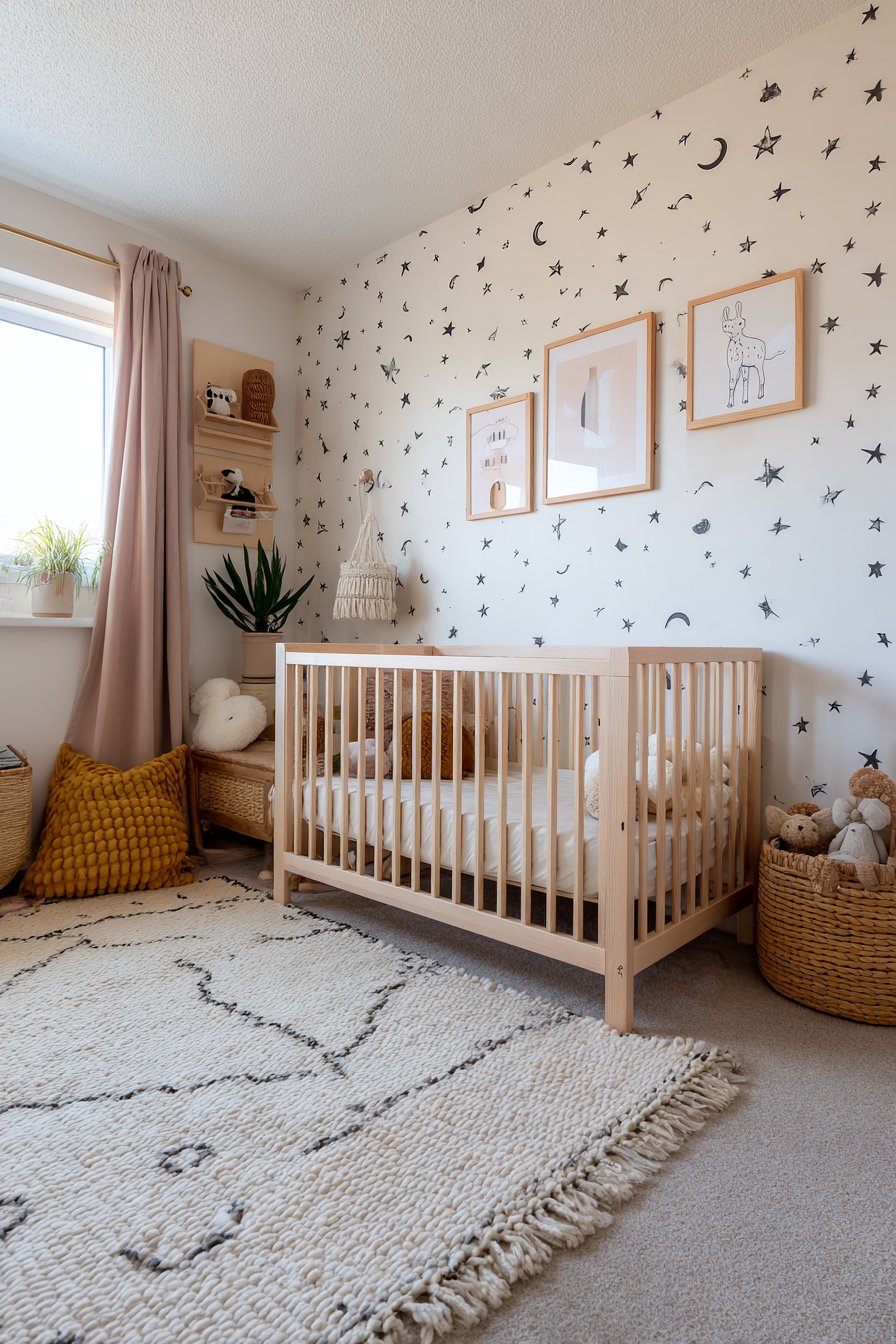
Popular gender-neutral themes include celestial and star-themed rooms, safari and animal motifs, forest and woodland scenes, and abstract geometric patterns. Earthy neutrals, warm whites, mustard yellows, and forest greens create beautifully balanced spaces that feel neither overtly masculine nor feminine.
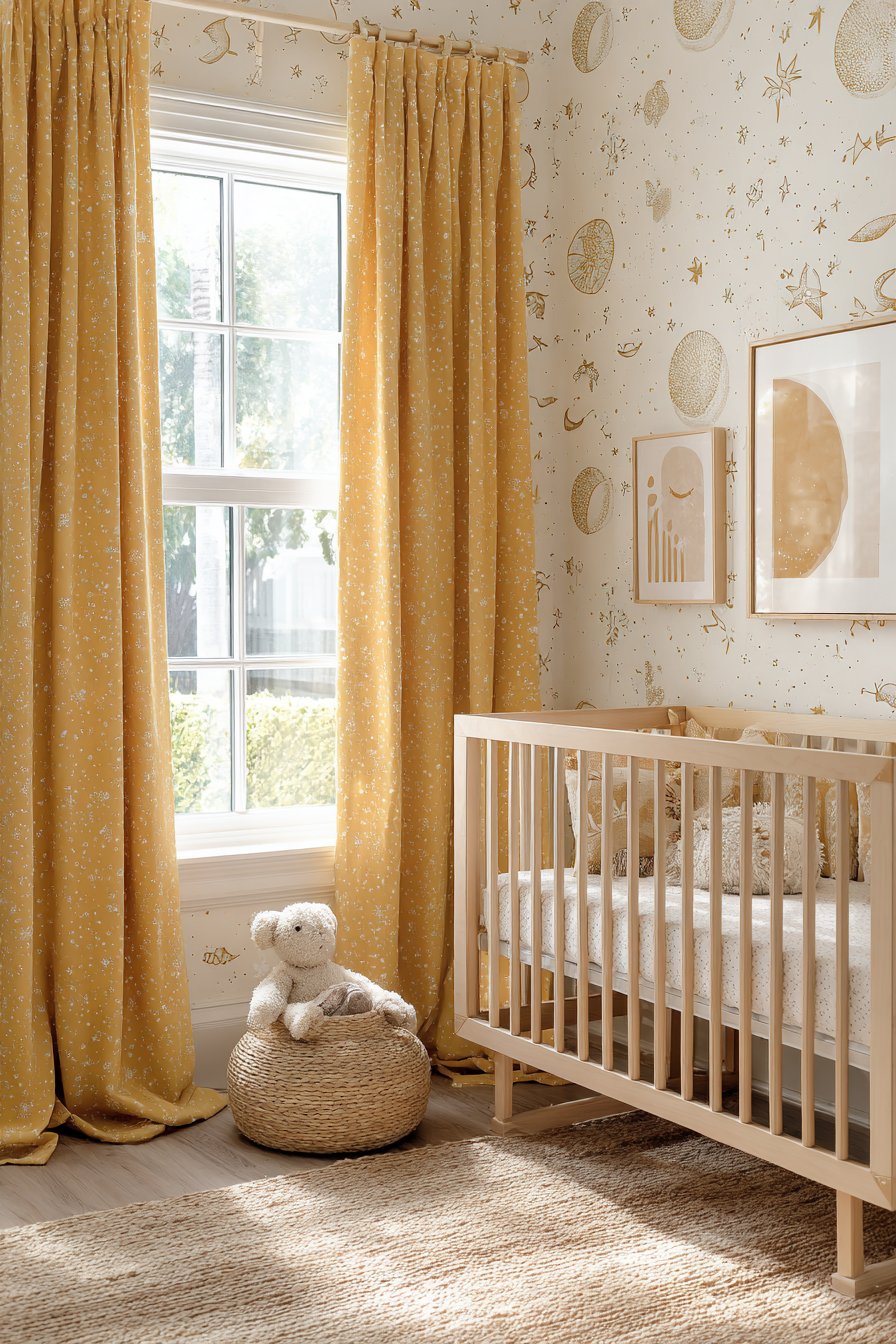
This approach also has a practical dimension. Gender-neutral nurseries work perfectly for parents who prefer not to know the sex before birth, or for families who plan to reuse the nursery for future children. The timeless quality of neutral design also means the room requires fewer updates as trends evolve.
- Choose a nature or celestial theme as a versatile, gender-free concept
- Build your palette around earthy neutrals, sage green, or warm mustard
- Avoid stereotyped color associations and choose what resonates with you
- Select artwork and decor featuring animals, landscapes, and abstract shapes
- Focus on quality, timeless pieces over trend-driven accessories
- Let the child’s personality guide future updates as they grow
8. Sensory-Rich Textures and Tactile Elements
Sensory stimulation through texture is a key developmental principle reflected in 2026 nursery trends. Babies learn about the world through touch, and a texture-rich nursery environment supports this natural curiosity. Layering tactile materials across every surface creates a multi-sensory space that is both beautiful and developmentally supportive.

Think beyond the visual. Chunky knit blankets, velvet cushions, sheepskin rugs, braided cotton baskets, and linen curtains each offer a distinct tactile experience. Mixing smooth, rough, soft, and woven textures throughout the room creates visual depth while stimulating the baby’s developing senses.
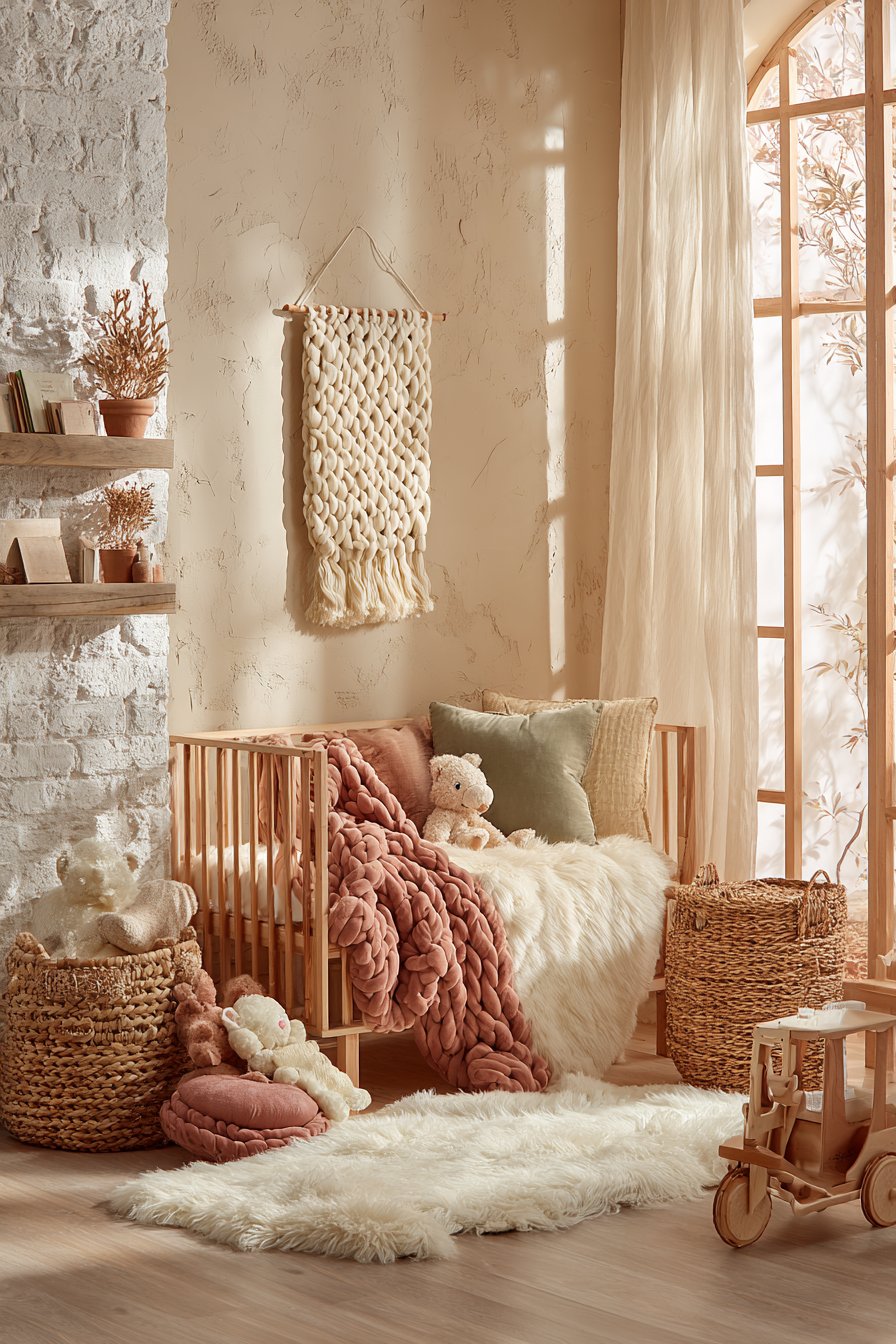
Wall textures are also trending. Limewash paint finishes, textured plaster effects, and grasscloth wallpaper add dimension to nursery walls without pattern. These techniques create an artisanal, crafted quality that elevates the nursery beyond standard paint finishes and adds warmth to the overall design.
- Layer at least 4–5 different textures across furniture, textiles, and accessories
- Include a sheepskin or wool rug as a soft, natural floor covering
- Add a chunky knit throw or wall hanging as a tactile focal point
- Consider limewash or textured paint for an artisanal wall finish
- Use woven baskets for toy storage that doubles as tactile decor
- Introduce crinkle toys, fabric books, and sensory panels at floor level
9. Scandinavian-Inspired Minimalism with Warmth
Scandinavian nursery design continues to influence global trends in 2026, but with a warmer, cozier twist on traditional Nordic minimalism. The cool, stark Scandi aesthetic has softened into warm minimalism — a style that retains clean lines and functional simplicity while introducing texture, warmth, and natural materials.
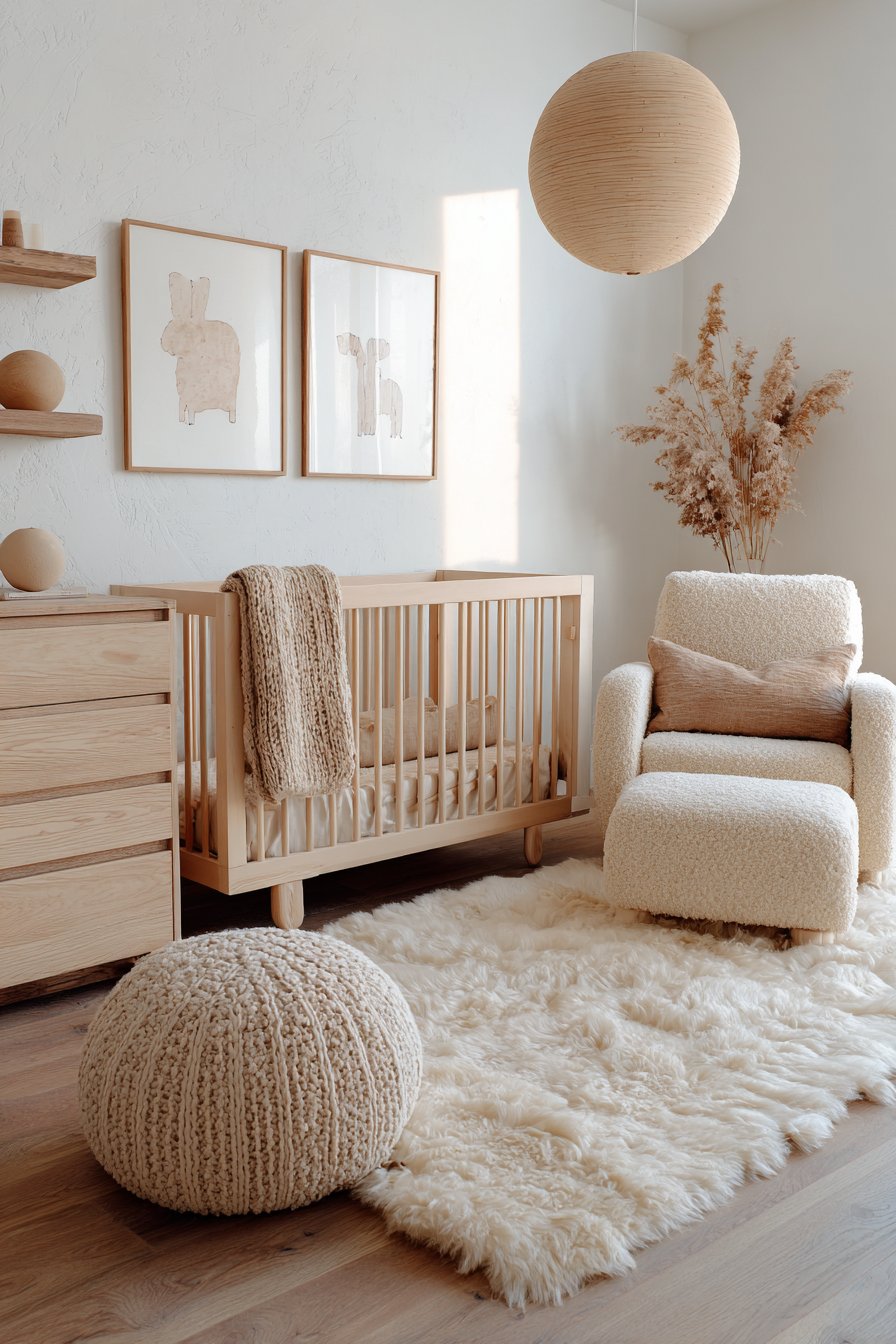
This aesthetic is built on the principle of intentional curation. Every piece in the nursery earns its place through both form and function. Furniture is low-profile, clean-lined, and made from light natural woods like ash, birch, or oak. Clutter is eliminated through smart storage, leaving only meaningful, beautiful objects on display.
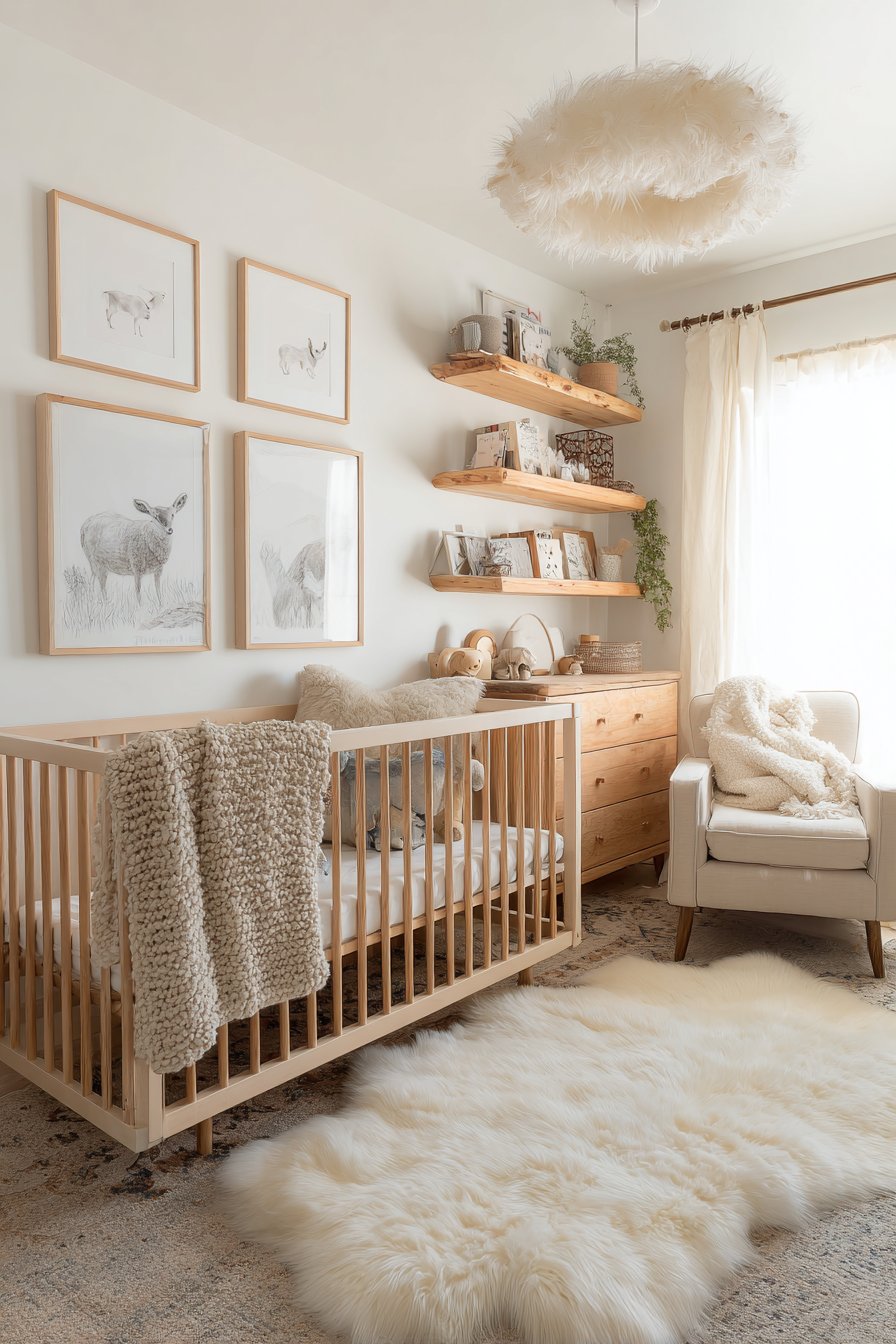
Hygge-inspired comfort is central to warm Scandi nursery design. Layered textiles, soft wool rugs, warm pendant lighting, and cozy reading nooks transform the nursery into a sanctuary of calm. This approach supports both the baby’s need for a restful environment and the parent’s need for a peaceful, beautiful space to spend time in.
- Choose light wood furniture in ash, birch, or natural oak finishes
- Keep surfaces clear and display only a few meaningful objects
- Invest in quality over quantity — fewer, better pieces
- Add warmth through layered textiles, knits, and sheepskin
- Use simple, illustrated art prints in natural wood frames
- Design a cozy reading nook with a low seat and good lighting
10. Personalized Art and Custom Decor
Personalized nursery decor is one of the most emotionally resonant trends of 2026. From custom name prints and birth announcement artwork to commissioned murals and hand-painted furniture, bespoke elements give the nursery a one-of-a-kind quality that mass-produced decor simply cannot replicate.
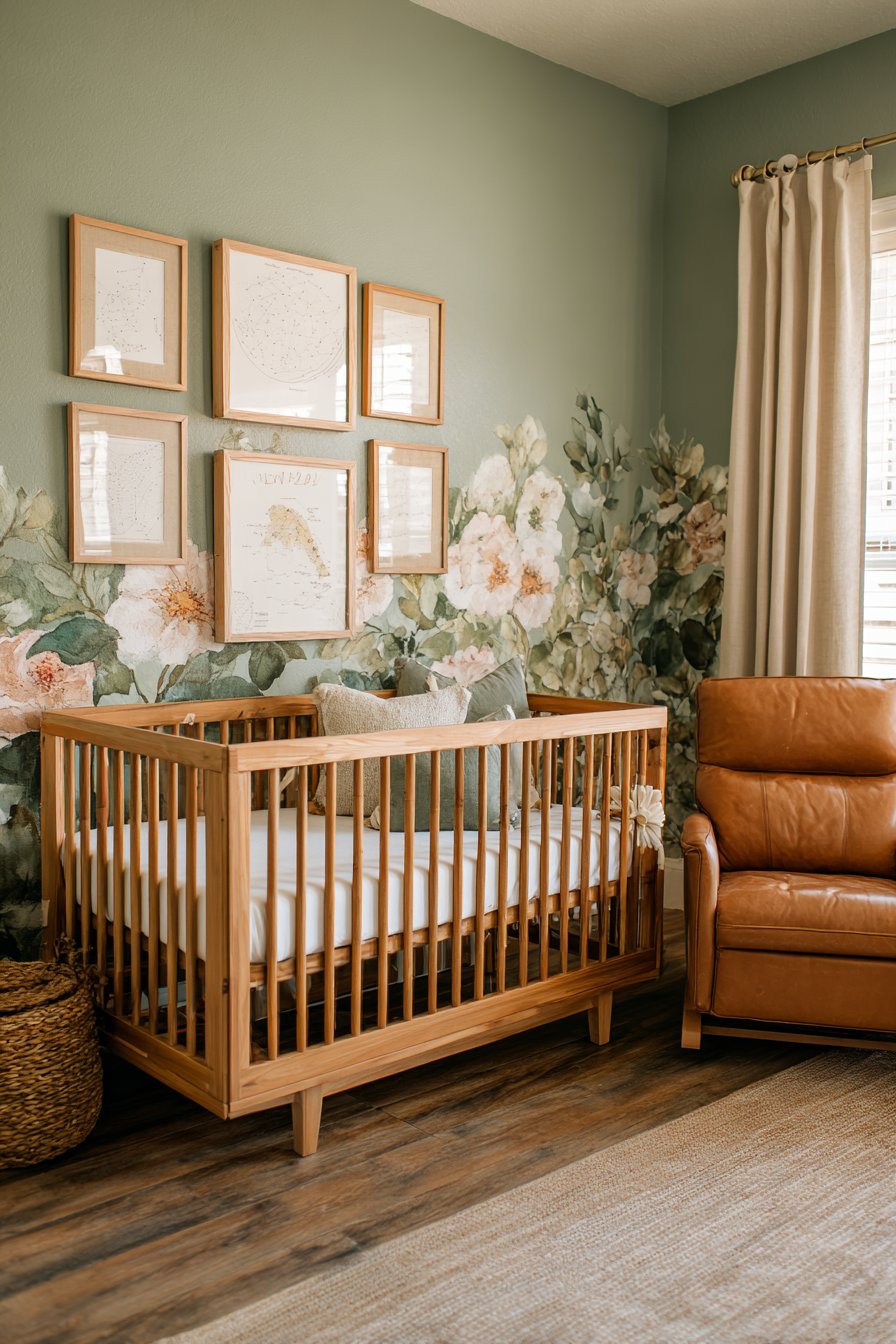
Custom name signage in wood, acrylic, or fabric letters remains extremely popular. But in 2026, personalization has evolved beyond names. Birth chart prints, constellation maps, and custom family portrait illustrations are among the most sought-after nursery art pieces. These items grow in sentimental value over time and make extraordinary keepsakes.
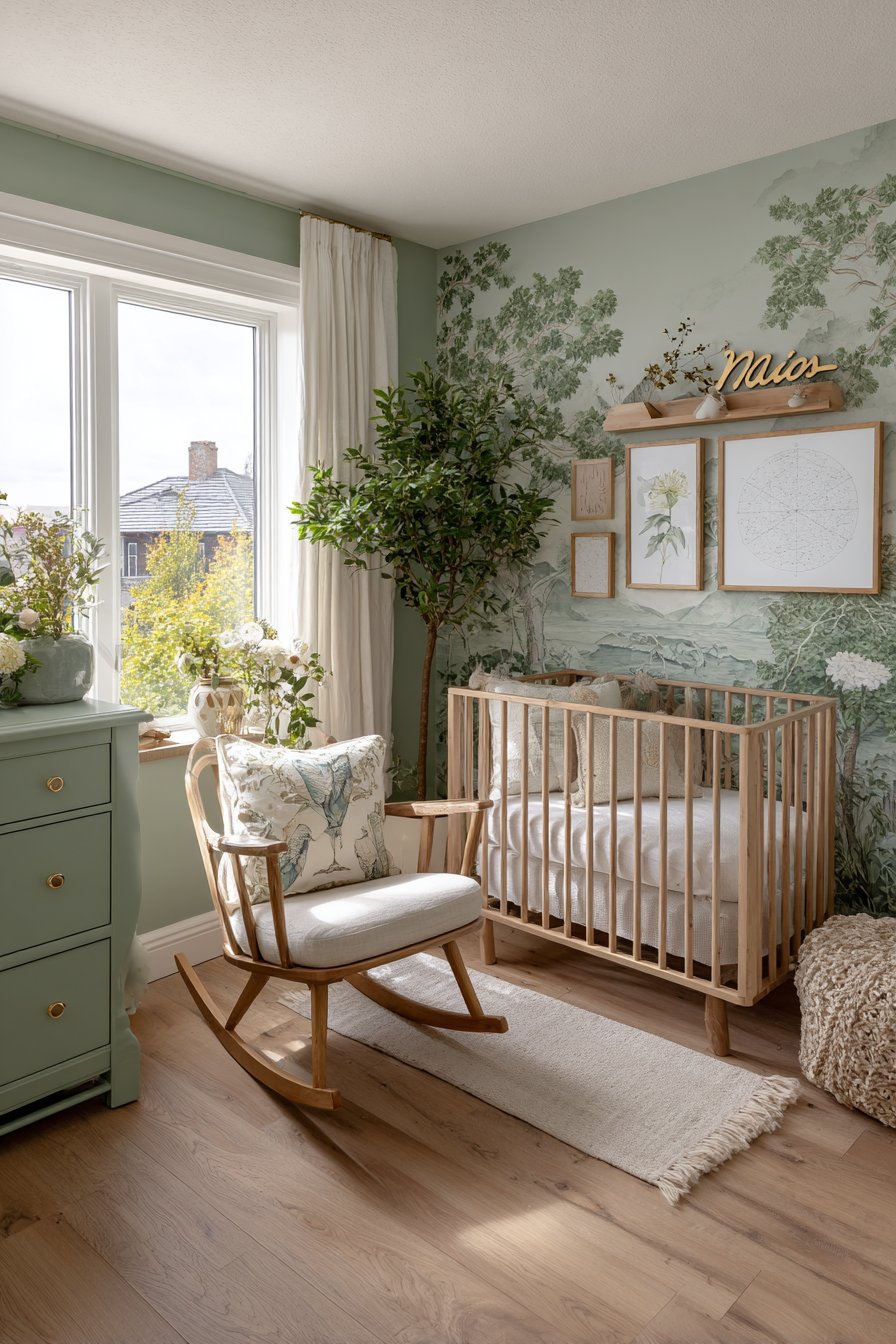
Local artisans and independent designers are the go-to source for custom nursery decor. Supporting small businesses while creating a unique, meaningful space is a value alignment many modern parents prioritize. Custom commissions also allow for perfect color matching and sizing to suit the specific nursery layout.
- Commission a custom name sign in wood, acrylic, or fabric
- Order a birth chart or constellation map as unique nursery art
- Work with a local muralist for a one-of-a-kind feature wall
- Choose hand-painted or custom furniture for a bespoke look
- Incorporate meaningful family heirlooms as decorative elements
- Support independent artists and Etsy creators for unique finds
11. Smart Nursery Technology Integration
Smart home technology has officially entered the nursery in 2026. From AI-powered baby monitors to app-controlled sound machines and automated lighting, tech-integrated nurseries give parents unprecedented control and peace of mind. The key is integrating technology seamlessly without compromising the aesthetic warmth of the room.
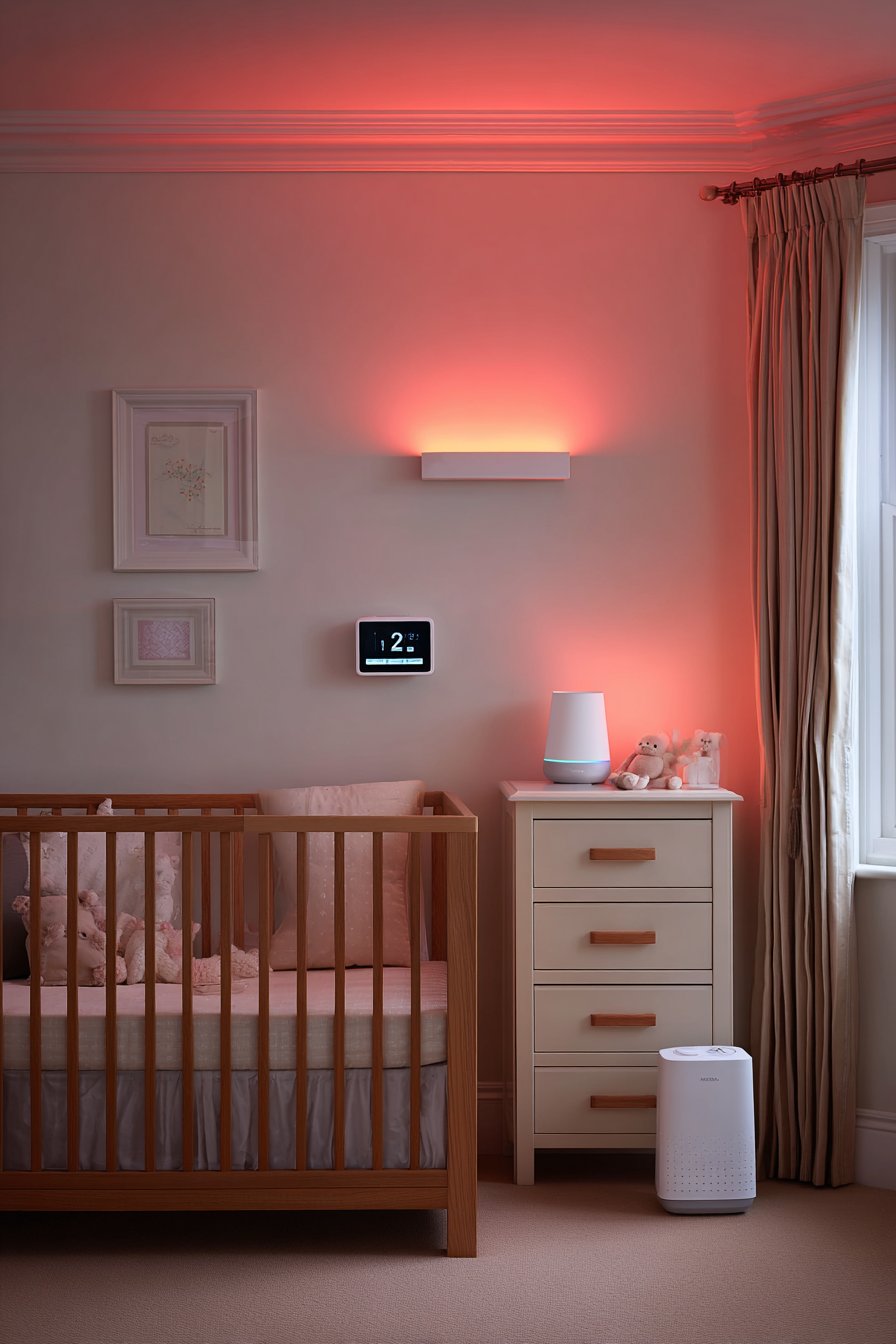
The latest video baby monitors feature HD cameras, breathing sensors, room temperature alerts, and two-way audio — all controlled from a smartphone app. Sleep tracking technology can analyze a baby’s sleep patterns and offer personalized suggestions for improving nighttime routines. These tools are genuinely life-changing for sleep-deprived new parents.
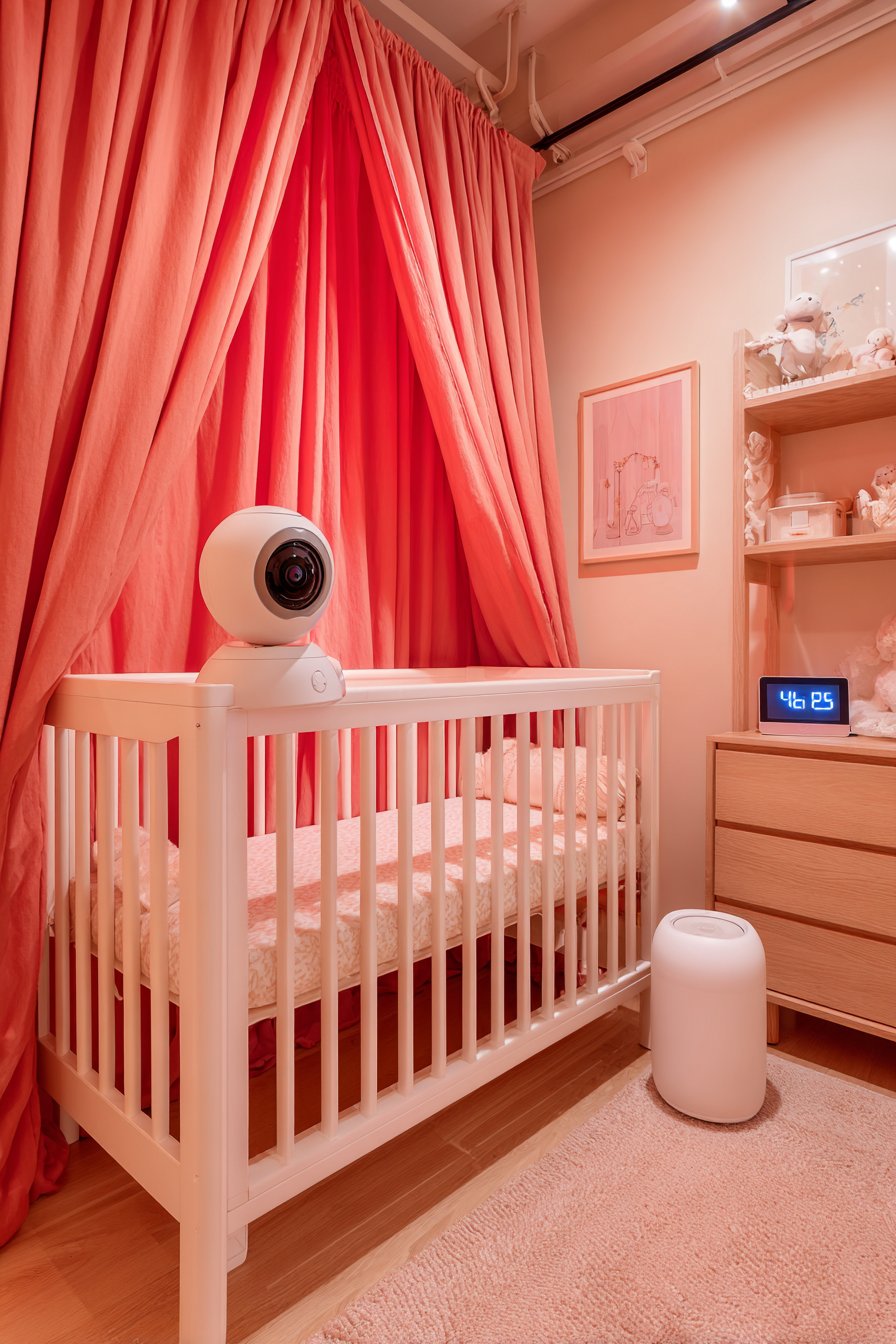
Smart lighting systems like Philips Hue or LIFX allow parents to program wake-up routines, nap-time dim settings, and nighttime red-light modes from their phone. Automated white noise machines with gentle fade timers and room temperature sensors ensure the nursery environment is always optimally comfortable for sleep.
- Install a smart video monitor with breathing and temperature sensors
- Use app-controlled dimmable smart bulbs for customizable lighting scenes
- Set up a programmable white noise machine with sleep timer functions
- Consider a smart air purifier to maintain nursery air quality
- Use a room thermometer display to monitor sleep-safe temperatures (68°F–72°F)
- Keep tech discreet and well-concealed to maintain the nursery aesthetic
12. Thoughtful Storage and Organization Systems
Strategic nursery storage is the foundation of a functional, beautiful room. In 2026, storage design has become as aesthetically considered as any other design element. Well-planned organization systems keep nursery essentials accessible, reduce visual clutter, and make the daily demands of baby care significantly easier.
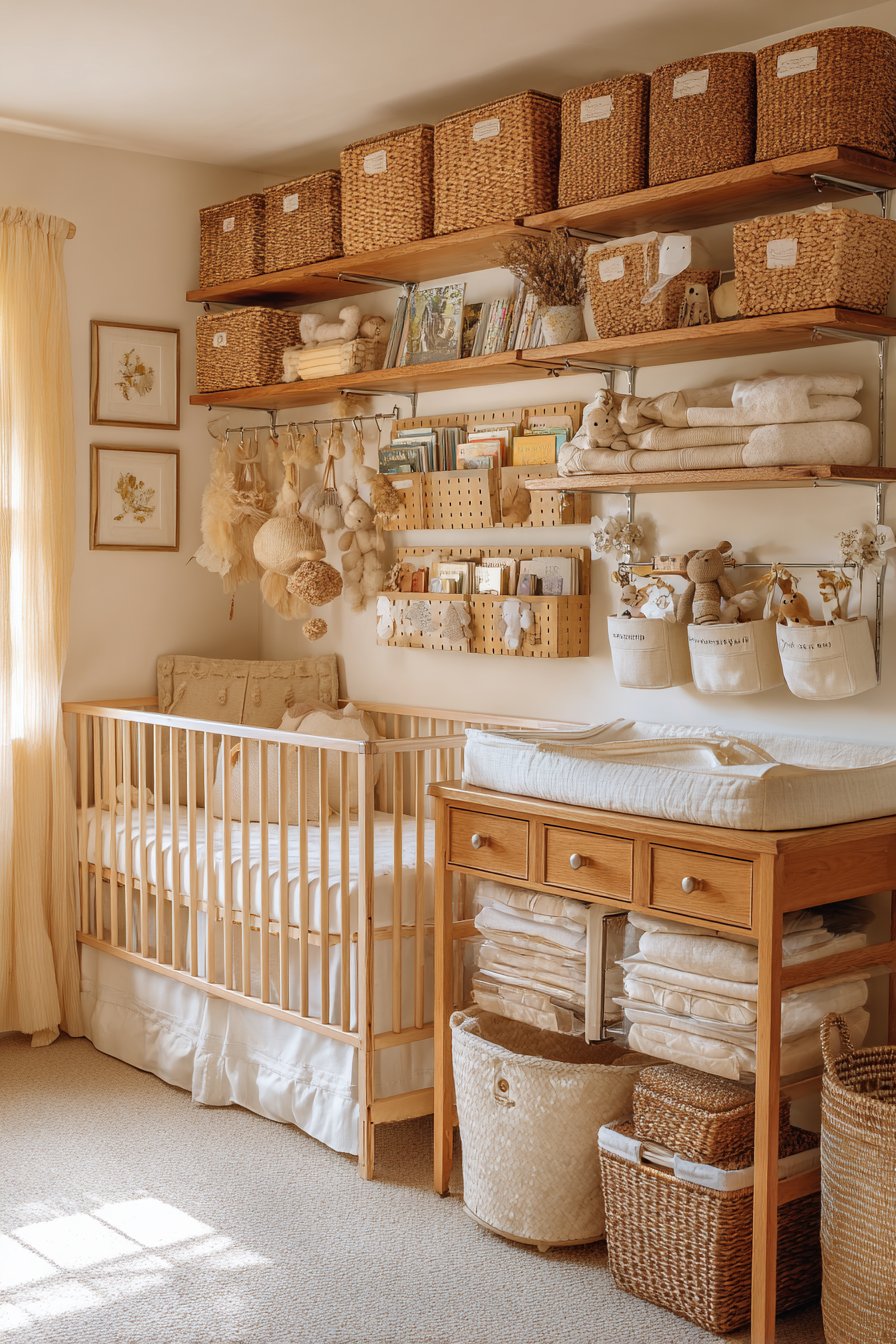
The open shelf plus concealed storage combination is the most effective nursery storage strategy. Open shelves display beautiful, curated objects — books, soft toys, and decor — while closed drawers and cabinets hide functional items like nappies, wipes, and spare clothing. This balance maintains a tidy, intentional aesthetic while keeping necessities within reach.
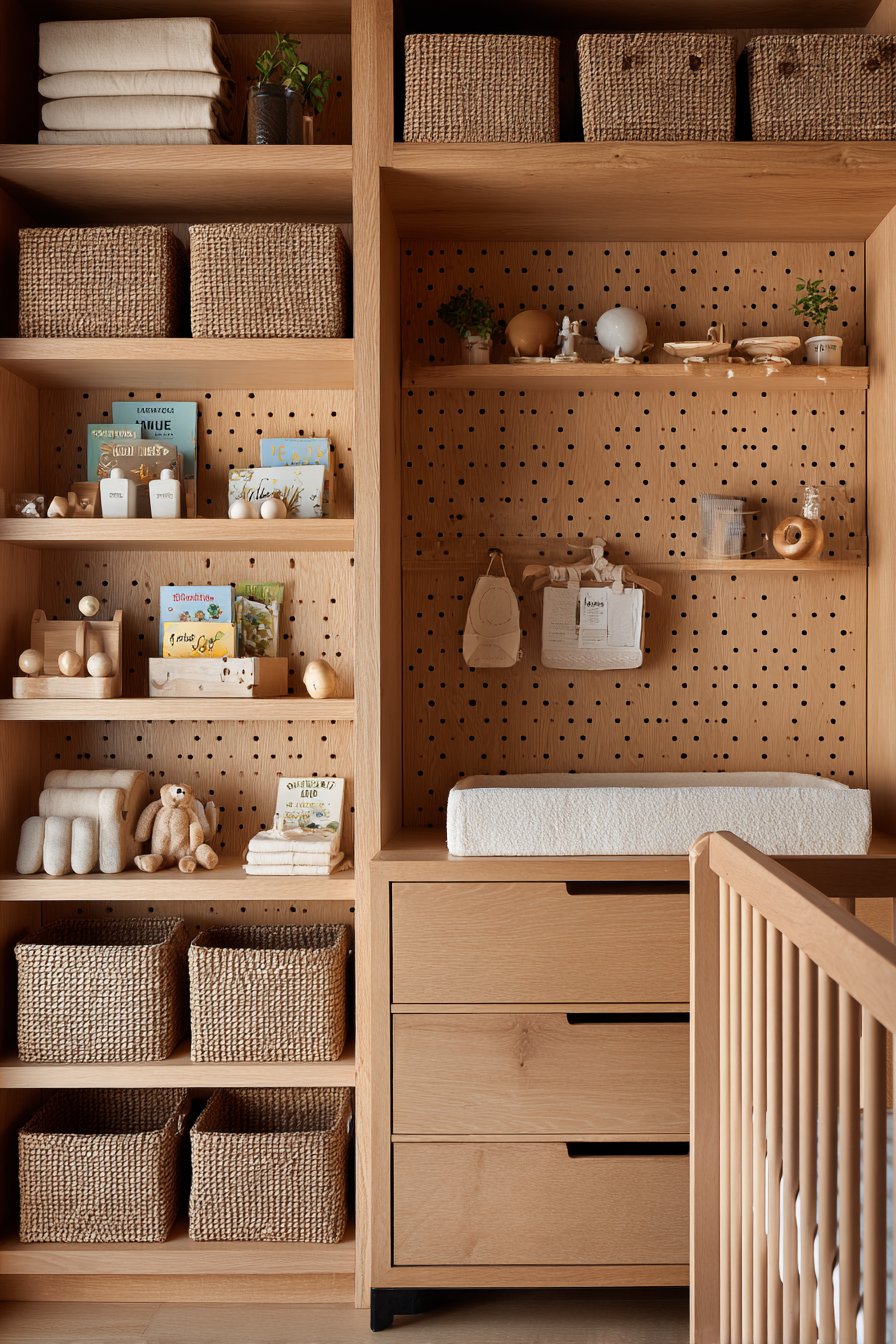
Under-crib storage is a brilliant space-saving solution gaining popularity in 2026 nurseries. Rolling drawers or fabric bins tucked beneath the crib maximize unused floor space. Pegboard systems on nursery walls offer flexible, customizable hanging storage for accessories, small baskets, and artwork — all without permanent damage to walls.
- Combine open shelving for display with closed storage for function
- Use labeled fabric bins and baskets for organized, accessible storage
- Install pegboard on one wall for flexible, adjustable hanging storage
- Maximize under-crib space with rolling drawers or flat storage bins
- Group items by category — feeding, changing, dressing — for efficiency
- Reassess storage organization every 3 months as the baby’s needs change
Conclusion
The nursery design trends of 2026 reflect a beautiful convergence of style, sustainability, and developmental wisdom. From earthy color palettes and biophilic elements to smart technology and personalized art, today’s nurseries are designed with both the baby’s wellbeing and the parent’s lifestyle in mind.
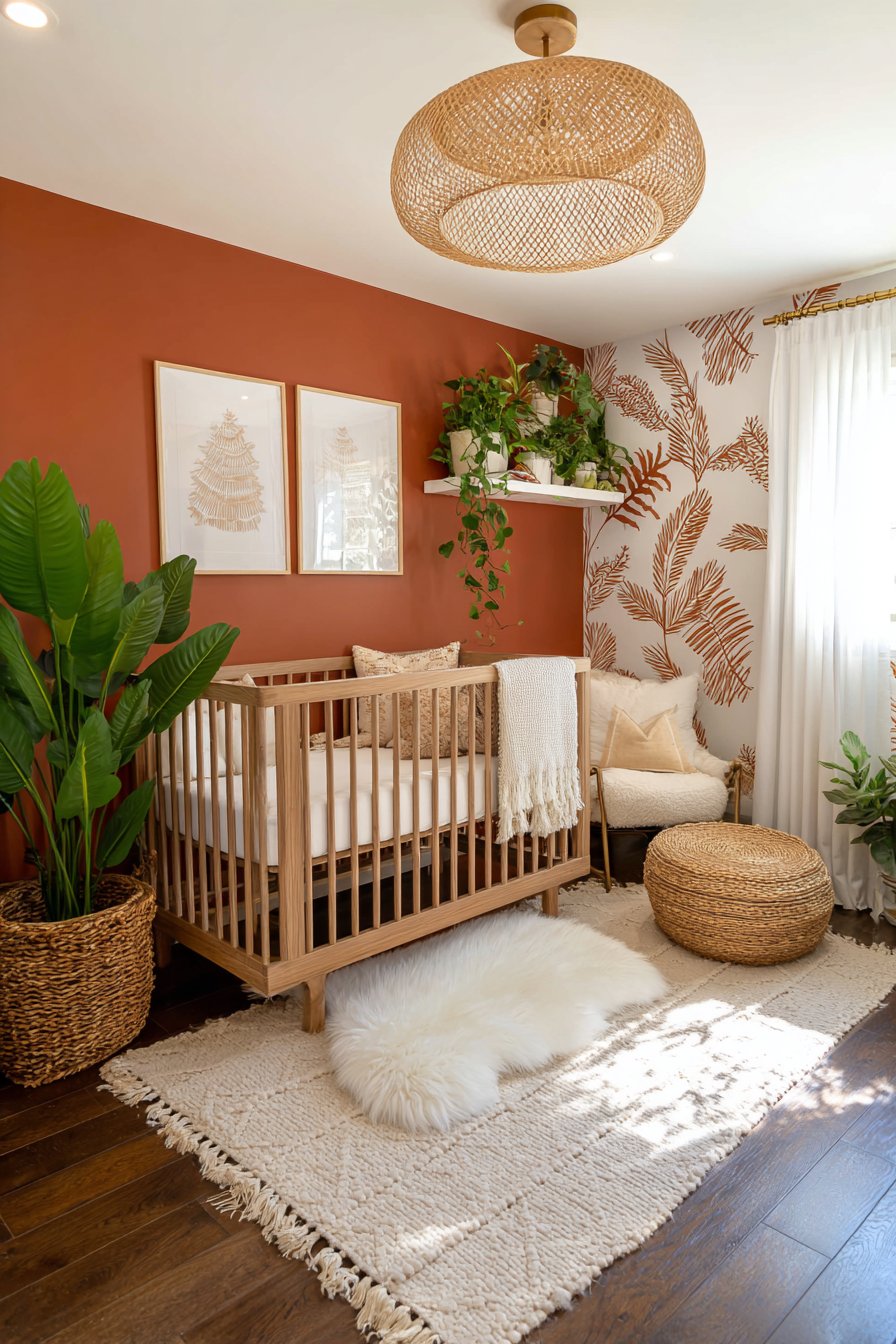
The most important takeaway is that great nursery design is intentional. It doesn’t require a large budget or a perfect space — it requires thoughtful choices, quality materials, and a genuine investment in creating an environment where your child can thrive. Use these trends as inspiration, adapt them to your own taste and budget, and most importantly, make the space feel like yours. The nursery you create will be one of the most cherished rooms in your home — design it with love, and it will show in every detail.
