


Preparing a nursery is one of the most exciting parts of welcoming a new baby into your home. Among the essential furniture pieces, the nursery dresser stands as both a functional workhorse and a design centerpiece. This seemingly simple piece of furniture will serve you daily for years, making your choice critical to creating a space that’s safe, practical, and beautiful.
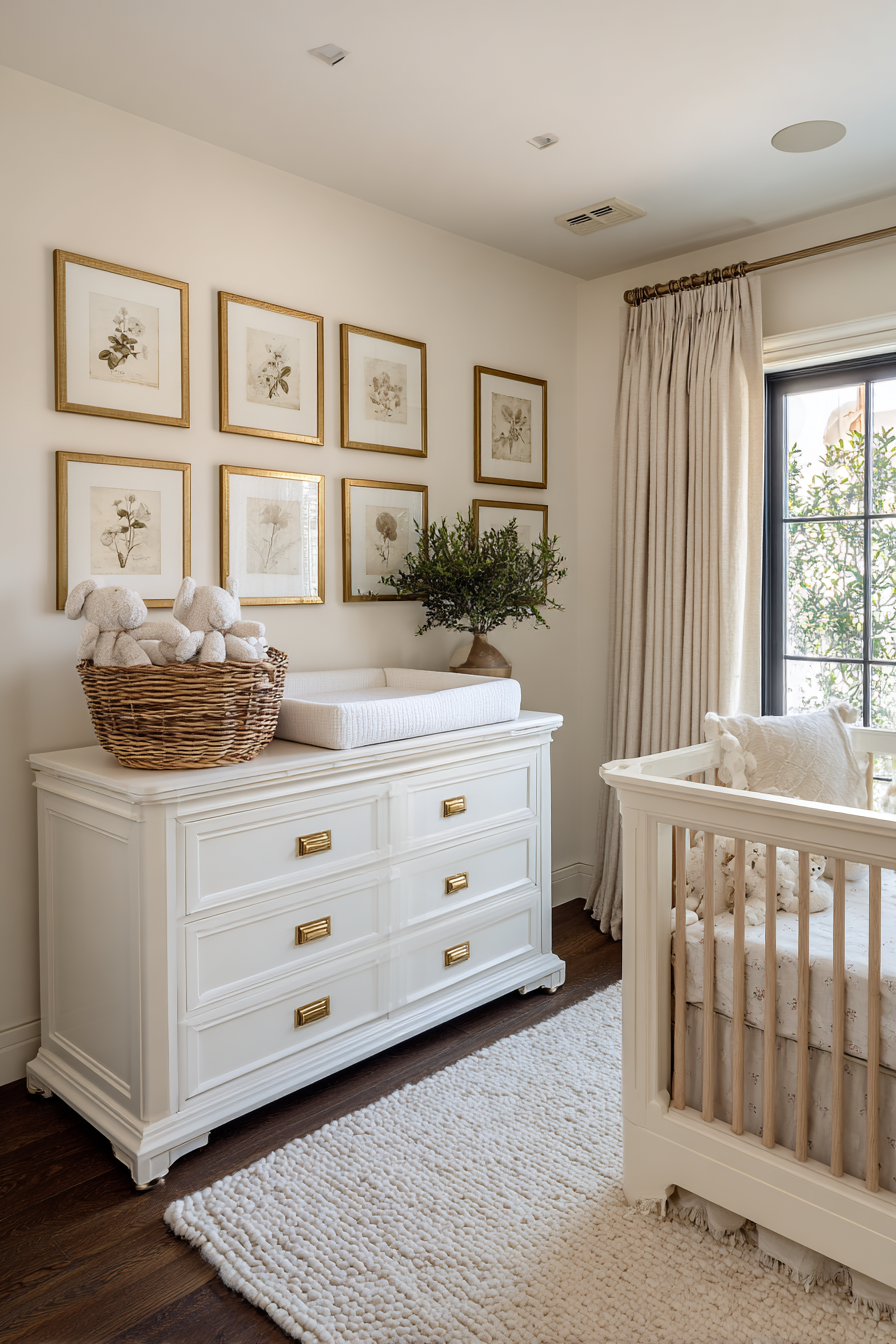
The right nursery dresser does more than store tiny clothes and diapers. It becomes a changing station, a display surface for cherished items, and eventually transitions into your child’s bedroom furniture. Understanding what to prioritize before making this investment ensures you’ll choose a piece that grows with your family while complementing your interior design vision.
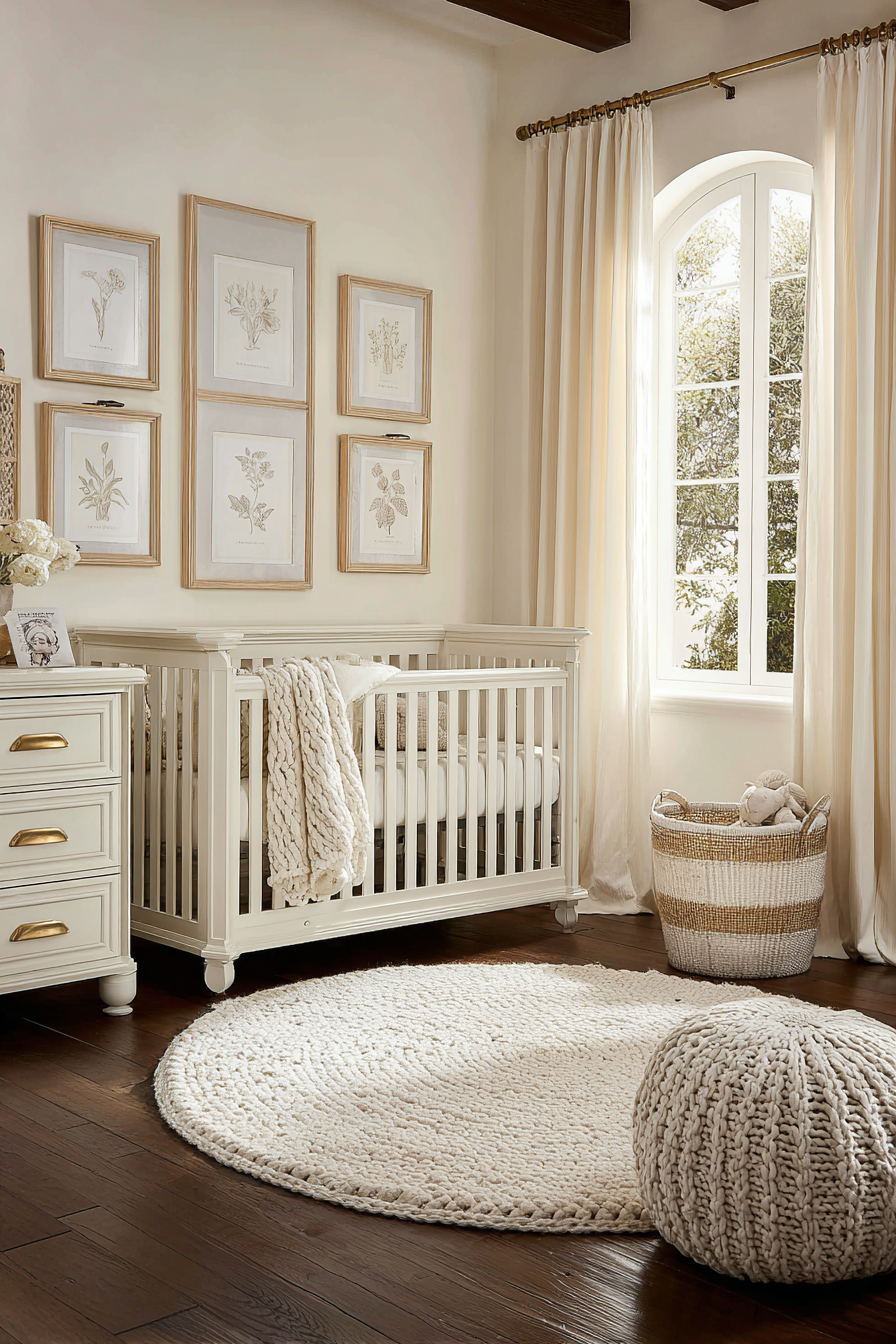
This guide explores the essential considerations when selecting a nursery dresser, from safety features to style choices. Whether you’re designing a modern minimalist nursery or a classic traditional space, these insights will help you make an informed decision that balances aesthetics with functionality.
1. Safety Features and Stability
Safety should be your absolute first priority when selecting any nursery furniture. A sturdy dresser prevents tipping accidents that can cause serious injuries to curious toddlers who begin climbing. Look for pieces with a low center of gravity and wide base that naturally resist toppling, even without anchoring systems.
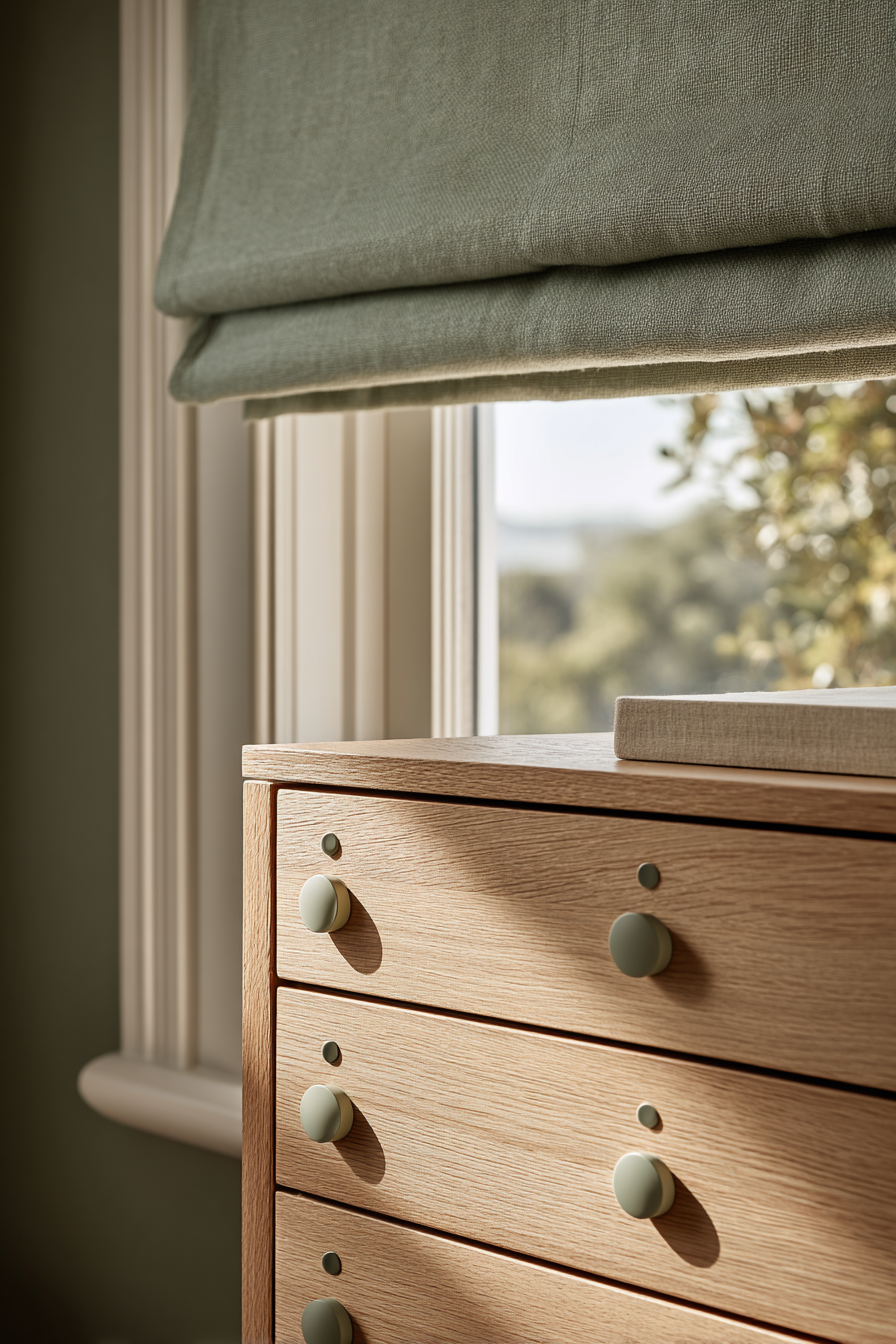
The construction quality directly impacts safety and longevity. Solid wood or high-quality engineered wood provides superior stability compared to particleboard alternatives. Check that all drawers have stops to prevent them from being pulled completely out, which could cause the dresser to become unbalanced or injure small fingers.
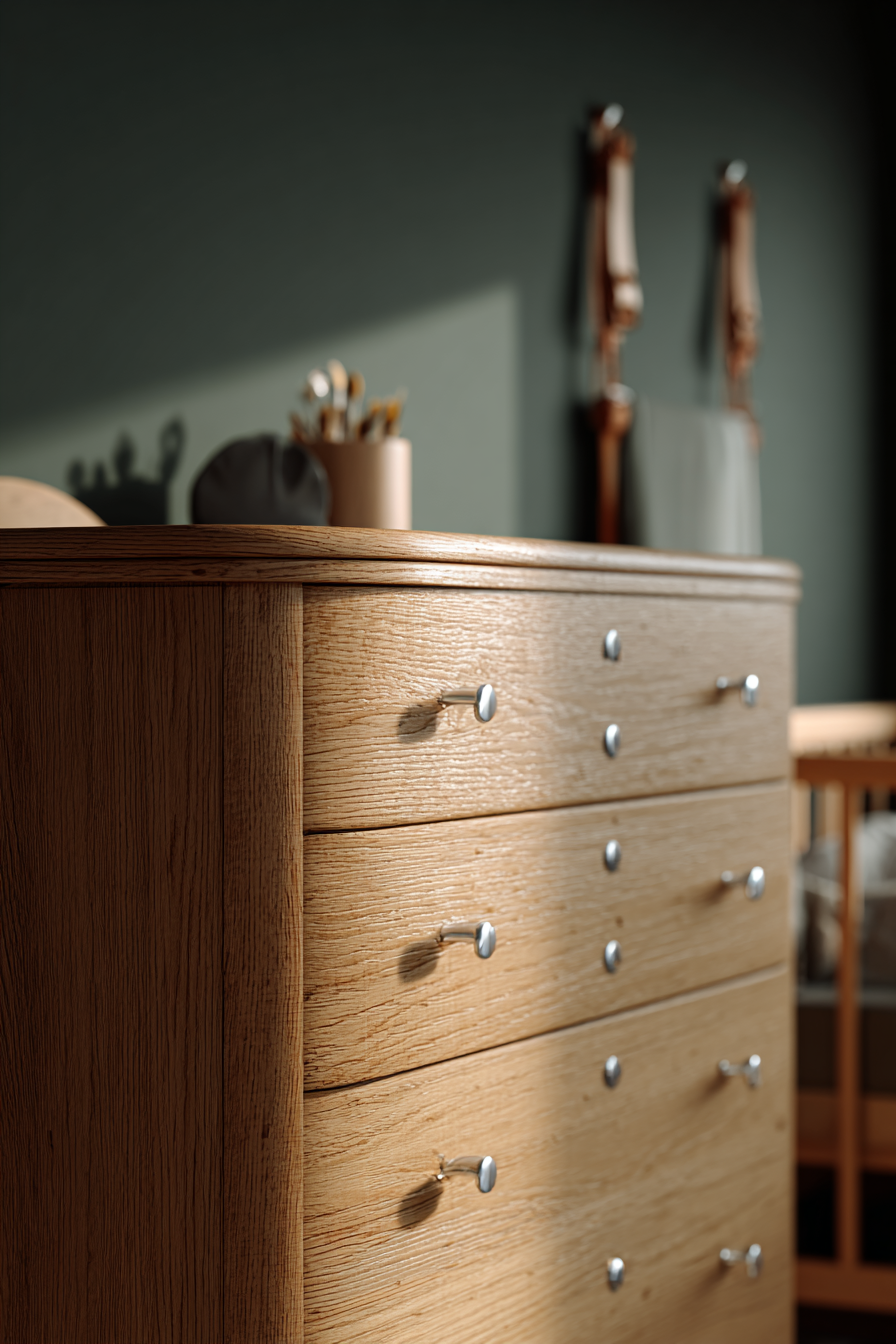
Modern safety standards require anti-tip hardware for all dressers, regardless of their intended use. Ensure your chosen piece includes wall anchors and mounting brackets. Even the most stable dresser needs proper anchoring, as children develop climbing abilities faster than most parents anticipate.
- Verify the dresser meets current CPSC safety standards
- Test drawer glides for smooth operation and automatic stops
- Choose dressers with rounded corners and edges to prevent injuries
- Ensure all hardware is recessed or covered to avoid snagging
- Look for non-toxic finishes certified as safe for children’s furniture
- Confirm the changing surface attachment points are reinforced if applicable
2. Dimensions and Spatial Planning
The physical footprint of your nursery dresser significantly impacts room functionality and flow. Measure your nursery carefully, accounting for door swings, crib placement, and adequate walking space around all furniture. Standard dressers range from 30 to 60 inches wide, but your room may require specific dimensions.
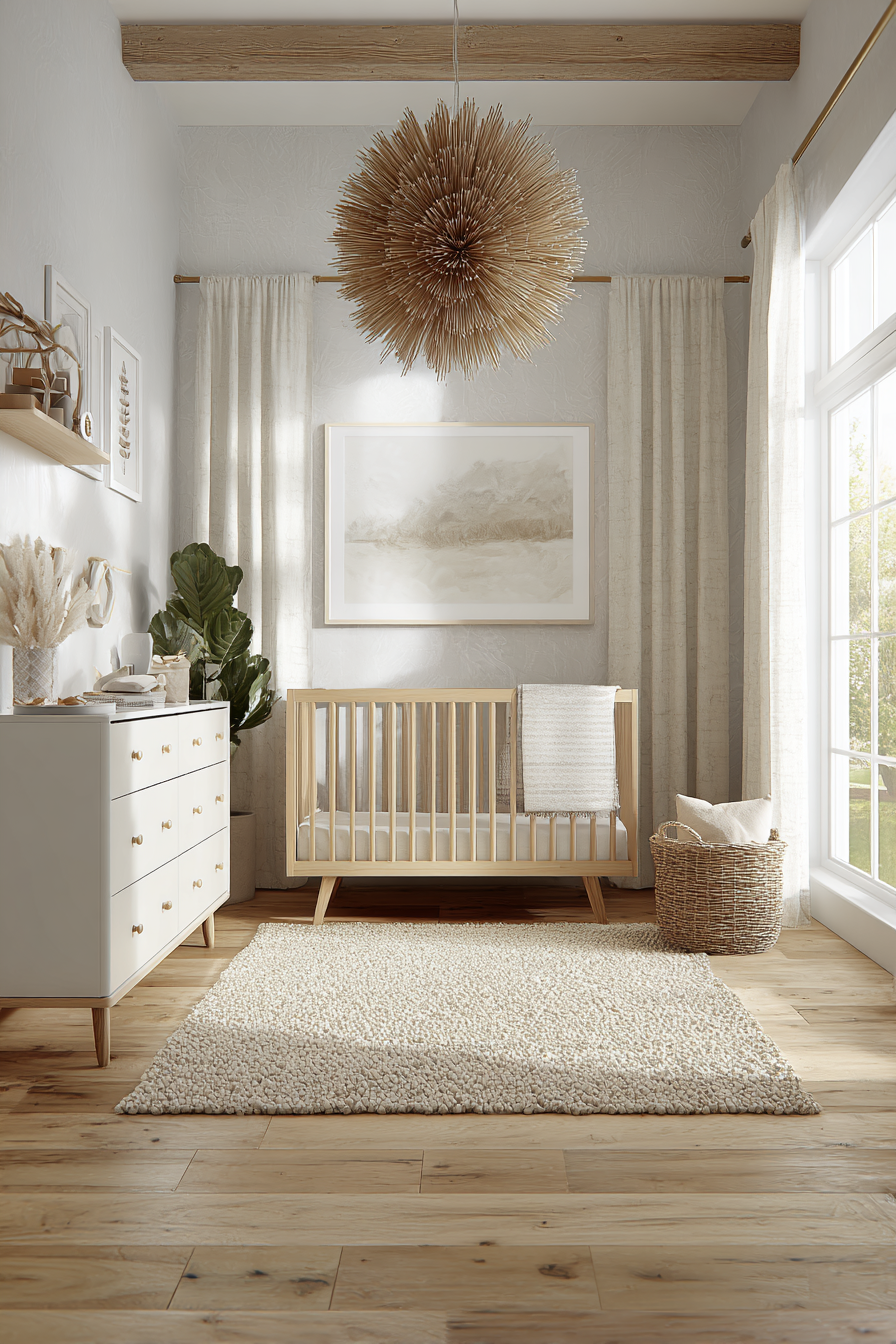
Height considerations become crucial when the dresser doubles as a changing table. The ideal changing surface sits between 36 and 43 inches high, allowing most adults to work comfortably without excessive bending. Taller dressers offer more storage but may require a step stool for shorter caregivers accessing upper drawers.

Consider the drawer depth carefully, as this affects both storage capacity and usability. Shallow drawers work beautifully for newborn clothing and accessories, while deeper bottom drawers accommodate blankets, towels, and bulkier items. A mix of drawer depths provides the most versatile storage solution.
- Measure the intended space three times before shopping
- Account for 24-30 inches of clearance in front for drawer operation
- Consider future furniture additions when planning layout
- Verify the dresser fits through doorways and up staircases
- Leave space beside the dresser for diaper storage or hampers
- Think about lighting placement and electrical outlet access
3. Storage Configuration and Capacity
Babies require an astonishing amount of supplies, making strategic storage essential for maintaining organization and sanity. Evaluate how many drawers you need based on your storage philosophy—some parents prefer many small drawers for categorization, while others want fewer large compartments for flexibility.
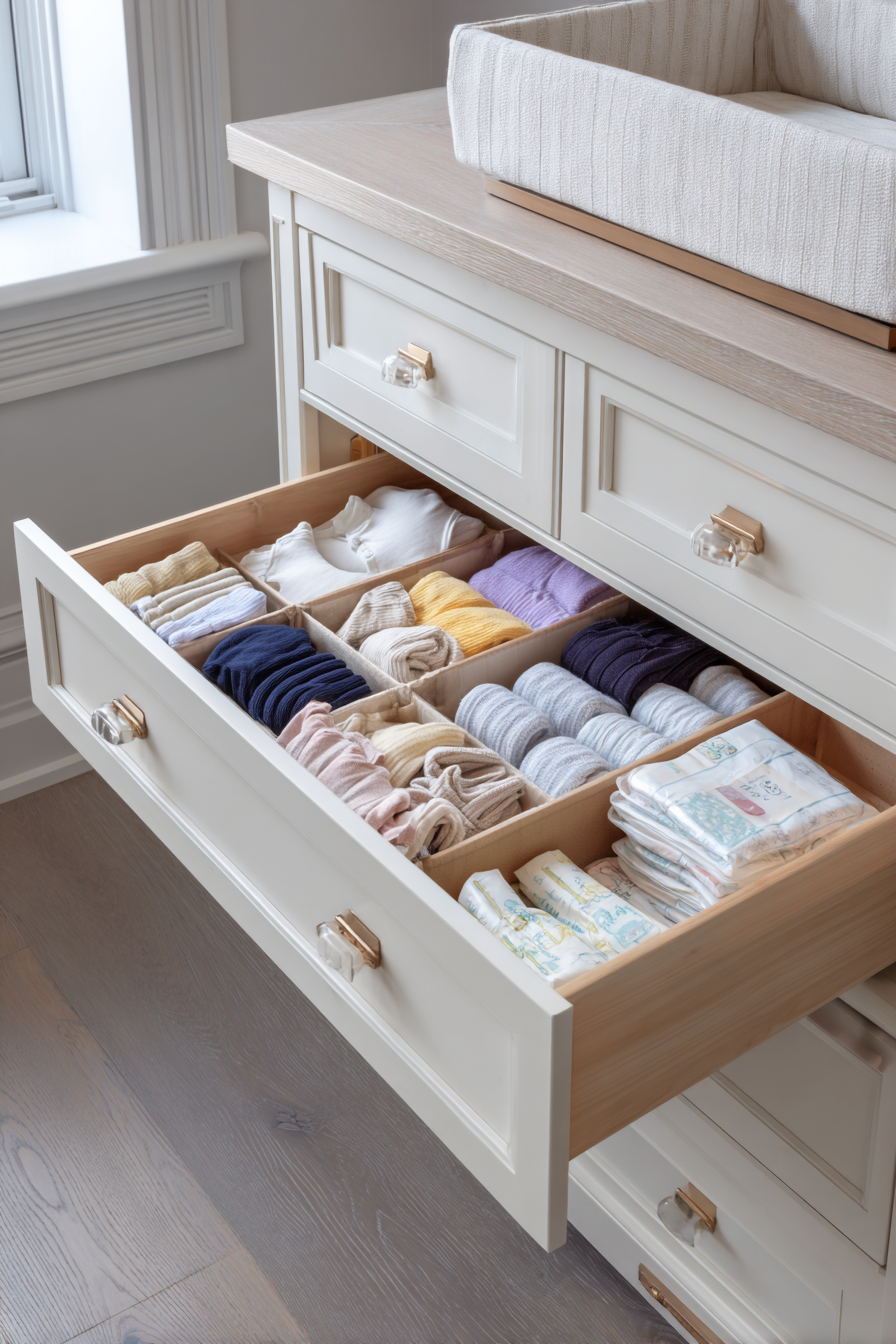
The drawer arrangement impacts daily usability more than you might expect. Top drawers should accommodate frequently accessed items like diapers, wipes, and everyday outfits. Middle drawers work well for seasonal clothing and special occasion pieces, while bottom drawers can house bulk supplies and items you access less frequently.

Consider whether you need specialized storage features like divided drawers, removable organizers, or lined compartments. Some dressers include built-in changing pad areas with contoured security edges, while others offer removable changing toppers. Think about your workflow and which features would genuinely simplify your daily routine.
- Count your current and anticipated baby items to estimate needs
- Look for adjustable dividers that accommodate growing clothing sizes
- Consider dressers with a combination of drawer sizes
- Evaluate whether you need open shelving in addition to drawers
- Think about adding baskets or bins for small items organization
- Choose dressers with easy-to-clean interiors for inevitable spills
4. Material Quality and Durability
The construction materials determine whether your dresser survives one child or becomes a family heirloom. Solid hardwoods like oak, maple, or birch offer exceptional durability and can withstand decades of use. These materials accept refinishing beautifully, allowing you to update the appearance as design trends evolve.
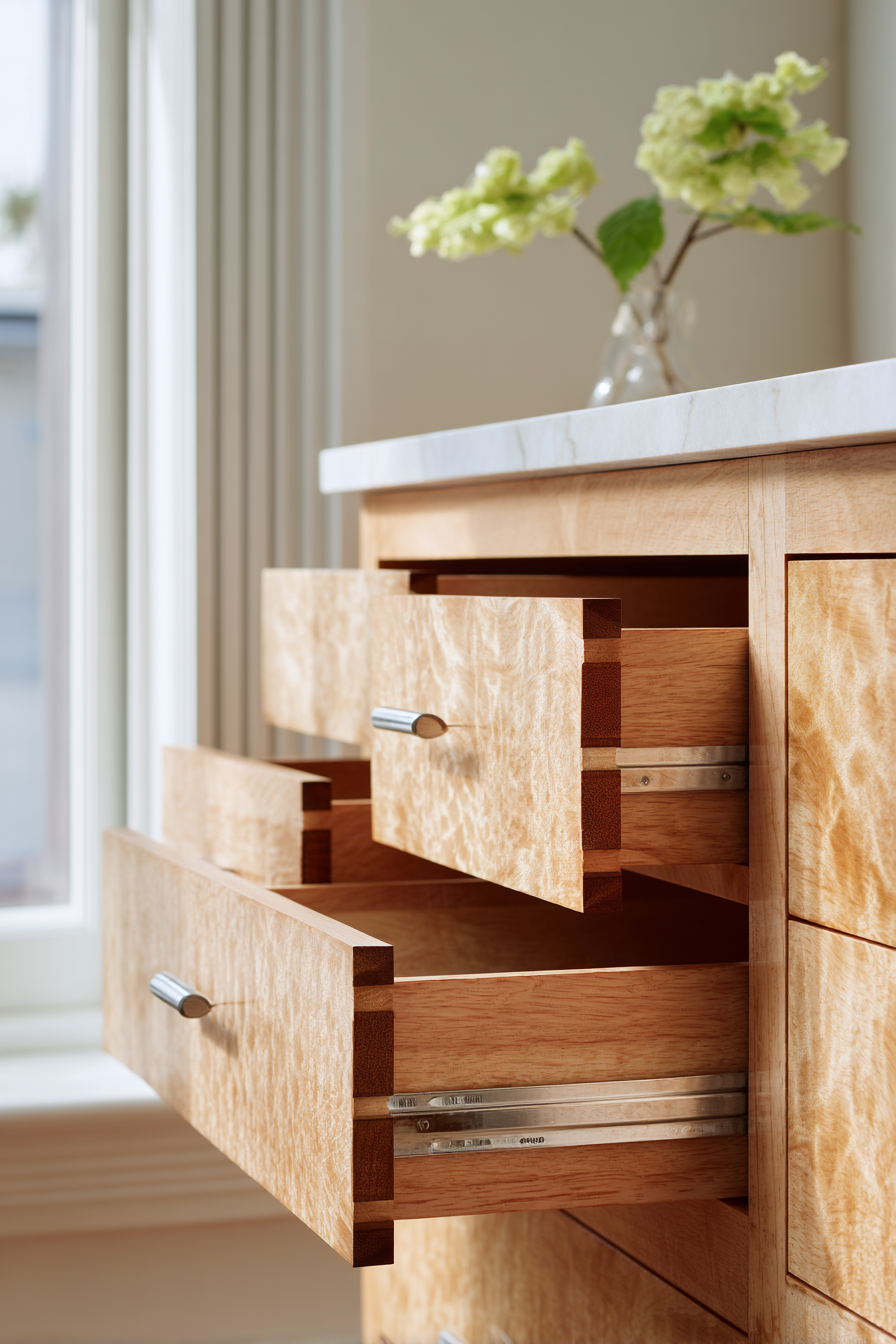
High-quality engineered woods like plywood or MDF provide excellent alternatives at lower price points when properly manufactured. Look for pieces with dovetail joinery in drawers, which indicates superior craftsmanship. This traditional woodworking technique creates incredibly strong connections that won’t loosen with repeated use.

The finish quality affects both appearance and maintenance requirements. Water-based, low-VOC finishes ensure air quality safety in your nursery while providing adequate protection. Test the finish by gently rubbing a hidden area—quality finishes feel smooth and uniform without rough patches or strong chemical odors.
- Research manufacturer reputations and read verified customer reviews
- Choose solid wood or premium plywood for generational durability
- Verify all finishes are certified non-toxic and low-VOC
- Look for reinforced corners and quality metal drawer glides
- Consider whether the piece can be refinished or repainted later
- Ask about warranty coverage and company longevity
5. Style Compatibility and Design Longevity
Your nursery dresser should complement your overall design aesthetic while possessing timeless appeal that transcends fleeting trends. Classic styles like Shaker, Mission, or traditional designs maintain their beauty for decades, making them wise investments if you plan to use the furniture beyond the nursery years.

Consider the color and finish carefully, as this dramatically affects the piece’s versatility. White and natural wood tones adapt easily to changing color schemes and evolving design preferences. Bold painted finishes make striking statements but may limit your flexibility when redecorating or repurposing the furniture.
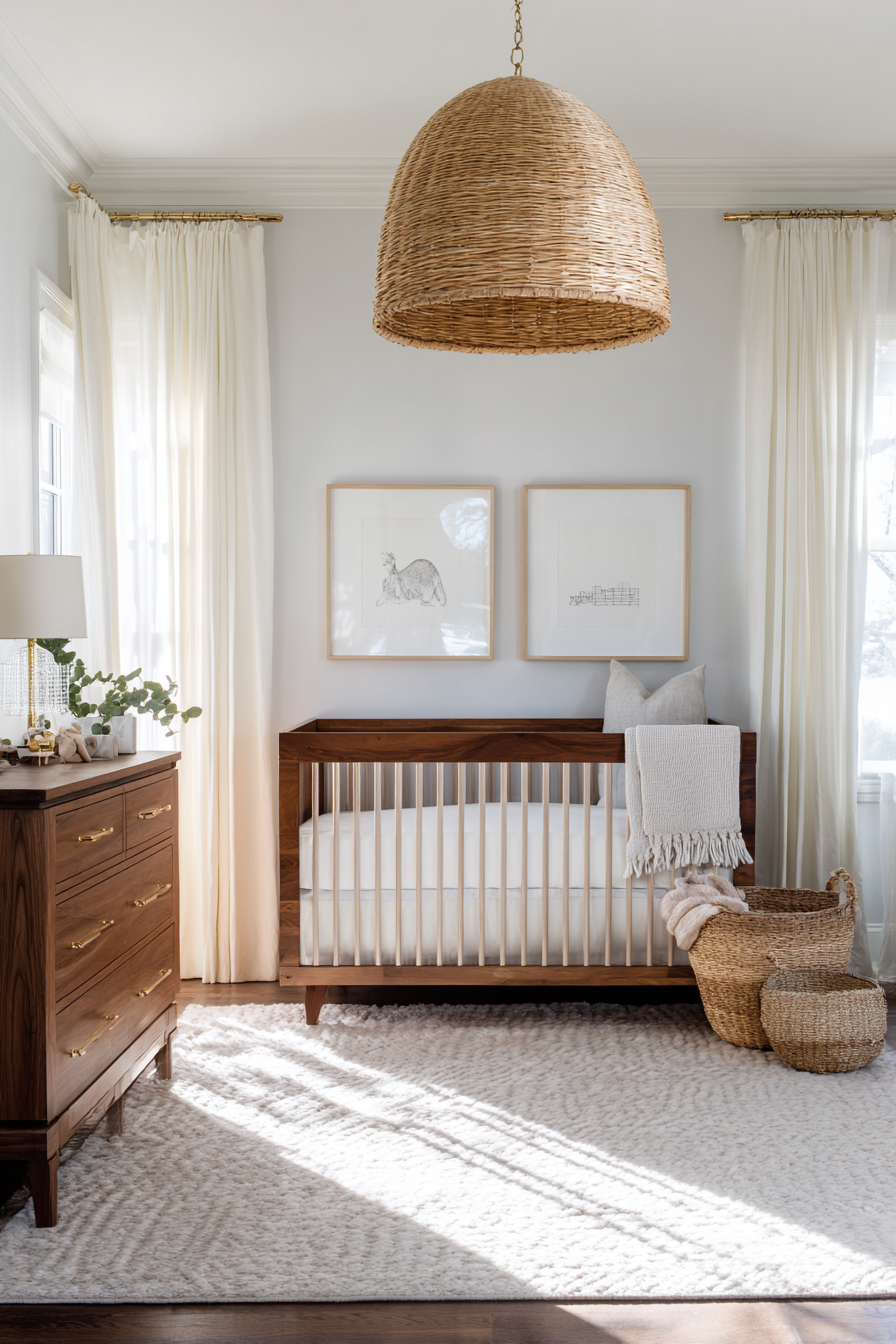
Think about transition potential from the outset, as quality nursery furniture should serve your child through adolescence. Dressers with changeable hardware, removable changing toppers, and classic proportions easily transform from nursery essentials to bedroom staples. This approach maximizes your investment while reducing future furniture costs.
- Choose styles that complement your home’s overall aesthetic
- Consider neutral colors for maximum longevity and versatility
- Look for hardware that can be easily updated or replaced
- Avoid overtly juvenile designs unless purchasing specifically for temporary use
- Think about how the piece will look in a “big kid” room
- Balance trend-forward elements with classic foundational design
6. Budget Considerations and Value Assessment
Smart budgeting means understanding the relationship between cost, quality, and longevity. Nursery dressers range from under $200 to several thousand dollars, with prices reflecting materials, construction, and brand positioning. Determine what features are non-negotiable versus nice-to-have before beginning your search.

The cost-per-year calculation reveals the true value of your investment. A $800 dresser used for 15 years costs approximately $53 annually, while a $200 piece lasting five years runs $40 per year but requires replacement. Quality pieces often prove more economical long-term, especially when considering resale value.
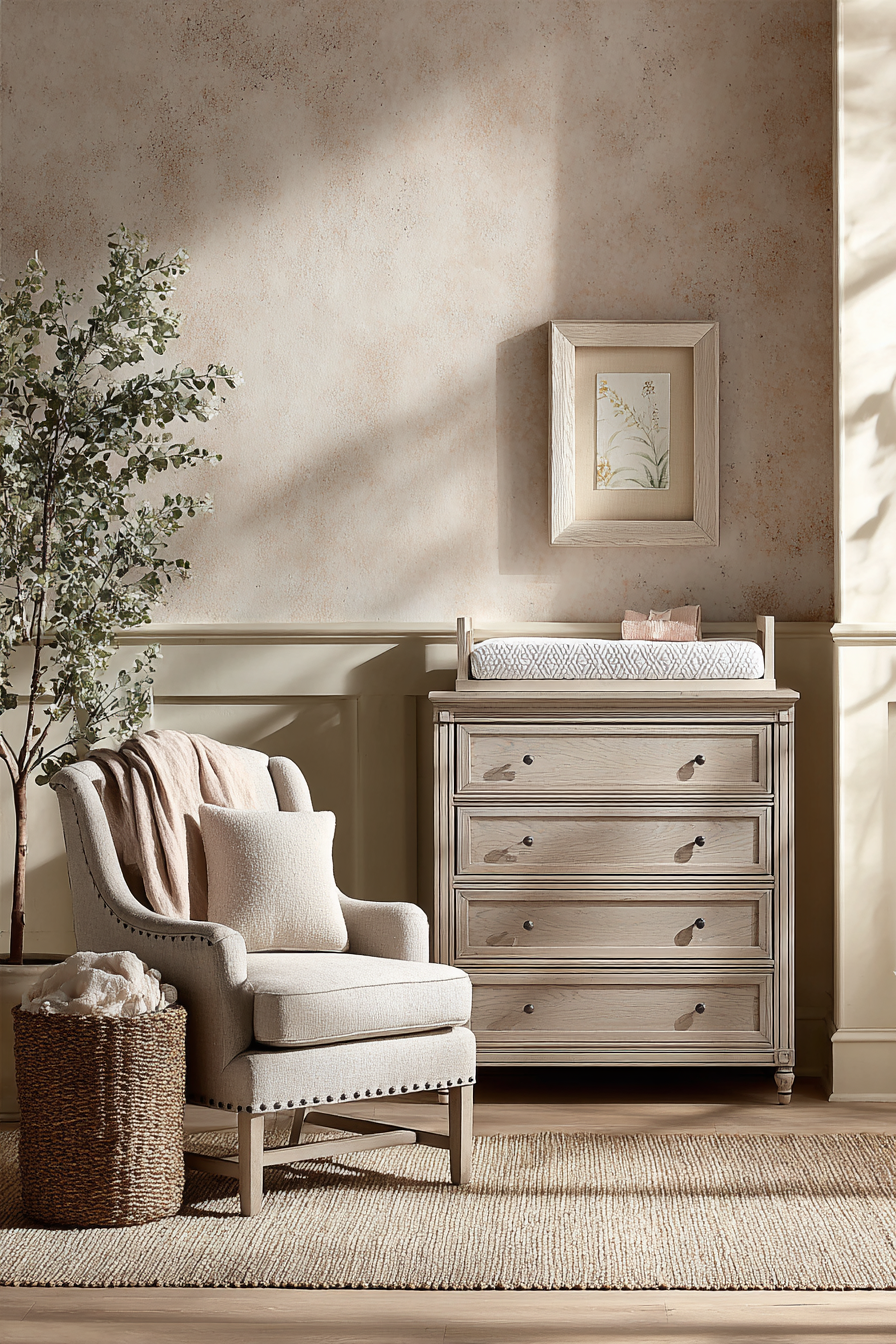
Consider alternative shopping strategies to maximize value without compromising quality. Floor models, discontinued styles, and gently used pieces from reputable sellers offer significant savings. However, verify that used furniture meets current safety standards and hasn’t been subject to recalls.
- Set a realistic budget including delivery and assembly costs
- Research brands known for quality at various price points
- Compare warranty offerings and customer service reputations
- Calculate long-term value rather than focusing solely on initial cost
- Look for seasonal sales and promotional periods for savings
- Consider financing options if investing in heirloom-quality pieces
Conclusion
Choosing the right nursery dresser requires balancing safety, functionality, and aesthetics in a single piece of furniture. By prioritizing stability and safety features, planning for appropriate dimensions, and selecting quality materials, you’ll invest in furniture that serves your family reliably for years. Remember that the best choice honors both your immediate nursery needs and your long-term design vision.
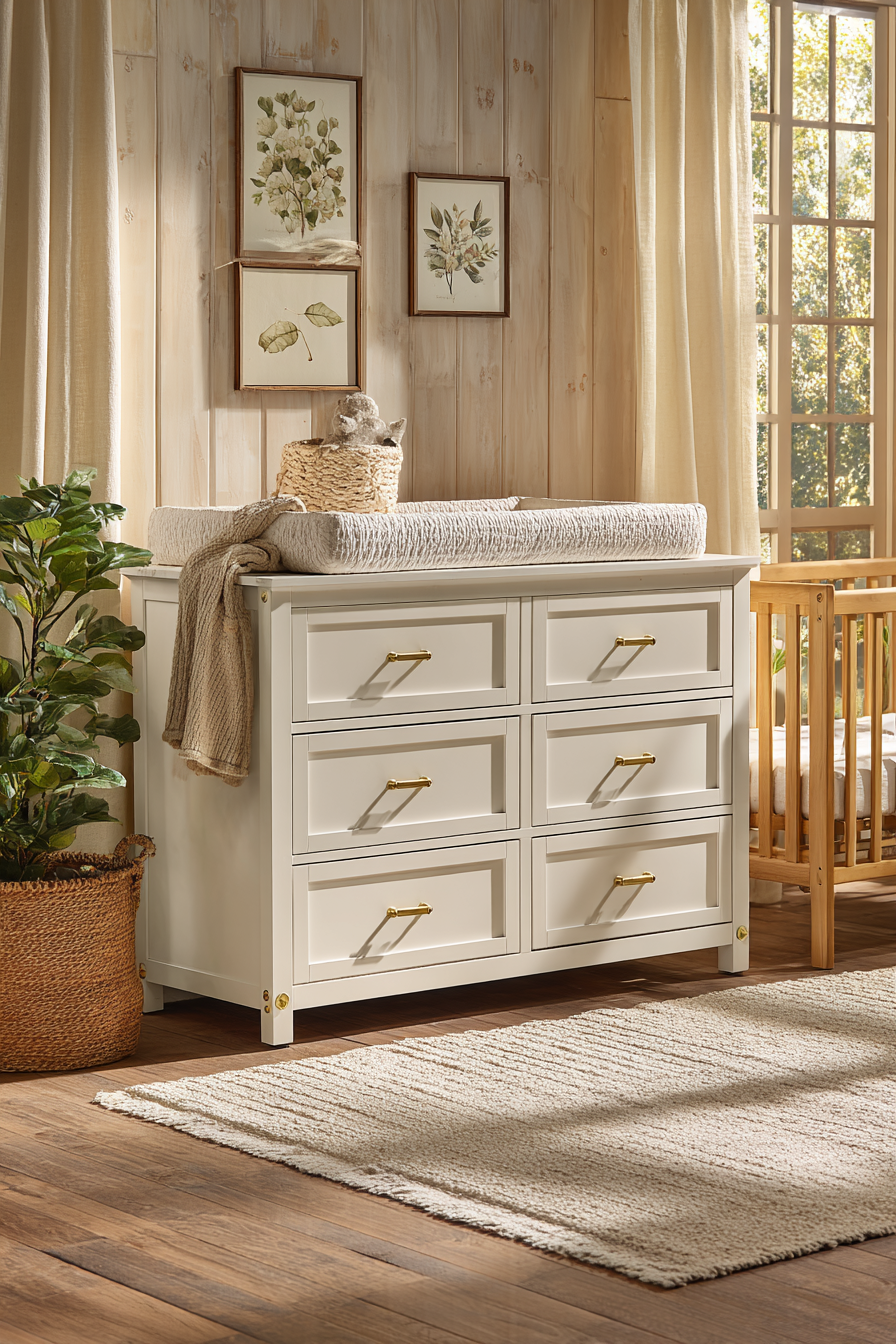
Take time to evaluate your specific requirements, measure carefully, and don’t rush this important decision. The perfect nursery dresser exists at the intersection of practical storage and beautiful design, waiting to become a cherished part of your family’s daily routine and fond memories.
