


Creating a plant-filled living room can transform your space into a vibrant, oxygen-rich sanctuary that promotes wellbeing and visual interest. However, many homeowners make critical mistakes when incorporating greenery into their interior design. Understanding these common pitfalls helps you create a balanced, thriving environment that showcases plants as living décor elements rather than afterthoughts.
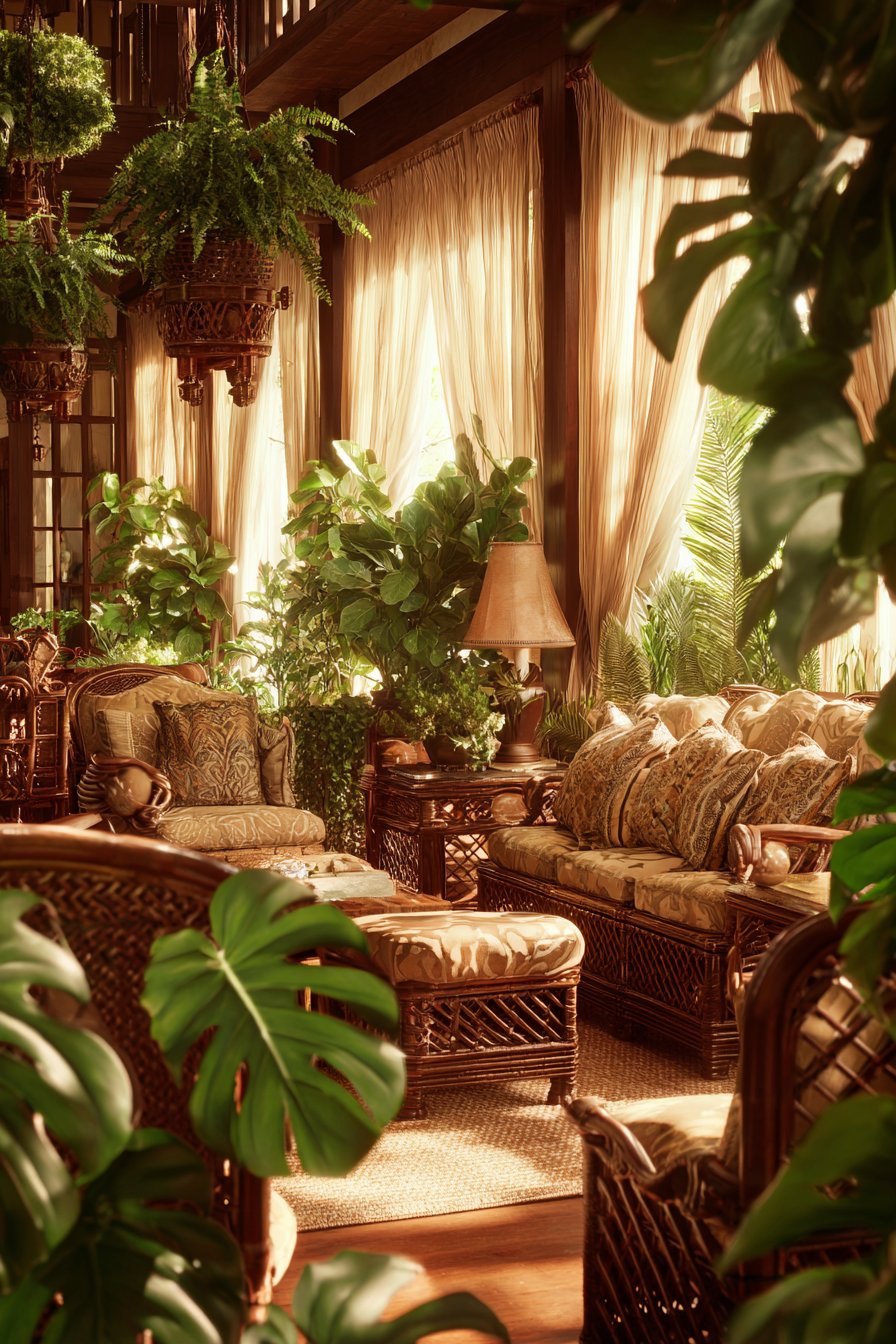
The growing popularity of biophilic design has inspired countless people to bring nature indoors. Yet without proper planning and knowledge, plant styling can quickly become overwhelming or ineffective. From choosing incompatible species to ignoring natural light requirements, these mistakes can compromise both your plants’ health and your living room’s aesthetic appeal. This guide explores the most frequent plant styling errors and provides expert solutions for creating a harmonious, Instagram-worthy space.
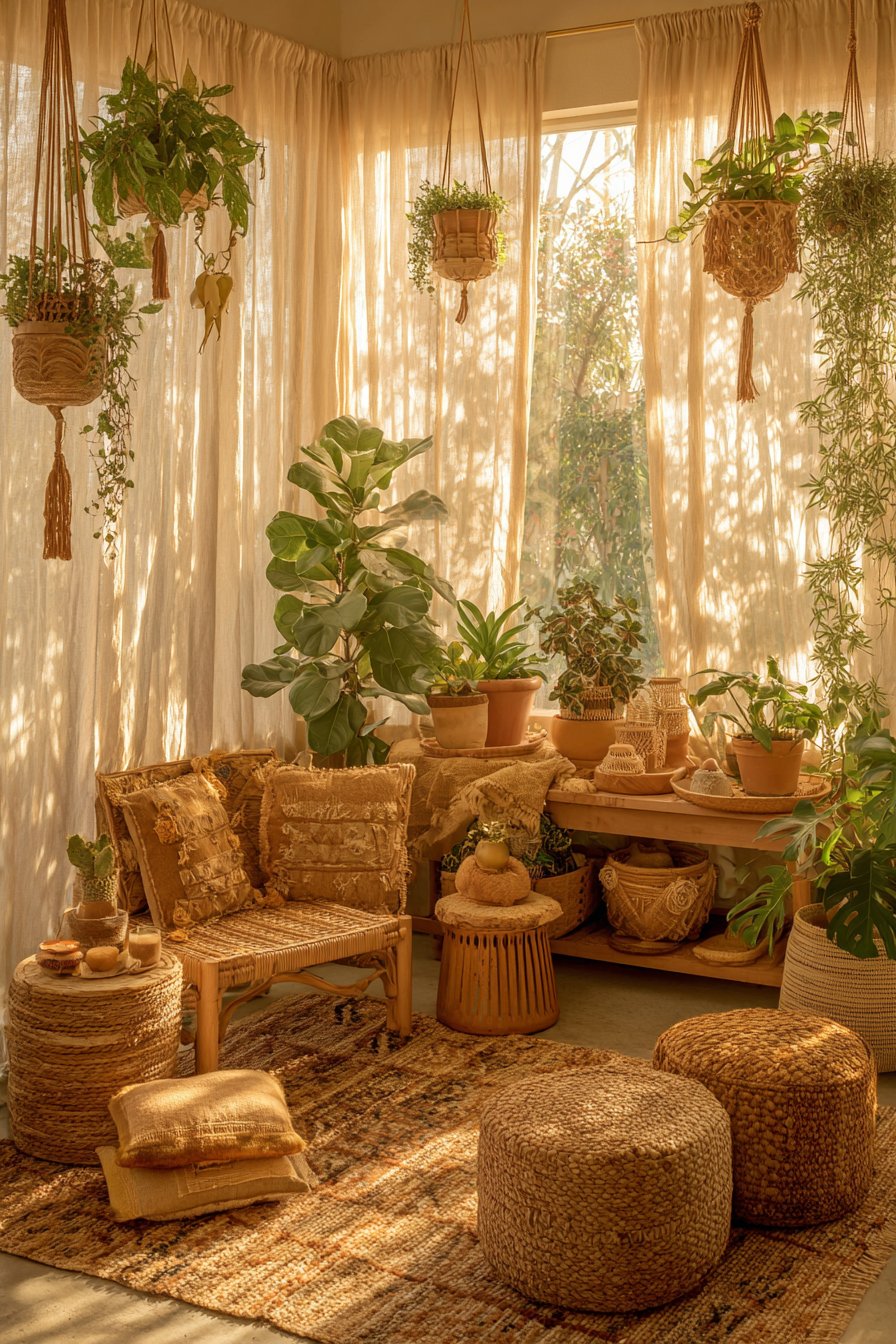
Whether you’re a novice plant parent or an experienced collector, recognizing these mistakes early prevents wasted money, dying greenery, and design disappointment. The following sections address practical concerns while helping you develop a cohesive visual strategy that enhances your living room’s character and functionality.
1. Ignoring Natural Light Requirements
The single most detrimental mistake in plant aesthetic styling involves placing plants without considering their specific light needs. Many homeowners select plants based solely on appearance, then wonder why their fiddle leaf fig drops leaves or their snake plant yellows. Every plant species has evolved with particular light requirements, and ignoring these fundamental needs guarantees failure regardless of how beautiful your arrangement looks initially.

Understanding the difference between low-light tolerant and light-demanding plants revolutionizes your styling success. South-facing windows provide intense, direct sunlight perfect for cacti and succulents, while north-facing exposures offer gentle, indirect light suitable for pothos and philodendrons. Placing a sun-loving bird of paradise in a dim corner creates stress that manifests as stunted growth and faded foliage.
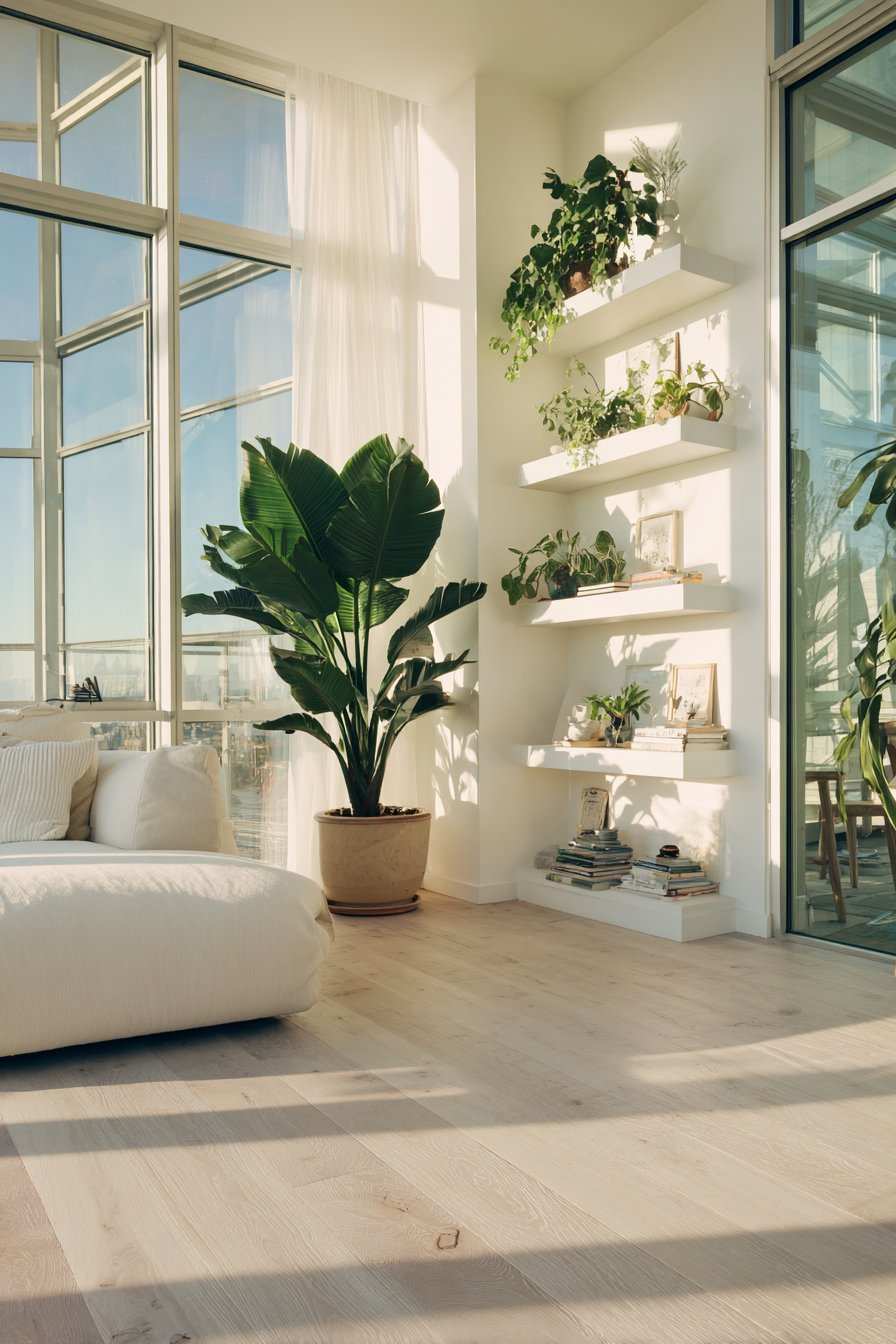
Assess your living room’s natural light patterns throughout the day before purchasing plants. Morning light differs significantly from harsh afternoon sun, and seasonal changes affect intensity. Use a light meter app on your smartphone to measure foot-candles in various locations, then match plants accordingly for optimal health and visual impact.
- Map your room’s light zones by observing sun patterns for one full day
- Research each plant species’ specific light requirements before purchasing
- Rotate plants quarterly to ensure even growth and prevent phototropism
- Install sheer curtains to diffuse intense direct sunlight for sensitive species
- Consider grow lights for rooms with insufficient natural illumination
- Group plants with similar light needs to simplify care routines
2. Overcrowding Your Space with Too Many Plants
The temptation to fill every surface with greenery creates visual chaos rather than the serene plant aesthetic you envision. While enthusiasm for plant collecting is commendable, overcrowding diminishes each plant’s individual beauty and makes your living room feel cluttered instead of curated. Strategic placement with intentional negative space allows each specimen to shine as a focal point.
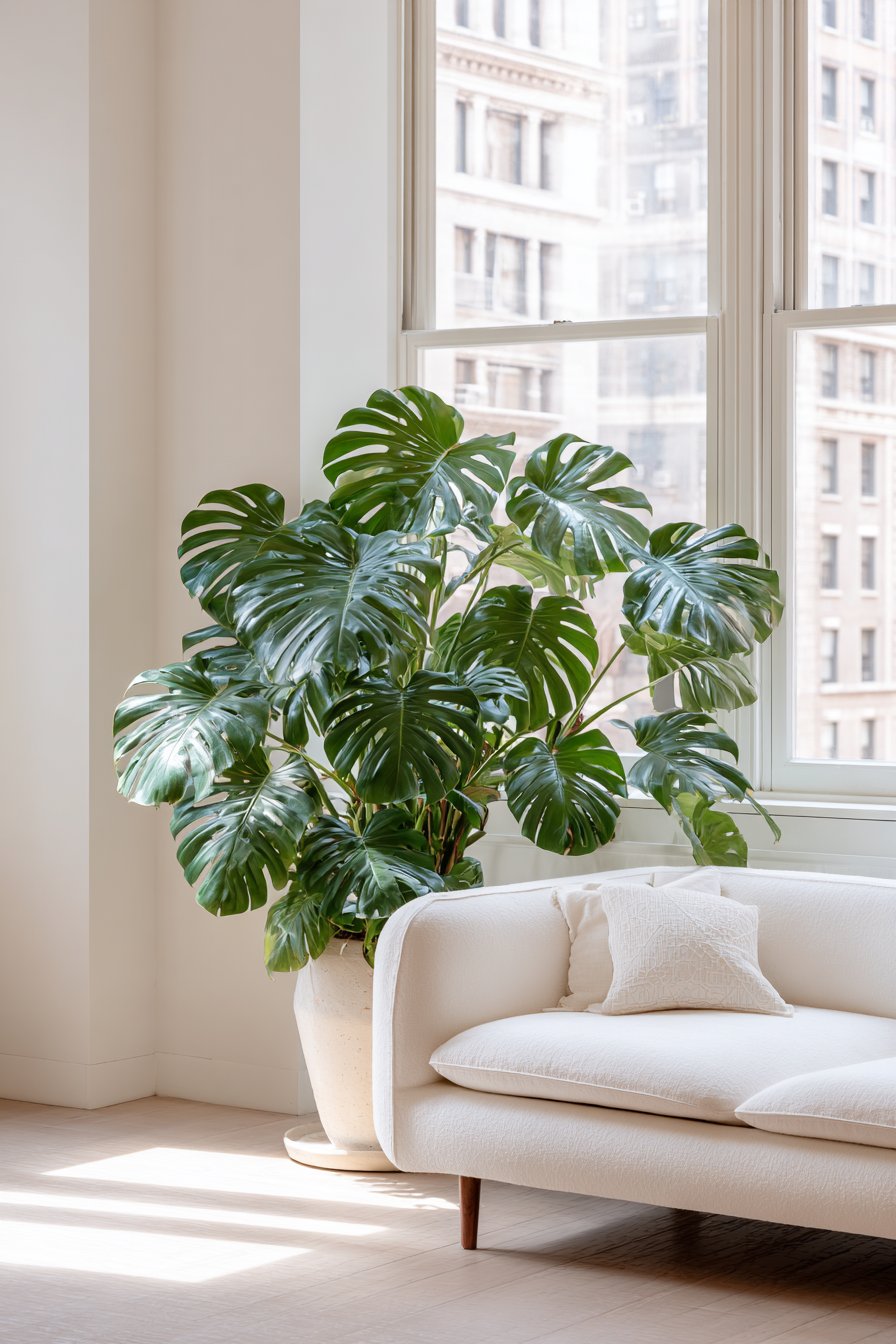
Excessive plants also create practical maintenance challenges that overwhelm even dedicated plant parents. Watering, pruning, pest inspection, and rotating dozens of plants becomes an exhausting chore rather than an enjoyable ritual. Additionally, overcrowded plants compete for light and air circulation, creating conditions that promote fungal diseases and pest infestations.
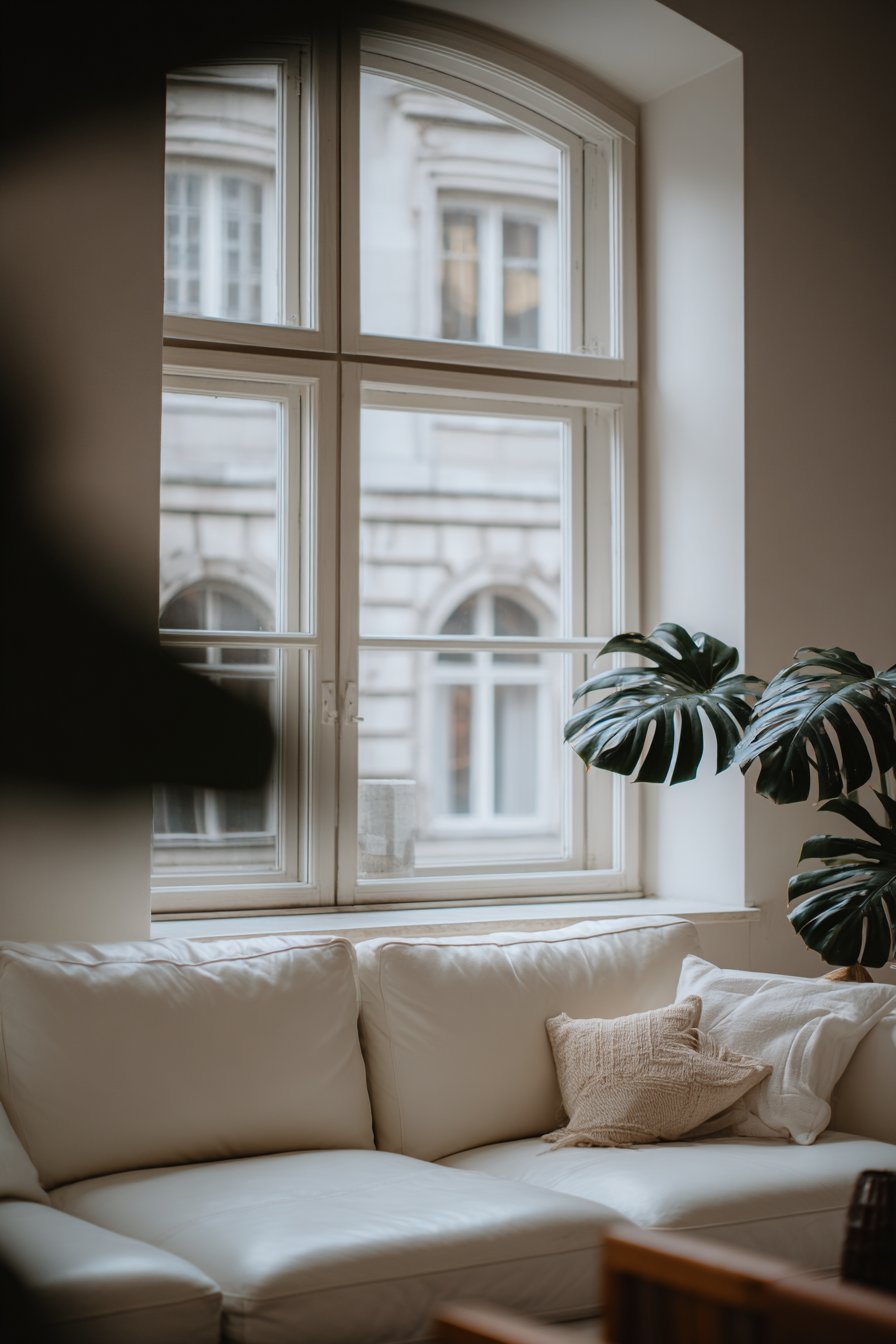
Adopt a quality over quantity philosophy by selecting fewer, statement-worthy plants that complement your design scheme. Large-format specimens like monstera deliciosa or rubber trees provide dramatic impact without requiring multiple smaller plants. This curated approach feels sophisticated and allows proper care attention for each plant, ensuring they remain healthy showcases rather than struggling survivors.
- Limit plants to 5-7 key specimens for average-sized living rooms
- Choose varying heights and textures to create visual interest without crowding
- Leave at least 18 inches between plant groupings for proper air circulation
- Use the “less is more” principle to highlight each plant’s unique characteristics
- Consider one large statement plant instead of multiple small ones
- Evaluate your space monthly and remove plants that no longer serve the design
3. Mismatching Planters with Interior Design Style
Inconsistent planter choices create aesthetic discord that undermines your carefully planned living room design. Many enthusiasts focus exclusively on plant selection while neglecting the vessels that house them, resulting in a jumbled collection of mismatched pots that distract rather than enhance. Your planters function as decorative accessories that should harmonize with existing furniture, color schemes, and architectural elements.
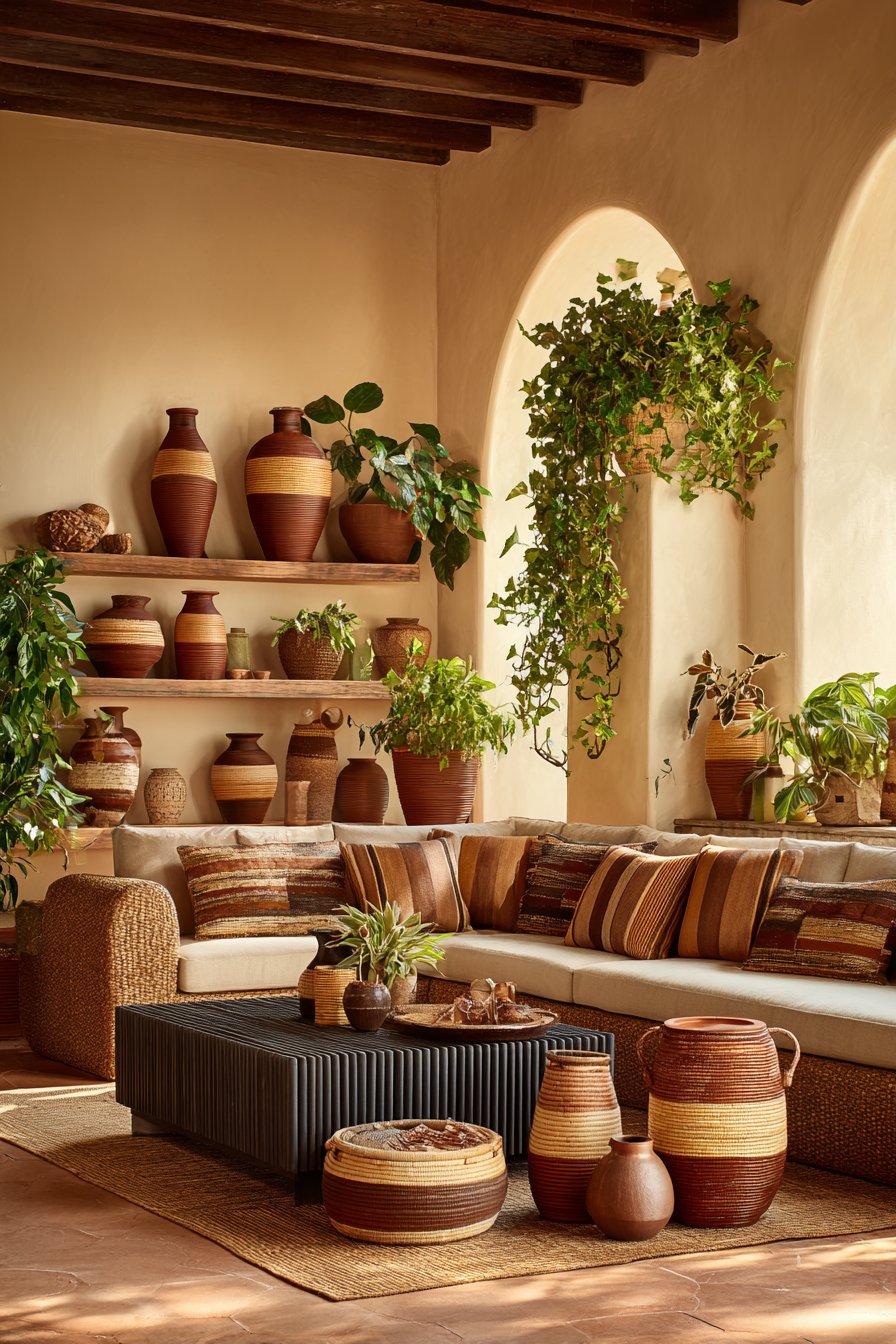
The right planter elevates an ordinary plant into a design statement that integrates seamlessly with your interior style. Modern minimalist spaces demand clean-lined ceramic pots in neutral tones, while bohemian rooms accommodate woven baskets and colorful glazed vessels. Traditional décor benefits from classic terracotta or sophisticated ceramic cachepots that echo the room’s refined aesthetic.
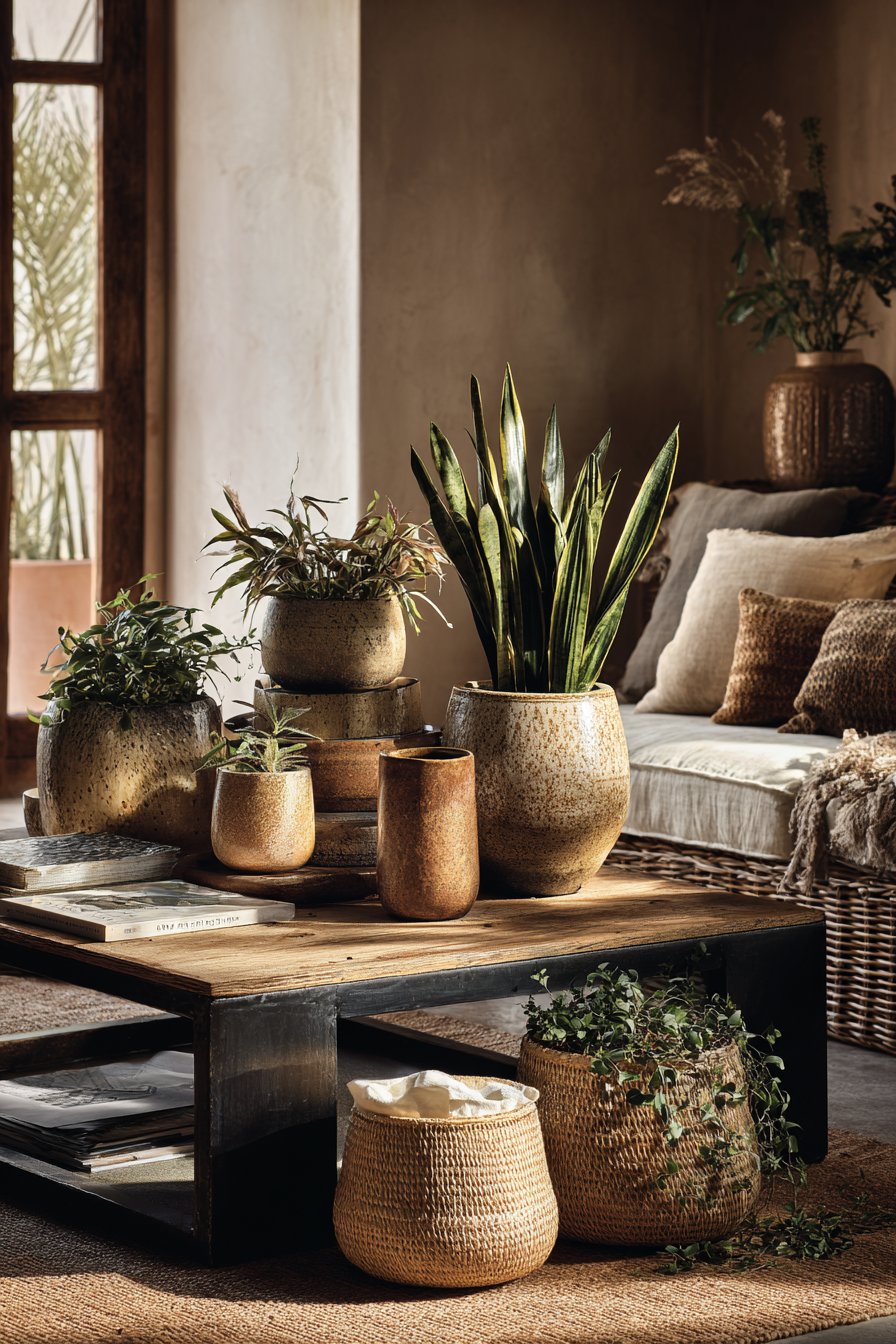
Material choice matters beyond aesthetics, affecting both plant health and maintenance requirements. Porous terracotta provides excellent drainage but dries quickly, demanding frequent watering. Glazed ceramic retains moisture longer but requires careful drainage management to prevent root rot. Consider both visual appeal and functional needs when selecting vessels for your plant collection.
- Select 2-3 coordinating planter styles that complement your existing décor
- Use matching cachepots to create visual cohesion across different plant sizes
- Incorporate natural materials like ceramic, terracotta, or woven baskets for warmth
- Ensure all planters have drainage holes or use them as decorative cachepots
- Match planter colors to your room’s existing palette for seamless integration
- Invest in quality vessels that elevate plants from afterthoughts to focal points
4. Neglecting Proper Watering and Humidity Needs
Inconsistent watering ranks among the most lethal mistakes for indoor plant styling, killing more houseplants than any other factor. The common misconception that all plants require identical care schedules leads to overwatering succulents or underwatering moisture-loving ferns. Each species evolved in distinct environments with specific moisture requirements, and understanding these differences determines whether your plants thrive or merely survive.
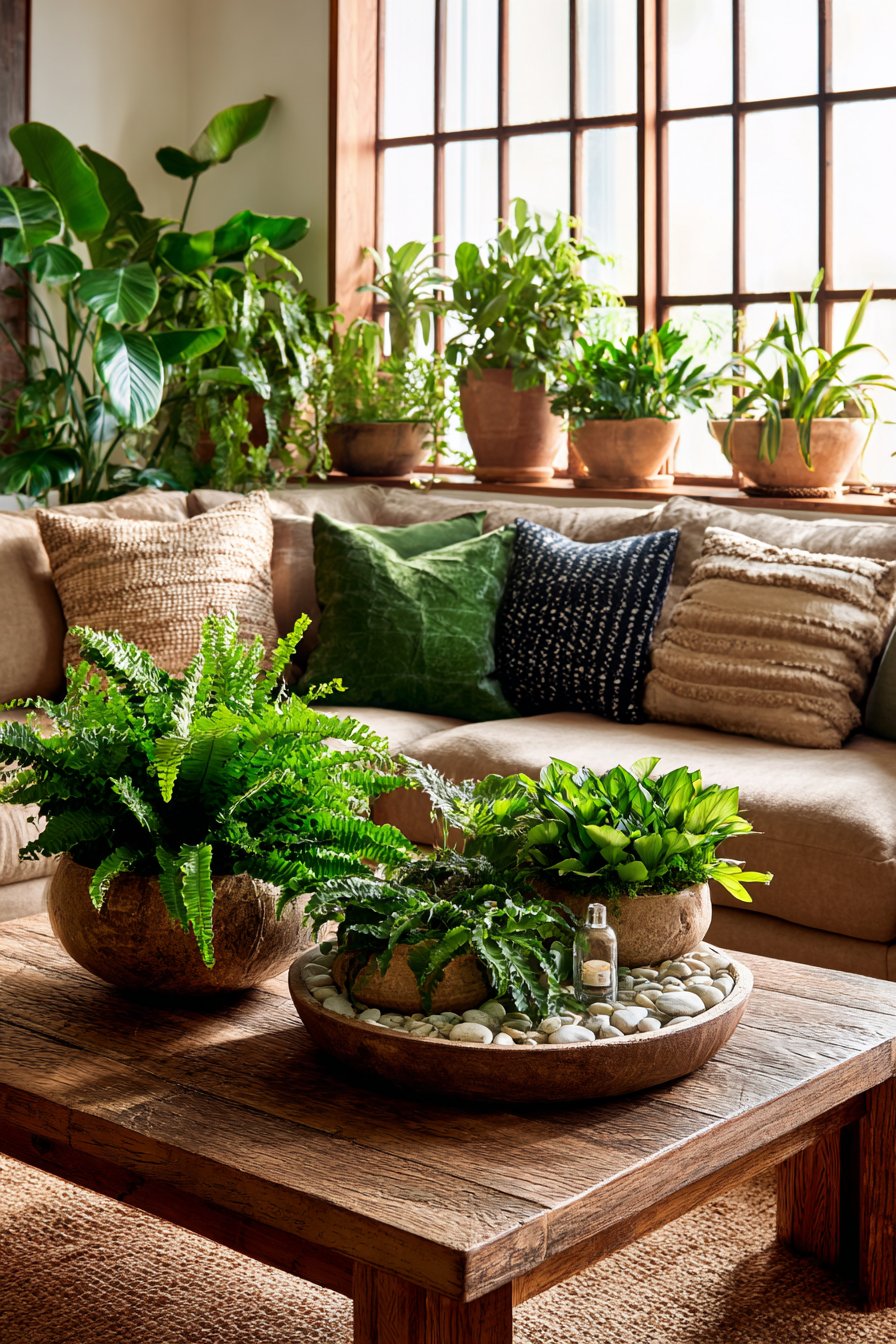
Many living rooms suffer from low humidity levels created by heating and cooling systems, particularly problematic for tropical species that naturally inhabit humid environments. Crispy brown leaf edges, yellowing foliage, and stunted growth often indicate humidity stress rather than watering issues. Recognizing these symptoms allows targeted interventions that restore plant health and visual appeal.
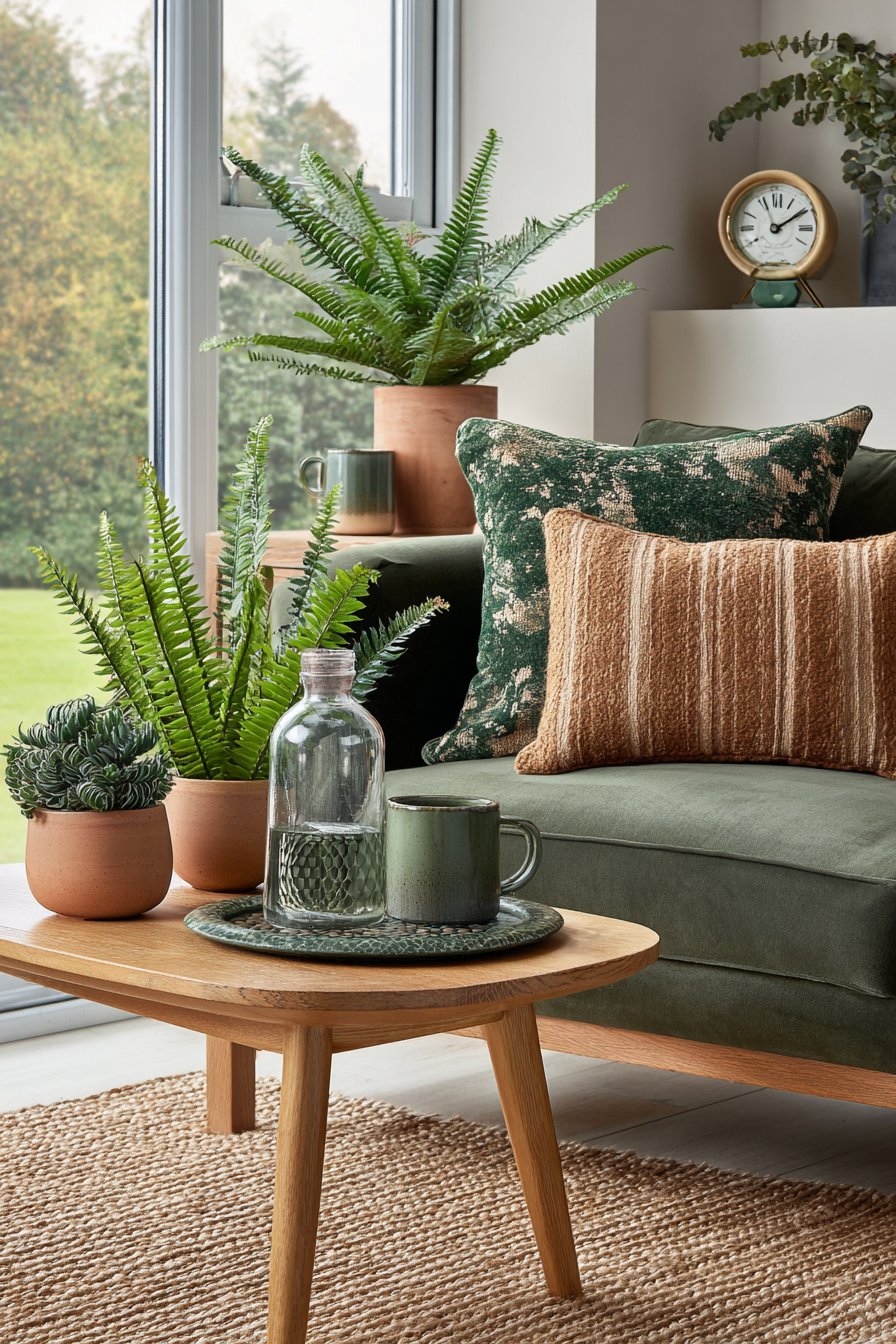
Developing a customized watering schedule based on individual plant needs prevents both drought stress and root rot. Learn to assess soil moisture by feeling the substrate’s top two inches rather than adhering to rigid calendar schedules. Environmental factors like season, temperature, and light intensity affect water consumption rates, requiring flexible approaches throughout the year.
- Check soil moisture before watering by inserting your finger two inches deep
- Group humidity-loving plants together to create beneficial microclimates
- Use pebble trays filled with water beneath plants to increase ambient humidity
- Invest in a hygrometer to monitor room humidity levels accurately
- Mist tropical plants weekly during dry winter months for supplemental moisture
- Water thoroughly until excess drains, then empty saucers to prevent root rot
5. Positioning Plants in High-Traffic or Unsafe Areas
Strategic placement considers both aesthetic impact and practical safety to create functional plant displays. Positioning large floor plants near doorways or in narrow walkways creates collision hazards that damage foliage and frustrate household members. Trailing vines near stairways pose tripping risks, while toxic species placed within reach of children or pets threaten safety beyond mere design concerns.
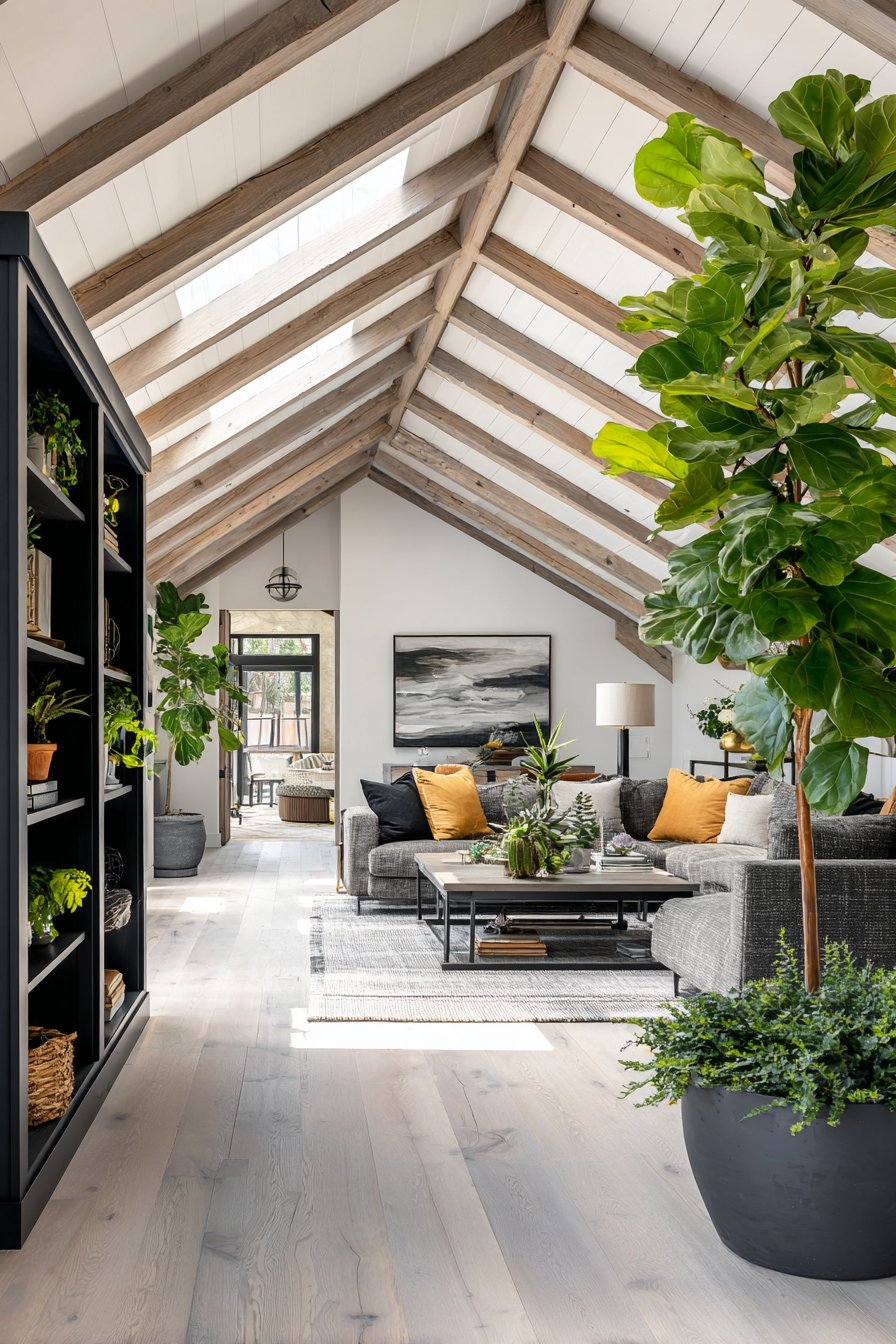
The functional aspects of your living room dictate suitable plant locations that enhance rather than impede daily activities. Television viewing requires unobstructed sight lines, making low coffee table arrangements more appropriate than tall plants flanking the screen. Conversation areas benefit from plants that define space without blocking face-to-face interaction, creating intimate zones while maintaining openness.
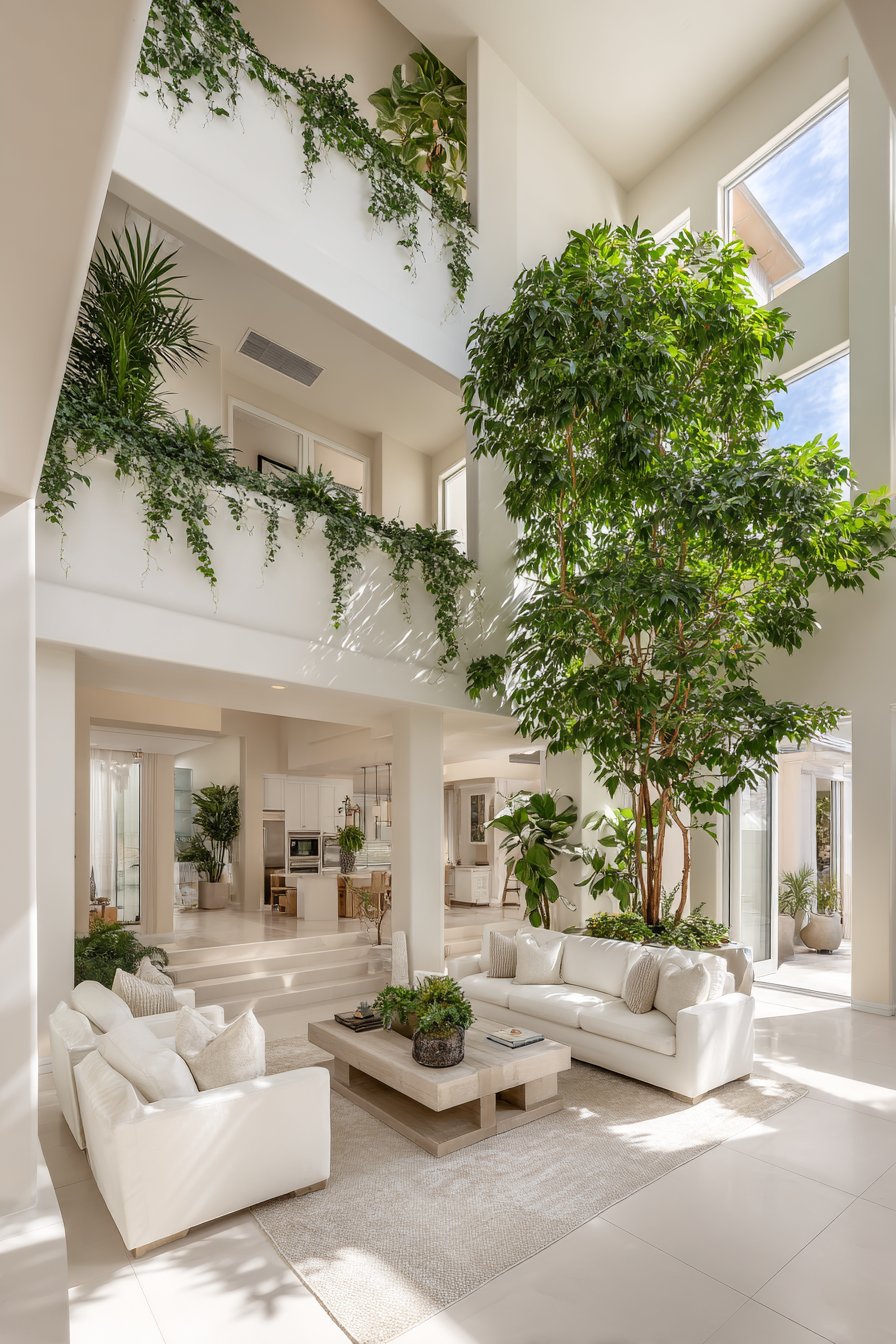
Heat sources like radiators, fireplaces, and electronics generate localized temperature fluctuations that stress plants accustomed to stable conditions. These microclimates can cause rapid soil drying, leaf scorching, and overall decline even when the room’s general environment seems appropriate. Maintaining adequate distance from heat sources protects your investment while preserving aesthetic arrangements.
- Position floor plants against walls or in corners away from main walkways
- Keep toxic plants like pothos and philodendron elevated beyond pet reach
- Maintain 3-foot clearance from fireplaces and radiators to prevent heat damage
- Avoid placing plants directly on electronic equipment that generates warmth
- Use stable, weighted planters for large specimens to prevent tipping accidents
- Consider furniture arrangement when planning plant placement for optimal flow
6. Failing to Consider Long-Term Growth and Maintenance
Purchasing plants without researching their mature size potential creates future problems that compromise your living room design. That adorable six-inch fiddle leaf fig can reach eight feet tall within several years, eventually dominating the space and requiring relocation or drastic pruning. Understanding growth rates and ultimate dimensions allows proactive planning that prevents overcrowding and maintains your intended aesthetic.

Regular maintenance requirements vary dramatically between species, affecting whether your plant collection remains a joy or becomes a burden. Fast-growing pothos requires monthly pruning to maintain shape, while slow-growing succulents need minimal intervention. Matching plants to your available time commitment ensures sustainable care routines that keep your living room looking intentional rather than neglected.
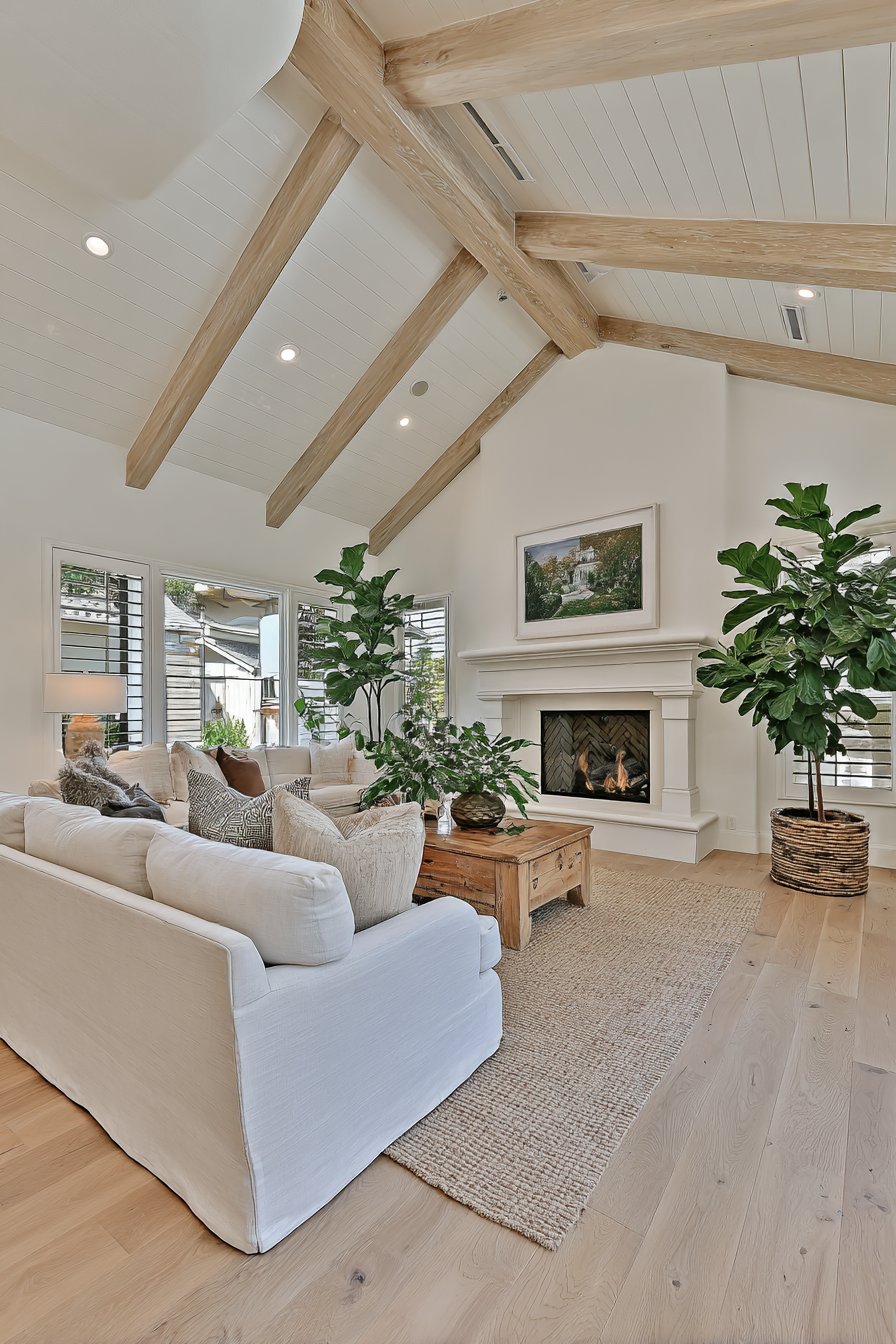
Seasonal changes demand adjustments to watering frequency, fertilization schedules, and light exposure as plants enter dormancy or active growth phases. Anticipating these cycles and planning appropriate responses prevents the common mistake of treating plants identically year-round. This horticultural awareness separates successful plant parents from those who struggle with repeated failures.
- Research mature plant sizes before purchasing to ensure long-term space compatibility
- Select slow-growing species if frequent pruning feels overwhelming for your lifestyle
- Establish monthly maintenance routines including dusting, pruning, and pest inspection
- Plan for annual repotting as plants outgrow current containers
- Adjust care schedules seasonally to match natural growth and dormancy cycles
- Keep plant care journals tracking watering dates and observations for optimization
Creating a stunning plant aesthetic living room requires thoughtful planning beyond simply acquiring trendy greenery. By avoiding these common mistakes, you transform your space into a thriving sanctuary that showcases both design sophistication and horticultural success. Remember that successful plant styling balances visual impact with practical care requirements, ensuring long-term enjoyment rather than short-lived disappointment.
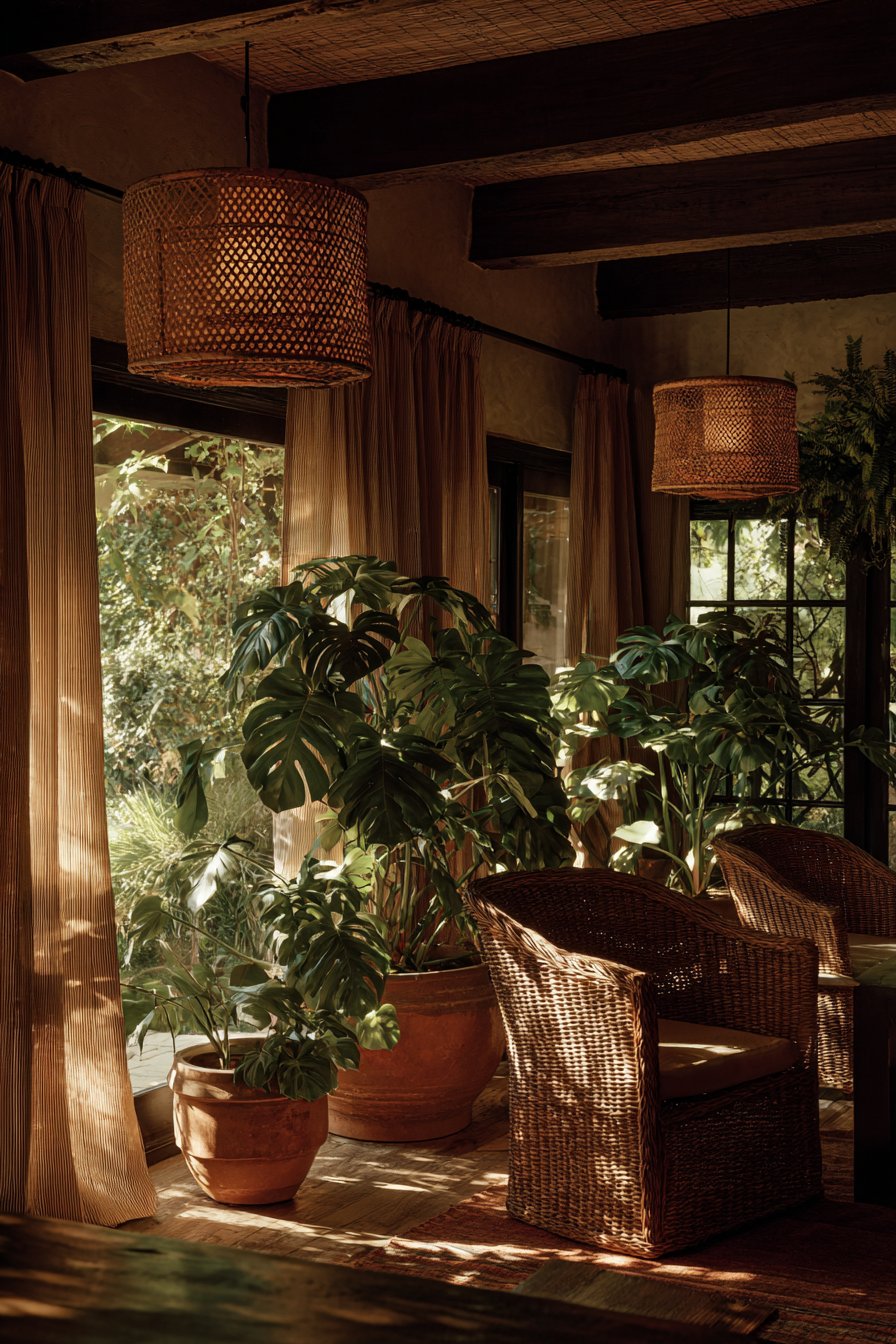
Start by honestly assessing your living room’s conditions, your lifestyle constraints, and your design goals. Select plants that align with all three factors, then position them strategically using appropriate vessels and locations. With patience and attention to these fundamental principles, you’ll cultivate a plant-filled living room that brings daily joy and natural beauty into your home for years to come.
