


Minimalism has dominated interior design conversations for over a decade. Clean lines, neutral palettes, and the mantra of “less is more” shaped millions of homes worldwide. But something fascinating is happening in the design world right now. Maximalism is making a bold, unapologetic comeback — and it’s redefining what a beautiful, expressive home looks like.
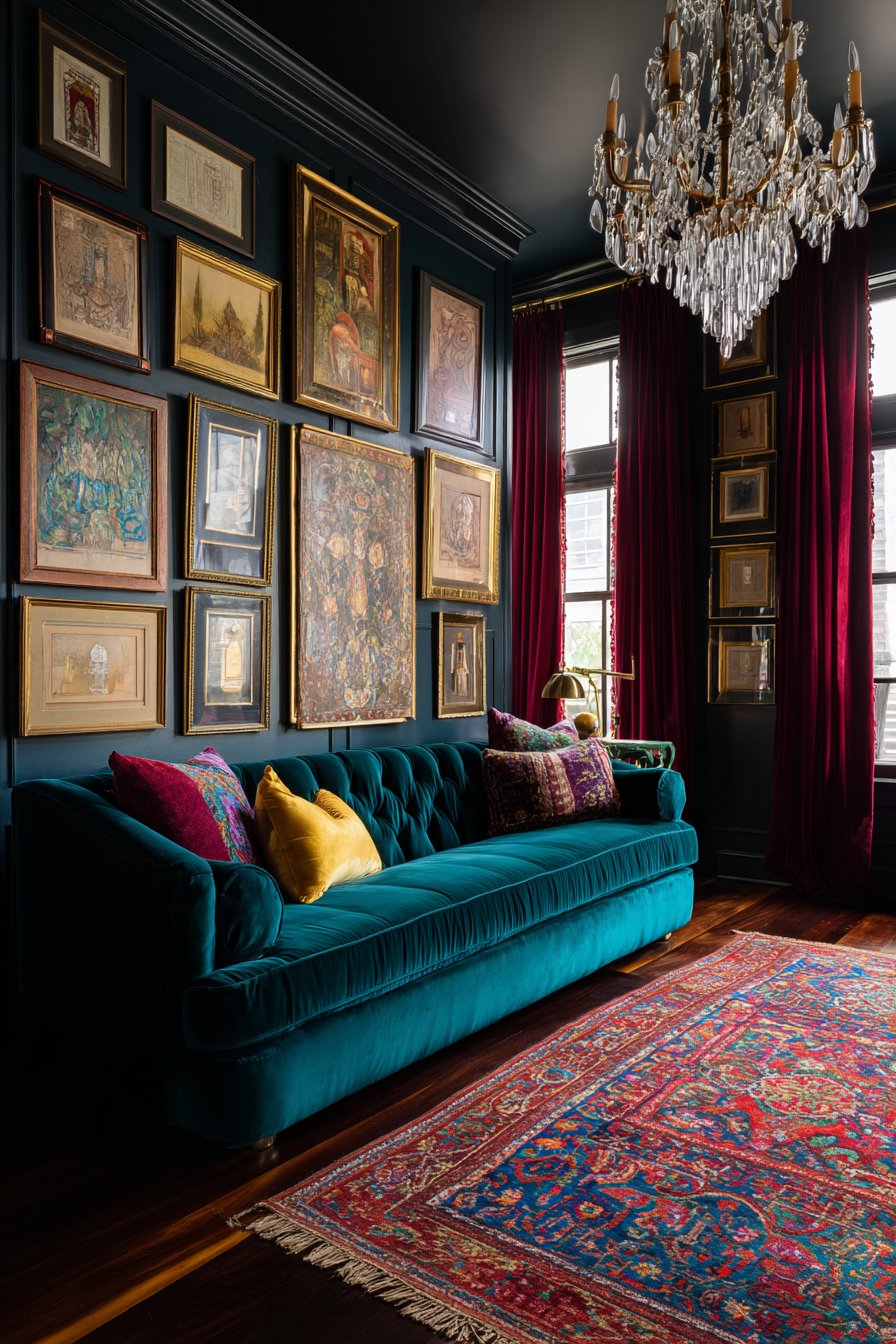
The shift isn’t just a passing trend. It reflects something deeper: a cultural hunger for personality, warmth, and visual richness in living spaces. People are tired of sterile, curated environments that feel more like showrooms than homes. They want spaces that tell stories, spark conversation, and reflect who they truly are. Maximalism invites you to celebrate every object, pattern, and hue you love without apology.
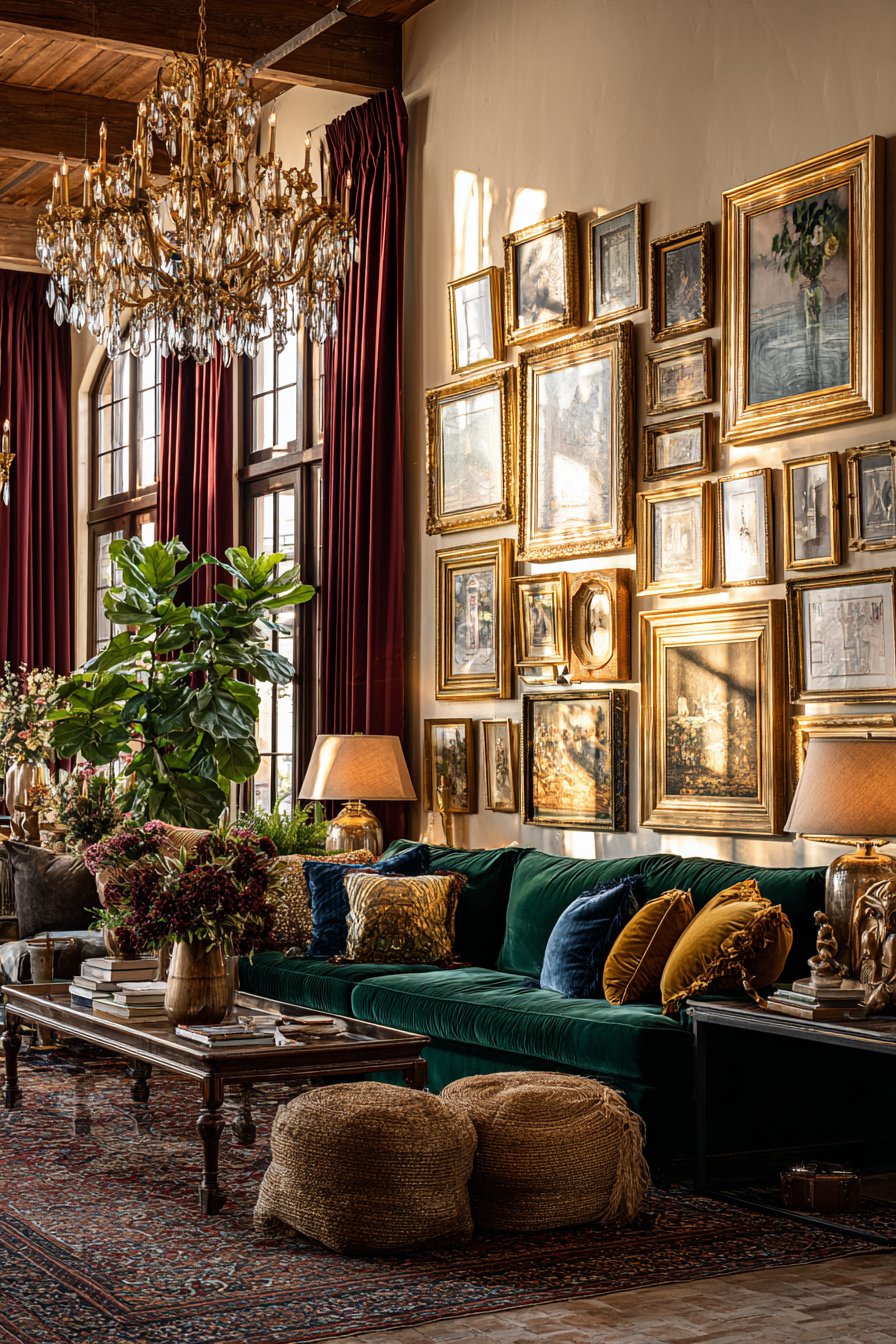
This article explores the exciting resurgence of maximalist interior design. From layered textiles and bold color palettes to gallery walls and eclectic collections, we’ll walk through the key principles that make maximalism work beautifully. Whether you’re a seasoned design enthusiast or just starting to break free from beige, this guide will inspire you to embrace the glorious philosophy that more is, indeed, more.
1. Understanding the Maximalist Philosophy
Maximalism isn’t simply about filling a room with stuff. It’s a deliberate design philosophy built on abundance, intentionality, and self-expression. The maximalist approach celebrates every object as worthy of display — from vintage ceramics to bold artwork to layered rugs stacked on top of each other.
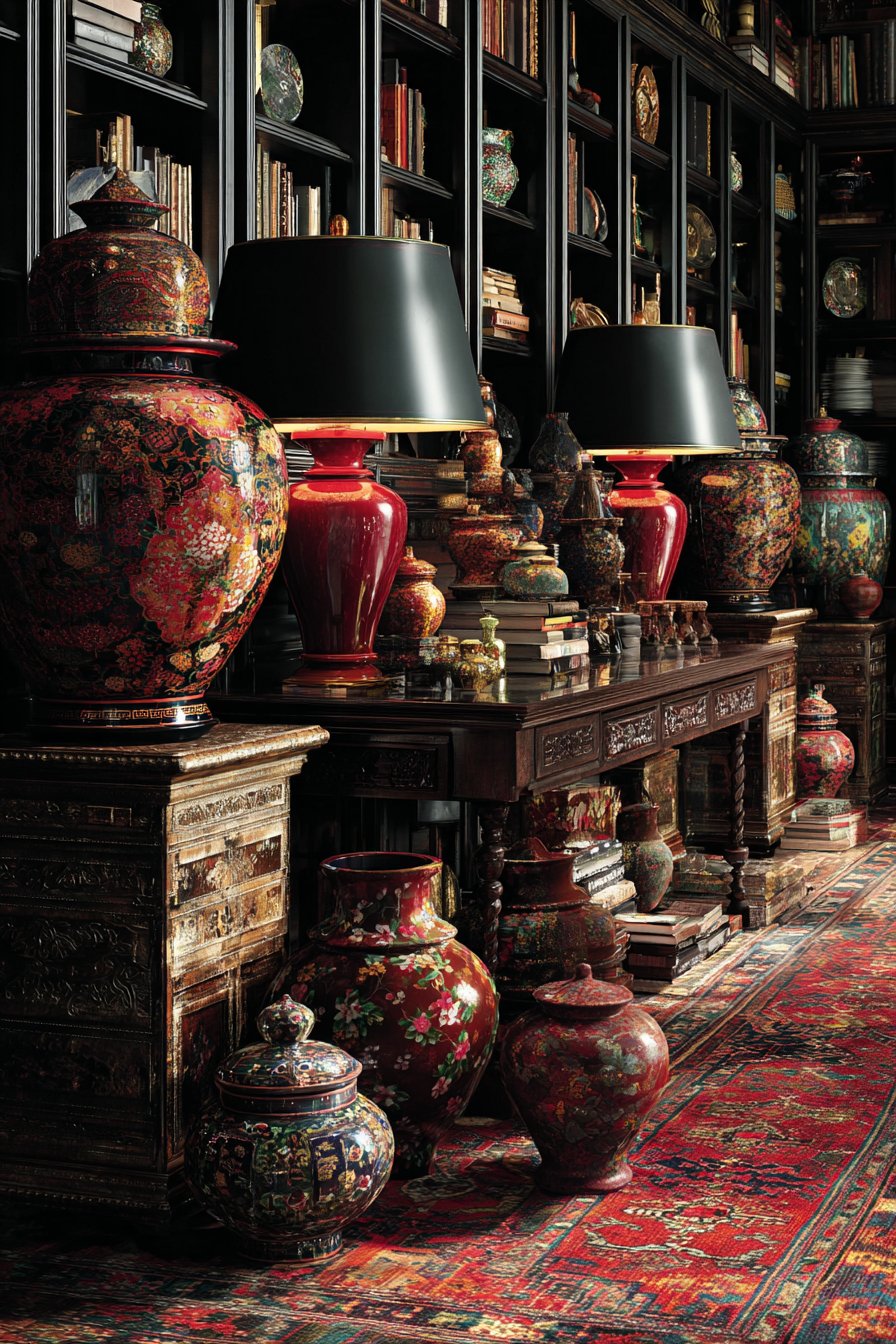
At its core, maximalism is about visual storytelling. Every corner of a maximalist room communicates something about the person who lives there. Travels, passions, heirlooms, and humor all find a home. The result is a space that feels deeply personal and utterly irreplaceable. No two maximalist interiors ever look the same.
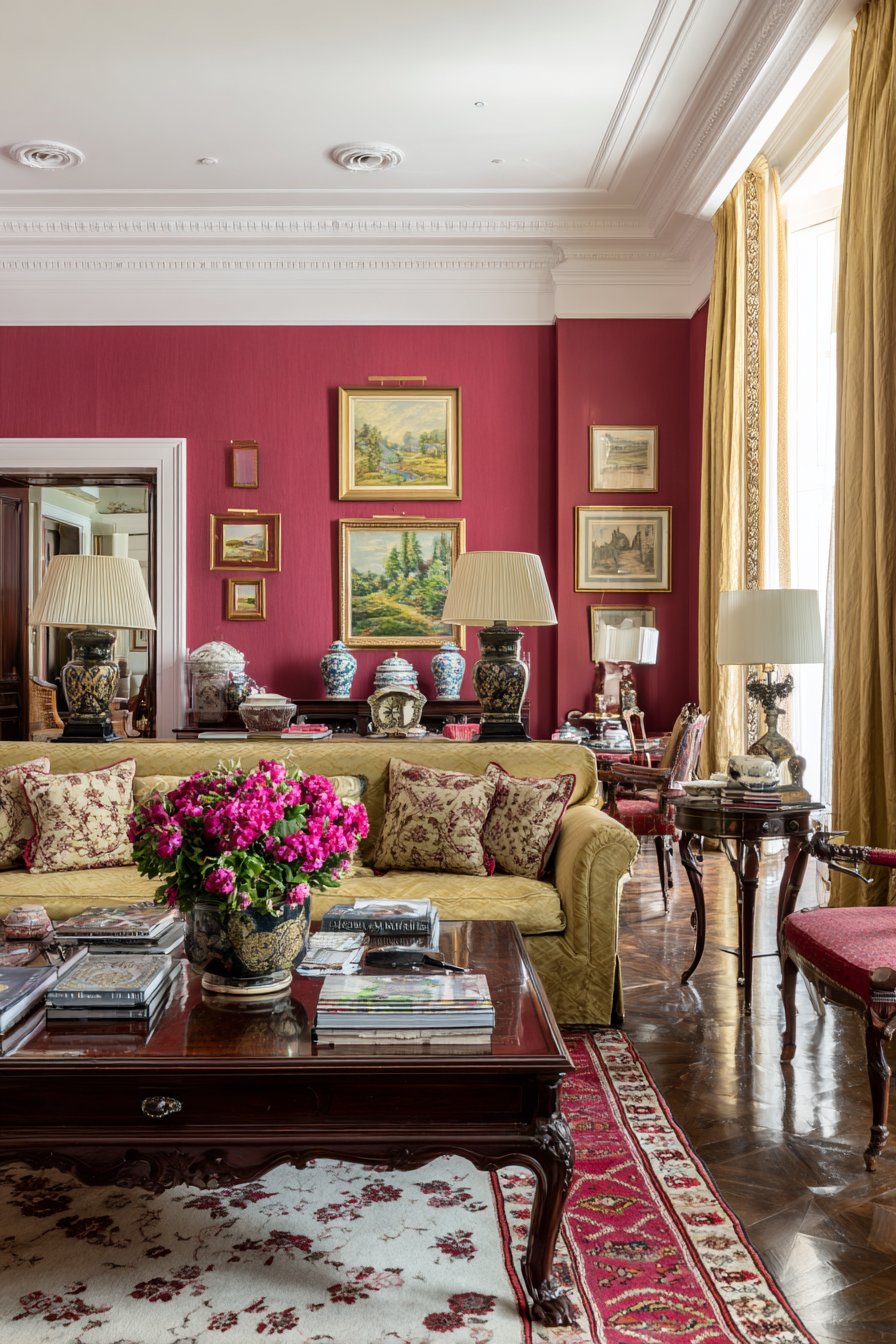
What separates beautiful maximalism from visual chaos is intention and curation. You’re not filling space randomly. You’re building layers thoughtfully, ensuring every addition contributes to a cohesive narrative. Think of it as composing a symphony — many instruments, one harmonious sound.
- Define your personal aesthetic before adding layers to your space
- Choose a unifying thread such as color, era, or material to anchor variety
- Curate collections rather than accumulating randomly
- Embrace objects that carry personal meaning or emotional value
- Study maximalist designers like Iris Apfel for inspiration on intentional abundance
- Remember that every item matters in a maximalist scheme
2. The Cultural Shift Driving Maximalism’s Return
Maximalism’s revival is no accident. It’s deeply connected to broader cultural movements celebrating diversity, individuality, and pushback against conformity. Social media played a significant role, with platforms like Pinterest and Instagram rewarding visually rich, bold interiors over minimalist white boxes.
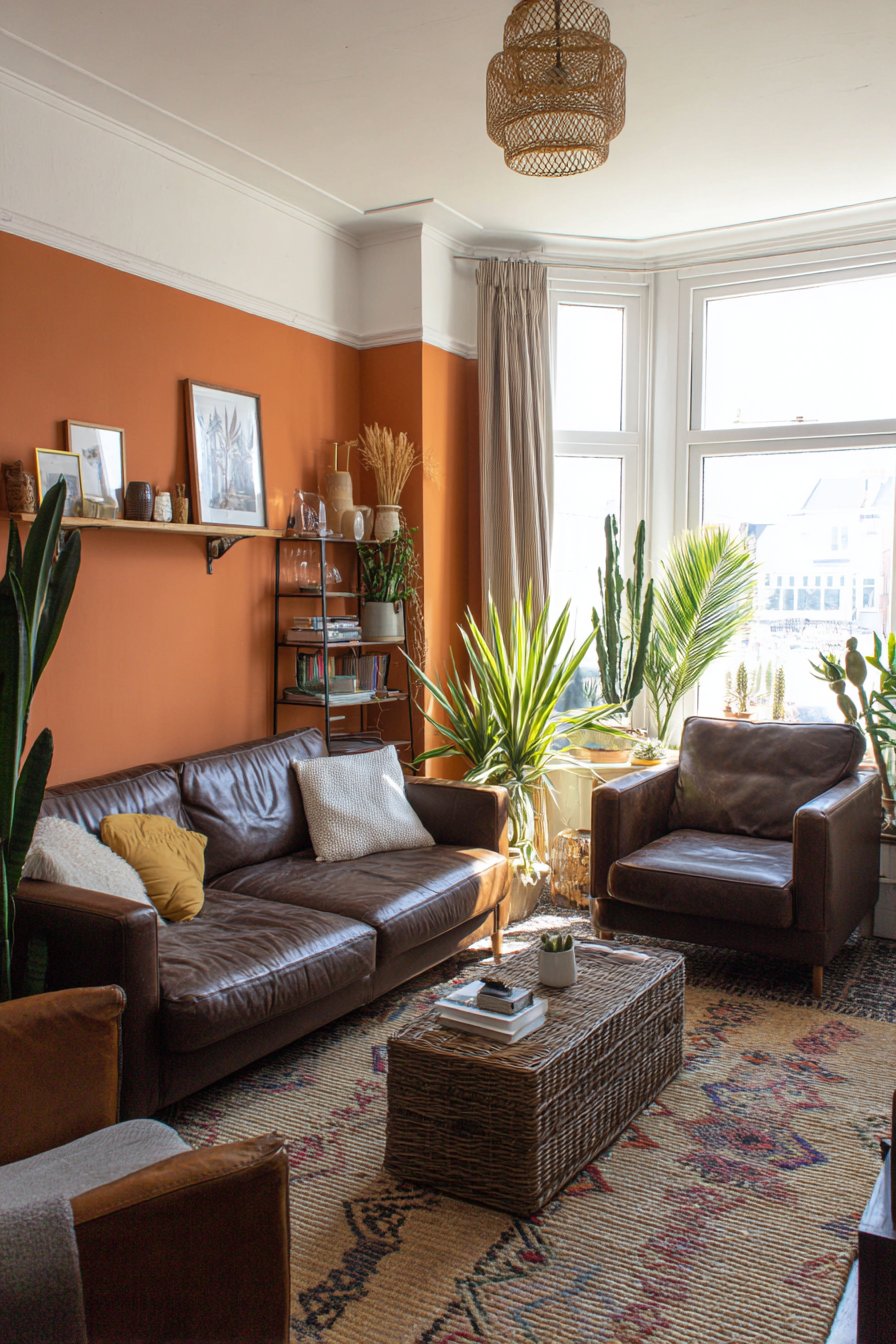
The global pandemic also accelerated this shift. Spending more time at home made people acutely aware of how their spaces felt emotionally. Comfort and personality became priorities. People began surrounding themselves with objects they loved rather than objects that photographed well in a particular aesthetic.
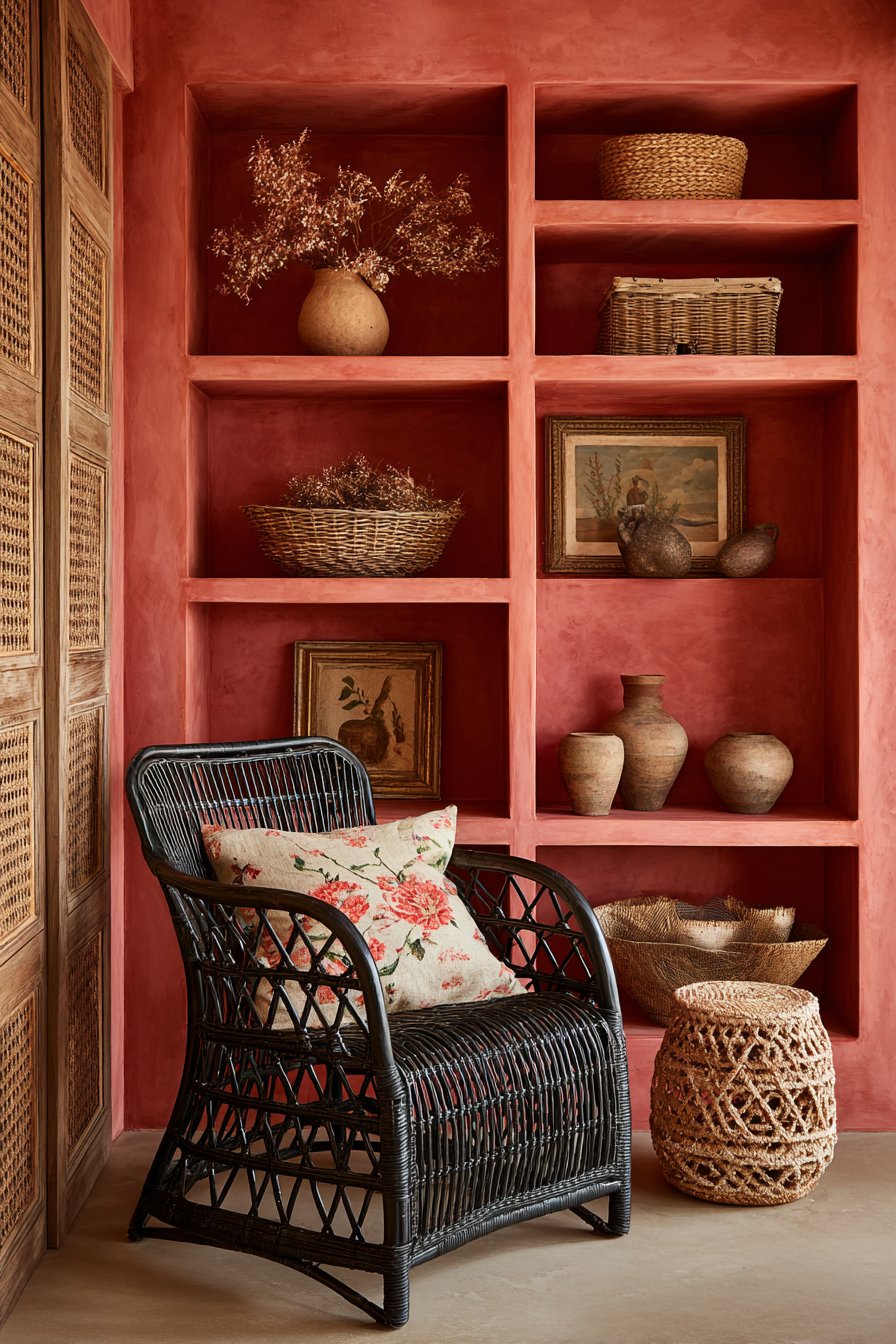
There’s also a sustainability angle to modern maximalism. Rather than constantly purging and replacing, maximalists keep, collect, and honor objects across time. Vintage finds, inherited pieces, and thrifted treasures are celebrated rather than hidden. This approach aligns beautifully with conscious consumption values emerging globally.
- Follow maximalist designers and accounts to build your visual vocabulary
- Incorporate vintage and second-hand pieces to add depth and sustainability
- Resist pressure to conform to trending minimalist aesthetics
- Allow your space to evolve organically over time with new finds
- Celebrate imperfection and eclecticism as design strengths
3. Mastering Bold Color in Maximalist Spaces
Color is the beating heart of maximalist design. Where minimalism retreats to whites and grays, maximalism dives headfirst into saturated hues, jewel tones, and unexpected color pairings. Deep emerald greens, burnt oranges, cobalt blues, and rich burgundies are hallmark shades of this movement.
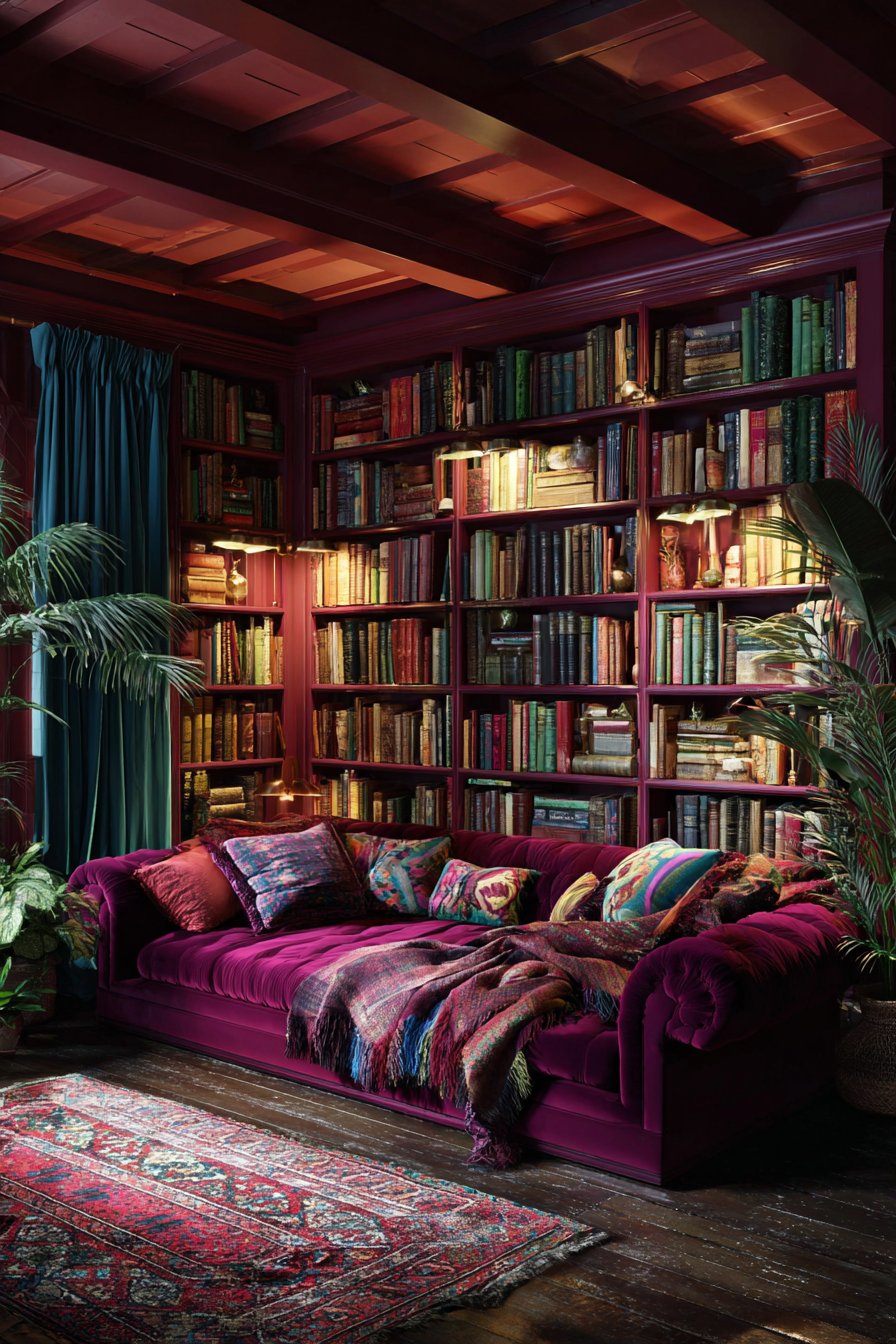
The key to using bold color effectively is understanding color relationships. Complementary colors create vibrant contrast. Analogous palettes create lush, enveloping warmth. You can even layer multiple bold colors successfully by ensuring they share similar saturation levels or tonal values. The result is rich without feeling jarring.
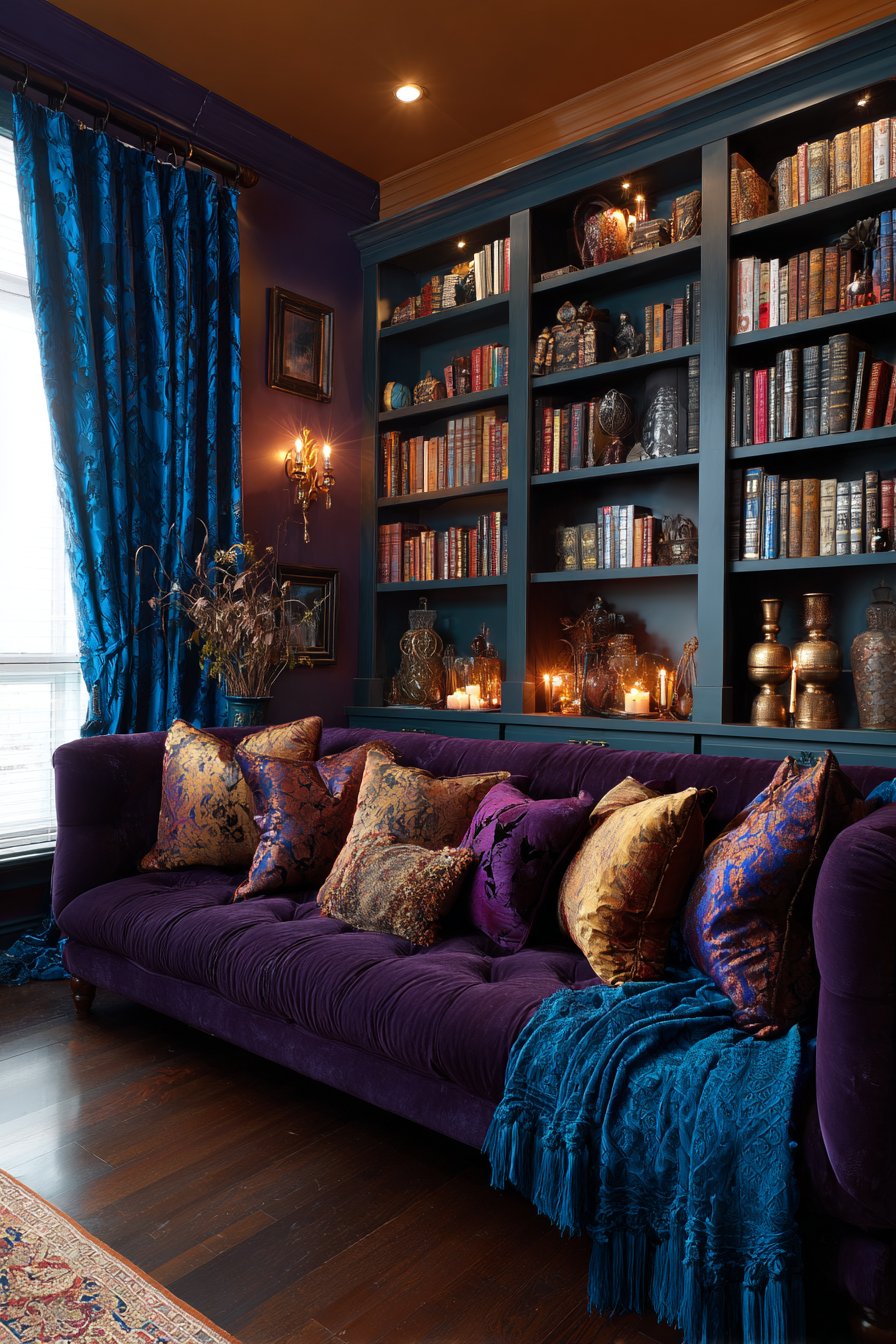
Don’t limit bold color to walls alone. Colorful furniture, drapery, and accessories all contribute to the maximalist palette. A deep violet velvet sofa against a terracotta wall flanked by sage green bookshelves is unmistakably maximalist — and unmistakably stunning.
- Start with one anchor color you love and build outward from there
- Use saturated jewel tones for upholstery and large furniture pieces
- Paint ceilings in unexpected colors to create immersive environments
- Layer colorful throw pillows, blankets, and rugs with confidence
- Mix warm and cool tones intentionally to create dynamic visual tension
- Don’t fear dark walls — they create depth and dramatic elegance
4. Layering Patterns Like a Pro
Pattern mixing is one of maximalism’s most thrilling and intimidating elements. The idea of combining florals, stripes, geometric prints, and animal patterns in one room can feel overwhelming. But pattern layering is a learnable skill, and it transforms flat spaces into dynamic, energetic environments.
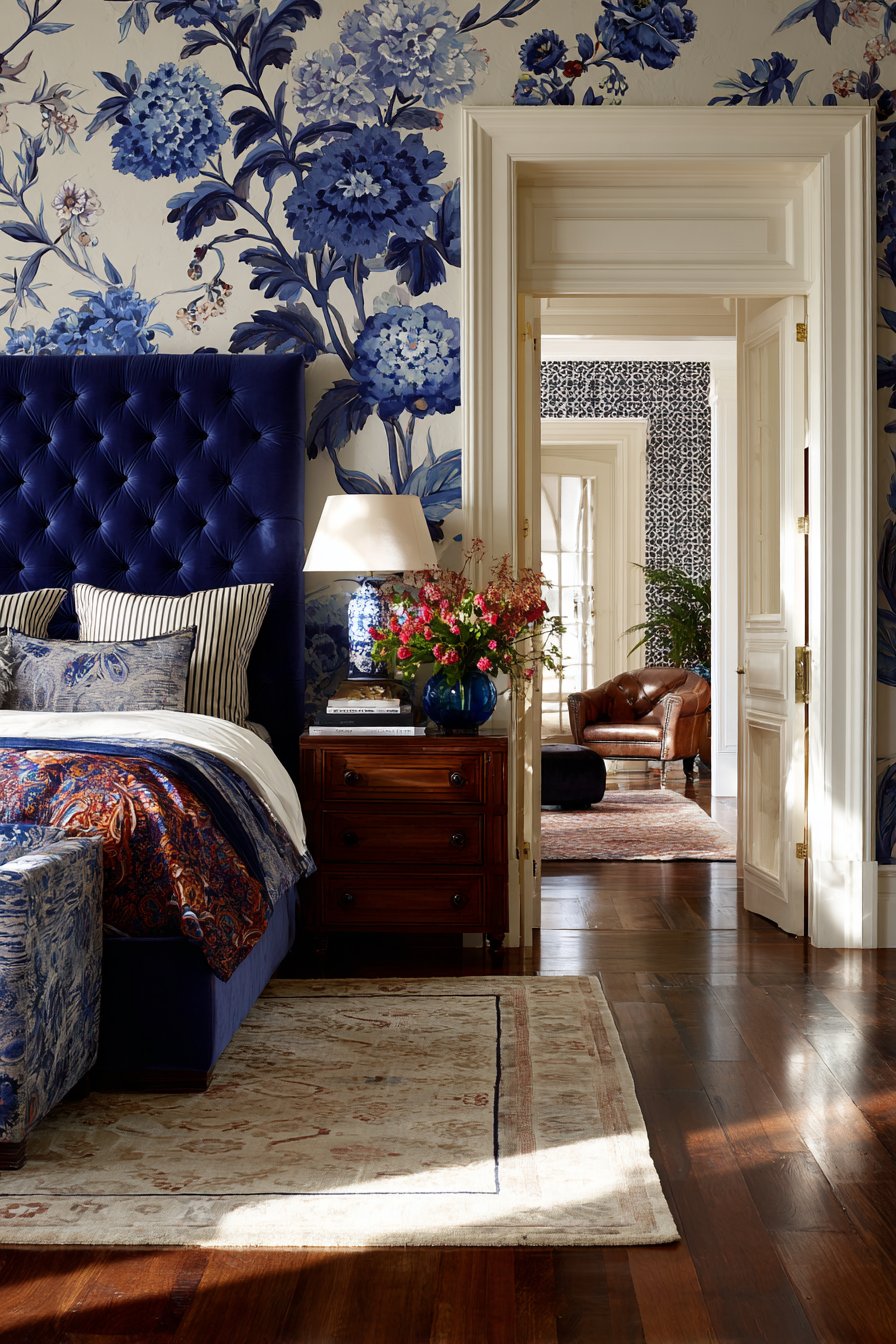
The golden rule of pattern mixing is scale variation. Always combine patterns of different sizes — a large-scale floral with a small geometric, or a wide stripe with a delicate paisley. When scales vary, patterns coexist harmoniously rather than competing aggressively. This technique is used by every great maximalist designer.
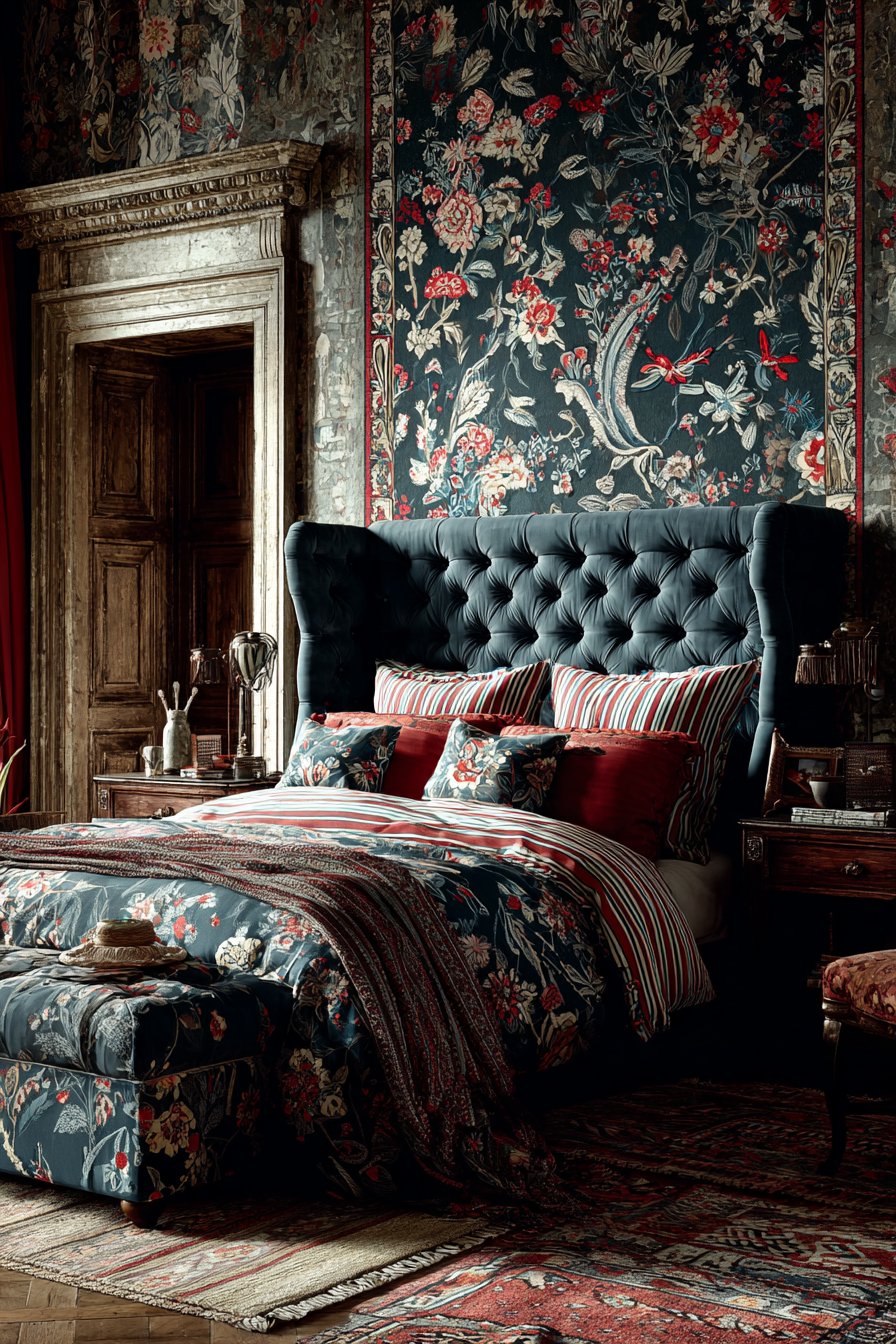
Color is your second tool for unifying mixed patterns. When disparate patterns share even one or two common colors, the eye reads them as related. A red and cream floral can live beautifully alongside a navy, red, and cream stripe. The shared palette creates cohesion across the visual complexity.
- Mix at least three different pattern scales in a single room
- Use a unifying color to link varied patterns together
- Layer patterned rugs for a bohemian maximalist effect
- Introduce patterns through cushions and throws before committing to wallpaper
- Don’t forget architectural pattern opportunities like tiled floors or paneled walls
- Trust your instincts — if you love how two patterns look together, they work
5. The Art of Gallery Walls and Display Collections
Nothing announces maximalism louder than a floor-to-ceiling gallery wall packed with art, mirrors, plates, and personal objects. Gallery walls are maximalism’s most iconic expression, transforming bare walls into immersive visual experiences that reward extended viewing.
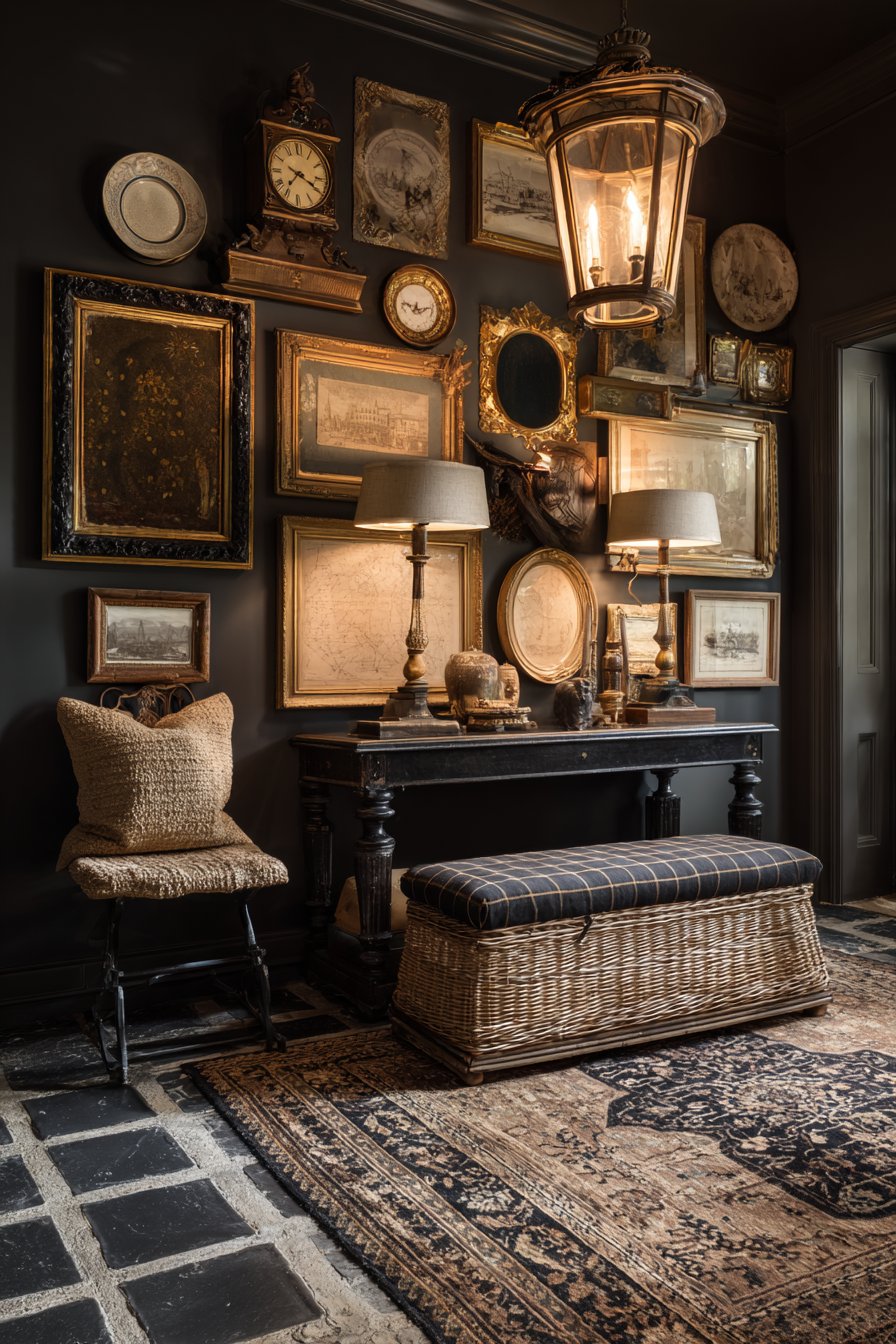
Creating a successful gallery wall requires thoughtful spatial planning before you hammer a single nail. Lay your pieces on the floor first and experiment with arrangements. Consider mixing frame sizes, shapes, and finishes for that coveted eclectic look. Odd numbers of pieces typically create more dynamic, natural-feeling arrangements.
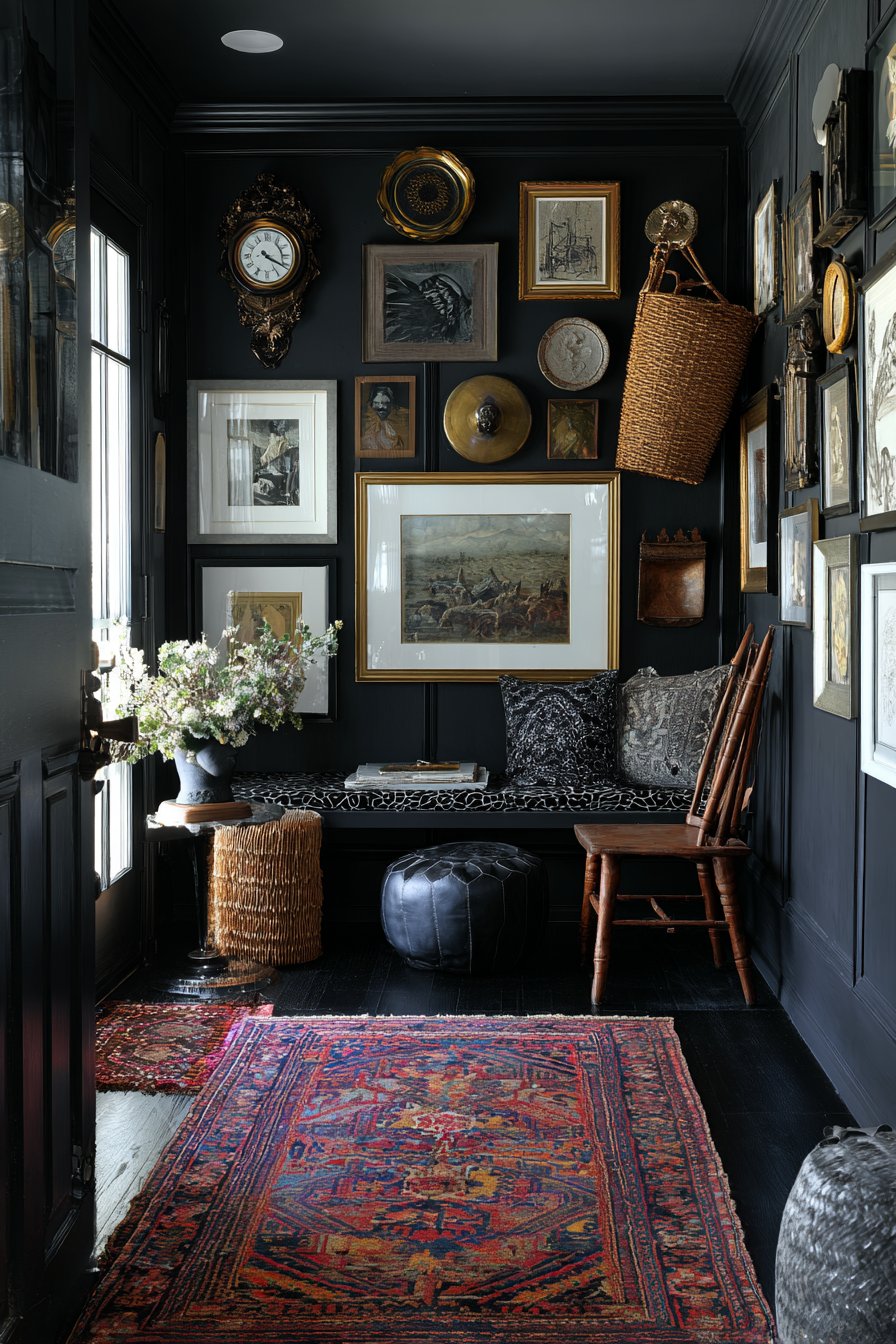
Beyond traditional art, maximalist displays embrace three-dimensional objects. Mounted taxidermy, decorative plates, sculptural wall hangings, antique clocks, and woven baskets all have a place on the maximalist wall. The mix of textures and dimensions adds extraordinary richness to any space.
- Start your gallery wall with one anchor piece and build outward
- Mix frame metals, woods, and painted finishes for visual variety
- Include personal photography alongside purchased artwork
- Use picture ledges for flexible, non-committal displays
- Incorporate mirrors to add light, depth, and reflection to dense arrangements
- Allow the gallery wall to grow organically with new finds over time
6. Embracing Maximalist Furniture Choices
Maximalist furniture is anything but forgettable. Statement sofas in velvet, ornately carved wooden chairs, gilded side tables, and tufted ottomans define the maximalist furniture vocabulary. Each piece is chosen not just for function but for its contribution to the room’s overall visual drama.
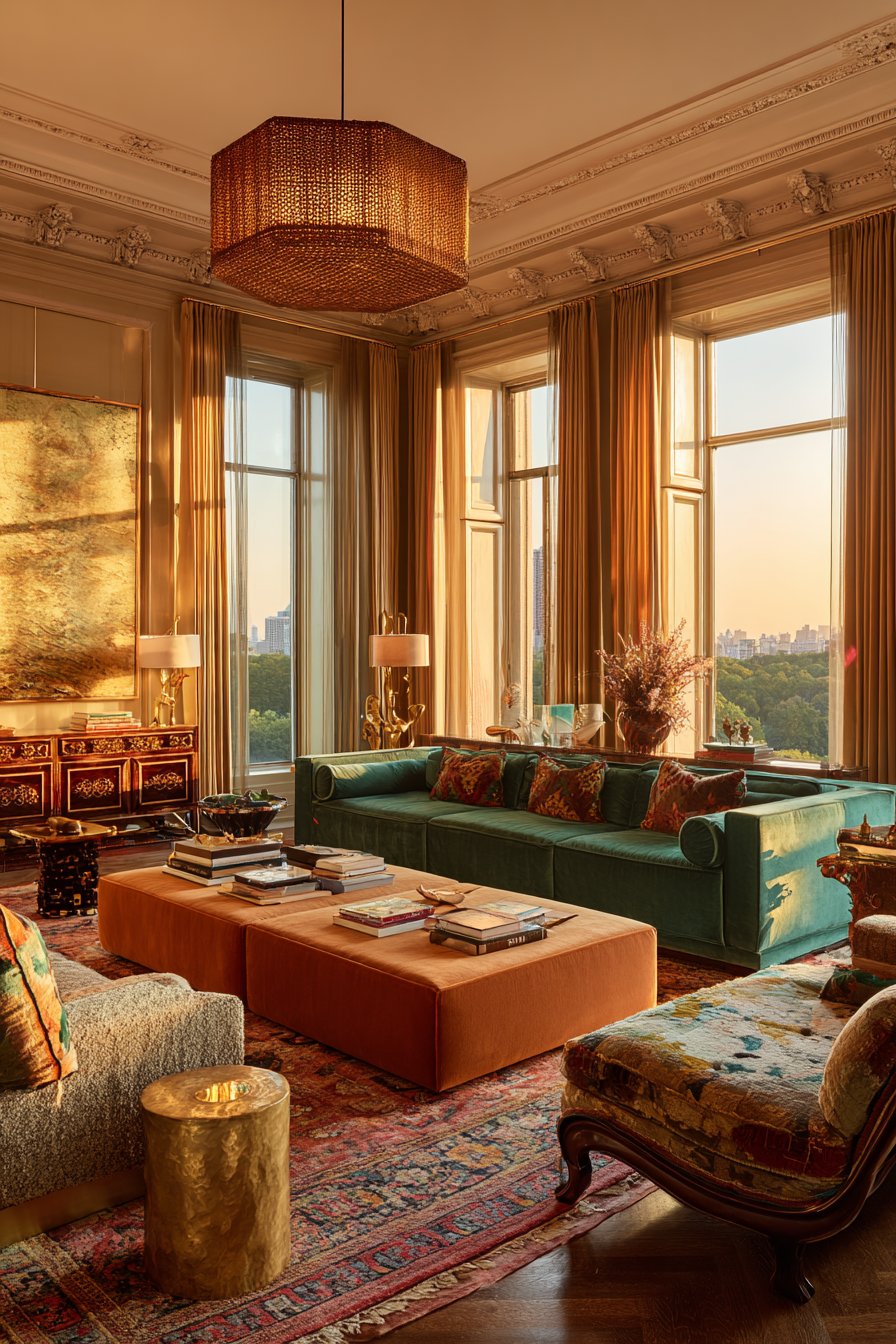
Mixing furniture styles and eras is not just permitted in maximalism — it’s actively encouraged. A Victorian chaise longue can coexist magnificently with a mid-century credenza and a contemporary coffee table. The eclectic mix communicates a life fully lived and a design sensibility unbounded by rulebooks.
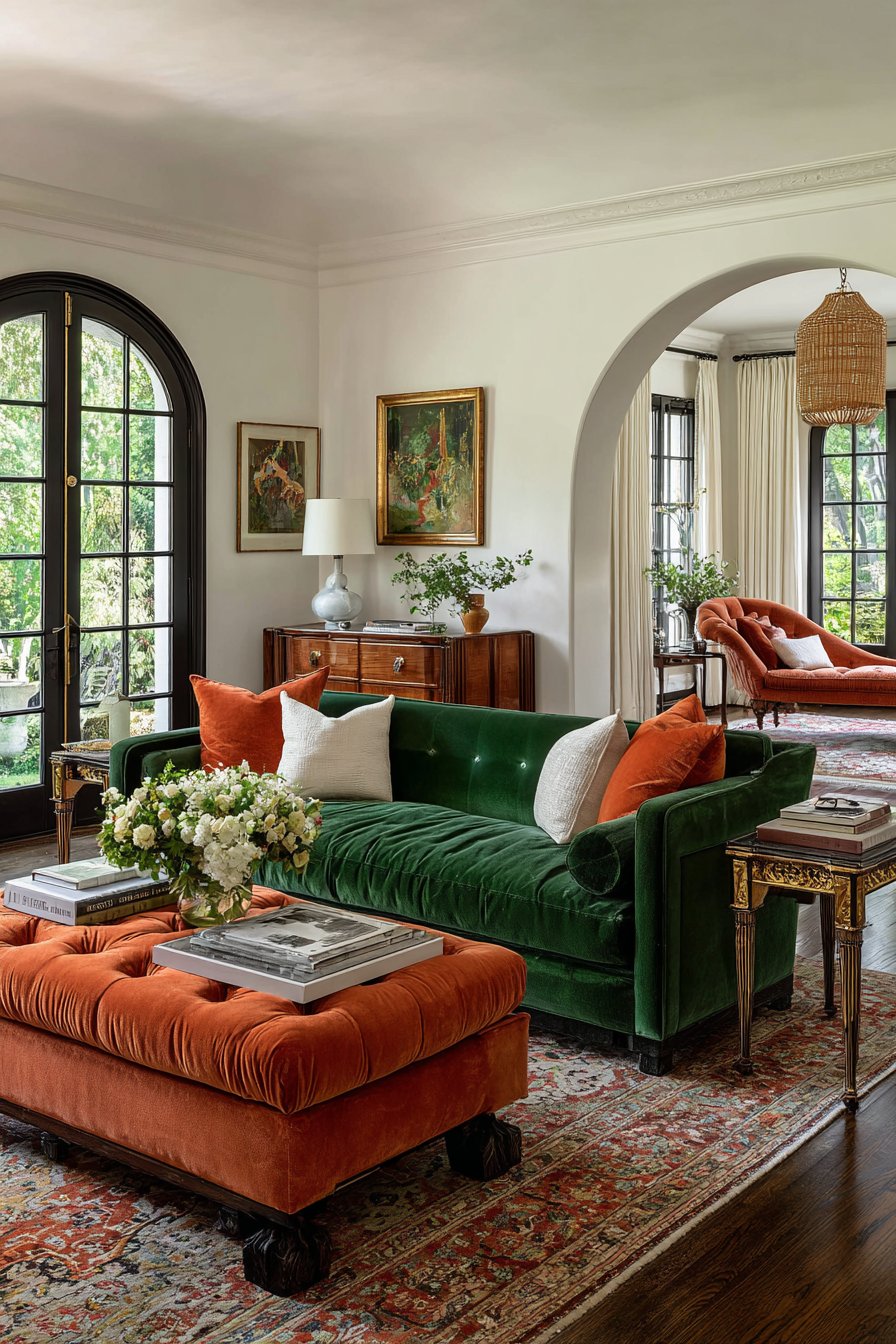
Scale and proportion still matter even in maximalist spaces. Oversized furniture can anchor a room powerfully, but every room needs visual breathing points. Use smaller accent pieces, open shelving, or varying furniture heights to ensure the eye has places to rest and journey through the space.
- Invest in one truly spectacular furniture piece as your room’s anchor
- Don’t match your furniture suite — mix eras, styles, and materials deliberately
- Choose upholstery in rich textures like velvet, boucle, or embroidered fabric
- Layer rugs under furniture groupings to define zones and add color
- Incorporate furniture with decorative legs or carved details for visual interest
- Look for vintage and antique pieces to add authentic character
7. Textiles, Rugs, and the Power of Layering
Textiles are the soul of maximalist interiors. Nothing creates warmth, depth, and tactile richness faster than layered rugs, stacked cushions, draped throws, and abundant curtains. A maximalist room invites you to sink in, wrap up, and never want to leave.
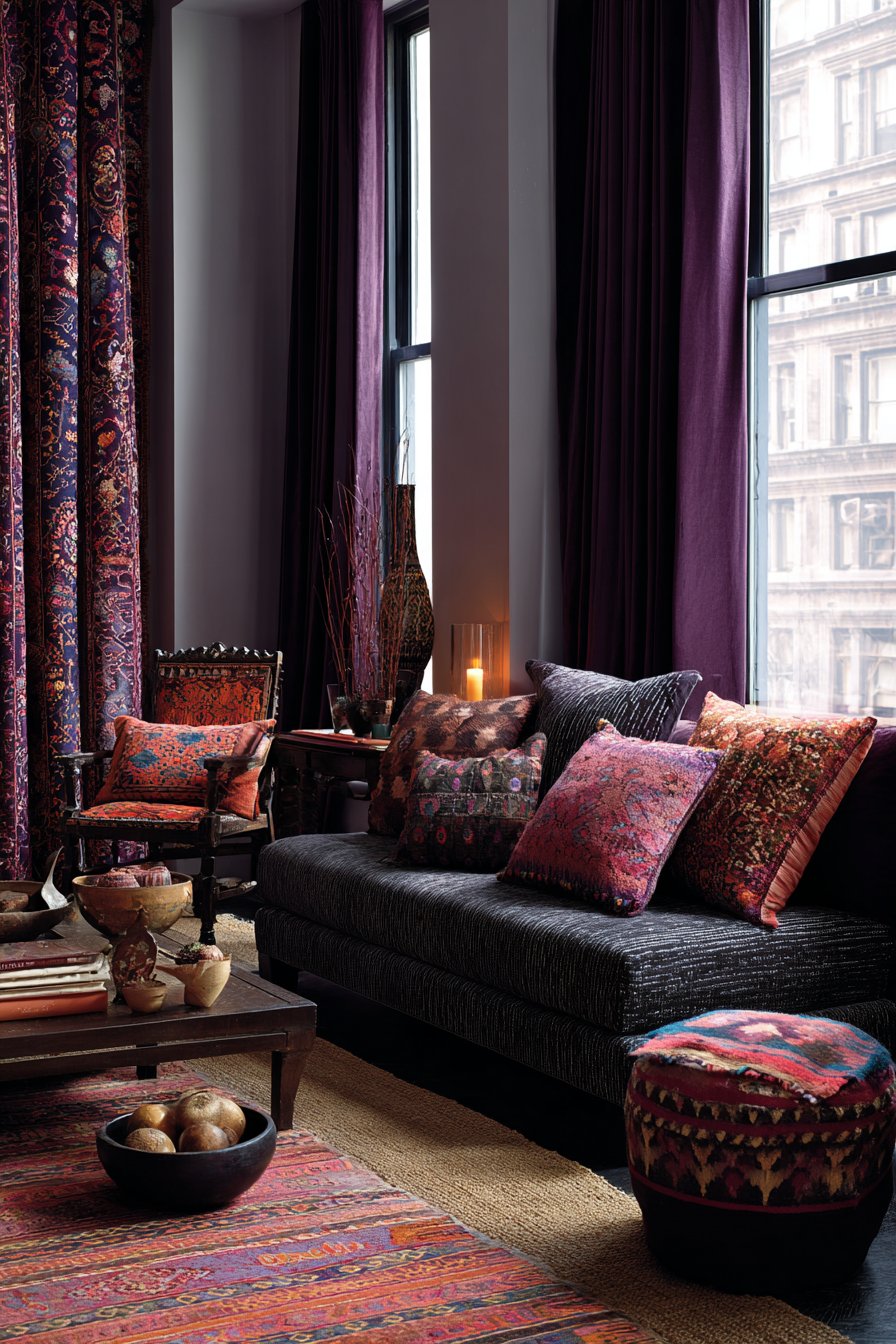
The practice of rug layering is one of maximalism’s most accessible entry points. Placing a smaller, patterned rug over a larger neutral or natural fiber rug instantly adds depth and personality. Persian rugs over jute, kilims over sisal, or a vintage tribal rug over a plain wool base — all work beautifully.
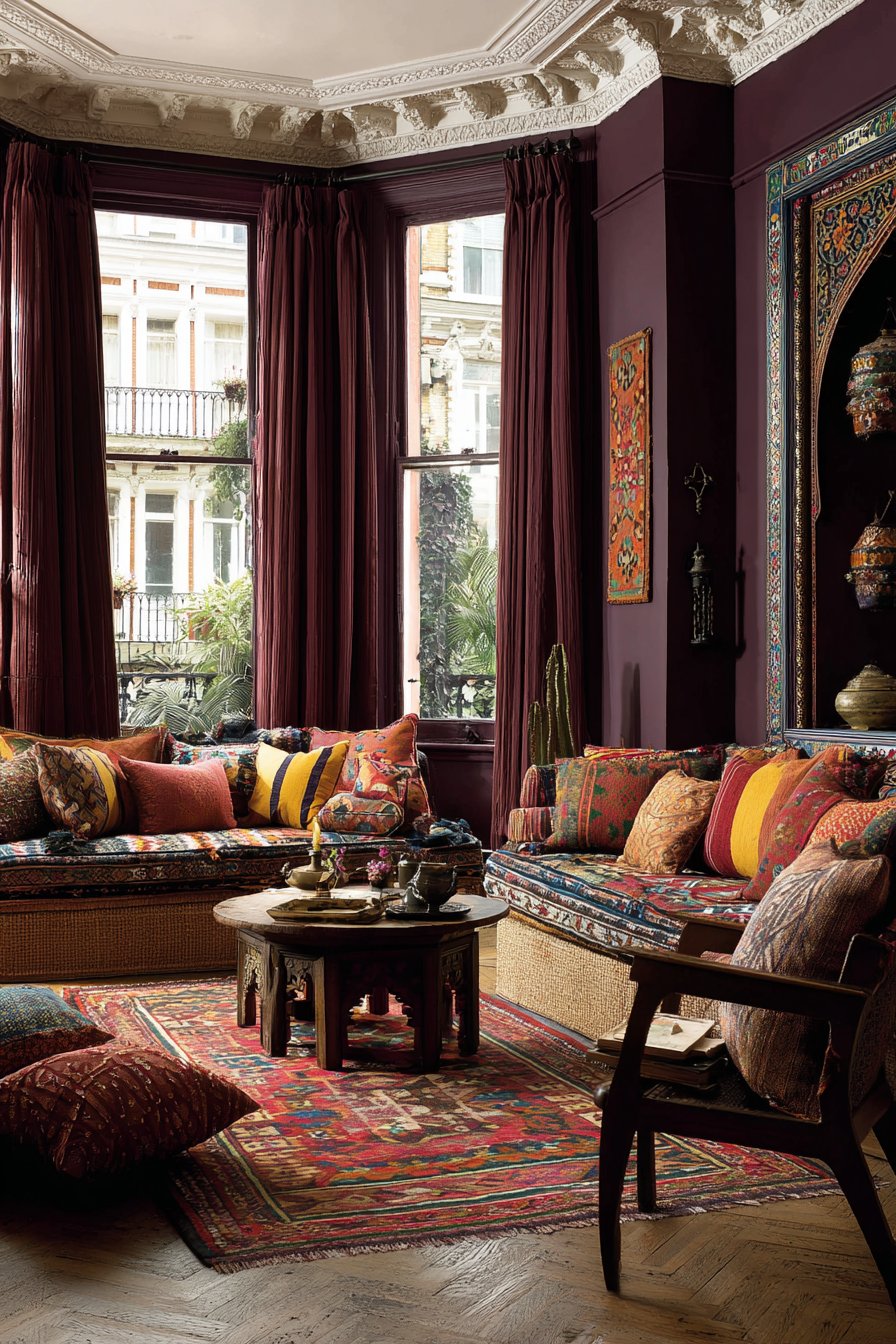
Curtains deserve special attention in maximalist design. Floor-to-ceiling drapes in heavy, luxurious fabrics like velvet or silk dramatically elevate any room. Choosing curtains in bold prints or rich solid colors rather than sheer neutrals communicates maximalist confidence and frames windows as architectural features.
- Layer at least two rugs of complementary patterns and scales
- Choose curtains in bold colors or statement fabrics rather than neutral sheers
- Stack cushions generously — maximalist sofas are never under-cushioned
- Drape throw blankets over furniture arms and chair backs for casual luxury
- Mix textile origins — Moroccan, Indian, Scandinavian, and Japanese textiles coexist beautifully
- Don’t neglect bed textiles — maximalist bedrooms layer quilts, shams, and European pillows
8. Plants and Natural Elements in Maximalist Design
Maximalism and lush botanical abundance go hand in hand. The more-is-more philosophy extends naturally to plant life, with maximalist interiors often resembling curated indoor jungles. Large fiddle leaf figs, trailing pothos, dramatic monstera plants, and cascading string-of-pearls all thrive in maximalist settings.
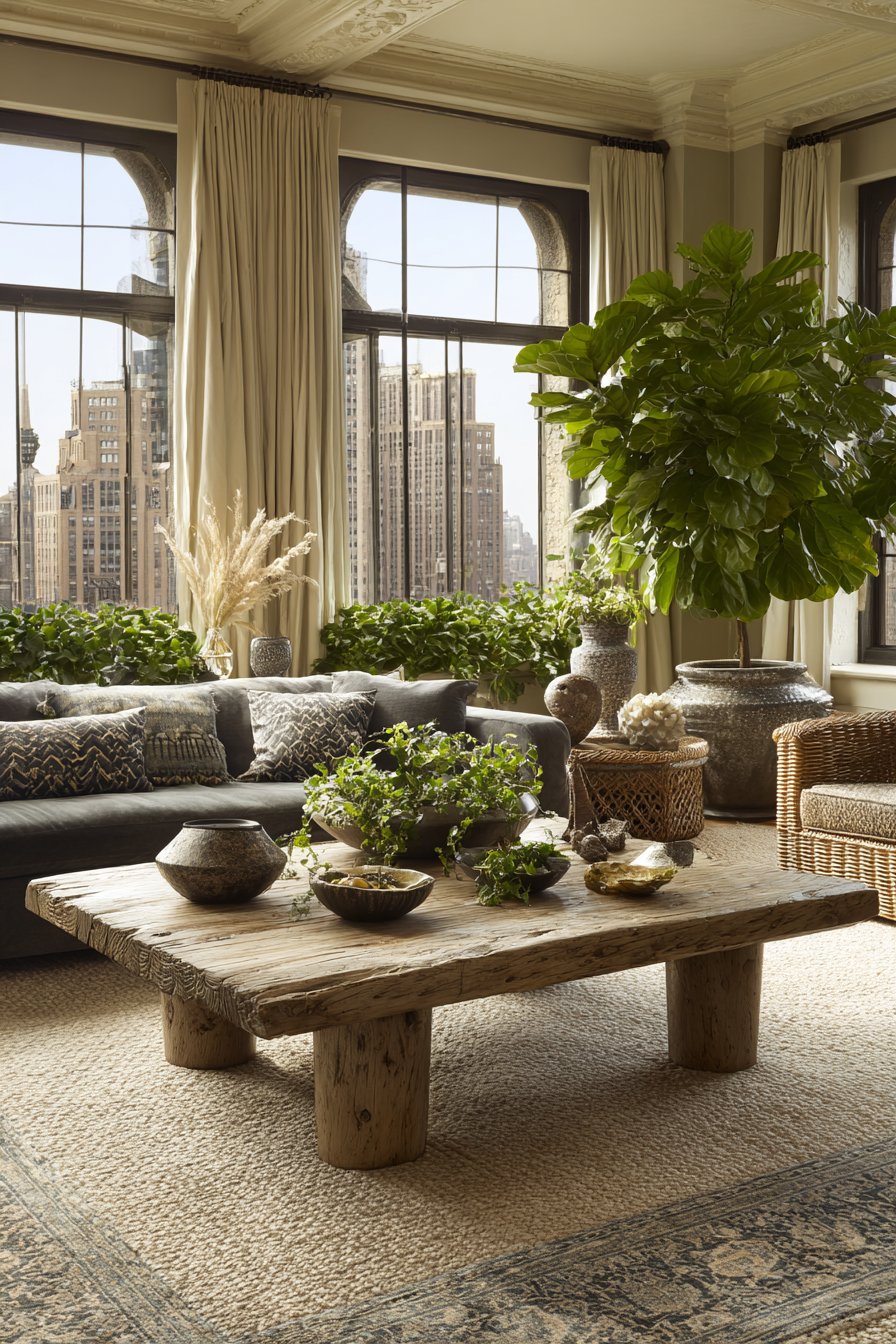
Beyond living plants, natural materials add essential organic warmth to maximalist spaces. Rattan furniture, wooden sculptural objects, stone vessels, coral pieces, and dried botanical arrangements contribute texture and natural beauty. These elements ground the visual complexity in something honest and tactile.
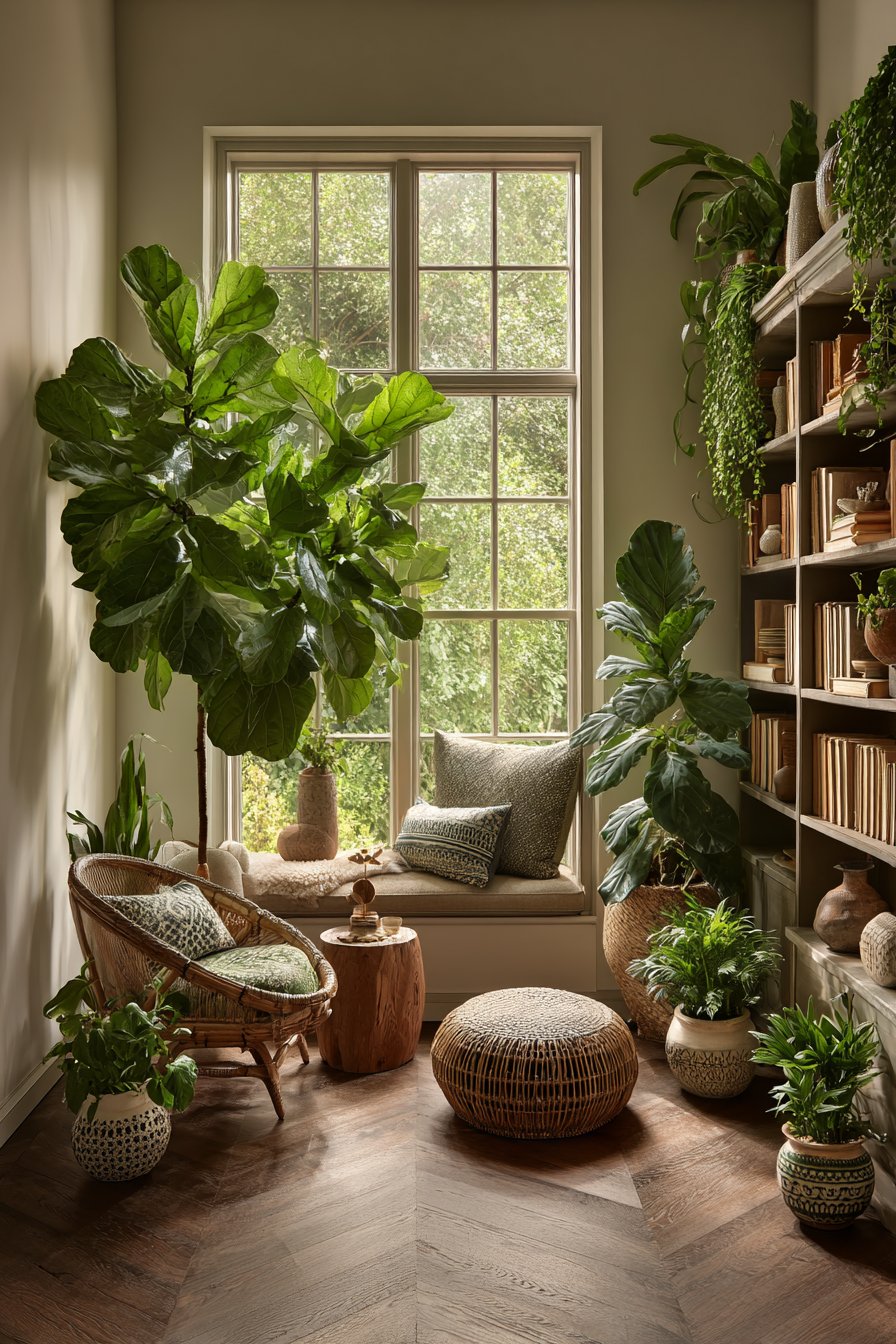
The ritualistic care of plants also aligns with maximalism’s deeper values. Tending to a collection of beloved plants is an act of nurture toward your environment. It creates a living, breathing quality in your home that no purchased object can replicate. Maximalist plant lovers often treat their collections as living art installations.
- Aim for at least five plants of varying heights and leaf types in main living areas
- Cluster plants in botanical vignettes rather than distributing them uniformly
- Use decorative pots that add pattern and color rather than plain nursery containers
- Mix living plants with dried botanicals for year-round textural interest
- Incorporate large statement plants as sculptural anchors in corners and entryways
- Display plants on elevated surfaces, hanging planters, and dedicated plant shelving
9. Lighting as a Maximalist Design Tool
Lighting in maximalist interiors is never an afterthought. Dramatic chandeliers, ornate pendant lights, and layered lamp arrangements contribute enormously to the maximalist atmosphere. The right lighting transforms a room from a collection of beautiful objects into a cohesive, magical environment.
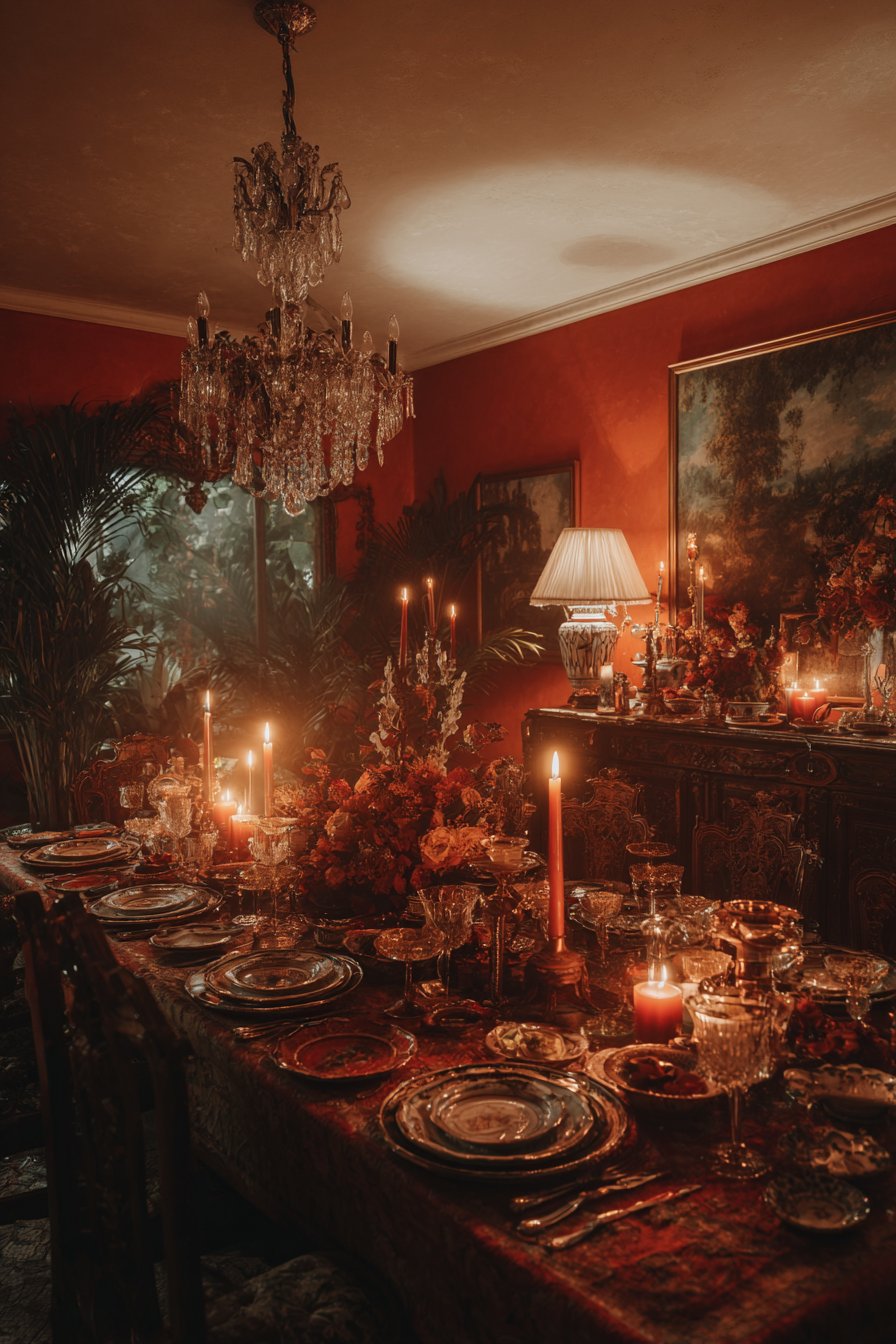
The key principle is lighting layering. Rather than relying on a single overhead fixture, maximalist rooms use ambient, task, and accent lighting simultaneously. Table lamps in bold ceramic bases, floor lamps with fringed shades, and picture lights illuminating gallery walls all play important roles in building atmosphere.
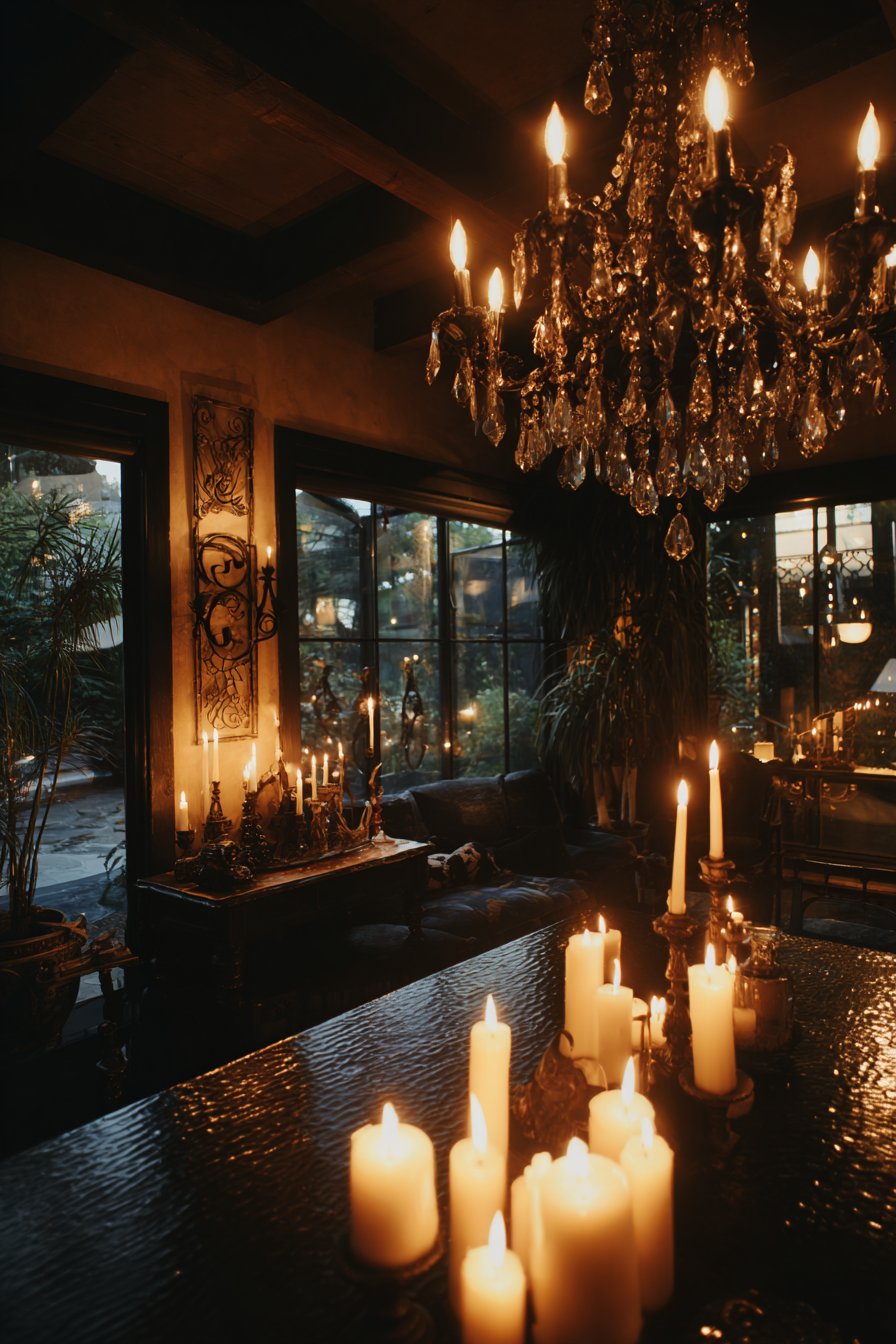
Decorative light fixtures themselves become art objects in maximalist design. A chandelier dripping with crystals, a sculptural rattan pendant, or an ornate wrought-iron sconce does double duty — illuminating the space while contributing to its visual richness. Never choose a plain, functional fixture when a beautiful one exists.
- Layer at least three light sources at different heights in every room
- Choose fixtures that function as sculptural art pieces in their own right
- Use warm-toned bulbs (2700K-3000K) to create inviting, rich ambiance
- Incorporate candles and lanterns for intimate, flickering warmth
- Install dimmer switches to control atmosphere throughout the day
- Use picture and art lights to highlight gallery walls and display collections
10. Maximalism in Specific Rooms
Maximalism doesn’t apply uniformly across every room. Each space has its own natural maximalist expression. The living room is typically ground zero — the most layered, most expressive, most boldly decorated space in the maximalist home. Every surface contributes to the overall composition.
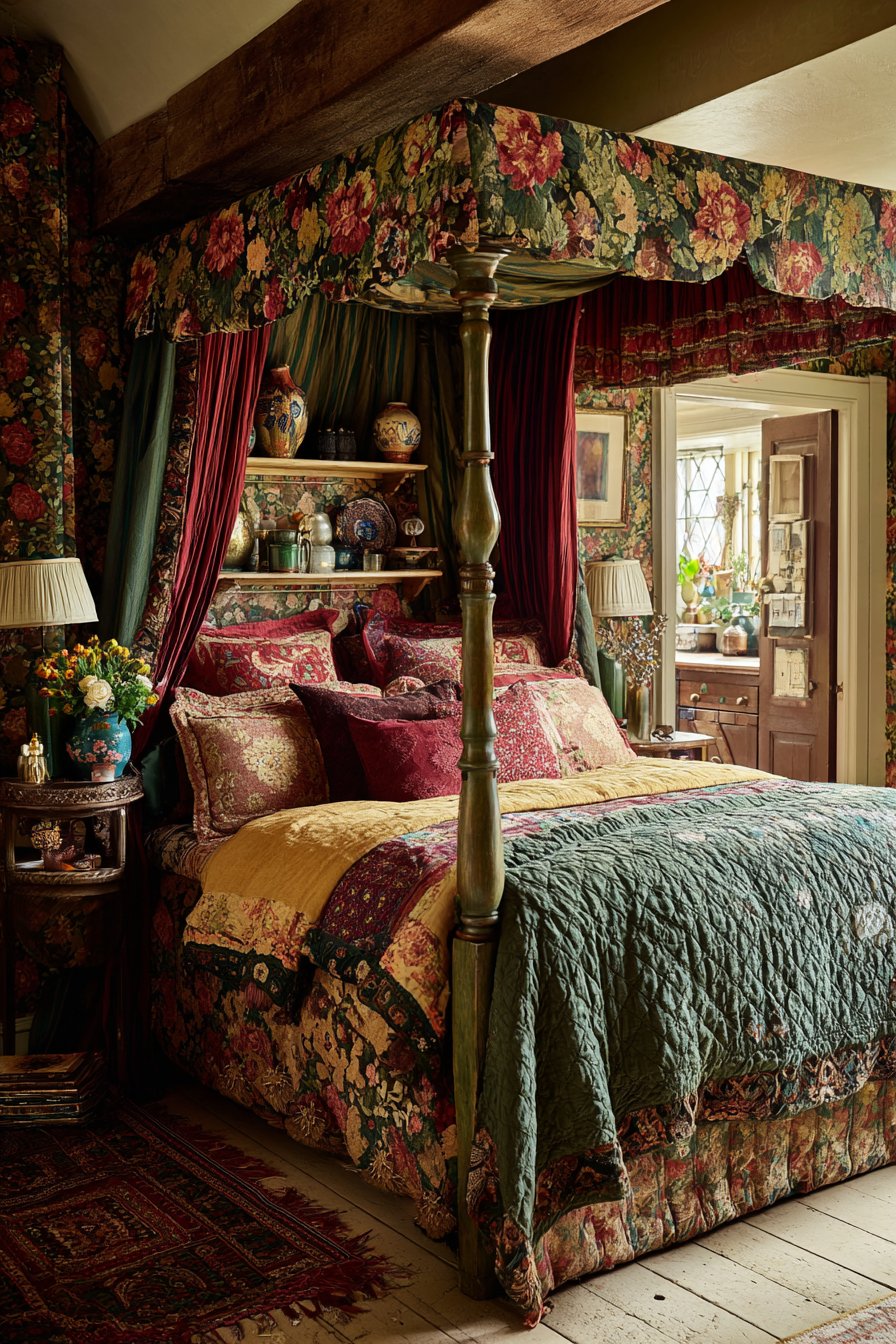
Maximalist bedrooms prioritize sensory indulgence. Canopied beds piled with luxurious textiles, dramatic wallpapered feature walls, and collections of meaningful objects on bedside tables create a deeply personal sanctuary. The bedroom becomes a retreat from the world, wrapped in everything you love most.
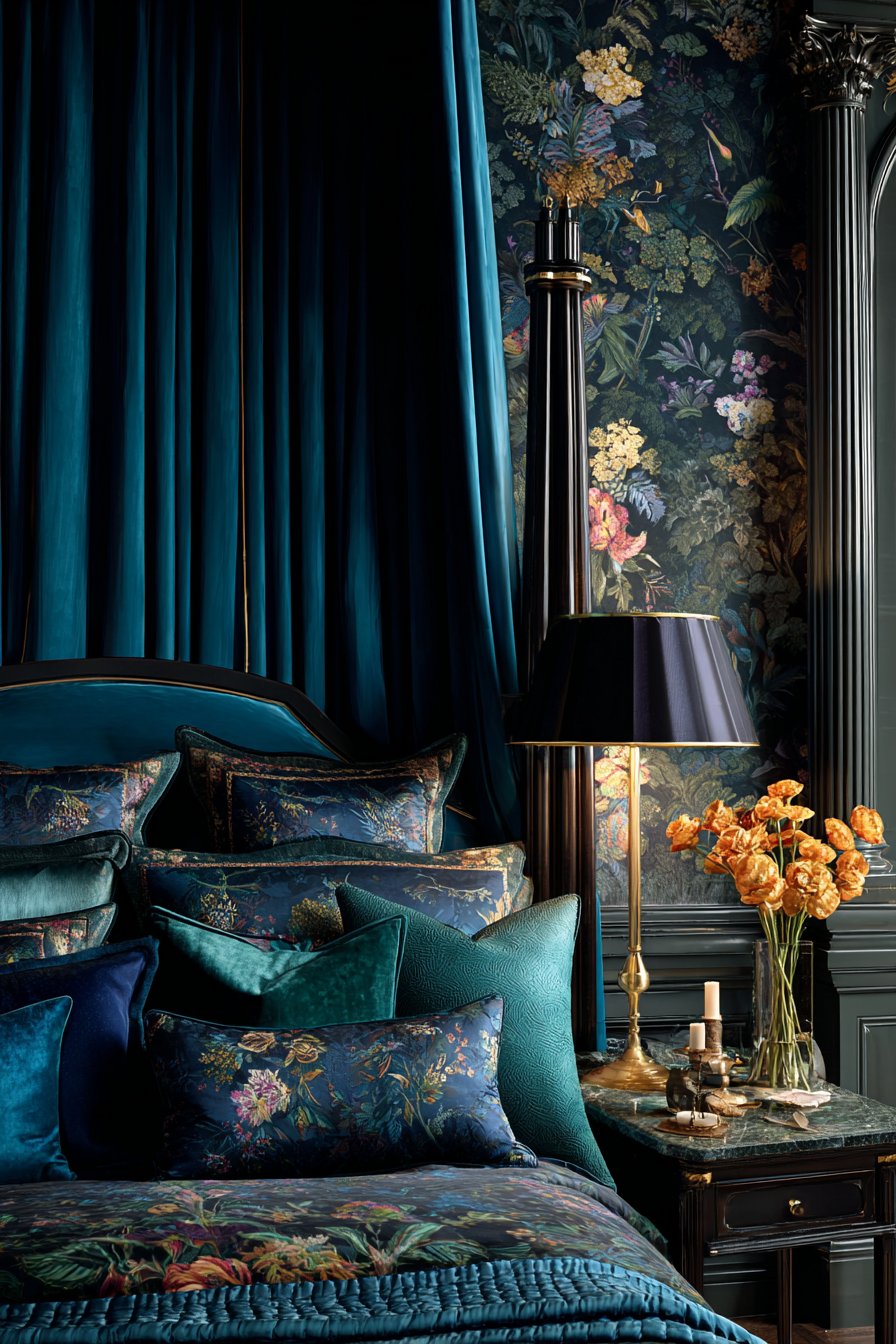
Even kitchens and bathrooms can embrace maximalism. Open shelving displaying beautiful ceramics, colorful encaustic tile, patterned wallpaper in a powder room, and collections of mismatched vintage glasses make utilitarian spaces feel extraordinary. No room needs to be left behind in the maximalist transformation.
- Use bold wallpaper in bathrooms and powder rooms for dramatic impact
- Display beautiful ceramics and cookware openly in maximalist kitchens
- Create a bedroom canopy or four-poster effect with draped fabric overhead
- Treat entryways as first impressions — make them as bold as the rest of the home
- Use open shelving throughout to celebrate collections rather than hide them
- Allow children’s rooms to express joyful maximalism with color and pattern
11. Avoiding Chaos: The Rules of Organized Maximalism
There’s a fine line between intentional maximalism and overwhelming clutter. The difference lies in organization, repetition, and visual anchoring. Understanding these principles allows you to push maximalism to glorious extremes without losing harmony and livability.
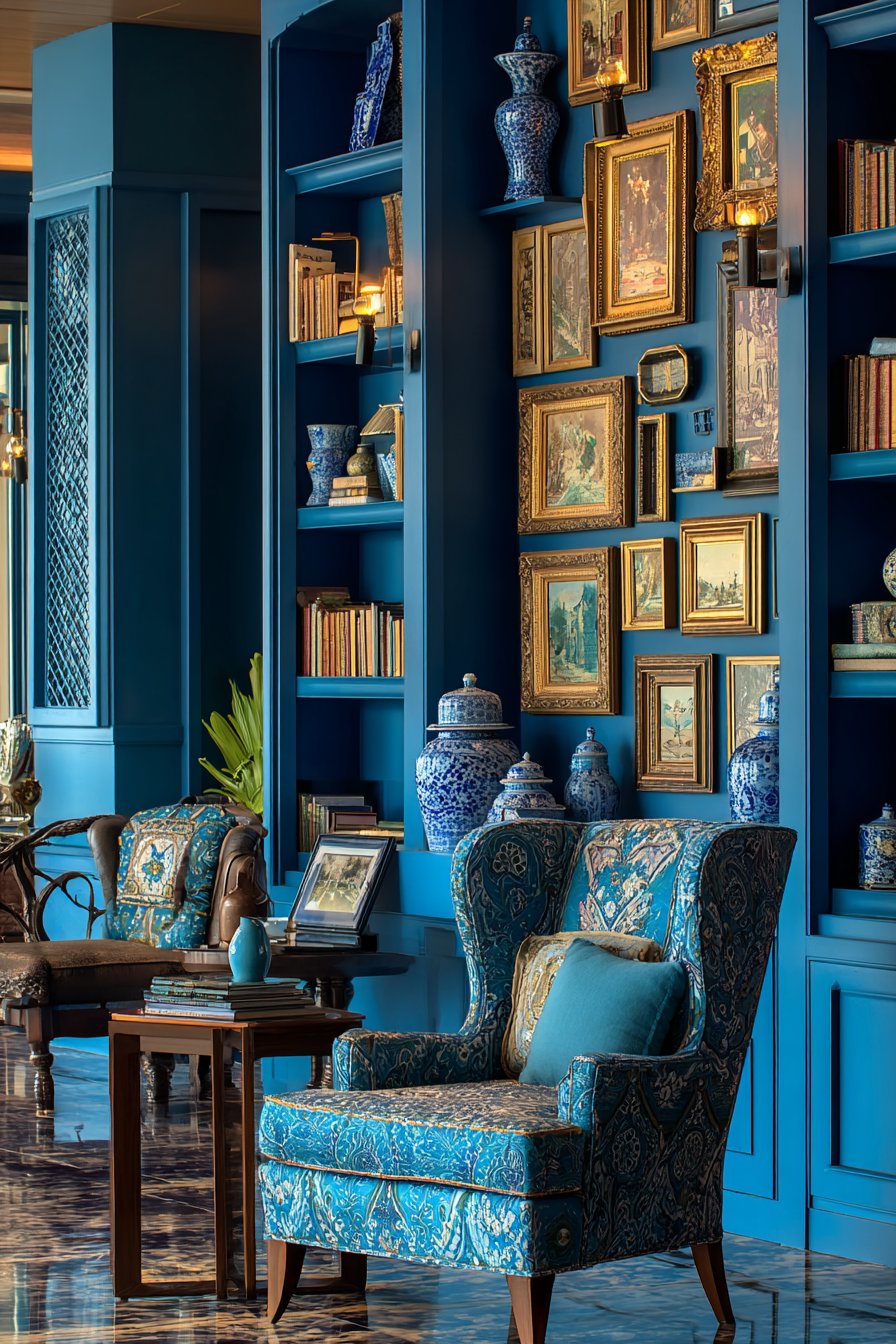
Repetition is maximalism’s secret weapon. When a single color, material, or motif recurs throughout a densely layered room, it creates rhythmic cohesion. The eye follows the repeated element like a melody through a complex composition. This is why maximalist designers often pepper one signature hue through every layer of a room.
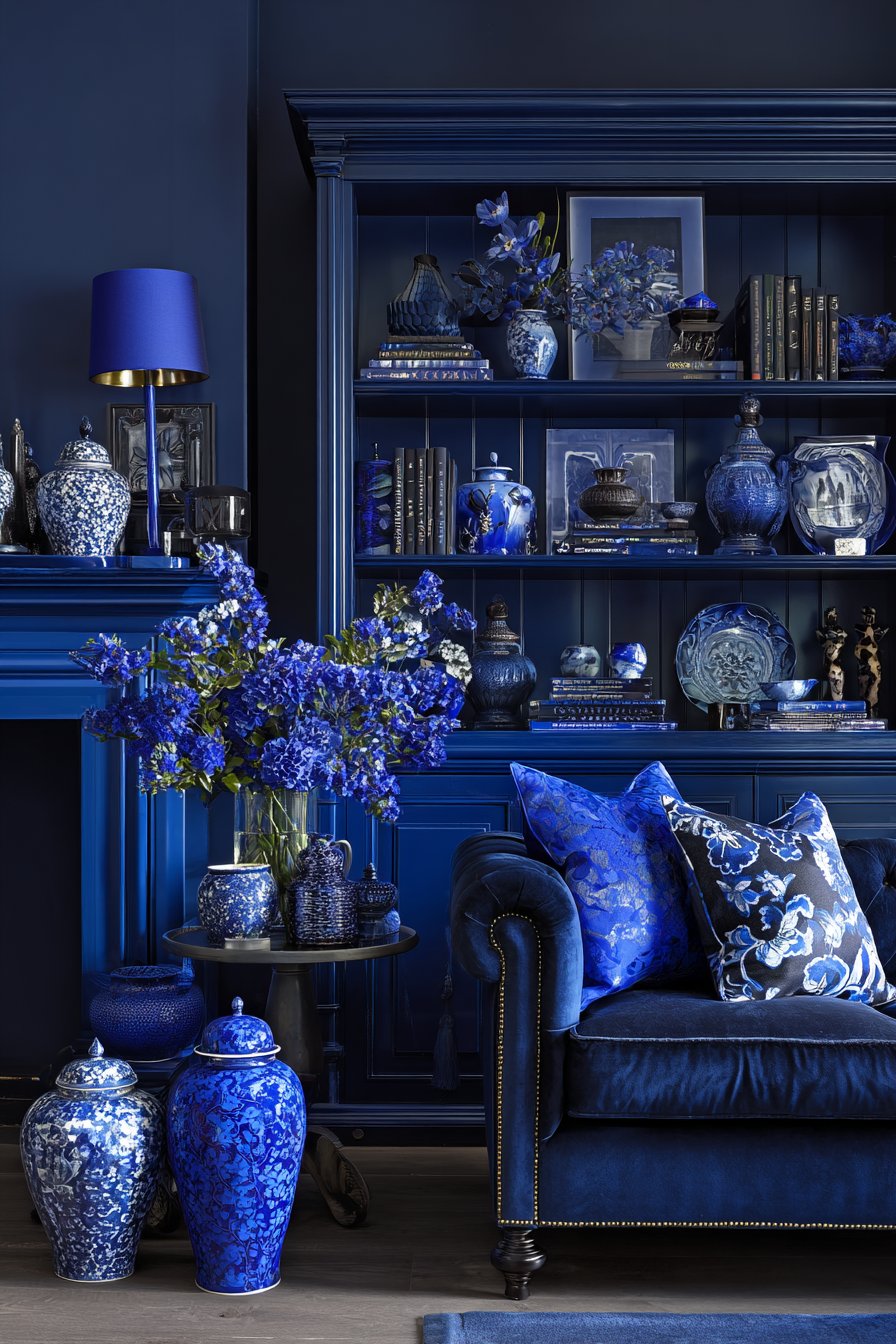
Negative space plays a crucial role even in maximalist design. Leaving some surfaces relatively clear — a single simple vase on an otherwise bare table, an unadorned section of wall — gives the eye somewhere to rest before the next visual adventure. Even abundance benefits from strategic breathing room.
- Identify one unifying element — color, material, or motif — to repeat throughout
- Keep floors relatively clear even when walls and surfaces are maximally decorated
- Use trays and vessels to organize collections into intentional vignettes
- Edit ruthlessly — even maximalism benefits from removing the least loved pieces
- Ensure pathways and traffic flow remain clear and functional throughout
- Step back regularly and assess the room with fresh eyes to catch imbalance
12. Budget-Conscious Maximalism
One of maximalism’s most democratic qualities is that it doesn’t require wealth. Unlike minimalism’s demand for expensive, perfectly crafted individual pieces, maximalism thrives on accumulated treasures found at every price point. Thrift stores, estate sales, and online marketplaces are maximalism’s best friends.
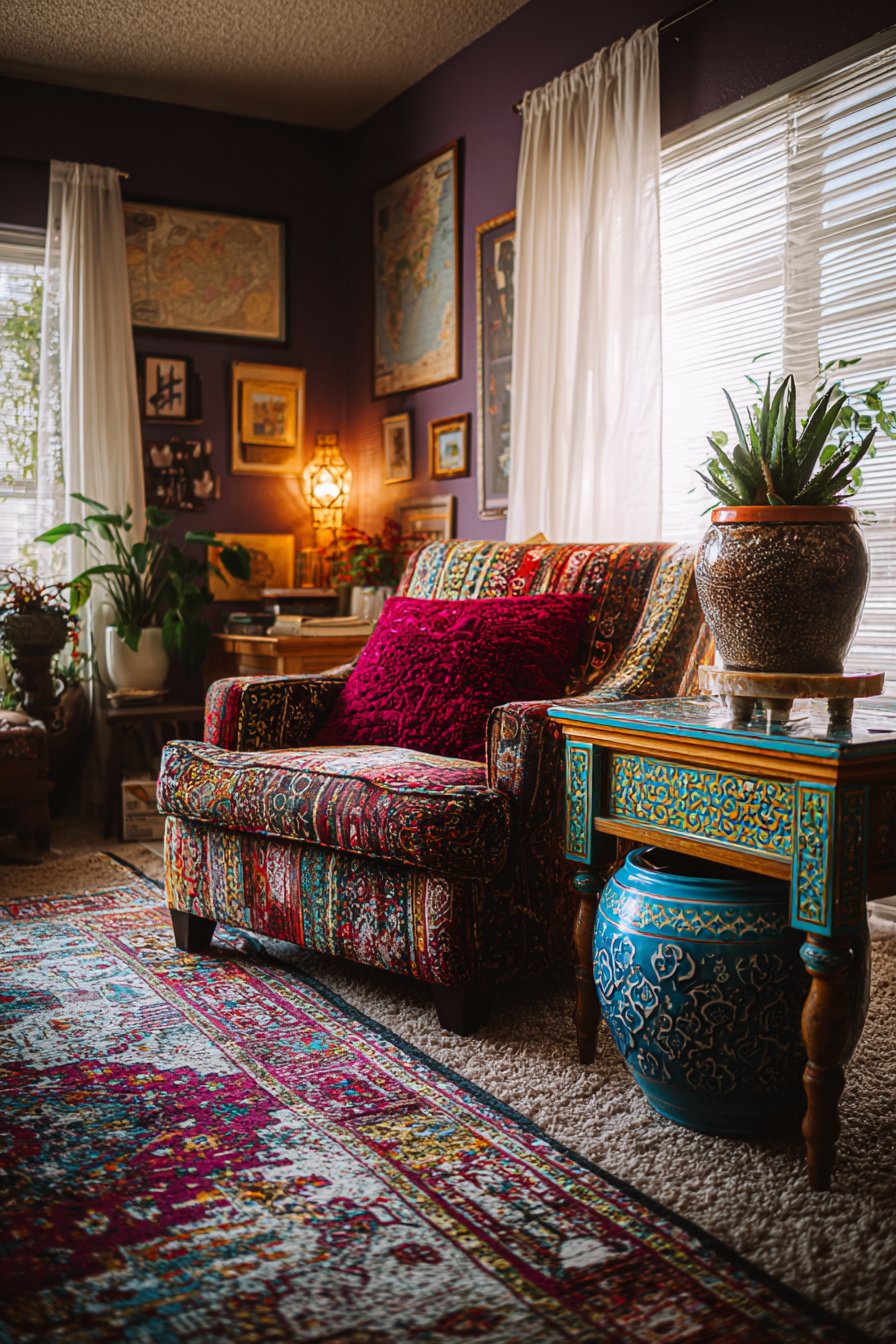
Vintage and second-hand shopping is both financially savvy and philosophically aligned with maximalism’s values. Objects with history, patina, and stories are more interesting than brand-new purchases. A chipped Victorian ewer, a faded kilim from a garage sale, or a gilt-framed painting from an estate auction all carry irreplaceable character.
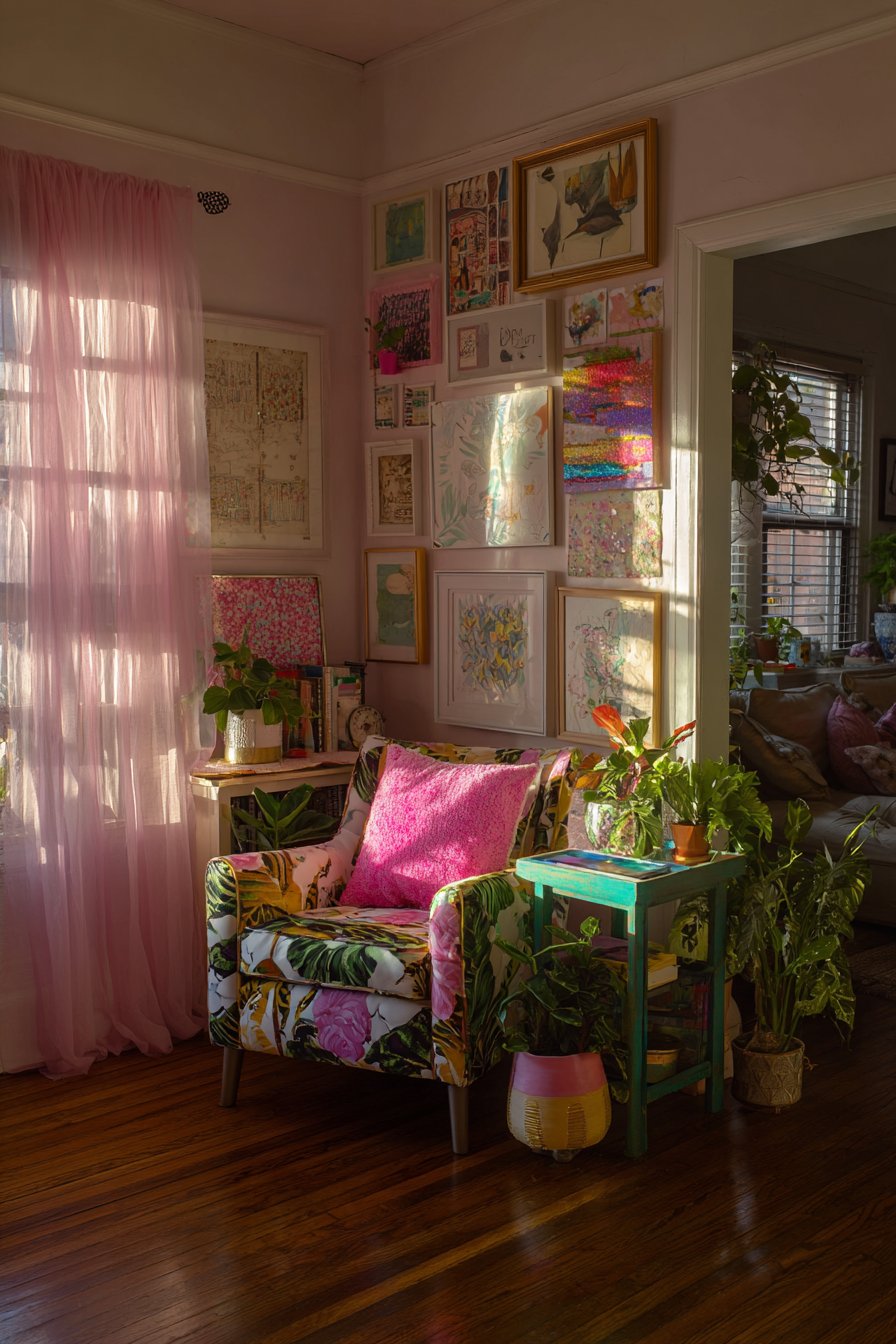
DIY projects also thrive in the maximalist ethos. Reupholstering a thrifted chair in a bold fabric, decoupaging a side table in vintage maps, or painting an old dresser in a jewel tone transforms affordable finds into statement pieces. The creative process itself becomes part of the maximalist story.
- Shop thrift stores and estate sales weekly for unique, affordable finds
- Reupholster secondhand furniture in bold, statement fabrics for dramatic transformation
- Frame inexpensive prints, maps, or fabric swatches for gallery wall art
- Buy plants in small sizes and grow them over time into large statement specimens
- Invest budget in one or two key anchor pieces and supplement affordably
- Embrace DIY projects to personalize and transform budget-friendly finds
Conclusion
Maximalism’s return is more than a design trend — it’s a cultural reclamation of self-expression, warmth, and the joy of living surrounded by things you genuinely love. In a world that often demands conformity and restraint, maximalism offers a liberating alternative. It says your stories, your collections, and your personality belong on full display.
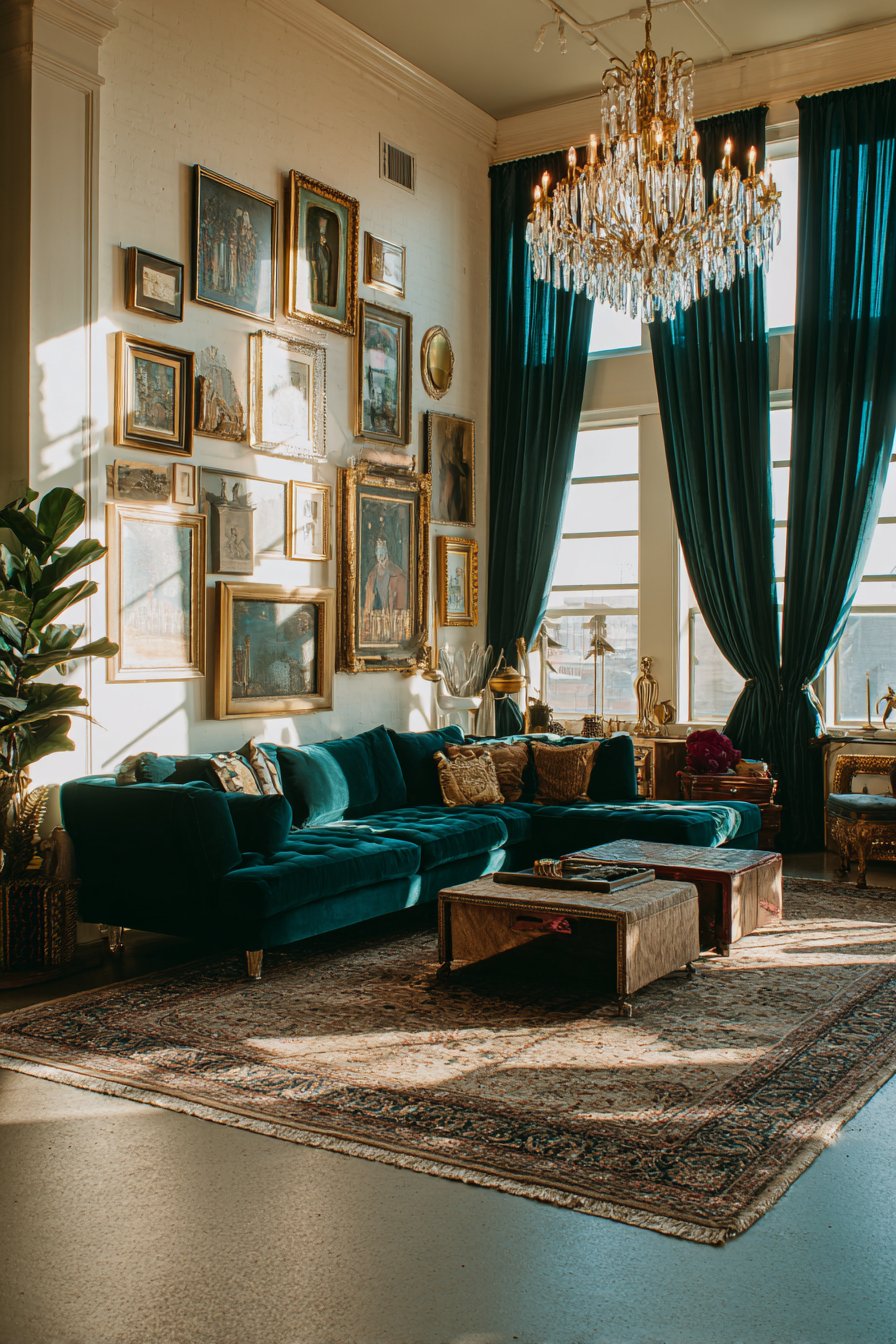
The principles explored in this article — from bold color and pattern layering to curated collections and dramatic lighting — give you the tools to embrace maximalism with confidence and intentionality. Start with one room, one wall, or even one beloved collection and let it grow organically. There are no mistakes in maximalism, only discoveries. More is more, and your home is ready to celebrate that truth.
