


Terracotta has quietly taken over the design world — and it’s not hard to see why. This warm, earthy tone carries the weight of centuries of tradition while feeling completely fresh and modern. Once reserved for Mediterranean villas and rustic kitchens, terracotta has evolved into a sophisticated, versatile shade that interior designers and homeowners alike are reaching for in bold new ways.
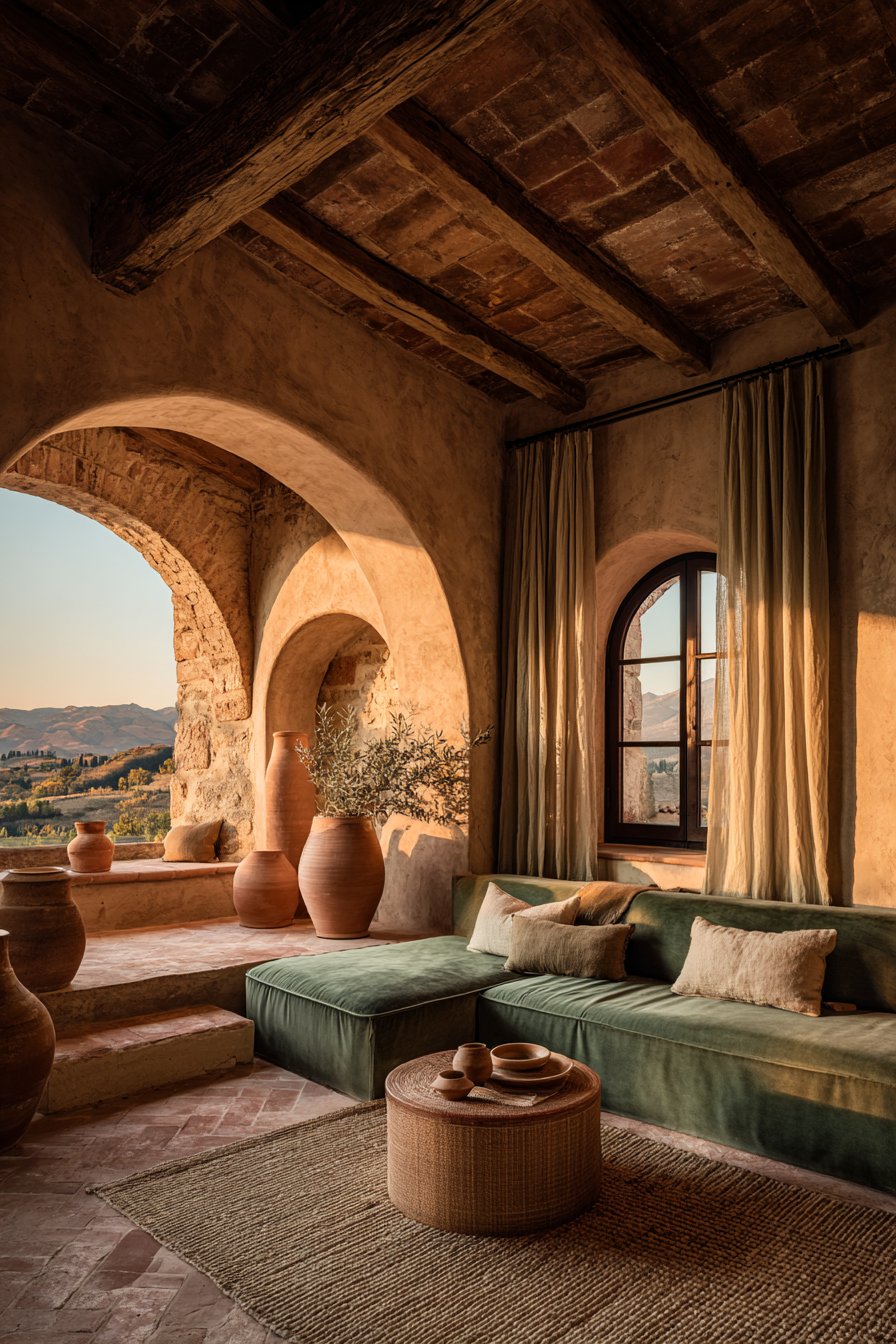
What makes terracotta so compelling is its ability to feel simultaneously grounding and uplifting. Unlike stark whites or cool grays, this hue wraps a room in warmth without overwhelming it. It works across furniture, walls, textiles, and accessories — making it a true all-rounder in the world of color and design. Whether you’re refreshing a single shelf or planning a full room transformation, terracotta has something to offer.
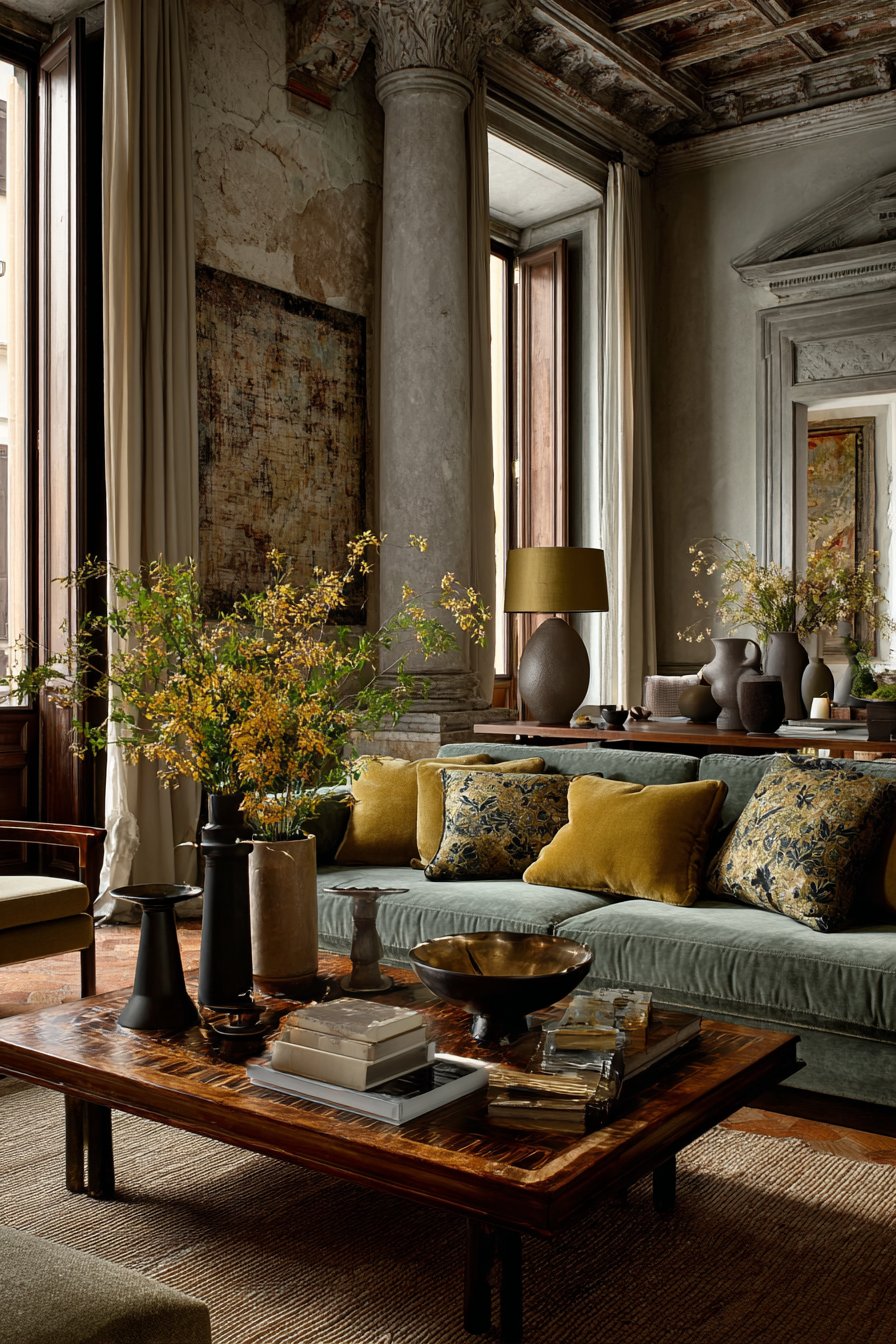
This article explores why terracotta has earned its place as the new neutral — covering everything from its psychological impact to how it pairs with other colors, materials, and styles. Whether you’re a seasoned decorator or a curious beginner, these insights will help you embrace terracotta with confidence and creativity.
1. The Psychology Behind Terracotta’s Warmth
There’s a reason terracotta feels so instinctively comforting. As a shade derived from baked earth, it carries deep psychological associations with safety, warmth, and belonging. Color psychology research consistently shows that warm, muted tones reduce anxiety and promote feelings of calm — making terracotta an excellent choice for living rooms, bedrooms, and any space meant for relaxation.
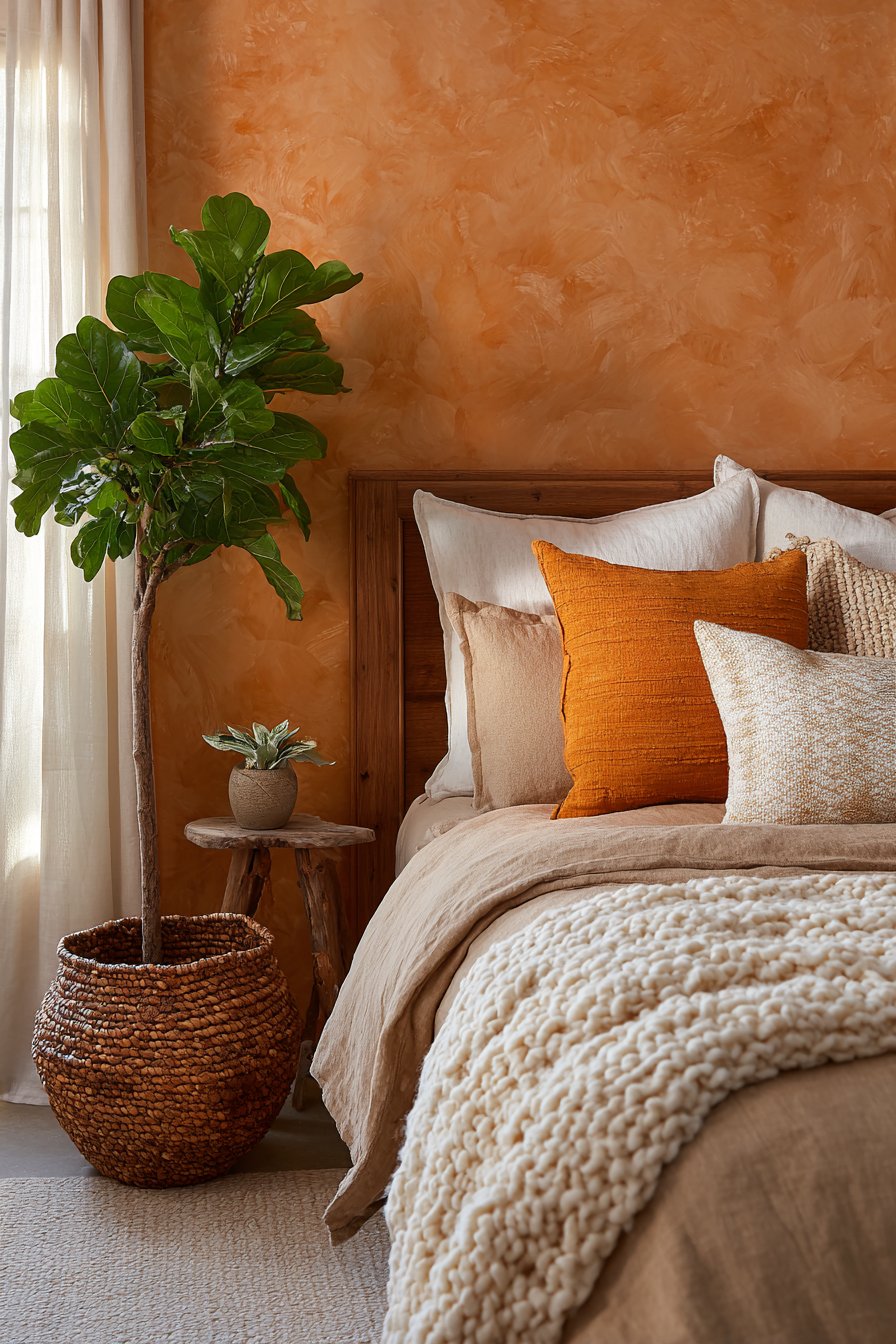
Unlike bold primary reds that can feel aggressive, terracotta operates in a softer register. Its orange-brown undertones create a sense of coziness without demanding attention. This gentle assertiveness is exactly what makes it behave like a neutral — present and beautiful, yet never overpowering other elements in the room.
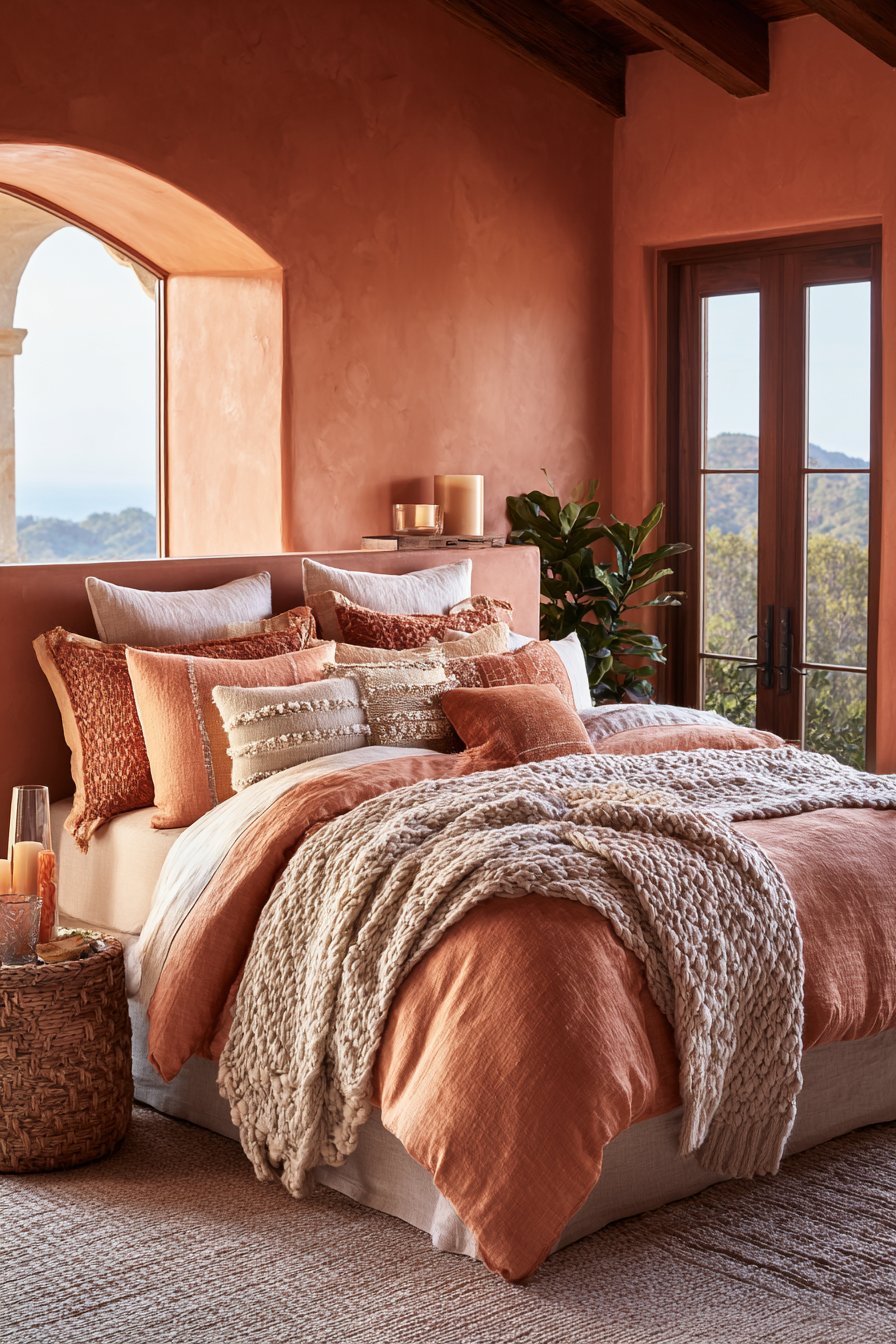
Terracotta also connects us to nature. In an era of biophilic design, where homeowners are craving organic textures and earthy palettes, this shade fits seamlessly. It mimics the colors of clay, dry soil, and sun-warmed stone — bringing a grounding, almost primal sense of comfort to modern interiors.
- Choose terracotta for bedrooms to promote calm and restful sleep
- Use muted, dusty terracotta tones to avoid overwhelming small spaces
- Pair with natural linen and cotton textiles to reinforce the earthy mood
- Layer different shades of terracotta for depth without visual noise
- Consider the room’s natural light — terracotta glows beautifully in warm, afternoon sun
- Reference color psychology when explaining palette choices to skeptical partners or clients
2. Terracotta as a Wall Color Statement
Painting walls in terracotta is perhaps the most dramatic and rewarding way to use the color. A terracotta accent wall instantly transforms the energy of a room, adding depth, character, and a sense of architectural interest that plain white simply cannot replicate. It works especially well in living rooms and dining spaces, where warmth enhances social connection.
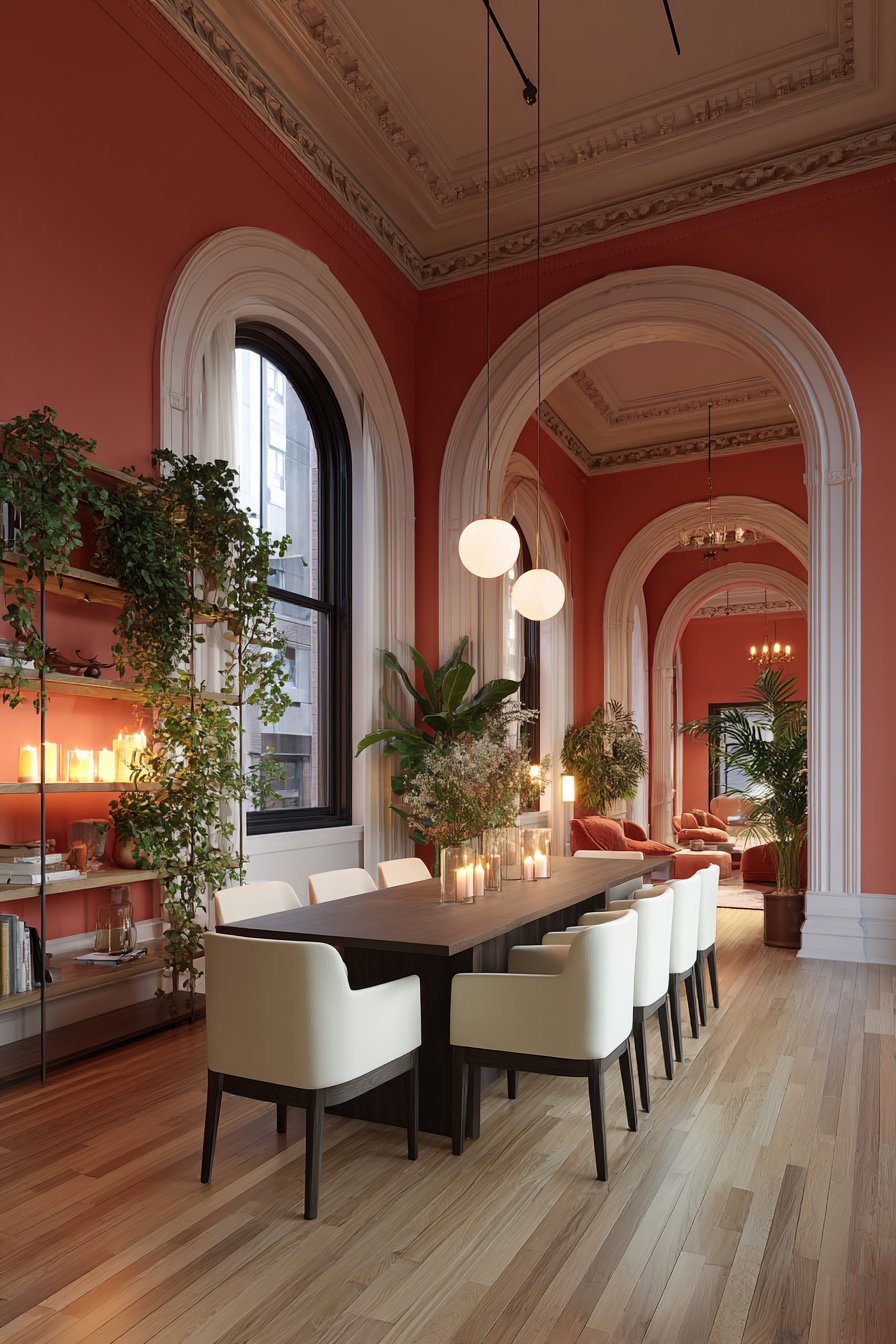
The finish you choose matters enormously. A matte or limewash finish intensifies the organic, aged quality of terracotta — making walls look almost like sun-dried clay. This approach suits bohemian, Mediterranean, and Japandi-inspired interiors. A satin finish, on the other hand, brings a slightly more polished feel, suitable for contemporary or transitional spaces.
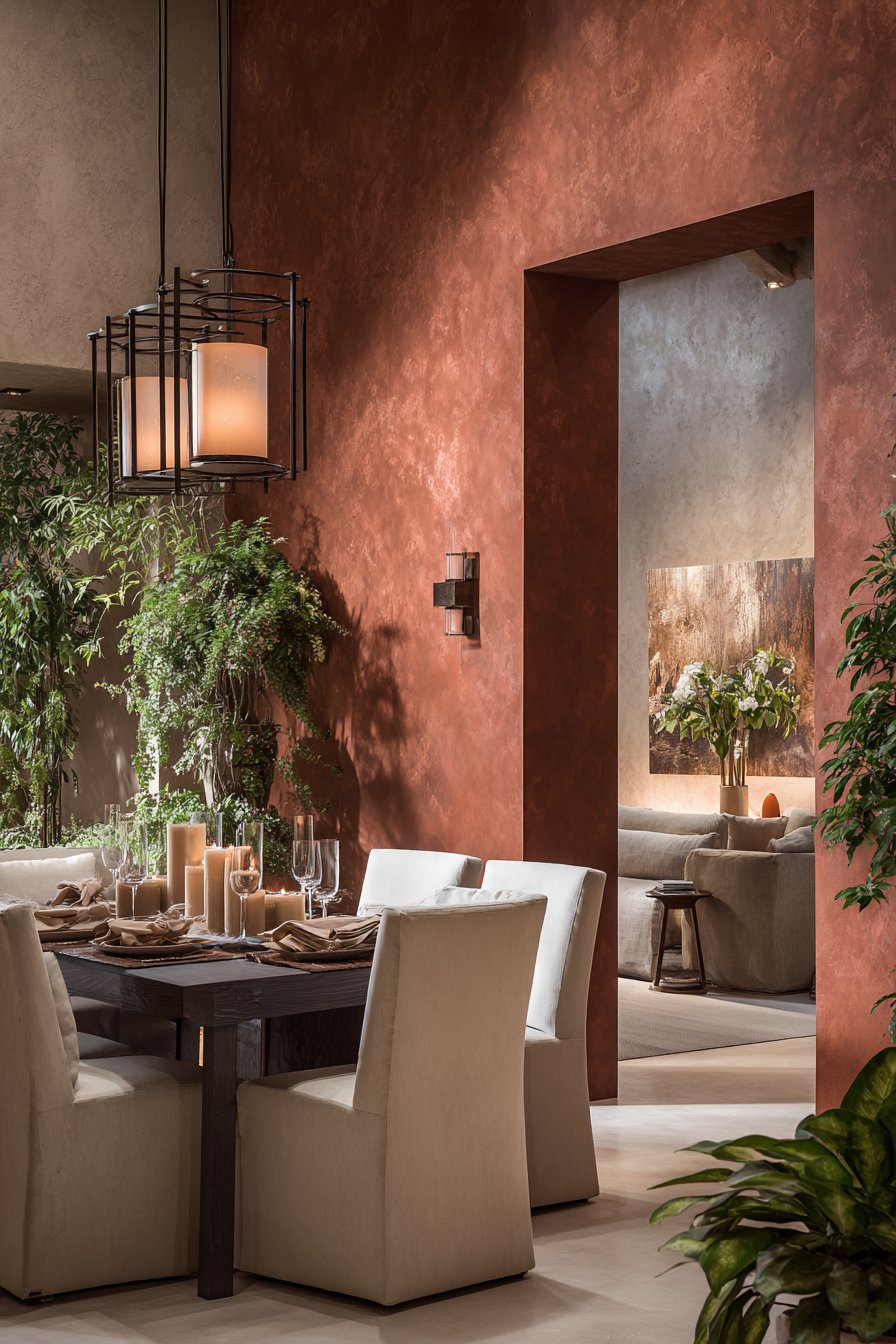
Don’t be afraid to go full room with terracotta walls. When all four walls are painted in this hue, the effect is immersive and luxurious — like being wrapped in warmth. Offset this with white trim, natural wood furniture, and plenty of greenery to keep the space feeling fresh rather than heavy.
- Test terracotta paint swatches at different times of day before committing
- Opt for limewash paint for an authentic, textured Mediterranean feel
- Pair terracotta walls with crisp white trim for a clean, modern contrast
- Use a slightly lighter terracotta on ceilings to envelop the room in warmth
- Incorporate large mirrors to reflect light and prevent the space from feeling small
- Consider terracotta wallpaper as a reversible, renter-friendly alternative
3. Terracotta Tiles: Floors, Kitchens, and Bathrooms
Long before terracotta became a paint color trend, it was literally underfoot. Terracotta floor tiles have been used for thousands of years across Southern Europe, Mexico, and North Africa — and they remain one of the most beautiful and durable flooring choices available today. Their return to modern interiors feels both nostalgic and entirely contemporary.
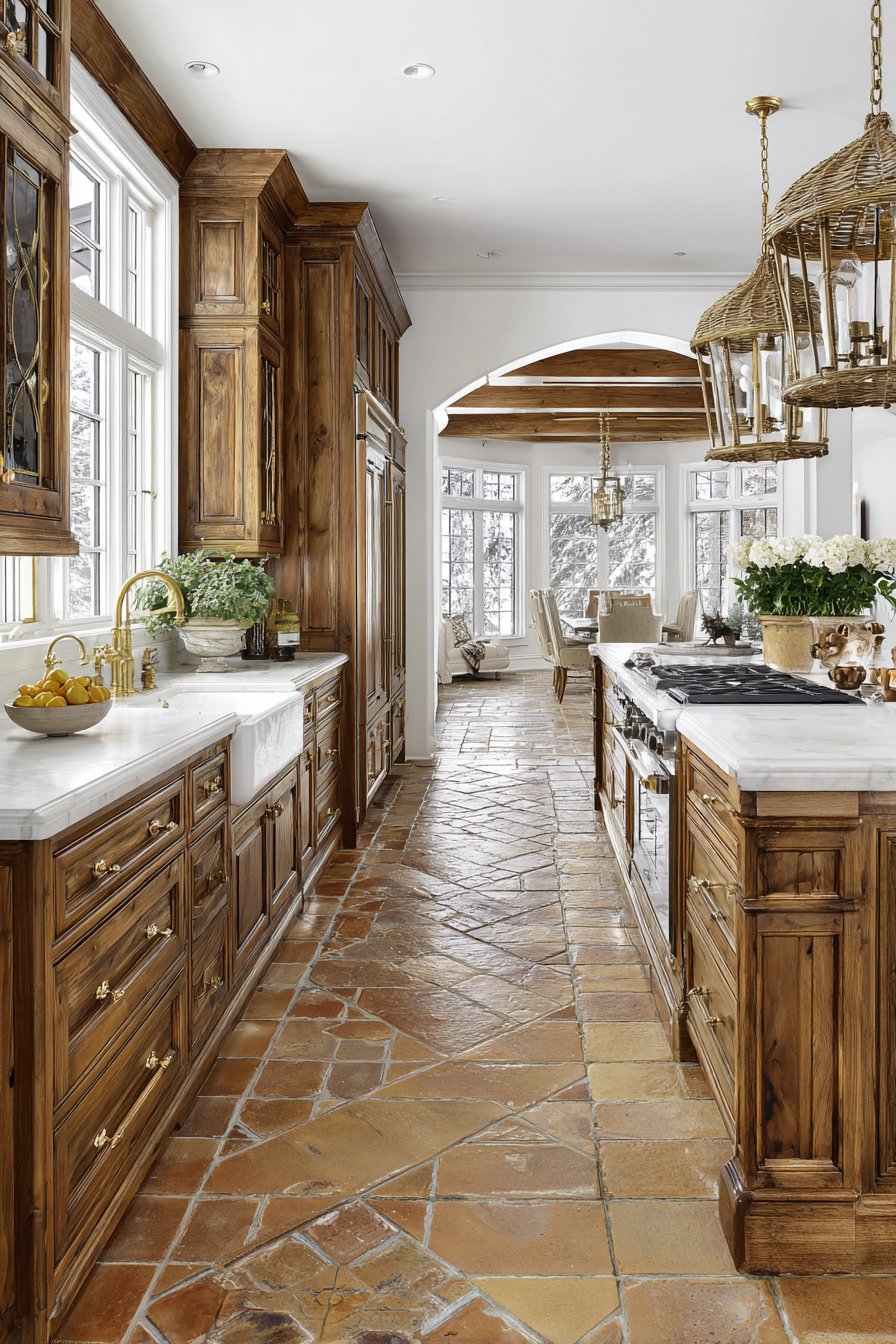
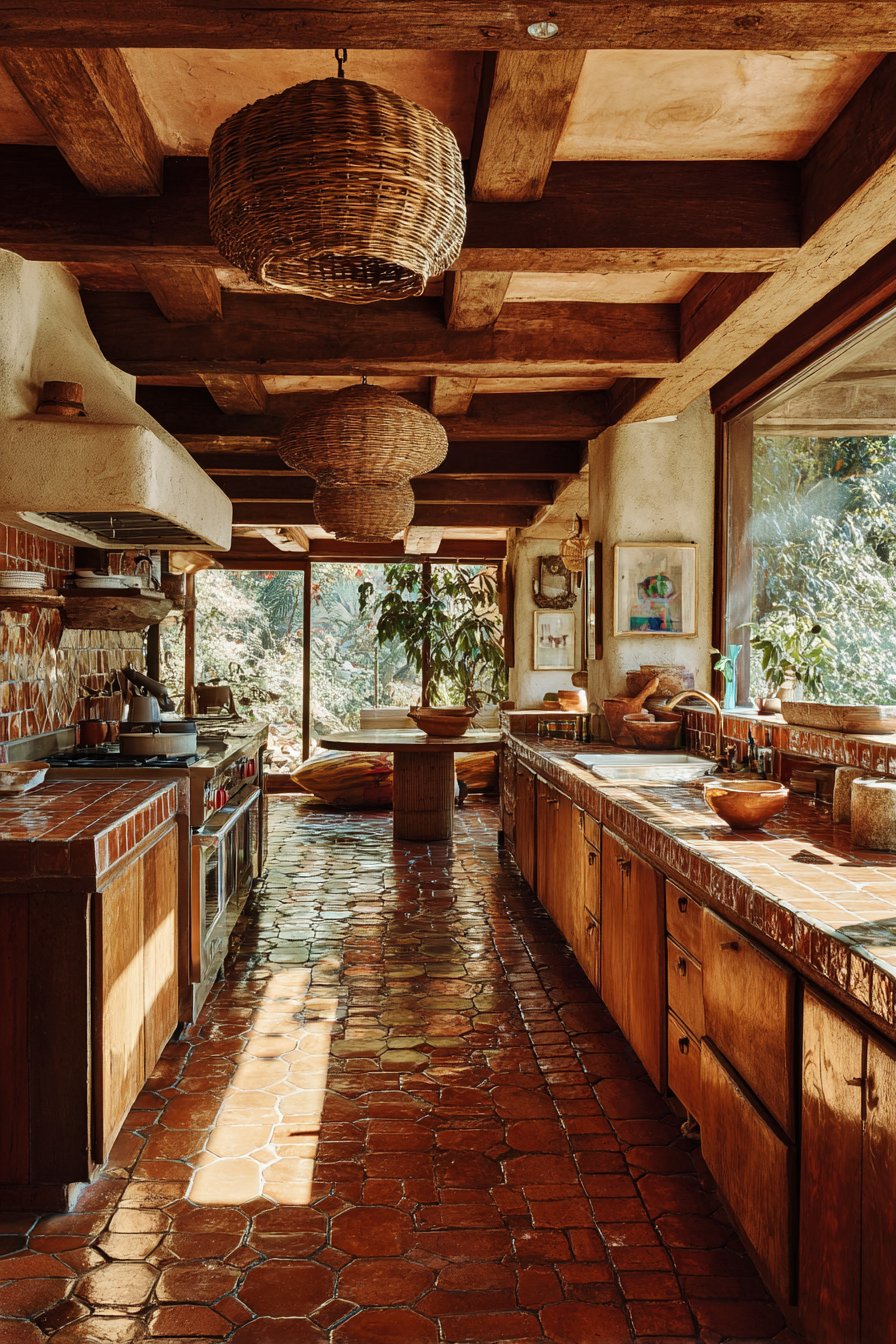
In kitchens, terracotta tiles bring organic texture and warmth to a space that can easily feel clinical. Whether used on the floor or as a backsplash, they introduce natural variation in tone and surface that no manufactured material can replicate. Pair them with warm wood cabinetry and matte brass fixtures for a cohesive, artisan aesthetic.
Bathrooms benefit enormously from terracotta tiles. The earthy richness of the color transforms a functional space into a spa-like retreat. Used in a wet room or as a feature wall, terracotta tiles paired with rattan accessories and indoor plants create a resort-inspired sanctuary. Seal tiles properly to protect them from moisture and maintain their deep, rich tone.
- Seal terracotta tiles thoroughly to protect against moisture and staining
- Mix terracotta tiles with white grout for a classic, high-contrast look
- Combine different terracotta tile shapes — hexagons, Zellige, and large-format — for visual interest
- Use terracotta tiles in entryways for a warm, welcoming first impression
- Layer terracotta floor tiles with natural fiber rugs to soften the look
- Source handmade tiles for authentic variation and artisan character
4. Styling Furniture and Soft Furnishings in Terracotta
You don’t have to commit to walls or tiles to bring terracotta into your home. Soft furnishings — cushions, throws, rugs, and curtains — offer a low-risk, high-impact entry point. A single terracotta linen cushion on a neutral sofa can shift the entire mood of a living room toward warmth and intentionality.
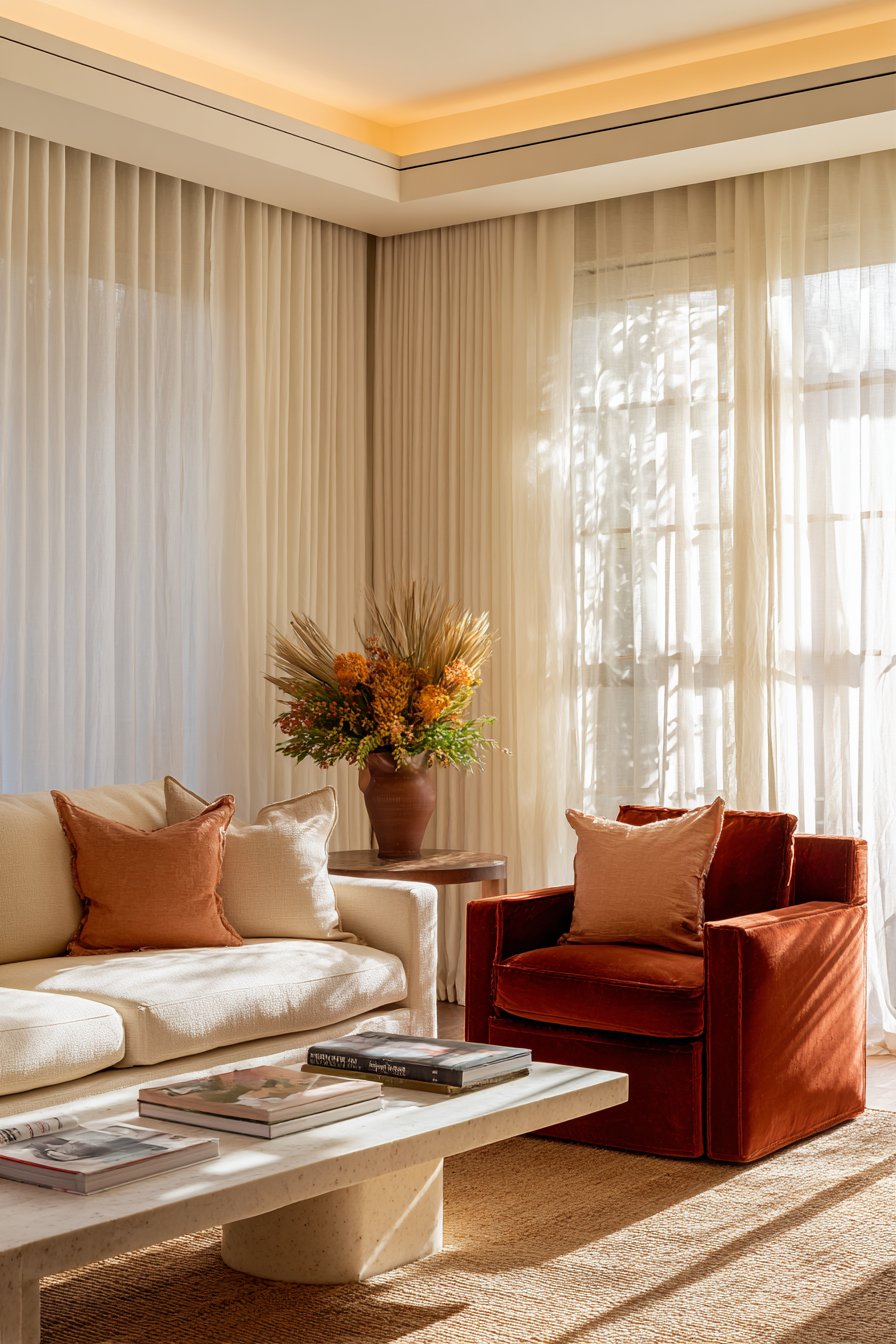
Upholstered furniture in terracotta is a bolder move, but one that pays off beautifully. A terracotta velvet armchair becomes an instant focal point. In living rooms dominated by neutral tones — beige, cream, or warm gray — this single piece of furniture anchors the space with color and personality without overwhelming it.
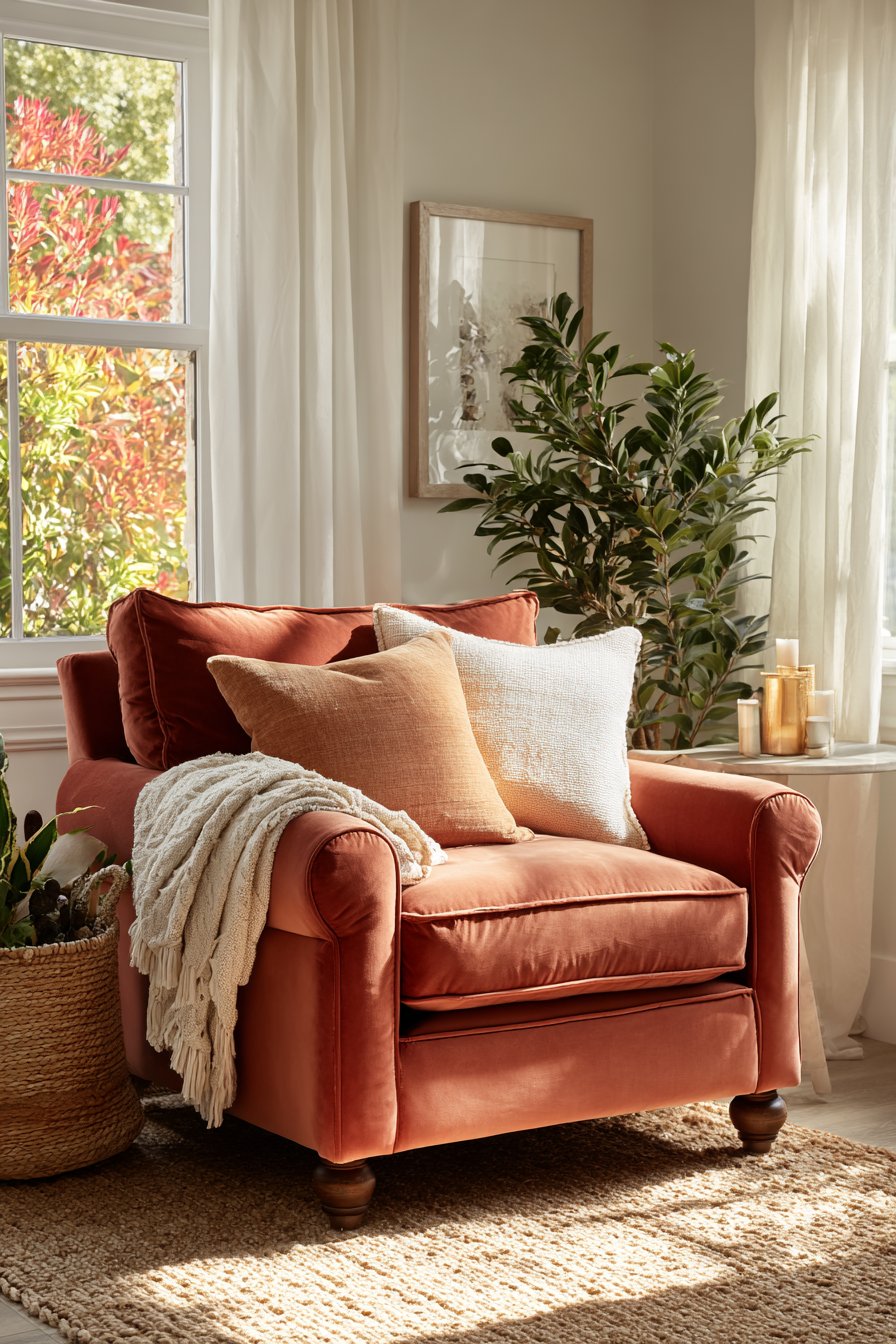
When layering textiles, think about tonal variation. A deep burnt sienna throw alongside a softer, peachy terracotta cushion creates dimension and prevents the look from appearing flat. Mix textures too — rough-woven linen with smooth velvet, or chunky knit with fine cotton — to keep the eye moving and the space feeling rich and considered.
- Introduce terracotta through cushions and throws before committing to larger pieces
- Choose velvet or linen upholstery in terracotta for maximum visual impact
- Layer terracotta tones from pale peach to deep burnt orange for depth
- Mix terracotta textiles with cream, sage green, or warm off-white for balance
- Select terracotta area rugs to anchor seating areas with warmth
- Swap out neutral curtains for terracotta linen panels for a dramatic change
5. Terracotta and Its Perfect Color Pairings
One of the reasons terracotta functions so well as a neutral is its extraordinary versatility with other colors. It doesn’t clash — it harmonizes. Understanding which hues pair best with terracotta will help you build a cohesive, beautiful palette throughout your home.
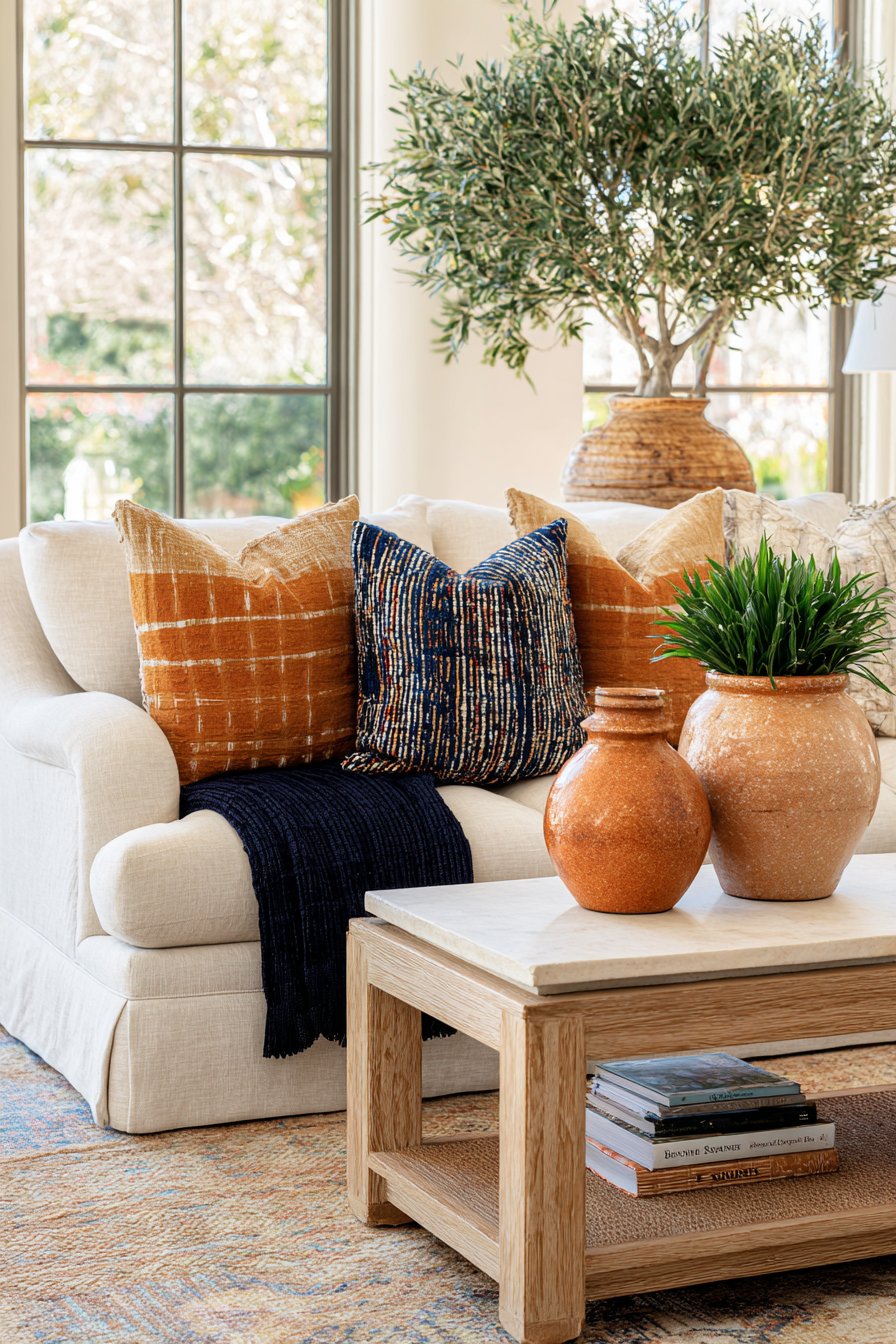
Sage green and terracotta is perhaps the most beloved pairing of the moment. These two earthy tones echo the colors of the natural landscape — sun-baked soil and wild herbs — creating an instantly calming, organic palette. Use sage for larger surfaces like walls or sofas, and terracotta as an accent through ceramics and textiles.
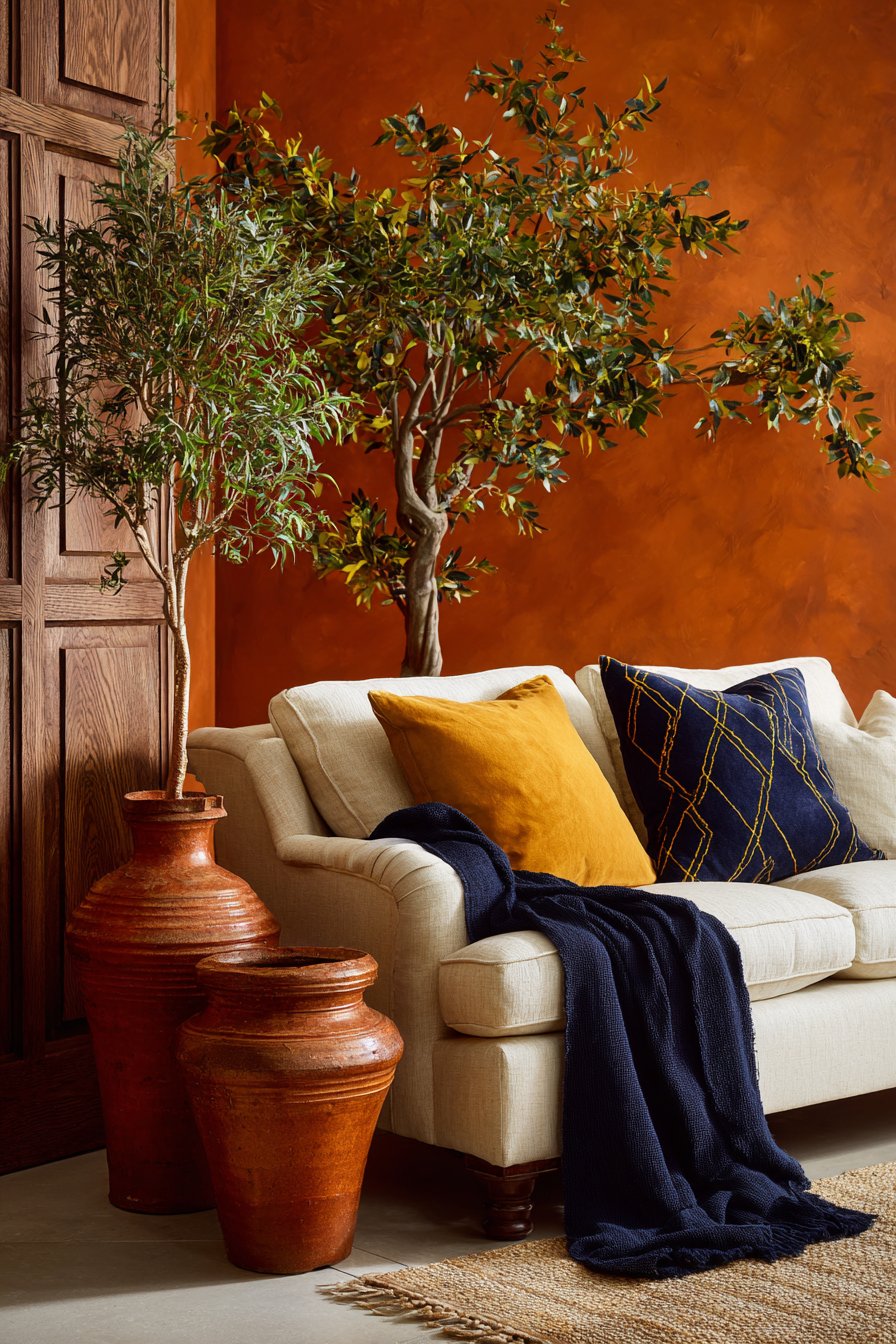
Terracotta also pairs beautifully with warm whites, cream, and sand tones, allowing it to breathe without competition. For a moodier look, combine terracotta with deep navy or forest green — the contrast is striking and sophisticated, giving interiors a sense of drama and depth that feels both modern and timeless.
- Pair terracotta with sage green for a naturally calming, organic palette
- Combine with warm cream and sand tones for a soft, sun-drenched aesthetic
- Use deep navy as a dramatic contrast to terracotta’s warmth
- Introduce mustard yellow as an analogous accent for an earthy, joyful palette
- Add warm blush pink for a feminine, romantic take on terracotta styling
- Ground terracotta palettes with chocolate brown, walnut, or espresso tones
6. Terracotta in Ceramics and Home Accessories
Ceramics are where terracotta first entered the home decor conversation — and they remain one of the easiest ways to try the trend. Handmade terracotta pots, vases, and bowls carry an artisan quality that instantly elevates a shelf or table arrangement. The slight imperfections in handmade ceramics make them feel authentic and alive.
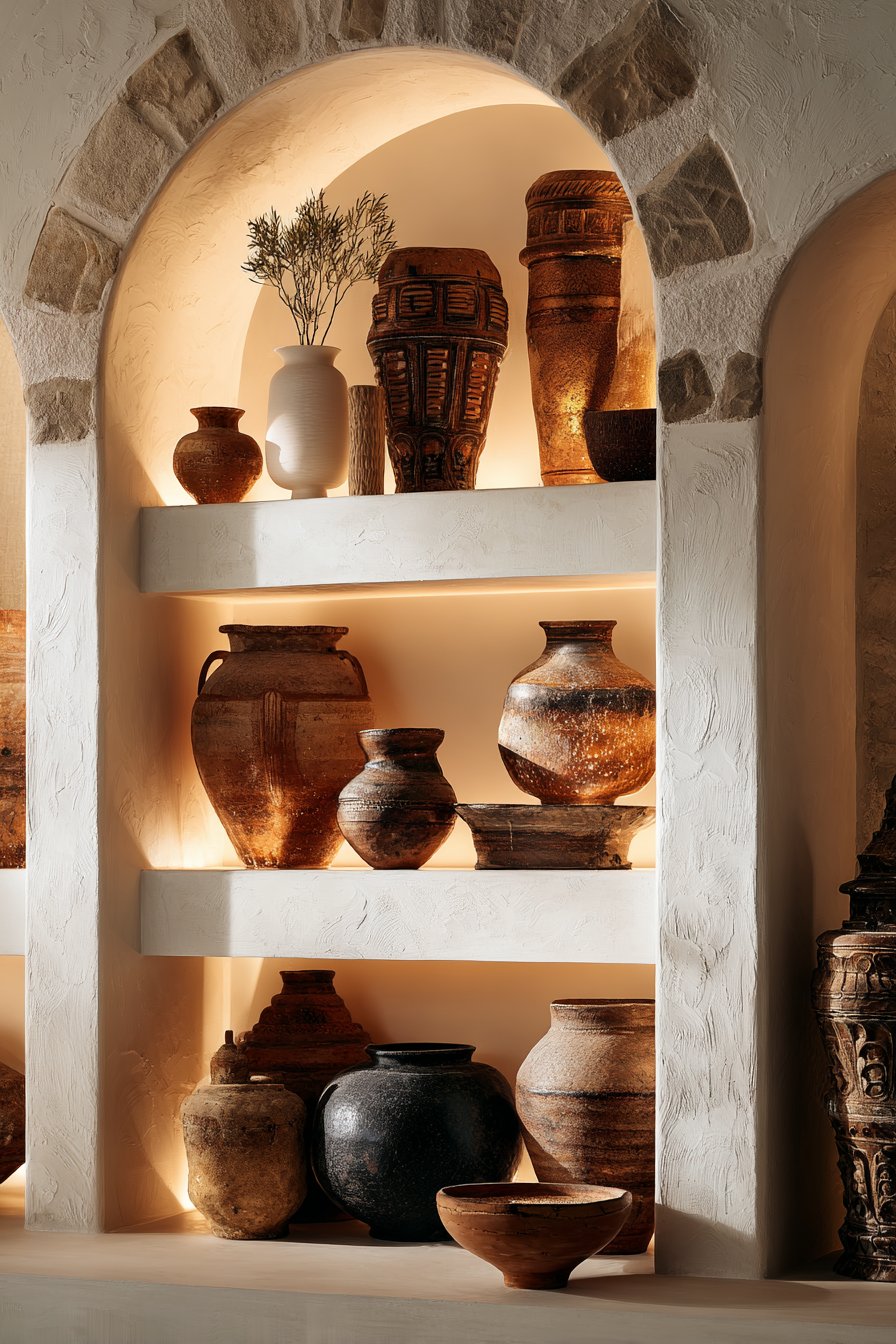
The beauty of terracotta ceramics is their inherent versatility. A simple terracotta pot on a windowsill works in a bohemian apartment, a Scandi-minimalist flat, or a traditional farmhouse kitchen. The form is clean enough to disappear into any context while still adding warmth and earthy richness.
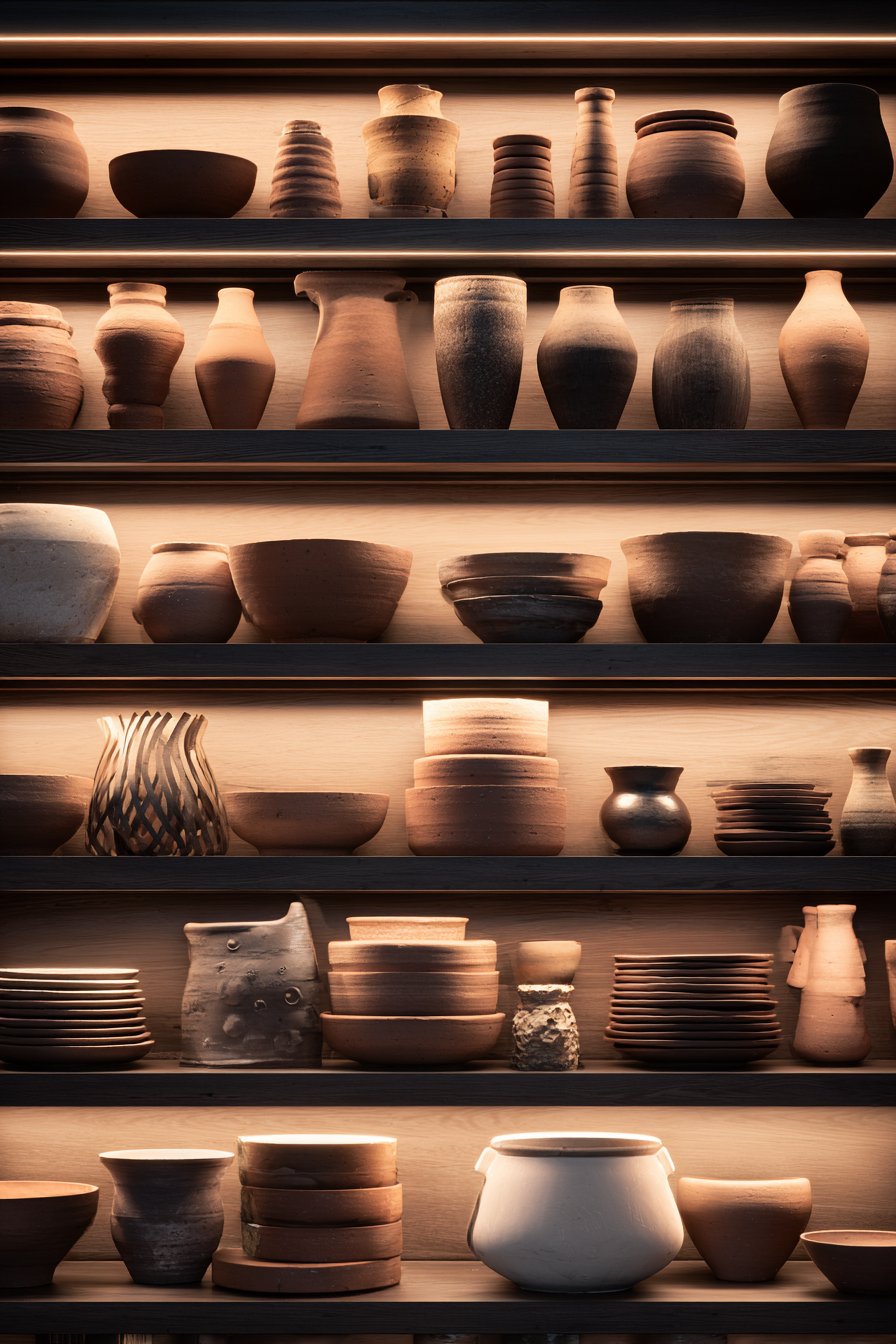
Beyond plant pots, look for terracotta in candle holders, serving dishes, decorative plates, and sculptural objects. Grouping terracotta pieces of different heights and sizes creates a collected, curated look that feels personal rather than staged. Mix them with darker stoneware and light-colored ceramics to build a layered, intentional display.
- Use terracotta plant pots as an effortless entry point into the trend
- Group ceramics in odd numbers — three or five — for a naturally pleasing arrangement
- Mix terracotta with white, black, and stoneware ceramics for contrast
- Look for handmade and artisan pieces for authentic texture and variation
- Place terracotta bowls and dishes in kitchens for everyday warmth
- Use terracotta candleholders to bring warmth to dining tables and mantlepieces
7. Terracotta Across Interior Design Styles
One of terracotta’s greatest strengths is that it doesn’t belong to just one design aesthetic. It transcends categories — appearing just as naturally in a minimalist Japandi interior as it does in a maximalist, bohemian space. This chameleonic quality is exactly what earns a color the title of “neutral.”
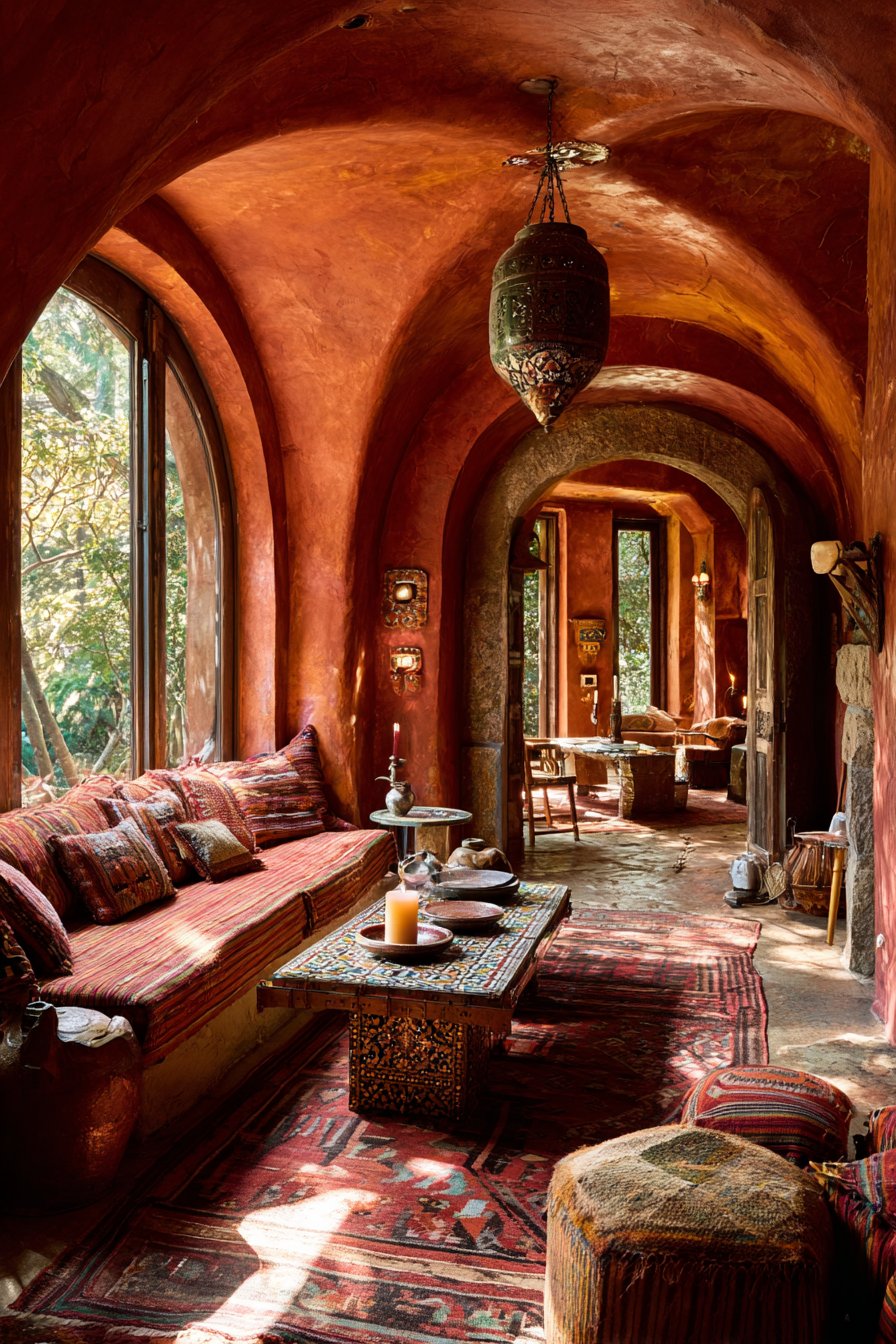
In Mediterranean and Moroccan-inspired interiors, terracotta is undeniably at home. Arched doorways, mosaic tiles, warm plaster walls, and hand-knotted rugs in terracotta tones create an immersive, sensory-rich environment. The color feels inherited here — as though it grew from the landscape itself.
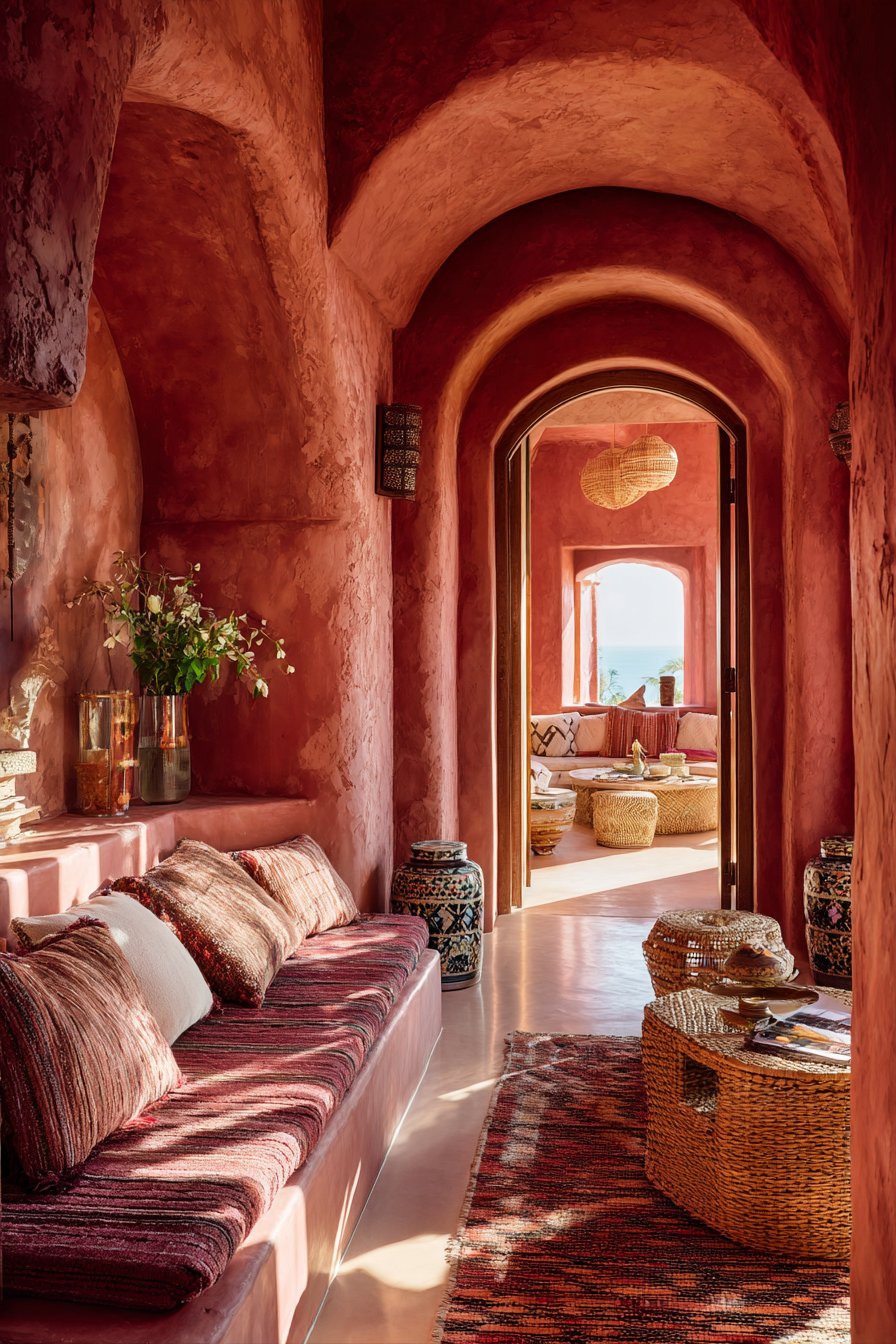
In contemporary and transitional spaces, terracotta operates differently. Used as a single accent wall or a key upholstery color against clean lines and neutral backgrounds, it adds warmth without nostalgia. It modernizes without losing its soul — which is why designers across styles continue to reach for it season after season.
- Apply terracotta to arched alcoves and niches for a Mediterranean touch
- Use terracotta in Japandi interiors through ceramics and natural linen textiles
- Combine terracotta with rattan and macramé for a bohemian living room
- Incorporate terracotta in Scandinavian spaces through cozy throw blankets
- Use in farmhouse interiors through terracotta tile floors and exposed brick walls
- Blend terracotta with modern furniture profiles for a contemporary earthy aesthetic
8. Terracotta in Outdoor and Garden Spaces
Terracotta’s origins are rooted in the garden, and its revival indoors has spilled beautifully back outside. Garden pots in terracotta have always been a classic — but now the color is showing up in outdoor furniture, cushion fabrics, and even exterior wall paint, bridging the boundary between inside and outside.
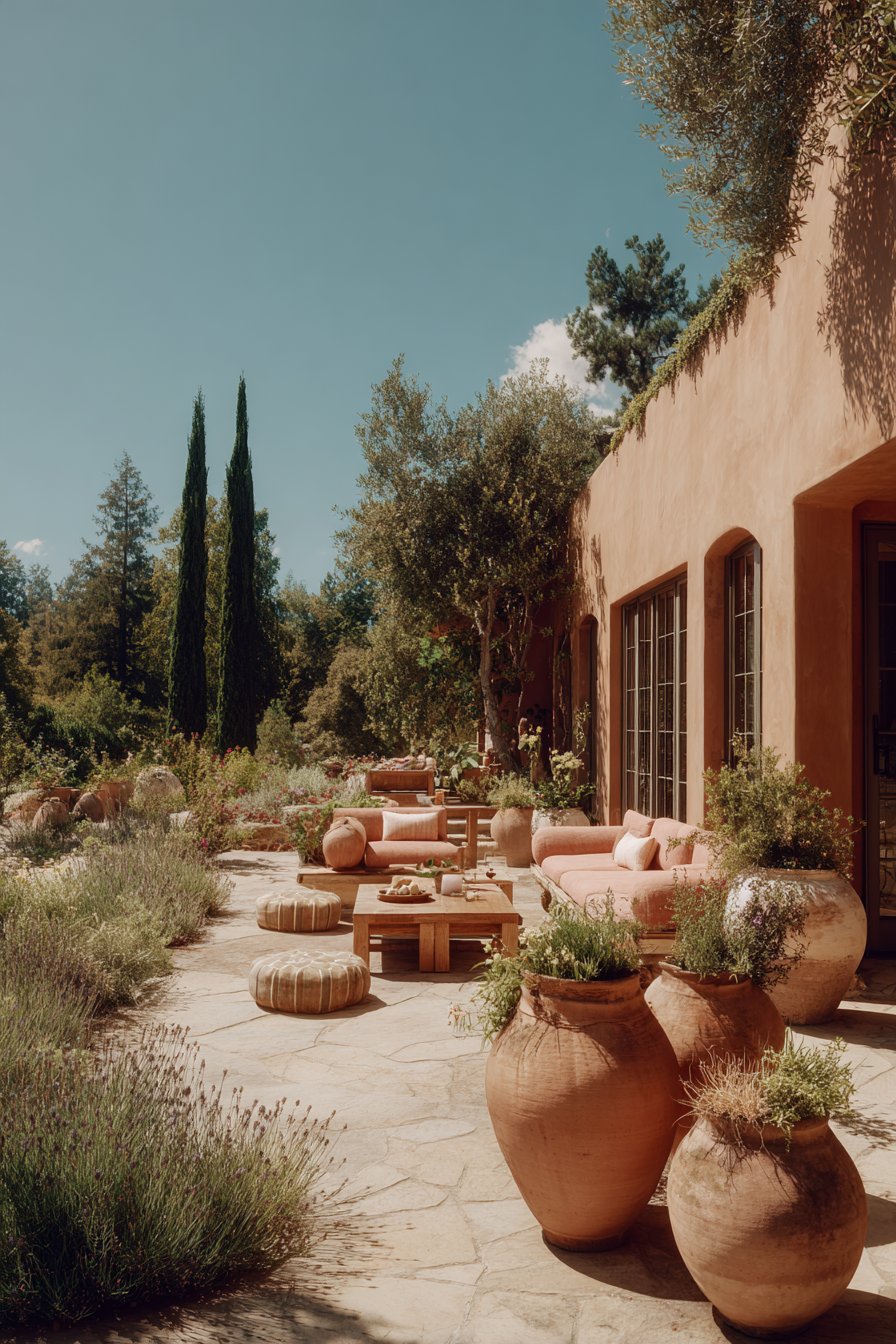
Terracotta garden pots remain unmatched for growing herbs, succulents, and trailing plants. The porous nature of the material allows soil to breathe, promoting healthier root systems. Arranged on a patio or staircase, a collection of terracotta pots in varying sizes creates a relaxed, Mediterranean-inspired outdoor living space.
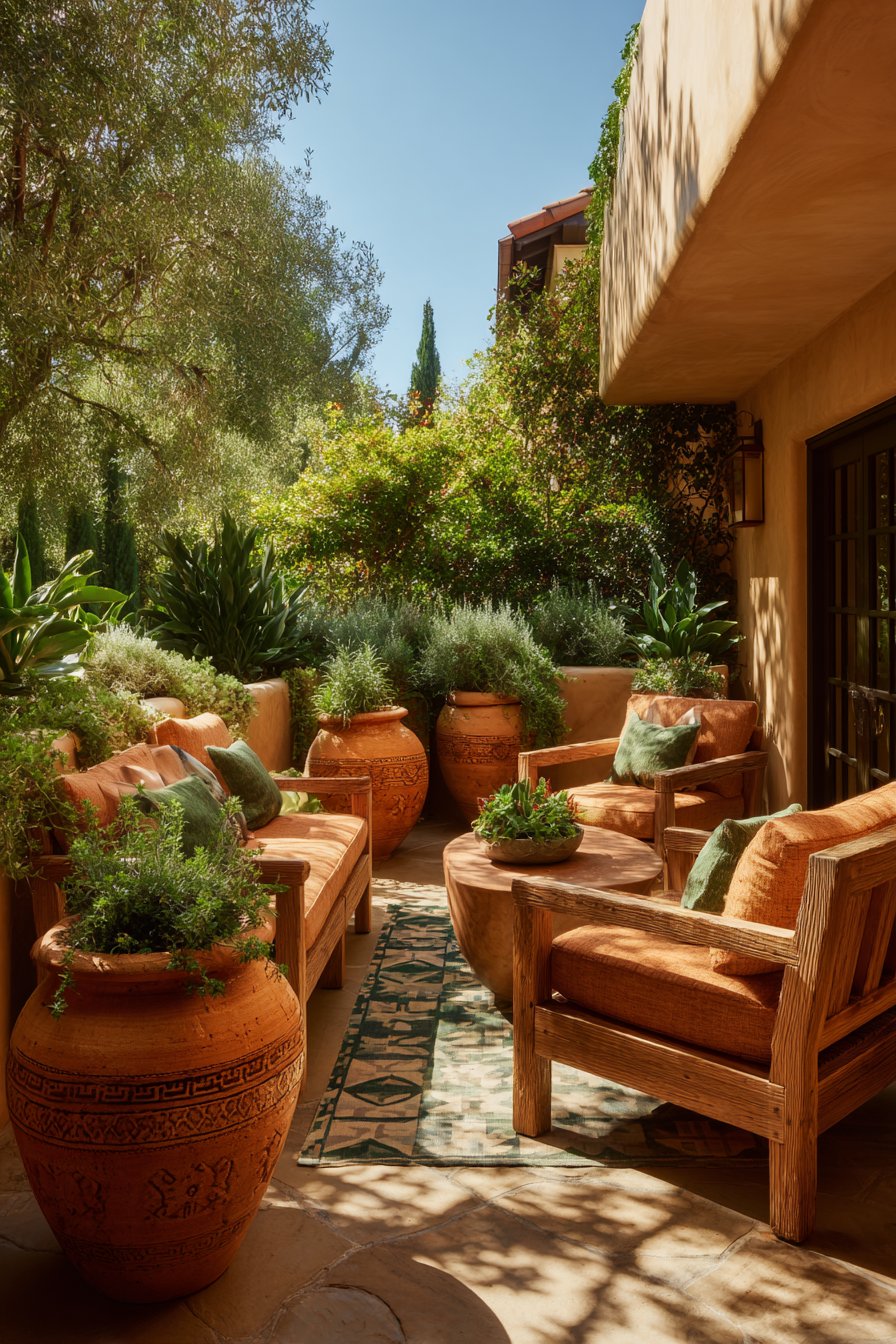
For covered terraces and outdoor rooms, terracotta cushion fabrics and rugs designed for exterior use extend the warm palette beyond the interior threshold. Paired with timber furniture and plenty of green plants, the result feels like a seamless extension of a warm, nature-inspired home.
- Use terracotta pots of varying sizes to create a layered, abundant garden display
- Choose porous terracotta for herbs and succulents that prefer well-drained soil
- Paint garden walls or rendered fences in terracotta for a bold exterior statement
- Select outdoor-rated terracotta fabrics for cushions and rugs on covered terraces
- Seal outdoor terracotta pots to protect them from frost and weather damage
- Combine terracotta pots with lush green trailing plants for maximum visual contrast
9. Terracotta Lighting and Its Effect on Color
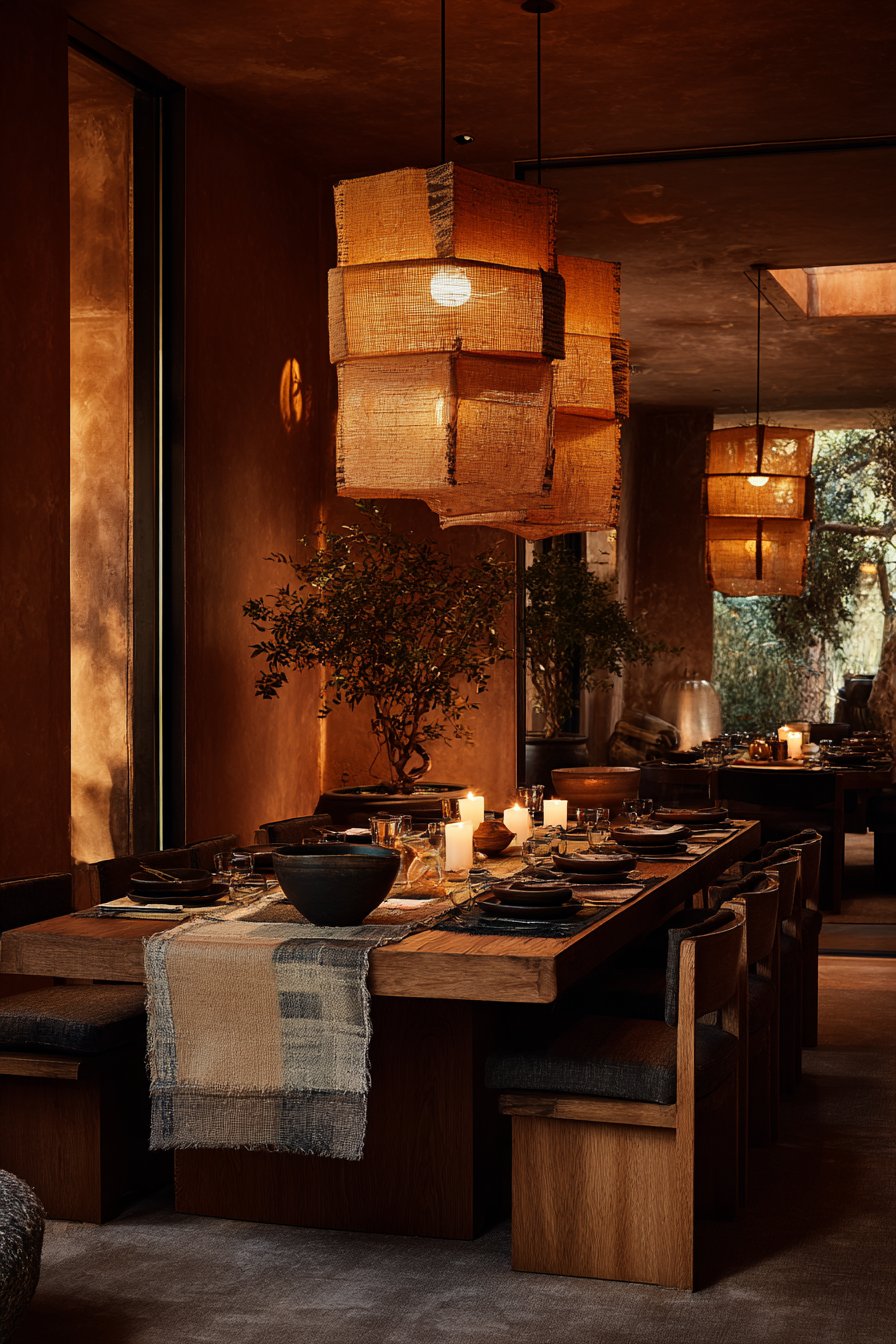
Lighting dramatically affects how terracotta reads in a space — and understanding this relationship is key to getting the look right. In warm, incandescent or Edison bulb light, terracotta deepens and glows, becoming richer and more enveloping. This is why terracotta rooms feel so magical in the evening.
In bright natural daylight, terracotta can appear lighter and more peachy. Rooms with north-facing windows may find terracotta looking slightly flat or cold — choosing a version with deeper, brown undertones can counteract this. South-facing rooms, on the other hand, allow terracotta to sing at its best throughout the day.
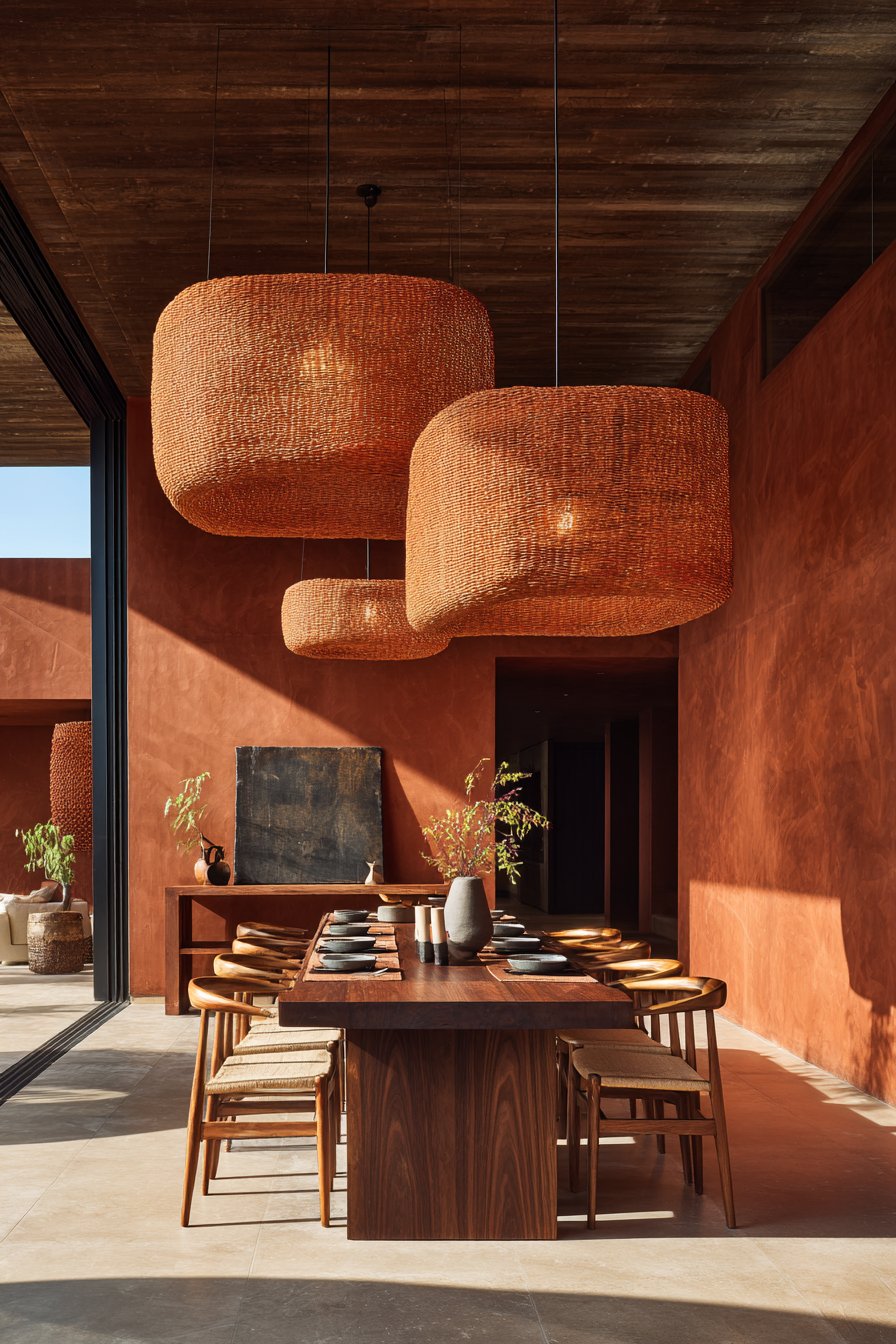
Terracotta also makes a beautiful choice for lamp shades and pendant covers. A terracotta-toned paper or ceramic pendant casts a warm, amber-toned light that flatters skin tones and creates an intimate, restaurant-quality atmosphere in dining rooms and bedrooms.
- Always test terracotta paint or fabric swatches under your room’s specific lighting conditions
- Use warm-toned bulbs (2700K–3000K) to enhance terracotta’s natural warmth
- In north-facing rooms, choose deeper, clay-toned terracottas over peachy versions
- Install dimmer switches to allow terracotta walls to glow beautifully in evenings
- Try terracotta lampshades for a warm, flattering ambient light quality
- Layer multiple light sources — floor lamps, pendants, candles — to show off terracotta at its best
10. Sustainable and Natural Appeal of Terracotta
In an era of growing environmental consciousness, terracotta resonates deeply because of its inherent sustainability. Terracotta is made from natural clay — a renewable, widely available resource. It requires relatively low energy to produce compared to many synthetic materials, and it is fully biodegradable at the end of its life.
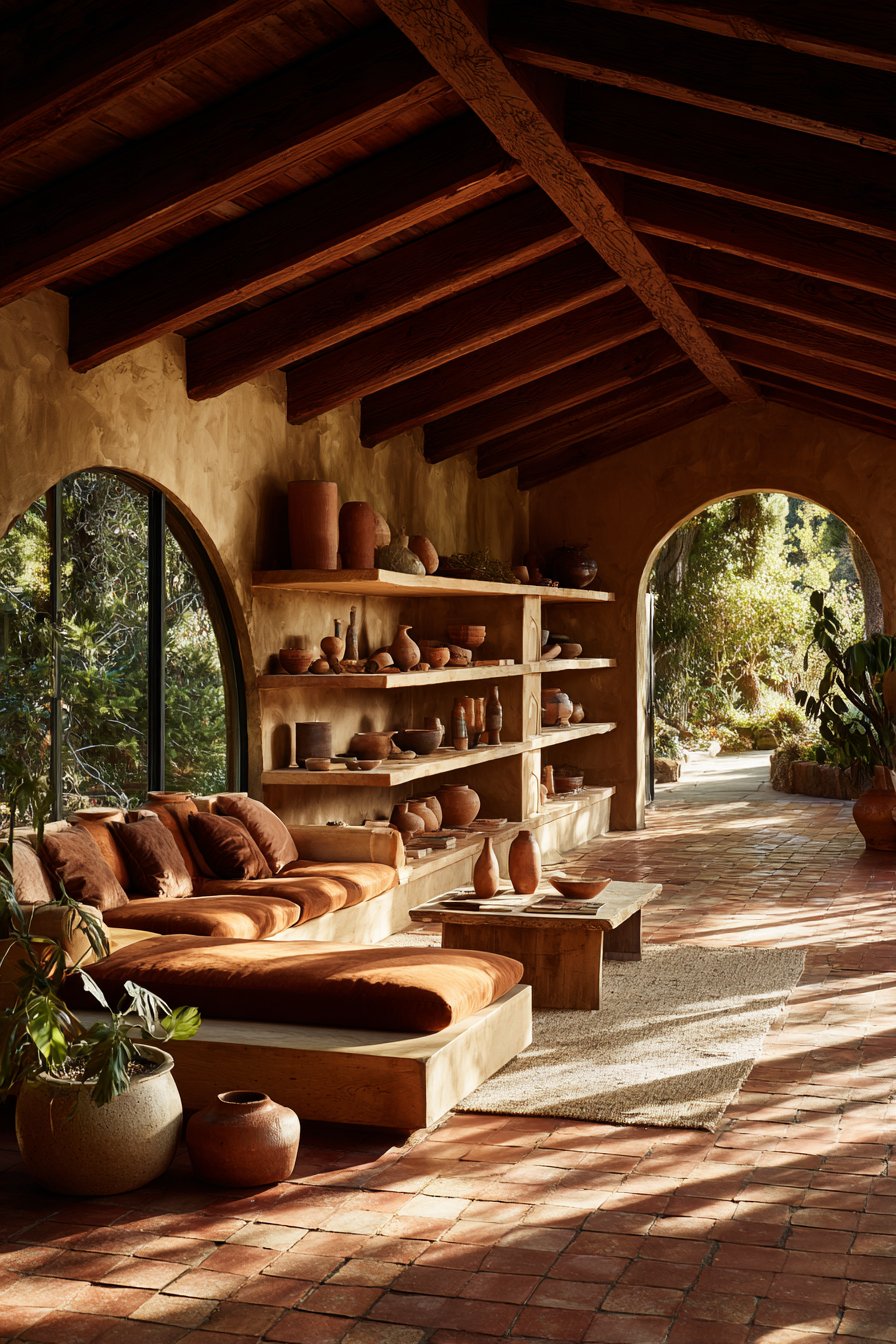
The longevity of terracotta materials also contributes to their sustainability credentials. Terracotta tiles and ceramics can last for centuries when properly maintained — as evidenced by ancient buildings across Italy, Spain, and Turkey where original terracotta roofs and floors remain intact thousands of years later. Choosing terracotta is choosing durability over disposability.
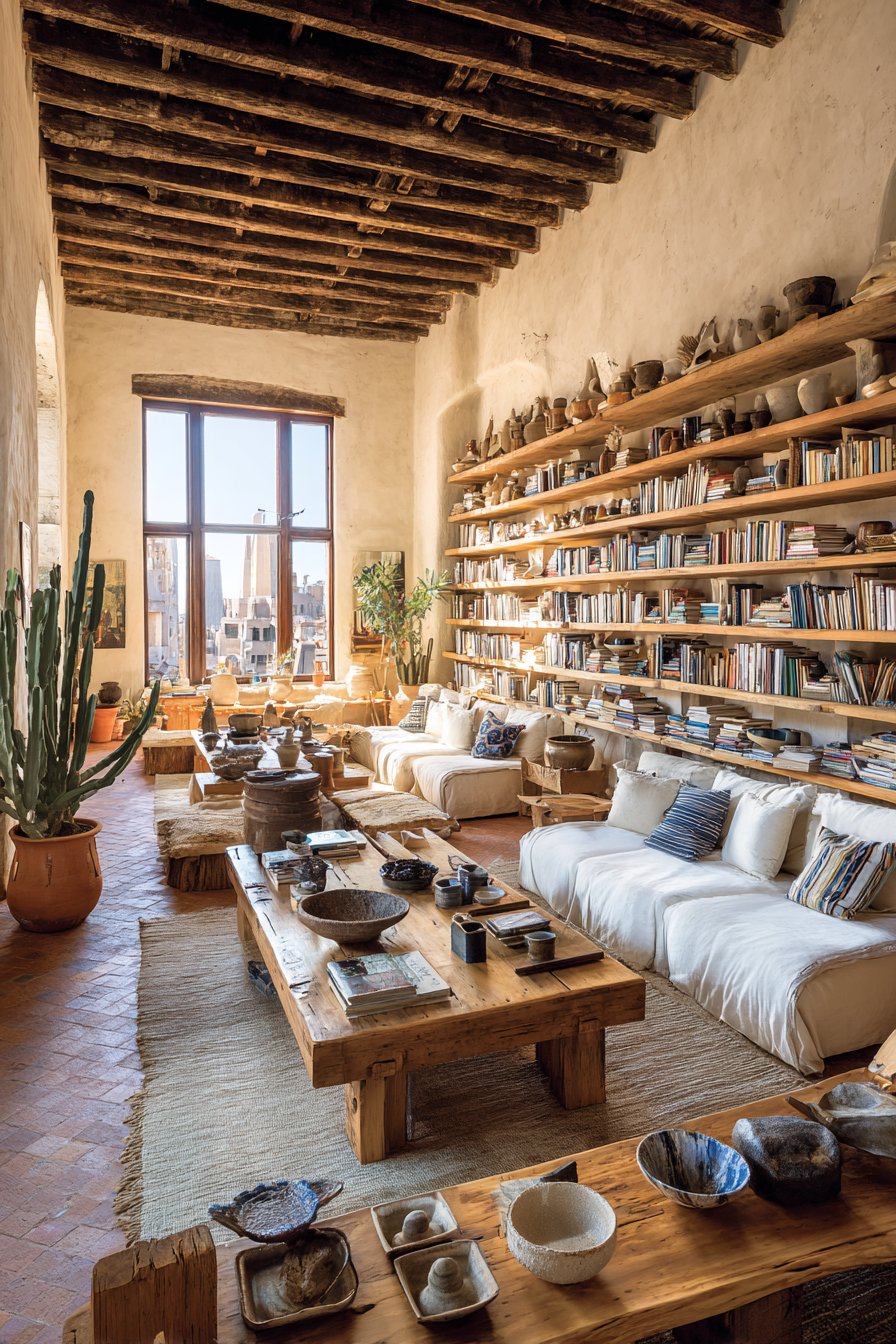
As a color in paints and textiles, terracotta sits comfortably within the natural, earth-tone palette that many sustainable brands are gravitating toward. It pairs naturally with other eco-conscious choices — natural fibers, reclaimed wood, and low-VOC paints — making it a perfect foundation for a home designed with both beauty and responsibility in mind.
- Choose unglazed terracotta tiles for the most natural, breathable flooring option
- Source terracotta ceramics from local or regional artisans to reduce transportation impact
- Pair terracotta with natural, organic-certified textiles like linen and hemp
- Select terracotta paint from brands using low-VOC or zero-VOC formulas
- Invest in quality terracotta pieces that will last for decades, avoiding fast-decor waste
- Repair and restore antique terracotta tiles rather than replacing with synthetic alternatives
Conclusion
Terracotta’s rise to neutral status is no accident. It’s a color that carries history, warmth, psychological comfort, and extraordinary versatility — earning its place in every room, every style, and every season. From painted walls to handmade ceramics, from floor tiles to soft furnishings, terracotta adapts beautifully to suit your home and your vision.
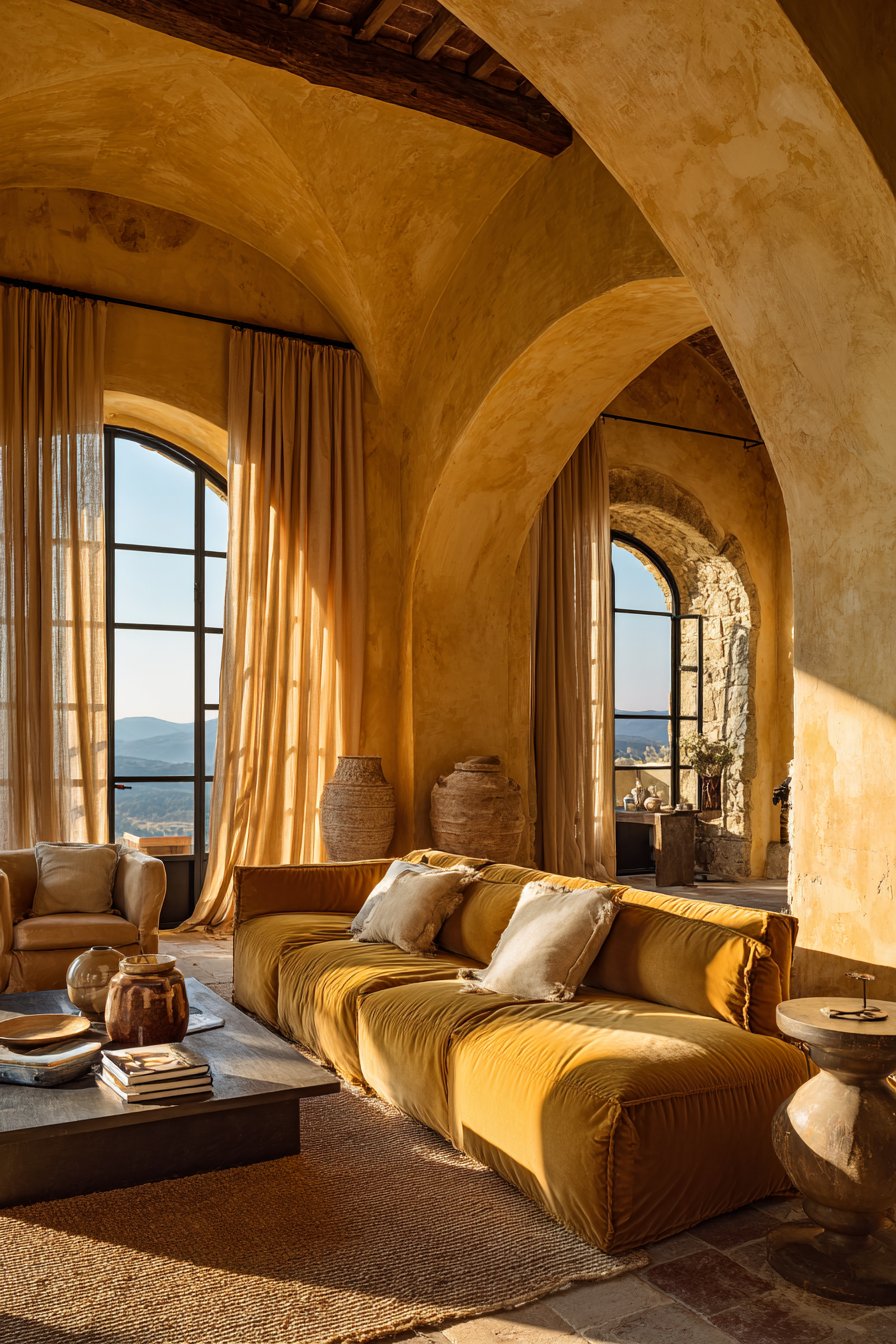
The best part? You don’t need to commit to a complete transformation. Start small with a single ceramic pot or a terracotta cushion, and let the color earn its place in your space. Once you see how it warms and elevates everything around it, you’ll understand why designers and homeowners everywhere are saying the same thing: terracotta is the new neutral — and it’s here to stay. Embrace it boldly, layer it thoughtfully, and let it bring the warmth your home deserves.
