


Creating an organized and functional tiny bedroom can feel overwhelming, especially when every square inch matters. Many people make critical errors that actually reduce available space rather than maximize it. Understanding these common mistakes helps transform cramped quarters into serene, efficient retreats. Whether you live in a studio apartment or simply have a cozy bedroom, avoiding these pitfalls makes all the difference.
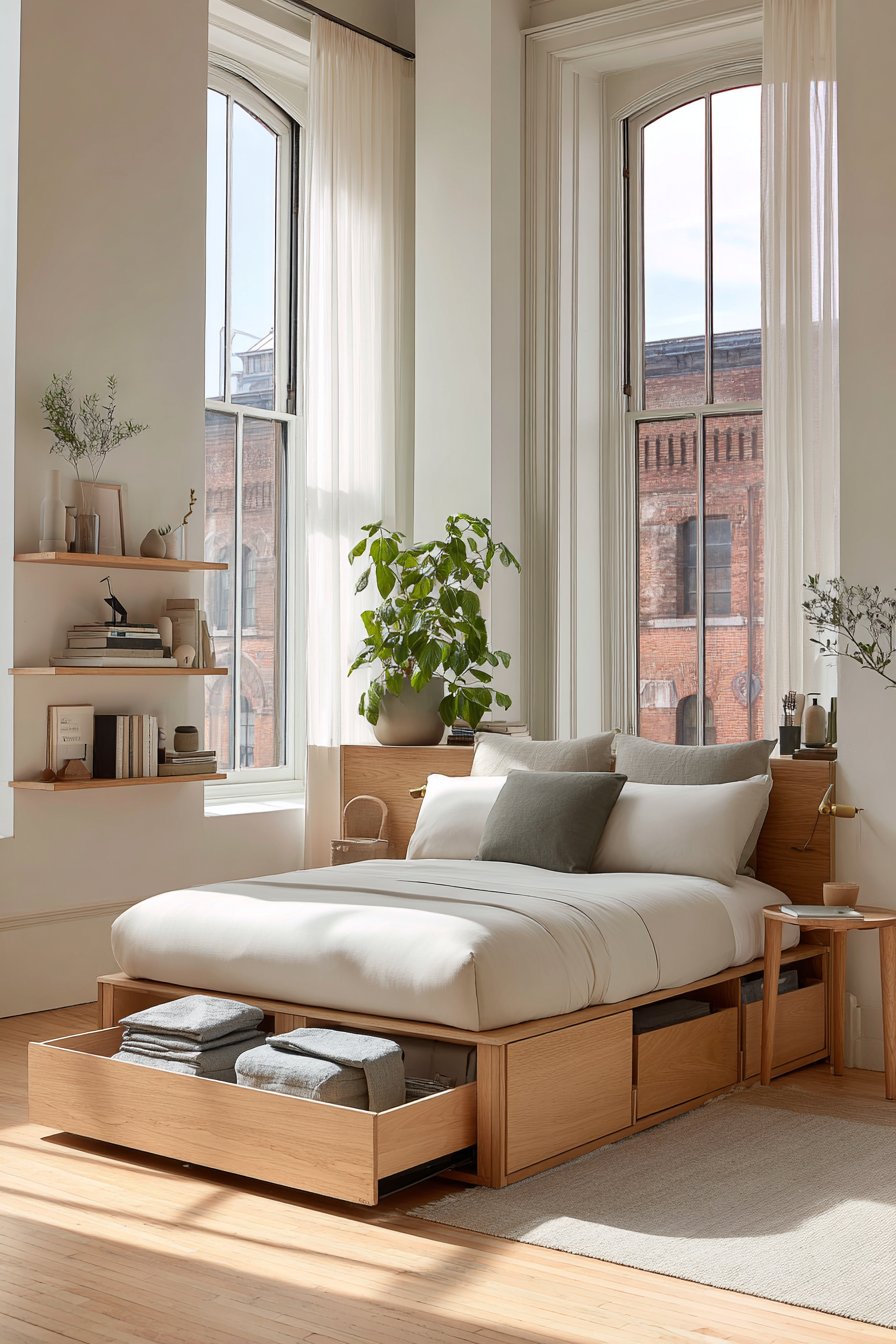
Small bedroom organization isn’t just about storage solutions. It’s about strategic thinking and intentional design choices that create harmony between aesthetics and functionality. The right approach turns limitations into opportunities, allowing your personality to shine through without sacrificing practicality. Let’s explore the most frequent mistakes people make and discover how to sidestep them entirely.
1. Ignoring Vertical Space Potential
One of the biggest mistakes in tiny bedroom organization involves leaving vertical space untapped. Most people focus exclusively on floor-level storage, missing valuable opportunities above eye level. Wall space from waist height to ceiling offers tremendous potential for storage without consuming precious floor area. This oversight creates cluttered surfaces and wasted cubic footage that could house your belongings efficiently.
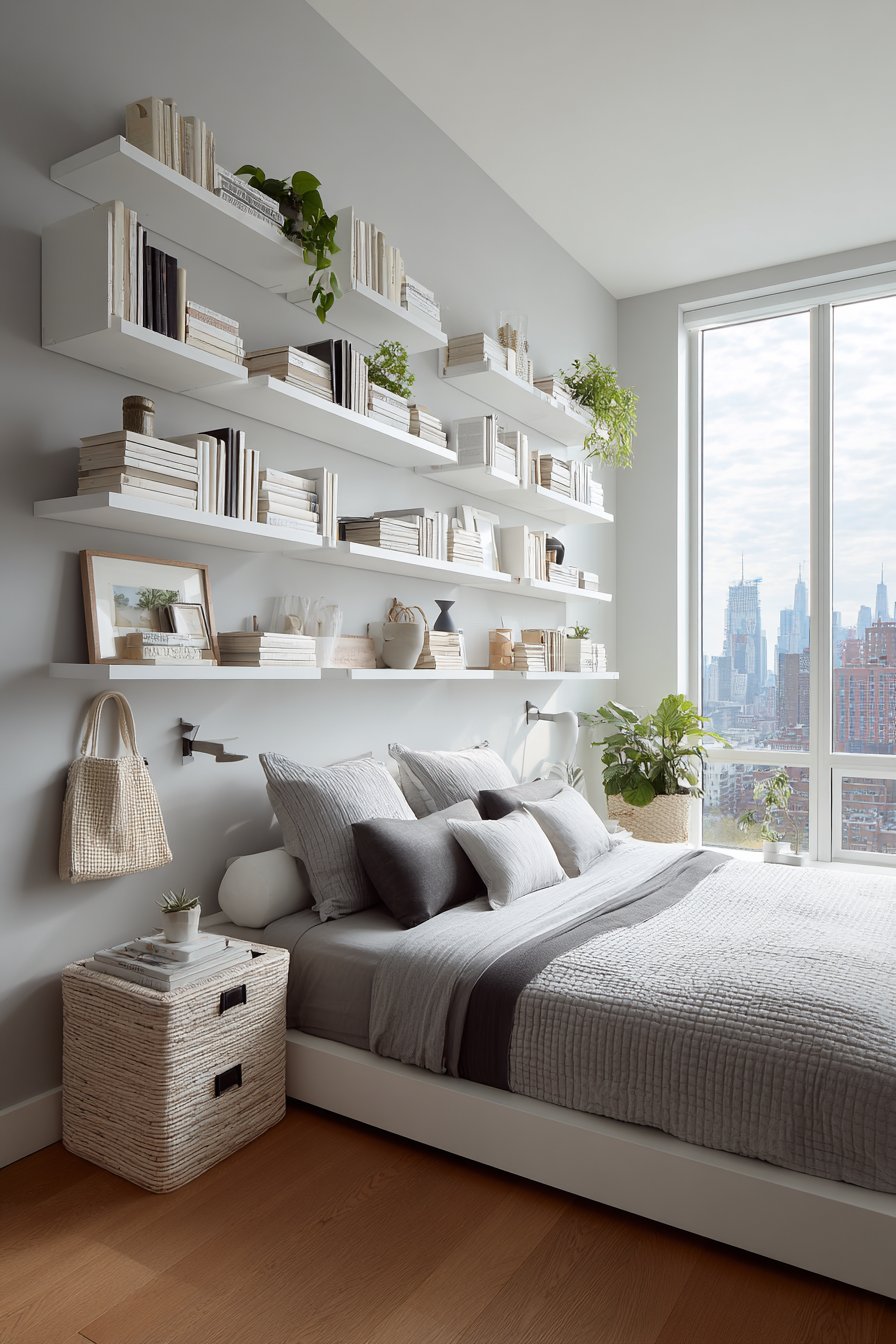
The key to maximizing vertical space lies in strategic installation of shelving, hooks, and wall-mounted organizers. Think beyond traditional furniture arrangements and consider how walls can work harder for you. Floating shelves near the ceiling store seasonal items, while mid-level hooks hold everyday accessories. Installing floor-to-ceiling storage units provides maximum capacity without overwhelming the room’s footprint.

Consider the visual flow when adding vertical elements to maintain an open, airy feeling. Graduated shelf heights create interest while serving practical purposes. Wall-mounted bedside tables free up floor space entirely, making cleaning easier and the room feel larger.
- Install floating shelves 12-18 inches from the ceiling for rarely used items
- Use wall-mounted hooks behind doors for bags, scarves, and accessories
- Add tall, narrow bookcases that reach ceiling height for maximum storage
- Mount your television on the wall to eliminate bulky entertainment centers
- Consider fold-down desks or Murphy beds for multi-functional spaces
- Use over-door organizers for shoes, toiletries, or small accessories
2. Choosing Oversized Furniture Pieces
Selecting furniture that’s too large for your space ranks among the most damaging organization mistakes. Oversized beds, dressers, and chairs consume valuable floor area and create navigation challenges. Many people purchase standard-sized furniture without measuring their rooms first, leading to cramped, uncomfortable spaces. The result is a bedroom that feels claustrophobic rather than cozy.

Scale-appropriate furniture transforms tiny bedrooms into functional havens. A full-size bed might serve better than a queen in rooms under 100 square feet. Streamlined dressers with shallow depths provide storage without jutting into walkways. Armless chairs or compact seating options maintain comfort without bulk.

Smart furniture shopping requires careful measurement and visualization before purchasing. Measure your room’s dimensions, doorways, and pathways to ensure new pieces fit comfortably. Leave at least 24-30 inches of clearance around the bed for easy movement. Consider furniture with exposed legs rather than solid bases—they create visual lightness and make spaces feel larger.
- Measure your room and create a scale drawing before furniture shopping
- Choose beds with built-in storage drawers to eliminate extra dressers
- Select nightstands no wider than 20 inches for compact bedrooms
- Opt for furniture with slim profiles and raised legs
- Consider nesting tables that tuck away when not needed
- Use multi-purpose ottomans that provide seating and storage simultaneously
3. Neglecting Under-Bed Storage Opportunities
The space beneath your bed represents prime real estate that many people completely ignore. This area can hold several cubic feet of belongings, yet it often collects dust bunnies instead of organized storage containers. Failing to utilize under-bed space forces you to find alternative storage locations, adding clutter to visible areas. This mistake is particularly costly in tiny bedrooms where every storage opportunity counts.
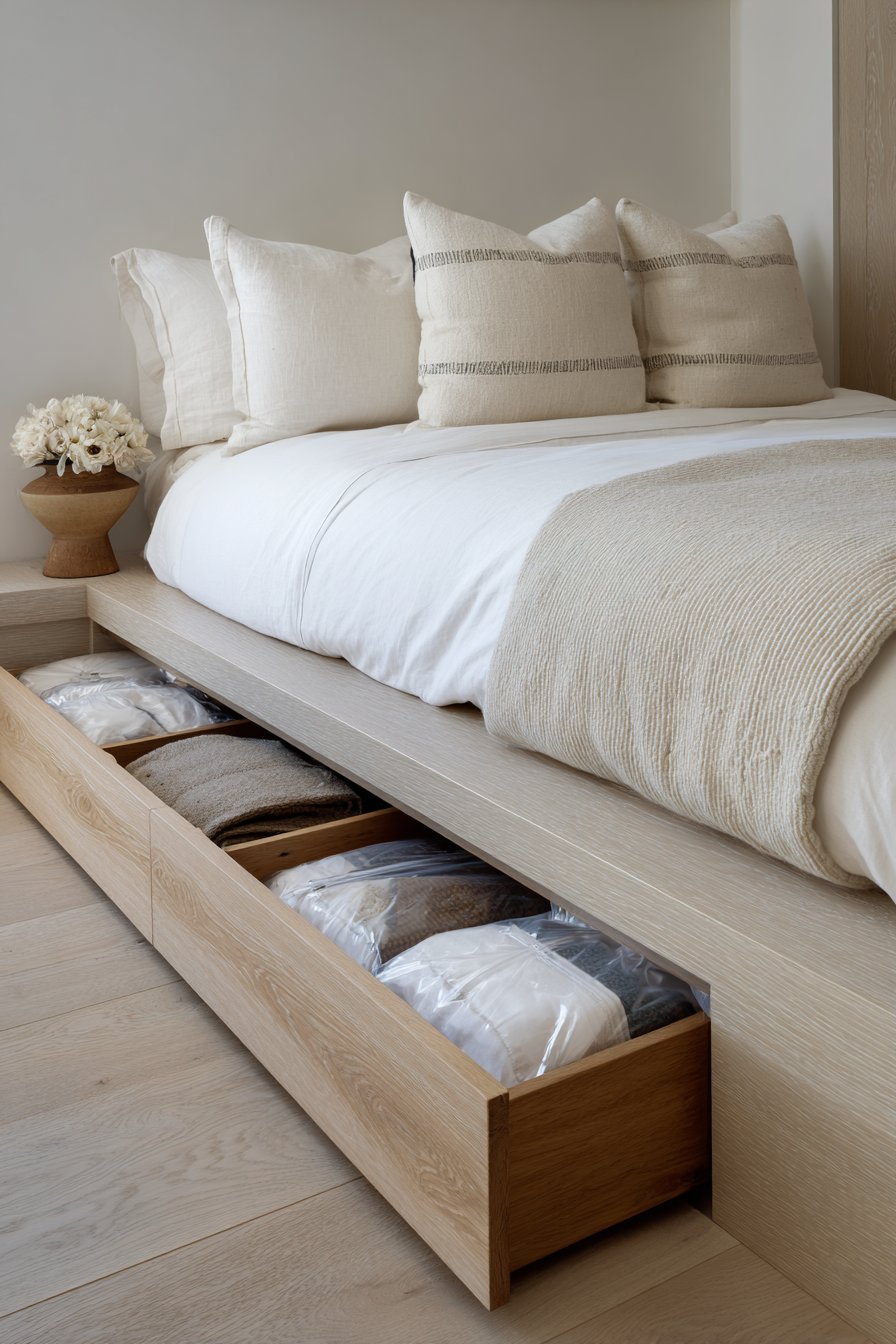
Effective under-bed storage requires the right containers and systematic organization. Flat, wheeled bins slide easily for access while protecting contents from dust. Clear containers let you identify contents quickly without opening every box. This hidden storage works perfectly for seasonal clothing, extra bedding, shoes, or items used infrequently.

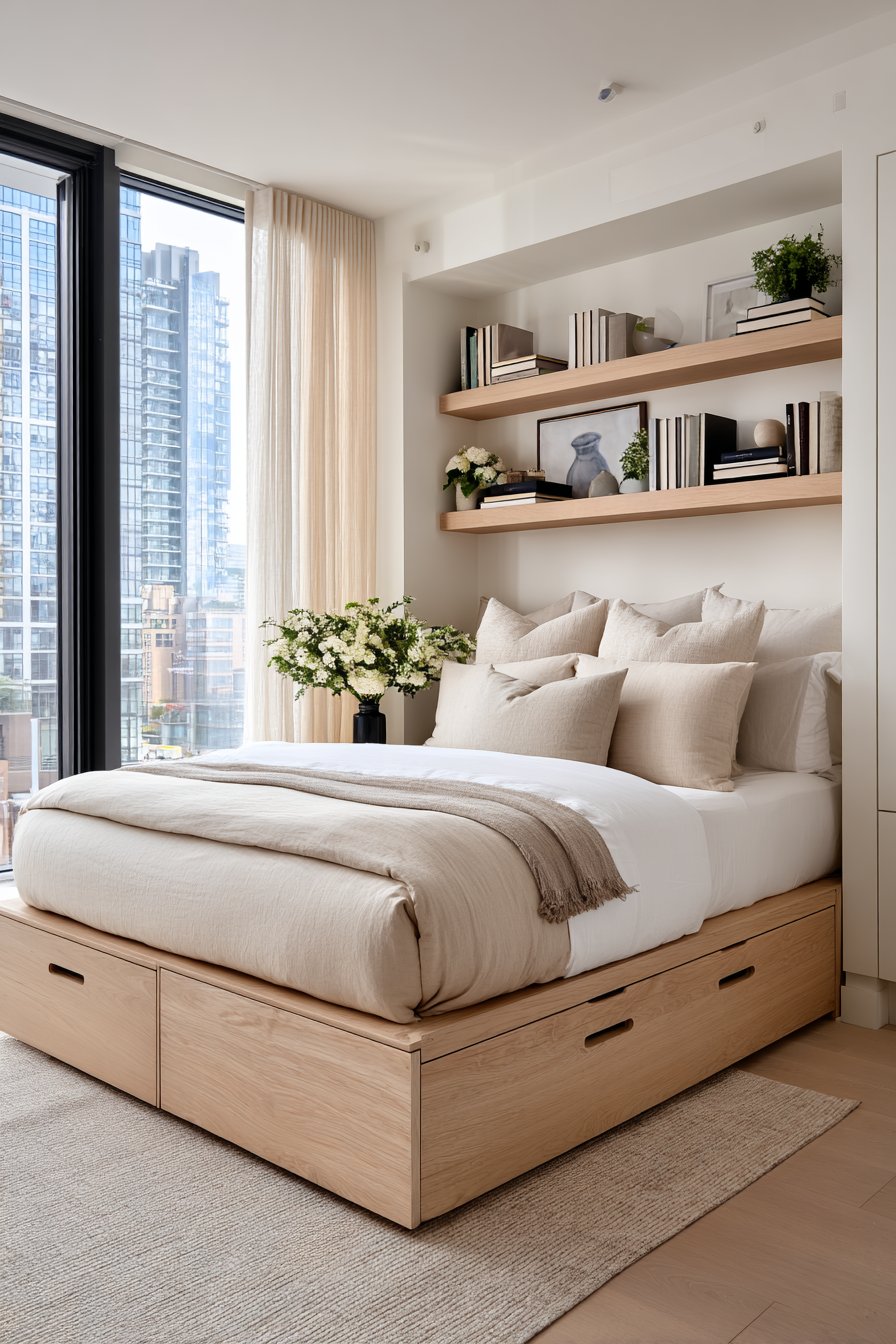
Consider investing in a bed frame with built-in drawers or using bed risers to create more under-bed clearance. Standard bed frames sit 7-10 inches off the floor, but risers can increase this to 12-14 inches. This additional height accommodates larger storage containers while maintaining bedroom aesthetics.
- Purchase rolling storage containers specifically designed for under-bed use
- Use vacuum-sealed bags for seasonal clothing to maximize space
- Label all under-bed containers clearly for easy identification
- Install bed risers to increase clearance height by 3-6 inches
- Choose platform beds with built-in drawer systems
- Keep frequently accessed items in front containers for convenience
4. Overloading Rooms with Decorative Items
Visual clutter creates mental clutter, especially in small bedrooms where every object competes for attention. Many people make the mistake of displaying too many decorative pieces, creating busy, chaotic environments. While personal touches enhance spaces, excessive decoration makes tiny rooms feel even smaller. Collections of trinkets, multiple throw pillows, and unnecessary accessories overwhelm limited square footage.
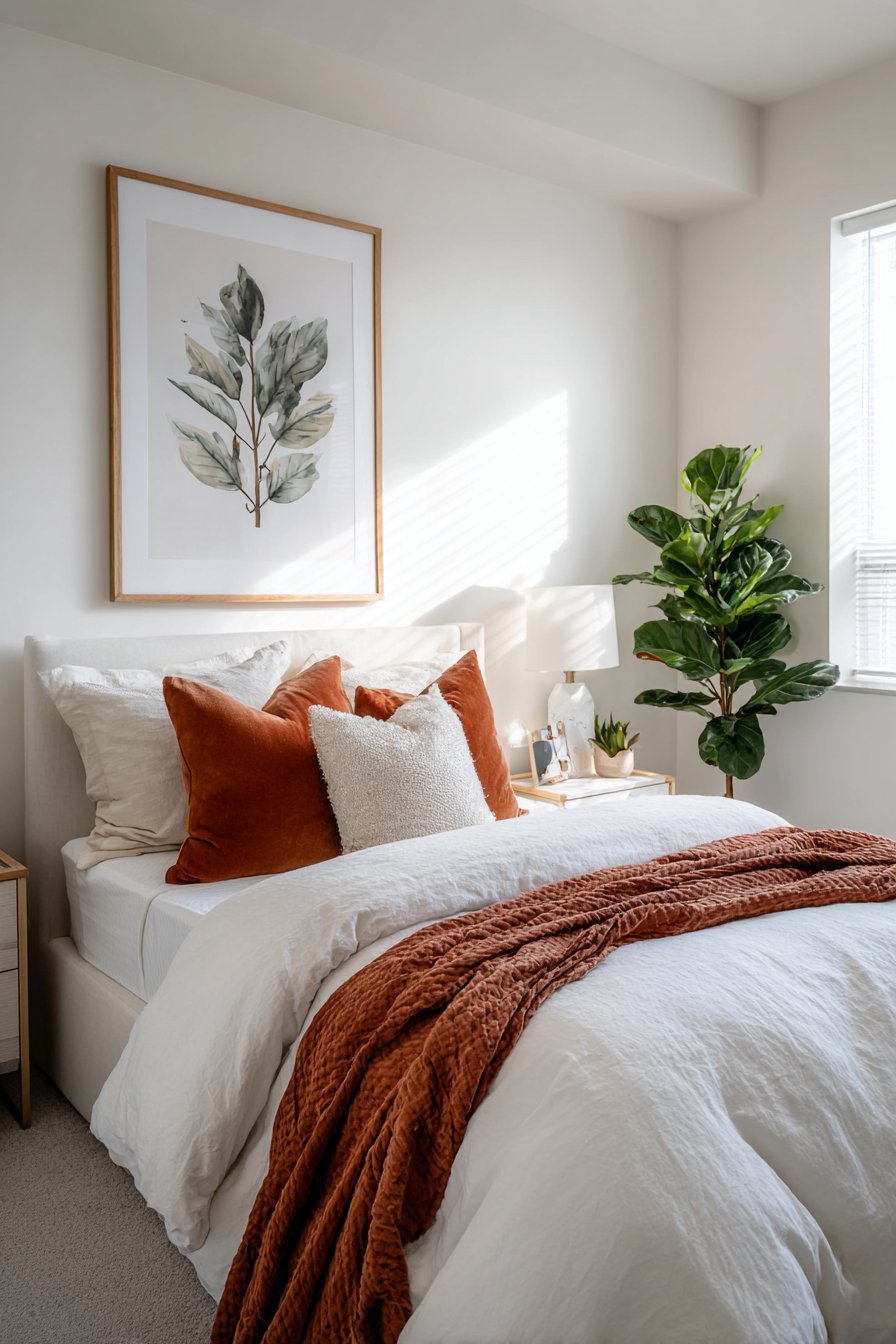
The principle of “less is more” becomes crucial in compact bedrooms. Curating your decorative items to showcase only favorites creates breathing room and highlights what truly matters. A single statement piece makes more impact than dozens of small objects competing for attention. Limiting your color palette to 2-3 main colors adds cohesion without visual noise.

Edited styling doesn’t mean eliminating personality—it means showcasing it more effectively. Rotate decorative items seasonally to keep your space fresh without permanent clutter. Group similar items together rather than scattering them across surfaces. This approach creates intentional vignettes instead of random collections.
- Follow the “one in, one out” rule for decorative items
- Limit throw pillows to 2-3 on a full or queen bed
- Choose one statement art piece per wall instead of gallery walls
- Use a consistent frame color for cohesive visual appeal
- Display collections in glass-front cabinets rather than open shelves
- Embrace negative space as a design element, not a void to fill
5. Failing to Utilize Door Space
Doors represent untapped storage potential that most people overlook completely. Both the back of your bedroom door and closet doors offer vertical storage without consuming any floor space. Ignoring this opportunity means missing out on several square feet of organizational real estate. This mistake forces belongings onto surfaces and floors where they create visual clutter.

Over-door organizers come in countless configurations for various storage needs. Pocket organizers hold small items like accessories, electronics, or cosmetics. Hook systems accommodate bags, robes, or clothing. Towel bars mounted on door backs provide a home for tomorrow’s outfit, keeping it wrinkle-free and easily accessible.

The beauty of door storage lies in its invisible organization—when doors close, clutter disappears from view. This makes your bedroom instantly tidier while keeping items conveniently accessible. Ensure any over-door hardware doesn’t damage surfaces and allows doors to close completely.
- Install over-door hooks for robes, pajamas, or bags
- Use clear pocket organizers for jewelry and small accessories
- Add full-length mirrors with built-in storage behind them
- Mount shallow shelves on door backs for books or beauty products
- Consider over-door ironing board holders for multi-purpose rooms
- Use adhesive hooks if you can’t install permanent hardware
6. Creating Inefficient Closet Systems
A poorly organized closet wastes tremendous space and undermines bedroom organization. Many tiny bedrooms have equally tiny closets that require maximum efficiency. Installing a single rod at one height ignores opportunities to double hanging space for shirts, pants, and skirts. Leaving floor space empty misses chances for shoe racks or drawer units. These inefficiencies ripple into your bedroom, forcing overflow items into view.
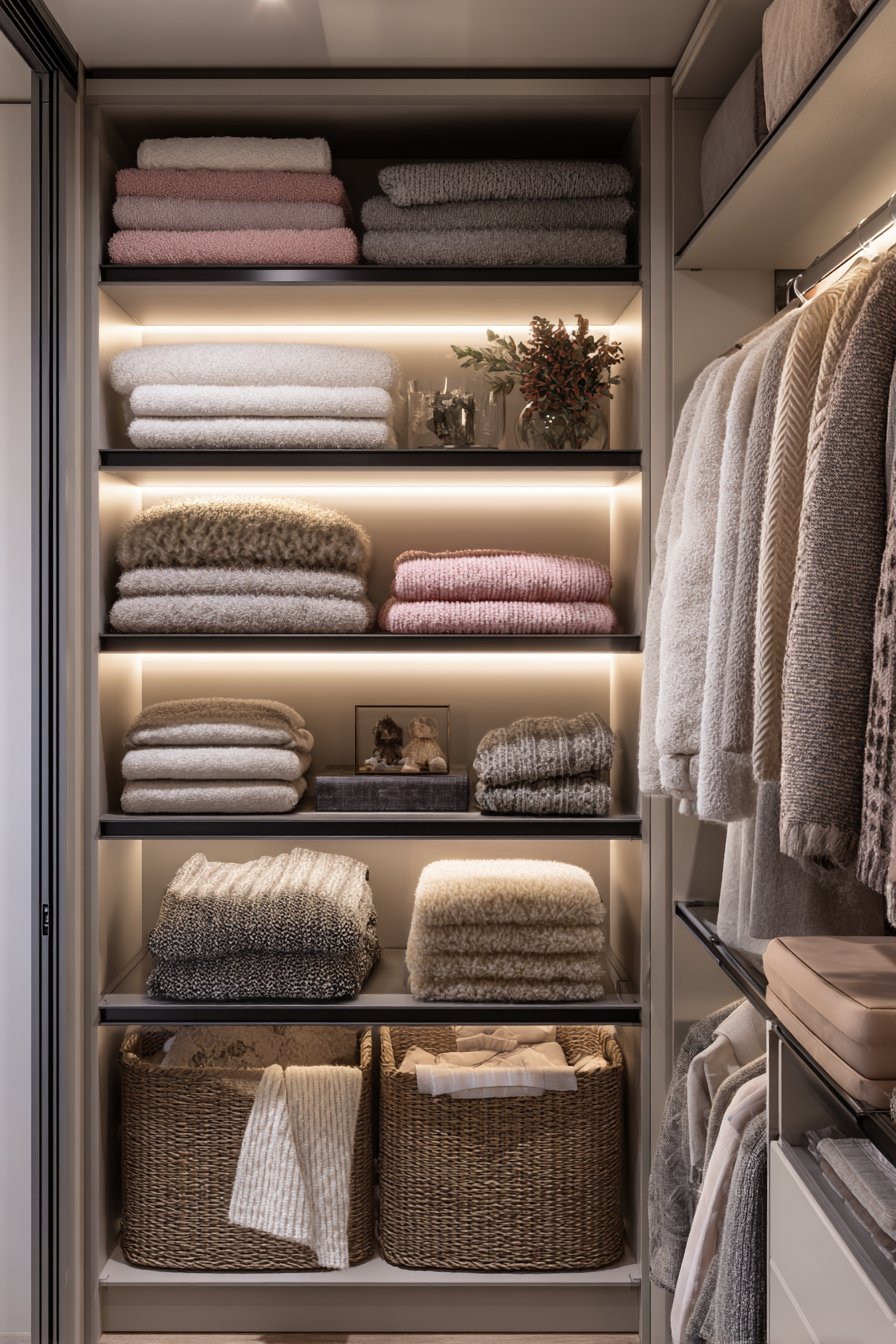
Professional closet systems demonstrate how strategic organization multiplies usable space. Double hanging rods instantly double capacity for shorter garments. Shelf dividers prevent sweater stacks from toppling into chaos. Slimline hangers save 30-50% more space than bulky plastic versions, fitting significantly more clothes in the same area.

Think of your closet as a puzzle to optimize rather than a fixed space to fill. Measure your hanging clothes to determine ideal rod heights. Use vertical dividers in drawers to organize socks, underwear, and accessories. Add hooks inside closet doors for belts, ties, or bags.
- Replace single rods with double hanging rod systems
- Use matching slimline velvet hangers for maximum capacity
- Install shelf dividers to keep folded stacks organized
- Add pull-out baskets for items that don’t hang well
- Use vertical shoe organizers on doors or walls
- Place a small dresser inside walk-in closets to free bedroom space
7. Blocking Natural Light Sources
Limiting natural light makes small bedrooms feel even more cramped and cave-like. Heavy curtains, furniture positioned against windows, or cluttered windowsills all restrict light flow. This mistake affects both the physical and psychological experience of your space. Darker rooms appear smaller, while bright spaces feel open and airy.

Maximizing natural light requires strategic window treatments and thoughtful furniture placement. Sheer curtains or light-filtering blinds provide privacy without blocking sunshine. Mounting curtain rods above window frames and using floor-length panels creates the illusion of taller windows and ceilings. This simple trick adds perceived height to any room.

Keep windowsills clear of clutter to allow maximum light penetration. Avoid placing tall furniture pieces directly in front of windows. If furniture must go near windows, choose low-profile options that don’t obstruct light flow. Consider mirrors opposite windows to reflect and amplify natural light throughout the room.
- Replace heavy drapes with sheer or light-filtering options
- Mount curtain rods 4-6 inches above window frames
- Keep windowsills clear except for one or two small items
- Position mirrors across from windows to bounce light
- Choose light-colored walls and bedding to reflect brightness
- Avoid tall furniture pieces that block window exposure
8. Ignoring the Power of Multipurpose Furniture
Purchasing single-function furniture wastes valuable space in tiny bedrooms. A chair that only provides seating or a table used solely for display misses opportunities to serve multiple needs. This mistake accumulates quickly—several pieces with limited purposes consume space that multipurpose items could serve more efficiently. The result is overcrowded rooms without adequate storage or functionality.

Multipurpose furniture represents one of the smartest investments for small-space living. Storage ottomans provide seating while hiding blankets, books, or accessories inside. Lift-top coffee tables offer surfaces that adjust to dining or working height with hidden storage beneath. Bed frames with built-in drawers eliminate the need for separate dressers.

The key is identifying your specific needs before shopping. Do you need workspace? Consider a secretary desk that folds closed to hide clutter. Need extra seating? Choose storage benches that do double duty. This intentional approach ensures every furniture piece earns its footprint through multiple functions.
- Invest in beds with built-in storage drawers or hydraulic lift systems
- Use storage ottomans instead of standard seating options
- Choose nightstands with drawers and shelving rather than simple tables
- Consider fold-down desks that disappear when not in use
- Select trunks or chests as coffee tables with interior storage
- Use benches with lift-top seats at the foot of your bed
Conclusion
Avoiding these eight common mistakes transforms tiny bedroom organization from frustrating to functional. The difference between cramped chaos and organized serenity often lies in strategic choices rather than square footage. By maximizing vertical space, choosing appropriate furniture, and embracing multipurpose solutions, you create rooms that work beautifully despite their compact size.
Remember that organization is an ongoing process, not a one-time project. Regularly reassess your space, purge unused items, and adjust systems as your needs evolve. Your tiny bedroom can become a peaceful retreat that reflects your style while serving your practical needs perfectly. Start with one mistake at a time, and watch your space transform into the organized haven you deserve.
