


Creating a beautiful and functional tiny bedroom requires clever design strategies and thoughtful planning. Small spaces present unique challenges that demand creative solutions. The key lies in maximizing every square inch while maintaining style and comfort.
Tiny bedrooms have become increasingly common in urban apartments and modern homes. These compact spaces need not feel cramped or limiting. With the right approach, small bedrooms can become cozy retreats that feel spacious and inviting. This article explores twenty innovative tiny bedroom ideas that transform space constraints into design opportunities.
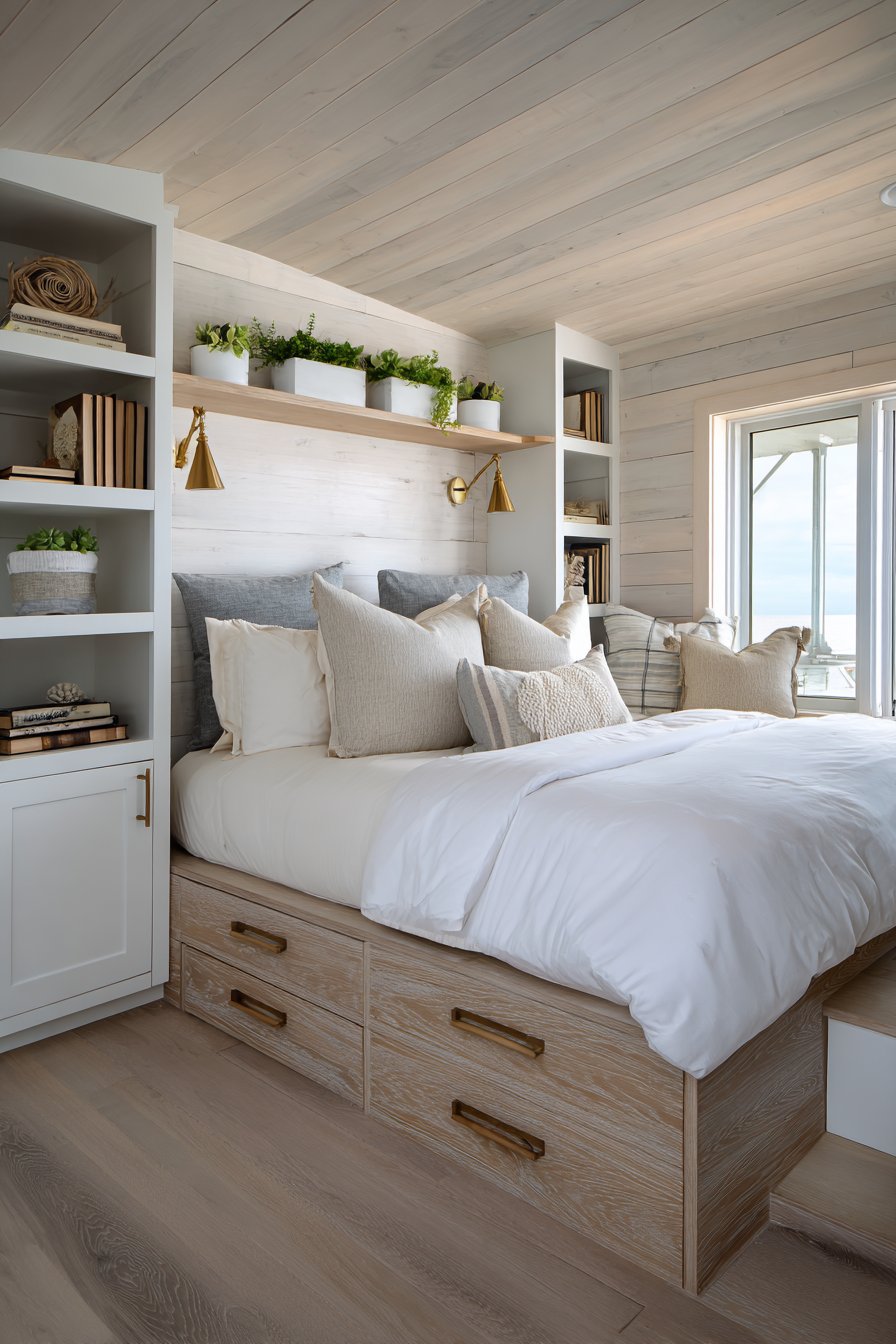
The designs featured here range from minimalist Japanese-inspired spaces to bohemian maximalist retreats. Each concept demonstrates practical solutions for storage, lighting, and furniture placement. These ideas prove that tiny bedrooms can be both highly functional and genuinely beautiful.
1. Platform Bed with Built-In Storage
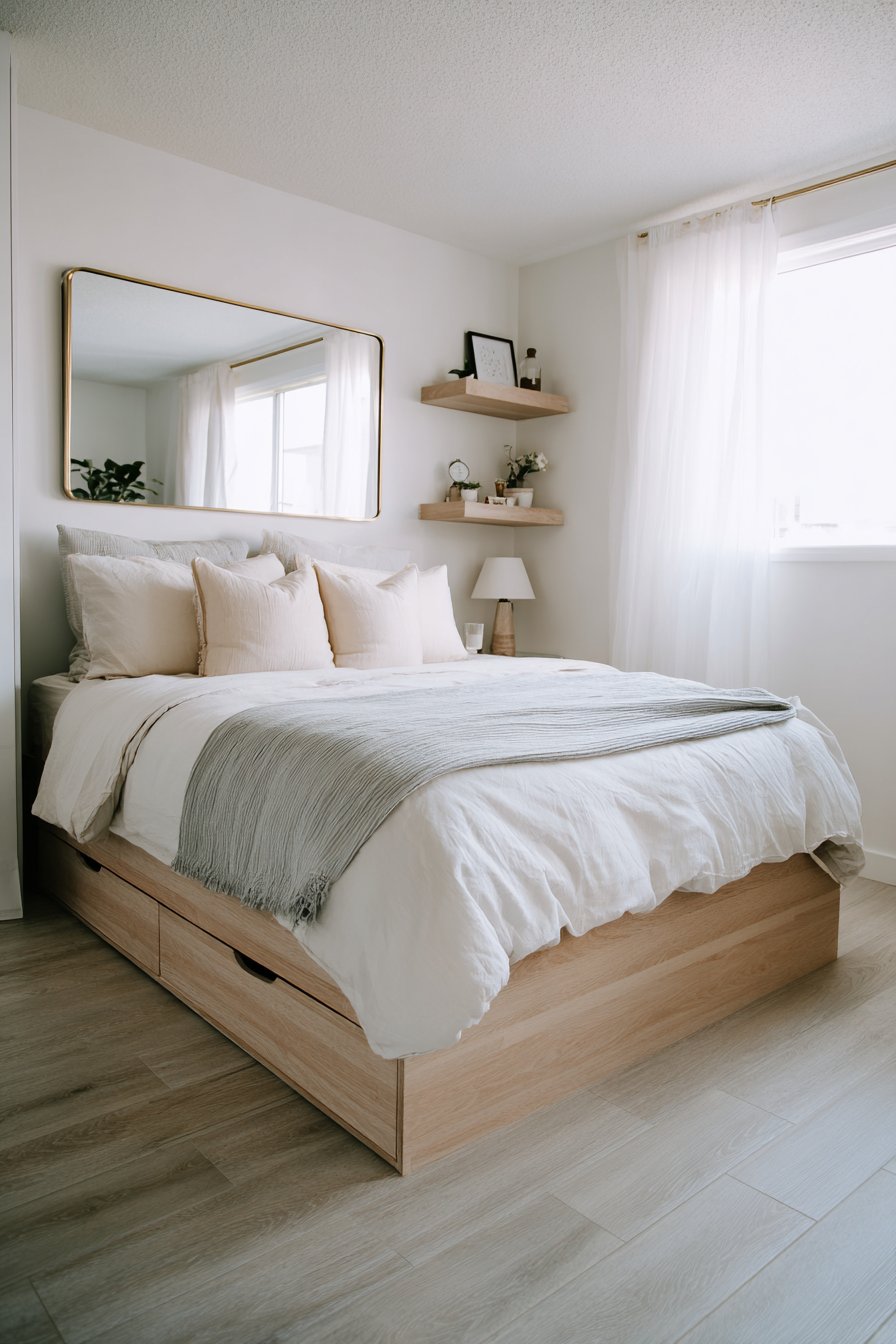
A low-profile platform bed with integrated storage drawers transforms limited floor space into valuable storage real estate. Natural oak construction brings warmth without overwhelming the compact room. The bed sits against the longest wall to optimize circulation and create an efficient layout.
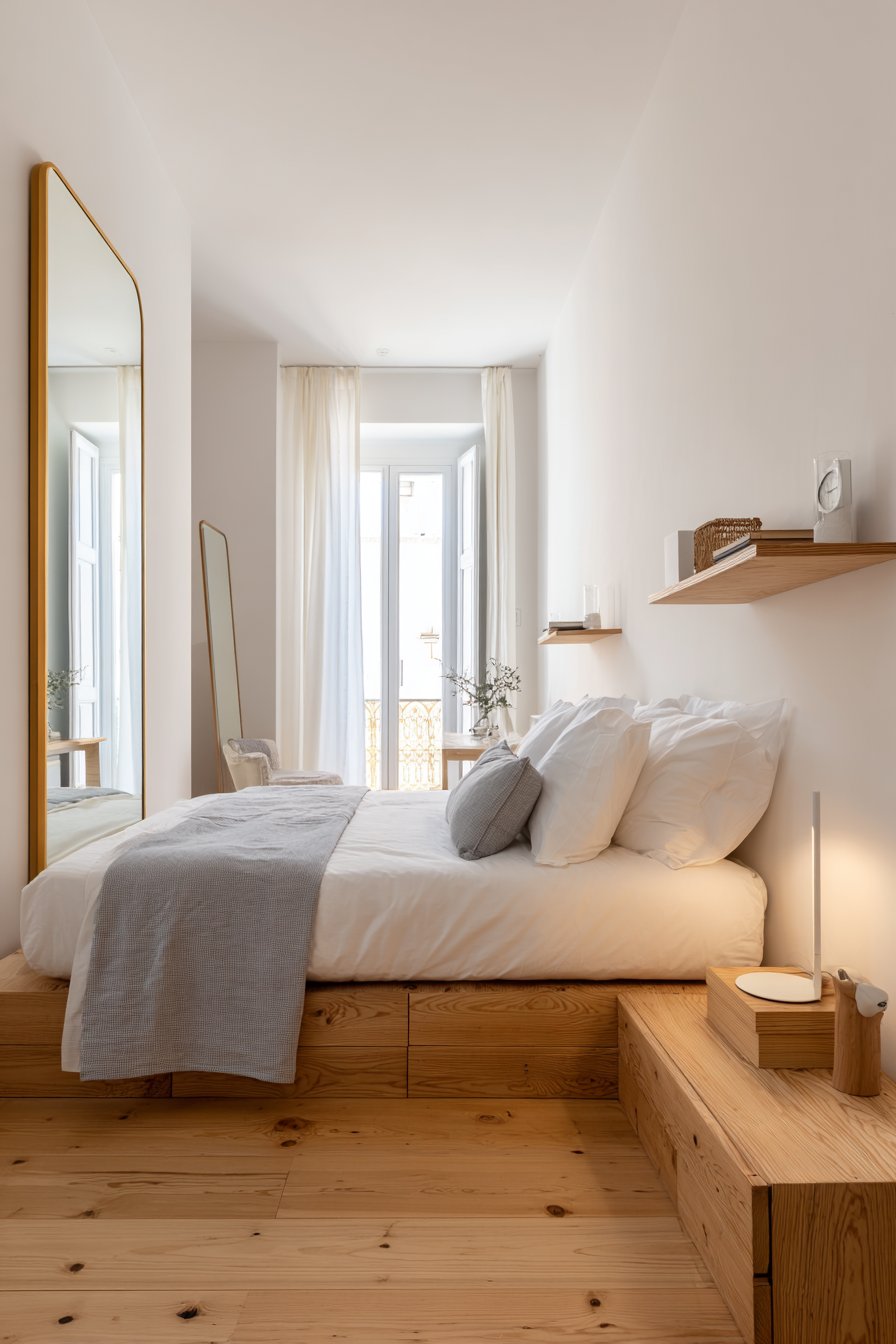
White bedding paired with a soft grey duvet creates visual cleanliness that expands perceived space. This color palette reflects light throughout the room. The uncluttered aesthetic makes the small bedroom feel larger and more breathable.
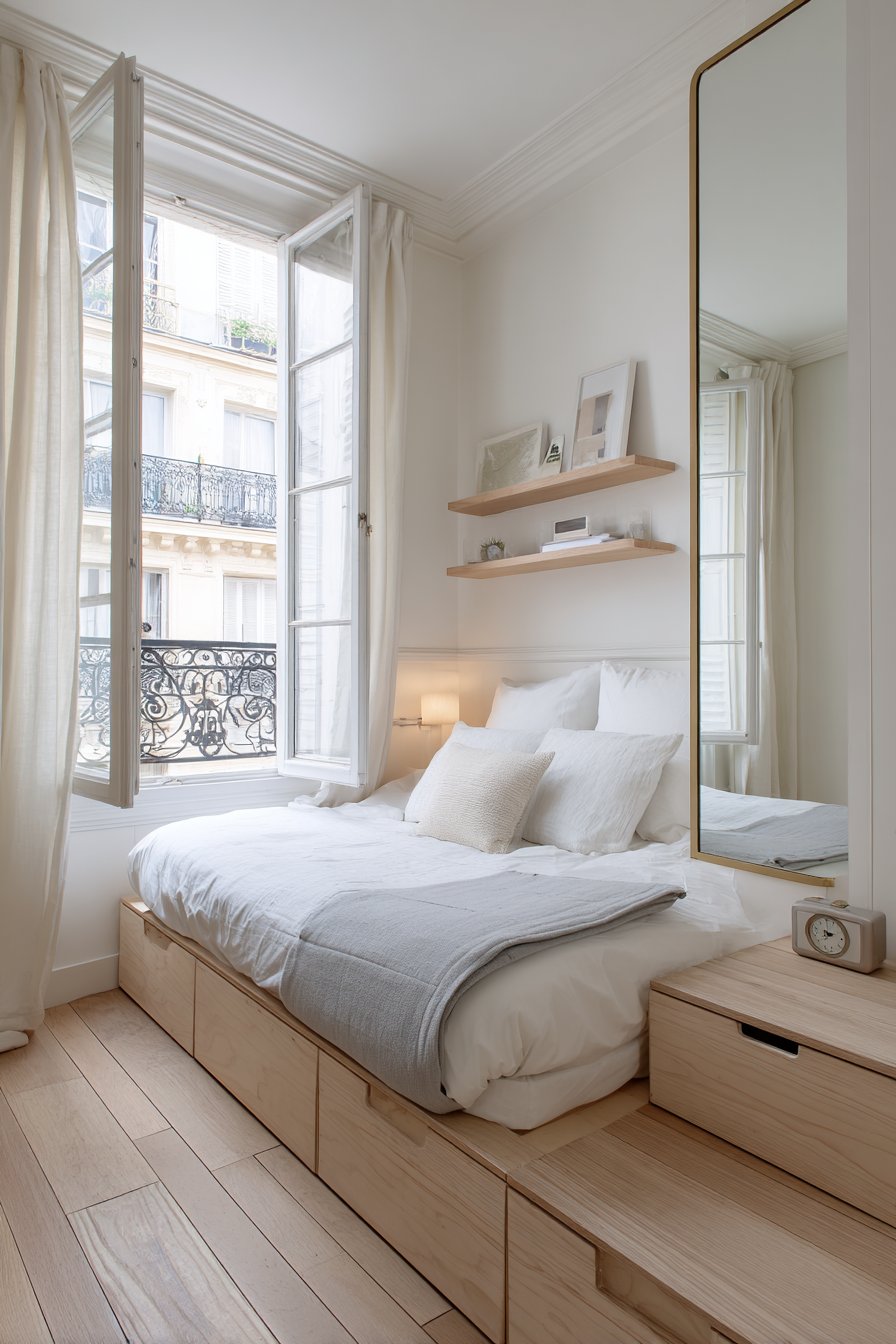
Wall-mounted floating nightstand shelves eliminate floor clutter while providing essential bedside surfaces. These matching oak shelves hold a minimalist lamp and small alarm clock. The floating design maintains visual flow at ground level.
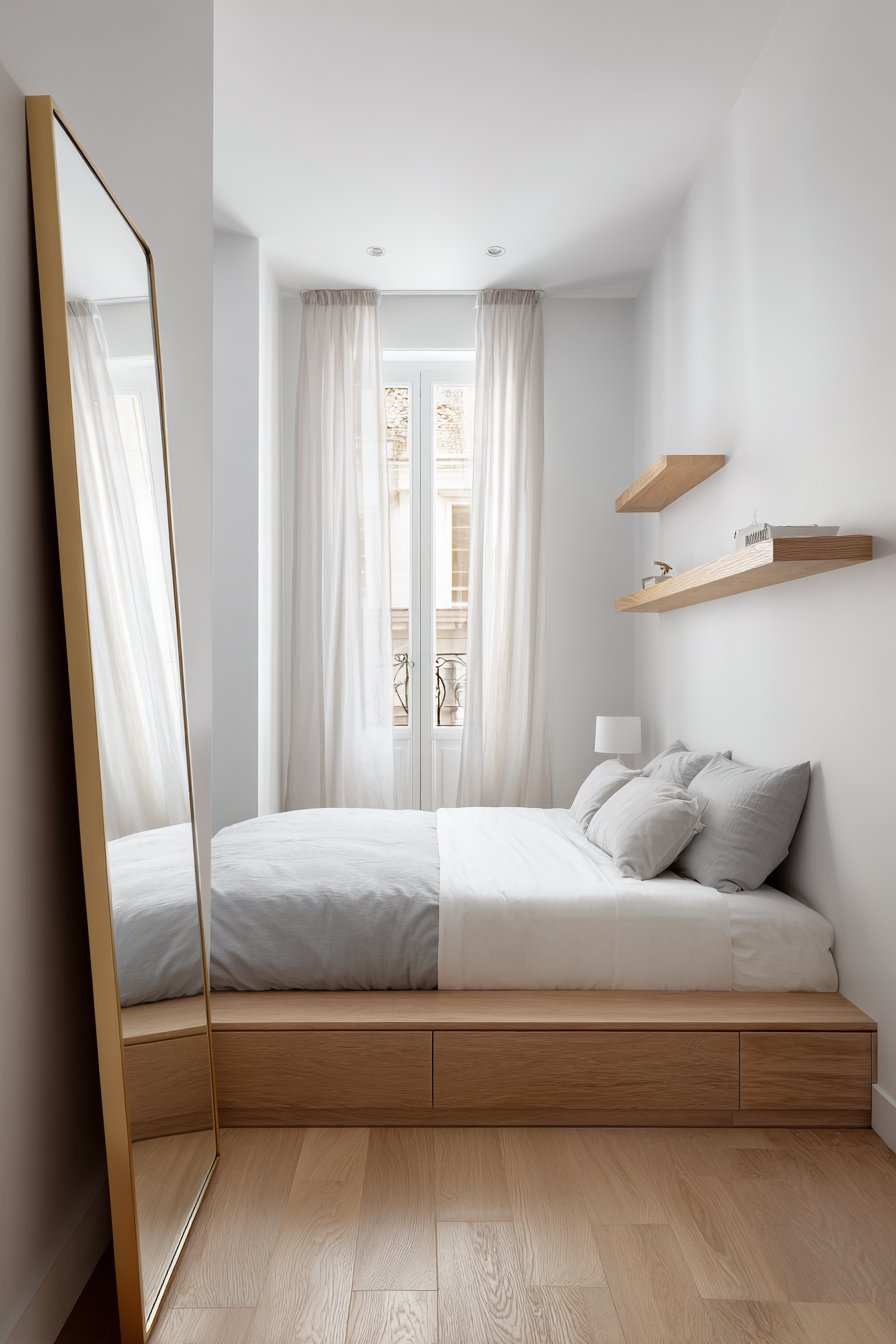
Soft white walls maximize light reflection and create an airy atmosphere. A large mirror with a thin brass frame leans strategically against one wall. This placement visually doubles the room’s dimensions. Light oak engineered flooring completes the cohesive natural palette.
Key Design Tips:
- Position platform beds along the longest wall for optimal space efficiency
- Choose beds with built-in drawers to maximize under-bed storage potential
- Use floating shelves instead of traditional nightstands to preserve floor space
- Select light wood tones that add warmth without visual heaviness
- Place large mirrors strategically to reflect light and expand perceived dimensions
2. Murphy Bed with Floor-to-Ceiling Storage
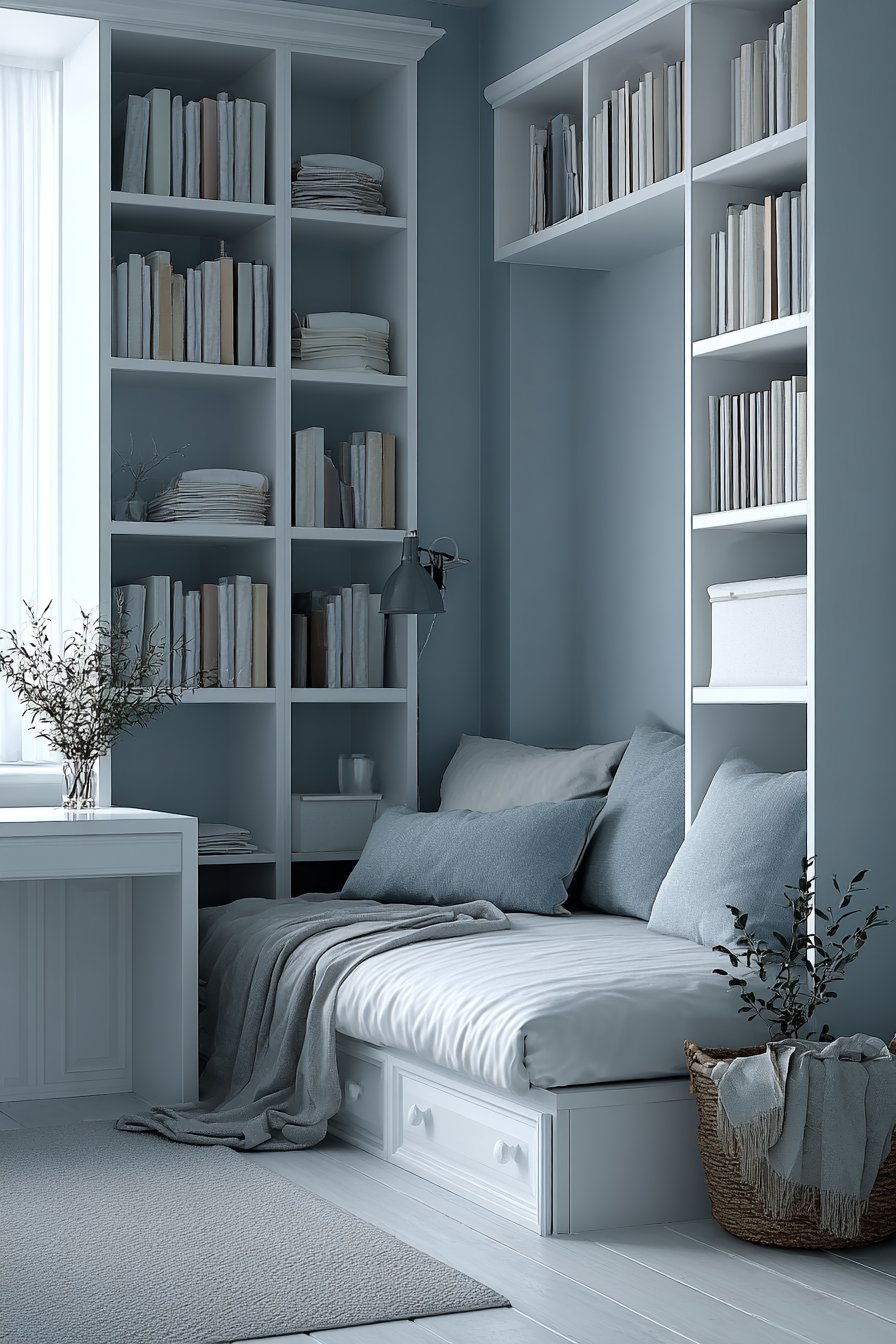
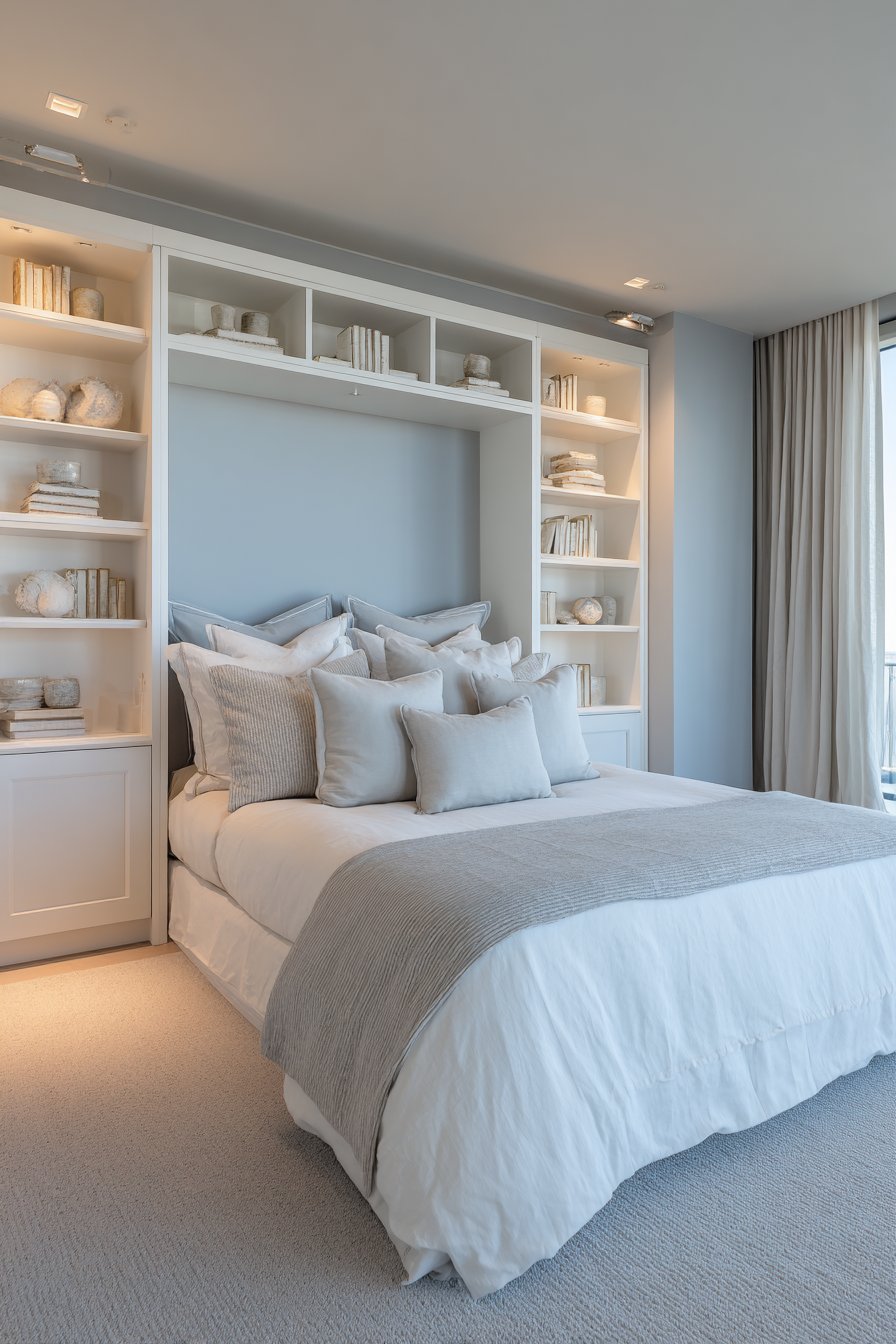
Floor-to-ceiling built-in shelving in white painted wood occupies one entire wall. This vertical storage solution provides abundant space for books, folded clothing, and decorative items. White fabric bins maintain organization while creating visual consistency.
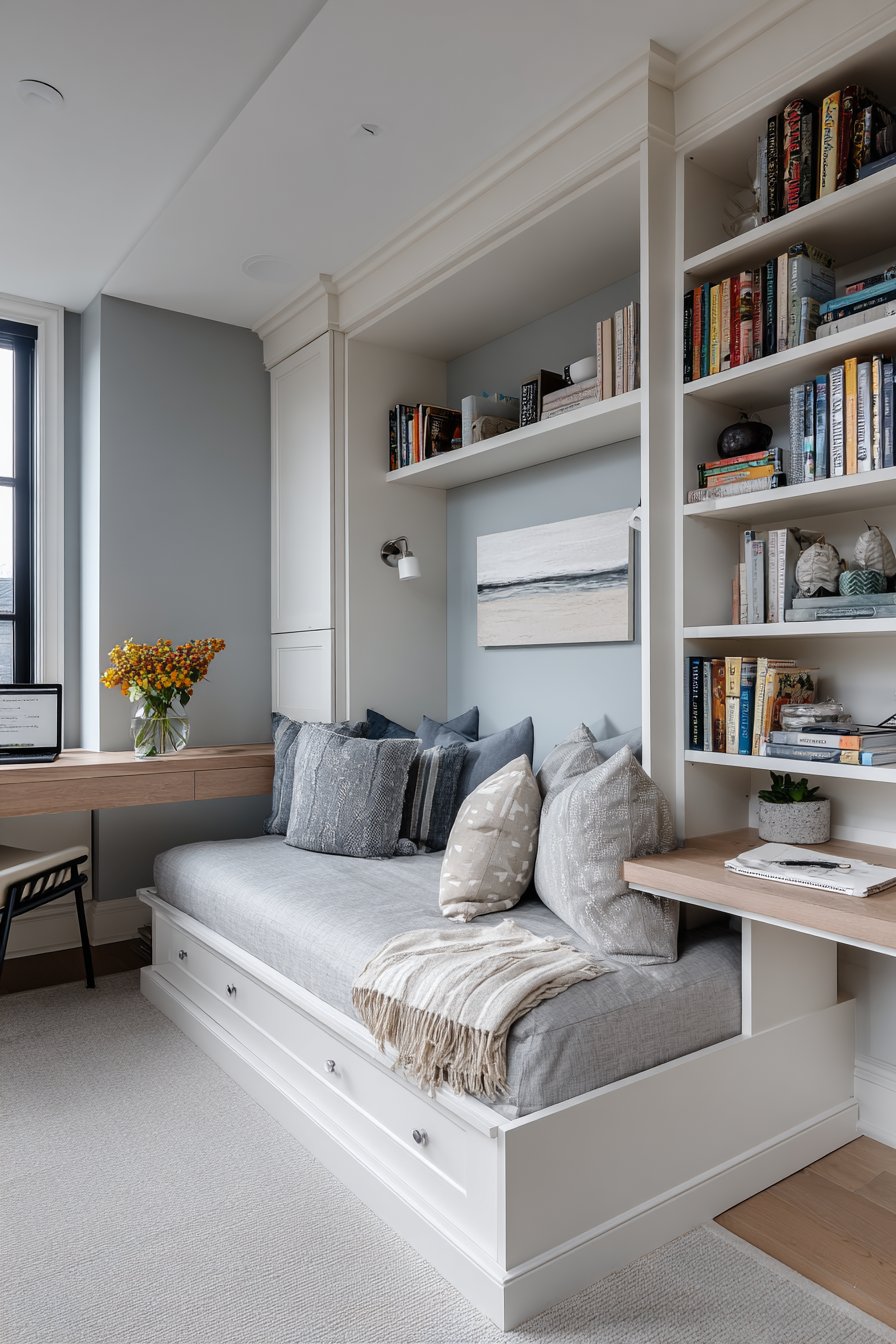
A murphy bed with white cabinet facing folds down to reveal a full-size mattress when needed. During daytime, the bed disappears completely to open floor space. This transformation allows the room to function as a home office or sitting area.
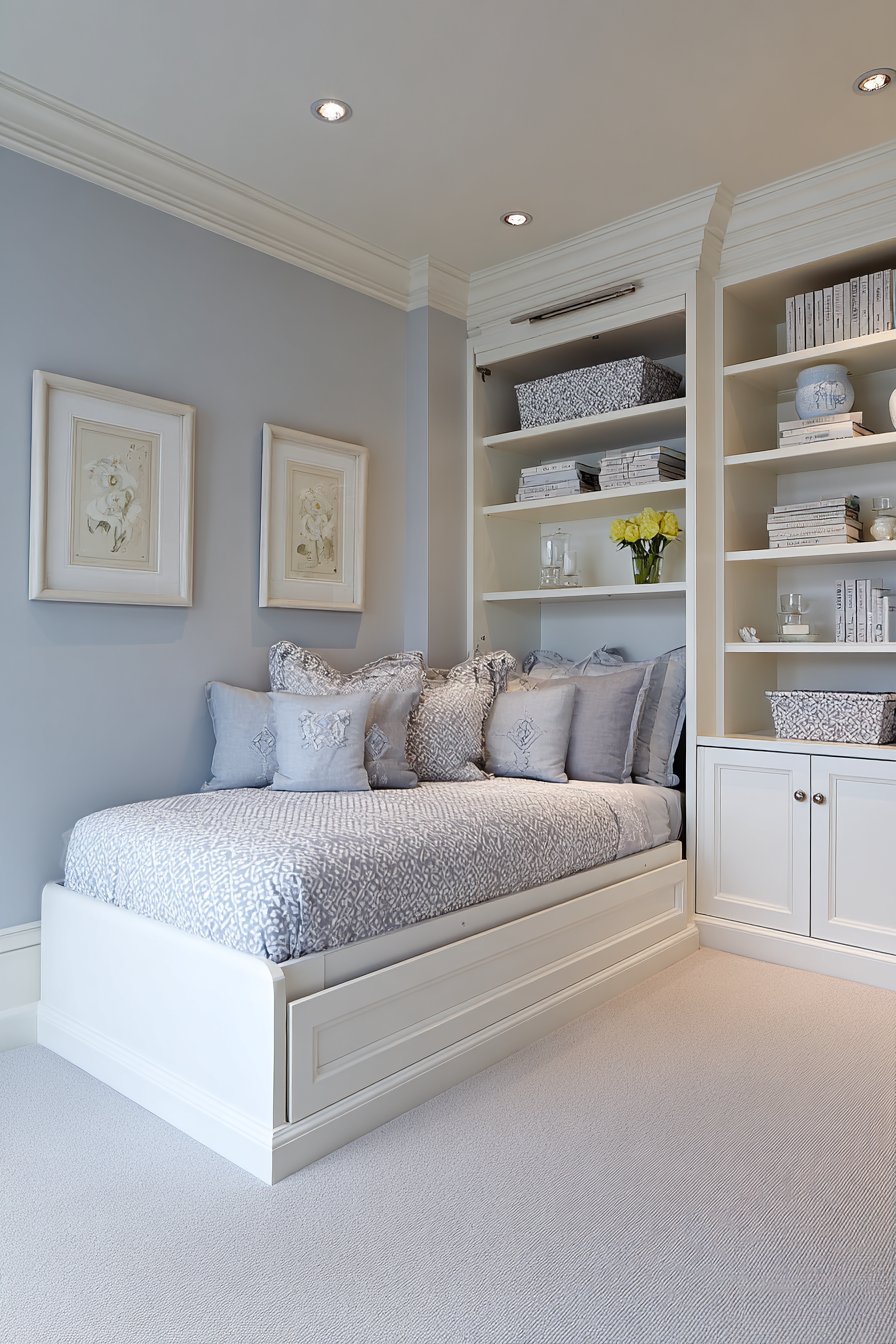
Pale blue-grey walls create a serene atmosphere suitable for both sleeping and working. A slim desk folds down from the wall when workspace is needed. Recessed LED lighting eliminates space-consuming lamps and fixtures.
Light grey carpet adds warmth without visual weight. The neutral palette maintains brightness throughout different room configurations. This multi-functional approach maximizes utility in extremely limited square footage.
Key Design Tips:
- Install floor-to-ceiling shelving to utilize vertical space fully
- Choose murphy beds that integrate seamlessly with storage systems
- Use pale, cool colors to maintain calm across different room functions
- Install recessed lighting to avoid consuming visual or floor space
- Select folding furniture that adapts to changing daily needs
3. Loft Bed with Workspace Below
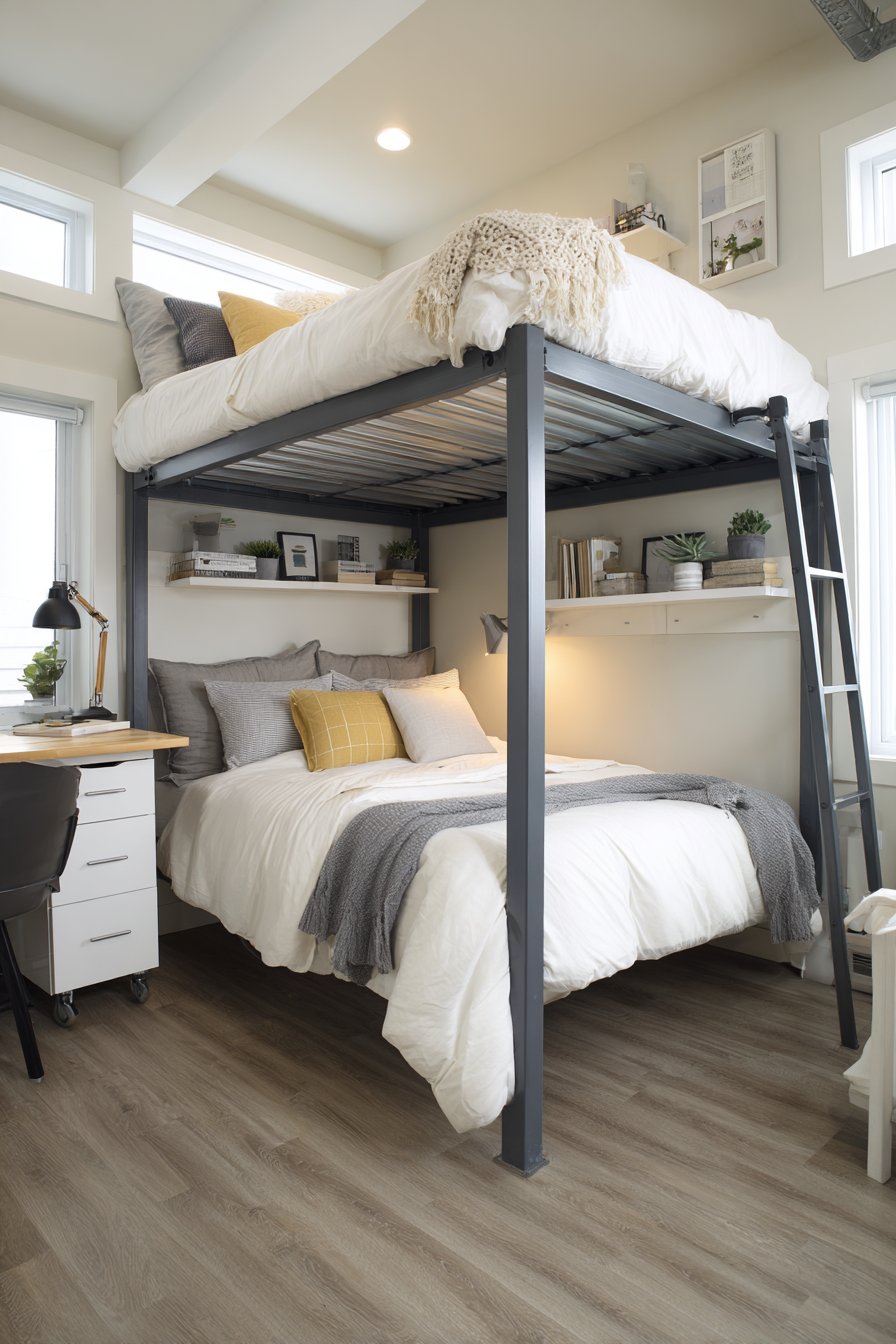
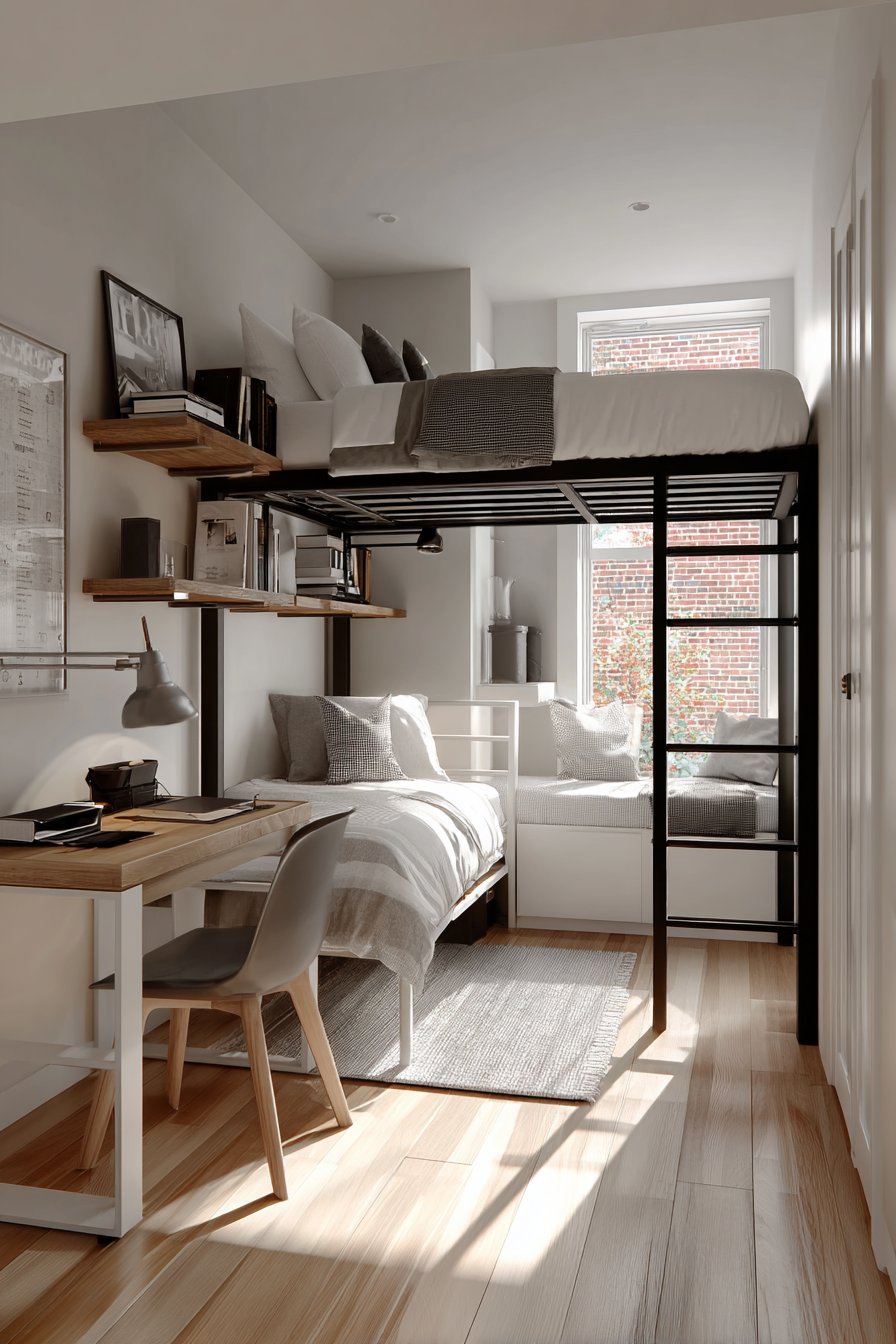
High ceilings enable a loft bed solution that creates distinct zones without additional square footage. A sturdy black metal frame elevates the sleeping platform approximately five feet off the ground. This vertical approach doubles the room’s functional capacity.
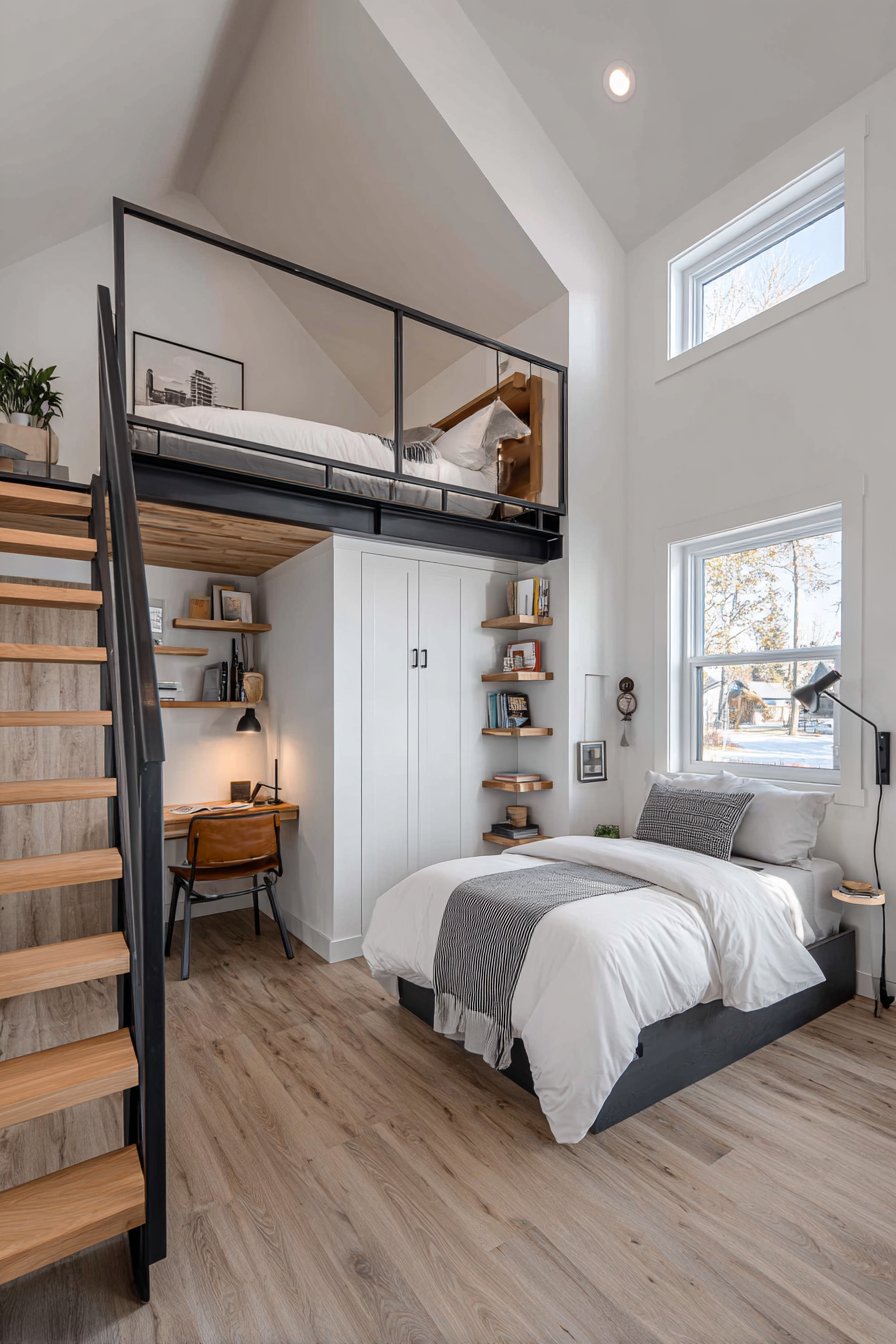
The elevated sleeping area features a comfortable full-size mattress with white bedding and grey accents. Below, a compact workspace includes a natural wood desk and ergonomic chair. Floating shelves organize books and supplies efficiently.
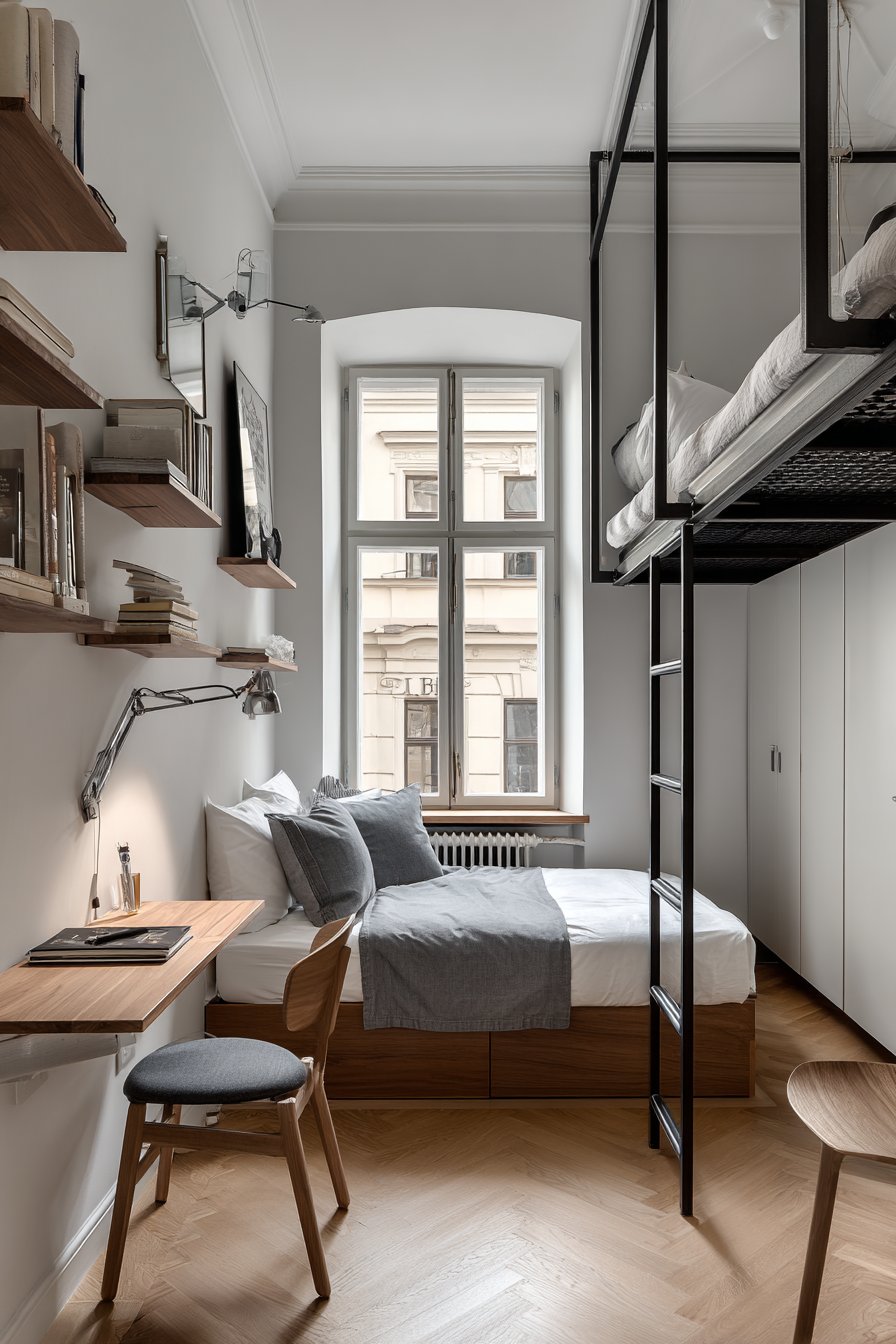
A small reading lamp on a flexible arm provides adjustable task lighting for the work area. The wide-step ladder ensures safe access to the loft. Warm white walls maximize brightness throughout both levels.
A narrow wardrobe with sliding doors fits efficiently against one wall. Light oak laminate flooring provides a durable surface that complements the natural wood elements. This design leverages vertical space to create separation between sleeping and working zones.
Key Design Tips:
- Ensure ceiling height exceeds nine feet before considering loft beds
- Choose sturdy metal or wood frames rated for adult weight capacity
- Install task lighting in the lower workspace for functionality
- Use wide-step ladders for safer and more comfortable climbing
- Select sliding door wardrobes to avoid space consumed by swinging doors
4. Corner Bed Diagonal Placement
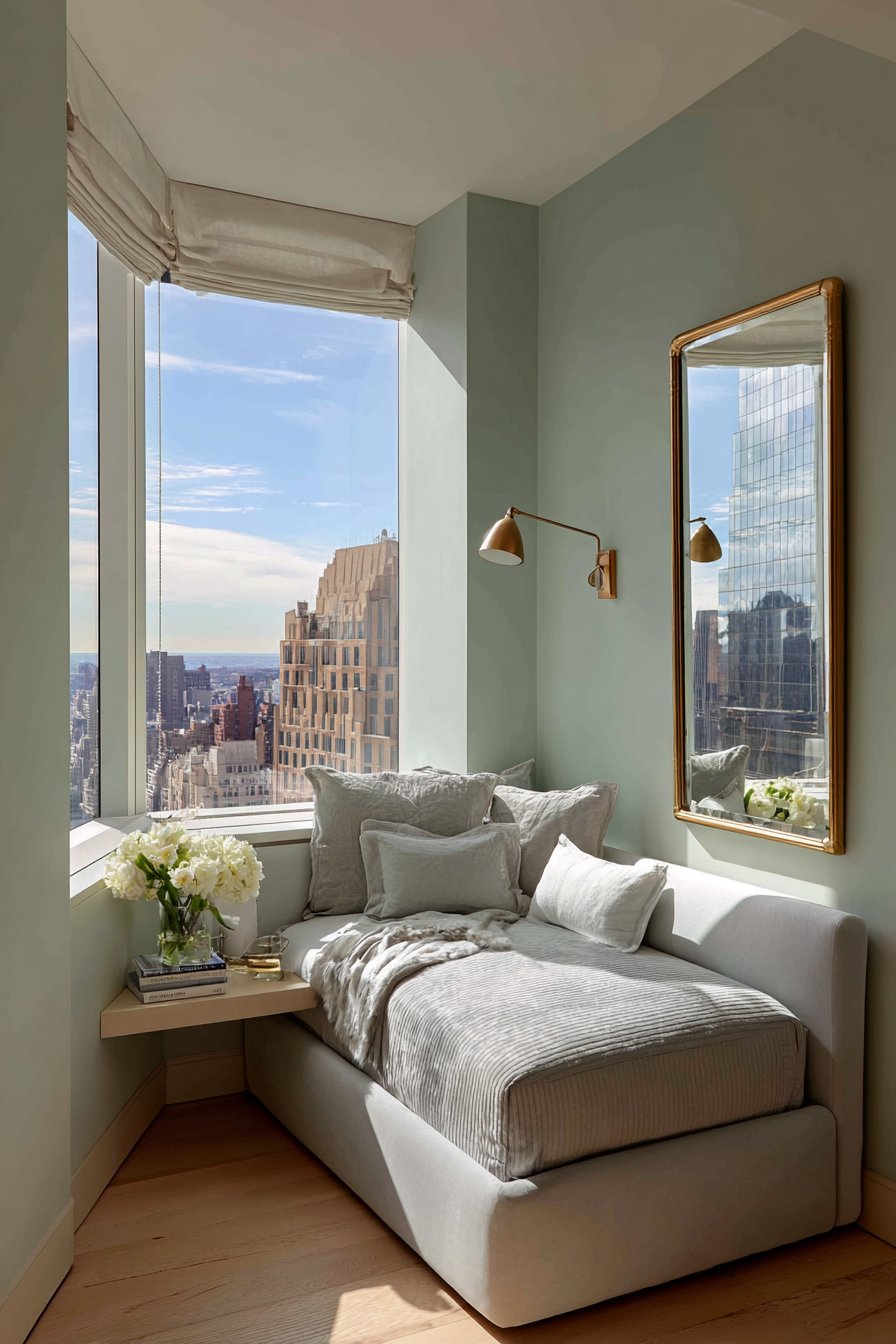
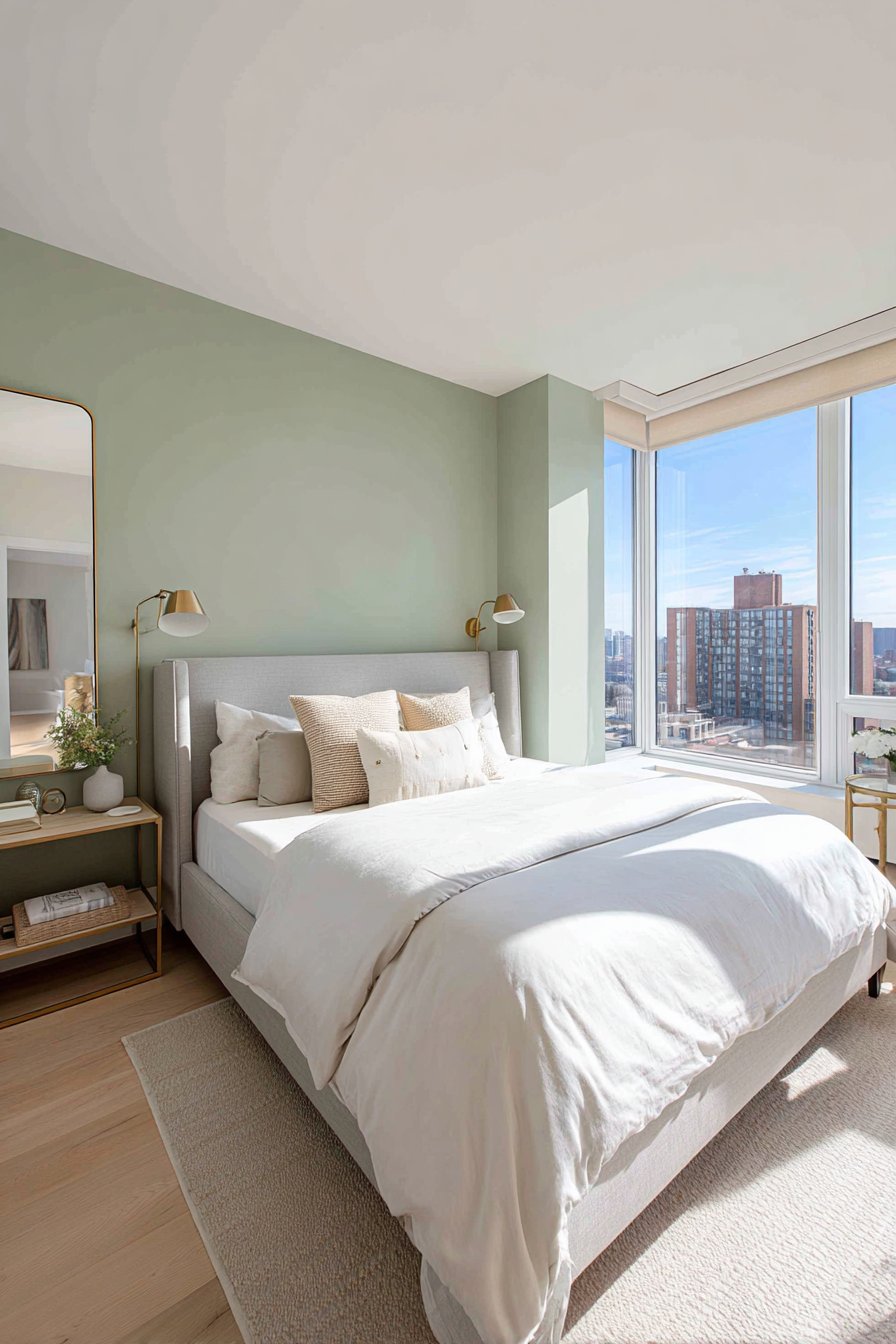
Positioning a full-size bed diagonally in the corner creates a cozy sleeping nook. This unconventional placement breaks traditional layouts and improves circulation. The diagonal orientation makes small spaces feel less boxy and more dynamic.
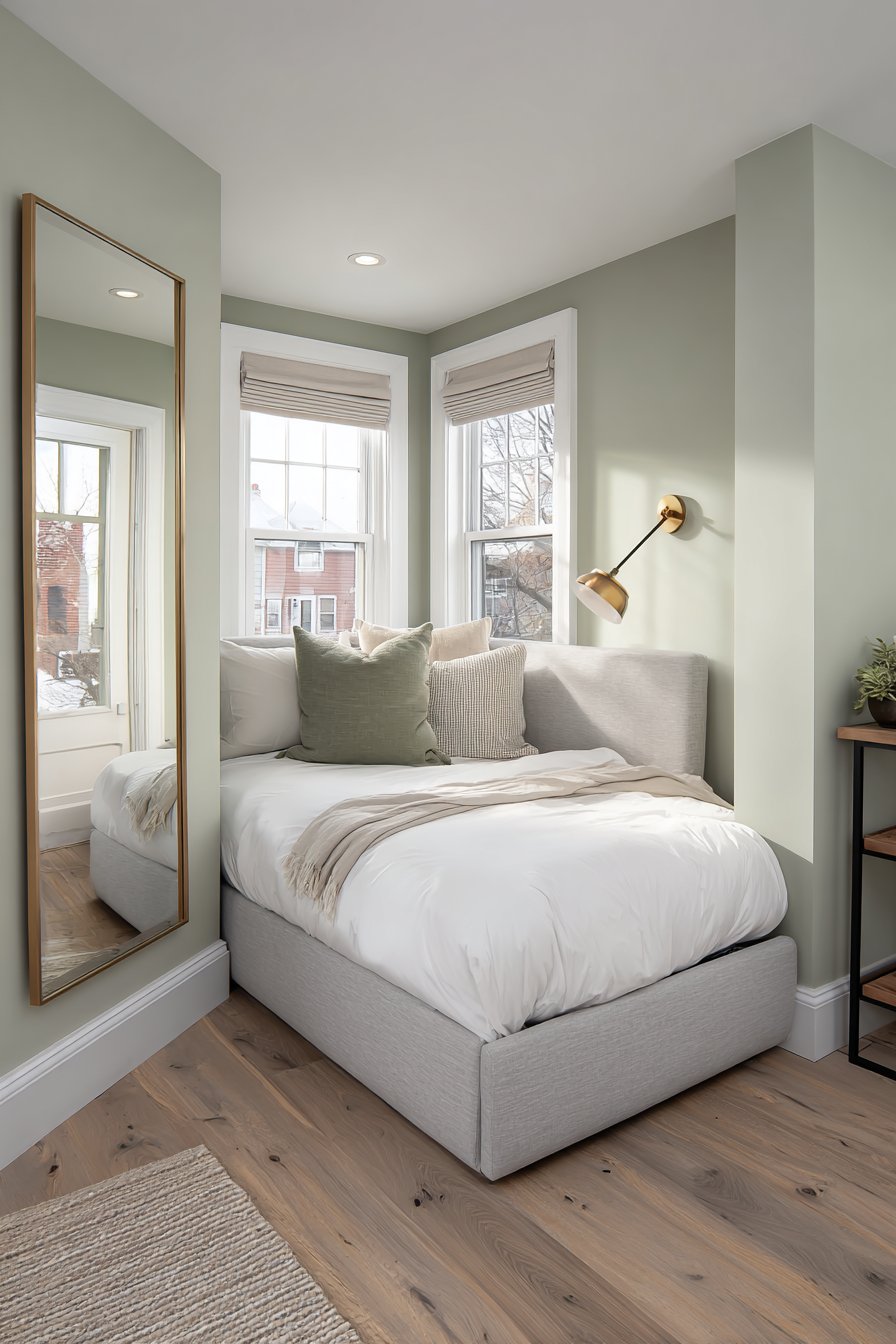
A simple upholstered headboard in soft grey anchors the corner placement. Two walls meet at the headboard with brass swing-arm reading lights mounted directly to the wall. This eliminates the need for nightstands entirely.
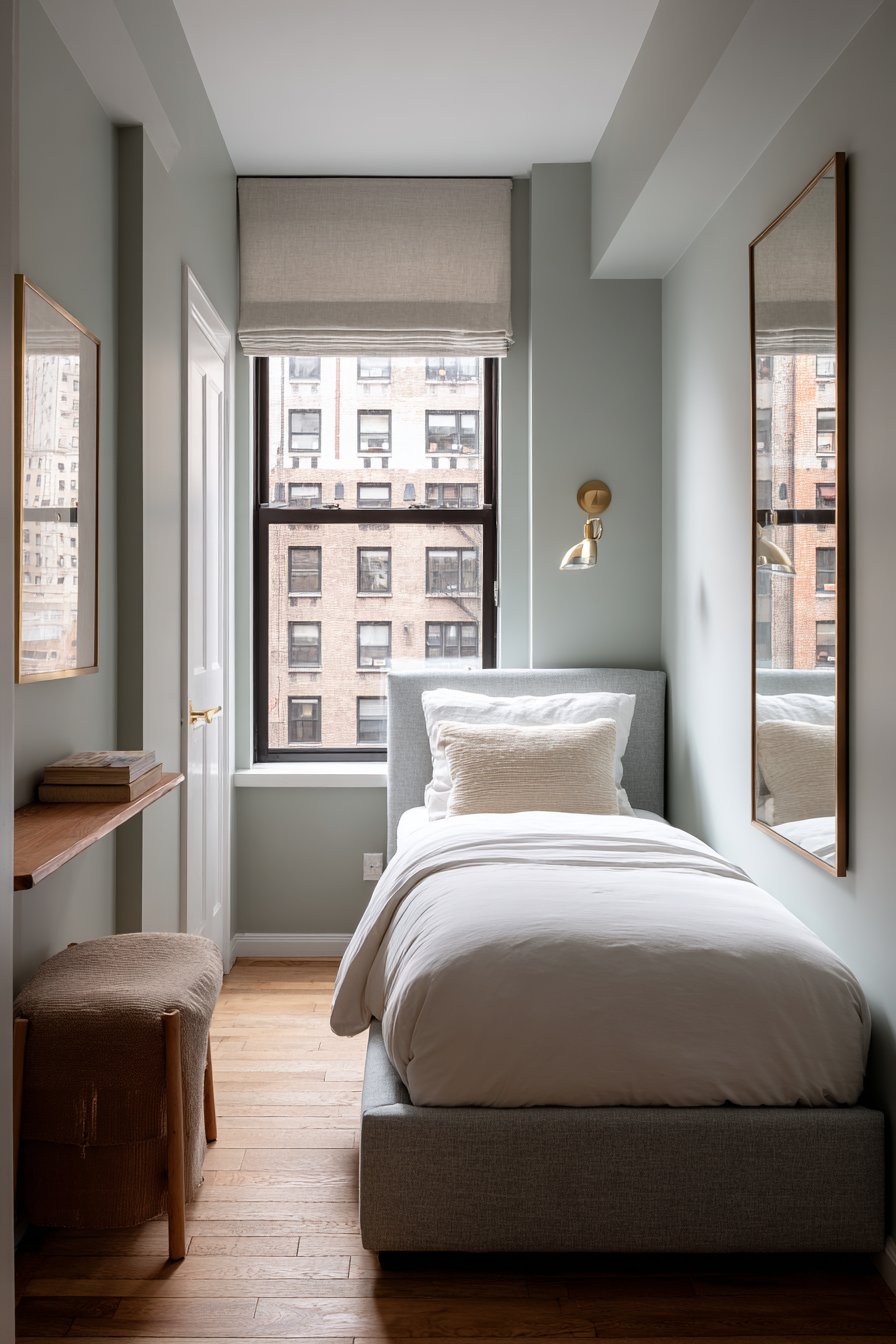
A narrow console table at the foot of the bed provides surface and storage without blocking pathways. Soft sage green walls create a calming envelope around the space. A large window with a natural linen roller shade provides light and views.
One streamlined floor mirror with a thin frame leans in the remaining corner. White oak flooring in wide planks adds warmth and visual expansiveness. This creative furniture placement maximizes floor space in the center for movement.
Key Design Tips:
- Experiment with diagonal bed placement to improve flow in awkward spaces
- Use wall-mounted swing-arm lights to eliminate nightstand requirements
- Choose narrow console tables that provide function without blocking circulation
- Paint walls in calming colors that create enveloping comfort
- Position mirrors in corners to expand perceived dimensions
5. Monochromatic White Color Scheme
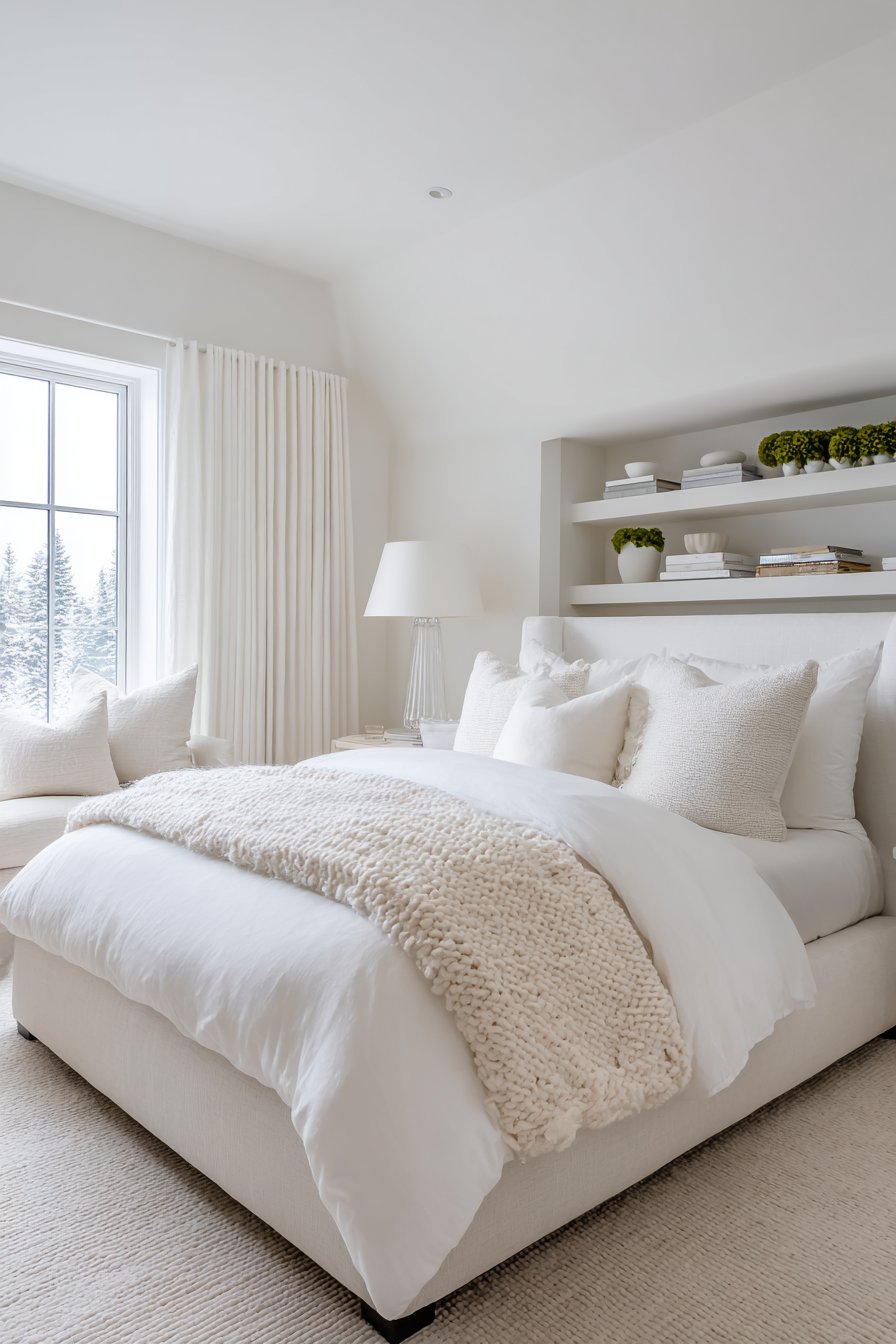
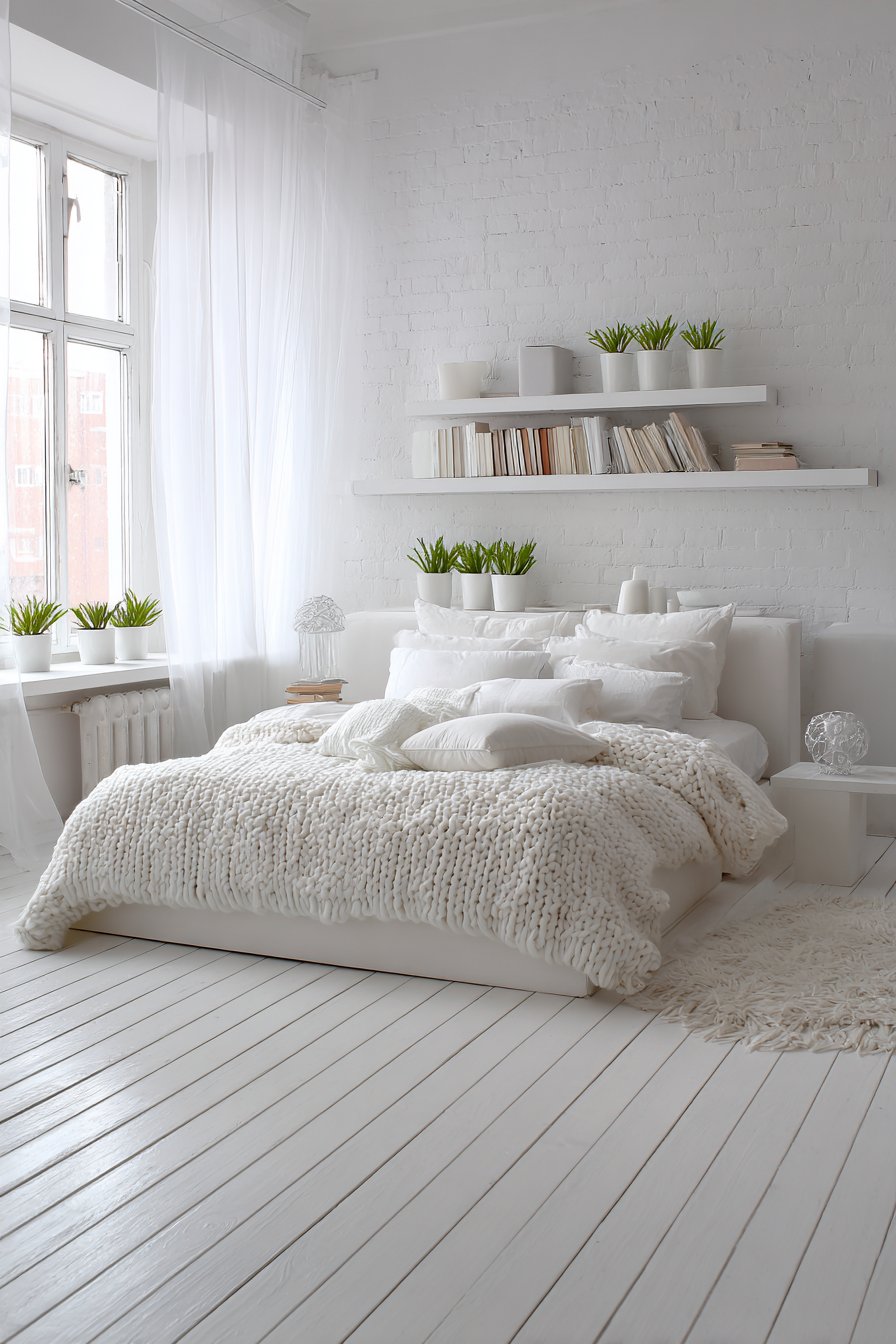
A monochromatic white color scheme creates visual spaciousness through color psychology. Walls, ceiling, bedding, curtains, and furniture blend in various shades of white and cream. This seamless approach blurs boundaries and expands perceived space.
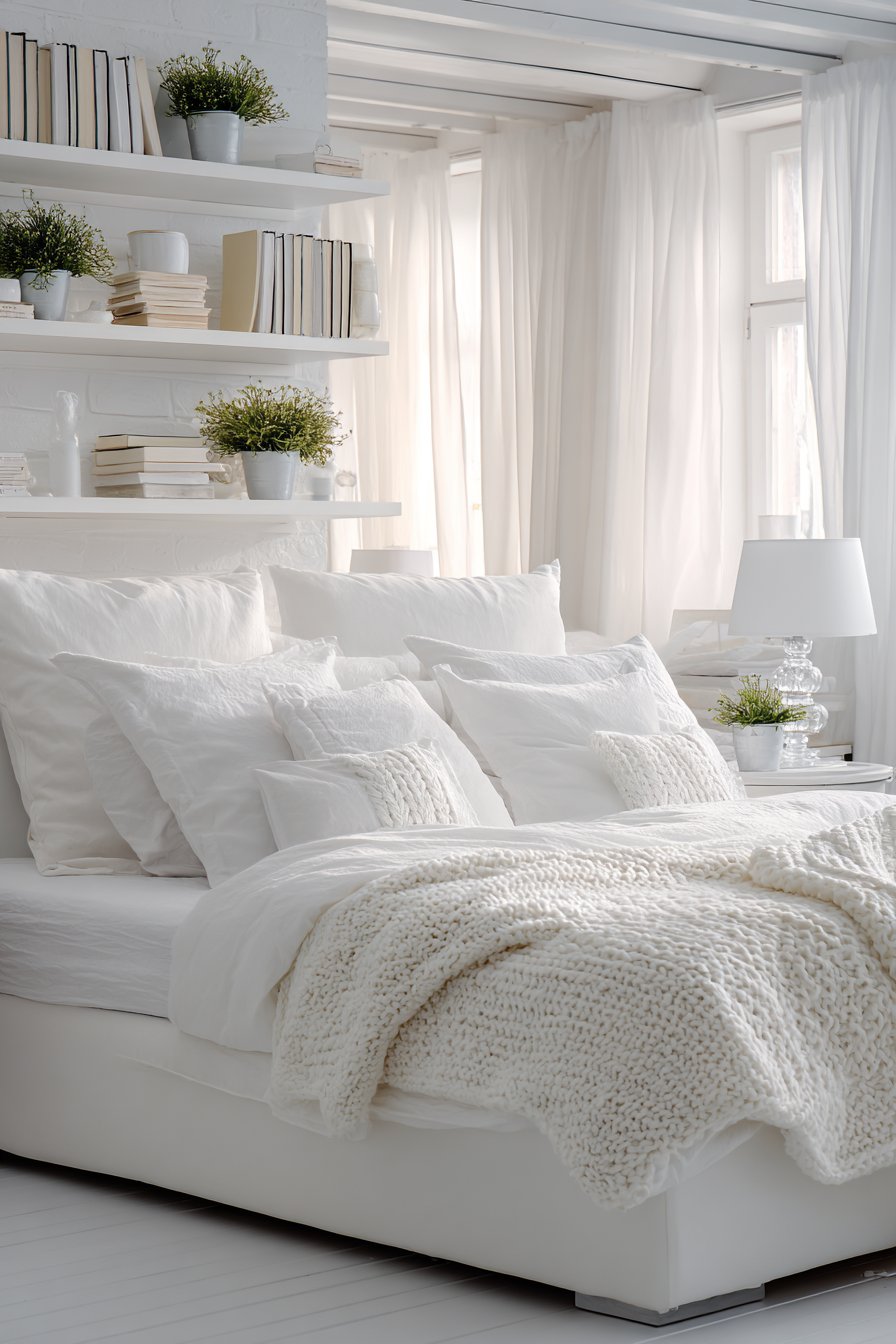
A full-size bed with a white upholstered platform frame anchors the design. Layers of white bedding in varied textures add depth without color contrast. Linen duvet, cotton sheets, and cable knit throws create interest through material variation.
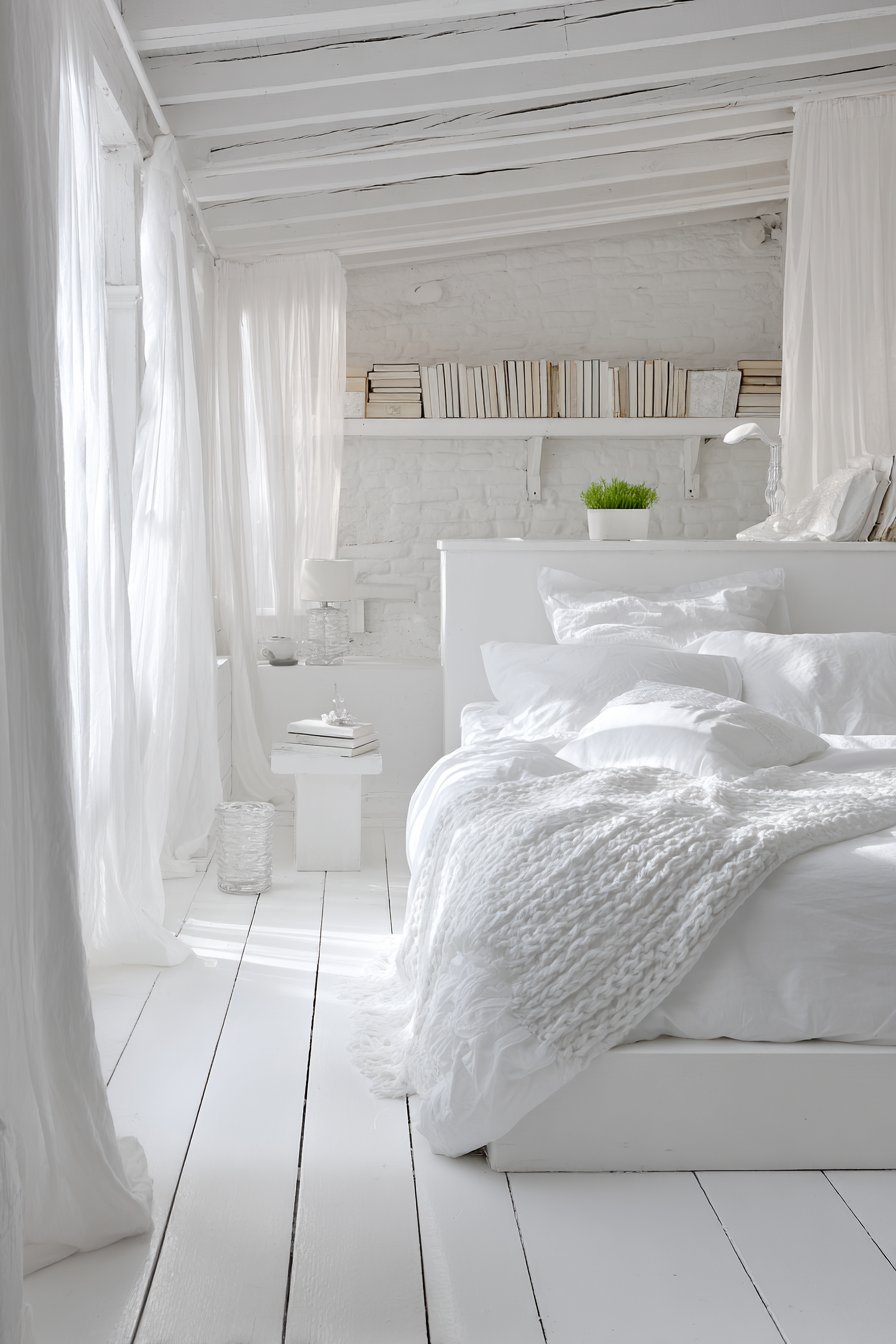
White floating shelves hold books and small white ceramic planters with green succulents. These plants provide the only color accents in the room. Sheer white curtains maximize natural light diffusion throughout the space.
White painted wide-plank floors reflect light upward toward the ceiling. A small white lacquered nightstand with a lucite lamp maintains the airy palette. Texture variation through matte paint, glossy lacquer, and nubby textiles creates interest without visual weight.
Key Design Tips:
- Layer multiple shades of white and cream for depth
- Vary textures significantly to prevent monotony in monochromatic schemes
- Use green plants as subtle color accents that enhance rather than break the palette
- Choose glossy and reflective surfaces to maximize light reflection
- Paint floors white or very light colors to extend the boundary-less feeling
6. Multi-Functional Furniture Solutions
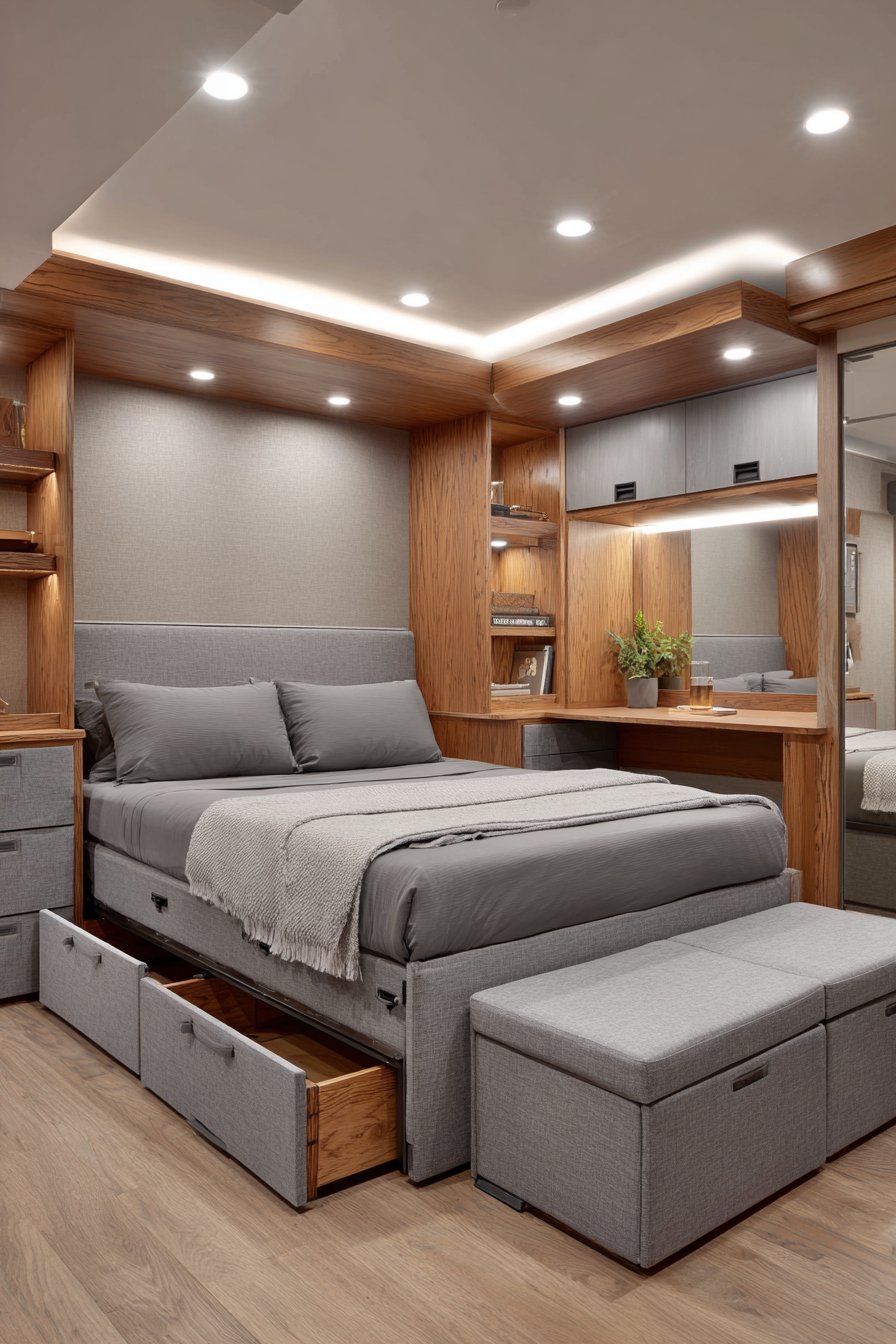
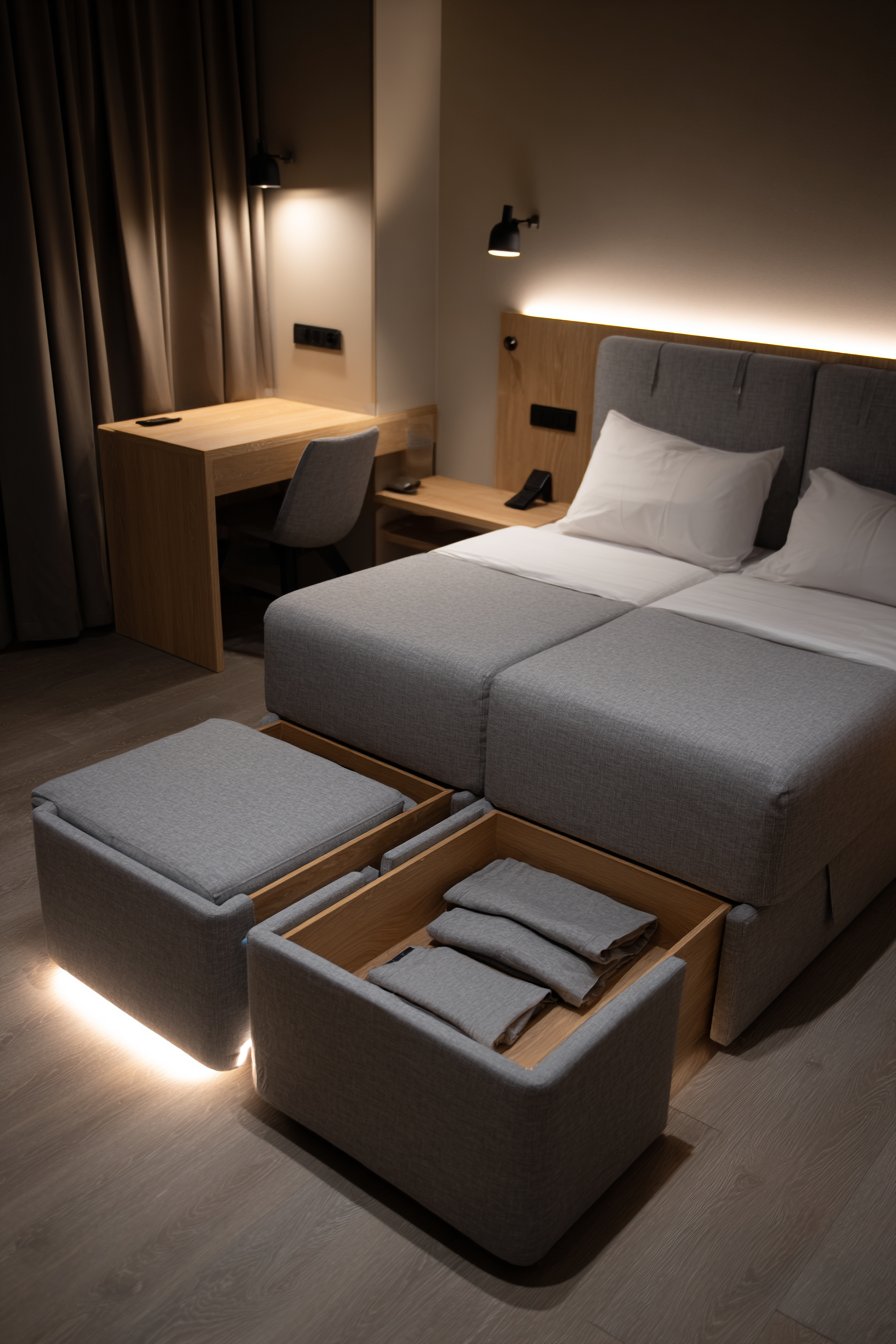
Multi-functional furniture maximizes utility within severe space constraints. An upholstered storage ottoman at the foot of the bed opens to reveal blanket storage. It also provides seating and a surface for folding clothes.
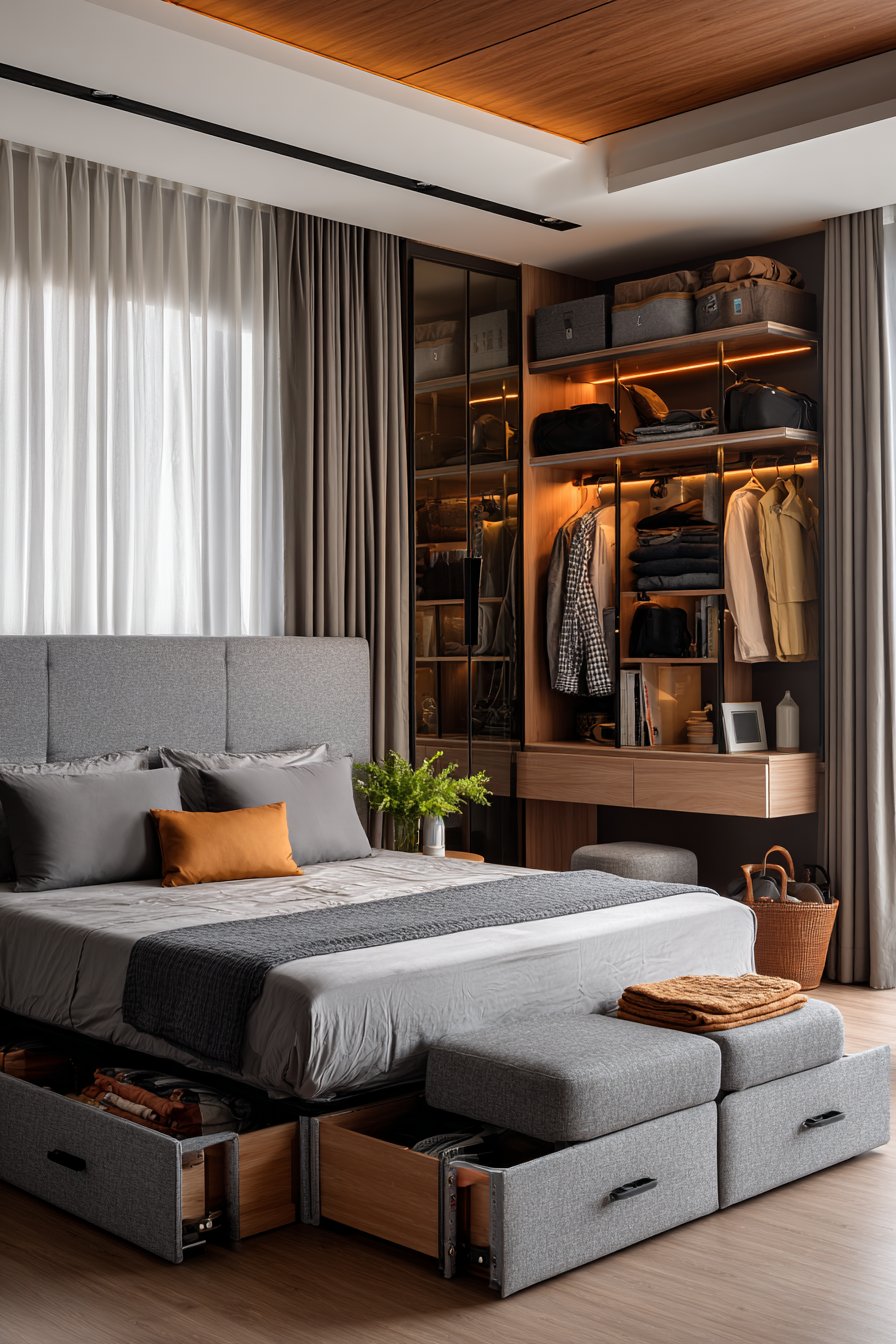
The grey fabric bed frame includes built-in drawers on both sides. This design maximizes under-bed storage potential significantly. A narrow console table behind the bed serves dual purposes as headboard and desk.
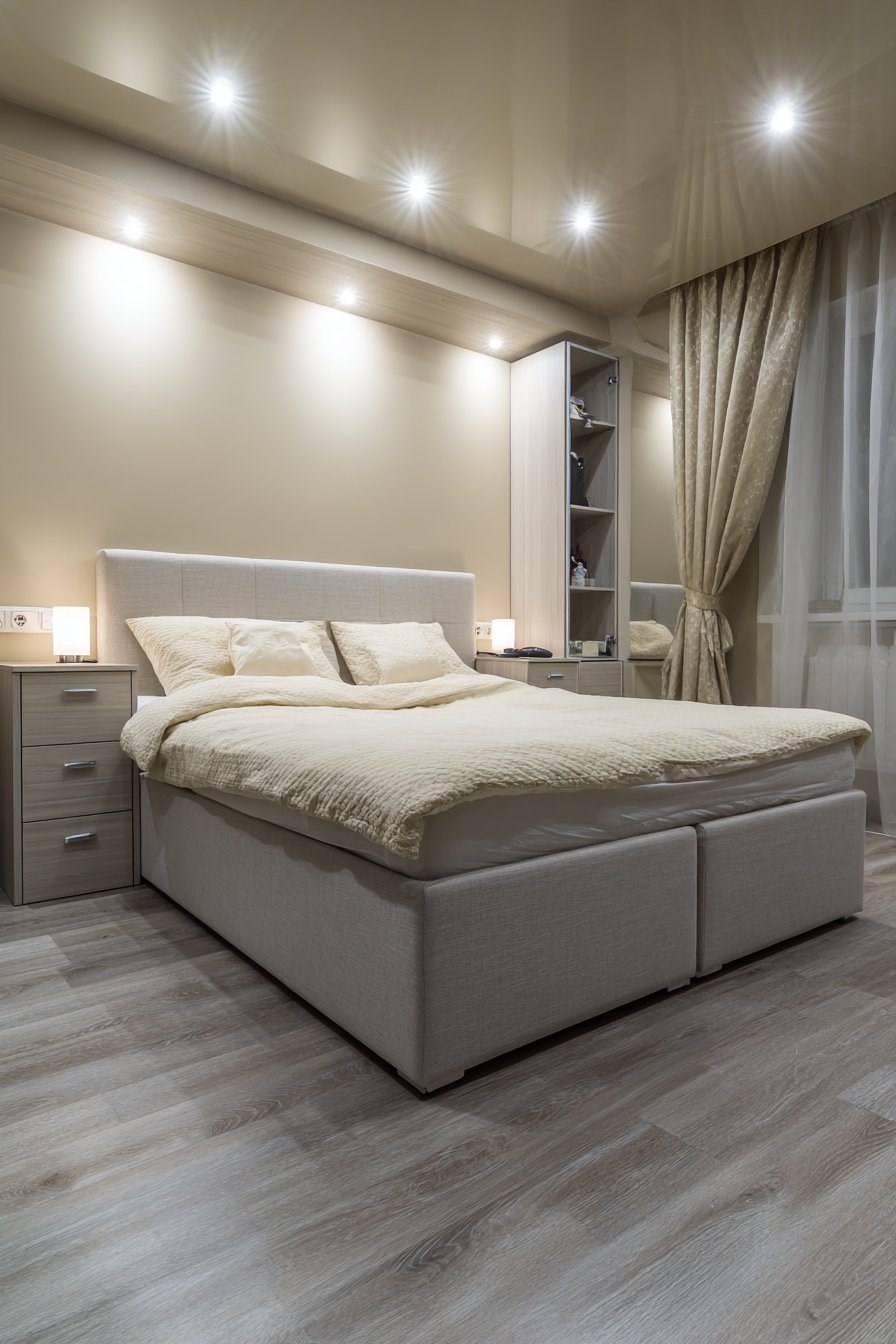
Wall-mounted fold-out side tables serve as nightstands when needed. They collapse flat when not in use to preserve floor space. A slim wardrobe with mirrored doors provides clothing storage while reflecting light.
Warm greige walls provide a versatile backdrop for the functional furniture. LED strip lighting under shelves creates ambient glow without floor lamps. Grey oak laminate flooring adds contemporary character.
Key Design Tips:
- Select ottoman beds that combine seating, storage, and surface functions
- Choose bed frames with integrated drawer systems on multiple sides
- Install fold-out wall tables that disappear when not needed
- Use mirrored wardrobe doors to expand light and perceived space
- Position LED strips under shelves for ambient lighting without fixtures
7. Minimalist Japanese-Inspired Design
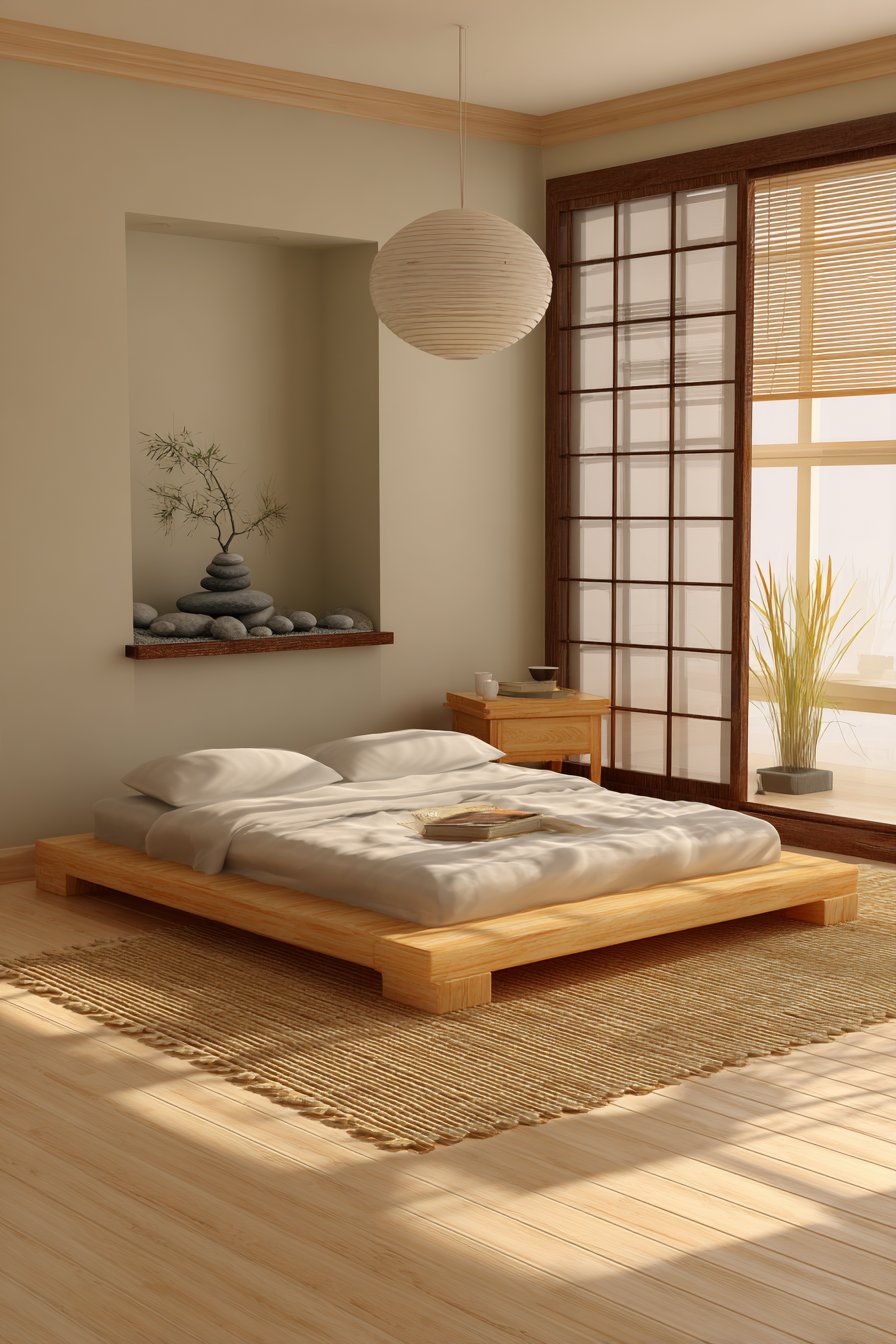
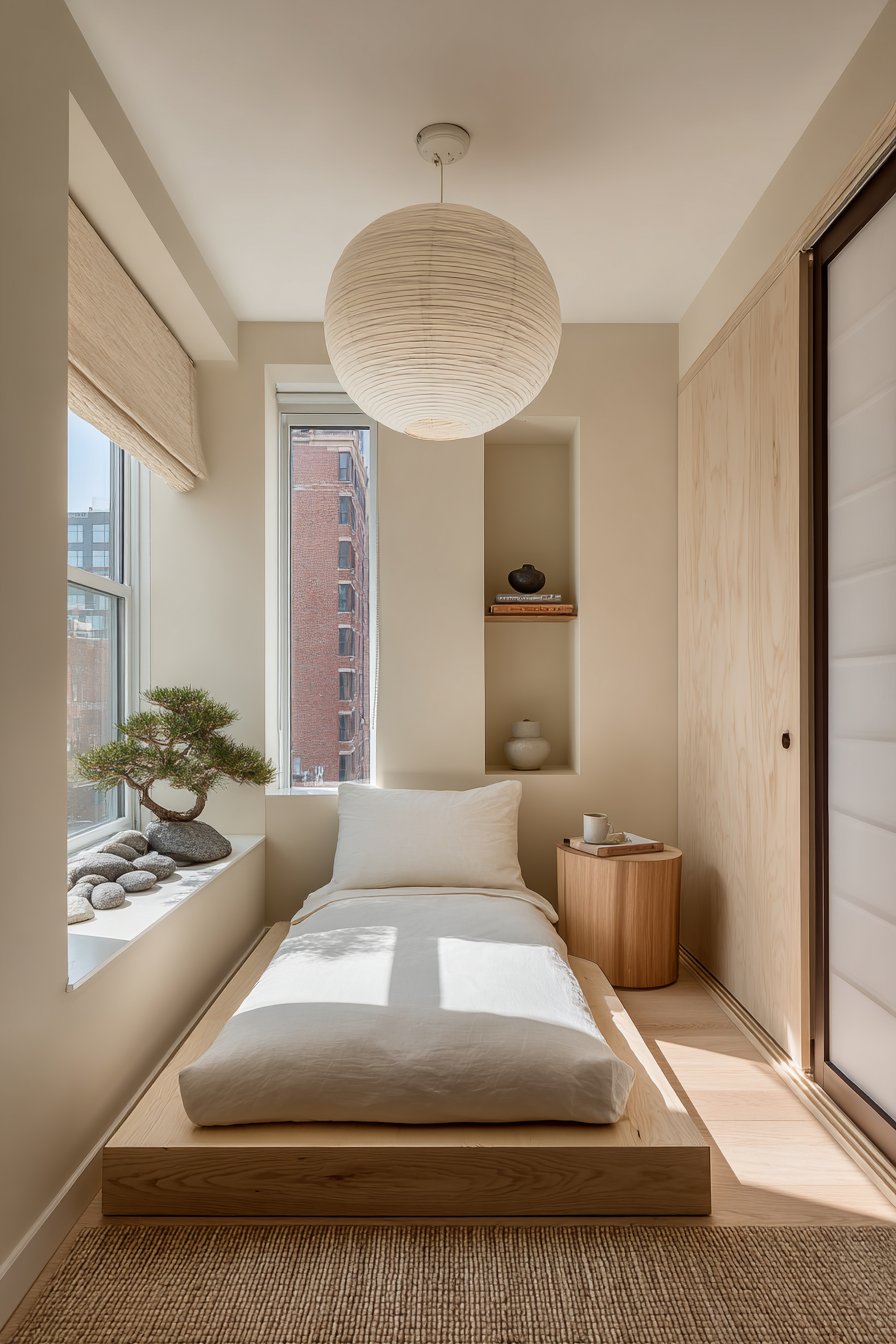
A minimalist Japanese-inspired philosophy embraces the principle that less is deliberately more. A low platform bed with a simple maple frame sits directly on the floor. Only essential items remain visible in this serene space.
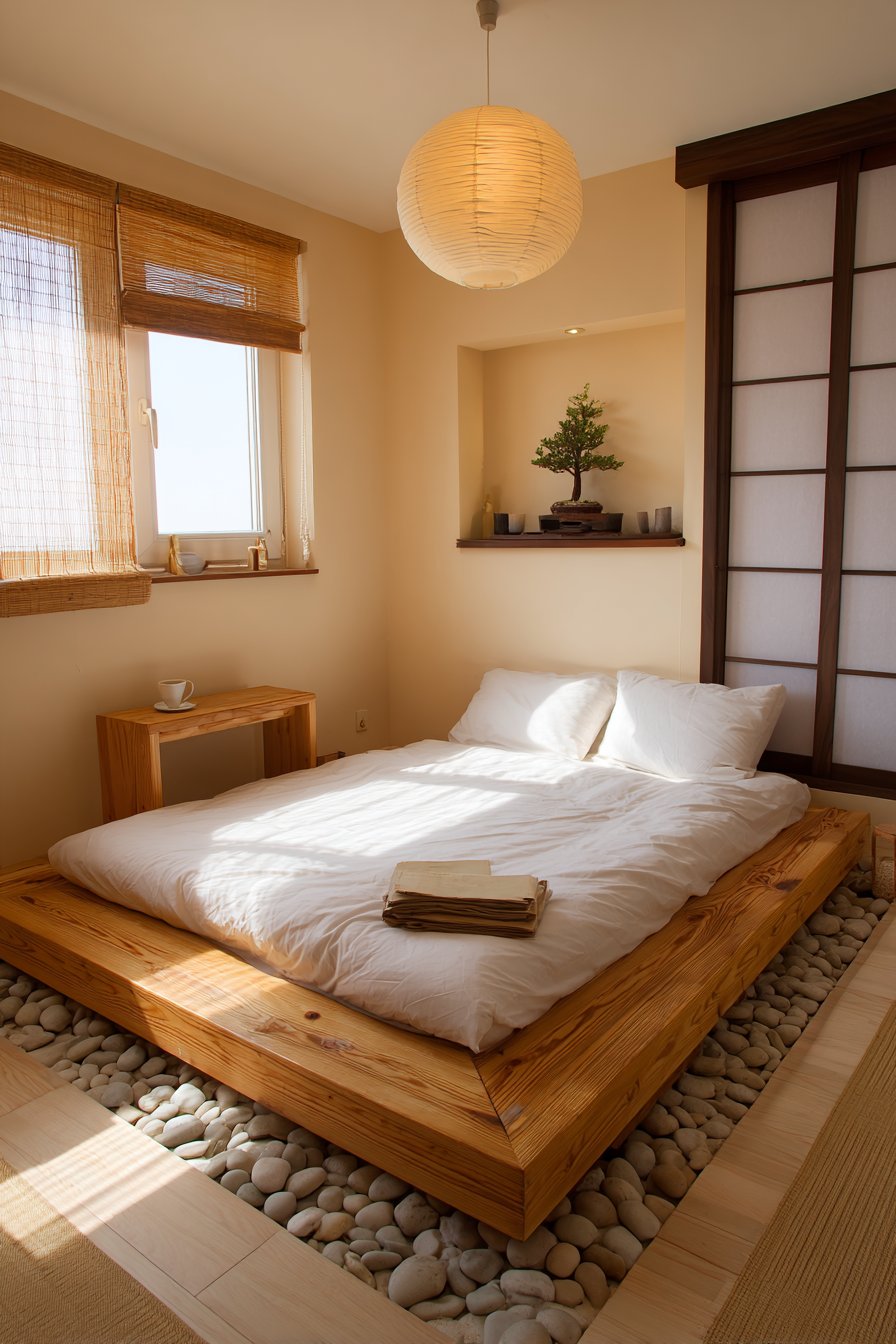
A thin futon mattress with precisely folded white cotton bedding creates clean lines. One small side table in matching maple holds a ceramic cup and single book. A shoji screen-inspired sliding closet door conceals storage beautifully.
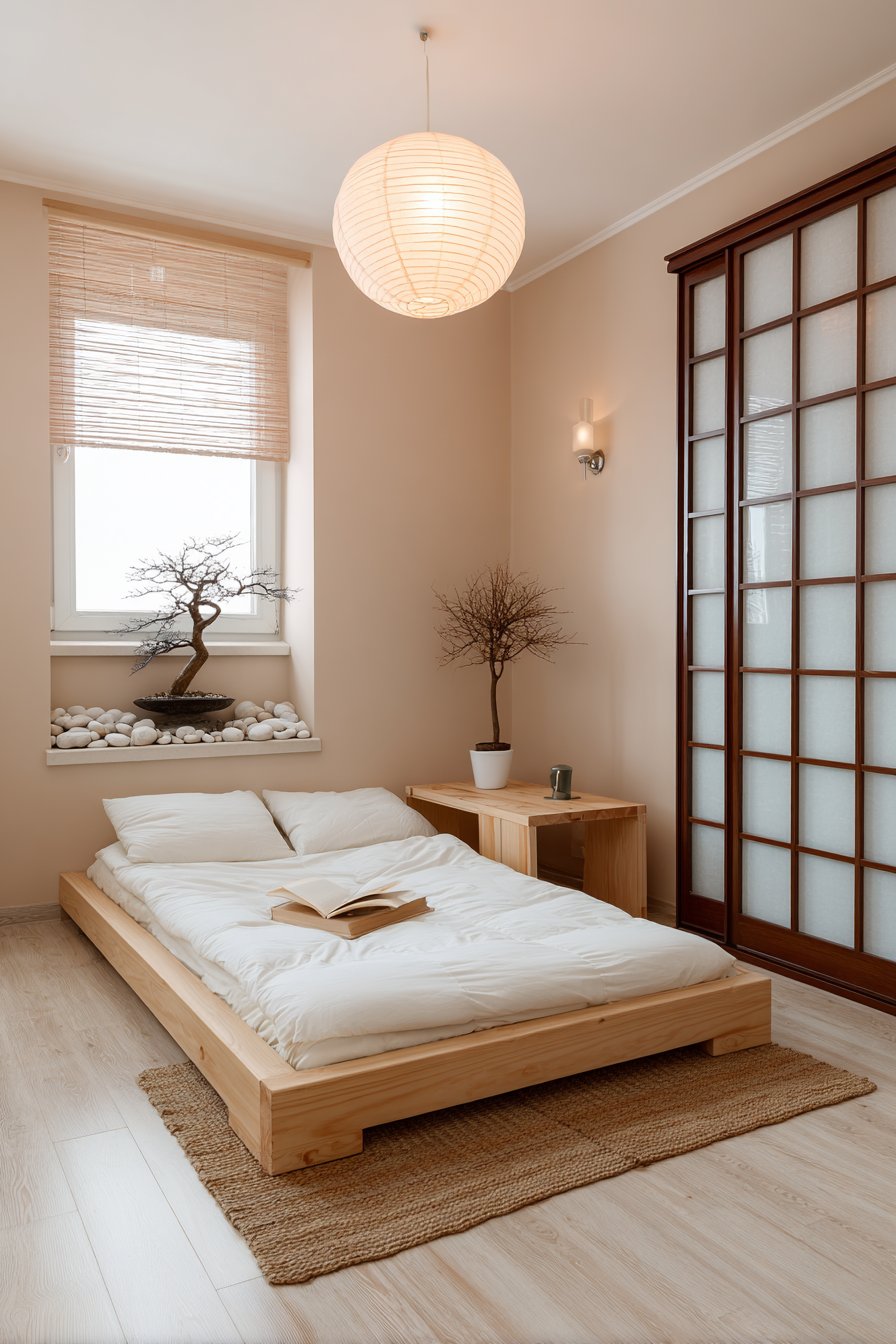
Soft neutral beige walls provide a calm backdrop for the minimal furnishings. One alcove features a small floating shelf displaying a single bonsai tree and smooth river stones. This focused curation creates contemplative moments.
A tatami-style mat or natural jute rug defines the sleeping area on light bamboo flooring. A paper lantern pendant light provides soft ambient illumination. Simple bamboo shades on the window control natural light gracefully.
Key Design Tips:
- Embrace negative space as a design element rather than filling every corner
- Select low platform beds that emphasize horizontal lines
- Curate possessions to include only essential and meaningful items
- Use natural materials like bamboo, maple, and paper throughout
- Create small display areas for single contemplative objects
8. Smart Lighting Design Strategy
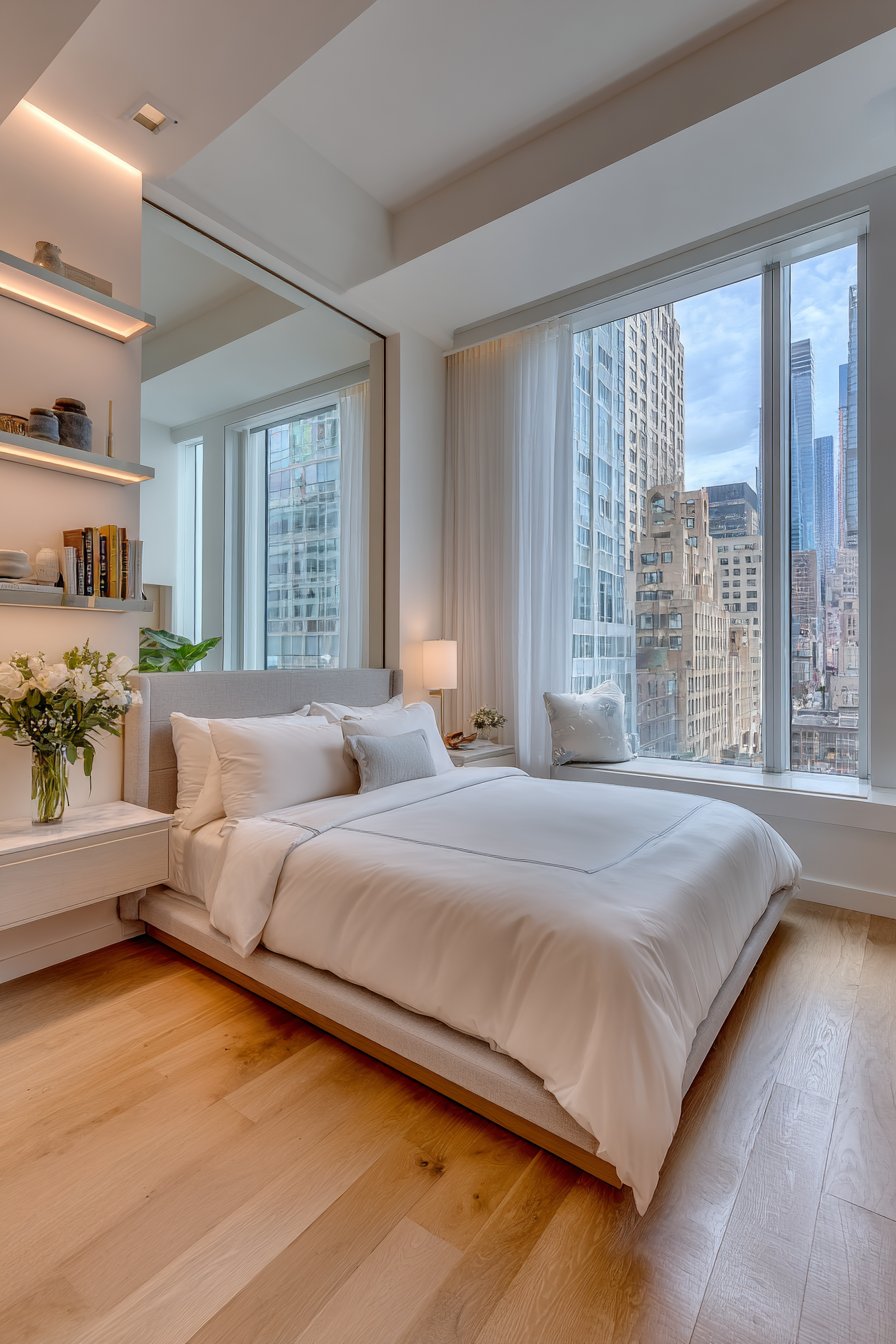
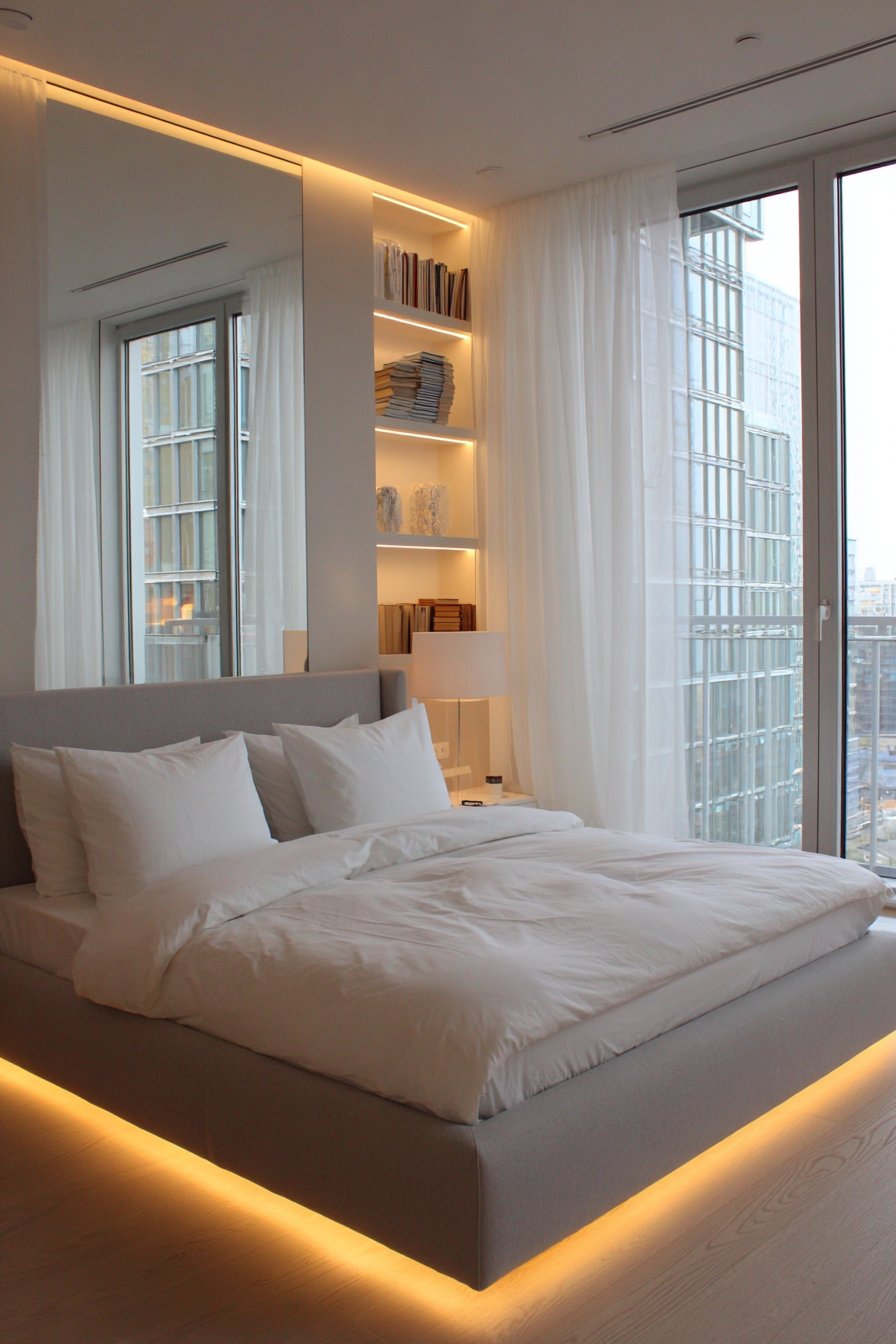
Strategic lighting design expands perceived space through layered illumination. Recessed LED spotlights in the ceiling provide general ambient lighting without consuming visual space. This creates even brightness throughout the compact room.
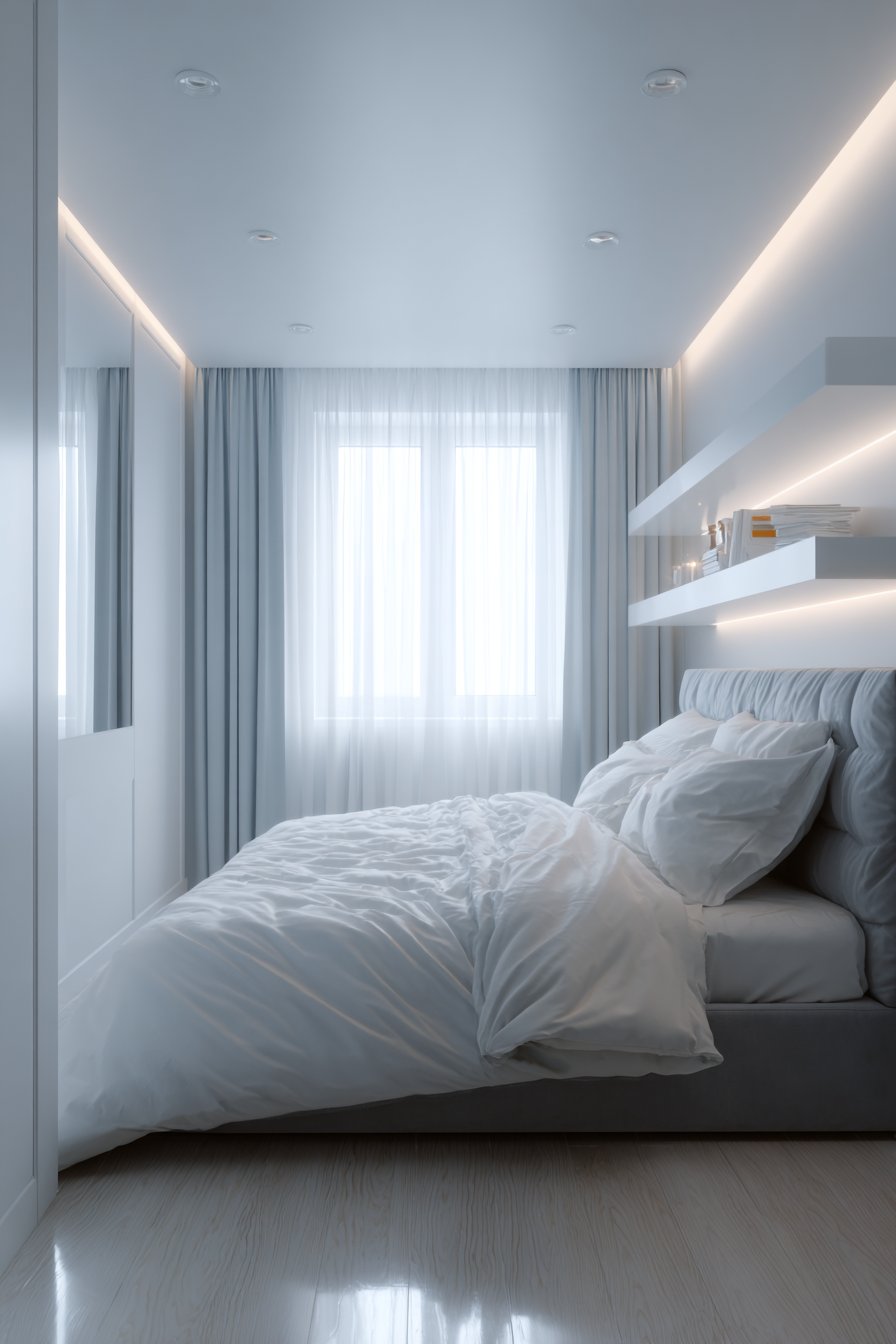
Wall-mounted sconces with thin profiles flank the headboard area. These provide reading light without requiring nightstand space or surfaces. LED strip lighting concealed under floating shelves creates subtle uplighting.
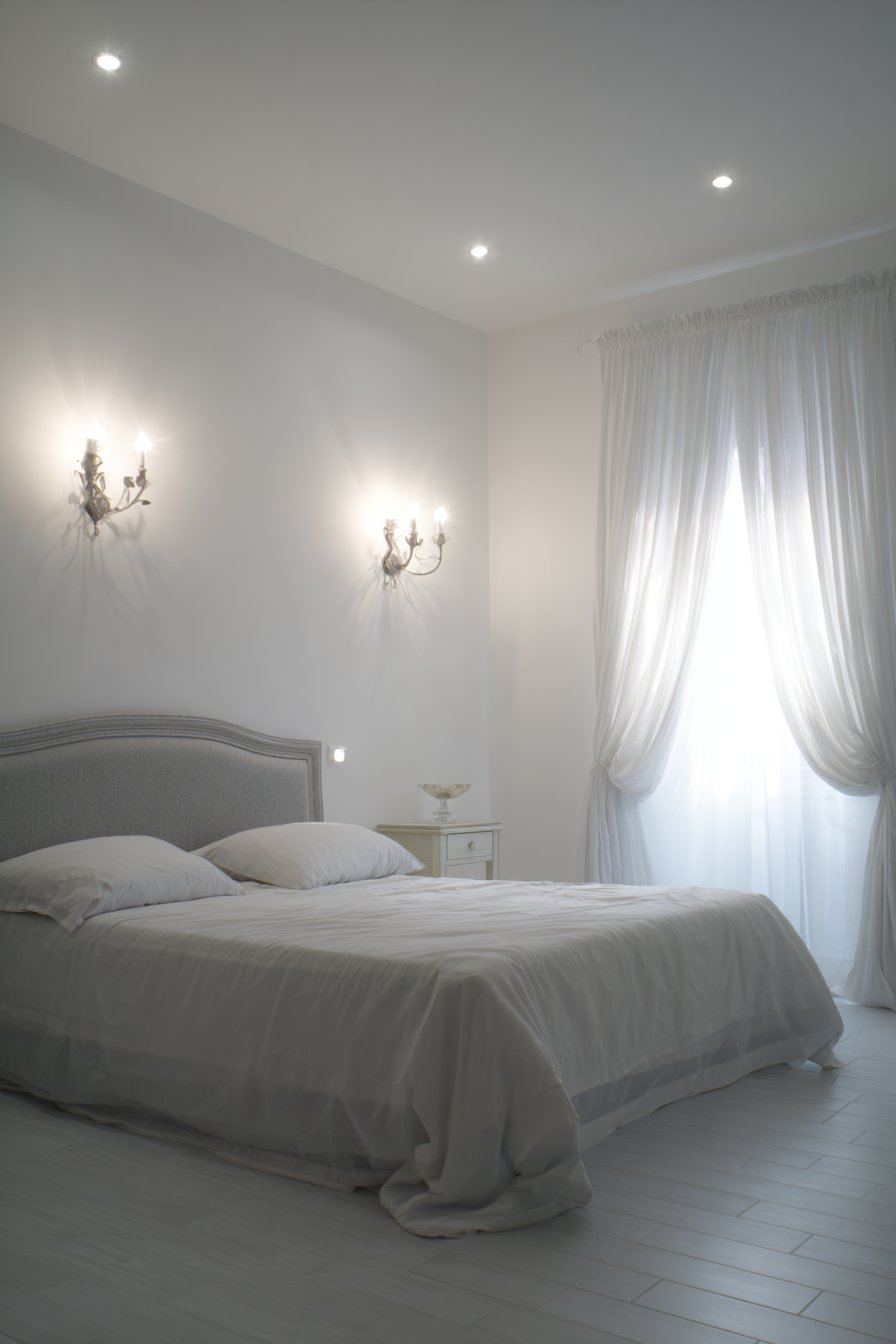
This uplighting draws the eye upward and makes ceilings feel higher. A large window maximizes natural daylight with sheer white curtains diffusing light throughout. The bed features a pale grey upholstered headboard with white bedding.
Soft white walls with a satin finish reflect light in all directions. Strategic mirror placement opposite the window doubles natural light impact. Light ash flooring with a glossy finish reflects light upward toward the ceiling.
Key Design Tips:
- Install recessed lighting to eliminate space-consuming fixtures
- Use wall-mounted sconces instead of table lamps to preserve surfaces
- Add LED strips under shelves to create uplighting that raises perceived ceiling height
- Position mirrors opposite windows to double natural light impact
- Choose glossy floor finishes that reflect light upward
9. Built-In Window Seat with Storage
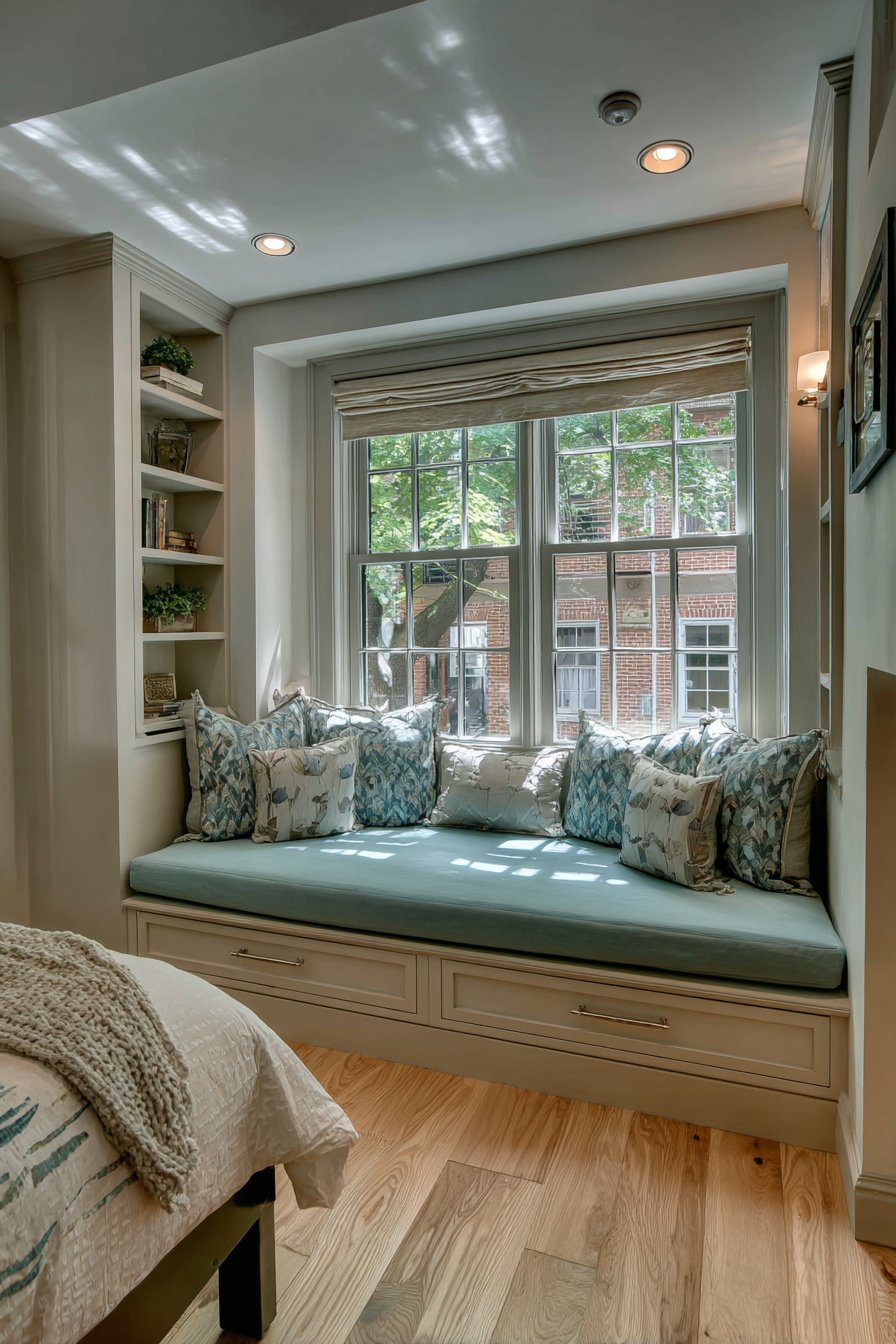
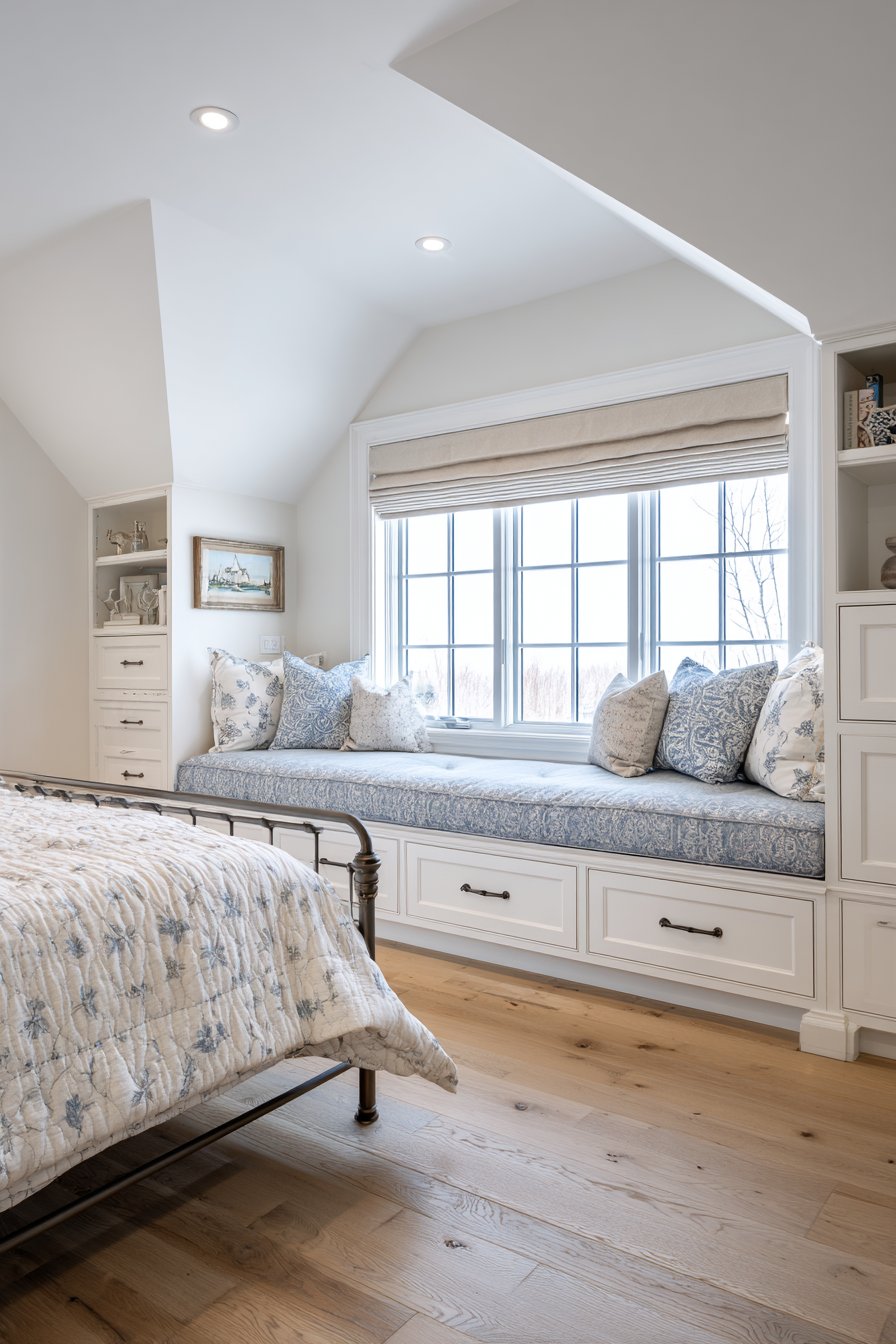
A custom cushioned window seat incorporates essential bedroom functions into architectural features. The seat fills the entire window alcove with lift-top storage holding clothing and linens. Drawers below provide additional organized storage space.
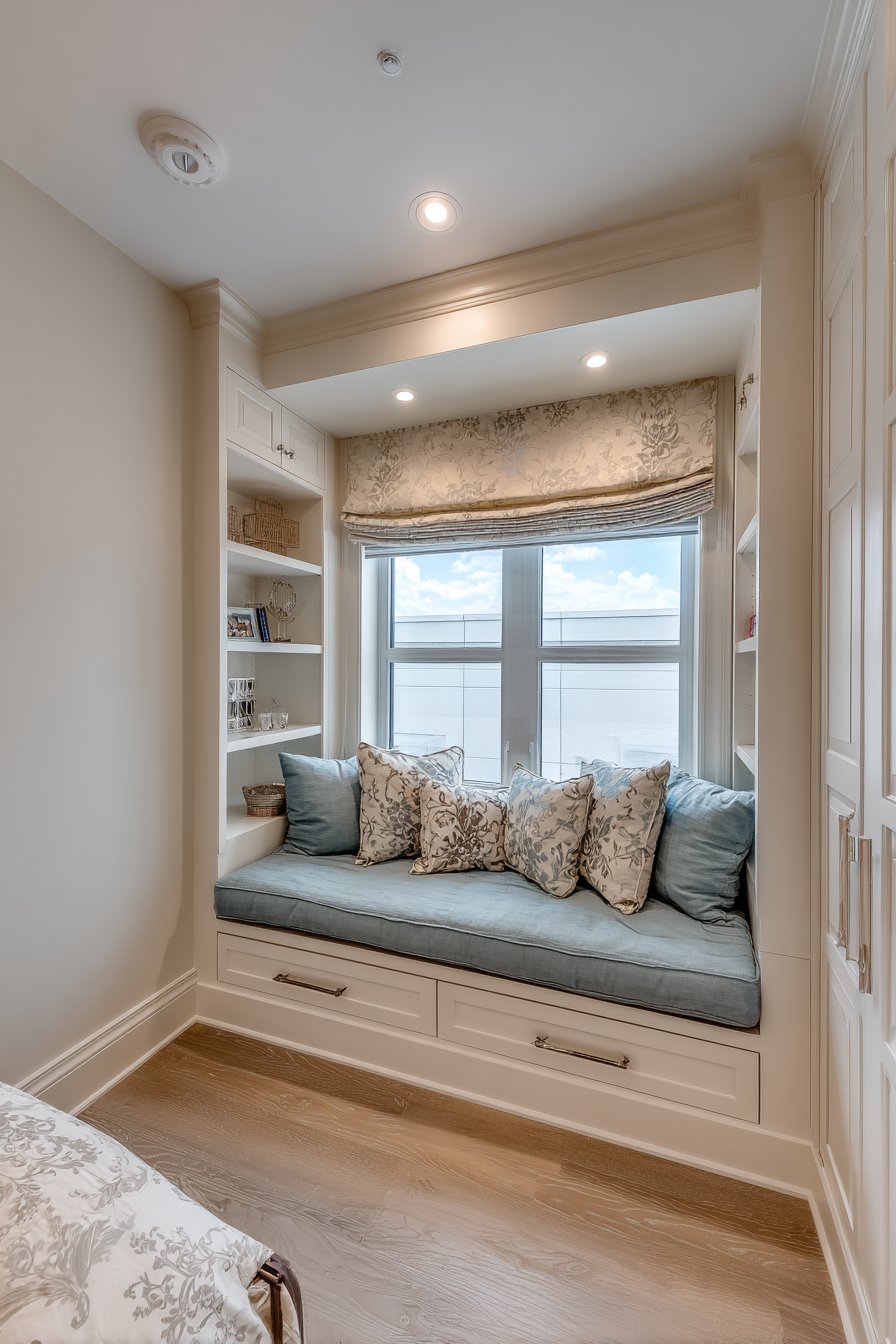
A comfortable cushion in soft blue-grey fabric tops the window seat. Coordinating throw pillows create inviting seating that eliminates separate chair needs. This built-in solution maximizes existing architectural features.
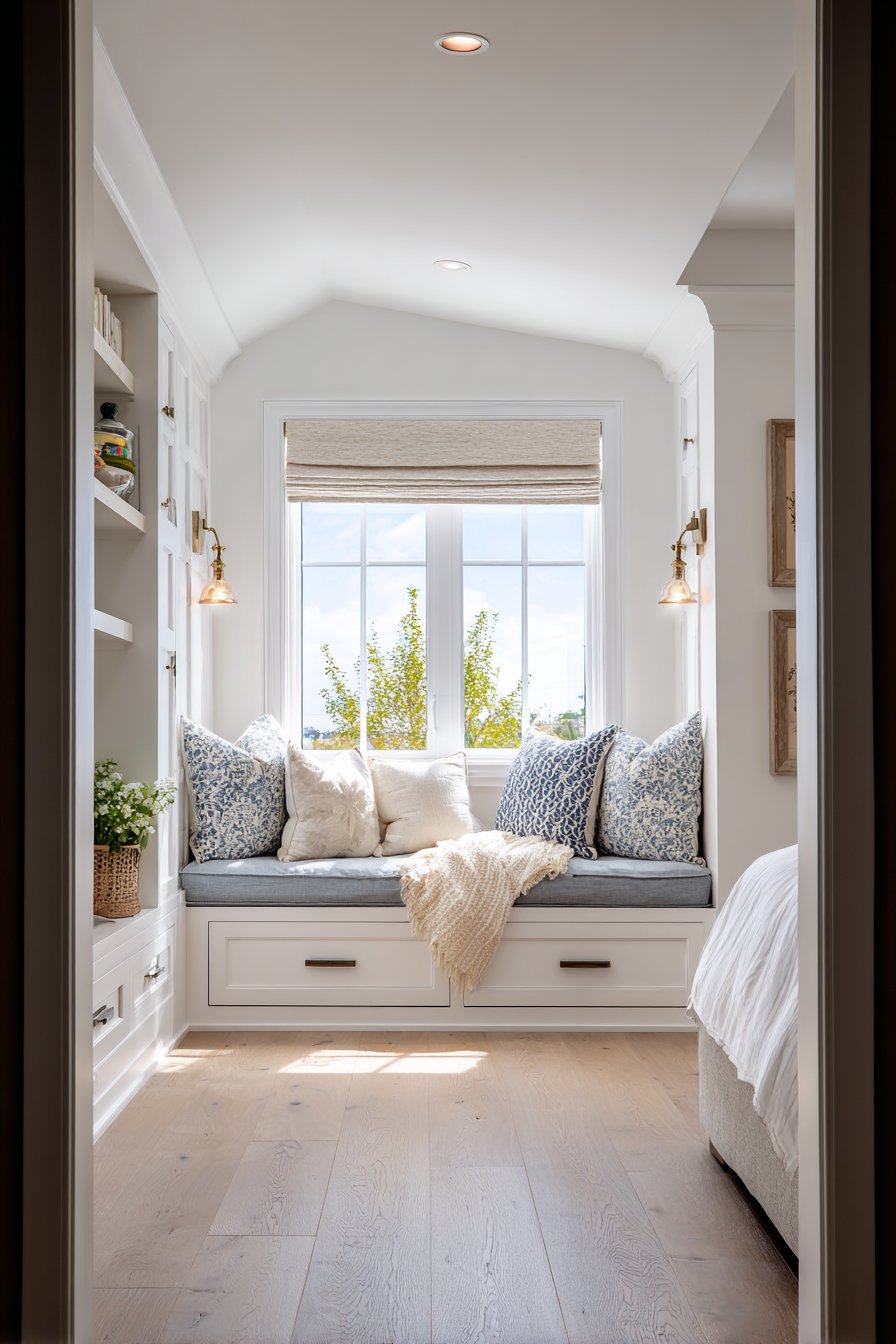
Flanking built-in cabinetry reaches to the ceiling with open shelving for display. Closed cabinets below provide concealed storage for items requiring privacy. A full-size bed with a simple white metal frame sits perpendicular to the window wall.
Warm white walls create brightness throughout the compact space. The window features a simple Roman shade in natural linen for light and privacy control. White oak flooring with light stain maintains the airy aesthetic.
Key Design Tips:
- Maximize window alcoves with custom built-in seating and storage
- Use lift-top cushions that reveal storage compartments below
- Install flanking cabinetry that reaches to the ceiling for maximum capacity
- Choose coordinating fabrics that tie seating into the overall color scheme
- Position beds perpendicular to window walls to optimize natural light
10. Graduated Color Wall Strategy
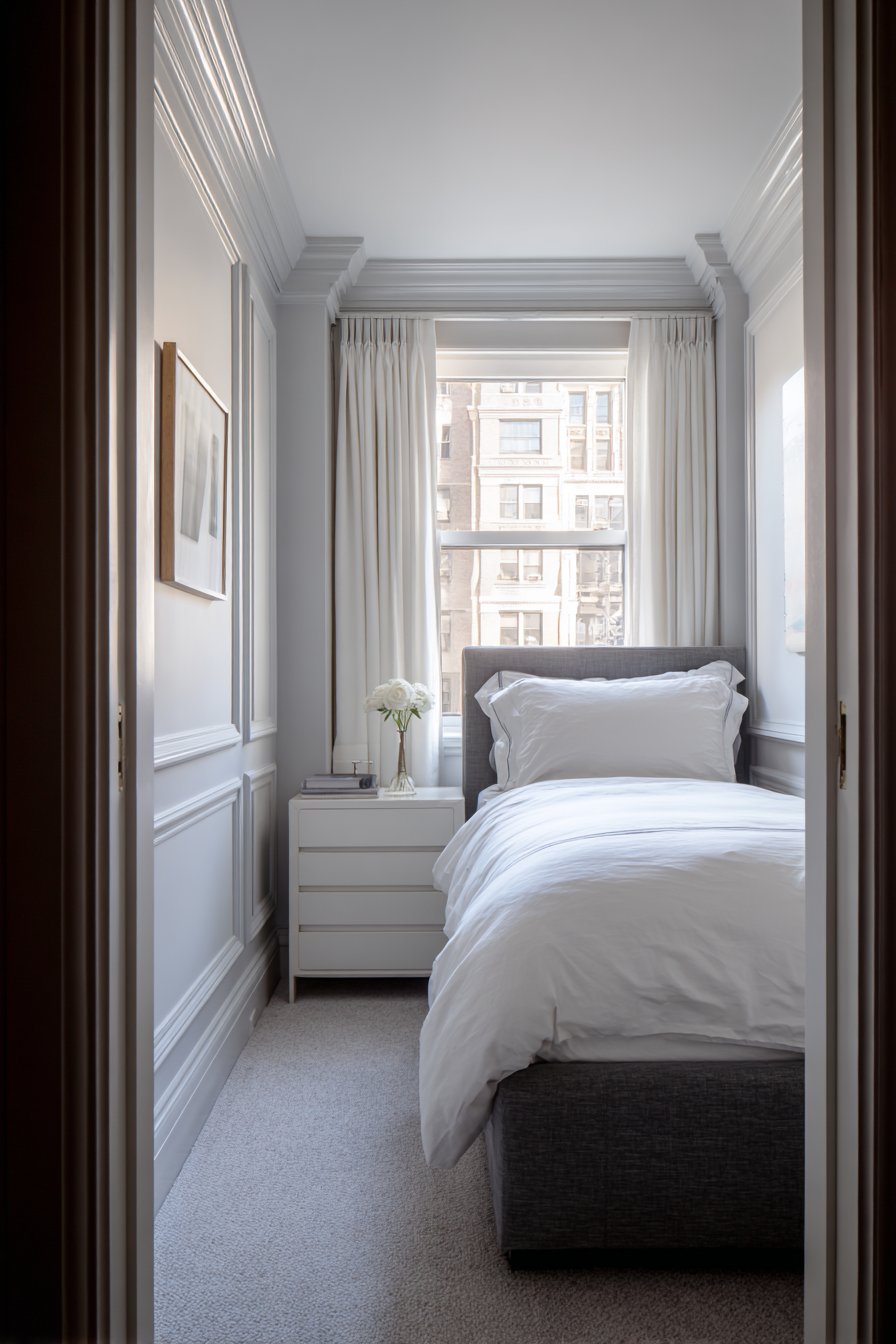
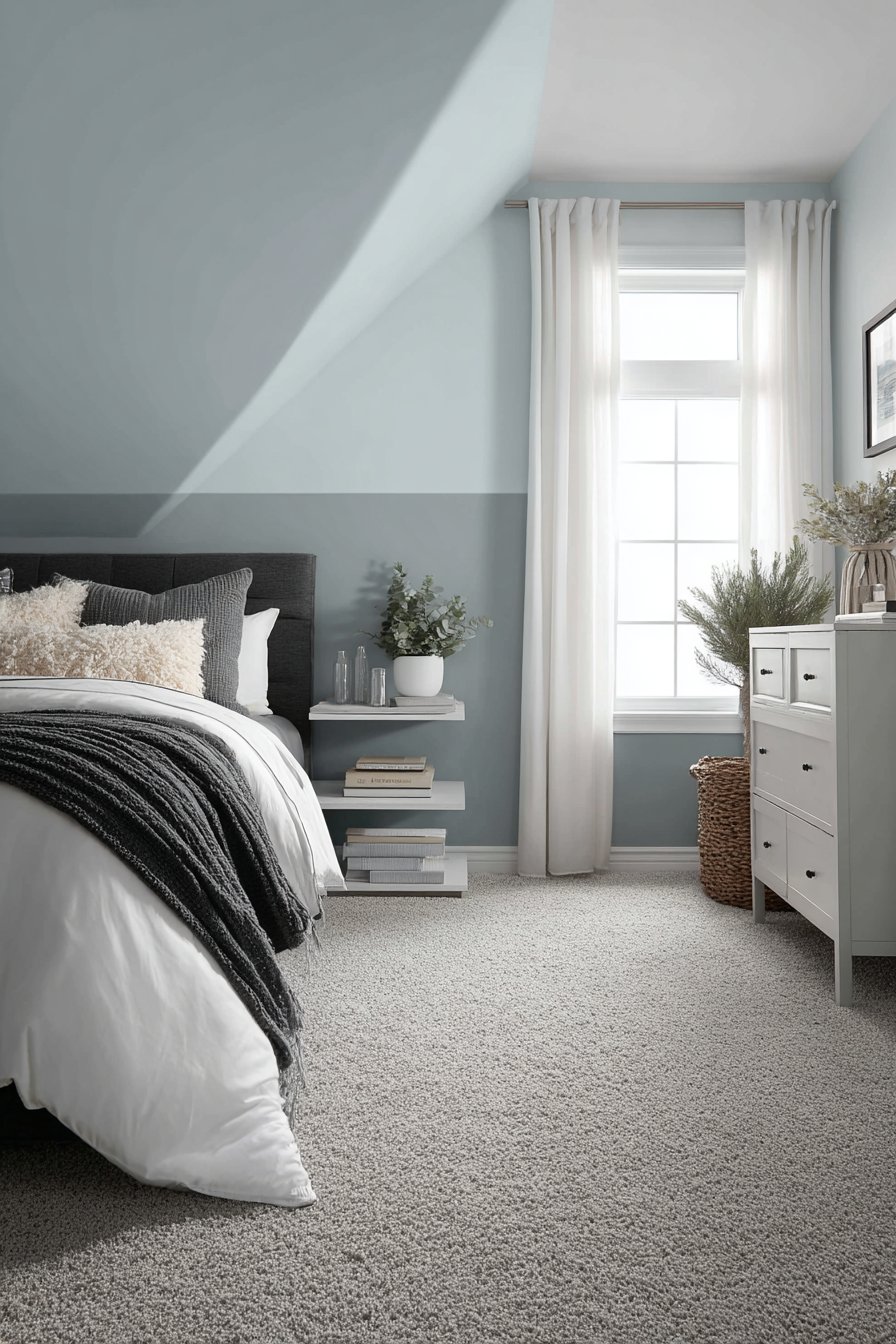
A sophisticated small space color strategy uses graduated tones to create depth without overwhelming. The ceiling features the palest blue-grey almost white color. Upper walls display soft dove grey tones.
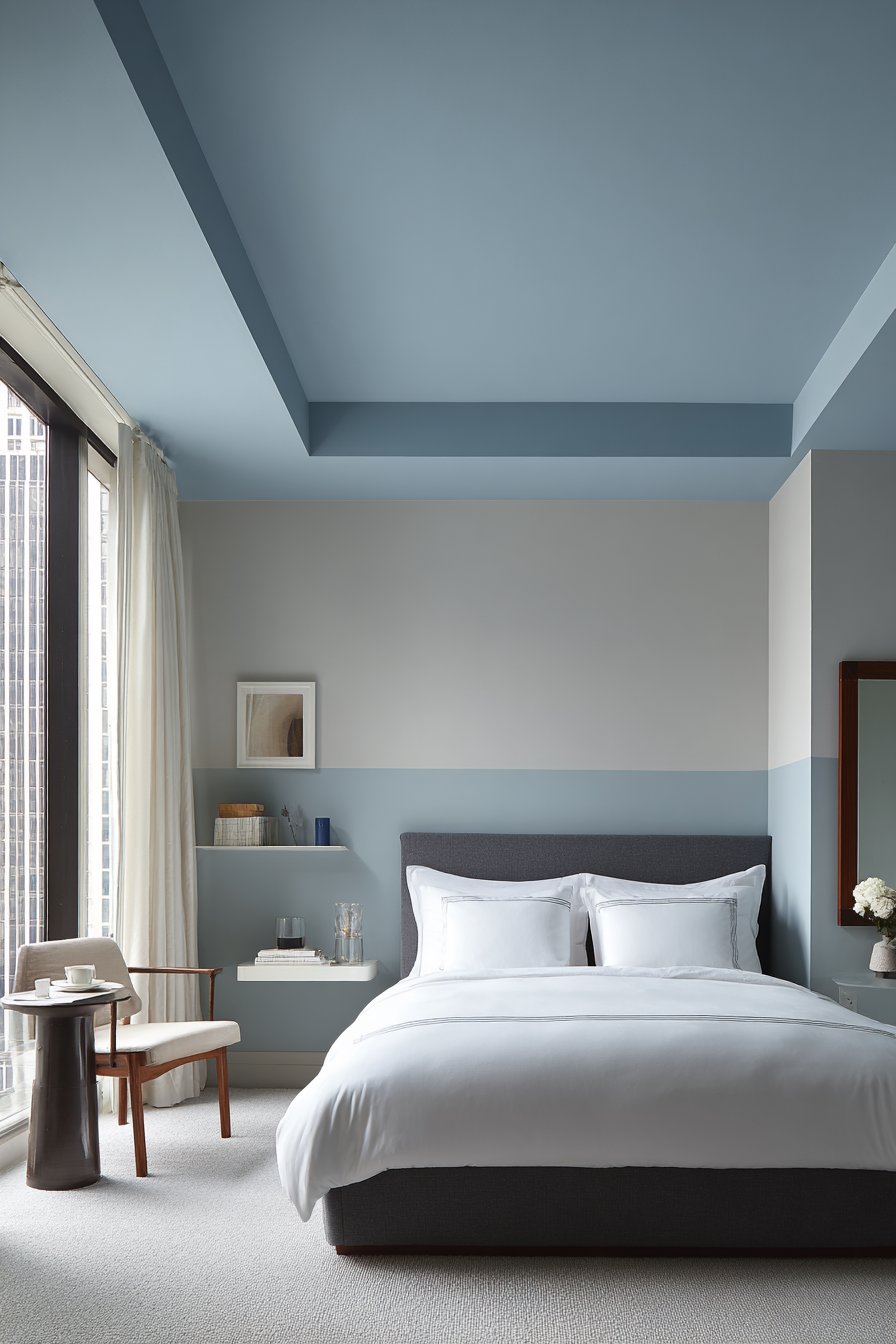
Lower walls below a chair rail show slightly deeper grey-blue tones. This graduated color progression creates subtle depth and visual interest. The technique adds dimension while maintaining overall lightness.
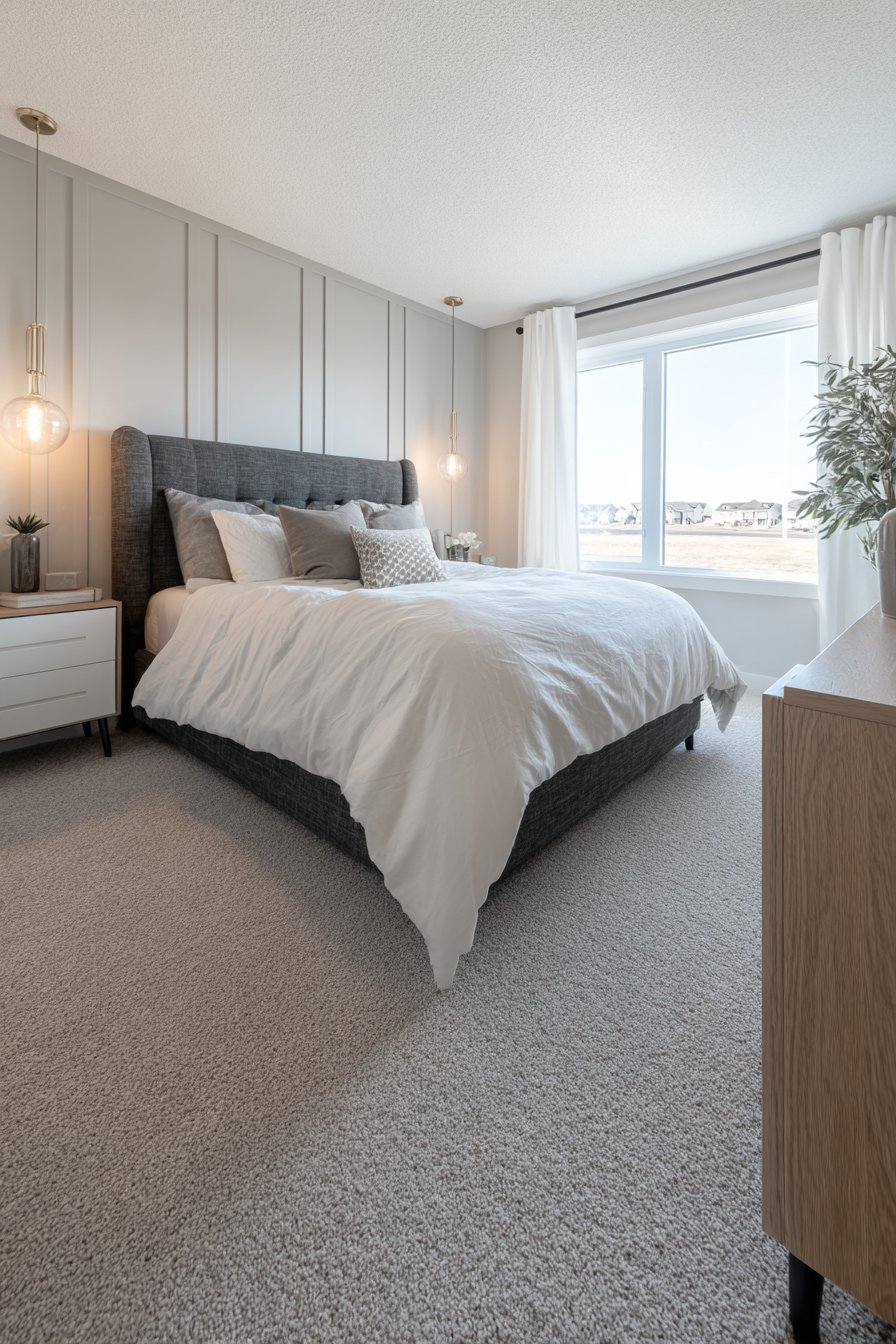
A full-size bed with a streamlined upholstered headboard in charcoal grey anchors the space. Crisp white bedding creates contrast against the tonal walls. Minimal furniture includes slim floating white nightstand shelves and a narrow dresser with mirror.
All furniture pieces have legs rather than sitting flush on the floor. This creates visual lightness and airiness. Light grey plush carpet adds comfort without darkness.
Key Design Tips:
- Paint ceilings in the lightest tone to maximize height perception
- Graduate wall colors from light to slightly deeper for subtle depth
- Use chair rails to create natural division points for color transitions
- Select furniture with visible legs to maintain floor visibility
- Choose plush carpet in light colors for comfort without visual weight
11. Maximized Under-Bed Storage System
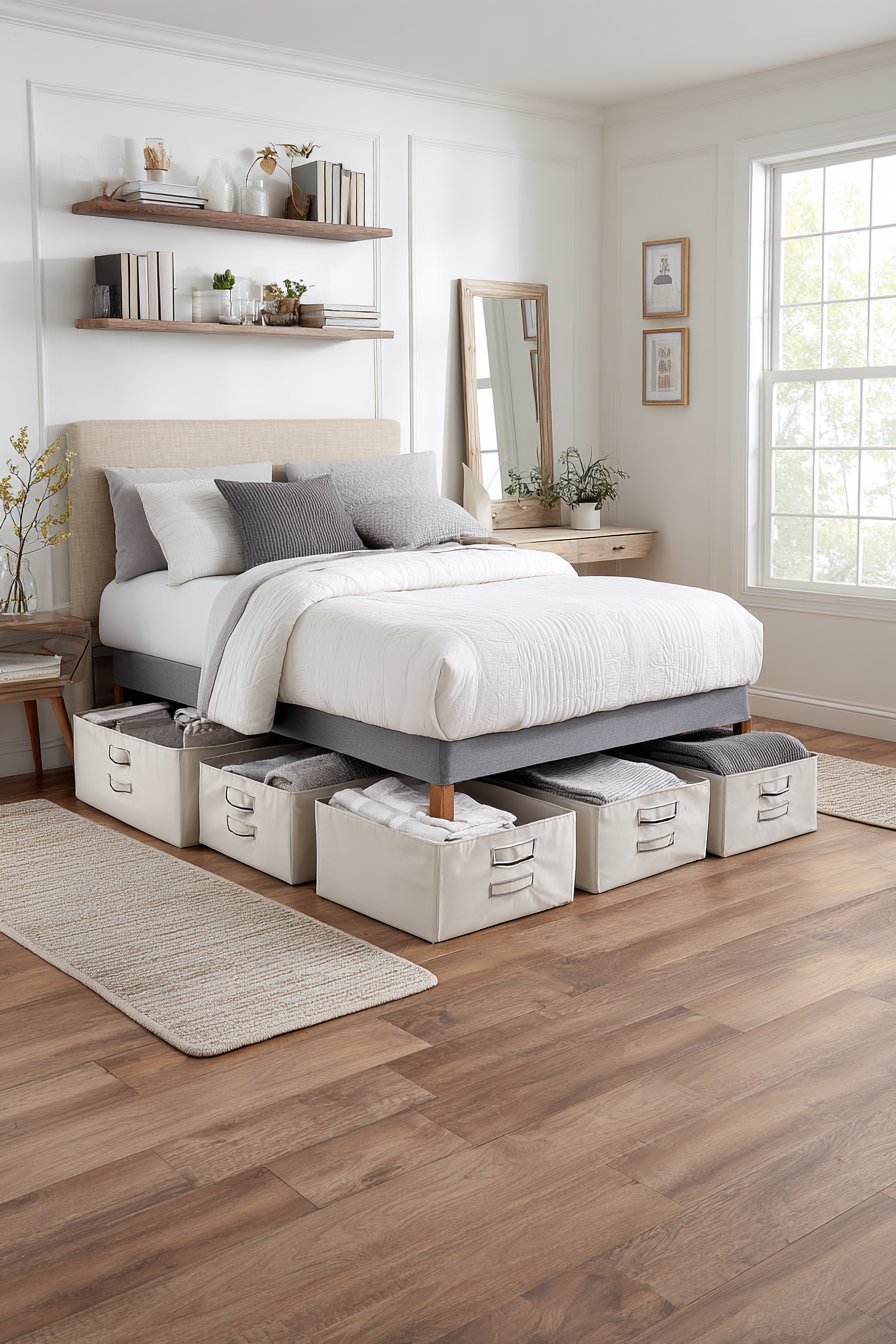
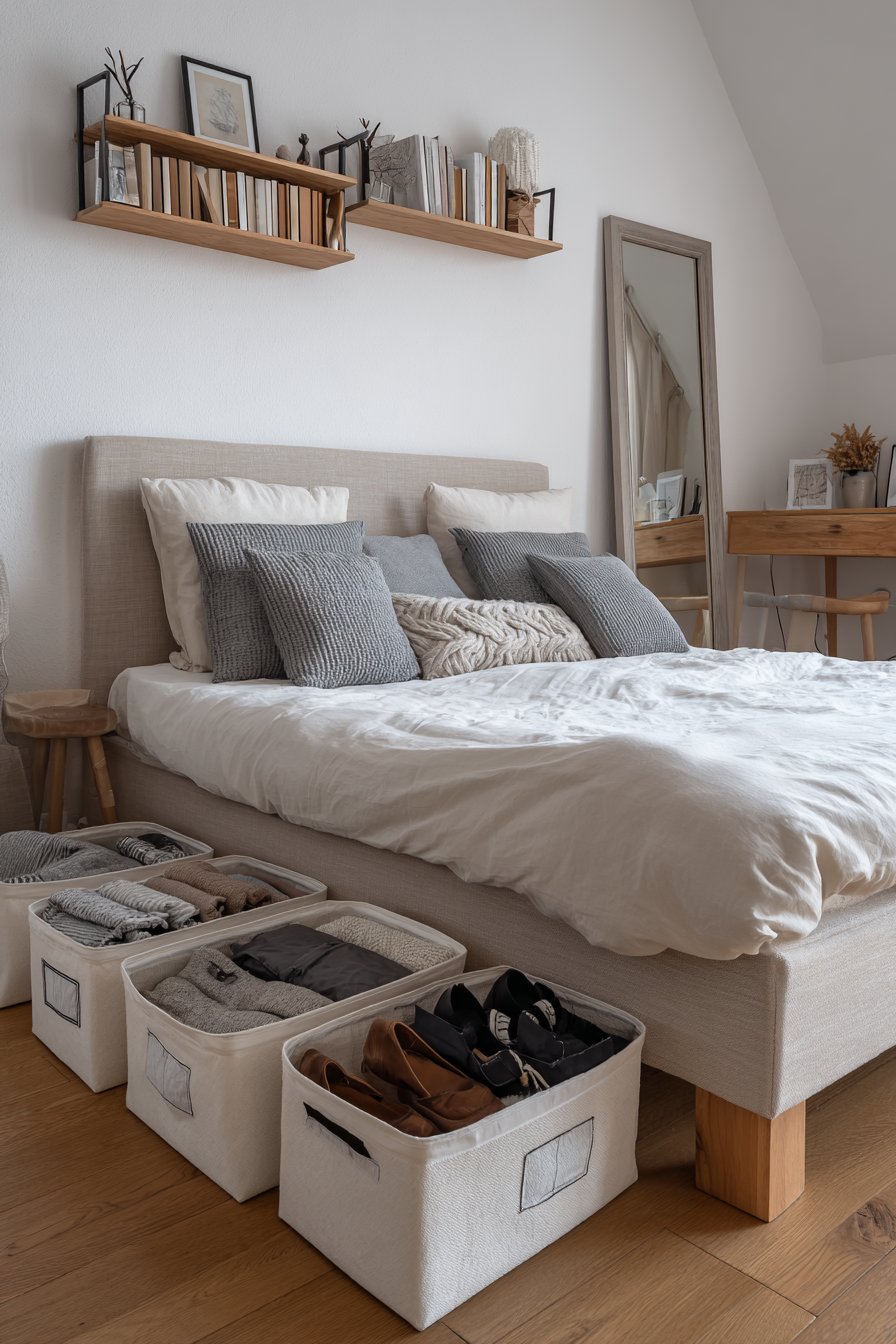
A full-size bed frame elevated eighteen inches off the ground creates abundant storage space underneath. Rolling storage bins in white fabric with grey labels organize seasonal clothing, extra bedding, and shoes. This system keeps belongings accessible yet concealed.
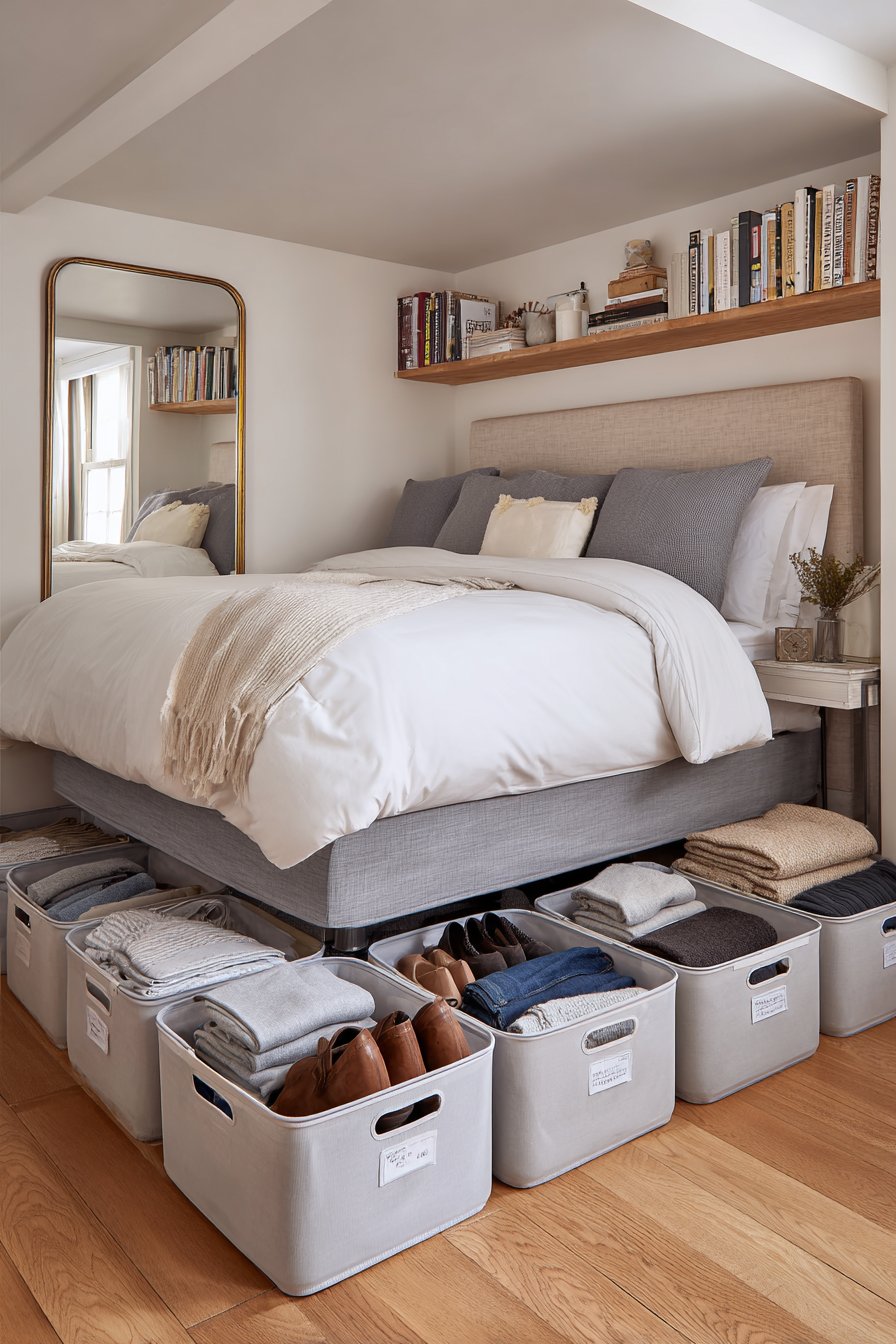
A bed skirt in soft grey hides the storage while maintaining a finished appearance. The elevated bed features a simple upholstered headboard in natural linen. White bedding with grey accent pillows creates a clean aesthetic.
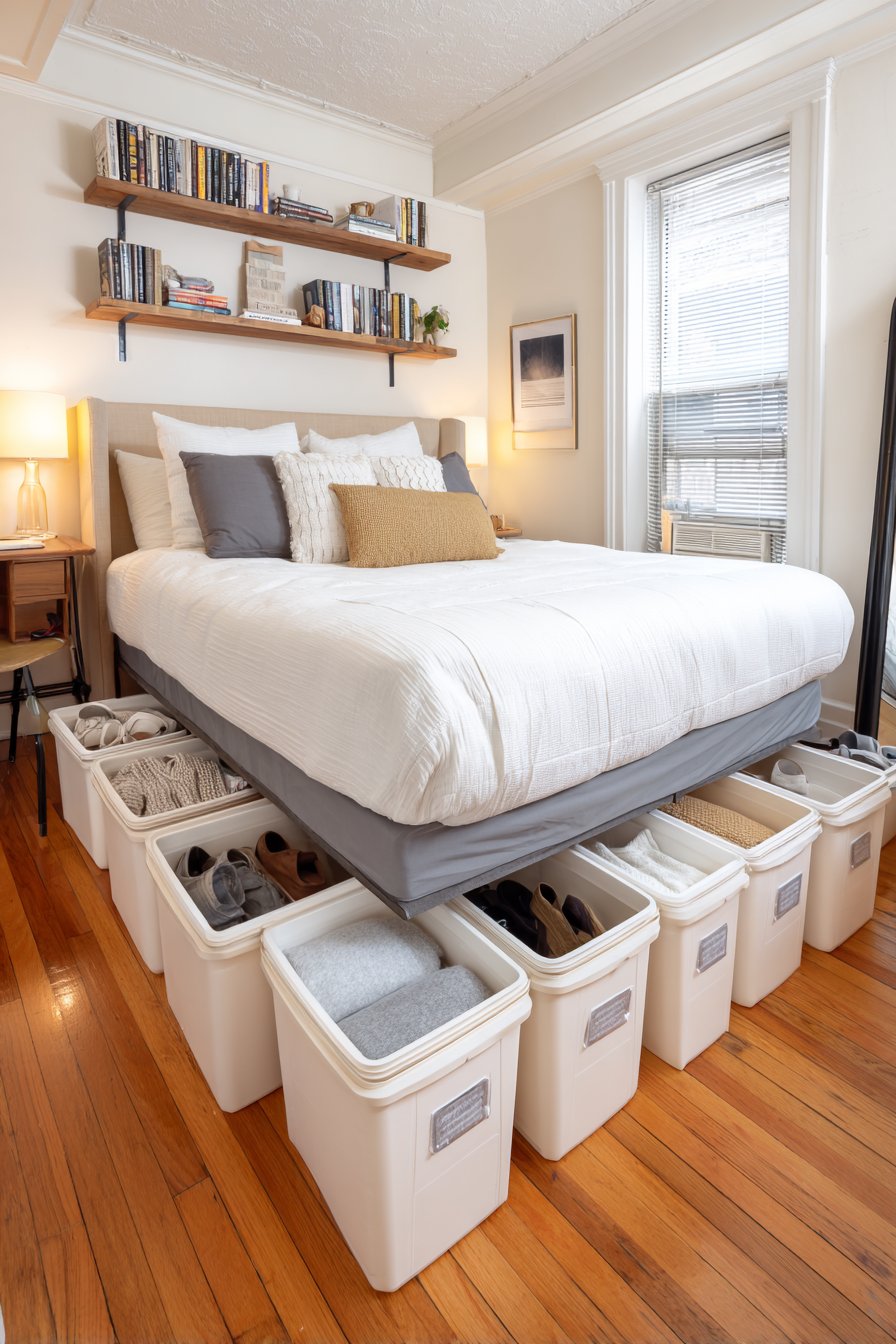
Wall-mounted floating shelves above the bed hold books and small decorative items. A narrow full-length mirror leans against one wall for outfit checking. Warm white walls maximize brightness throughout the space.
A small wall-mounted fold-down desk provides workspace without permanent floor commitment. Light oak flooring adds natural warmth to the neutral palette. This approach utilizes often-wasted under-bed space effectively.
Key Design Tips:
- Elevate bed frames at least eighteen inches for maximum storage capacity
- Use rolling bins that slide easily for convenient access
- Label all storage containers for quick identification
- Choose bed skirts that match your color scheme while concealing storage
- Install wall-mounted fold-down desks instead of permanent furniture pieces
12. Space-Saving Sliding Barn Door
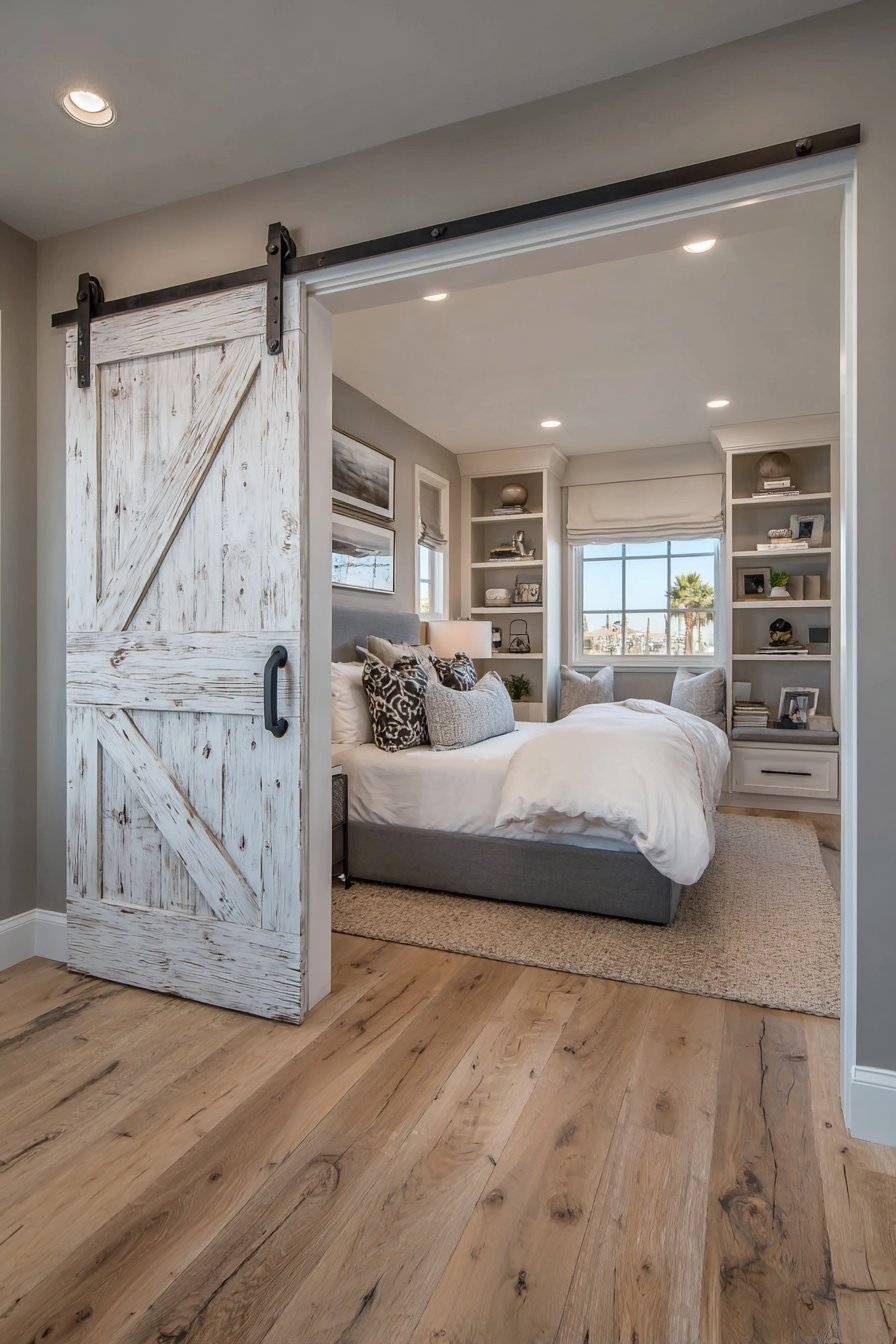
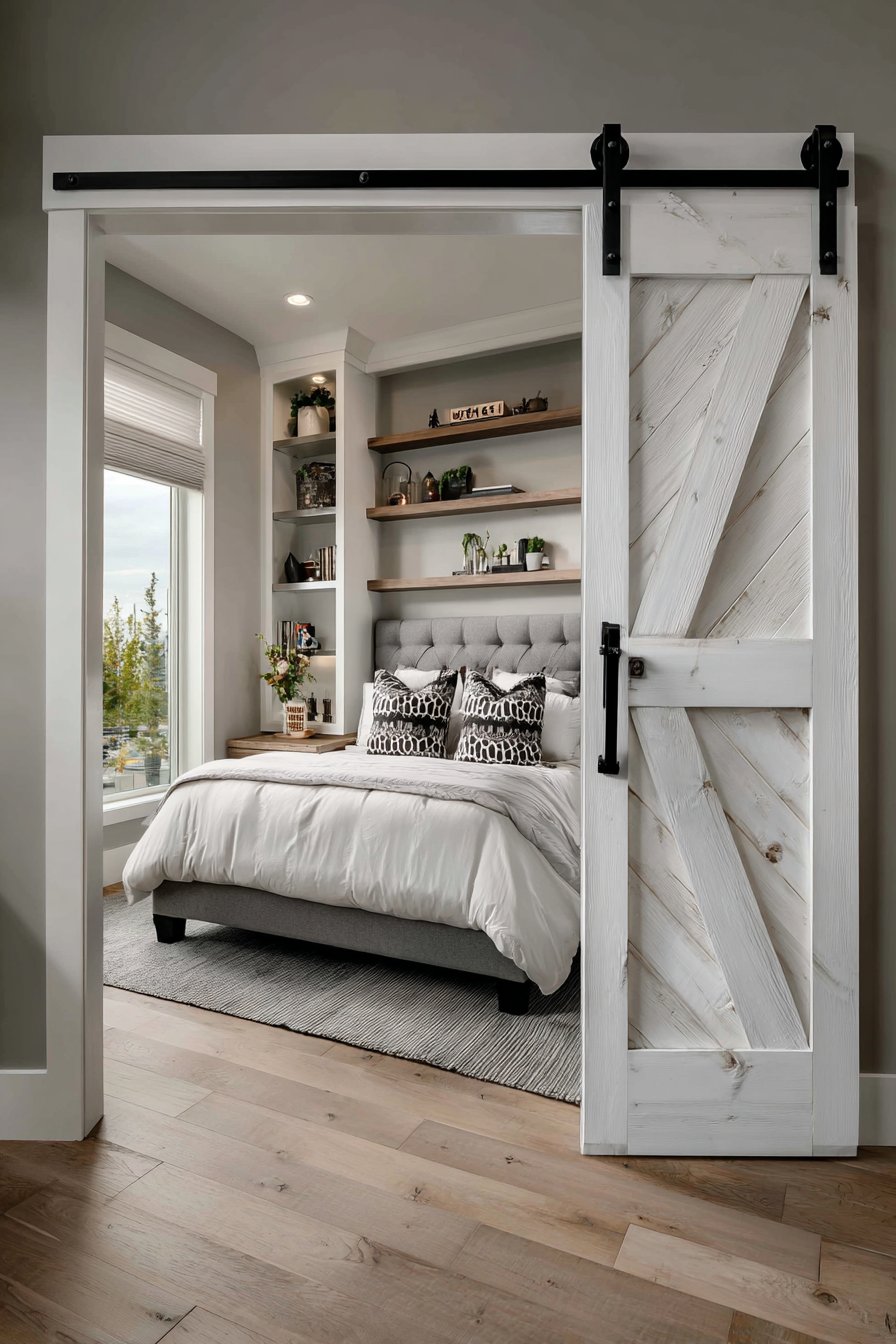
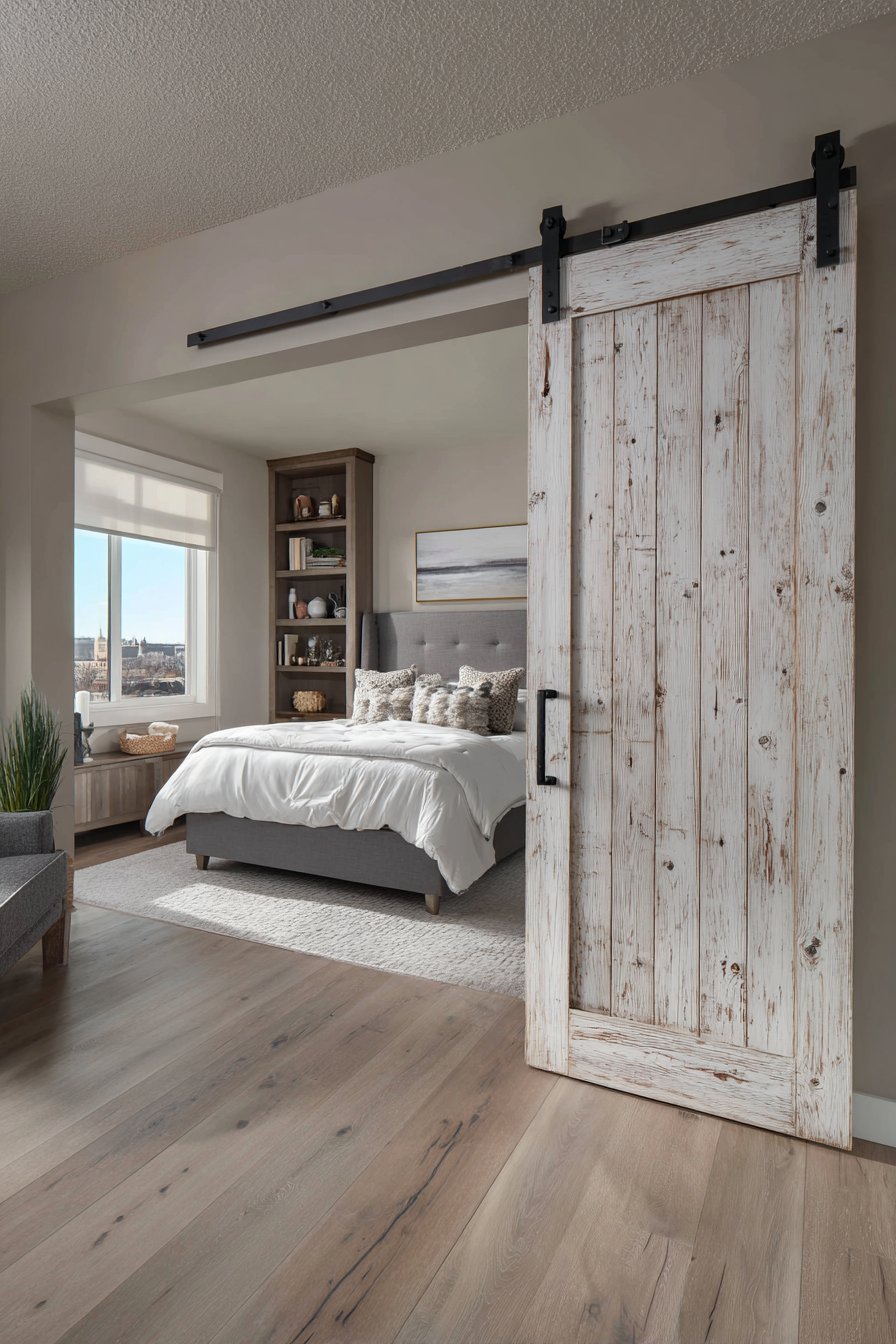
A sliding barn door reclaims floor space required for traditional swinging door clearance. The white painted wood door with black metal hardware slides along the wall when open. This rustic-modern element adds character while solving spatial challenges.
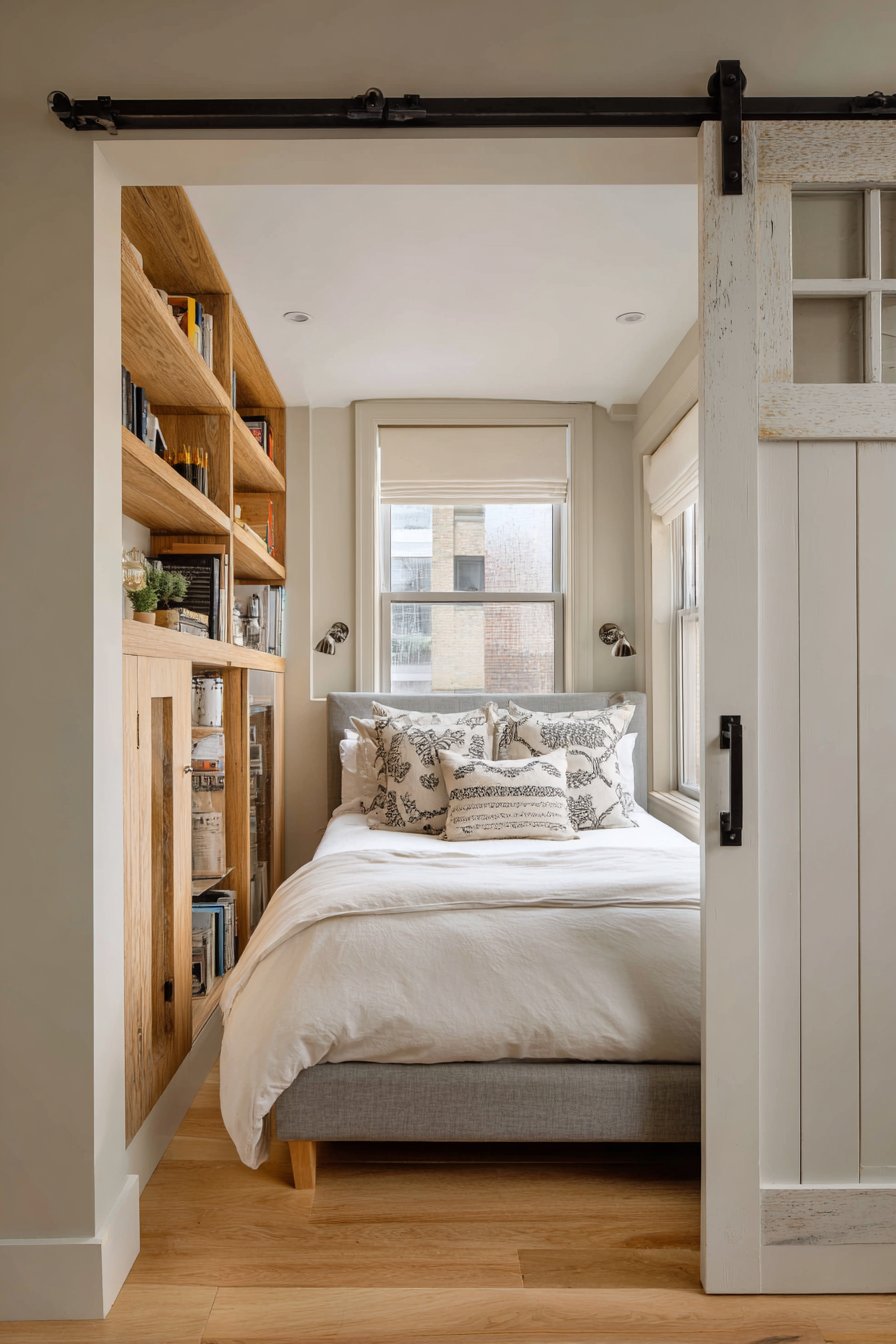
Inside, a full-size bed with a grey upholstered headboard sits against the far wall. White bedding and patterned throw pillows create visual interest. Built-in shelving flanks the bed creating integrated headboard storage.
A compact wardrobe with mirrored sliding doors occupies one wall. The mirrors reflect light and expand perceived space significantly. Soft greige walls provide neutral warmth throughout the compact room.
Floating nightstand shelves eliminate floor clutter while providing essential surfaces. Light oak hardwood flooring runs throughout the space. A window with a simple white roller shade controls natural light and privacy.
Key Design Tips:
- Replace swinging doors with sliding barn doors or pocket doors
- Choose hardware finishes that complement other metal elements in the room
- Install built-in shelving flanking the bed for integrated storage
- Use mirrored wardrobe doors to reflect light and expand space
- Select floating nightstands that preserve floor visibility
13. Bold Navy Accent Wall Design
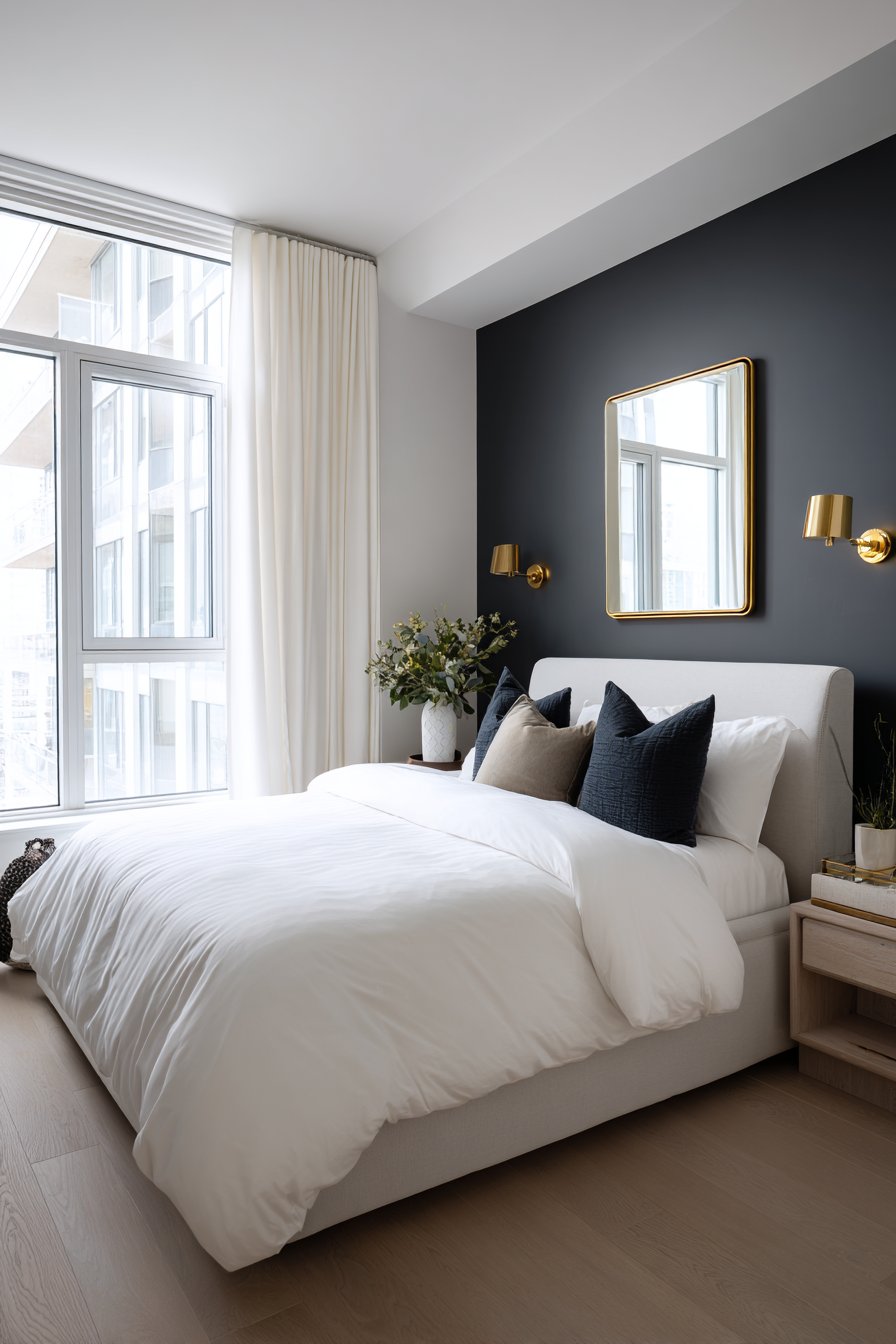
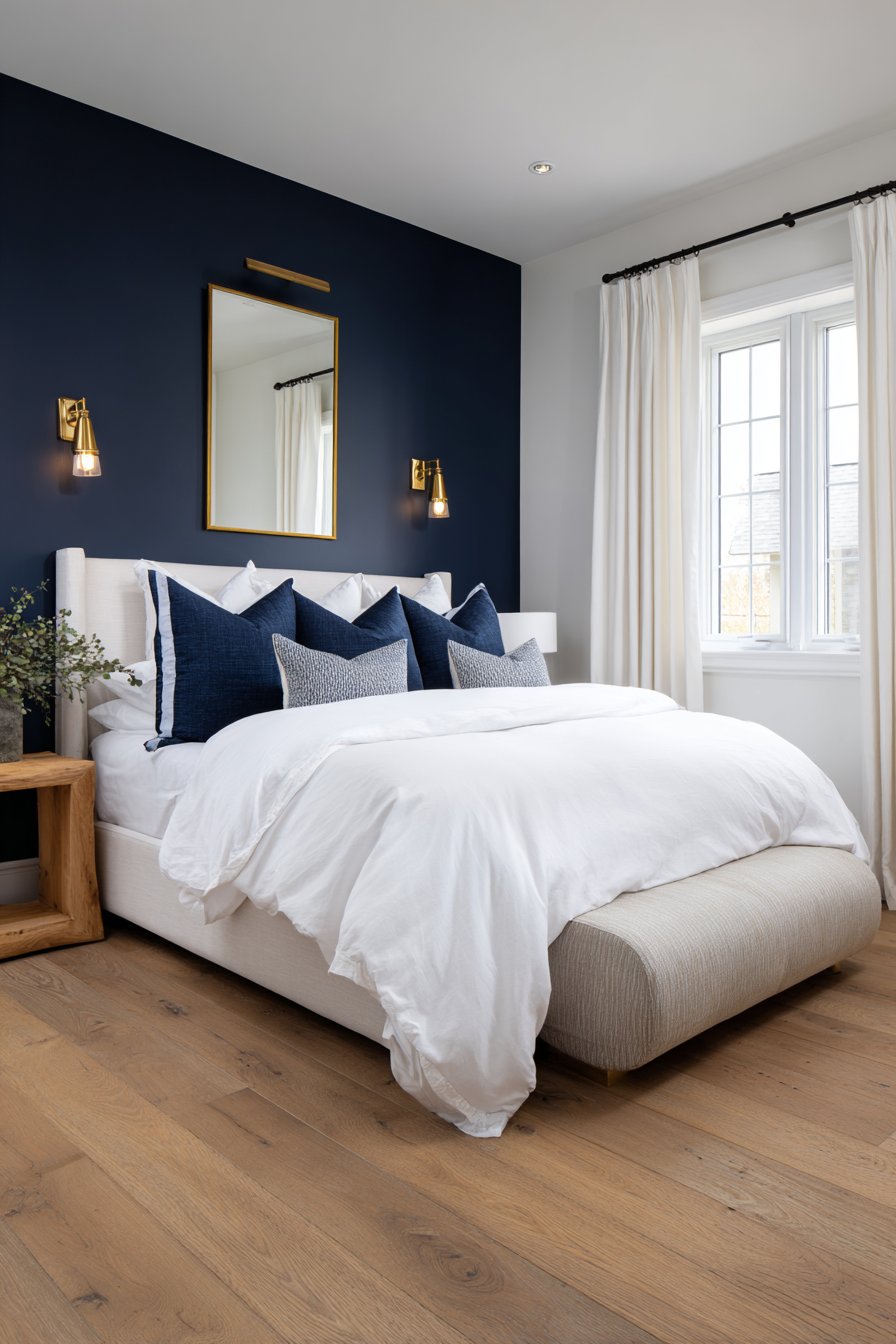
One wall behind the bed painted in deep navy blue creates a dramatic focal point. The other three walls remain soft white maintaining brightness and openness. This strategic contrast makes small spaces feel intentional rather than cramped.
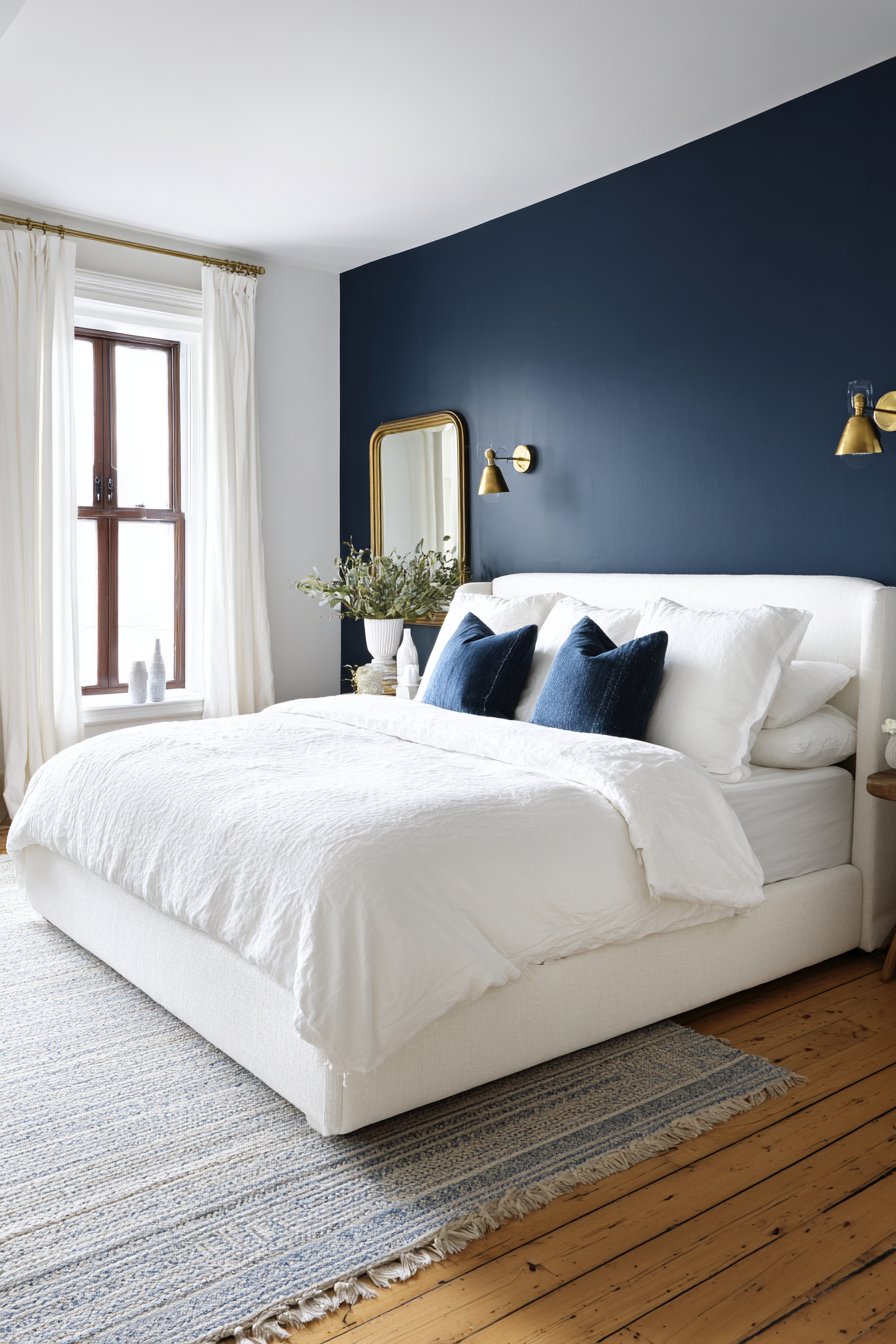
The dark wall provides depth and sophistication while white walls preserve airiness. A full-size bed with a white upholstered headboard emphasizes the color story. White bedding with navy accent pillows reinforces the palette.
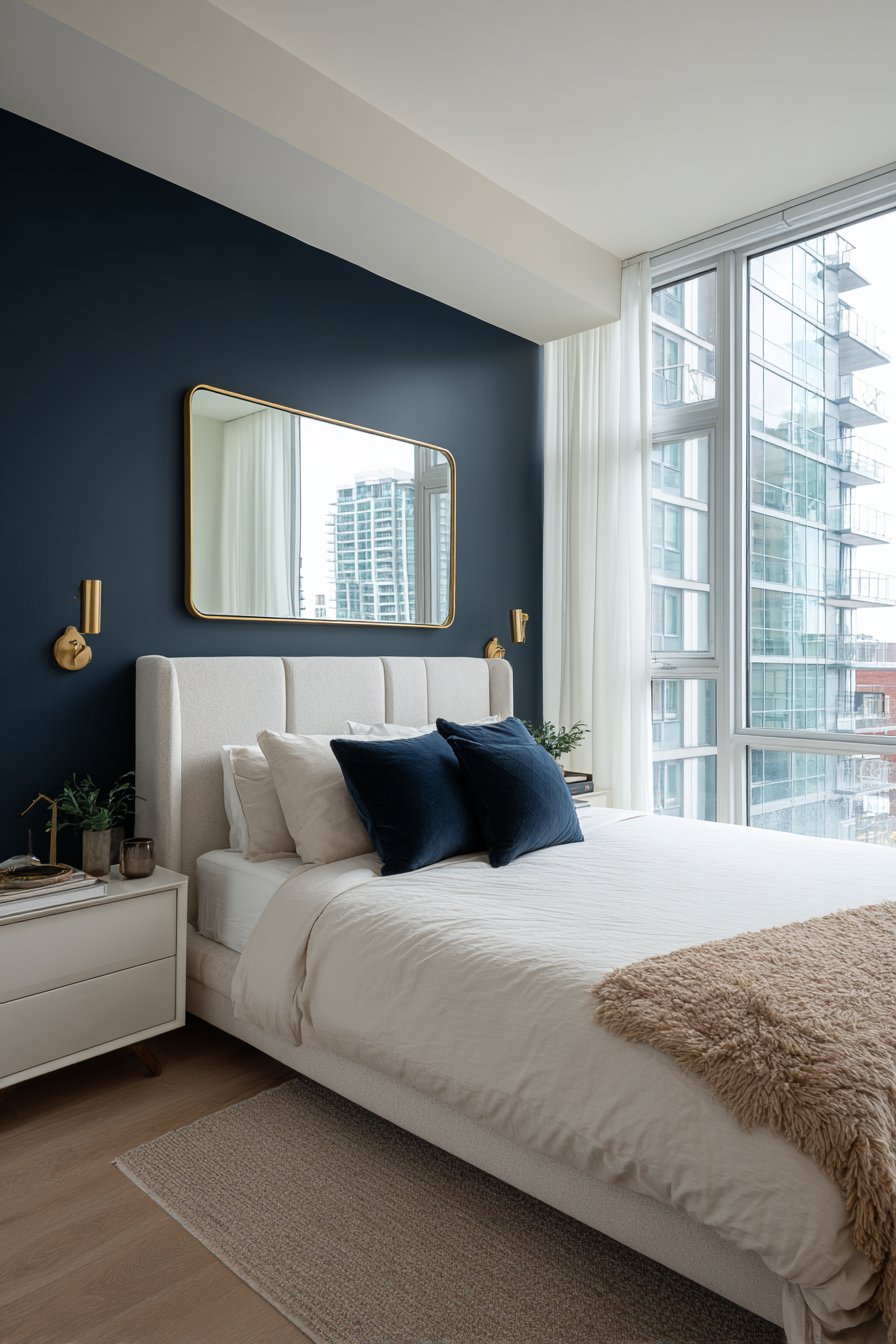
Brass wall sconces on the navy wall add warm metallic accents. Minimal furniture in white and natural wood keeps the space uncluttered. A large mirror with a brass frame on a white wall reflects light throughout.
White oak flooring with a natural finish adds warmth without darkness. Simple white curtains frame the window allowing maximum light transmission. This approach proves that one dark wall can add sophistication without feeling confining.
Key Design Tips:
- Paint one accent wall in a bold color while keeping others light
- Choose accent wall colors that add depth rather than shrink space
- Use white or light-colored bedding to balance dark accent walls
- Add metallic accents that warm up cool color schemes
- Position mirrors on light walls to maximize light reflection
14. Capsule Wardrobe Open Display
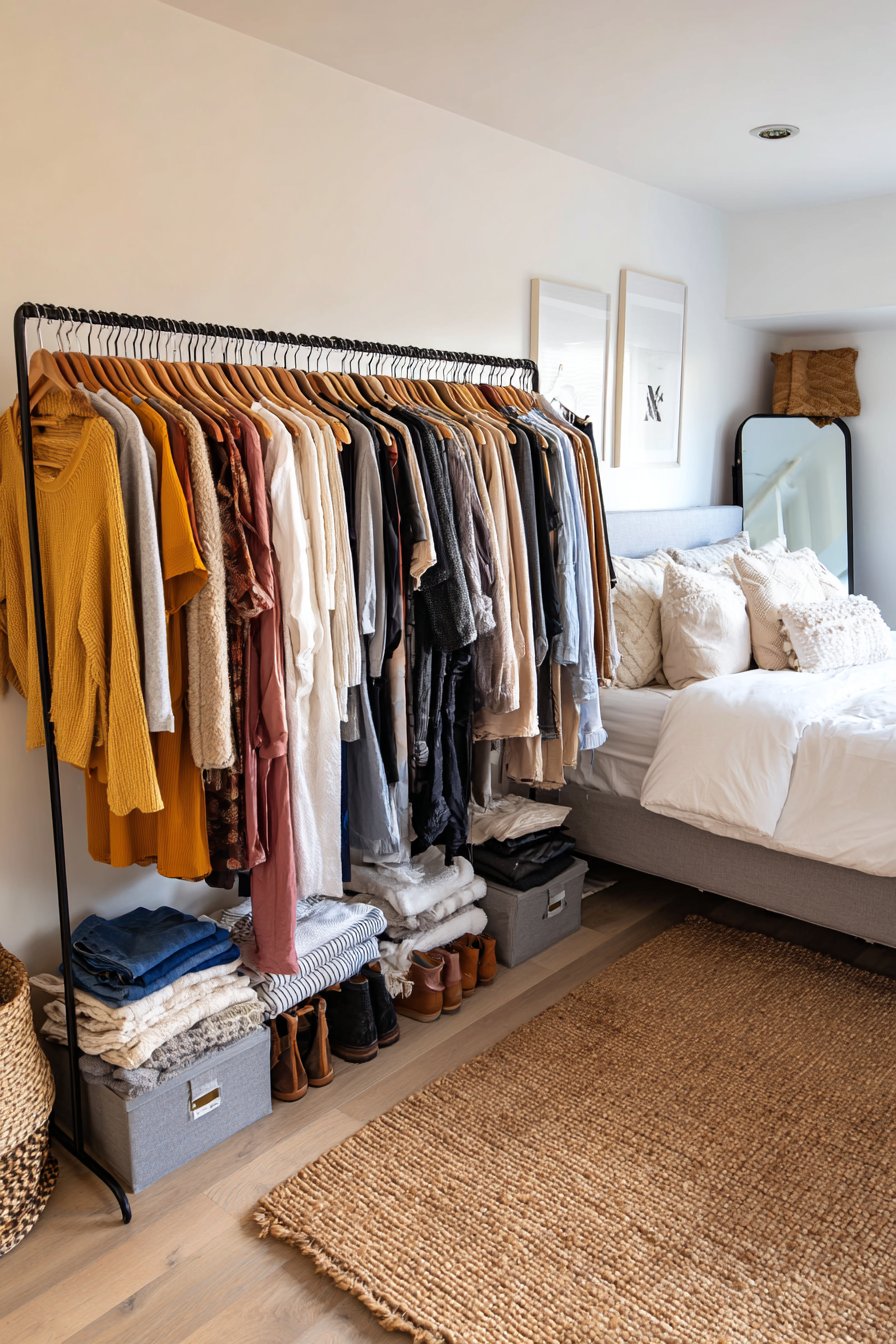
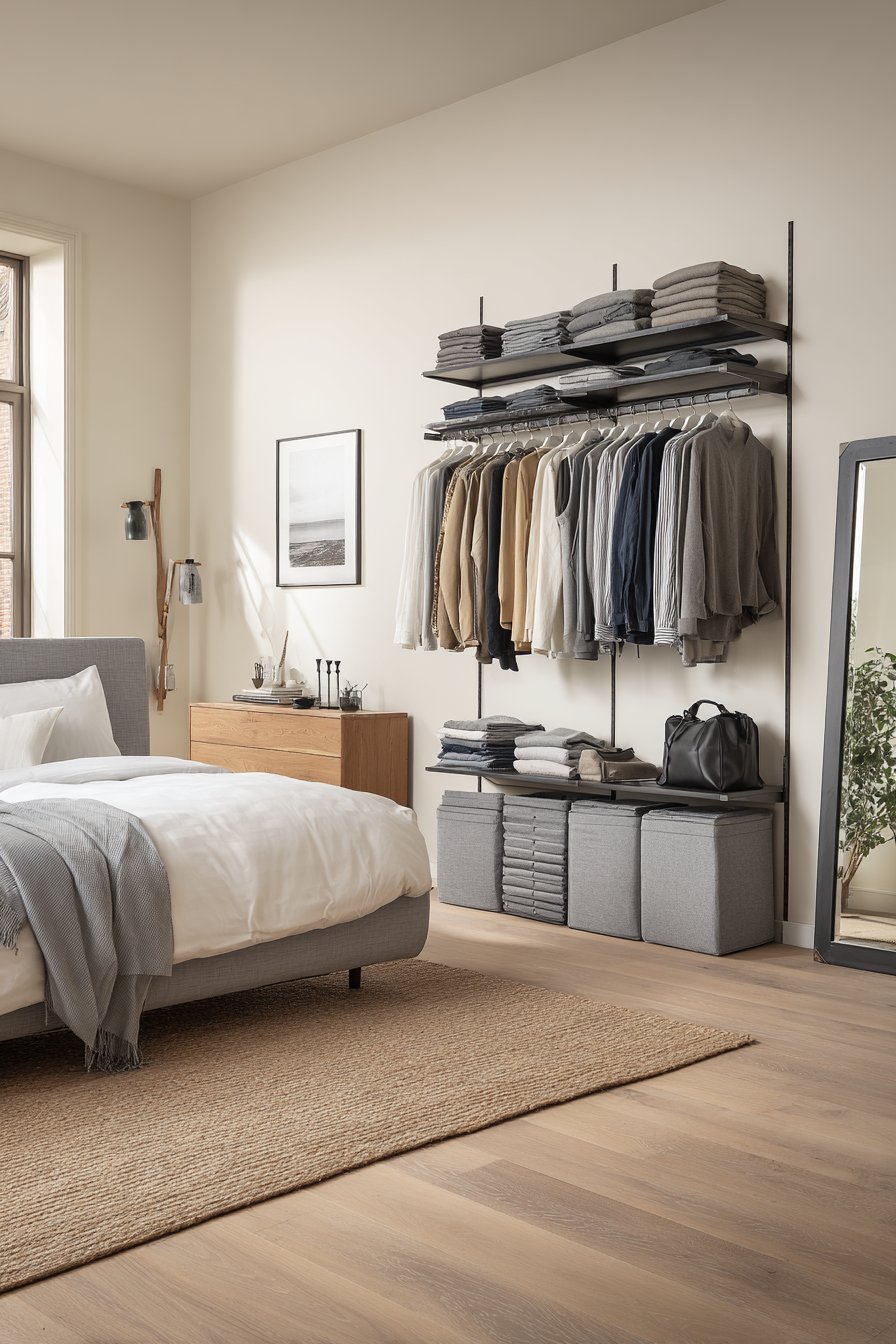
A streamlined open clothing rack in matte black metal displays a curated wardrobe collection. Clothing on matching hangers arranged by color and type creates a boutique aesthetic. This minimal approach eliminates bulky dresser needs.
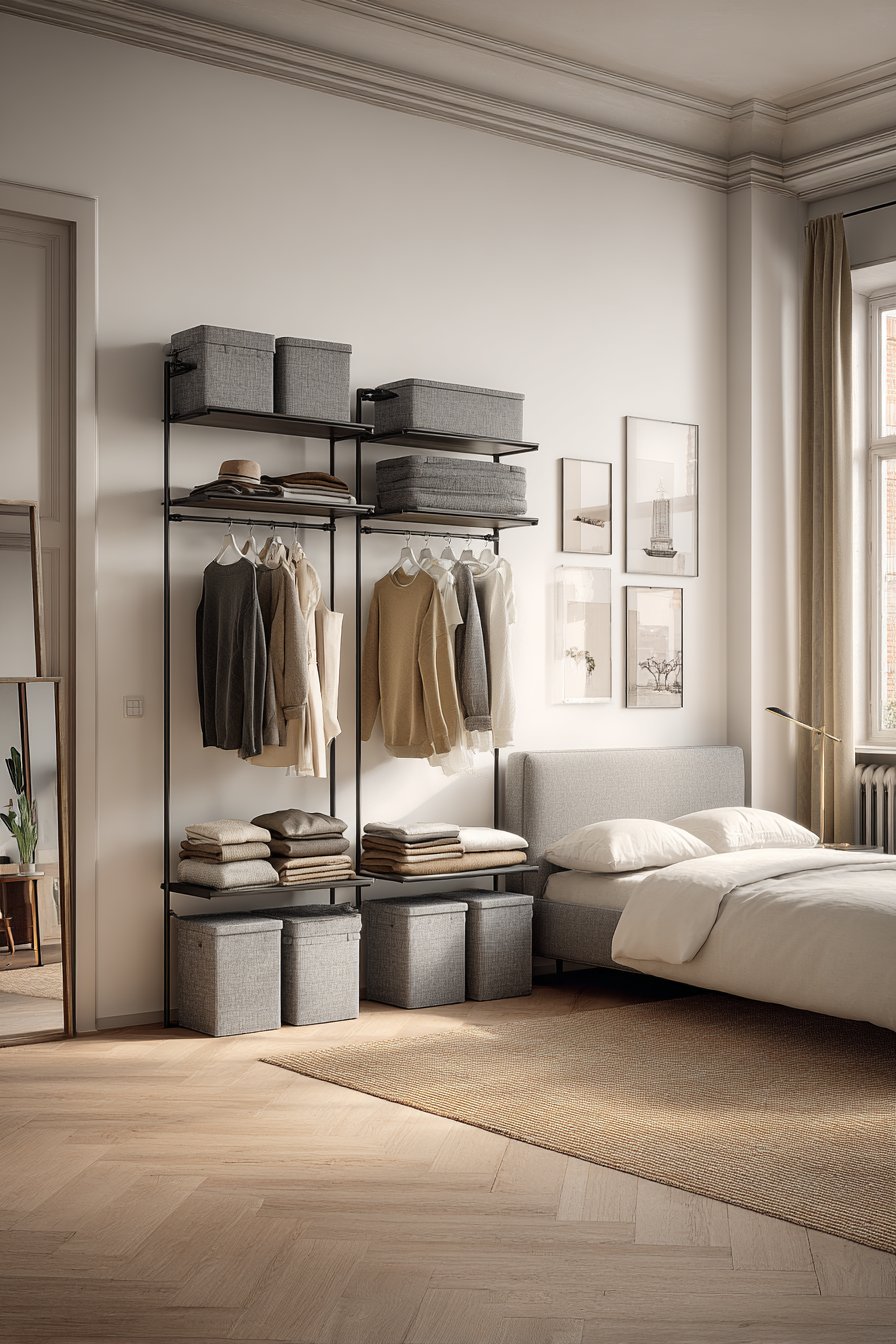
The edited wardrobe includes approximately thirty to forty carefully chosen pieces. Storage boxes in matching grey fabric on shelving below hold folded items and accessories. This visible organization creates visual calm rather than clutter.
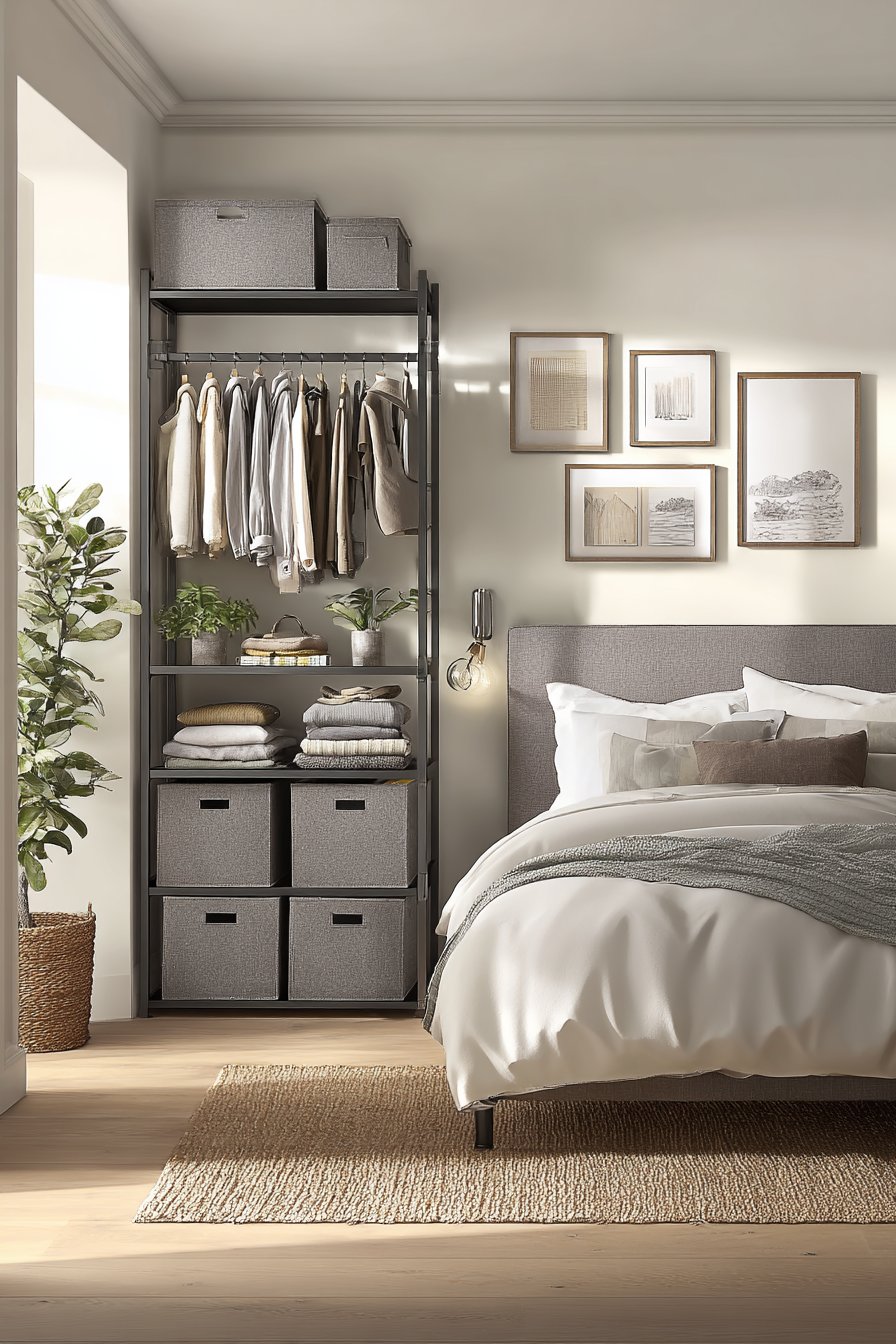
A full-size bed with a simple grey linen headboard sits opposite the wardrobe display. Warm white walls create a gallery-like backdrop for the organized clothing. A full-length mirror leans nearby for outfit coordination.
Natural jute rug grounds the space on light oak flooring. This minimalist lifestyle choice allows efficient storage in compact spaces. The edited approach proves that fewer quality items create more attractive displays.
Key Design Tips:
- Curate wardrobes to thirty to forty versatile quality pieces
- Organize visible clothing by color and type for visual harmony
- Use matching hangers throughout for consistent appearance
- Store folded items in coordinating boxes or bins
- Position full-length mirrors near clothing storage for convenience
15. Daybed Multi-Functional Configuration
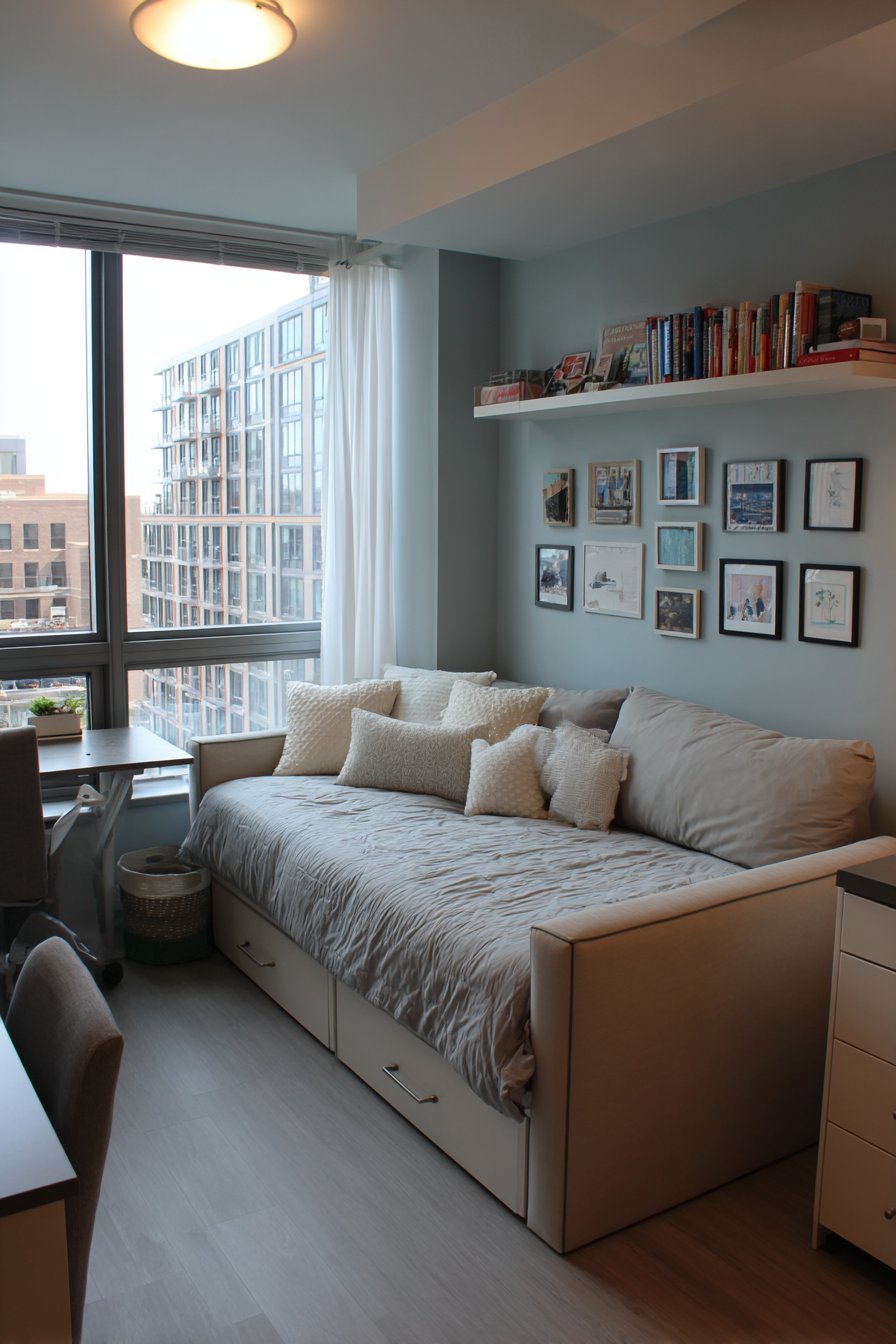
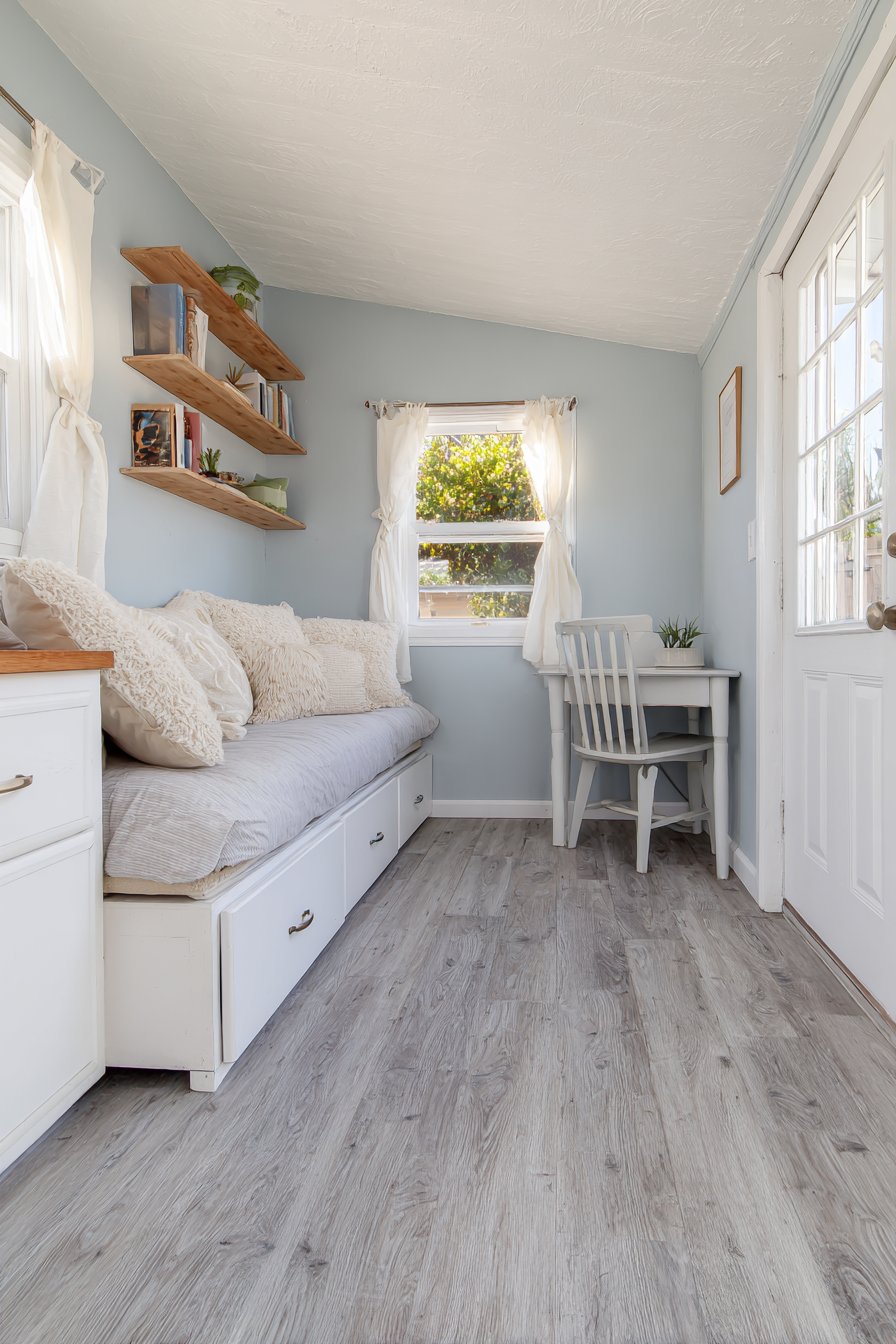
A twin XL daybed styled as a sofa functions as seating during daytime hours. Back pillows and throw pillows in grey and cream create comfortable lounging areas. At night, removing pillows reveals the full sleeping surface.
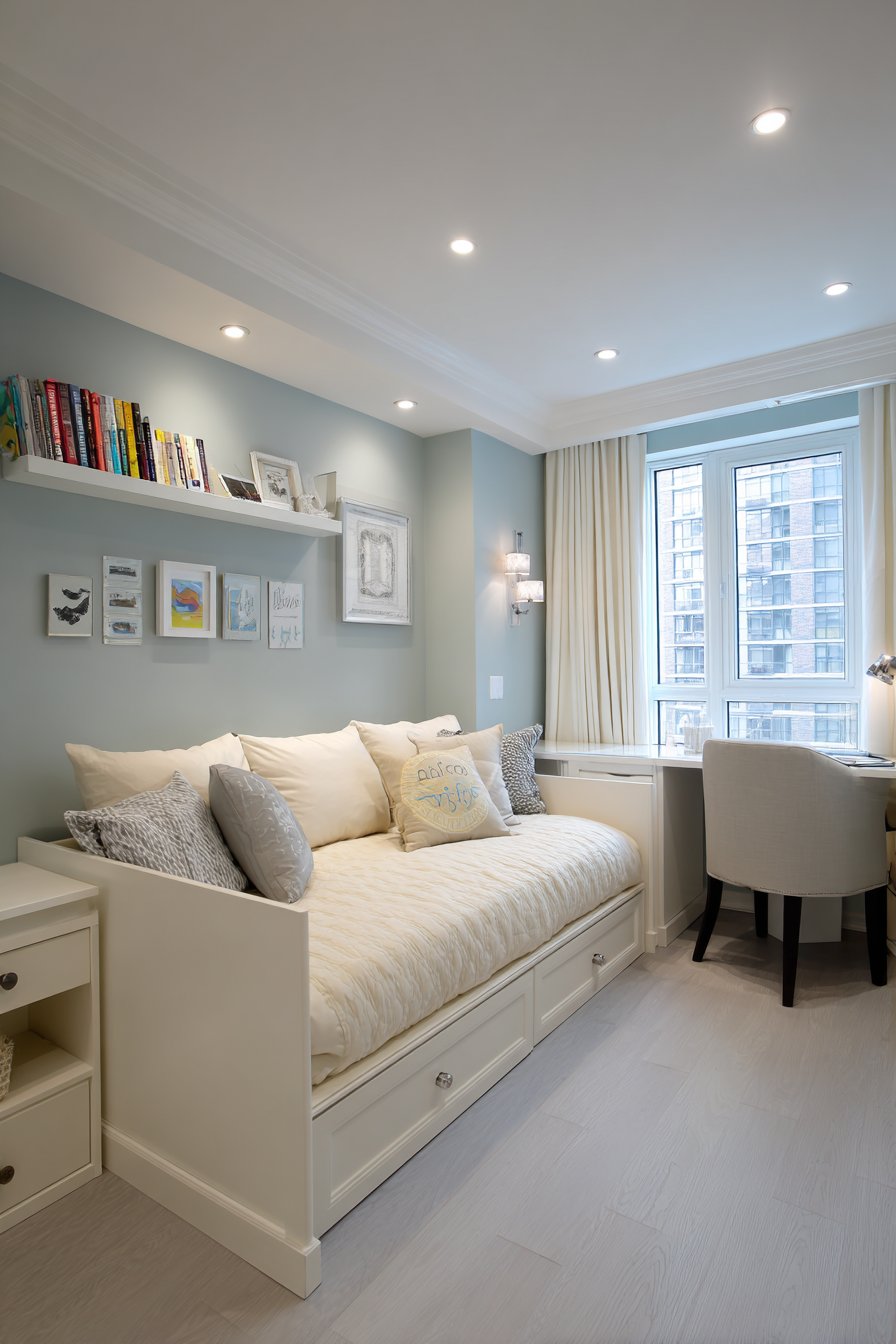
Built-in drawers underneath provide storage for bedding and clothing. The daybed positioning against the long wall leaves the center open. A small desk and chair occupy the opposite wall creating a dedicated work zone.
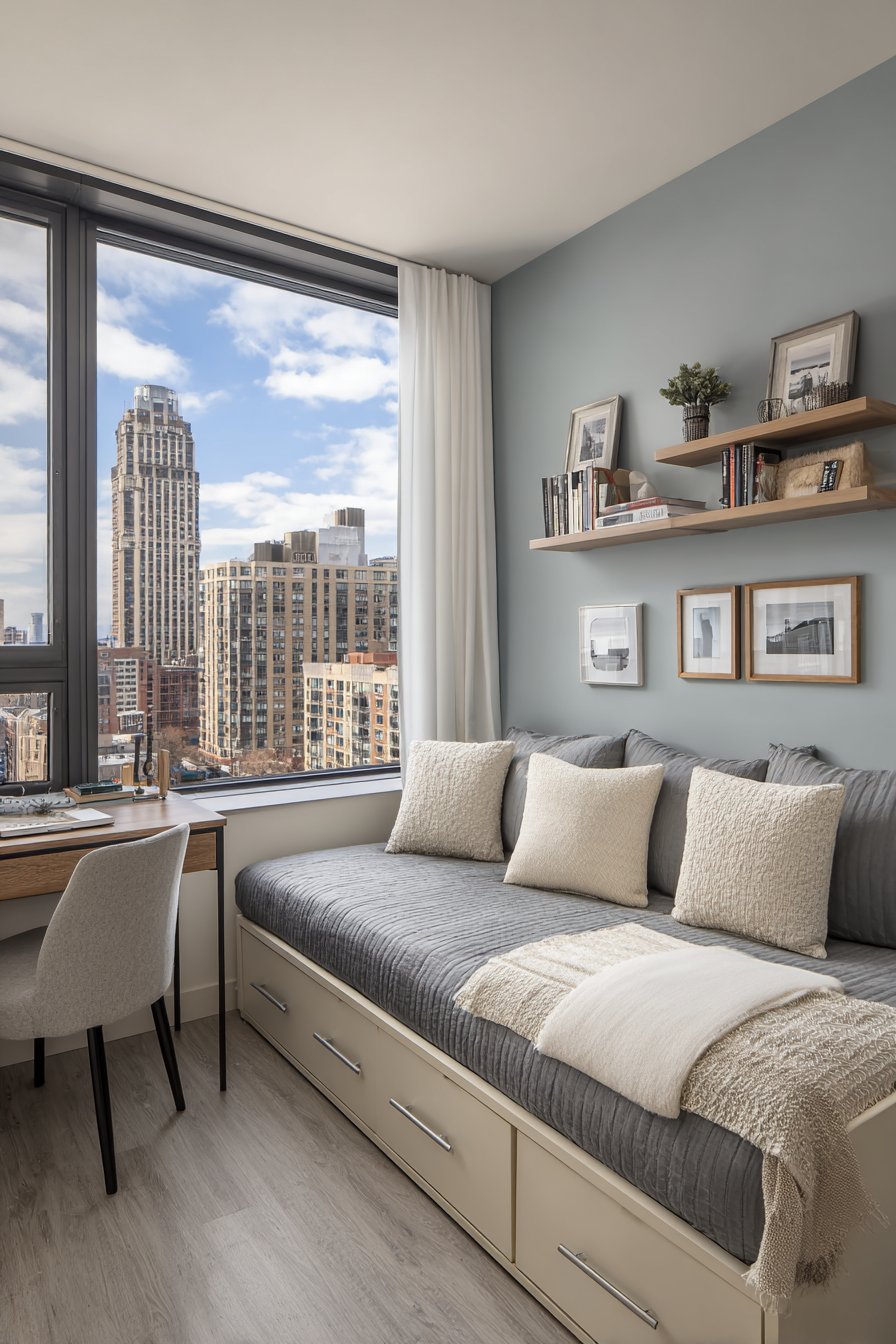
Floating shelves above the desk hold books and office supplies. Soft blue-grey walls create a calm atmosphere suitable for multiple activities. A window with white curtains provides abundant natural light.
Light grey laminate flooring adds contemporary character to the versatile space. This configuration makes tiny bedrooms feel less like cramped sleeping quarters. The adaptability suits studio apartments serving multiple functions.
Key Design Tips:
- Choose daybeds with substantial storage drawers built into the base
- Style daybeds as sofas during the day with decorative pillows
- Position daybeds along the longest wall to maximize central floor space
- Create distinct work zones opposite the sleeping/seating area
- Use floating shelves to maintain floor space in work areas
16. Corner Wardrobe L-Shaped System
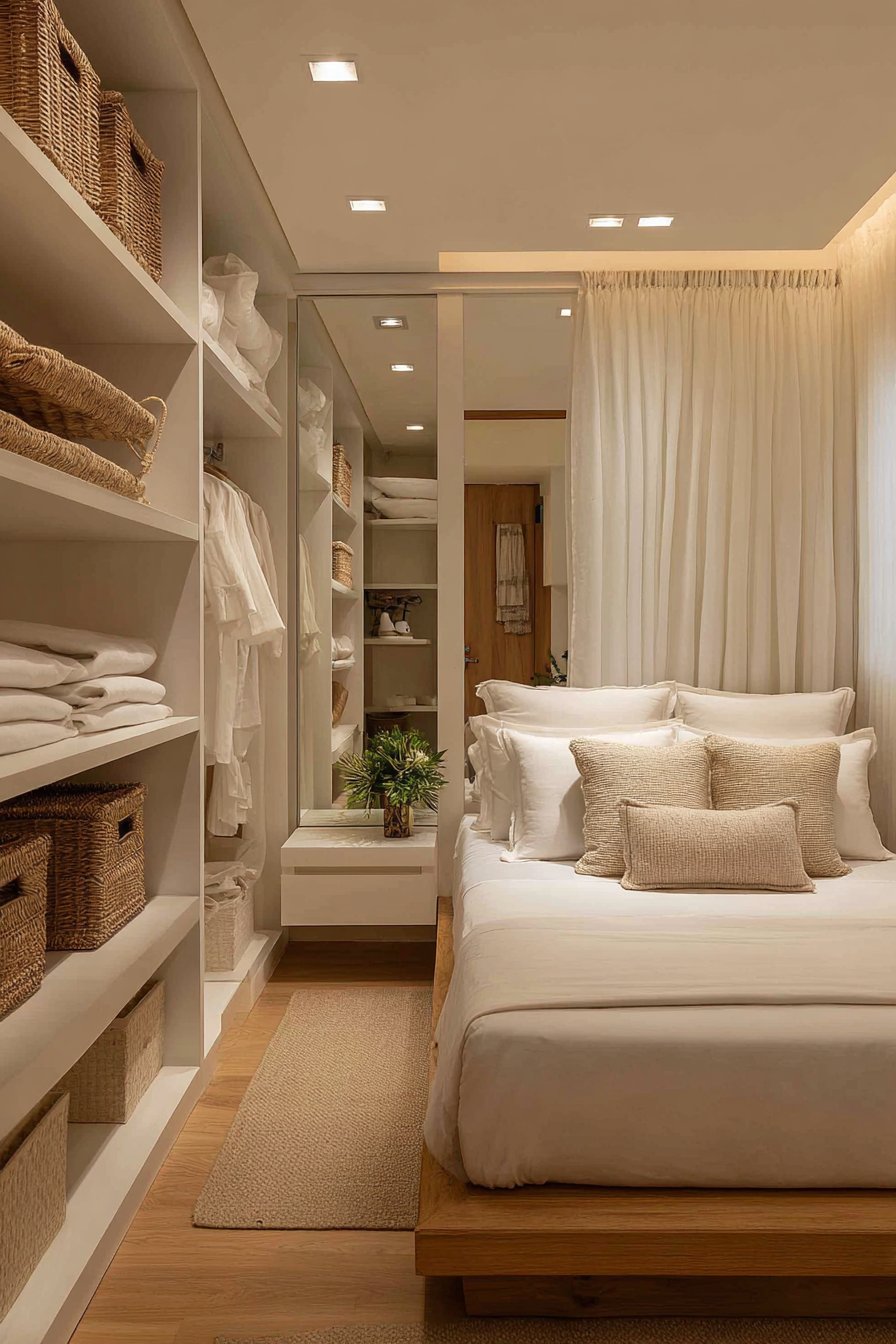
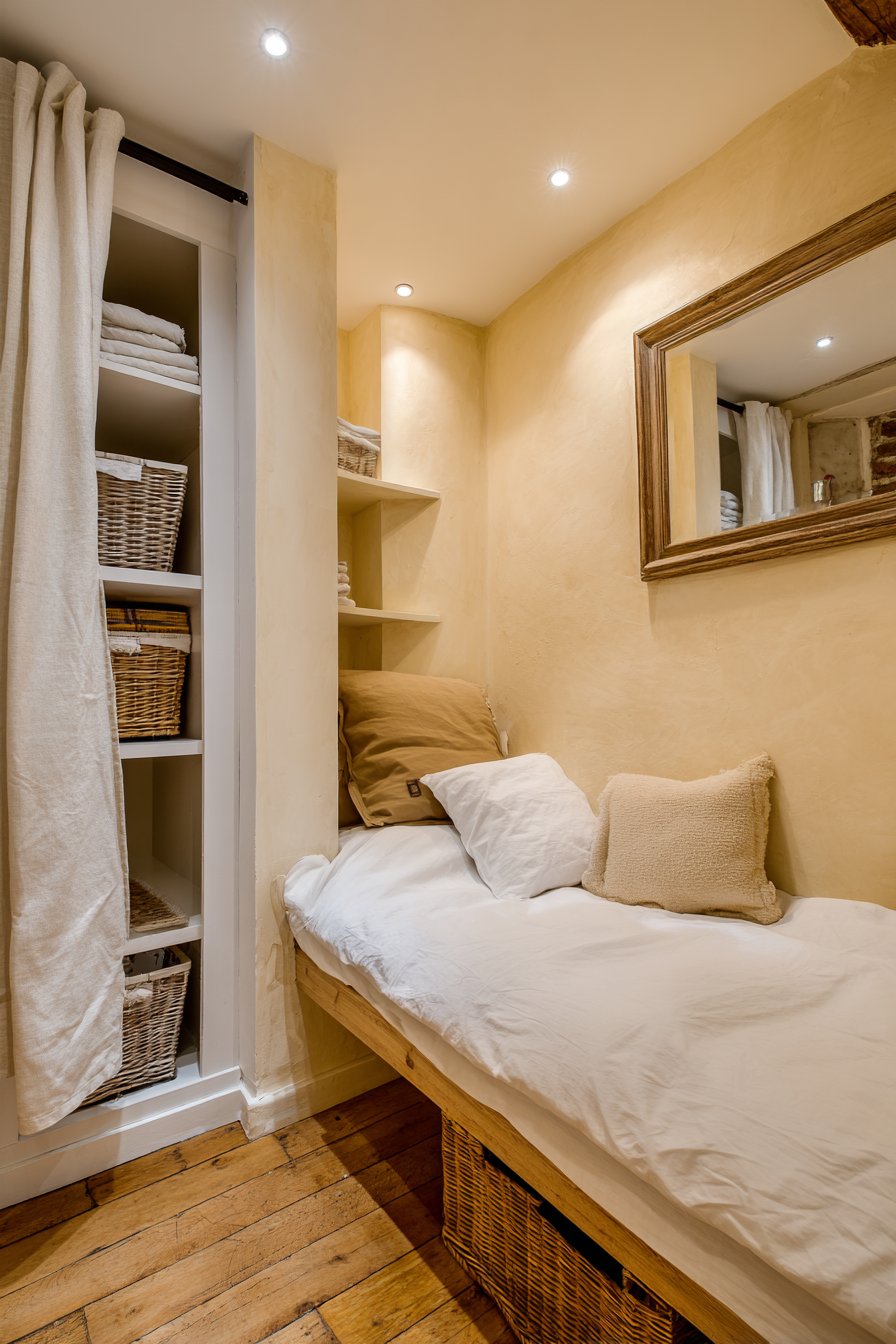
A custom L-shaped closet system wraps two walls using corner space efficiently. Hanging rods, shelving, and drawers maximize vertical storage in a compact footprint. The system in white painted wood includes organizational accessories throughout.
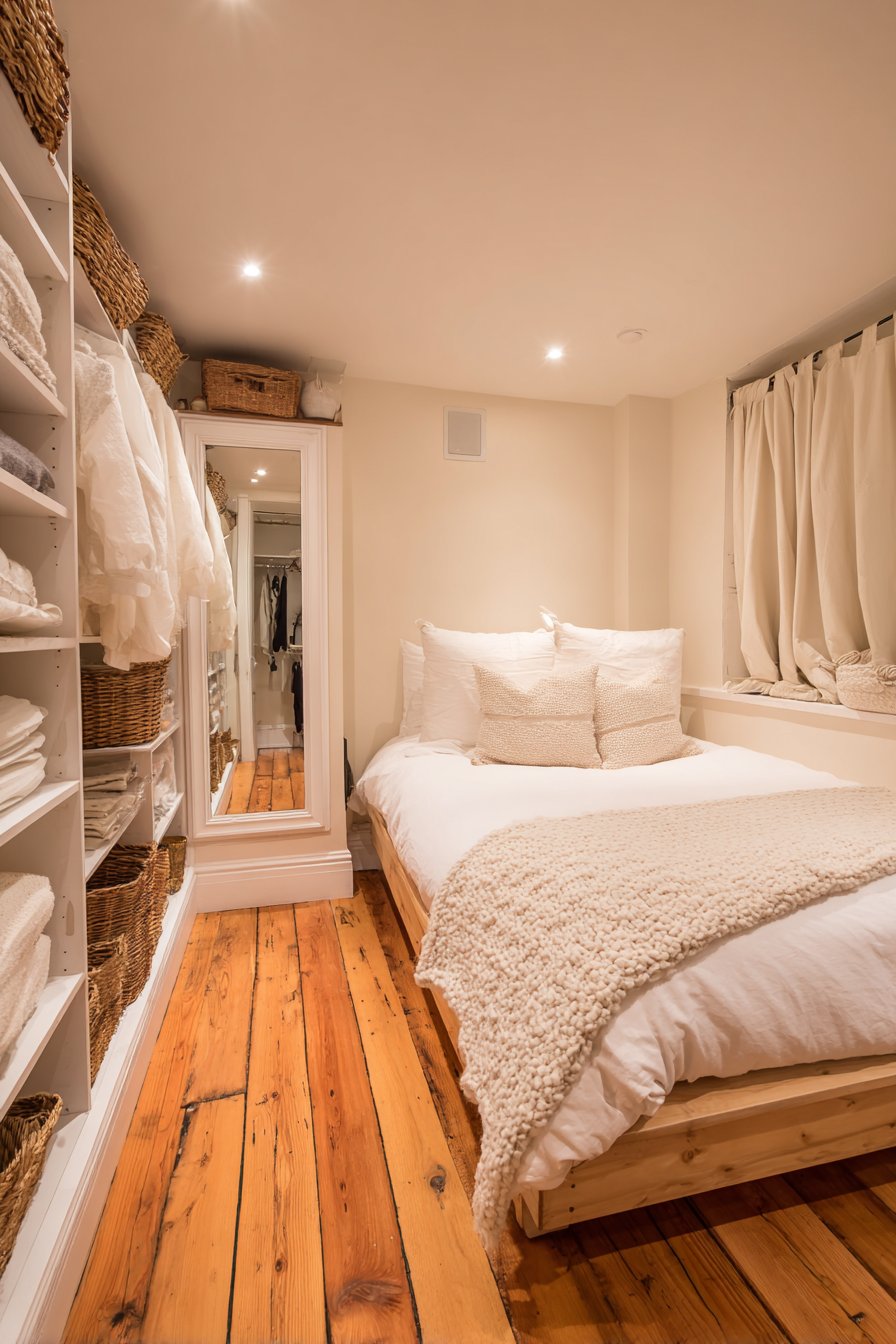
Pull-out baskets, hanging organizers, and shelf dividers keep contents accessible and organized. A sliding curtain in natural linen can conceal the entire system when desired. This flexibility maintains a clean aesthetic.
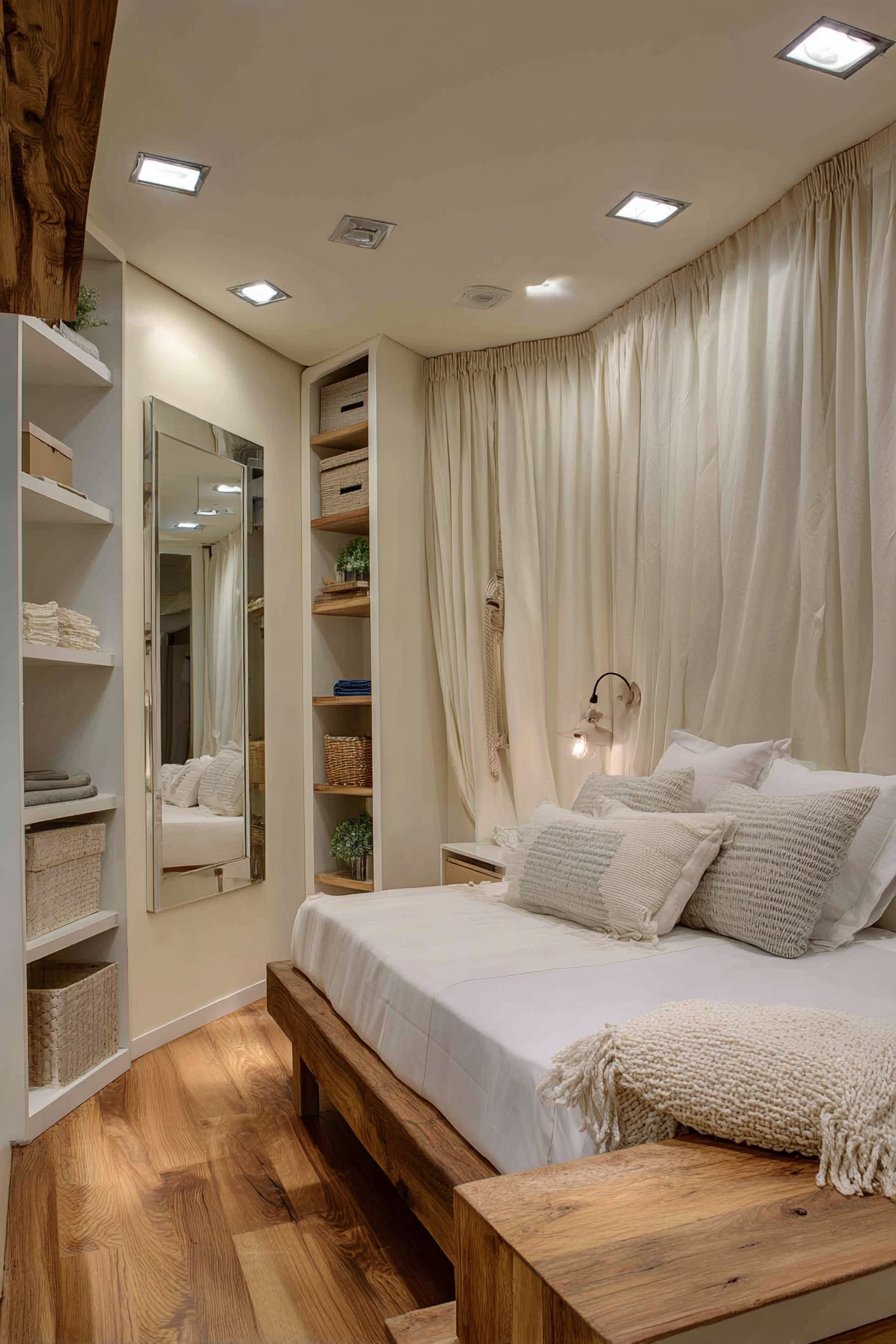
A full-size bed with a simple natural wood frame sits in the open area. White bedding and textured throw pillows create inviting comfort. The opposite wall features a large mirror expanding space visually.
Warm cream walls provide subtle warmth throughout the compact room. Natural oak flooring adds character and natural beauty. Recessed lighting provides even illumination without consuming visual space.
Key Design Tips:
- Utilize awkward corner spaces with custom L-shaped storage systems
- Install organizational accessories like pull-out baskets and dividers
- Use sliding curtains or doors to conceal storage when desired
- Position beds in the most open area away from storage systems
- Choose recessed lighting that eliminates space-consuming fixtures
17. Floating Furniture Visual Lightness
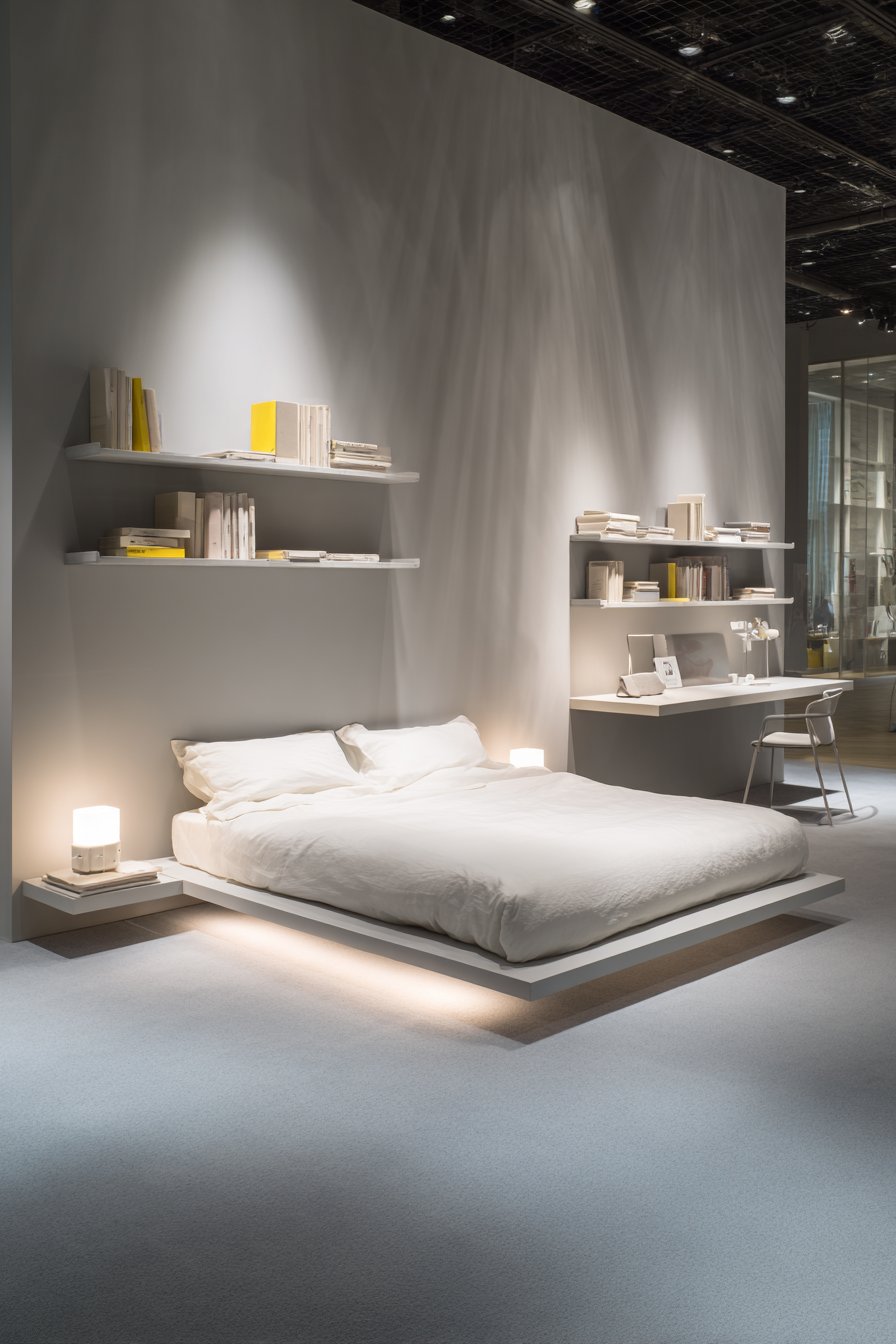
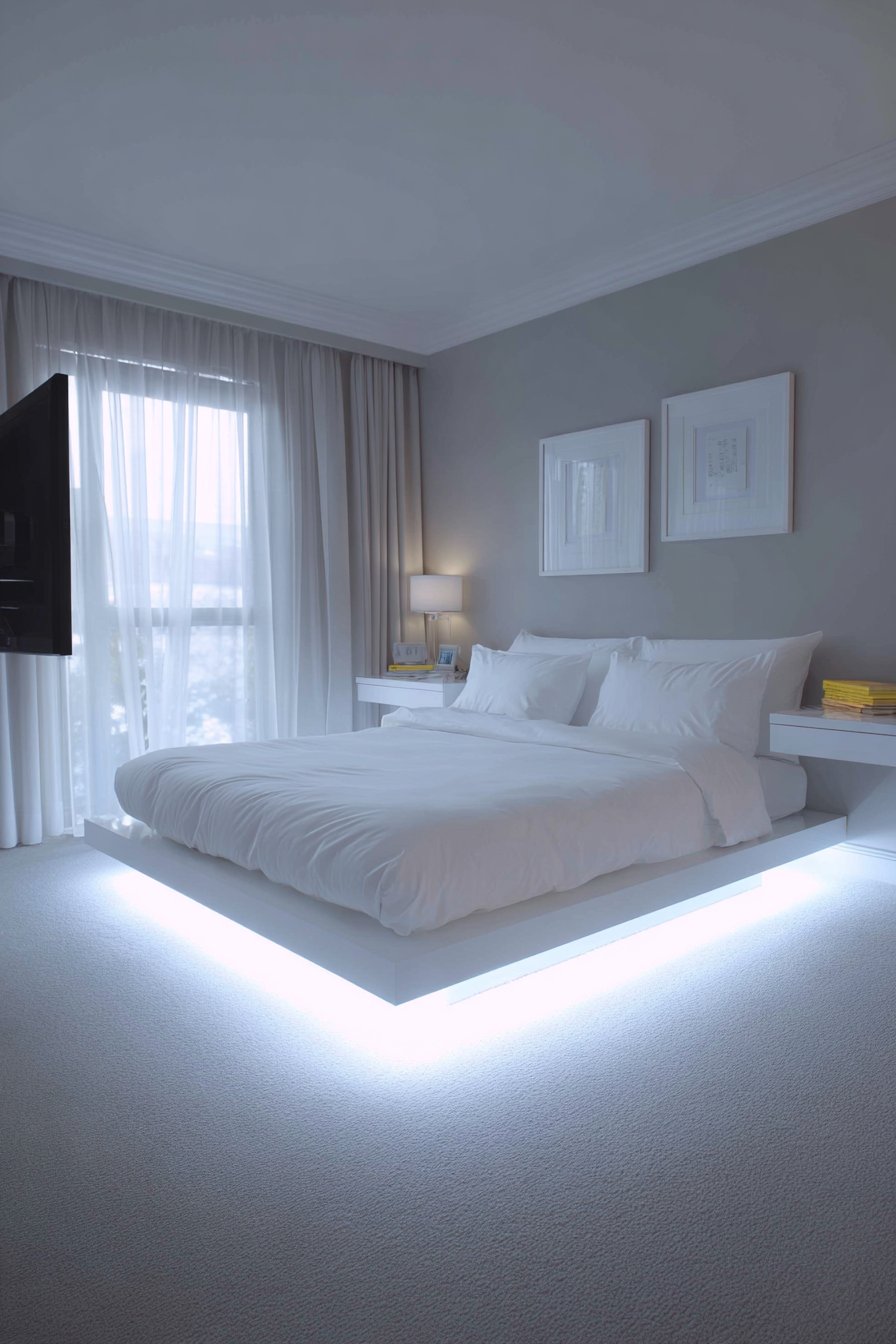
Wall-mounted pieces create visual lightness by allowing continuous floor visibility. A wall-mounted floating platform bed frame in white appears to hover above the ground. Under-bed LED strip lighting emphasizes the floating effect dramatically.
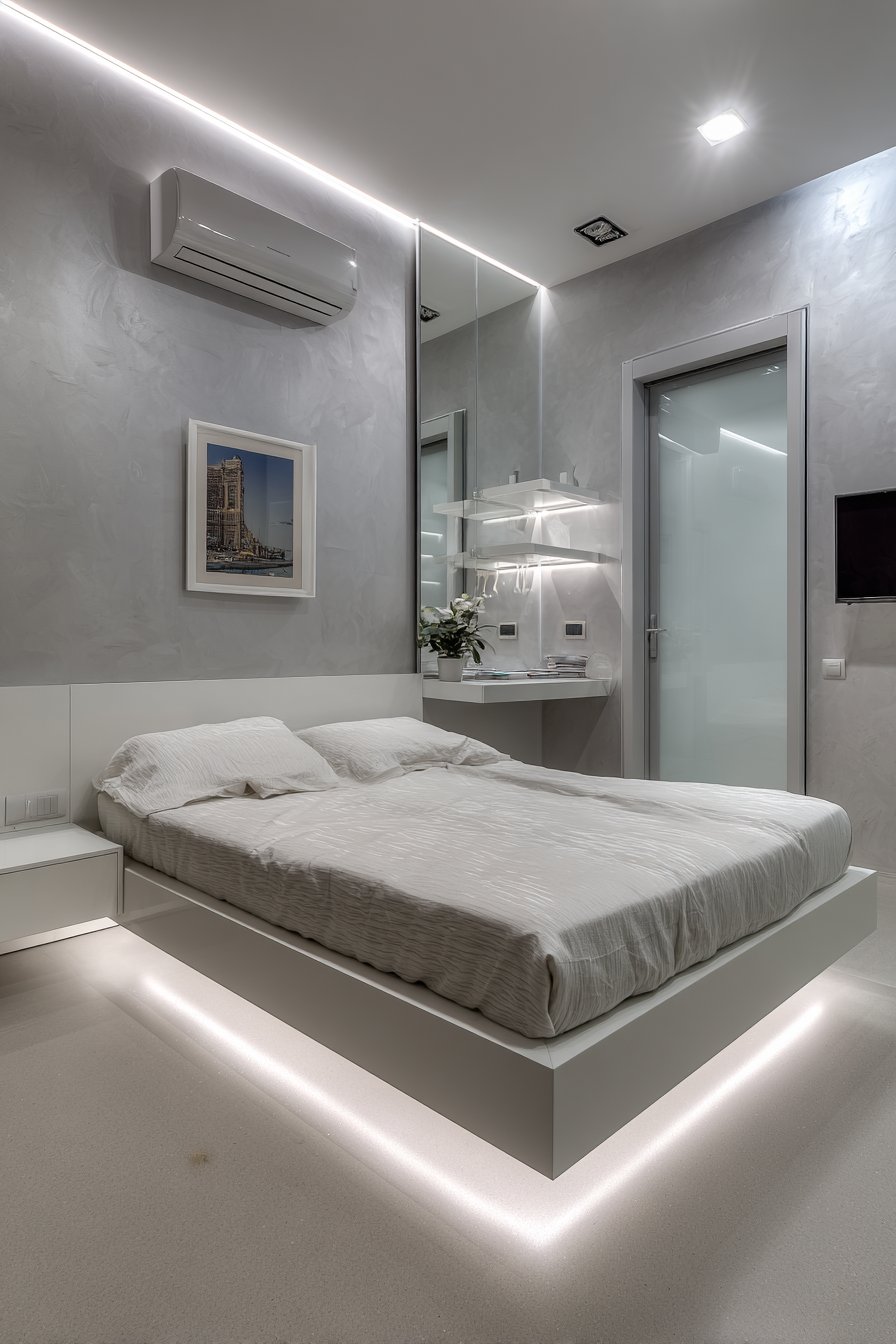
White bedding creates a cloud-like sleeping platform that feels ethereal. Wall-mounted floating nightstand shelves flank the bed at appropriate heights. A wall-mounted floating desk provides workspace without legs obstructing floor space.
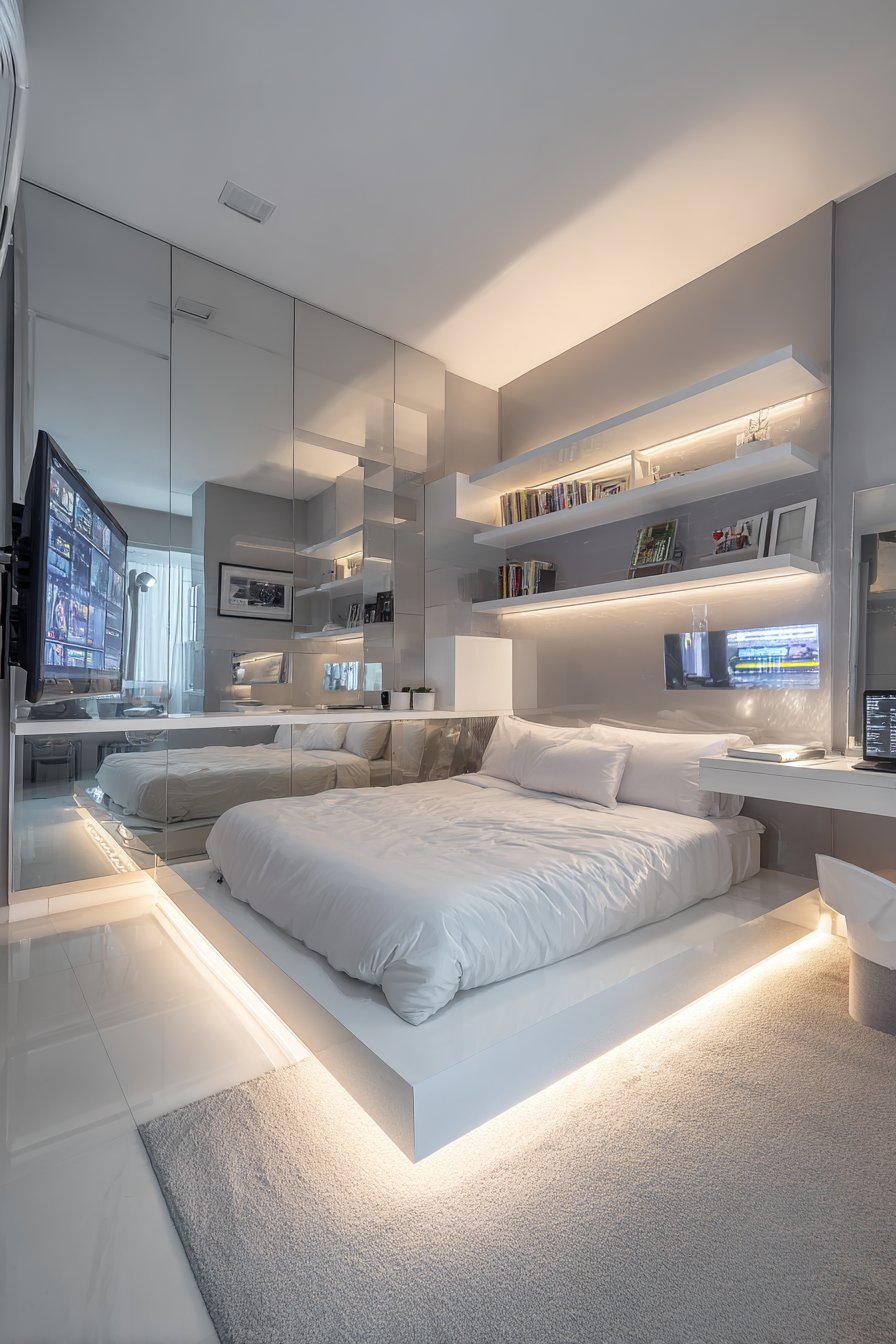
Even the small television mounts directly to the wall on a slim bracket. Soft grey walls provide a modern backdrop for the floating elements. Continuous floor visibility makes small spaces feel significantly larger.
Light grey carpet running uninterrupted emphasizes horizontal expansiveness. Minimal decor maintains the airy aesthetic throughout the space. The floating effect enhanced by strategic LED underlighting creates dramatic visual impact.
Key Design Tips:
- Mount beds, desks, and shelves directly to walls instead of using floor-standing furniture
- Install LED strip lighting under floating furniture to emphasize the hovering effect
- Choose light colors for both walls and furniture to maximize airiness
- Keep flooring visible and uninterrupted to emphasize horizontal space
- Minimize decorative items to maintain the clean floating aesthetic
18. Warm Scandinavian Hygge Approach
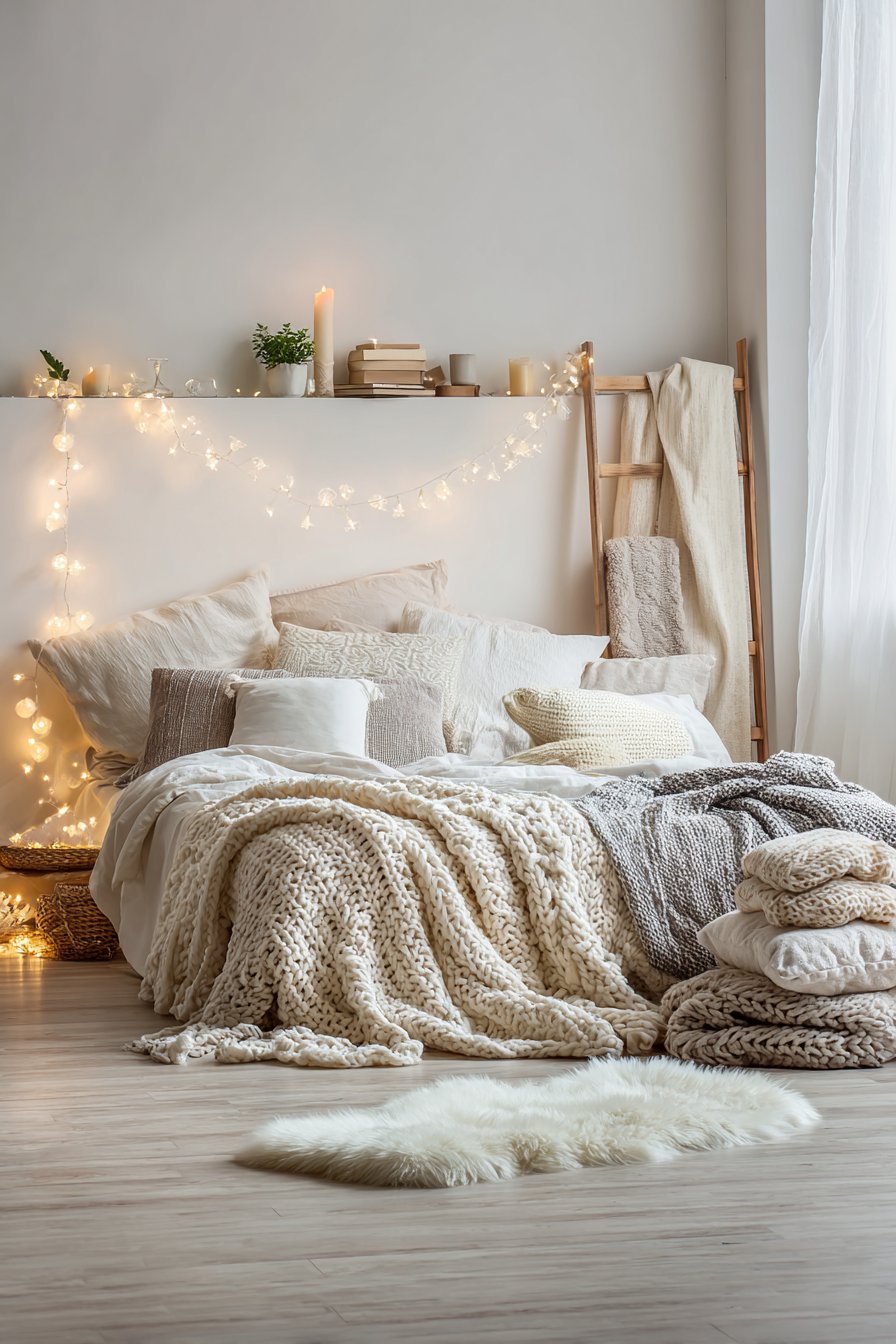
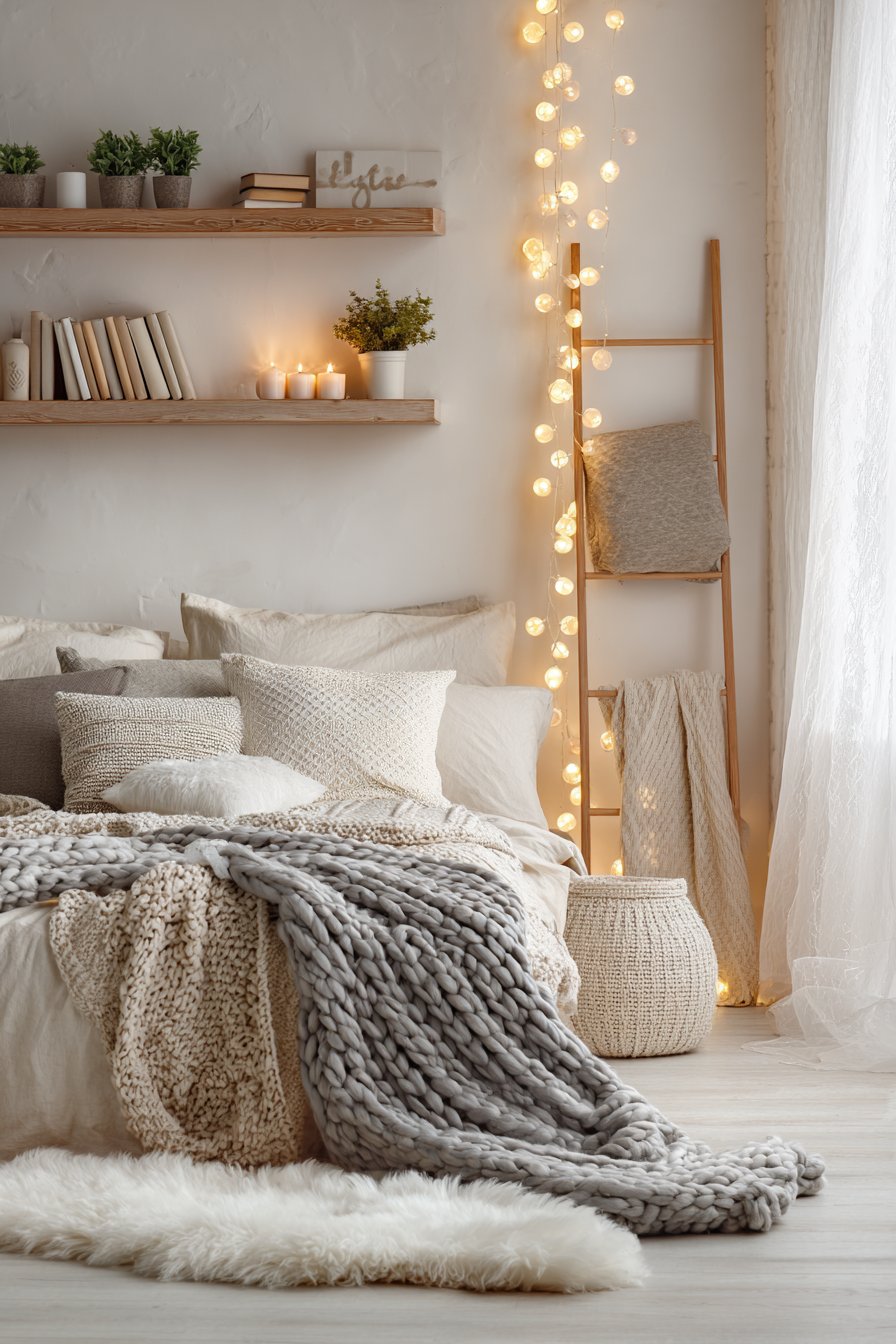
A Scandinavian hygge approach prioritizes cozy comfort through layered natural textiles. The full-size bed features cream linen sheets, grey wool blankets, and chunky knit throws in oatmeal. Multiple pillows in varying neutral textures create an inviting nest.
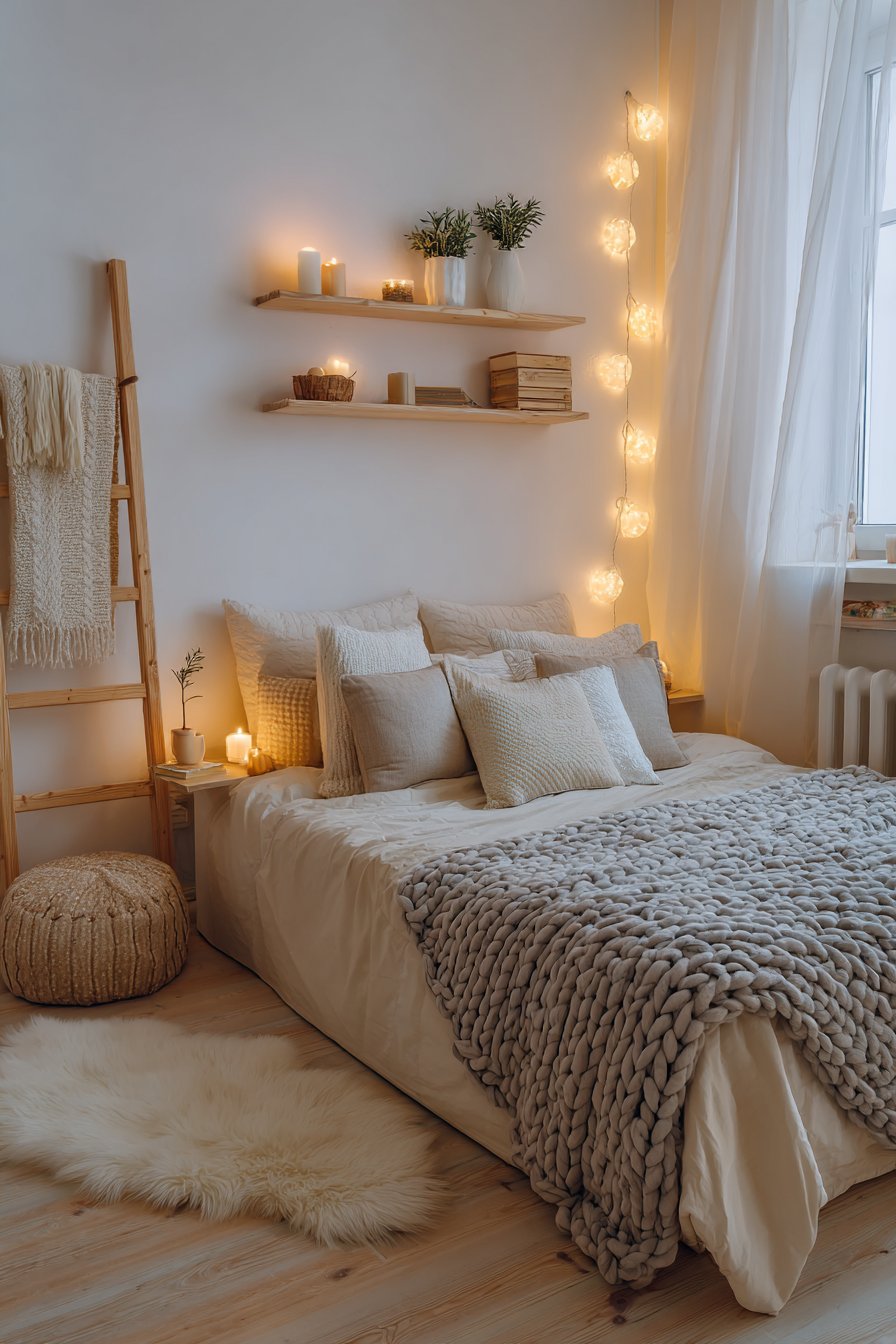
String lights with warm white bulbs drape across one wall adding cozy ambient glow. A small wooden ladder serves dual purposes as blanket rack and decorative element. Floating shelves display small potted plants and candles.
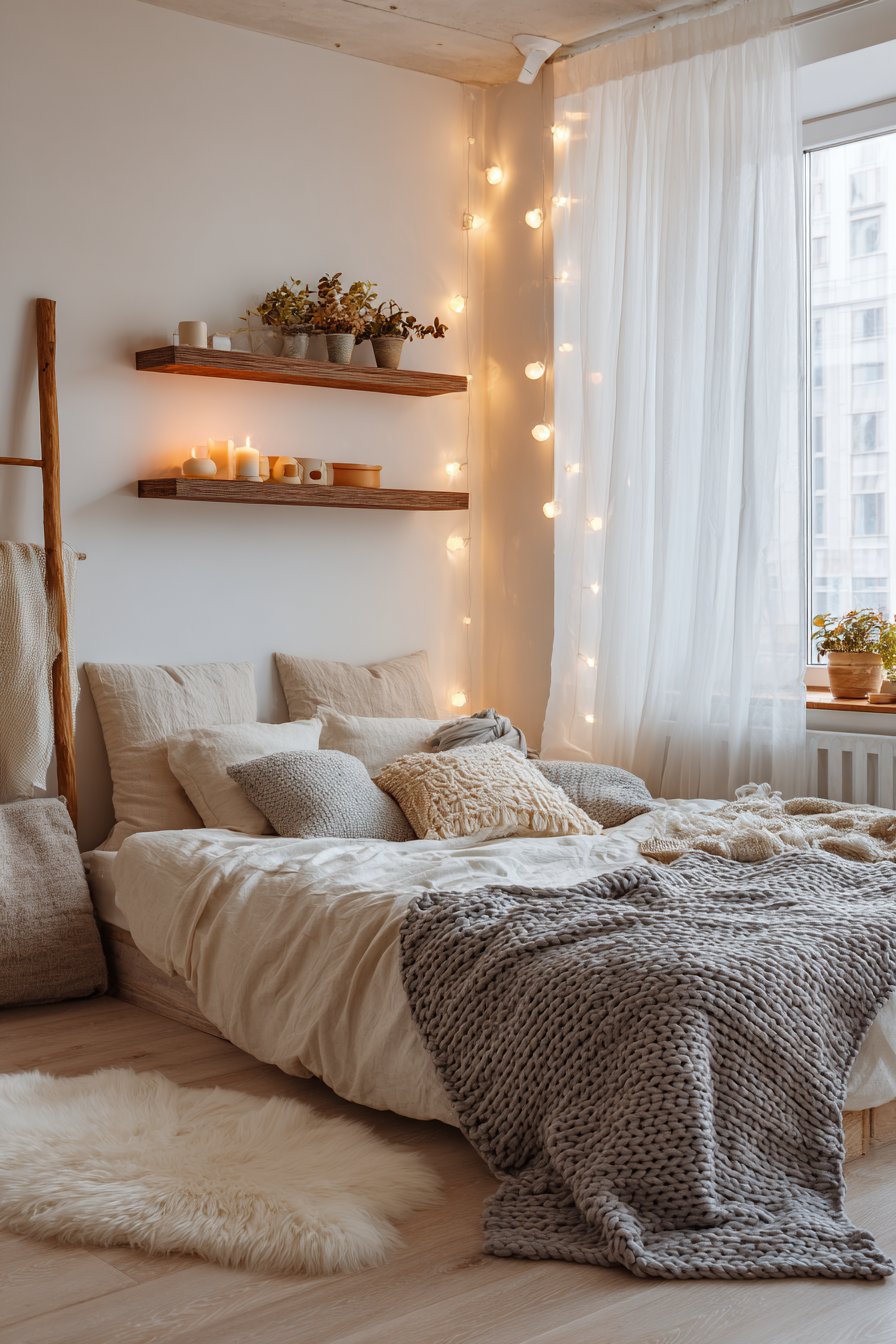
Soft warm white walls provide a gentle backdrop for the textural layers. A sheepskin rug on light oak flooring adds luxurious texture underfoot. The minimal furniture footprint keeps the space uncluttered.
Sheer white curtains filter natural light softly throughout the day. This approach proves tiny rooms can feel cozy rather than cramped. Abundant textiles create warmth without filling space with furniture.
Key Design Tips:
- Layer multiple natural textile textures for warmth and visual interest
- Use string lights for cozy ambient lighting in small spaces
- Repurpose ladders as decorative blanket storage and display
- Keep furniture minimal while maximizing soft textiles for comfort
- Choose sheer curtains that maximize natural light diffusion
19. Bohemian Maximalist Personal Expression
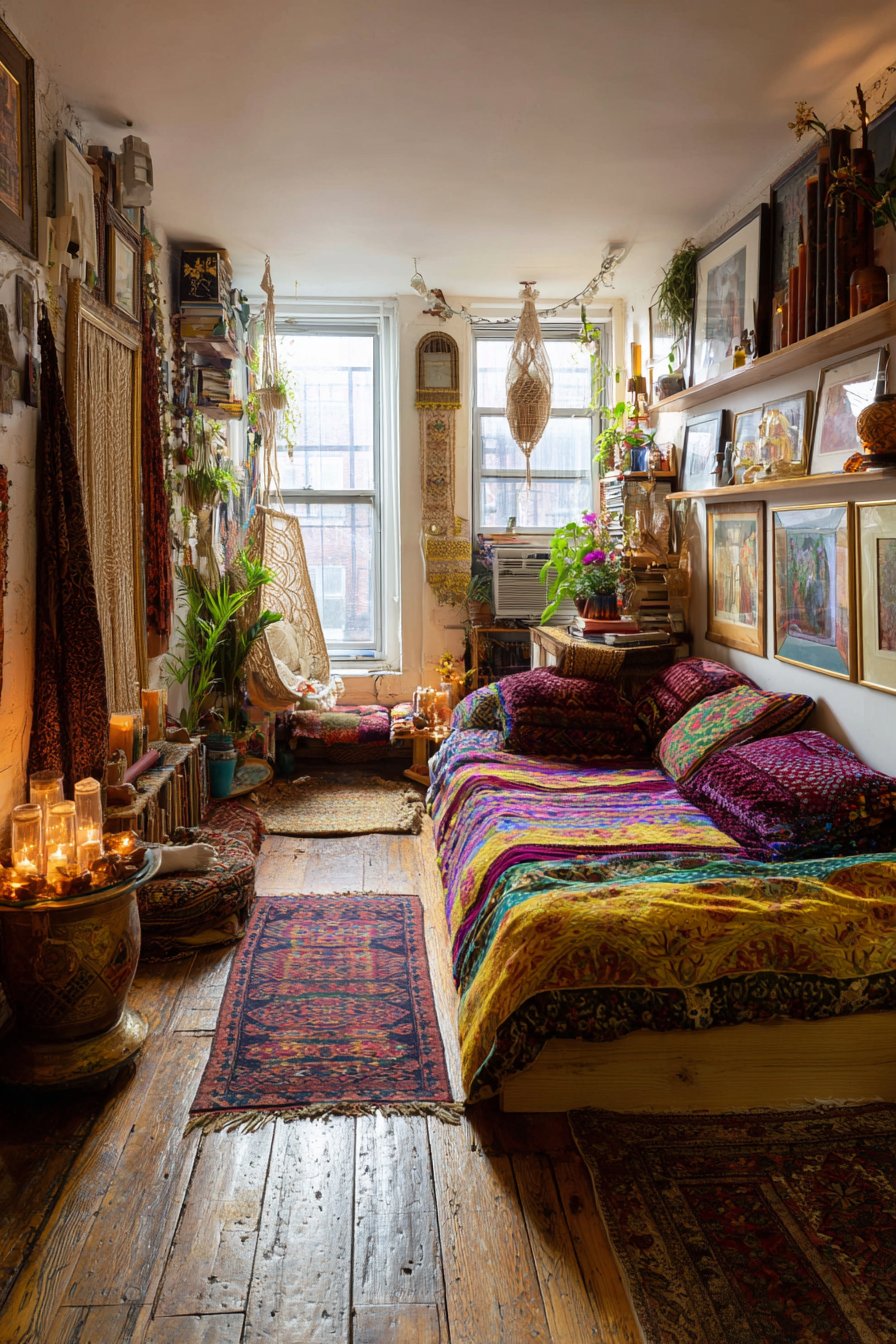
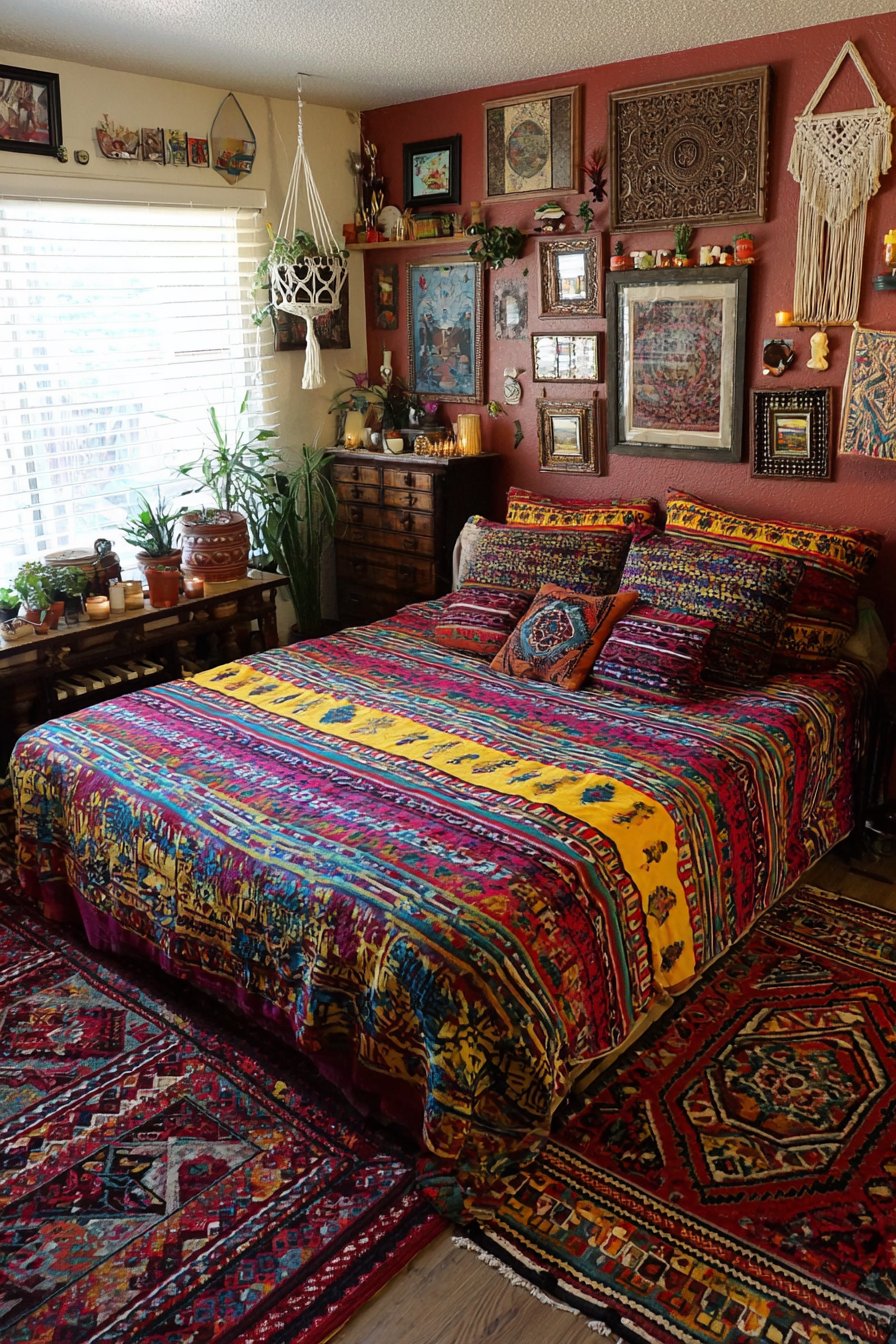
A bohemian maximalist approach proves tiny spaces can embrace color and personality. Colorful patterned bedding in jewel tones covers the full-size bed. A gallery wall of framed artwork, textiles, macrame, and mirrors creates visual richness.
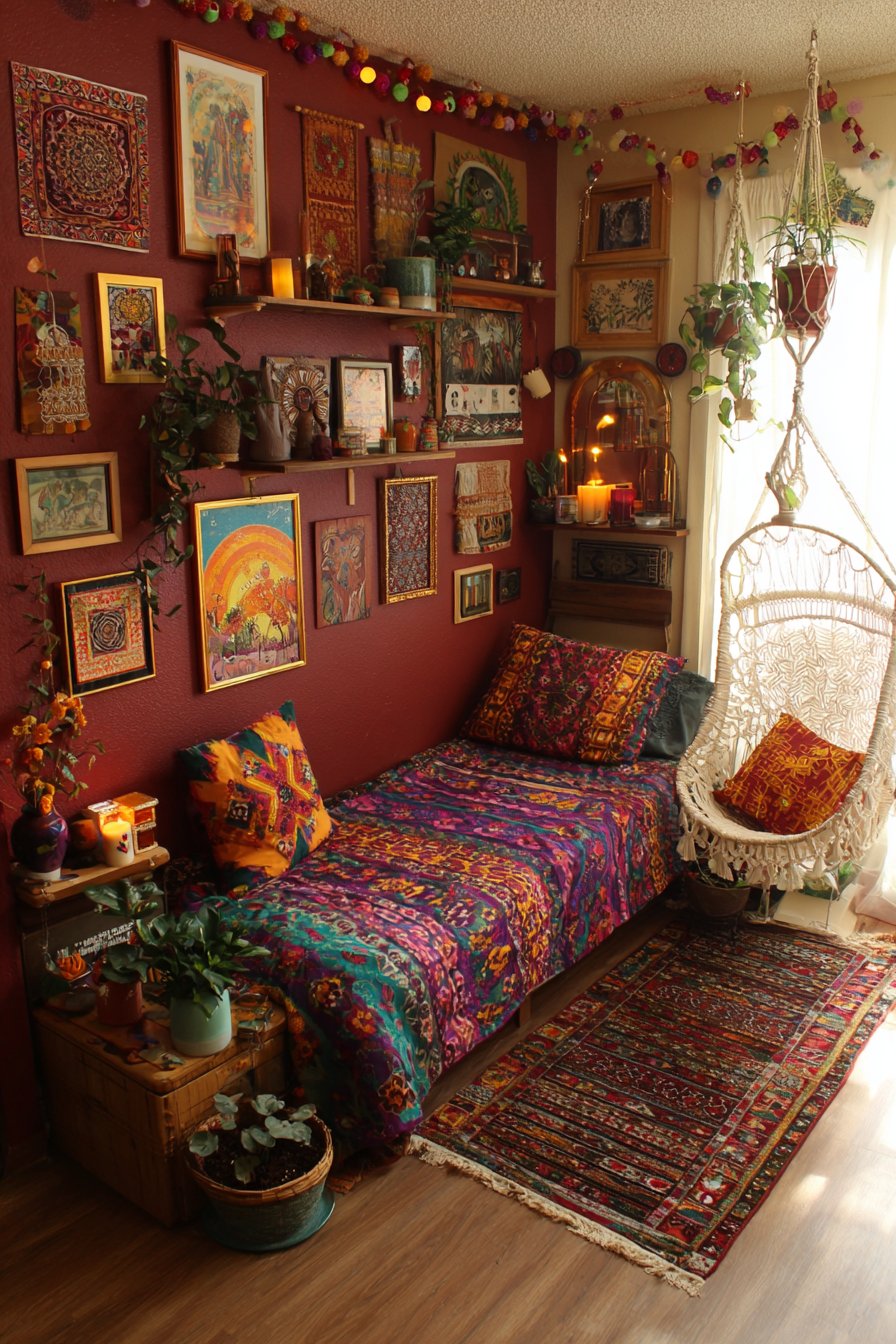
Floating shelves display small plants, candles, and collected treasures. String lights and fabric garlands add whimsical character throughout. Layered rugs including a Persian-style rug and smaller kilim create rich texture.
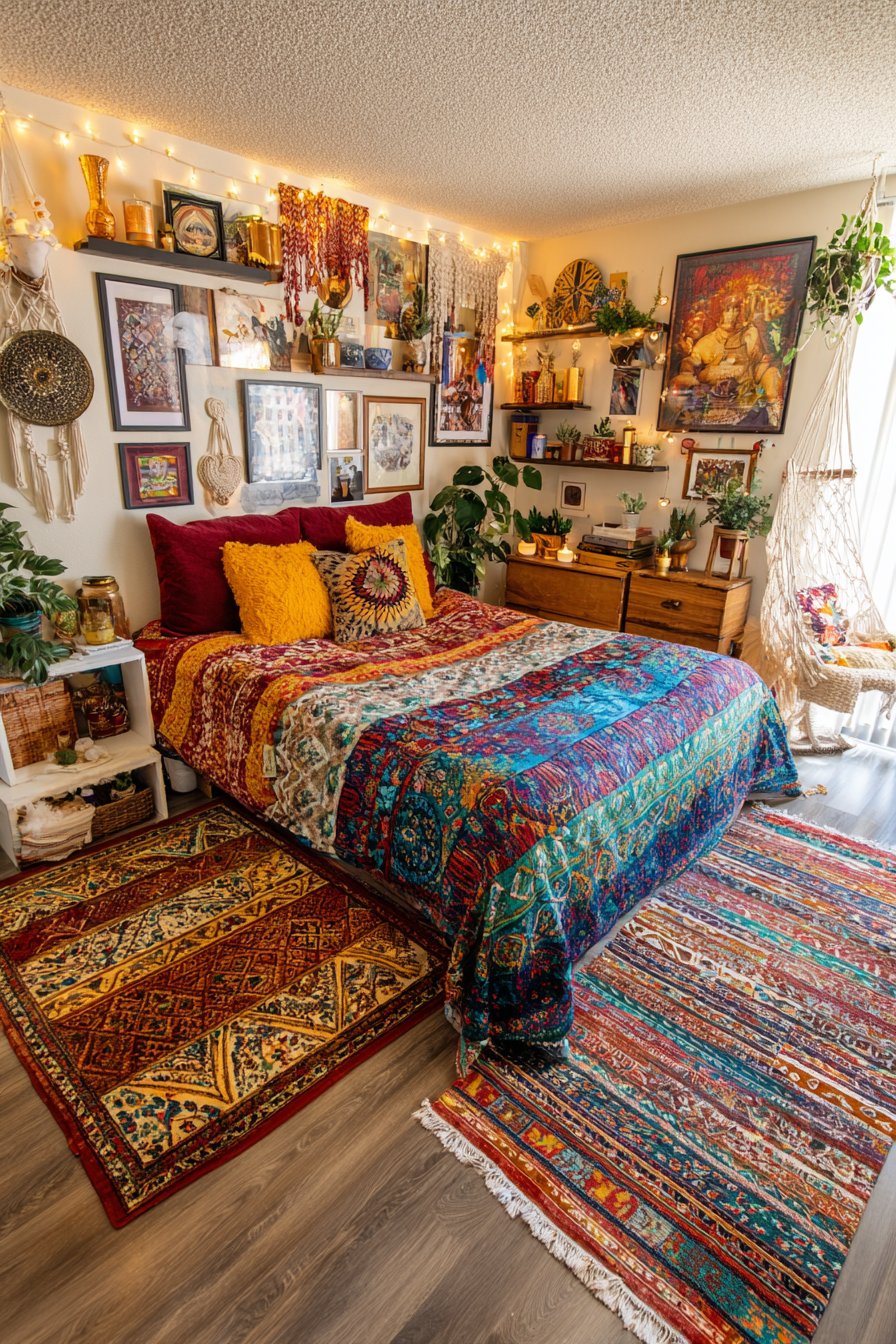
Abundant visual interest draws the eye around the room making size less noticeable. Warm terracotta walls provide a rich backdrop for the colorful layers. A small hanging macrame chair adds seating without floor commitment.
Plants in macrame hangers add vertical greenery throughout the space. This design proves tiny doesn’t require minimal or neutral approaches. Thoughtful curation with purpose and personality makes small spaces feel intentional.
Key Design Tips:
- Embrace color and pattern even in small spaces for personality
- Create gallery walls that cover entire surfaces with curated collections
- Layer multiple rugs for texture and visual richness
- Use hanging furniture like macrame chairs to preserve floor space
- Add plants in hanging planters for vertical greenery
20. Custom Built-In Bed Alcove
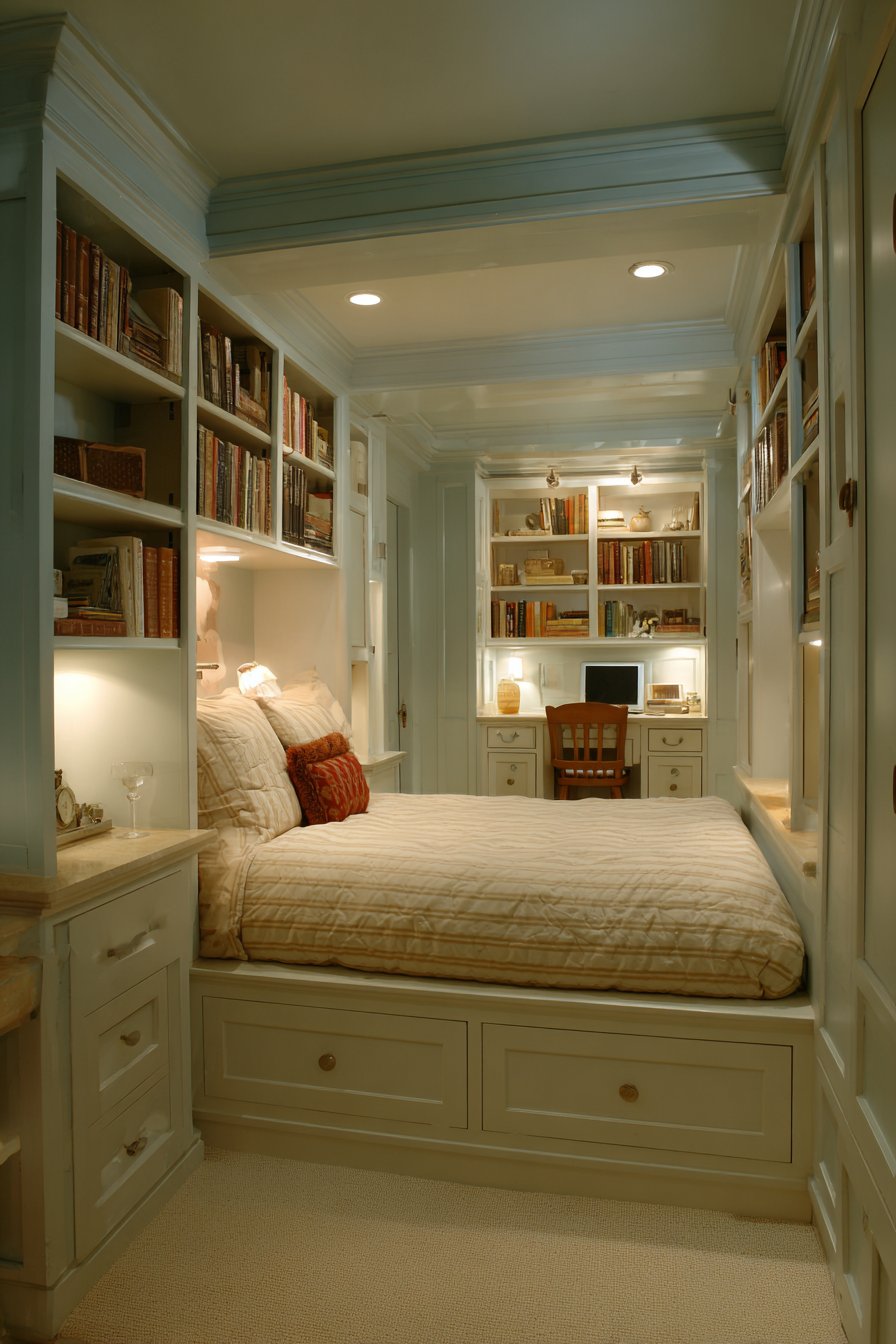
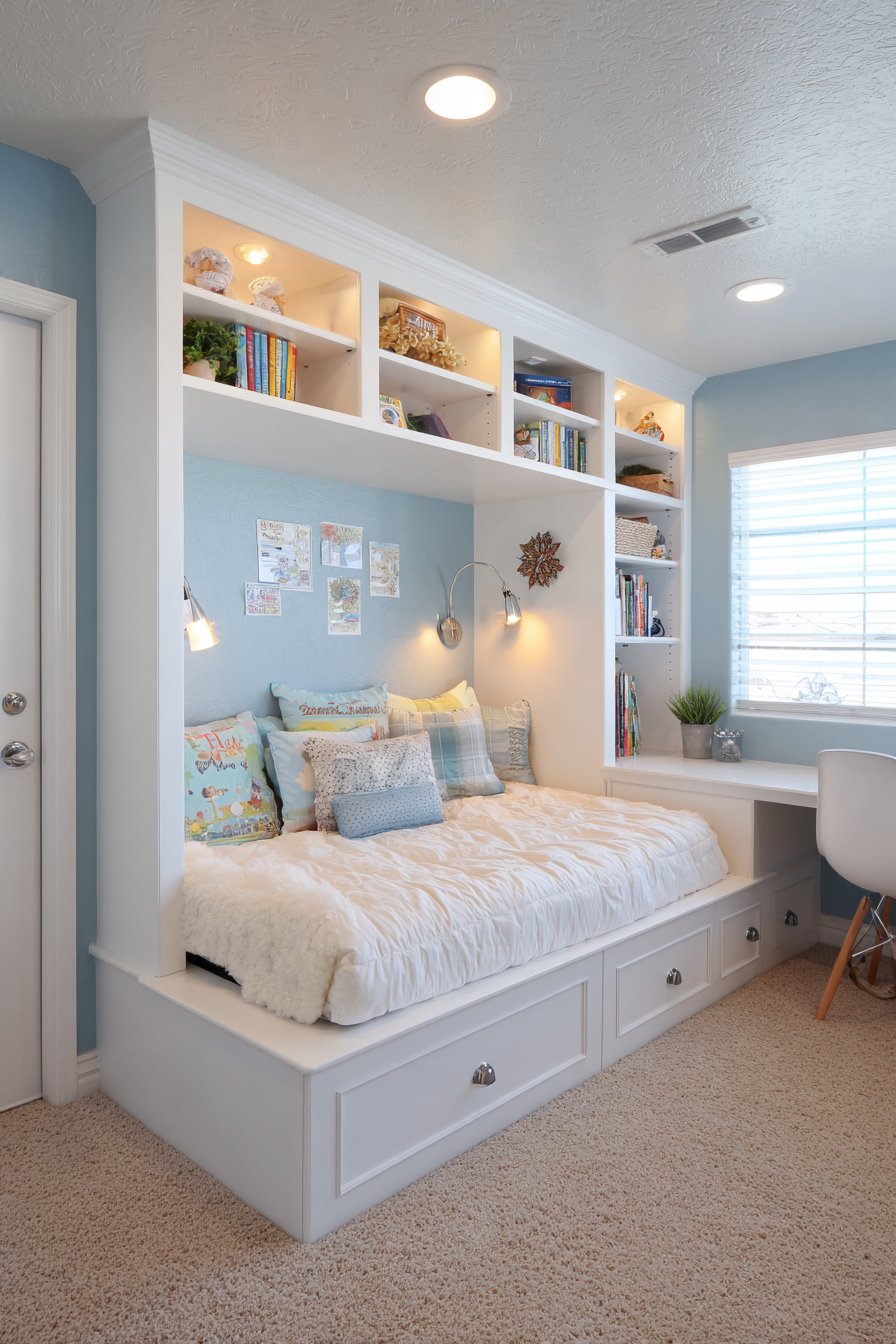
A custom built-in bed nook transforms architectural space into a cozy alcove. The full-size mattress sets into a built-in platform with storage drawers in the base. Built-in shelving flanks the bed creating a complete headboard wall.
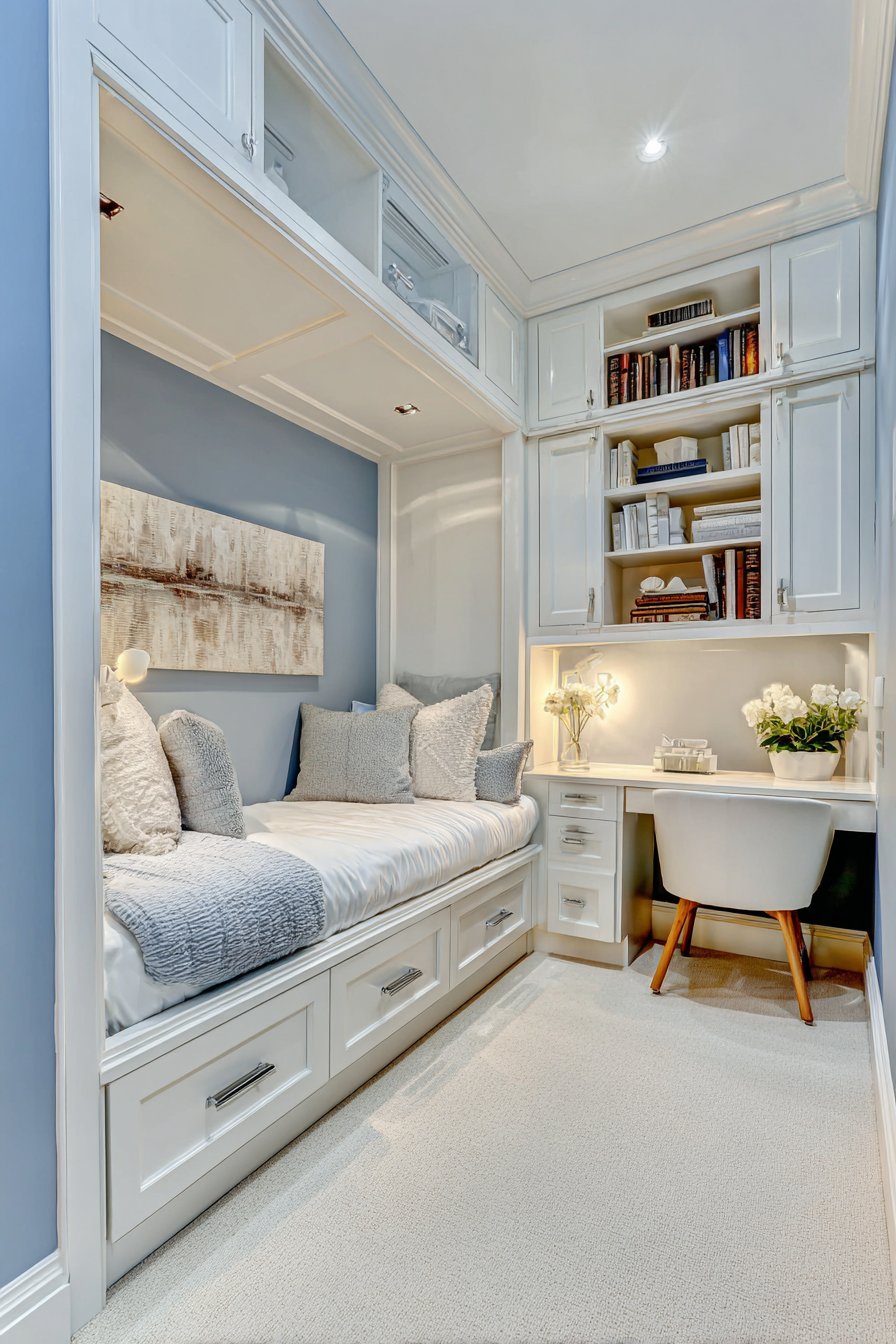
Lighting integrates into the upper shelves providing perfect reading illumination. The built-in unit in white painted wood extends floor to ceiling maximizing vertical storage. Closed cabinets below and open shelving above display books and decorative objects.
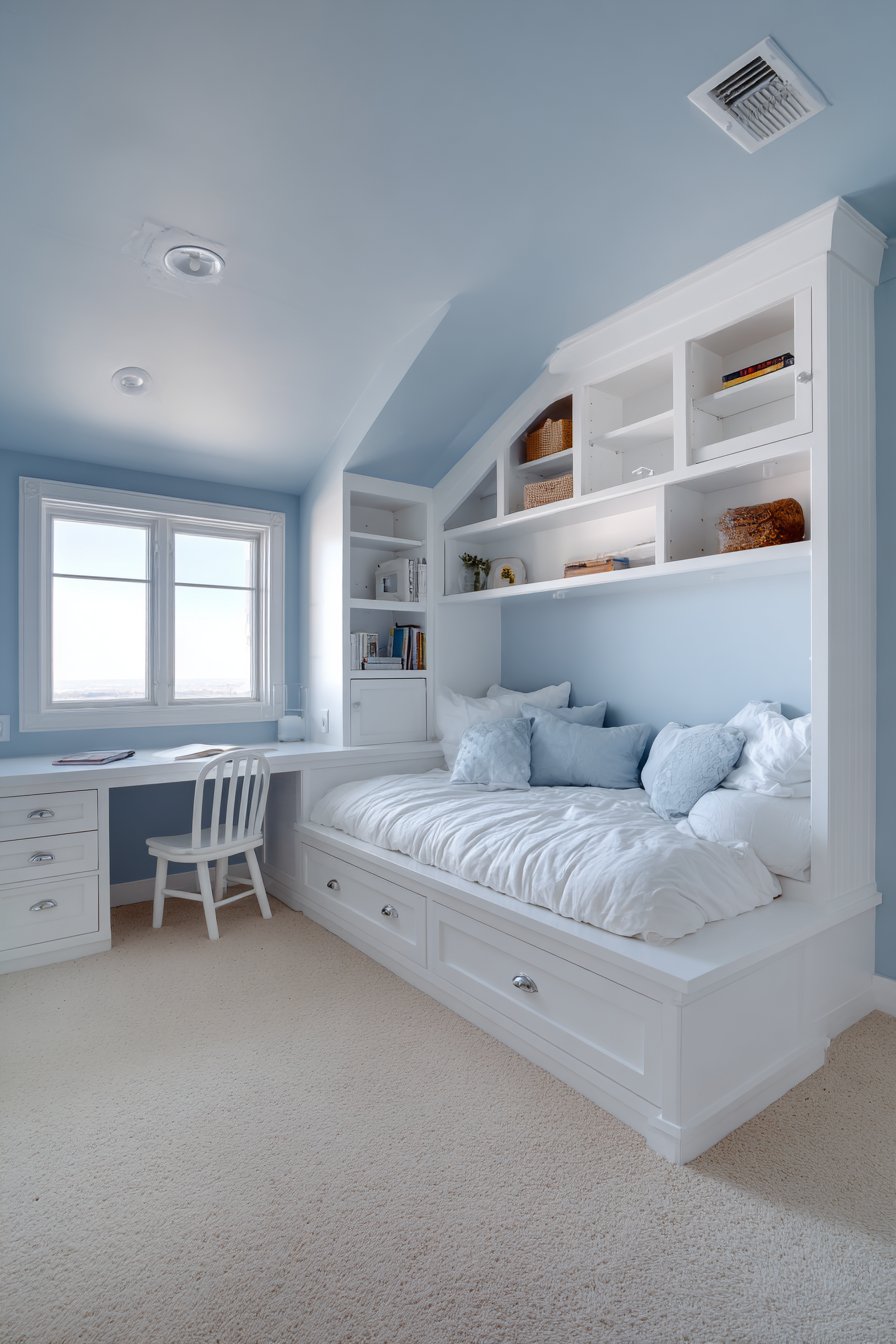
The bed nook feels intentionally cozy with surrounding cabinetry creating an embrace. A small workspace occupies the opposite wall with a narrow desk and chair. Soft blue walls create a serene environment.
Light cream carpet adds warmth and softness underfoot. Custom carpentry makes every inch functional while creating architectural interest. This investment transforms liabilities into design assets.
Key Design Tips:
- Invest in custom built-ins that integrate beds into architectural features
- Include storage drawers in platform bases for maximum utility
- Install integrated lighting in upper shelving for reading
- Extend built-ins floor to ceiling to maximize vertical storage
- Create alcove feelings that make small spaces feel intentionally cozy
Why These Tiny Bedroom Designs Are the Best
These tiny bedroom ideas represent the finest approaches to maximizing compact sleeping spaces. Each design demonstrates thoughtful consideration of storage solutions, furniture placement, and visual expansion techniques. The concepts showcase versatility suitable for different lifestyles and aesthetic preferences.
The platform bed with built-in storage exemplifies efficient space utilization through furniture with integrated compartments. This approach eliminates the need for separate storage pieces that consume precious floor space. The murphy bed design transforms rooms completely allowing spaces to serve multiple daily functions.
Loft bed configurations leverage vertical space when ceiling height permits. This vertical thinking creates distinct zones for sleeping and working without requiring additional square footage. The corner diagonal bed placement breaks traditional layouts improving circulation and creating dynamic spatial flow.
Monochromatic color schemes expand perceived space through visual psychology. White and cream palettes blur boundaries making walls feel further apart. Multi-functional furniture solutions maximize utility by ensuring every piece serves multiple purposes simultaneously.
Japanese-inspired minimalism proves that less truly becomes more in confined spaces. Careful curation of only essential items emphasizes negative space as a valuable design element. Smart lighting strategies combat claustrophobic feelings through layered illumination from multiple sources.
Built-in window seats incorporate storage and seating into existing architectural features. This approach adds functionality without introducing additional furniture. Graduated color walls create subtle depth and dimension while maintaining overall lightness essential for small rooms.
Under-bed storage systems utilize often-wasted space beneath mattresses. Elevated frames with rolling bins keep belongings accessible yet concealed. Sliding barn doors reclaim floor space consumed by traditional swinging door clearance arcs.
Bold accent walls prove that tiny rooms can handle dramatic color when balanced properly. One dark wall creates focal depth while remaining walls stay light and bright. Capsule wardrobe approaches reduce possessions to curated collections that display attractively.
Daybed configurations make bedrooms feel less like sleeping quarters and more like versatile studios. Corner wardrobe systems utilize awkward spaces that typically remain underused. Floating furniture creates visual lightness by keeping floor planes visible and uninterrupted.
Scandinavian hygge principles prioritize comfort through textiles rather than furniture abundance. Bohemian maximalist designs prove tiny spaces can embrace personality and color successfully. Custom built-in bed alcoves transform architectural constraints into cozy embracing features.
These tiny bedroom solutions address universal challenges including limited floor space, inadequate storage capacity, poor natural lighting, and awkward room proportions. The designs incorporate professional strategies like vertical space utilization, light color palettes, reflective surfaces, and integrated storage systems.
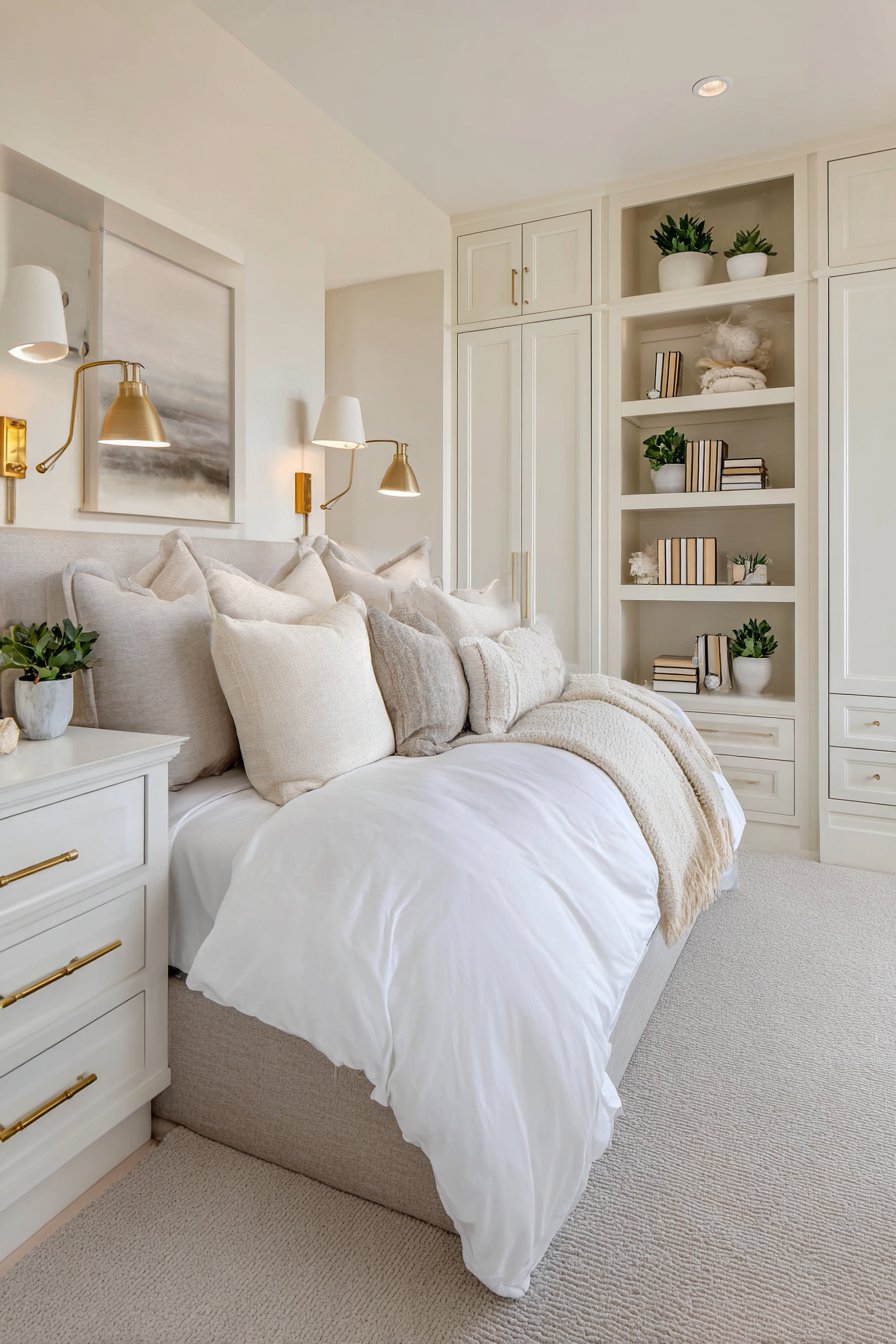
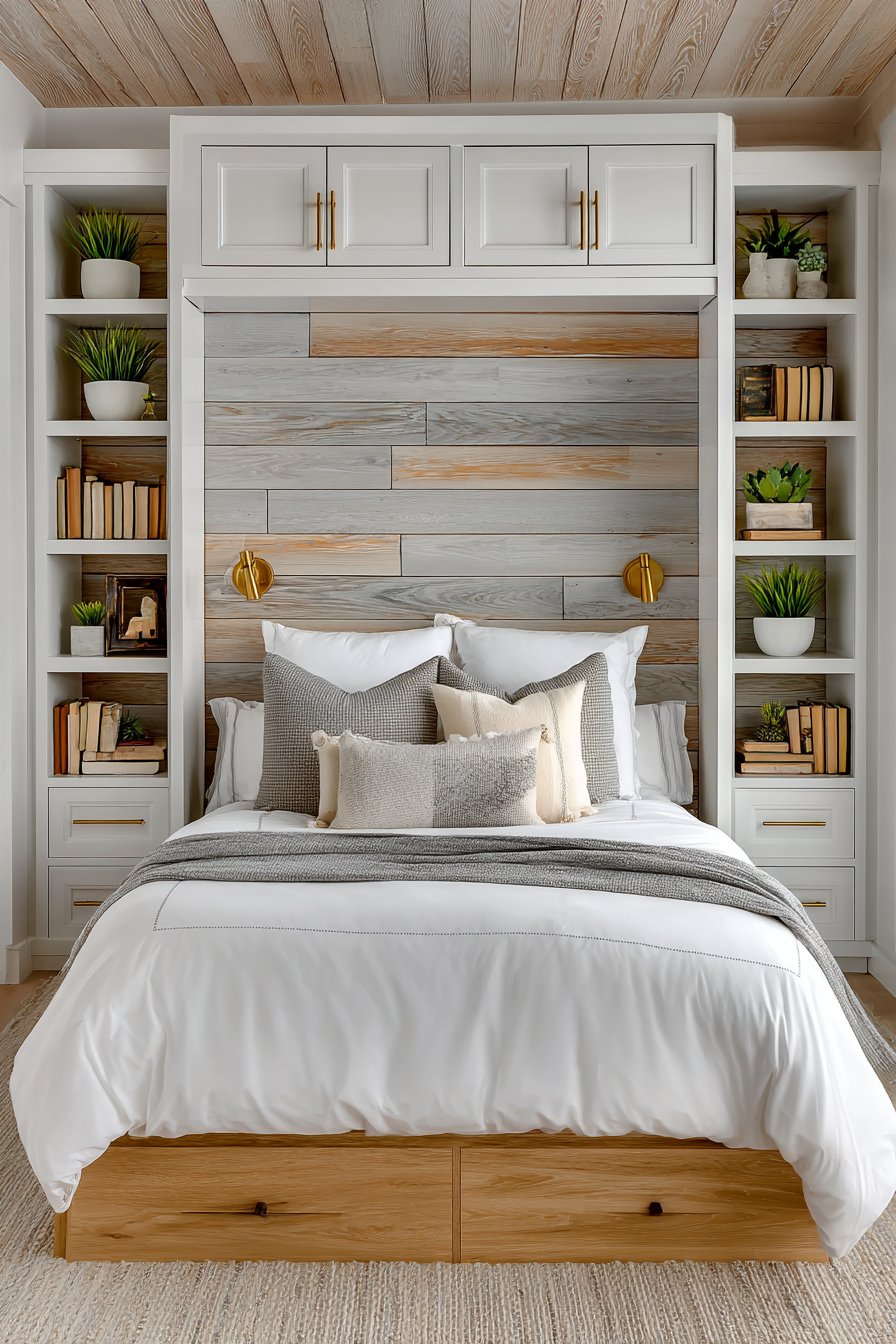
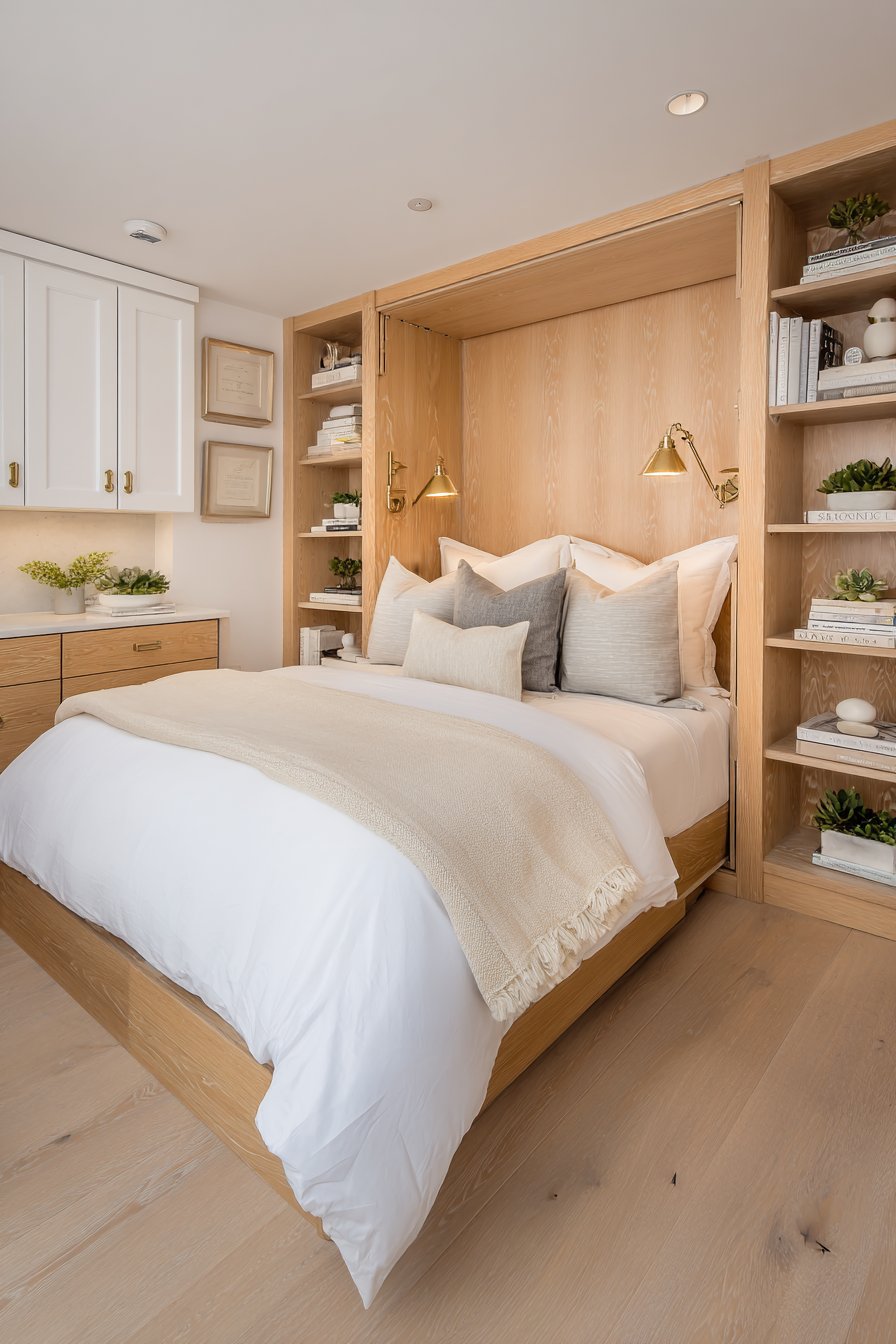
Material choices throughout emphasize painted wood in soft whites creating airiness and light reflection. Natural oak flooring and furniture add warmth without visual heaviness. Upholstered pieces in light linen and grey fabrics provide comfort and softness. Brass hardware and lighting fixtures introduce warm metallic sophistication. Sheer natural textiles maximize light transmission while providing privacy.
The comprehensive approaches balance aesthetics with functionality proving beautiful design remains possible at any scale. Space-maximizing strategies include furniture with integrated storage, floor-to-ceiling built-ins, corner utilization systems, wall-mounted and floating pieces, and transformative murphy beds. Visual expansion techniques incorporate strategic mirror placement, light monochromatic palettes, reflective surfaces, and layered lighting design.
These tiny bedroom ideas transform spatial limitations into creative opportunities. The solutions demonstrate that constraints inspire innovation rather than compromise. Professional interior design principles apply equally to compact spaces proving that thoughtful planning creates beautiful functional rooms regardless of square footage.
Conclusion
These twenty tiny bedroom ideas demonstrate that compact spaces can achieve both beauty and functionality. The key takeaways include maximizing vertical storage, choosing multi-functional furniture, and using light colors strategically. Platform beds with integrated drawers, murphy beds that disappear, and loft configurations that create zones all prove effective.
Smart lighting design combats claustrophobic feelings through layered illumination from multiple sources. Strategic mirror placement doubles perceived space and natural light. Floating furniture maintains floor visibility creating visual expansiveness. Built-in solutions customize spaces to maximize every architectural feature.
Color strategies range from monochromatic whites that blur boundaries to bold accent walls that create intentional depth. Both minimalist and maximalist approaches succeed when executed thoughtfully. The unifying principle involves making deliberate choices where every element serves clear purposes.
Start transforming your tiny bedroom by identifying your biggest spatial challenge. Whether storage, lighting, or layout, begin with one strategic solution. These ideas prove that beautiful design thrives within constraints when approached with creativity and intention.
