


Creating a whimsical living room is about striking the perfect balance between playful charm and sophisticated design. A space that sparks joy shouldn’t feel chaotic or childish. Instead, it should reflect your personality while maintaining visual harmony and functionality. The key lies in knowing when to embrace creativity and when to exercise restraint.
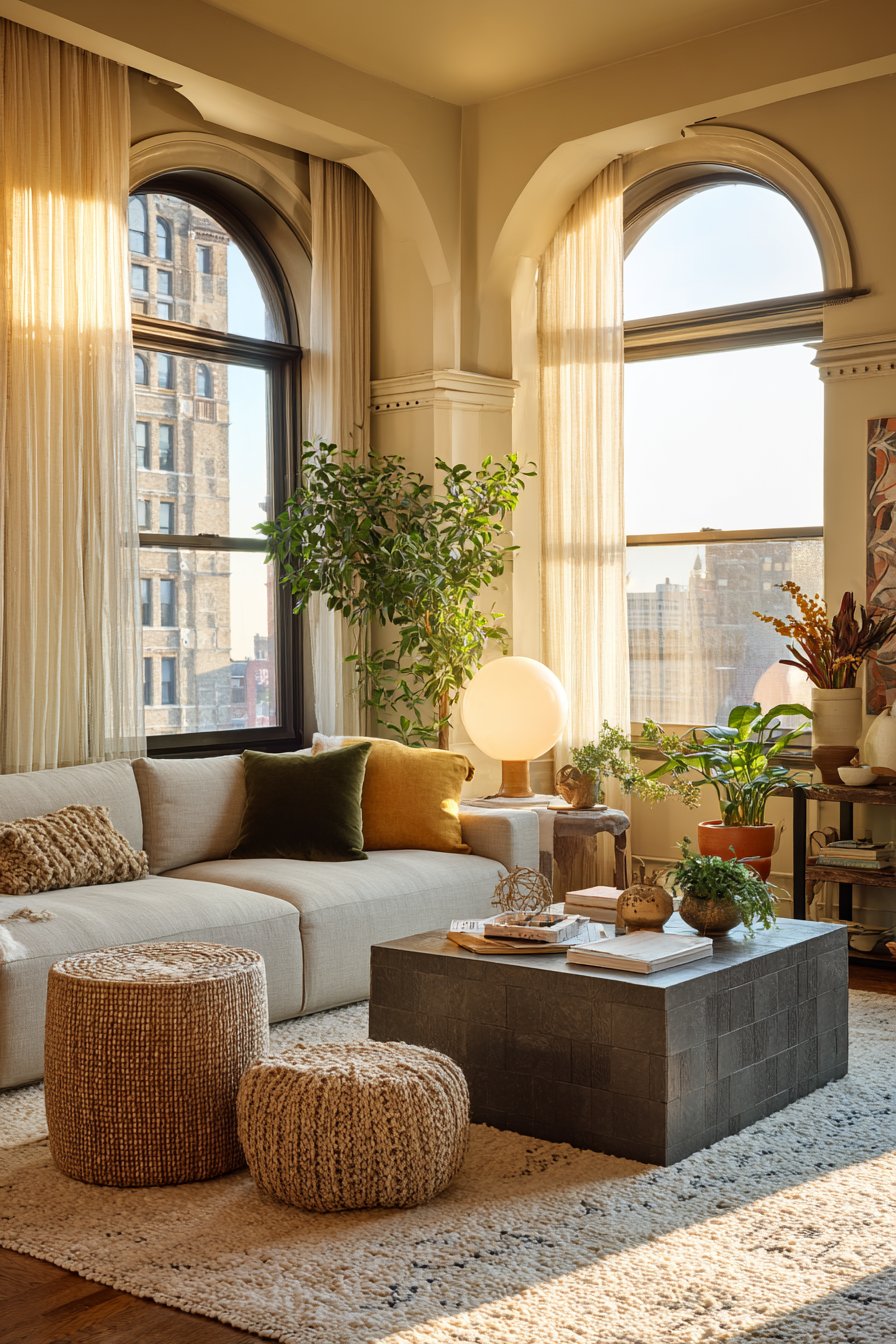
Thoughtful interior design transforms ordinary rooms into extraordinary sanctuaries that inspire daily life. Whether you’re drawn to eclectic patterns, bold colors, or unexpected decorative elements, the whimsical style offers endless possibilities. This approach caters to free-spirited personalities who refuse to follow conventional design rules. Yet even the most creative spaces need structure to prevent visual overwhelm.
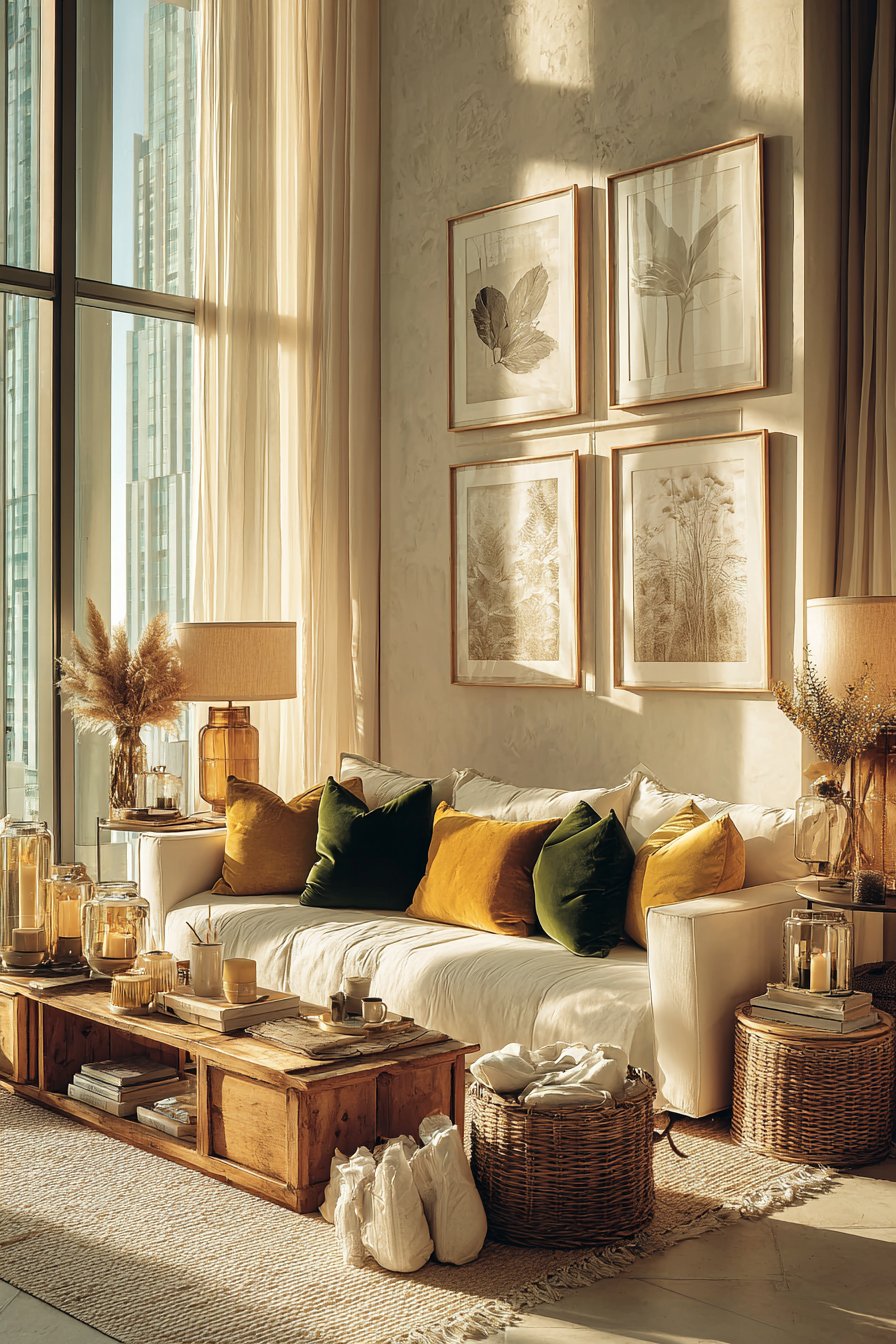
This article explores six essential strategies for crafting a whimsical living room that delights without descending into disorder. You’ll discover how to select statement pieces, incorporate playful colors, mix textures thoughtfully, and add quirky accessories with intention. These techniques will help you create a space that feels both imaginative and inviting, proving that whimsy and elegance can coexist beautifully.
1. Start with a Neutral Foundation
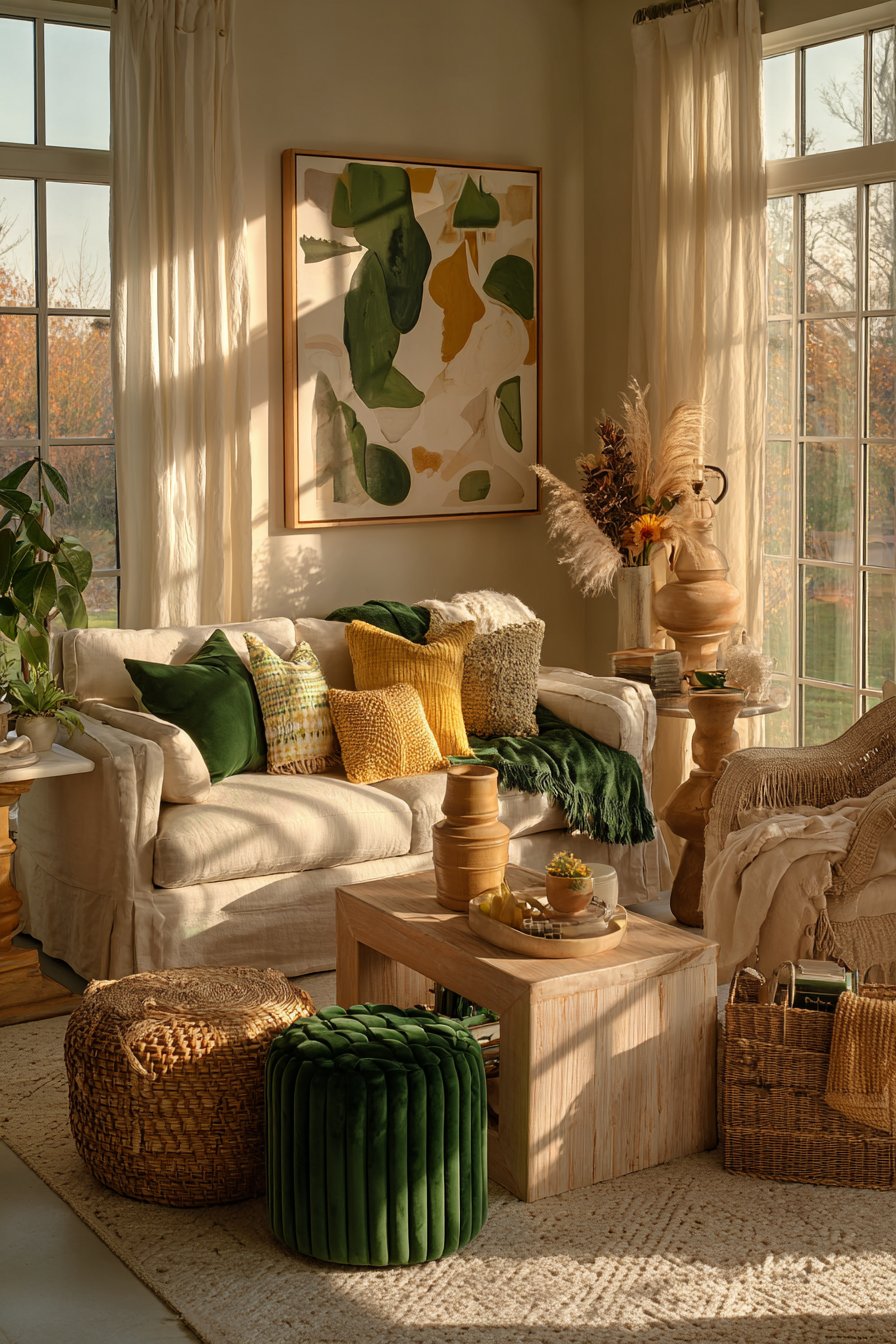
The secret to successful whimsical design begins with a neutral base palette that provides visual breathing room. White, cream, soft gray, or beige walls create a calming backdrop for more adventurous elements. This approach prevents the space from feeling overwhelming or cluttered. Your neutral foundation acts as a canvas for creativity, allowing bold pieces to shine without competing.
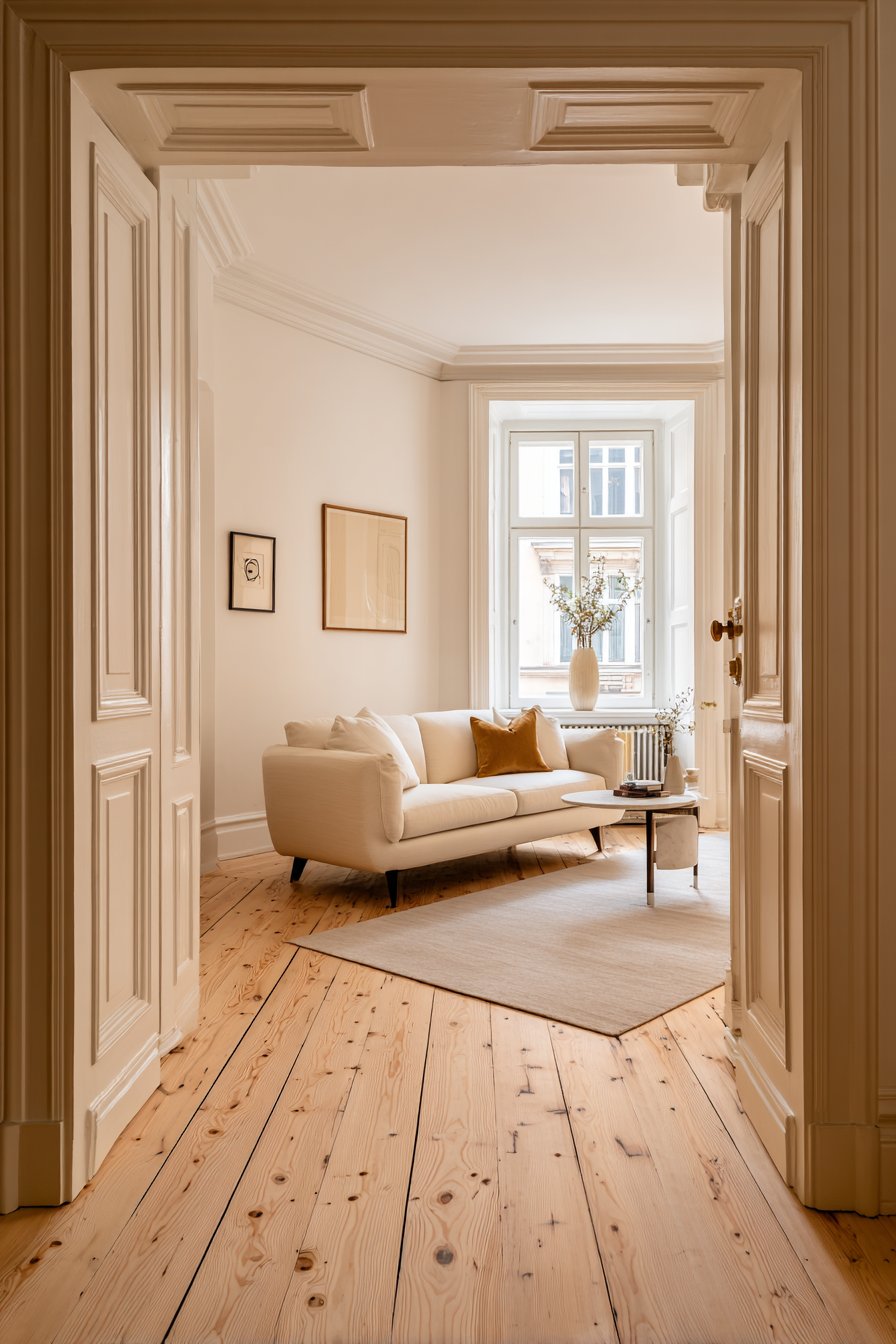
Think of your walls and large furniture pieces as the stage for your whimsical performance. A neutral sofa in linen or cotton becomes the perfect anchor for colorful throw pillows and quirky blankets. Light-colored flooring or area rugs establish continuity throughout the space. This strategic restraint makes it easier to switch out accessories seasonally without repainting or replacing major pieces.
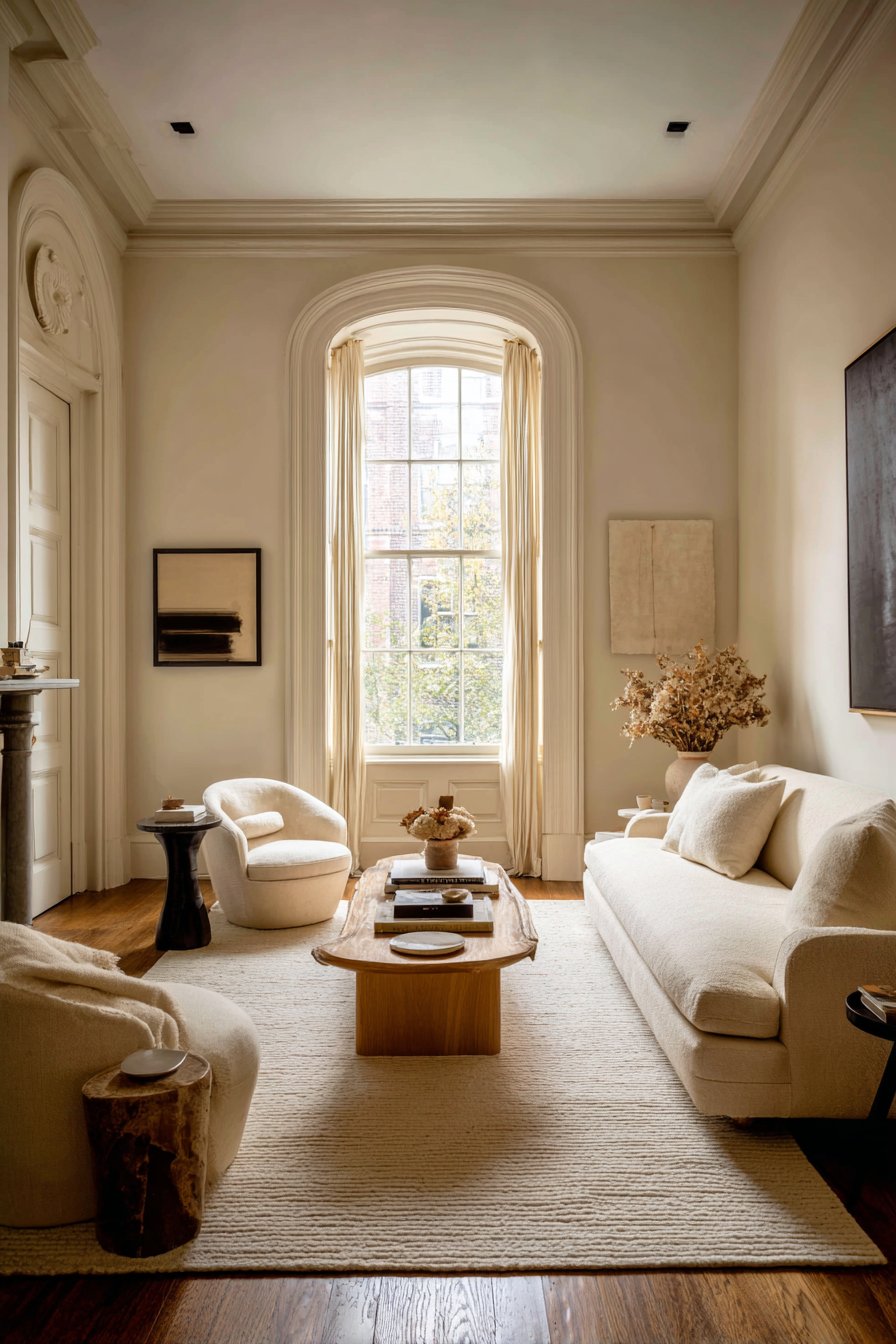
The neutral foundation philosophy extends beyond color to include clean lines and simple silhouettes. Choose streamlined furniture with classic shapes that won’t date quickly. This timeless approach provides stability while giving you freedom to experiment with whimsical accents elsewhere. The result is a room that feels collected over time rather than chaotic.
- Select wall colors in warm whites or soft grays with subtle undertones
- Invest in quality neutral furniture pieces that will anchor the space long-term
- Choose natural materials like wood, linen, and cotton for a grounded feel
- Keep window treatments simple with light-filtering fabrics in neutral tones
- Use area rugs in cream or taupe to define conversation areas
- Save bold colors and patterns for easily changeable accessories
2. Choose One Statement Piece as Your Focal Point
Every whimsical living room needs a show-stopping centerpiece that immediately captures attention upon entering. This could be an oversized piece of abstract art, a vintage velvet sofa in jewel tones, or an unusual coffee table with organic curves. The key is selecting just one major statement piece rather than multiple competing elements. This focal point strategy creates intentional drama without visual chaos.
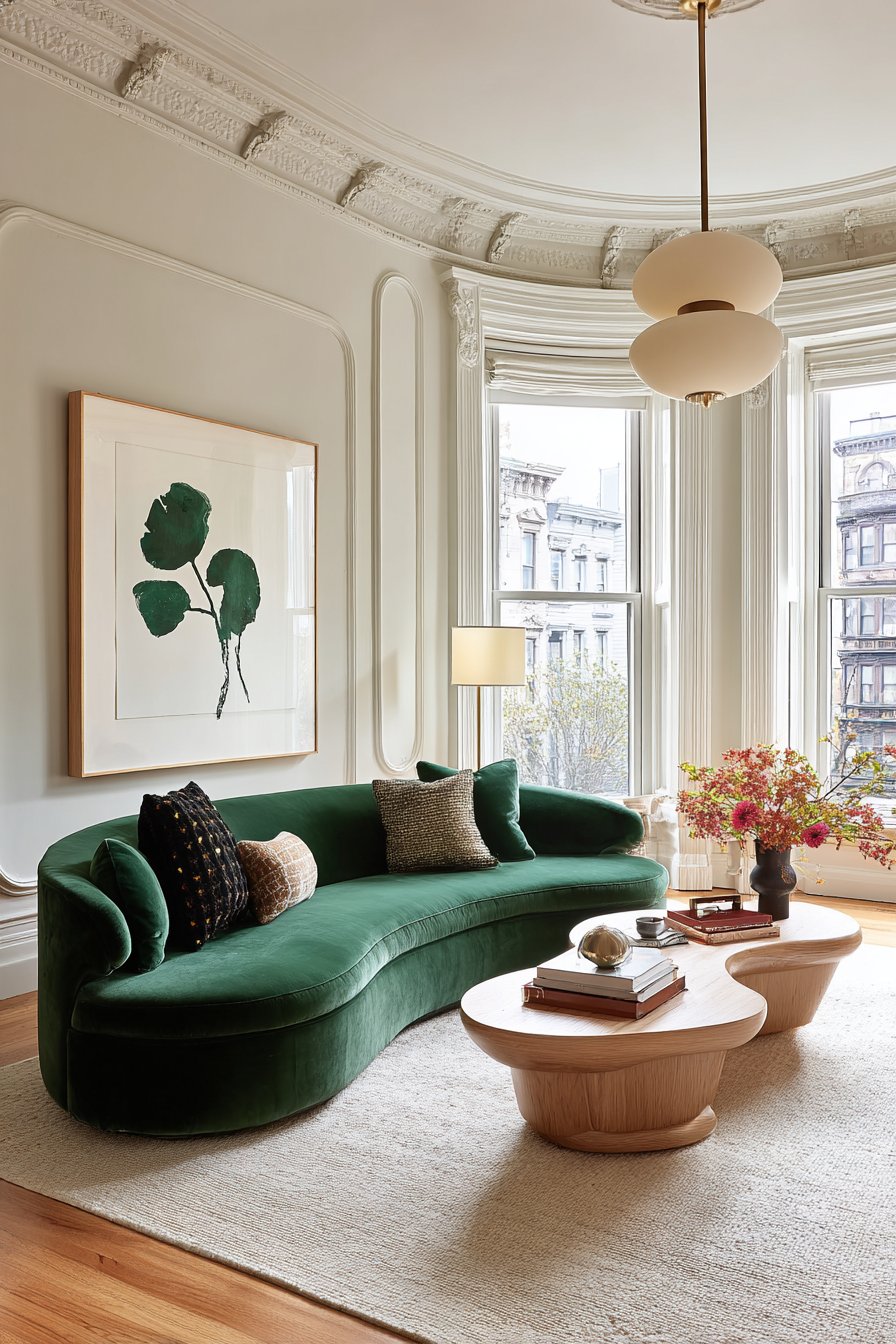
Your statement piece should reflect your personality and set the tone for the entire space. Consider an antique armchair reupholstered in bold botanical fabric or a sculptural light fixture with unexpected forms. Place this piece where it naturally draws the eye, typically as the first thing visible from the main entrance. Everything else in the room should support rather than compete with this anchor element.
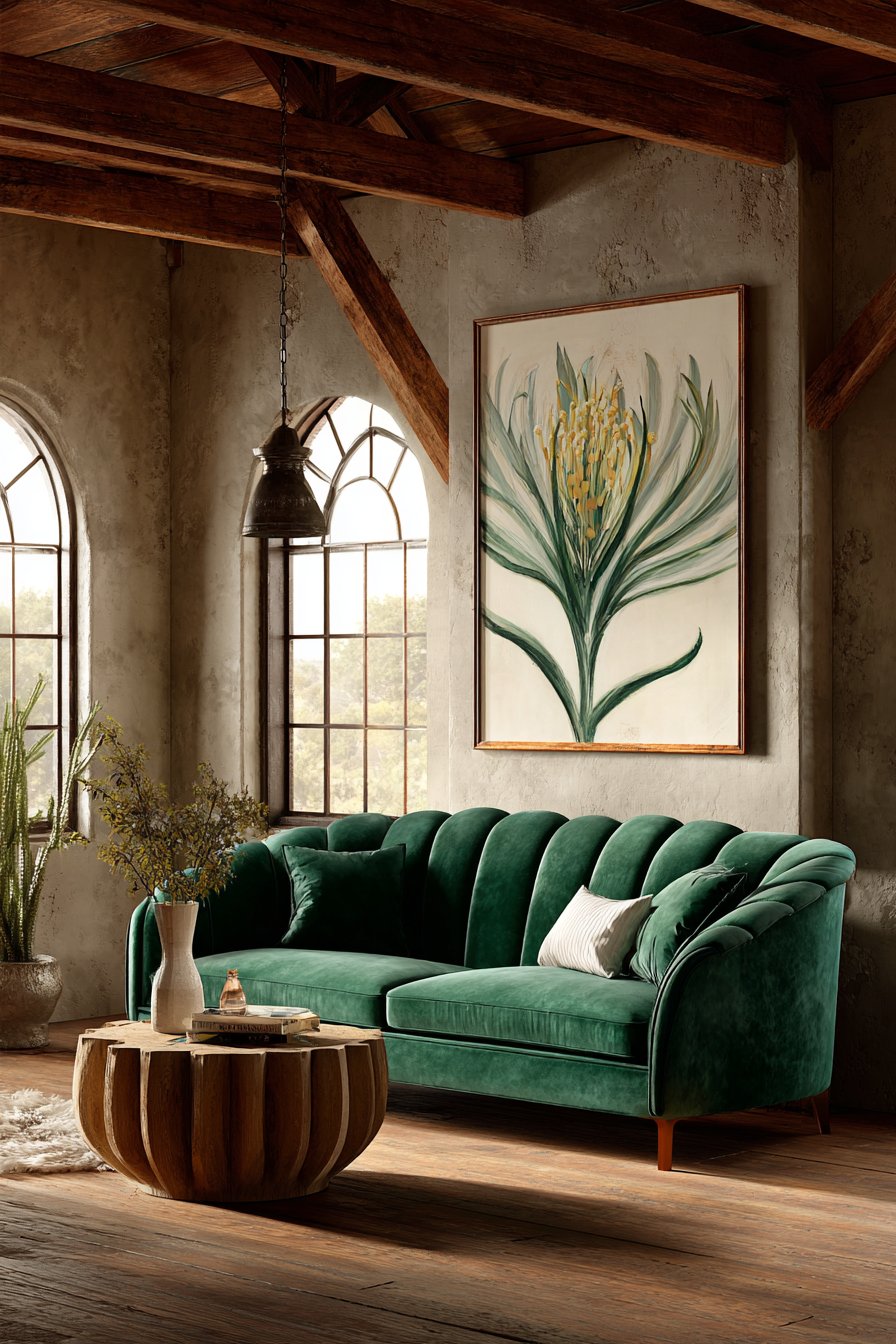
Scale matters tremendously when selecting your focal point. An oversized piece makes a stronger impact than several smaller items scattered throughout. Choose something with distinctive character that sparks conversation and joy. This approach demonstrates design confidence while maintaining the restraint necessary for a cohesive space.
- Identify the natural focal point of your room before selecting your statement piece
- Consider vintage or one-of-a-kind items for truly unique character
- Ensure your statement piece is proportionate to the room size
- Avoid placing multiple bold pieces on the same wall or sightline
- Let your focal point inspire but not dictate the entire color scheme
- Invest in quality for pieces that will remain timeless despite their boldness
3. Incorporate Playful Colors Strategically
Whimsical design thrives on unexpected color combinations, but strategic color placement prevents overwhelming the senses. Rather than painting every wall in vibrant hues, introduce color through thoughtfully curated accessories and textiles. Emerald green velvet pillows, mustard yellow throws, or coral accent chairs add personality without permanent commitment. This flexible approach allows you to refresh the palette as your tastes evolve.

The 60-30-10 rule provides a helpful framework for color distribution in whimsical spaces. Use neutral tones for 60 percent of the room, a secondary color for 30 percent, and reserve the most vibrant accent colors for the remaining 10 percent. This proportional approach ensures visual balance while allowing for playful experimentation. Layer different shades of your chosen colors to create depth and sophistication.
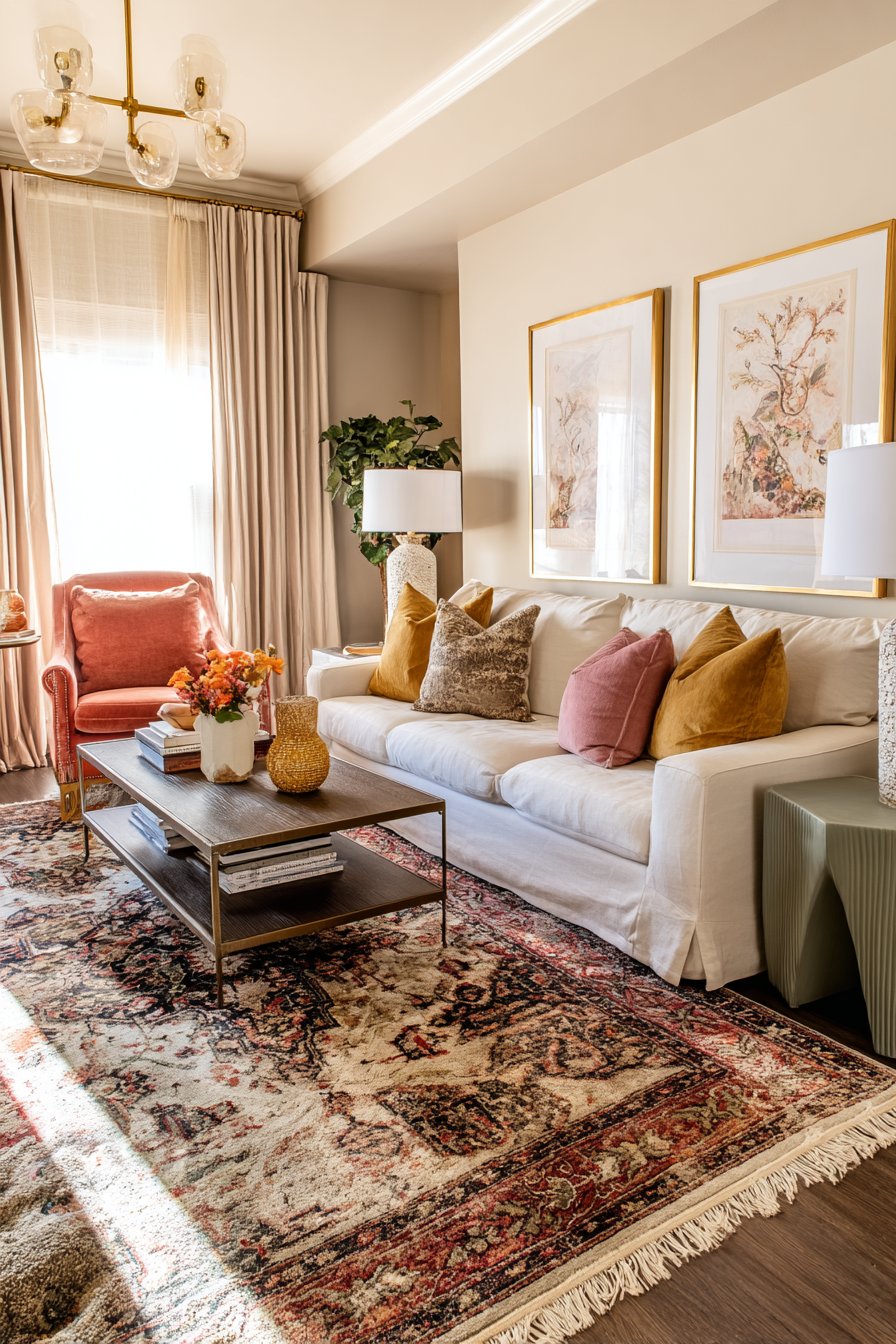
Don’t shy away from unexpected color pairings that reflect true whimsy. Blush pink with sage green, terracotta with navy, or lavender with butter yellow create surprising harmonies. Test color combinations through smaller accessories before committing to larger pieces. The goal is creating a palette that feels intentionally curated rather than accidentally assembled.
- Use the color wheel to identify complementary and analogous color schemes
- Introduce your boldest colors through easily changeable textiles and accessories
- Repeat your accent colors at least three times throughout the room
- Consider the psychological effects of colors when creating your palette
- Test paint samples on multiple walls to see how natural light affects them
- Balance warm and cool tones to create visual interest and depth
4. Mix Textures and Patterns with Intention
Layering diverse textures and patterns creates visual richness that defines whimsical interiors. However, successful pattern mixing requires understanding scale and repetition to avoid visual confusion. Combine large-scale patterns with smaller ones, and pair busy designs with simpler textures. A bold floral sofa pairs beautifully with subtle striped pillows and a solid velvet throw. This varied layering creates depth without chaos.
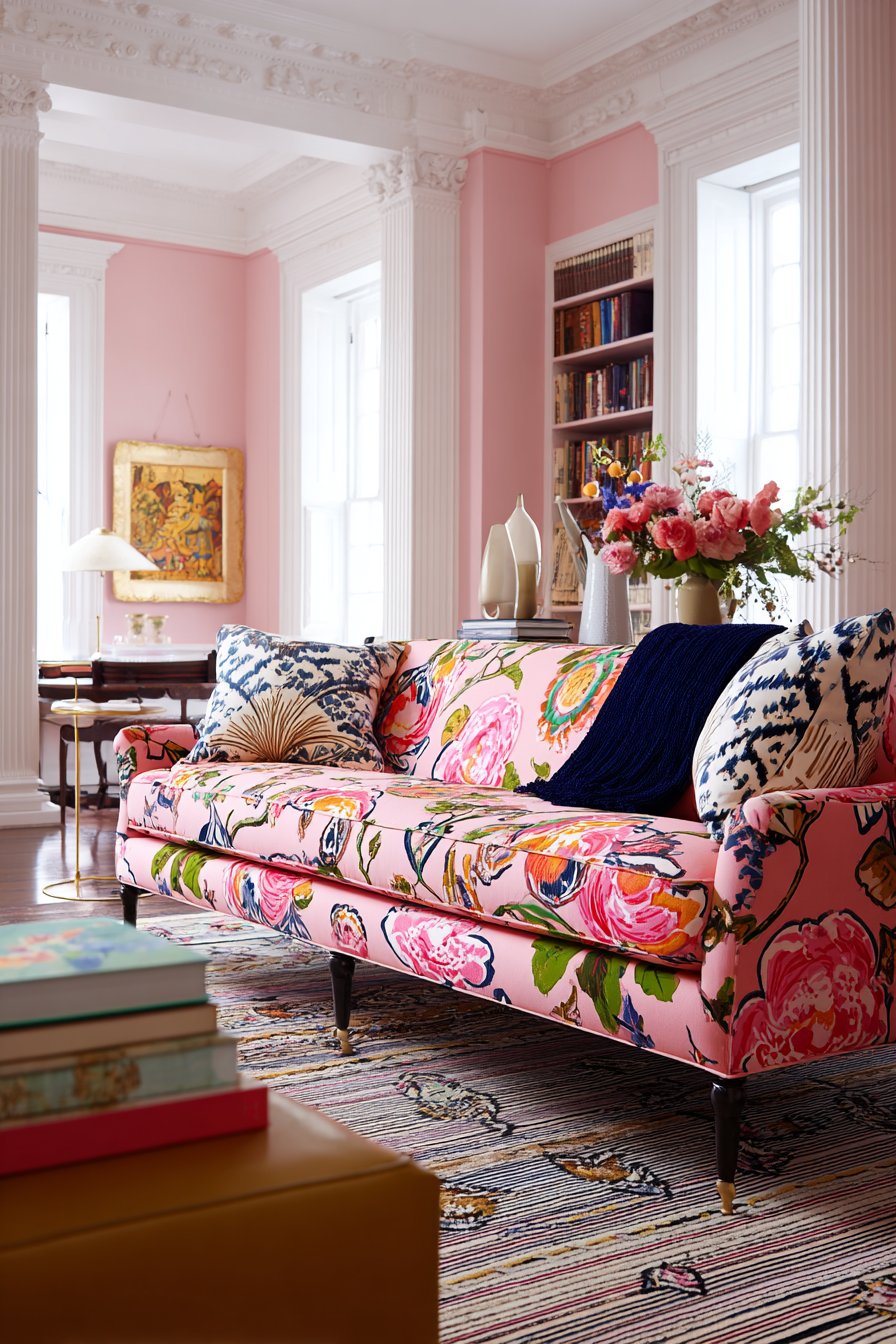
Texture adds dimension that pure color cannot achieve. Mix smooth velvet with nubby linen, glossy ceramics with matte wood, and plush rugs with sleek metal accents. These tactile contrasts invite touch and create sensory interest throughout the space. Even in a colorful room, texture variation prevents flatness and adds sophistication to playful elements.
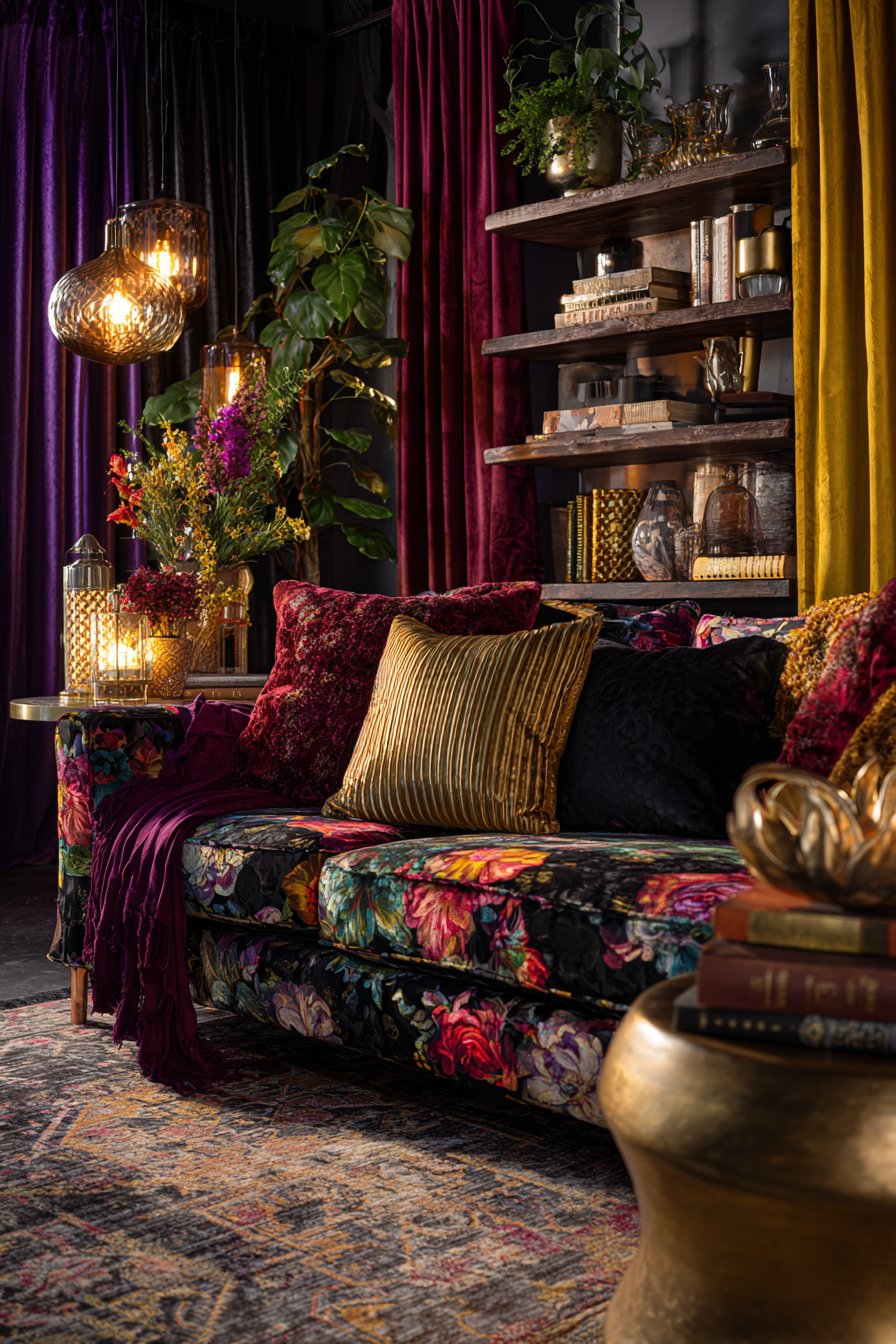
When combining patterns, maintain a consistent color story that ties diverse prints together. If your room features navy blue prominently, select patterns that include navy in different styles—perhaps geometric, floral, and abstract. Limit yourself to three or four patterns maximum to maintain visual cohesion. Include solid colors strategically to give the eye places to rest between patterned elements.
- Start with one large-scale pattern as your inspiration piece
- Add medium-scale patterns in coordinating colors but different styles
- Include small-scale patterns or textures as subtle fillers
- Use solid colors strategically to break up pattern-heavy areas
- Vary pattern types: mix geometrics with organics, stripes with florals
- Consider pattern placement—avoid clustering all patterns in one area
5. Add Quirky Accessories with Restraint
Accessories bring whimsy to life, but the edited approach distinguishes sophisticated spaces from cluttered ones. Select quirky pieces that tell stories or spark joy rather than filling every surface. An unusual vintage lamp, a collection of colorful art books, or a sculptural plant stand adds personality. The key is curating rather than accumulating decorative objects throughout the space.
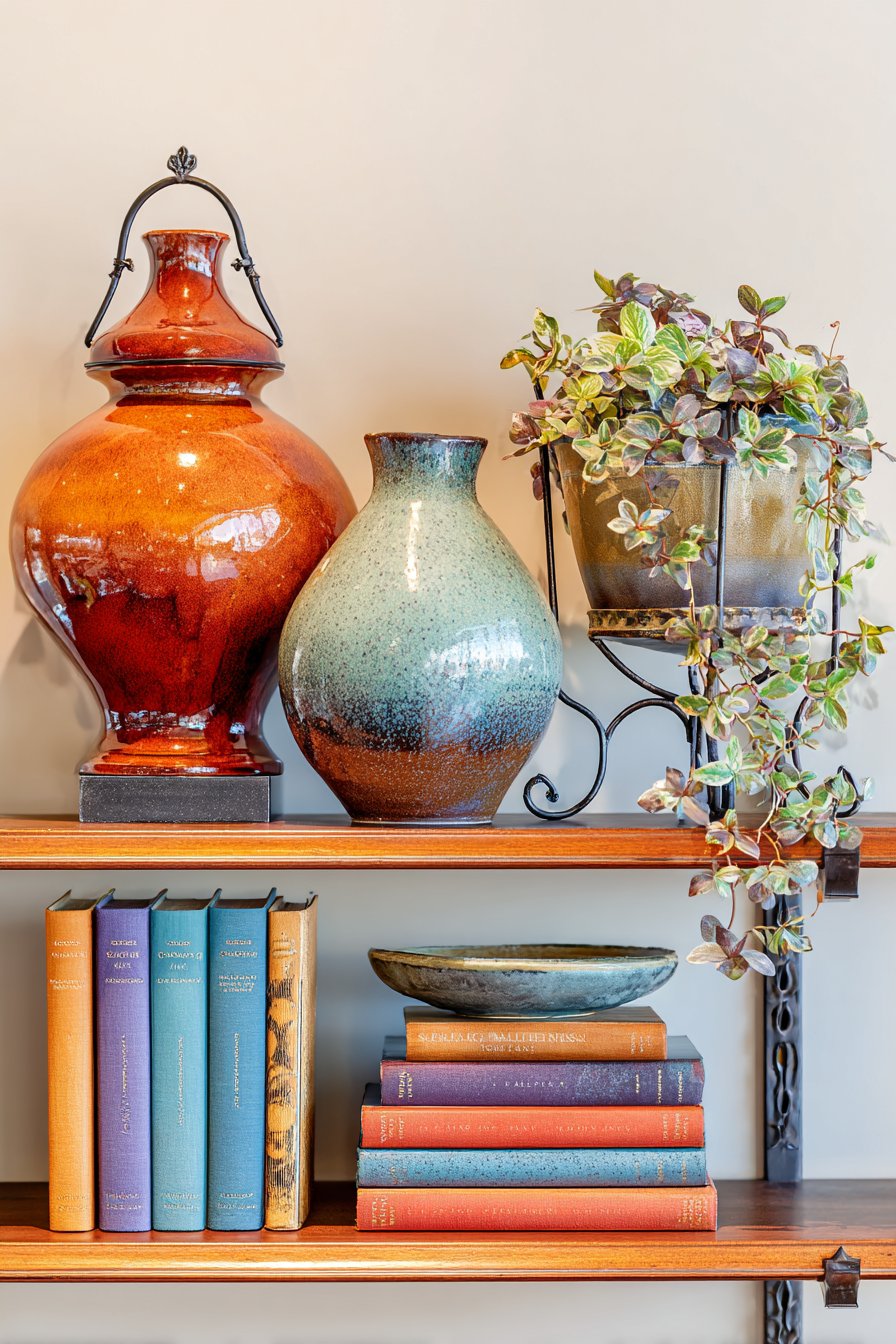
Group smaller accessories in odd numbers—three or five items create more visual interest than even groupings. Vary heights and shapes within each vignette to maintain dynamic energy. A tall candlestick beside a short ceramic bowl and a medium-height sculptural object creates pleasing composition. Leave negative space between groupings so each arrangement receives proper attention and breathing room.
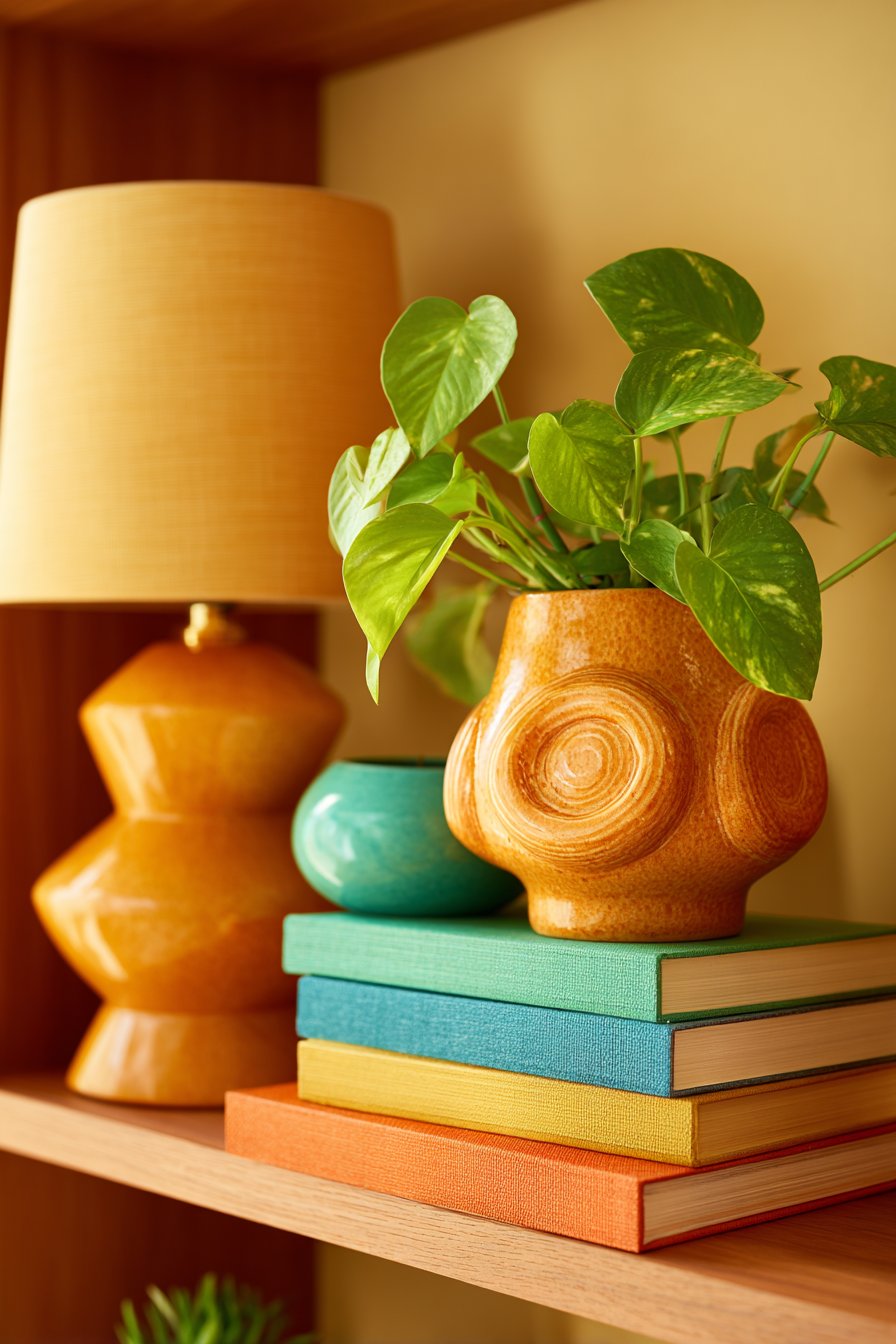
Rotate accessories seasonally to keep your space feeling fresh without purchasing constantly. Store some pieces and bring out others to create renewed interest throughout the year. This approach also prevents visual fatigue from seeing the same items daily. Choose accessories with genuine meaning rather than generic decorations that lack personal connection.
- Display collections in dedicated areas rather than spreading throughout the room
- Invest in a few high-quality quirky pieces rather than many cheap items
- Use the rule of three for styling shelves and surfaces
- Incorporate personal finds from travels or vintage shops for authentic character
- Balance decorative objects with functional items like unique storage boxes
- Edit ruthlessly—remove items that don’t serve the overall aesthetic vision
6. Embrace Unexpected Elements Thoughtfully
The most memorable whimsical living rooms include surprising elements that challenge conventional design rules. This might mean hanging artwork at unexpected heights, using a vintage trunk as a coffee table, or installing wallpaper on the ceiling. These unconventional choices demonstrate design confidence while injecting personality. However, each unexpected element should serve a purposeful function rather than existing merely for shock value.
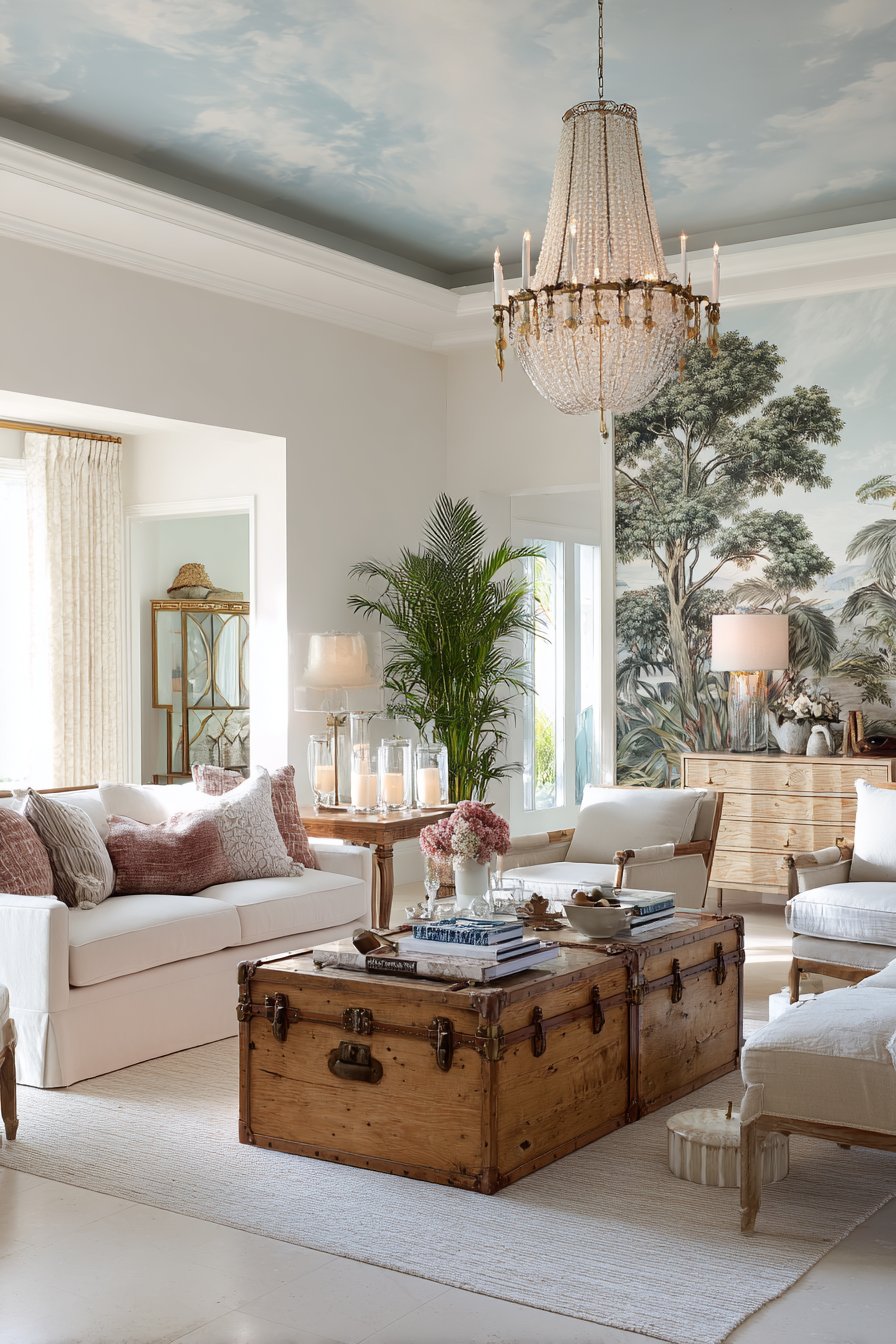
Consider incorporating one architectural surprise that transforms the ordinary into extraordinary. A bold wallpaper accent wall featuring oversized botanicals or abstract geometrics creates instant drama. Alternatively, paint the ceiling in a soft unexpected color like powder blue or blush pink. These architectural interventions feel permanent and intentional rather than haphazardly added, elevating the whimsical concept to sophisticated heights.
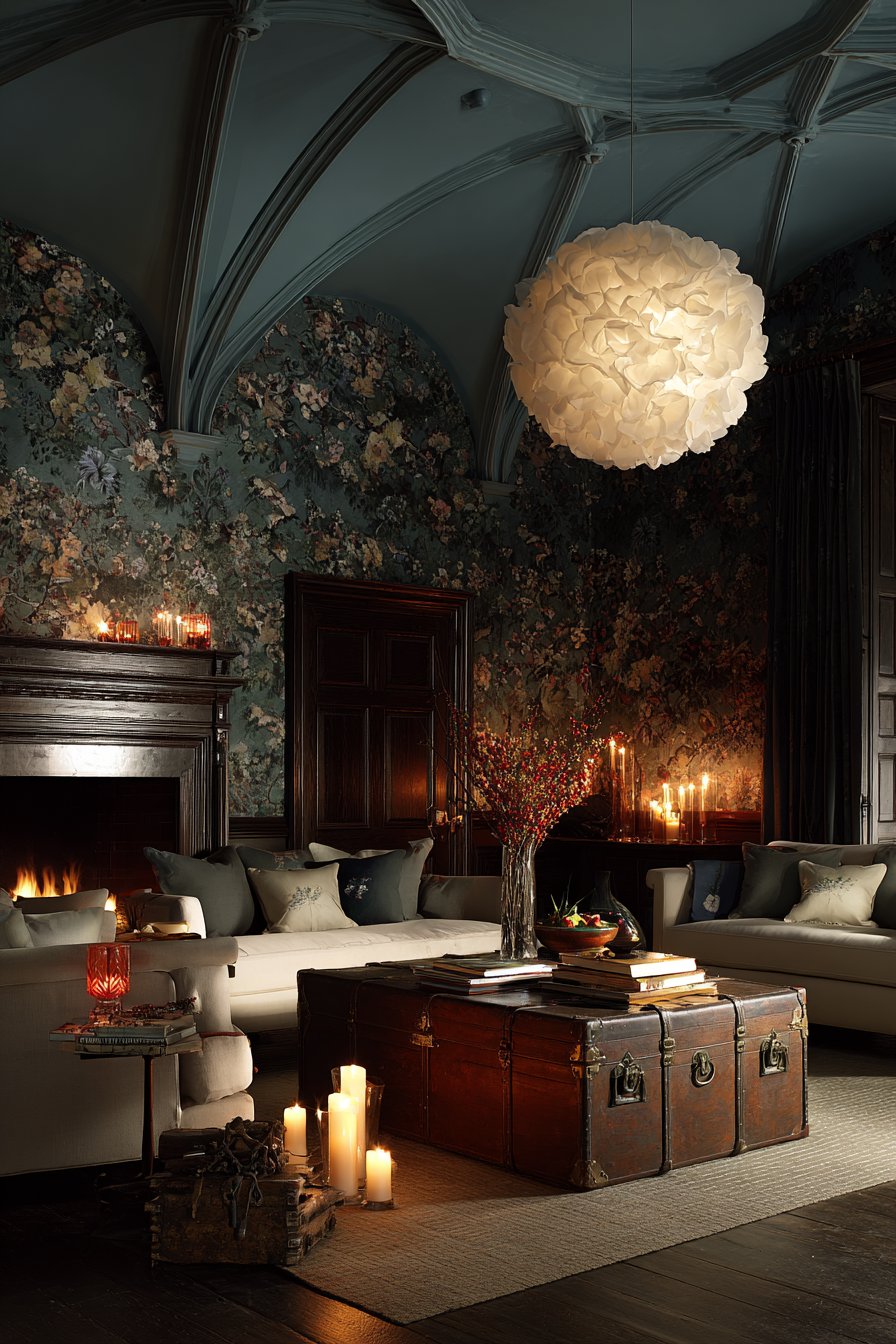
Balance unexpected elements with familiar comforts to ensure the space remains inviting. If you’ve installed dramatic wallpaper, keep furniture classic and comfortable. If your coffee table is an unusual vintage find, surround it with conventional seating. This push-and-pull between surprising and expected creates the perfect whimsical tension without tipping into uncomfortable territory.
- Limit yourself to one or two major unexpected elements per room
- Ensure surprising choices enhance functionality rather than compromising it
- Consider removable options like peel-and-stick wallpaper for rental-friendly whimsy
- Use unexpected elements to highlight architectural features or create focal points
- Balance bold architectural choices with timeless furniture selections
- Test unconventional ideas on mood boards before permanent implementation
Conclusion
Creating a whimsical living room without overwhelming chaos requires balancing playful creativity with thoughtful restraint. By starting with neutral foundations, selecting strategic focal points, and incorporating color and pattern intentionally, you establish the framework for successful whimsy. Remember that less is more when adding quirky accessories and unexpected elements—each piece should earn its place through beauty or meaning.
The most successful whimsical spaces evolve over time through careful curation rather than rushed decorating. Experiment with these principles in your own home, adjusting them to reflect your unique personality and lifestyle. Trust your instincts, edit ruthlessly, and never sacrifice comfort for style. Your living room should ultimately be a space that brings daily joy while maintaining the sophisticated whimsy that makes it truly special.
