


Choosing the right color scheme for your nursery is one of the most exciting decisions you’ll make before your baby arrives. The colors you select will create the foundation for a space that nurtures, comforts, and inspires your little one for years to come. While pink and blue have been traditional nursery staples for generations, today’s parents have countless creative ways to incorporate these classic hues into modern, sophisticated designs.
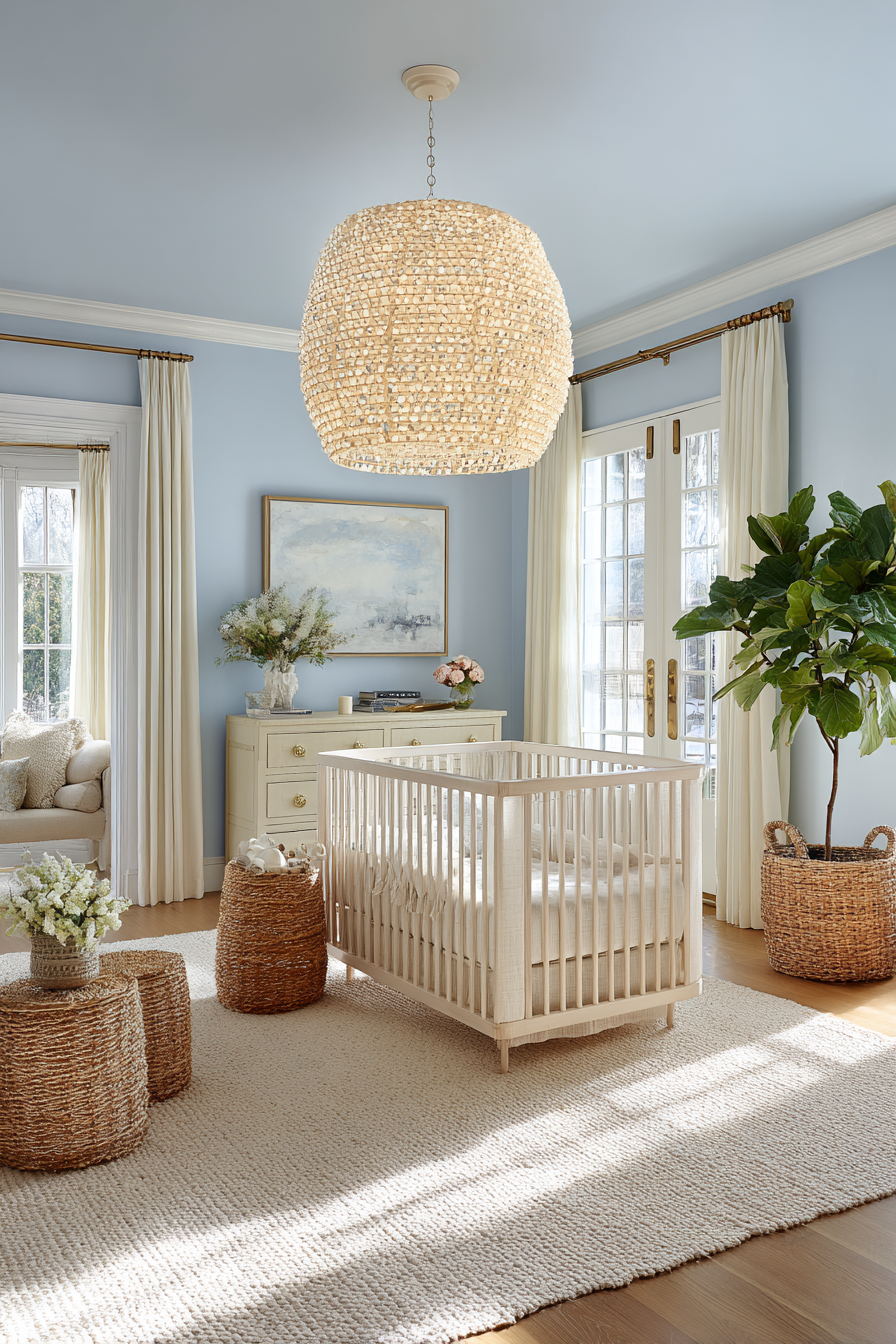
The debate between pink and blue extends far beyond simple gender preferences. These colors possess unique psychological effects that influence mood, sleep patterns, and overall development. Understanding how these hues interact with lighting, furniture, and accessories helps create a harmonious environment that grows with your child. Whether you embrace tradition or take a contemporary approach, the key is creating a space that reflects your family’s personality while providing a calming sanctuary for your newest addition.
1. Understanding Color Psychology in Nursery Design
Color psychology plays a crucial role in creating the perfect nursery environment. Blue tones naturally promote calmness and reduce anxiety, making them ideal for creating a peaceful sleep space. Research shows that cooler colors can actually lower heart rate and blood pressure, contributing to better rest for both babies and parents.
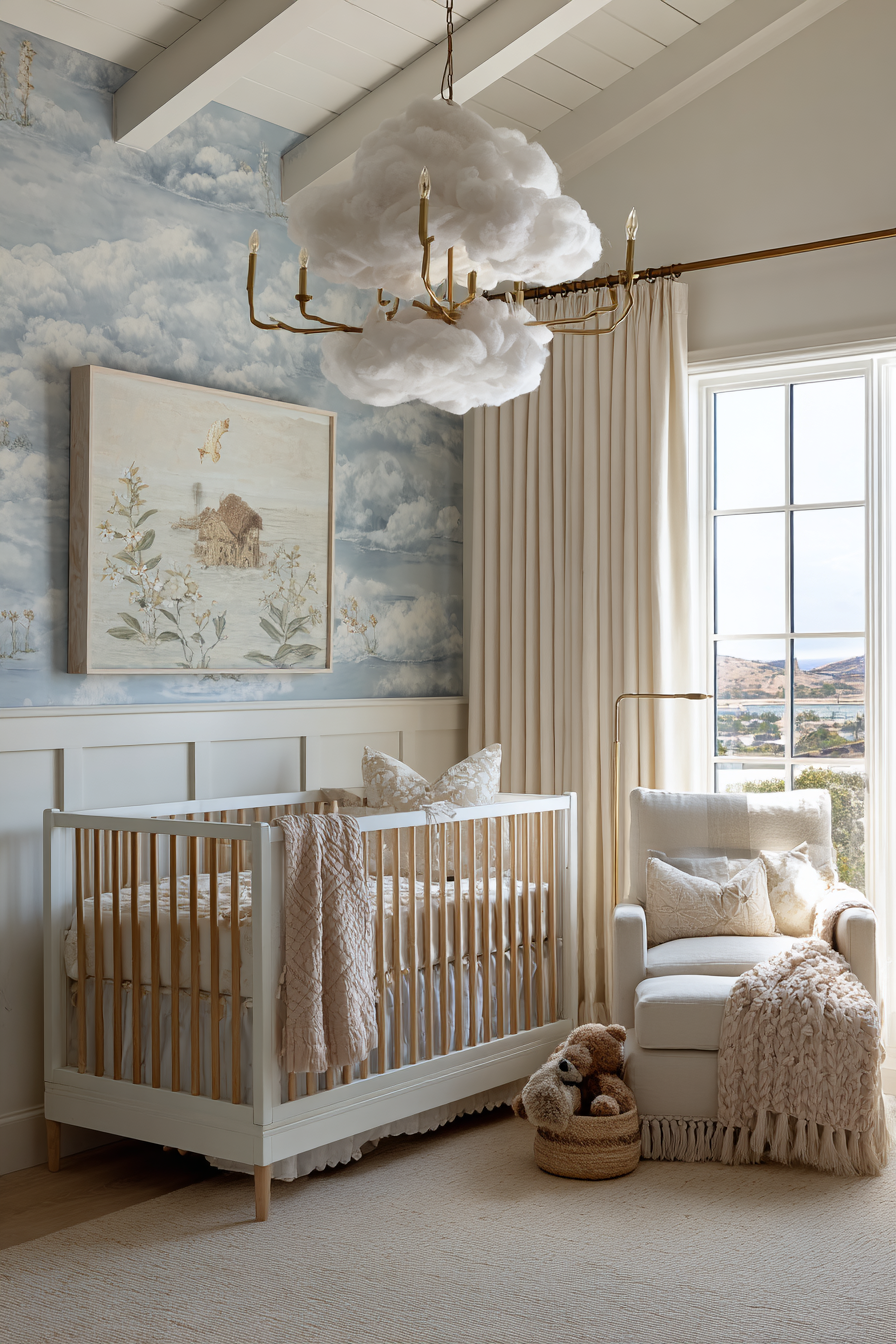
Pink, contrary to popular belief, isn’t just a delicate color. Soft pink shades can reduce aggression and create feelings of compassion and nurturing. The key is selecting the right intensity—muted pastels work better than bright, saturated hues that might overstimulate young eyes. Consider how natural light enters the room throughout the day when making your selection.
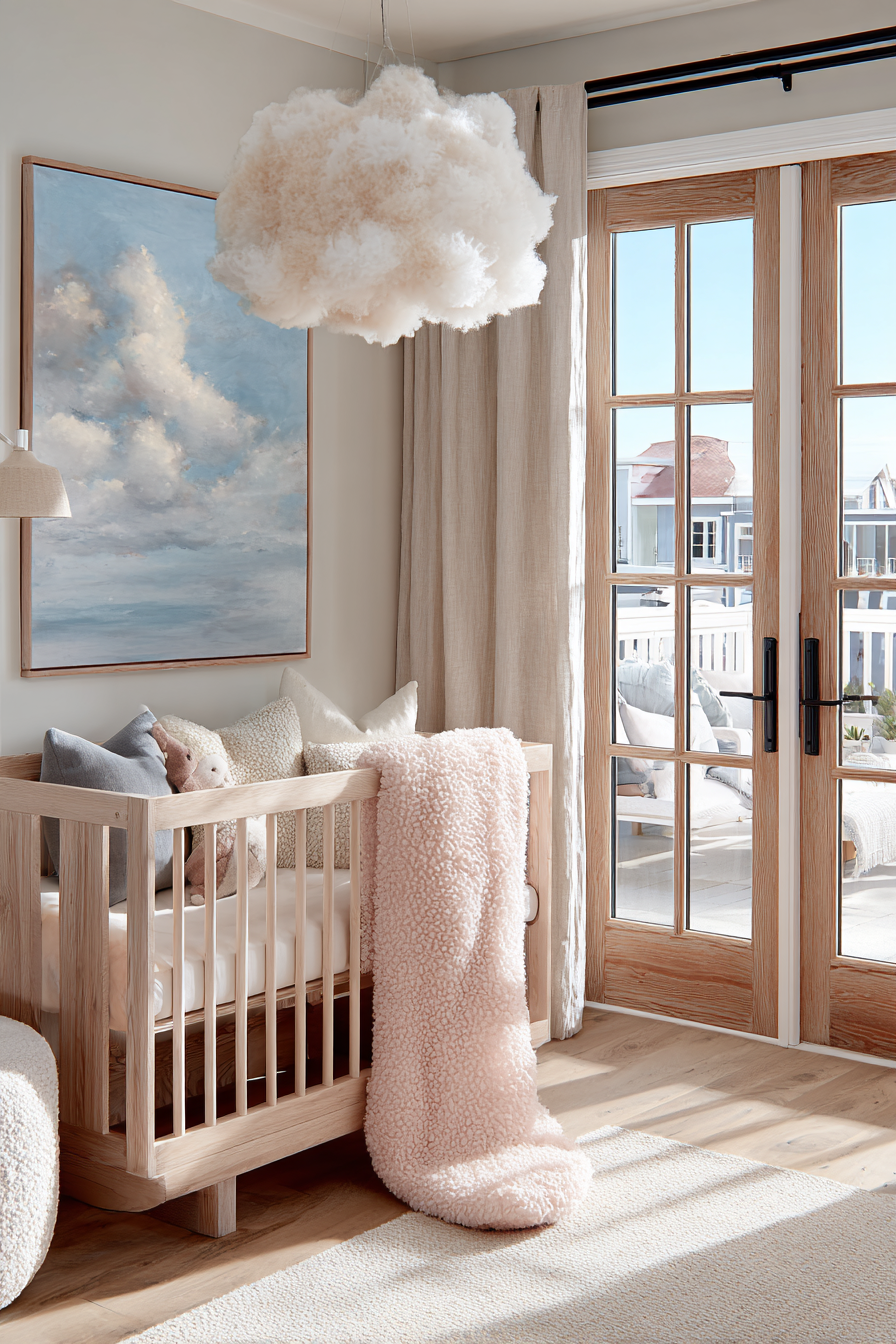
Both colors affect how we perceive space differently. Blue can make small nurseries feel more spacious and airy, while pink creates an intimate, cozy atmosphere. Think about your room’s size and natural lighting when deciding which psychological effect serves your needs best.
- Test paint samples in different lighting conditions before committing
- Consider your baby’s temperament if already born when designing
- Use color psychology to balance active and calm zones
- Remember that personal connection to colors matters most
- Avoid overly bright or saturated versions of either color
- Think about long-term appeal as your child grows
2. Traditional Approaches with Modern Twists
The classic all-pink or all-blue nursery doesn’t have to feel dated or stereotypical. Modern design brings fresh sophistication to these traditional palettes through strategic styling and contemporary elements. The trick lies in incorporating unexpected textures and complementary neutrals that add depth and interest.
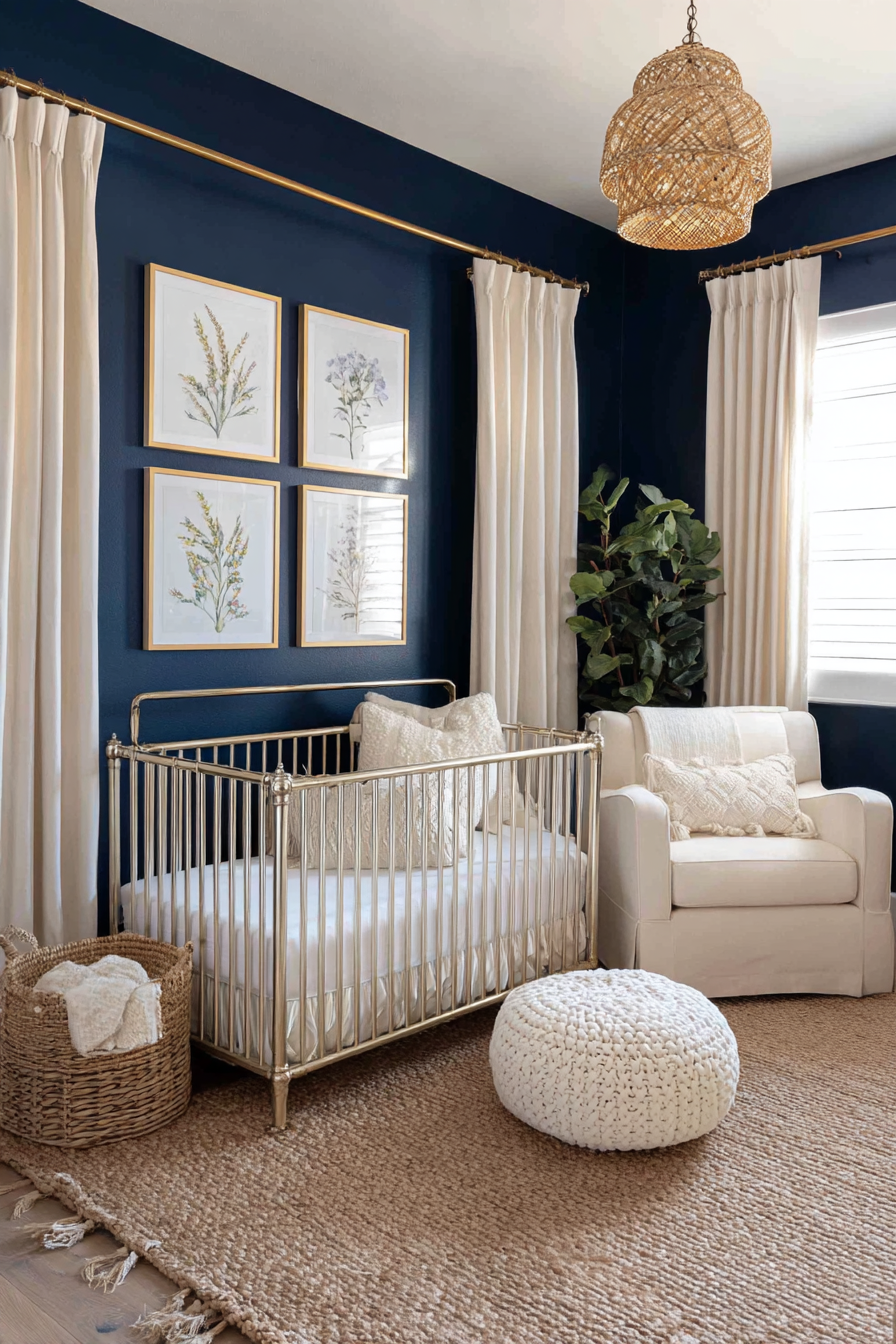
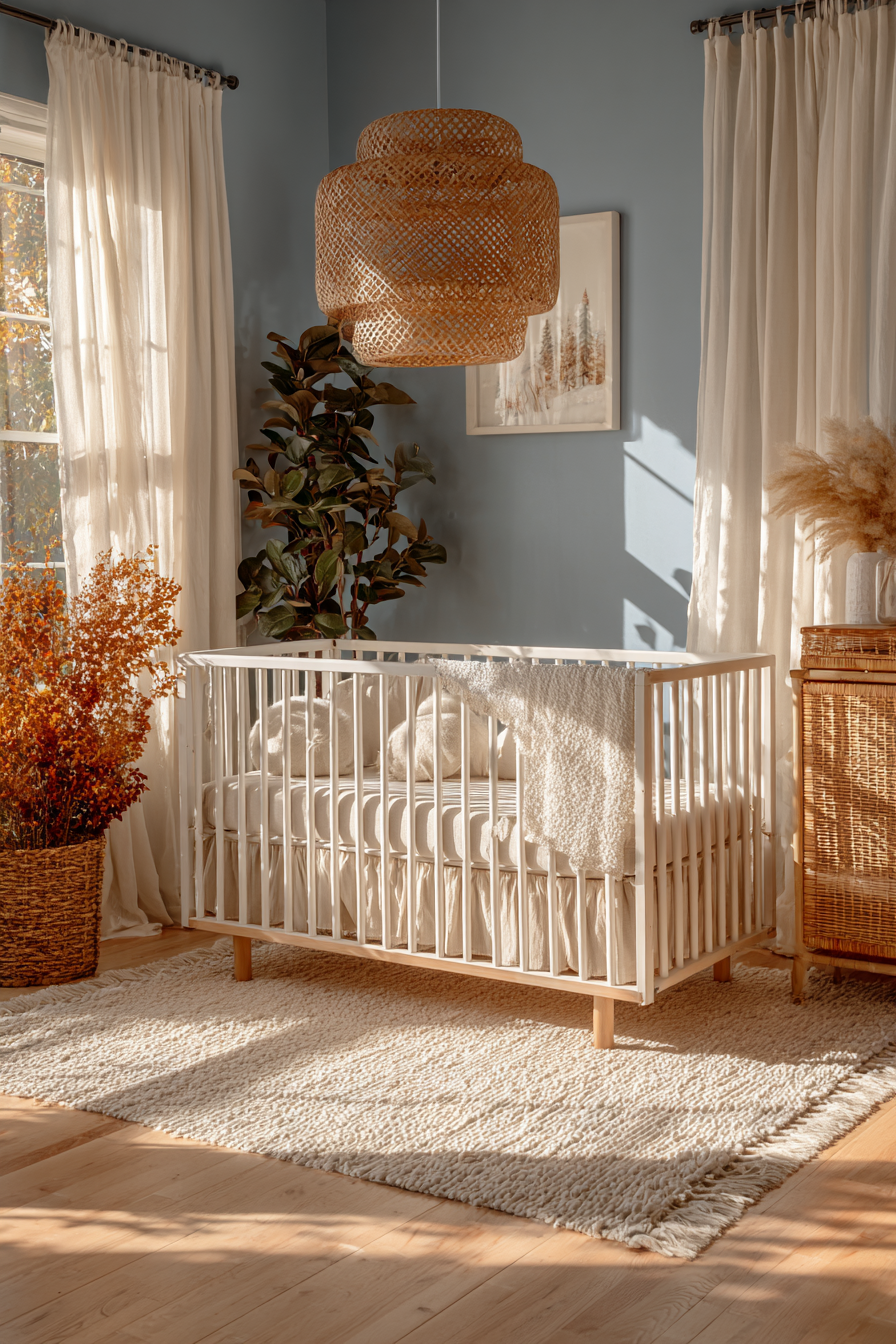
Consider a predominantly blue nursery anchored by rich navy accents rather than baby blue everywhere. Pair it with warm woods, brass fixtures, and cream textiles for a look that feels current and grown-up. This approach creates a space that transitions beautifully from infancy through childhood without requiring a complete overhaul.
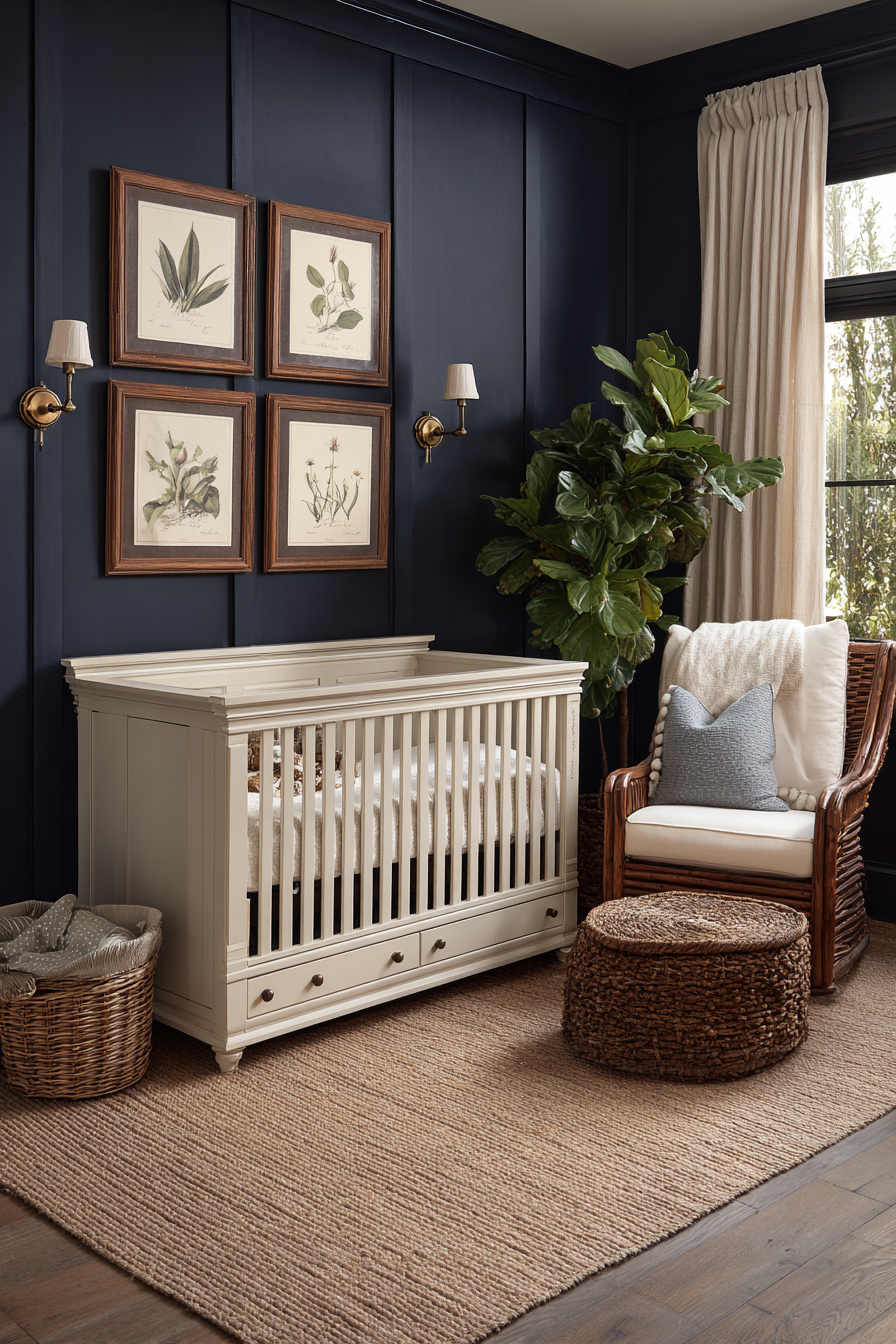
For pink enthusiasts, dusty rose and terracotta tones offer warmth without overwhelming sweetness. Combine these shades with natural materials like rattan, linen, and jute for an earthy, sophisticated aesthetic. The result is a nursery that feels intentionally designed rather than predictably themed.
- Mix multiple shades of your chosen color for depth
- Incorporate metallic accents in gold, brass, or copper
- Use natural wood tones to ground the color palette
- Add texture through woven baskets and textured fabrics
- Include vintage or antique pieces for character
- Balance colored walls with neutral furniture pieces
3. Gender-Neutral Combinations Using Pink and Blue
Who says you must choose between pink and blue? Combining both colors creates beautiful, balanced spaces that work for any child. This approach offers maximum versatility, especially if you’re designing before knowing your baby’s gender or planning for future siblings.
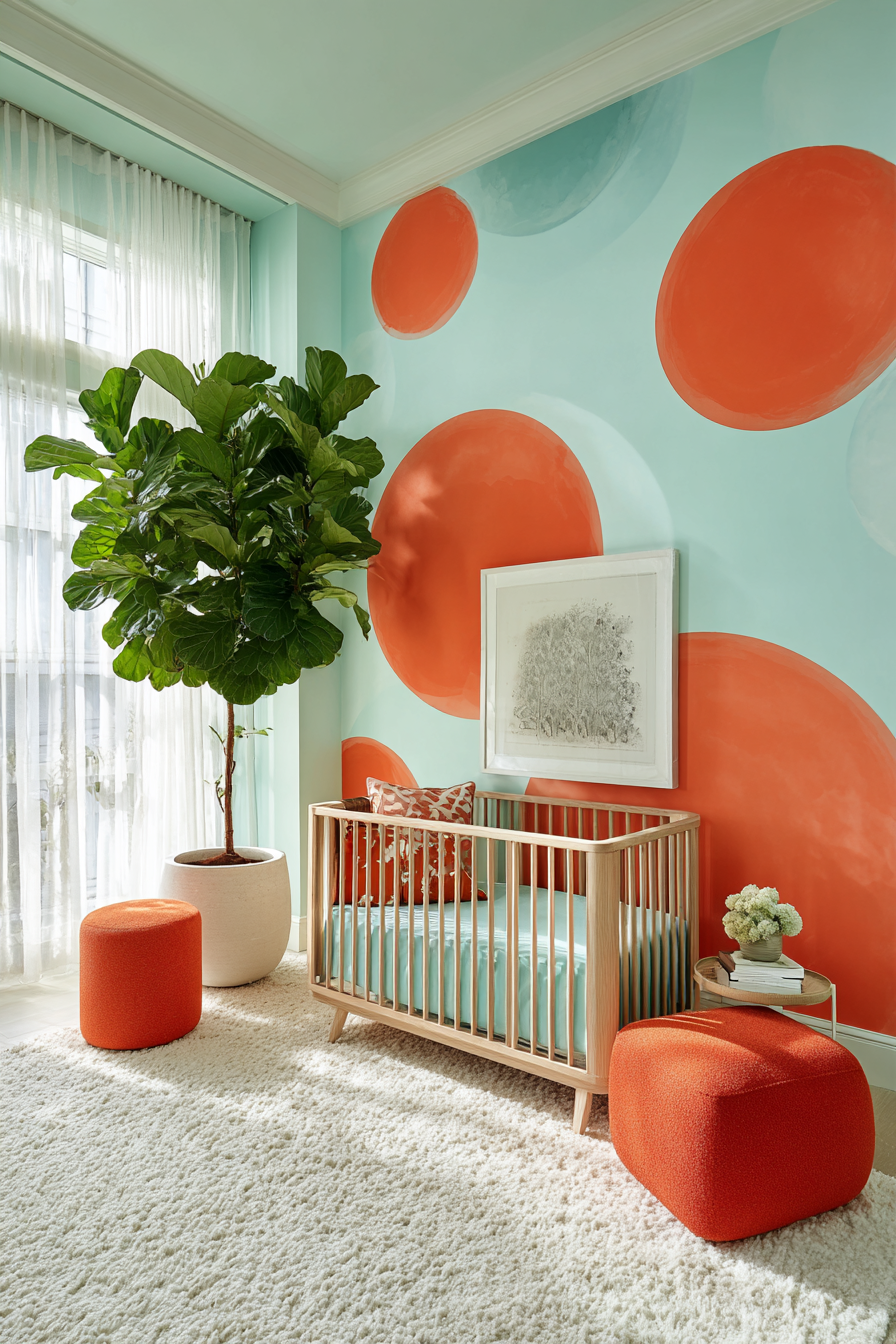
Soft aqua and coral make a stunning pair that feels fresh and contemporary. These shades share similar saturation levels, creating harmony rather than competition. Use the 60-30-10 rule: 60% neutral base, 30% one primary color, and 10% the accent color for professional results.
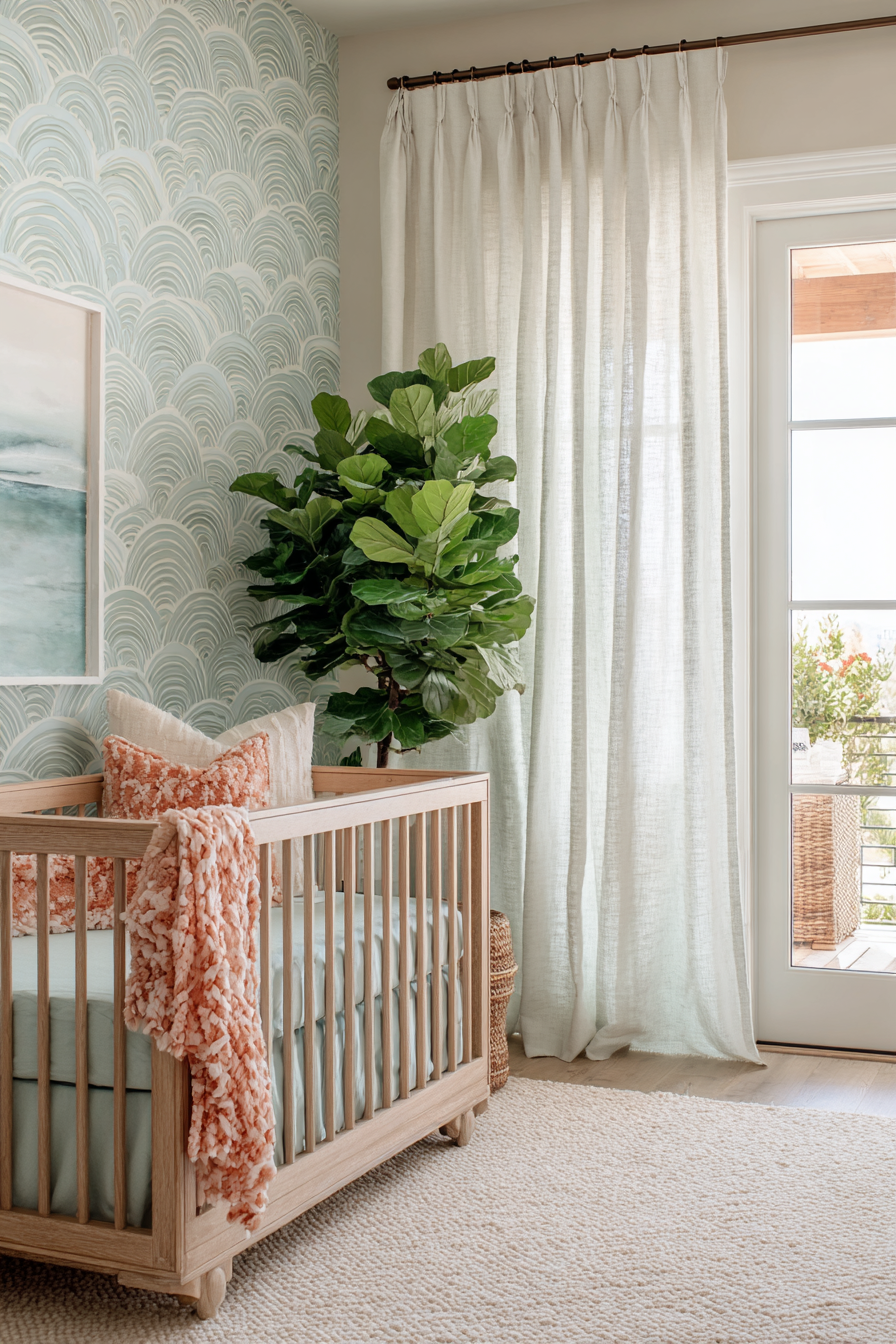
Geometric patterns provide an excellent vehicle for incorporating both hues simultaneously. Consider wallpaper with overlapping circles or modern artwork featuring both colors. This strategy distributes colors evenly throughout the space, creating visual interest without overwhelming the senses.
- Choose one color as dominant and the other as accent
- Use white or cream as the unifying neutral element
- Incorporate both colors in patterned textiles and artwork
- Select furniture in natural wood or soft gray tones
- Add plants to bring fresh green into the palette
- Use both colors in similar intensities for balance
4. Accent Wall Strategies for Bold Impact
An accent wall delivers dramatic impact without overwhelming the entire room. This approach allows you to use deeper, more saturated versions of pink or blue while maintaining overall balance. The key is choosing the right wall—typically the one behind the crib or changing station.
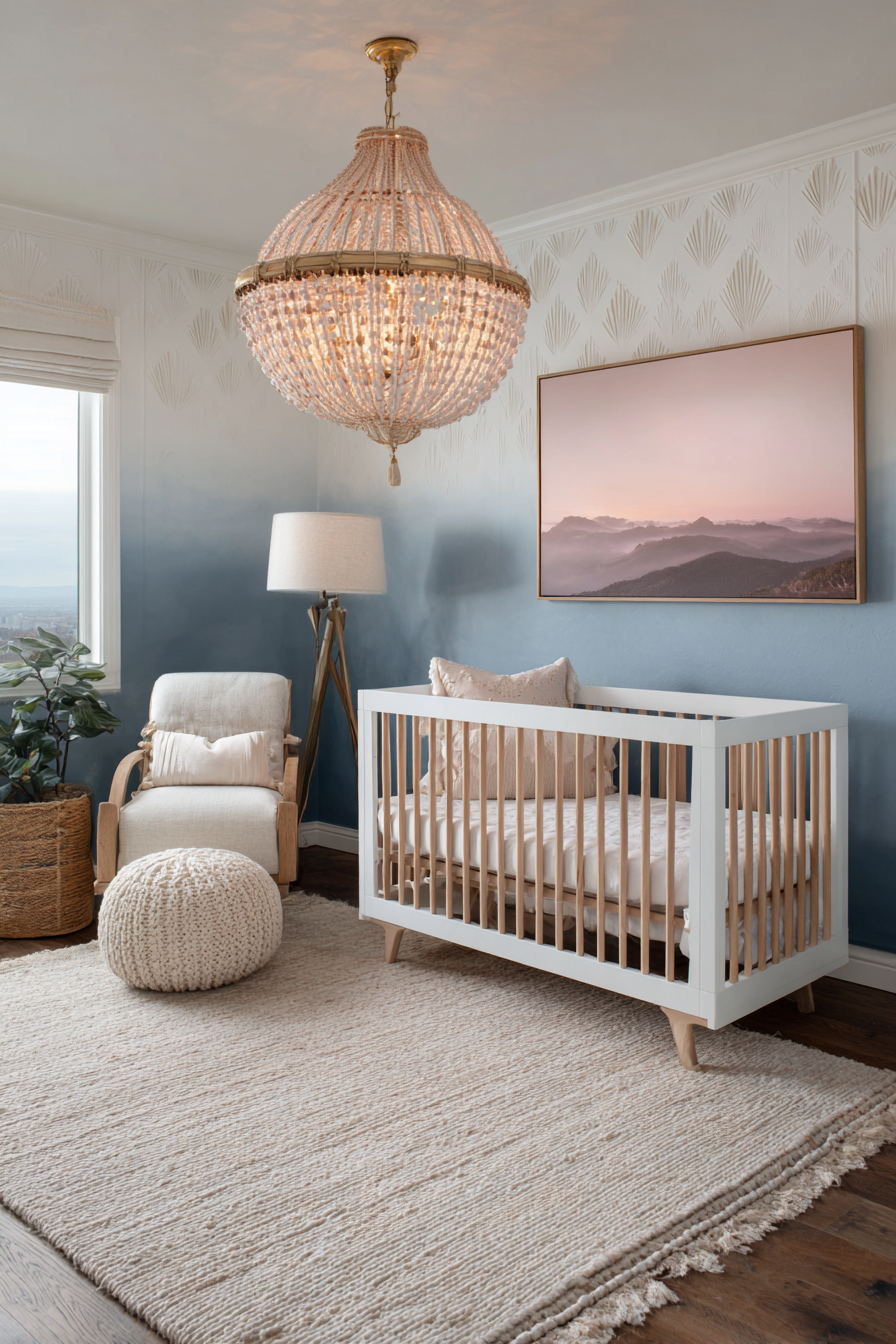
Consider ombre techniques that transition from deep to light shades of your chosen color. This creates a stunning focal point while maintaining the calming atmosphere essential for nurseries. Professional painters can achieve this effect, or quality DIY kits make it accessible for ambitious parents.
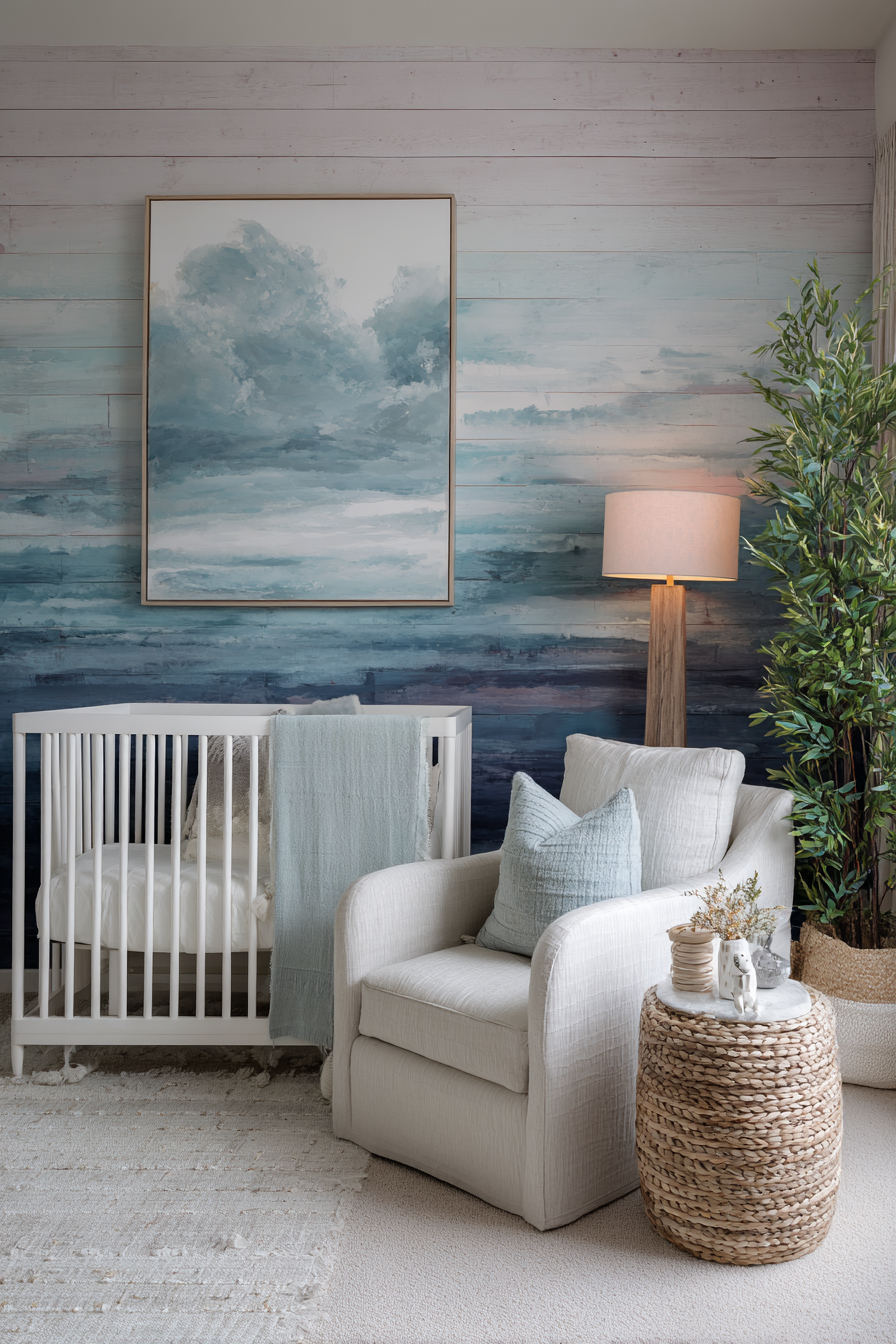
Wallpaper offers another excellent accent wall option. Modern designs feature geometric patterns, watercolor effects, or subtle textures in pink or blue that add sophistication. Removable wallpaper provides flexibility to change the look as your child grows without permanent commitment or damage.
- Use painter’s tape for clean, professional edges
- Consider board and batten for architectural interest
- Try stenciling for unique, personalized designs
- Ensure proper wall preparation before painting or papering
- Choose washable paint finishes for easy maintenance
- Balance bold accent walls with neutral remaining walls
5. Lighting Considerations and Color Temperature
Lighting dramatically affects how pink and blue appear throughout the day. Natural light makes colors appear truest, while artificial lighting can shift hues significantly. Understanding this relationship helps you make informed decisions that look beautiful at any hour.
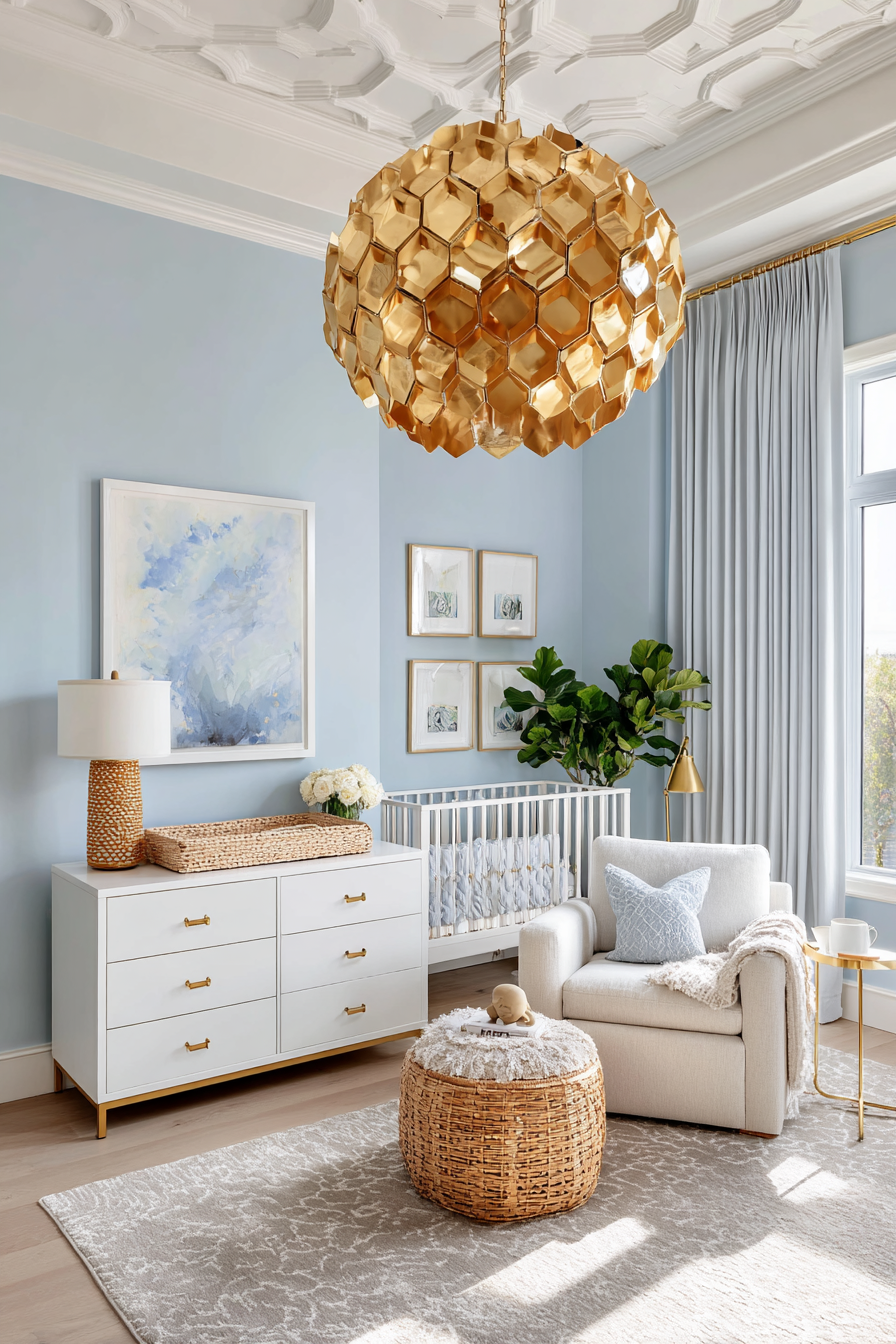
Blue nurseries benefit from warm-toned lighting that prevents the space from feeling cold or clinical. Choose bulbs with 2700-3000K color temperature to add welcoming warmth. Install dimmer switches to adjust brightness for nighttime feedings and diaper changes without harsh overhead lights.
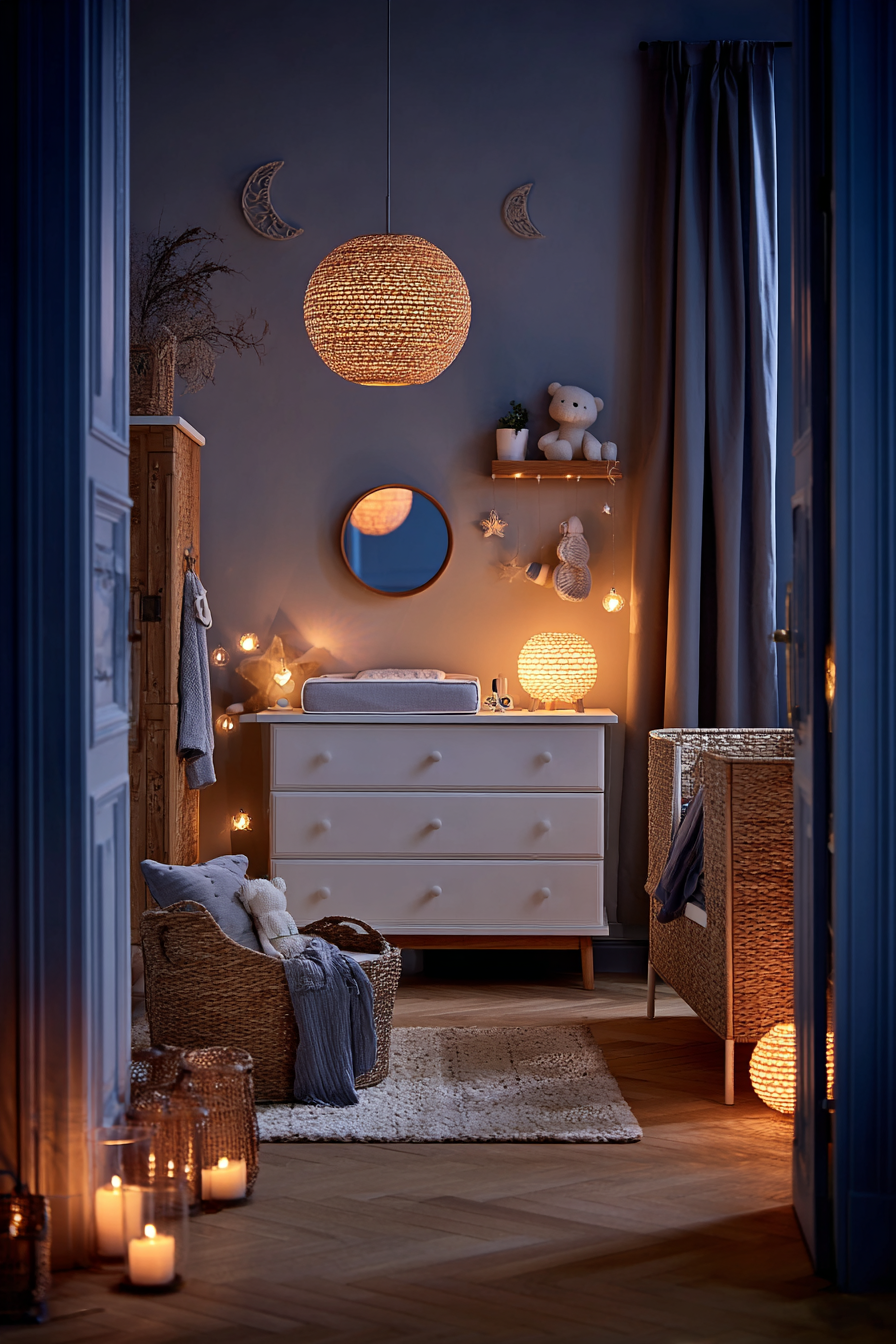
Pink rooms can handle cooler lighting without losing their warmth, but still benefit from layered illumination. Combine overhead fixtures with table lamps and nightlights for flexibility. Consider smart bulbs that adjust color temperature automatically based on time of day to support healthy sleep patterns.
- Install blackout curtains regardless of wall color
- Use multiple light sources at different heights
- Choose LED bulbs for energy efficiency and safety
- Add a small nightlight near the changing area
- Consider motion-sensor lights for nighttime convenience
- Test lighting with paint samples before final selection
6. Longevity and Transitioning as Children Grow
Designing with future flexibility in mind saves money and reduces stress as your child develops. The nursery you create at birth should adapt easily to toddler and elementary school needs. Strategic color choices make this transition seamless and budget-friendly.
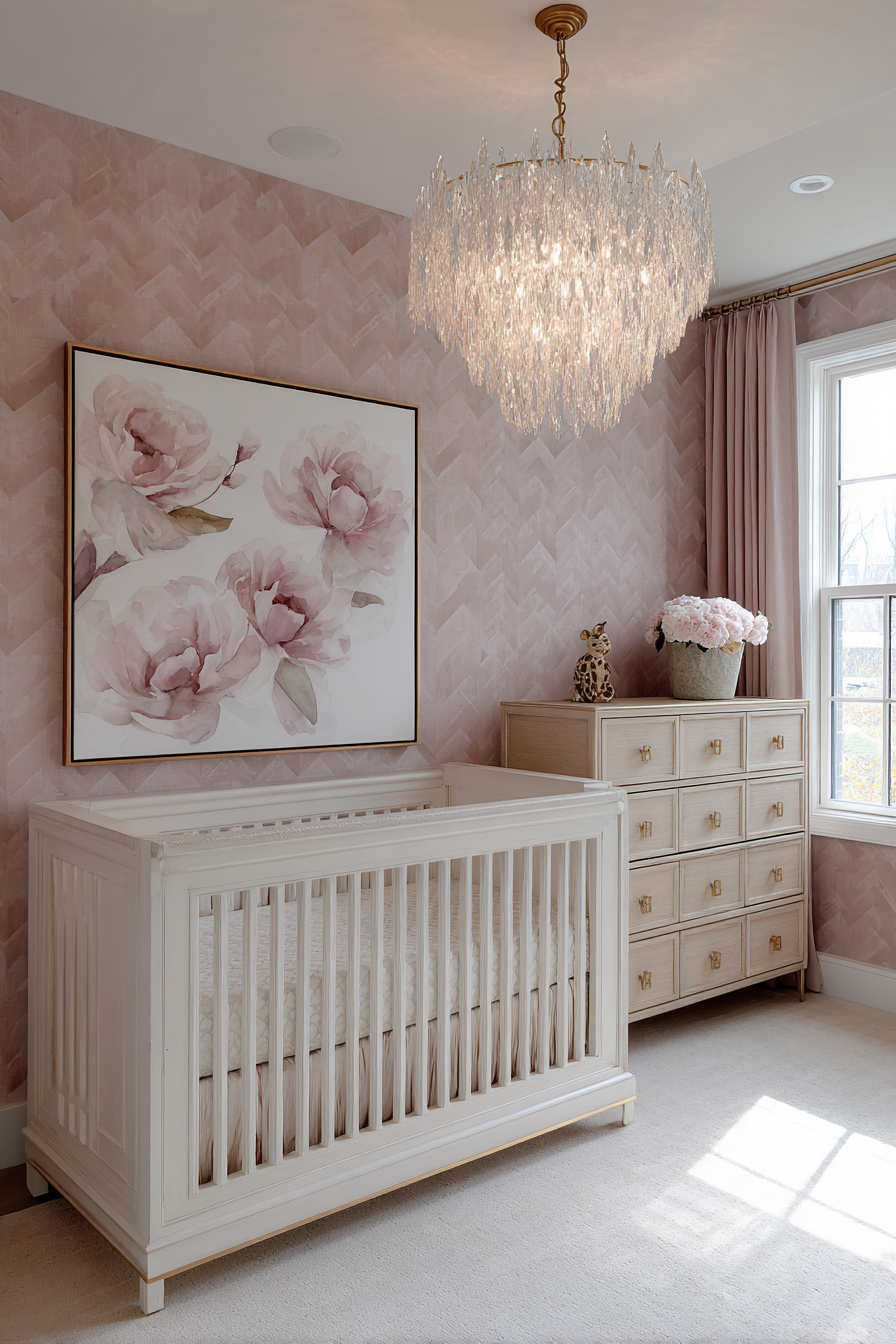
Choose medium-toned shades rather than pastels if longevity concerns you. A sophisticated dusty blue or mauve works beautifully from infancy through teenage years with simple accessory updates. Invest in quality, neutral furniture pieces that transcend age and gender, allowing wall colors and textiles to evolve.
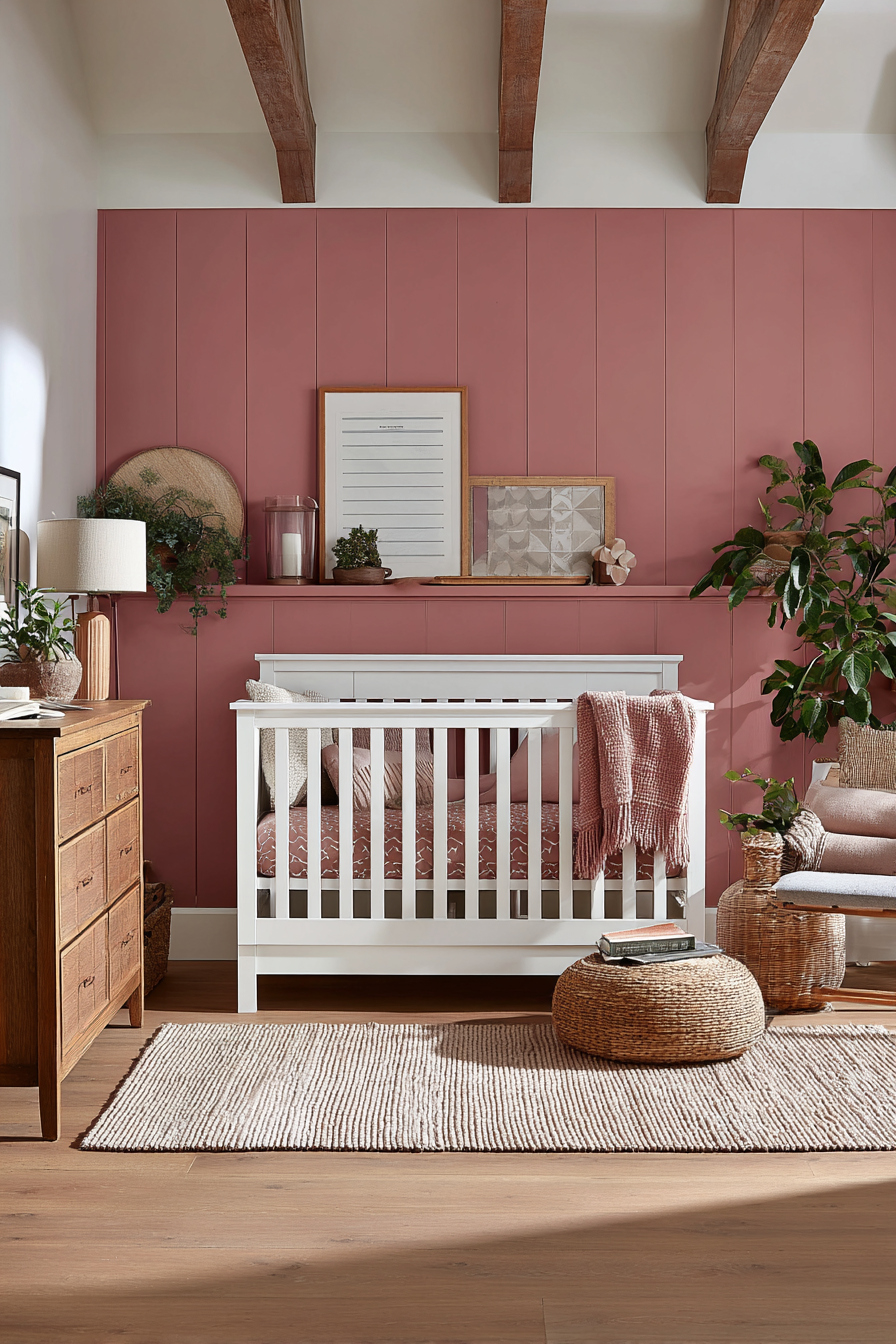
Plan for easy updates through removable elements like wall decals, artwork, and bedding. Keep major investments like cribs, dressers, and storage systems neutral. This strategy allows your child to participate in room redesigns as they develop personal preferences while maintaining the foundational color scheme.
- Choose washable, durable paint finishes for walls
- Invest in convertible cribs that become toddler beds
- Select timeless furniture styles over trendy pieces
- Use artwork and textiles for age-appropriate updates
- Consider neutral flooring that works long-term
- Plan storage solutions that adapt to changing needs
Conclusion
The choice between pink and blue for your nursery ultimately depends on your personal style, the room’s characteristics, and your vision for the space. Both colors offer beautiful possibilities when approached thoughtfully with attention to shade, intensity, and complementary elements. Remember that the most successful nurseries balance aesthetics with functionality, creating environments that soothe, inspire, and adapt.
Don’t feel constrained by traditional rules or expectations. Modern nursery design celebrates creativity, allowing you to mix, match, and personalize these classic colors in ways that feel authentic to your family. Trust your instincts, test your choices, and create a space filled with love and intention that welcomes your little one home.
