


The center table stands as the focal point of your living room, anchoring the space while serving both functional and aesthetic purposes. This essential piece of furniture deserves thoughtful styling that reflects your personality and enhances your home’s ambiance. Whether you prefer minimalist elegance or maximalist charm, the way you dress your center table can transform the entire room.
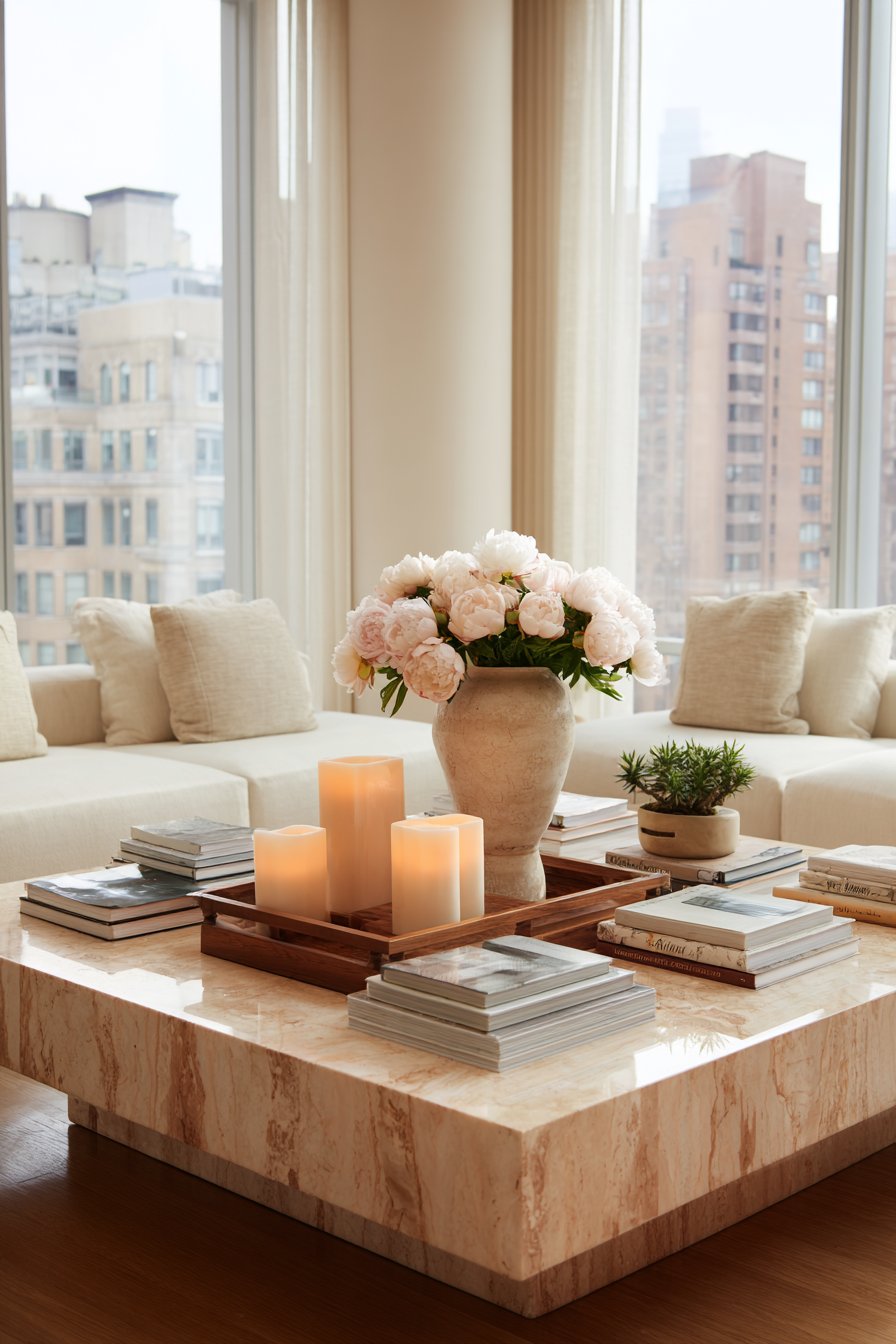
Styling a center table goes beyond simply placing objects on its surface. It’s about creating visual harmony that draws the eye and sparks conversation. The right arrangement balances form and function, ensuring your table remains practical while elevating your interior design. From curated coffee table books to artful vignettes, each styling choice contributes to your living room’s overall character and appeal.
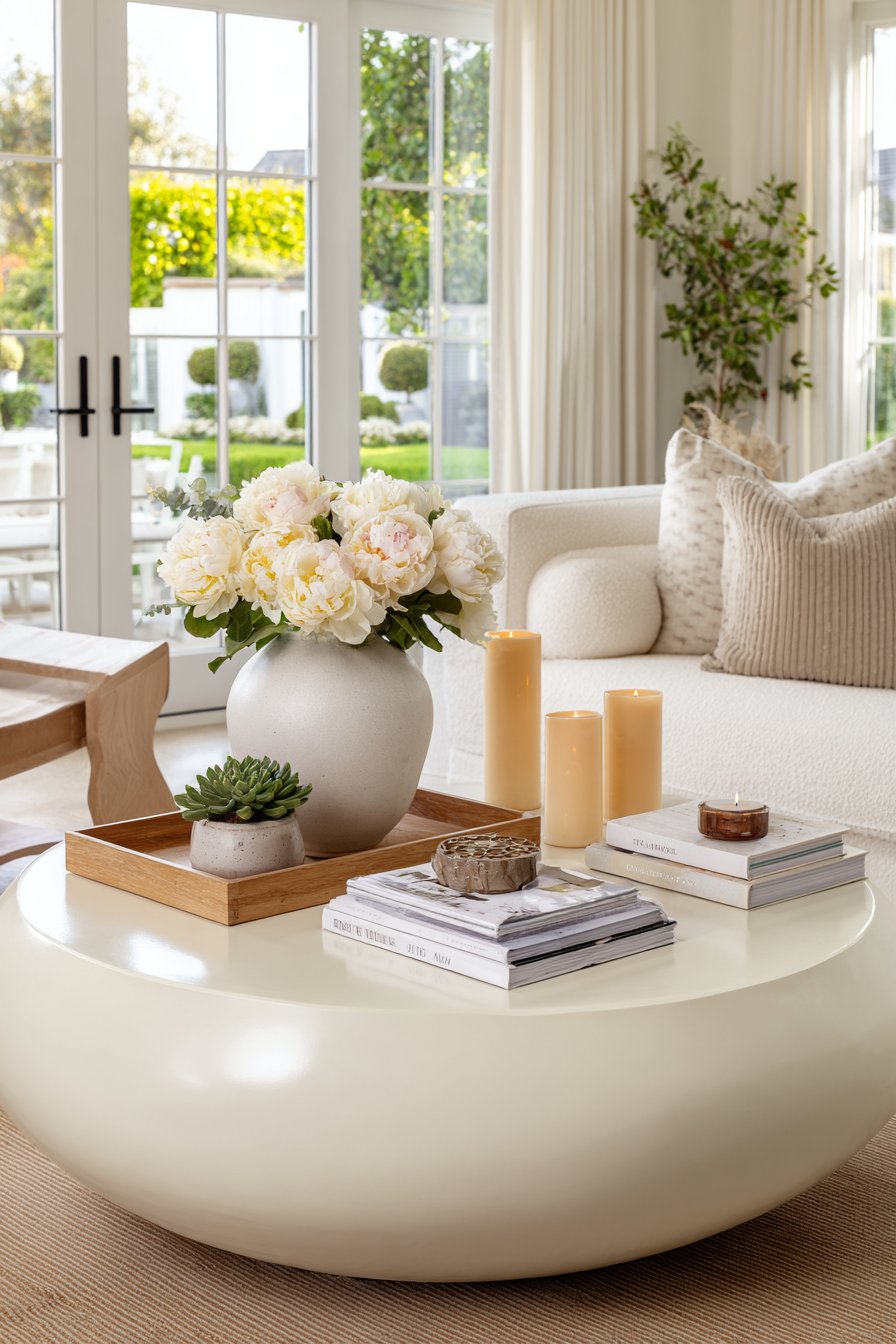
This guide explores seven distinctive approaches to center table styling, each offering unique advantages for different lifestyles and design preferences. Whether you’re working with a compact apartment or a spacious family room, these techniques will help you create a surface that’s both beautiful and purposeful. Let’s discover how to make your center table a true centerpiece of style.
1. The Minimalist Approach
The minimalist styling method embraces the “less is more” philosophy, creating clean lines and uncluttered surfaces. This approach works exceptionally well in modern and contemporary spaces where visual breathing room takes precedence over abundance. By selecting just two or three carefully chosen items, you allow each piece to shine while maintaining the table’s functionality for daily use.
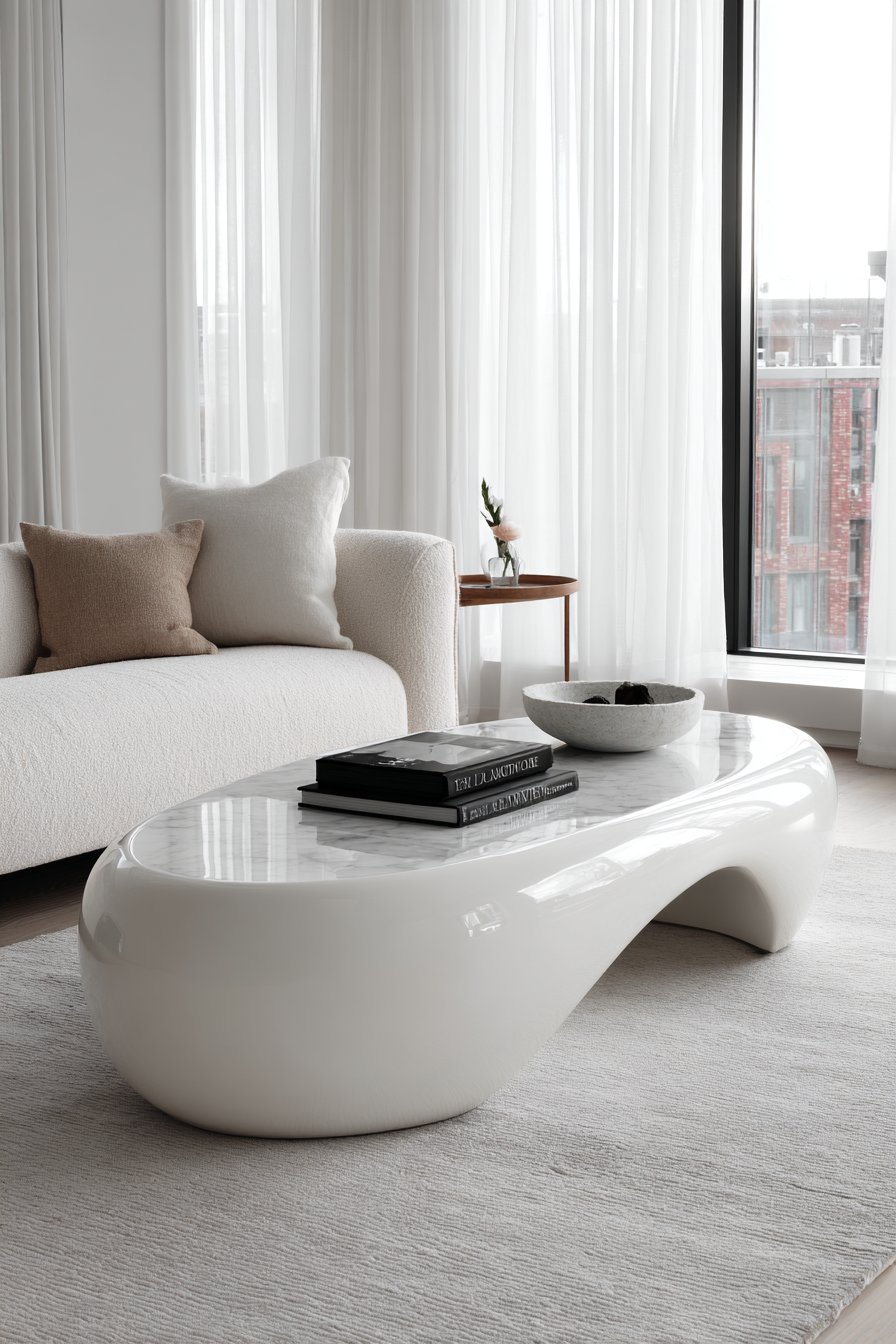
The key to successful minimalist styling lies in intentional selection rather than random placement. Choose items with strong visual impact, such as a sculptural vase or an architectural coffee table book. Each element should earn its place through either exceptional beauty or practical value. This restraint creates a sophisticated aesthetic that feels calm and purposeful.
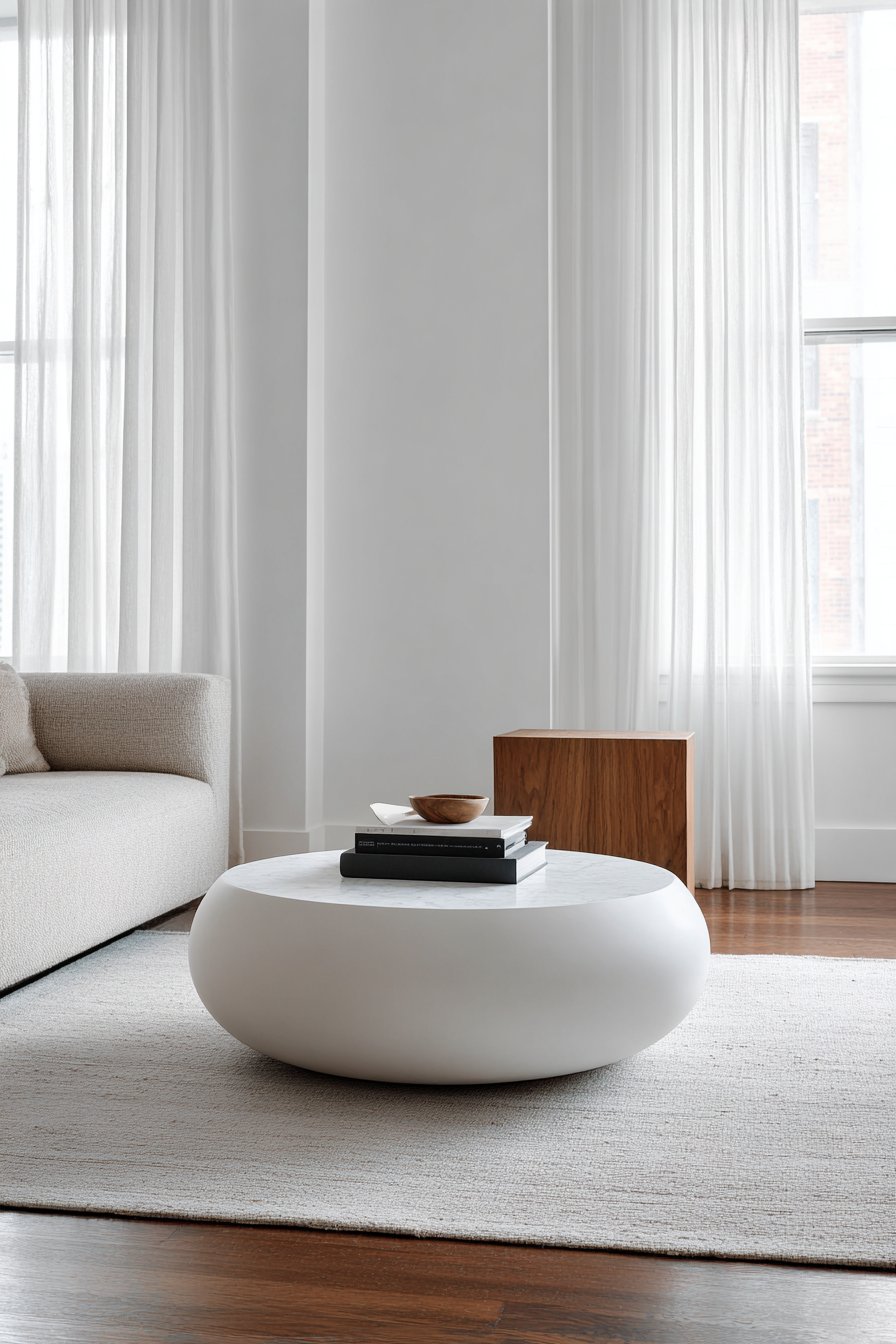
Consider the negative space as part of your design. The empty areas on your table aren’t wasted—they’re essential elements that allow the eye to rest. This breathing room also ensures your table remains usable for entertaining, making it easy to set down drinks or serve appetizers without rearranging your entire display.
- Select one statement piece as your anchor, such as a large bowl or sculptural object
- Add a single coffee table book with visually striking cover design
- Keep at least 50-60% of the table surface clear for functionality
- Choose items in neutral or monochromatic color schemes
- Ensure each piece has clean lines and simple forms
- Rotate items seasonally to maintain fresh visual interest
2. The Layered Tray Styling
Using decorative trays creates contained vignettes that organize multiple items while maintaining visual cohesion. This technique offers flexibility and easy rearrangement, allowing you to refresh your look or clear space quickly when needed. Trays act as visual boundaries, preventing displays from looking cluttered or chaotic across the entire table surface.
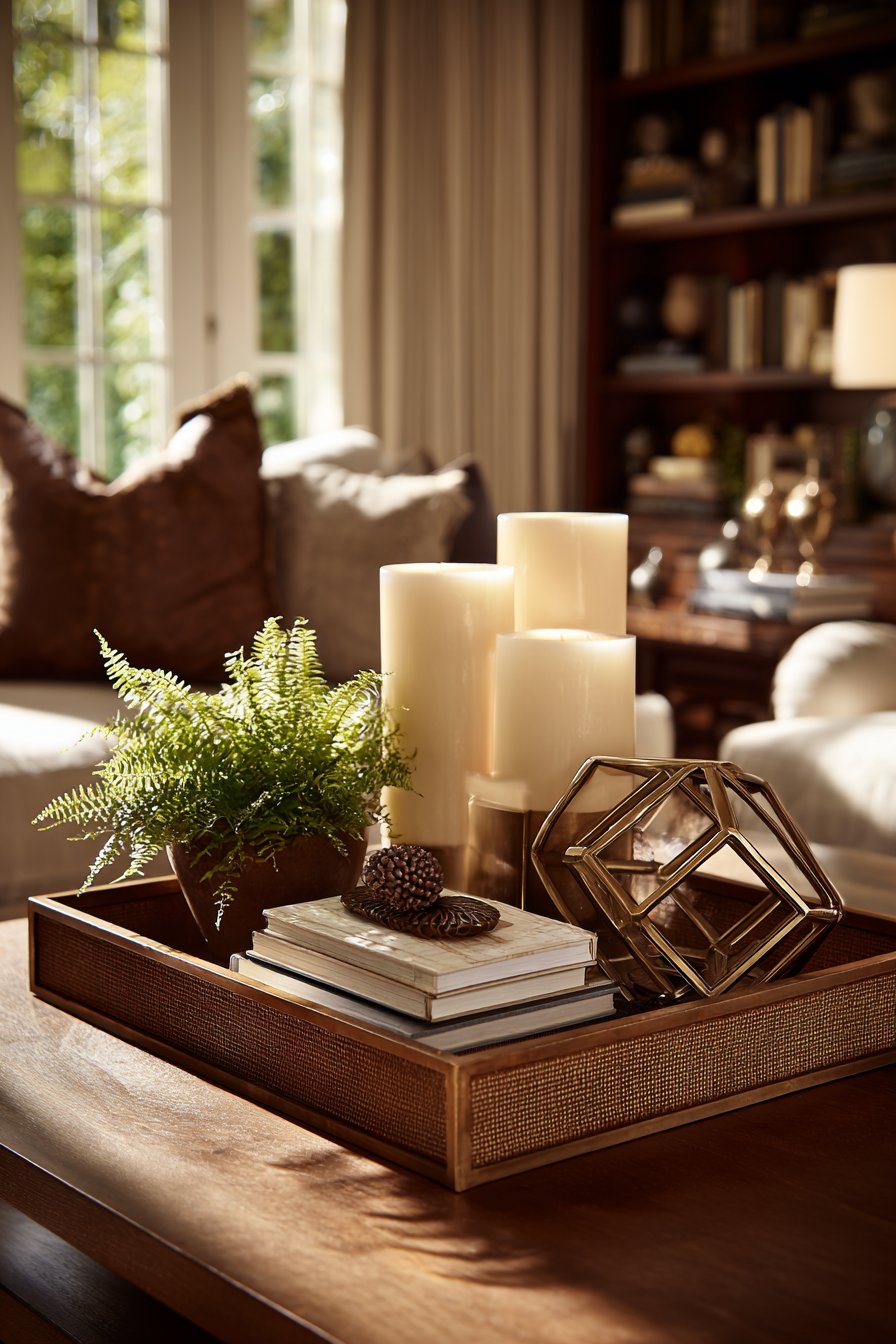
Select trays that complement your interior style—whether that’s rustic wood, polished metal, or elegant lacquer. The tray becomes part of your design while serving a practical purpose. This method works particularly well for families, as trays can be lifted entirely when you need the full table surface for activities or entertaining guests.
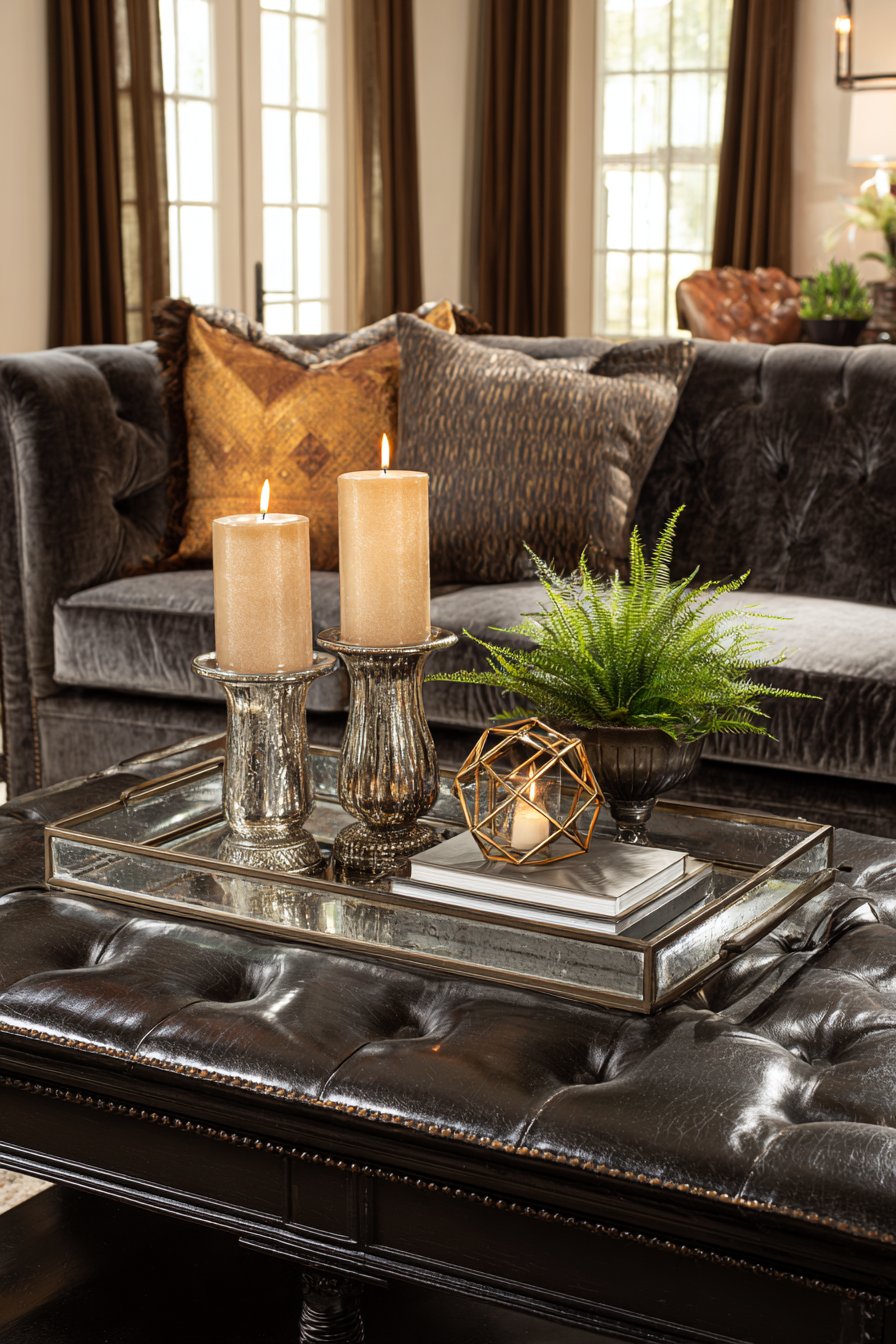
Layer items within your tray using varying heights and textures for dimensional interest. Combine candles, small plants, and decorative objects to create a curated collection. The tray’s defined boundaries make it easier to achieve balanced composition even with multiple elements.
- Choose a tray that’s proportionate to your table size (typically 1/3 of table surface)
- Create height variation with stacked books, candlesticks, or small pedestals
- Include both organic and geometric shapes for visual contrast
- Use the “rule of three” for odd-numbered groupings
- Keep color palette cohesive with 2-3 coordinating hues
- Ensure the tray leaves space for functional items like remote controls
3. The Natural Elements Display
Bringing natural elements onto your center table creates organic warmth and connects your interior to the outdoors. This styling approach incorporates plants, flowers, natural wood, stones, or botanical prints to establish a serene atmosphere. Fresh greenery adds life and color while improving air quality and creating a sense of vitality in your living space.
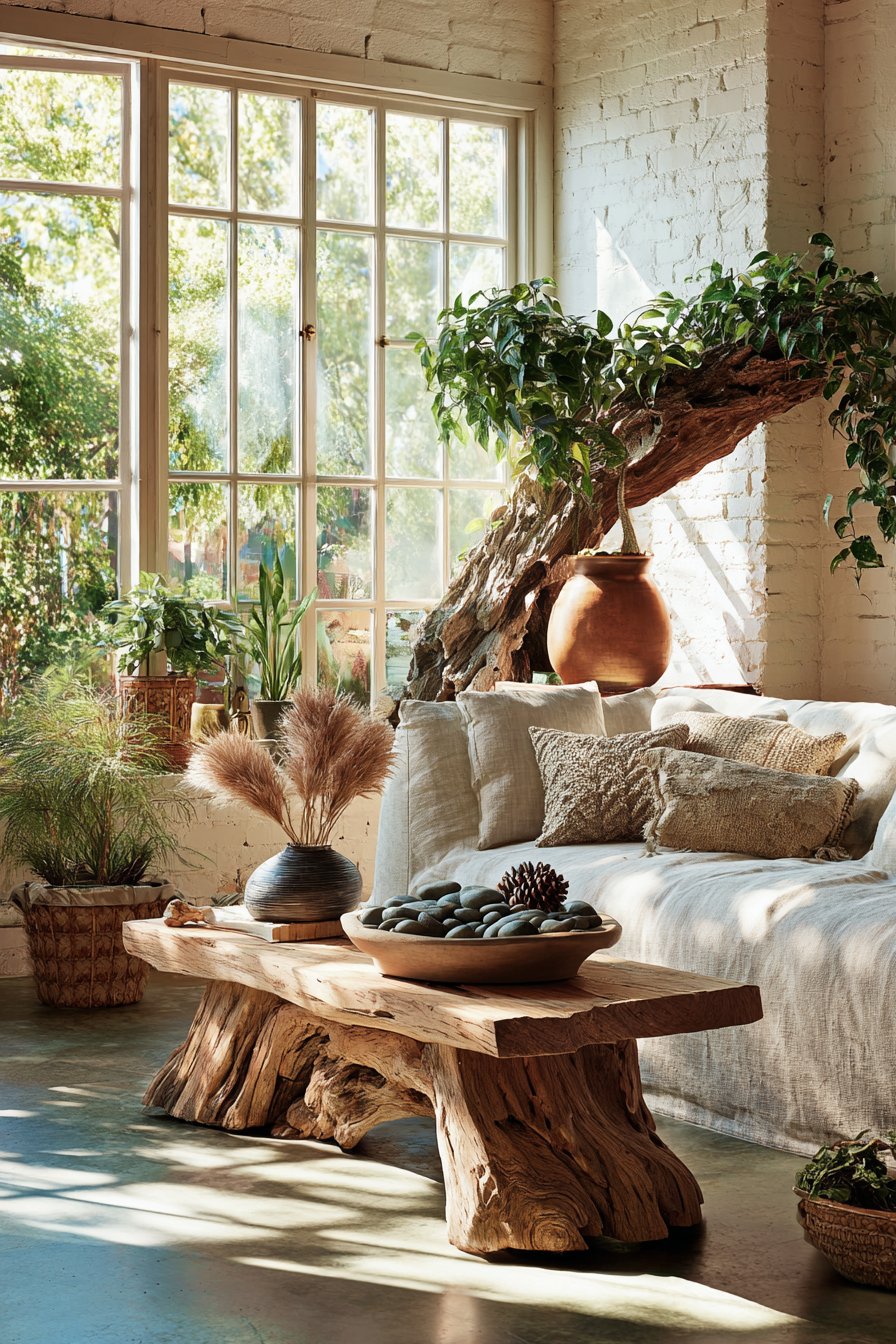
The beauty of natural styling lies in its seasonal adaptability and constantly evolving appearance. Fresh flowers change throughout the week, succulents grow slowly, and seasonal branches reflect the time of year. This dynamic quality keeps your center table feeling fresh and alive without requiring constant redesign or investment in new accessories.
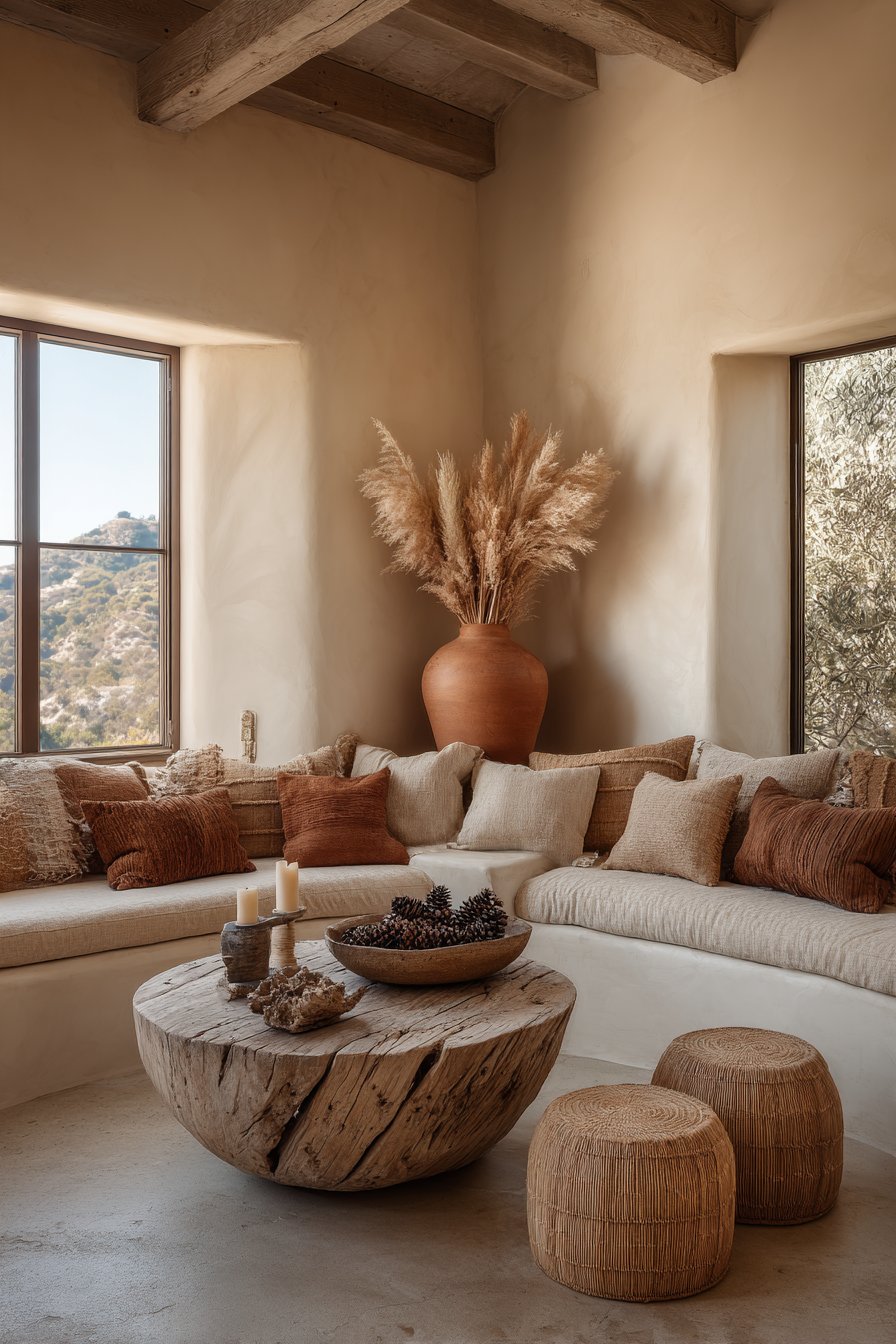
Consider mixing living and preserved natural elements for low-maintenance elegance. Combine a potted plant with a bowl of decorative stones or a piece of driftwood. These organic textures create visual interest while maintaining the calming qualities associated with nature-inspired design.
- Select low-maintenance plants like succulents or snake plants for beginner-friendly options
- Use a decorative pot or planter that elevates the plant’s presentation
- Incorporate seasonal elements like pinecones in winter or fresh blooms in spring
- Add natural wood elements through bowls, trays, or decorative branches
- Consider dried arrangements or preserved moss for year-round greenery
- Group natural elements in odd numbers for more organic composition
4. The Coffee Table Book Collection
Stacking carefully curated books transforms your center table into an intellectual and artistic statement. This approach works beautifully for design enthusiasts, showcasing interests in art, photography, fashion, or travel. Books add substantial height and color while inviting guests to engage with your passions through browsing and conversation.
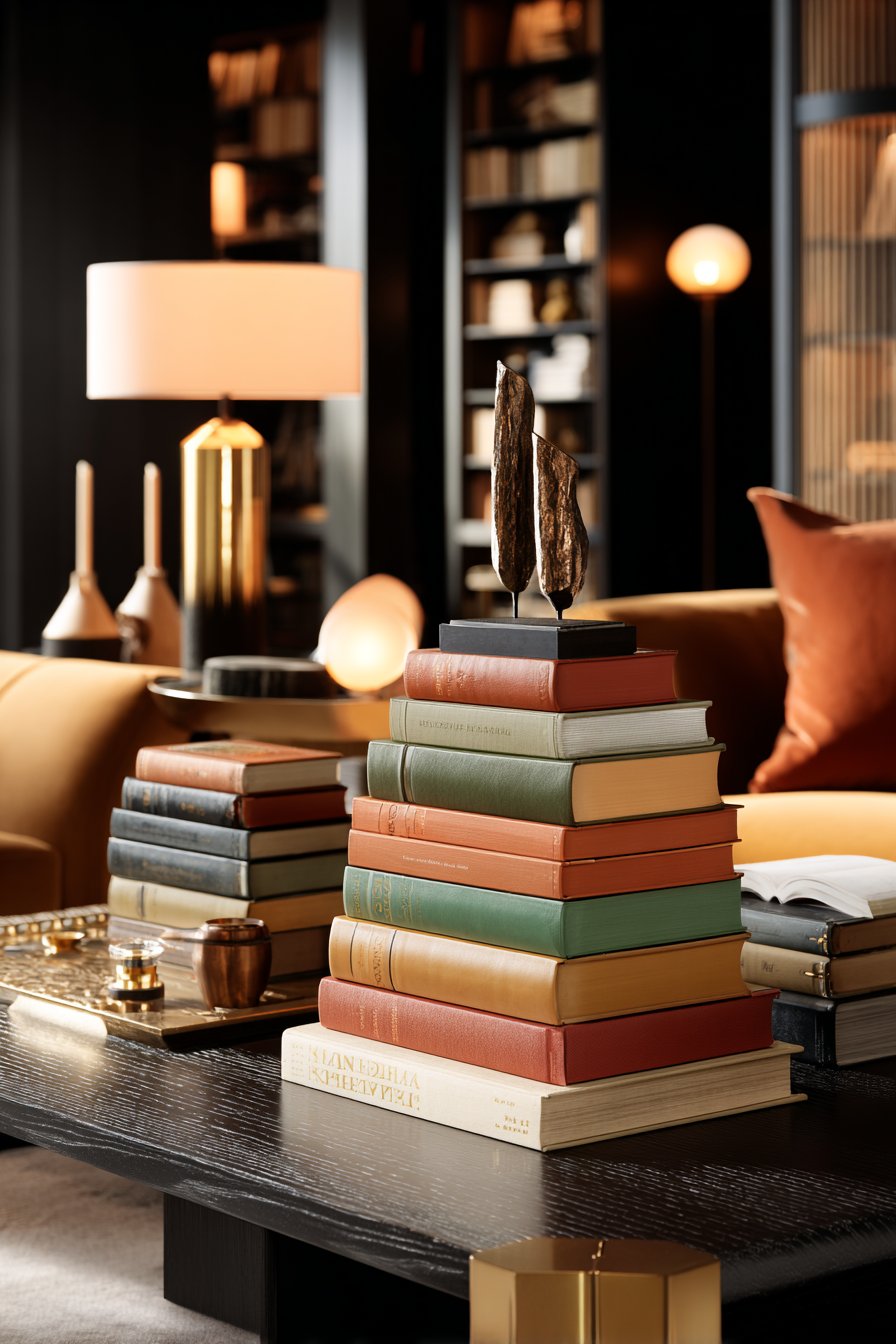
The strategic arrangement of coffee table books creates built-in elevation for other decorative objects. Use stacks of two or three books as platforms for candles, small sculptures, or personal treasures. This layering technique adds dimensional complexity without requiring additional furniture or accessories to achieve varied heights.
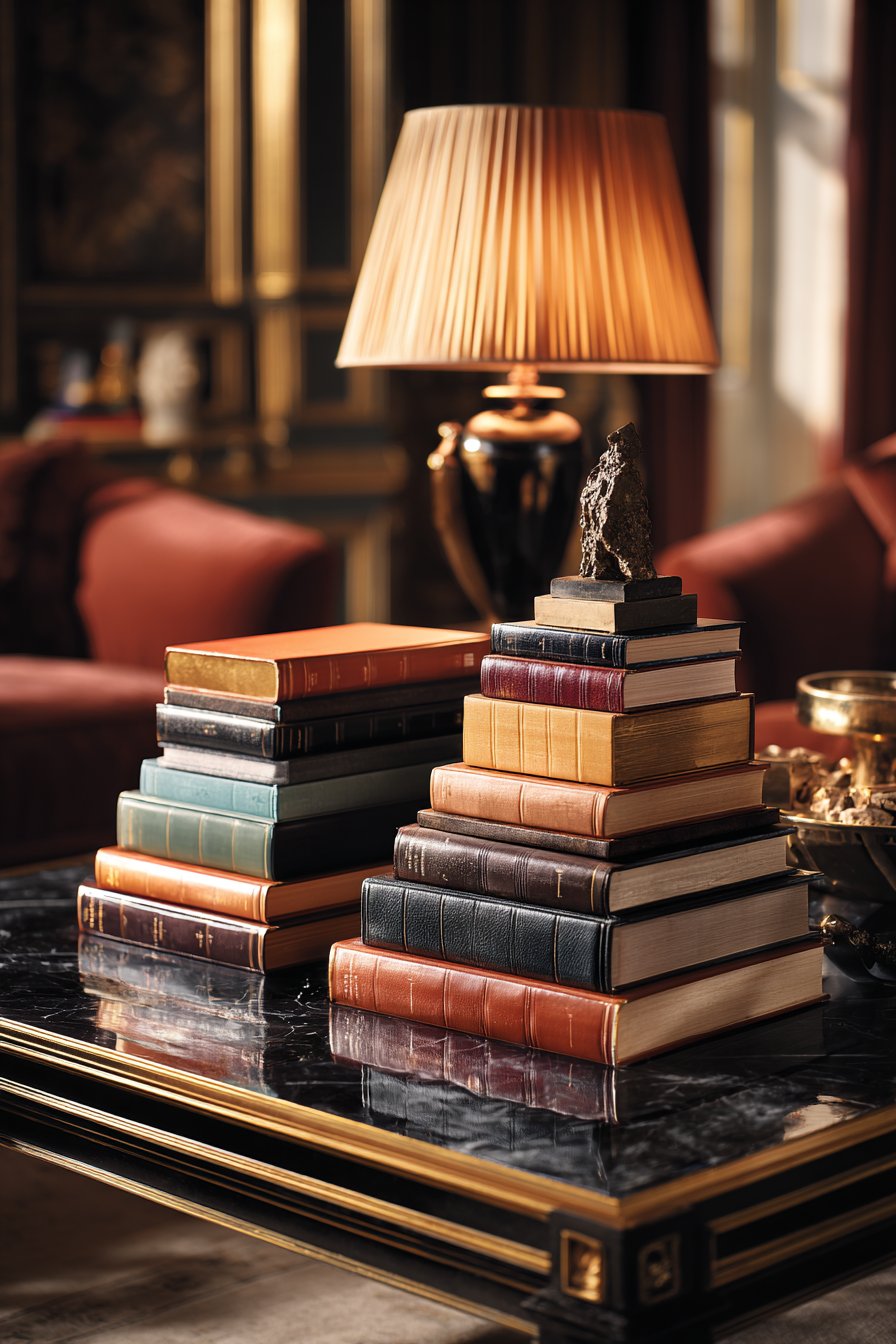
Choose books with visually stunning covers that complement your color scheme and reflect your personality. The spines and covers become part of your design palette, contributing to the overall aesthetic. This styling method offers substance beyond surface beauty, providing entertainment value for guests and family members alike.
- Select books with covers in complementary colors or cohesive theme
- Stack books horizontally in groups of 2-4 for visual weight
- Alternate stack heights to create visual rhythm across the table
- Place a decorative object atop the tallest stack as focal point
- Choose oversized volumes for maximum visual impact
- Mix topics to showcase diverse interests while maintaining aesthetic harmony
5. The Symmetrical Balance Method
Symmetrical styling creates formal elegance through mirror-image arrangements on your center table. This classical approach uses matching pairs of objects placed equidistant from the table’s center, establishing visual equilibrium. Symmetry conveys order and sophistication, making it ideal for traditional or transitional interior styles.
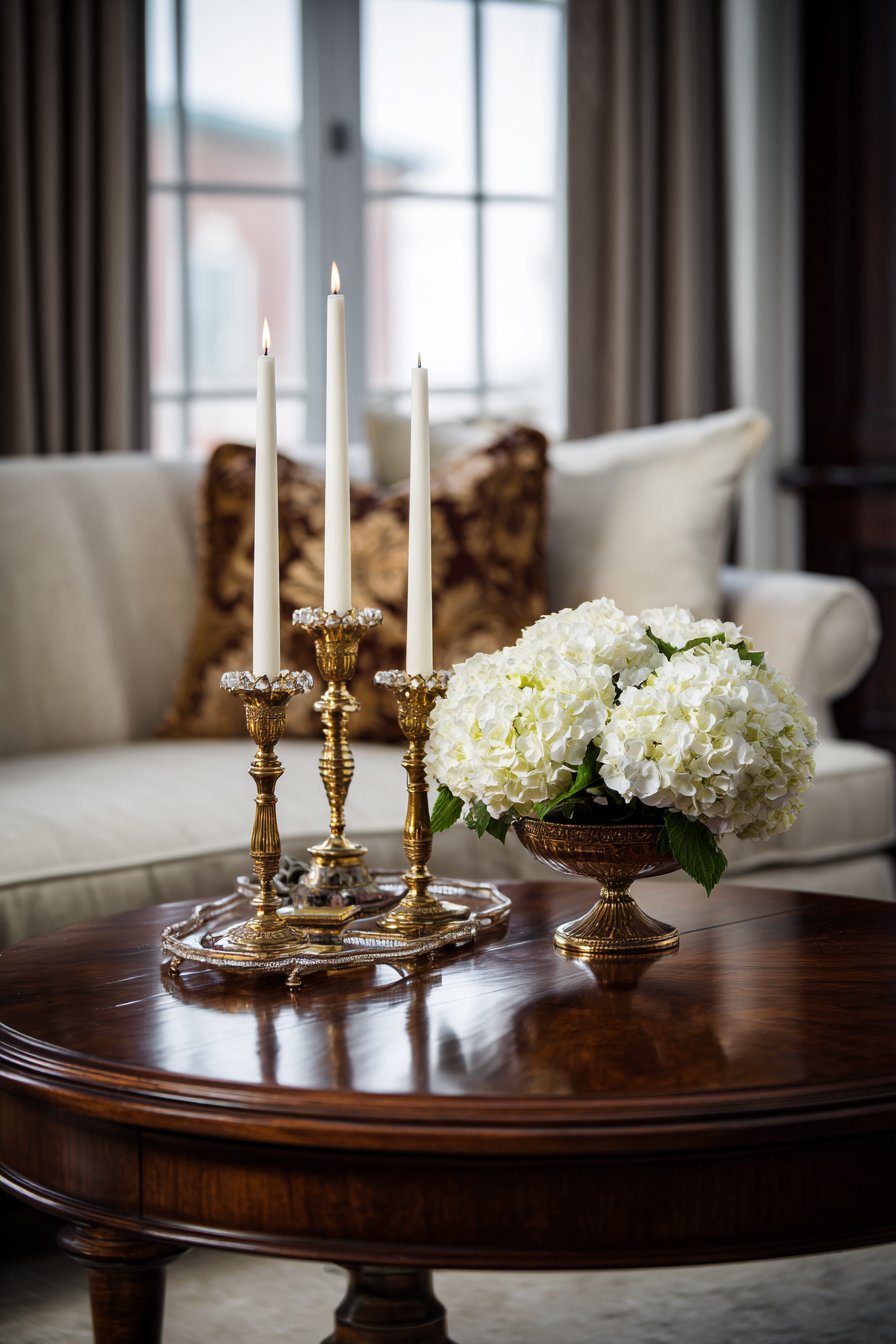
The power of symmetry lies in its inherent harmony and ease of execution. By duplicating elements on either side of a central anchor piece, you eliminate guesswork about placement. This technique creates instant visual balance that feels intentional and polished, even for those without extensive design experience.
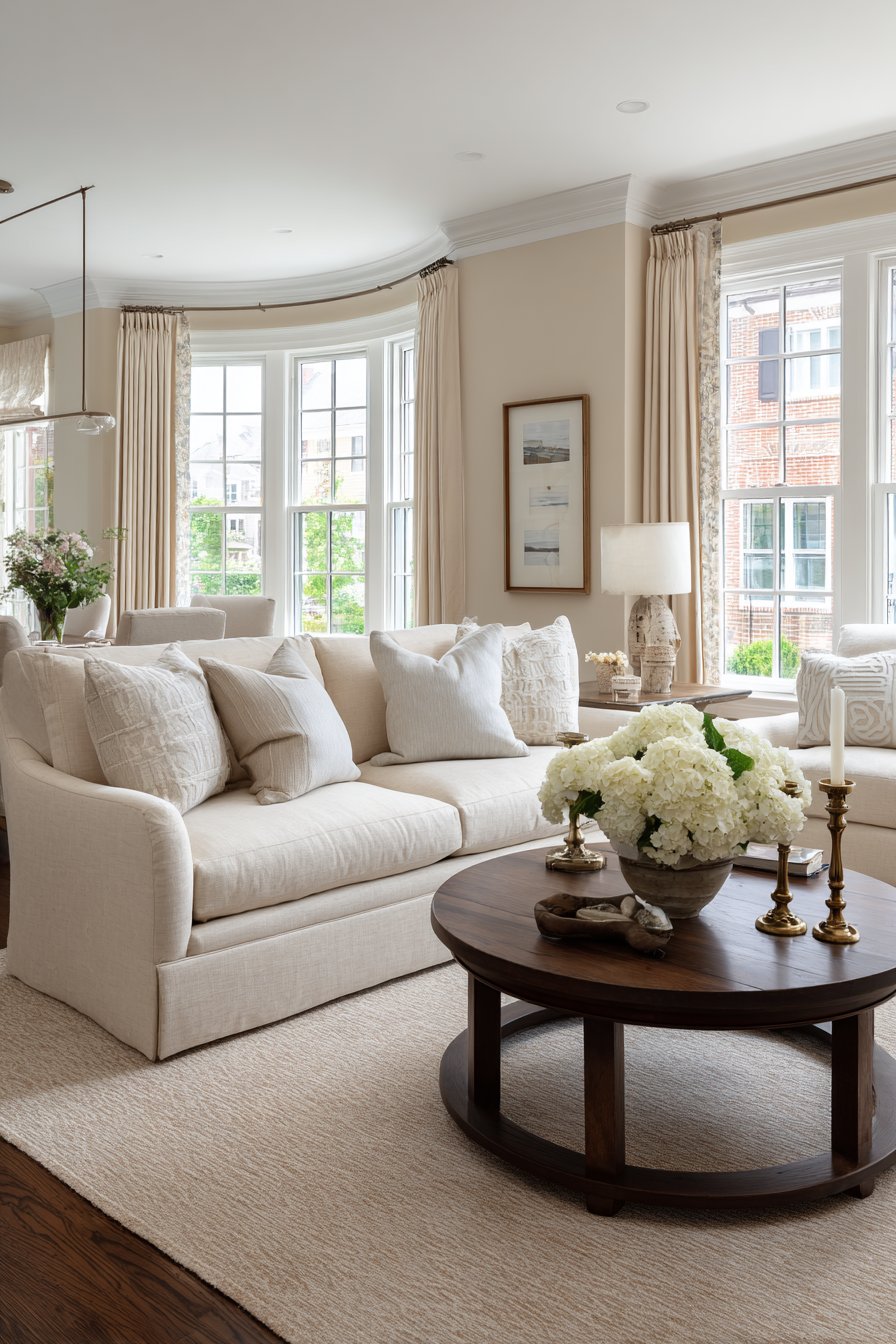
Begin with a central statement piece like a decorative bowl or floral arrangement, then flank it with matching items. Candlesticks, small lamps, or identical vases work beautifully in symmetrical arrangements. This method creates a cohesive look that’s particularly effective on rectangular or oval tables.
- Place a substantial centerpiece exactly in the middle of your table
- Use matching pairs of candlesticks, vases, or decorative objects on each side
- Maintain equal spacing between elements for visual precision
- Consider matching heights for elements on either side
- Add subtle variation in the central piece to avoid excessive rigidity
- Keep the arrangement proportionate to table size for balanced presence
6. The Eclectic Collected Style
An eclectic approach celebrates personal treasures and creates conversation-worthy displays through diverse objects. This styling method showcases travel souvenirs, vintage finds, family heirlooms, and meaningful collectibles that tell your unique story. The result is a center table that feels authentic and lived-in rather than staged or impersonal.
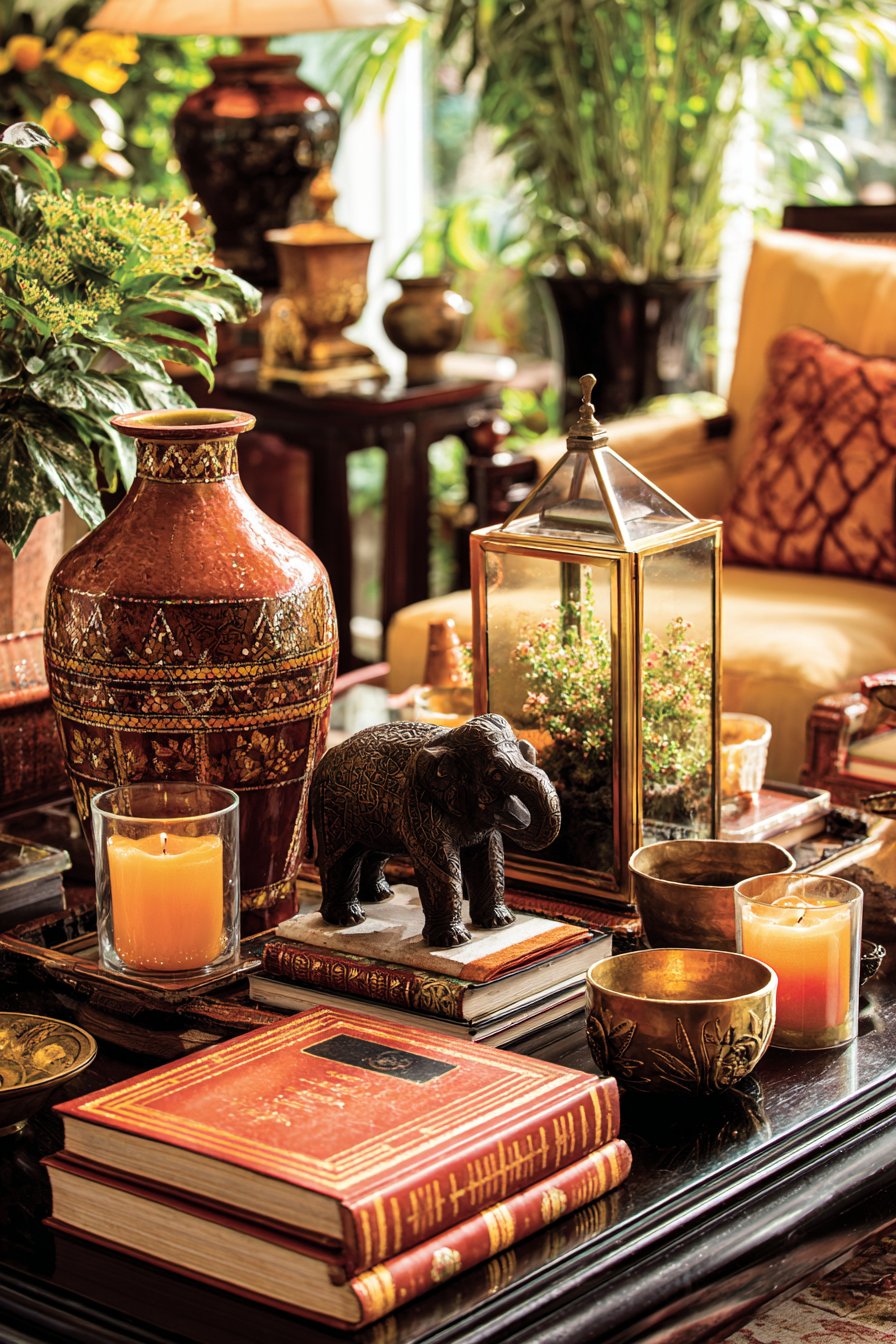
The art of eclectic styling involves thoughtful curation rather than random clutter. Select items that share a common thread—whether color, texture, era, or theme—to create visual cohesion despite their diversity. This approach allows your personality to shine while maintaining design principles that prevent chaos.
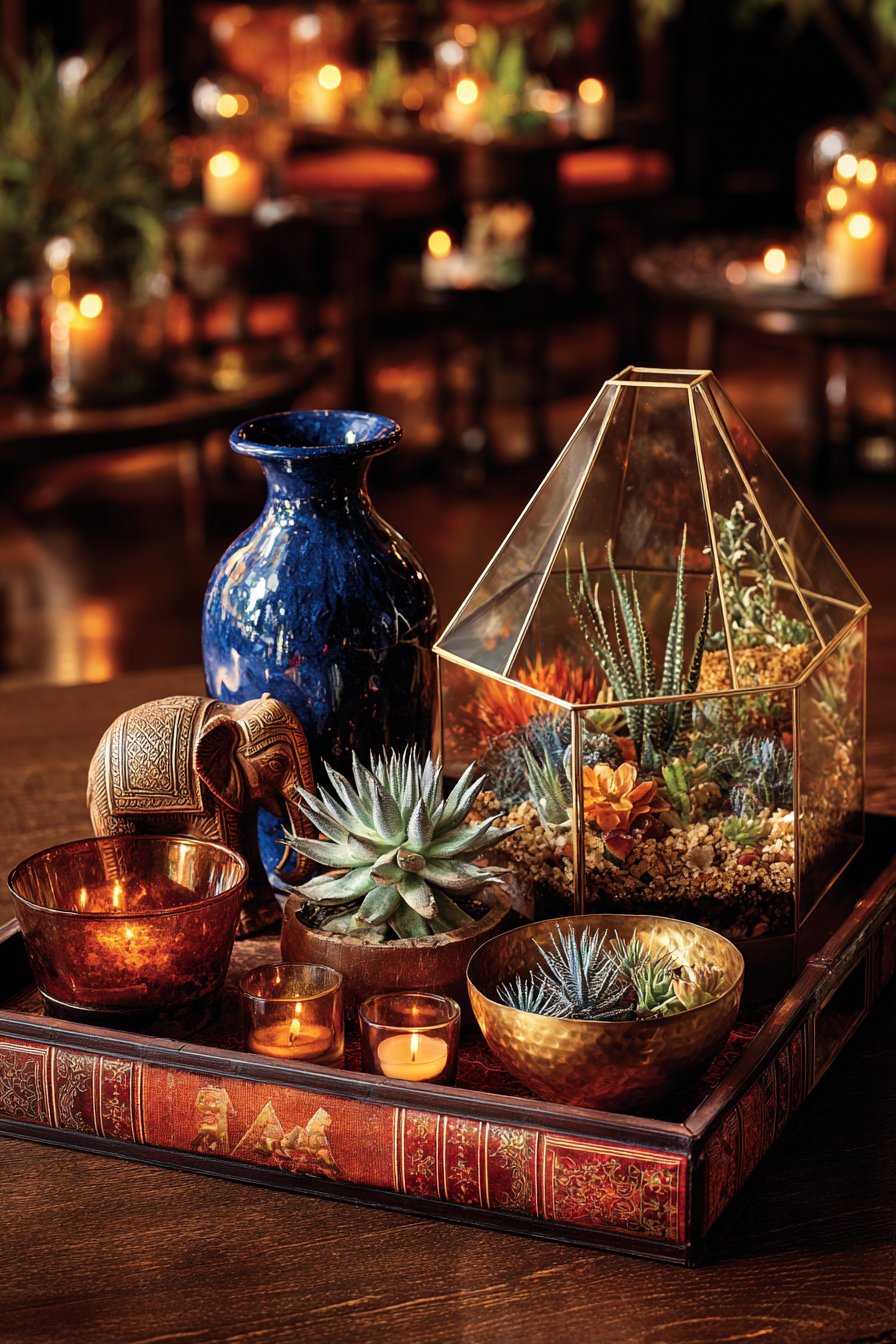
Mix materials, scales, and styles with intentional contrast that creates visual interest. Combine vintage with modern, rough with smooth, and organic with geometric. The key is ensuring elements relate to each other through careful placement and consideration of color harmony.
- Limit your color palette to 3-4 main hues for unity
- Vary heights by using books, small boxes, or natural pedestals
- Include at least one conversation-starting piece with story behind it
- Balance busy patterns with solid colors or simple textures
- Arrange items in odd-numbered groupings for natural flow
- Rotate collections seasonally to keep displays fresh and manageable
7. The Functional Gallery Style
The functional gallery approach treats your center table as display space for useful beauty, combining practical items with artistic presentation. This method acknowledges that living rooms are active spaces where tables serve daily purposes beyond decoration. By making functional items beautiful, you maintain aesthetics while ensuring your table remains genuinely usable.
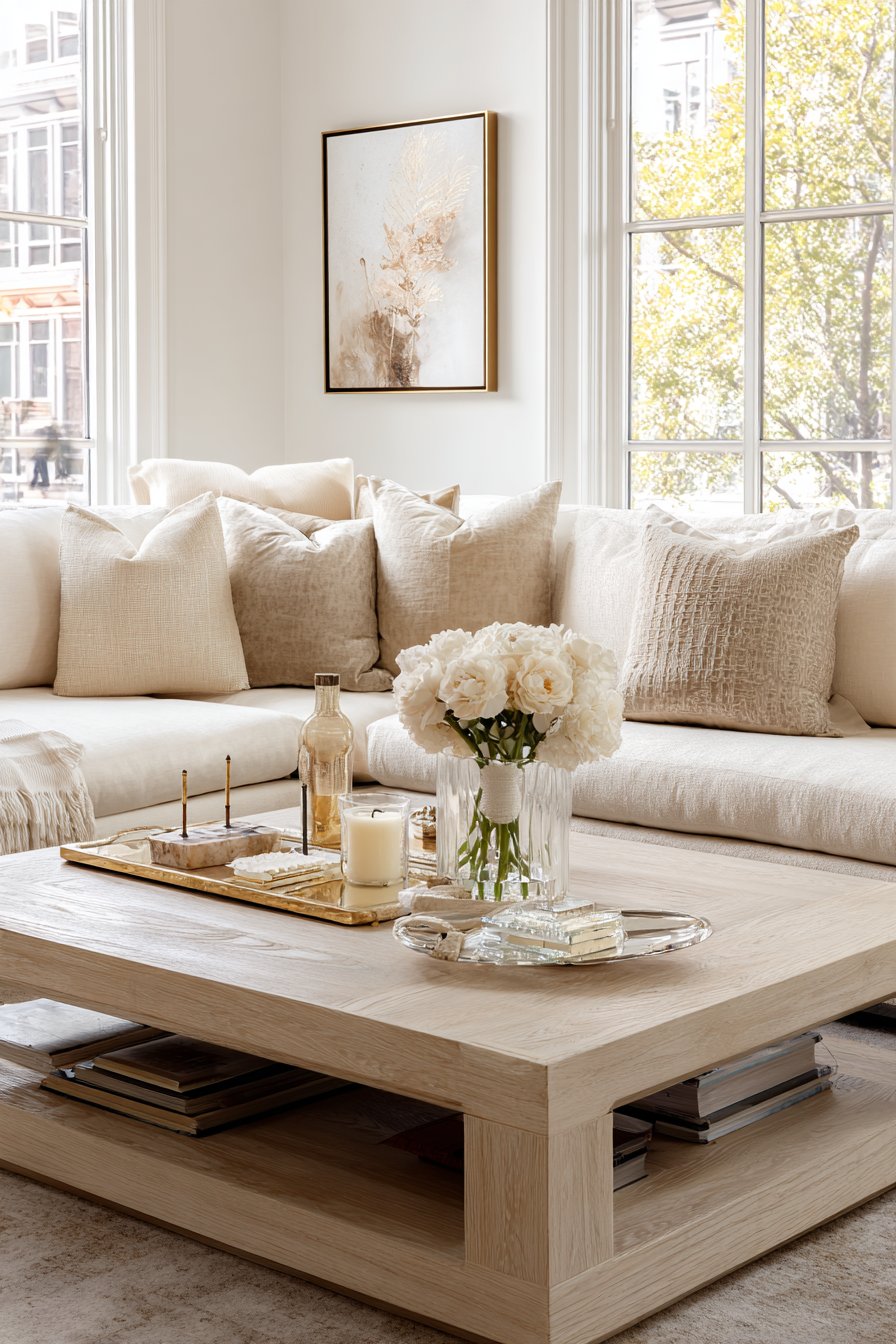
Choose decorative boxes or baskets that conceal practical items like remote controls, coasters, or reading glasses. These containers become part of your design while solving storage challenges. Select pieces with textural interest or appealing finishes that contribute to your overall aesthetic rather than detracting from it.
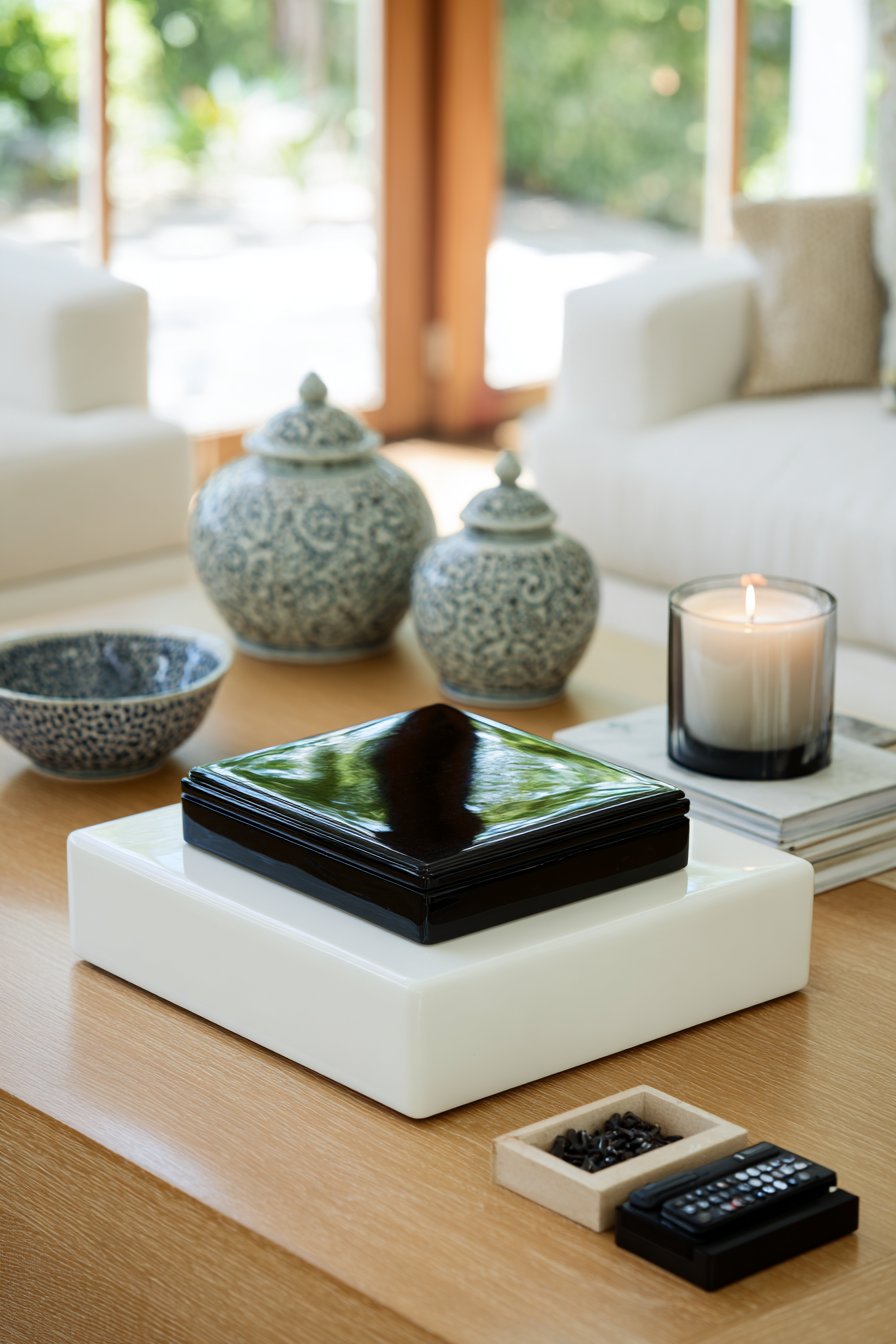
This styling method proves particularly valuable for families or frequent entertainers who need accessible surfaces. By incorporating beautiful trays for corralling necessities or attractive containers for often-used items, you create a living room that’s both stylish and practical. The result is a space that looks designed but feels comfortable for everyday life.
- Invest in beautiful decorative boxes with lids for hidden storage
- Use elegant coaster sets that double as decorative objects
- Select a stylish remote control holder or decorative bowl for organizing
- Include a candle that can be lit for ambiance during gatherings
- Add a small decorative bowl for keys or personal items
- Ensure items can be easily moved when full table surface is needed
Conclusion
Your center table offers endless opportunities for personal expression and design experimentation. Whether you gravitate toward minimalist restraint, natural warmth, or eclectic abundance, the right styling approach transforms this furniture piece into a true focal point. Remember that successful center table styling balances visual appeal with practical functionality, ensuring your living room remains both beautiful and livable.
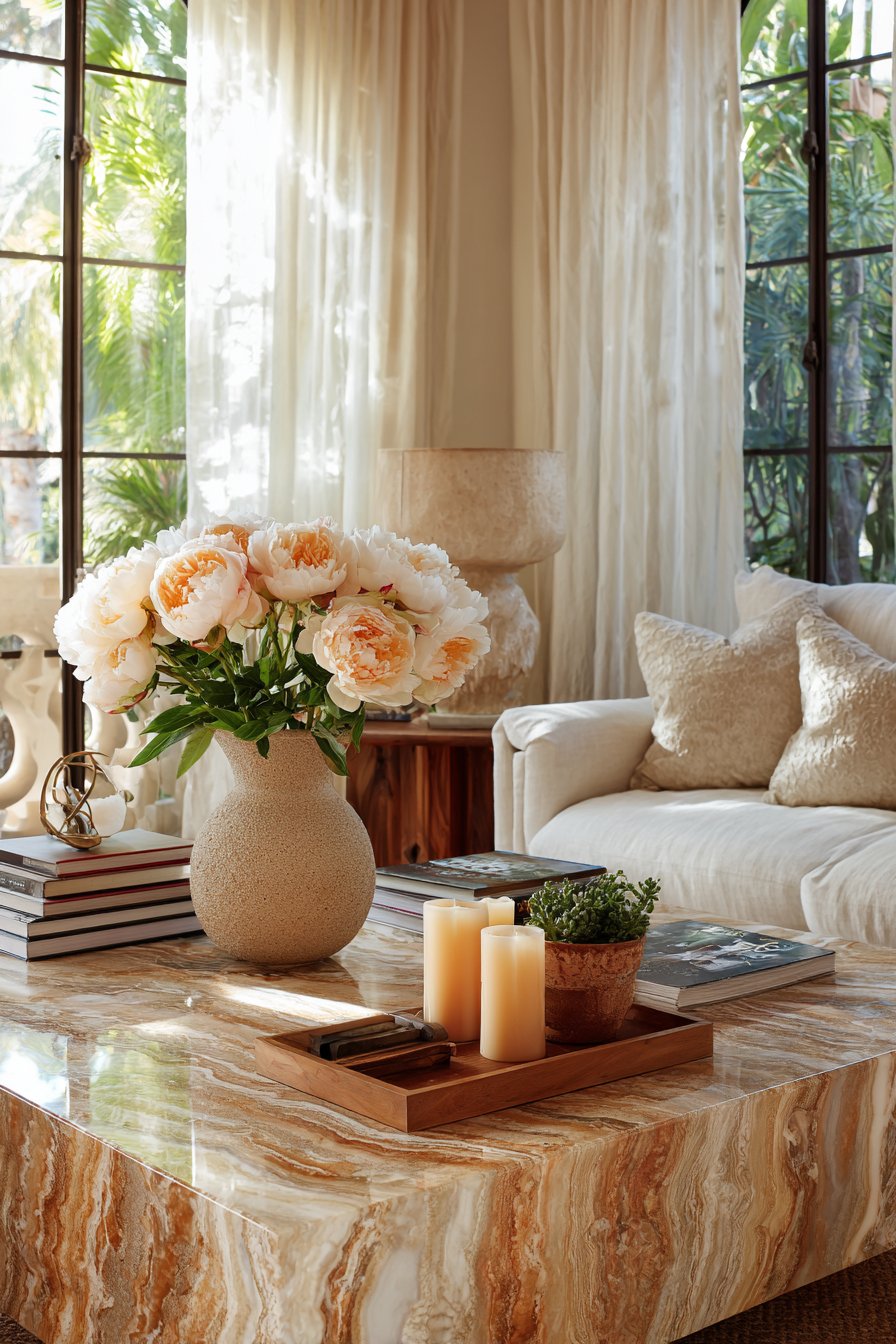
Don’t hesitate to mix and match these seven approaches as your mood, seasons, or lifestyle changes. The best center table styling reflects your authentic self while enhancing your living room’s atmosphere. Start with one technique that resonates with your personal style, then adjust and refine until you’ve created a surface that brings you joy every time you enter the room.
