


Creating a living room that feels genuinely welcoming goes beyond selecting attractive furniture or trendy accessories. The secret lies in understanding how our environment affects our mood and comfort levels. Earthy living rooms have emerged as sanctuaries of calm in our increasingly hectic world, offering a retreat that feels both grounding and luxurious.
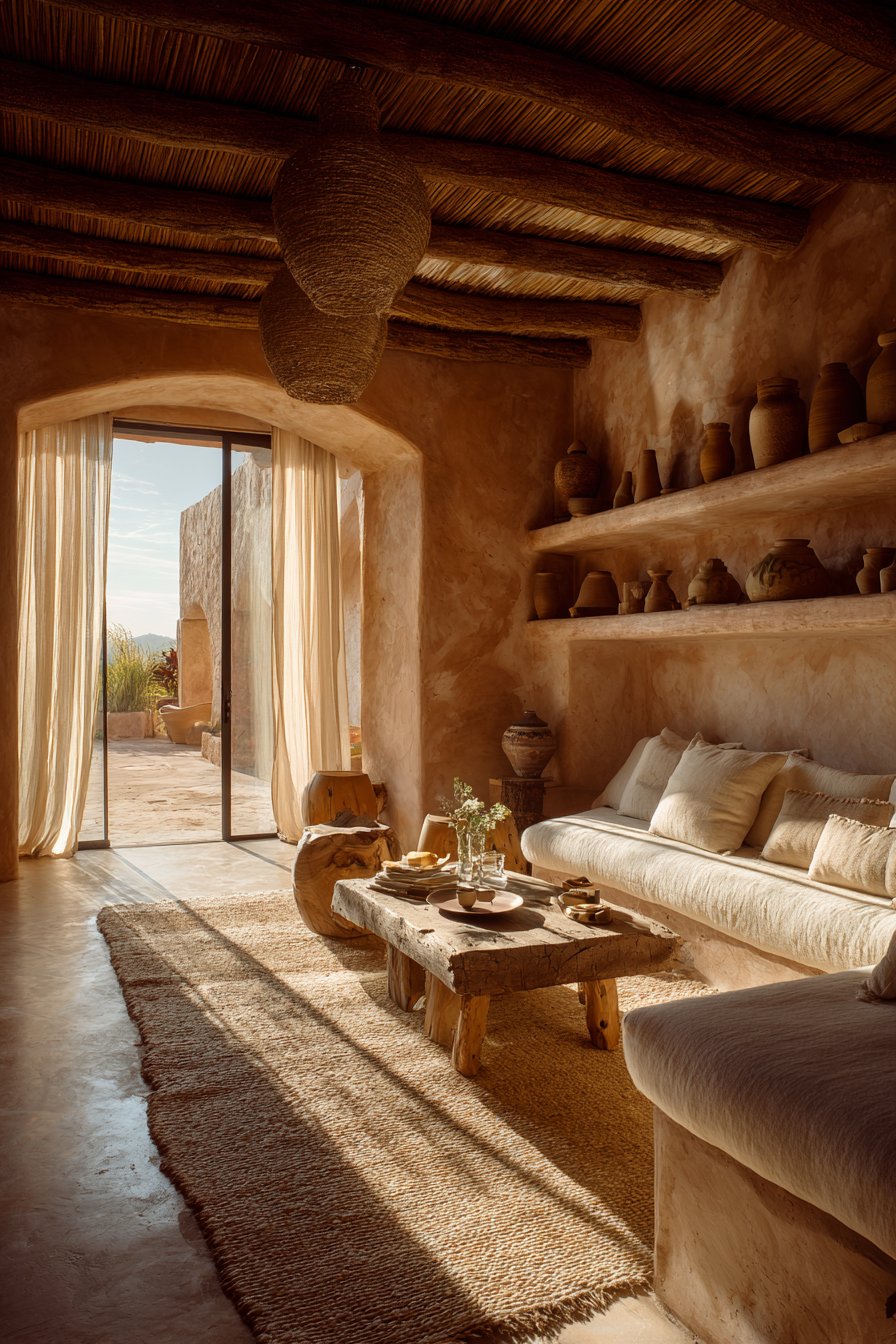
Interior design experts have long recognized the psychological impact of natural elements in our homes. When we incorporate earth-inspired aesthetics, we tap into an innate human connection with nature that transcends mere visual appeal. These spaces don’t just look beautiful; they feel inherently right, creating an atmosphere where family and guests naturally want to linger.
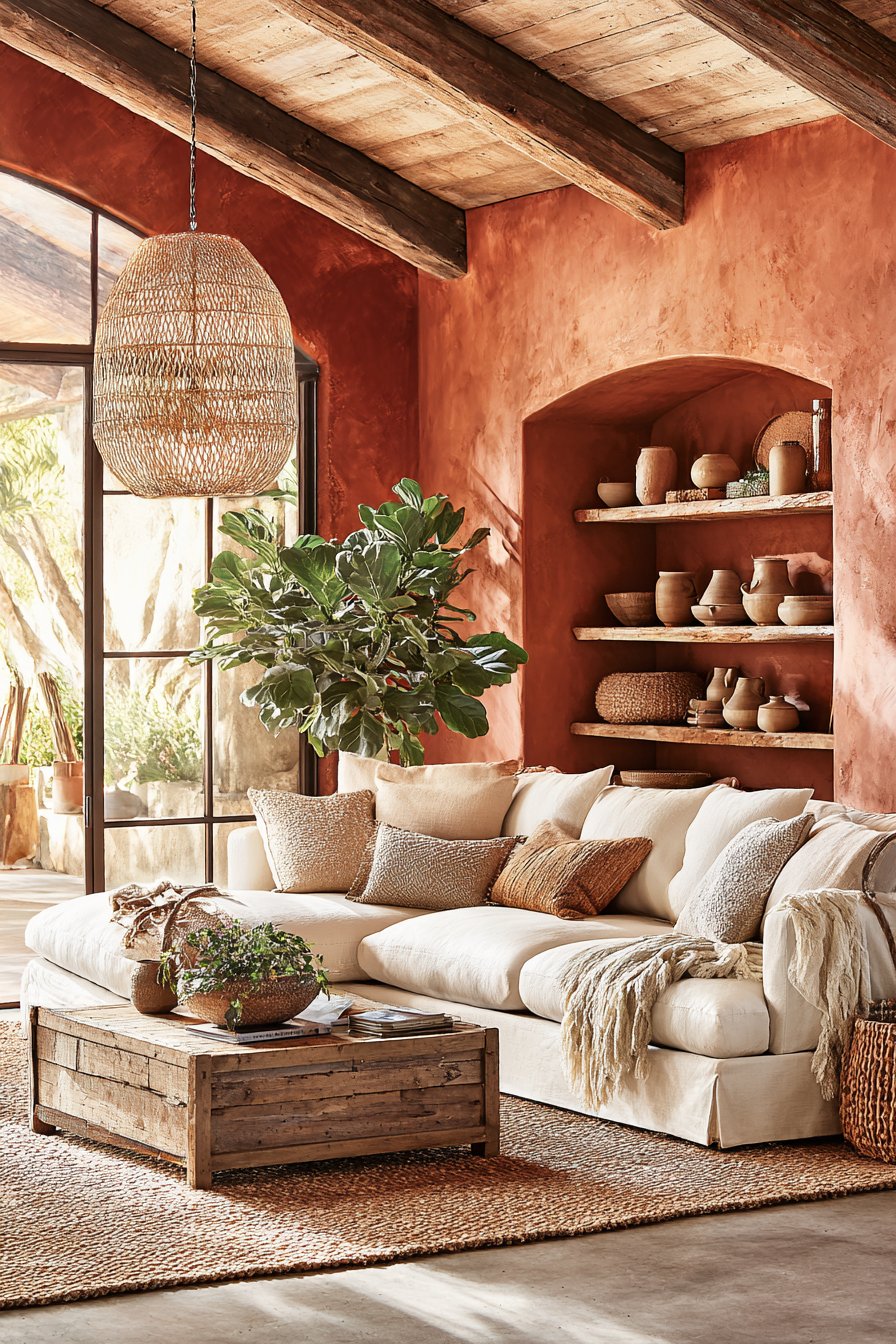
This article explores the compelling reasons why earthy living rooms create such powerfully inviting spaces. From the science of color psychology to the tactile satisfaction of natural materials, we’ll uncover what makes these designs so universally appealing. Whether you’re planning a complete renovation or simply seeking to refresh your current space, understanding these principles will transform how you approach your living room design.
1. Natural Color Palettes Create Instant Calm
The foundation of any earthy living room begins with its color scheme. Warm terracottas, soft taupes, gentle sage greens, and rich ochres work together to create visual harmony that immediately puts people at ease. These hues mirror the colors we encounter in nature, triggering subconscious associations with safety and comfort.
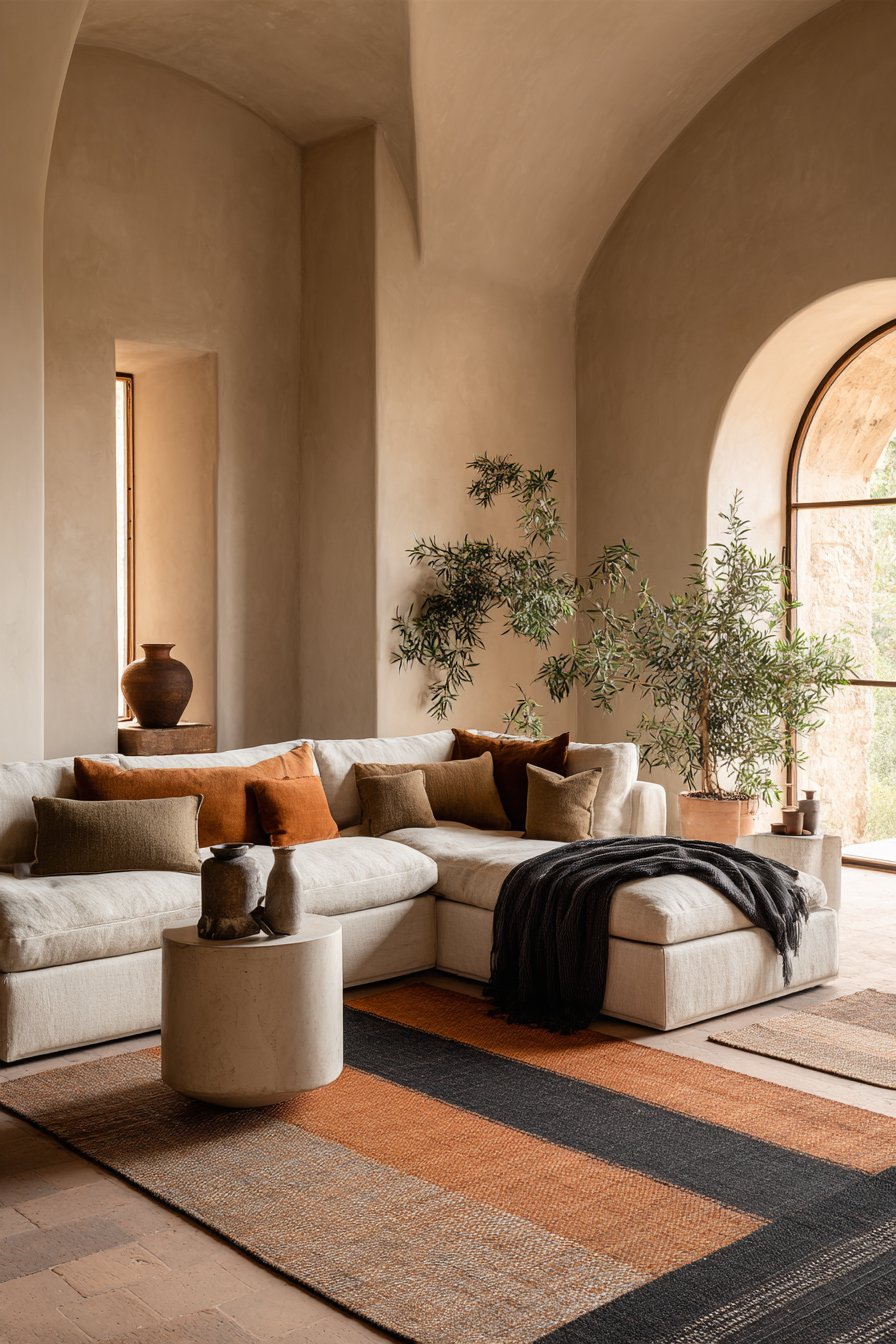
Unlike stark whites or bold primary colors that can feel energizing or even jarring, earth tones have a neutral quality that reduces visual stress. Research in color psychology suggests that warm, muted colors lower cortisol levels and promote relaxation. Your living room becomes a buffer zone from the outside world’s intensity.
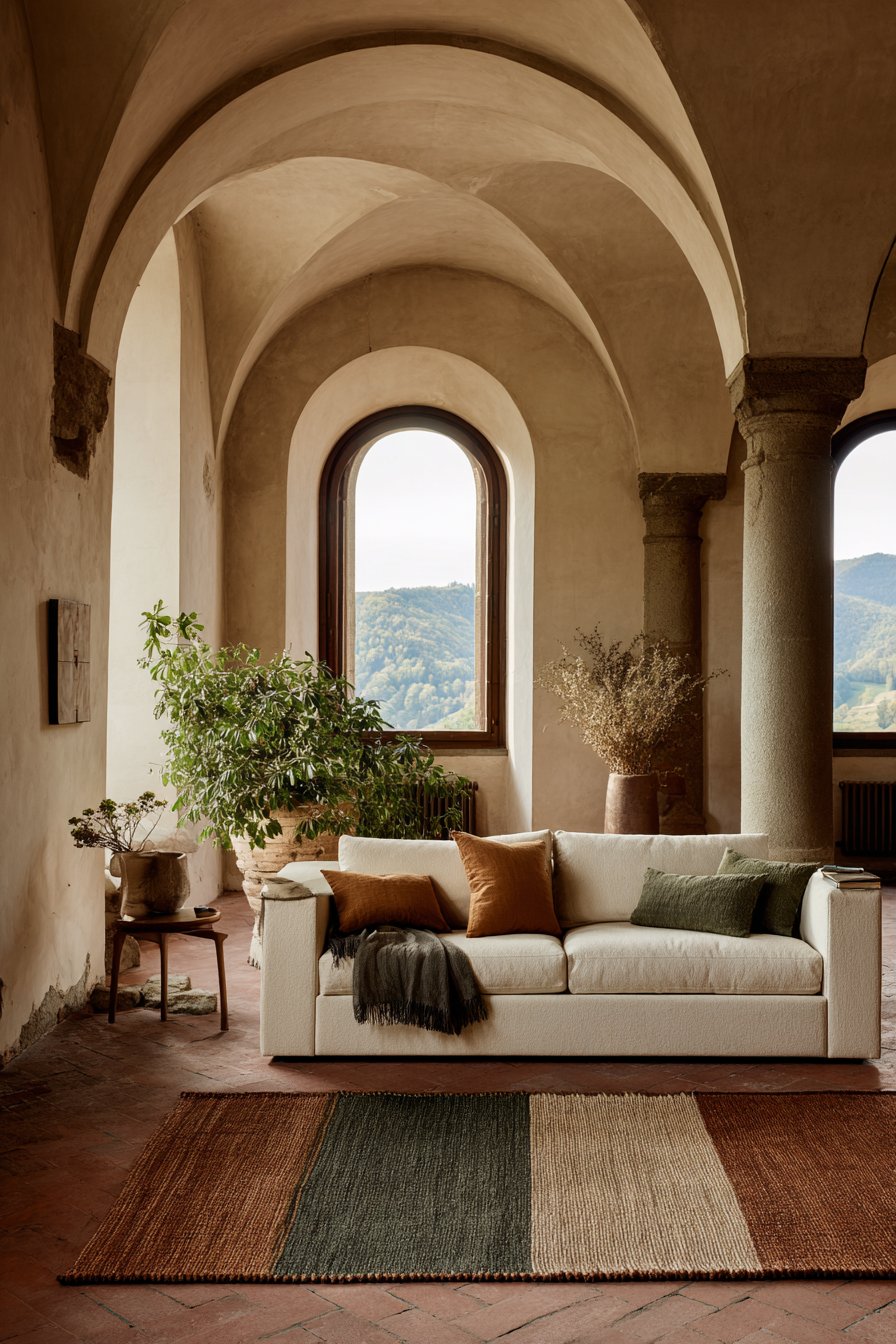
The beauty of earthy palettes lies in their versatility and timelessness. These colors age gracefully, never feeling dated or trendy. They provide a sophisticated backdrop that allows your personality to shine through accessories and artwork without overwhelming the senses.
- Choose base colors like warm beige, terracotta, or soft clay for walls
- Layer different shades of the same earth tone for depth and interest
- Add contrast with deeper browns or charcoal for visual anchoring
- Incorporate cream or ivory to lighten spaces without losing warmth
- Test paint samples in different lighting conditions before committing
- Consider the room’s natural light when selecting your palette
2. Organic Textures Engage the Senses
Tactile variety transforms a living room from merely visual to genuinely experiential. When you incorporate materials like woven jute, nubby linen, rough-hewn wood, and smooth leather, you create layers of sensory interest. People naturally want to touch these surfaces, creating an interactive relationship with the space.
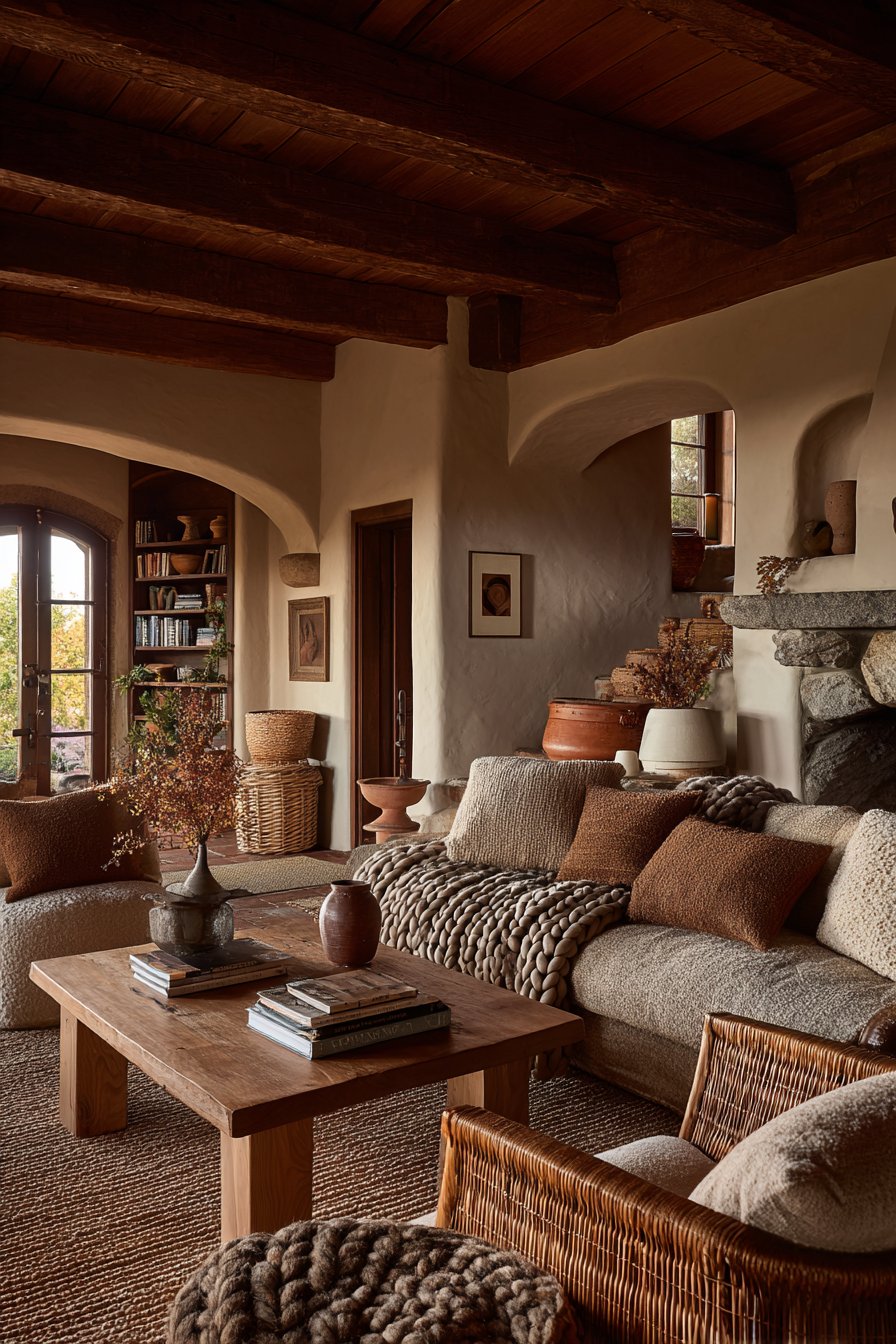
The presence of natural textures adds warmth that synthetic materials simply cannot replicate. A chunky knit throw invites you to wrap yourself in its comfort. A raw wood coffee table tells a story through its grain and imperfections. These elements make a room feel lived-in and authentic rather than sterile or overly curated.
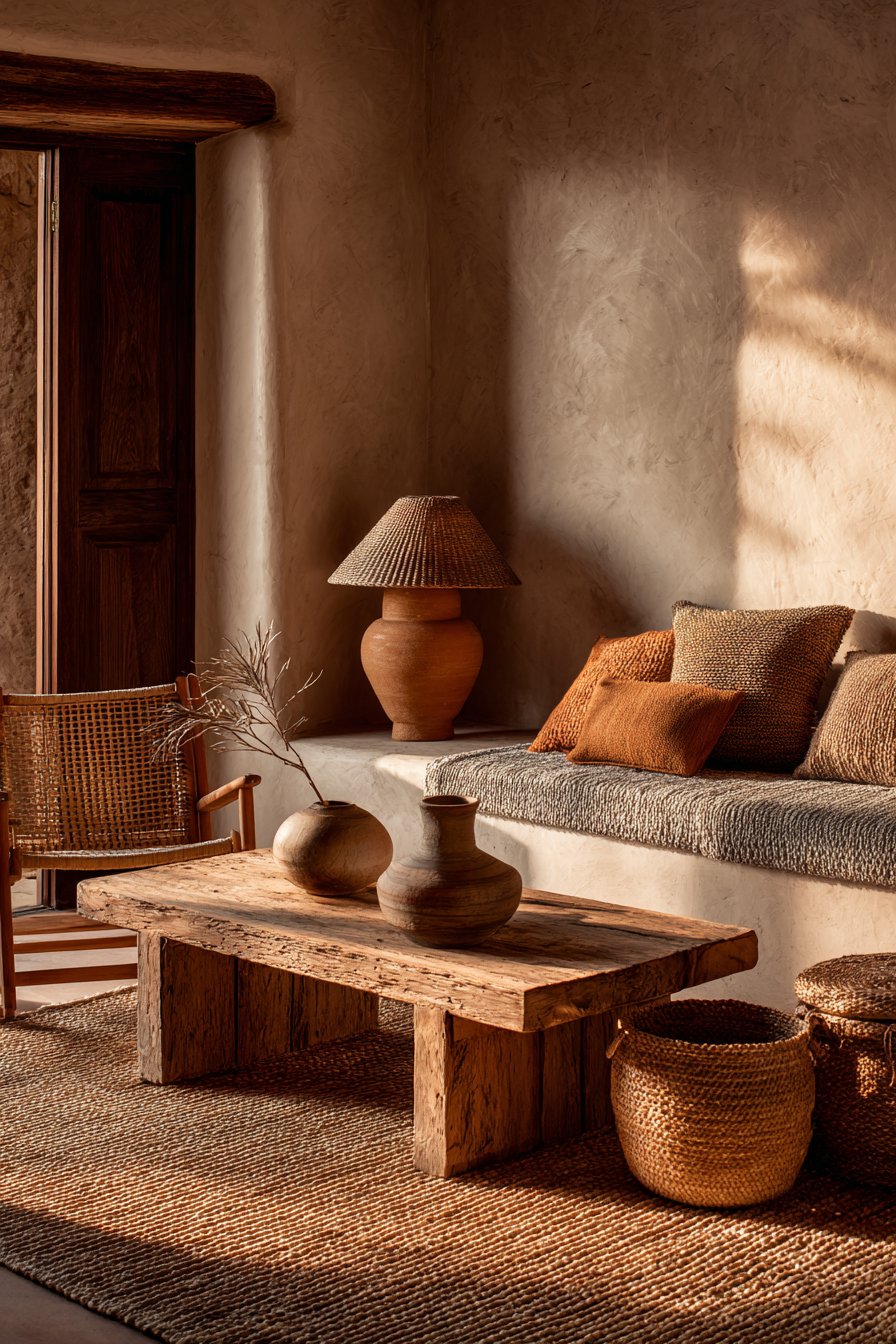
Mixing textures also prevents visual monotony in neutral color schemes. The interplay between smooth and rough, soft and firm creates dynamic visual interest without requiring bold colors. This approach offers sophistication that appeals across age groups and design preferences.
- Include woven elements like rattan chairs or sepia baskets
- Layer soft textiles through throws, pillows, and area rugs
- Add rough wood surfaces in coffee tables or shelving
- Incorporate smooth ceramics or stone accessories as focal points
- Mix matte and subtle sheen finishes for dimensional interest
- Avoid synthetic fabrics that feel plasticky or overly perfect
3. Natural Materials Ground the Space
Bringing authentic materials into your living room creates an undeniable sense of substance and permanence. Solid wood furniture, stone accents, clay pottery, and wool textiles carry inherent weight and quality that mass-produced alternatives lack. These materials connect us to the earth in a tangible way.
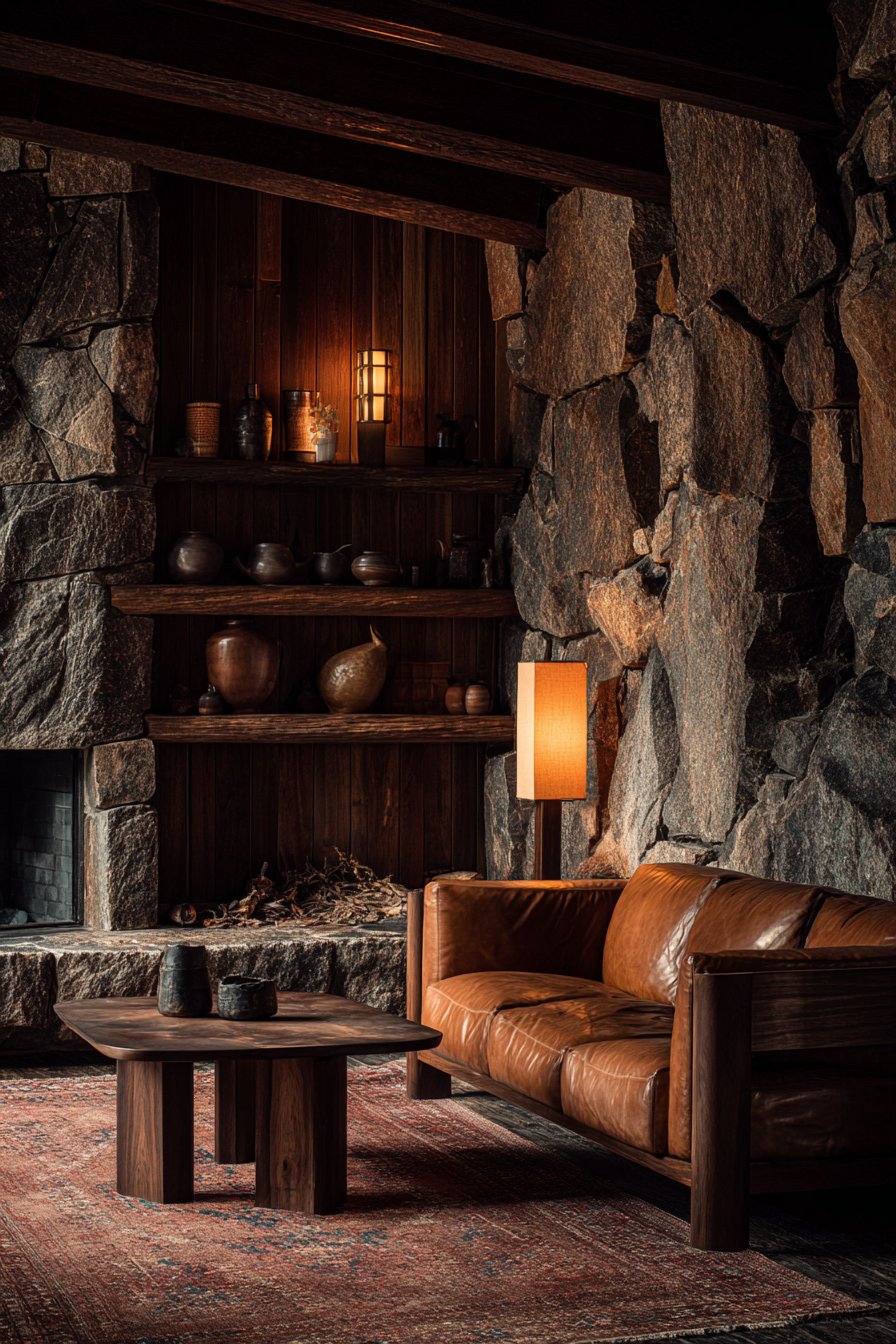
Natural materials also improve with age rather than deteriorating. A leather sofa develops character through its patina. Wooden floors gain richness from years of use. This quality creates emotional attachment, as your space literally grows with you. The living room becomes infused with memories and meaning.
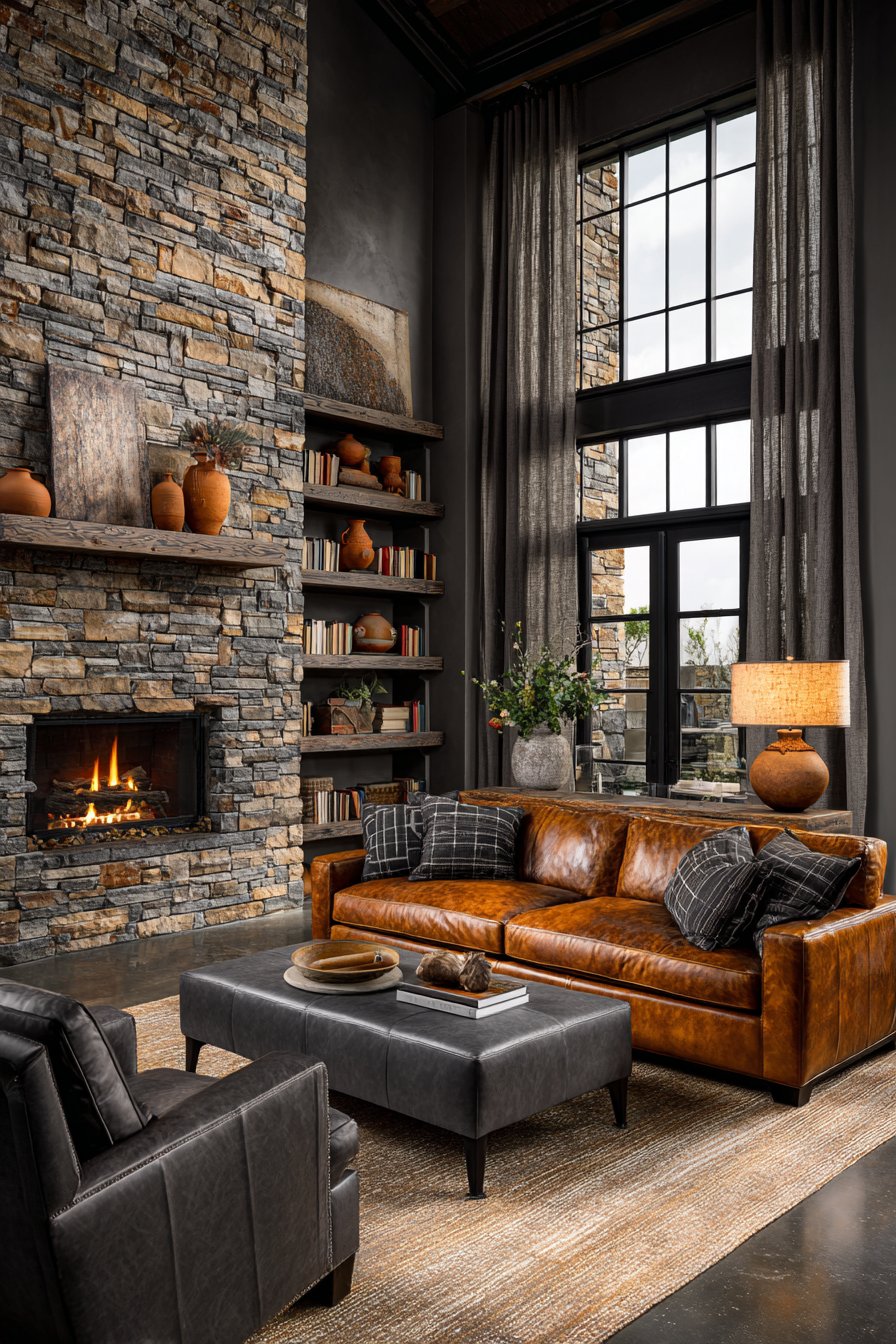
From an environmental perspective, choosing natural materials demonstrates respect for sustainable living. Many people find comfort in knowing their furniture choices support ecological responsibility. This conscious decision-making adds another layer of satisfaction to the space.
- Invest in solid wood furniture pieces that will last decades
- Choose natural fiber rugs like wool, jute, or sisal
- Display pottery and ceramics in earth-toned glazes
- Include stone elements through fireplace surrounds or accent tables
- Select leather or linen upholstery over synthetic alternatives
- Source reclaimed wood for unique character and sustainability
4. Connection to Nature Reduces Stress
Incorporating living plants into your earthy living room provides more than aesthetic value. Plants actively improve air quality, increase humidity, and produce oxygen. The presence of greenery has been scientifically proven to reduce blood pressure and promote feelings of wellbeing.
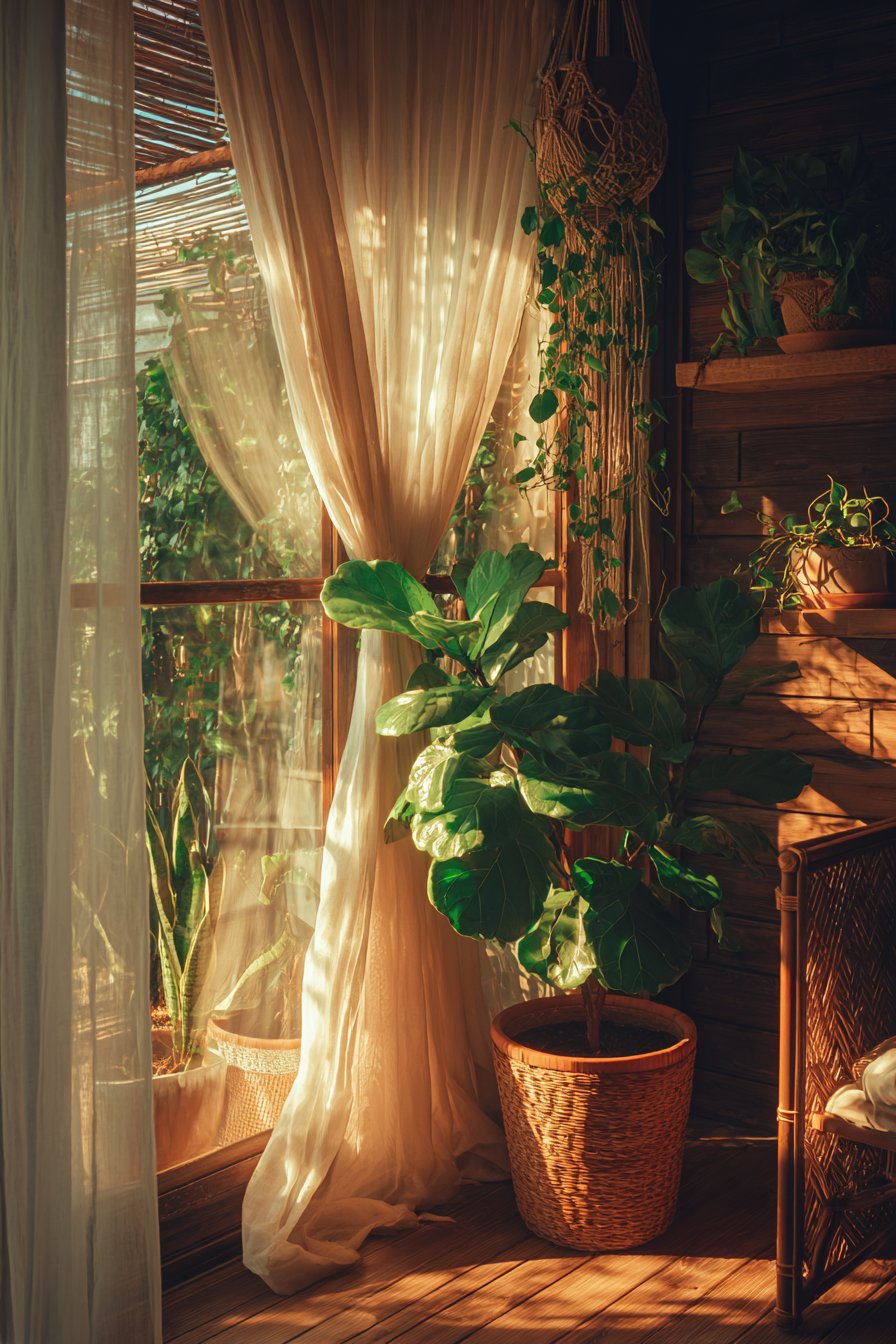
The psychological benefit of biophilic design cannot be overstated. Even small touches of nature help satisfy our innate need for connection with the natural world. In urban environments especially, an earthy living room serves as a crucial link to the outdoors we may otherwise lack.
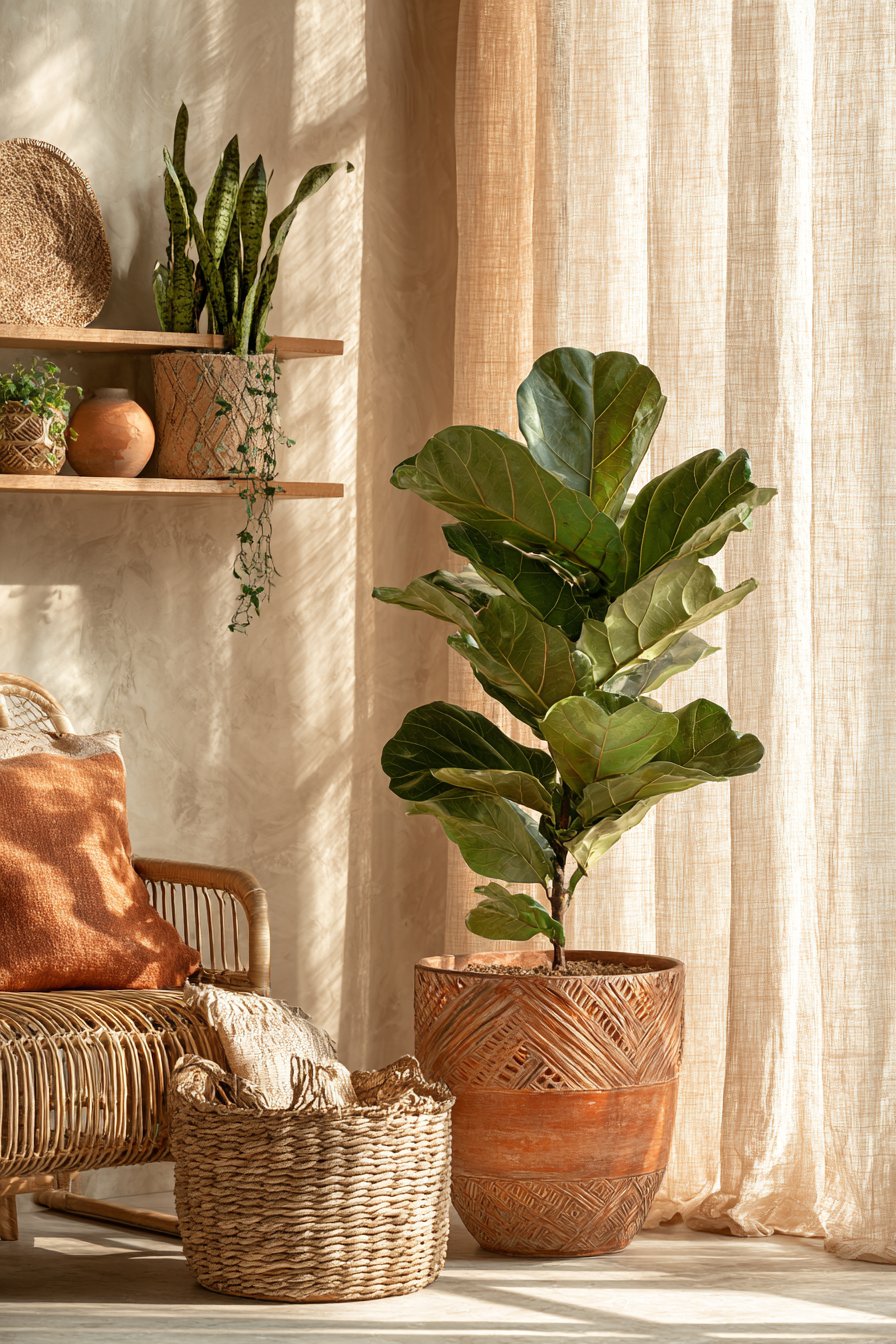
Plants also introduce organic shapes and gentle movement into your space. Unlike rigid furniture lines, plants grow asymmetrically and respond to light and air currents. This living quality makes rooms feel dynamic and alive rather than static and staged.
- Place larger plants like fiddle leaf figs or rubber plants in corners
- Group smaller plants on shelves or side tables for visual impact
- Choose low-maintenance varieties like pothos or snake plants for beginners
- Use natural woven or terracotta planters to enhance the earthy aesthetic
- Incorporate hanging plants to draw the eye upward and save floor space
- Rotate plants seasonally to maintain health and visual freshness
5. Warm Lighting Creates Cozy Ambiance
The right lighting scheme can make or break an inviting atmosphere. Earthy living rooms benefit from layered lighting that mimics natural daylight patterns. Warm-toned bulbs with color temperatures between 2700K and 3000K cast a golden glow that enhances earth tones beautifully.
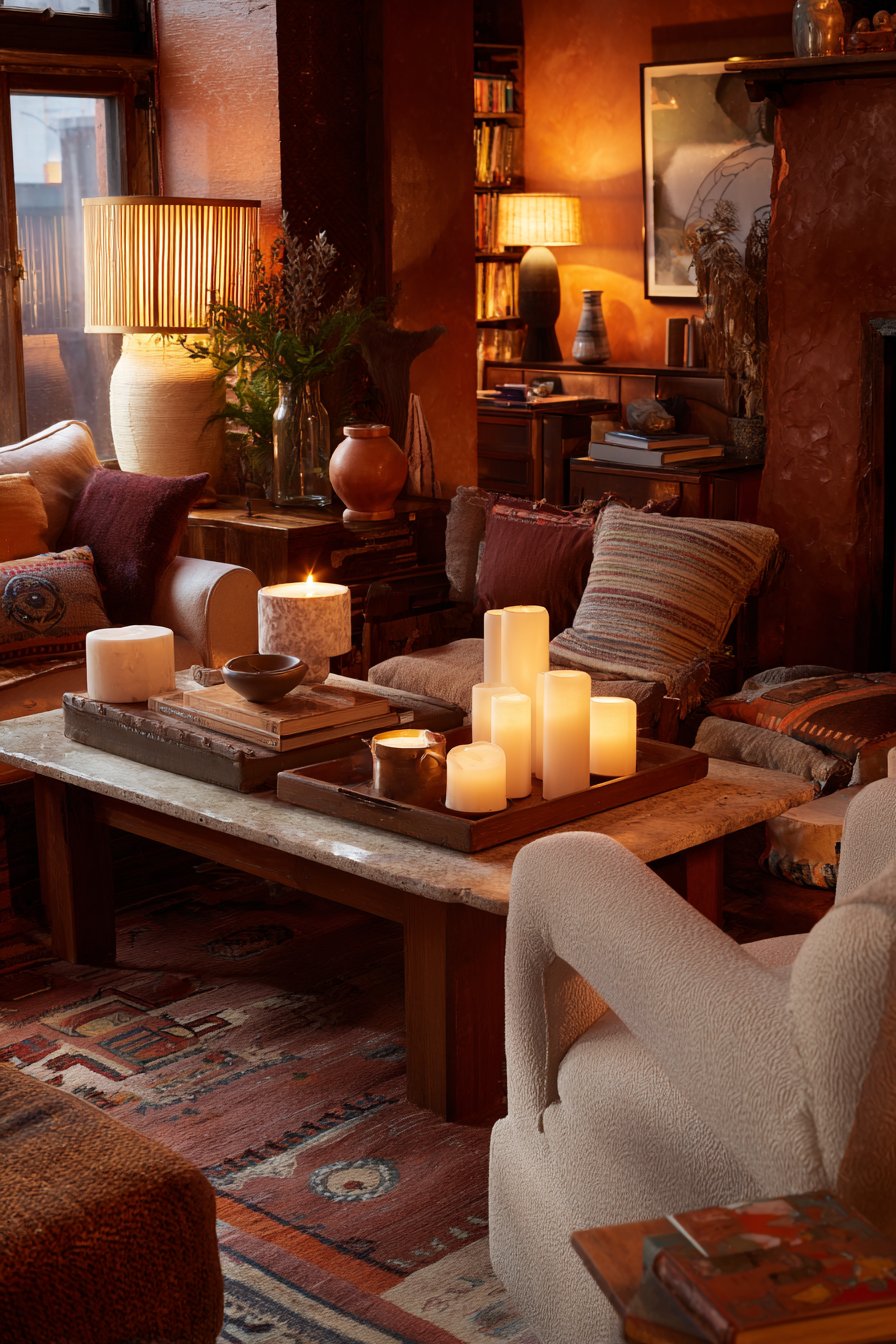
Harsh overhead lighting creates an institutional feel that contradicts the warmth you’re cultivating. Instead, multiple light sources at different heights create pockets of illumination that feel intimate and welcoming. Table lamps, floor lamps, and wall sconces allow you to adjust lighting based on activity and mood.
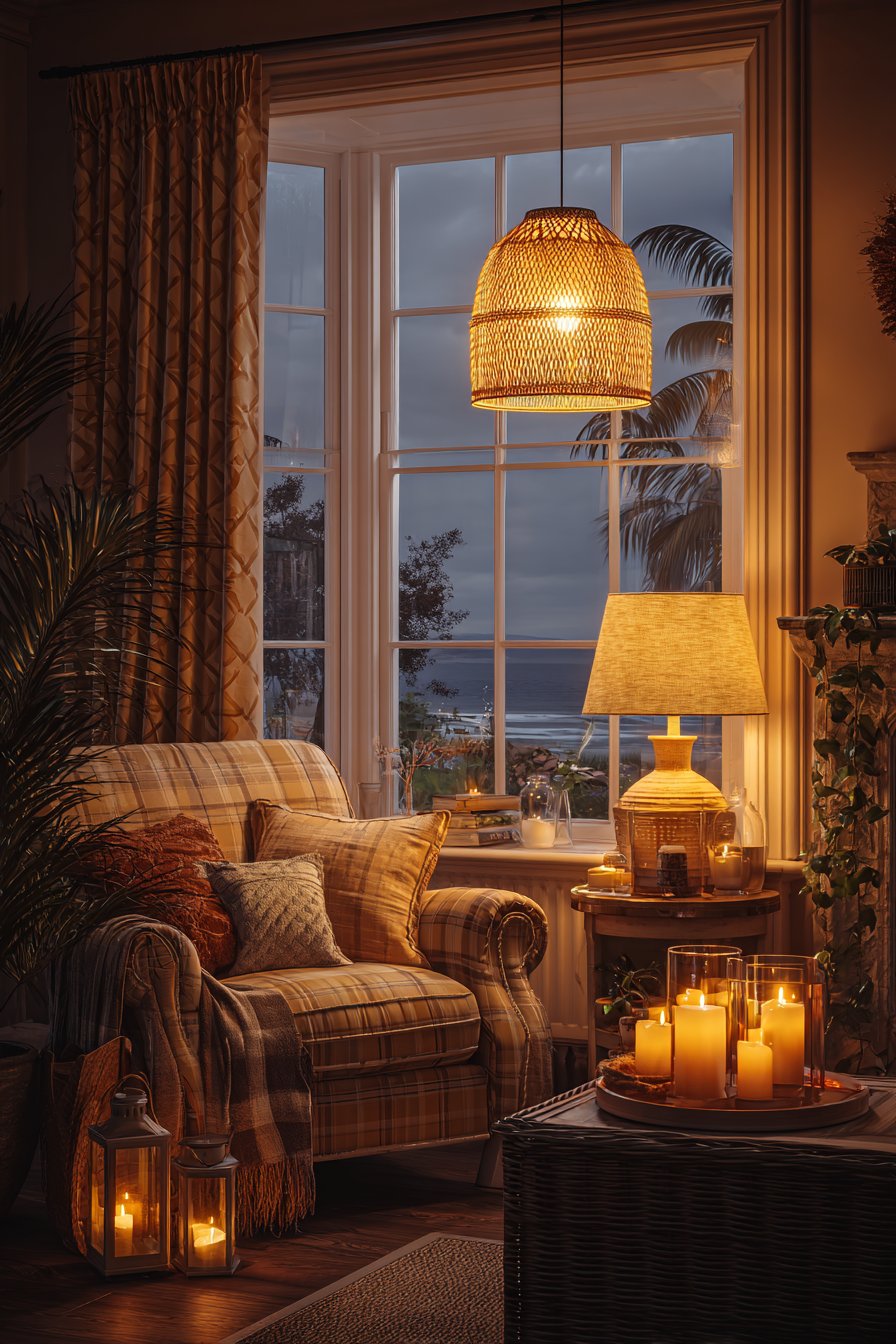
Natural materials in light fixtures themselves reinforce your design theme. Bamboo pendants, wooden lamp bases, ceramic table lamps, and woven shades all contribute to the cohesive earthy aesthetic. These choices ensure even functional elements support your inviting atmosphere.
- Install dimmer switches to control light intensity throughout the day
- Use warm LED bulbs to save energy while maintaining ambiance
- Position floor lamps near seating areas for reading comfort
- Add candles in natural containers for evening atmosphere
- Maximize natural daylight with sheer curtains or light-filtering shades
- Choose light fixtures made from wood, rattan, or ceramic materials
6. Uncluttered Spaces Allow Relaxation
An organized environment is essential for true relaxation and invitation. Earthy design embraces simplicity, favoring quality over quantity. When you edit your possessions down to items that serve a purpose or bring genuine joy, your living room breathes easier and so do you.
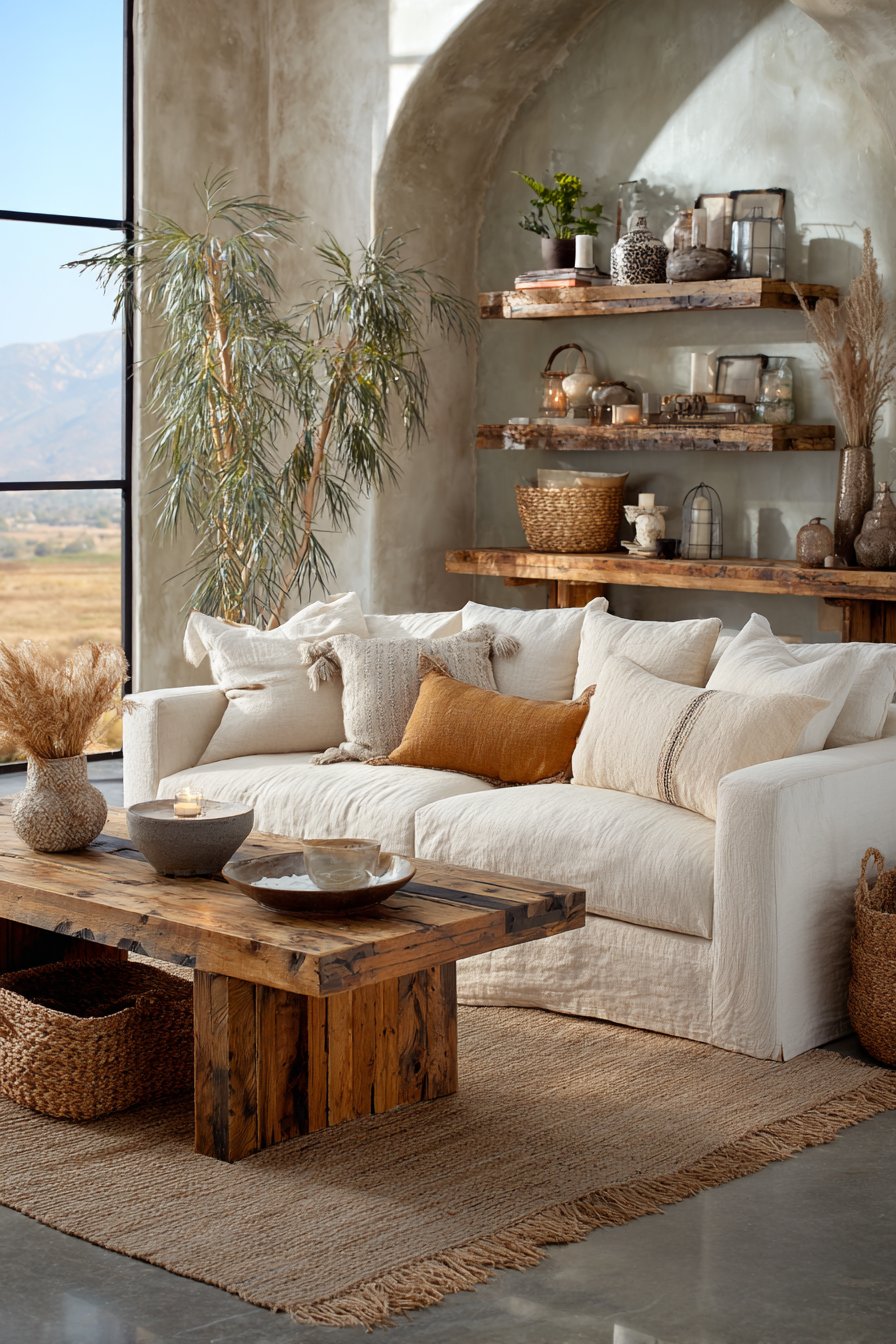
The principle of intentional minimalism doesn’t mean sparse or cold. Rather, it means each piece in your room has been thoughtfully chosen and placed. Natural materials and textures provide sufficient visual interest that you don’t need excessive decoration to create warmth.
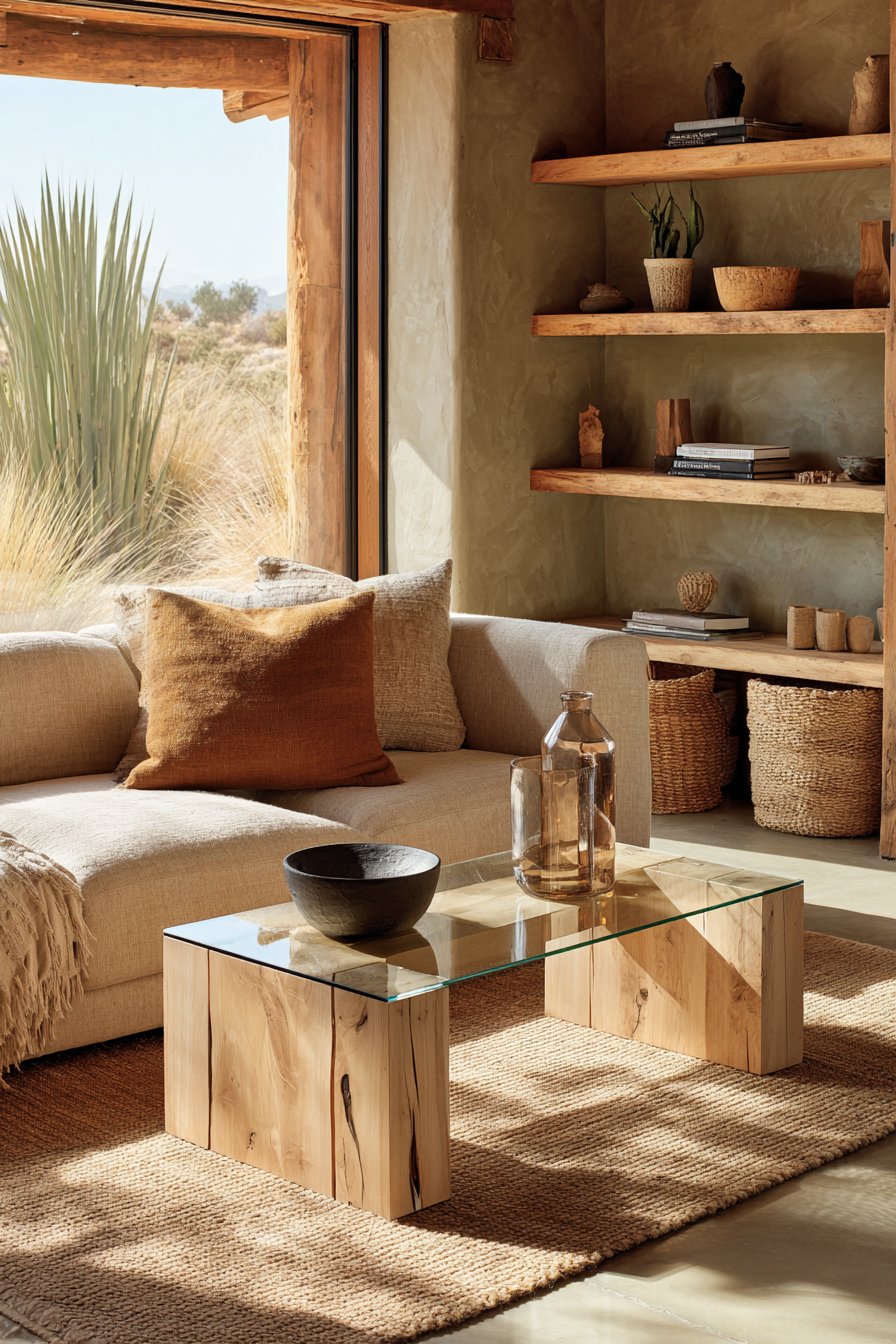
Smart storage solutions maintain this uncluttered aesthetic while keeping your space functional. Woven baskets, wooden cabinets, and storage ottomans in natural materials hide necessities while contributing to your design scheme. The result is a room that feels spacious and serene.
- Adopt a one-in-one-out policy for decorative items
- Use baskets and boxes to corral small items visually
- Choose furniture with hidden storage capabilities when possible
- Display only your favorite meaningful objects rather than collections
- Maintain clear surfaces on coffee tables and side tables
- Regularly reassess and remove items that no longer serve you
Conclusion
Earthy living rooms succeed because they honor our fundamental need for connection, comfort, and authenticity. By incorporating natural colors, organic textures, genuine materials, living plants, warm lighting, and thoughtful organization, you create a space that welcomes everyone who enters. These design principles work together synergistically, each element reinforcing the others to create an environment that feels inherently right.
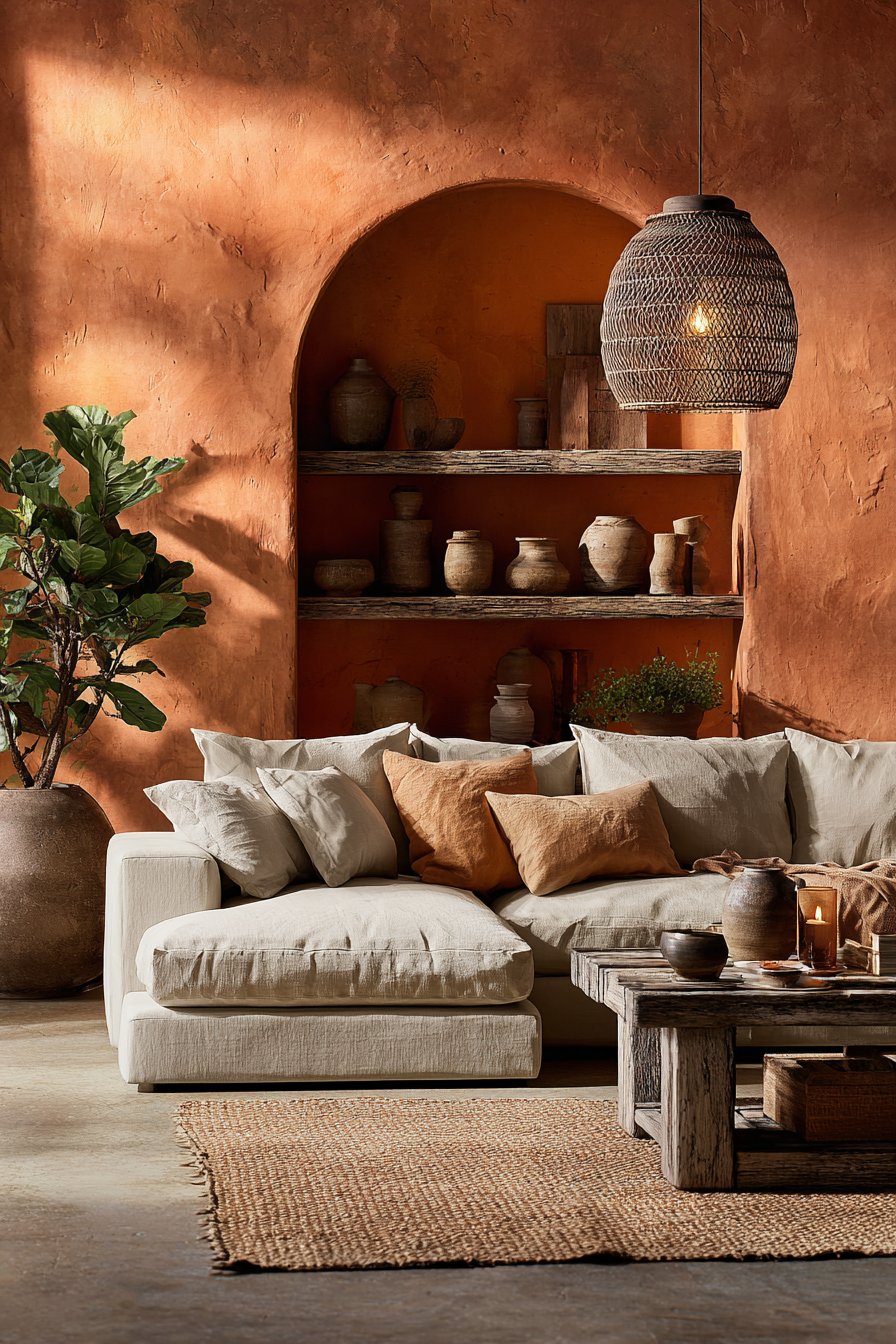
The beauty of earthy design lies in its accessibility and flexibility. You don’t need expensive renovations or designer furniture to achieve this inviting atmosphere. Start with small changes—a plant here, natural textiles there—and build gradually. Your living room will transform into the warm, grounding sanctuary you and your loved ones deserve.
