


When designing a home, every square foot counts. Two of the most debated utility spaces are the mudroom and the dedicated laundry room. Homeowners often struggle to decide which layout deserves priority — especially in smaller homes where space is at a premium. Understanding the strengths of each layout is the first step toward making a smart, long-term decision.
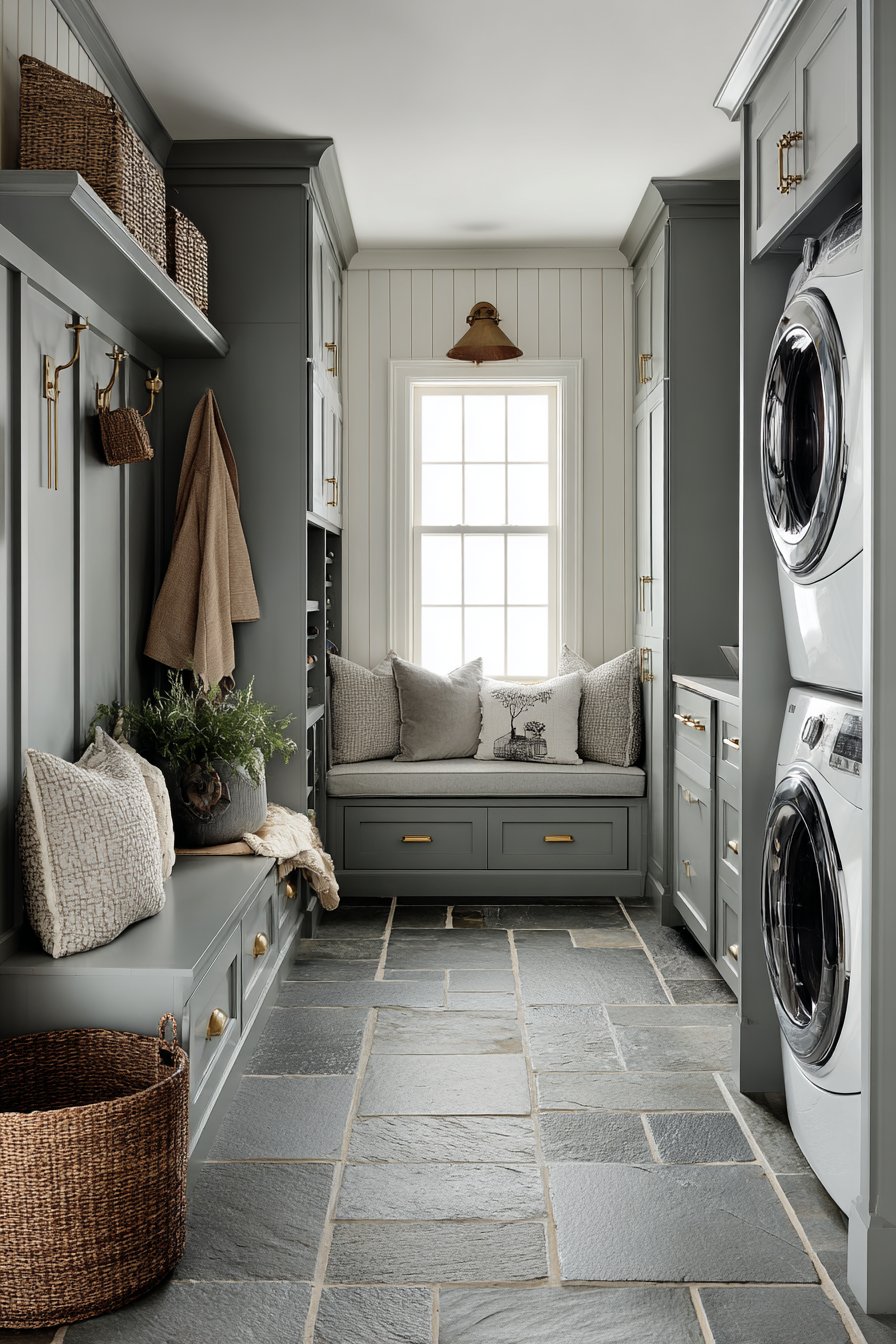
Both spaces serve critical household functions. A mudroom manages daily chaos at entry points, while a laundry room handles the never-ending cycle of washing and drying. Each has a distinct purpose, yet both compete for the same square footage in most modern homes. The right choice depends on your lifestyle, household size, and how you use your home daily.
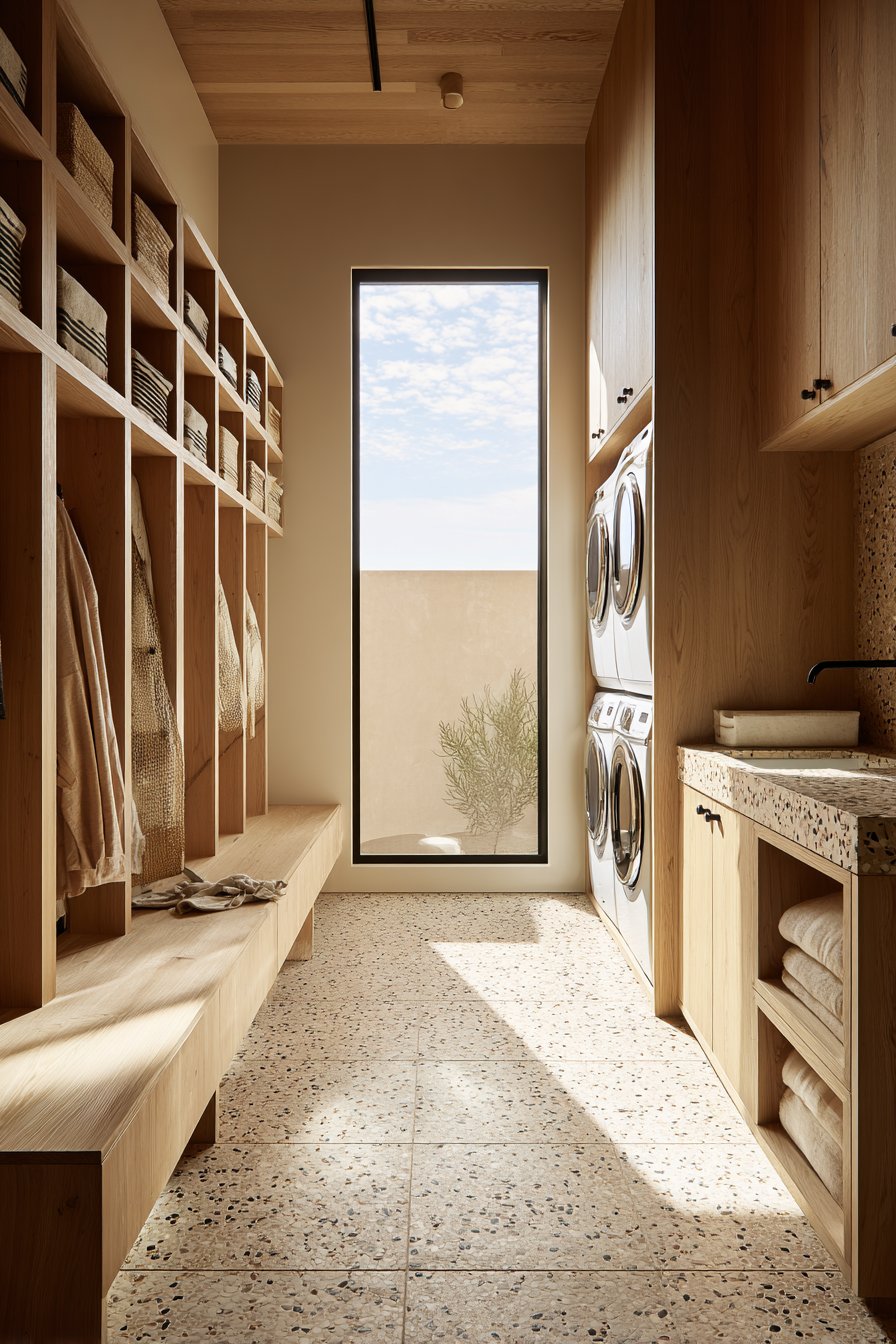
This article breaks down the key differences, benefits, and design strategies for both layouts. Whether you’re planning a new build or remodeling an existing space, you’ll walk away with clear guidance on which option — or combination — works best for your specific needs.
1. Understanding the Mudroom Layout
A mudroom is a transitional space between the outdoors and the main living area. It’s designed to contain mess before it spreads throughout the house. Coats, boots, backpacks, and sports gear all have a designated landing zone, keeping the rest of your home cleaner and more organized.
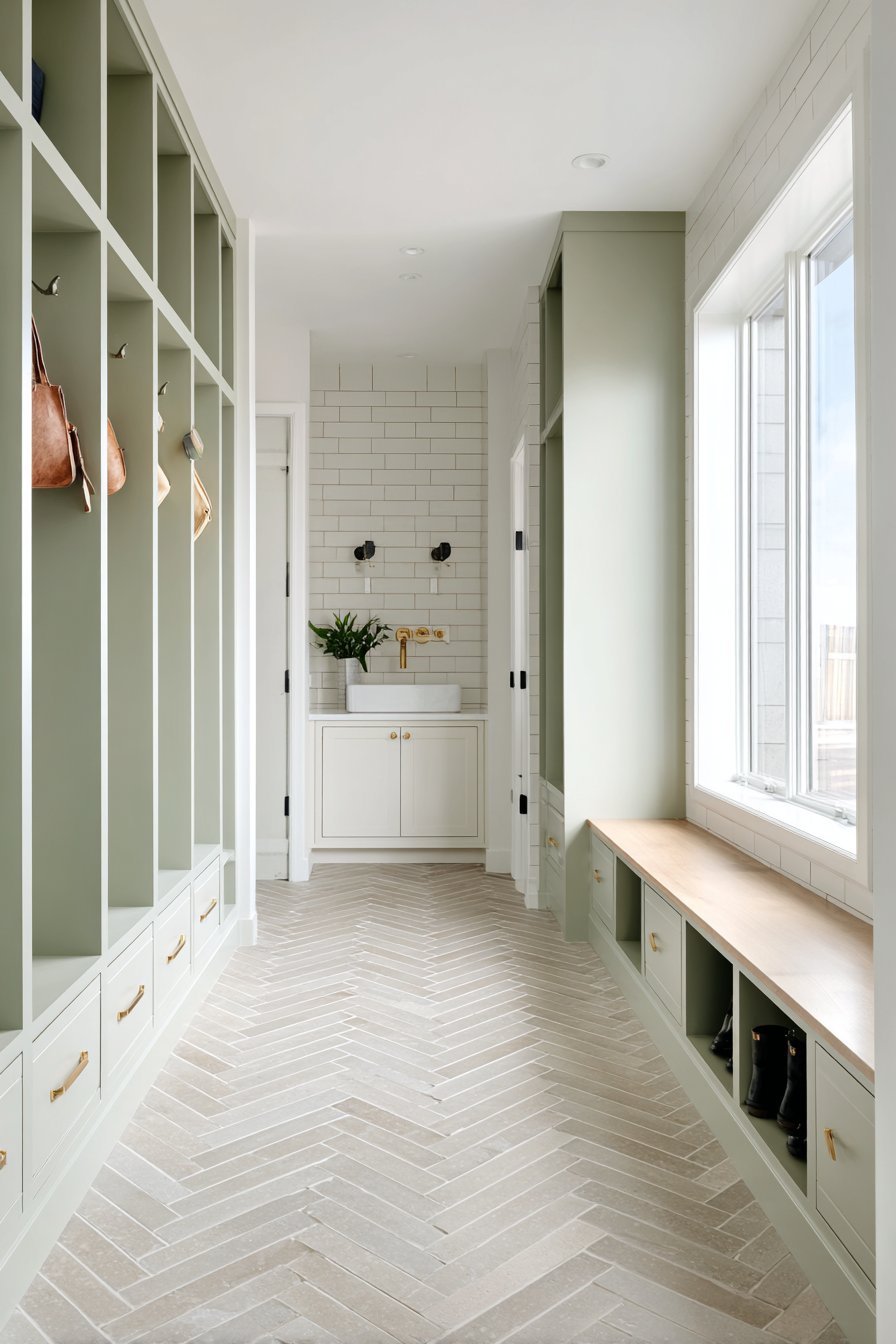
In homes with children or pets, a well-designed mudroom can be transformative for daily routines. Built-in cubbies, hooks at varying heights, and bench seating with hidden storage make entry and exit smoother for every family member. The functional design reduces clutter in hallways and living rooms significantly.
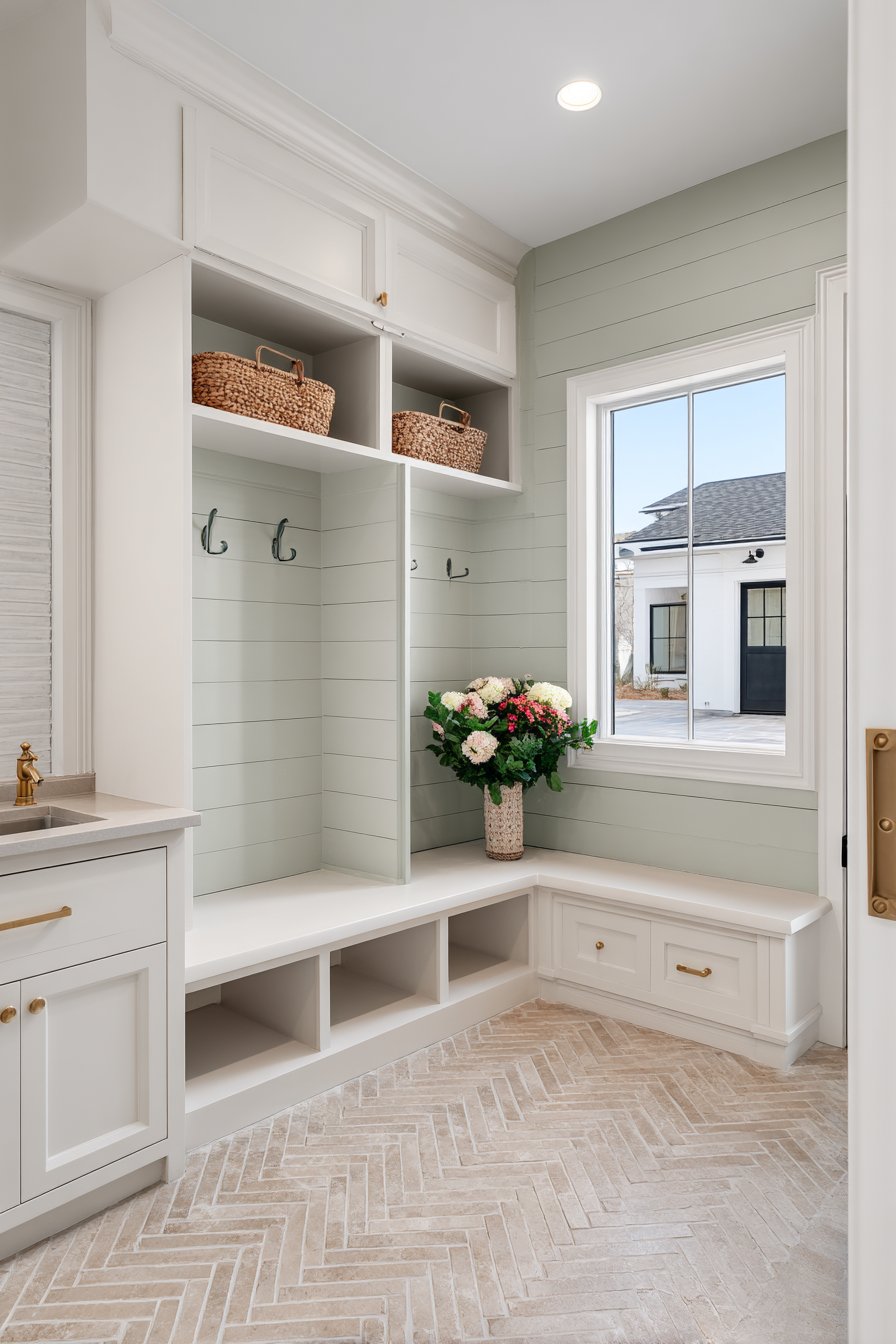
From a design perspective, mudrooms benefit from durable, easy-clean materials like tile flooring, painted shiplap, or moisture-resistant cabinetry. These materials stand up to wet boots, muddy paws, and heavy gear without showing wear. A well-executed mudroom adds both style and practicality to a home’s entry experience.
- Install hooks at multiple heights to accommodate both adults and children
- Choose slip-resistant tile flooring that handles wet and muddy conditions
- Add a built-in bench with lift-top storage for seasonal items
- Use open cubbies for everyday bags and closed cabinets for cleaner aesthetics
- Include a small utility sink for quick handwashing after outdoor activities
- Incorporate adequate lighting to make the space feel welcoming, not cramped
2. Understanding the Dedicated Laundry Room Layout
A dedicated laundry room is purpose-built for washing, drying, sorting, and folding clothes. It centralizes all laundry functions in one contained space, keeping appliances and supplies out of living areas. This layout is especially valuable in multi-person households where laundry is a near-daily activity.
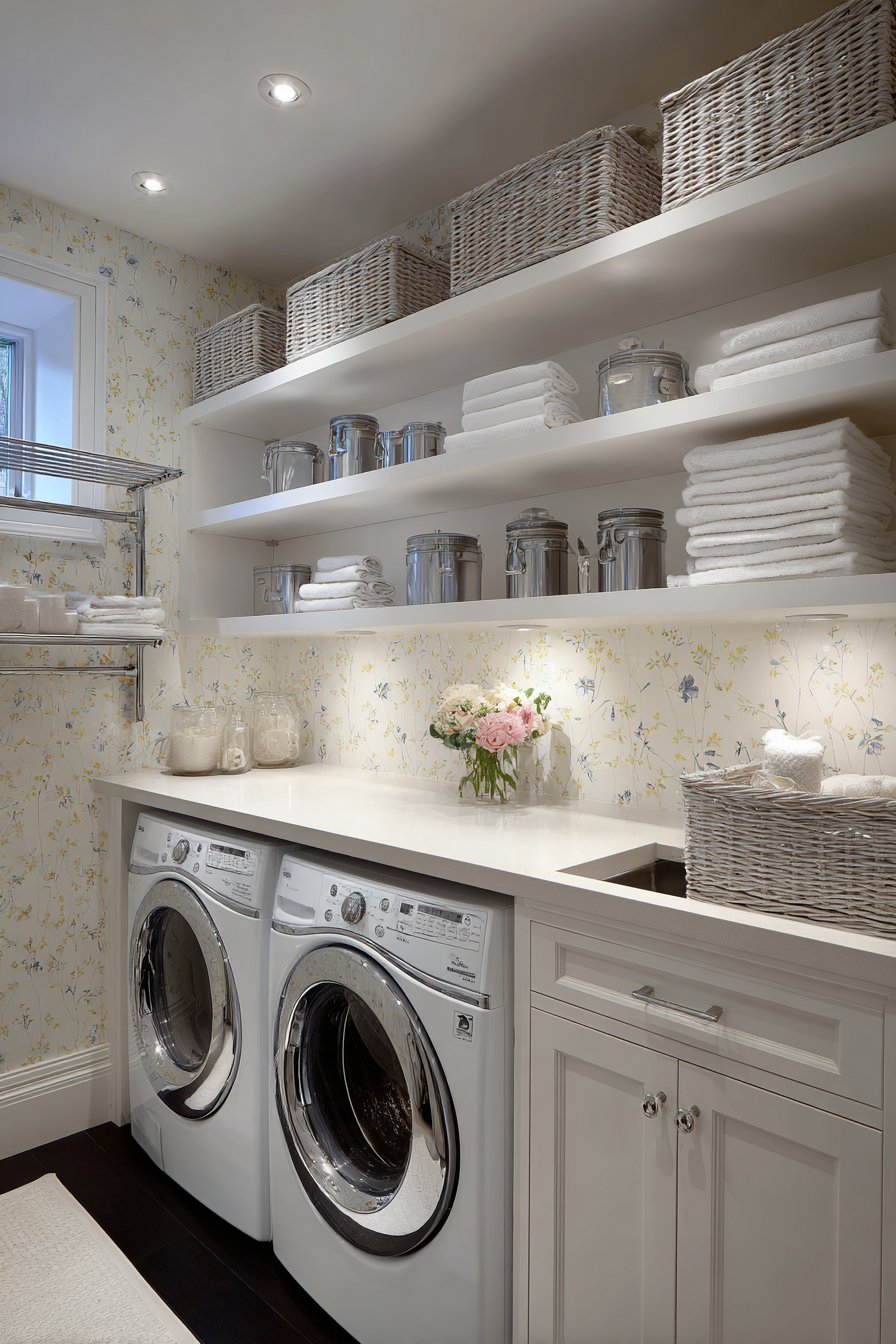
The dedicated laundry room allows for full appliance integration — side-by-side or stacked washer-dryer configurations, utility sinks, folding counters, and extensive storage for detergents and supplies. Having everything in one place dramatically improves efficiency and workflow. You can even design the space to handle ironing and garment steaming in the same room.
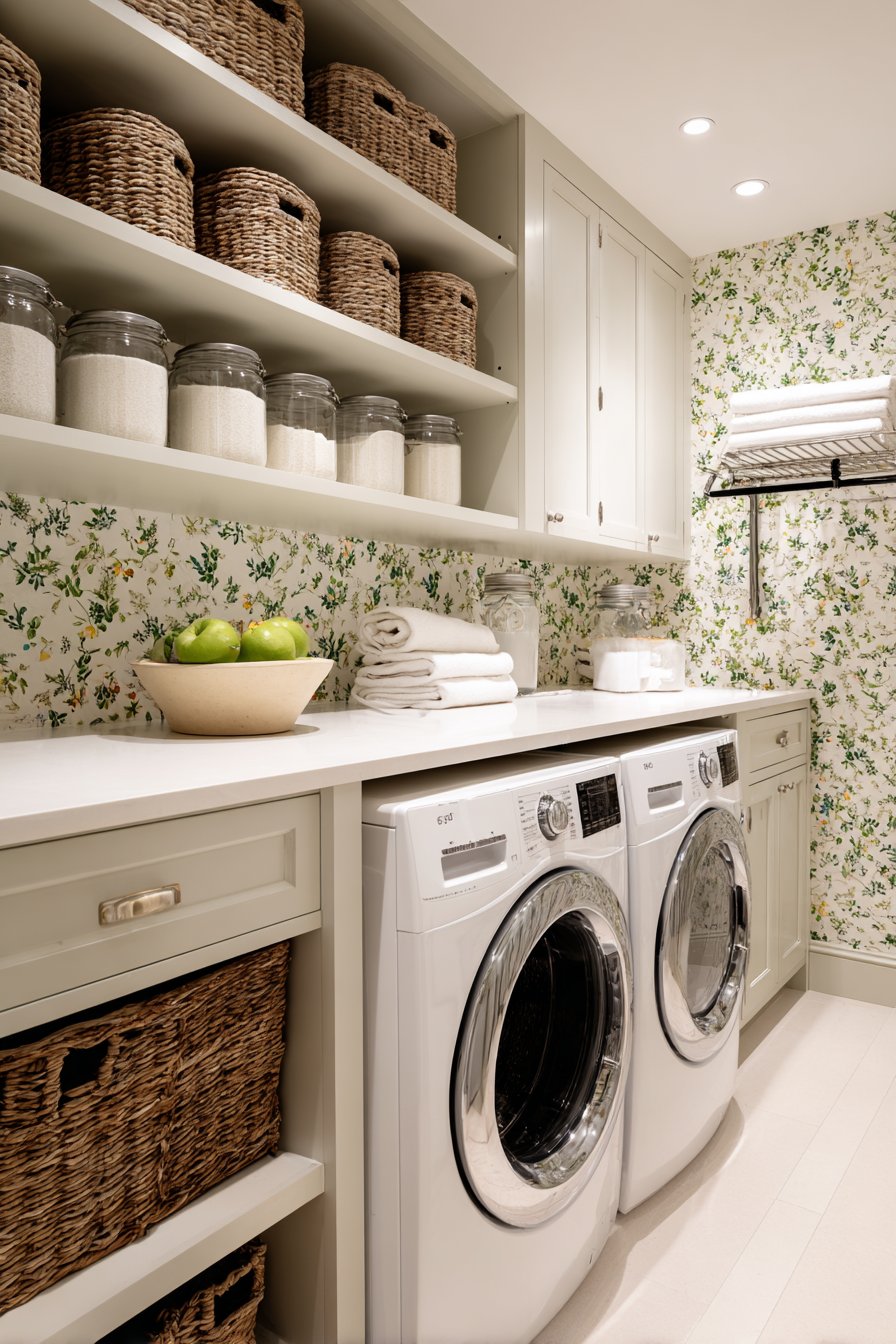
One of the biggest advantages is odor and noise containment. Washers and dryers produce both sound and moisture. A dedicated room with proper ventilation and soundproofing keeps these elements from affecting the rest of the home. This is especially important in open-plan living spaces where noise travels freely.
- Position the laundry room near bedrooms to reduce carrying distance for dirty clothes
- Install a countertop above the washer and dryer for folding convenience
- Use wall-mounted cabinets to keep detergents and supplies organized and out of reach of children
- Add a retractable drying rack or hanging rod for delicate garments
- Include a utility sink for hand-washing and pre-treating stains effectively
- Choose high-efficiency appliances to reduce water and energy consumption
3. Space Requirements: How Much Room Do You Actually Need?
Space is the most critical factor in this decision. A functional mudroom typically requires a minimum of 25 to 40 square feet to include cubbies, seating, and storage. Larger families may need upwards of 60 square feet to accommodate everyone’s gear comfortably.
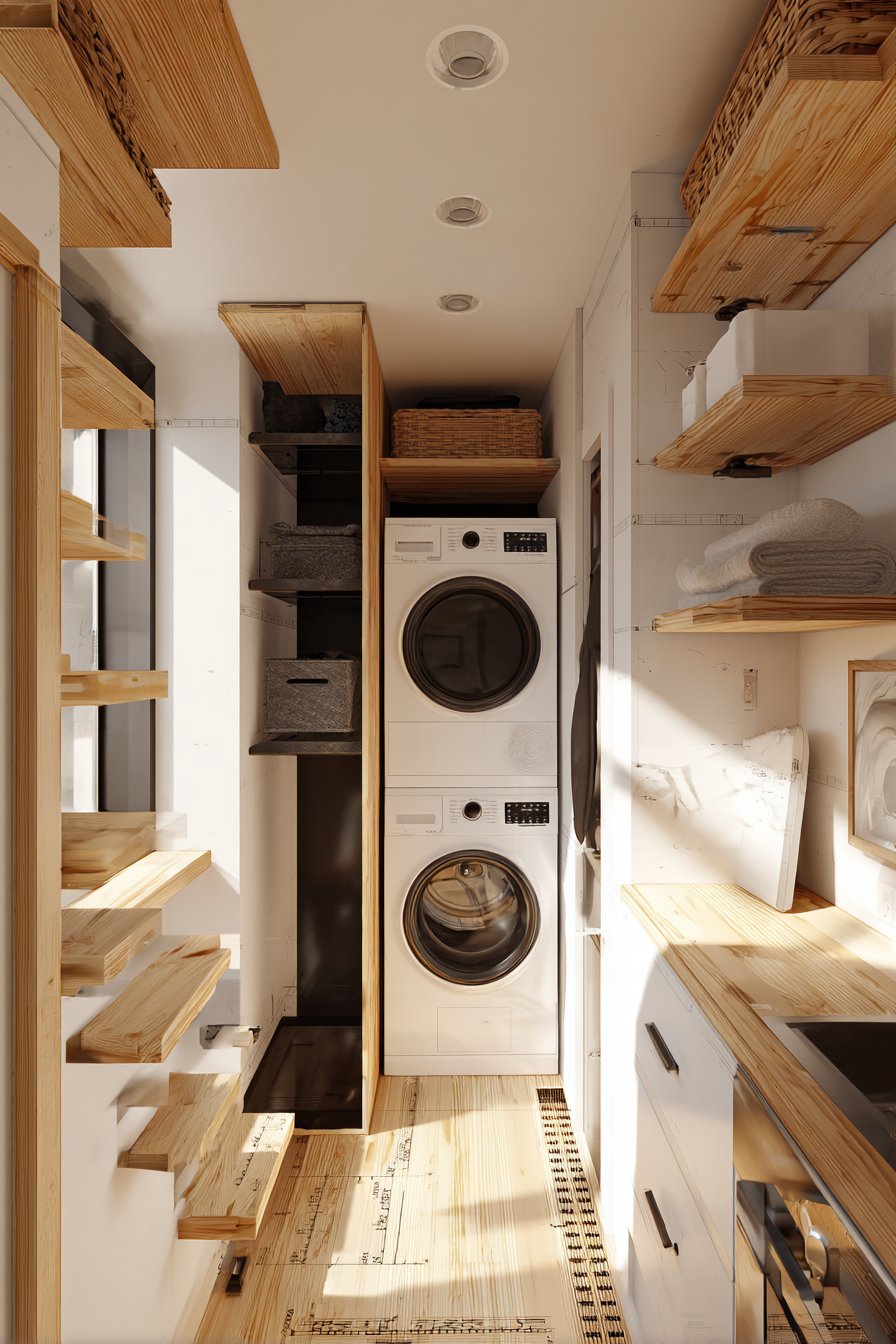
A dedicated laundry room can work in as little as 35 square feet for a stacked washer-dryer configuration. However, a truly functional laundry room with folding space, a utility sink, and storage needs closer to 50 to 80 square feet. Side-by-side appliances alone require about 5 feet of wall width.
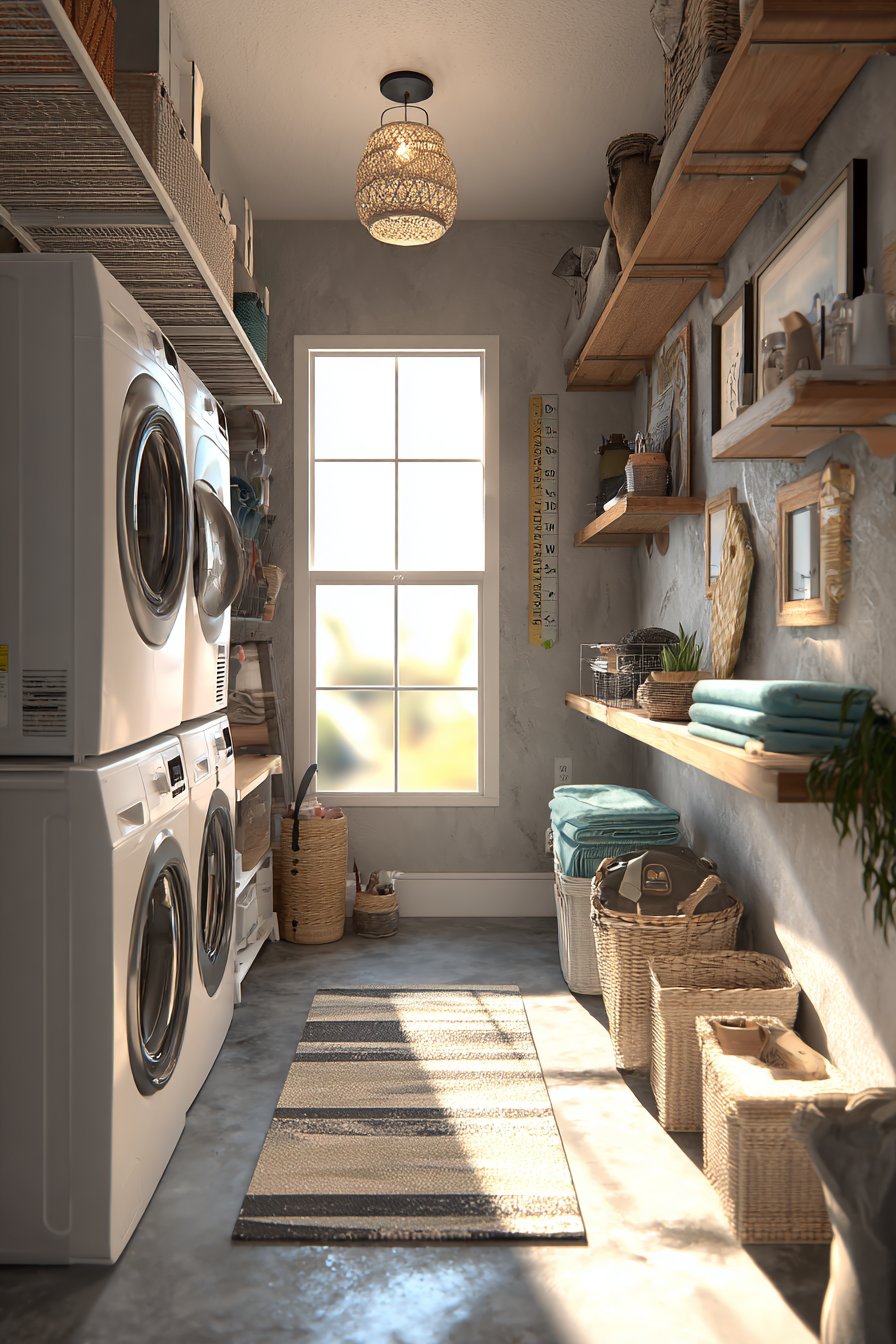
When space is limited, understanding the minimum viable footprint for each layout helps prioritize. In smaller homes under 1,500 square feet, choosing one layout over the other — or combining them cleverly — is often the only realistic option. Measuring your available space carefully before committing to either design is essential.
- Measure your available square footage before finalizing any layout
- Consider ceiling height — taller ceilings allow for vertical storage solutions in both spaces
- Use 3D planning tools to visualize how appliances and furniture fit together
- Account for door swing clearance and traffic flow when calculating usable space
- In tight spaces, consider a pocket or barn door to maximize floor area
- Consult a contractor about load-bearing walls before relocating plumbing or adding cabinetry
4. The Combined Mudroom-Laundry Layout
The combined mudroom-laundry room is one of the most efficient dual-purpose layouts in residential design. It integrates entry organization with laundry functions in a single, well-planned space. This layout is increasingly popular in new construction and whole-home renovations.
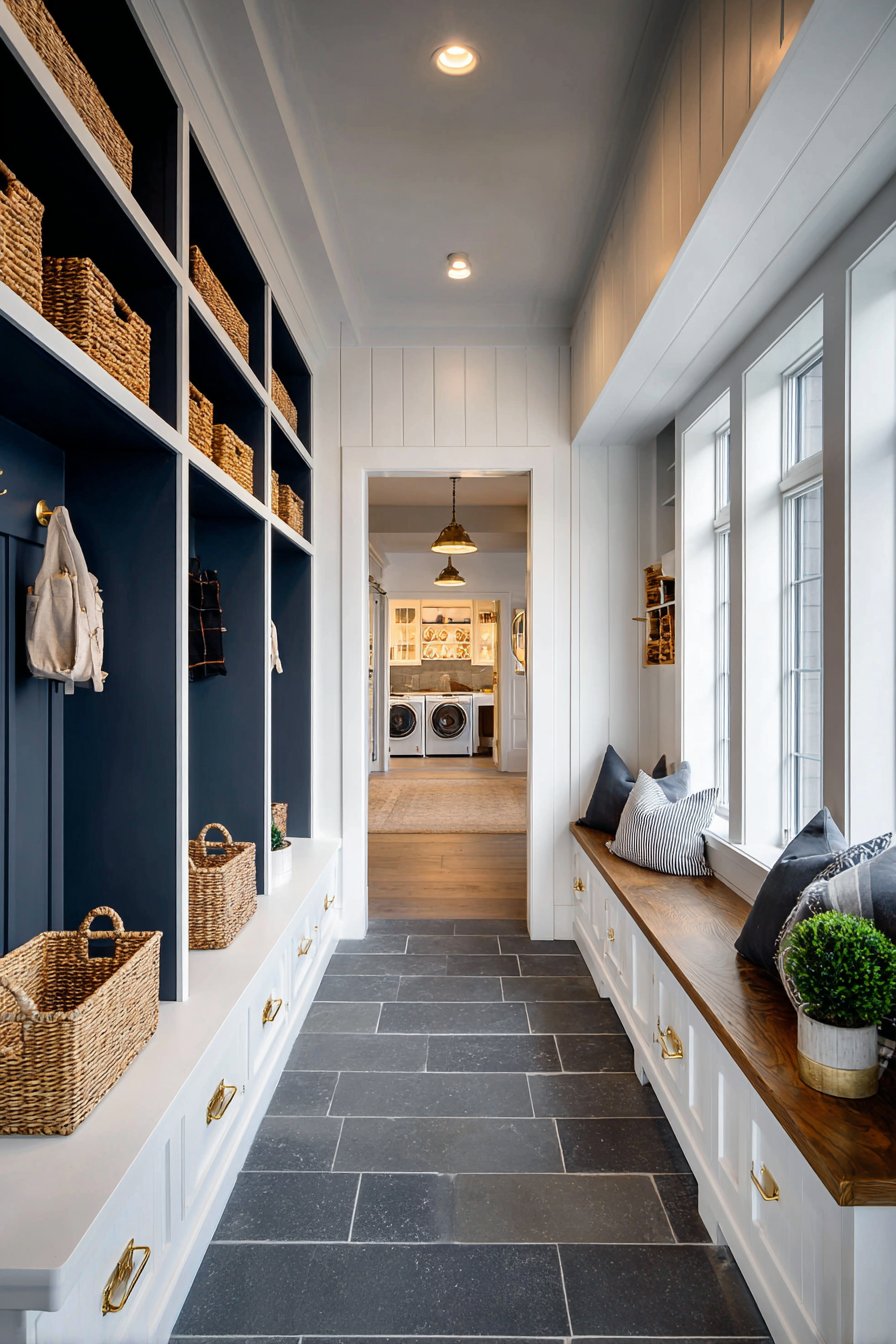
In a combined layout, the laundry appliances anchor one wall while mudroom storage lines another. A utility sink can serve double duty — handwashing on arrival and pre-treating laundry stains. The floor plan needs careful zoning so the two functions don’t visually or physically interfere with each other.
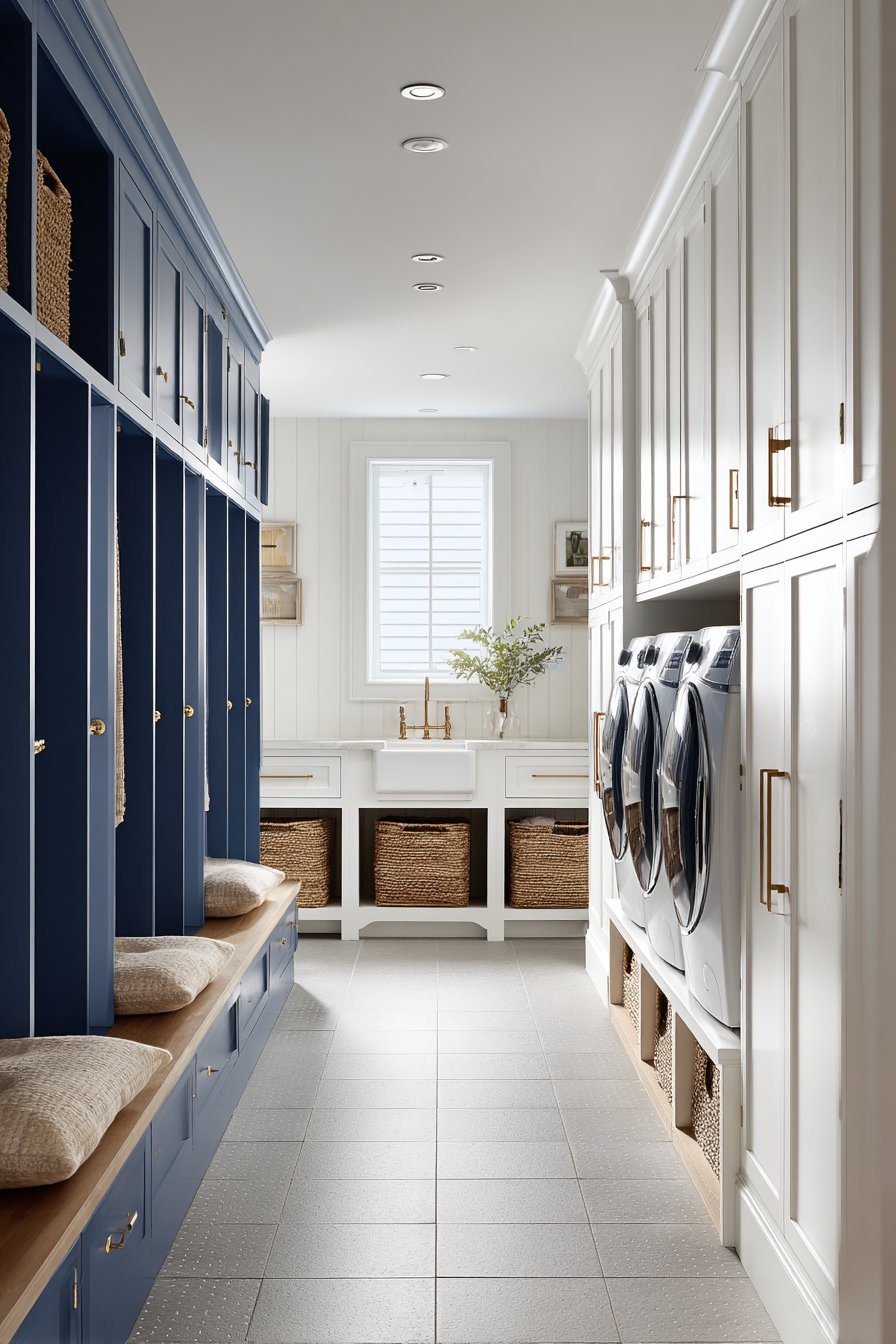
The key to success in a combo layout is clear zoning through design cues. Different flooring materials, cabinet colors, or lighting zones can signal the transition from entry to laundry without a physical wall. This approach maximizes every square foot and creates a hardworking utility hub that handles multiple household needs simultaneously.
- Place laundry appliances away from the entry door to create visual separation
- Use a contrasting cabinet color or flooring to define each zone clearly
- Install a pocket door between zones for noise and odor separation when needed
- Position the utility sink between both zones for maximum versatility
- Choose moisture-resistant flooring throughout since both areas see wet conditions
- Plan electrical and plumbing rough-in to support both appliance needs from day one
5. Traffic Flow and Household Routines
The best layout is the one that fits your household’s daily rhythm. Families with young children who play outdoors benefit enormously from a mudroom near the back door. Active households with sports gear, musical instruments, or hobby equipment need the high-capacity storage a mudroom provides.
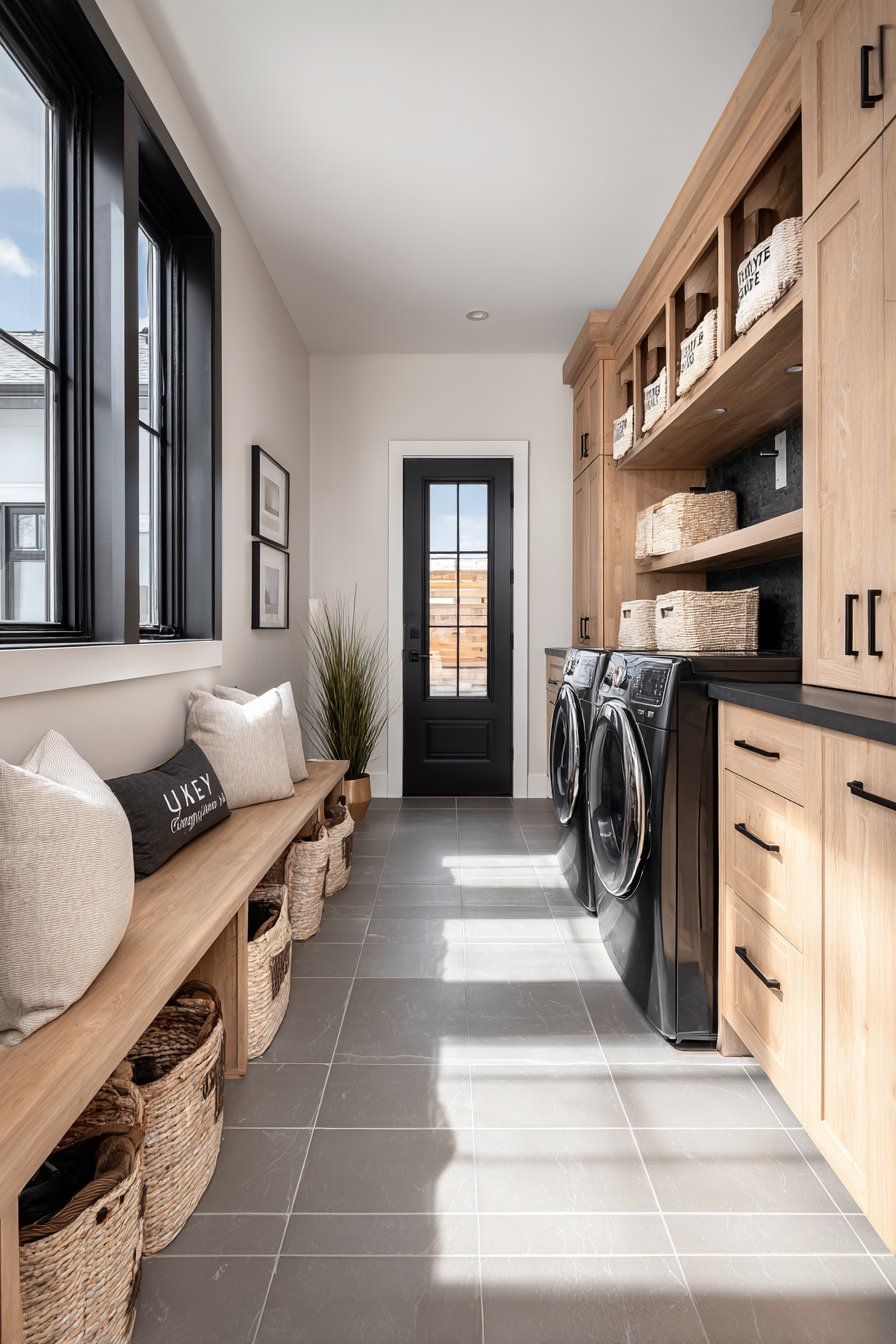
On the other hand, households that prioritize laundry efficiency — like large families or those who work from home — may find a dedicated laundry room more impactful. When laundry is done multiple times per week, having a dedicated, well-equipped room saves significant time and reduces the mental load of managing clothing for multiple people.
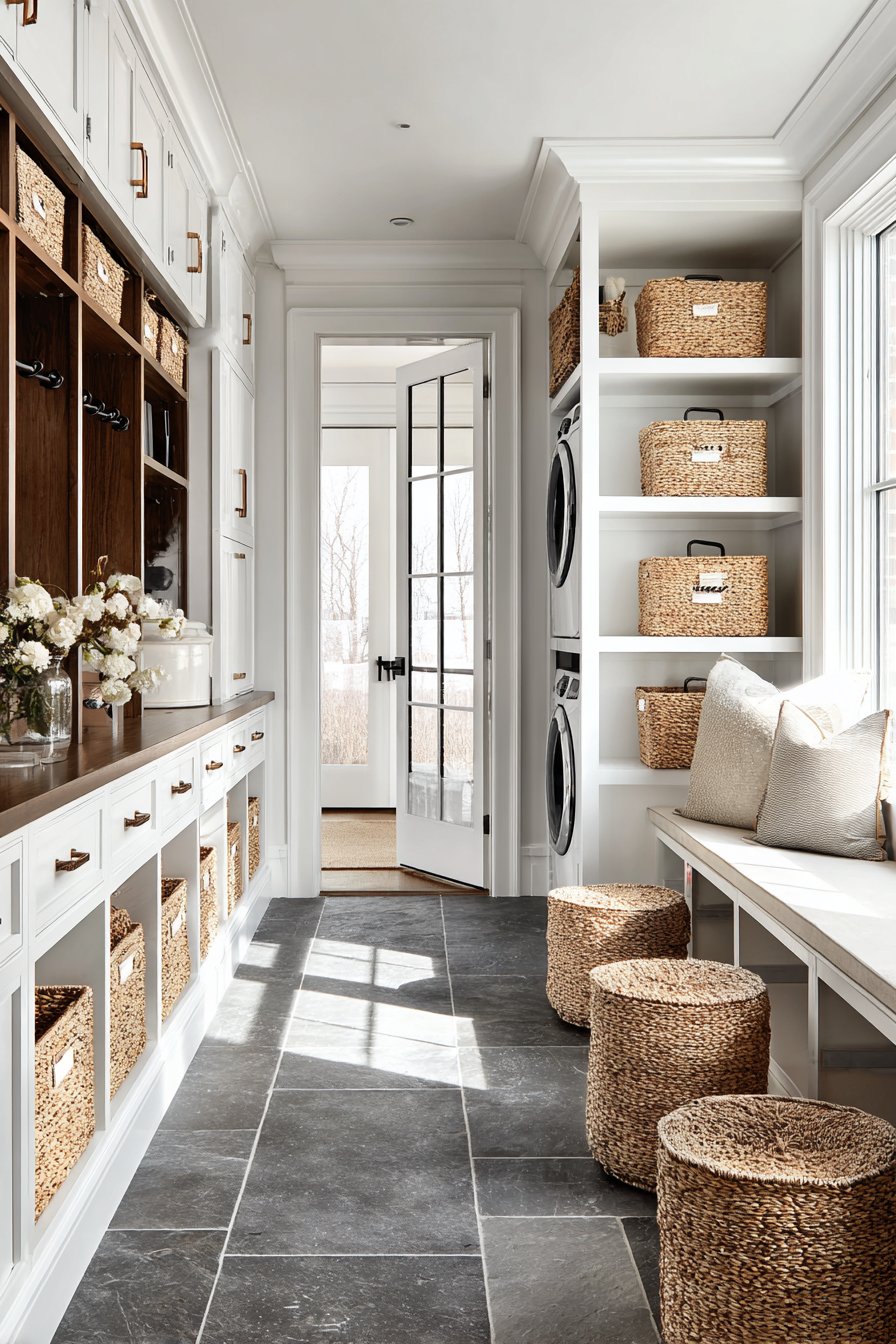
Analyzing your peak usage times helps determine which space gets more traffic. If your family creates more entry mess than laundry, prioritize the mudroom. If laundry backs up faster than coats and boots, the dedicated laundry room deserves more square footage. Honest self-assessment of your habits is the most reliable design guide.
- Track how often you do laundry per week for one full month before deciding
- Note which entry point your family uses most — front door vs back door — to position the mudroom correctly
- Consider future household changes like growing children or aging parents
- Evaluate whether laundry is done in batches or spread throughout the week
- Observe where clutter accumulates most in your current home
- Let real usage patterns — not idealized routines — guide your layout decision
6. Storage Strategies for Each Layout
Storage is the backbone of both mudroom and laundry room design. In a mudroom, per-person storage zones are the gold standard. Each family member gets a designated cubby, hooks, and basket — reducing conflicts and keeping items easy to find. Labeled storage adds another layer of organization.
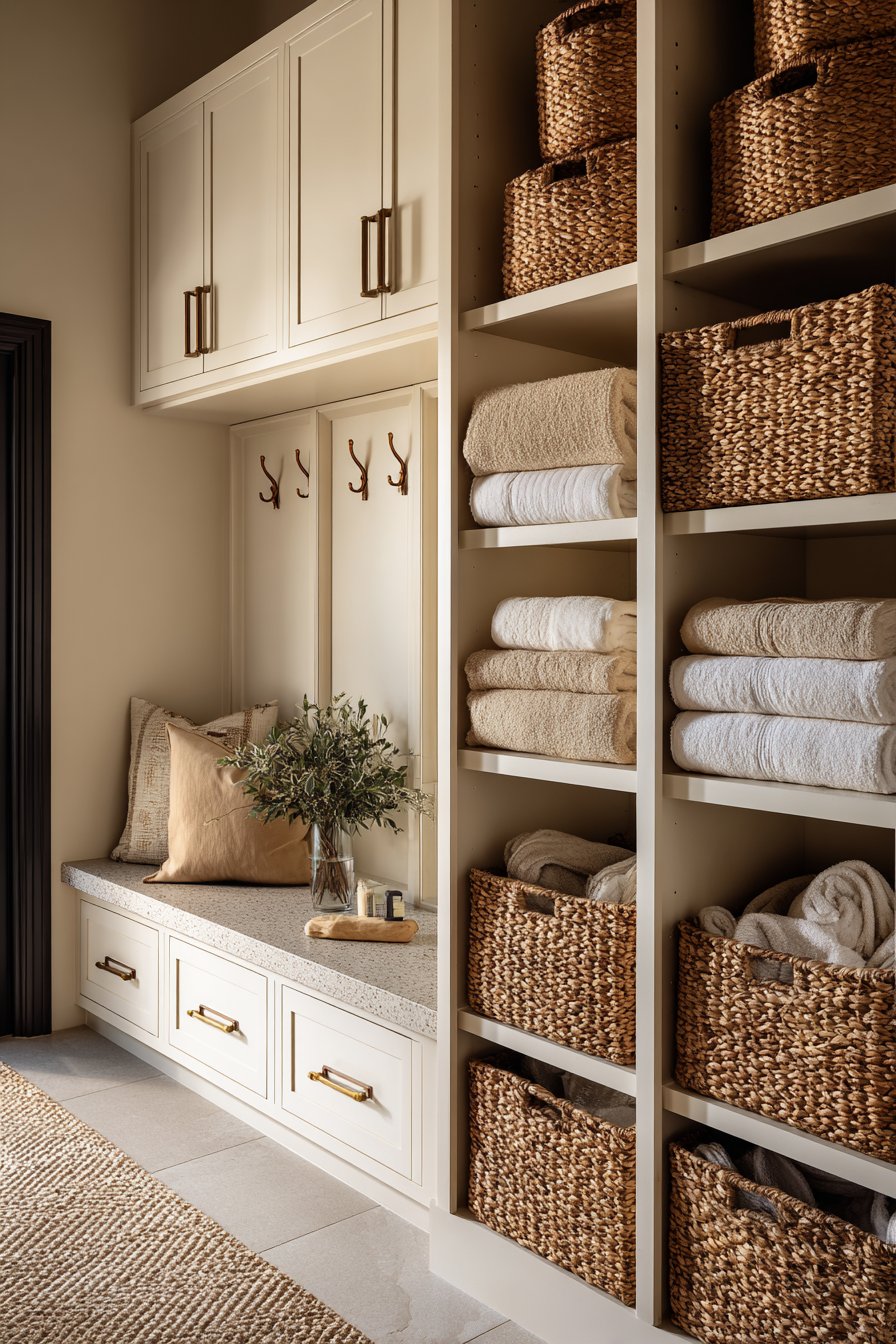
In a dedicated laundry room, vertical storage is king. Wall-mounted cabinets above the washer and dryer, open shelving for frequently used supplies, and pull-out hamper drawers built into cabinetry create a seamless workflow. Labeling bins for lights, darks, and delicates reduces sorting time significantly.
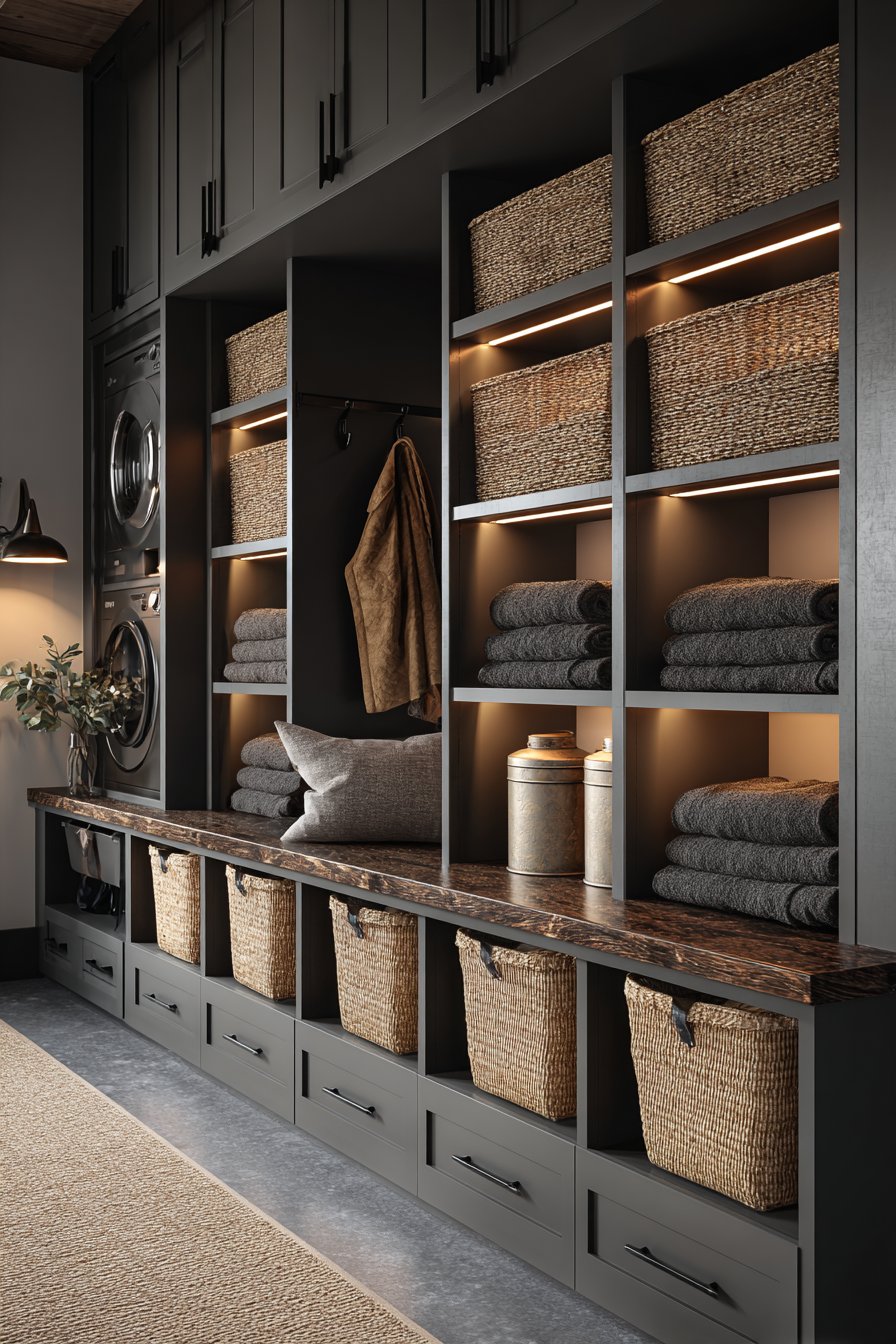
Both layouts benefit from hidden storage to maintain a clean, uncluttered appearance. Bench seats with lift-top compartments, cabinet doors that conceal supplies, and built-in baskets tucked below counters keep surfaces clear. A clutter-free utility space is both more functional and more pleasant to use daily.
- Assign one cubby or locker per household member in the mudroom for accountability
- Use uniform baskets or bins to create visual cohesion on open shelves
- Install hooks at 66 to 72 inches high for adult coats and lower for children
- In the laundry room, use pull-out hampers to separate laundry categories automatically
- Keep a small step stool nearby for accessing upper cabinet storage safely
- Declutter both spaces seasonally to prevent storage overload
7. Plumbing and Electrical Considerations
Both layouts involve significant utility infrastructure. A mudroom with a utility sink requires a cold and hot water supply line plus a drain. This adds cost but dramatically increases functionality, especially for homes with pets or children who come in dirty from outdoor play.
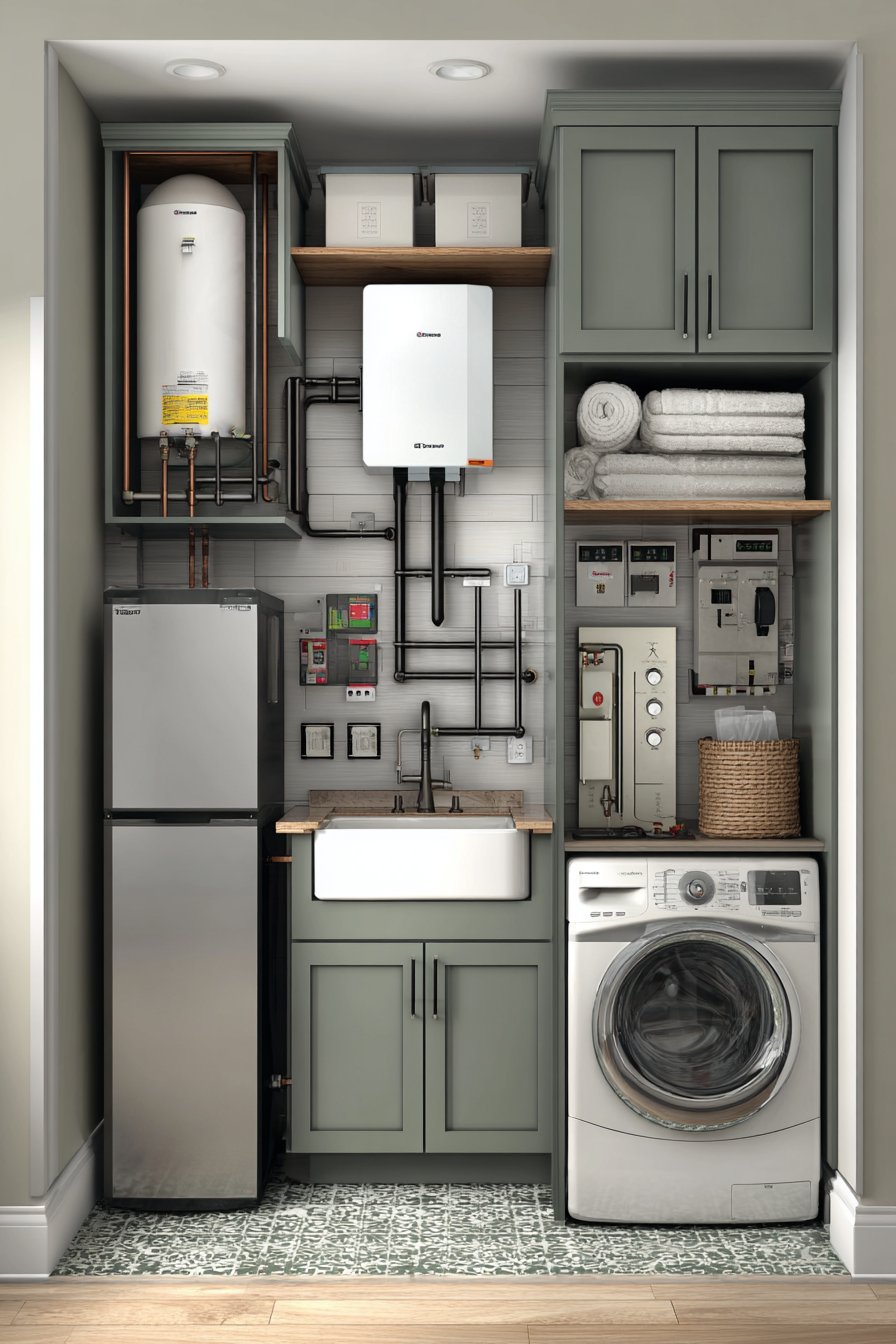
A dedicated laundry room requires 220-volt electrical service for the dryer, plus cold and hot water lines and a drain for the washer. Proper ventilation through an exterior duct is also mandatory for gas or electric dryers. These are non-negotiable requirements that affect the room’s location during a remodel or new build.
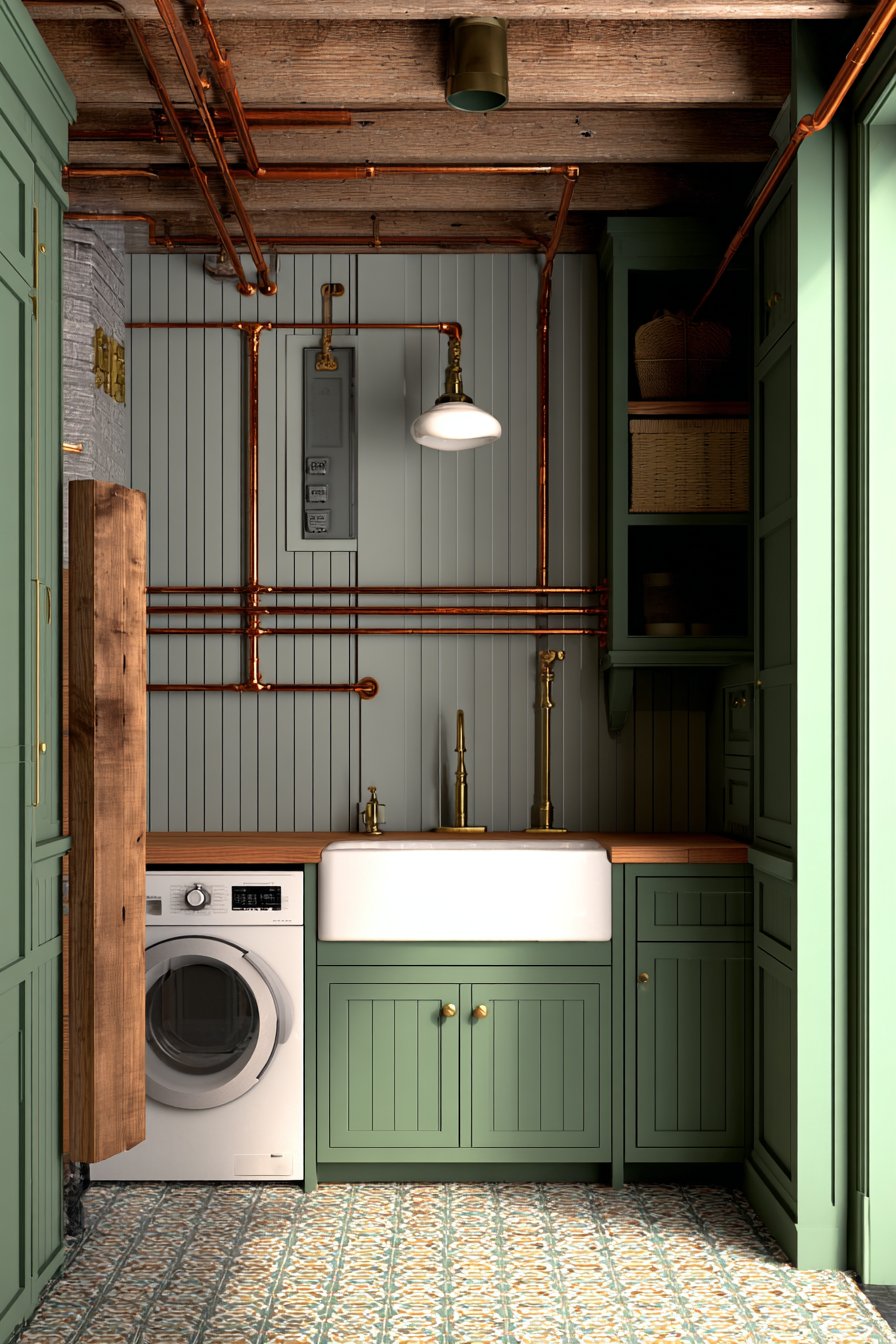
The location of existing plumbing stacks in your home often determines where these rooms can realistically go. Moving plumbing is expensive — sometimes adding $2,000 to $5,000 or more to a project. Planning utility spaces near existing plumbing infrastructure is the most cost-effective approach for both layouts.
- Always work with a licensed plumber and electrician for utility rough-in work
- Position new utility spaces near existing plumbing walls to minimize pipe runs
- Budget for proper ventilation — both layouts need it for moisture control
- Install a floor drain in the laundry room as a precaution against appliance leaks
- Consider in-wall electrical outlets to avoid visible cords in the mudroom
- Get multiple contractor quotes before committing to any layout change involving plumbing
8. Resale Value and Buyer Appeal
From a real estate perspective, both spaces add tangible value. A well-designed mudroom is a top-ranked feature among home buyers with families. It signals organization, practicality, and thoughtful design. In competitive markets, a functional mudroom can differentiate a listing meaningfully.
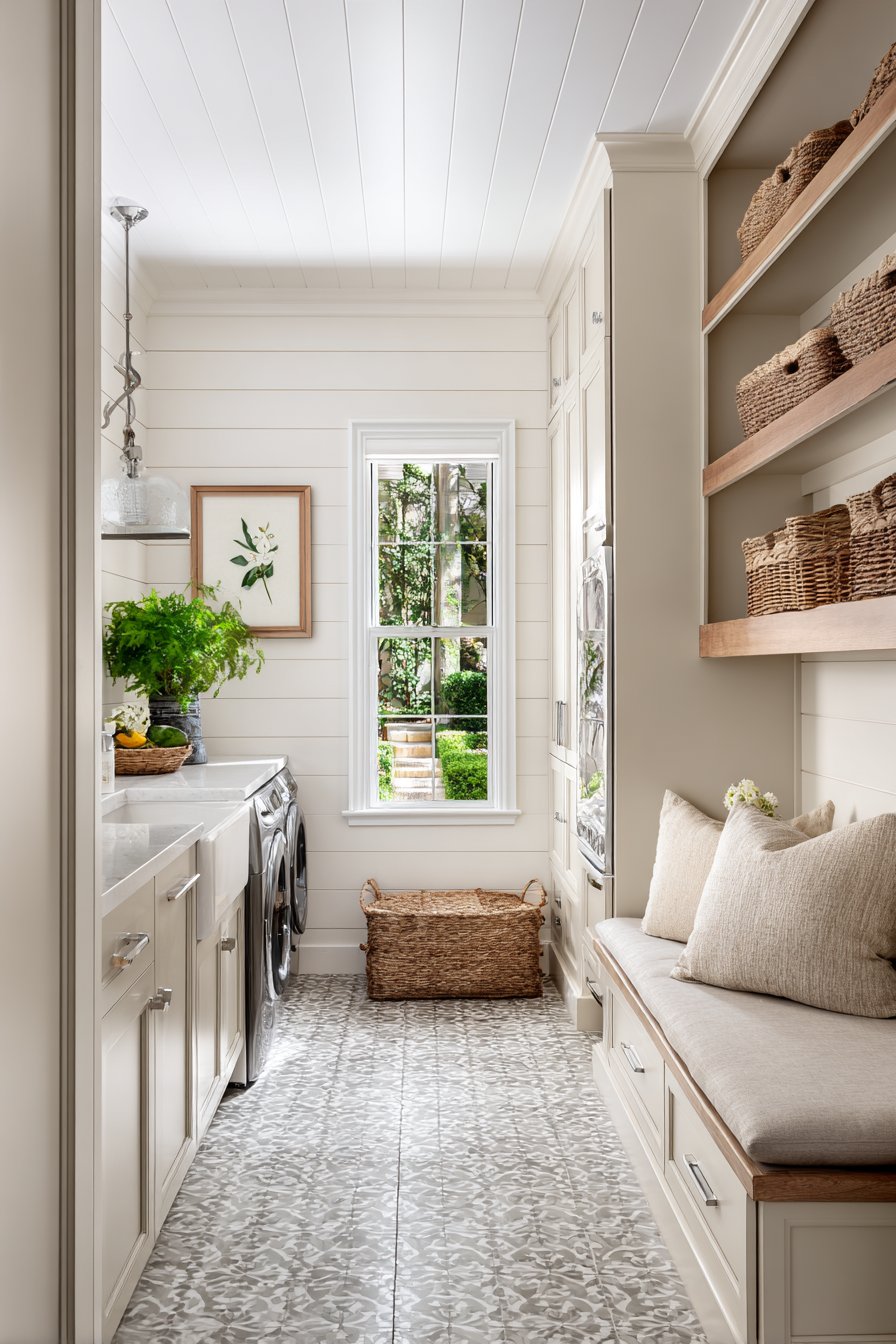
A dedicated laundry room consistently ranks as one of the most desired home features in national buyer surveys. Buyers with families specifically look for laundry rooms on the main floor or close to bedrooms. A laundry room in the basement is less desirable than one near living spaces.
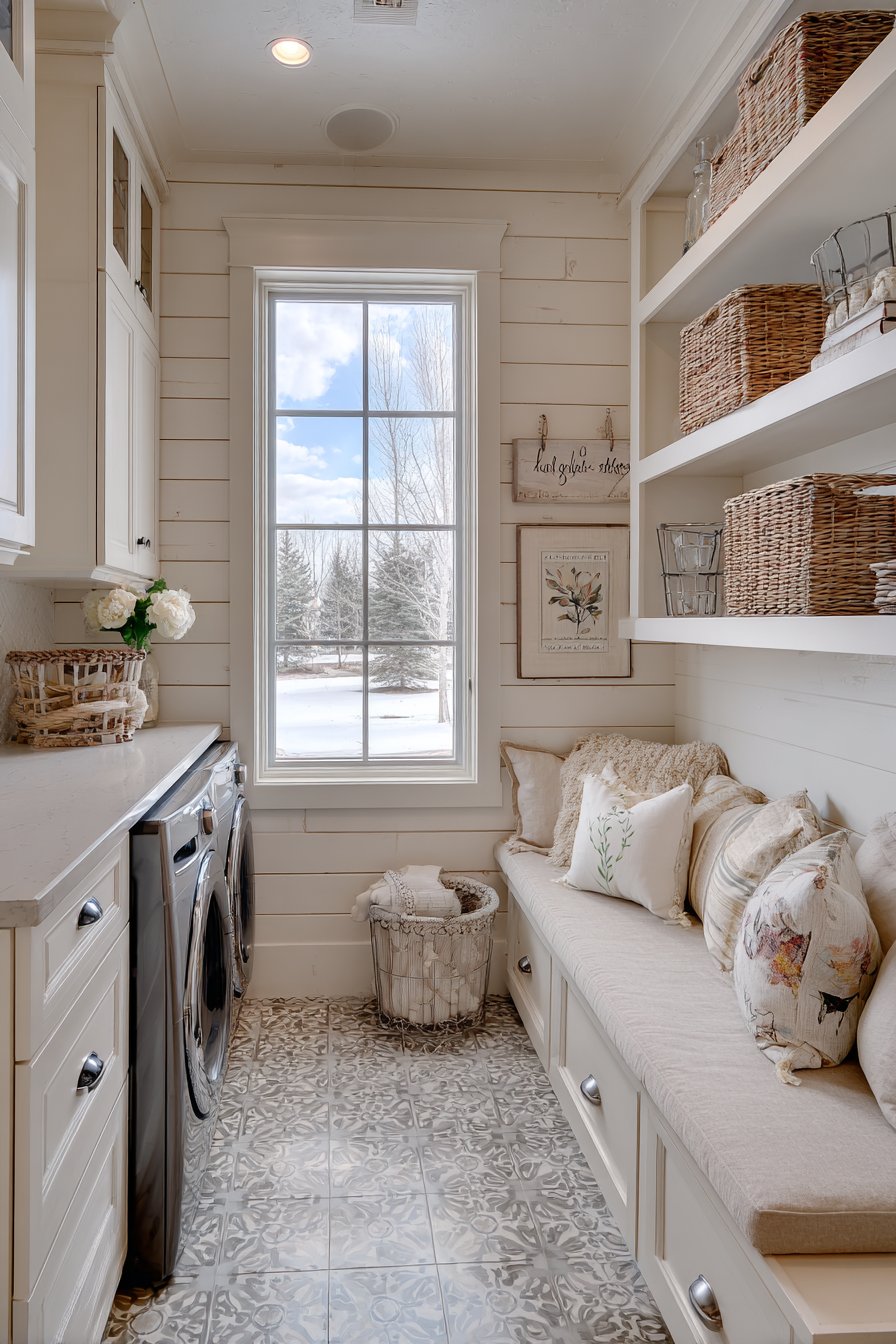
The combined mudroom-laundry room offers maximum buyer appeal because it satisfies both desires simultaneously. Homes with this dual-function utility hub often attract more interest from families, which represent the largest segment of homebuyers. Investing in either layout — or both — typically yields a strong return.
- Research comparable homes in your market to see which utility features command premiums
- Highlight both spaces in listing descriptions and photography with professional styling
- Ensure all appliances are updated before selling — dated washers and dryers reduce appeal
- Stage the mudroom with coordinated storage accessories for photography
- A neutral color palette in both spaces appeals to the widest range of buyers
- Consult a local real estate agent about which feature is most valued in your specific neighborhood
9. Budget Comparison: What Will Each Layout Cost?
Budget is often the deciding factor. A basic mudroom renovation costs between $1,000 and $5,000 for DIY-friendly built-ins and flooring. A fully custom mudroom with built-in cabinetry, tile flooring, bench seating, and a utility sink can reach $10,000 to $20,000 depending on materials and labor.
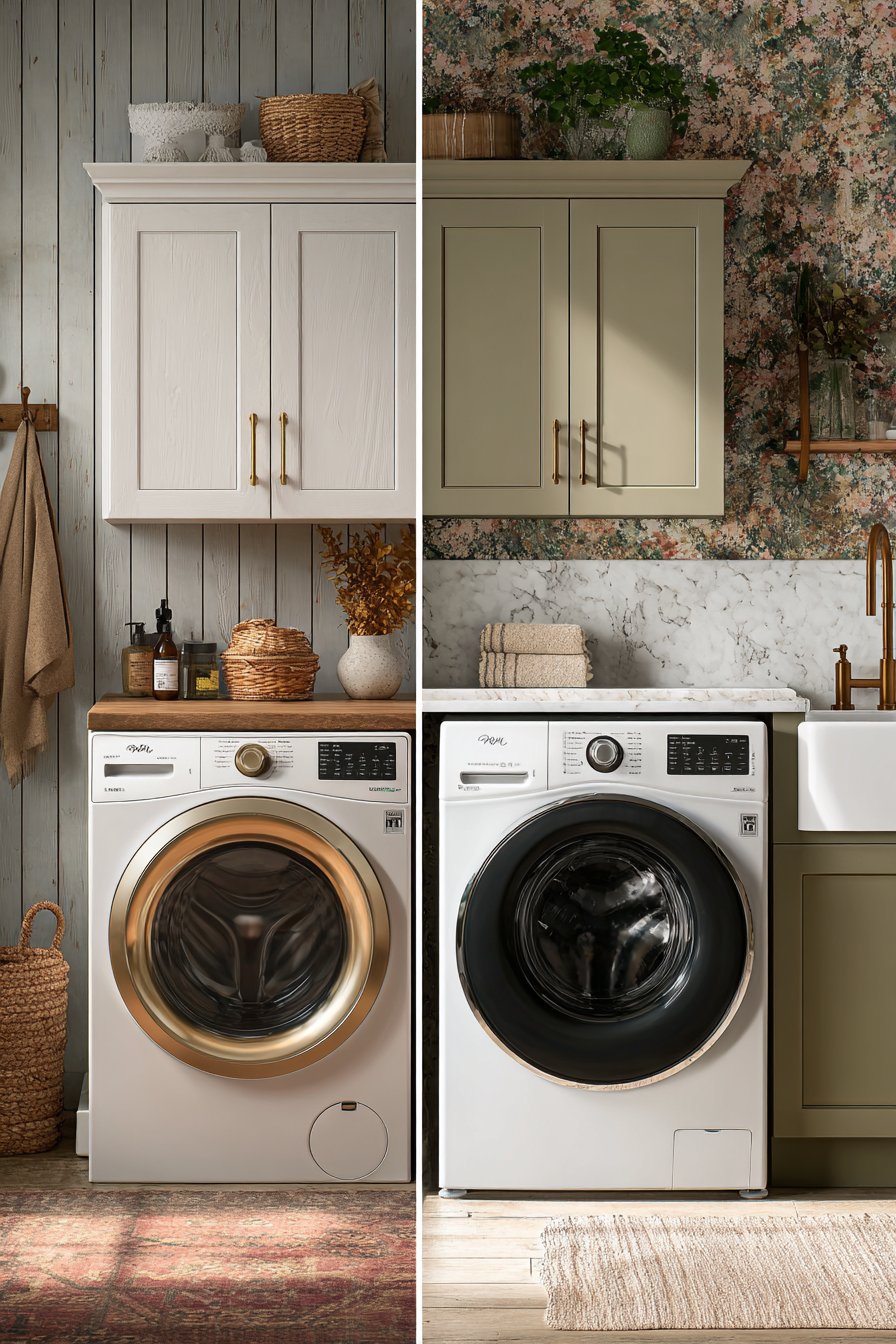
A dedicated laundry room renovation ranges from $3,000 to $8,000 for a basic update including new appliances, cabinetry, and flooring. High-end laundry rooms with custom cabinetry, quartz countertops, and designer tile can cost $15,000 or more. Appliance costs alone range from $800 for entry-level pairs to over $3,000 for premium models.
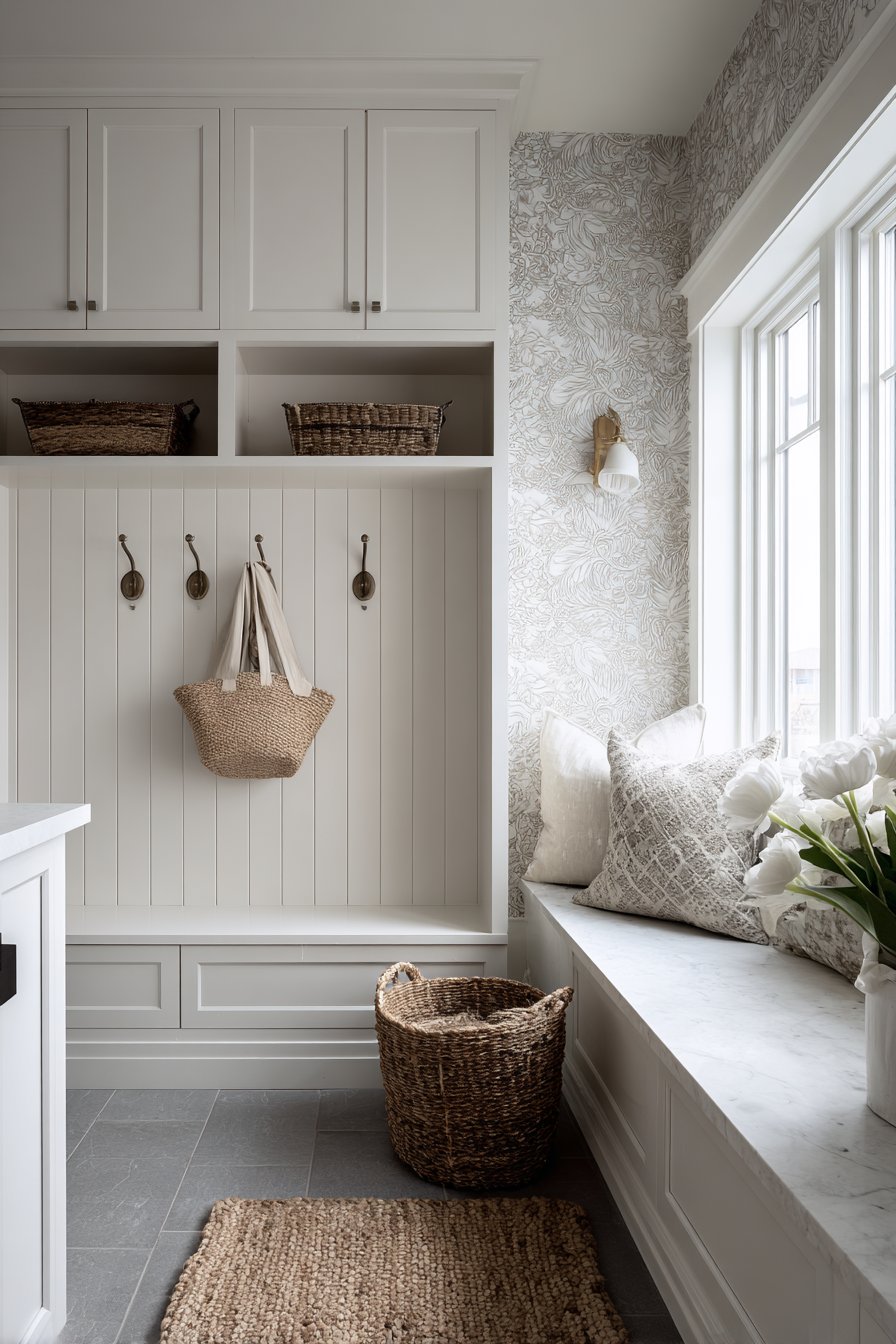
The combined mudroom-laundry layout typically costs 20 to 30 percent more than either space alone, but significantly less than building two separate rooms. For budget-conscious homeowners, the combo layout delivers the best value per dollar by consolidating plumbing, electrical, and cabinetry investments into one comprehensive space.
- Set a firm budget before meeting with contractors to avoid scope creep
- Prioritize spending on durable flooring and cabinetry — these see the most wear
- Consider IKEA or stock cabinetry for laundry rooms to reduce costs without sacrificing function
- DIY the mudroom bench and hooks if you have basic carpentry skills to save $500 to $2,000
- Get at least three contractor bids to ensure competitive pricing
- Phase the project over time — complete the most-used area first if budget is tight
10. Design Aesthetics: Making Utility Spaces Beautiful
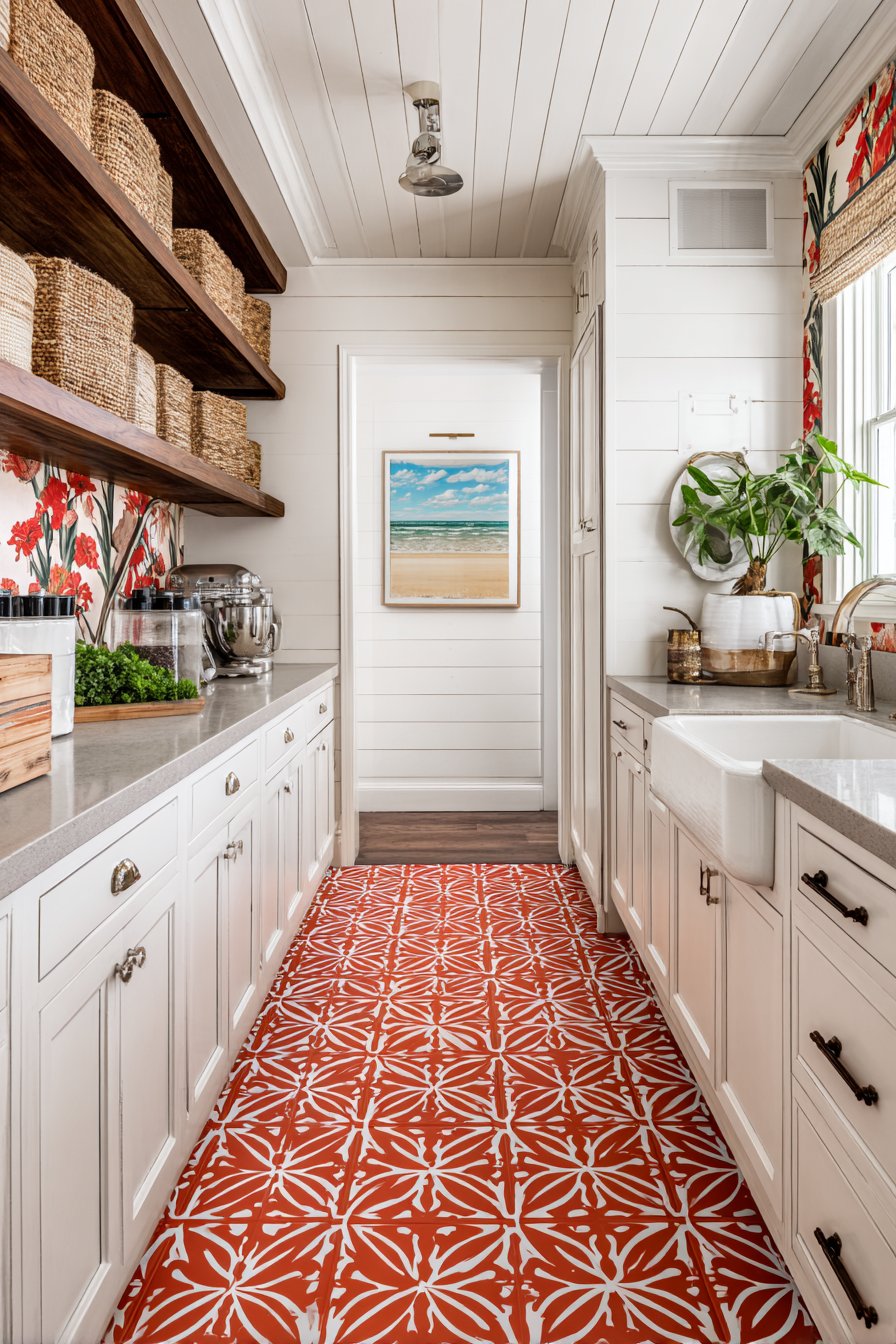
Utility spaces no longer have to look purely functional. Today’s mudrooms feature shiplap accent walls, designer tile, custom millwork, and curated accessories that rival any living space in style. The design approach treats the mudroom as a true room — one that deserves the same aesthetic attention as a kitchen or bedroom.
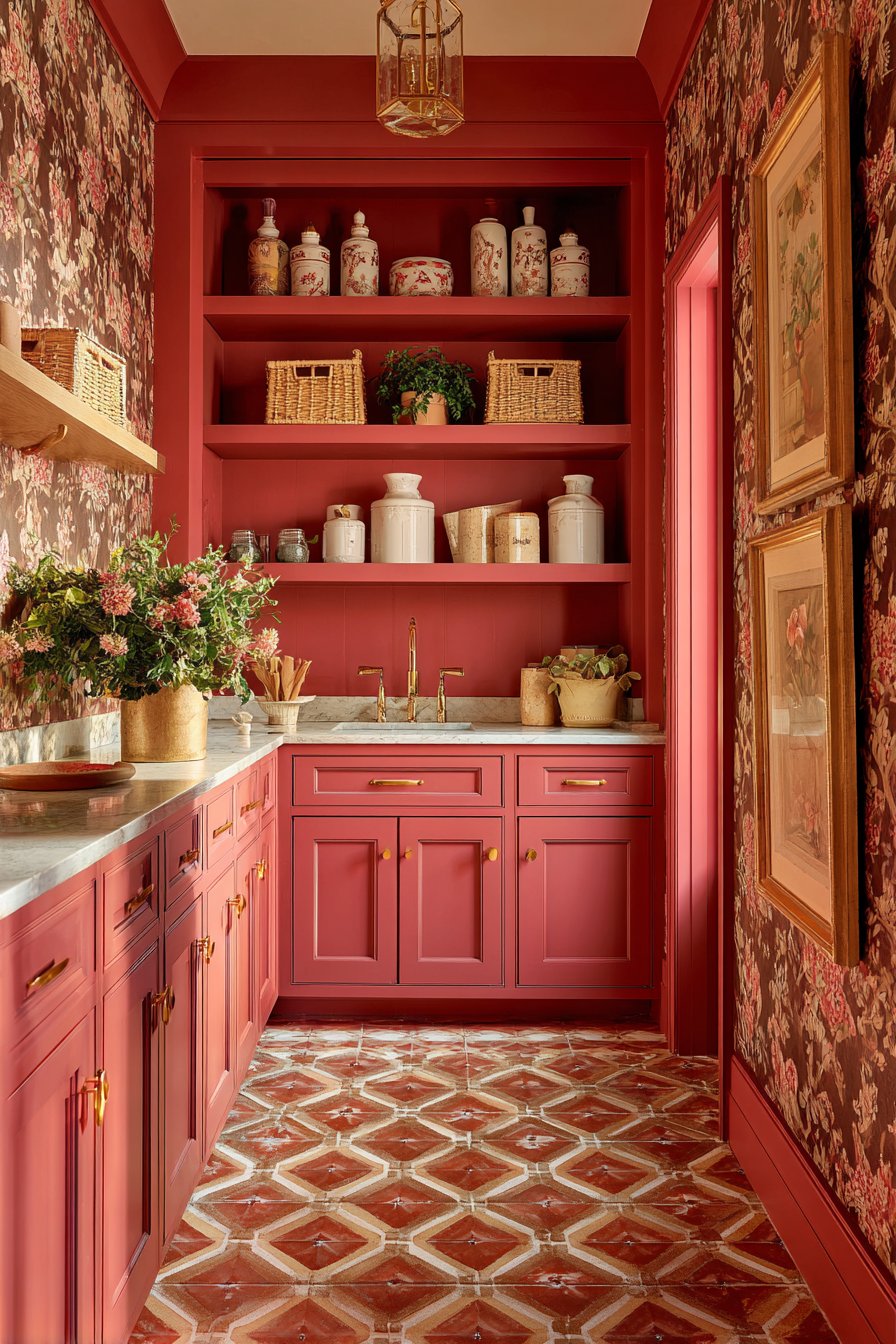
Laundry rooms have undergone a similar transformation. Statement wallpaper, open shelving with ceramic canisters, linen-colored cabinetry, and brass hardware turn a utilitarian space into something genuinely enjoyable to spend time in. When laundry feels like less of a chore, it gets done more consistently.
The key to beautiful utility spaces is restraint with color and pattern. Bold choices work well when balanced with neutral surroundings. A patterned floor tile in the mudroom paired with simple white shiplap walls creates a strong focal point without overwhelming the space. Cohesive design language between utility spaces and the rest of the home creates a polished, intentional feel throughout.
- Choose a color palette that complements your home’s overall interior scheme
- Use patterned cement tile on the floor as a low-maintenance, high-impact design choice
- Incorporate open shelving with styled accessories to add personality without clutter
- Select cabinet hardware in a finish that repeats elsewhere in the home for cohesion
- Add a small piece of art or a framed print to make utility spaces feel intentional
- Use under-cabinet lighting in both spaces for both function and ambiance
Conclusion
Choosing between a mudroom and a dedicated laundry room ultimately comes down to your household’s unique needs, your available space, and your budget. Both layouts offer significant lifestyle benefits when designed thoughtfully. The mudroom excels at managing entry chaos and daily organization, while the dedicated laundry room brings efficiency and convenience to one of the home’s most frequent chores.
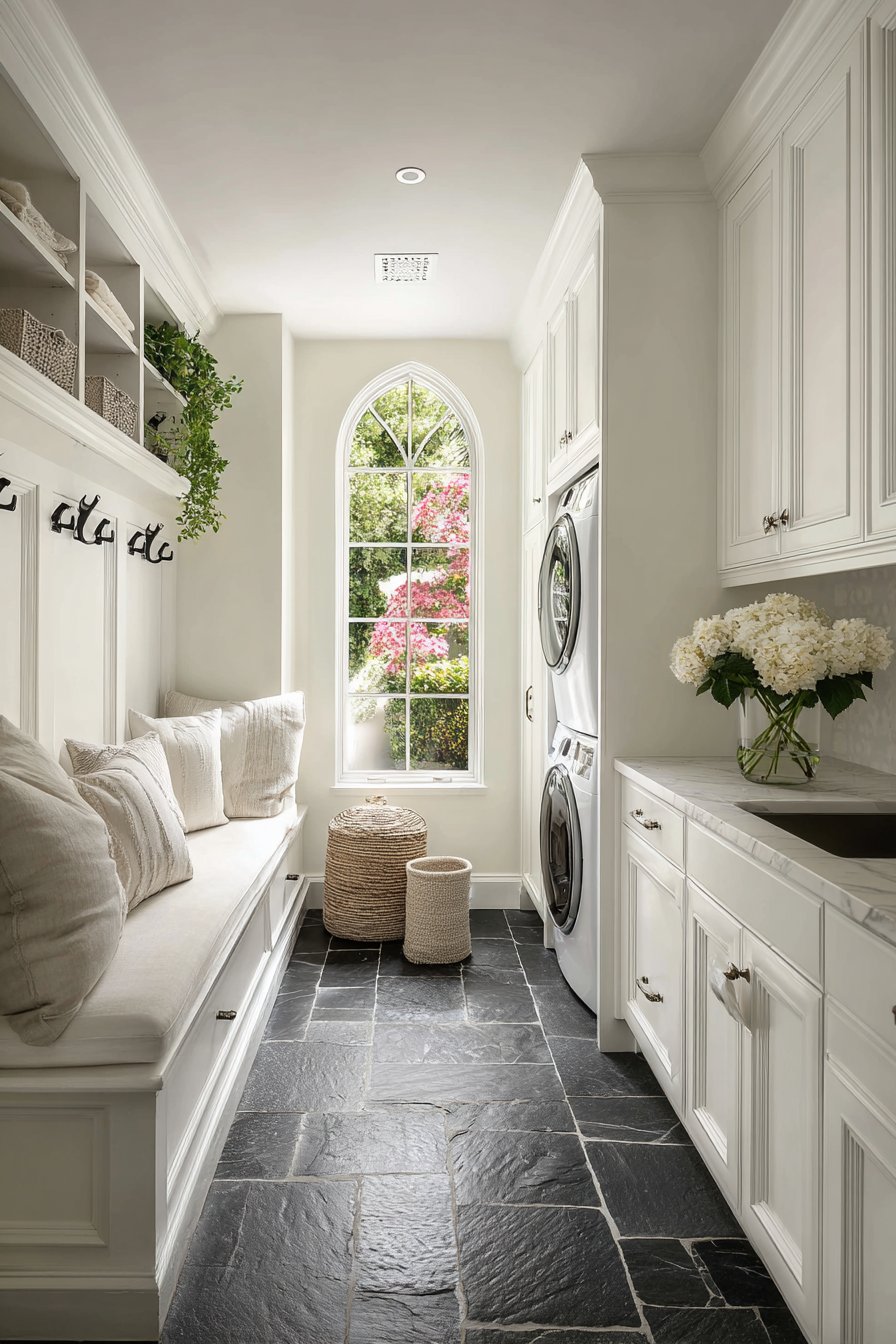
If your space allows, the combined mudroom-laundry layout is the smartest investment — delivering the benefits of both in a single, well-designed utility hub. Whatever direction you choose, commit fully to the design. Invest in quality materials, plan for adequate storage, and let your real daily routines guide every decision. A utility space that truly works for your family is one of the most impactful improvements you can make to your home.
