


The kitchen has evolved from a purely functional space into the heart of the modern home, where design meets daily living in beautiful harmony. Today’s homeowners seek spaces that feel both sophisticated and welcoming, blending natural elements with contemporary aesthetics. This growing desire for authenticity in interior design has sparked an unprecedented surge in organic modern kitchen popularity.
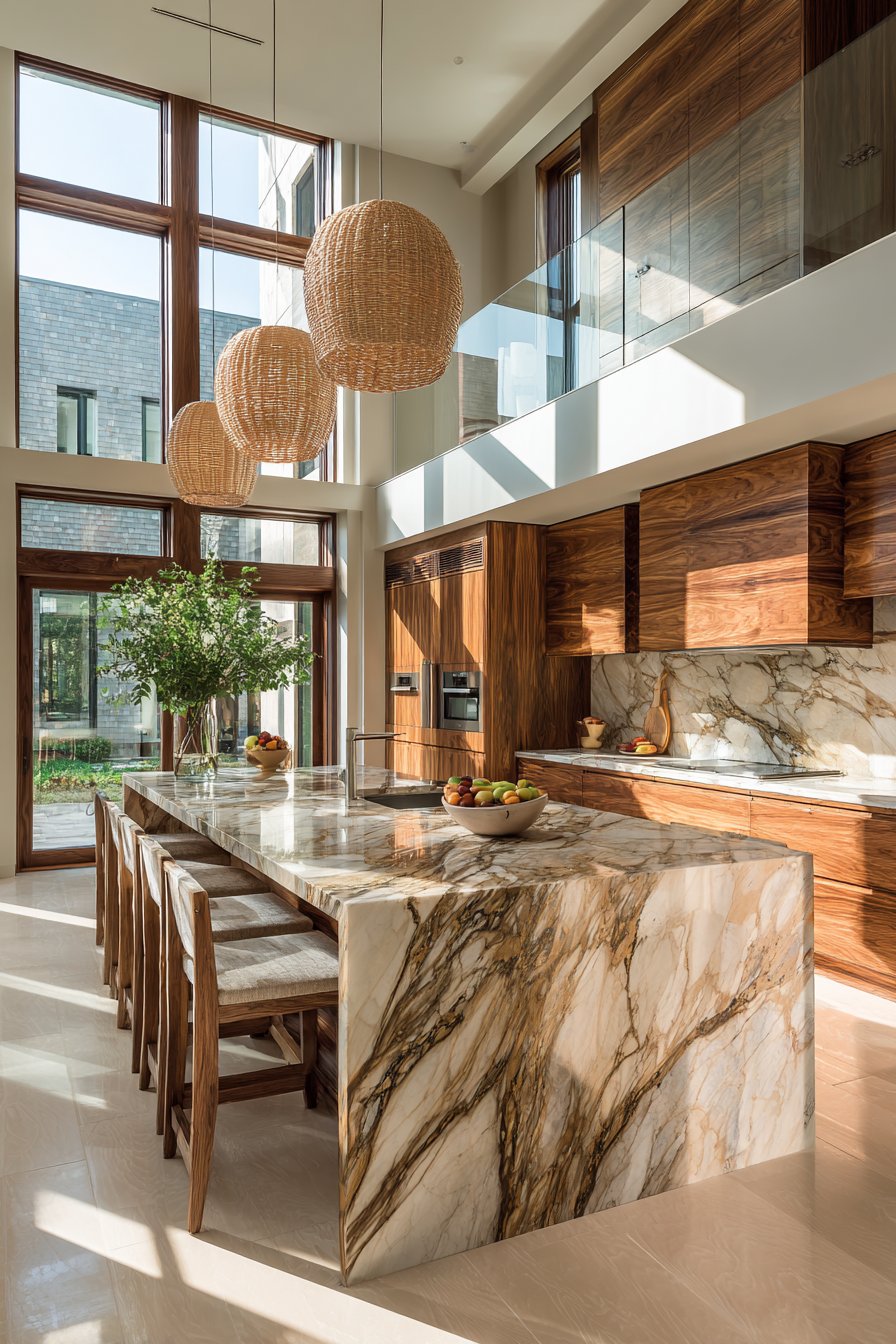
Organic modern design represents a perfect balance between sleek minimalism and warm, natural textures. Unlike stark contemporary spaces that can feel cold, or traditional rustic kitchens that might seem outdated, this style creates environments that are both current and timeless. The approach celebrates sustainable materials, clean lines, and earthy tones while maintaining the functionality that busy households demand.
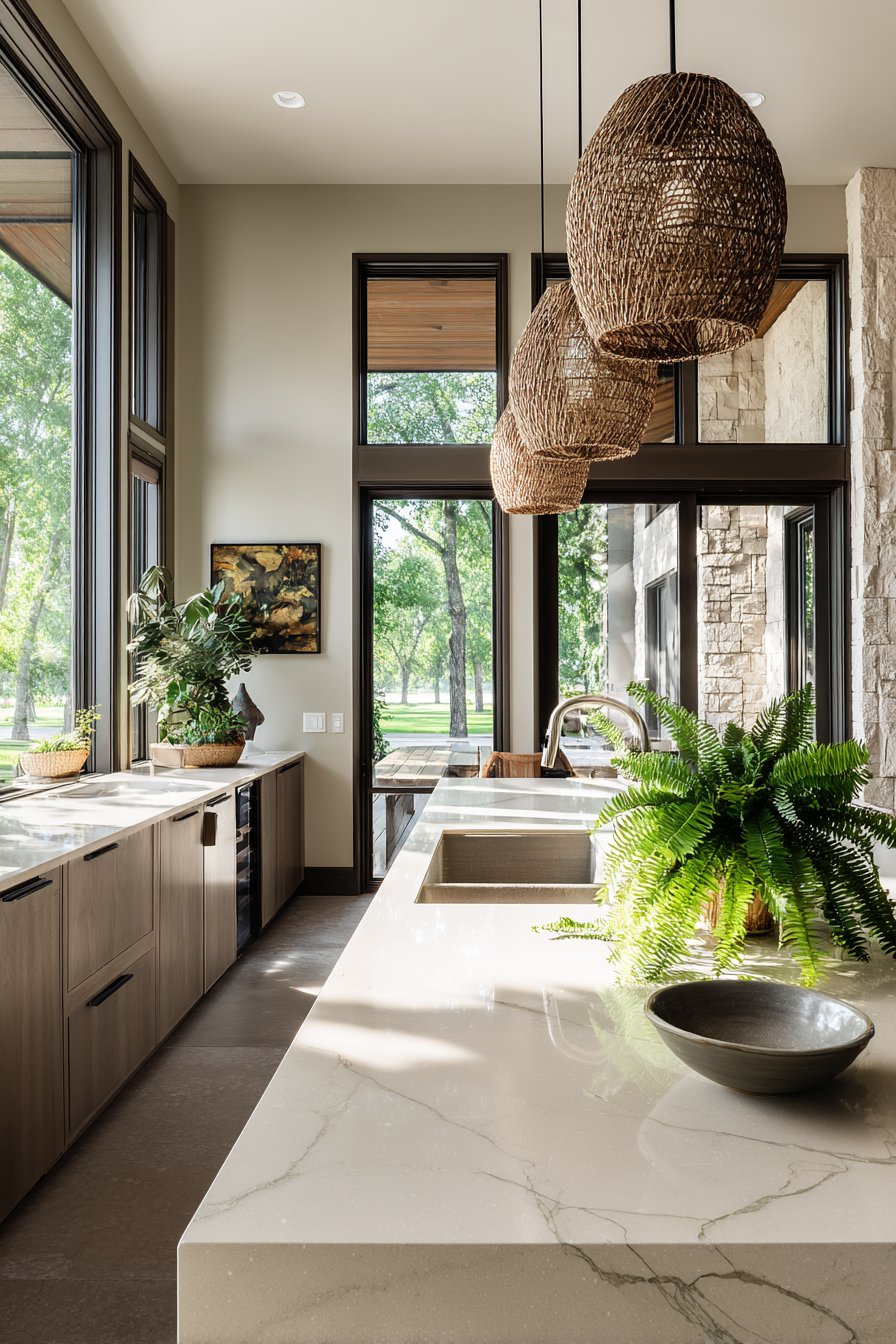
This article explores the key elements that make organic modern kitchens the most sought-after design trend. We’ll examine why this style resonates with today’s homeowners and how you can incorporate these principles into your own kitchen transformation.
1. Natural Materials Take Center Stage
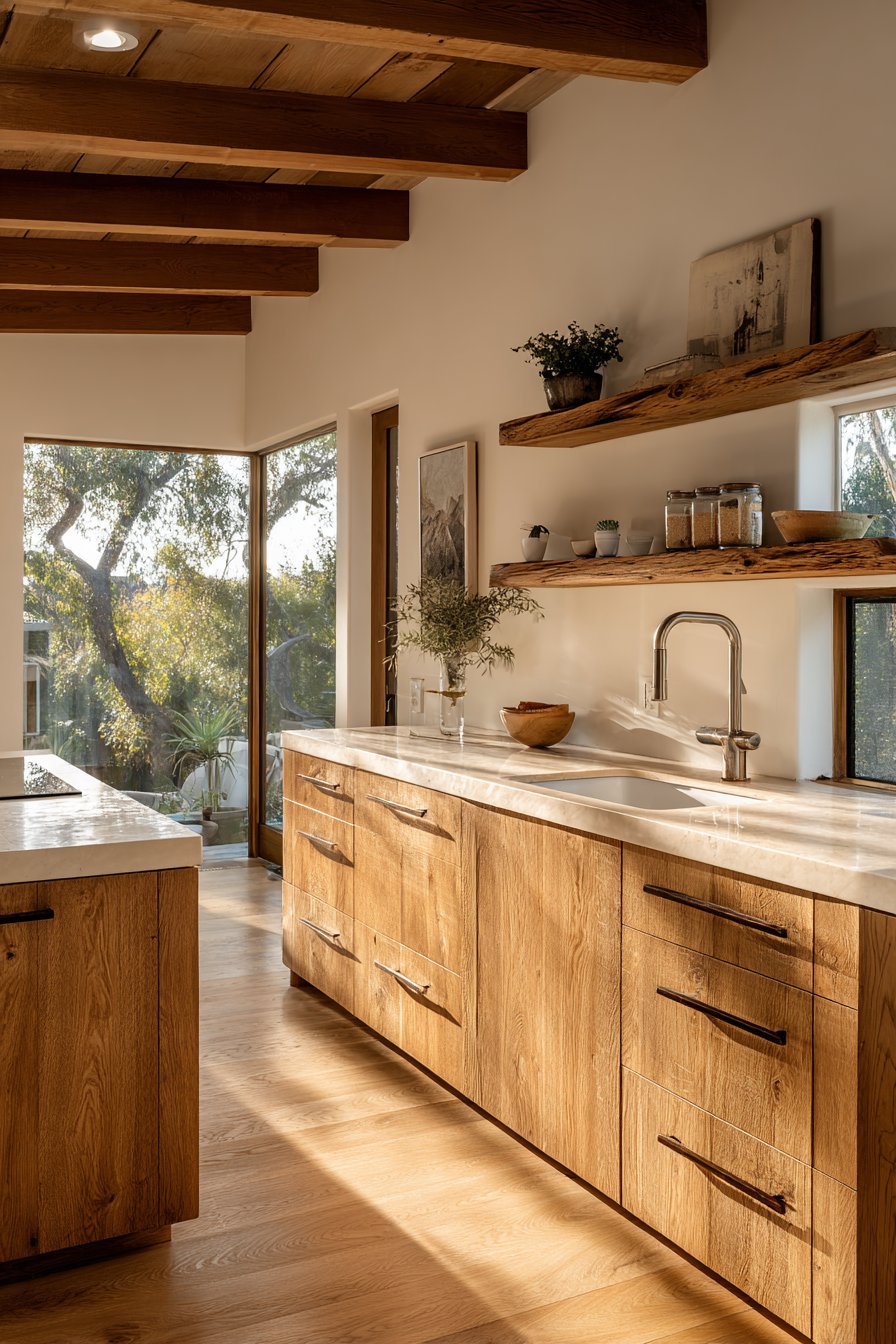
The foundation of organic modern kitchens lies in their authentic material choices that bring the outdoors inside. Raw wood, stone, and clay create a sensory experience that synthetic materials simply cannot replicate. These elements introduce tactile richness while maintaining the clean aesthetic that defines modern design.
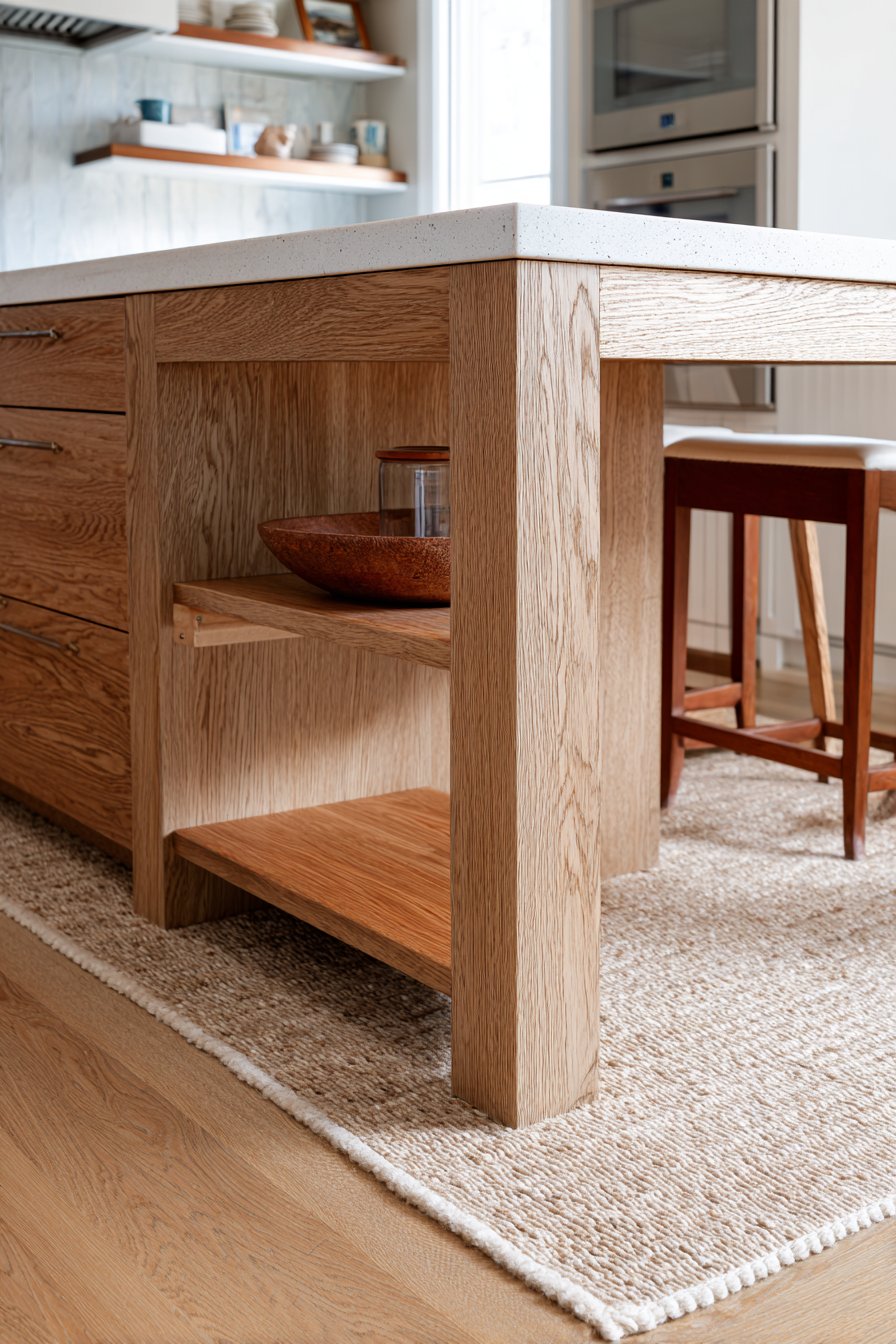
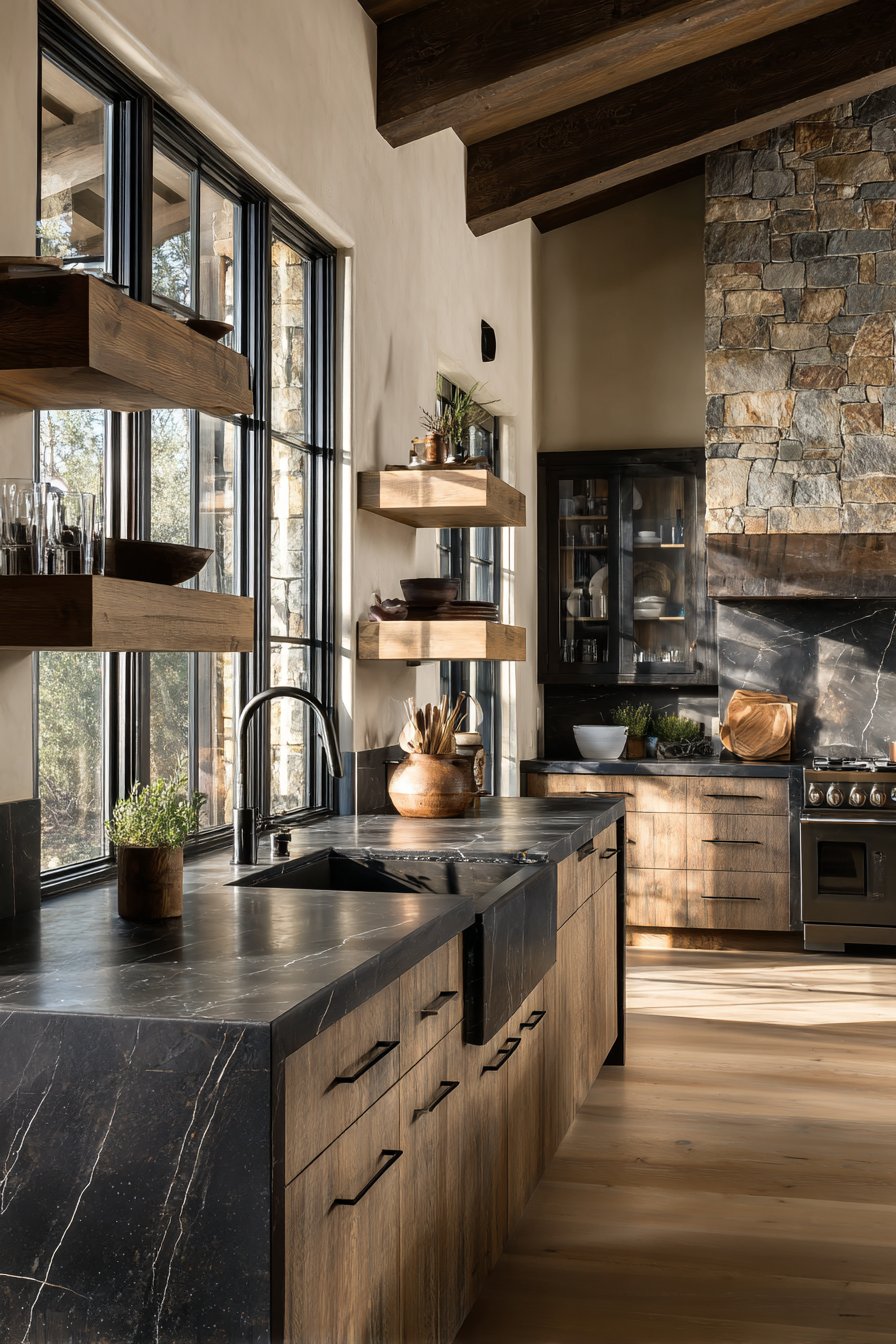
Natural materials in organic modern kitchens serve both aesthetic and practical purposes. Wood grain patterns add visual interest without requiring additional decoration. Stone countertops provide durability while showcasing unique geological formations. These materials age beautifully, developing character over time rather than showing wear.
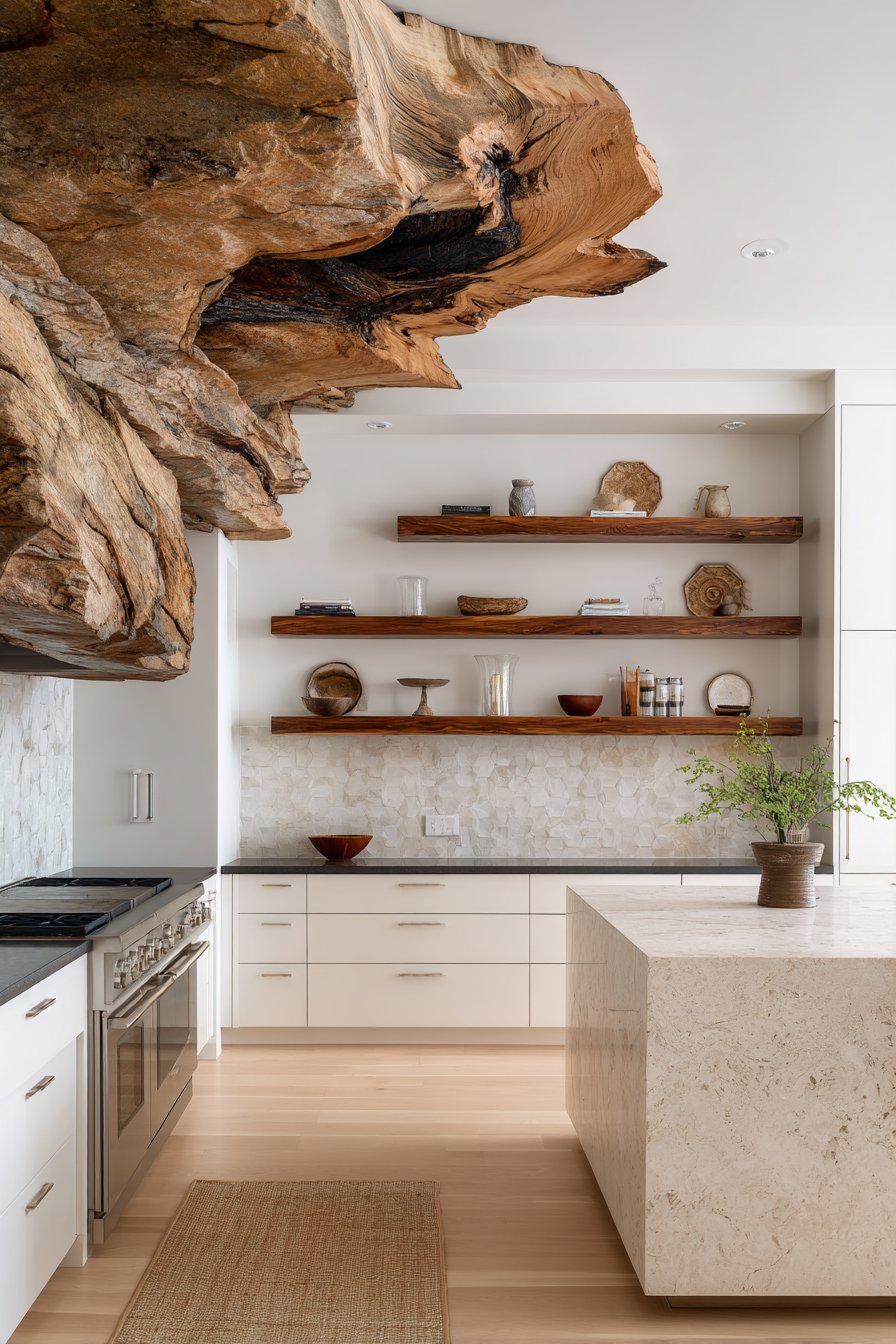
The environmental consciousness of modern consumers aligns perfectly with this material-focused approach. Using sustainably sourced materials reduces environmental impact while creating healthier indoor air quality. Natural finishes require fewer chemical treatments, making them ideal for families prioritizing wellness.
- Choose wide-plank oak or walnut for flooring to create visual warmth
- Select quartzite or soapstone countertops for natural stone appeal
- Install open shelving with reclaimed wood for sustainable storage
- Use clay or terracotta tiles for backsplashes with organic texture
- Incorporate stone or concrete islands as sculptural focal points
- Opt for natural fiber rugs to soften hard surfaces
2. Neutral Color Palettes Create Calm
The organic modern aesthetic relies heavily on earthy neutral tones that promote tranquility and timelessness. Whites, beiges, taupes, and warm grays form the foundation of these kitchens. These colors allow natural materials to shine without competing for attention.
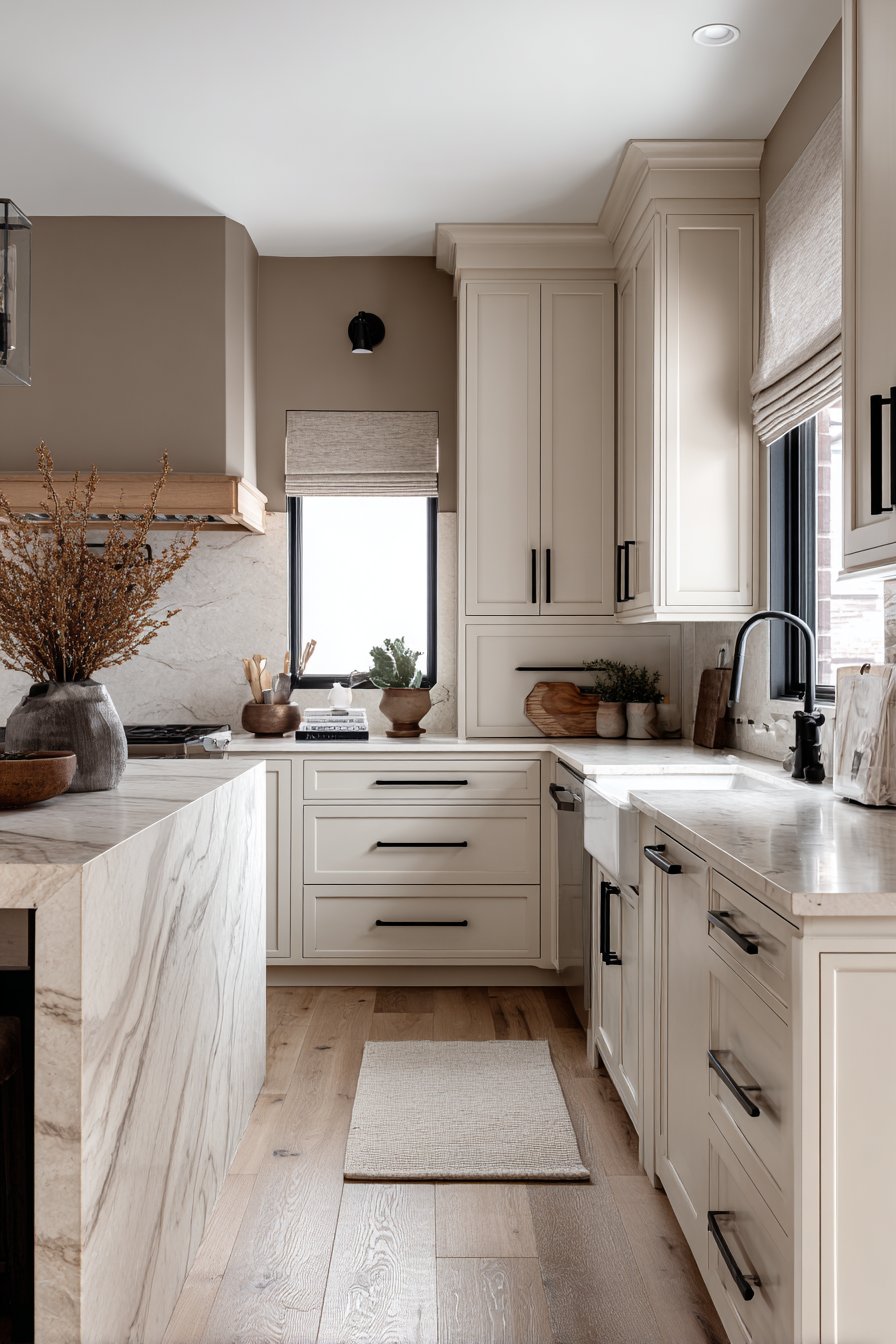
A neutral palette doesn’t mean boring or bland when executed thoughtfully. The strategy involves layering different tonal variations to create depth and sophistication. Creamy whites paired with warm beiges and soft grays generate visual interest through subtle contrast rather than bold color statements.
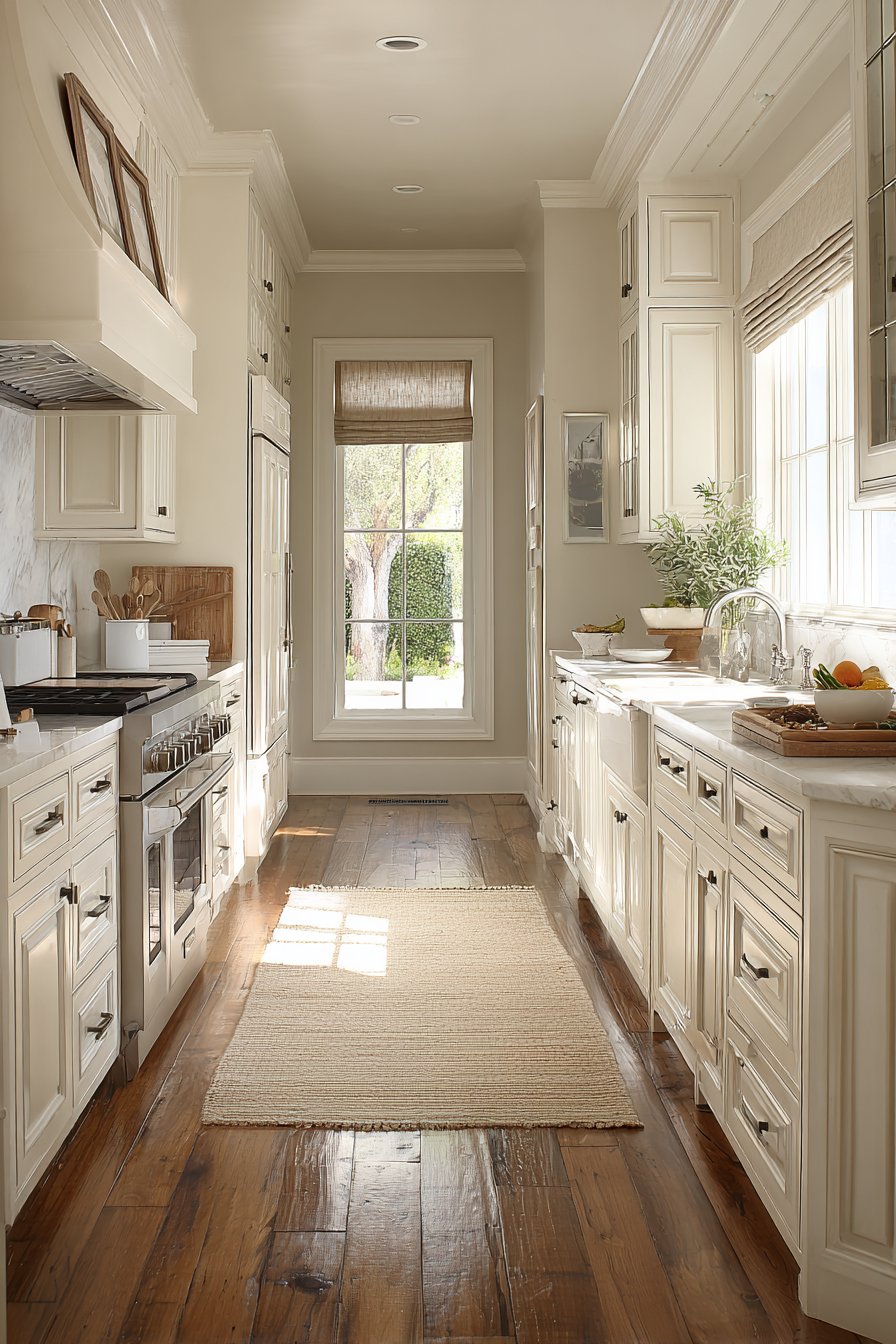
This color approach offers remarkable design flexibility for homeowners. Neutral backgrounds adapt easily to changing tastes and seasonal updates. You can refresh the space with minimal investment by swapping accessories rather than undertaking major renovations.
- Use warm white or cream for cabinetry to reflect natural light
- Paint walls in greige tones that bridge gray and beige
- Choose matte finishes over glossy for authentic organic feel
- Add depth with charcoal or black accents in hardware
- Incorporate natural linen or cotton textiles in neutral shades
- Select stone countertops with subtle veining in complementary tones
3. Clean Lines Meet Organic Curves
The architectural vocabulary of organic modern kitchens combines geometric precision with natural flowing forms. Straight lines in cabinetry and fixtures provide structure, while curved elements add softness. This juxtaposition creates visual tension that keeps spaces interesting without feeling cluttered.
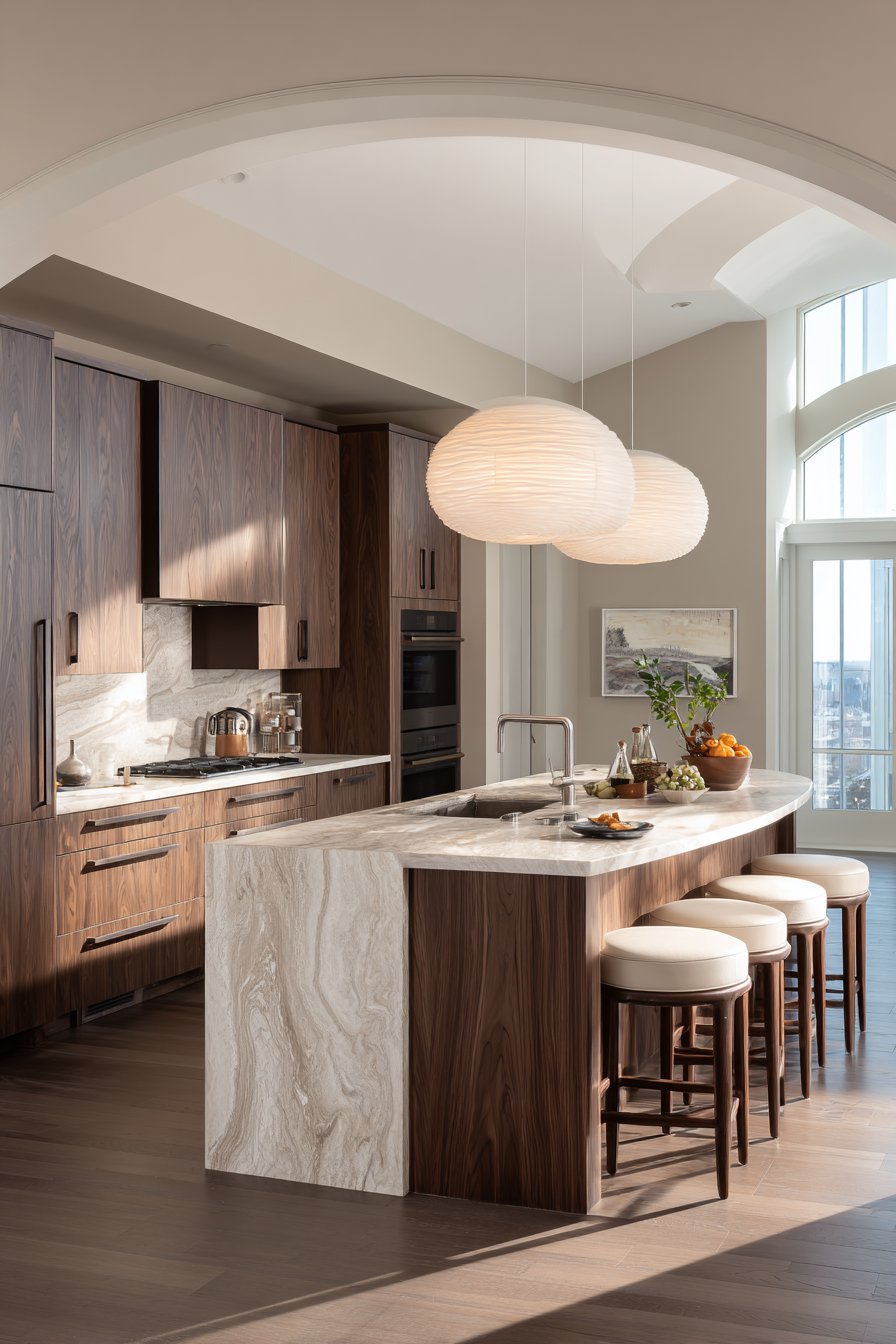
Contemporary hardware, appliances, and fixtures maintain the streamlined aesthetic essential to modern design. Flat-panel cabinets without ornate detailing create calm surfaces. However, organic modern design softens this minimalism by introducing rounded edges in islands, pendant lights, or furniture pieces.
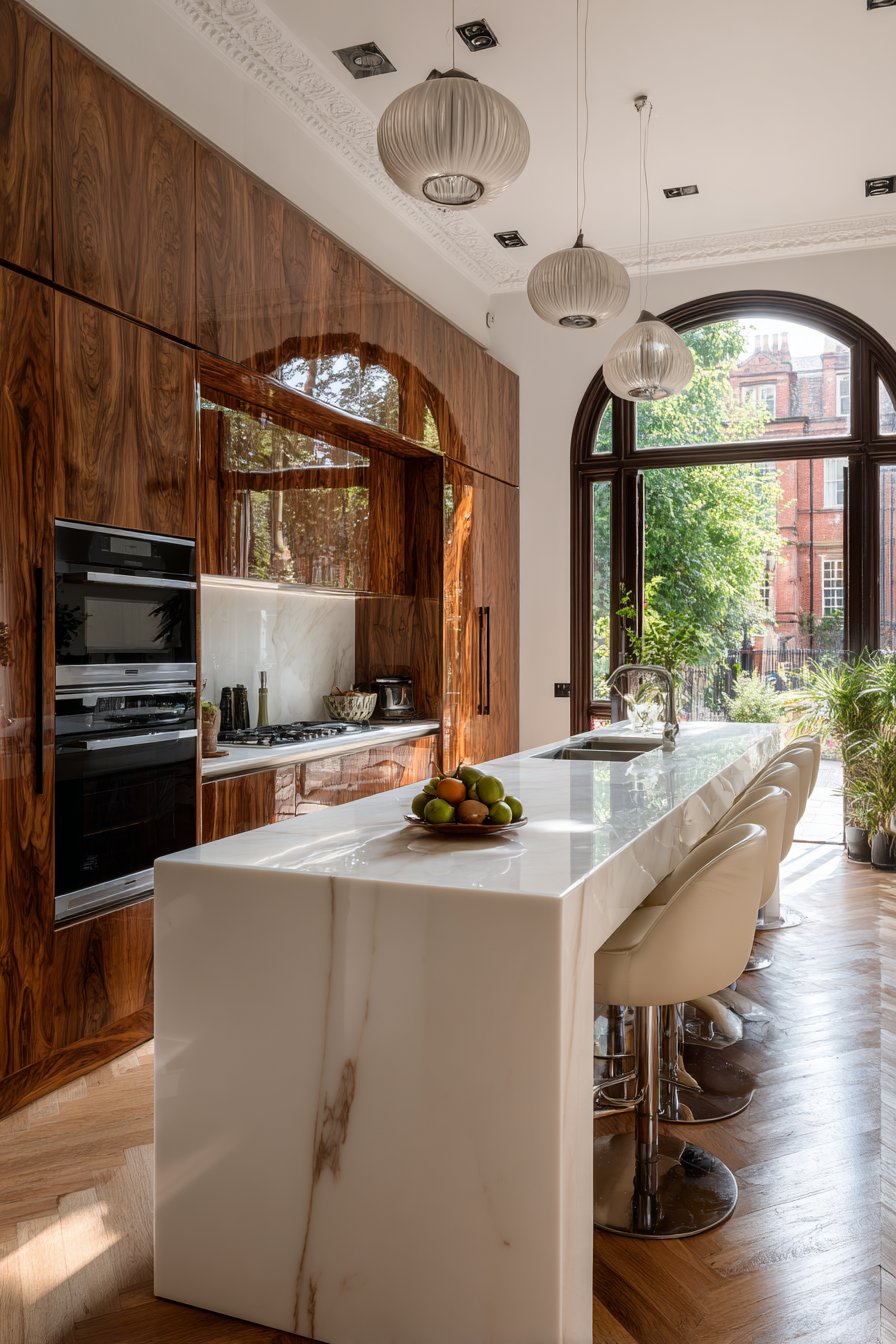
The integration of curves references natural forms found in landscapes and organic objects. Arched doorways, rounded backsplash edges, or curved countertop corners echo shapes from nature. These details humanize spaces that might otherwise feel too austere or commercially sterile.
- Install handleless cabinetry with push-to-open mechanisms for clean lines
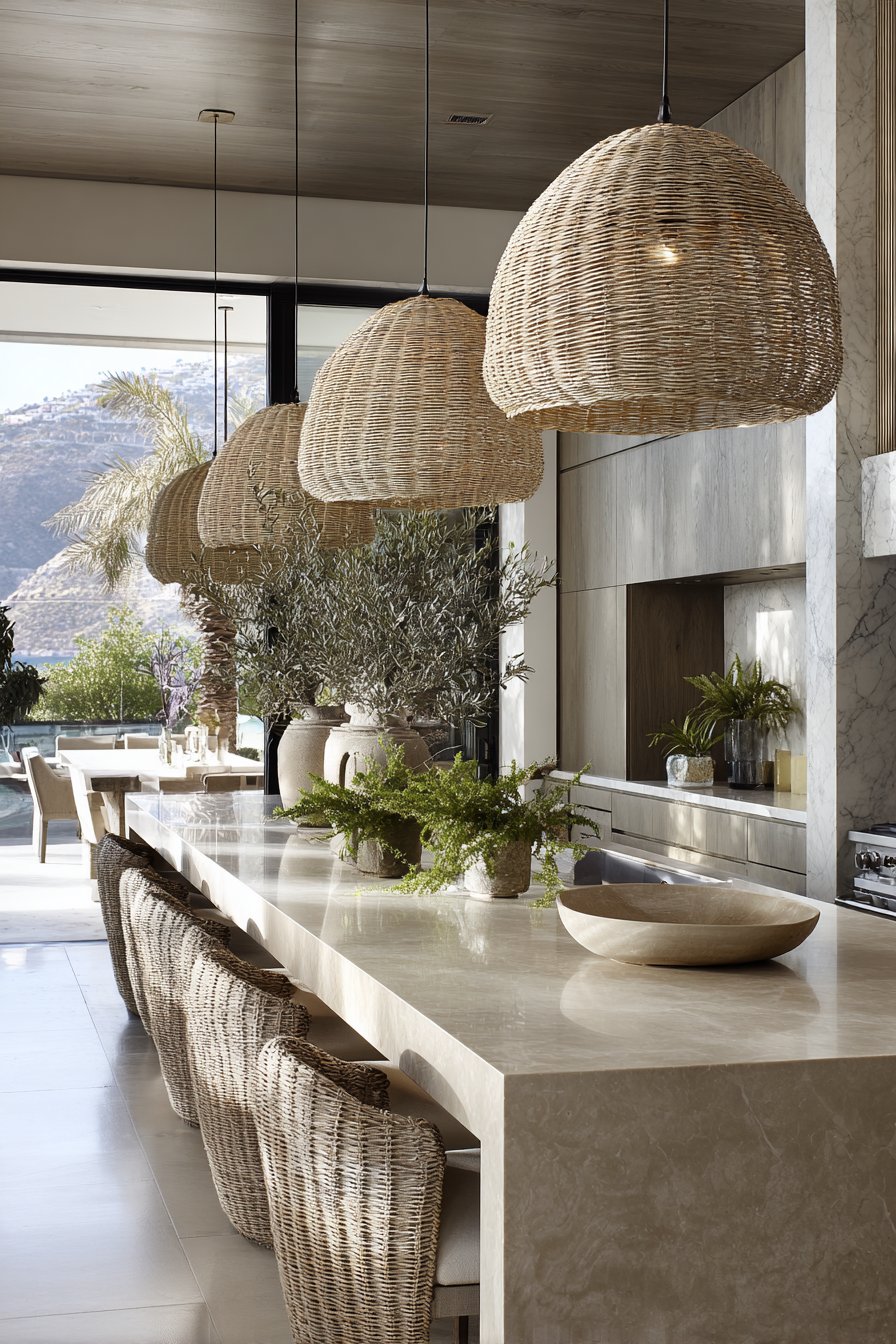
- Choose pendant lights with organic curved silhouettes
- Consider waterfall countertops with slightly rounded edges
- Add curved bar stools or dining chairs for contrast
- Select arched windows or doorways if structurally possible
- Use rounded ceramic vessels as decorative elements
4. Abundant Natural Light Enhances Spaces
Lighting strategy in organic modern kitchens prioritizes natural illumination as the primary light source. Large windows, skylights, and glass doors flood spaces with sunlight. This connection to outdoor light cycles creates environments that feel alive and responsive to nature.
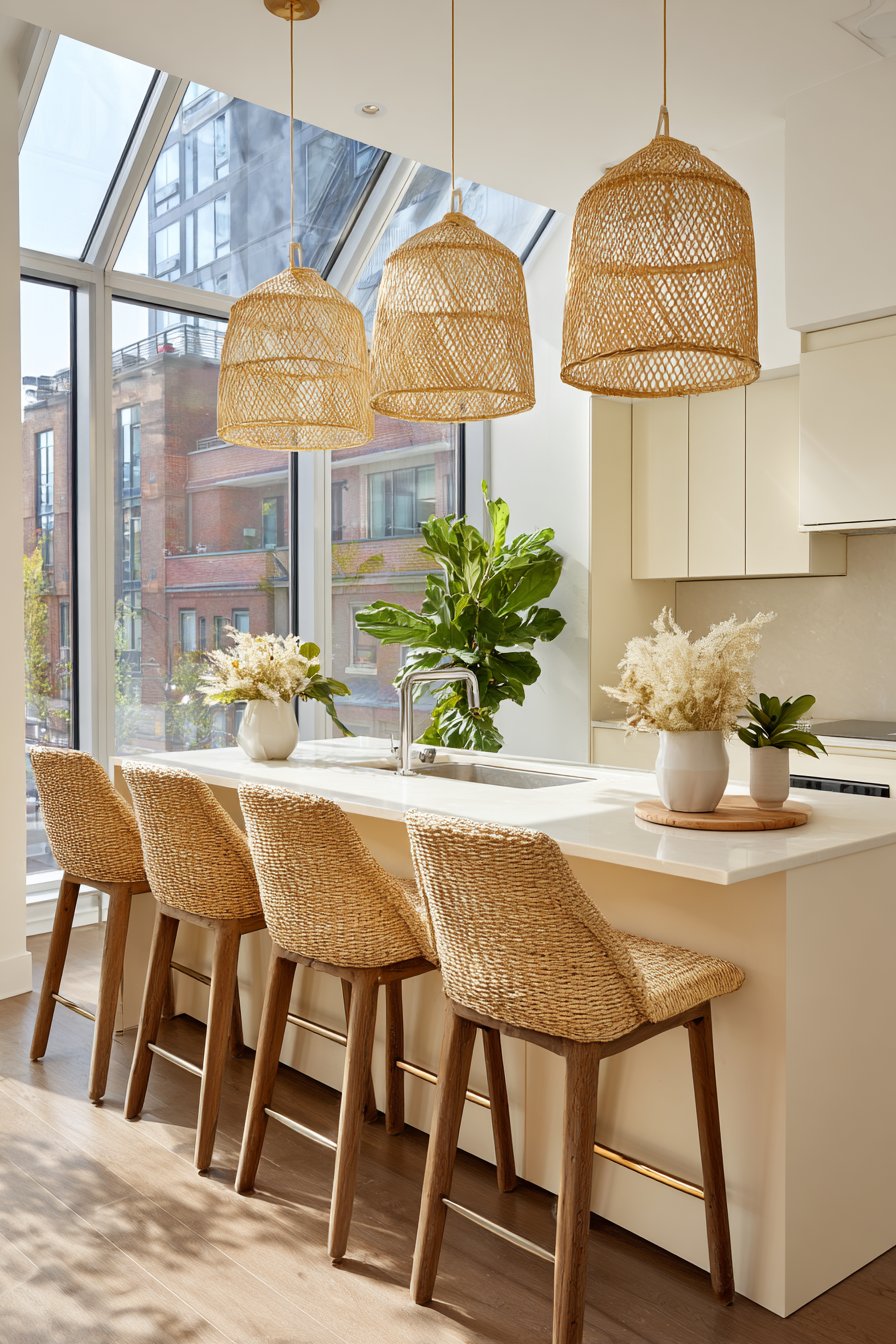
Window treatments in these kitchens remain minimal to maximize light penetration. Sheer fabrics or no treatments at all maintain privacy without blocking precious sunlight. The goal is creating spaces that feel open and airy rather than enclosed or artificially lit during daytime hours.
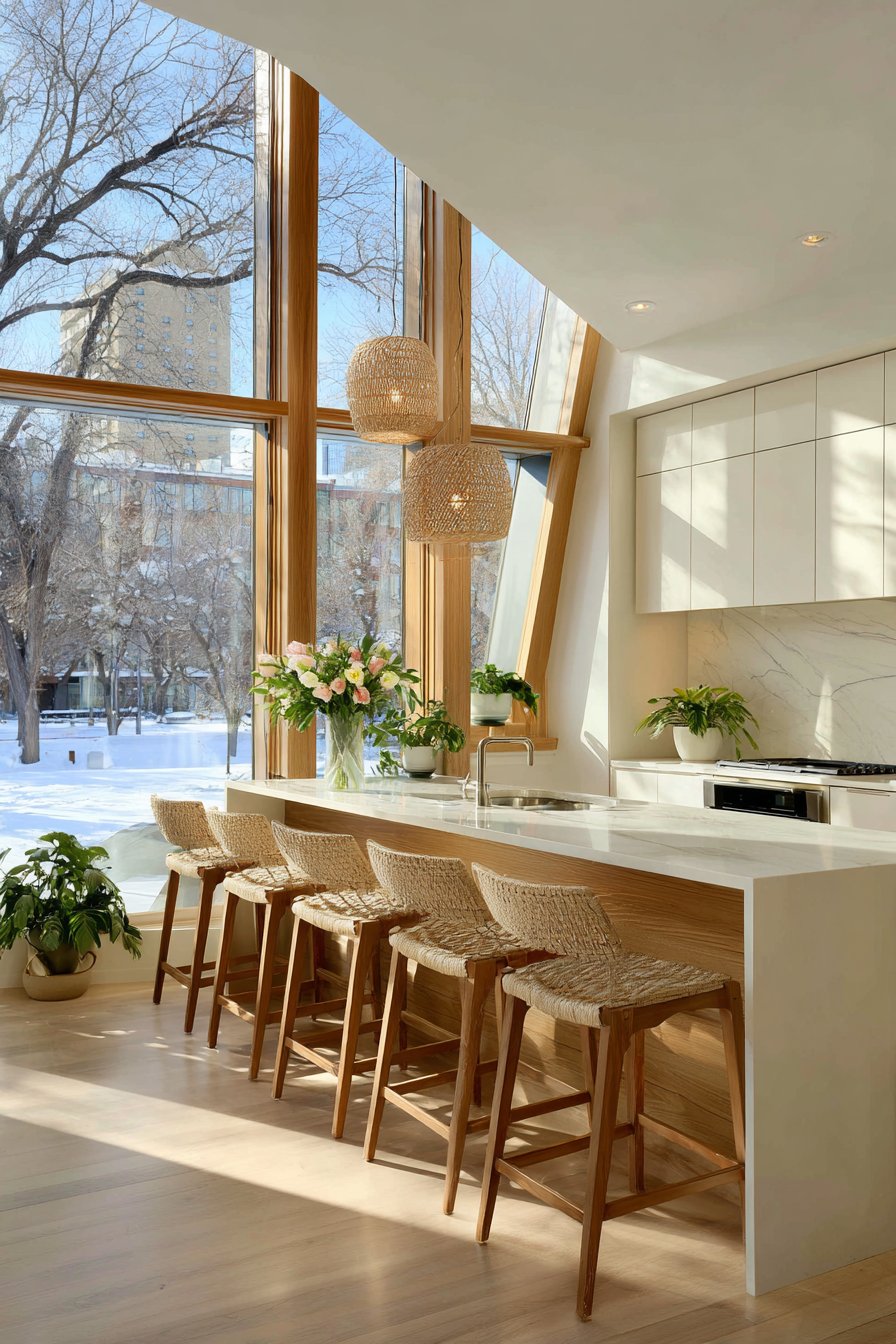
Supplemental lighting in organic modern designs uses layered approaches with ambient, task, and accent options. Warm-toned LED fixtures mimic natural light quality. Simple pendant designs in natural materials like rattan, wood, or ceramic reinforce the organic aesthetic while providing necessary illumination.
- Install large format windows or sliding glass doors wherever possible
- Add skylights above islands or sink areas for overhead natural light
- Use light-filtering shades instead of heavy window treatments
- Choose warm white LED bulbs rated 2700-3000K for natural feel
- Install dimmable fixtures to adjust lighting throughout the day
- Position task lighting under cabinets with hidden fixtures
5. Minimalist Approach Reduces Visual Clutter
The organic modern philosophy embraces intentional minimalism where every element serves a purpose. Surfaces remain largely clear, with only essential items displayed. This restraint allows architectural features and natural materials to become the primary visual focus.
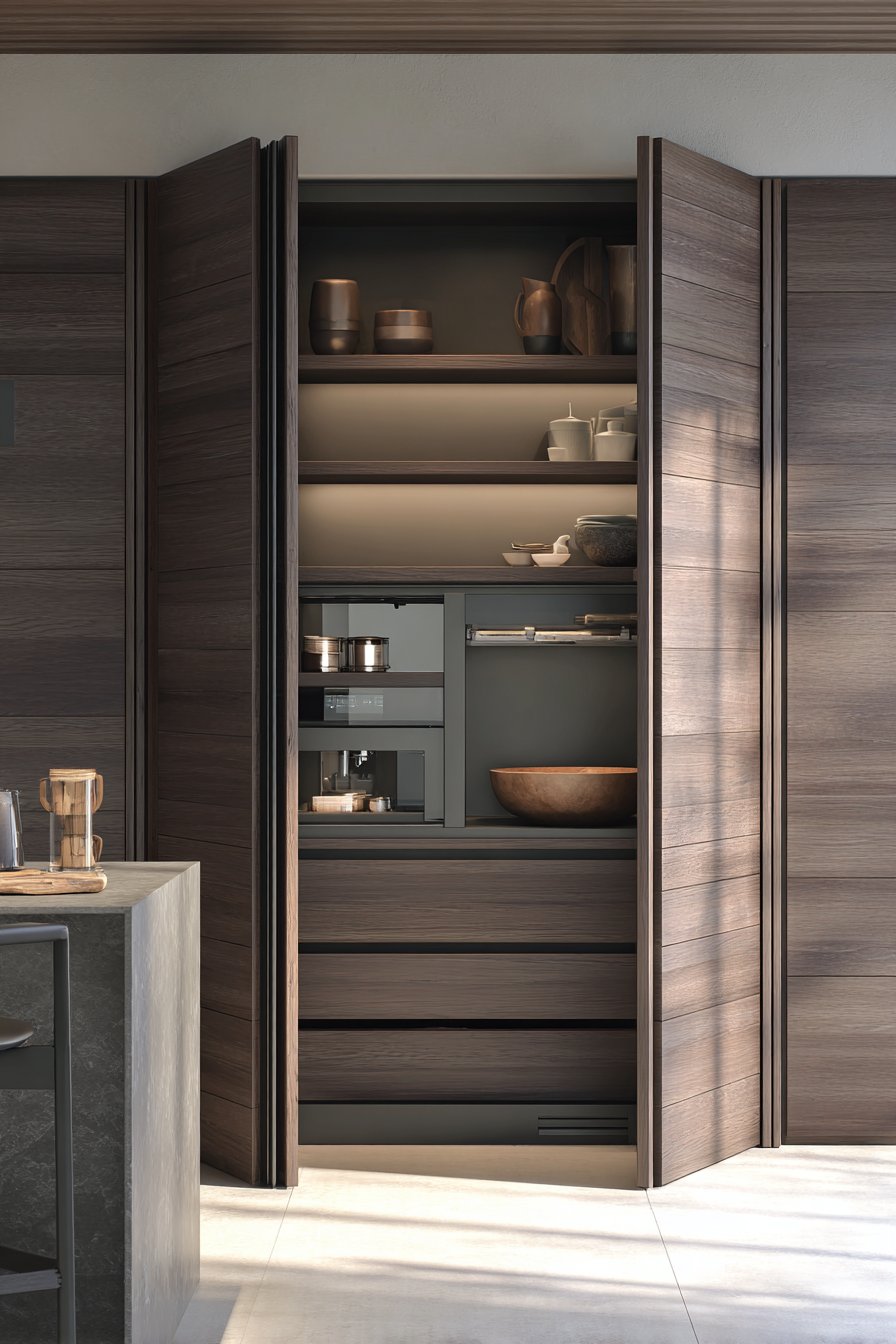
Achieving this uncluttered look requires intelligent storage solutions that hide everyday necessities. Deep drawers, pull-out pantries, and built-in organizers keep items accessible yet invisible. The result is a serene environment that reduces visual stress and promotes calm.
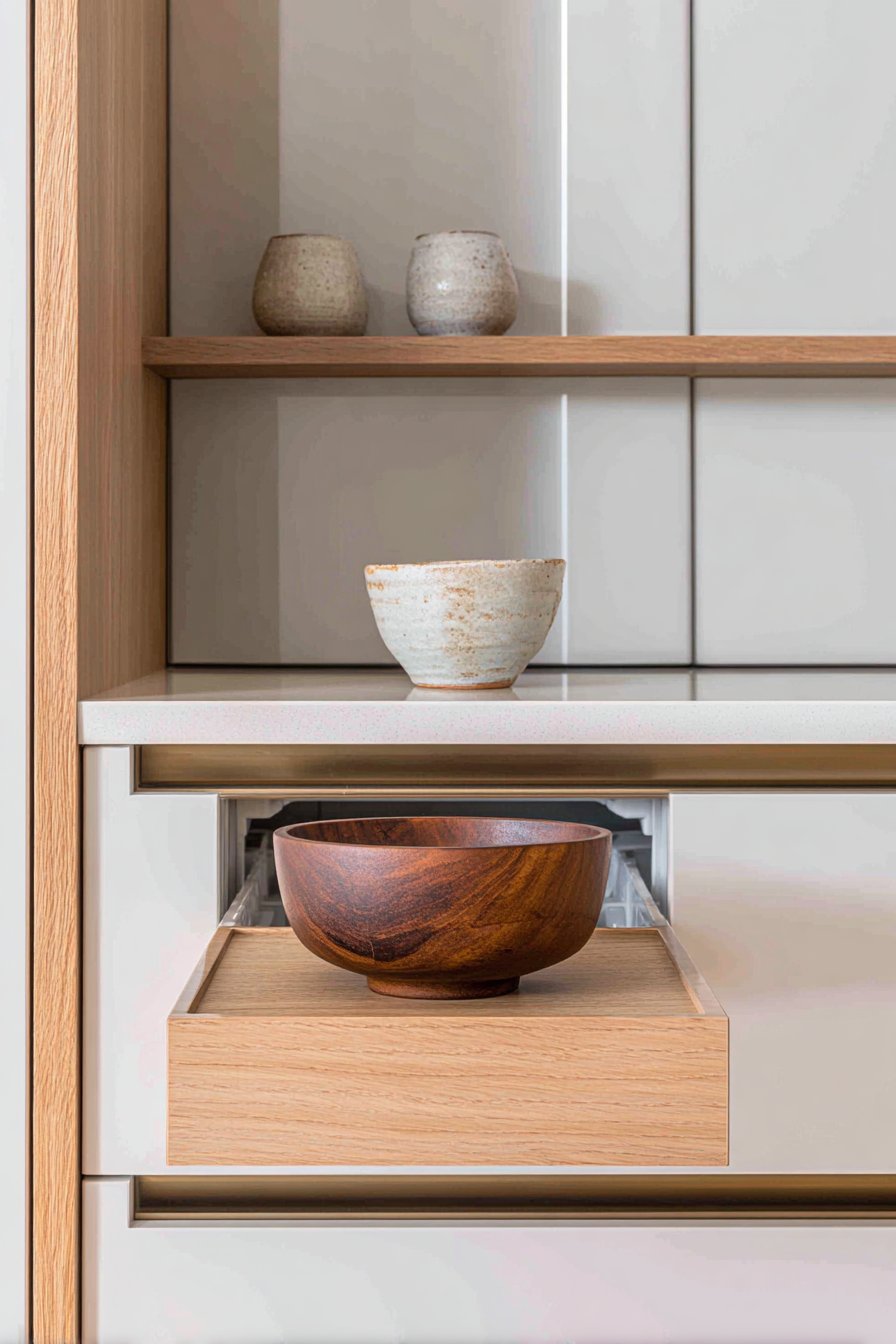
This minimalist discipline doesn’t mean sacrificing functionality or personality. Strategic display of carefully curated objects adds character without creating chaos. A single sculptural vase, a beautiful wooden bowl, or handcrafted pottery provides visual interest while maintaining the overall sense of simplicity.
- Install floor-to-ceiling cabinets to maximize hidden storage capacity
- Use drawer dividers and organizers for efficient space management
- Limit countertop items to absolute daily essentials only
- Store small appliances in appliance garages or closed cabinets
- Display only 2-3 carefully selected decorative objects
- Choose integrated appliances that blend with cabinetry panels
6. Sustainable Practices Align With Values
Modern consumers increasingly prioritize environmental responsibility in their design choices. Organic modern kitchens naturally align with these values through their emphasis on natural, durable, and locally sourced materials. This conscious approach creates spaces that reflect personal ethics while remaining beautiful.
Energy-efficient appliances and fixtures reduce environmental footprint without compromising functionality. LED lighting, induction cooktops, and Energy Star-rated refrigerators perform exceptionally while consuming less power. These choices demonstrate how sustainability and style coexist seamlessly.
The longevity focus inherent in organic modern design combats disposable culture. Investing in timeless pieces and quality materials means fewer replacements over time. This approach proves more economical long-term while reducing waste, making it both financially and environmentally sound.
- Choose FSC-certified wood products for cabinetry and shelving
- Select appliances with Energy Star certification for efficiency
- Install low-flow faucets to conserve water without sacrificing performance
- Use reclaimed or salvaged materials when possible for character
- Choose LED lighting exclusively throughout the kitchen space
- Invest in quality pieces built to last decades rather than years
Conclusion
Organic modern kitchens captivate homeowners because they address our fundamental human needs for connection to nature while meeting contemporary lifestyle demands. This design approach creates spaces that feel both current and enduring, sophisticated yet approachable. The emphasis on natural materials, neutral palettes, and thoughtful minimalism results in kitchens that promote well-being and functionality.
The popularity of this style reflects a broader cultural shift toward authenticity and sustainability in how we design our living spaces. By incorporating these principles into your kitchen, you create an environment that not only looks beautiful but also supports your daily life and values. Start with small changes like introducing natural textures or decluttering surfaces, and watch your kitchen transform into a space that truly feels like home.
