


Choosing the right kitchen layout is one of the most important decisions you’ll make during a home renovation or new build. Your kitchen serves as the heart of your home, where meals are prepared, families gather, and memories are created. The layout you select impacts everything from workflow efficiency to social interaction and resale value.
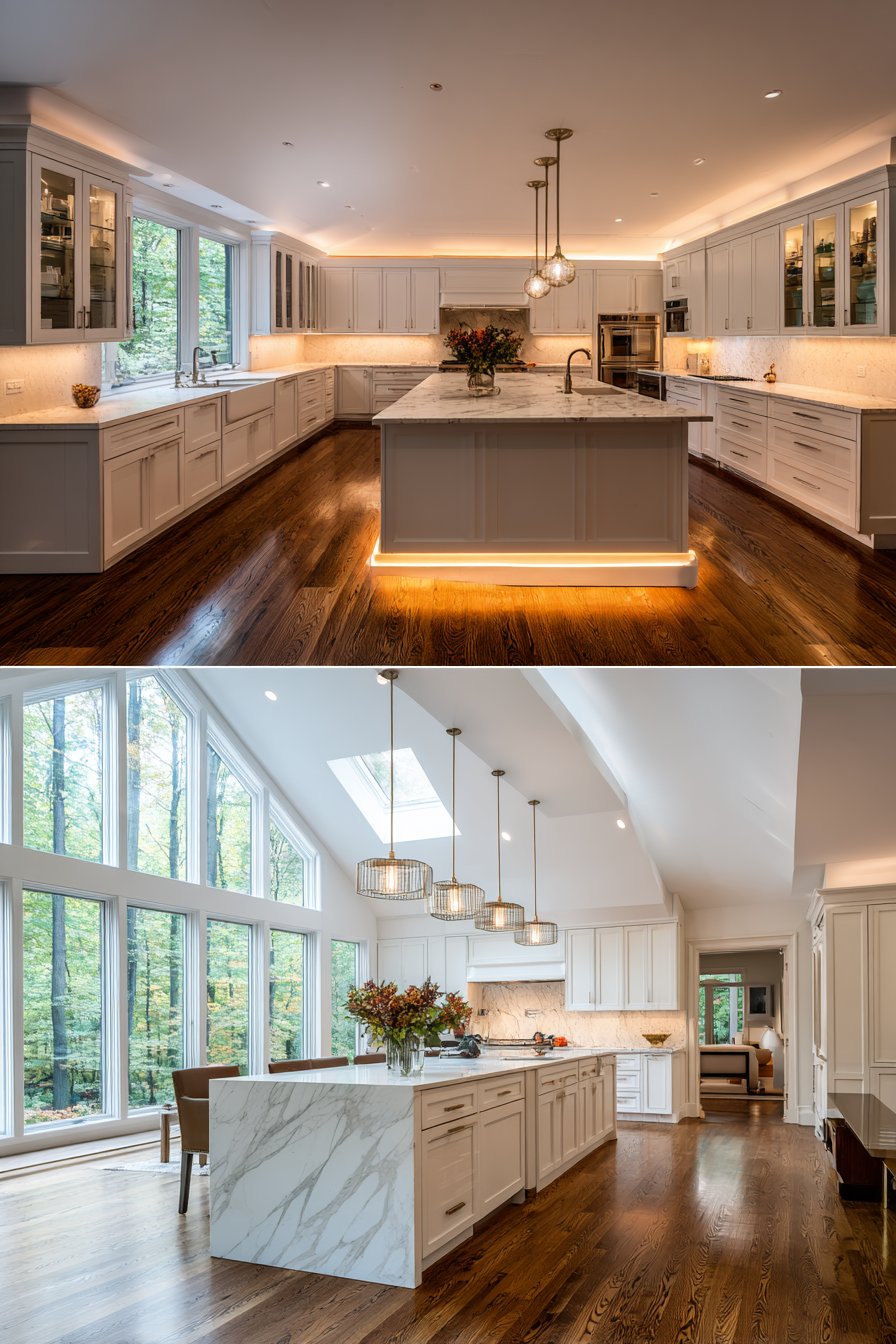
Two popular configurations dominate modern kitchen design: the U-shape and the island kitchen. Each offers distinct advantages tailored to different spatial requirements and lifestyle needs. Understanding how these layouts function will help you create a kitchen that balances aesthetics with practicality. This article explores both designs in depth, examining their strengths, limitations, and ideal applications to help you make an informed choice.
1. Understanding the U-Shape Kitchen Layout
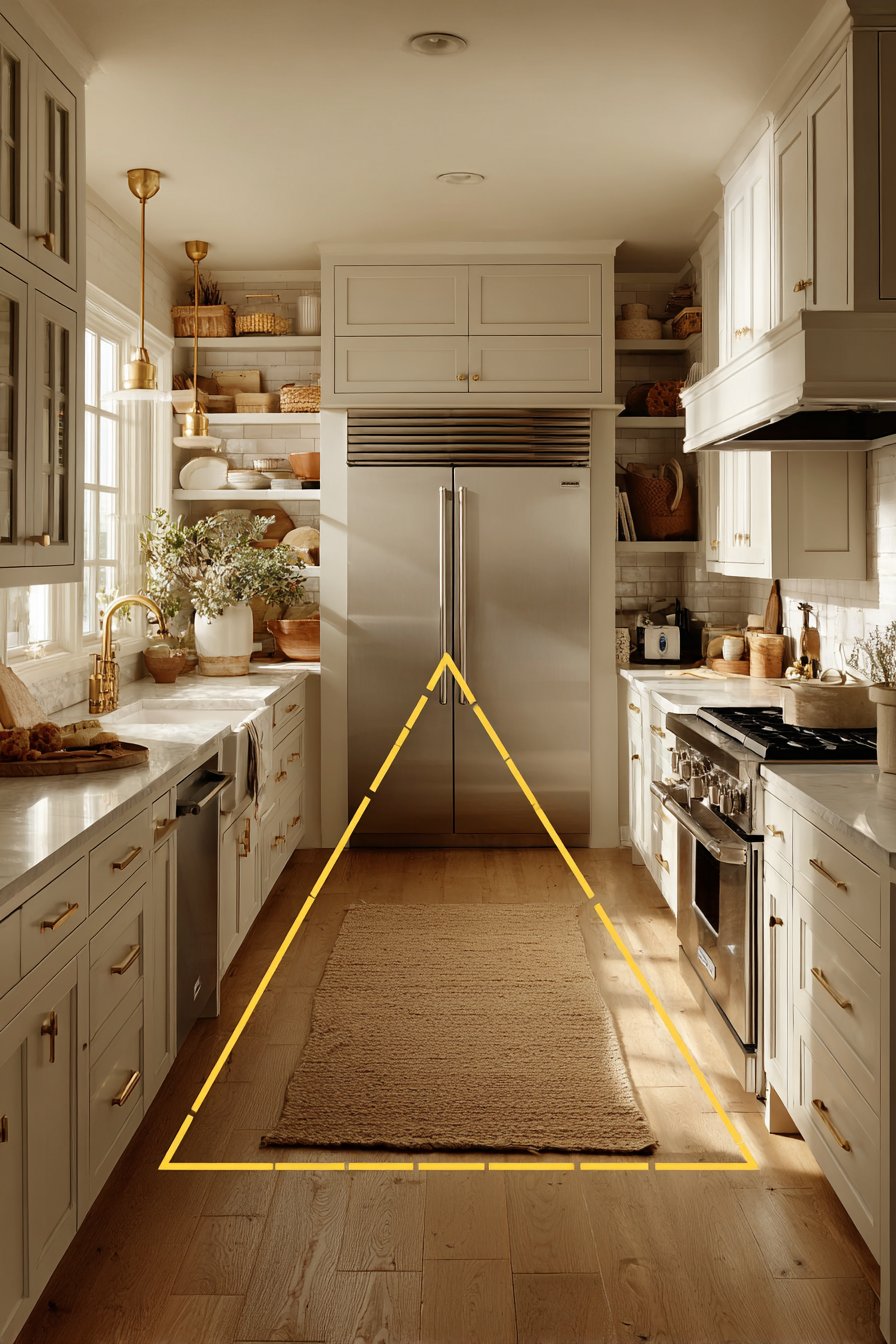
The U-shape kitchen features cabinetry and appliances arranged along three adjacent walls, creating a horseshoe configuration. This design naturally forms an efficient work triangle between the sink, stove, and refrigerator. The enclosed nature provides maximum counter and storage space while keeping everything within arm’s reach.
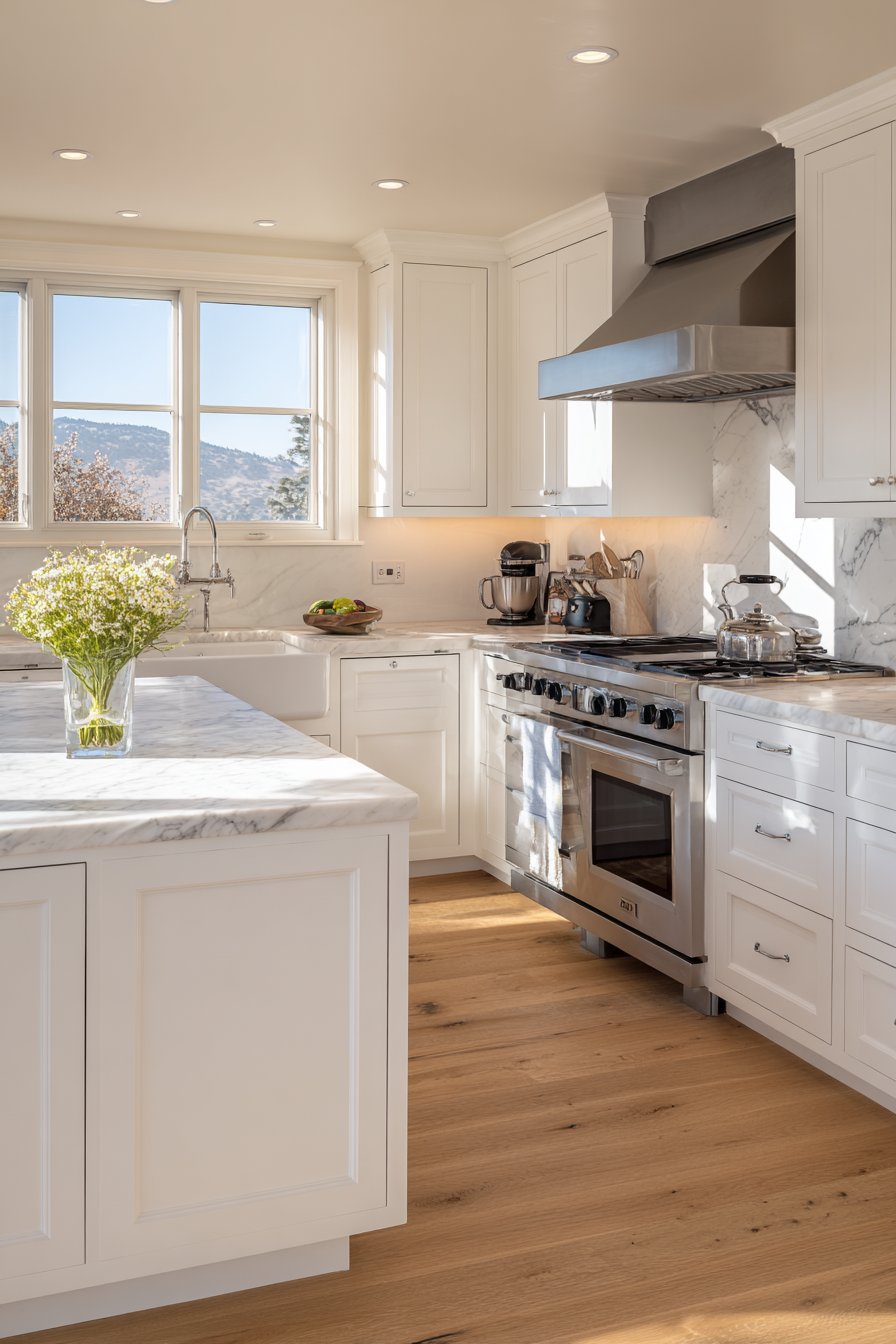
This layout excels in medium to large spaces where the kitchen can occupy a dedicated room or area. The three-wall arrangement creates a natural boundary that separates cooking activities from adjacent living spaces. Homeowners who prioritize efficiency and storage often gravitate toward this highly functional design.
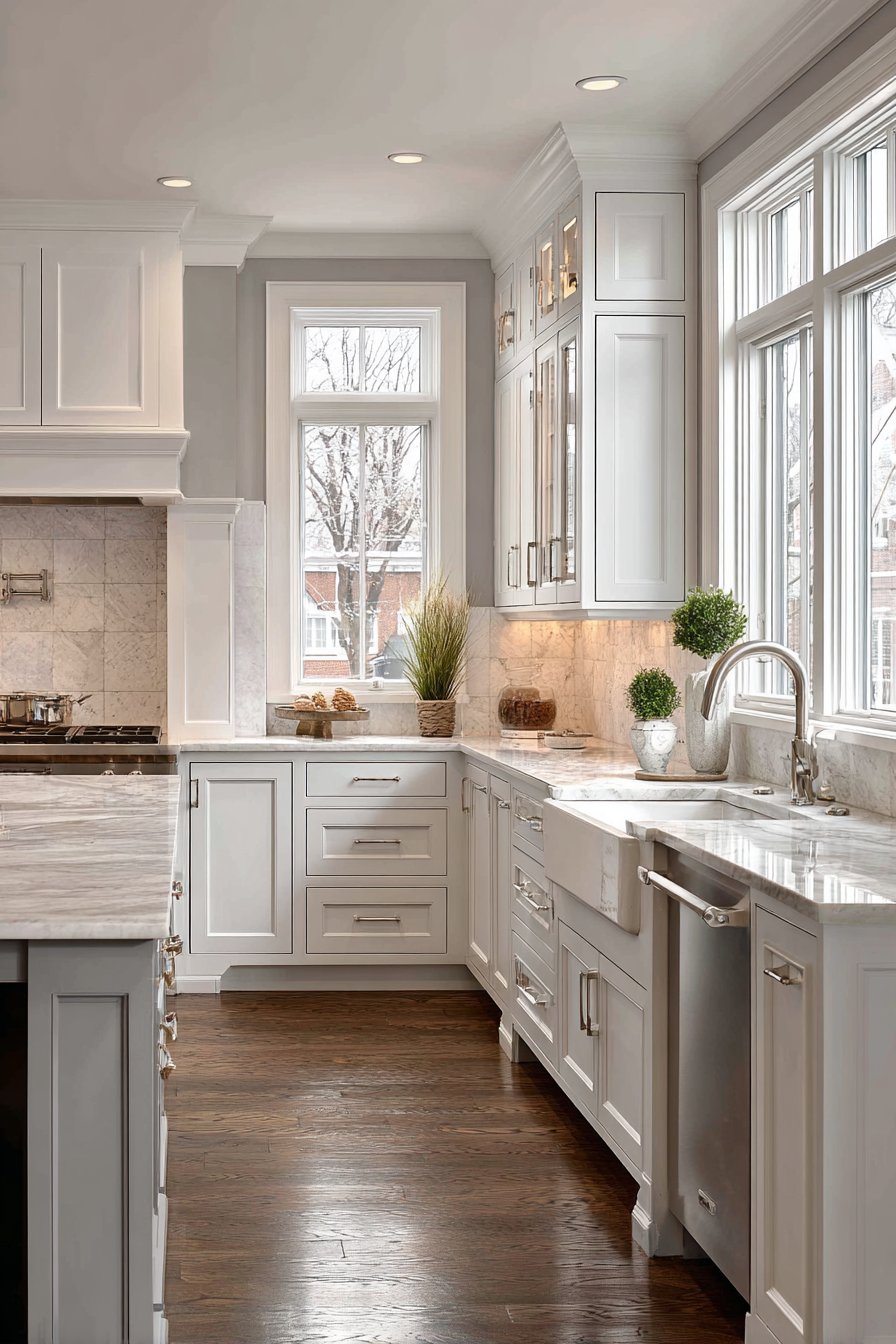
The U-shape works particularly well for serious cooks who need ample preparation areas and multiple cooking stations. The continuous counter space supports simultaneous food preparation tasks without crowding. This layout also minimizes traffic flow through the work zone, reducing interruptions during meal preparation.
- Install corner cabinet solutions like lazy Susans to maximize difficult-to-reach spaces
- Maintain at least 4-5 feet between opposing counters for comfortable movement
- Place the sink on the central wall for optimal work triangle efficiency
- Use one arm of the U for specialized zones like baking or coffee stations
- Consider open shelving on upper cabinets to prevent a closed-in feeling
- Add under-cabinet lighting to illuminate all work surfaces evenly
2. The Island Kitchen: Versatility and Open Design
Island kitchens feature a freestanding counter positioned in the center of the kitchen space, separate from perimeter cabinetry. This configuration creates multiple work zones while maintaining an open, accessible environment. The island serves as both a functional workspace and a social gathering point.
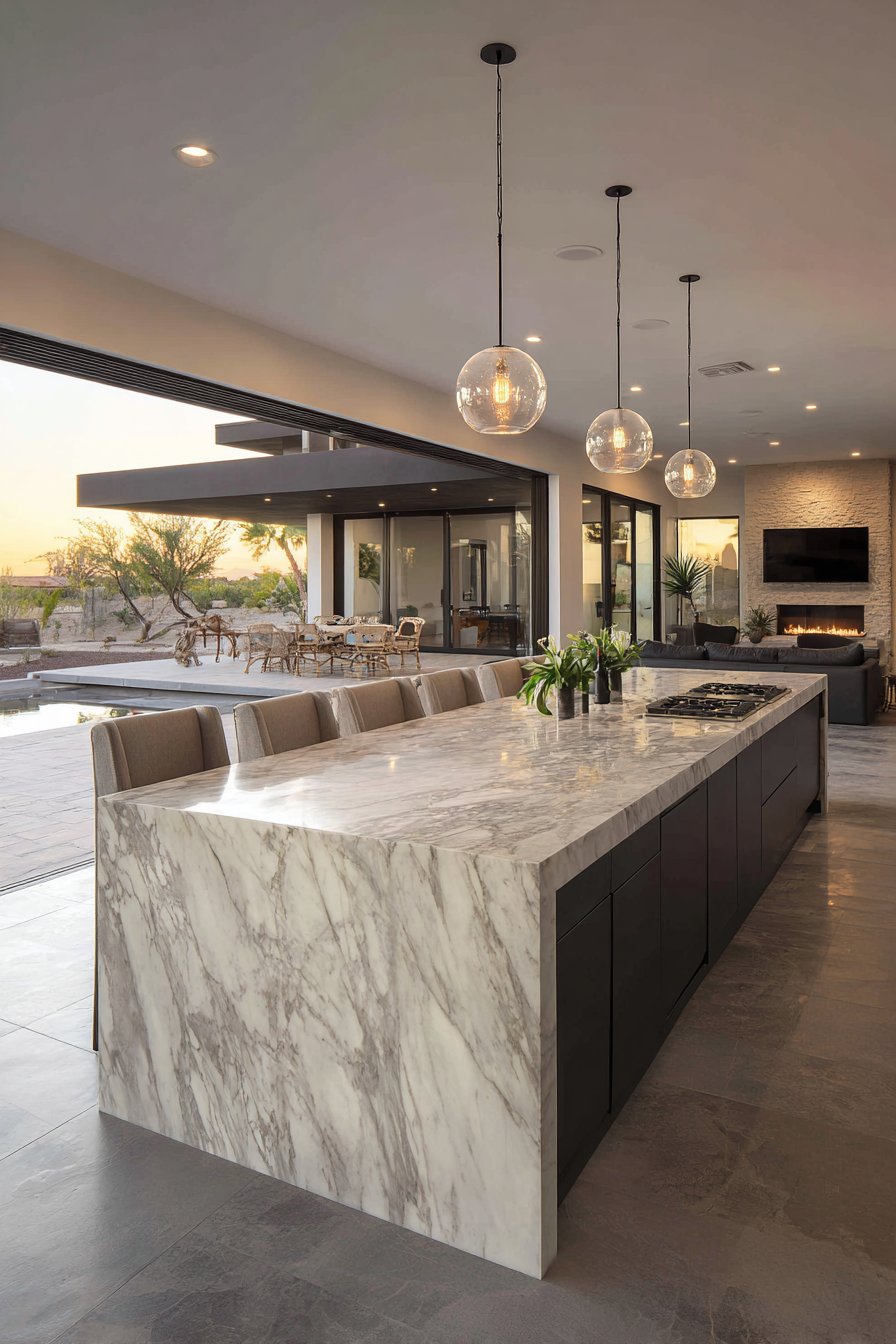
This layout requires significant square footage to function properly—typically a minimum of 150 square feet. The island acts as a bridge between cooking and living areas, facilitating conversation and interaction. Modern homeowners favor this design for its ability to combine culinary efficiency with entertaining.
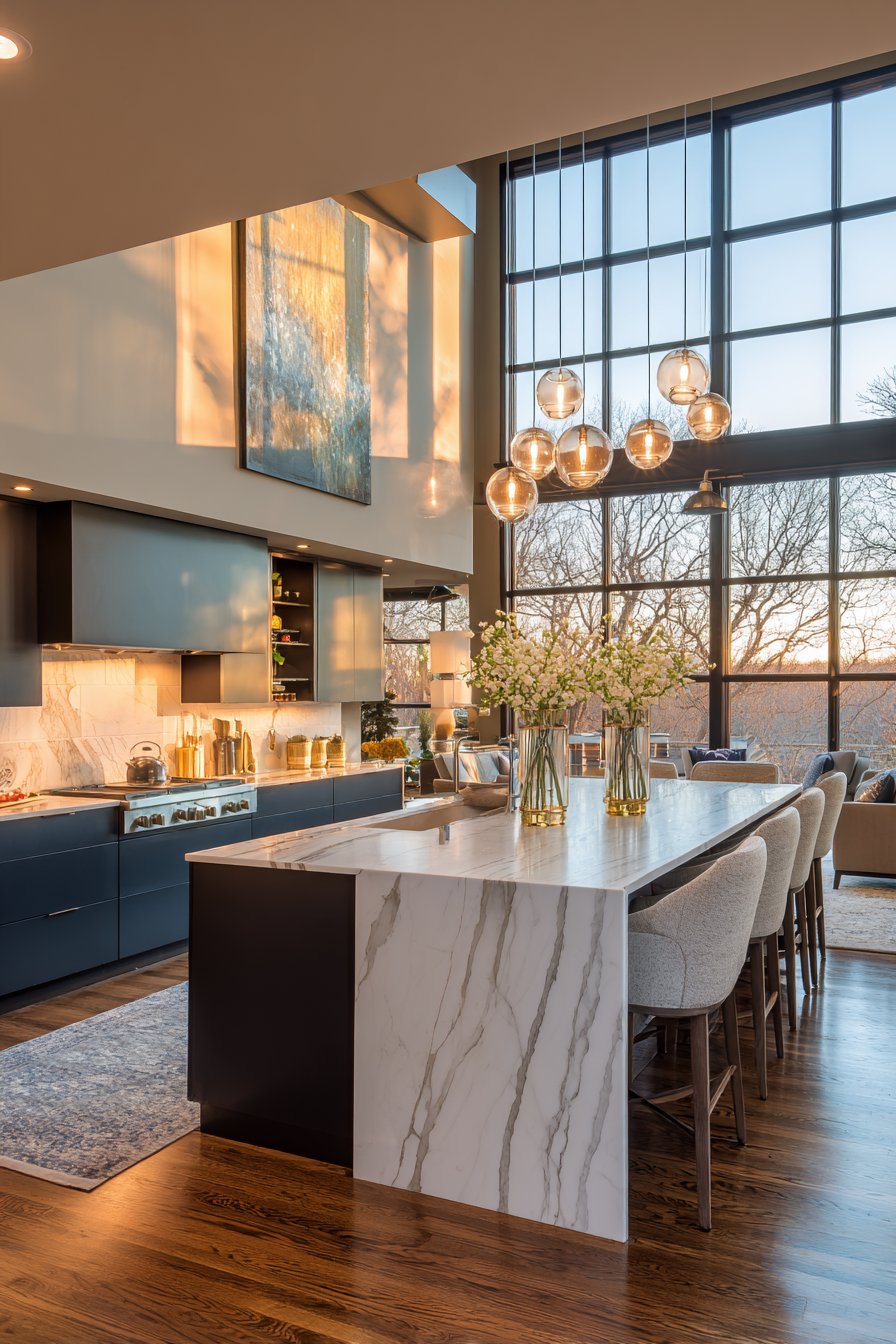
Islands offer unmatched flexibility in kitchen design, accommodating sinks, cooktops, or simply providing additional prep space. They can house storage, appliances, or seating depending on your priorities. The multifunctional nature of islands makes them adaptable to evolving household needs over time.
- Allow minimum 42-48 inches of clearance around all sides for comfortable traffic flow
- Include electrical outlets on the sides or pop-up versions on the surface
- Design the island height based on its primary function (36 inches for prep, 42 inches for seating)
- Incorporate contrasting materials or colors to make the island a visual focal point
- Add pendant lighting above to define the space and provide task illumination
- Consider waterfall edges for a contemporary, high-end aesthetic
3. Space Requirements and Room Dimensions
U-shape kitchens typically require a minimum footprint of 8×8 feet to function comfortably, though 10×10 feet or larger is ideal. The three-wall configuration demands careful planning to avoid a cramped, tunnel-like feeling. Proper spacing between opposing counters ensures two people can work simultaneously without collision.
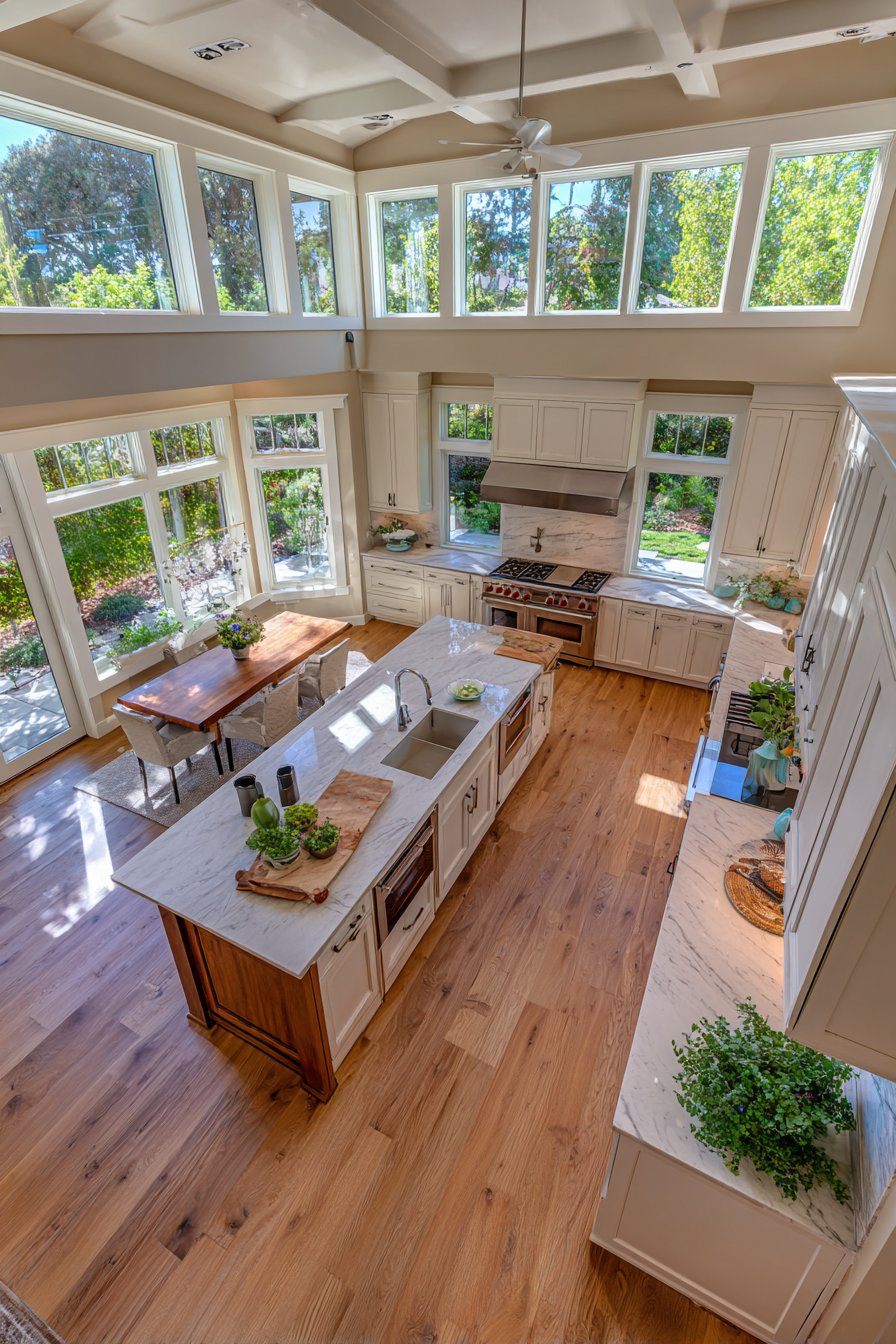
Island kitchens need even more generous dimensions to accommodate both the island and surrounding clearance zones. A kitchen measuring at least 12×12 feet can support a modest island while maintaining adequate traffic flow. Smaller spaces may feel cluttered and restrict movement around the central work surface.
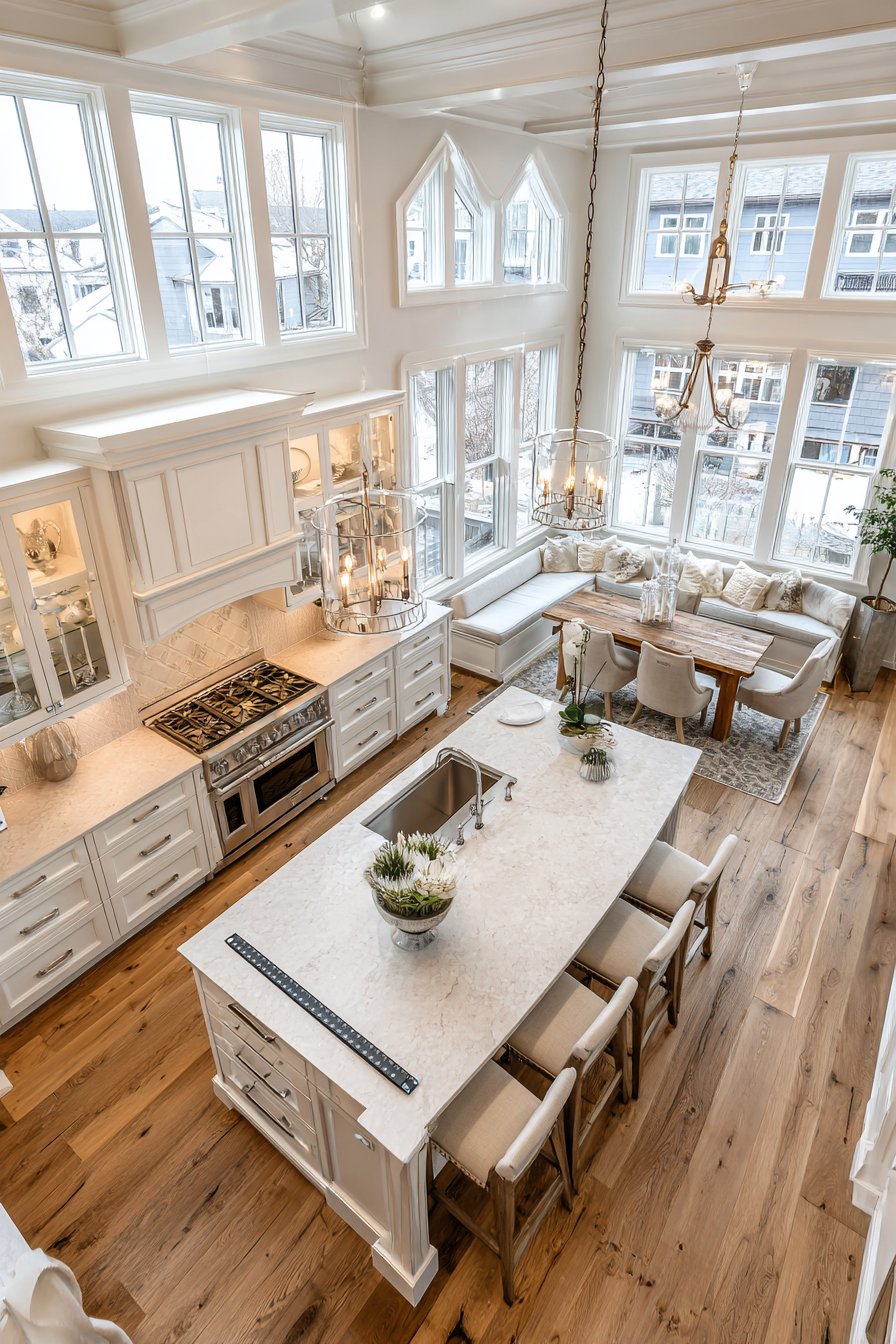
When evaluating your space, measure carefully and account for appliance door swings and drawer extensions. A beautifully designed kitchen becomes frustrating if daily usage feels cramped. Professional designers recommend creating scale drawings or using tape on the floor to visualize spatial relationships before committing.
- Measure your existing kitchen and mark where walls or obstructions limit layout options
- Consider ceiling height when planning upper cabinetry in U-shape configurations
- Account for at least 36 inches of walkway space in high-traffic zones
- Test how multiple people move through the space during meal preparation
- Evaluate window and door placement before finalizing counter positions
- Use online kitchen planning tools to experiment with different configurations virtually
4. Workflow Efficiency and the Work Triangle
The U-shape kitchen naturally creates an optimal work triangle with minimal steps between key stations. This configuration positions the cook within a compact zone where everything remains easily accessible. The enclosed design prevents through traffic from disrupting meal preparation activities.
Island kitchens can complicate the traditional work triangle, especially if major appliances are integrated into the island itself. However, this layout enables multiple work zones that allow several people to cook together without interference. The island can serve as a secondary prep area, beverage station, or cleanup zone.
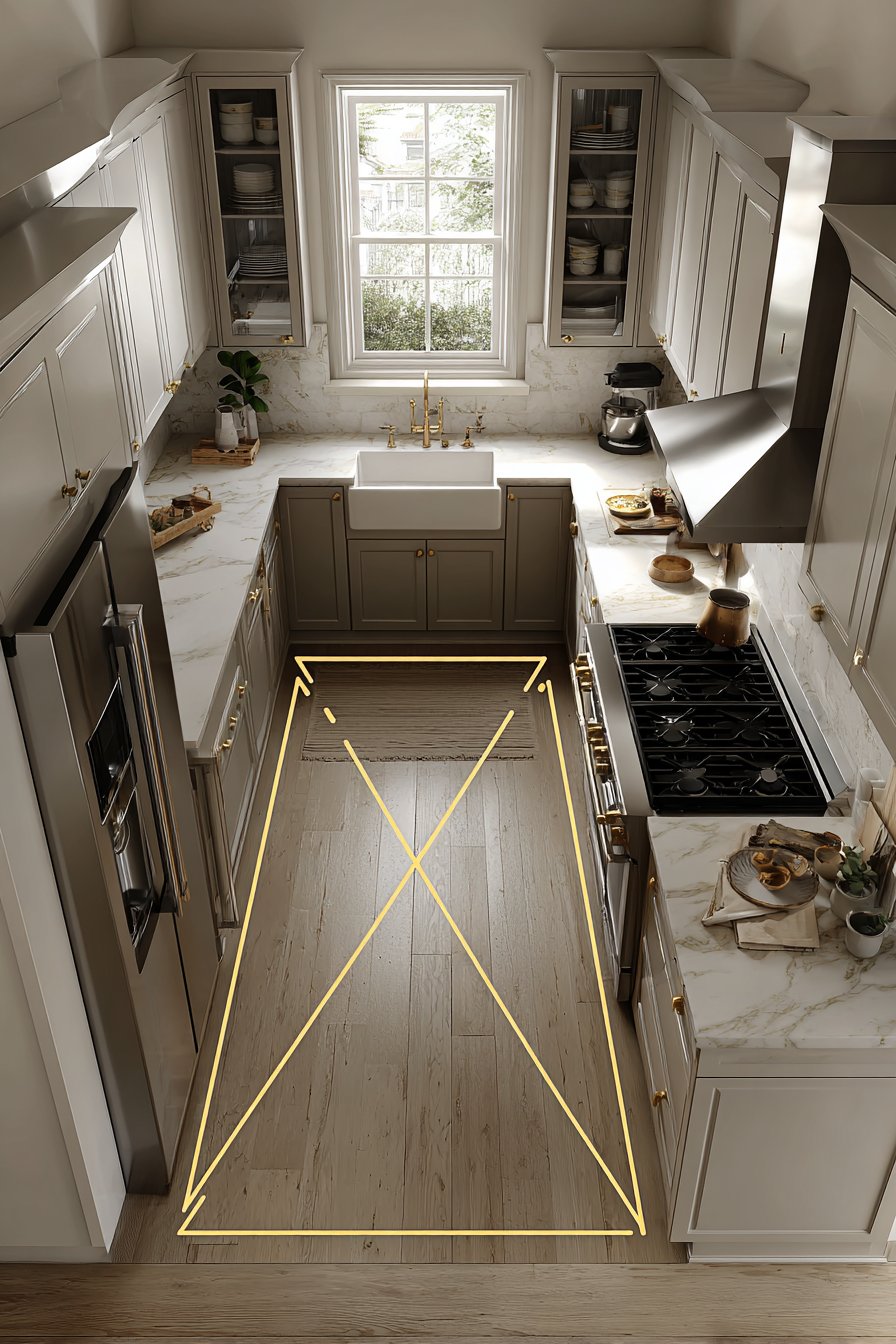
Efficiency depends on thoughtful appliance placement regardless of layout choice. A poorly planned U-shape can feel cramped while a well-designed island kitchen flows effortlessly. Consider your cooking patterns and household dynamics when evaluating which layout supports your daily routines best.
- Position the refrigerator at one end of the work triangle for easy access
- Keep the sink centrally located with the dishwasher adjacent for efficient cleanup
- Ensure stove placement allows safe clearance from high-traffic areas
- Create dedicated zones for specific tasks like baking, coffee, or meal prep
- Minimize steps between refrigerator, sink, and cooking surface to under 26 feet total
- Avoid placing the cooktop or sink in corner locations where they become awkward to use
5. Storage Capacity and Organization Options
U-shape kitchens deliver maximum storage capacity through extensive cabinetry along three walls. This layout accommodates floor-to-ceiling storage solutions that keep cookware, pantry items, and appliances organized and accessible. The abundance of cabinet space appeals to those with large collections of kitchen equipment.
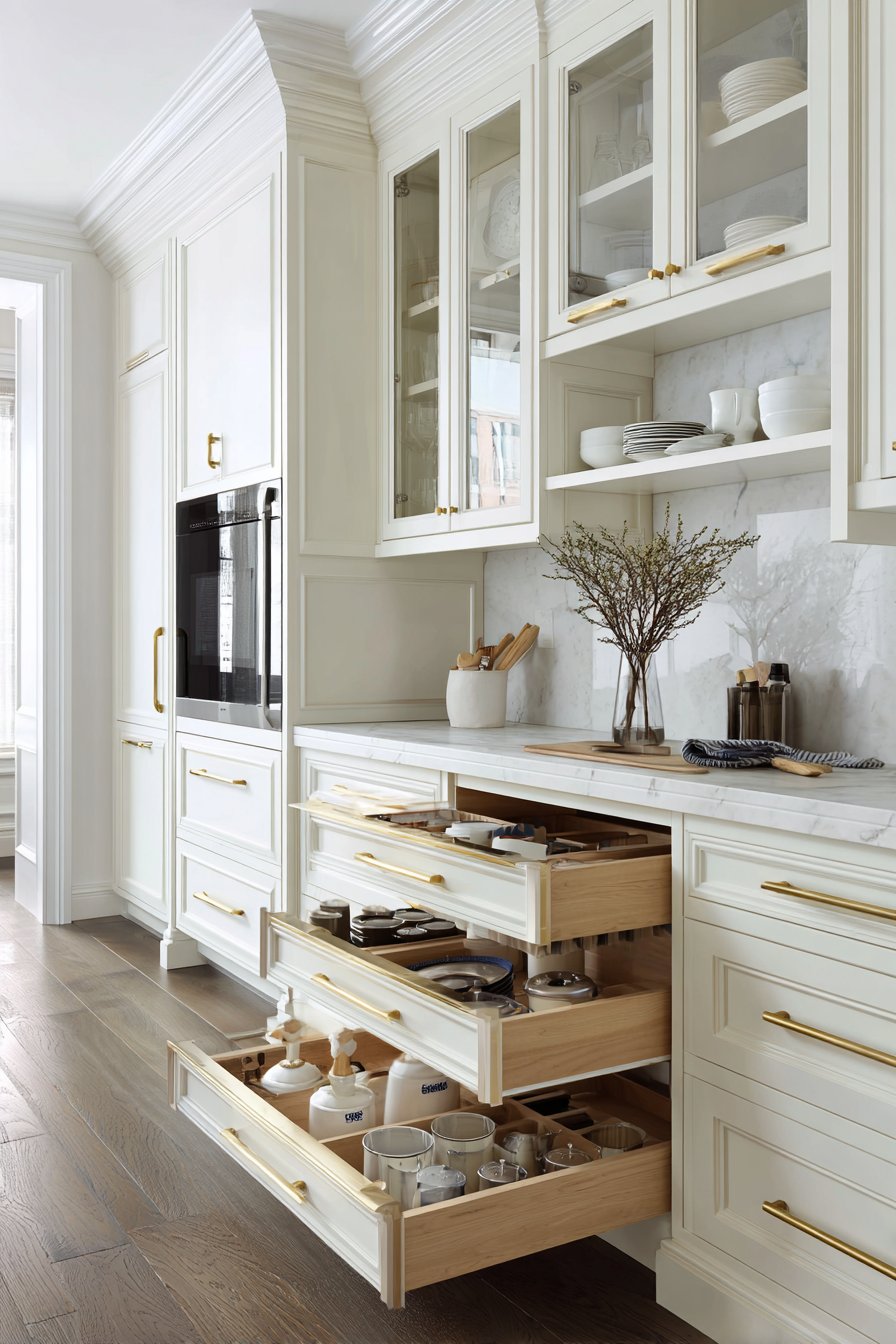
Islands add supplemental storage beneath the countertop, often including deep drawers for pots and pans. However, island kitchens typically rely on perimeter cabinets for primary storage needs. The combined approach offers flexibility but may provide less total capacity than a full U-shape configuration.
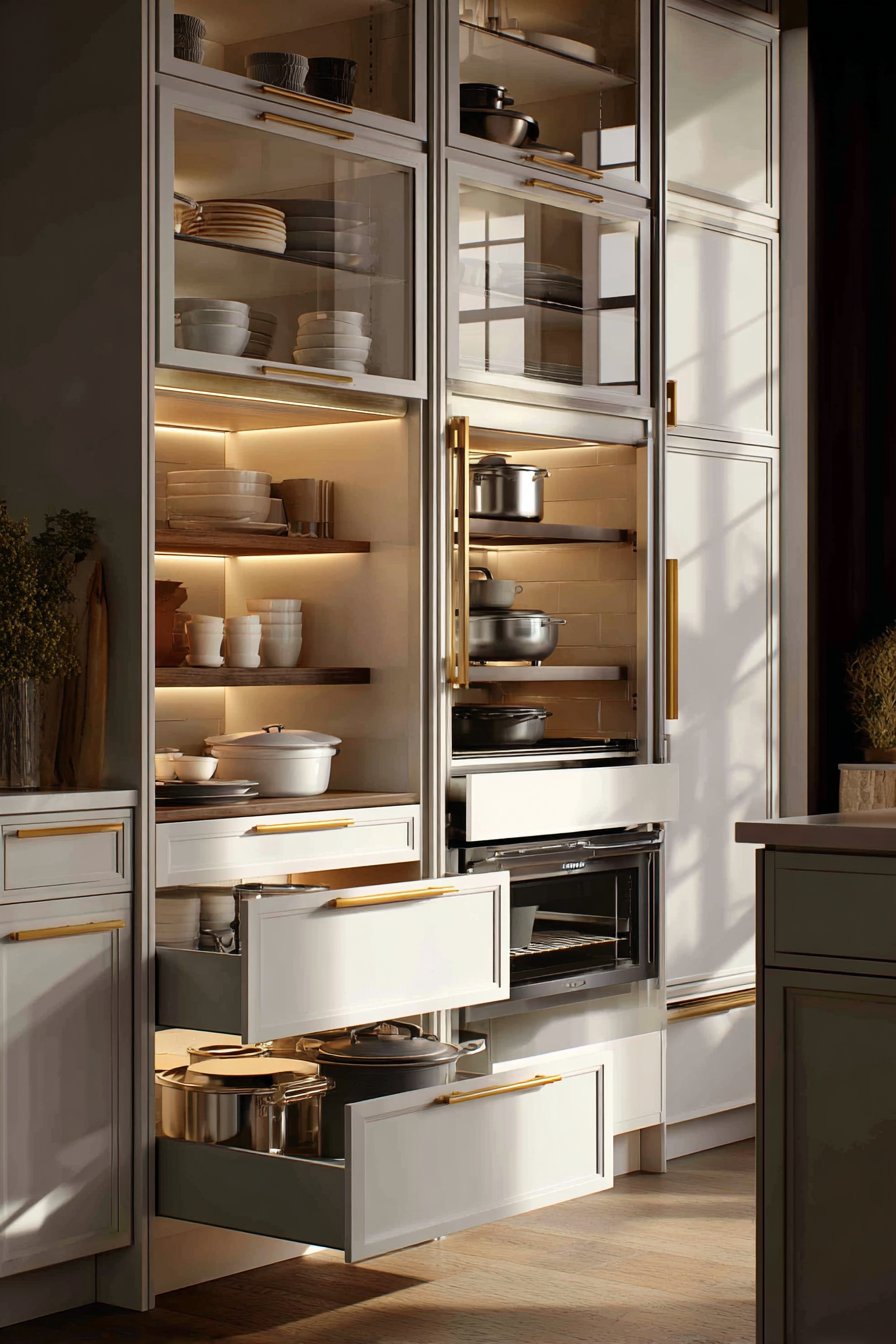
Consider your storage needs honestly before choosing a layout. Serious cooks with specialty equipment require different solutions than minimalists with basic essentials. Effective organization systems maximize usable space regardless of which layout you select.
- Install pull-out shelves in lower cabinets for easier access to items in back
- Use drawer dividers to keep utensils, spices, and small tools organized
- Incorporate vertical dividers for storing baking sheets and cutting boards
- Add toe-kick drawers to utilize every available inch of storage space
- Consider appliance garages to hide small countertop appliances when not in use
- Use the island for frequently accessed items while storing seasonal pieces in upper cabinets
6. Social Interaction and Entertainment Value
U-shape kitchens create a defined work zone that separates the cook from guests and family members. This configuration suits those who prefer focused cooking without distractions. However, the enclosed nature can feel isolating during gatherings where the host wants to remain engaged.
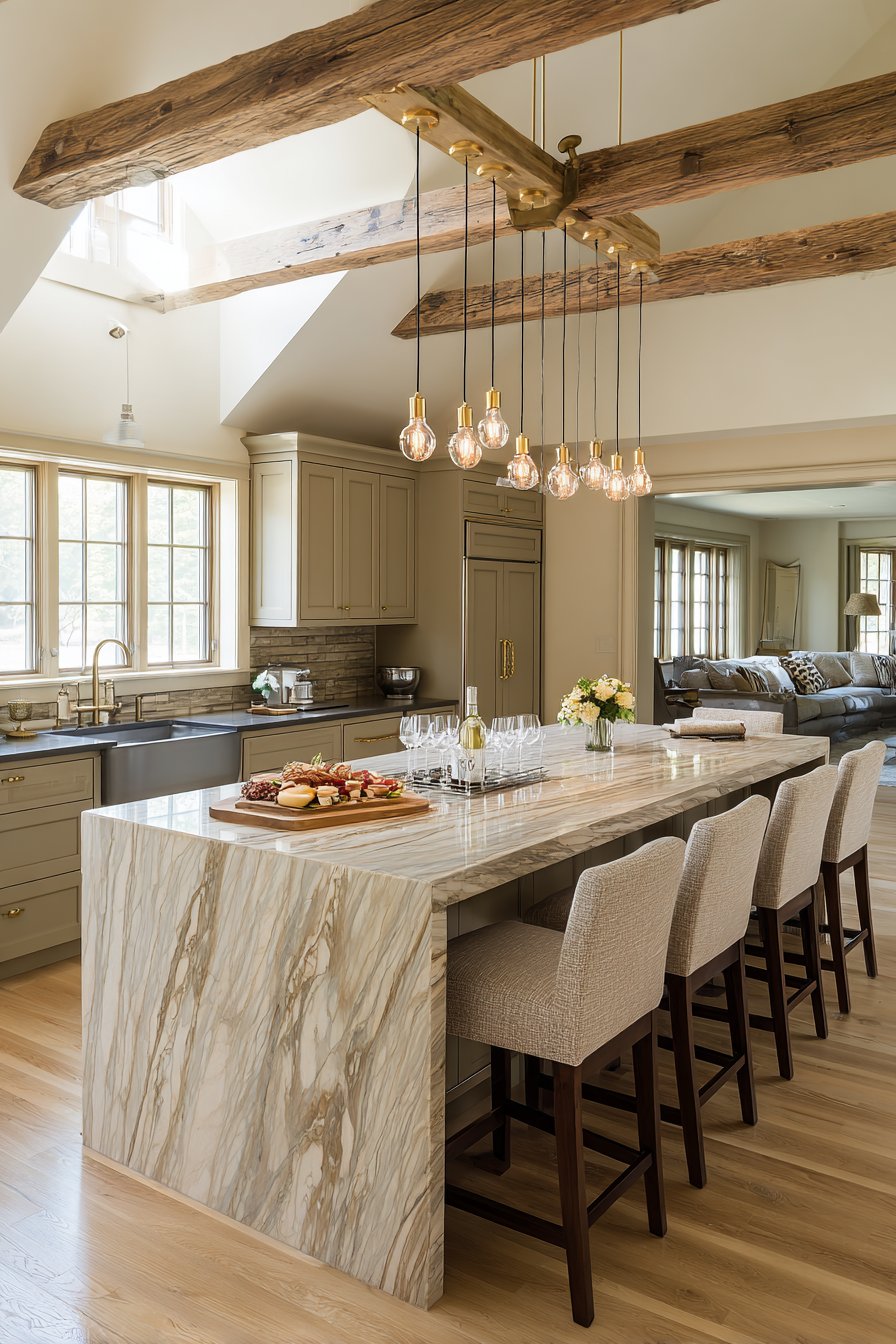
Island kitchens excel at facilitating social interaction during meal preparation and entertaining. The open design allows the cook to face guests while working, maintaining conversation and connection. Adding seating to one side transforms the island into a casual dining area or homework station.
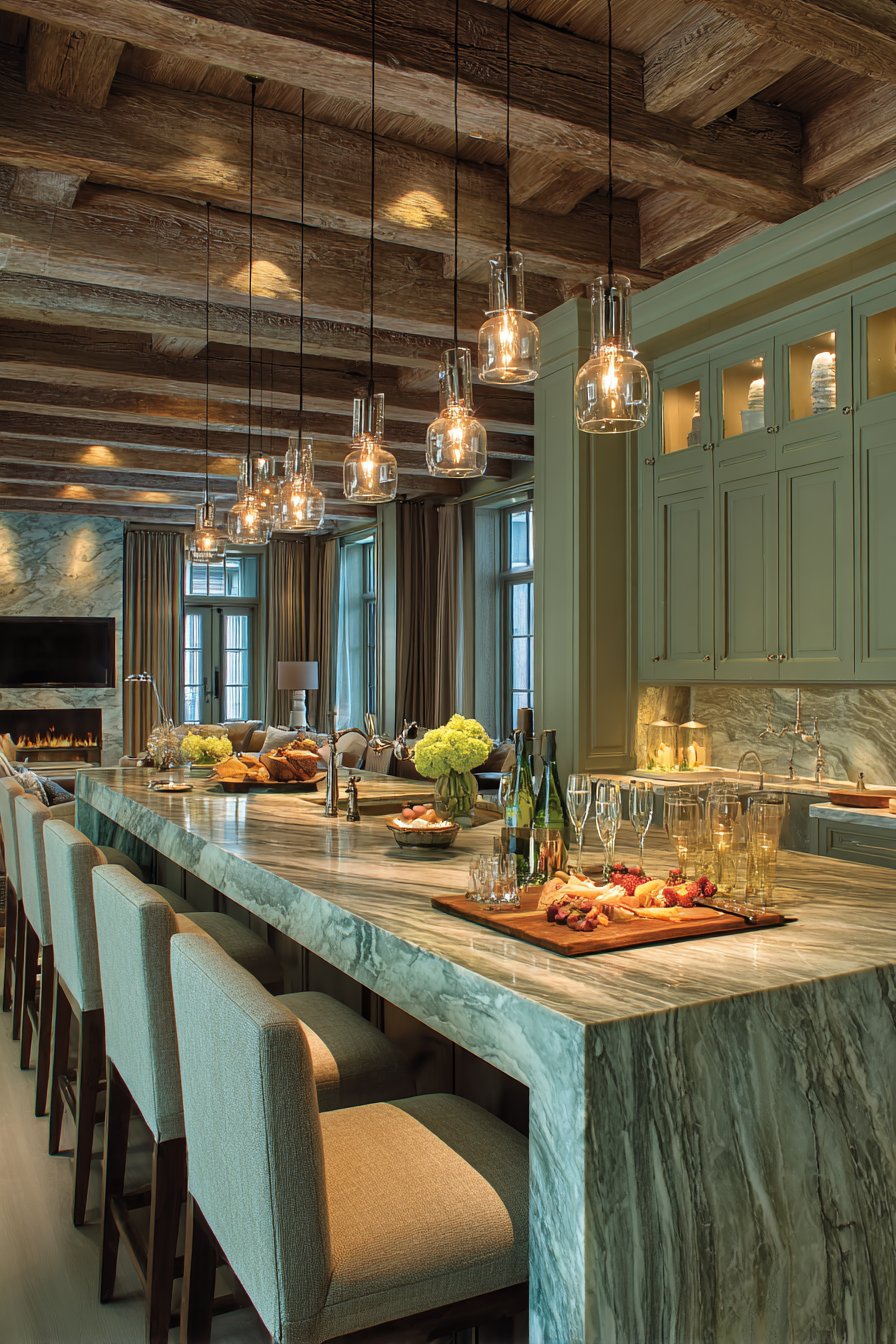
Modern lifestyles increasingly favor kitchens that serve as multi-purpose spaces for work, play, and gathering. The island layout aligns with this trend by eliminating barriers between cooking and living areas. Families with children often appreciate the visual supervision an open kitchen provides.
- Add 3-4 bar stools to create casual seating at the island
- Ensure adequate knee space (15 inches deep minimum) under overhanging countertops
- Position the island to face living areas for better visual connection
- Install a sink or beverage refrigerator in the island to keep hosts engaged with guests
- Use the island as a buffet surface during parties and gatherings
- Consider a two-tiered island design to hide prep mess while maintaining interaction
Selecting between a U-shape and island kitchen ultimately depends on your available space, cooking habits, and lifestyle priorities. The U-shape delivers unmatched efficiency and storage in a compact, focused design. Islands offer flexibility, social connection, and a contemporary aesthetic that suits modern living.
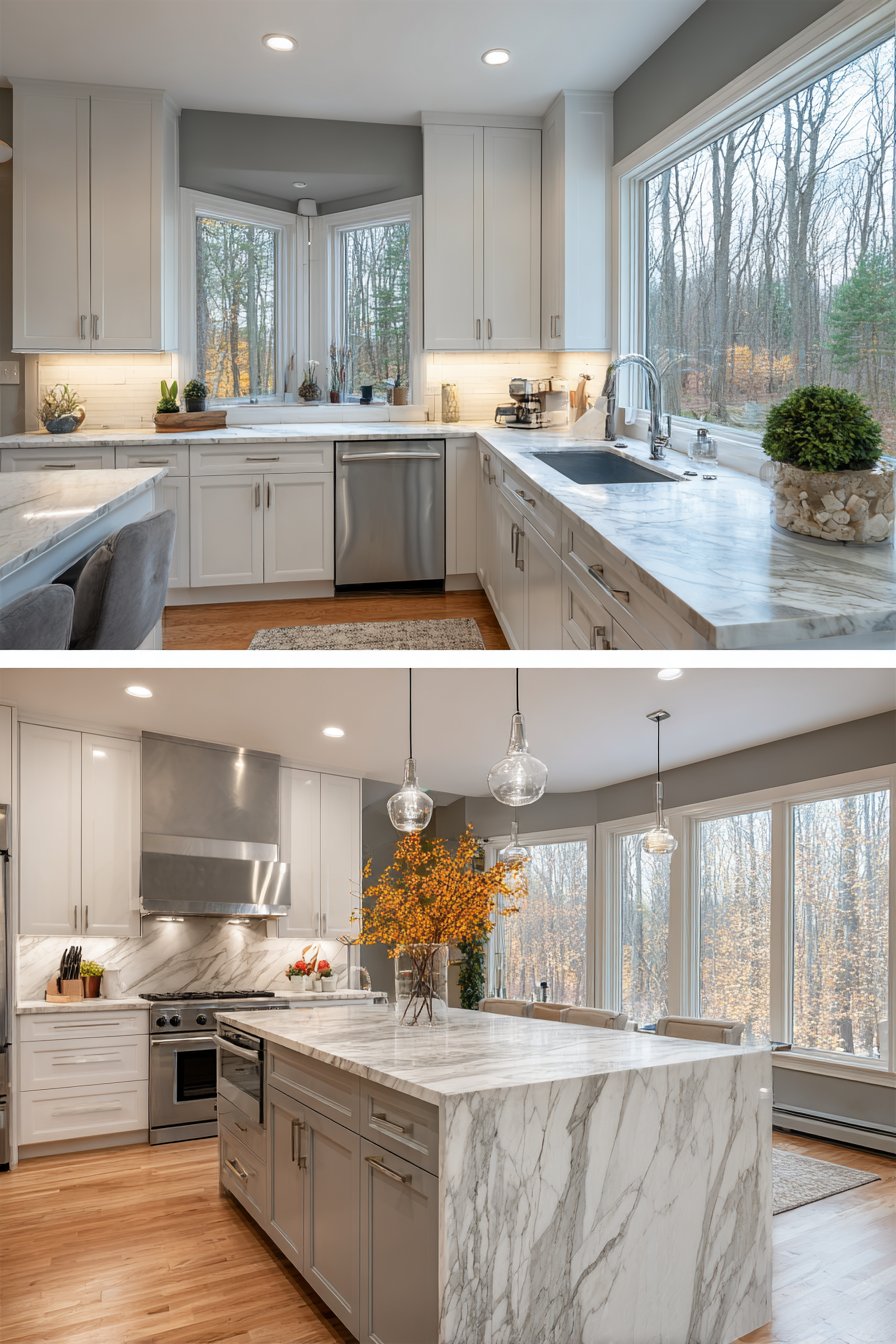
Evaluate your space honestly and consider how you actually use your kitchen daily. The right layout supports your routines while enhancing your home’s functionality and value. Both configurations can create beautiful, highly functional kitchens when designed thoughtfully with your specific needs in mind.
